Full Circle

shallow water angling

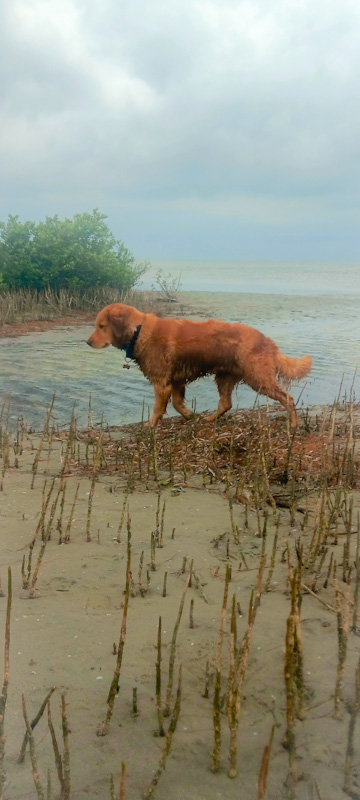
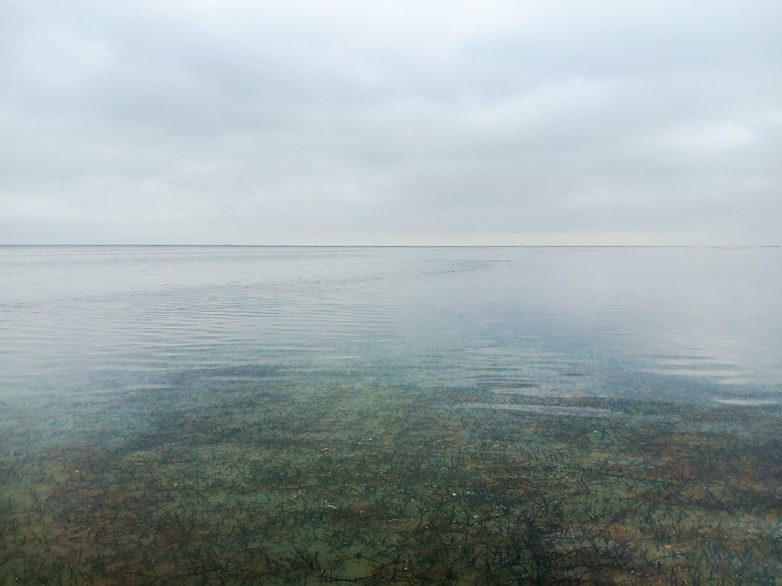
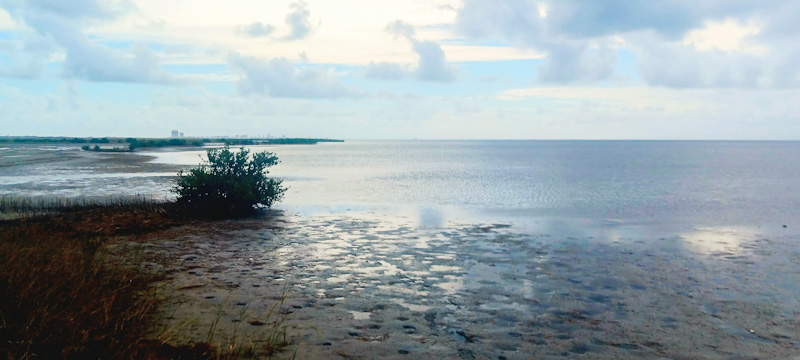
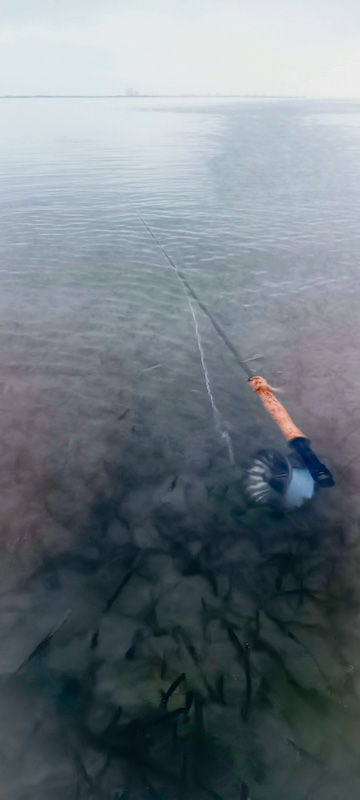
I’TS HUMID HERE. AND WARM. HOURS WALKING the soothing saline water and soft sand is a striking contrast to a full summer and fall season of pursuing trout in cold water on bouldery streams. It’s easier on the body. It’s a nice change. As I cross the tidal flats in the morning light to the Laguna/ Bay, Harper chases rabbits through the sand dune vegetation growing on the nearby mounds, hills and ridges. There are spiny Cacti out there but she always seems to avoid them. No yelps; no injuries so far. There are also island deer and coyote around. I often see their tracks. Occasionally I see them. I keep alert for the coyotes, especially if a few of them are scavenging the bay area together, in case they try to target Harper. It’s wild out here. I rarely see another angler or anyone else. I have the place to myself. I’m on a long thin windswept barrier island along the Gulf of Mexico.
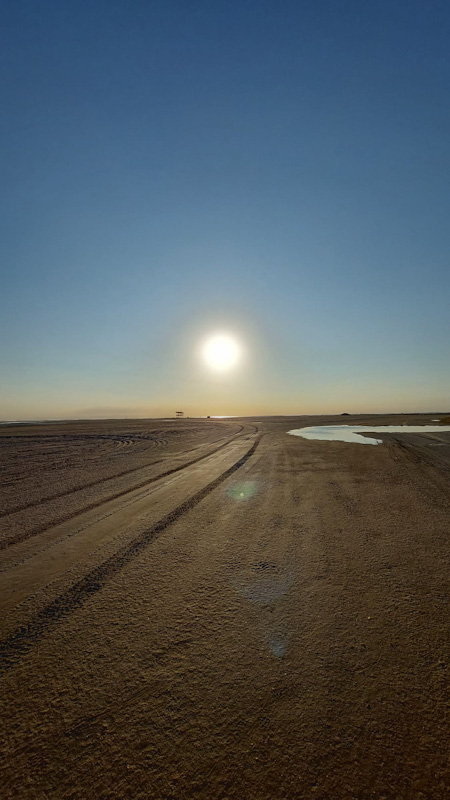
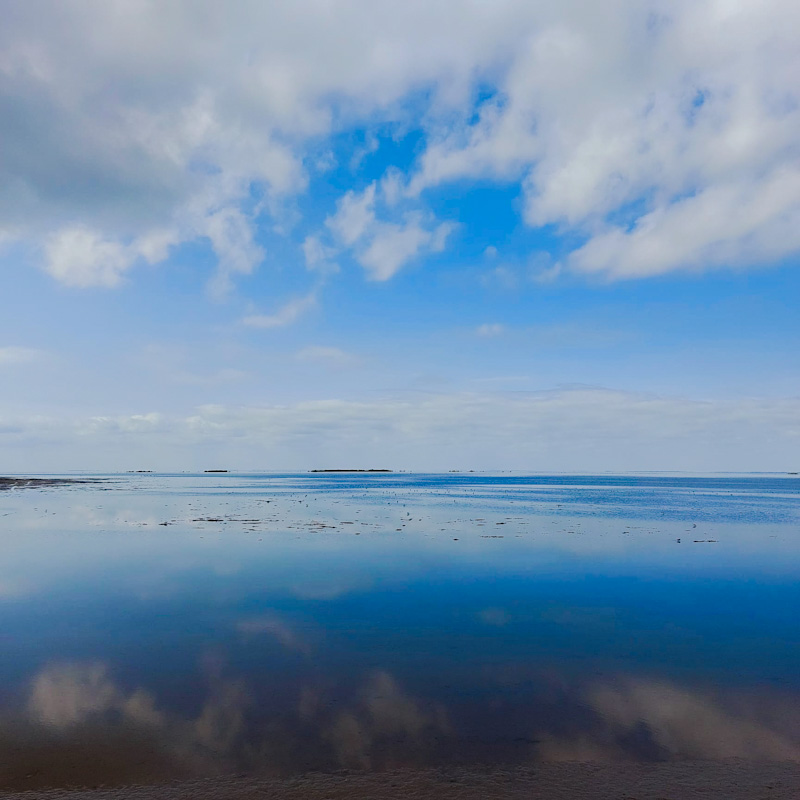
tidal flat to bay

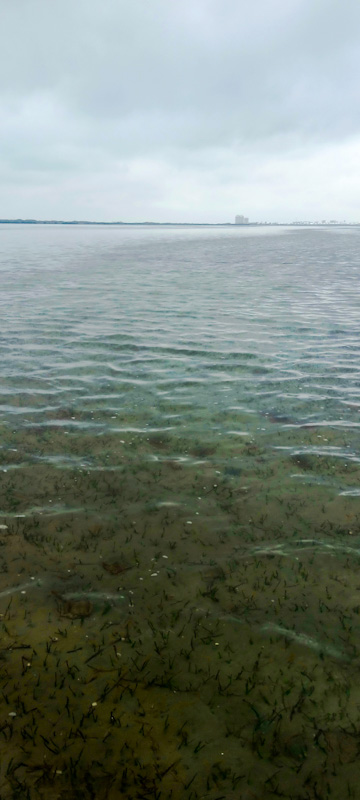
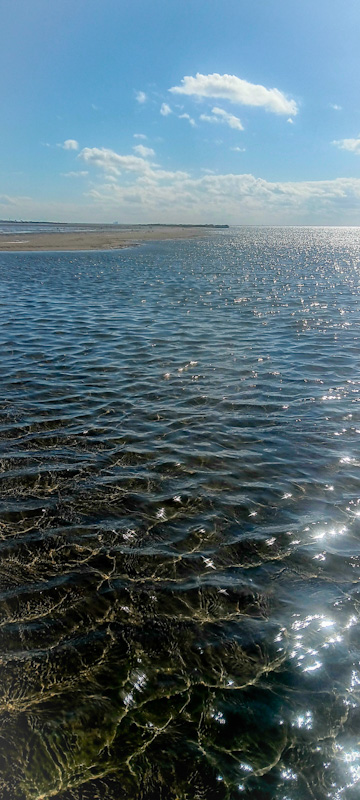
I’m sight-fishing the ultra-shallow Laguna/Bay on the west side of the island. It’s my fourth trip and I’ve now spent a cumulative three and one half months walking the bay’s clear sand flats searching for Redfish. The angling is always challenging in the fall and winter months. On many days I have to deal with high wind, sometimes cloud cover and the glare that goes along with it. And there are no obvious clues on how to fish the bay as it is relatively uniform with little bottom structure, or change in depth, and no obvious channels/ fish corridors at least on the side of the bay that I’m on. However, there are subtleties to the fishery that I’ve learnt which improve my chances of finding fish. Understanding the tides help, even though they are minimal, and paying attention to parts of the flats that have small patchy areas of sparse sea grass that poke through the sand and feel spongy (biomass) under foot. These patches hold more crustaceans than the barren sand.
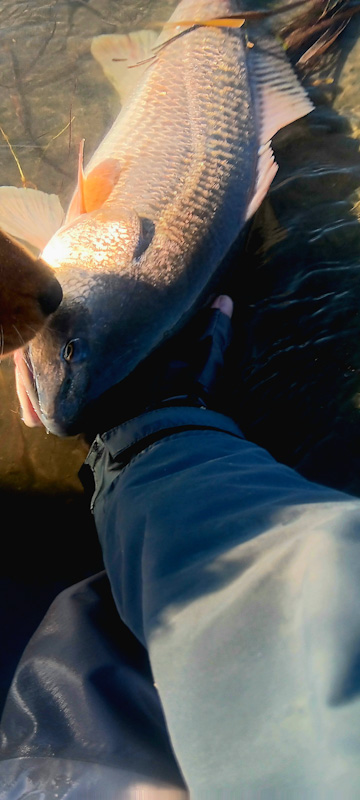
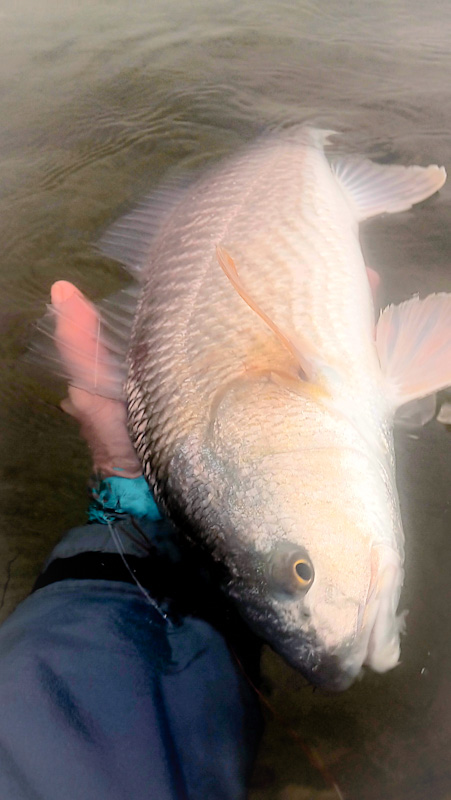
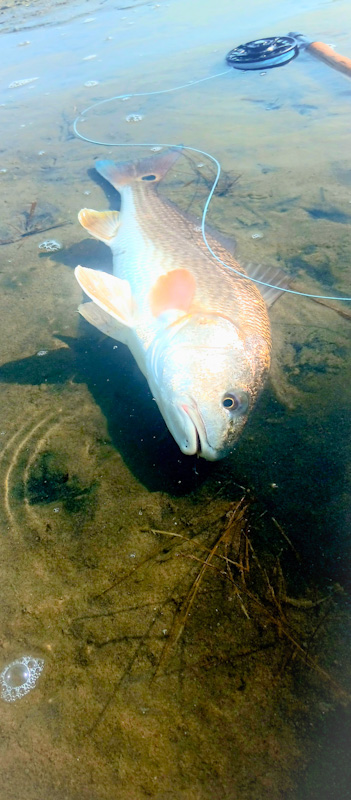
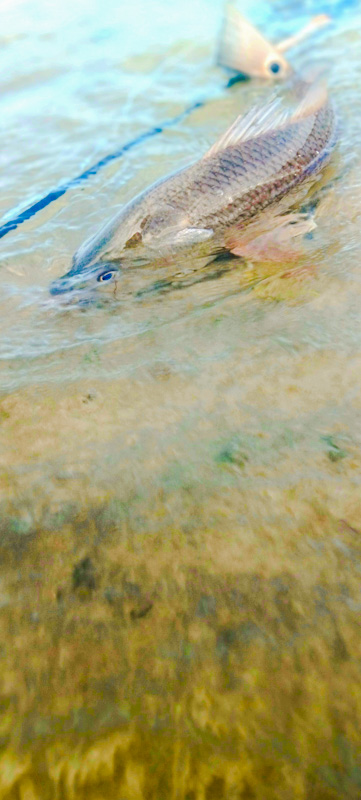
redfish

Generally the Redfish either show up on the flats to feed, or they don’t. My best opportunity to spot one is when the light is right. Full sun is always best, no or few clouds, and low wind. When the light is right I have a good chance to make a connection(s).

photo: r dewey

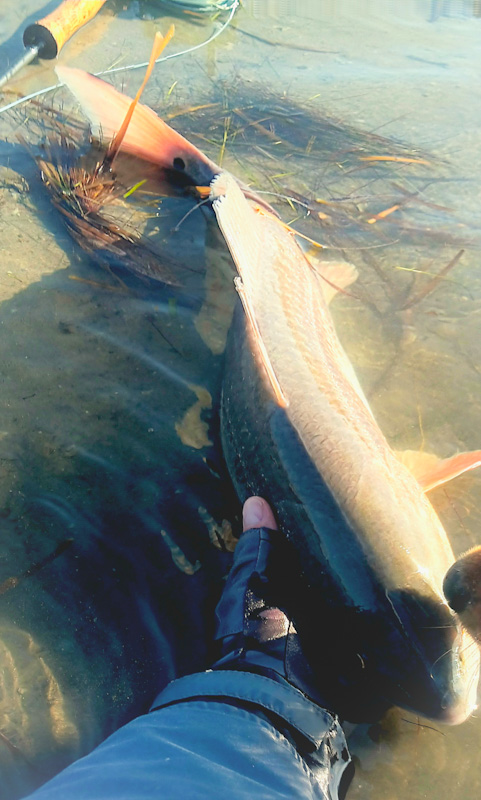
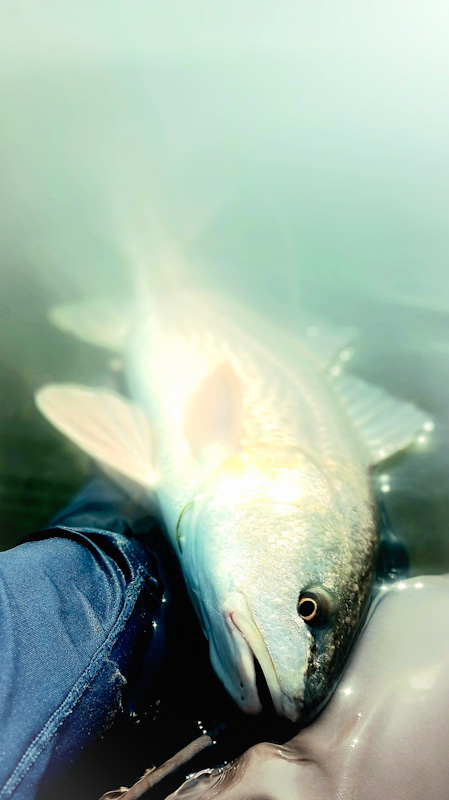
The bay holds Redfish in the 20 to 30 inch range. Cautiously pursing them in clear knee deep water or less with light tackle and on foot is always engaging and thrilling. Concentration is imperative and speed when one is spotted as they are often on the move. I cast a 7wt on blustery days and a 5wt trout rod when it’s calm. My shrimp and small crab fly patterns are tied with little or no weight as I’m fishing just inches of water. They cast easily… like dry flies.

island dunes and wind, photo r dewey

When the light begins to wane and sight-fishing becomes impossible I leave the sand flat and make the long trek eastward across the tidal flats back to my car. Harper revs up as we’re are on the move again. She taunts the large blue crabs holding in the tidal pools along the way. Then it’s sprints into the dune vegetation and shadows in the late afternoon light in search of rabbits. We’ve come full circle…

Some images…..
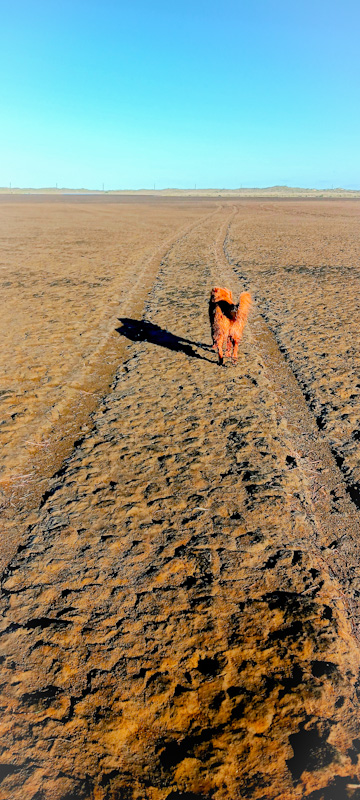
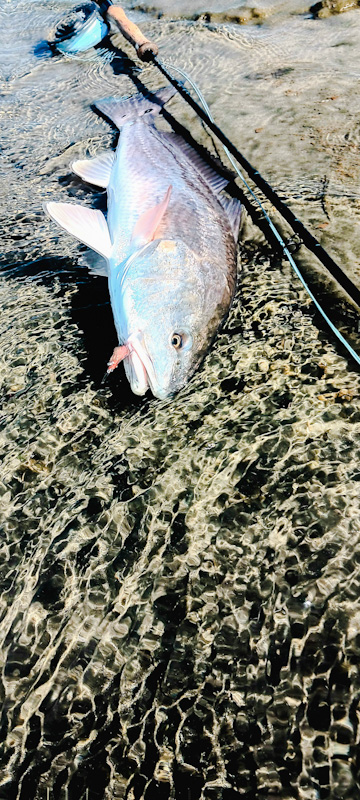
photo: r dewey

weeds in shallows after wind storm
tough sight-fishing with chop

tough spotting in rain
photo r dewey

welcomed calm

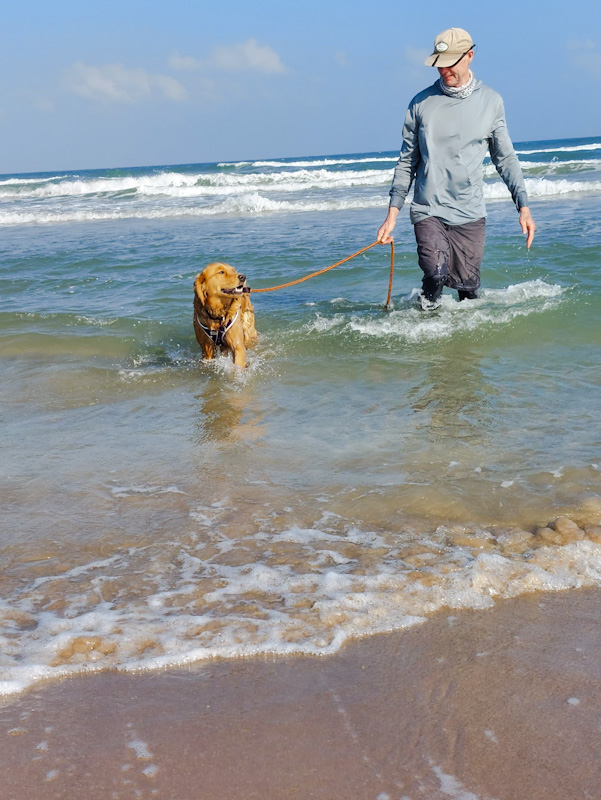
harper: first time in surf, photo r dewey

clouds but calm, I’ll take it
good redfish, also called spot-tail

photo: r dewey

creek walking

“YOU WILL NEVER GET THE TRUTH out of a narcissist,. The closest you will come is a story that either makes them the victim or the hero, but never the villain”. — Shannon L. Adler
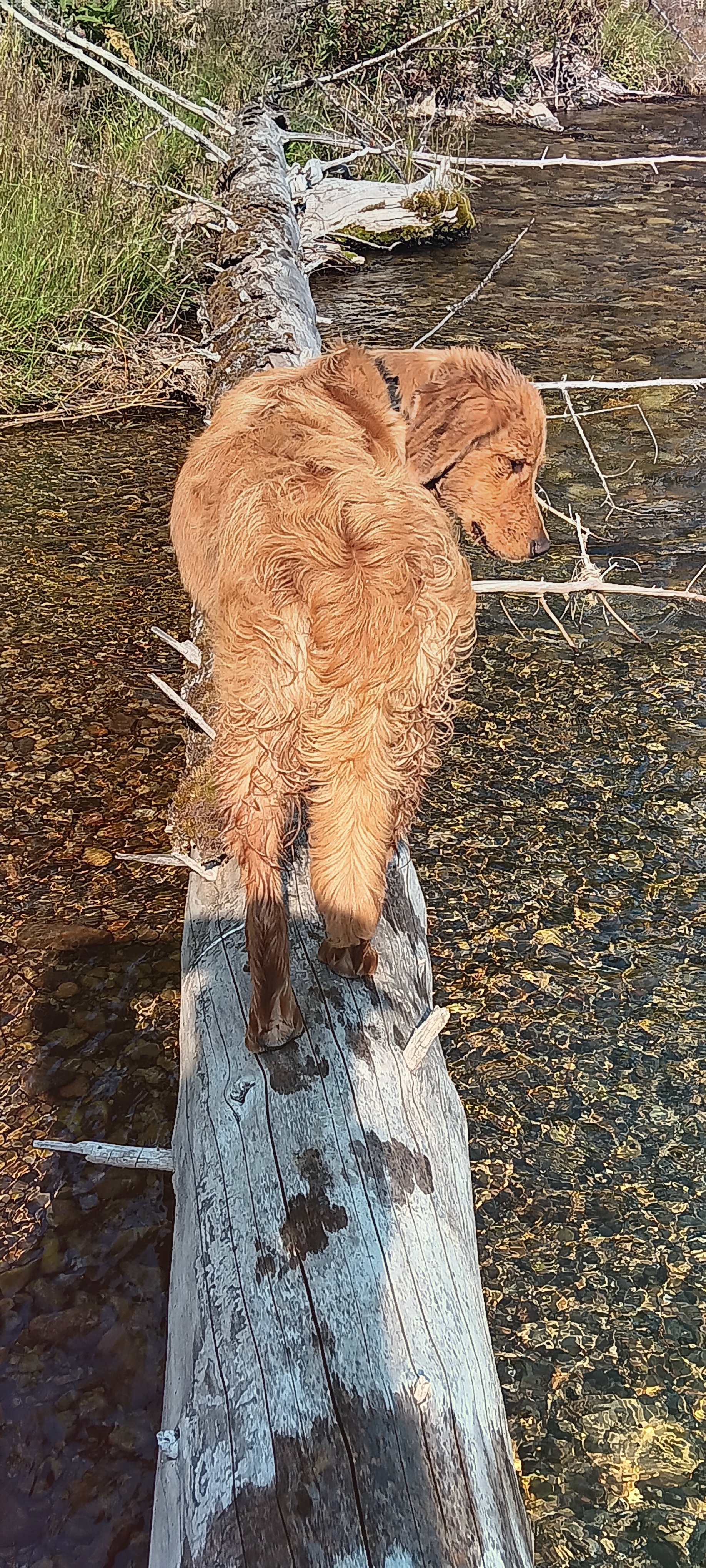
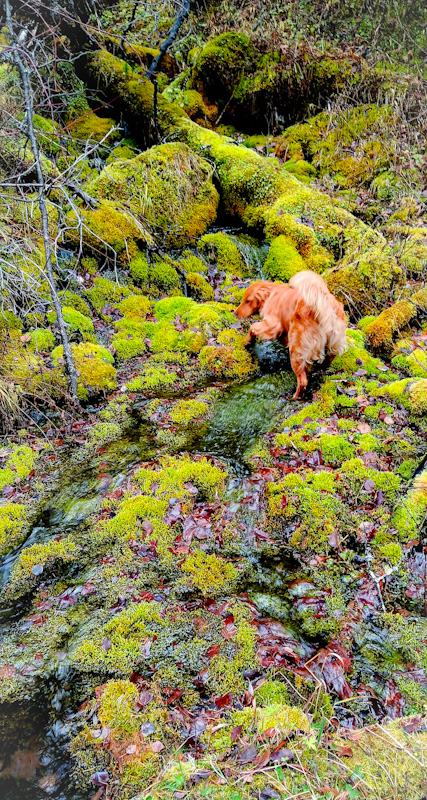
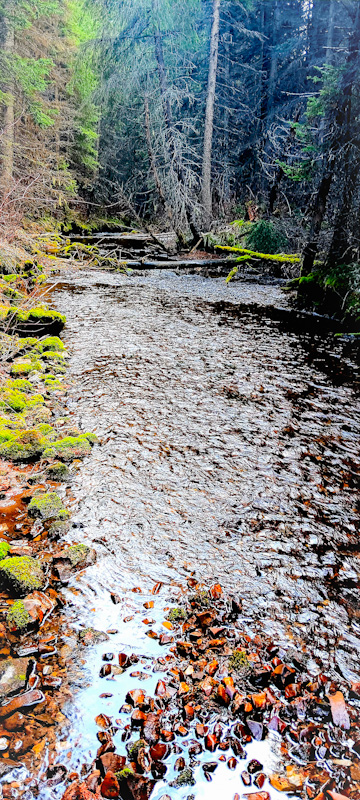
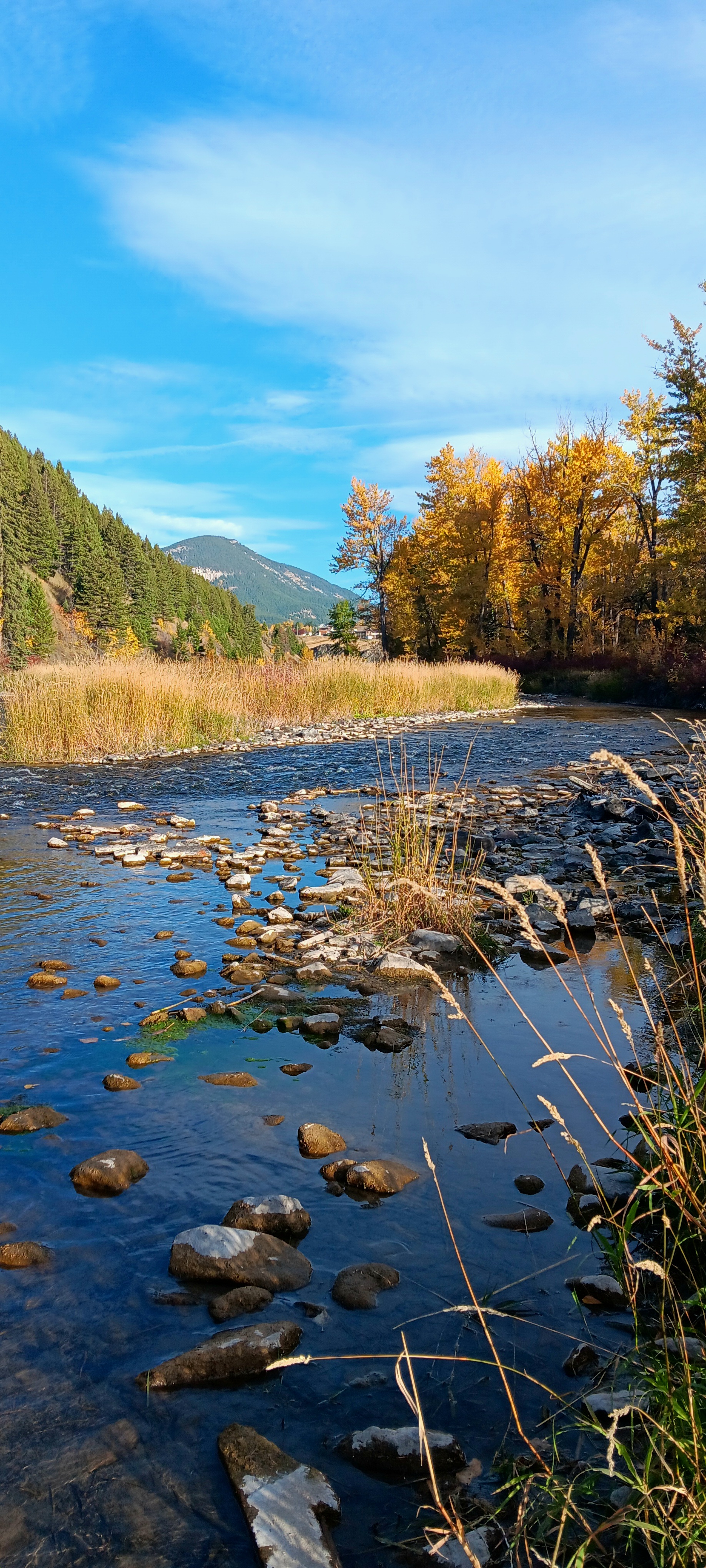
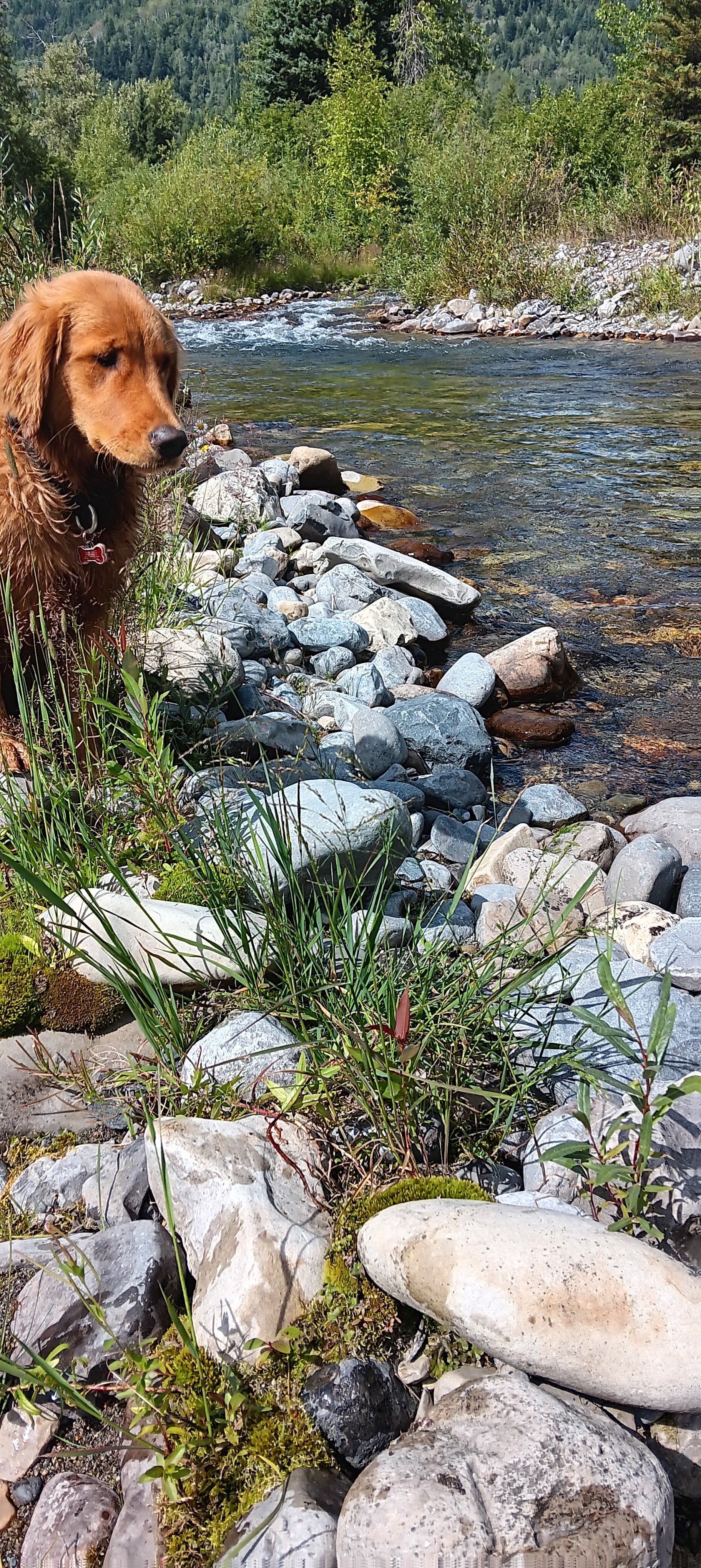
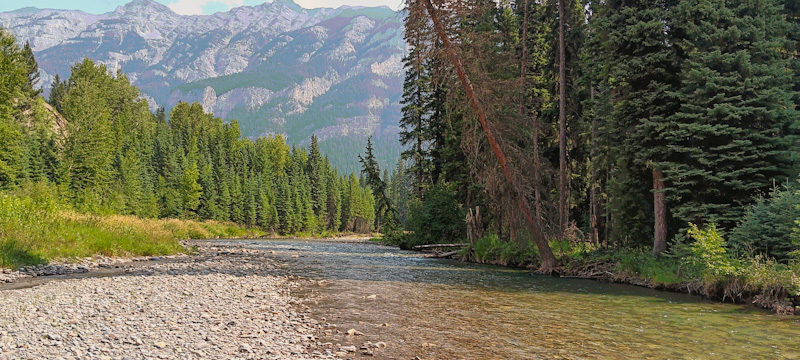
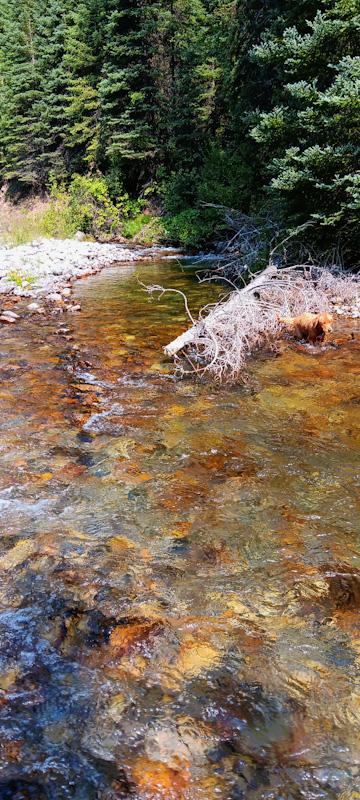
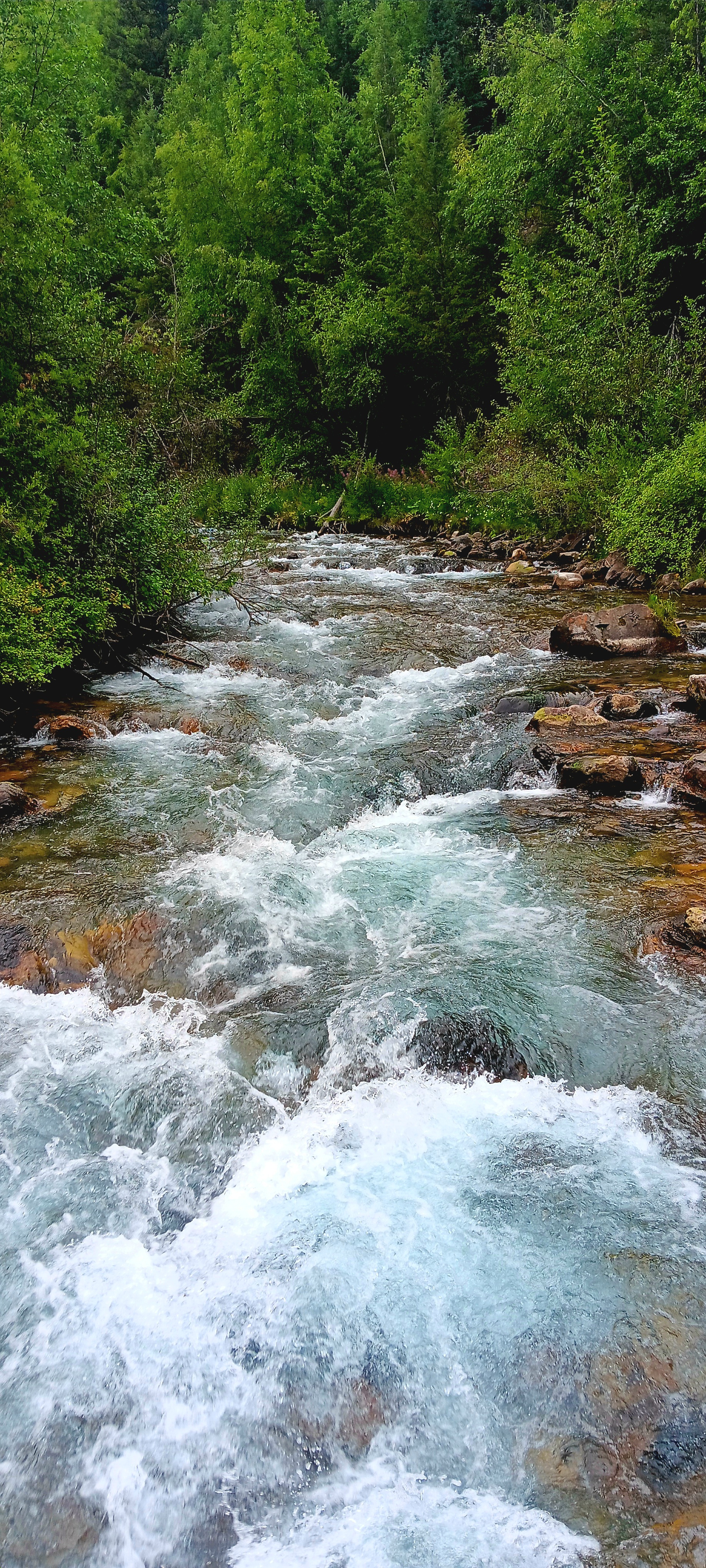
CREEK WALKING. NO TROUT ROD IN HAND. Out scouting the upper reaches of a mountain stream for next (angling) season. Harper and I discover that some rolling stones do gather moss…

creek

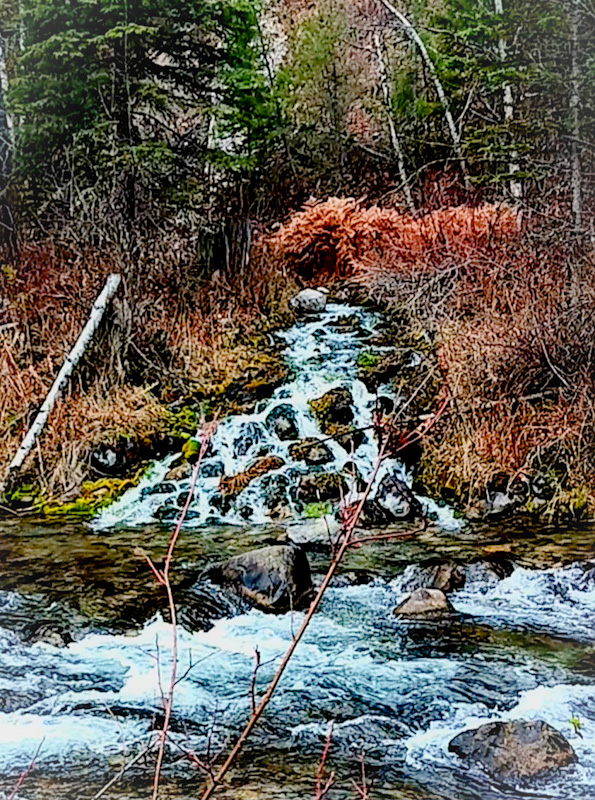
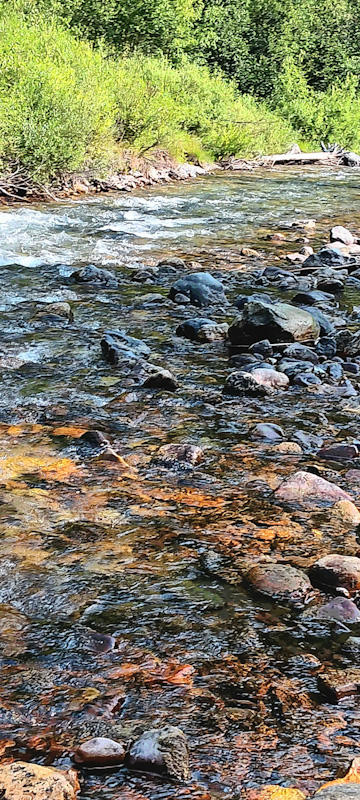
mountain spring

Standing in a River Waving a Stick

“I’m an instinctive caster and use whatever elements of the formal casts I need to get a good drift. I think it’s best to be inventive and flexible…I’ll cast upstream, downstream or sideways; whichever direction gets me the drift I want.”– John Gierach, Author, Trout Bum

SOME NIGHTS HAVE BEEN COLD. I HEAR the furnace kicking-in in the wee hours. Rivers are cooling down. There are fewer late afternoon rising fish. They are retreating. Bottom hugging. The big sleep is coming. I just read John Gierach passed away. A big loss. If you are a fly fisher you know whom I talking about.

A few season end images. It has been a good one. Glad I covered a lot of moving water. Glad I stood in a river and waved a stick….

striking gold

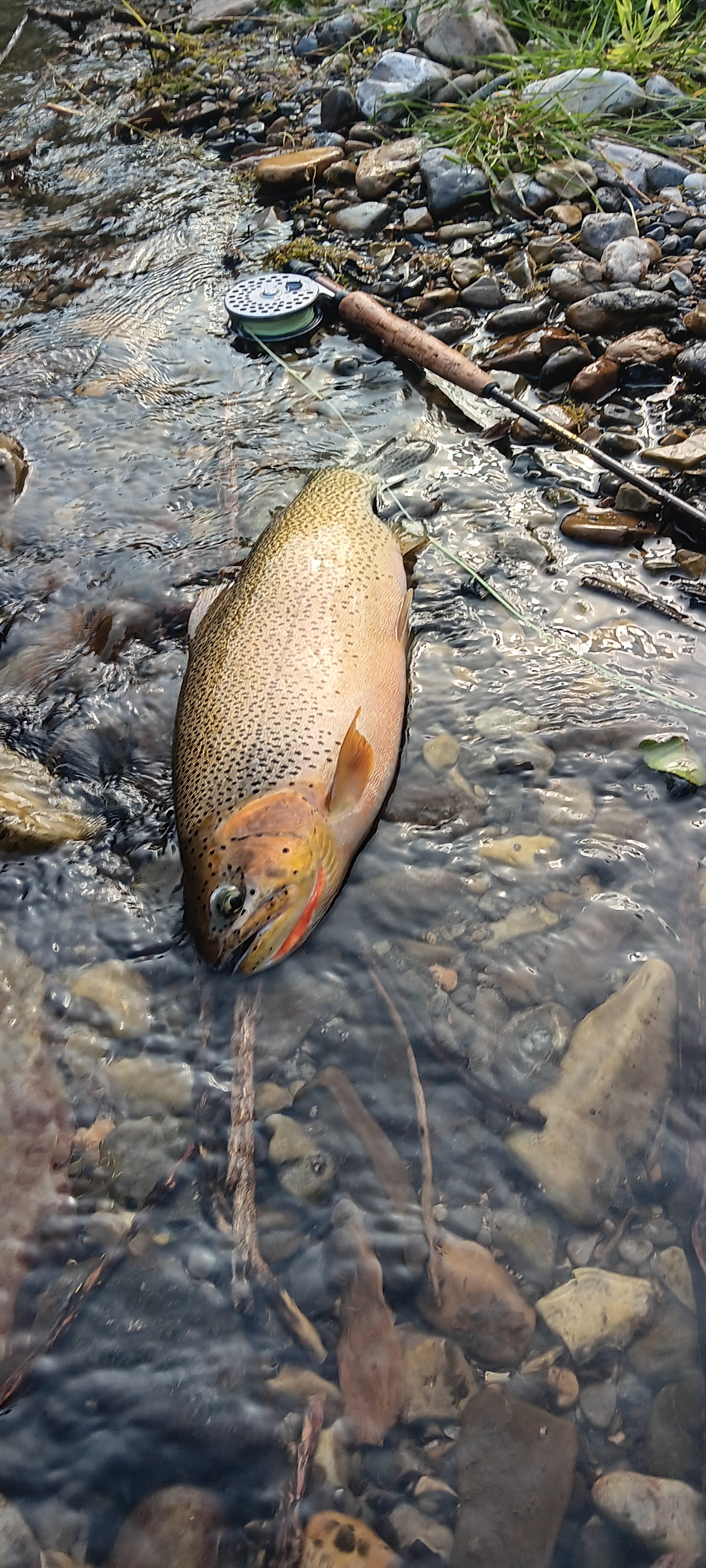
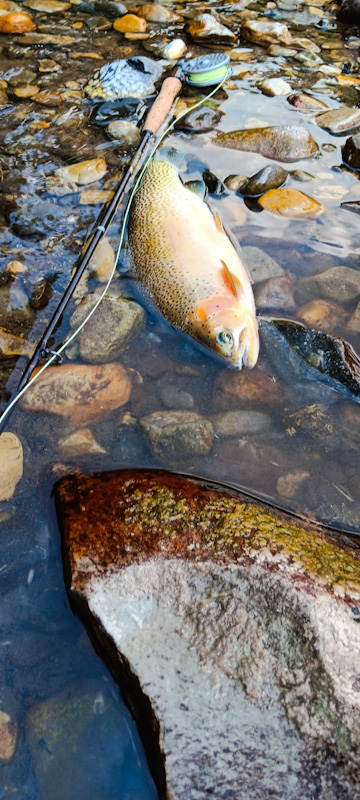
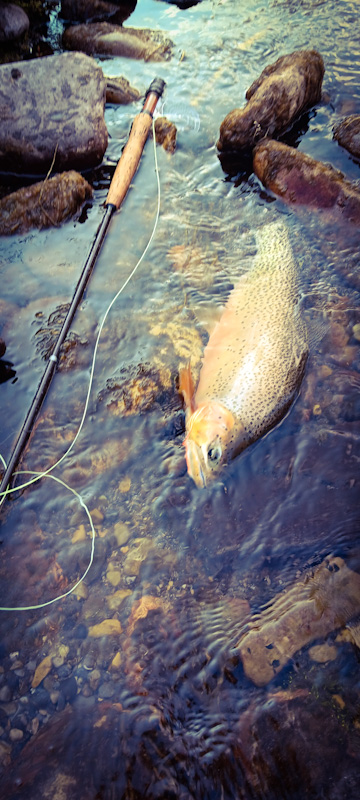
WE POINT THE TRUCK westward. Gear for the day in the back. Big Mayflies have been tied and are in neat rows in our fly boxes. Daniel says, “You can never have enough Drakes”. True. Our rods are rigged with braided leaders for the stretch; for the give. Once at the river we select an entry point, then hike and search. The sun is on our shoulders. It’s warm. There’s no wind. A perfect day. The big bugs start. The fish begin to show. Daniel’s Butterstick bends. His Click and Pawl sings. It sings all afternoon with the strong, untamed trout running downstream and Daniel and Harper rock hopping in pursuit. An unforgettable day. It’s early September and we struck gold…

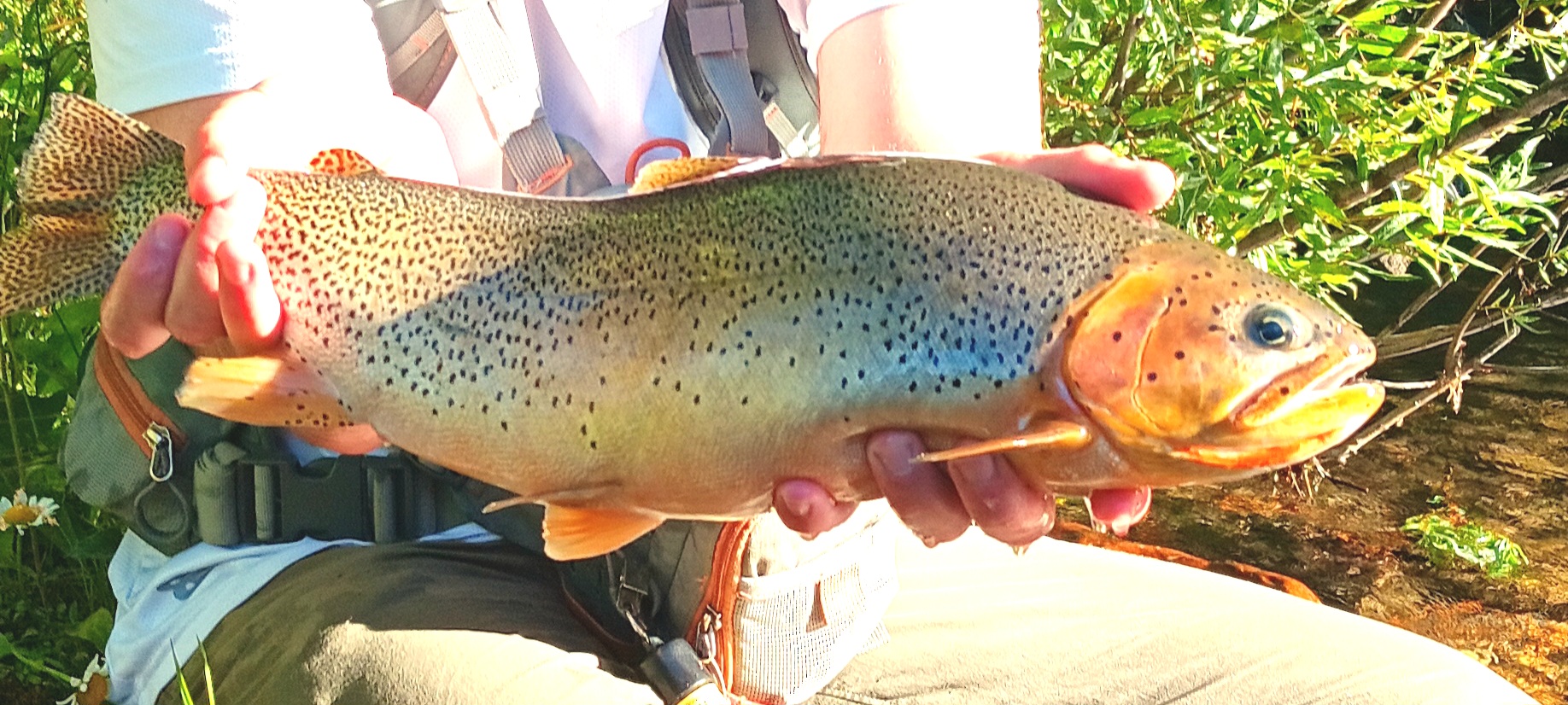
Some images of the impressive Cutthroat trout caught by Daniel, a co-worker, at the Crowsnest Angler Fly Shop.

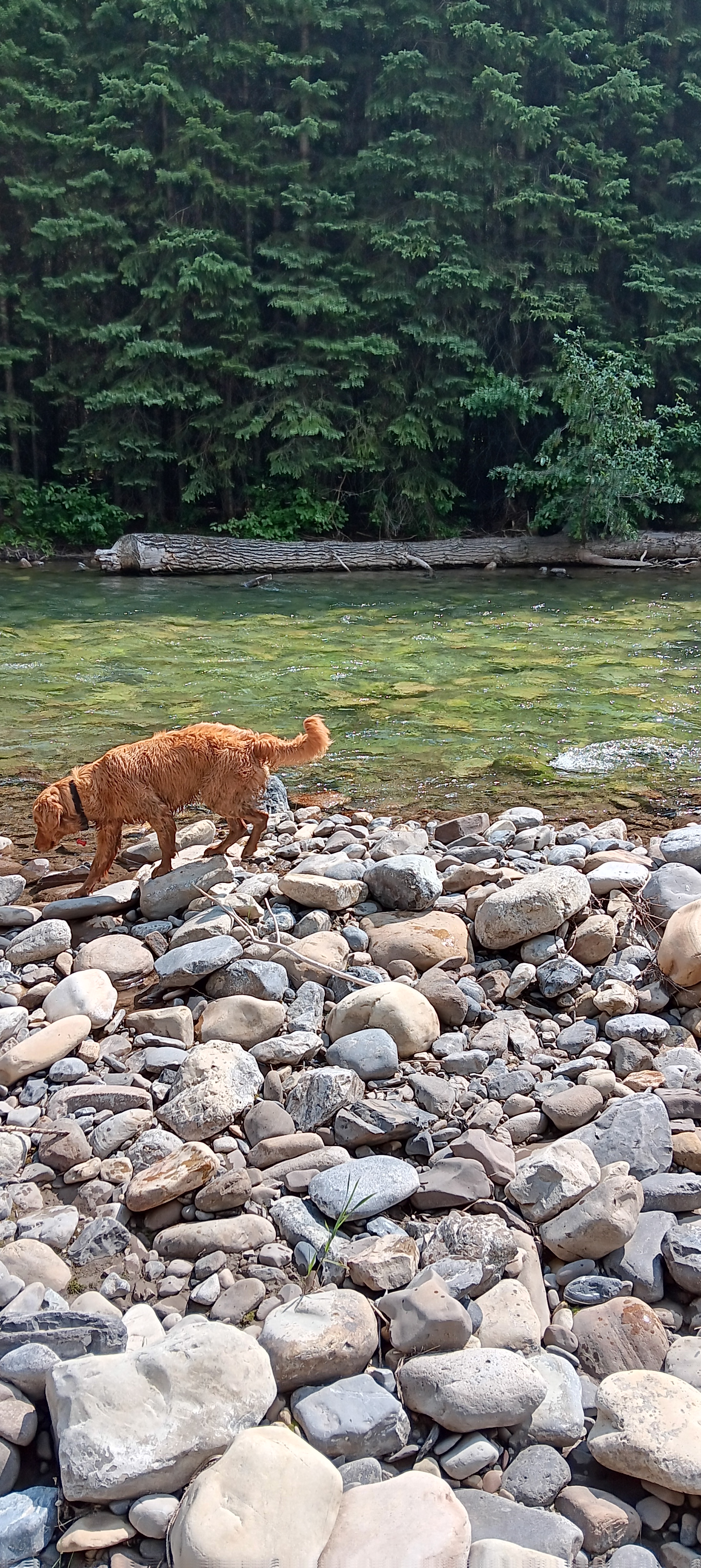
harper

the flame

“From a little spark may burst a flame”. – Dante Alighieri

Late August and September are a beautiful time to be on local Cutthroat rivers. There are fewer people around and less angling pressure, especially on weekdays.

With the season transitioning to Autumn dry fly angling becomes more of an afternoon event. Nights are cooler and with the sun arching lower, shadows blanket the river often until late morning, sometimes noon. Each river is different depending on the direction they flow in relation to the travelling sun and the terrain they run through. Morning shadows cover a river longer in steep mountainous and heavily forested territory.

Once the sun does reach the water it slowly warms it and energizes all life. If it’s a river inclined to having hatches then often an insect emergence occurs mid afternoon. It takes time for things to heat-up on a mountain stream. You wait wondering if it will happen. Then you see a few tall-winged Mayflies riding the current. Then a bulge in the water signifying a feeding trout. Then more Mayflies. If you are lucky the emergence becomes a flurry of activity with trout gorging themselves on the surface. “From a little spark may burst a flame.” Trout will take full advantage of the food nature is gifting and survival requires “getting while the getting is good”. That’s when you want to be present in order to witness it all and hopefully locate a few good ones in the afternoon light. And for me quality dry fly angling is all about the light. Spotting a rising fish in a pool or along a bank when it and the insects that it is preying upon are fully illuminated in the afternoon light is angling perfection. It is the most visually engaging trout fly fishing that I know. When “it’s on, it’s on” and it’s thrilling. However, in a cold mountain stream the hatch can be brief. An hour or two, maybe a little more. Once the shadows return around suppertime then it all begins to shut-down. The hatch dies-out and the trout retreat below. As quickly as it begins, it ends. The flame goes out.

Some images from the past two weeks chasing the flame…

untamed

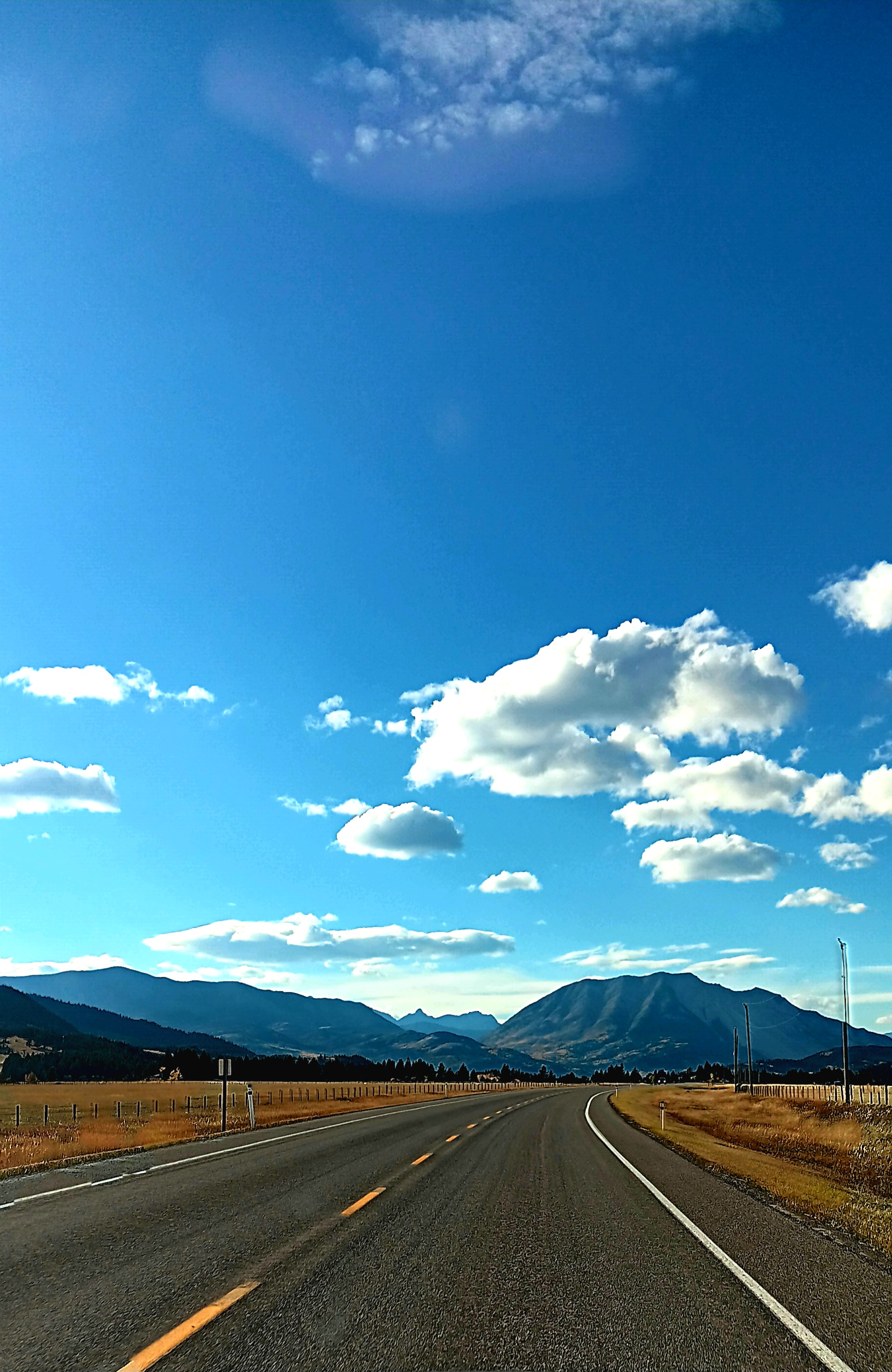
MID -AUGUST. MORNINGS are noticeably cooler and shadows are longer around suppertime. The Corn truck is parked along the highway. Bears are foraging for berries in the river valleys. All are signs that we are transitioning into late summer. It’s a reminder to “catch it while you can.”

Some photos from recent outings where the trout haven’t been tamed…

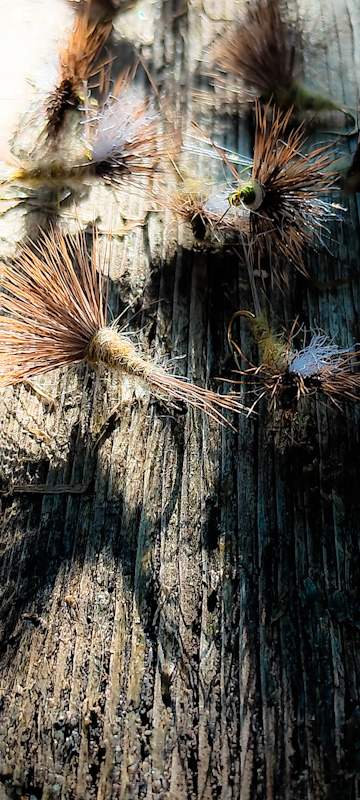
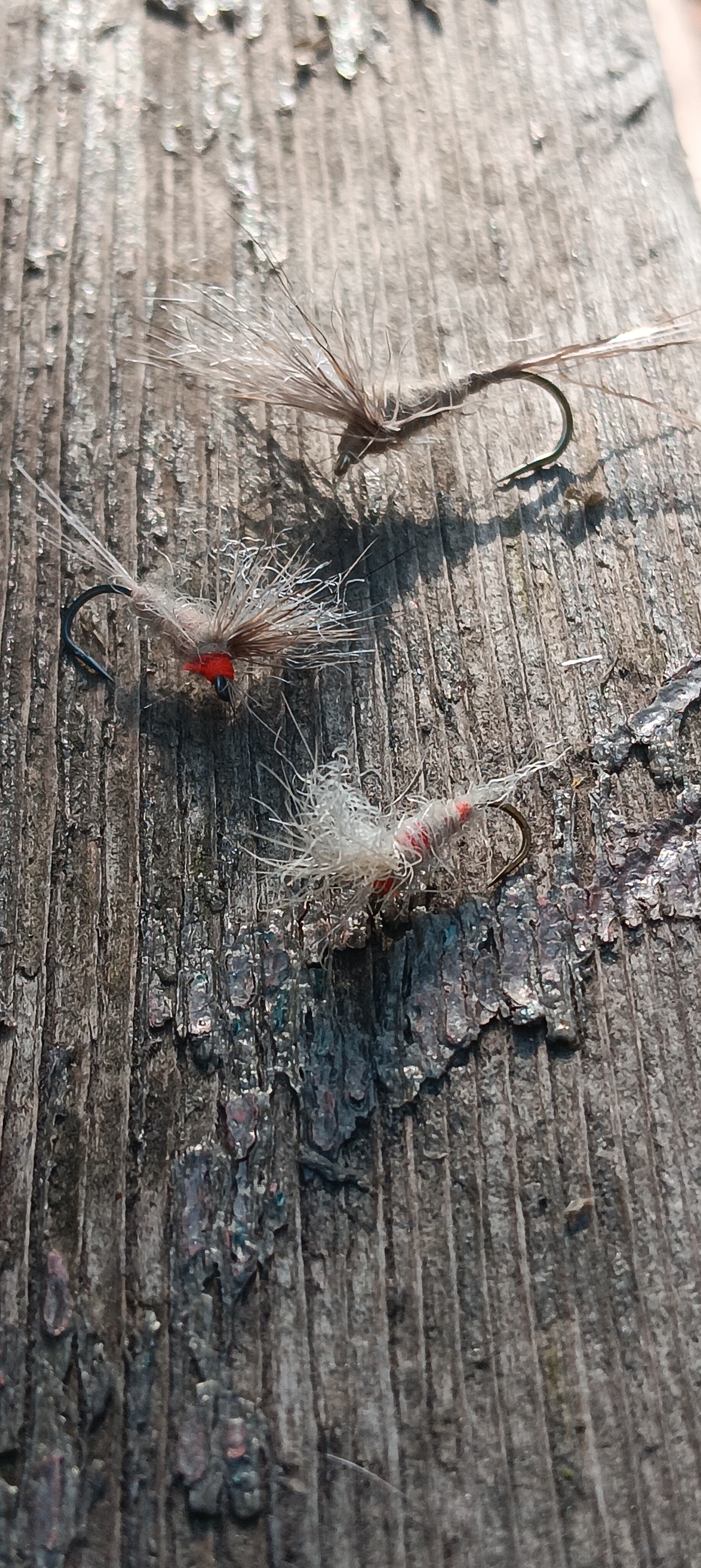
mountain creek flies

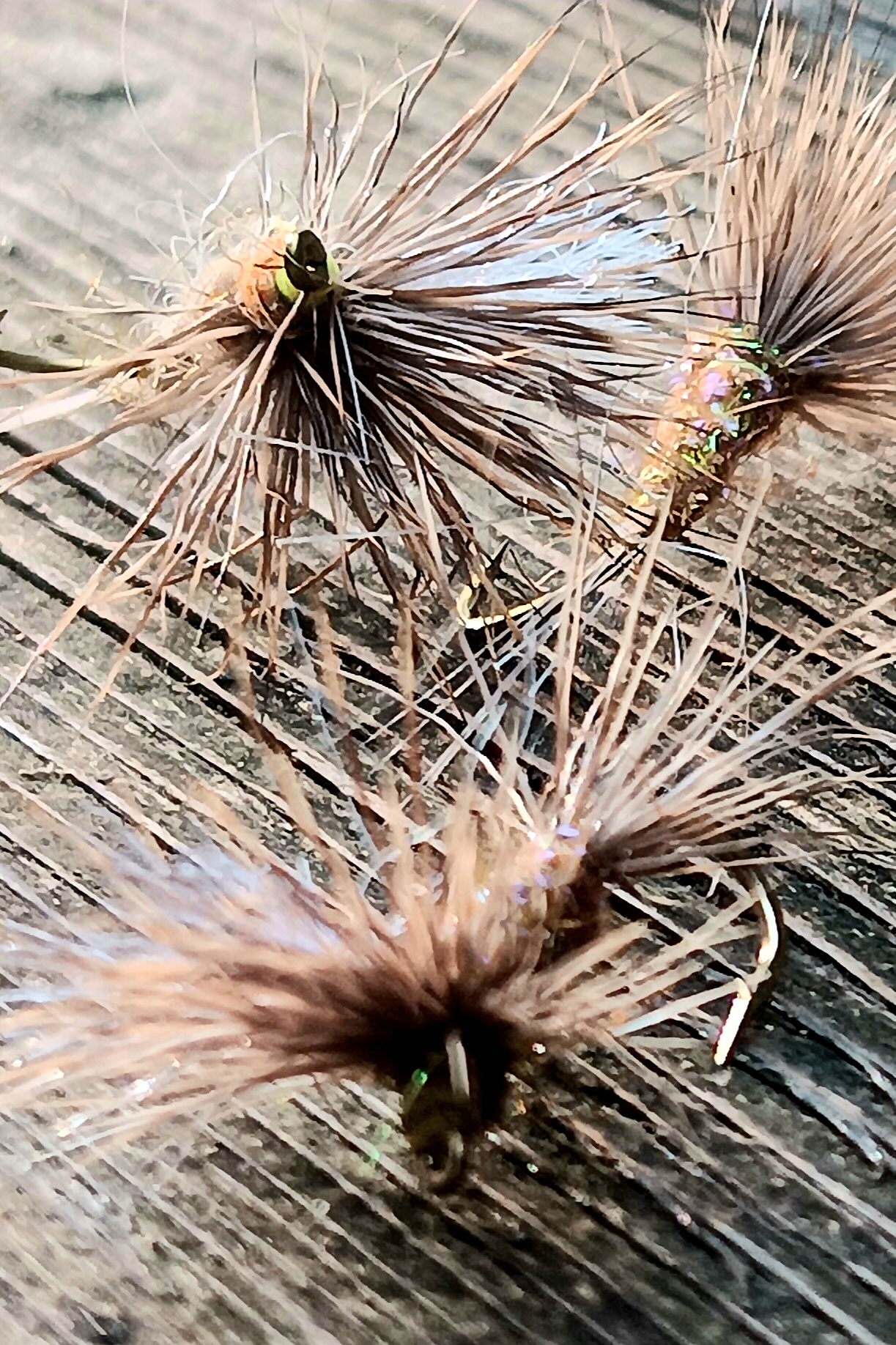
SOME HAYSTACK/ Comparadun style dry flies for fast paced freestone water. I’ve been fishing these on mountain Cutthroat streams. It’s a simple deer hair pattern where attention is paid to basic shape/form but not the smaller details of a Mayfly. They make a significant (noticeable) and enticing impression on the water’s surface. I cast them to opportunistic fish on the feed when Mayflies are present and prospect with them in likely lies where they often “pull-up” trout. I fished them as a child and teenager on pretty little freestone streams in upstate New York. They caught trout then and they do now.

Treasure Hunting

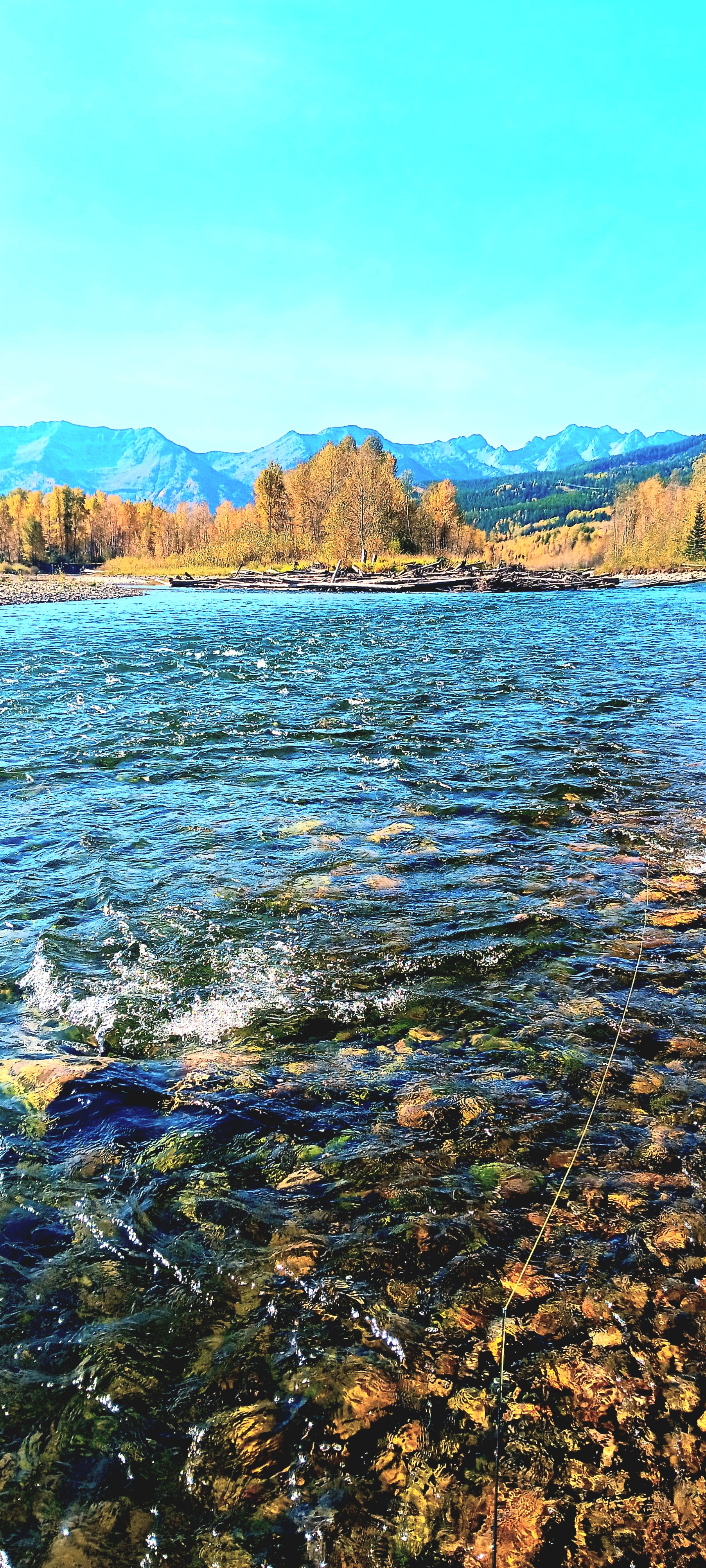
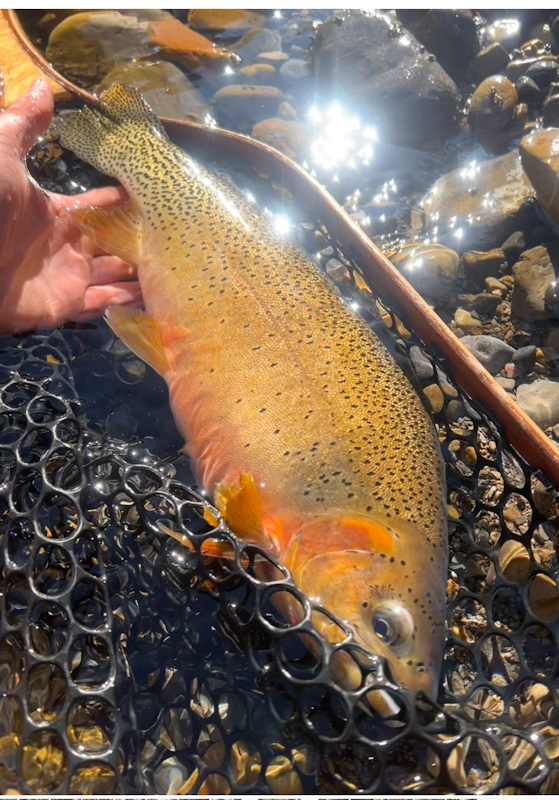
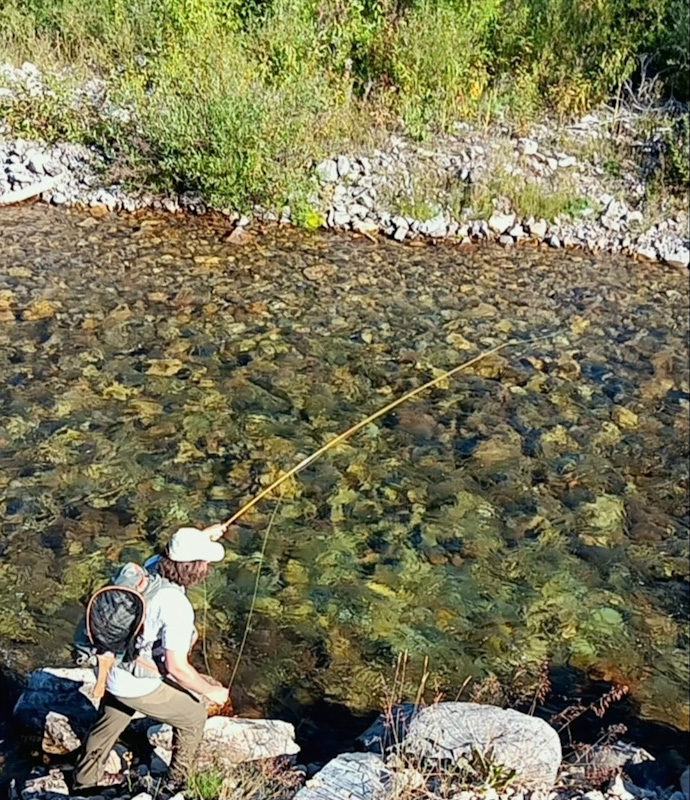
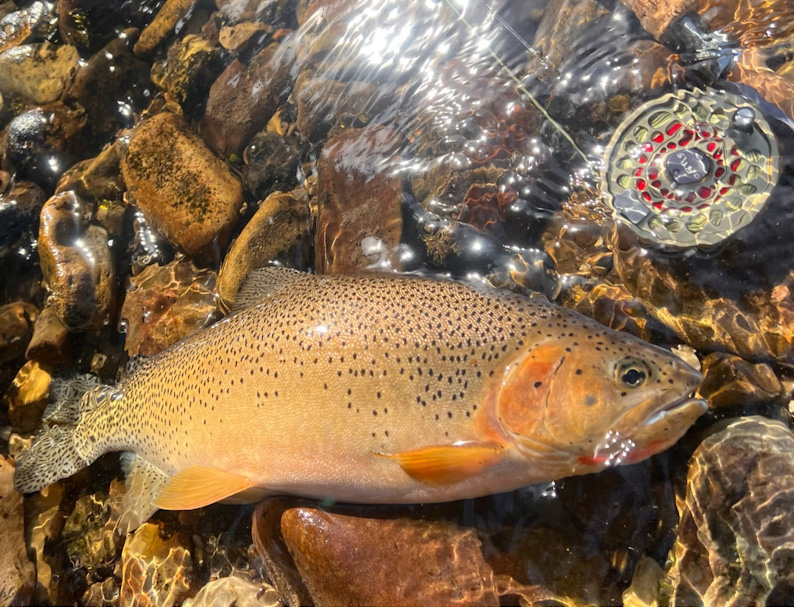
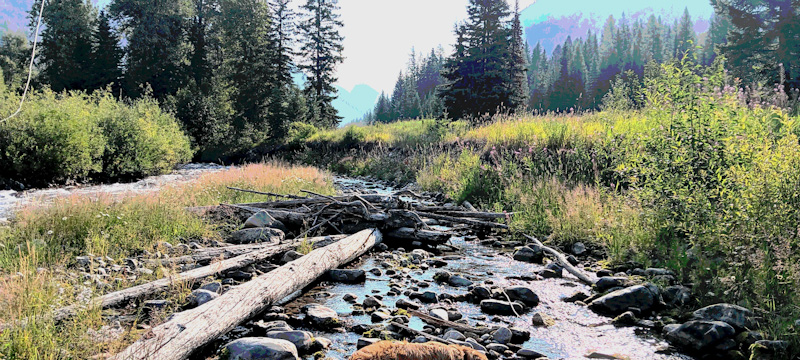
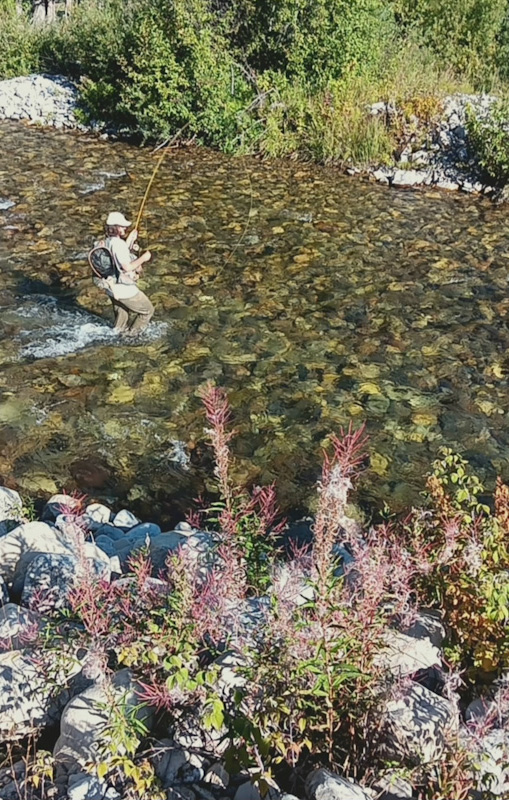
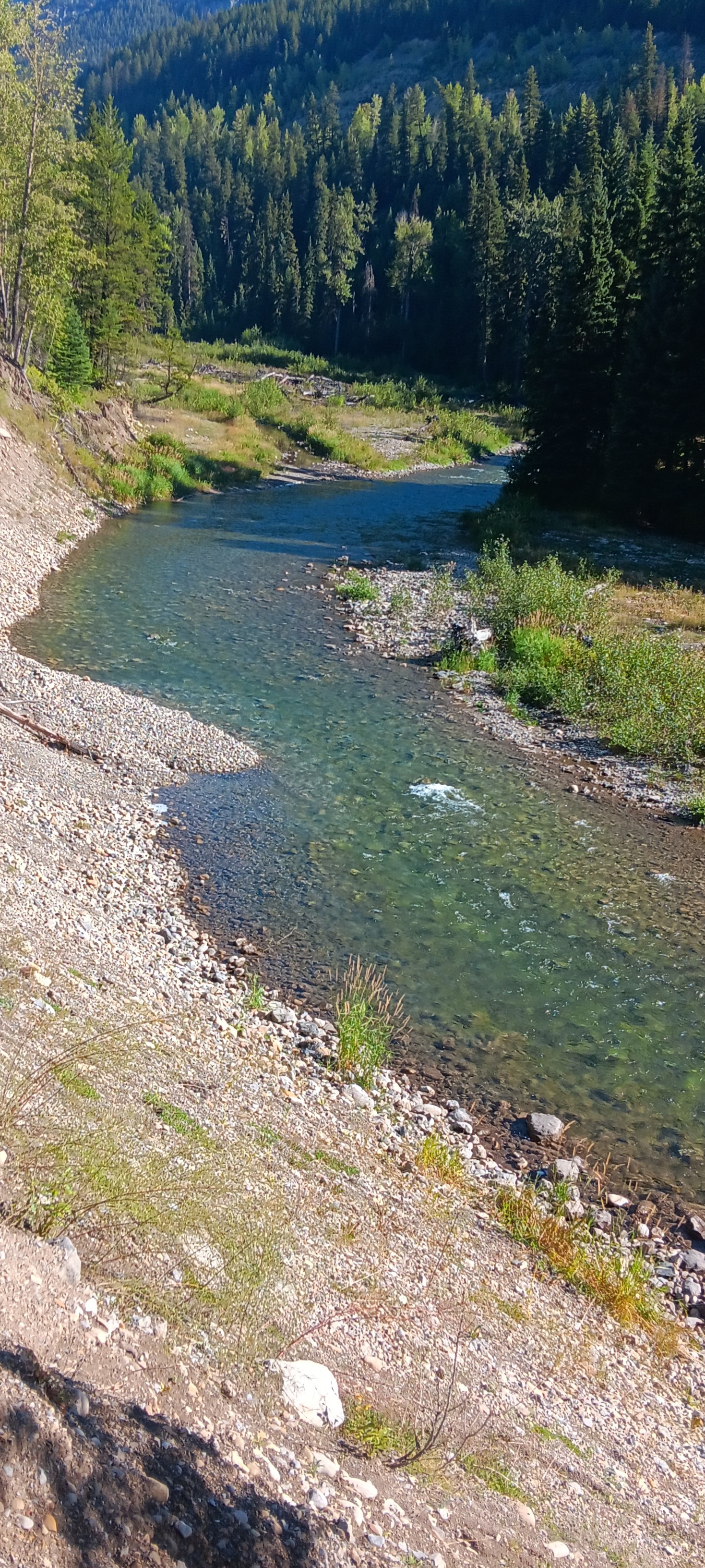
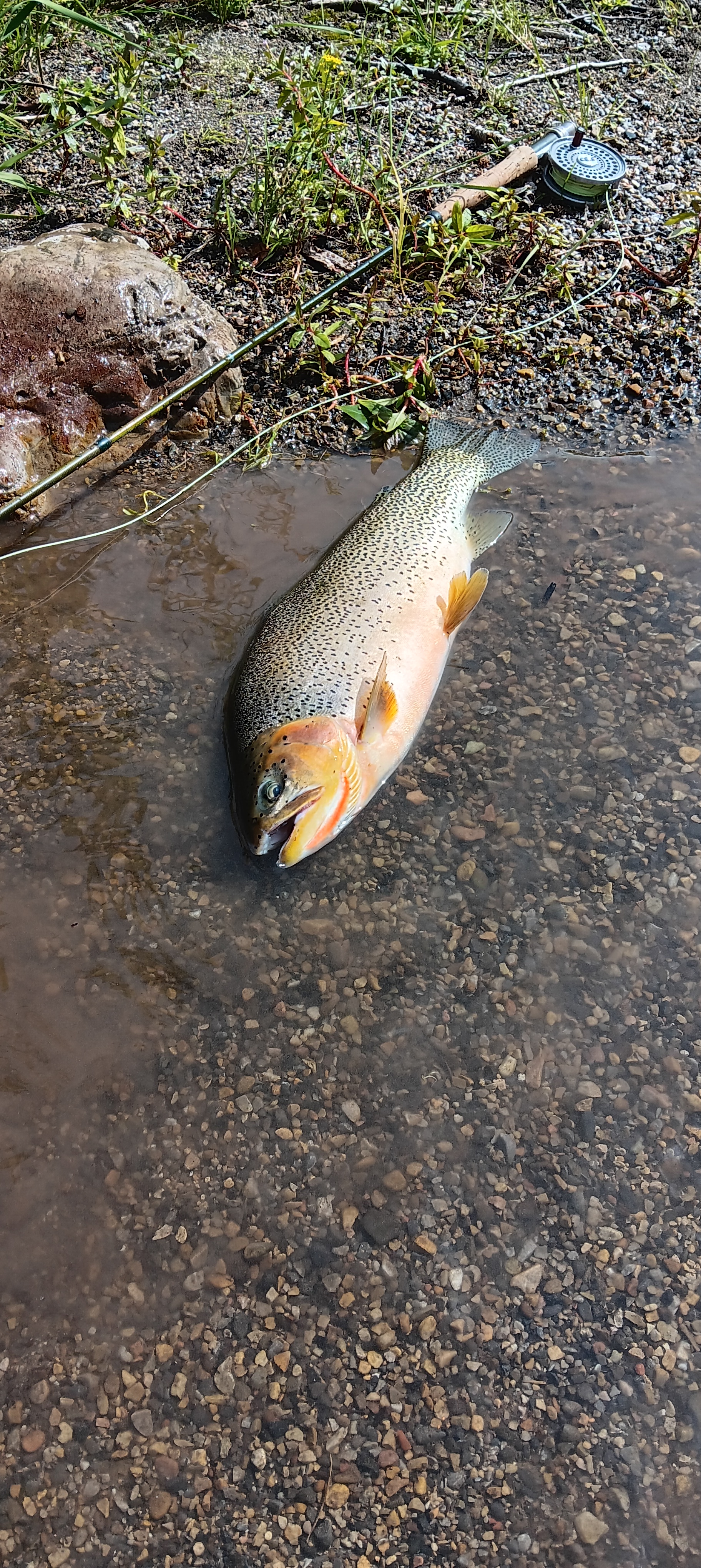
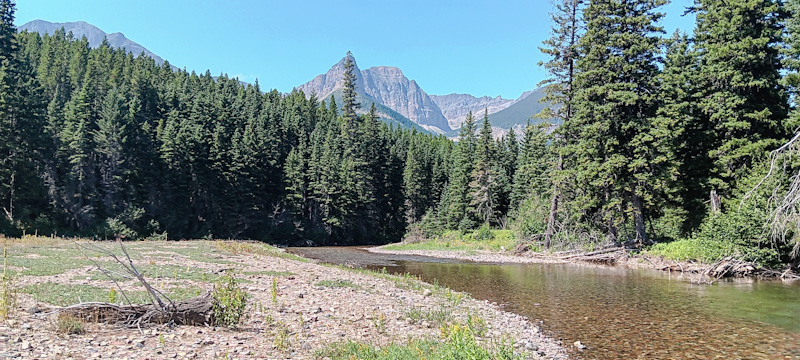
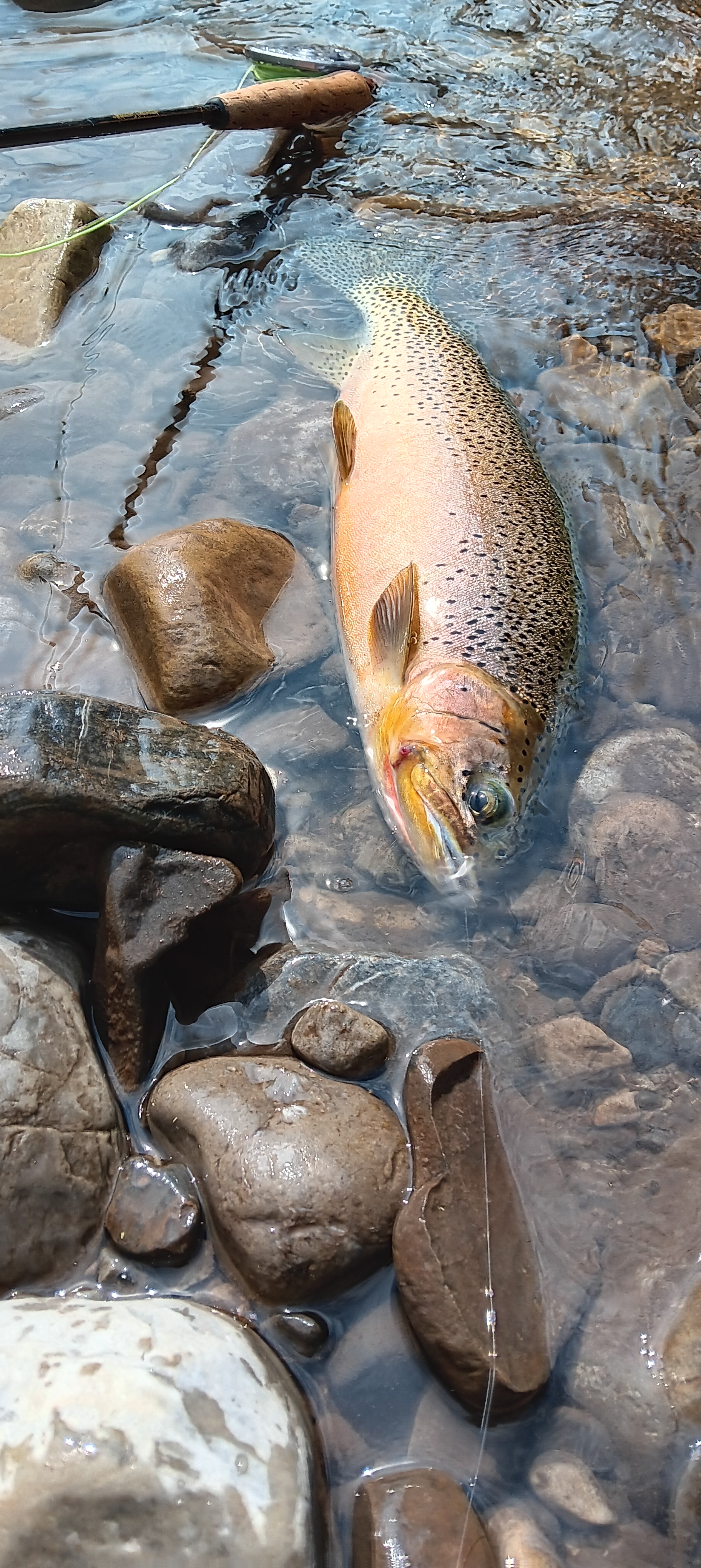
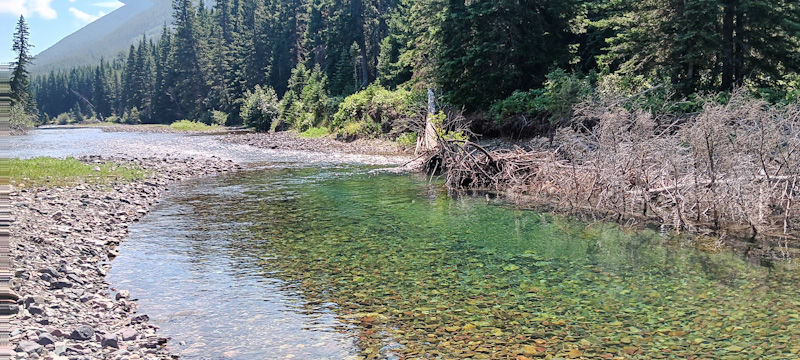
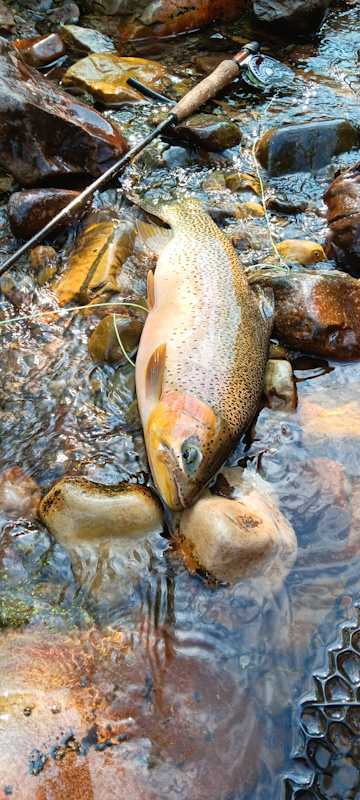
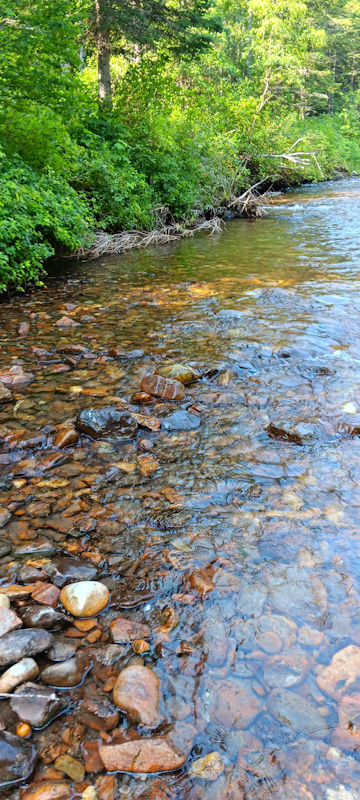
A MOUNTAIN RIVER. A pure freestone flow with a steep gradient and quick pace. Still fast, still cold (48f) even in August after a dry, scorching July. A lot of walking and wading to find little windows of dry fly opportunity. A few connections. One special one. An untouched, richly colored native Cutthroat. Treasure found, treasure returned…