“Spend the afternoon. You can’t take it with you”. — Annie Dillard
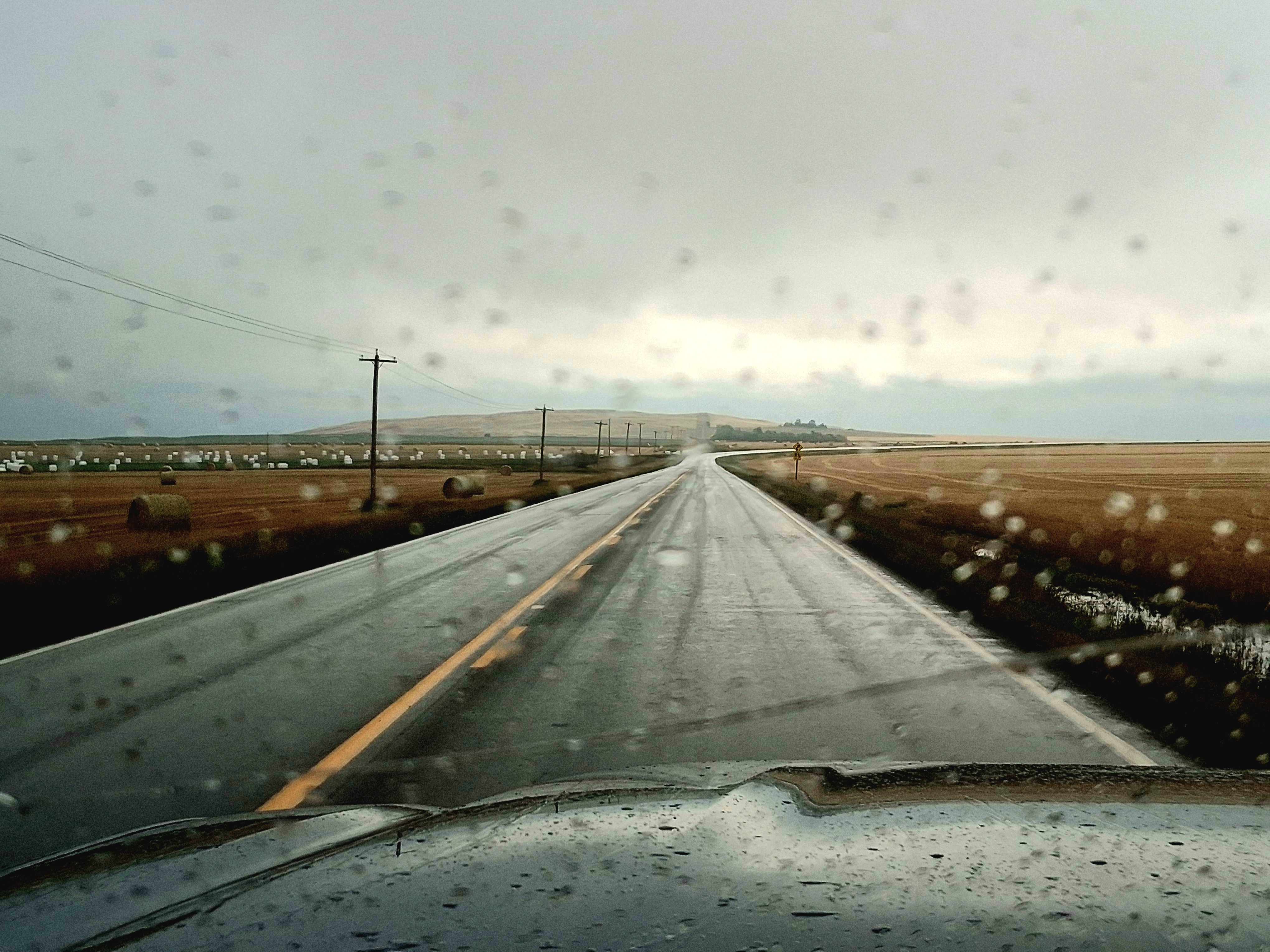
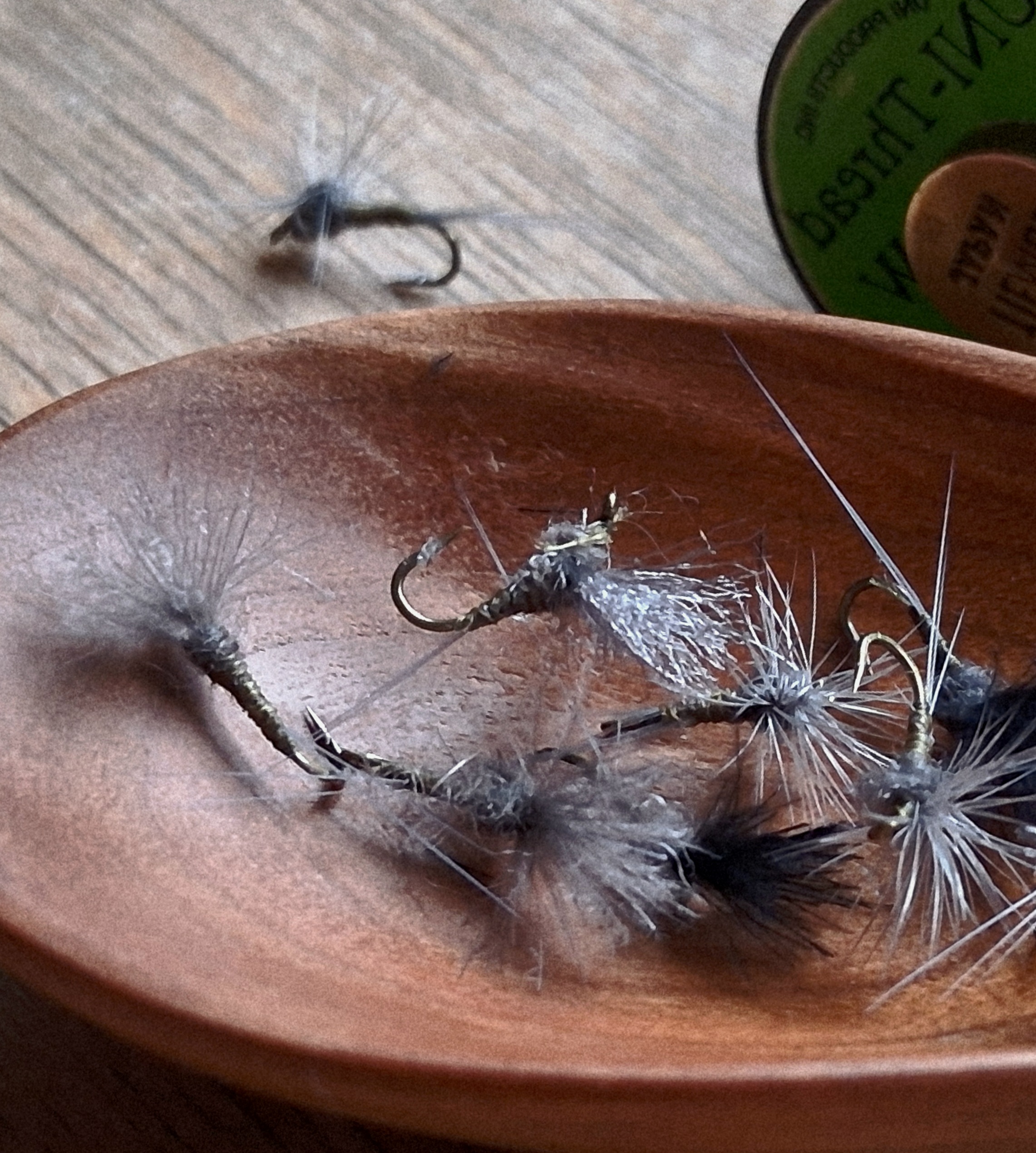
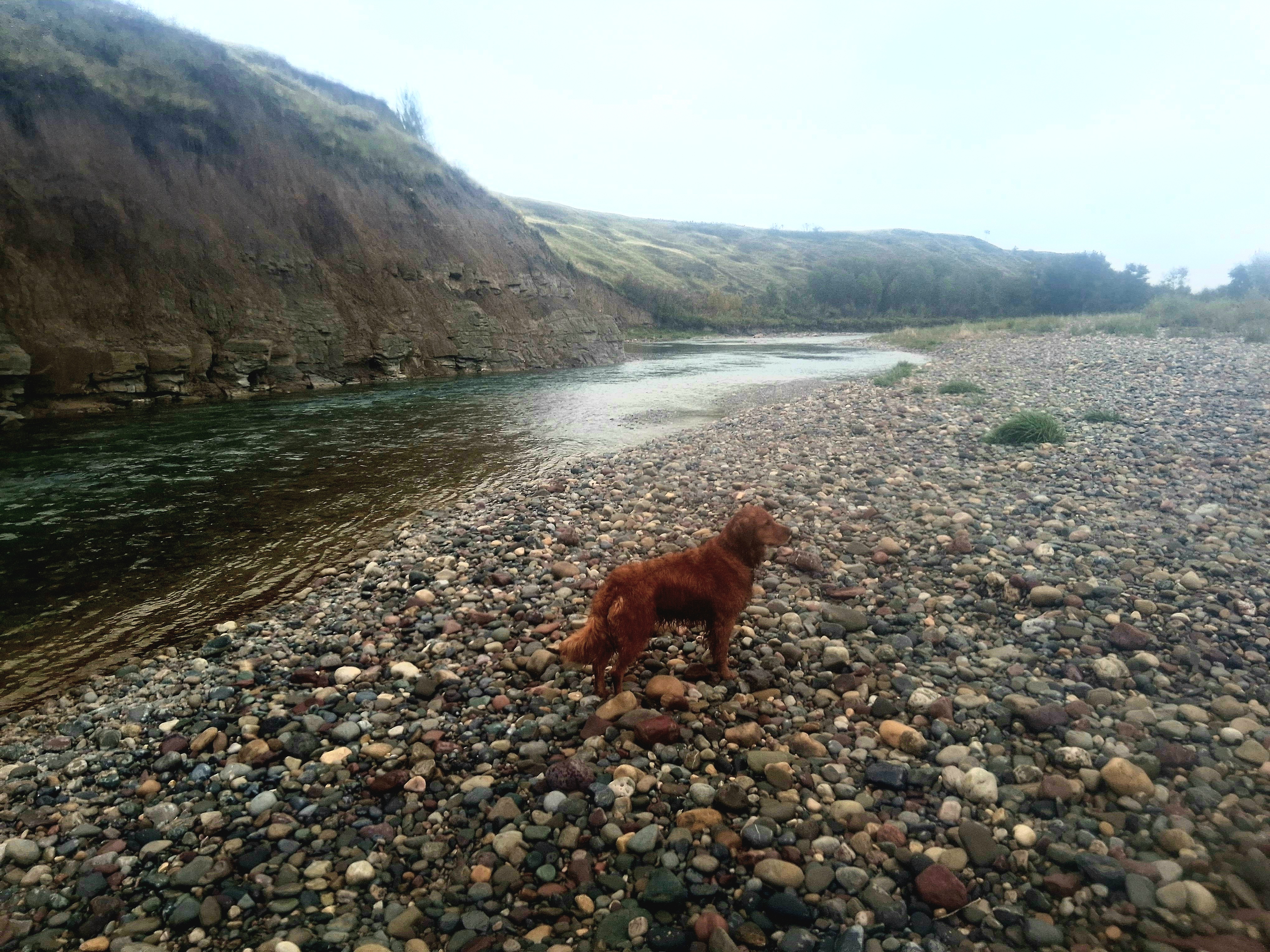
AUTUMN. A HEAVY SKY AND CHANCE of rain. Low wind. Cooler. Much cooler. A possible afternoon appearance of Blue Winged Olives. It all suggests opportunity…
“Spend the afternoon. You can’t take it with you”. — Annie Dillard
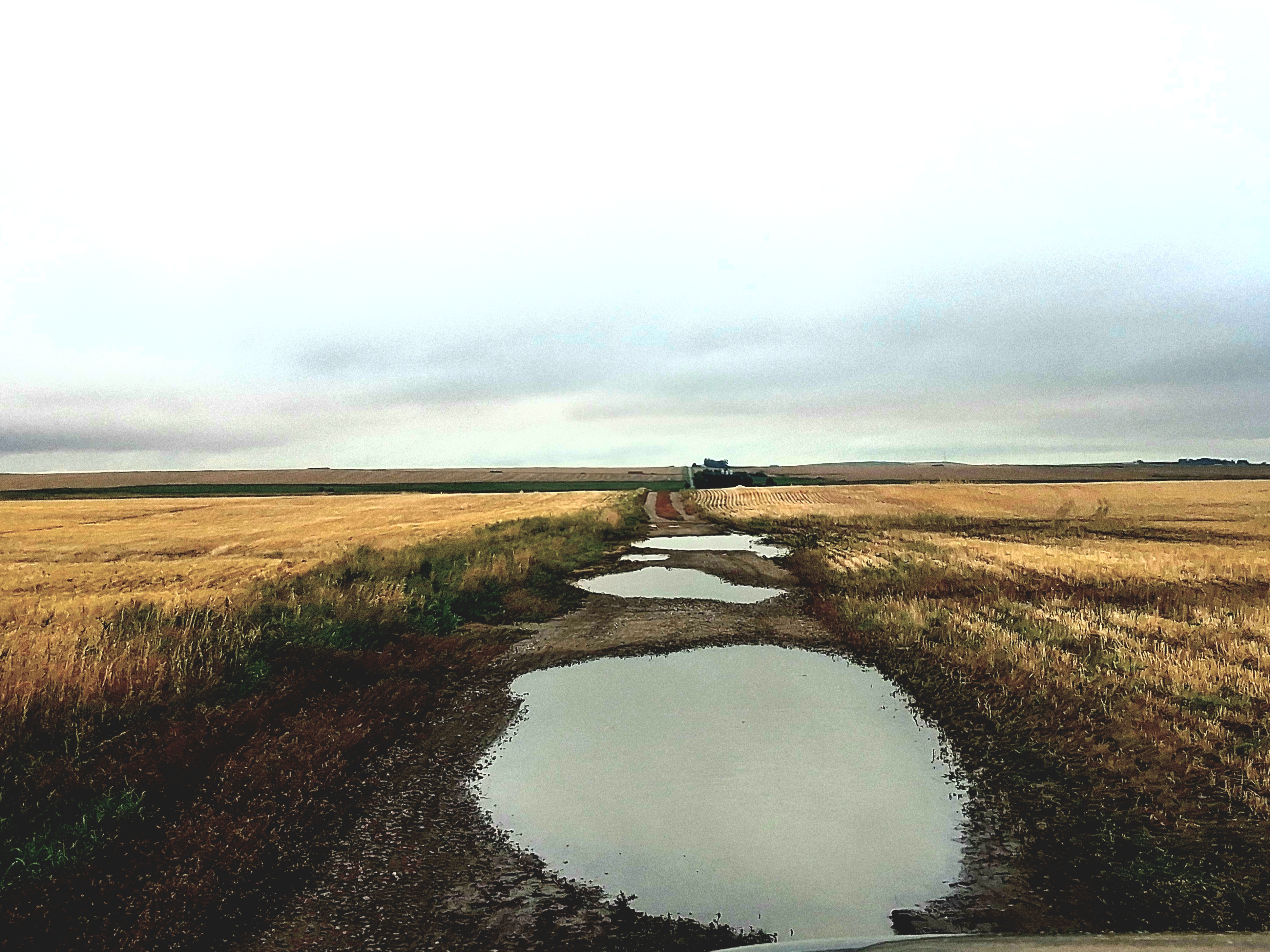
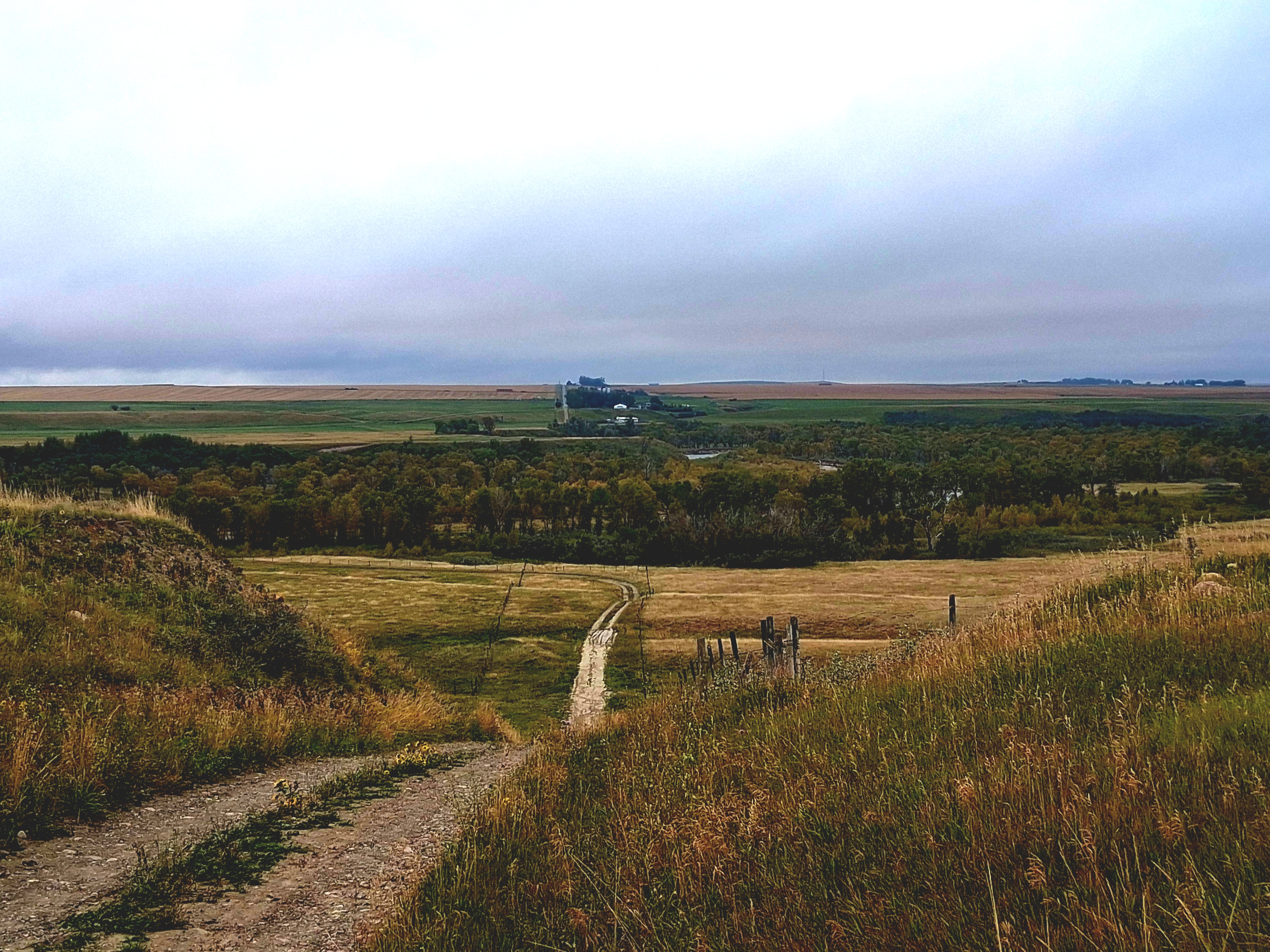
AUTUMN. A HEAVY SKY AND CHANCE of rain. Low wind. Cooler. Much cooler. A possible afternoon appearance of Blue Winged Olives. It all suggests opportunity…
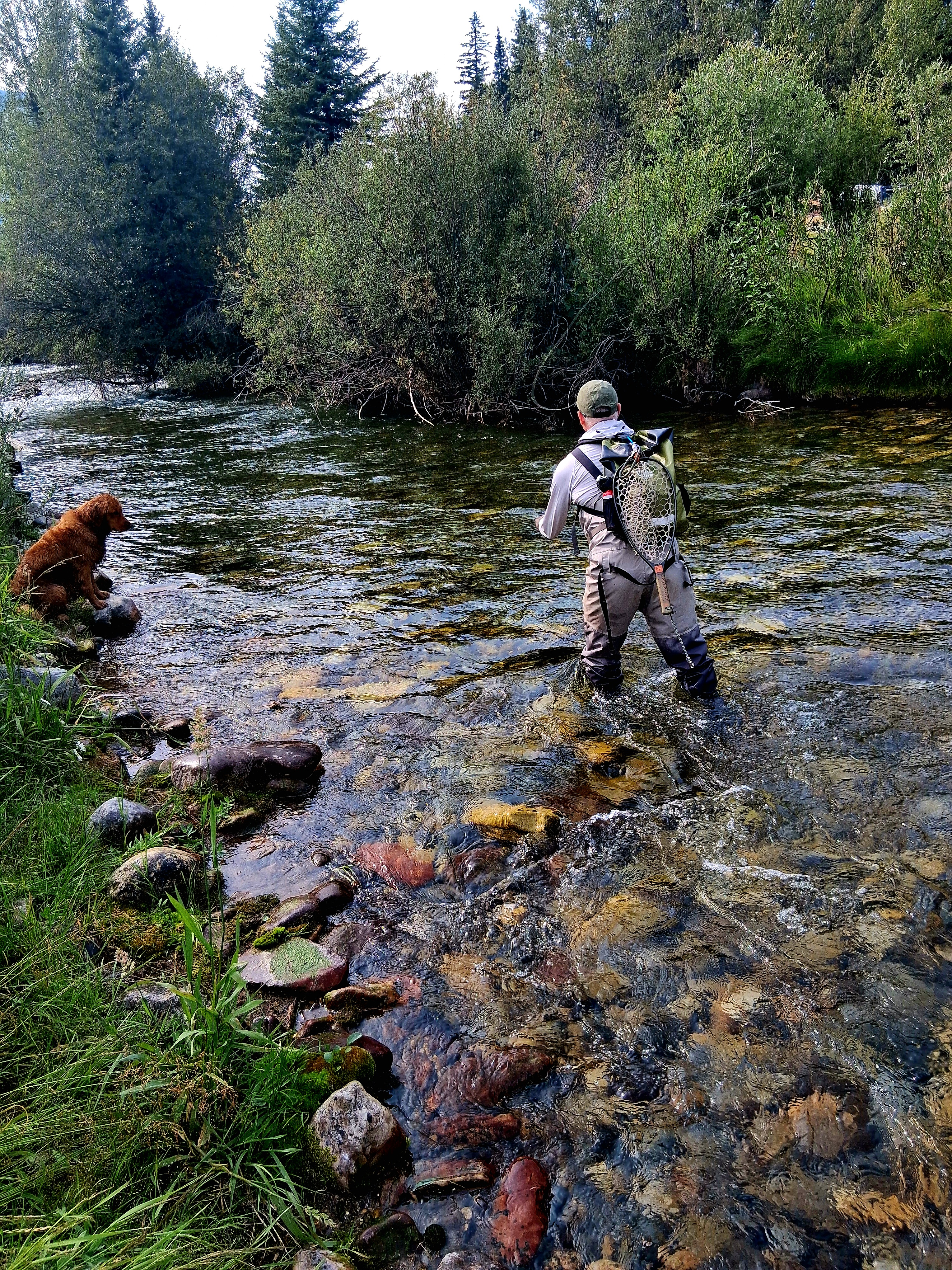
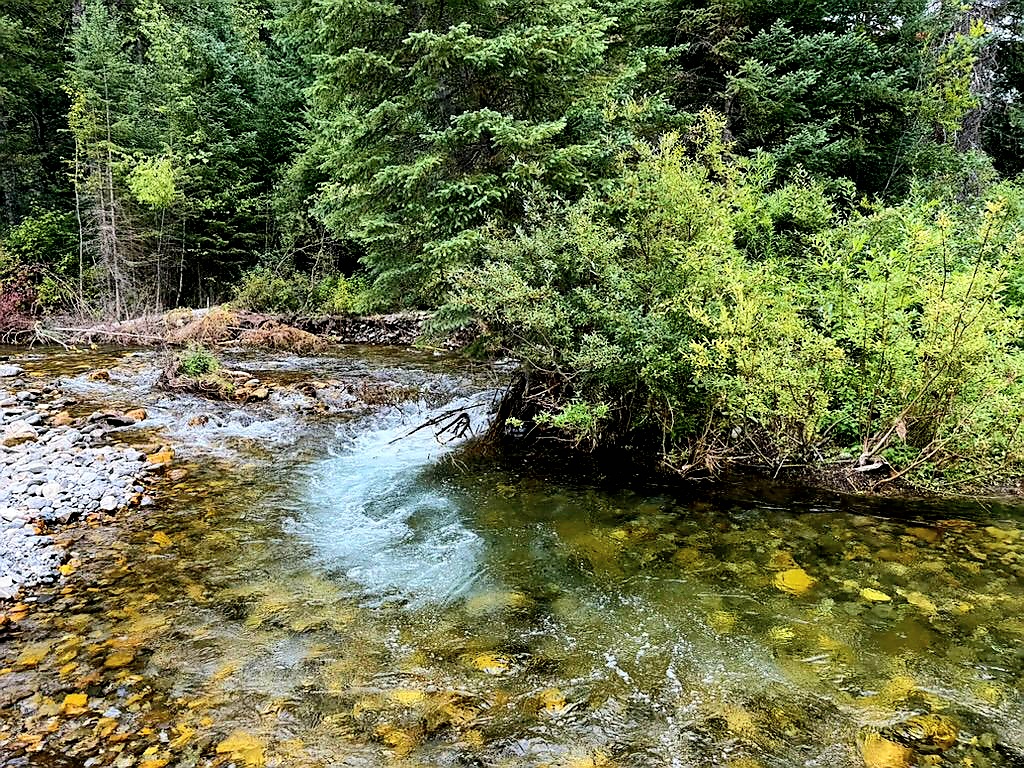
I WAS PURPOSELY IN A TOUGH STRETCH of river. In order to explore it I had to get into the water and deal with the current as the riverside brush/growth in most places was too thick to walk. On top of that it was dark and ominious looking in the woods. Harper my dog could make her way under and through the growth. I could not. So I stayed in the river and forded the quick flow where possible always searching for the path of least resistence. While doing so I looked for a pocket or river edge with slower water and some depth. A place where a trout could hold. I inched forward hoping for such a location and one quality fish. Maybe one that had never been caught before.
I eventually located a likely spot, a possibility, along a bank with some overhanging branches. The drake hatch the day before down river on an easier section occured at 3-3:30 pm. It was about 2:30 pm. I studied the water upstream. It was all fast and turbulent as far as I could see. So I decided to sit, eat my lunch and wait for the hatch. The hatch would tell me if a Cutthroat was in there. I could prospect it with a fly impression right away and possibly entice something to rise but this season I’ve had my fill of that. I was on a regional river that would have the rarest of events: a genuine, solid hatch. A big fly hatch to boot! No, I wouldn’t cast blindly. I’d fish with my eyes, not my arm. I’d wait until the large mayflies started emerging to see if a fish was holding there. If there was one it would rise and glow golden in the warm afternoon light. I’d take advantange of what the river would offer…
“What you seek is seeking you”–Rumi
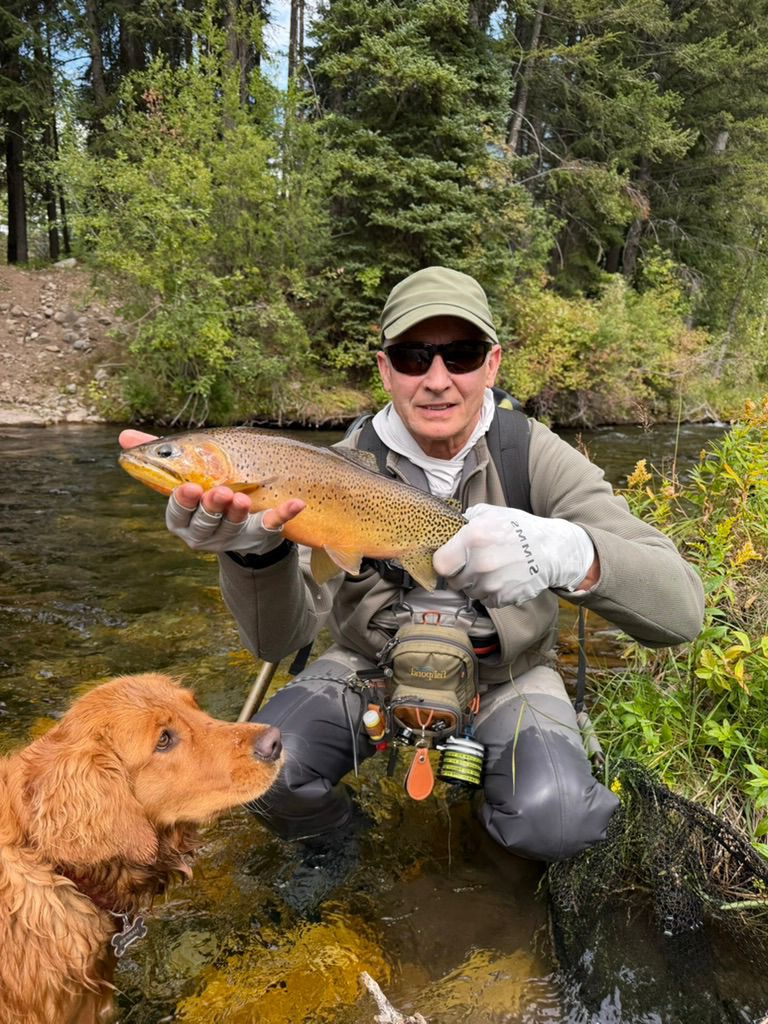
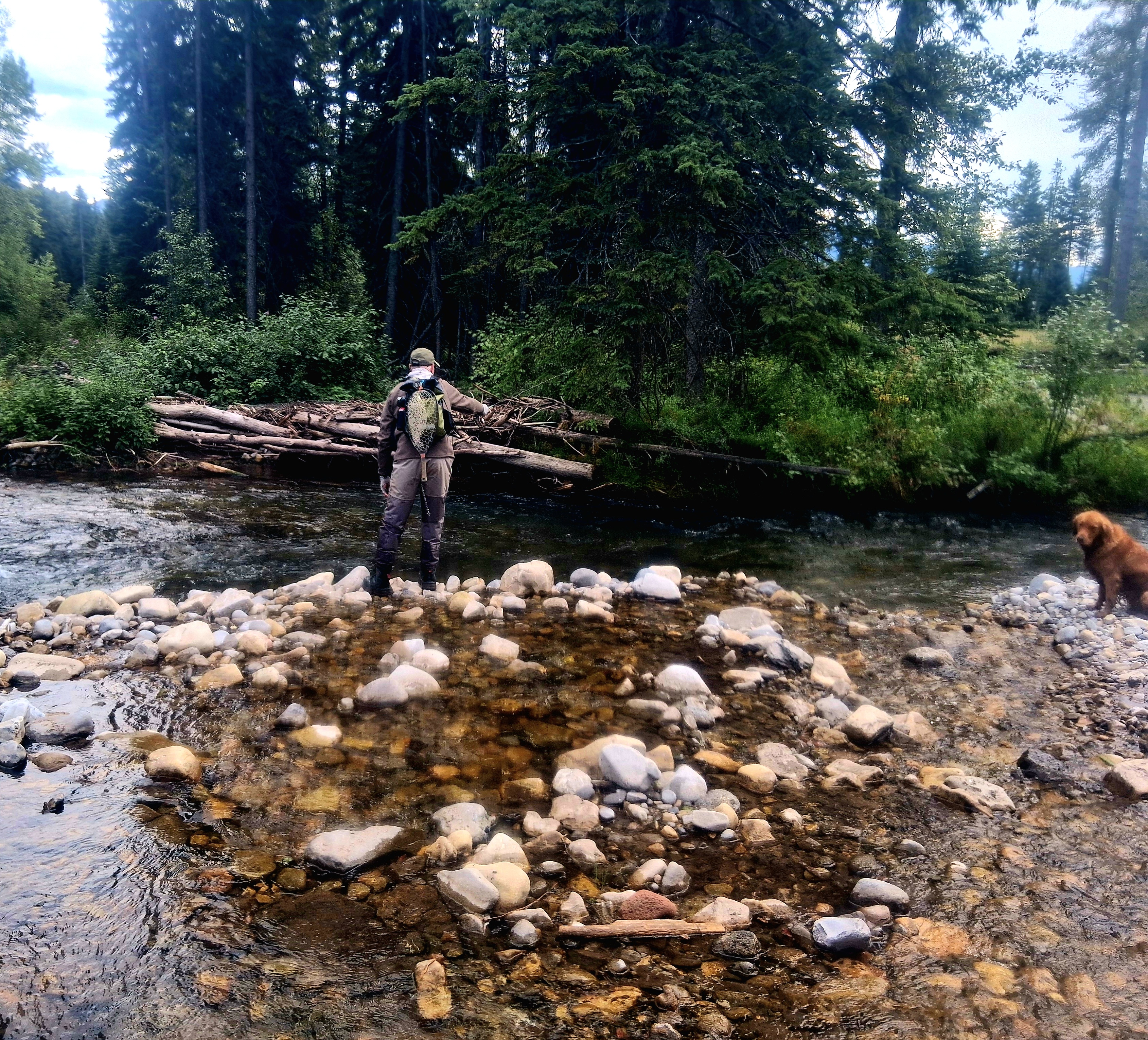
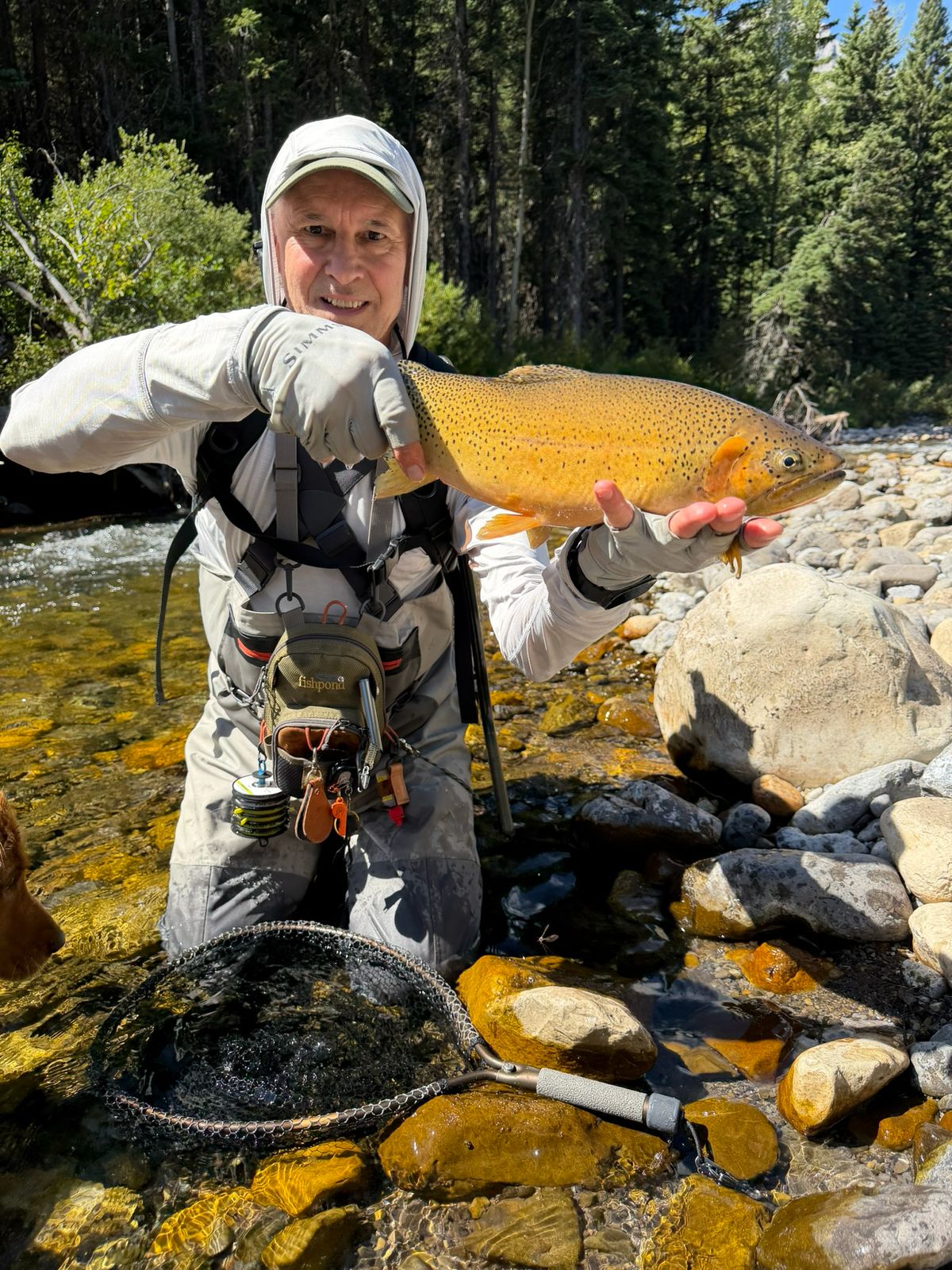
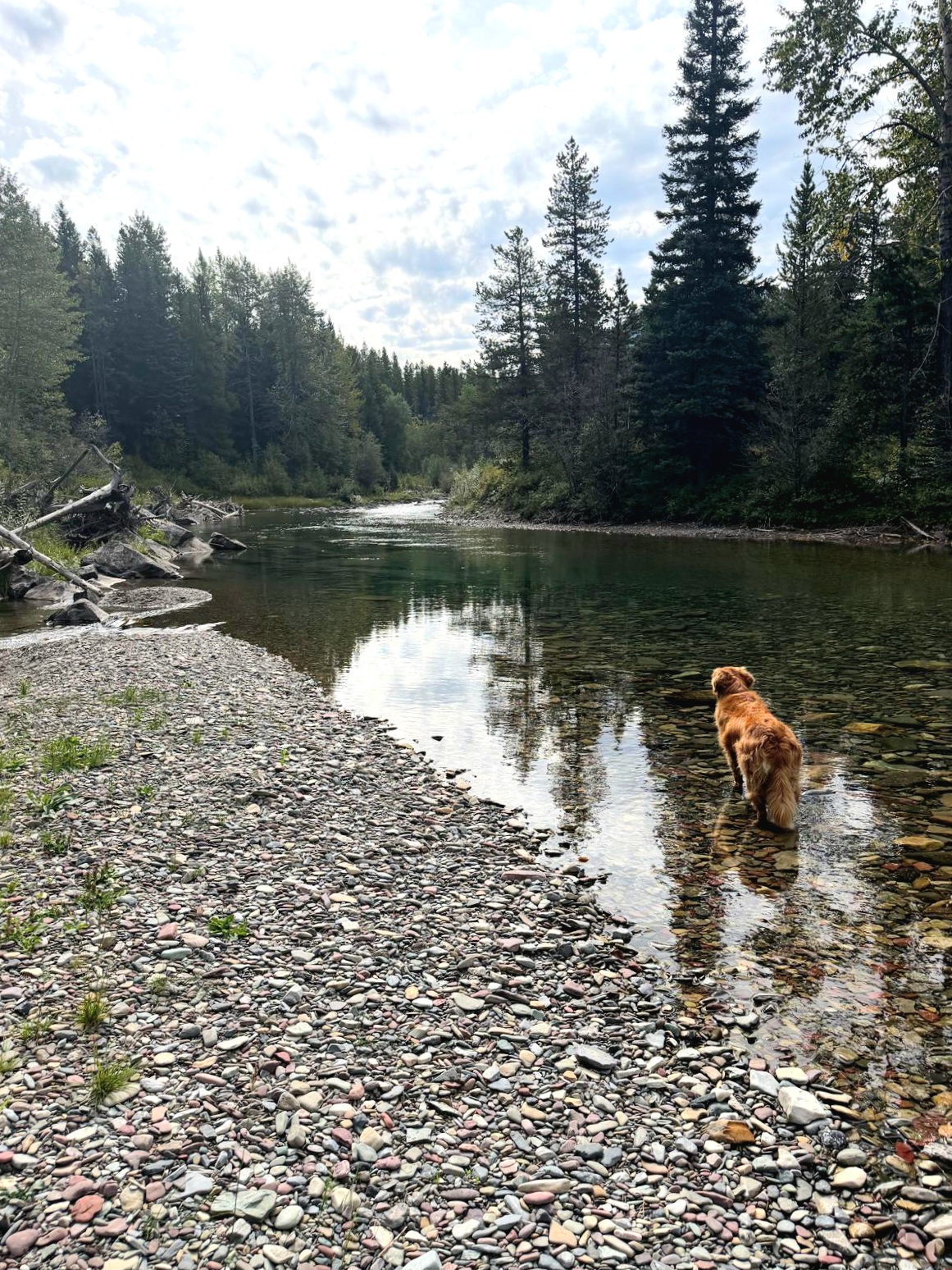
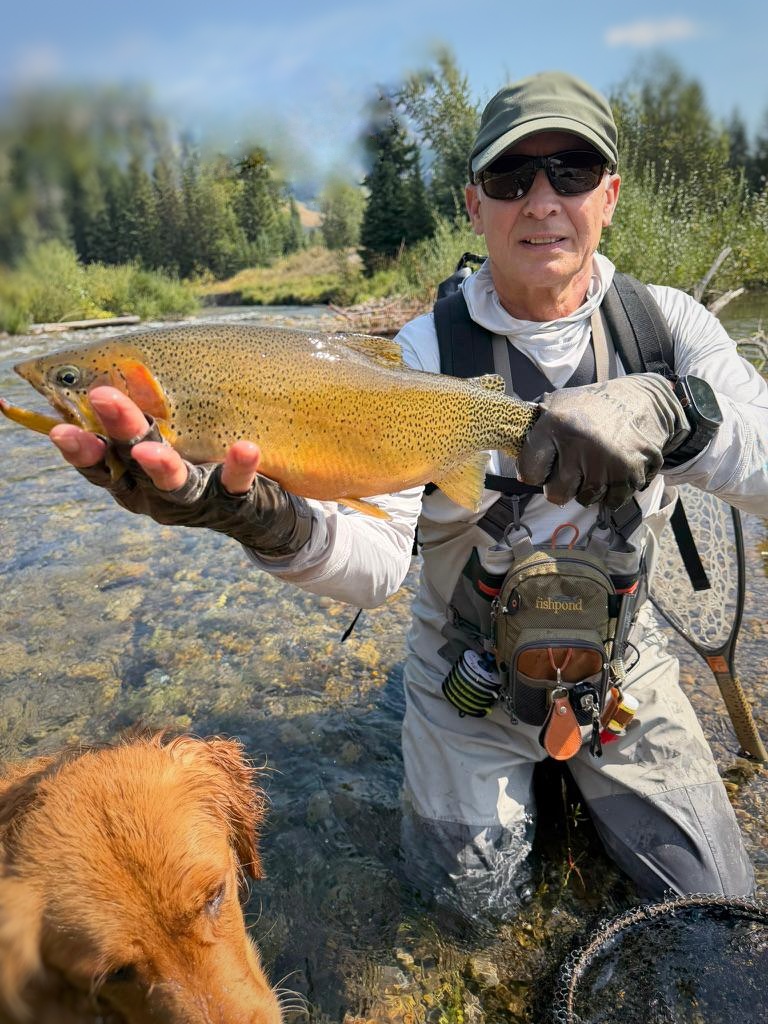
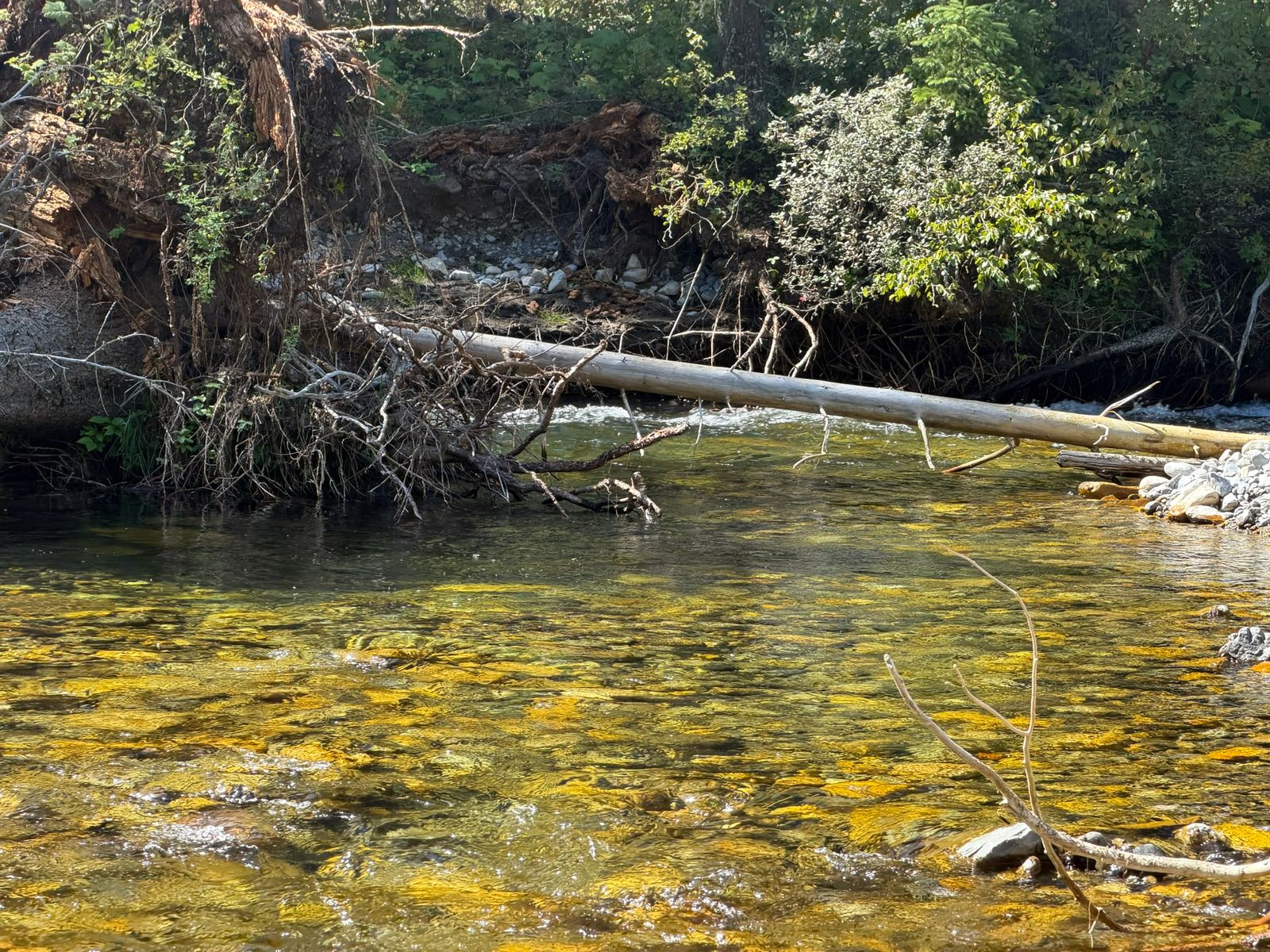
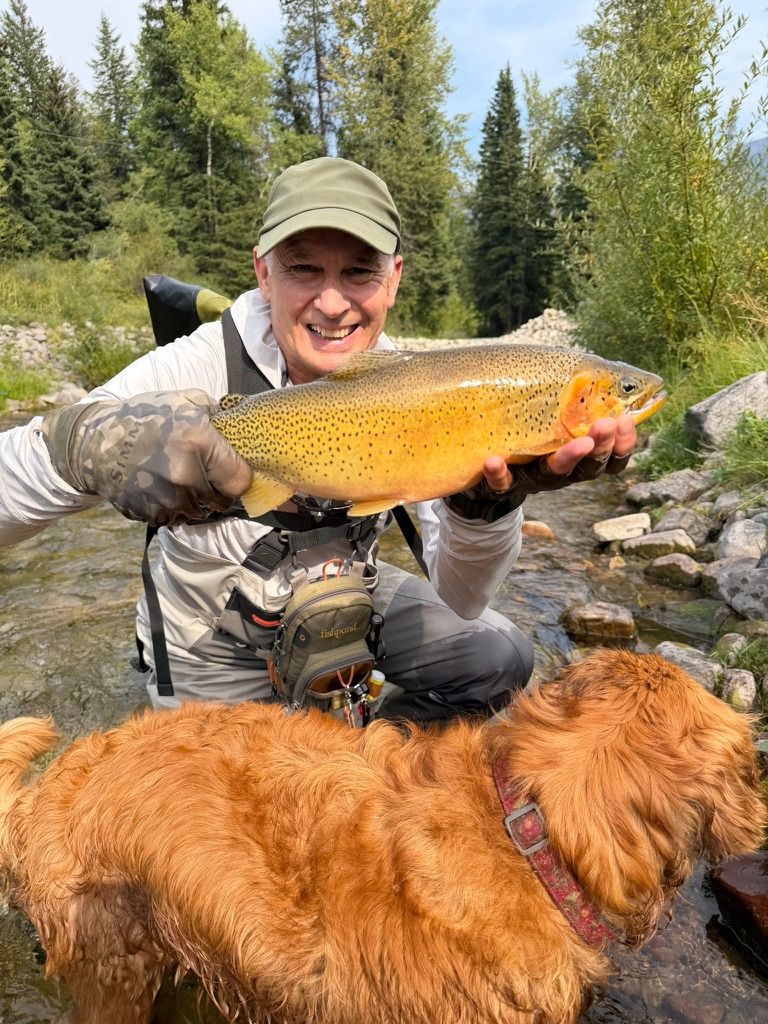
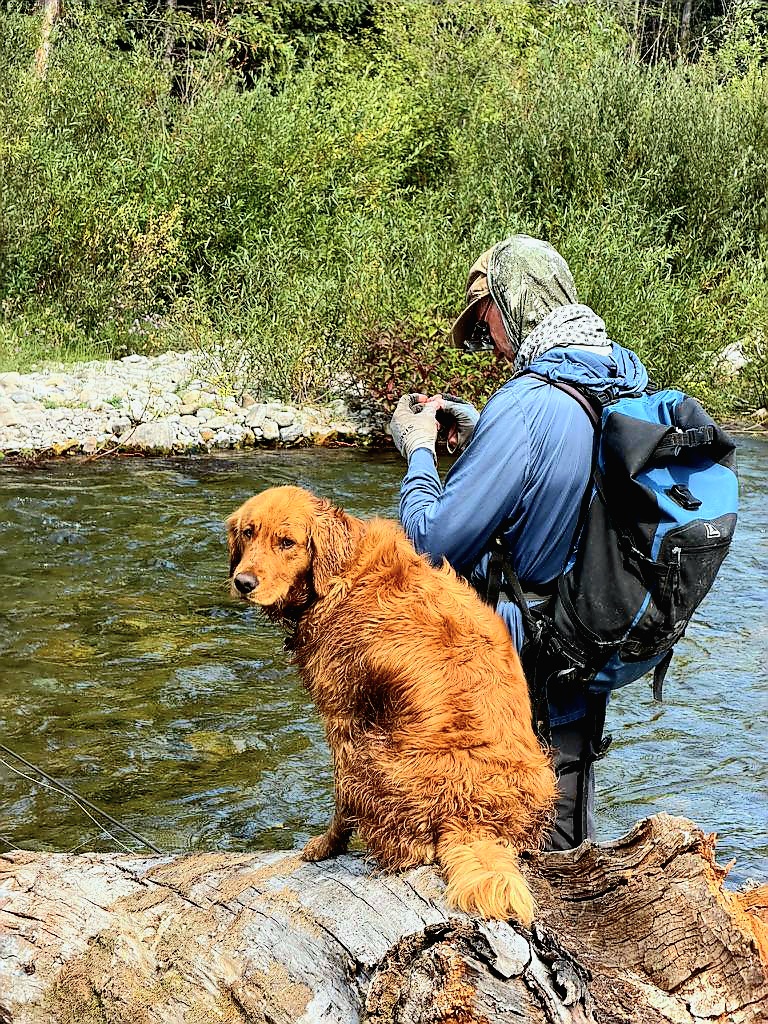
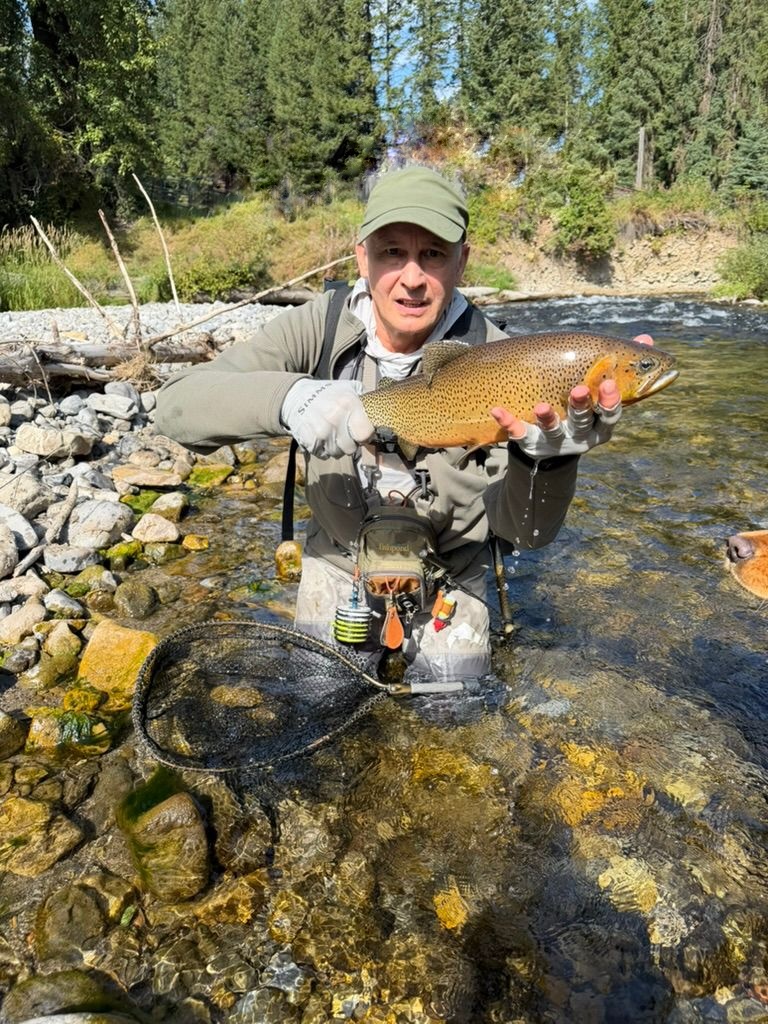
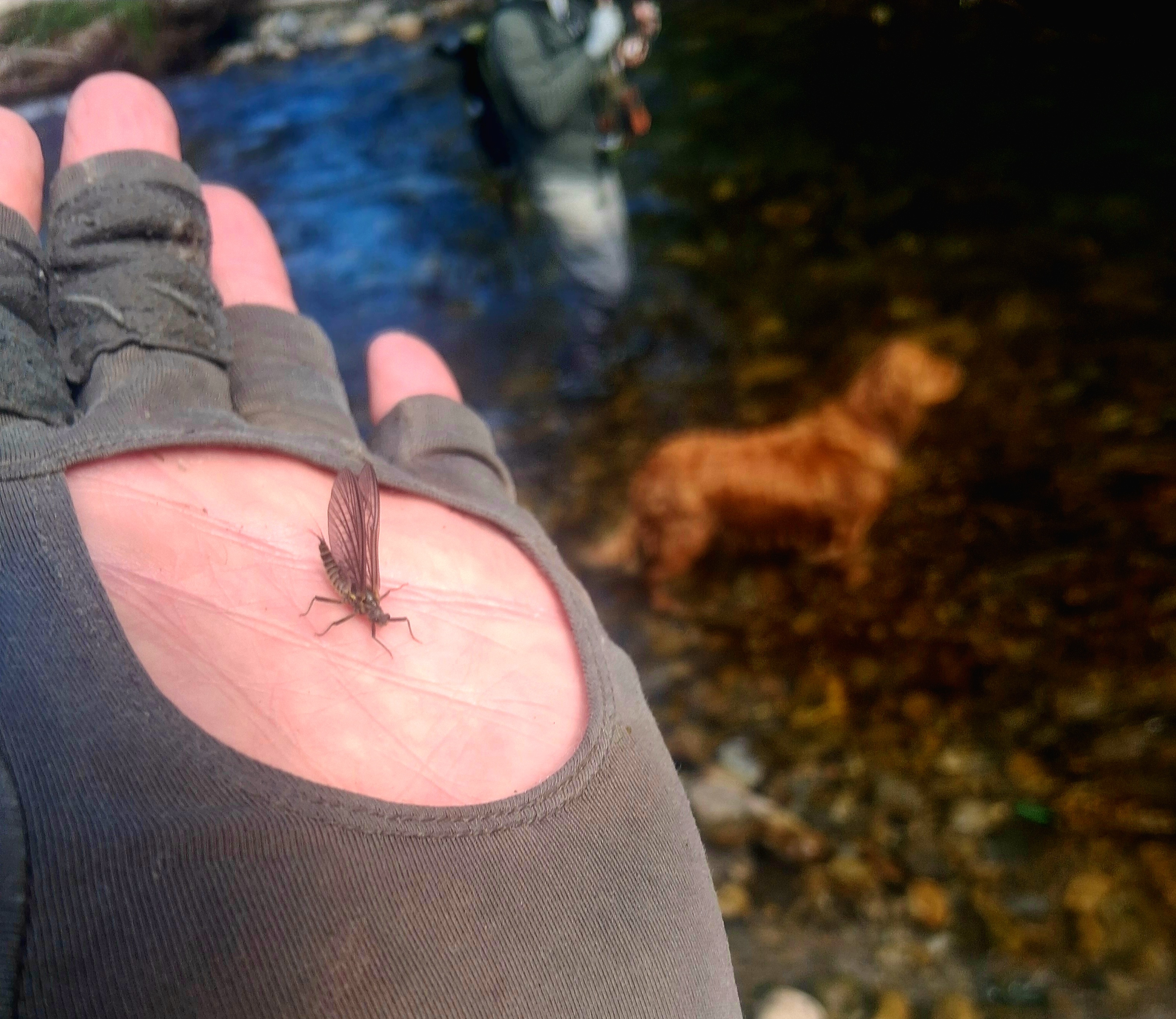
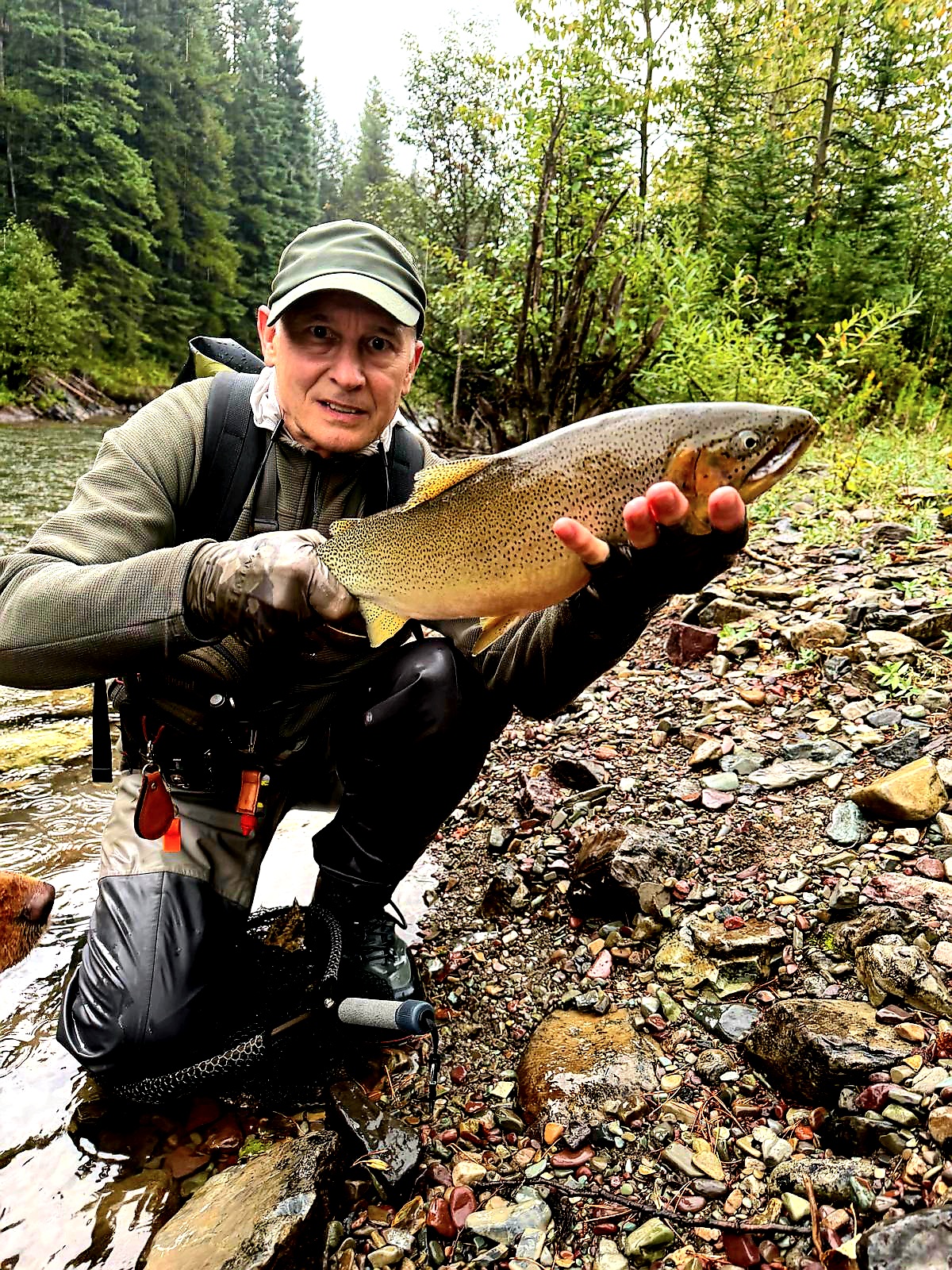
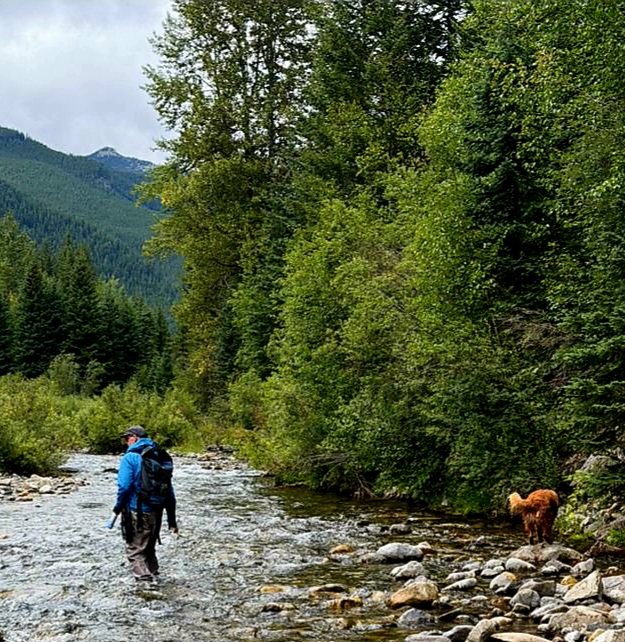
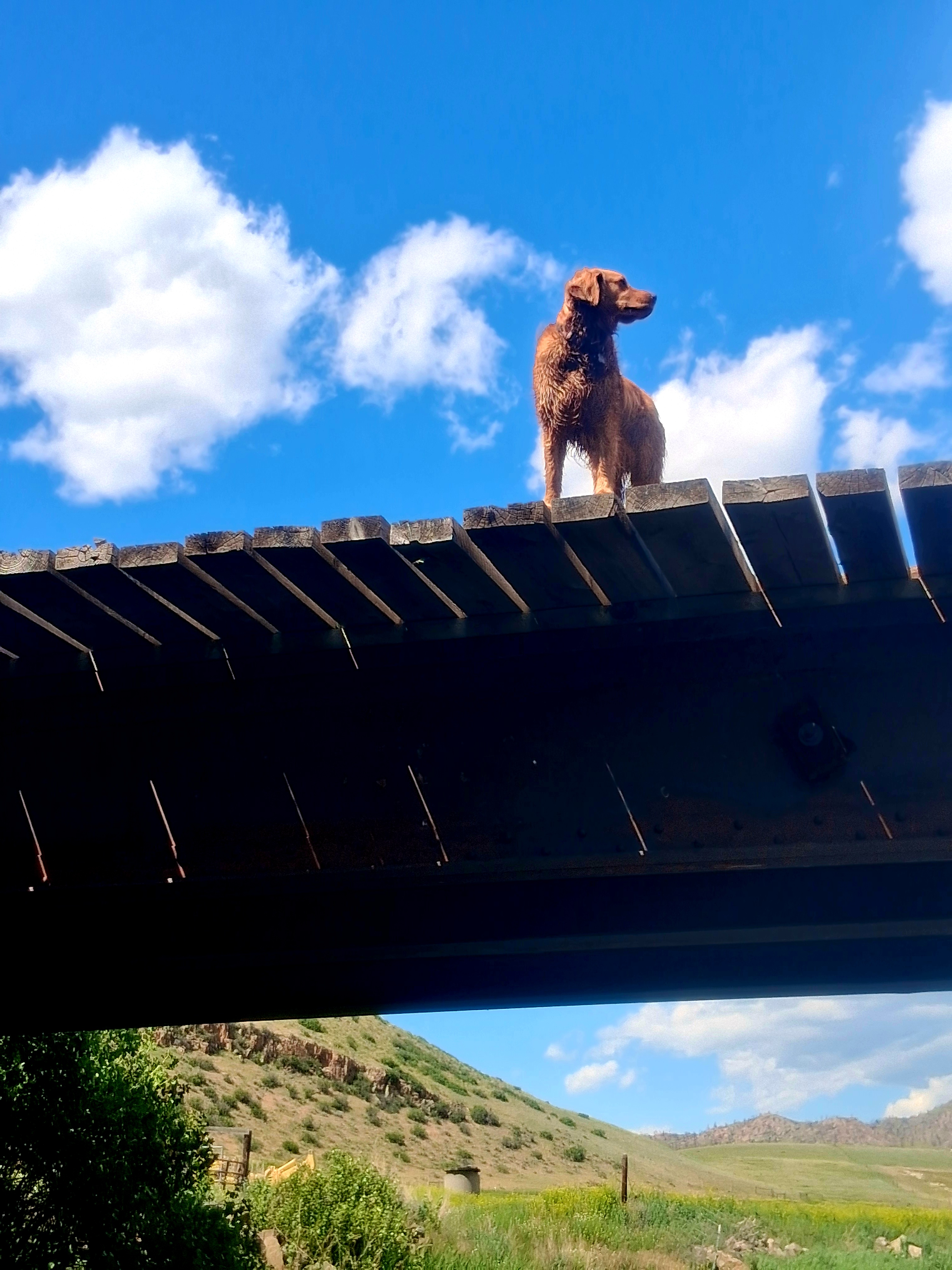
PIERRE AND VALERIE, OLD FAMILY FRIENDS, RETURNED to the Crowsnest Pass for a vacation/visit. Pierre and I went the distance fly fishing a few rivers where access was not easy. We were rewarded for our effort and long walks. We witnessed some excellent hatches and rising trout. Just like last year we had several outstanding August days and found some truly stunning Westslope Cutthroat trout. Pierre hit the mark with his casts and kept me busy with the landing net and camera. Harper (Retriever) participated in it all. All trout were caught on dry flies and released. Some images from our recent angling adventure…
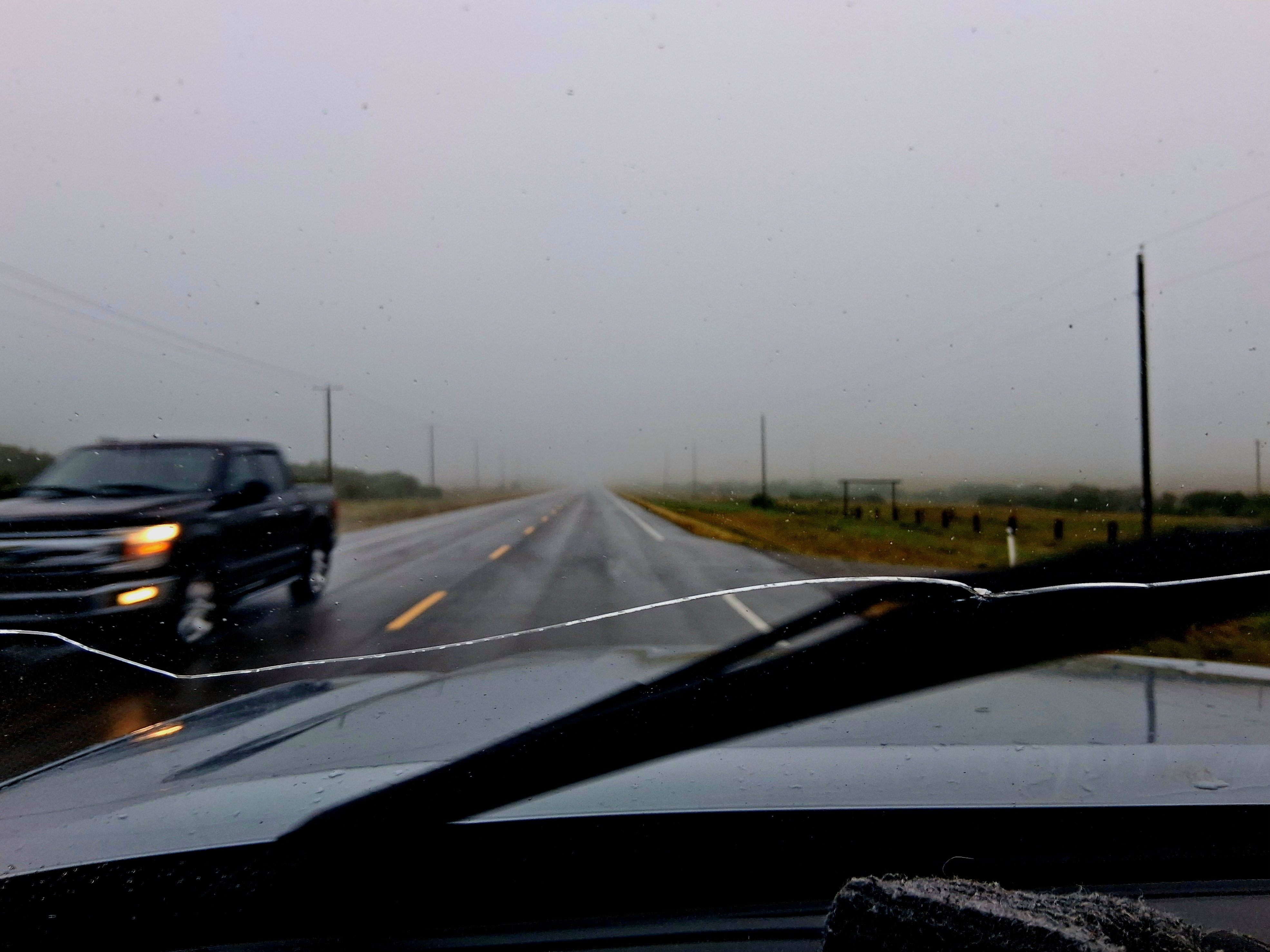
BROWN TROUT LIKE COVER. They like to be undercover: Under a cut bank; under the shade of a streamside tree; under overhanging tree branches, logs; under a bridge; in the shadow of a big rock; tucked in a tight weed bed channel; etc. These locations mean safety. The river I was recently on has Brown trout but not much cover. It’s a wide open prairie river.
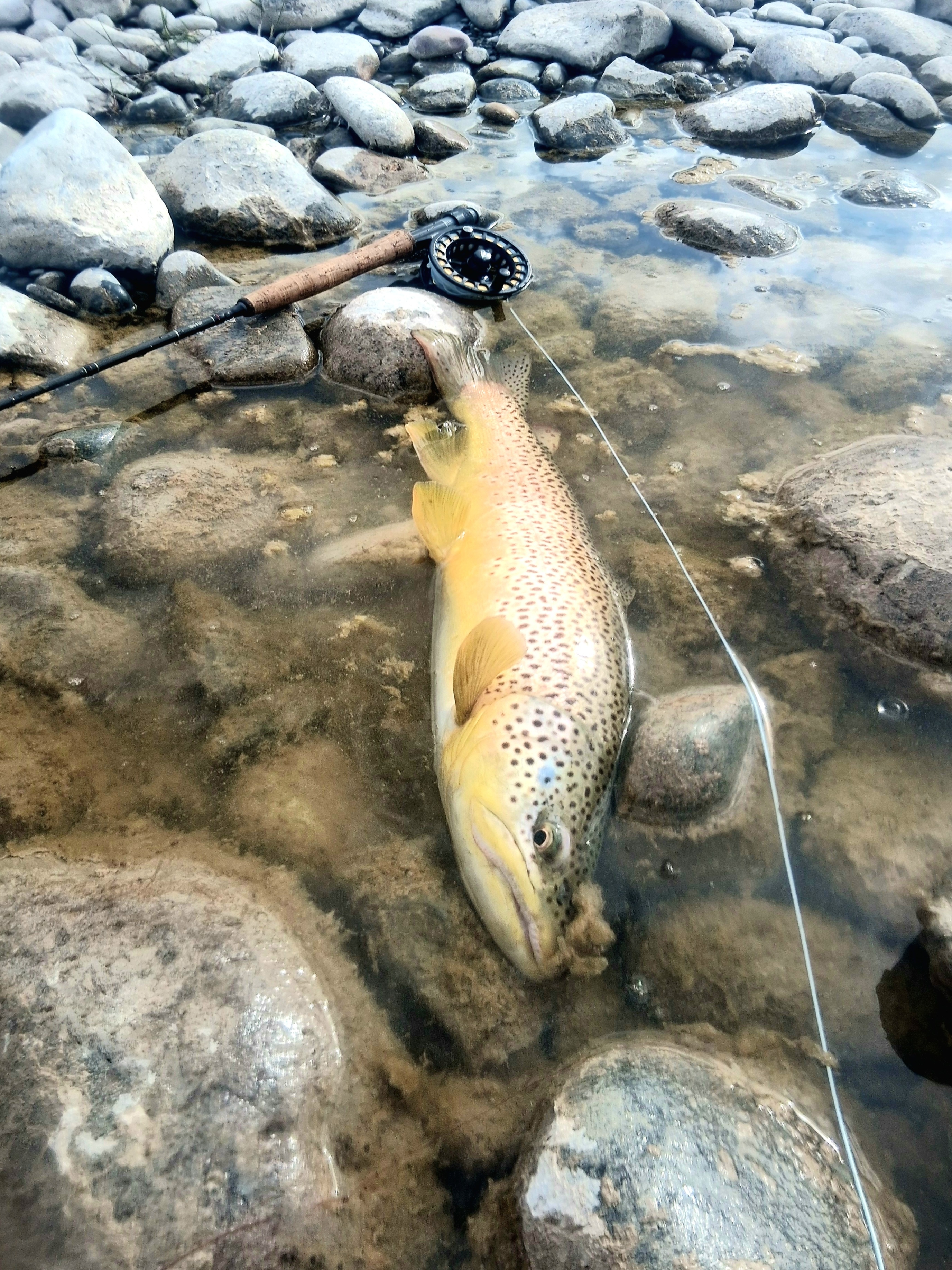
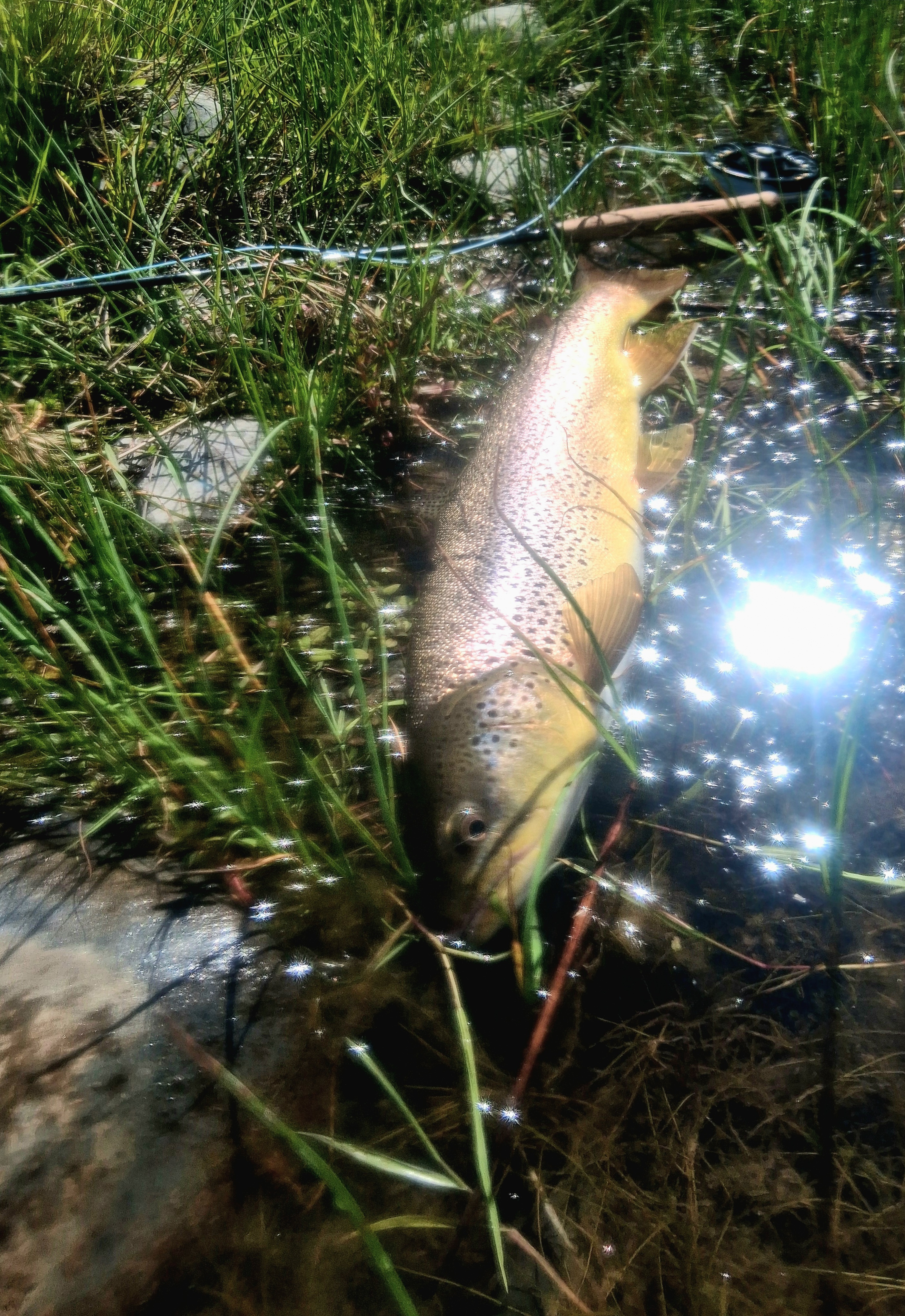
The Brown trout below was spotted feeding on tiny Pale Duns and Emergers, size 18 and 20 in open relatively flat water where the little mayflies were collecting. Seemingly no cover except the low light and rain and drizzle which dimpled the river’s surface. That was its shield of safety. The dark inclement weather above was its cover. Its complete attention to feeding and the low light conditions allowed me to get close to it without being noticed. In bright light the fish would have never been surface feeding in the location it was in.

It was caught on a size 18 Pale Dun. A parachute pattern with a black post which showed-up on the grey surface and differentiated it from the hundreds of other small natural/real Pale Duns. The black post helped me see where it landed and if it was in front of the cycling/feeding trout. It was a rare (for this summer) decent hatch and with all the natural mayflies on the surface (a lot of competition) I was lucky that even with repeated casts, it ate my impression.
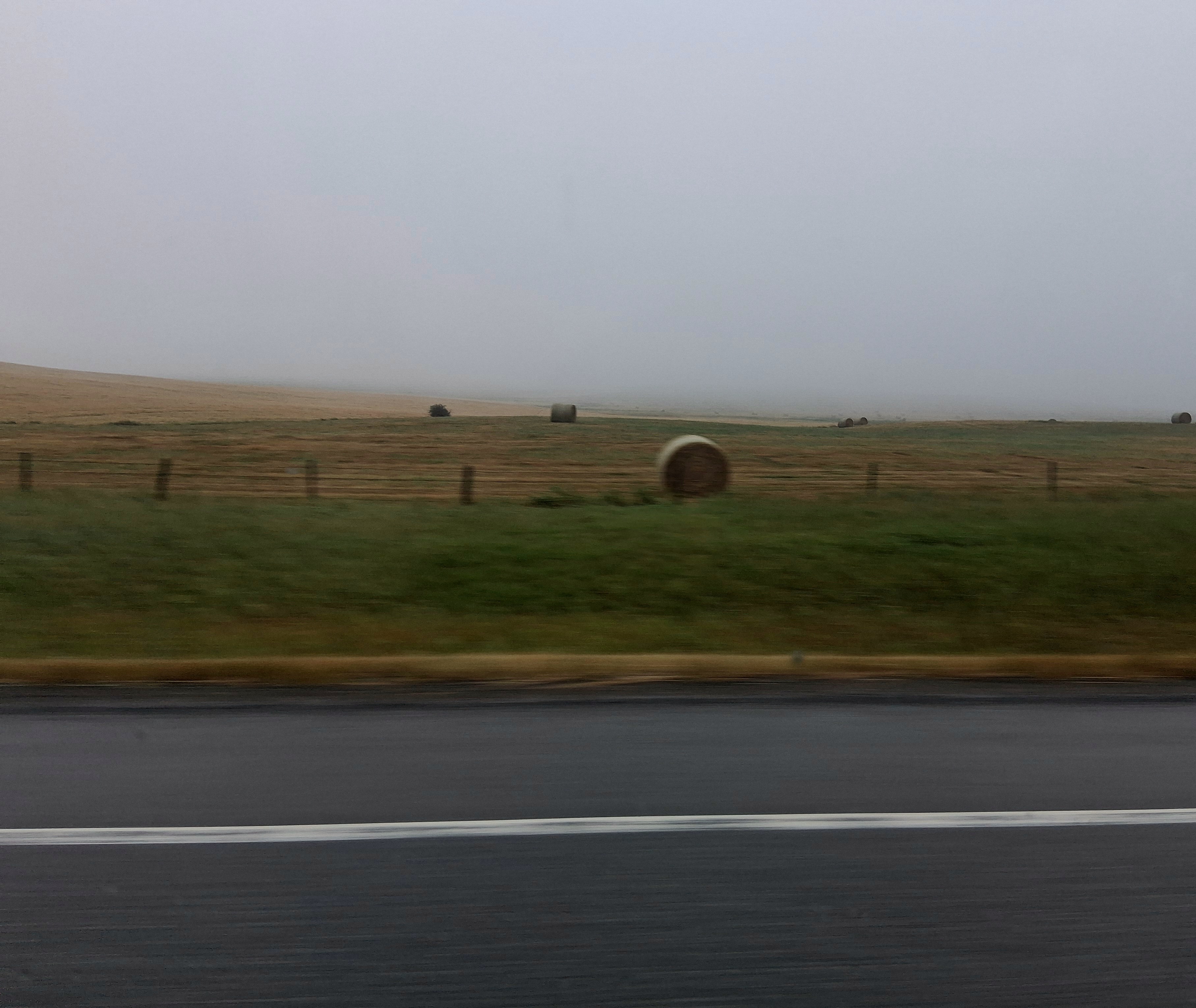
“Bob, I don’t trust air that I can’t see” — A NYC angler on the Ausable river, Adirondack Park, 1983
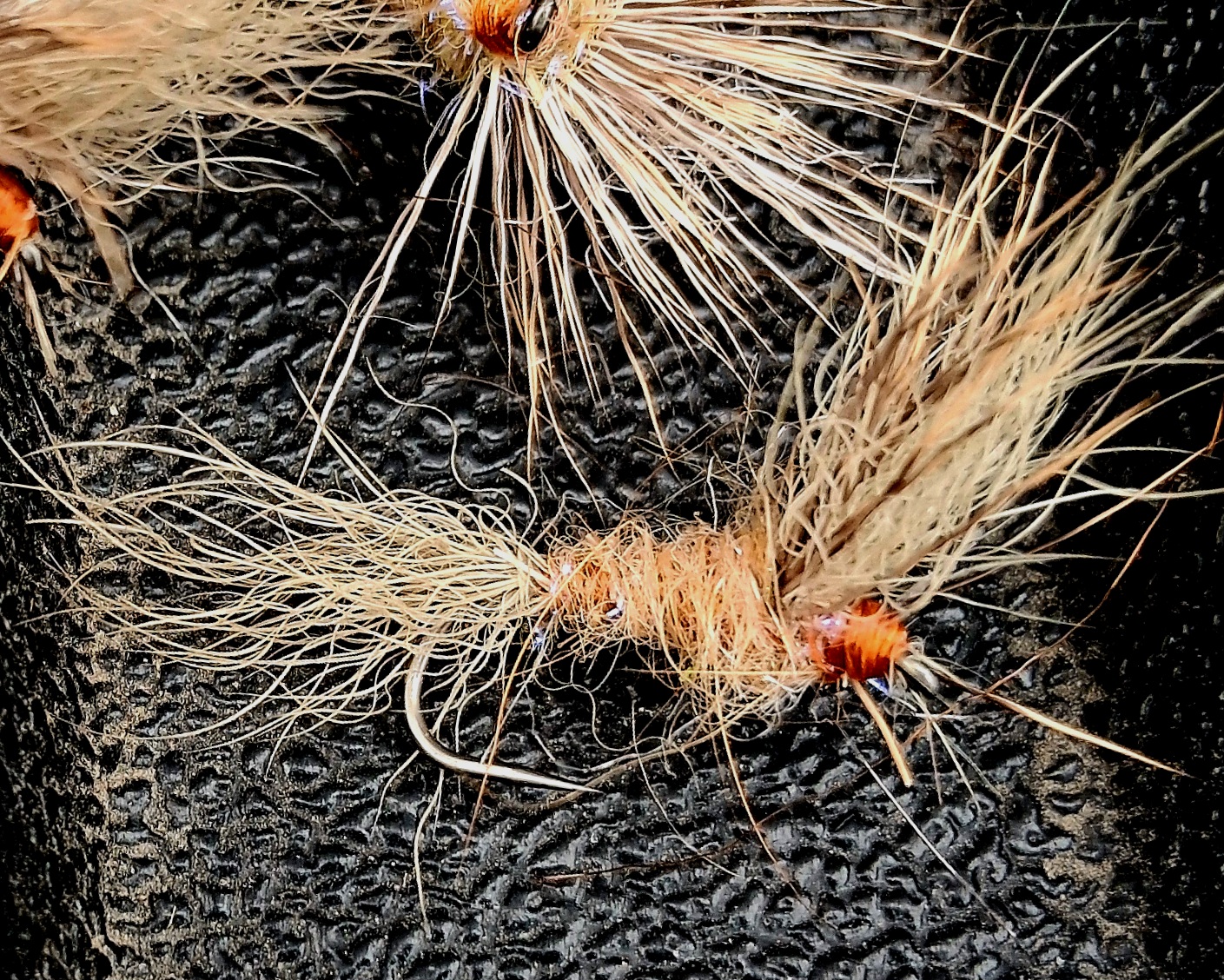
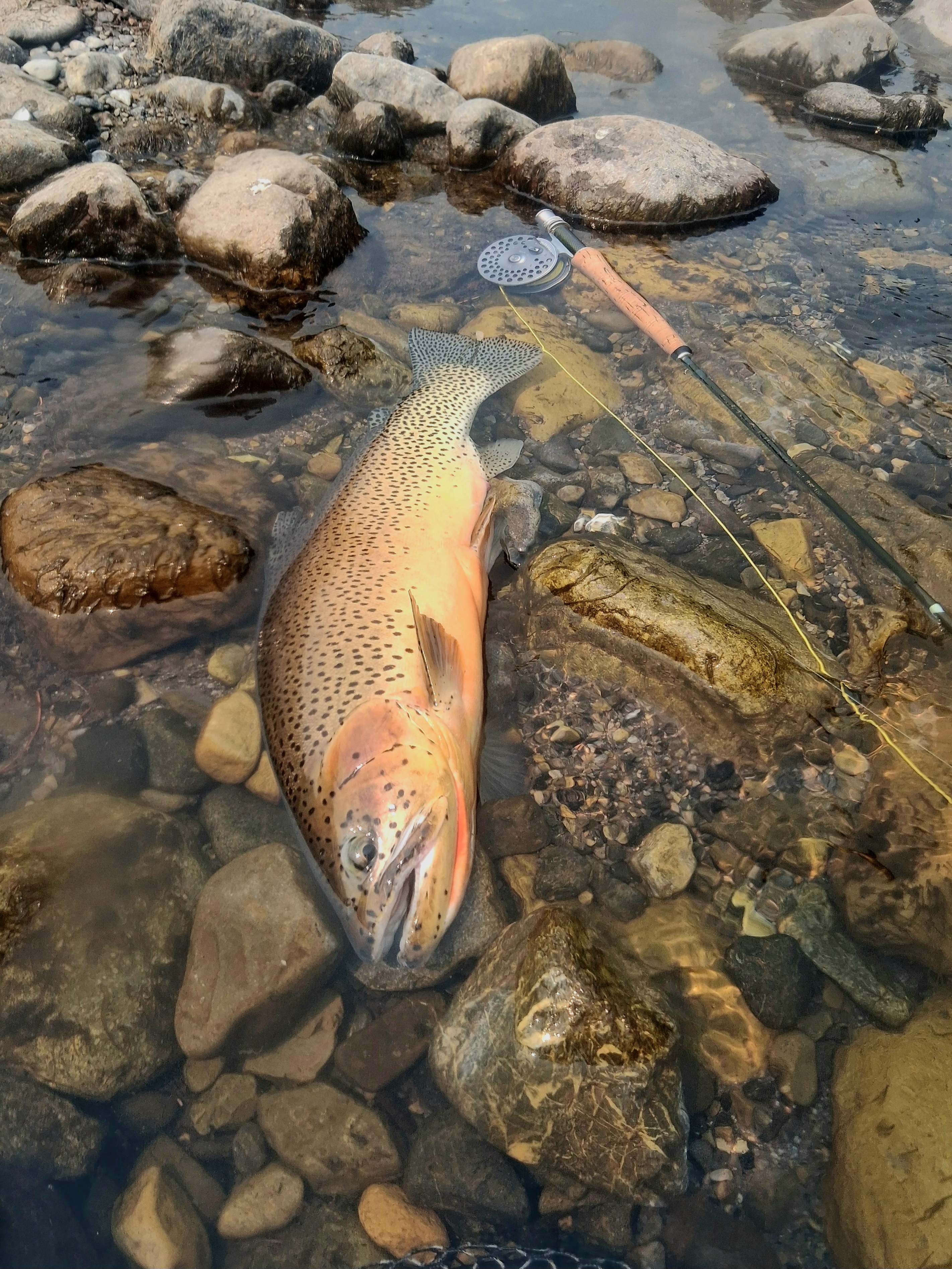
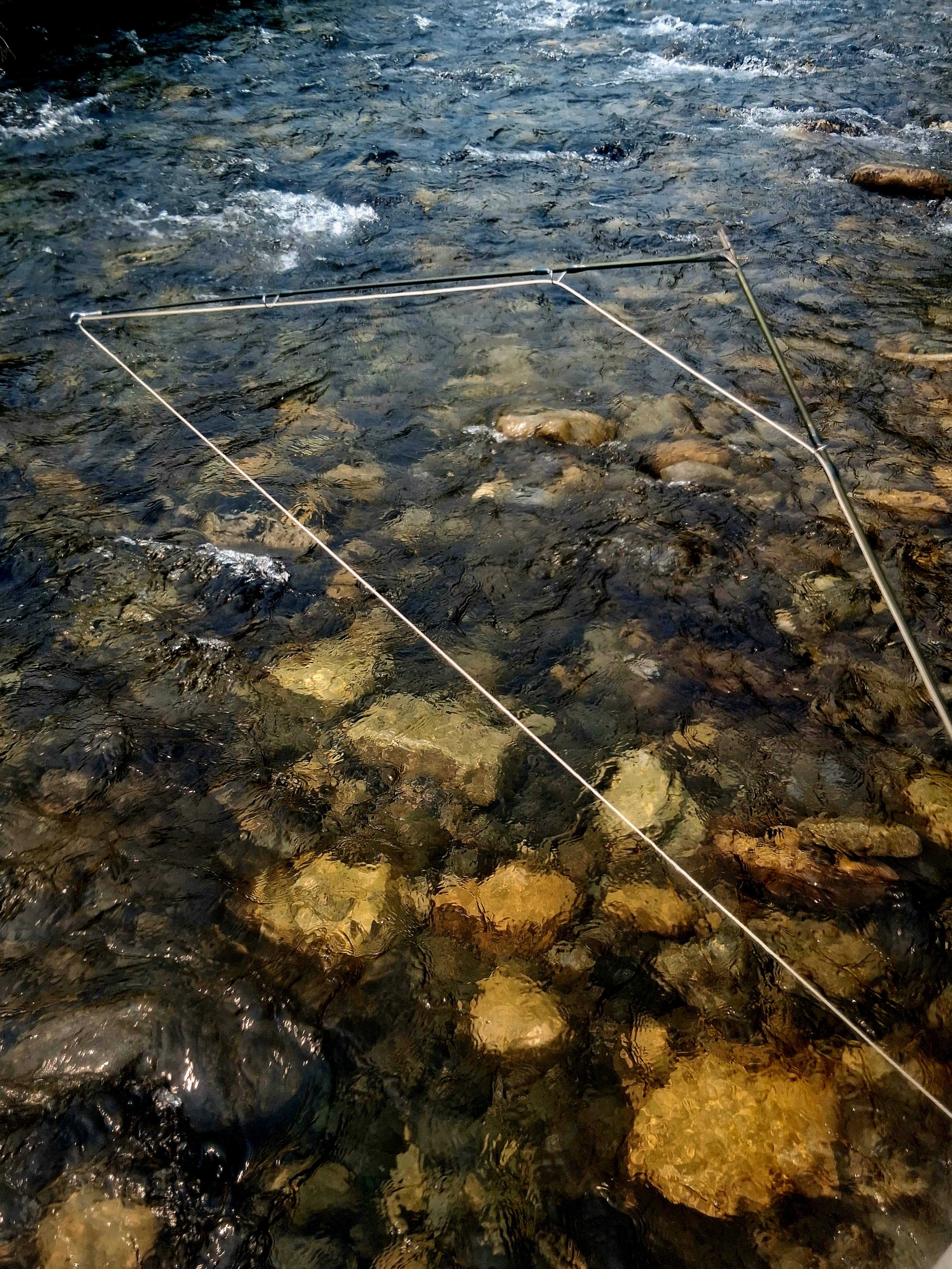
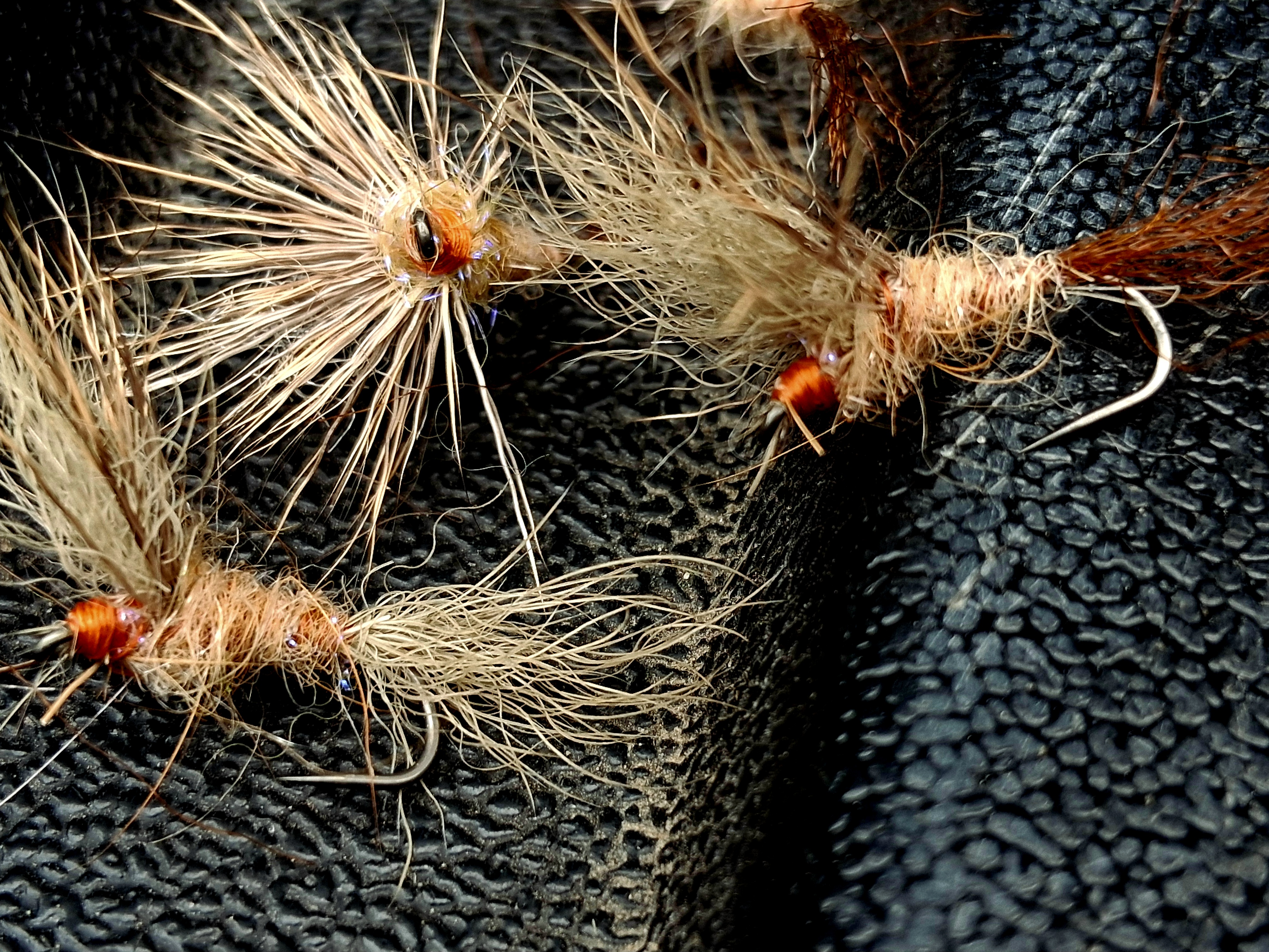
Walked a good part of the day on a freestone river in heavy wildfire smoke. It’s burning to the west of me. I had tied some quick dry flies for the outing. Mid-afternoon I hooked and chased a beautiful Cutthroat trout a long way downstream. In spite of several obstacles I got lucky and landed it. Shortly after I broke a rod tip. I was okay with that. The tip can be replaced and I had just landed a stunning wild fish in clear fast water. Felt my good luck outweighed my bad luck. The broken rod ended the day as I was an hour upstream from my vehicle. After the thrilling catch the walk back was effortless…
“Before I speak, I have something important to say” — Groucho Marx

Generic hatch charts suggest Green Drakes, small and large in size, start to hatch moderately when a stream tempetature reaches 52-54F (11-12C). The sweet spot is noted to be 54-58F (12-15C) for the most prolific hatches. Yet, there is one stream I fish where I see Drakes at 46F (8C). That’s several degrees cooler. I’ve noticed the key to the hatch on this specific flow is direct sunlight flooding the river bed/bottom. Once solar exposure happens it seems the nymphs are “ready to go”; ready to emerge. And it is not because the water temperature increased significantly in sunlight. On a sunny day I have seen it climb only 3 degrees by late afternoon.
So hatches can be river specific. This particular hatch appears synchronized to the valley’s lighting conditions once water temperatures pass 45F (around 8C). Once light floods the river I start looking for drifting Drakes and hopefully a response from the trout. Cloudy cooler days are never as good. Late afternoon mountain shadows seem to squelch the hatch. The trigger appears to be sunlight.
Speaking of hatches…there have been few dry fly opportunities this summer in my region, at least on the dozen or so rivers that I have visited. Bug life has been on the decline for years and this year it seems to have dropped off a cliff; it has “tanked” on most rivers…even on the generally reliable local tailwaters. Hopefully it will improve somewhat before the end of the season. If you are a visiting angler and want to be successful, you’ll have to be versatile in your angling methods.
There are two streams that I fish that remain clear when it rains; even after a deluge. In contrast, the dozen or so other rivers that I frequent become seriously turbid even with moderate precipitation; they silt-up. The ones that remain remarkably clear are up in the mountains where all the terrain around them is intact. Where most of the land is probably is as it was 200 years ago.
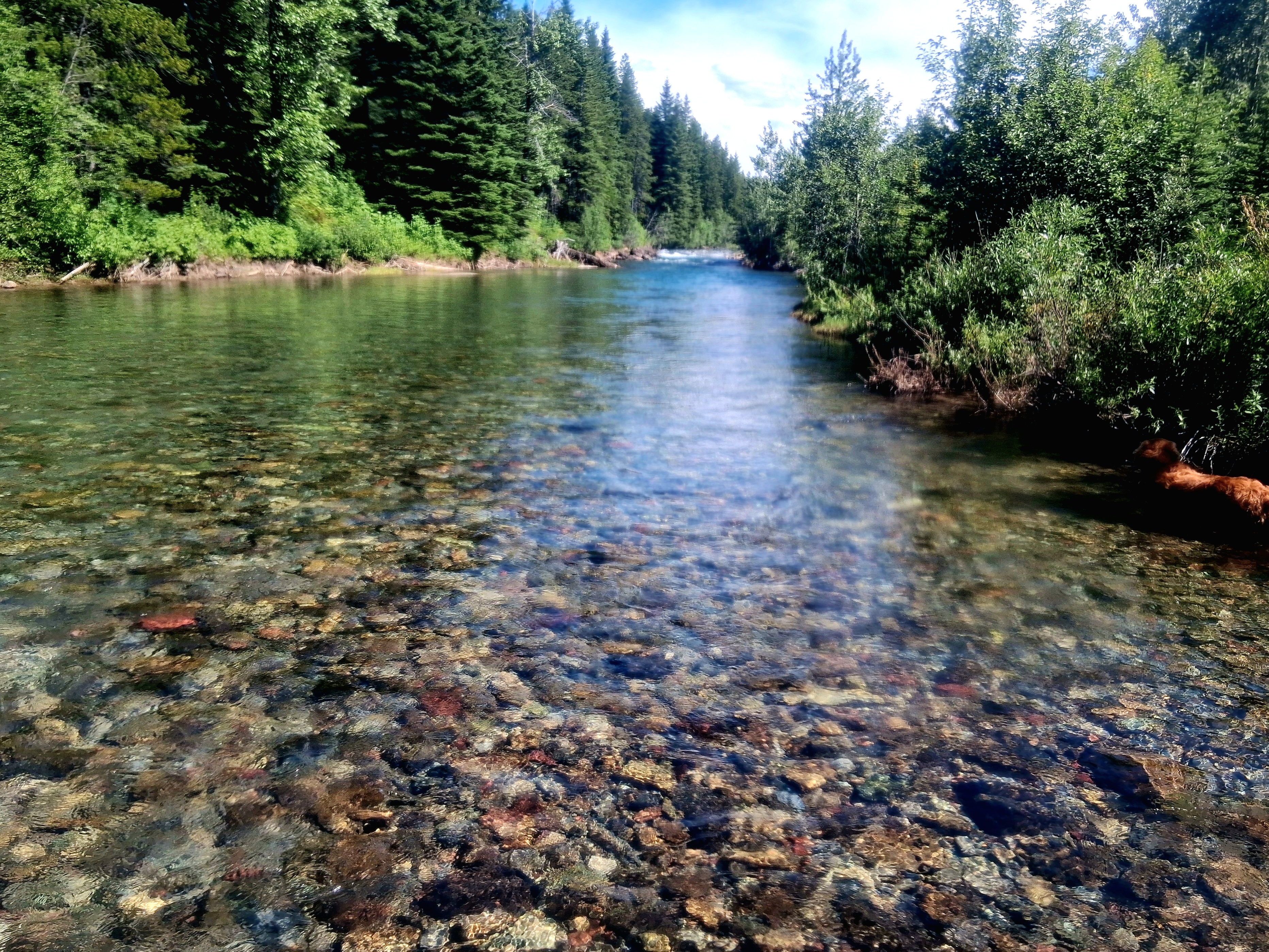
The forest that these rivers run through are thick and diverse, and intact. And the forest floor is covered in leaves, moss, fungi, an endless variety of plants, degrading wood and numerous other types of rich organic material, and a complex intertwined root system below it all. When you hike to the river through the forest the ground is soft and spongy. It holds water well. It absorbs and filters the rainfall and melting snow. The forest floor is a vegetative buffer for the stream. The (riverside) riparian zone is also intact. It is treed, has brush and willows, moss covers some of the ground and again a healthy root system exists holding much of the soil/ banks together, even in high water and run-off.

When I wade these two rivers I see little or no silt. The river beds are clean. I can see every stone, pebble, every single detail…no sediment covers/blankets the bottom. On the other rivers it is thick in many places; they look like they need to be vacuumed.

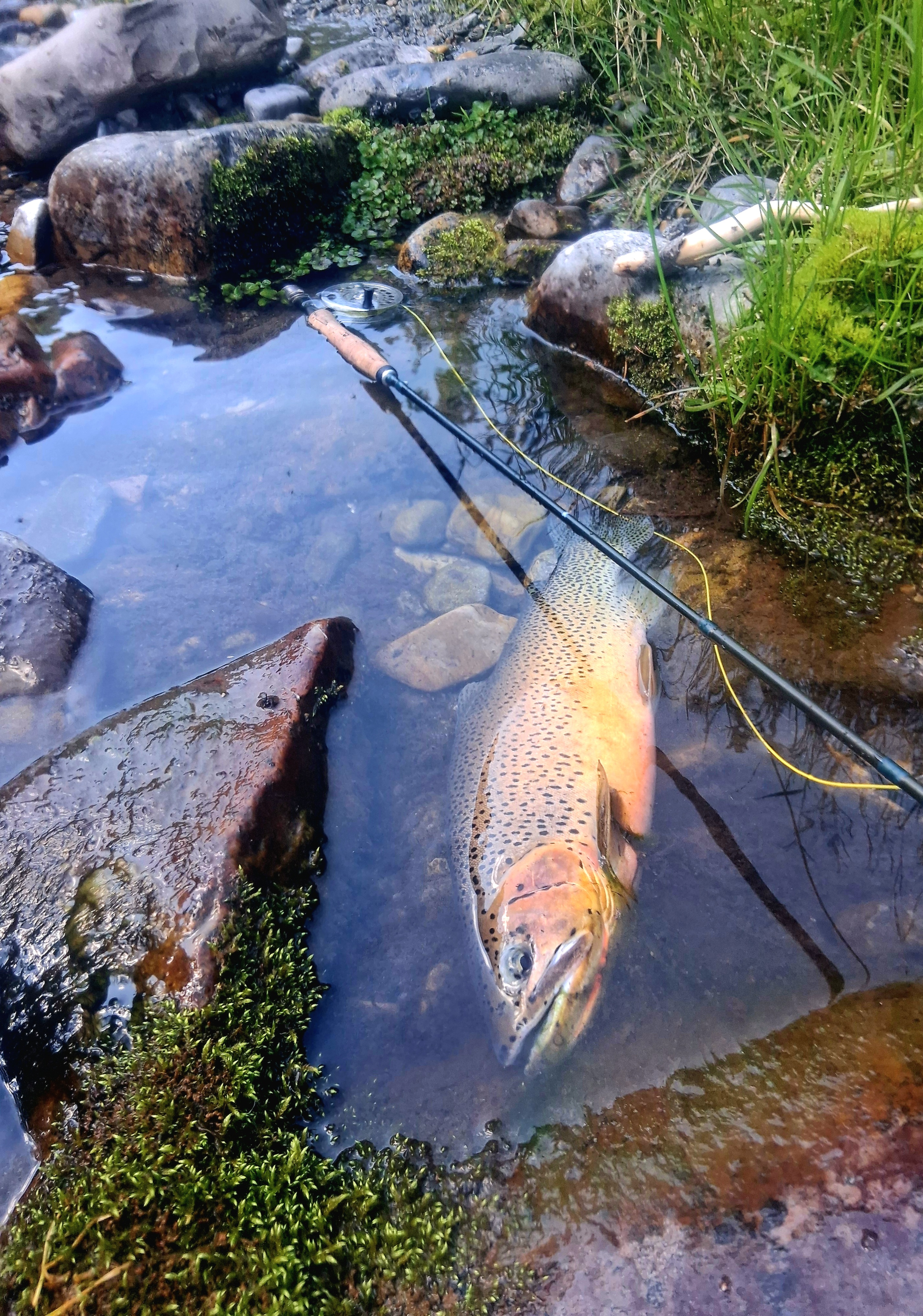
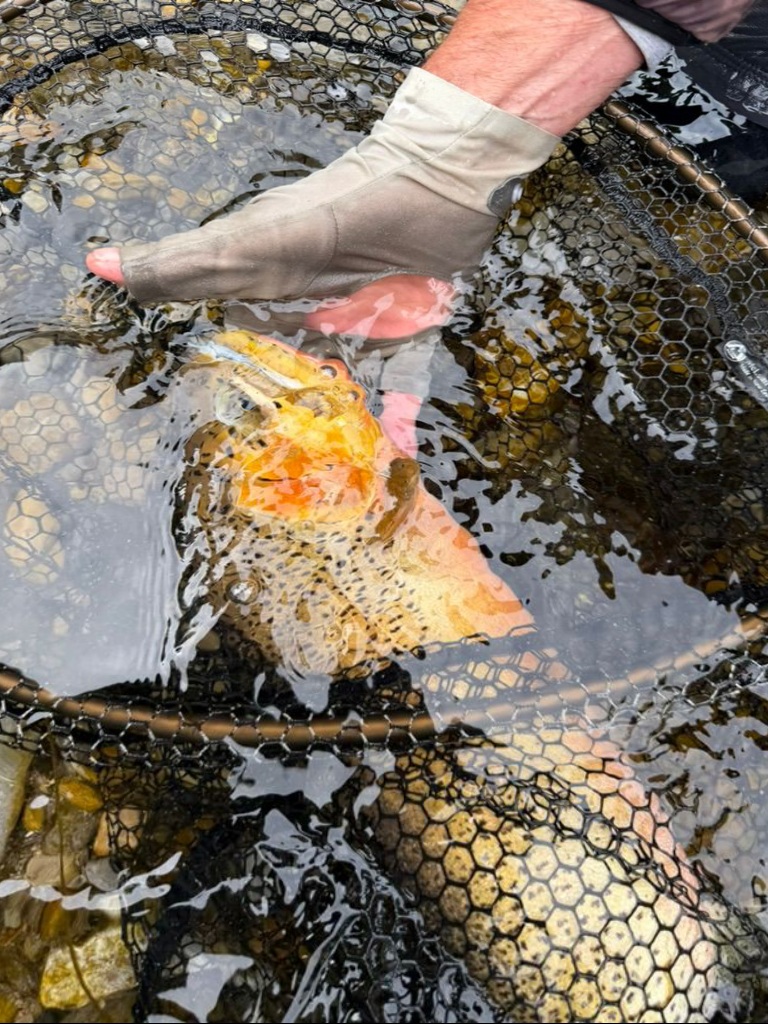
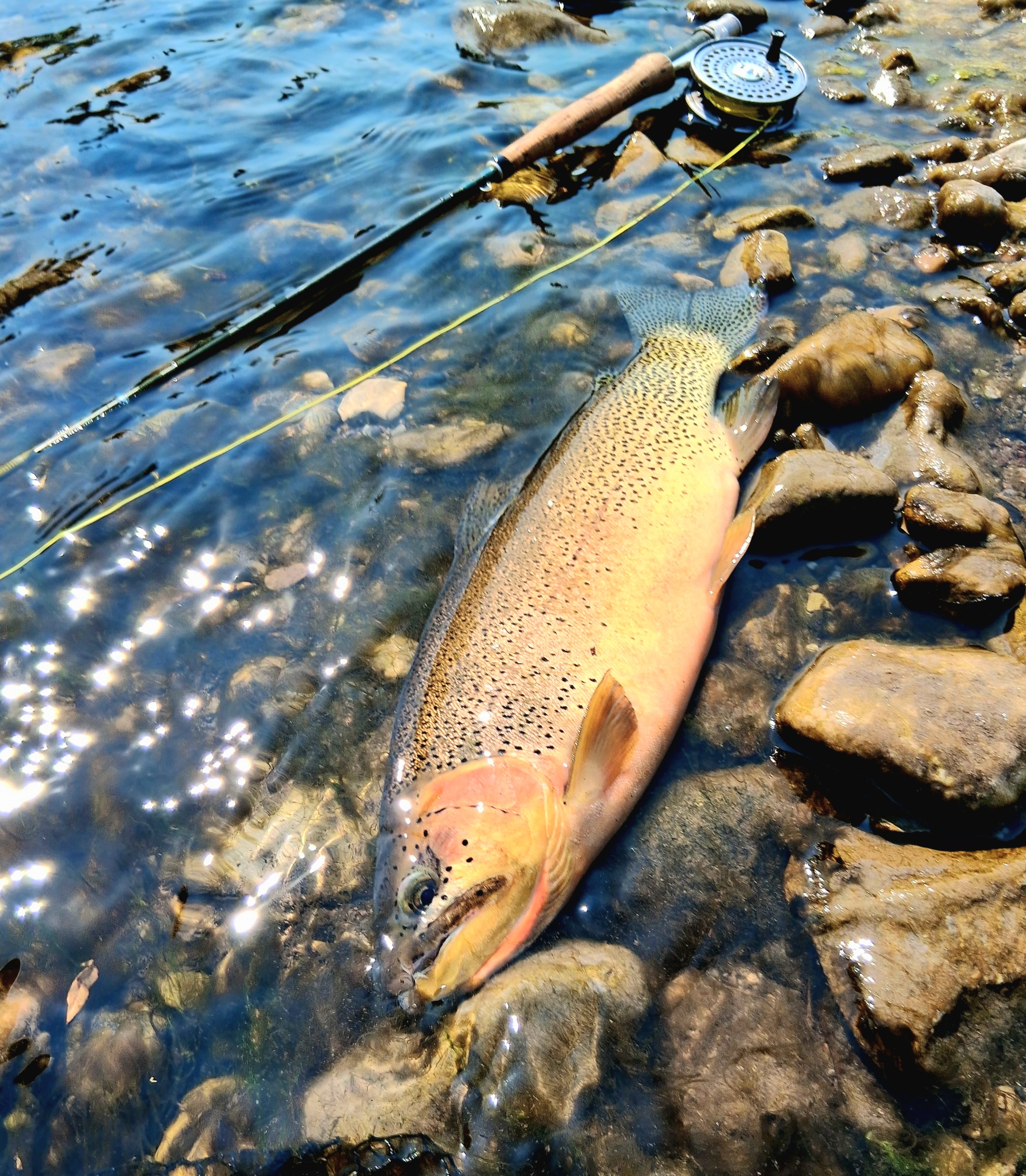
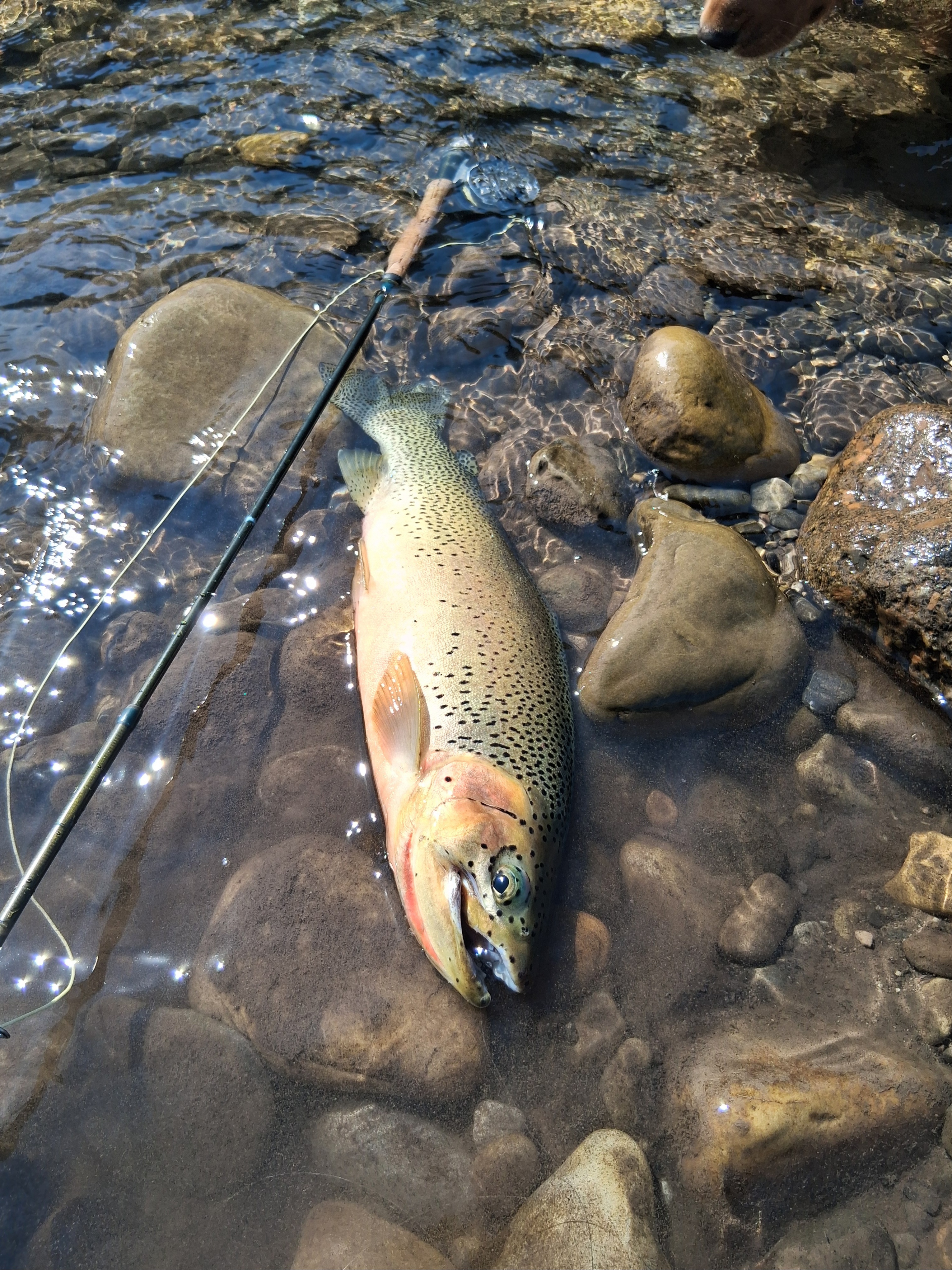
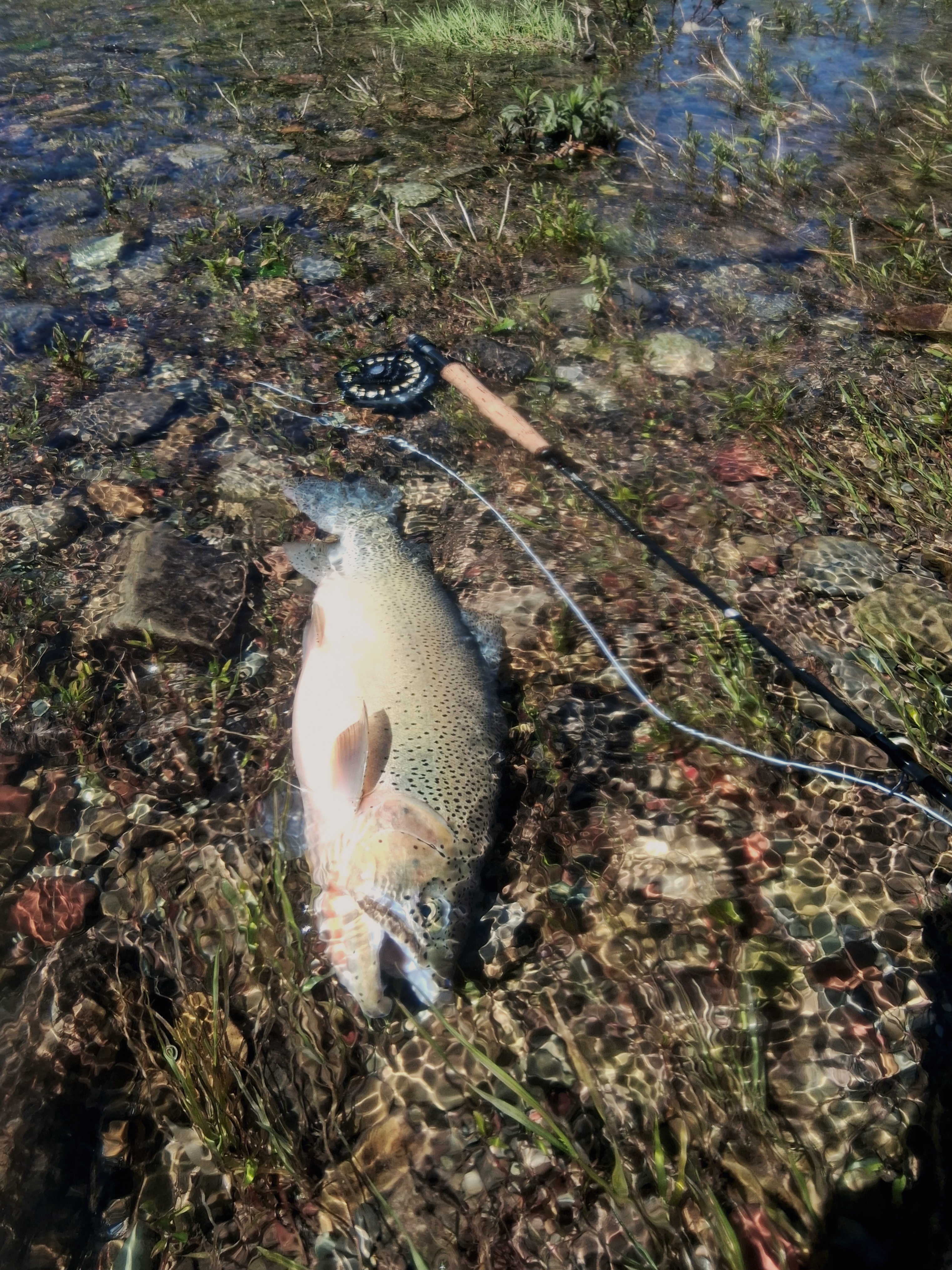
These two pristine rivers hold Cutthroat trout. A regional native fish. They are colorful, untamed and robust. They are extremely healthy just like the rivers they inhabit. Their population generally isn’t high. These freestone rivers tend to be fast and turbulent and there are only so many pockets and pools for them to hold in. It is a challenging environment and their feeding season is brief. In spite of this some miraculously manage to survive and even thrive, and these rivers can hold some real gems. Here’s one of those miracles that I came across a few days ago. It was holding in a crystalline flow in one of the Last Old Places…
Trout, Tides and Travel…
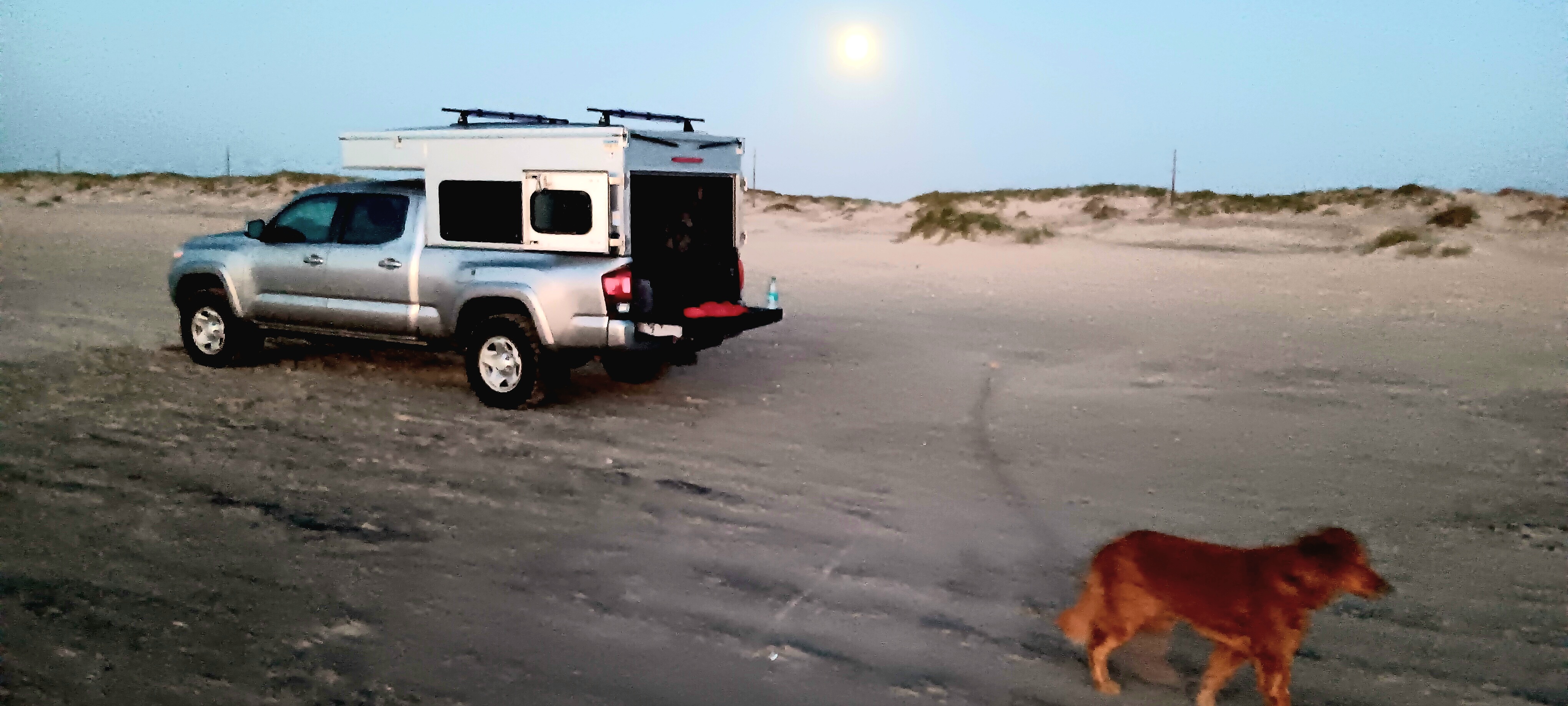
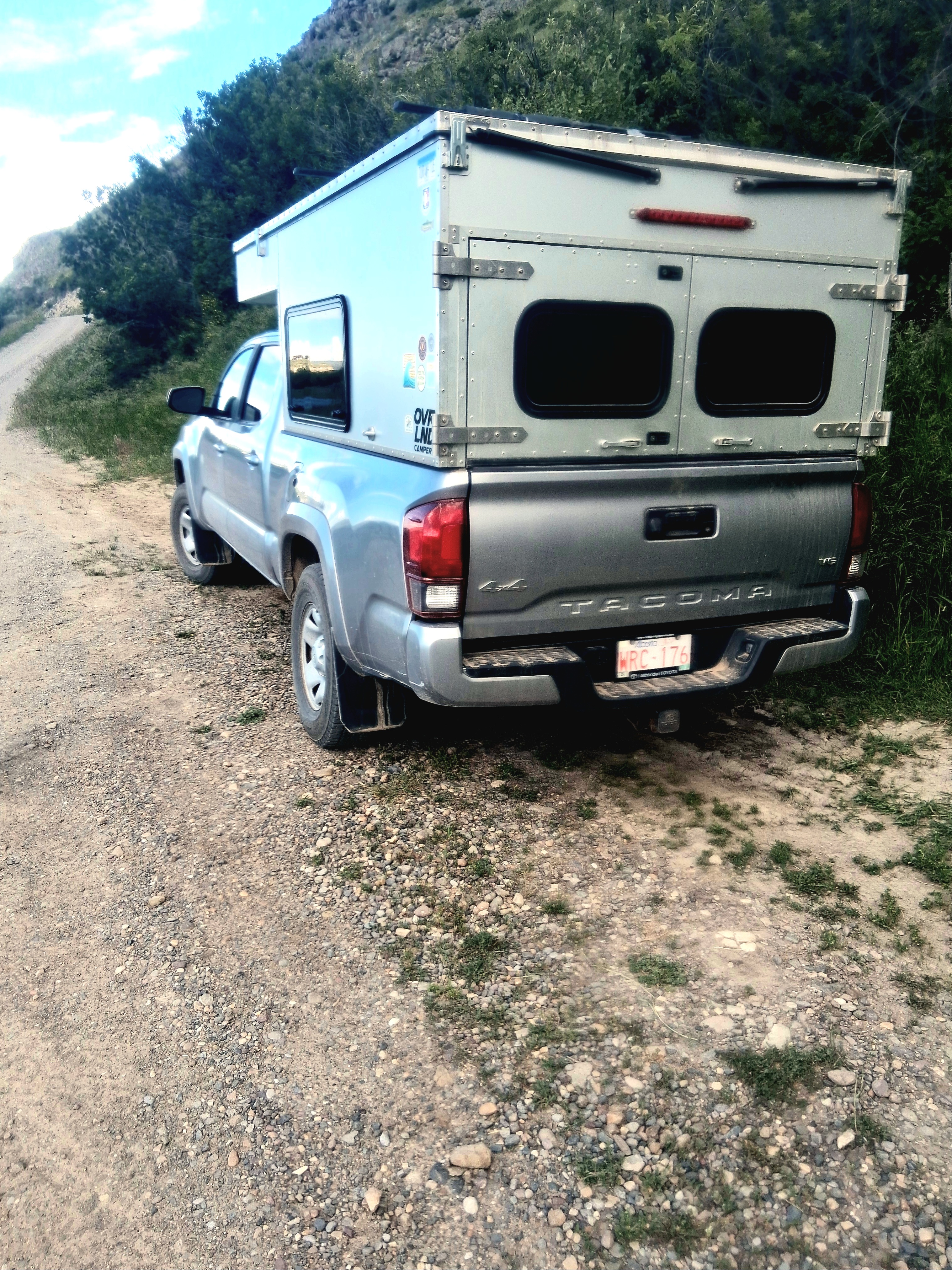
I drive a Tacoma with an Ovrlnd Camper on the back. Yes, it’s spelled Ovrlnd, not Overland. Quirky name. They build them from scratch in their Flagstaff shop. They are passionate about their product(s) and are people who actually do long road trips. The campers are cleverly simple. They have an old school boxy look which attracted me to them as well as the rear barn door feature and weight. The design provides excellent interior space and they have a pop-up top. Ovrlnd has been tweaking and refining them for years, so they are reliable and durable. Everything works as it should and because of their simplicity there is little that can break down. They are aluminum and super light. The one on my six foot truck bed weighs approximately 300lbs. Perfect for a light truck model like mine. I often forget that the camper is on the back.
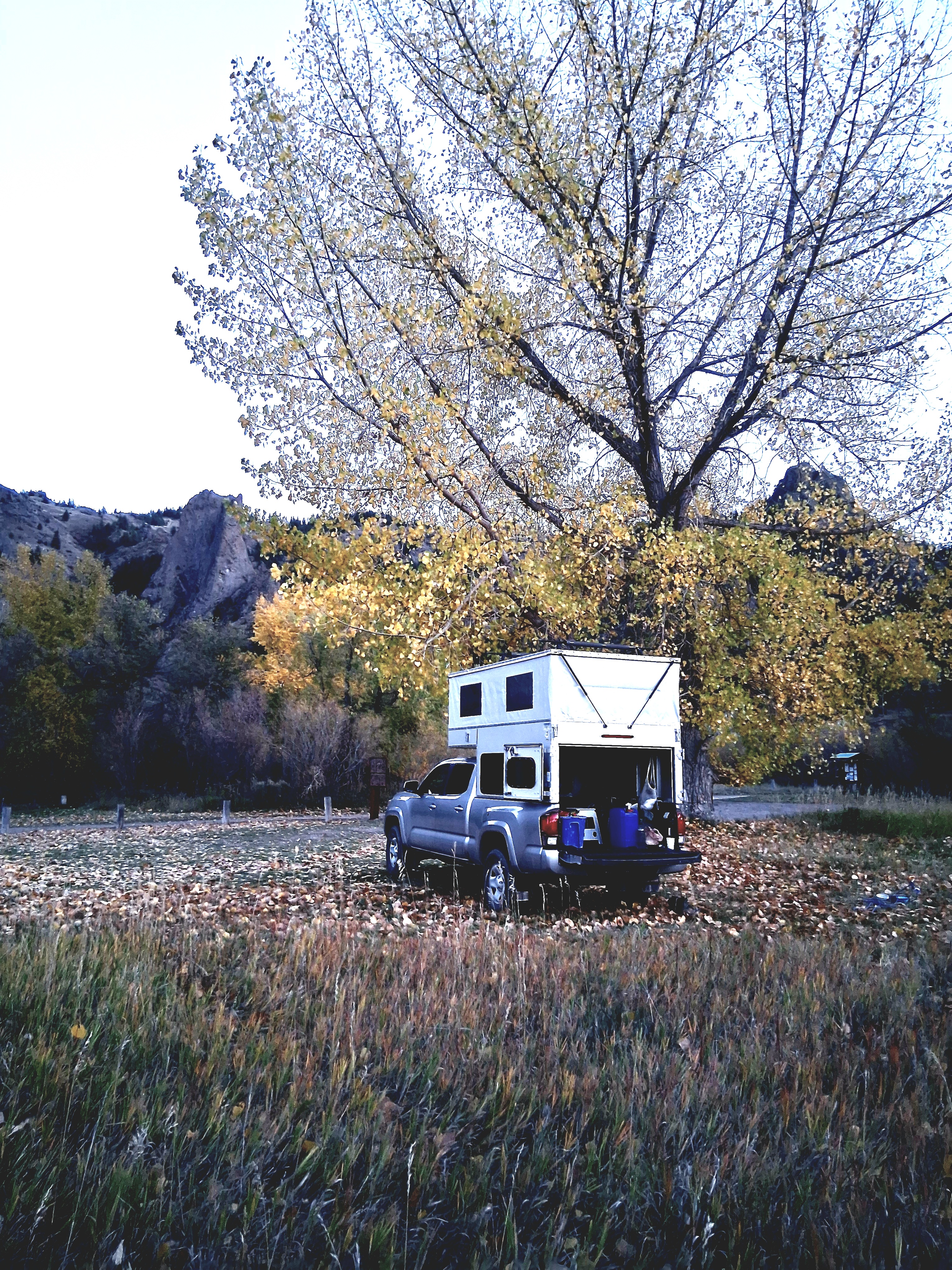
When I left full time work I wanted a set up so I could go just about anywhere on fly fishing trips for extended periods of time. I already owned a pick-up truck and therefore was looking for some type of camper to accompany it. There are a fair amount of options out there but not many were light-weight and suitable for my vehicle. Ovrlnd campers “fit the bill”.
With the truck and camper combo that I have I’ve been to a variety of destinations for weeks on end: along logging roads in a coastal British Columbia (BC) rainforest region in search of Steelhead; the mountainous BC Kootenay region for Cutthroat trout; beach camping on a barrier island along the Gulf of Mexico while pursuing Redfish on nearby tidal flats; high desert spring creek fishing for Trout in central Idaho; central and southern Montana also for Trout; and fishing at home in Alberta along the backroads of the eastern slopes of the Rocky Mountains.
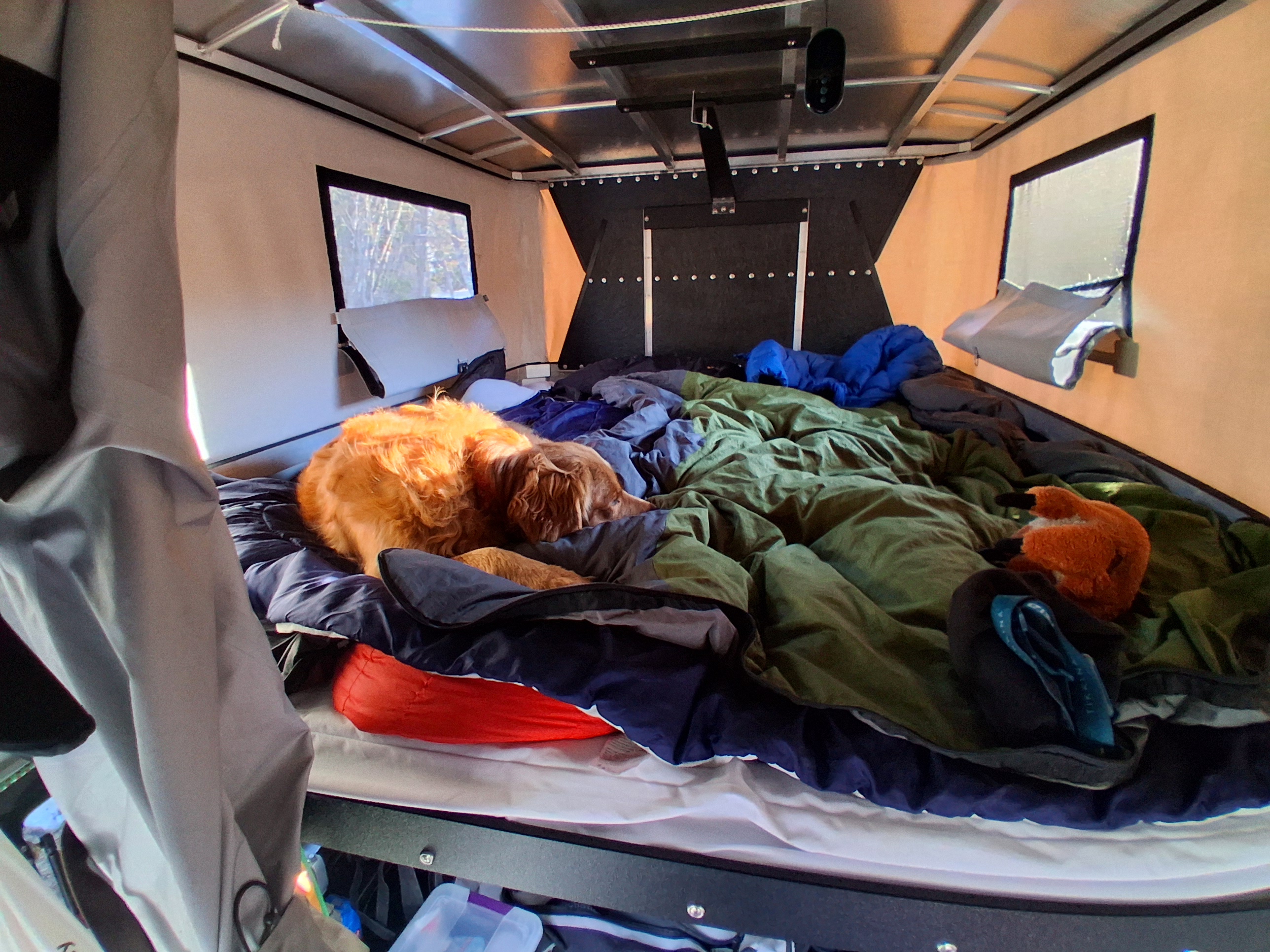
The camper has an anodized finish and a queen size bed platform which slides out once you pop the top. Unlike my Roof Top Tent it makes little noise when camping in high wind regions. It sets up easily and since it’s a shell you can do anything you want with the big interior. I’ve intentionally done little to mine: just wall carabiners to hang things from; some stacked crates to stuff gear in.
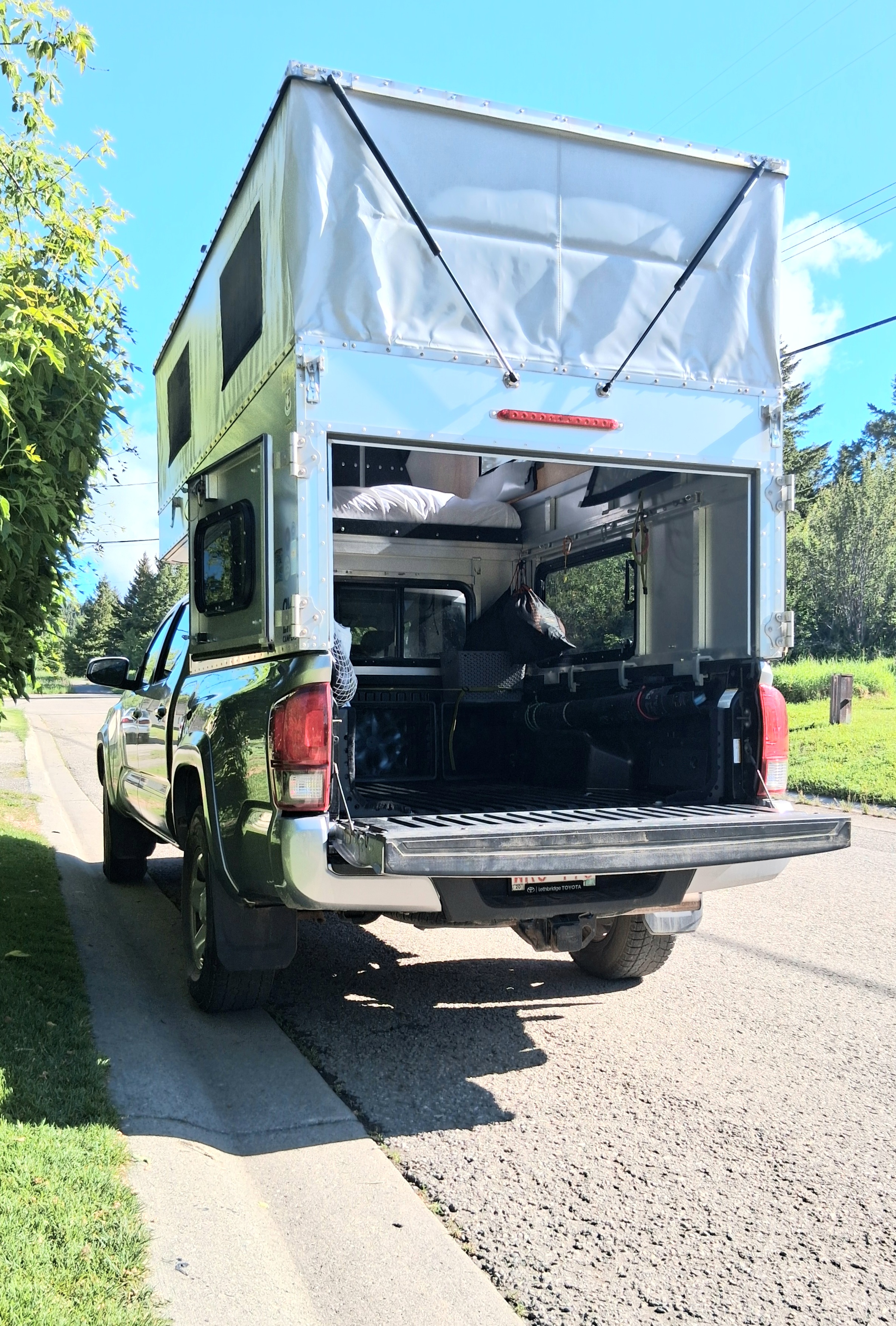
Shell campers are not for everyone. It depends on your needs, wants, and expectations. If you have a truck, are into outdoor adventure, want something super light-weight, nimble and well-made, and like travelling the dusty back roads or seaside beaches (where permitted), this minimalist camper could be just the ticket. I’ve been totally pleased with mine. And customer service with Ovrlnd has been excellent.
Here’s a link to Ovrlnd products: https://campovrlnd.com/?srsltid=AfmBOopbTR2mInpgevpva4IzMjyHDyEHGHQhFa9vkEntzjbqmMnX2s8w
.
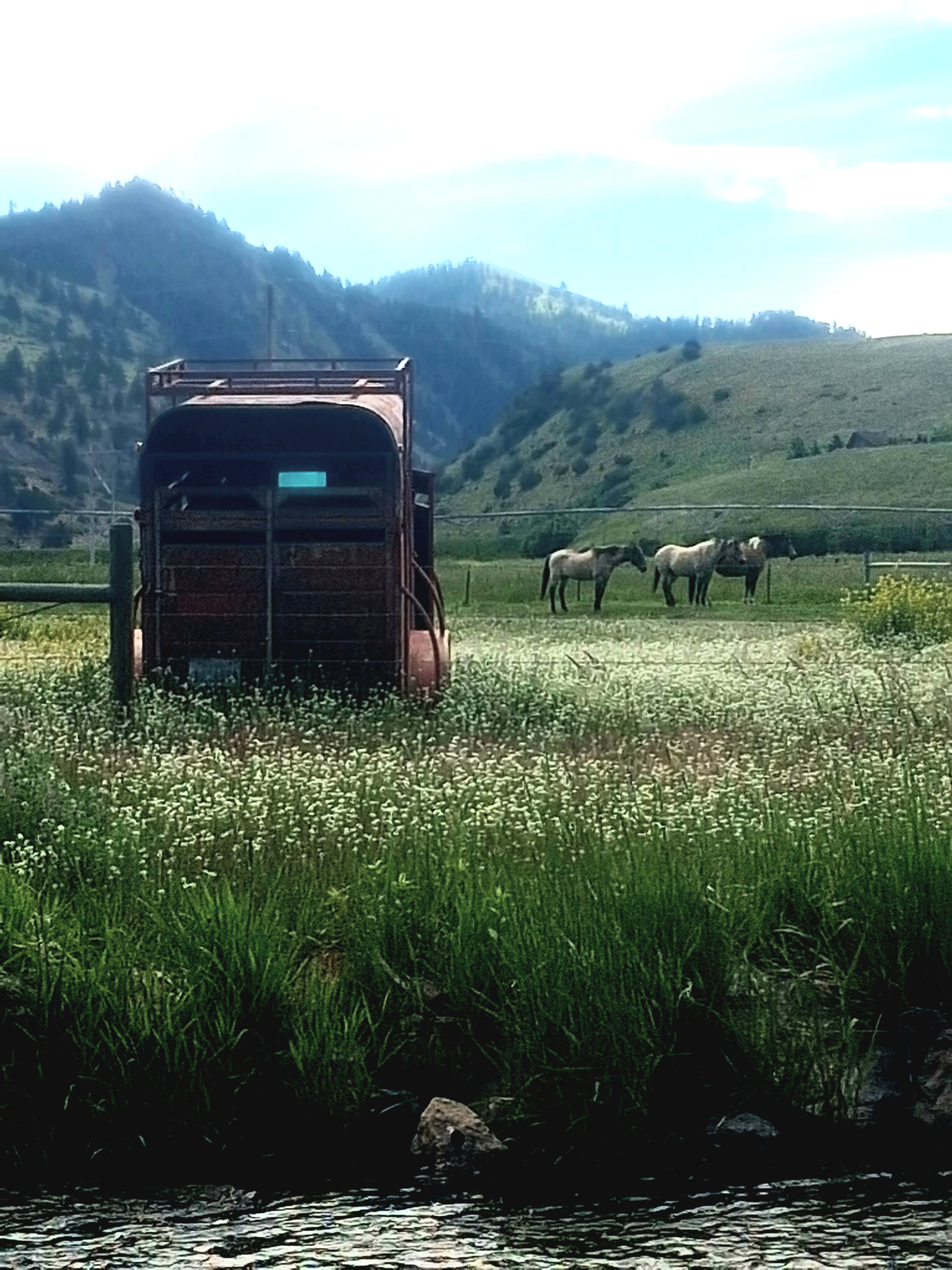
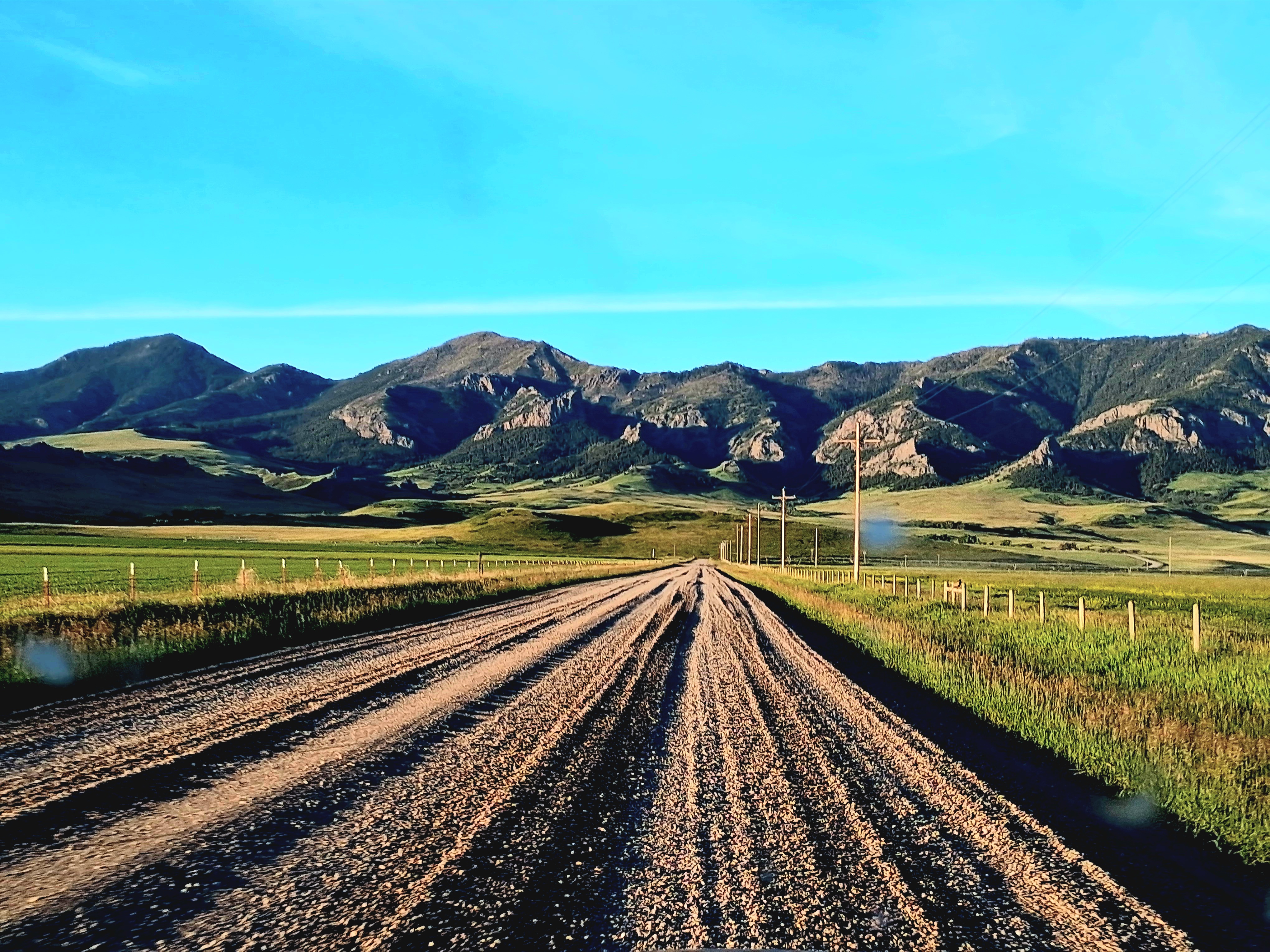
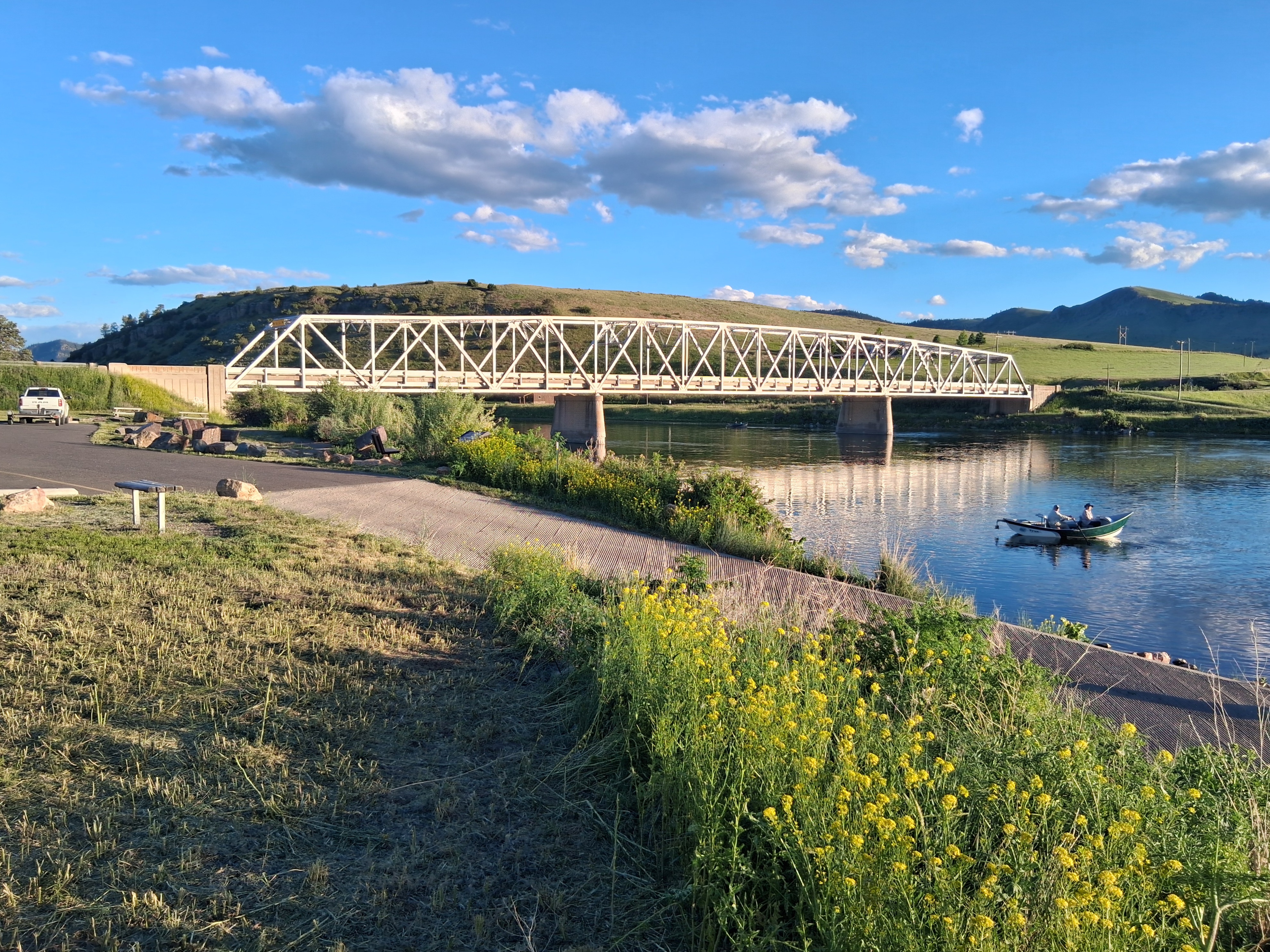
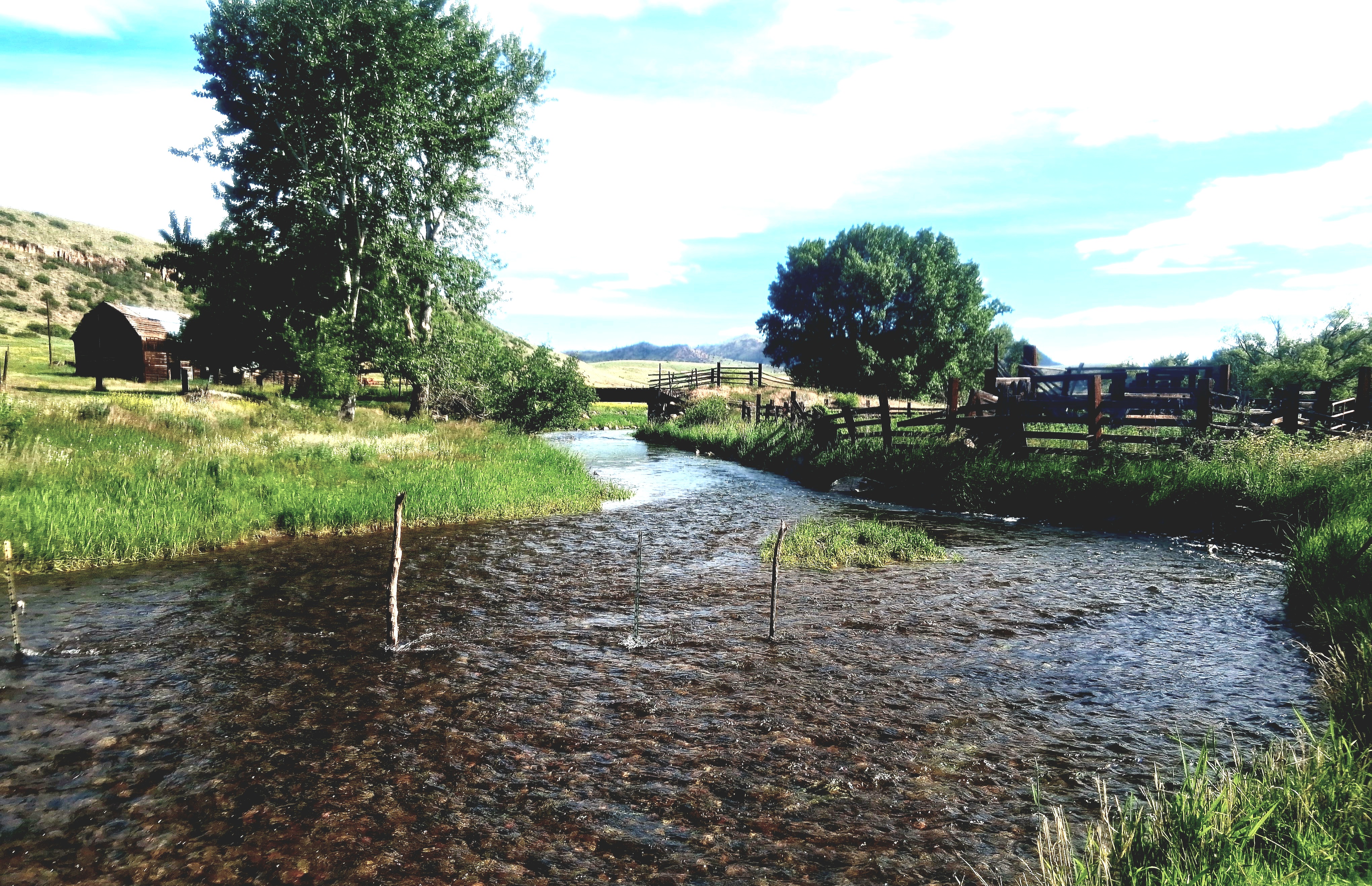
Some photos from a recent brief fly fishing road trip. The weather turned sunny and hot and the river went quiet. The Pale Morning Dun hatch fizzled-out. Caddis insects were sparse. Trico mayflies started making an appearance…odd for mid-June as it’s usually a mid-summer onward hatch. Anglers reported the weather and water conditions seemed more like late July. Rising trout were hard to find. In addition to the main river I explored some creeks, walked a lot, took some photos, found a few fish, and enjoyed the summer like conditions…
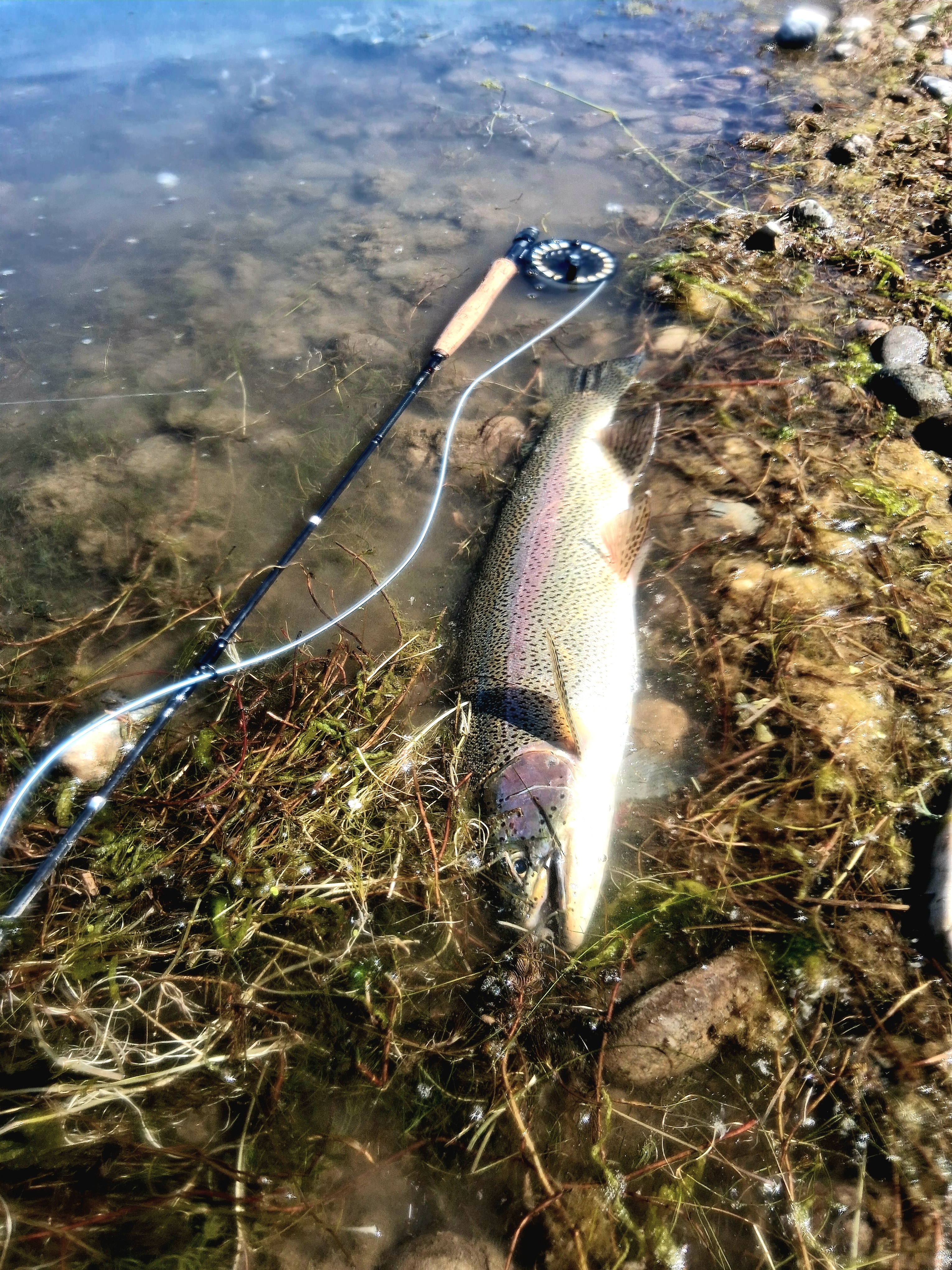

It was their shoulders, the top of their heads or noses that were breaking the surface. Rarely did I see a mouth gulp or sip the Olives or Pale mayflies. They were mainly on Emergers. It made for challenging angling. I stuck to one fly. No dropper. Low riding and surface piercing patterns: a soggy Usual, Klinks, some soft hackles. Many drifts were ignored/ rejected. Luckily many chances and with that some success.

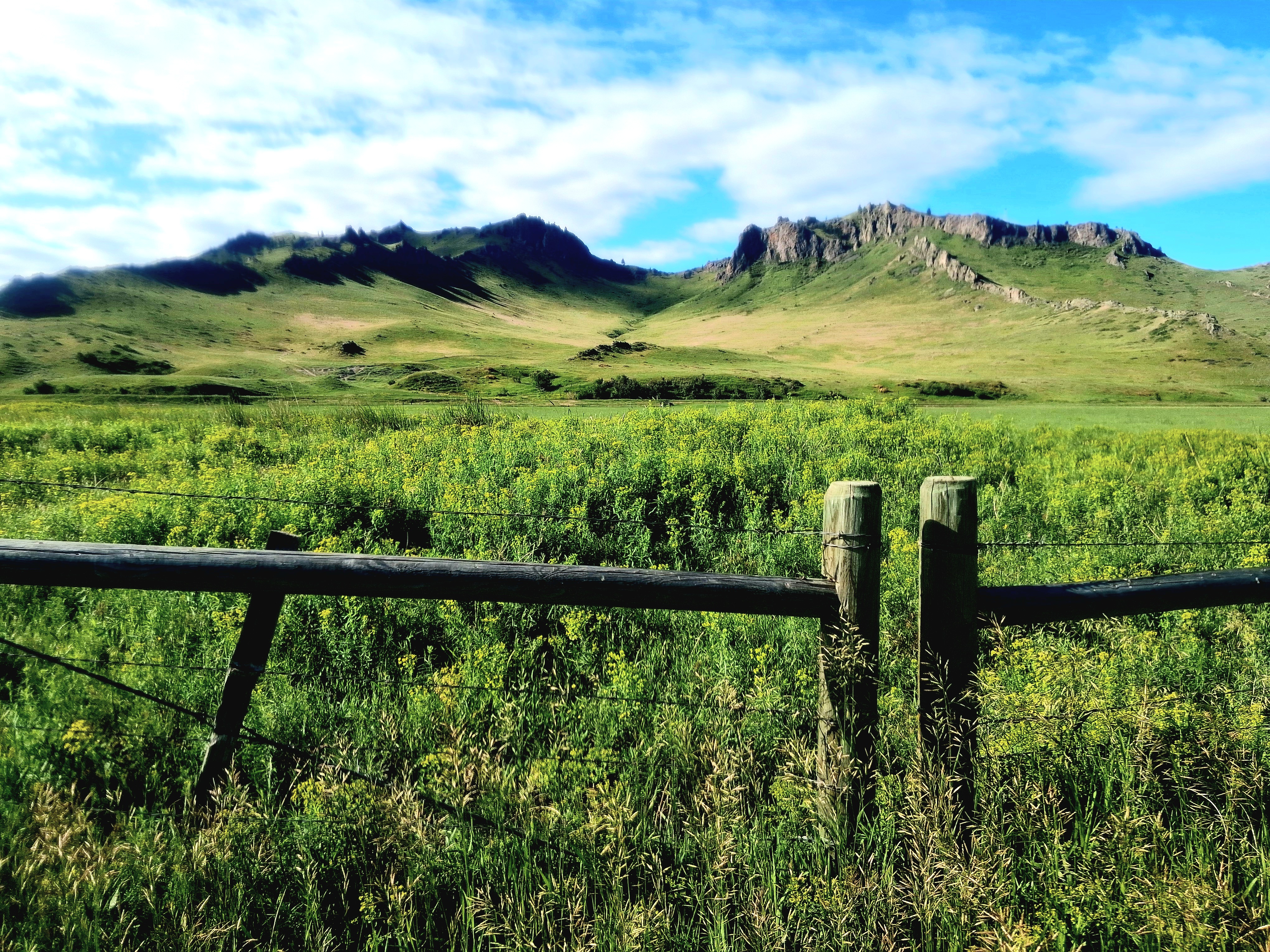
Everything was green. And the warm sun mixed in with the occasional shower/spring storm made for some amazing lighting on the land and water. It was spellbinding. And the daily weather transitions often kick-started or augmented the hatches.

What was suppose to be a fairly long trip turned into a short five day one as my car engine indicator light came on and stayed on. Kind of unnerving. I was advised to put duct tape over the light so as it wouldn’t bother me and to keep on trucking and fishing. In spite of that “sound advice” I decided to make a premature run for home. I didn’t want to get stranded on some muddy back road, with poor or no cell coverage in the middle of nowhere. Frustrating as heck as the river was alive. It was buzzing. And the wind was never an issue. And because of that I got to explore and fish the lower river more.

On the drive home from this place I always say to myself: “It’s the best hatch river I’ve ever been on”. It’s also incredibly beautiful.


