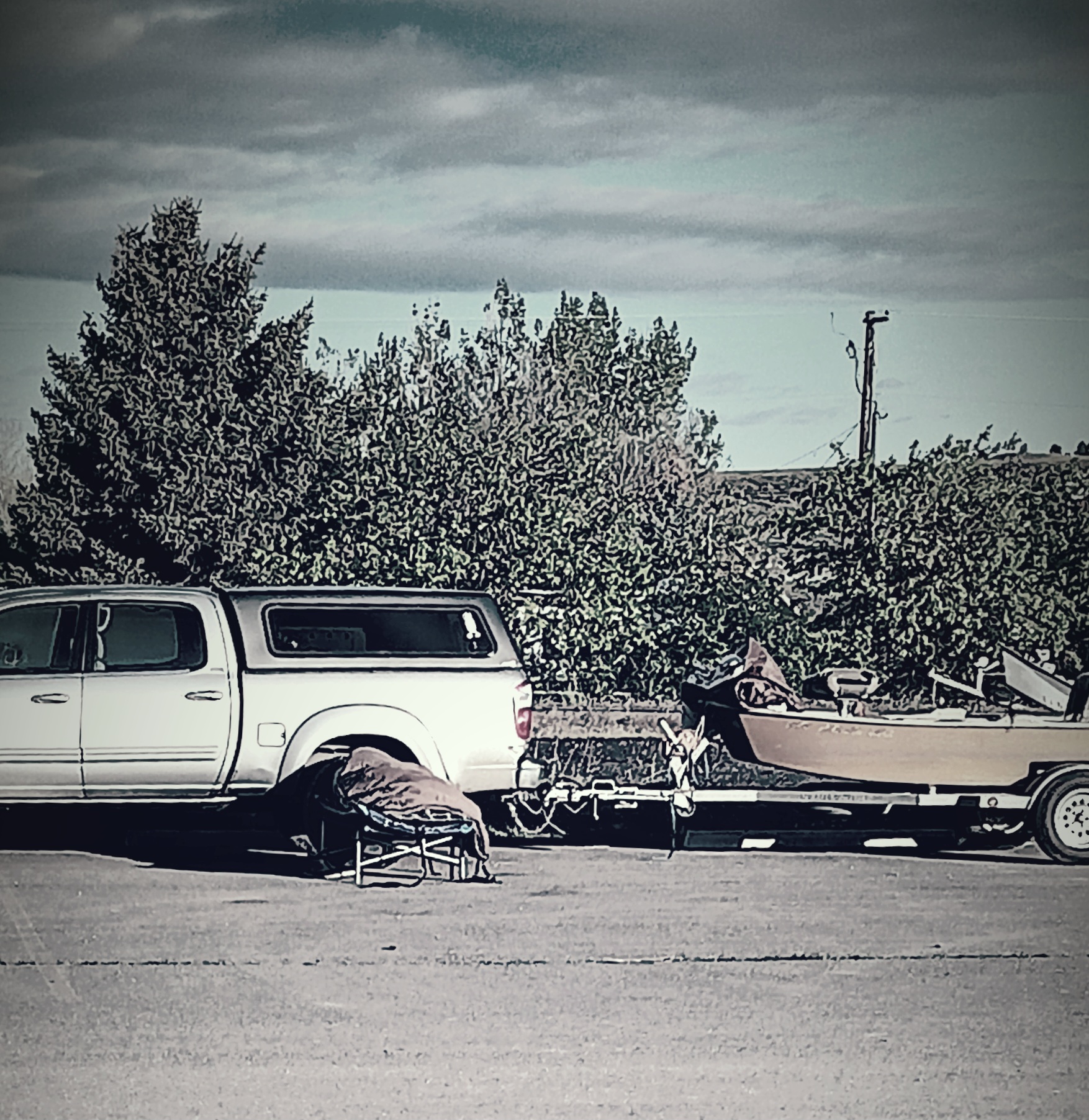
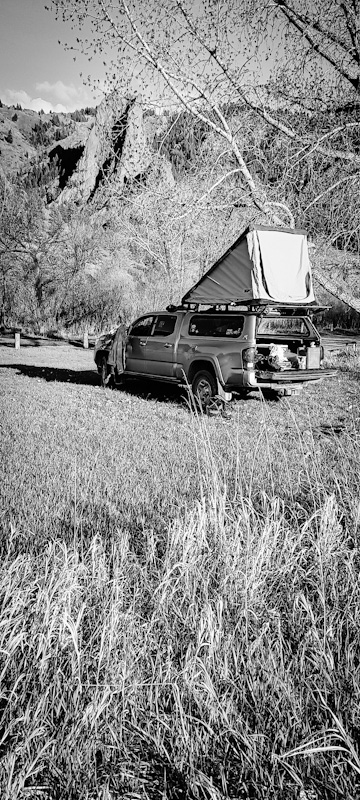
Stetson named one of their hats, Open Road. Probably paying homage to the wide open West. Here are some images while fly fishing out on the Open Road… eleven days, three rivers in search of brown trout, a growing pup and a roof top tent on my truck. No Stetson or Cowboy boots. Instead, a ball cap and aging Simms wading boots. All trout caught on foot, with my eyes and on dries…
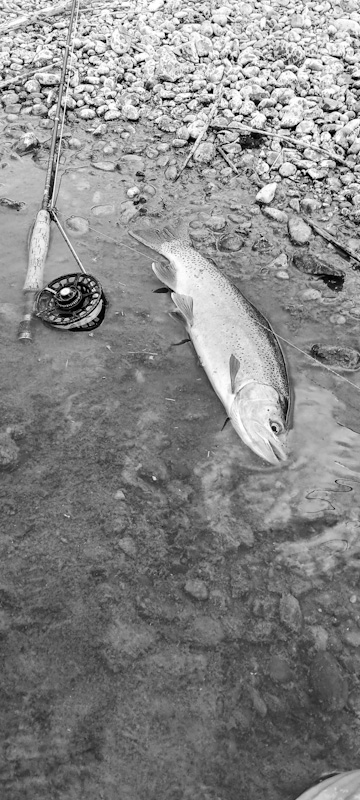
brown trout on small beetle
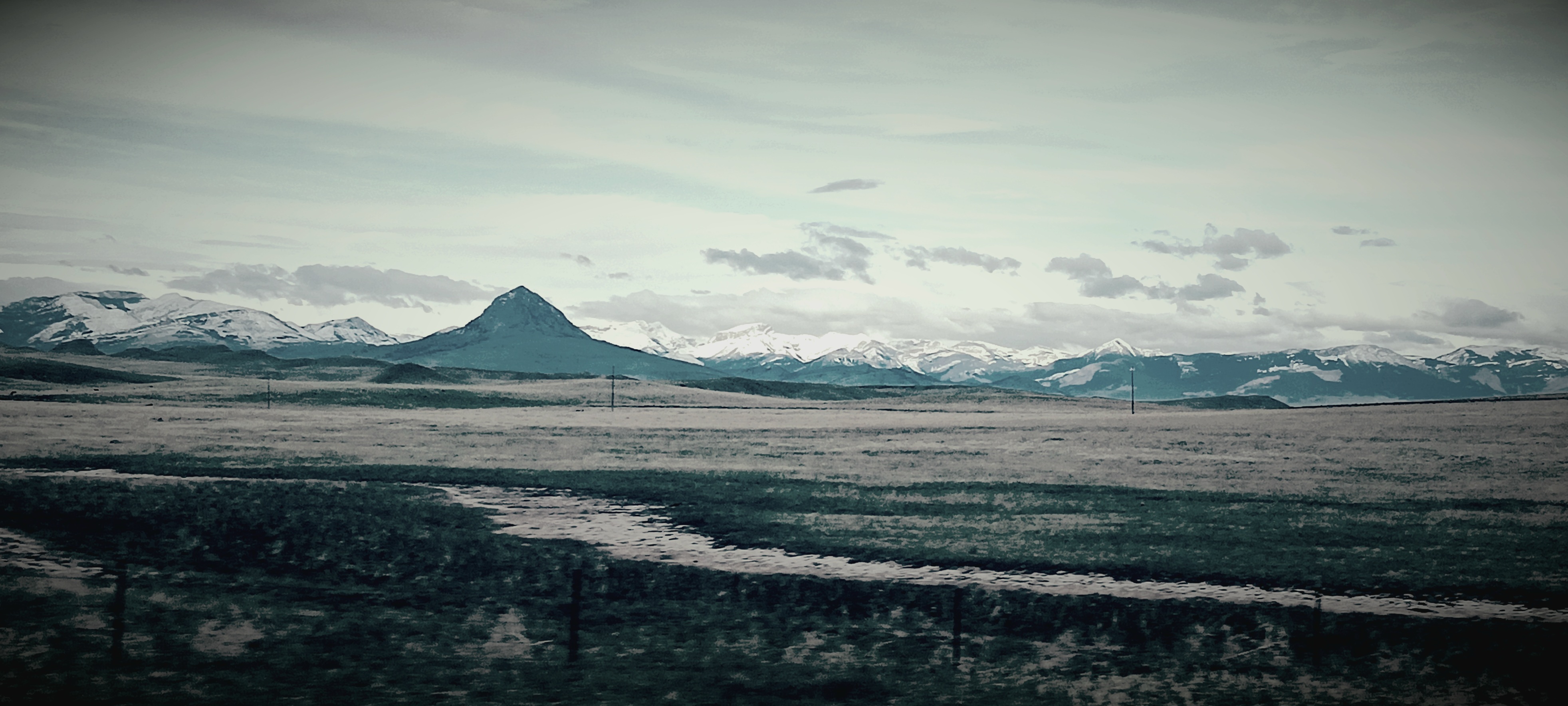
sage brush
mastering an angler ladder
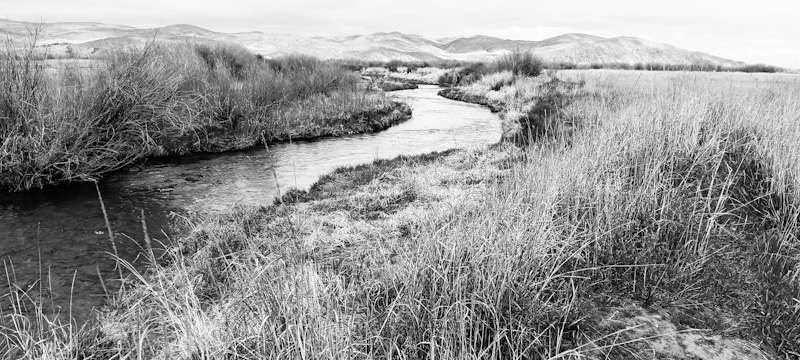
a spring creek
checking out the hatch
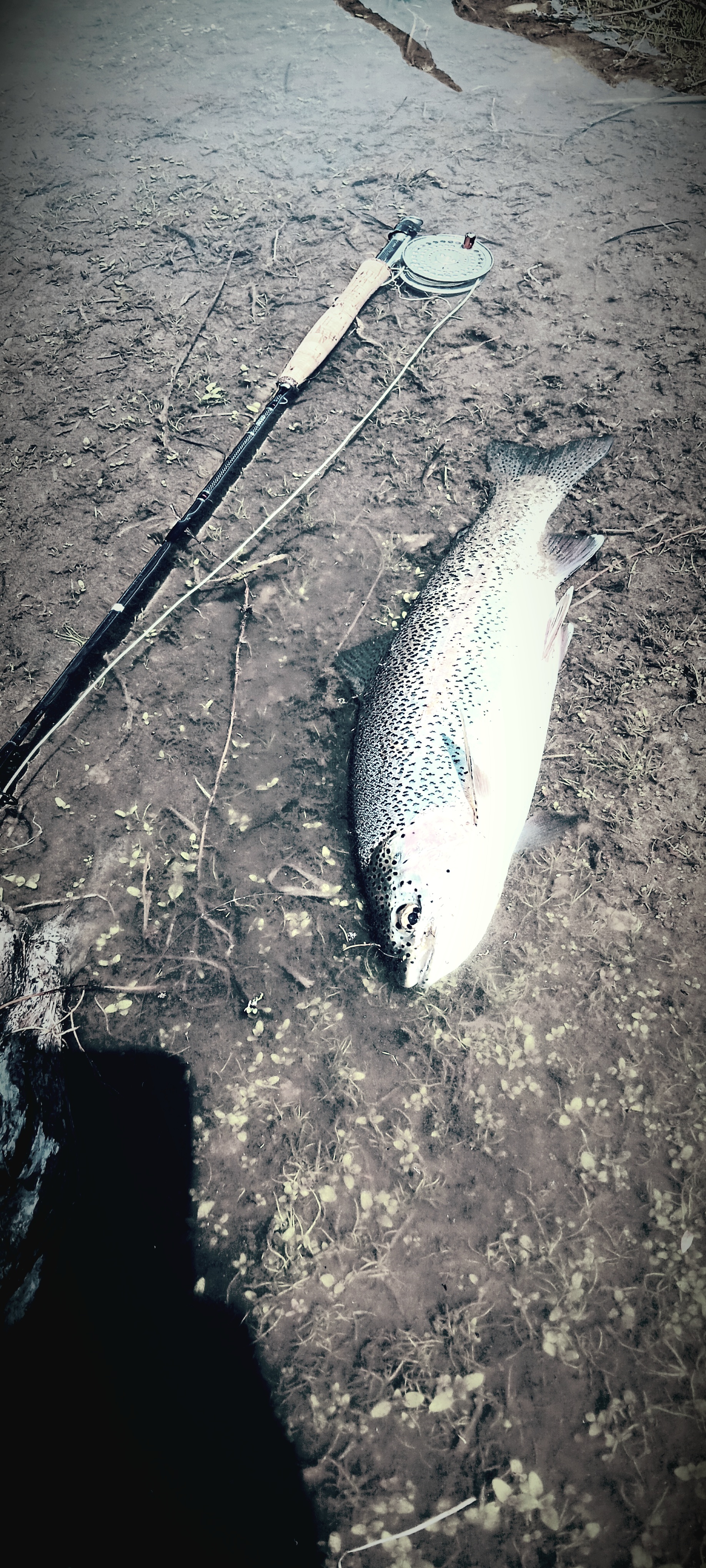
5lbs plus brown, I’m in creek up to my suspenders, hoisted him on grass bank, quick shot.
Springtime road trip. Montana. It’s always a great feeling to have the time to roam around the west and visit rivers. Before you know it days turn into weeks. When fly fishing all sense of time gets blurred or lost. Moving water contributes to this by being so hypnotic.
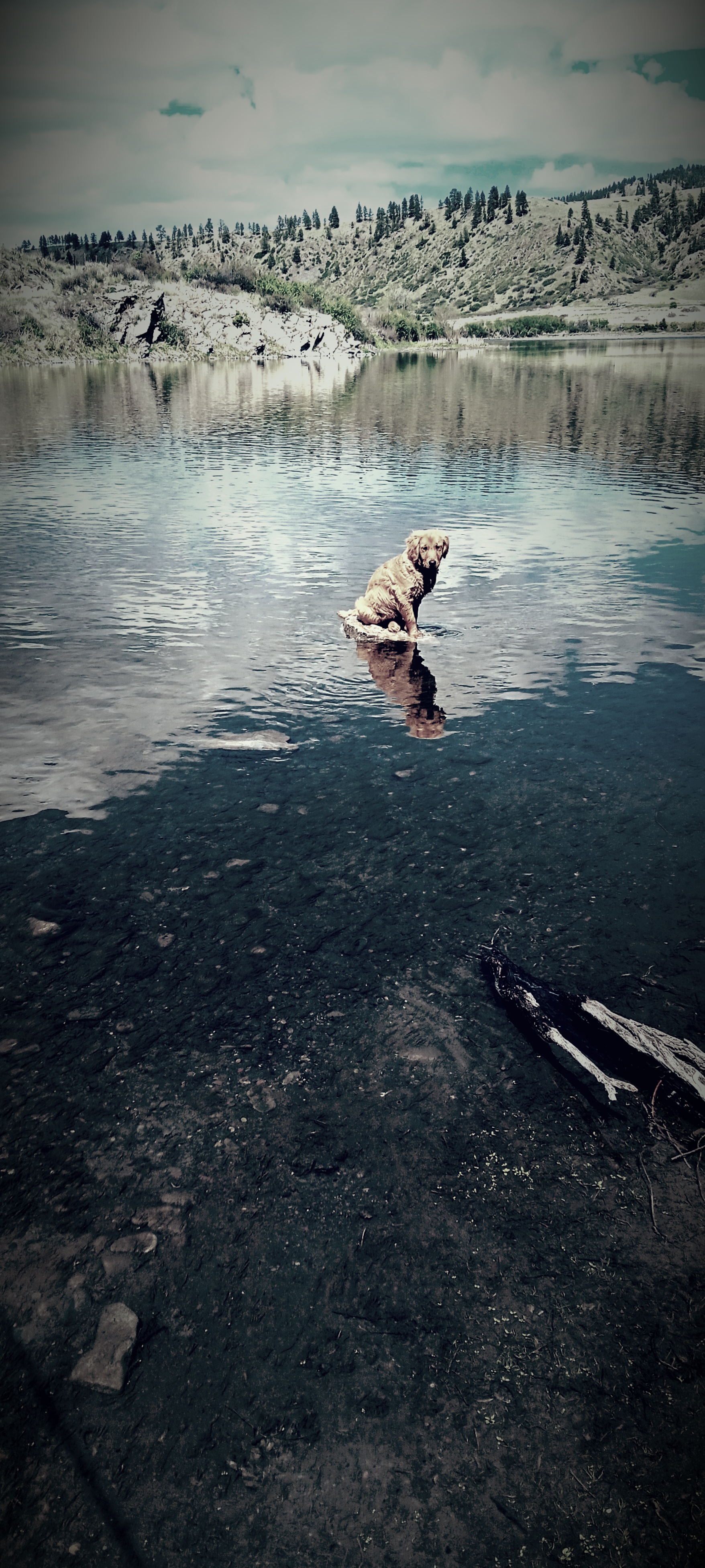
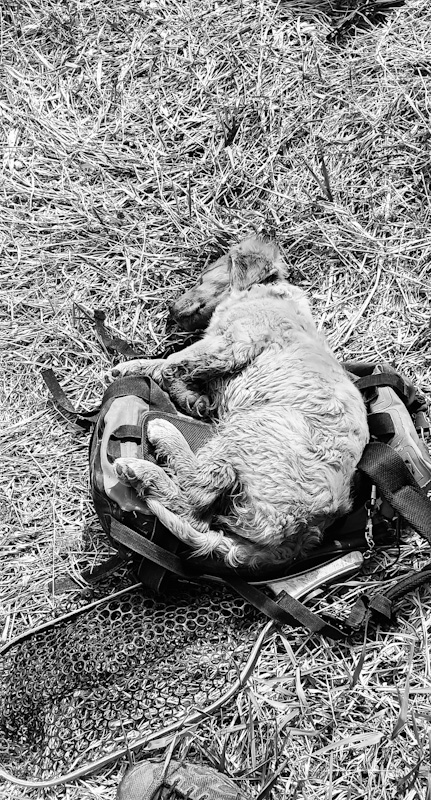
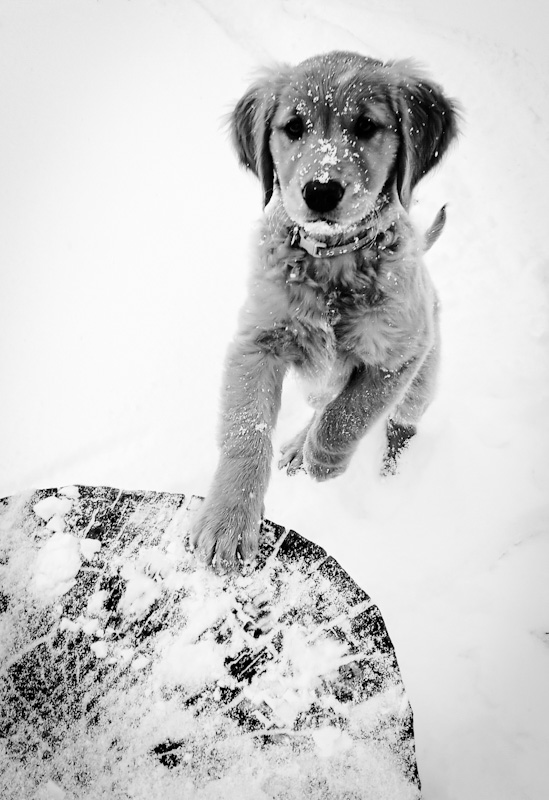
I camped with a puppy. We got up at dawn and called it a day at sunset. We were out all day. All four seasons were experienced on the road trip: from Summertime sunshine and warmth; to heavy Spring rains; many Fall frosty mornings and heavy cloud cover; and even a bout of Winter sleet and snow.
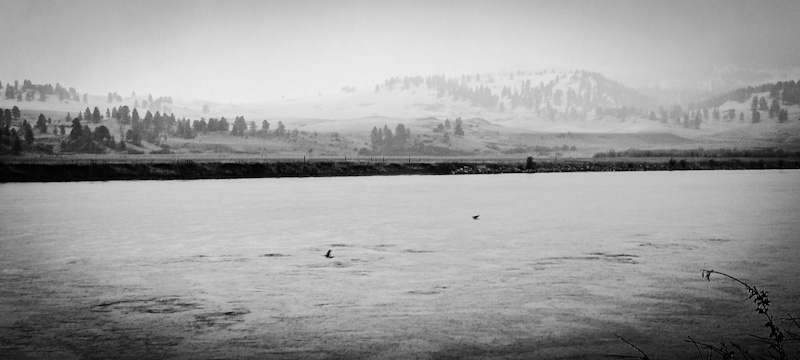
snowing in hills
The fly fishing on the large tailwater river I visited was outstanding, There were dense BWO hatches daily and even some March Browns on the lower river. I also had morning action on midges when it was calm. The river was covered with bugs most afternoons into the evening. As always, low wind and cloud covered days were best and I had many. Fish continually showed themselves by feeding on emergers and dries. Every time I visit the river I say to myself: “This is the best dry fly river I’ve ever been on”. Fly selection is always important which adds to the challenge and intrigue.
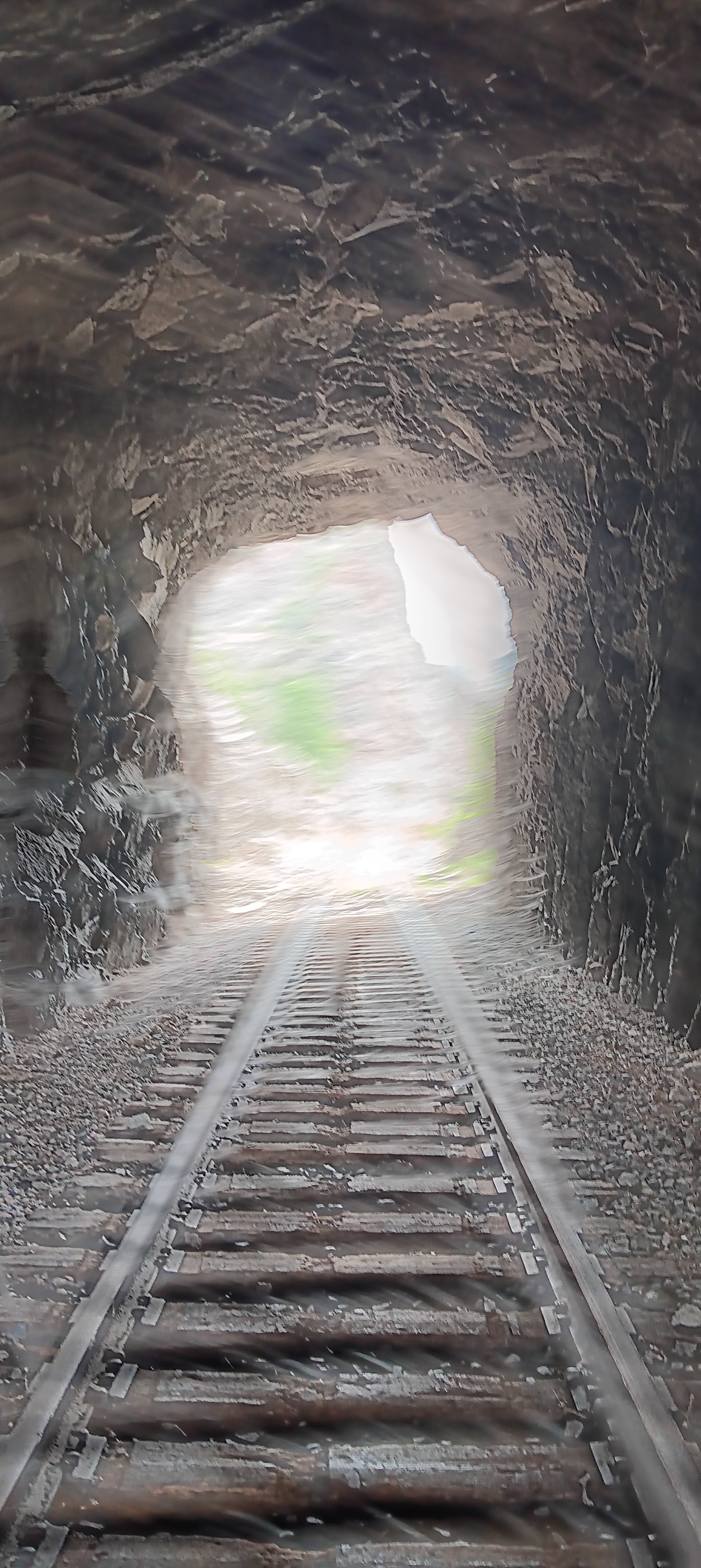
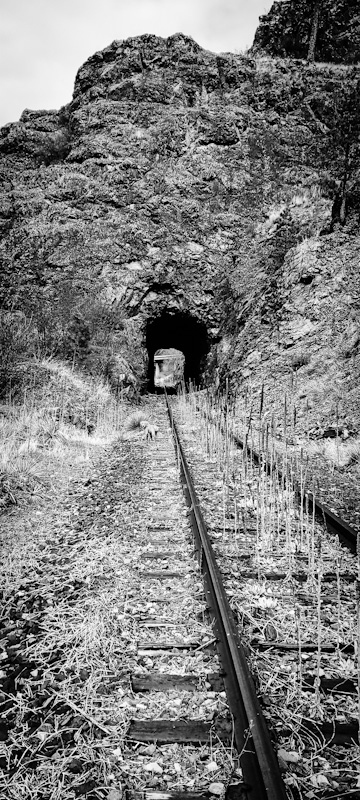
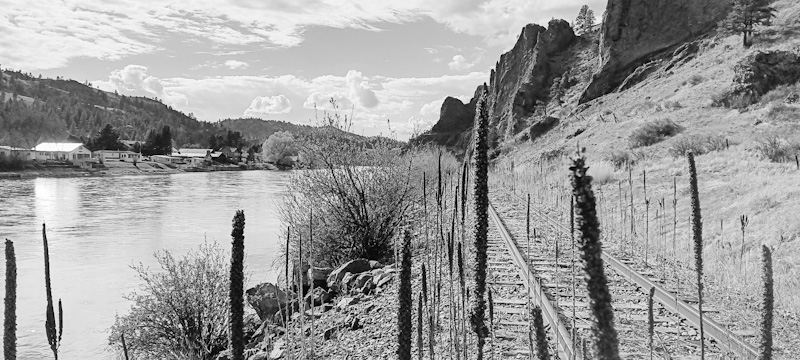
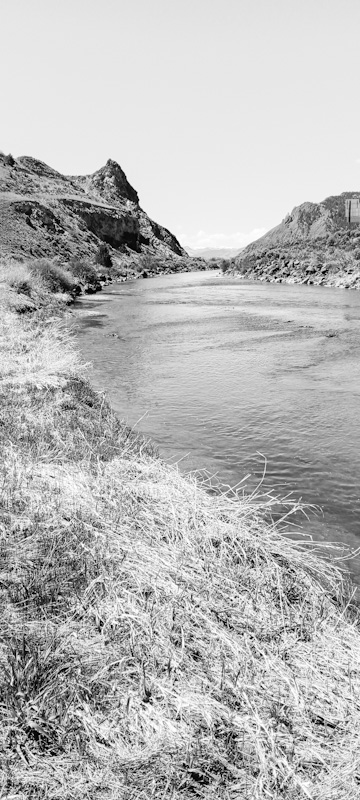
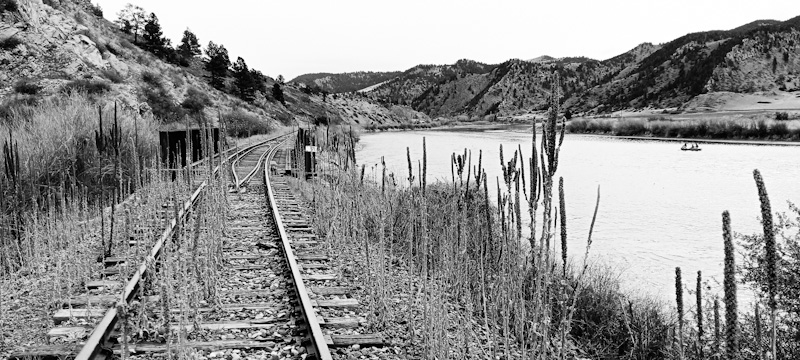
I spent two weeks walking railway tracks to access different river sections. I hung-out in side channels and around islands when the wind blew. Even in full sun I was usually able to find some rising fish.
It was hard to leave the big river but eventually I drove further south to visit a little spring creek I had been on many years ago near Dillon. There were less bugs there. And I saw few rises. The creek is “pretty as a postcard”. I made just a few very good connections on heavy cloud days, mid week when fewer anglers were around. It’s mainly a Brown trout fishery, which is why I visited it. I discovered the creek gets a lot of angling pressure. Most anglers seem to nymph all the deeper holes/pools. Conditions have to be just right for the trout to show themselves on the surface. Too many anglers passing through and it doesn’t happen.
spring creek
Dillon is a great little western town. Several fly shops. Great services. Character architecture in the old town area. It’s totally manageable. I will return to fish the bigger river nearby, which I spent one day exploring. The flow rate was too high for the way I like to fish while I was there.
spring creek
I hiked a lot of railway tracks to access different river sections at both angling locations. Some of the best rivers that I have fished have train tracks running along them.
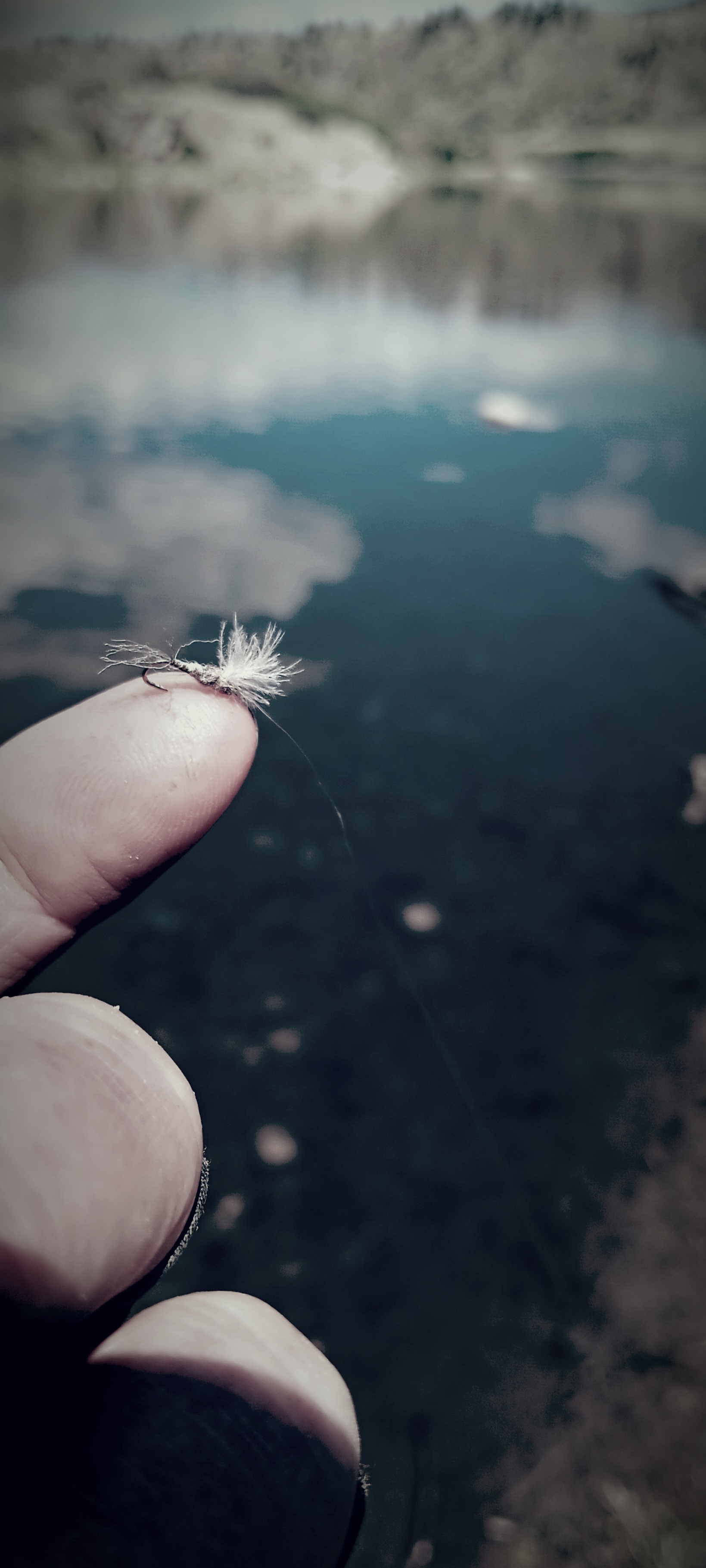
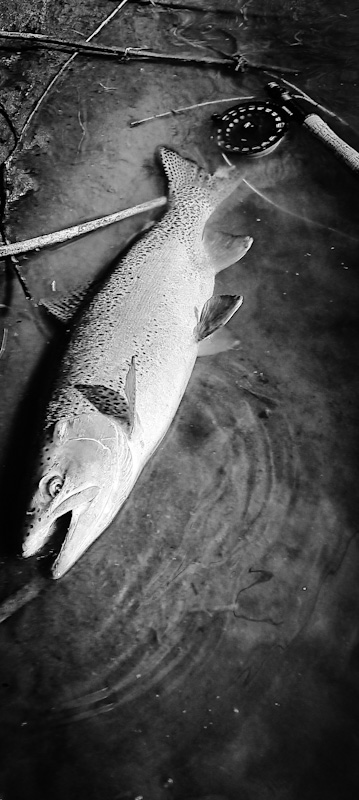
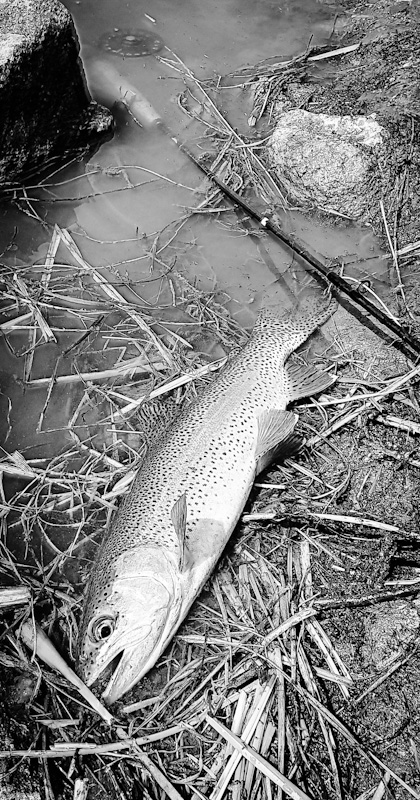
Some images of rivers, trout and tracks. Just about all he trout were caught on small dries, mainly on size 18 BWO patterns. A few were taken on larger March Brown patterns, size 14/12.
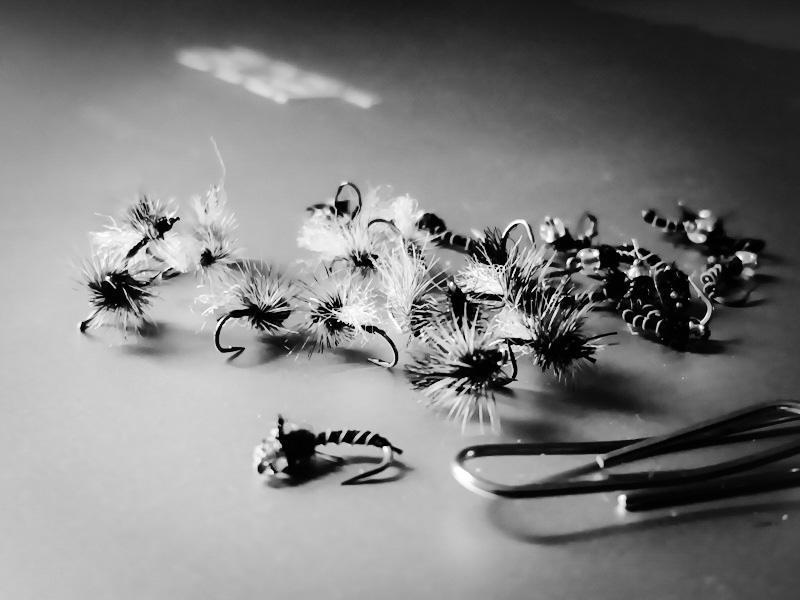
Midges. Some dries and nymphs. Fairly small: size 20,18. Sometimes I tie smaller. On one of my favorite tailwater rivers in central Montana I’ll fish a midge dry down and across to a rising or bulging (midging) trout on a flat water section. If no response after a few drifts then I try a few other other patterns including some suspender types, etc. If still no success then I’ll tie on a lightly weighted Zebra nymph (plastic clear bead on head and a few wraps of wire on body to help it break the surface) just 3 or 4 inches below the dry. Then I go with the same presentation angle (down and across). If still unsuccessful then I try slightly twitching the dry and nymph (upstream movement) just in front of the feeding fish. Often this will elicit a response, sometimes on the dry but usually on the nymph which is hanging slightly below the surface and with the movement/ twitch may look like it is emerging/ rising in the water. Sometimes the movement catches a trout’s eye and it lunges for the impression (dry or nymph). Some of my best Springtime angling has been midge fishing in the morning in a protected area where the wind is light or non-existent and some fish are “up” on them. On those days I’m usually just hanging-out hoping for a good Blue Winged Olive hatch to begin in the afternoon. A few solid trout on Springtime midges is a great way to kick-off the season…
Sight-fishing in New Zealand is simply the best. Endless Rivers with clear water and robust challenging brown trout and some rainbows too. All you have to do on most flows is be willing to walk, sometimes significant distances, and search for them. You use your legs, and you use your eyes. If you are pretty good at spotting trout you’ll probably find one or two in a day, occasionally several. It depends on the river. Fish numbers on average tend to be low in comparison to home (North America). You have to cover water in order to find them but at the same time you have to go slow or you might scare the few fish that inhabit the water that you have selected. Choosing where to fish in New Zealand can be overwhelming as there is so much water: rivers, streams, lakes and ponds. In the past I’ve used John Kent’s book: South Island Trout Fishing Guide. Anglers consider it the Bible. Even though I have an older and well travelled edition (2002) I find its description of rivers and their fish populations amazingly accurate. There are newer (updated) editions which can be purchased and of course there is a lot of information online. Maybe too much…
The fish I encountered on most rivers were wary. This is often the case if you go late in the fishing season (as I did) when there has been angling pressure for over several months. The trout season in New Zealand is a long one: from October 1st to the end of April. One river I fished this year in the North Canterbury region had some of the most cautious/vigilant trout that I’ve ever pursued. Stumble or slip a bit when wading into casting position even in rumbling fast water 30 feet behind a fish and their lateral line would detect it. They’d respond by moving-up into the deep fast flow at the head of a pool for cover. Crawl down a bank in order to get behind a good fish and a rock rolls and careens off of another, even at great distance from the targeted trout, Adios fish! Slap your line a bit when trying to punch your fly into a fierce wind and fish gone…bye-bye! Unforgiving.
There was a noticeable absence of terrestrials on this trip, including Cicadas, even though it was late Summer, early Fall. I became aware of this as I spent a lot of time crawling on my knees and belly streamside in order to avoid detection while stalking fish. Getting trout to take a surface offering was at times challenging. Sometimes a strange New Zealand dry fly pattern called a Blue Blow fly or Blue Bottle fly did the trick. I also caught a few on beetles and ants but not consistently. On some rivers the fish were “locked into” feeding on nymphs. I saw very few mature mayflies or caddis on the surface in spite of angling a variety of rivers and rising fish were a rarity especially higher up on some flows (not unusual). New Zealand is always challenging. It’s why I come here to sight-fish. It’s the walking. It’s the hunt. It’s demanding. Each connection very special.
Roman with great brown caught on willow grub
Very few fly shops in NZ, South I, this had some basics: flies, tippet, a line or two.
Some imagines. Some connections made by Roman, a friend, and I on a thirteen day self-guided angling adventure in beautiful New Zealand, South Island…
brown caught on ant, photo by Roman
searching upper river, photo by Roman
canal sipping brown on ant
swing bridge crossing river
working dogs in town on back of pick-up
Roman’s, beefy 7.5 lbs plus brown, best of trip, photo by Roman
Roman’s brown, check out girth, photo by Roman
many miles of tough walking and wading
small creek near campground/holiday park
brown on beetle
intact banks, good place to hunt for large trout
they are always thick…
freestone water
big head on one of Roman’s great browns, photo by Roman
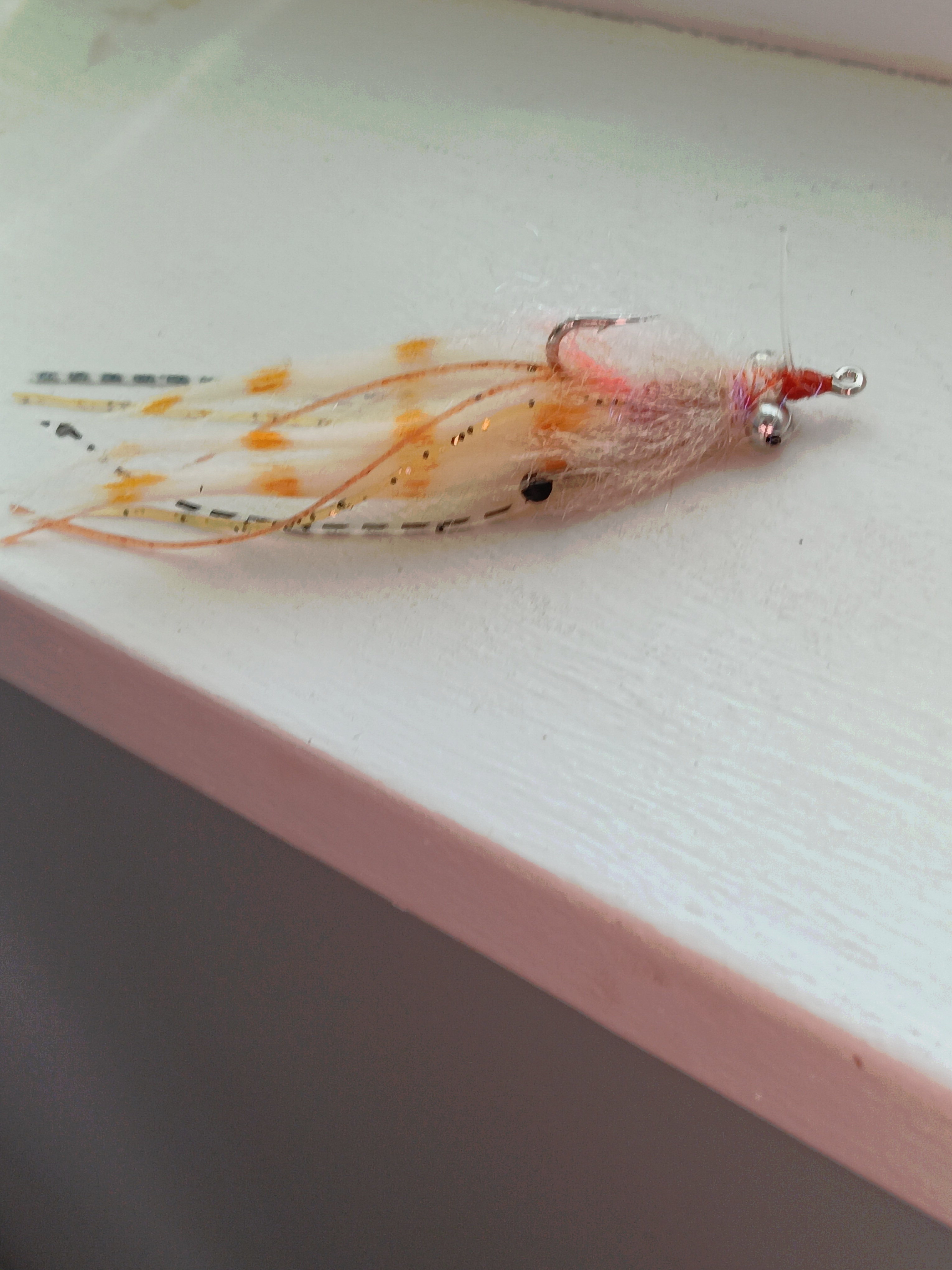
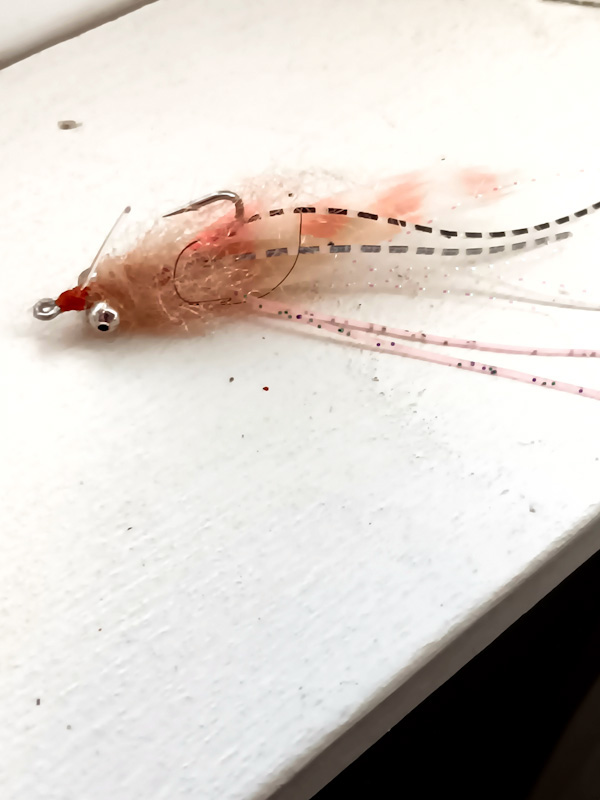
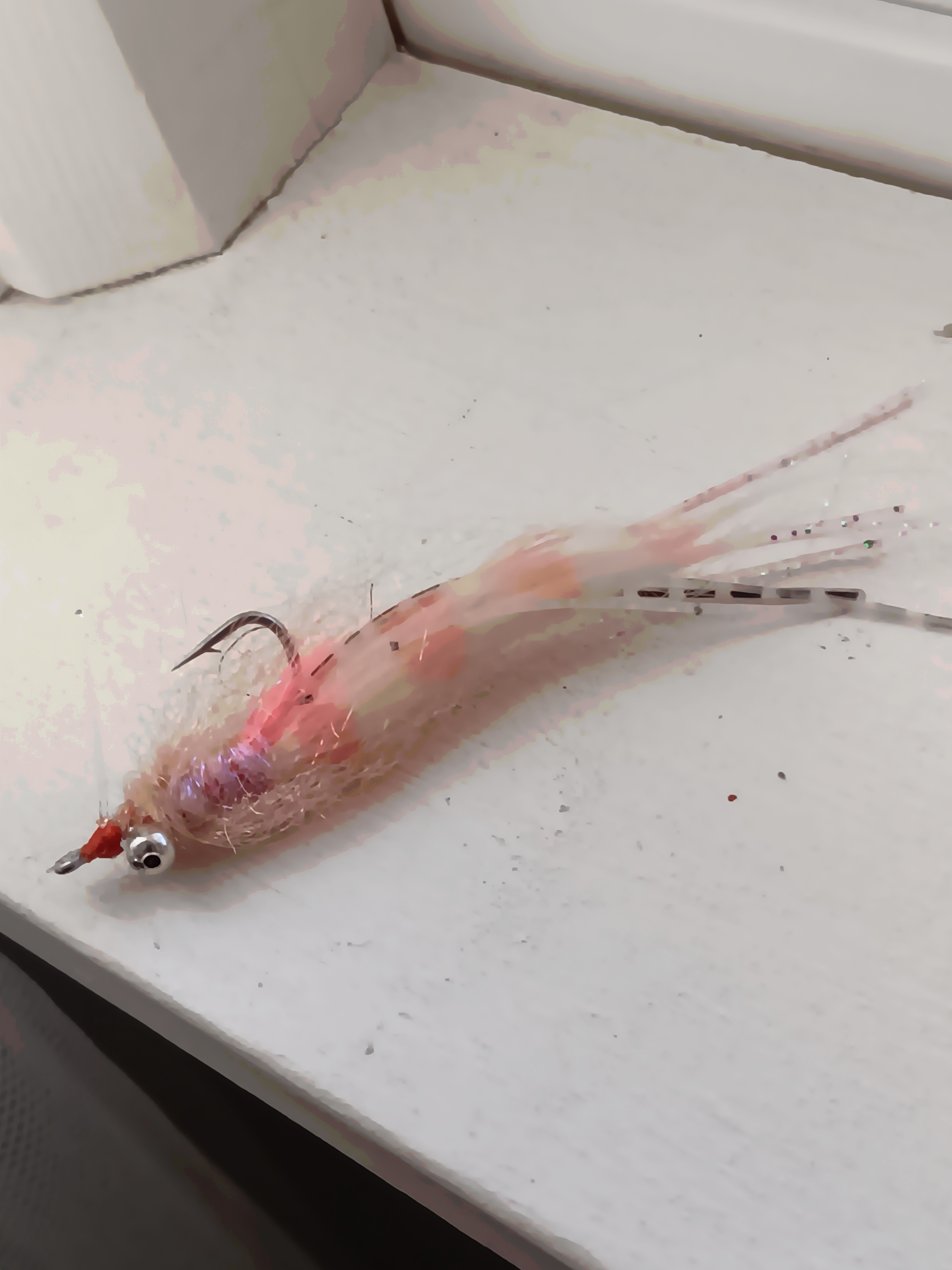
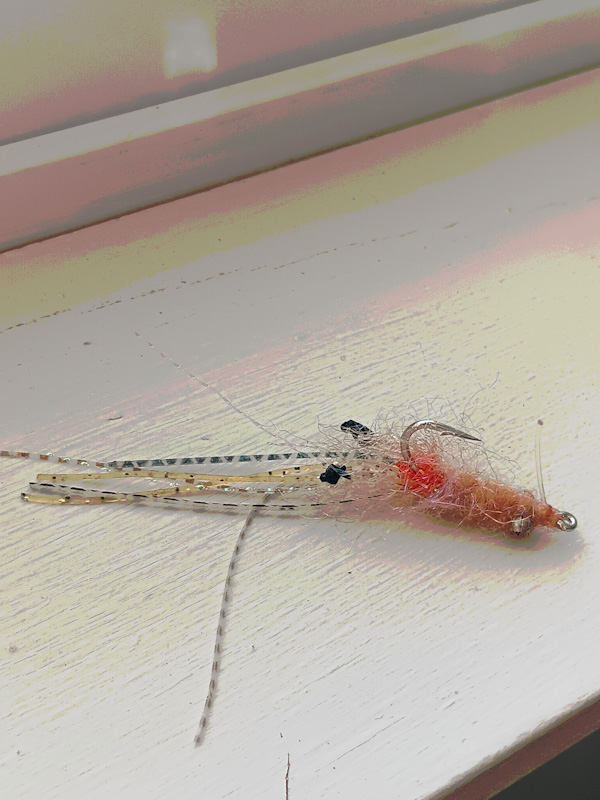
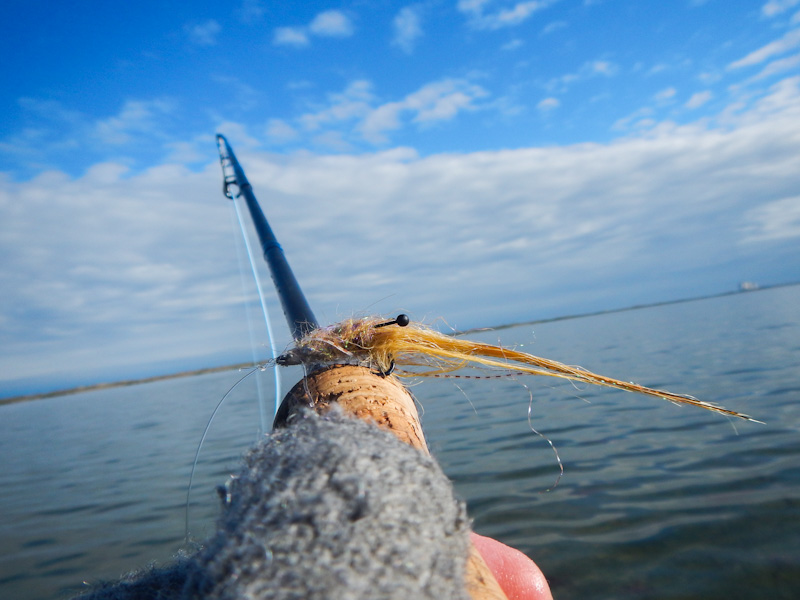
Fly fishing adventures always inspire thought and more tying; more patterns. A recent saltwater fly fishing trip for Redfish motivated these shrimp creations, size 4 hook, medium-sized bead chain so fly pierces the surface but is still relatively light and not too loud when entering shallow water. I also tie some with small-sized bead chain (lighter) and no bead (no added weight) to land almost silent and to run shallow, in just inches of water…
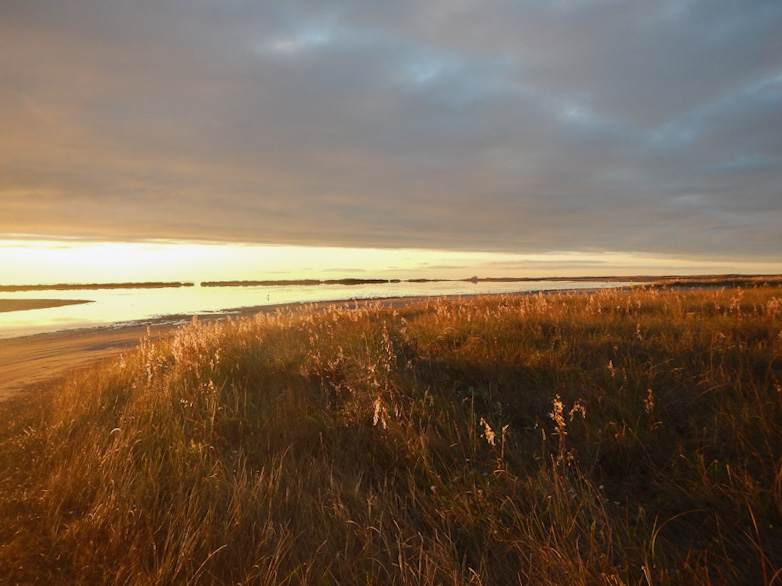
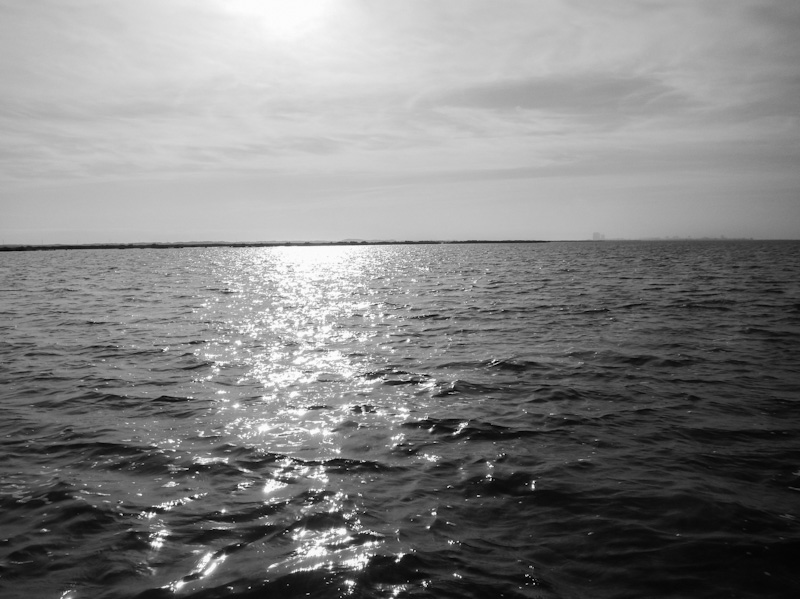
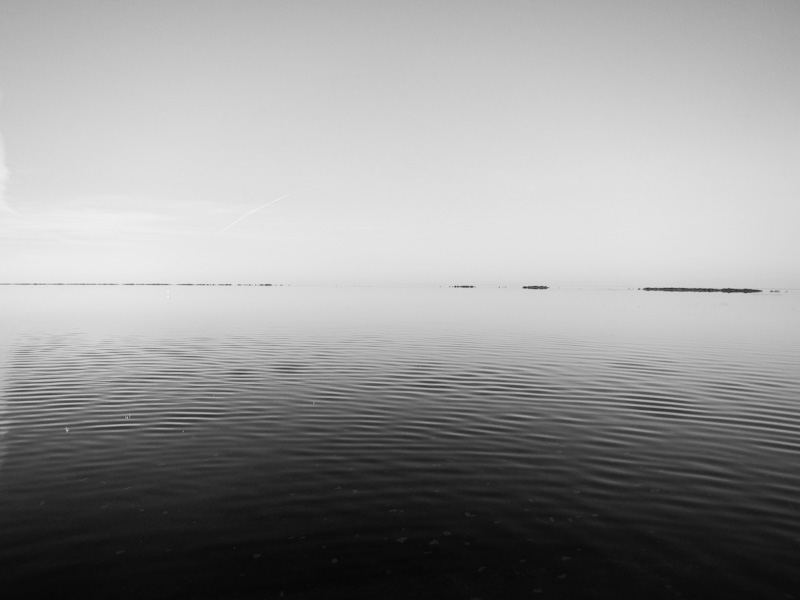
Out on the Laguna, cloud reflection, shoreline in distance, middle of photo
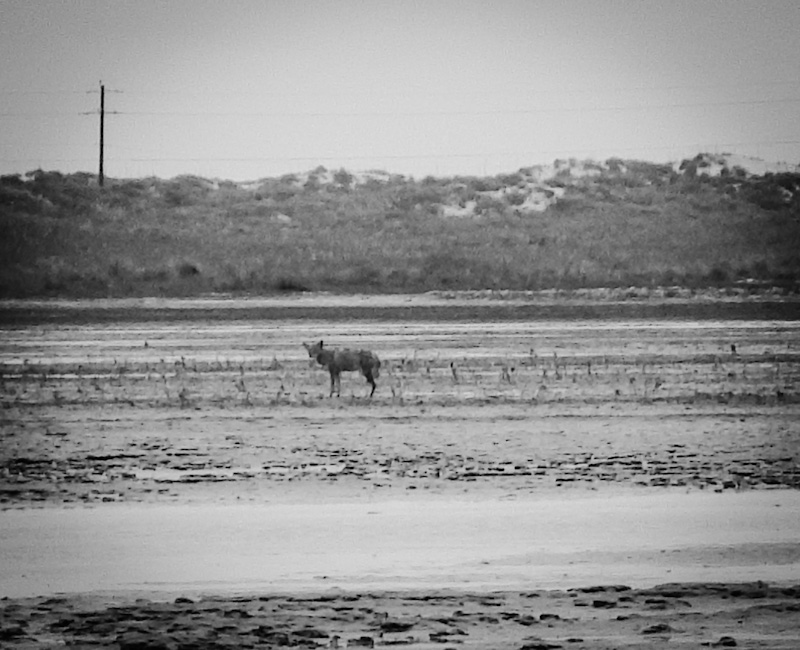
Each morning I’d take the beach road north out of town almost to where it ends. I’d park my rental and then make the twenty to thirty minute hike over the sand dunes and then on to the broad tidal zone leading to the Bay/Laguna. The grassy sections of the dunes held sand flies so I passed through quickly. The wide open tidal zone never had biting insects, nor the Laguna. This zone was either flooded or dry depending on the tidal cycle and wind direction. While walking I’d look for scavenging Coyotes and the small local Deer. I always wonder how they survive on the long thin band of sand they call home. I was on a barrier island along the Gulf of Mexico.
walk to the Laguna
coyote on tidal plain
Once at the edge of the Laguna/Bay I’d pass through a thin line of mangroves and then enter the water. The bay in front of me was one big clear sand flat and shallow, just inches to calf-deep for miles. The bottom was a light tan color and firm. Most areas were fairly barren. Some spots had sparse fine shoal grass growth. Much, much further out there were thicker weed beds. Redfish at times showed-up and prowled the sand shallows in search of food: shrimp, crabs, sea worms and other things. It’s a perfect location to look for them. It’s ideal sight-fishing water. It’s why I made the long journey here.
I’d always arrived at the Laguna early. The sun, if it was out, was usually just cresting the high dunes to the east and as I walked out into the shallows it was at my back. I’d wade westward as that’s the direction that I’d see best. On good weather days the visibility improved and expanded as the morning progressed and the sun climbed the sky. Fishing skiffs were always skimming northward in the mornings, sometimes a mile or more away. I’d always hear them before I’d see them. Several minutes later their boat wake would reach me and push up against my legs. Energy travels a long distance in the ultra shallow Laguna. Boat energy, my energy. A reminder to wade cautiously.
typical bay skiff in town
mixed sky, glare
shrimp fly
The sand shallows always looked promising, especially on the calmer, sunny days. On this trip, however, most days were not sunny. The long range weather forecast looked favorable before I booked my trip and left home. However, weather prediction is often imperfect and seaside climate can be unpredictable and ever-changing. Out of fourteen angling days I had three full sun days. Not a great percentage. However, you have the angling day that you wake-up to. Cloud cover, high wind, some occasional light rain, it didn’t matter…I layered-up and waded the shallows and searched for Redfish. I wore waders during inclement conditions. I happily wet-waded on the warm sunny days.
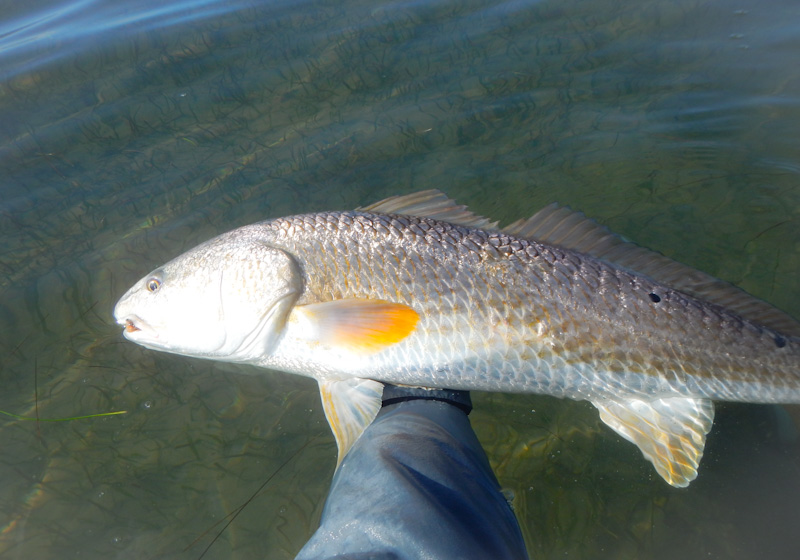
redfish
Sight-fishing in cloud glare and wind is always challenging. At times it was impossible to see beyond two or three rod lengths. In the tough conditions I caught a few but missed and spooked several fish. On many days on this trip and in the past, I left the Laguna late afternoon frustrated with not being able to see well. I knew great fish were coming in on the sand daily but I had little chance of spotting them. But that’s all part of any angling trip. You have to surrender to and accept what you can’t control, hope things change and appreciate it fully when it does. I tried to do that.
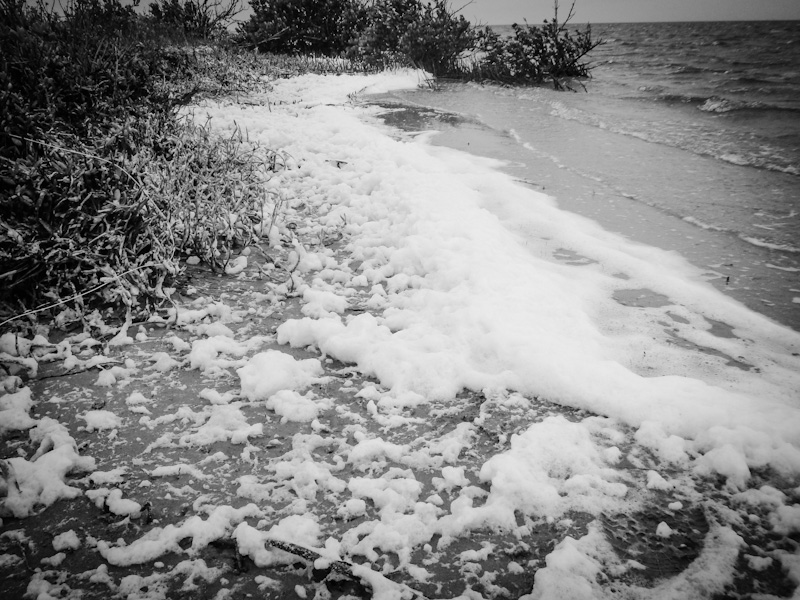
wind foam
gear for the day
When the sun did appear it illuminated the sand. Everything became visible. Everything was revealed. It was confirmation as to why I had come here. It was like flicking on the light switch in a dark room. That’s when there was opportunity. That’s when I had a chance to spot a good one. I’d look for shape; a shape that contrasted with the light colored bottom and above all I watched for movement. Movement catches your eye. Movement gives them away. If I managed myself well when the light was good: stayed alert, concentrated intensely, methodically scanned the water, moved slowly (all the shallow water tactics), then I knew I had a chance to spot one. Then it was up to me to make a good cast. In the clear twelve inches of water my fly impression needed to land “near” the Redfish but not “on” it. Too close and a Redfish in skinny water and on high alert, would bolt.
On a good day, when I could see well, I’d always spot Redfish in the sandy shallows. Never many but some. In high glare windy conditions less. Sometimes I’d see none. All fish spotted on this trip were good ones. I’ve heard of great numbers of schooling and tailing redfish on the richer weed thick westside of the bay but I’ve never witnessed that on the eastside sand flats when I’ve waded them in late Fall and Winter time. Maybe it is just the time of year that I come here. There were no surface disturbances to give their location away. When I’d spot them most were on the move; combing the sand.
Days passed quickly on the sand. By mid-afternoon I’d see best wading eastward, back to shore. By late afternoon the sight-fishing day came to an end. I’d hear the skiffs returning from their journey north. Once again, their wake managed to find me. Some had music blasting: usually heavy Rock, sometimes Rap, sometimes bar brawling Country. I guess song selection was dependant on the age of the captain. I never heard Sinatra.
looking back to shore
It was my third visit to the barrier island. I’ve now spent a total of two months sight-fishing the sand flats. It’s still all new to me: Redfish behavior, their environment, the tides… that’s good. It’s a new angling journey. When I review things at the end of each trip I’m reminded how weather always rules the day and how demanding but rewarding ultra-shallow saltwater fly-fishing can be when on foot. The Laguna is as intriguing, spirited and challenging a fly fishing location as anywhere I’ve been. When the sun lights-up the sand it is simply beautiful and mesmerizing out there, and full of possibility.
All redfish were released safely back to the Laguna..
cooler day
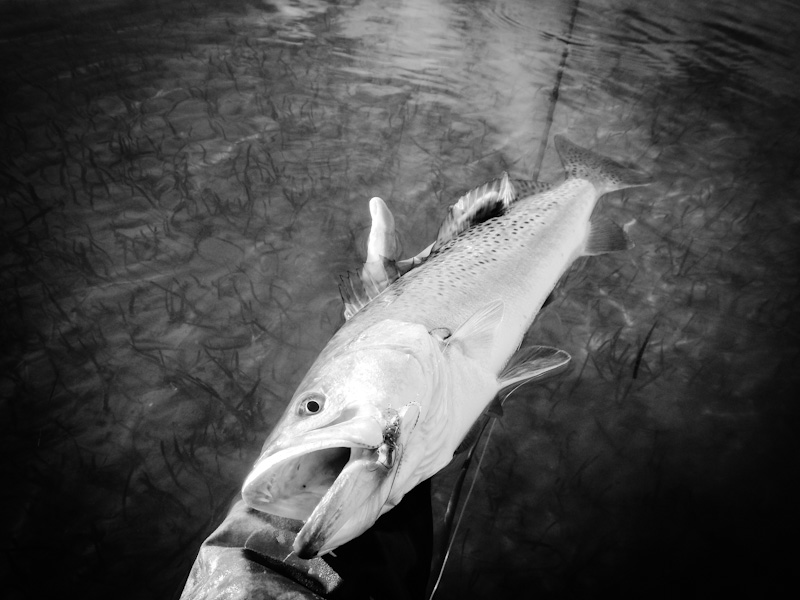
sea trout
POSTSCRIPT
Prior to this trip I had read that a Coffee/ Fly Shop (Los Pescadores Coffee and Outfitters) would be opening on the island probably sometime in the second half of 2024. Their website said that although their storefront was not open yet, an angler could order online and have items mailed, or if in town arrange a curbside pick-up. I had tied many flies for my trip but wanted to purchase some regional redfish patterns, so I arranged a pick-up. I got to meet the owner of the business, Daniel, and the future fly shop manager and guide, Alex. Both super guys. They showed me the space they had rented, spoke about their plans for the coffee and fly shop and overall business. They had a great fly selection and offered angling and location tips on the region. Alex has a skiff, guides and catches impressive fish. Whenever I visit an angling destination it’s a bonus to know there is a Fly Shop nearby. I’ll drop by again. Here is the link: https://www.lospescadores.com/
“For one to fly, one needs only to take the reins” – Melissa James
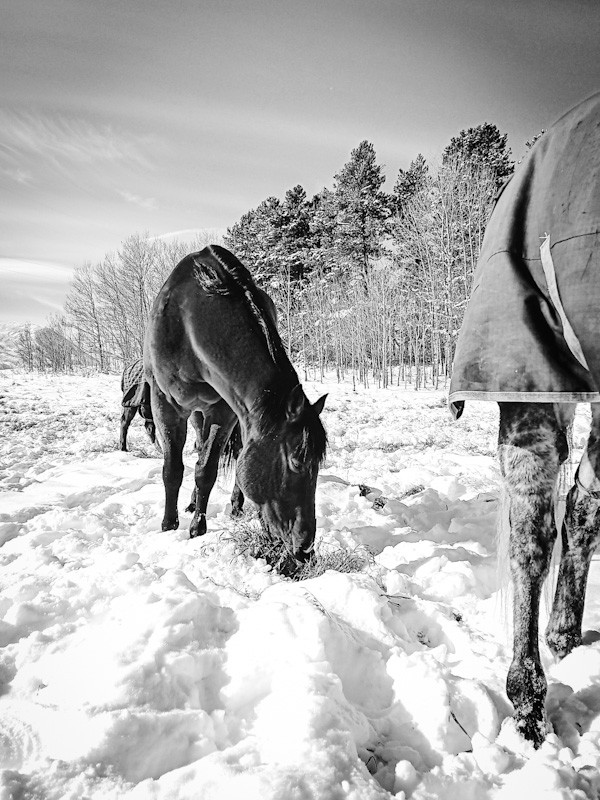
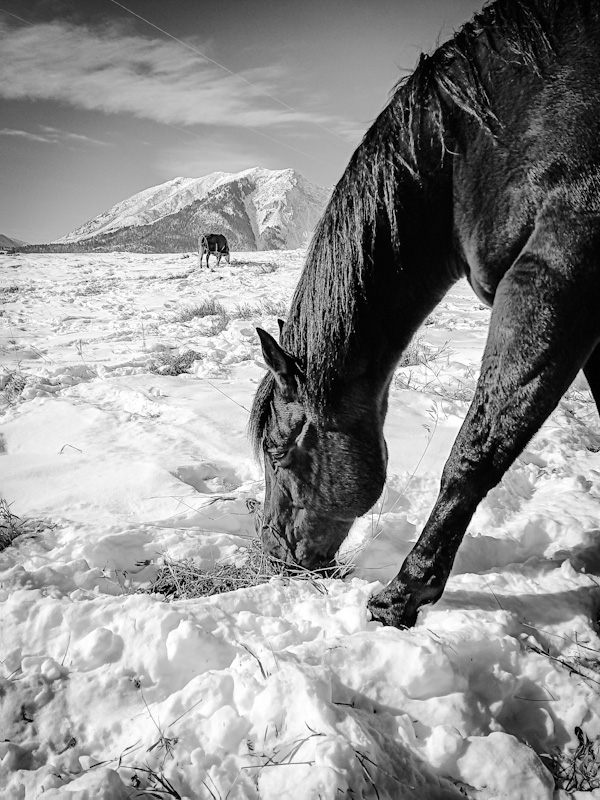
The dry fly season has come to an abrupt end. Winter showed-up, for now. So I left the rivers and started hiking some nearby trails and met some old friends along the way…














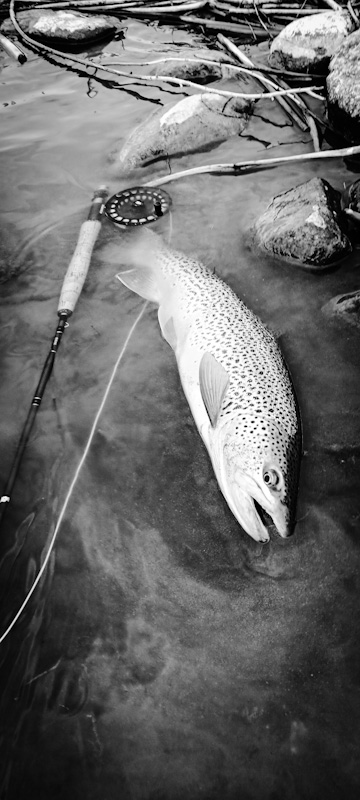

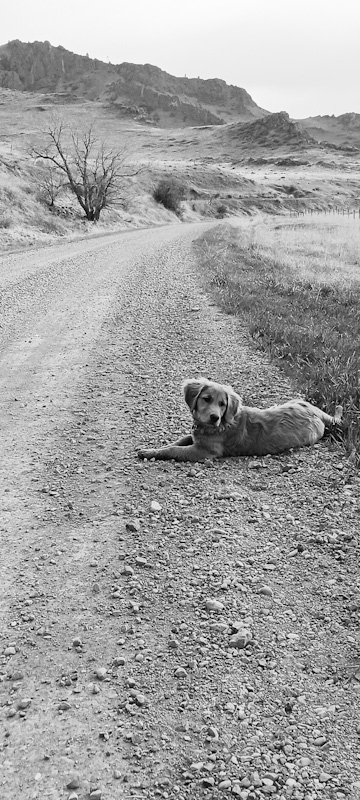

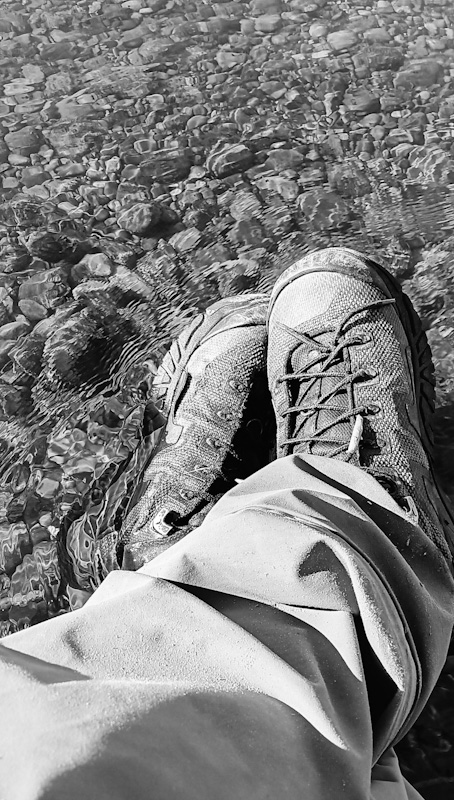


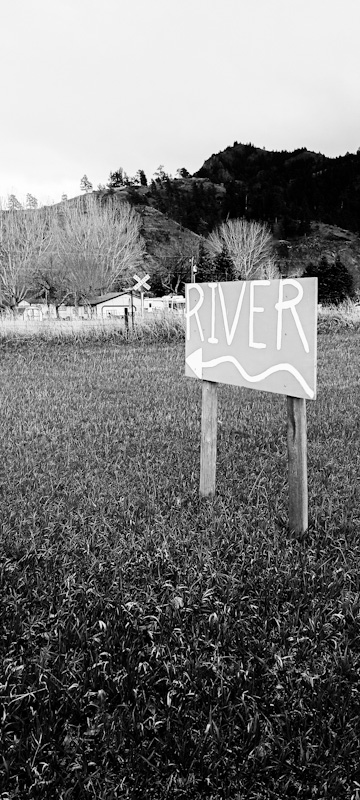
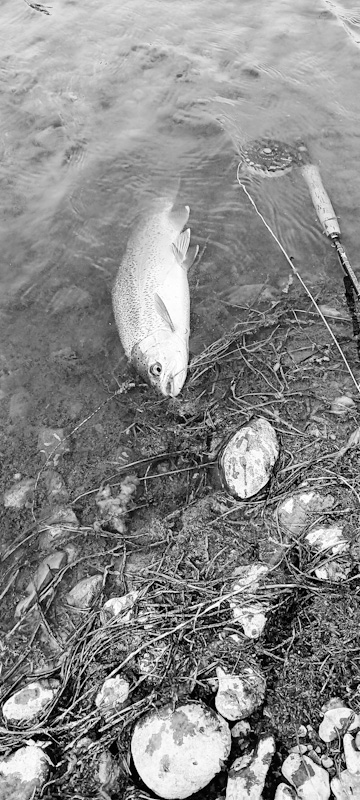



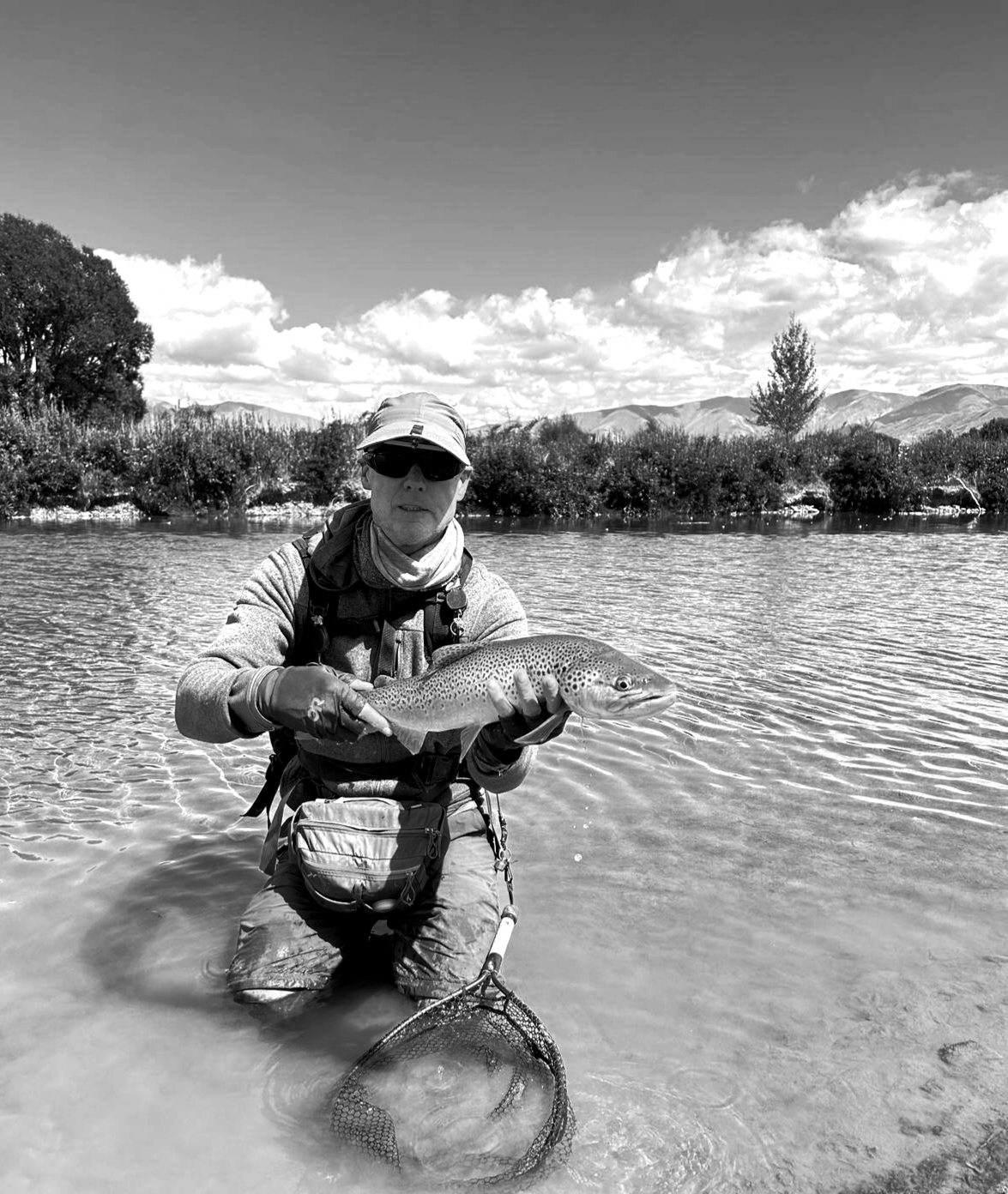


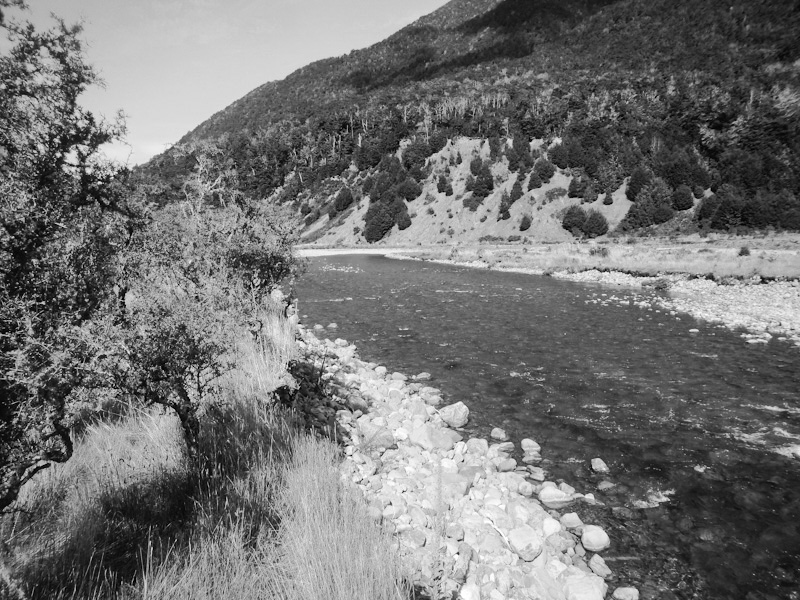
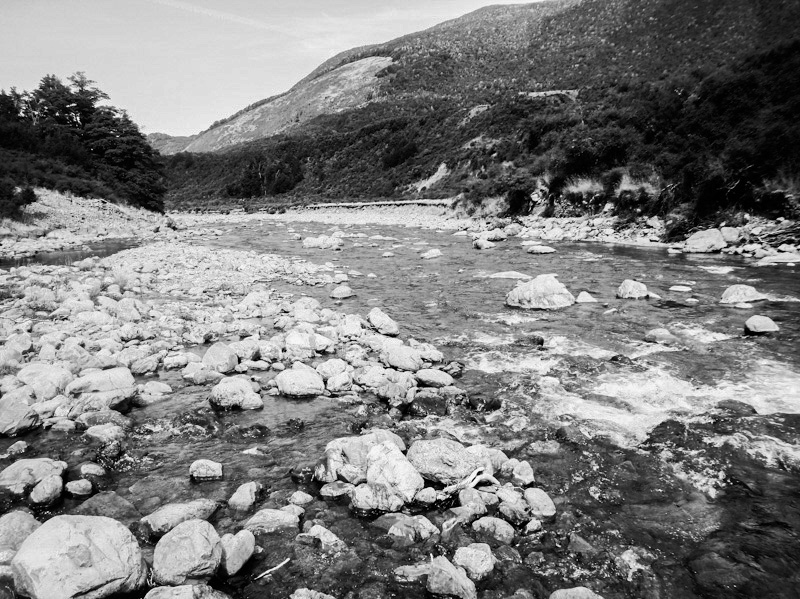


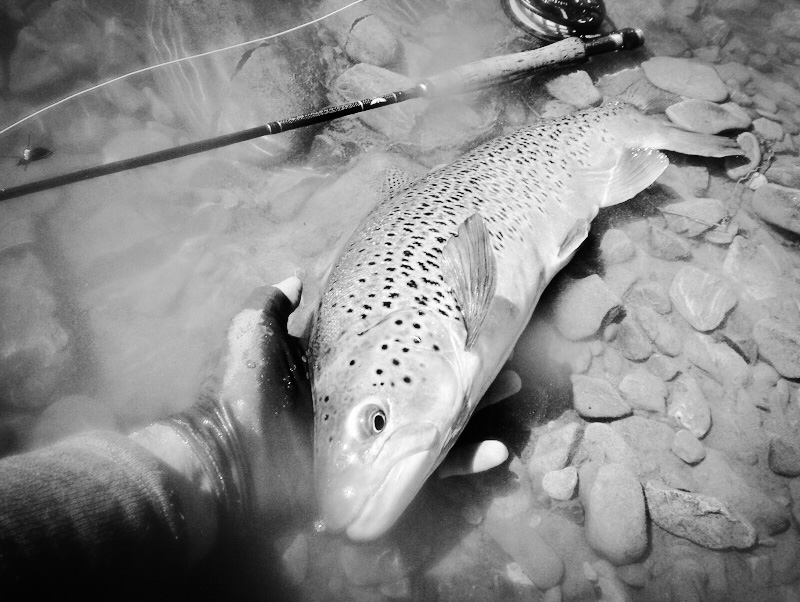

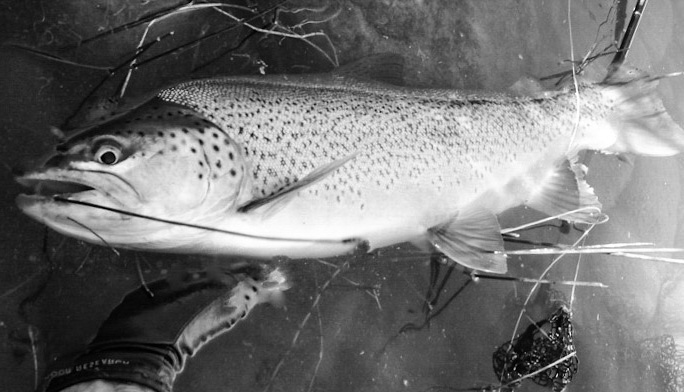


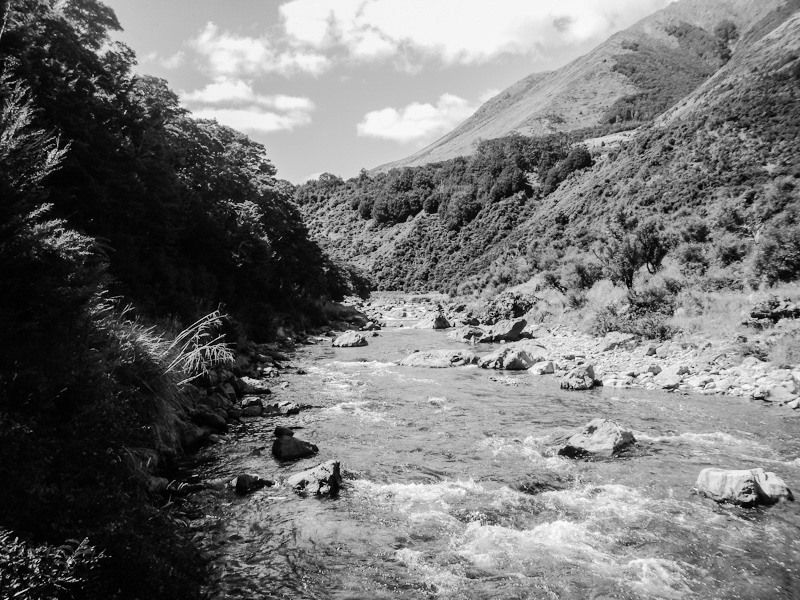
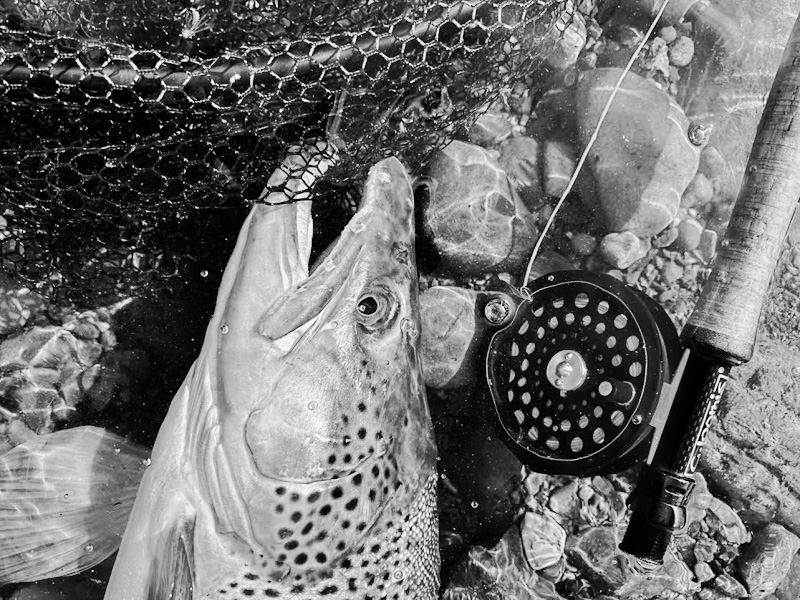














 trout on dries