“It might happen”

” When preparation meets opportunity, luck happens”.
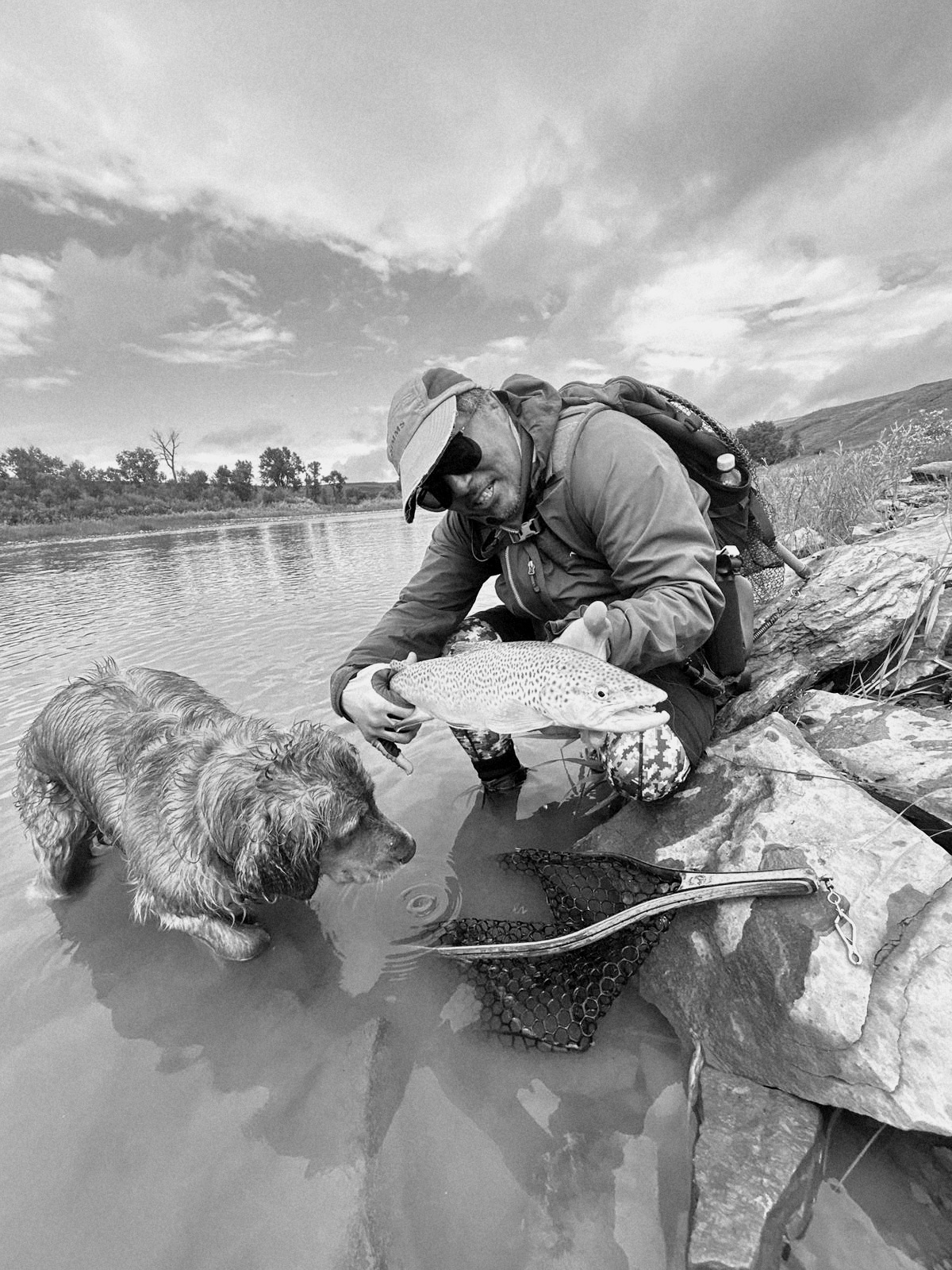
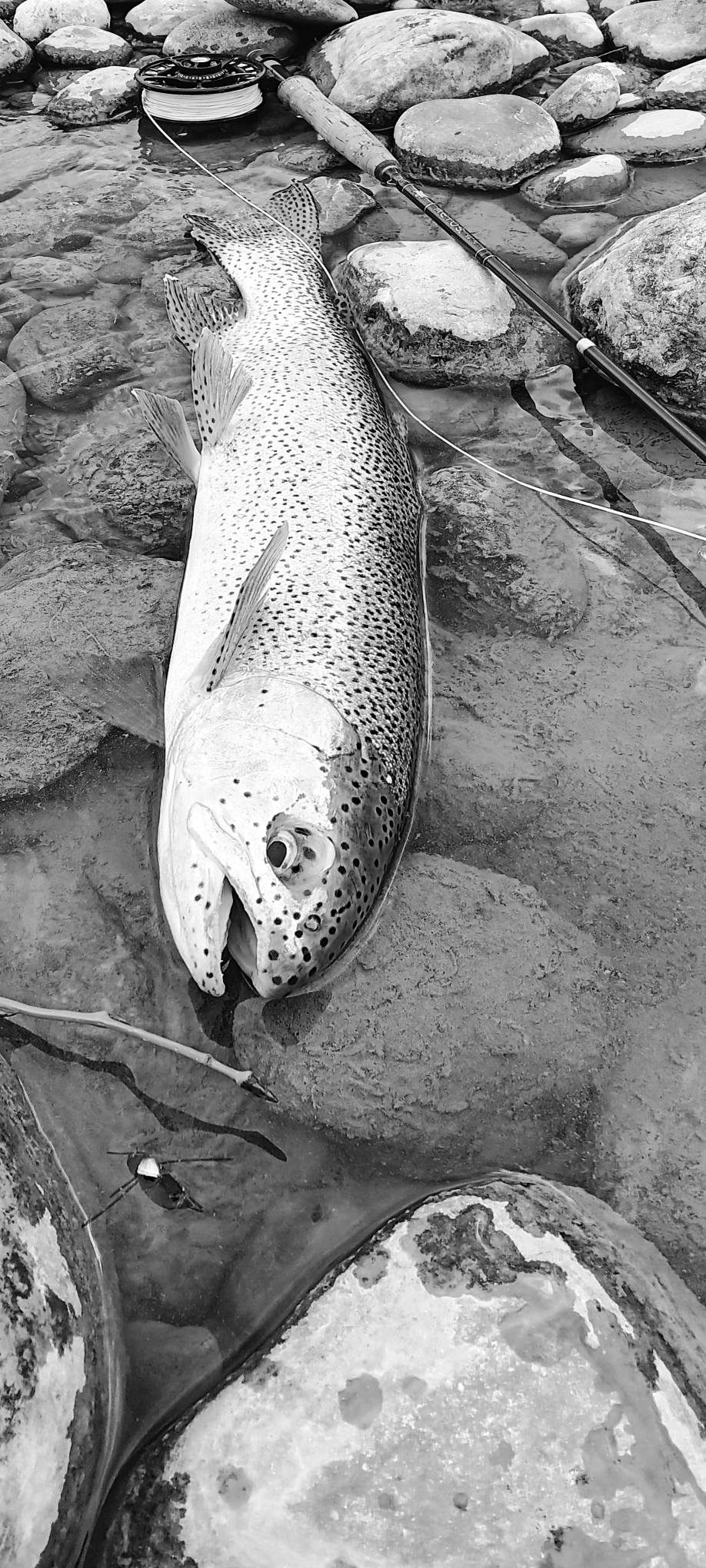
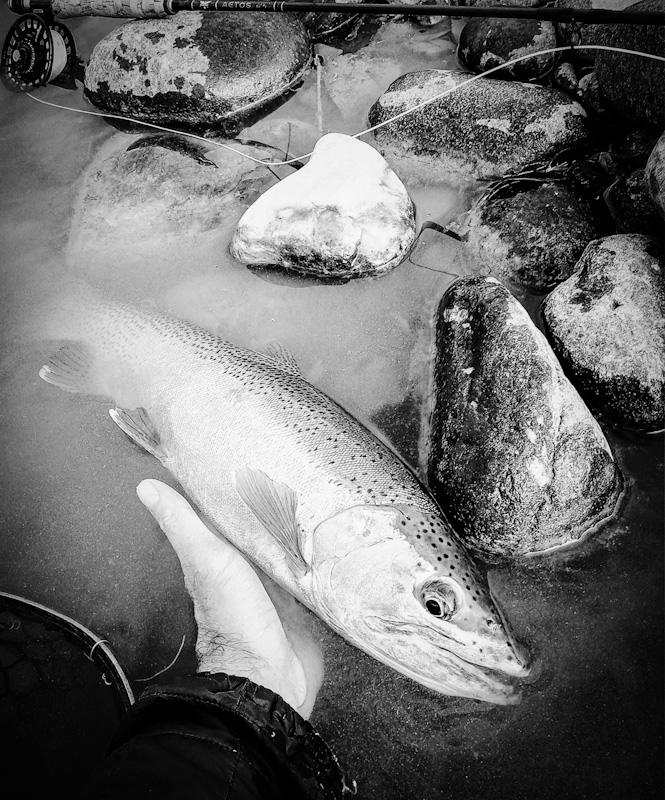
roman with a fine brown trout

Nine days of wandering around rivers. We went east, west and south. We never went north. It’s kind of a gong-show up there anyway. Too many campers, too many camping riverside, too many 4-wheelers, too many anglers, too many casting treble hooks, too many mangled fish, too many… For six of the nine days there were few bugs around; no real hatch. The insect apocalypse theory remained intact. It was mediocre dry fly angling in the beautiful sunny weather. Then the Weather Network and Environment Canada predicted a few days of cooler weather, cloud cover, rain or at least thundershowers. I checked a third source, AccuWeather. It reported the same. All weather sources were aligned and it meant a very strong possibility of daytime low-light conditions with precipitation. I thought, “It might happen”: the chance of a solid daytime hatch and fish up. Trout generally feel safer rising for insects when the dimmer switch has been dialed down.
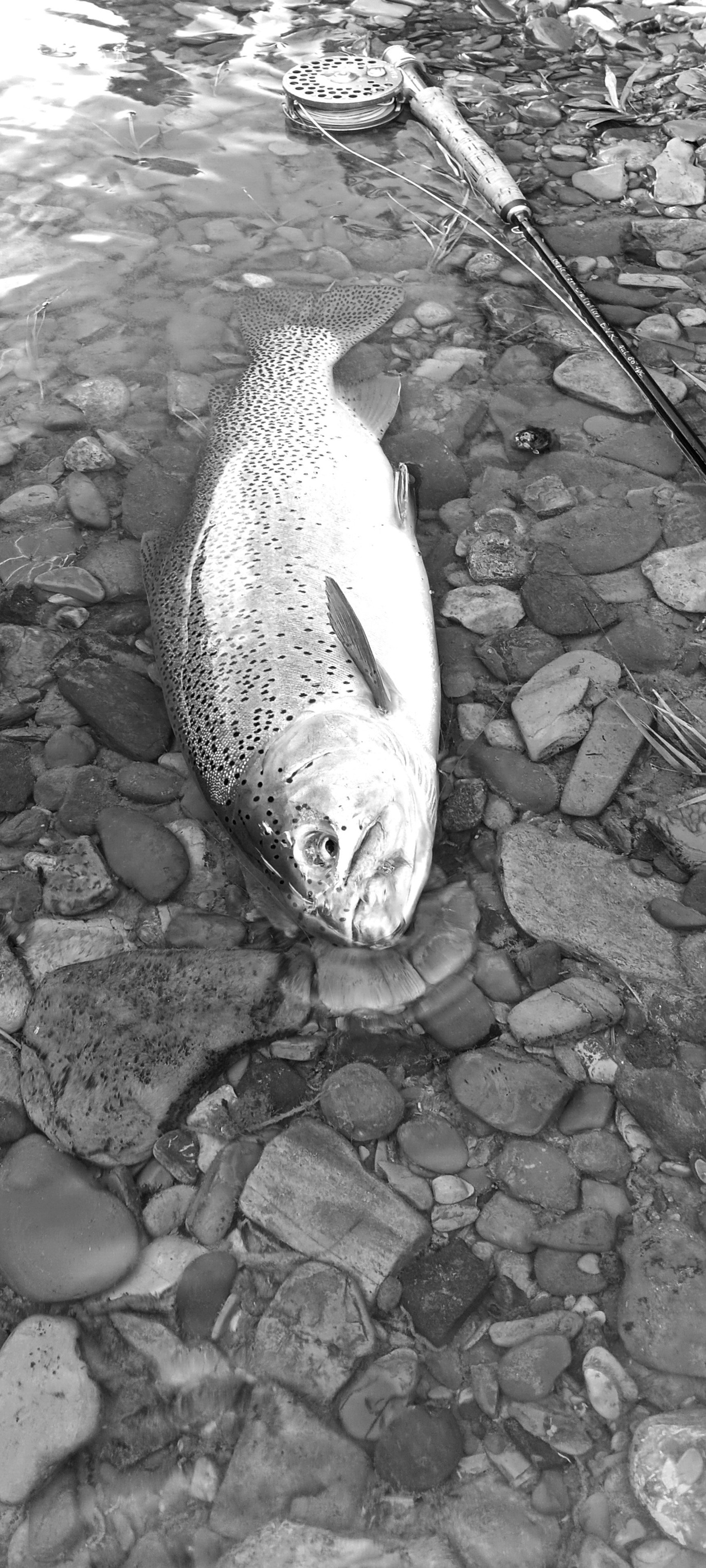
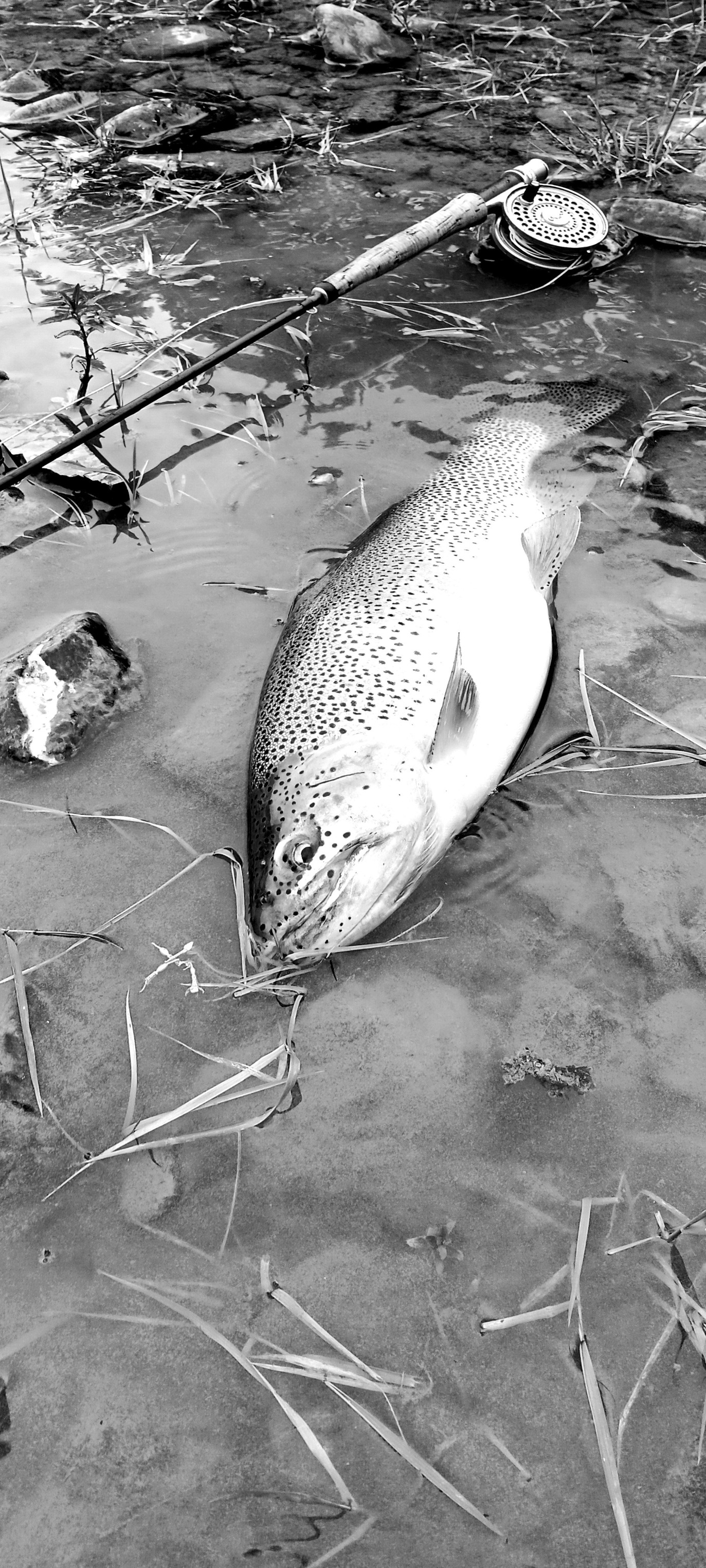
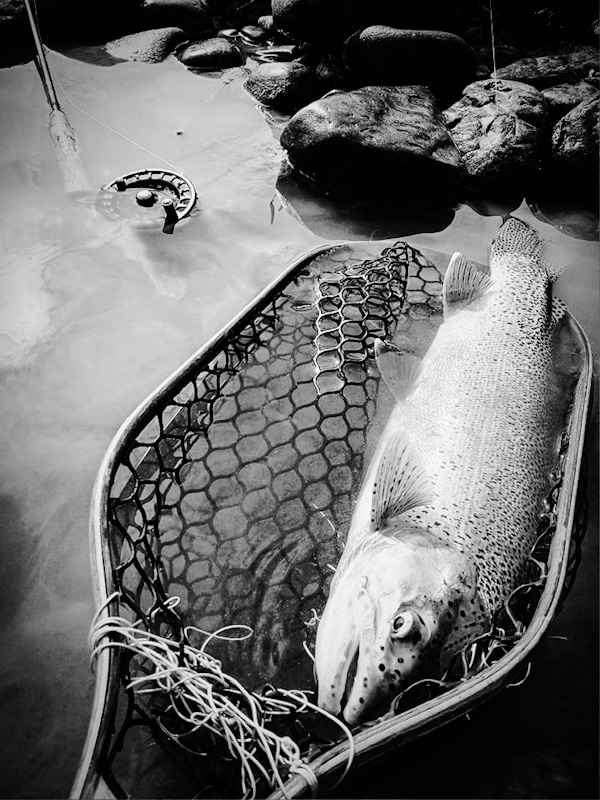
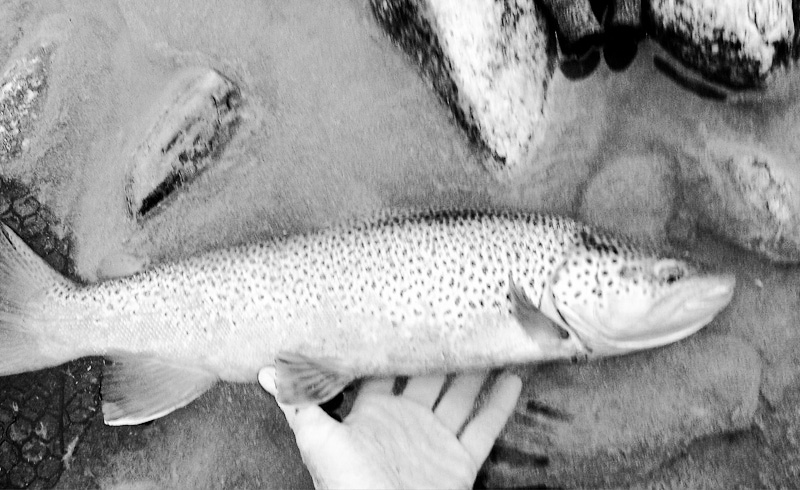
brown trout

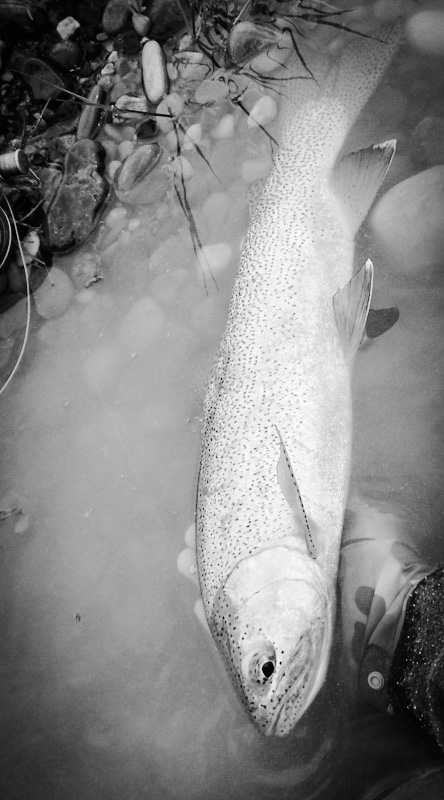
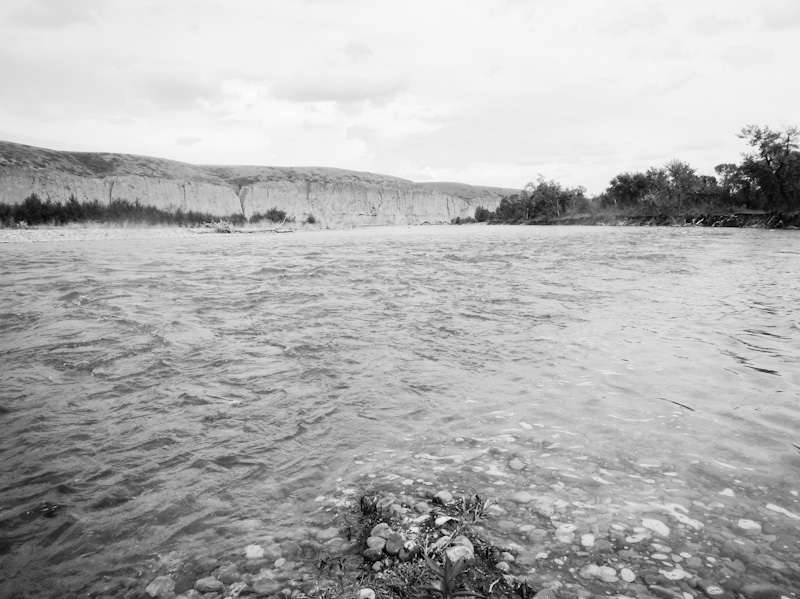
So on the first cloudy day I put on my rain jacket and headed for a river where I felt there was potential; where “It might happen”. I had not been on the one I selected for a month. Around mid-day birds started swooping and darting over the river. It looked like a hatch was developing and then shortly after it exploded. The main insect: Pale Morning Duns (Pmd’s). And the trout responded. They were up everywhere. Boils and bulges at the head of pools and sipping fish eating duns in the mid and lower pool sections. I got lucky. I got more than lucky as the event lasted for 3 or 4 hours.
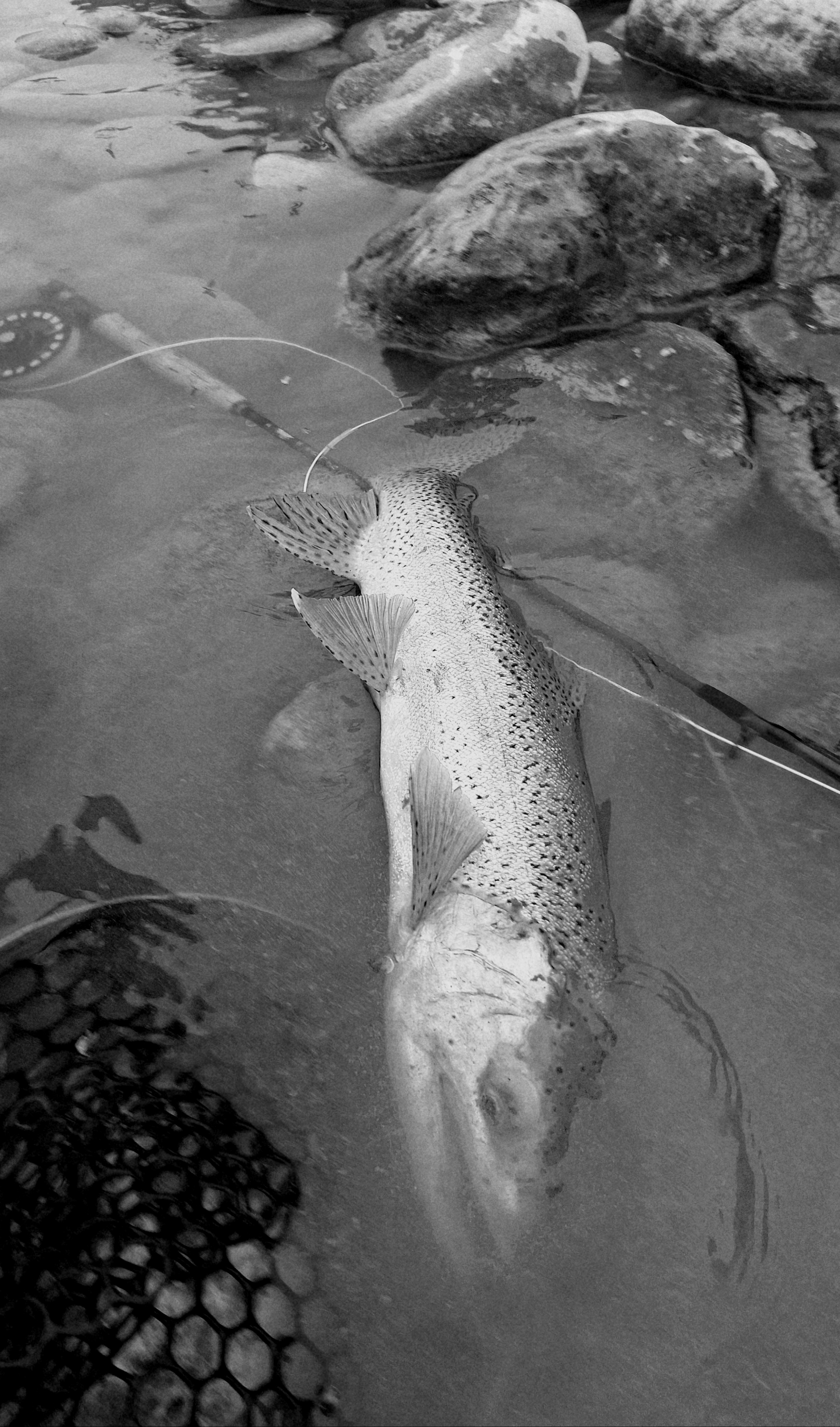
rainbow trout

On the next cloudy day I returned with a friend, Roman. It was cooler and wetter. There was also thunder and some lightning. We got there just before noon. We waited and waited. There were showers all afternoon. We walked from pool to pool in order to stay warm. I wondered if it was ever going to occur. An old Yiddish adage came to mind, “Man plans, and God Laughs”. Then at around 3-3:30 pm, three hours after our arrival, the birds started working the river, Pmd’s began to emerge and fish started to rise. Big guys and gals. A repeat performance. Just delayed and briefer probably because of the cooler weather. The fish continued to surface even when the sun occasionally broke through late day. The brown trout glowed golden in the late afternoon light. After being wet all afternoon we appreciated the sun’s warmth. Then when the river became fully illuminated by the sun, it all stopped. The trout disappeared: “Now you see me now you don’t”. Like magic.
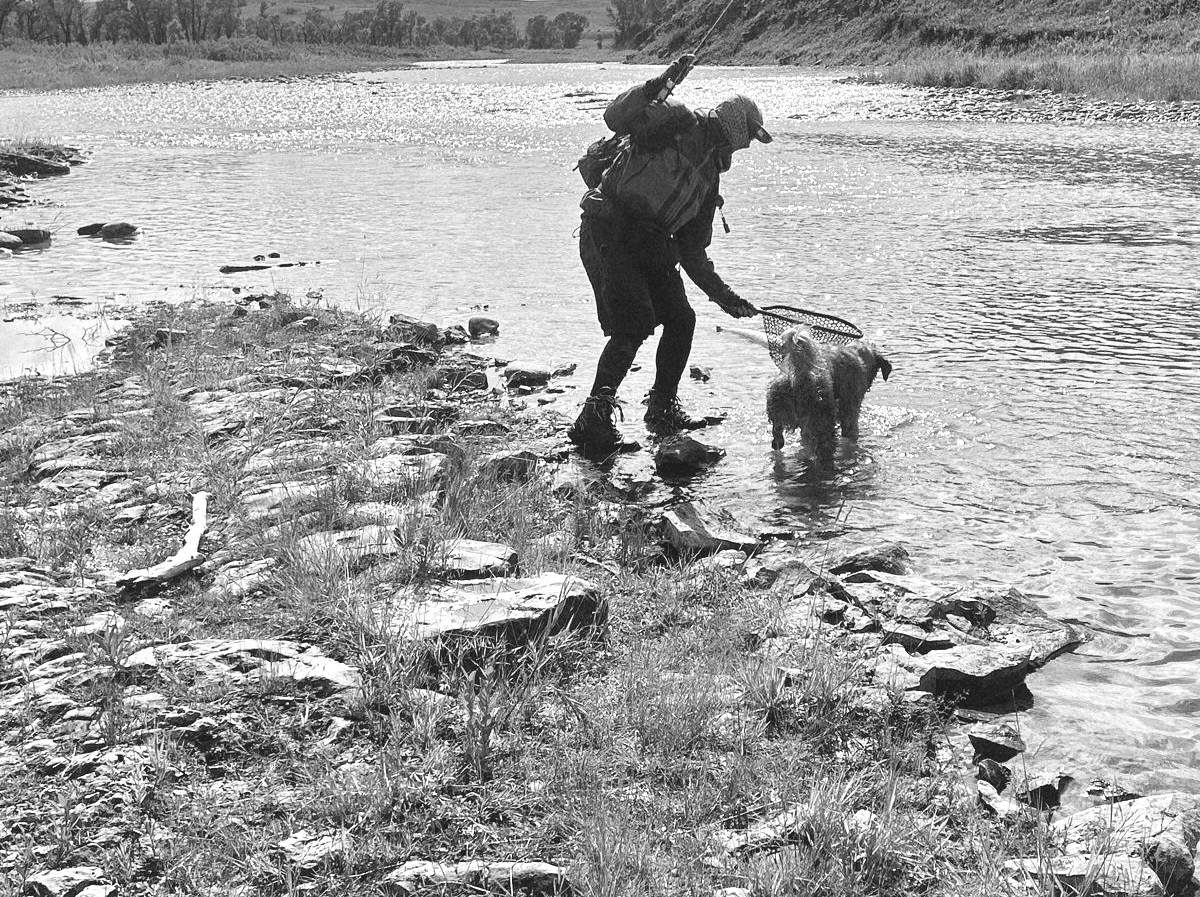
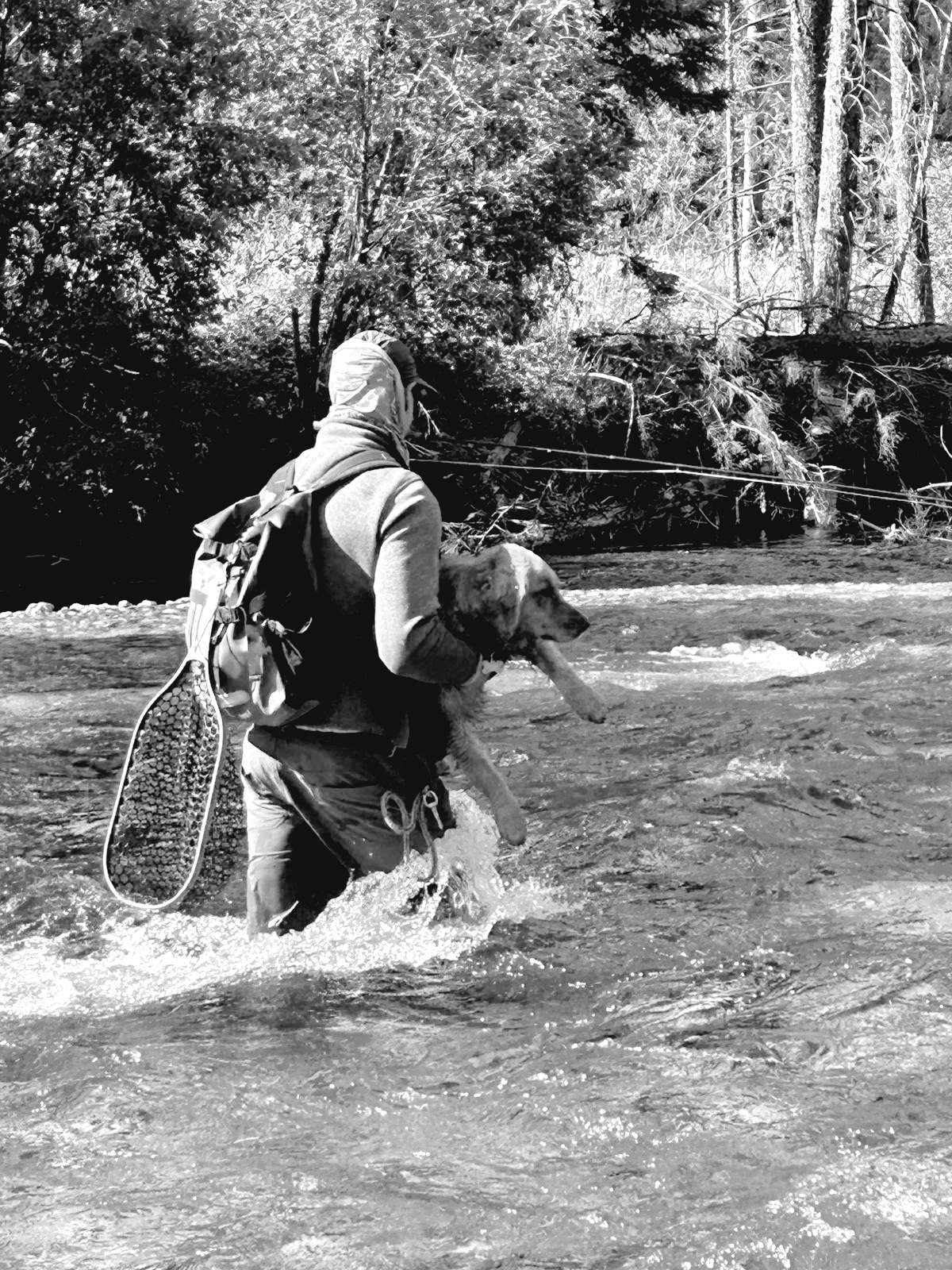
photo by roman

fast water carry, photo by roman

If you fish a lot you know it doesn’t always happen this way. Some rivers are easier to predict than others but in the end when dealing with Nature there are many uncertainties; many unknowns. Sometimes everything seems perfect but you don’t get a solid hatch, you just get wet…but that’s all part of it.
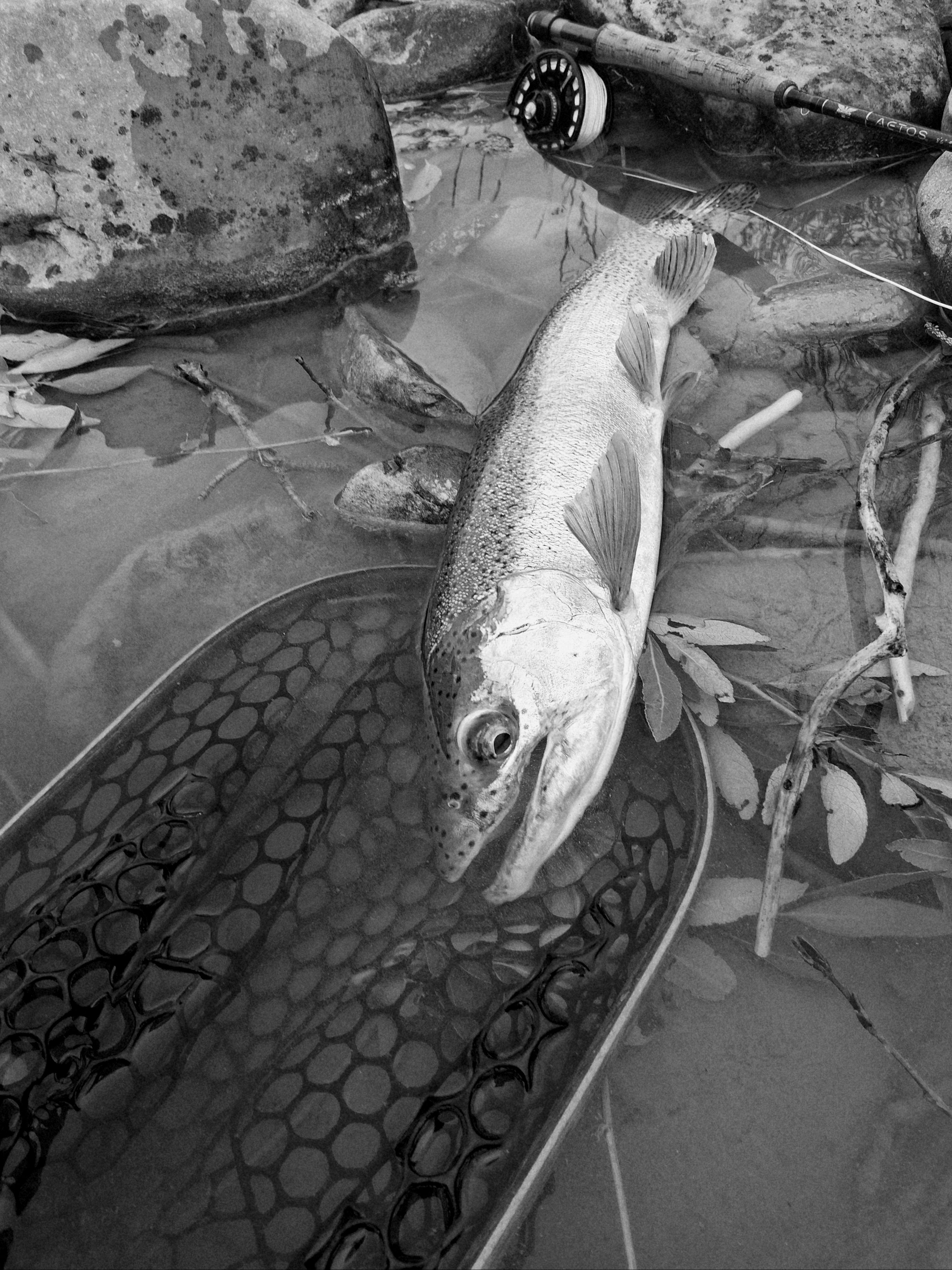
rainbow

harper, photo roman

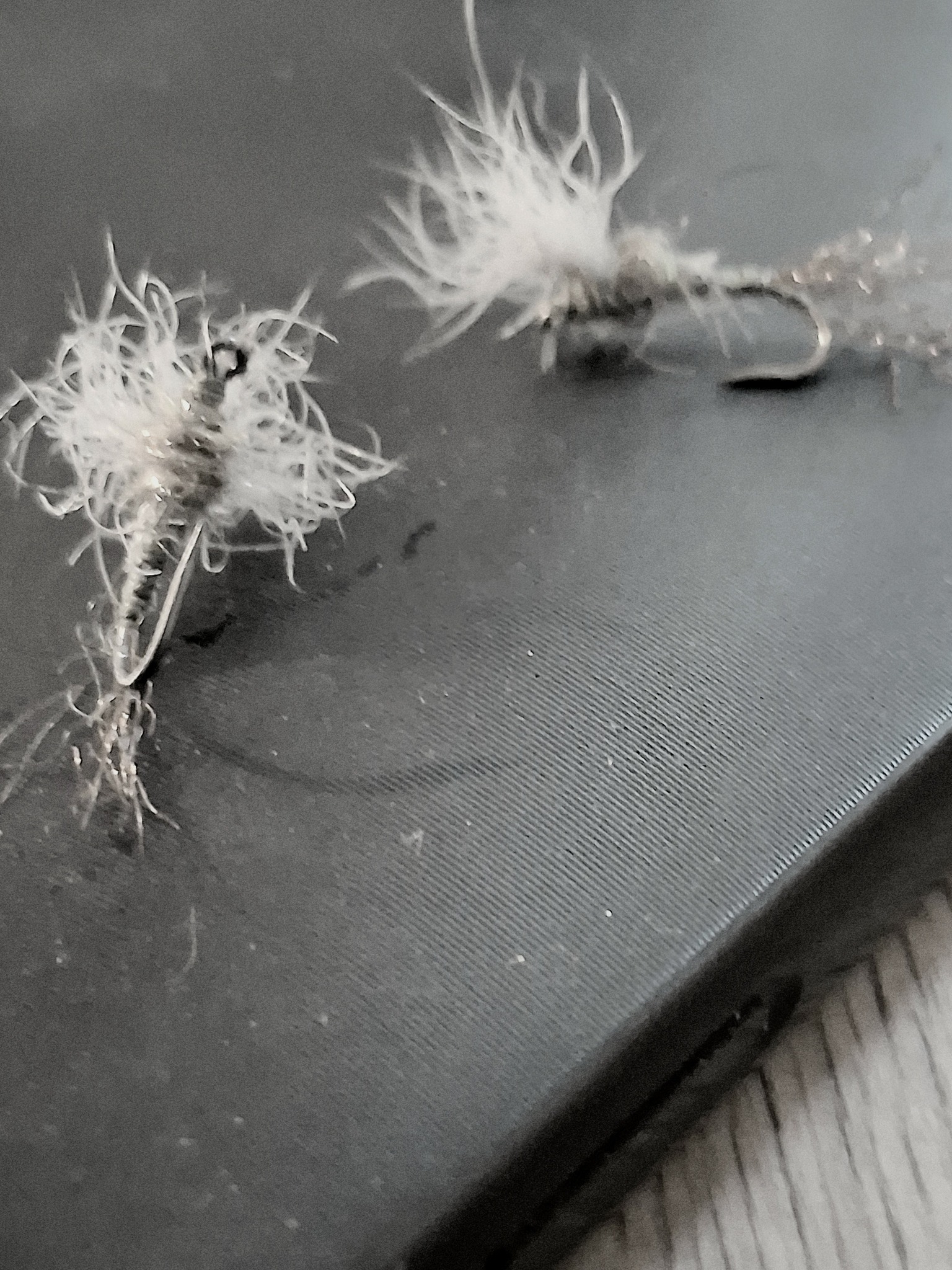
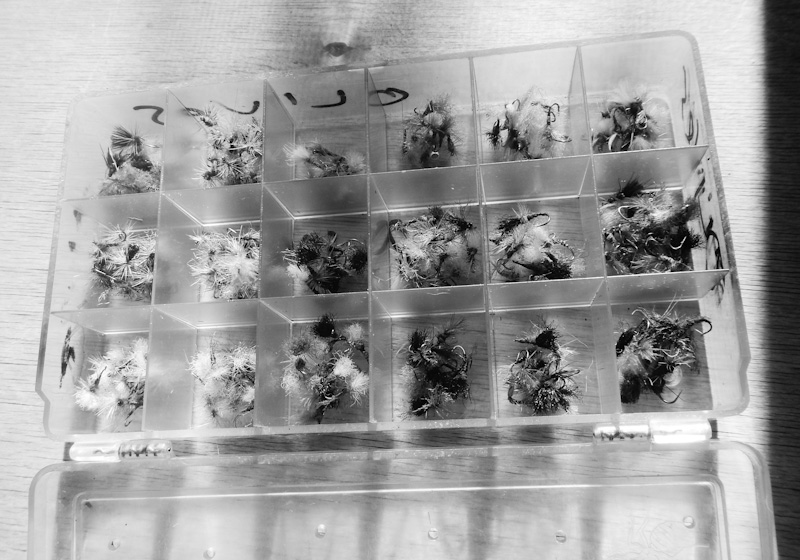
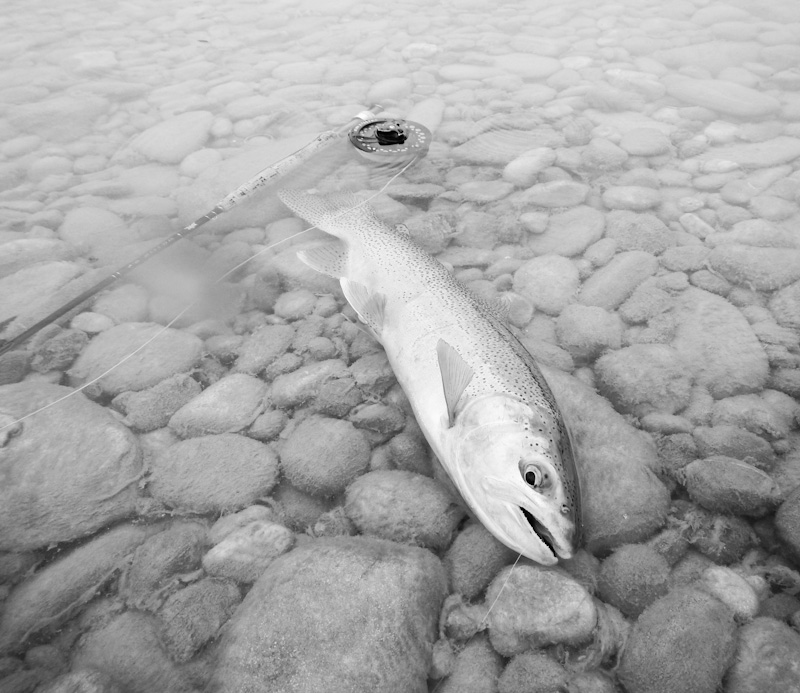
So, “It might happen” ended up “happening” and we caught and released some wonderful trout on size 16, 18 Pale Mornining Duns…here are a few images…

pmd flies

some color

Roaming around

” Aye, aye! and I’ll chase him round Good Hope, and round the Horn, and round the Norway Maelstrom, and round perdition’s flames before I give him up”.

Captain Ahab, Moby Dick/ The Whale—Herman Melville

Oh boy! I’ve been on a bug search. Looking for insects. Looking for a good solid hatch. Looking for some rising fish. The two go together: bugs and surfacing trout. It has been tough out there. I’ve been roaming from river to river. Looking. Some yellow sallies are around; some pmds; some big stones; some bwo’s when cloudy; some drakes. “Some” but not “much” of anything. Kind of sparse (hatches), thin and weak I’d say. And then some inclement weather rolled in. Some low clouds and rain. I picked another river. One I’ve been waiting to get on. Waiting for the flow to drop. Waiting for the right moment. And I got lucky. Around mid-day bugs started to hatch. Big guys. Big drakes riding the surface, wings up, like the old time tall ships with their towering masts. A spectacular event. Maybe 1.5 hours long. Not bad. And with it the best in the river (trout) showed themselves and I managed a few good ones on dries. Then I continued to walk the river and watched familiar locations and spotted several more robust trout rise perfectly to intercept the big bugs. By then watching was good enough. Reverence for this special river.

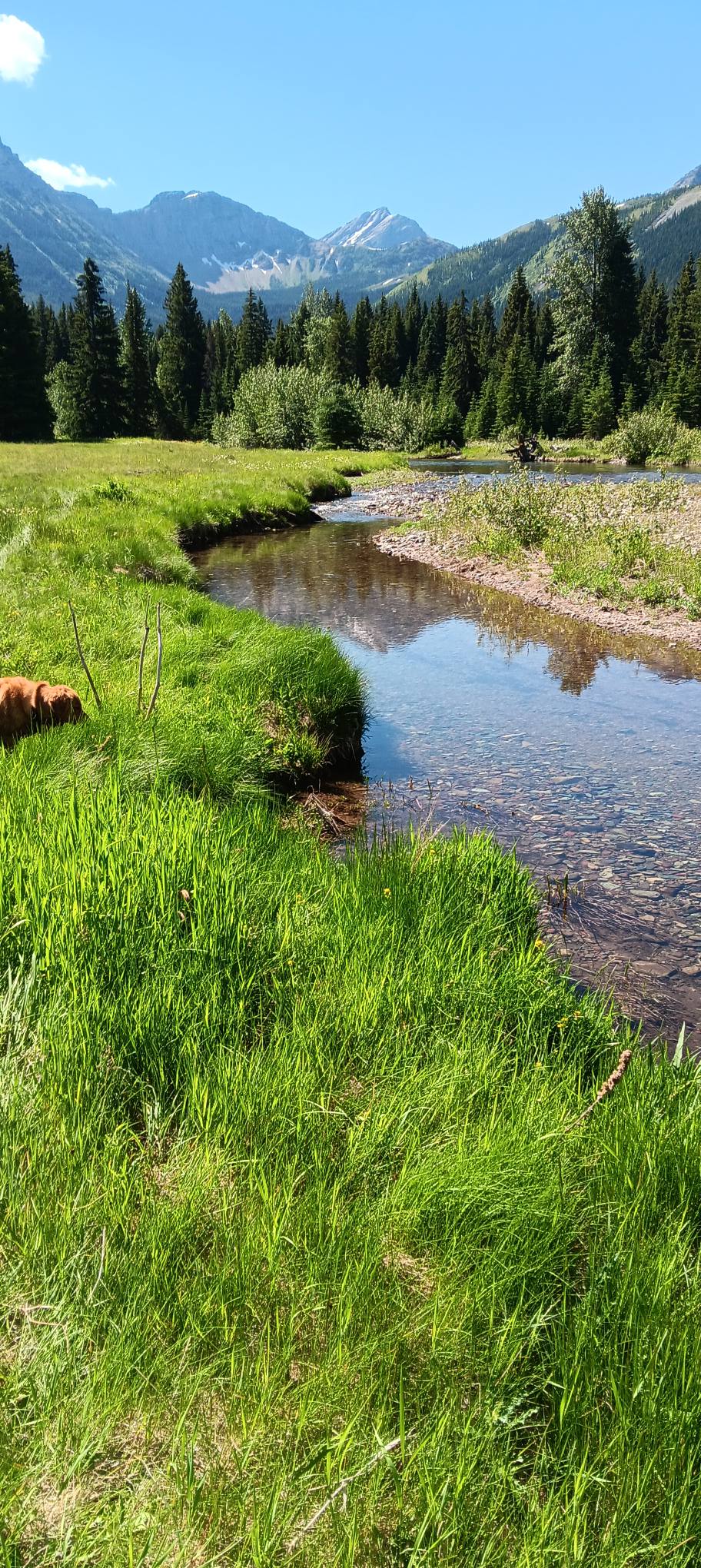
Some photos while roaming around searching the past few weeks; hiking streamside paths; crossing rivers….and a few special trout.

always investigate little pools off of main flow

tailwater bow, fly: beetle

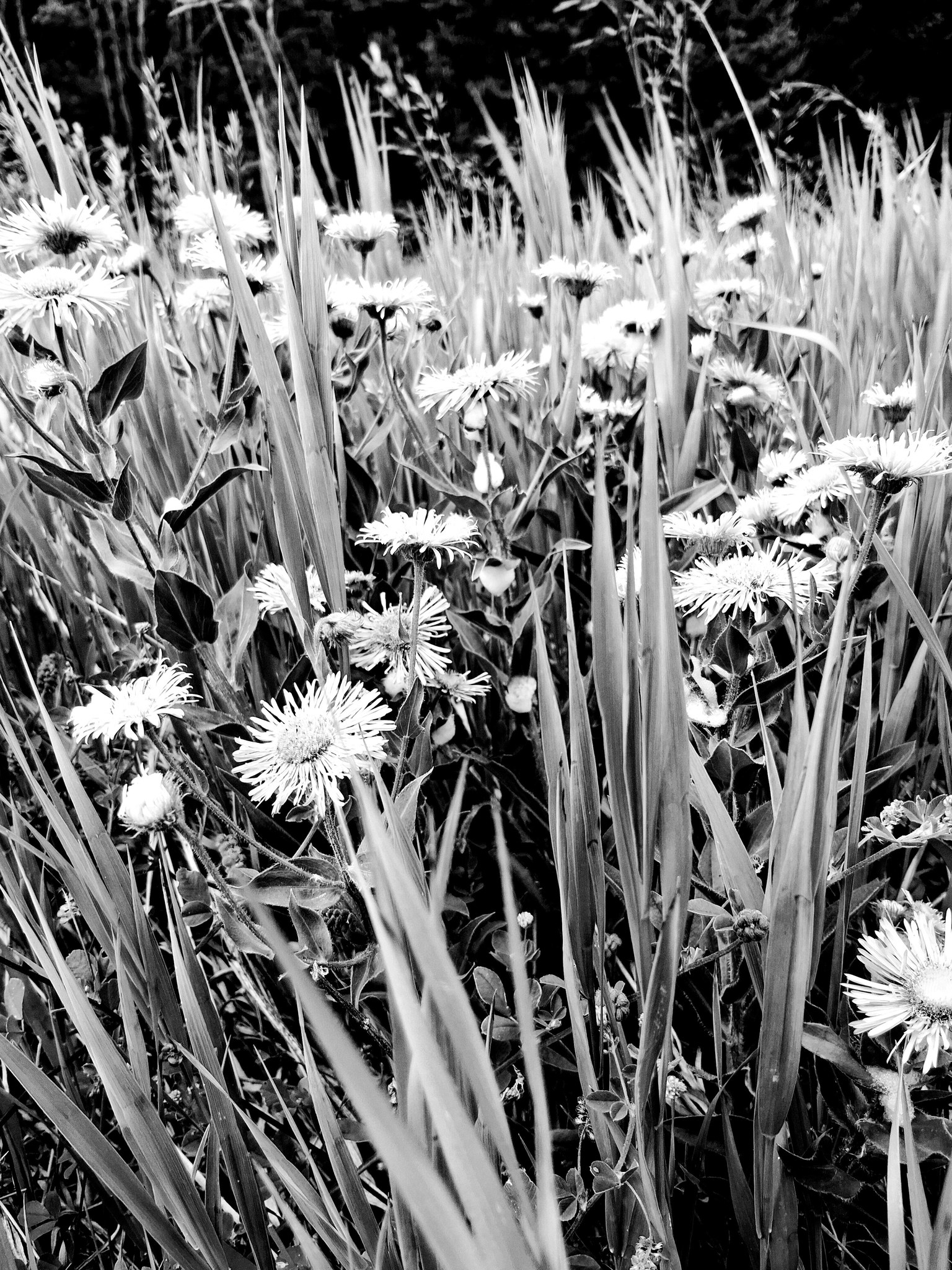
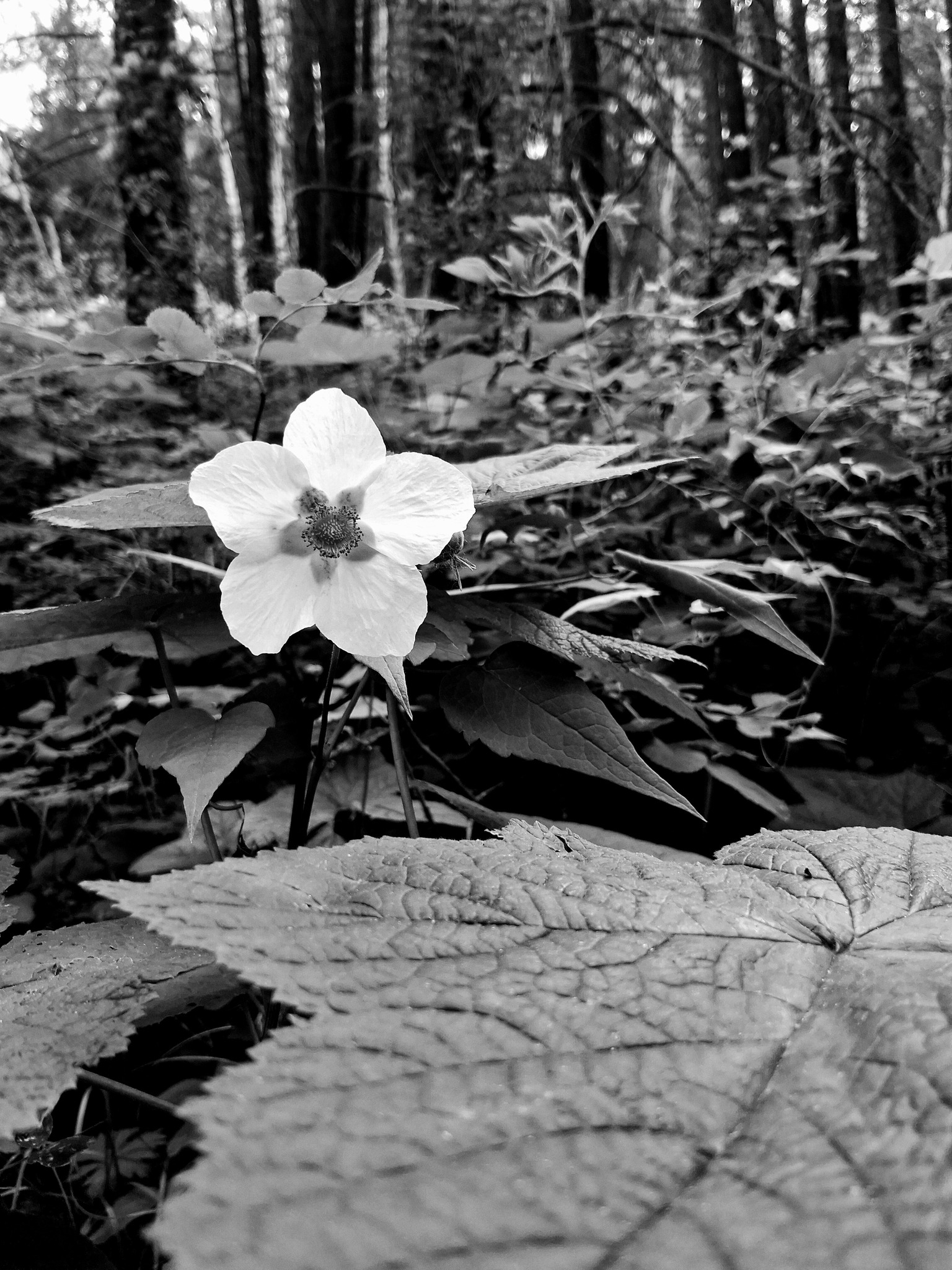
riverside wild flowers

some color

Season’s End

“For one to fly, one needs only to take the reins” – Melissa James

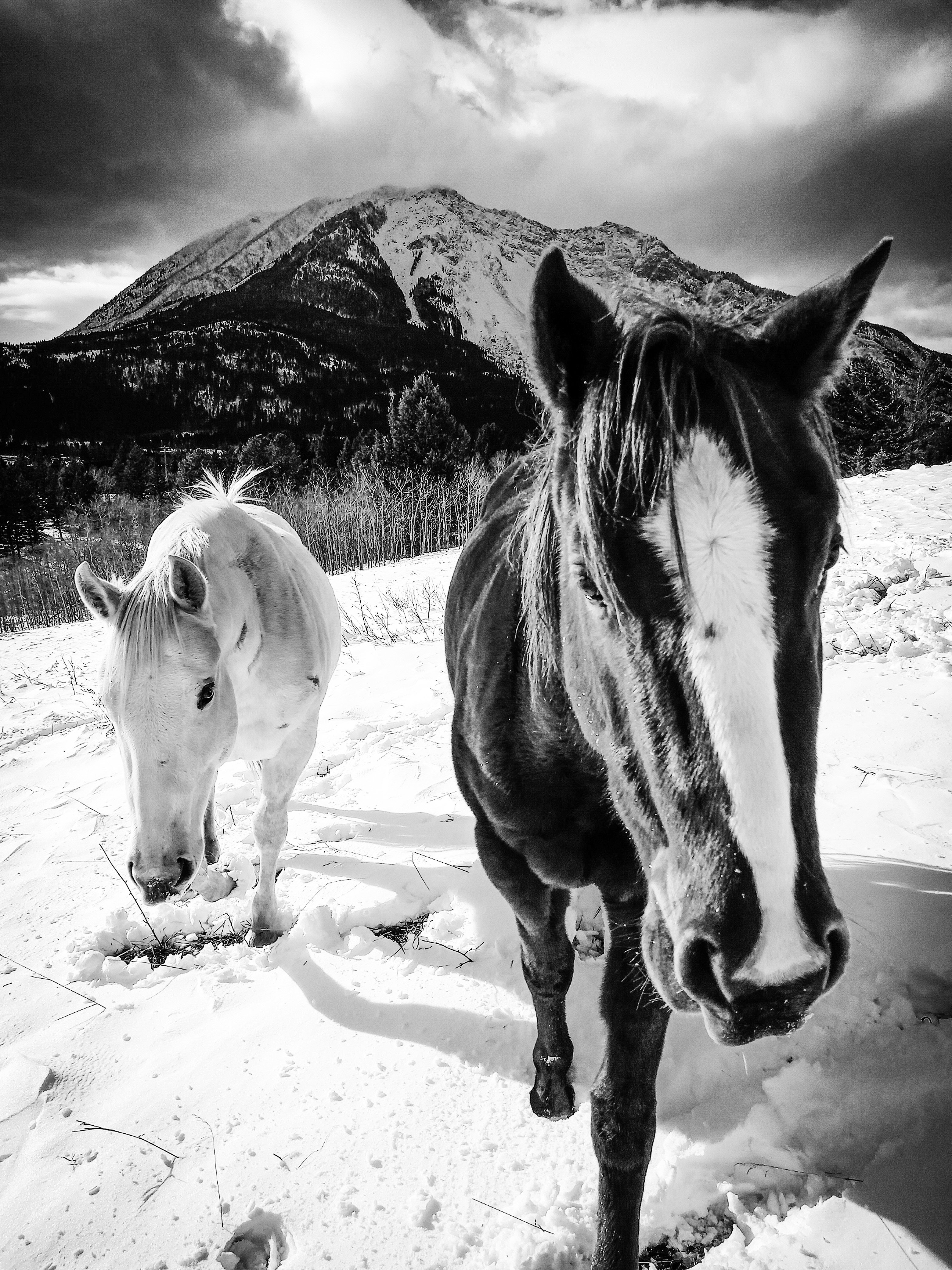
The dry fly season has come to an abrupt end. Winter showed-up, for now. So I left the rivers and started hiking some nearby trails and met some old friends along the way…
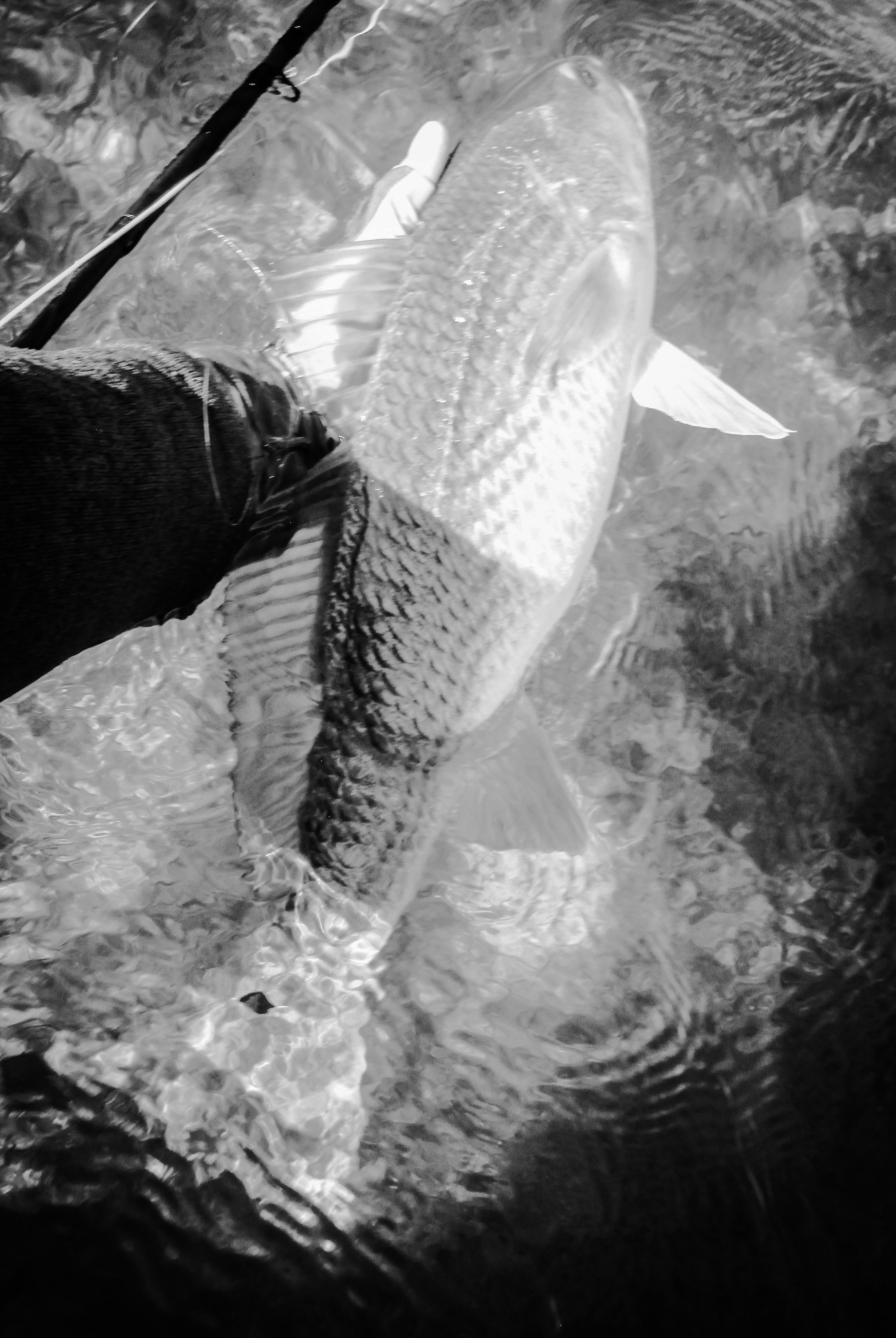
Pale Morning Duns in October

It’s late season and small dry fly angling is an afternoon event on one of my favorite prairie tailwater rivers. The predictable mayfly hatch at this time of year is Baetis/Olives. On the unique river I have been visiting, however, the Pale Morning Dun’s (PMD’s) of summer often come-off through September and even into October, along with the Olives and sometimes a few Mahoganies. Each river has its story…

Some images of trout caught this October, on summertime PMD impressions.

pmd dries, marching to river

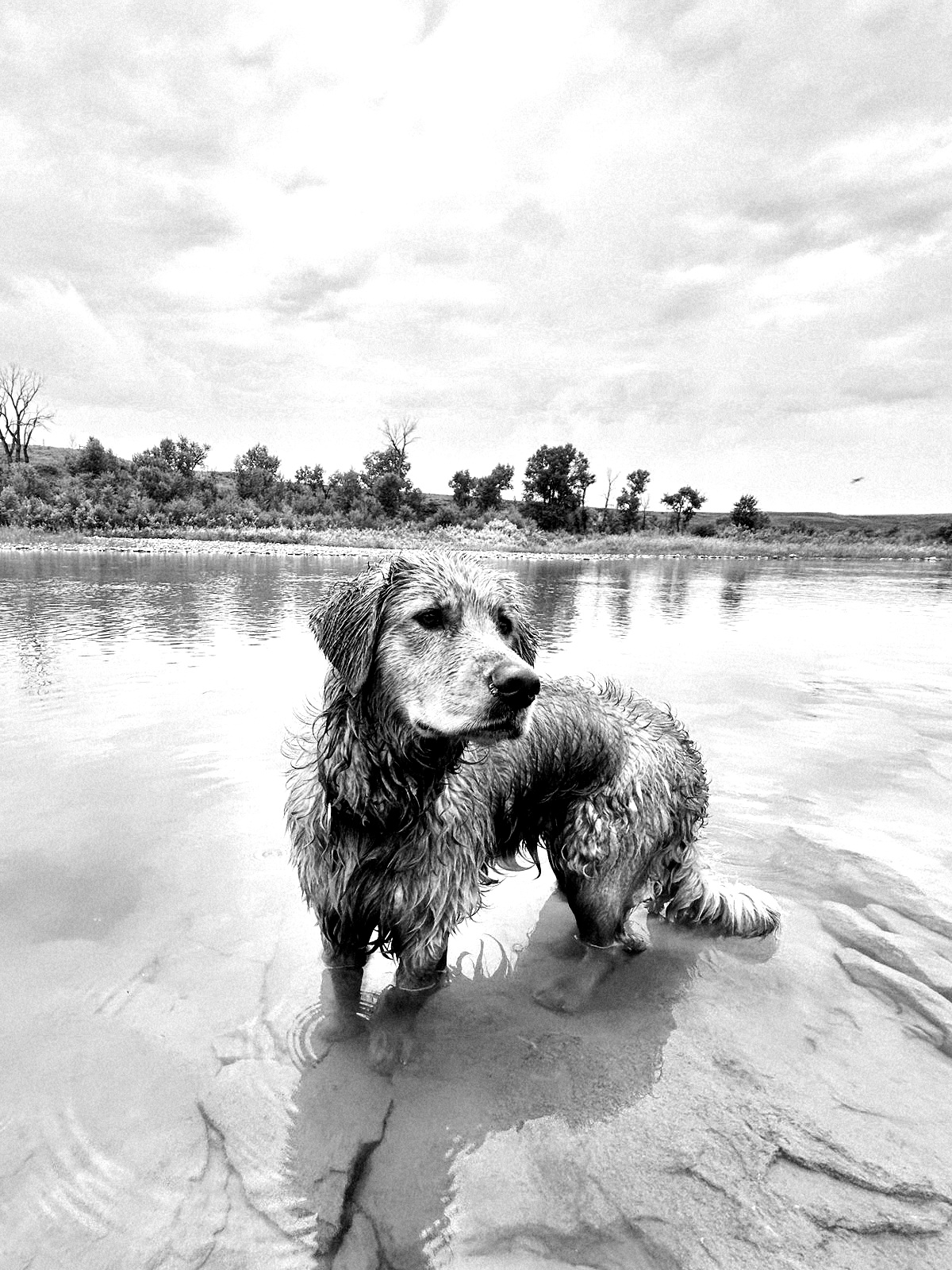
Abby

snow in mountains, last week

wet lens brown

Spring

Flows are low for this time of year on a local tailwater river and water clarity, for now at least, is excellent. Usually it is high and off-color in late May. I took advantage of the good river conditions and a forecast that called for cloud cover and minimal wind, hoping for a good hatch of Blue Winged Olives. The hatch was good. Fish were up. I casted emerger patterns mainly size 18: fly body breaking the surface and a wing (white or black depending on surface glare) simply for a bit of flotation at eye of fly and for visibility. A few photos of Rainbow trout.

Fly Fishing the Sand

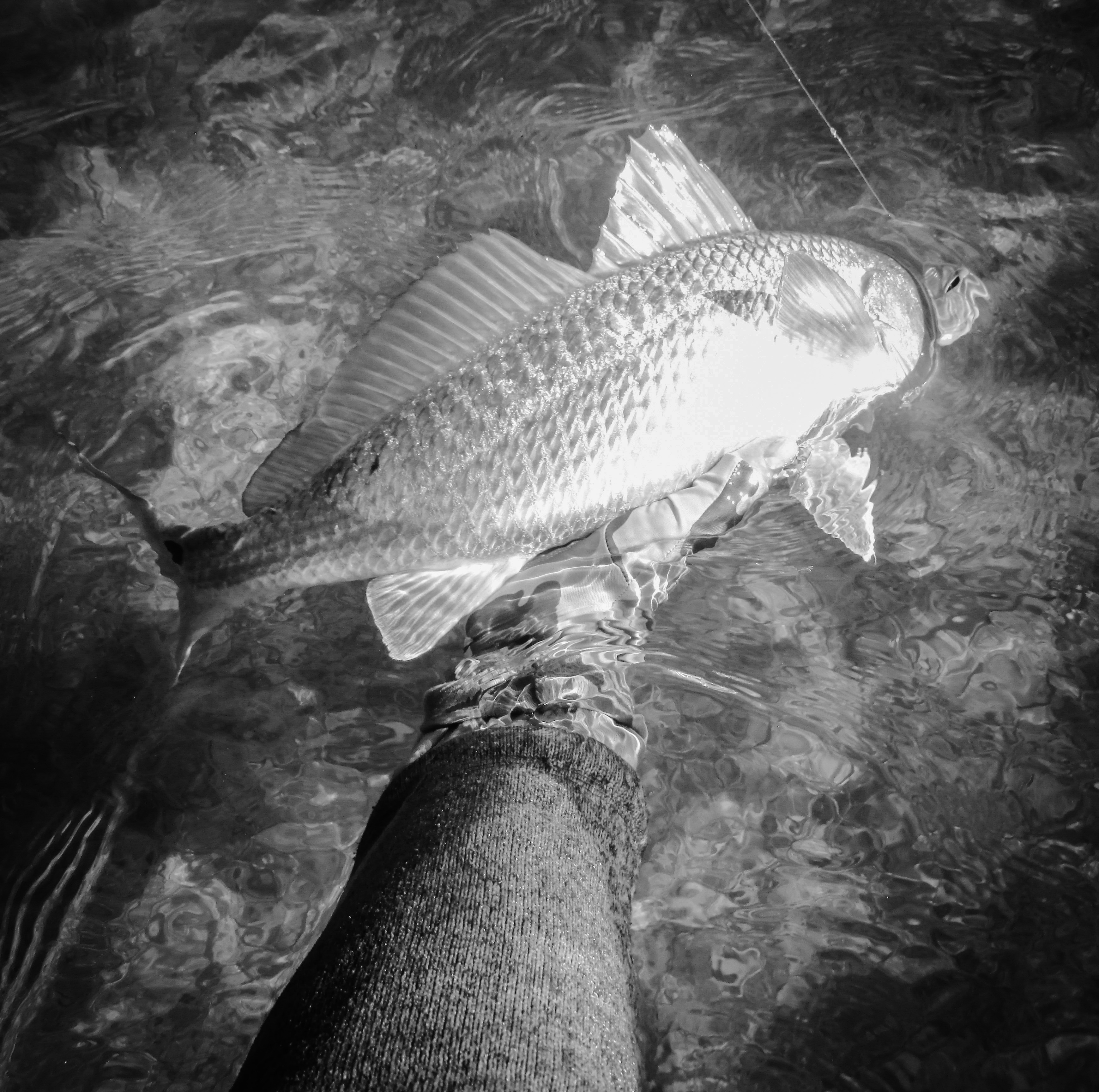
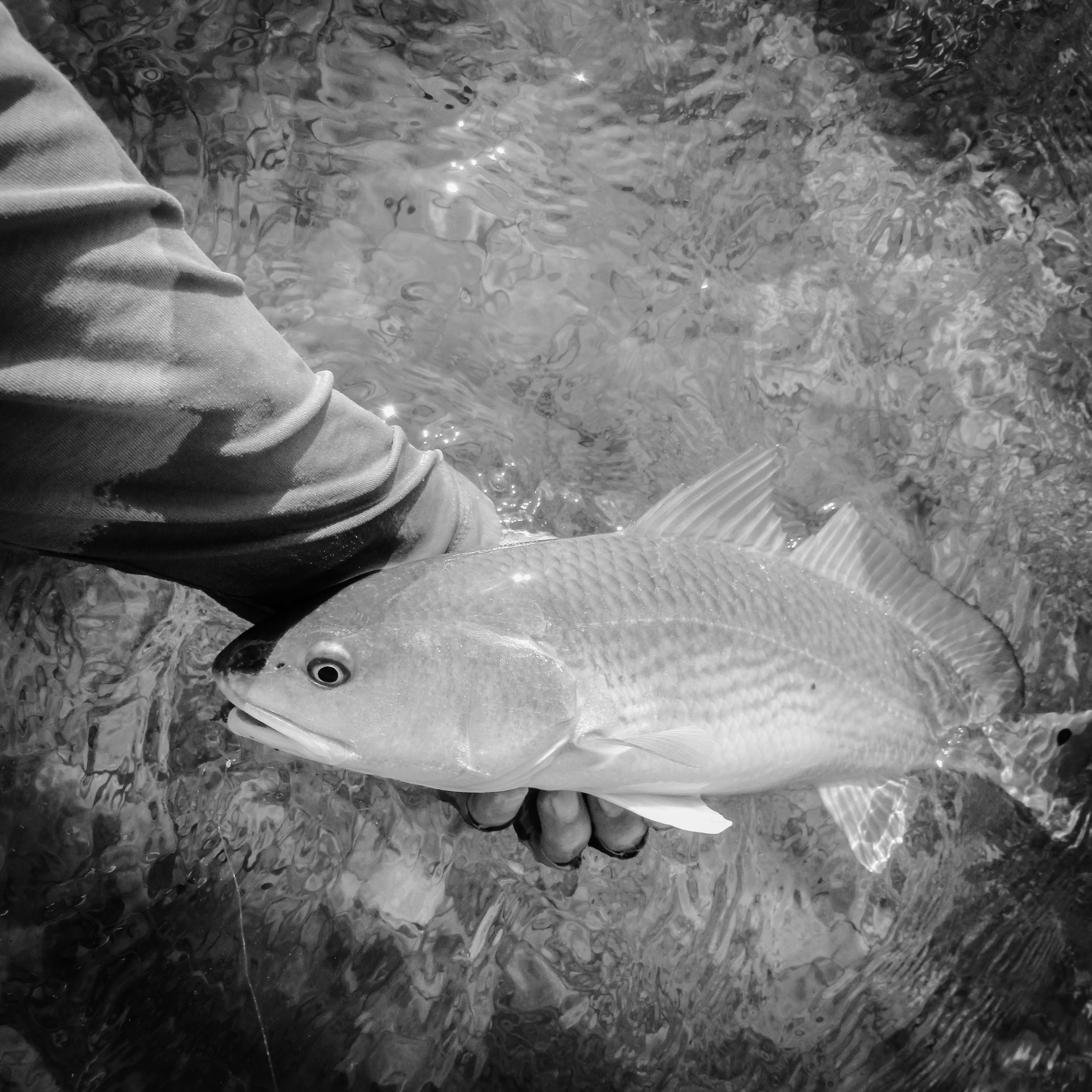
THERE’S A REDFISH JUST 20 FEET TO MY LEFT. I ALMOST walked by him. How come I didn’t see him earlier? Surface glare! He’s in a foot of water. Stationary. That’s rare. Most are prowling. Most are on the move. He hasn’t noticed me even though I’m close. Maybe I should slowly back away before casting. Then again, he might notice me if I do that. Movement is always risky in the skinny water. No, I’ll stay in place and ever so slowly crouch down and side arm a cast 4 or 5 feet away from him. There. He heard the plop of the fly (maybe too much weight on it) and noticed the cast (fly line). He’s moving away. Accelerating. Now gone. Too bad. He was a good one. Mid to upper 20’s in inches. A missed opportunity and I’m not getting many. Two or three quality shots on a good day. Some days none. Yesterday was a “none” day. The day before I spotted only one. It’s a tough angling gig out here on the Sand.

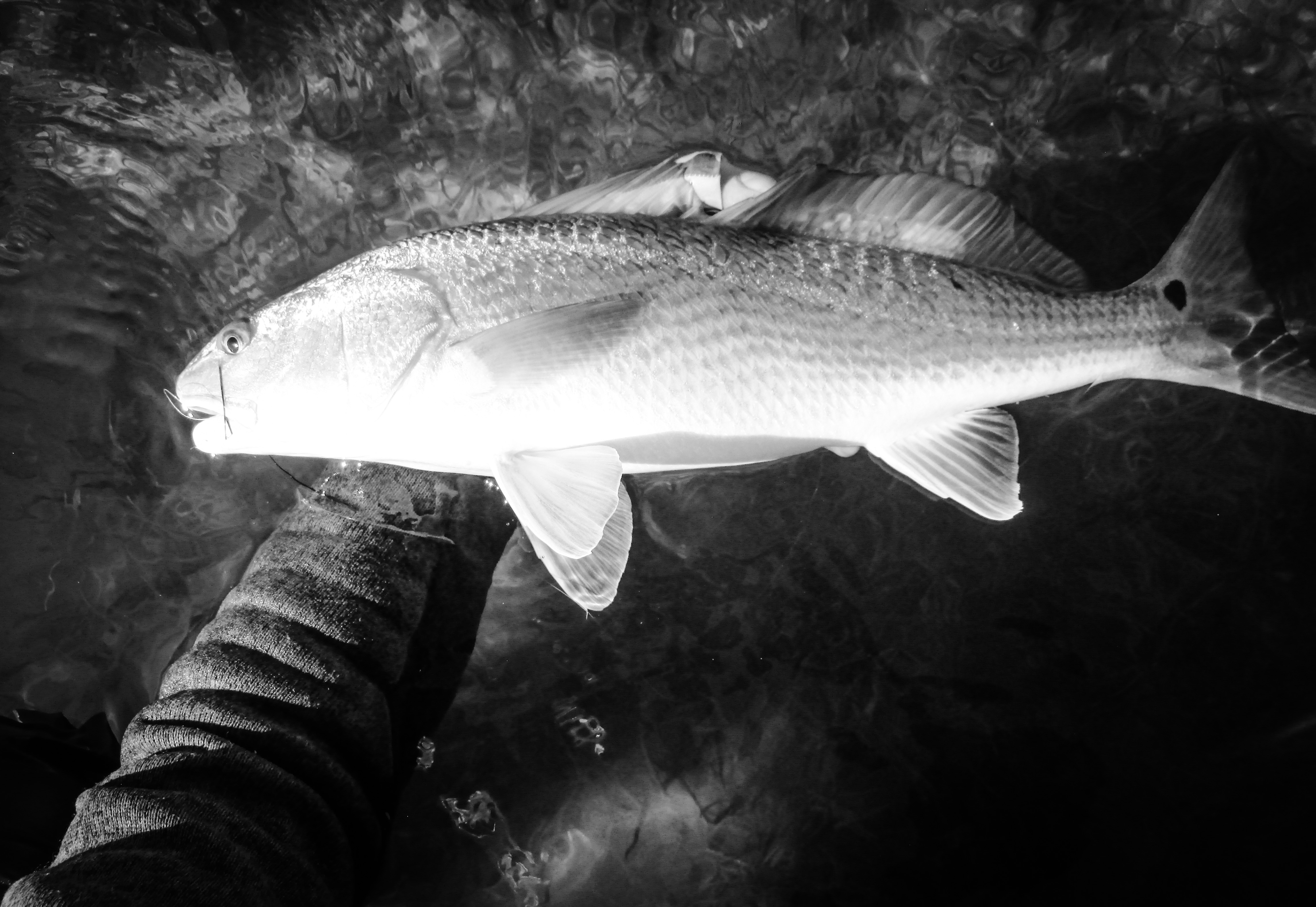
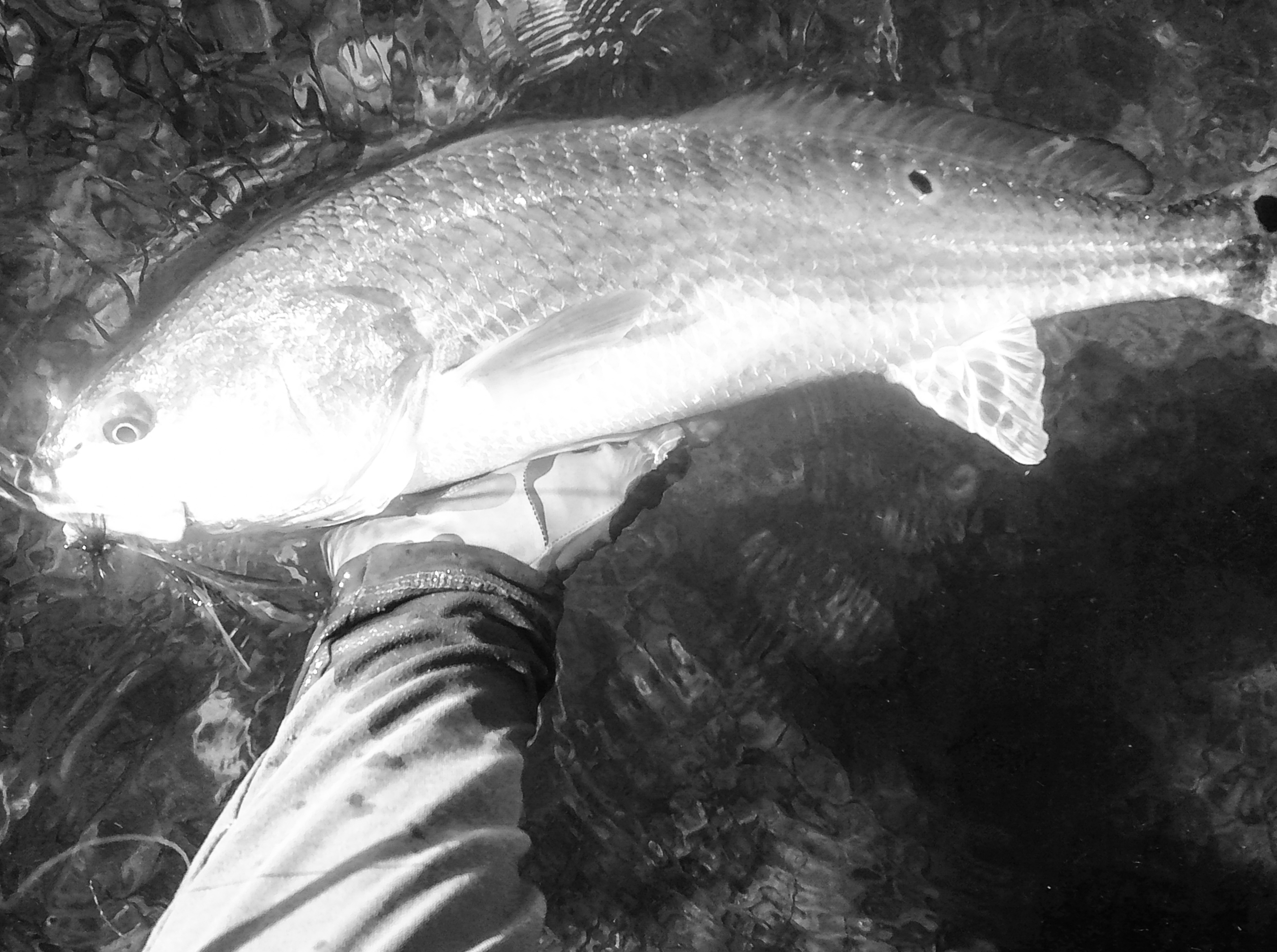
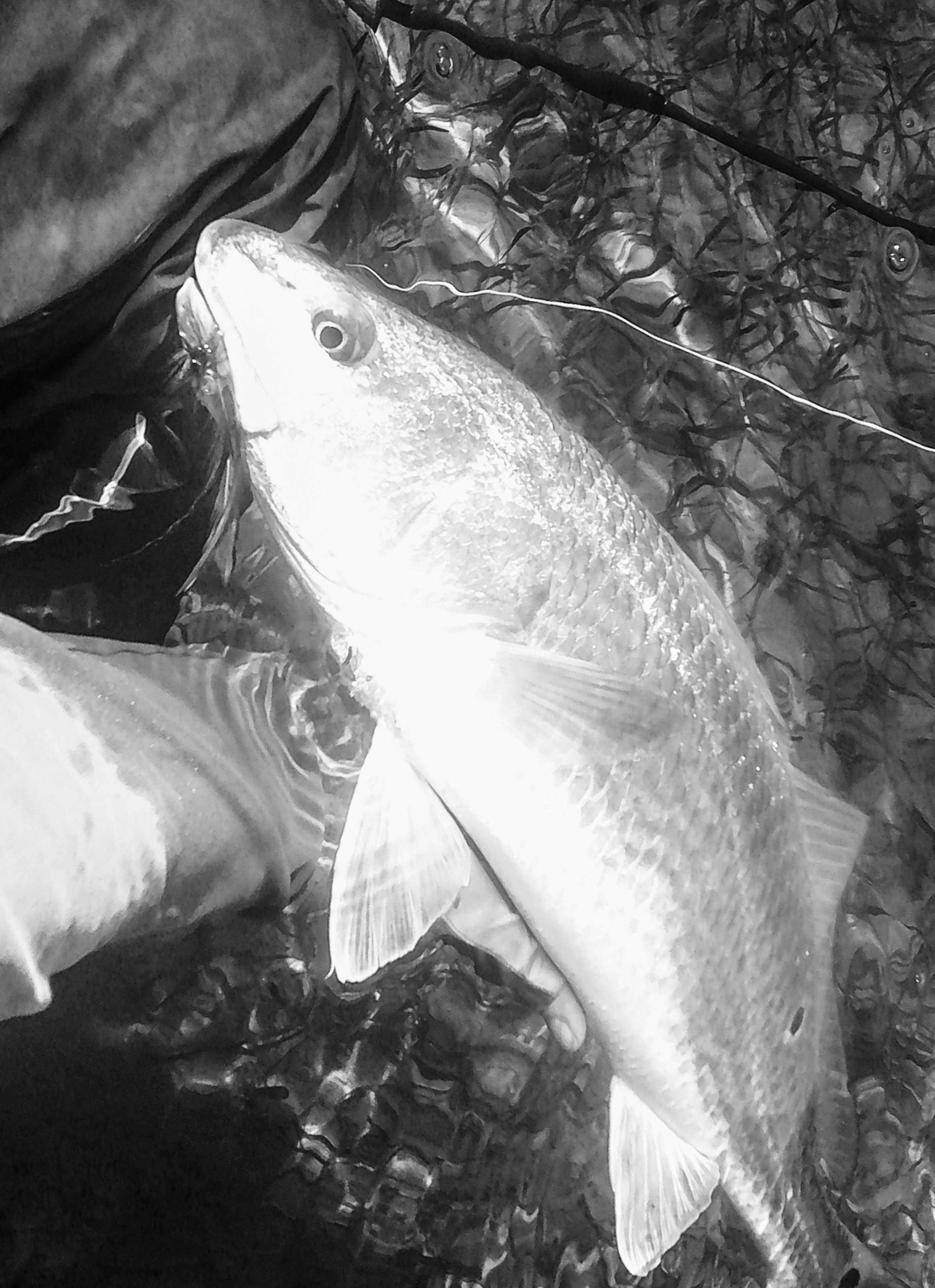
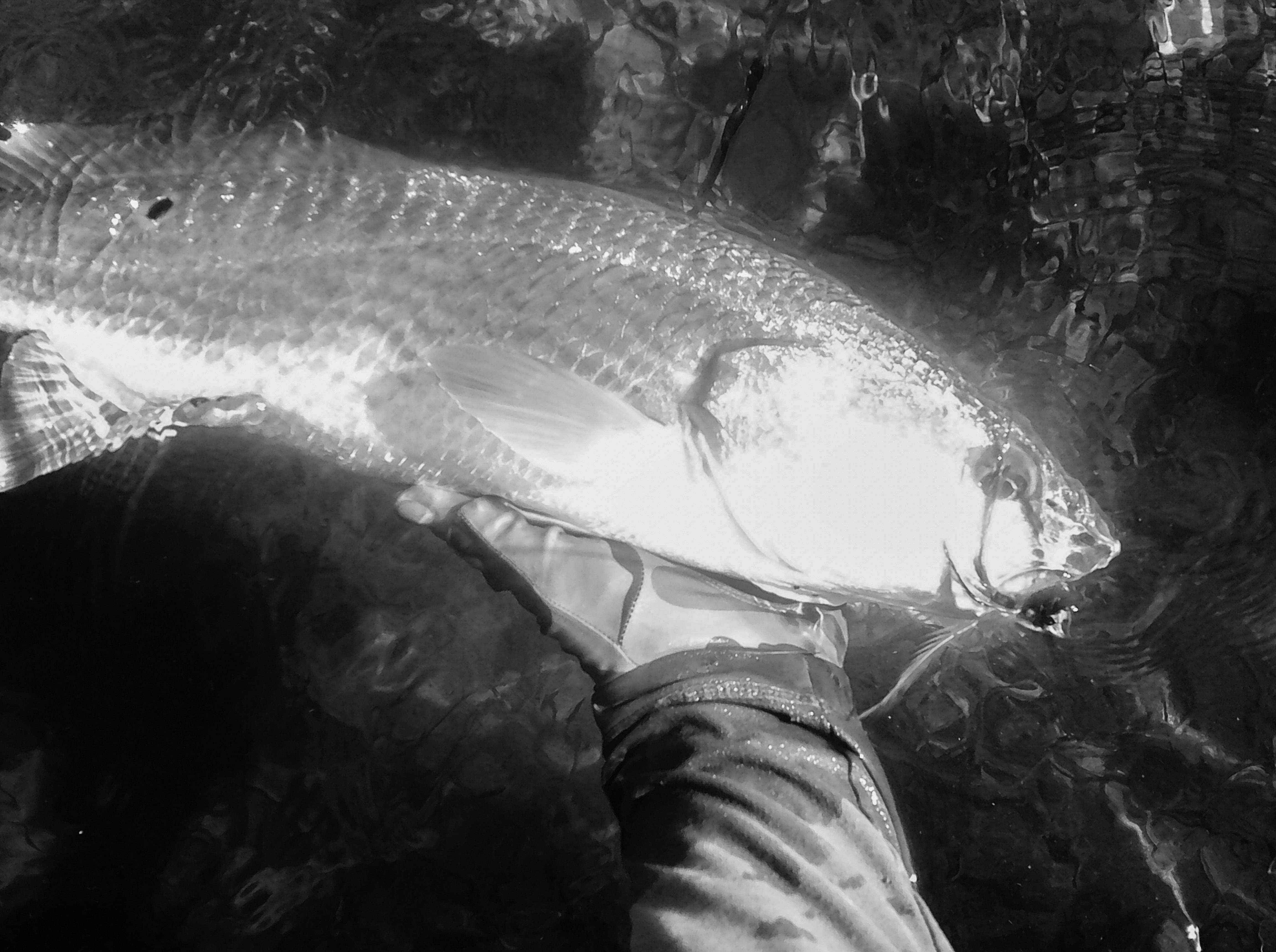
redfish

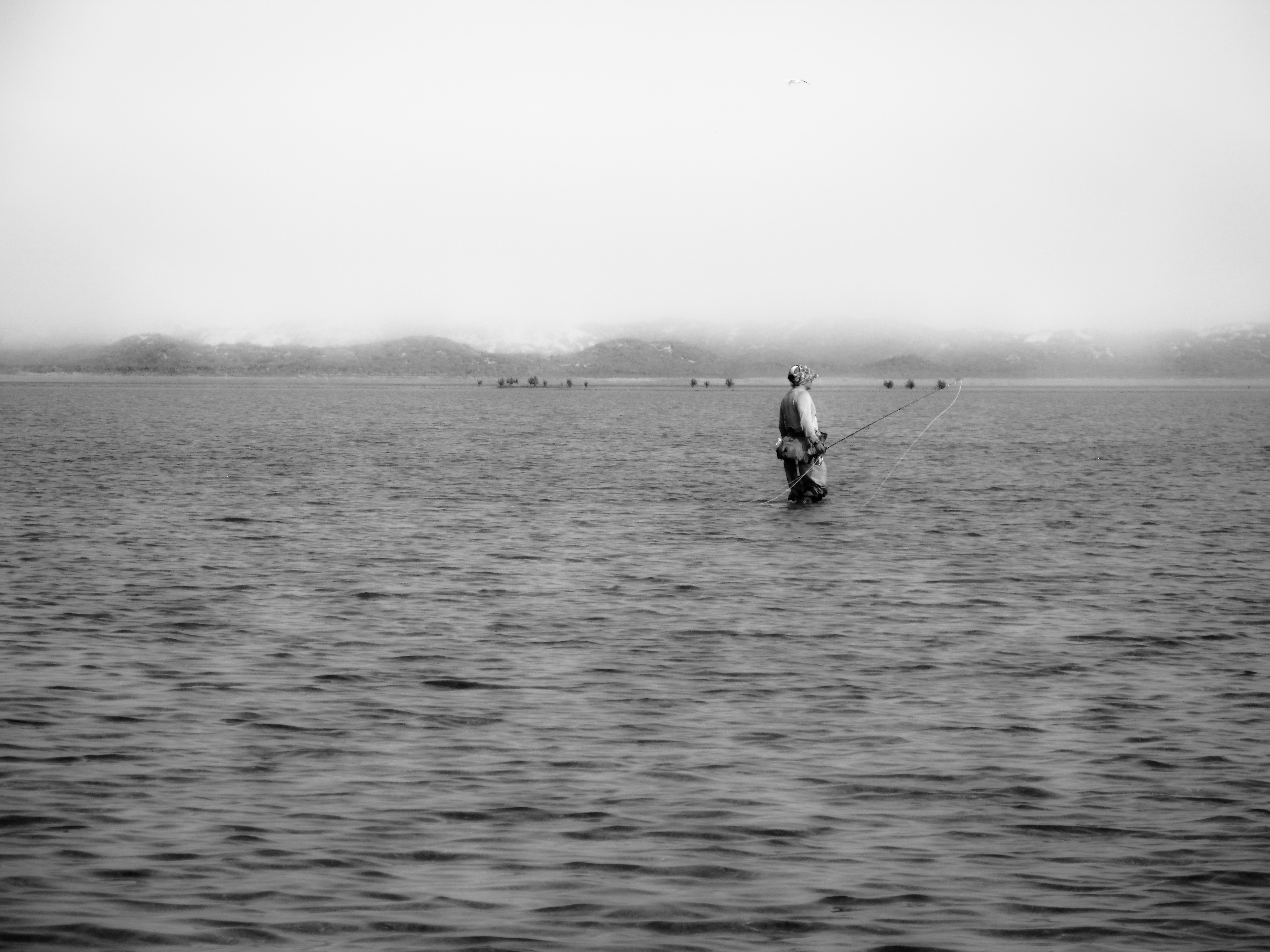
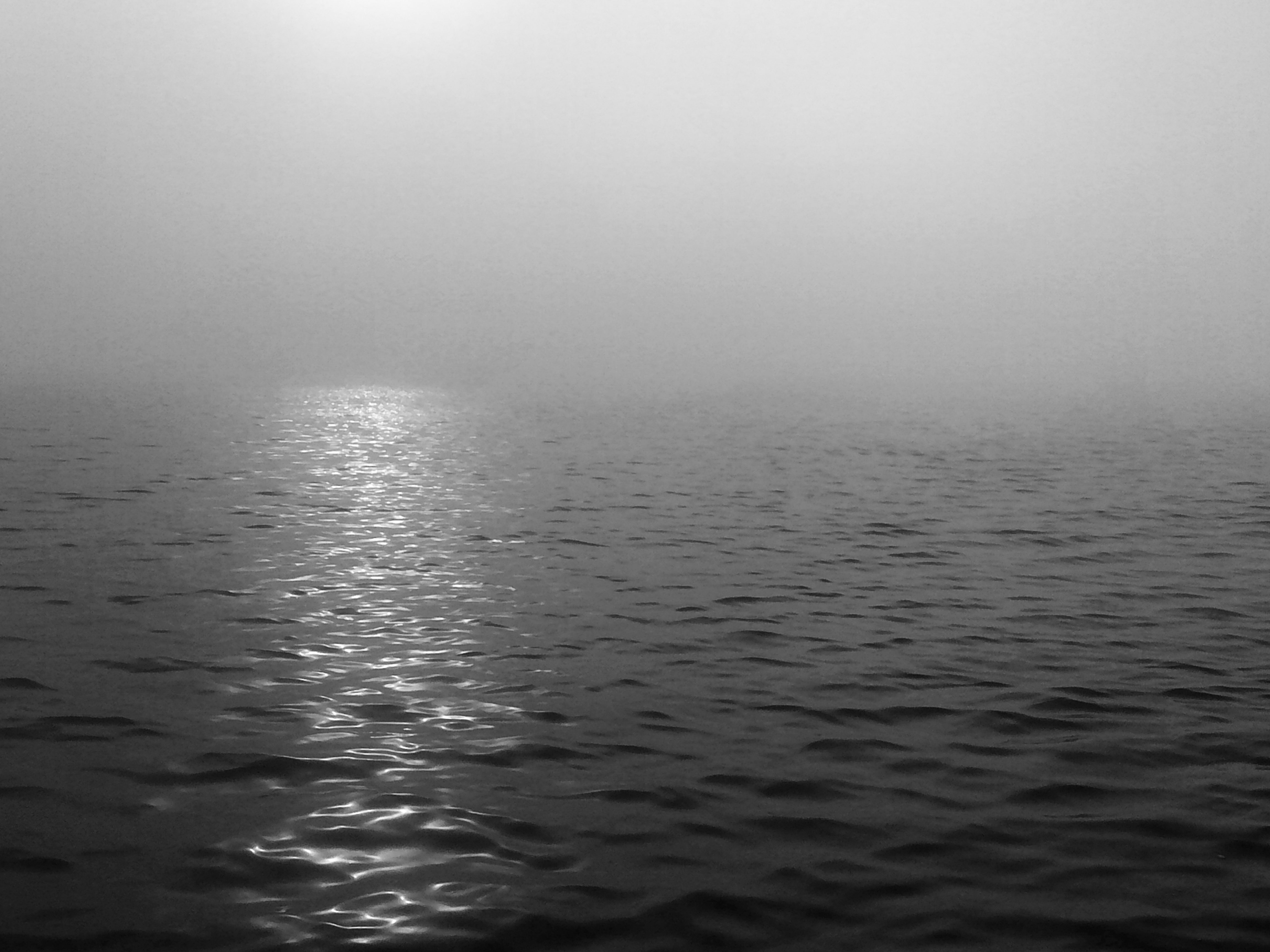
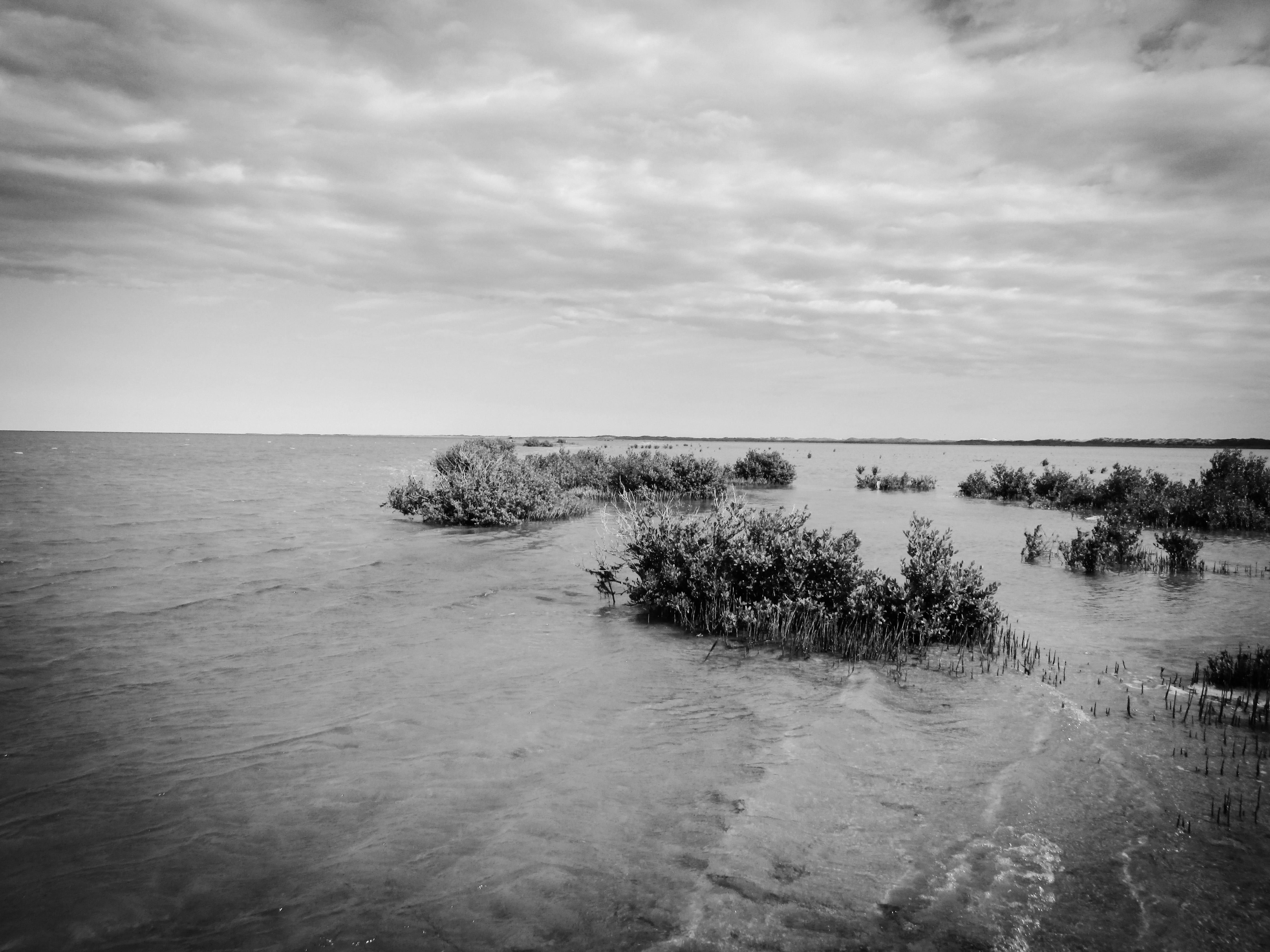
The sand flats that I’m fishing are only shin to knee deep, that’s it. Walk several hundred yards out from shore and it’s the same. In the shallow water the Redfish are generally on high alert and usually prowling (moving). I go slow, try to minimize my wading wake, constantly scan the water, try and use whatever light there is to my advantage, constantly fight glare, and hopefully spot one before it sees me. Spotting one from far off heading my way is better than seeing one up close as I get time to prepare, position myself and cast from a safe distance so they don’t detect my presence. Fishing blind is useless out here. I have to see them to catch them. And many things inhibit my ability to see: low light, low and high cloud glare, a wind ruffled surface, sometimes dense morning fog that seems to take forever to burn-off or blow away, and short Autumn days where the sun arcs low on the horizon.

shoreline in distance

Clear, full sun days with no wind are perfect but I rarely get both at the same time. The wind tends to be daily, strong and persistent. A perfect day is a rarity. Maybe a perfect day doesn’t exist. When it is mostly sunny, 11 am to 3:30 pm is my best sight-fishing opportunity. That’s when the sand flats become illuminated. That’s when the Redfish contrast well against the pale bottom. Sometimes I can see them from a long way off…50 yards or more.

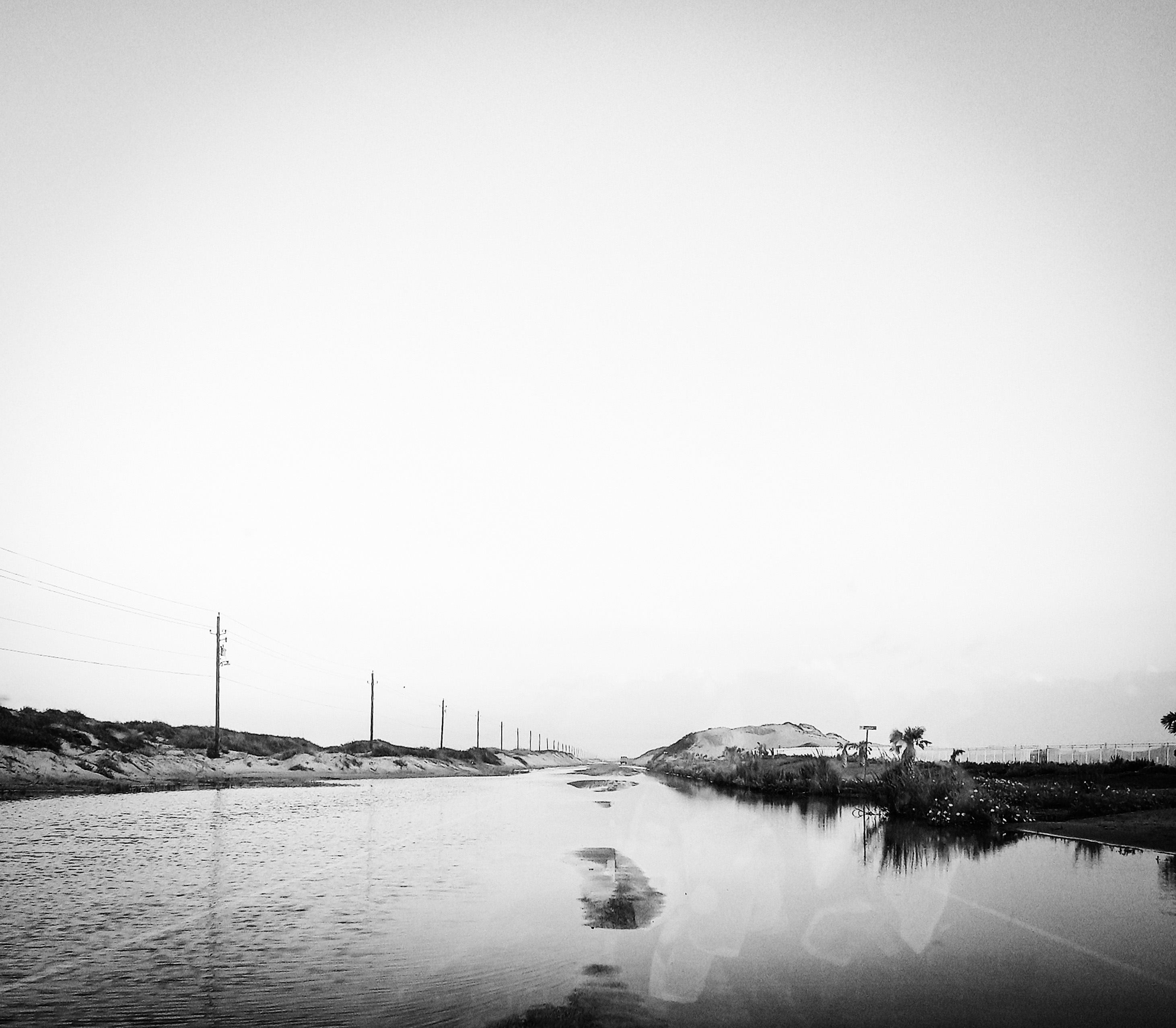
barrier island road flooded
redfish

When the light is poor I often only spot one at 20 feet or so, maybe even less. Often they see me first at that range and bolt. Sometimes at that short distance they don’t notice me, so I crouch and I use a roll/flip cast and plop the fly near them and strip. A few have followed my impression almost to the rod tip. So close I end up stripping my leader butt section through the top guides. They follow, see me then flee.

hiking tidal flats to bay
Roman (friend) scanning the water, sand dunes in distance

On the Sand I’ve seen no surface disturbances to give them away. No schools feeding and nervous water to wade to. There are schools of mullet but nothing charging them. I’ve seen smaller baitfish but again nothing aggressively pursuing them. I’ve seen no tails protruding from the water. There’s no real significant structure where they hang out: few troughs, etc. They either show up to feed, or don’t. I usually see them in the afternoon. Of course that could simply be because the light is generally more idyllic for spotting then. They are usually on the hunt when covering the sand; usually moving but on occasion stationary. I’ve seen a few in one spot digging in the sand for prey…lug worms, crustaceans. Those fish are my best chance; the stationary ones; their heads down.

morning fog, intense glare

I came here for the low shin deep clear water, the light sand bottom and the sight fishing possibilities, and of course the challenge. Angling as demanding as anywhere. I drive to the tidal flats as close to the bay as I can get then hike in the rest of the way, always watching the morning sky and light, hoping for that perfect day. Once on the water the search begins; the hunt for Redfish. I’ve seen some in the 30 inch range and had two large ones eat my impression this trip but with no hook-up. Fly casting to a thirty inch Redfish in one foot of clear water…imagine that!

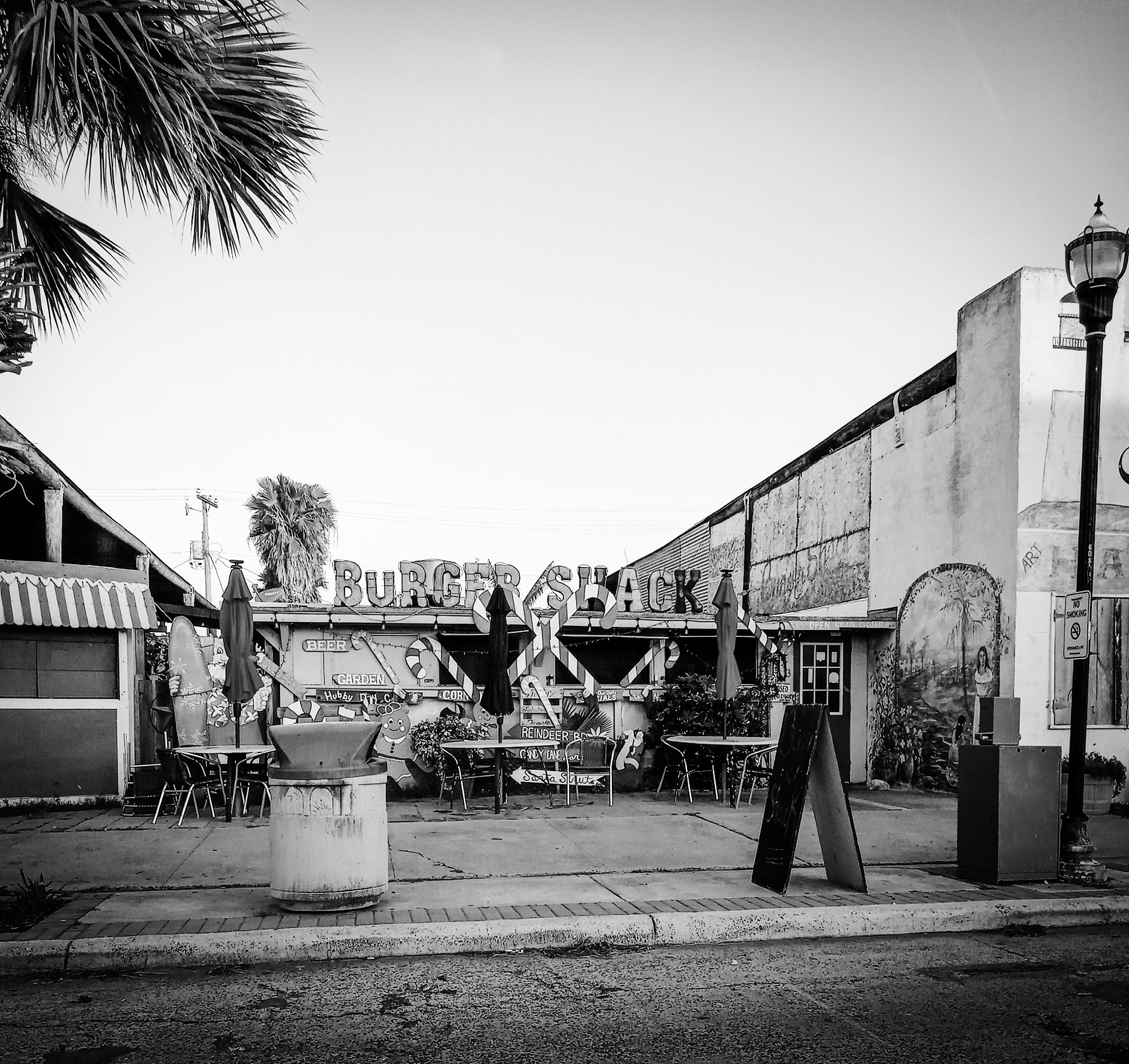
mainland port town

some mangroves on edge of bay and tidal flat (a bit of structure)

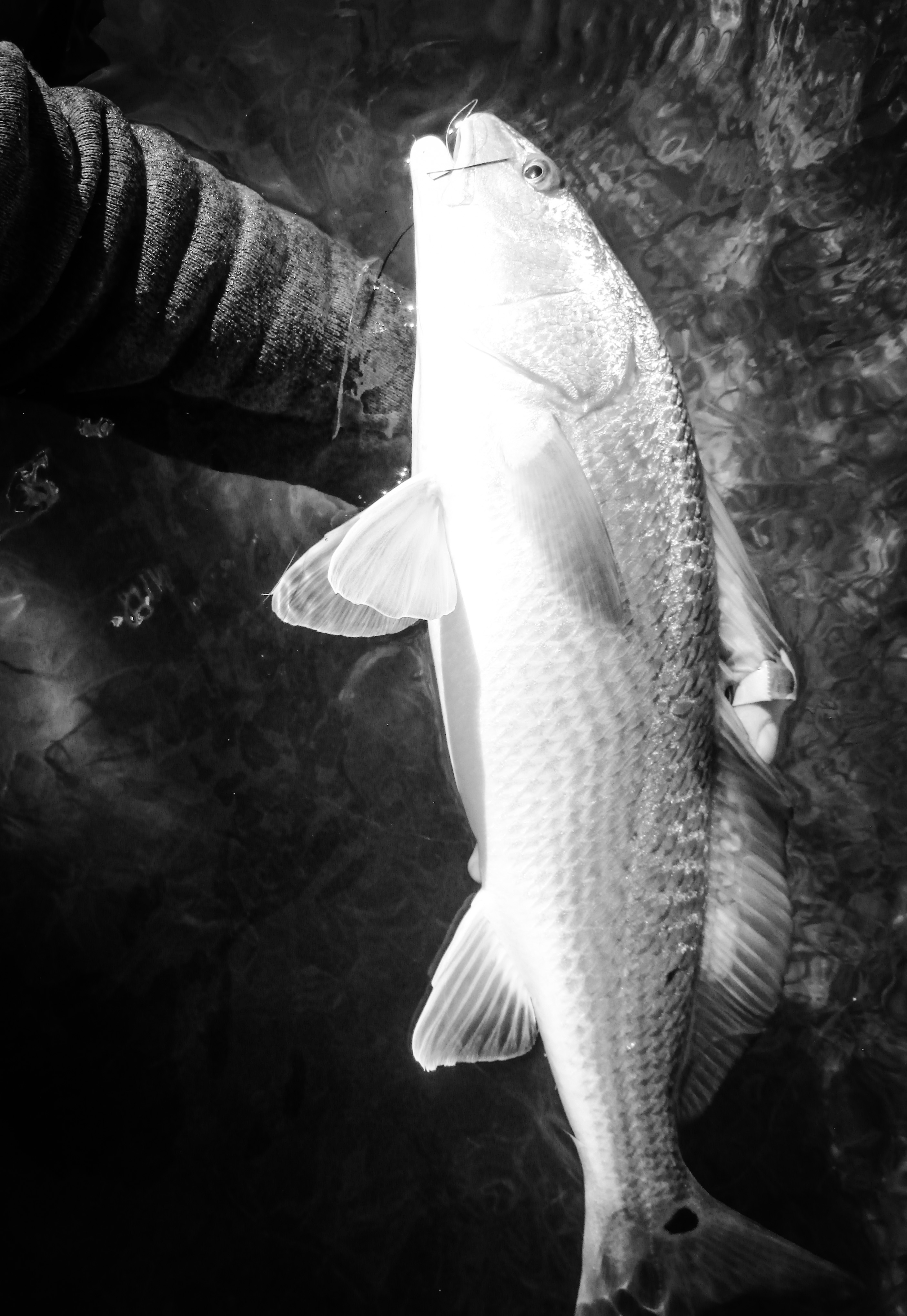
redfish
redfish
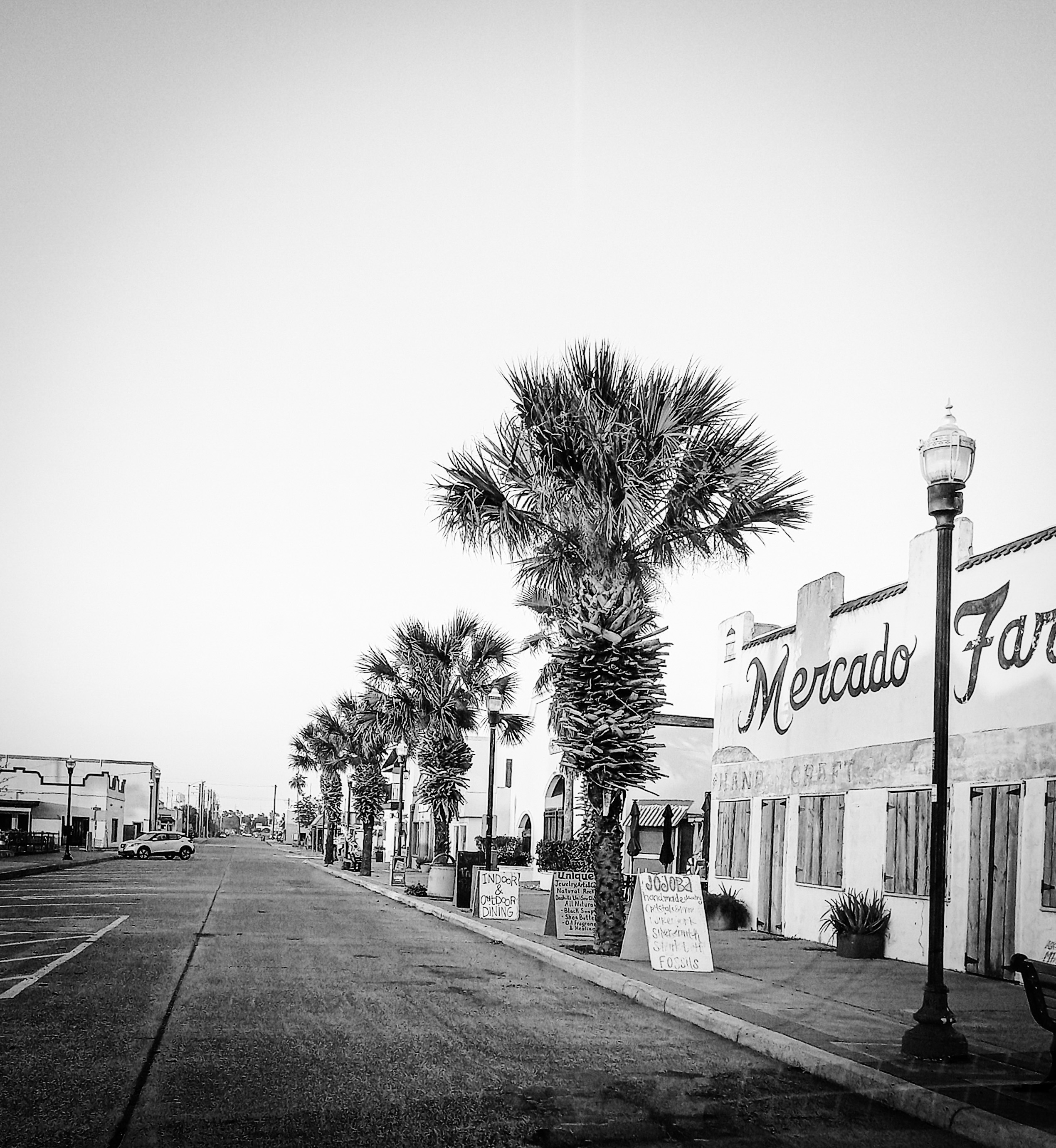
old port town

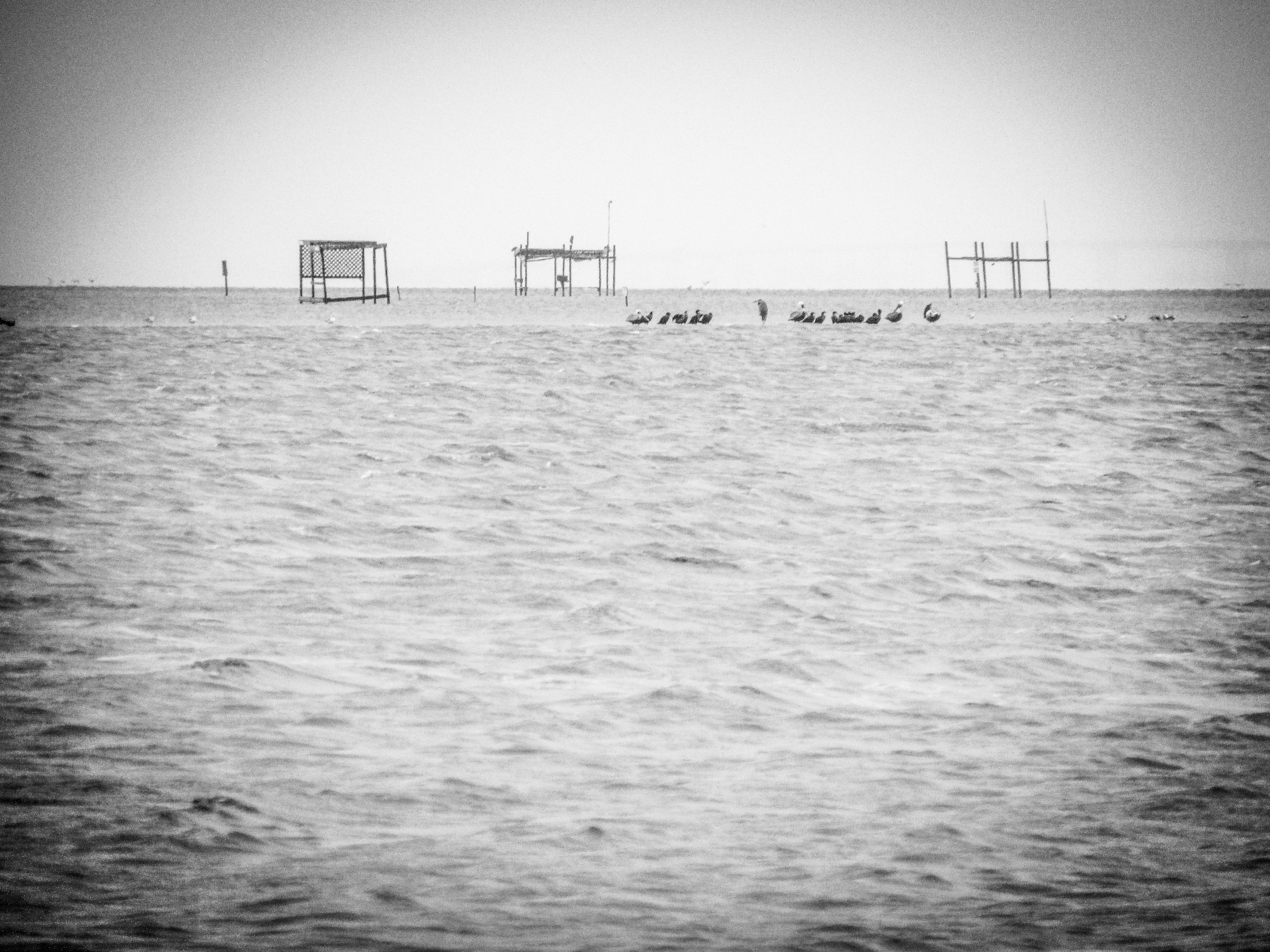
stilt structures

redfish

old port town

redfish
redfish
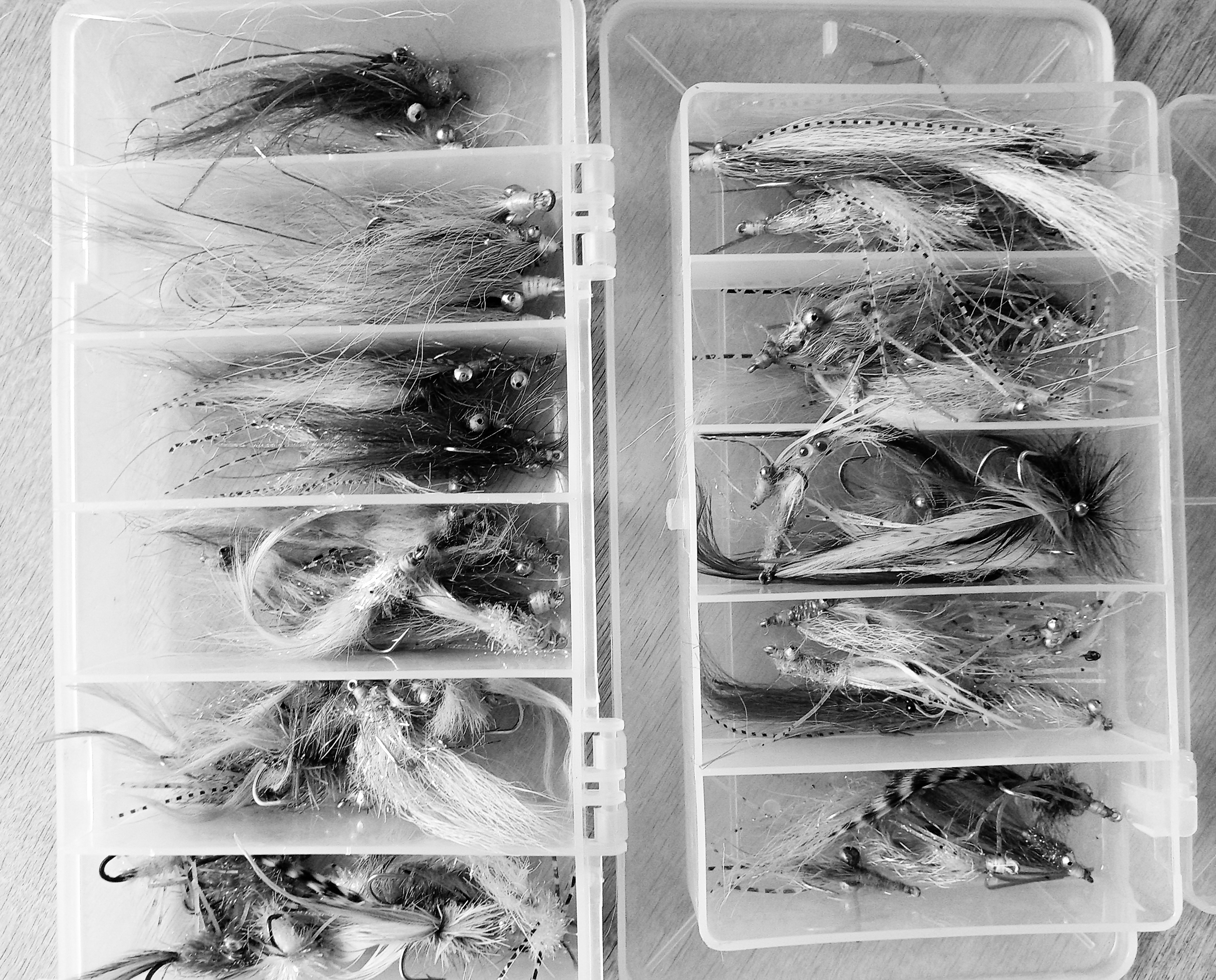
redfish flies for the sand