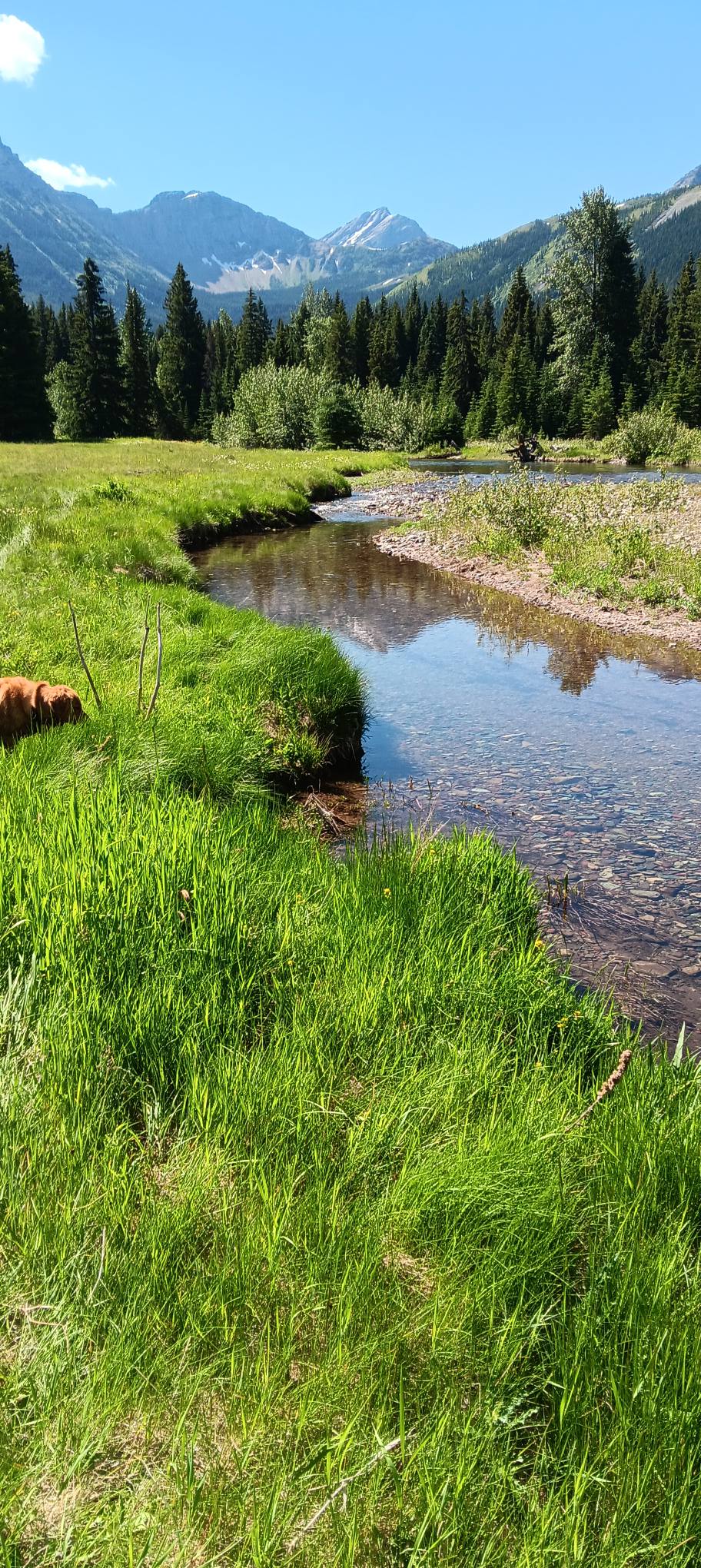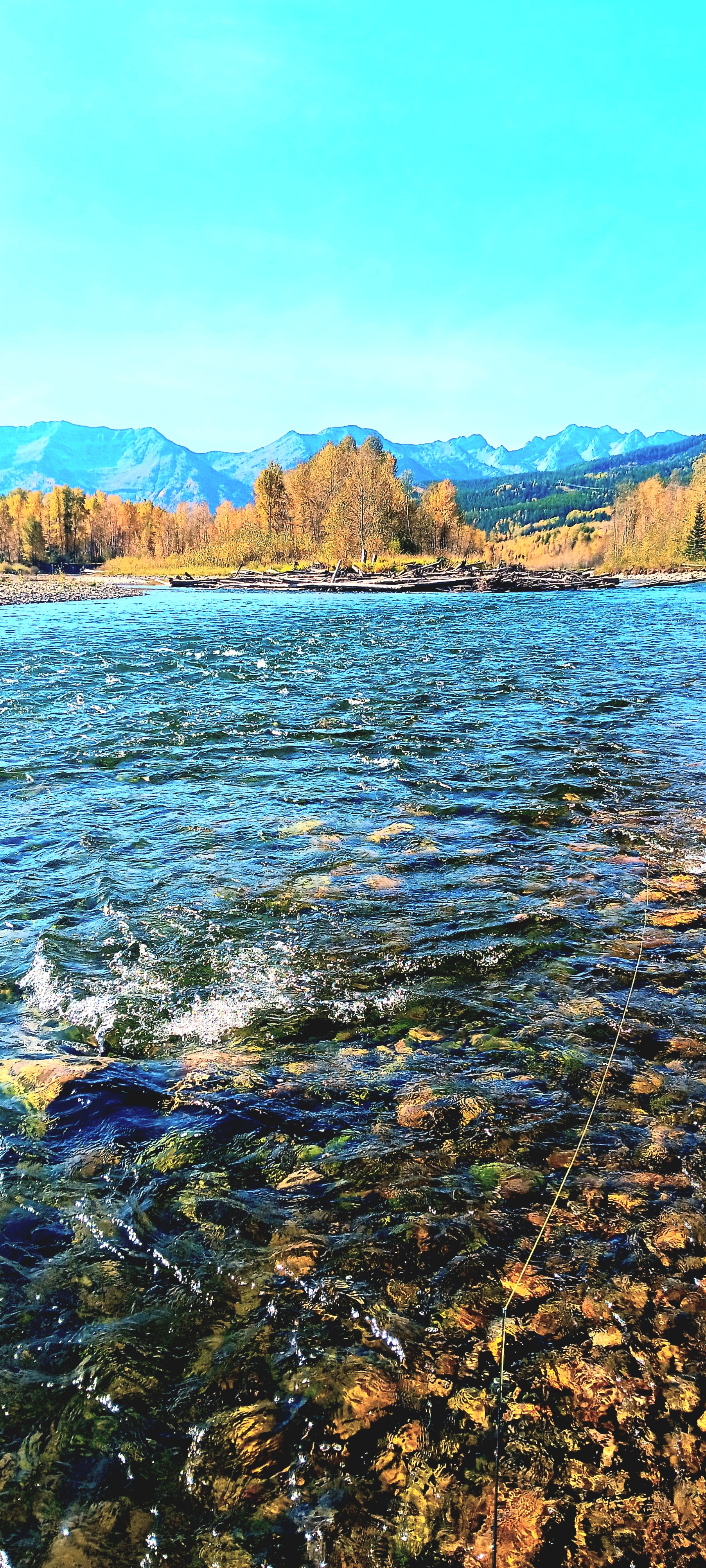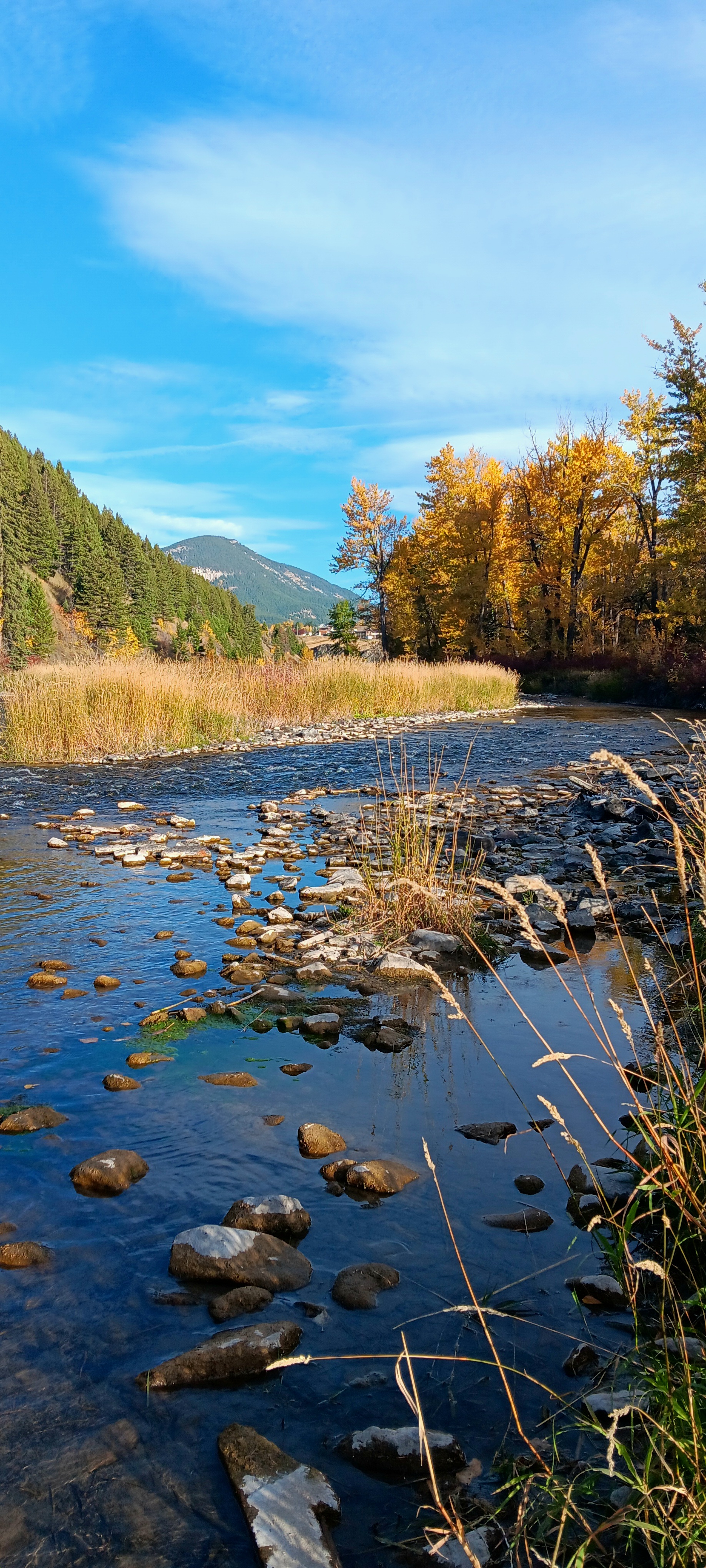
light intensity hatch

“Before I speak, I have something important to say” — Groucho Marx

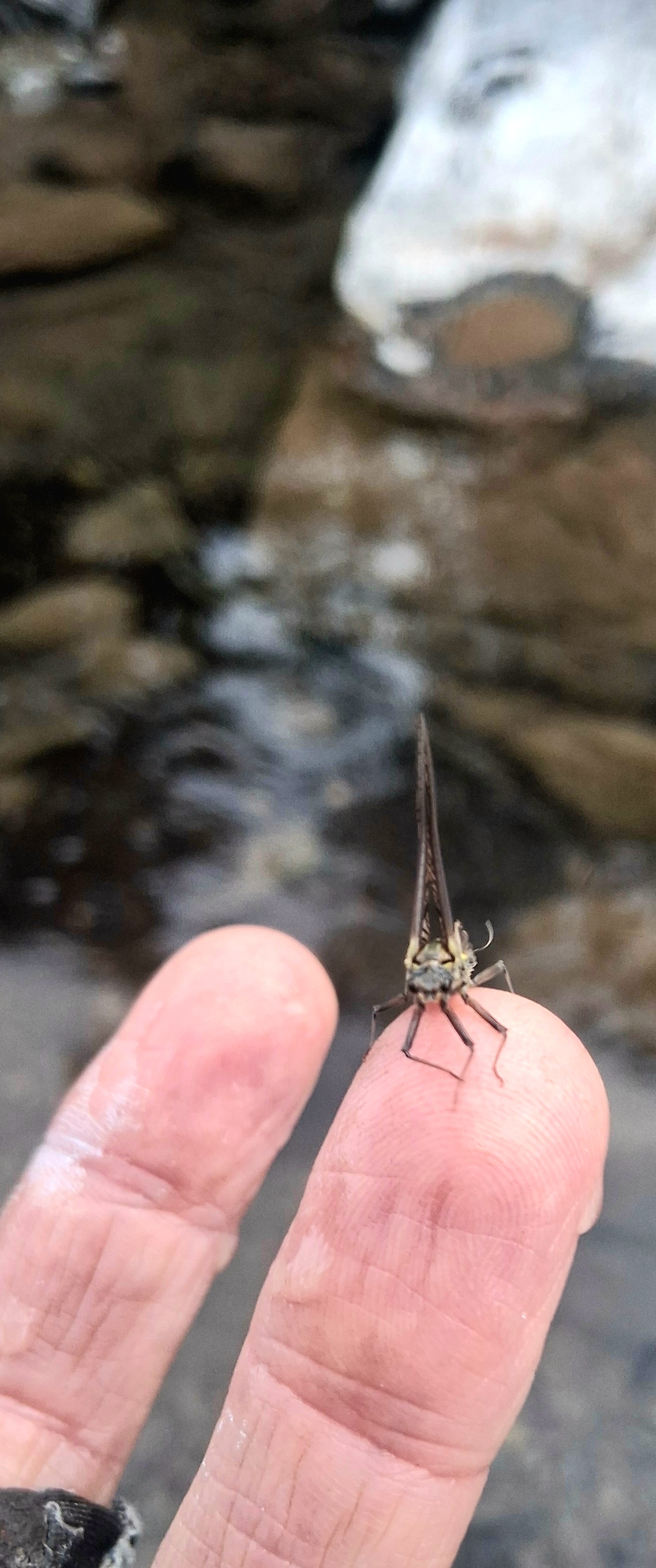
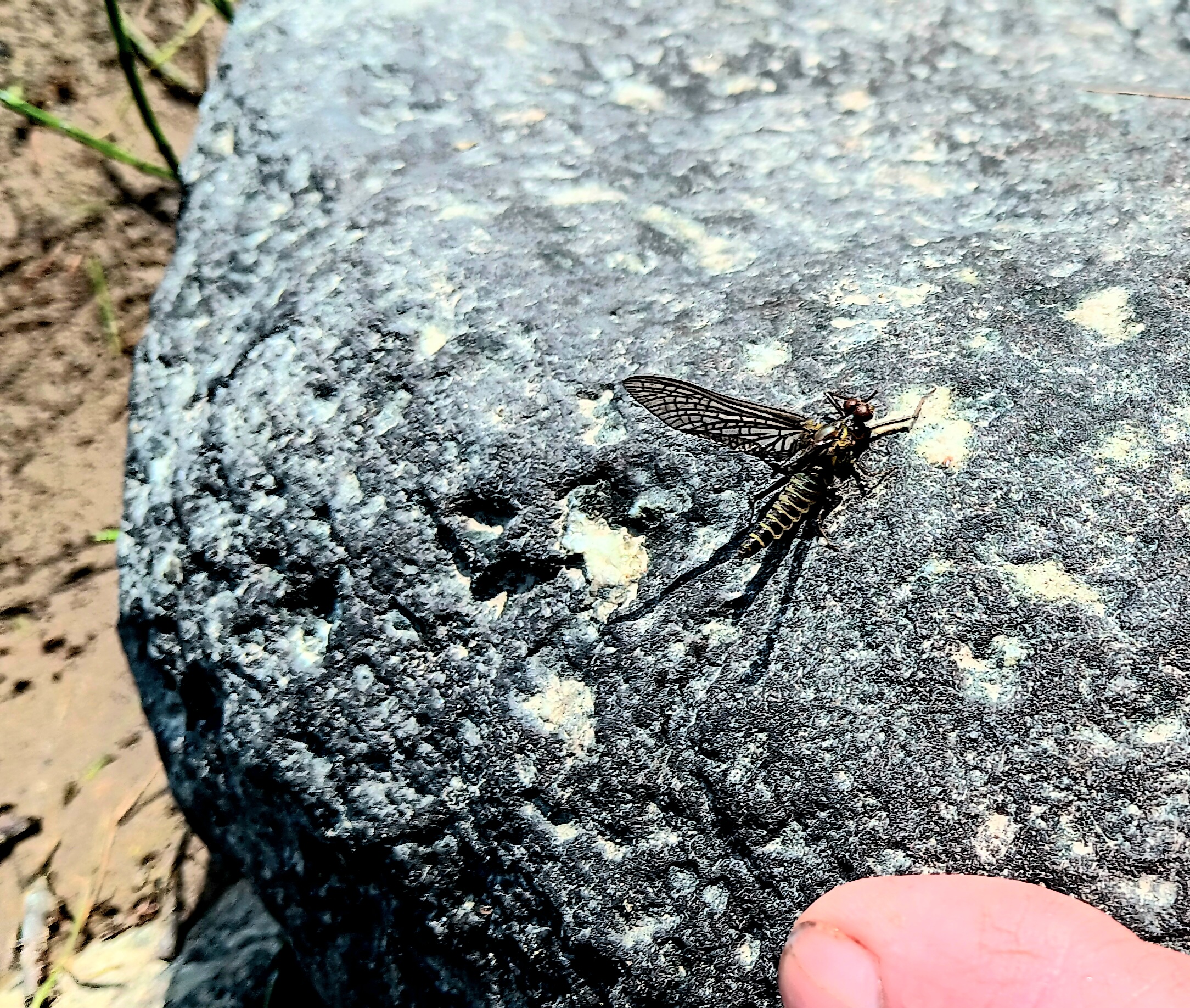
drake mayfly

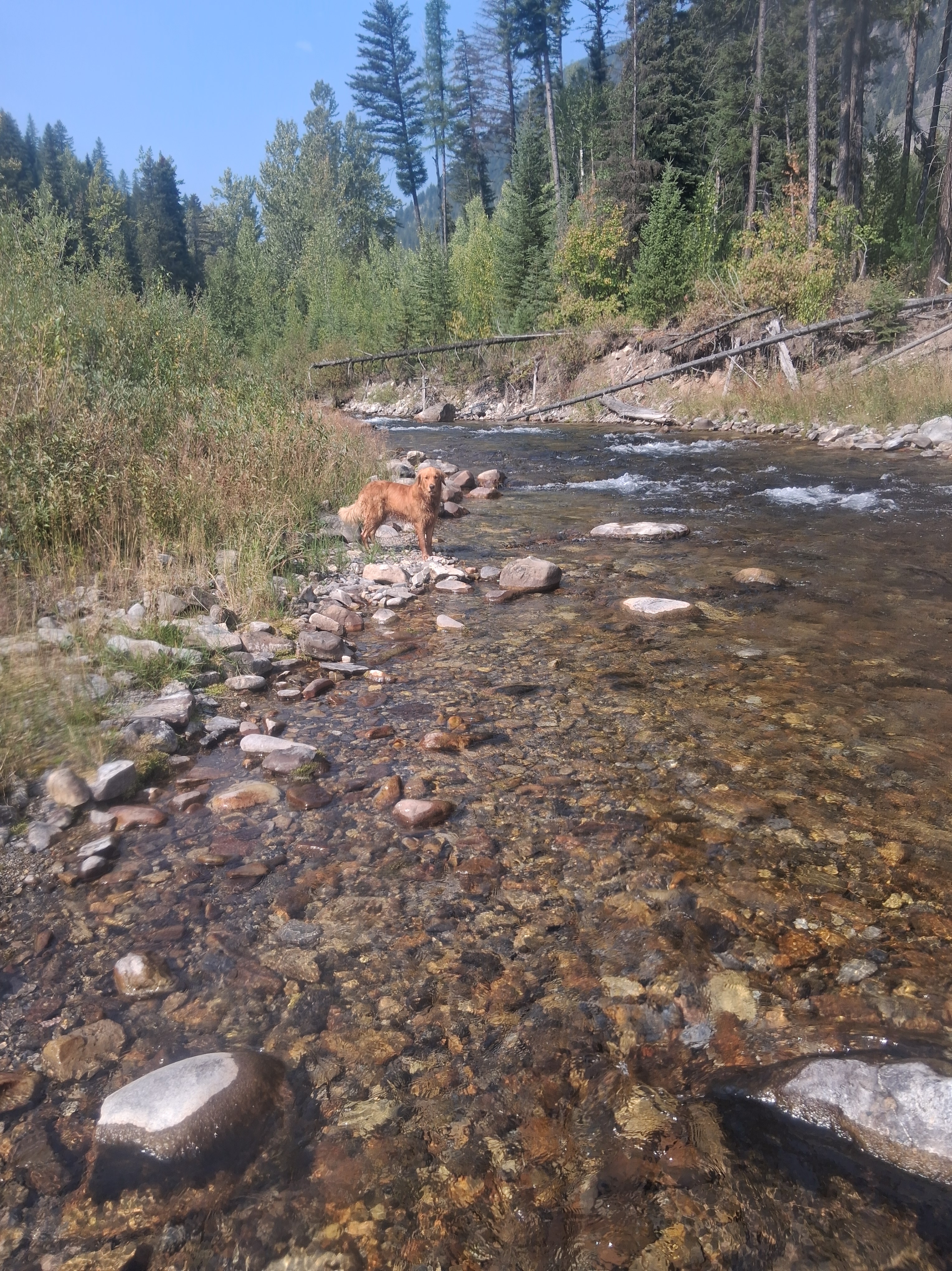
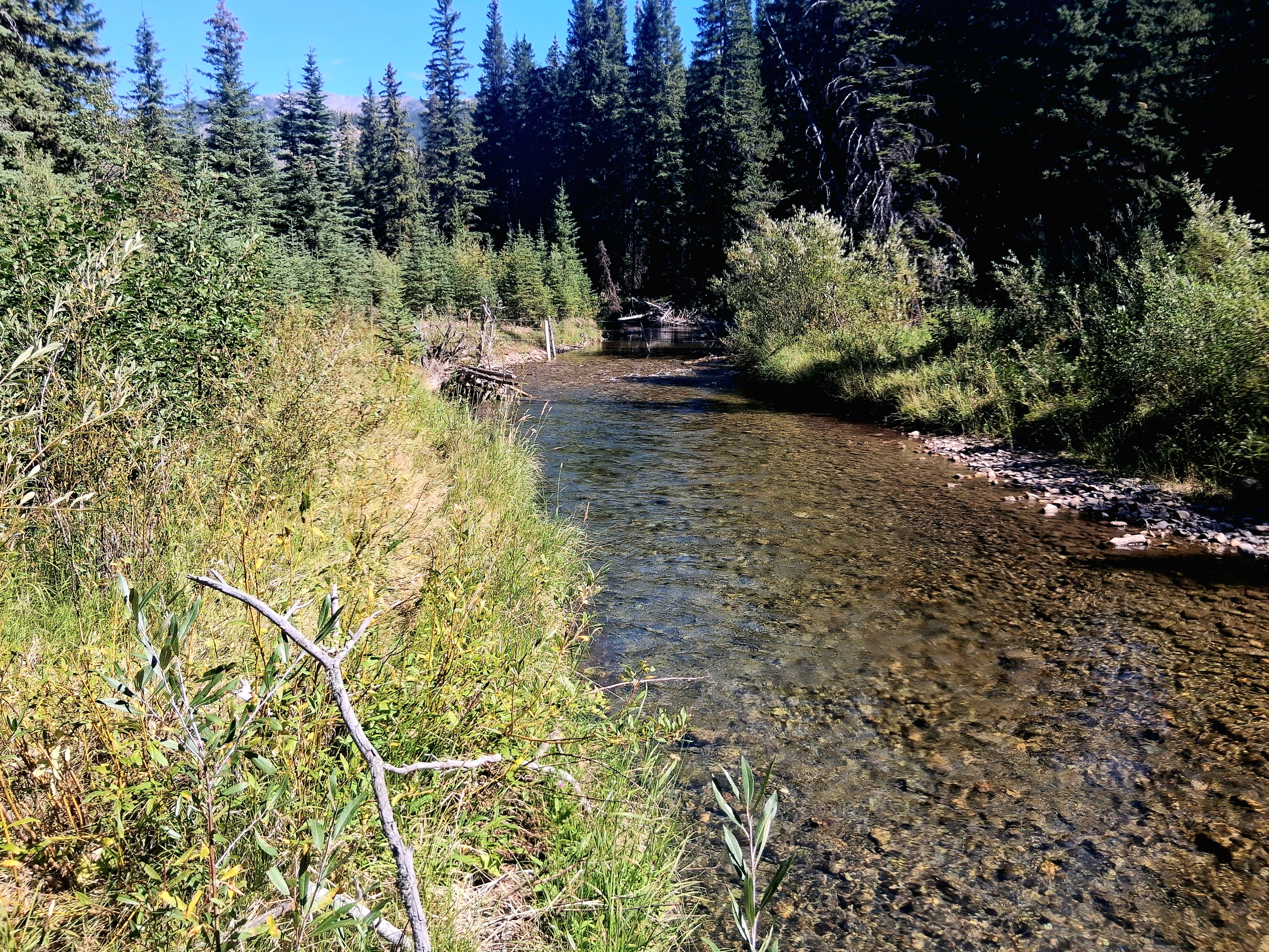
Generic hatch charts suggest Green Drakes, small and large in size, start to hatch moderately when a stream tempetature reaches 52-54F (11-12C). The sweet spot is noted to be 54-58F (12-15C) for the most prolific hatches. Yet, there is one stream I fish where I see Drakes at 46F (8C). That’s several degrees cooler. I’ve noticed the key to the hatch on this specific flow is direct sunlight flooding the river bed/bottom. Once solar exposure happens it seems the nymphs are “ready to go”; ready to emerge. And it is not because the water temperature increased significantly in sunlight. On a sunny day I have seen it climb only 3 degrees by late afternoon.

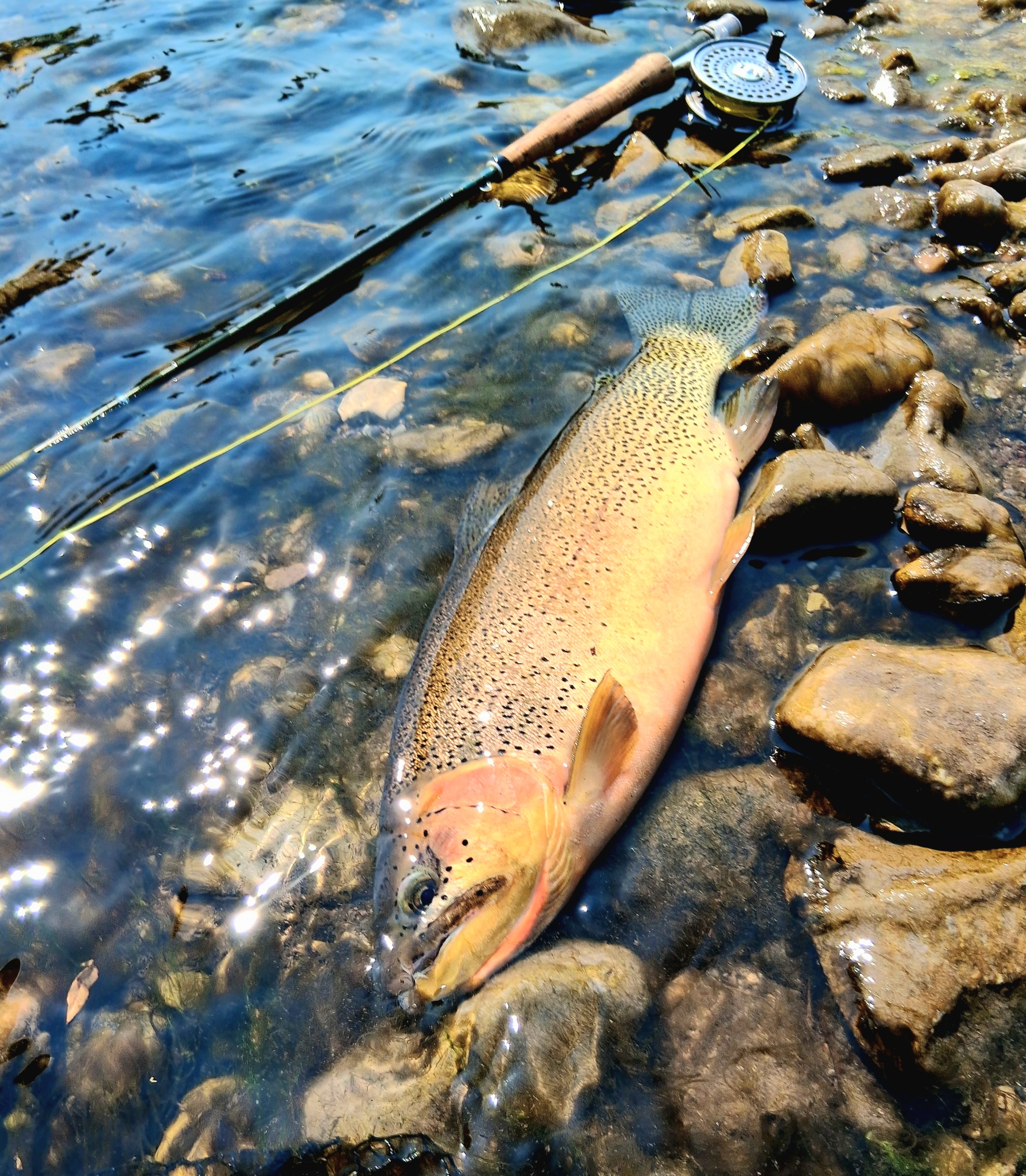
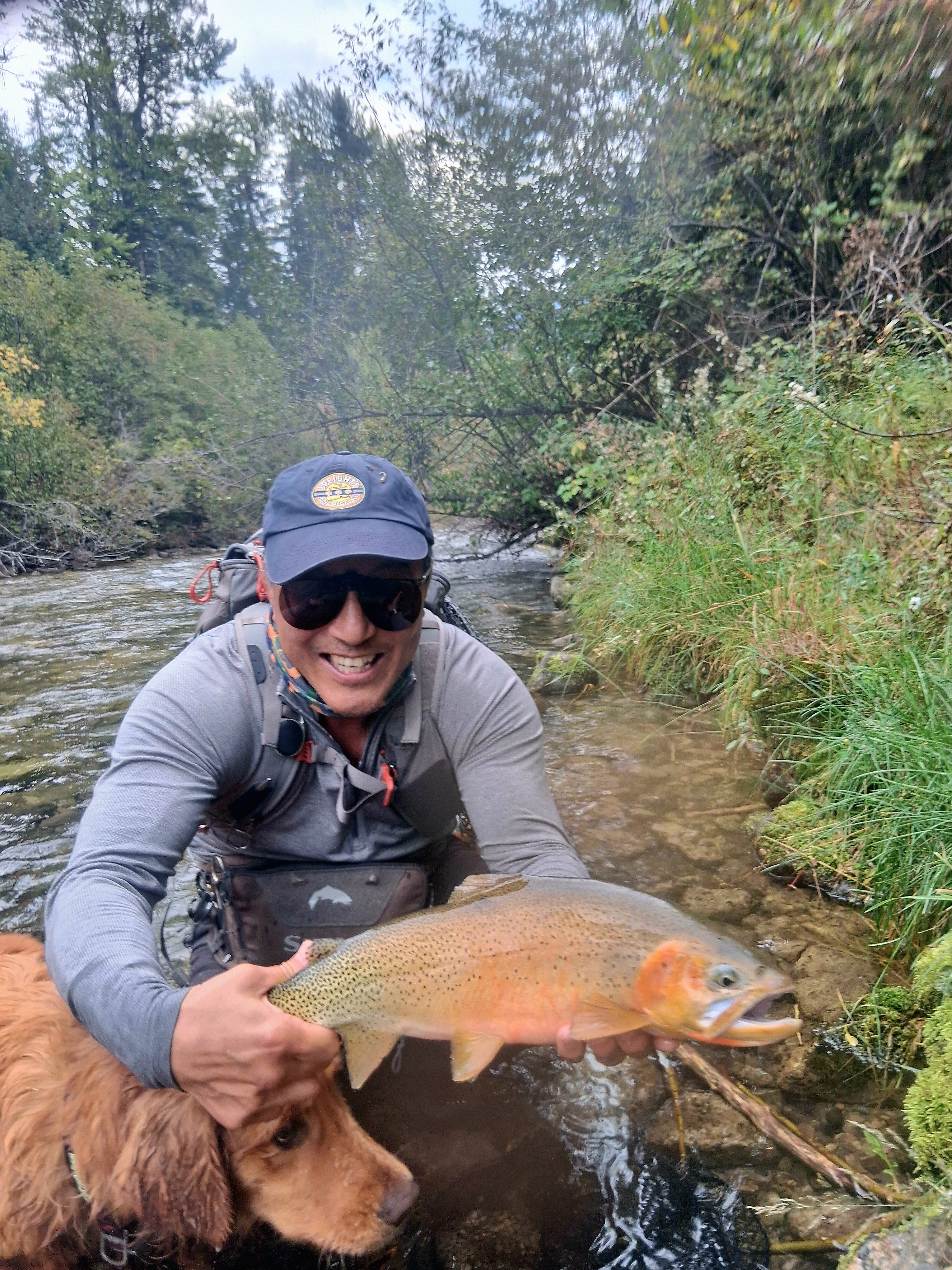
cutthroat on a drake dry

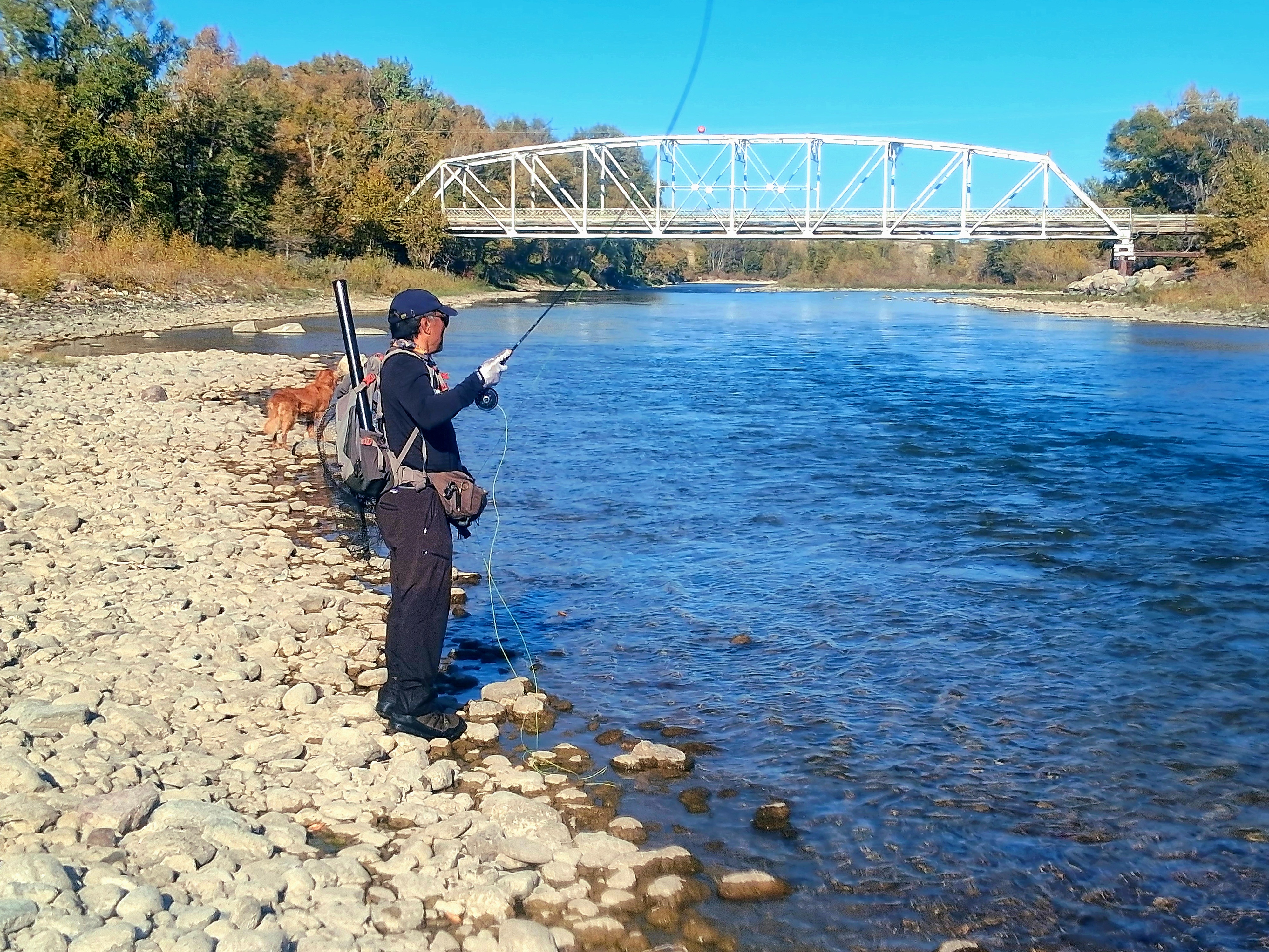
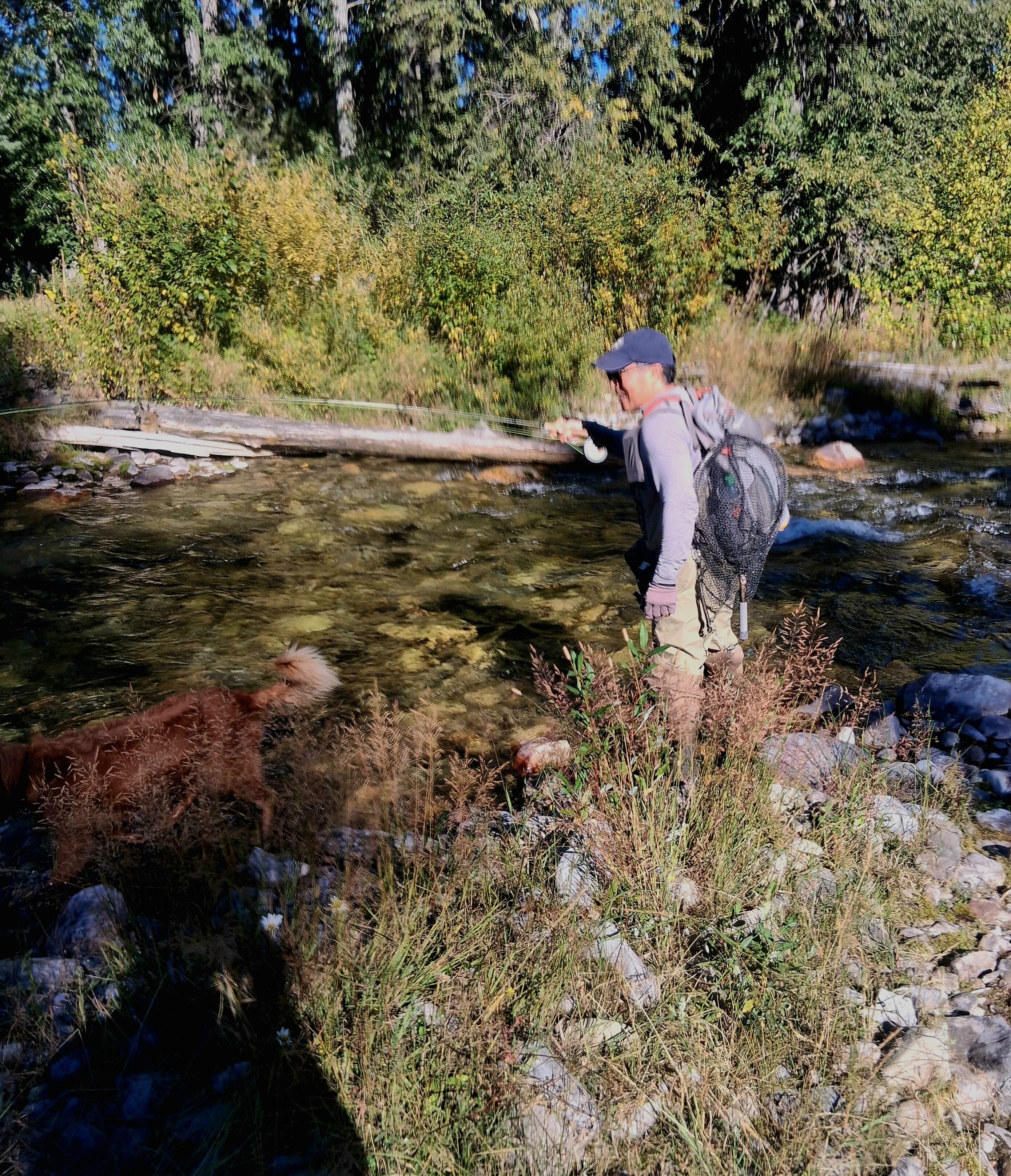
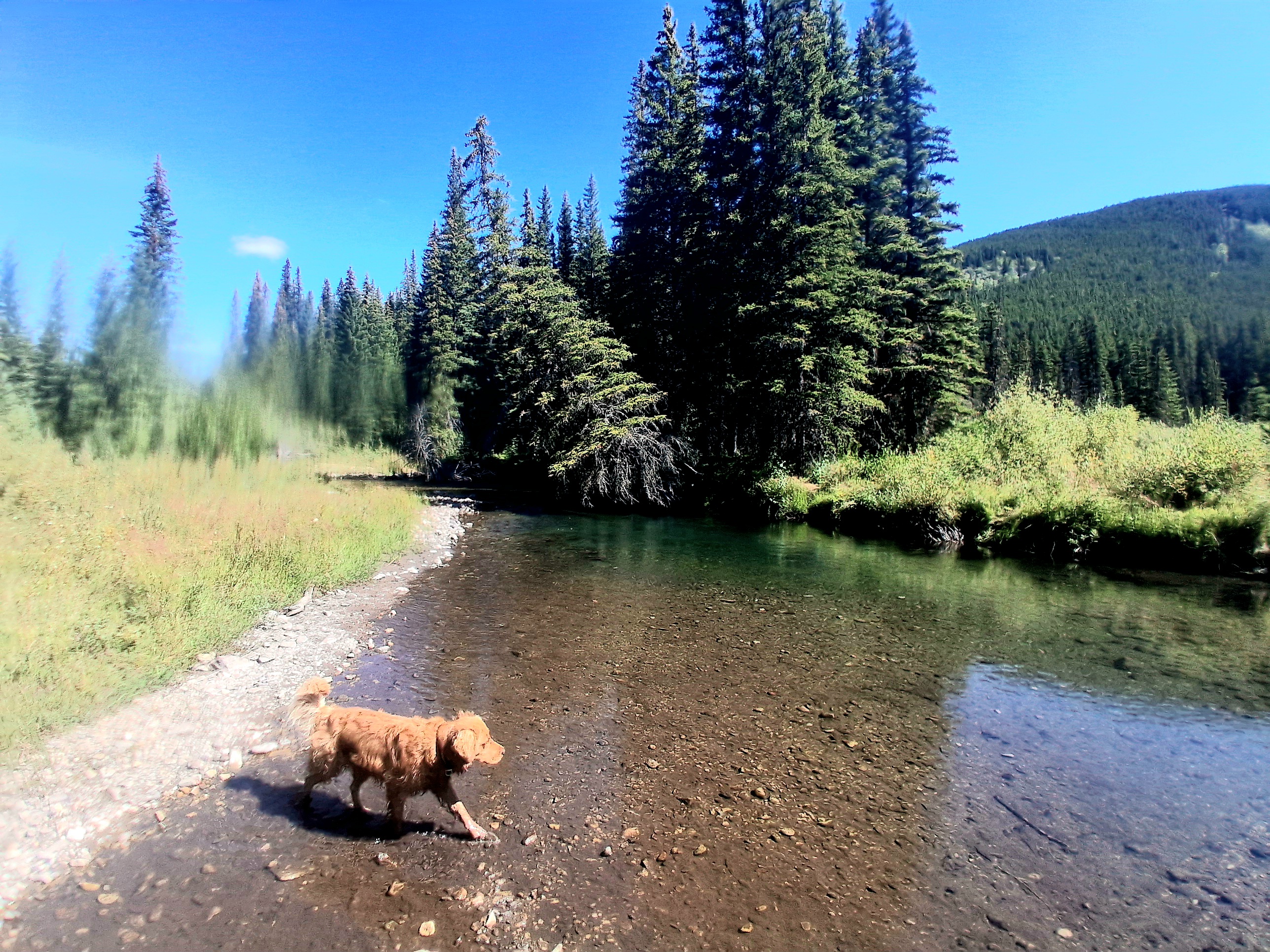
So hatches can be river specific. This particular hatch appears synchronized to the valley’s lighting conditions once water temperatures pass 45F (around 8C). Once light floods the river I start looking for drifting Drakes and hopefully a response from the trout. Cloudy cooler days are never as good. Late afternoon mountain shadows seem to squelch the hatch. The trigger appears to be sunlight.

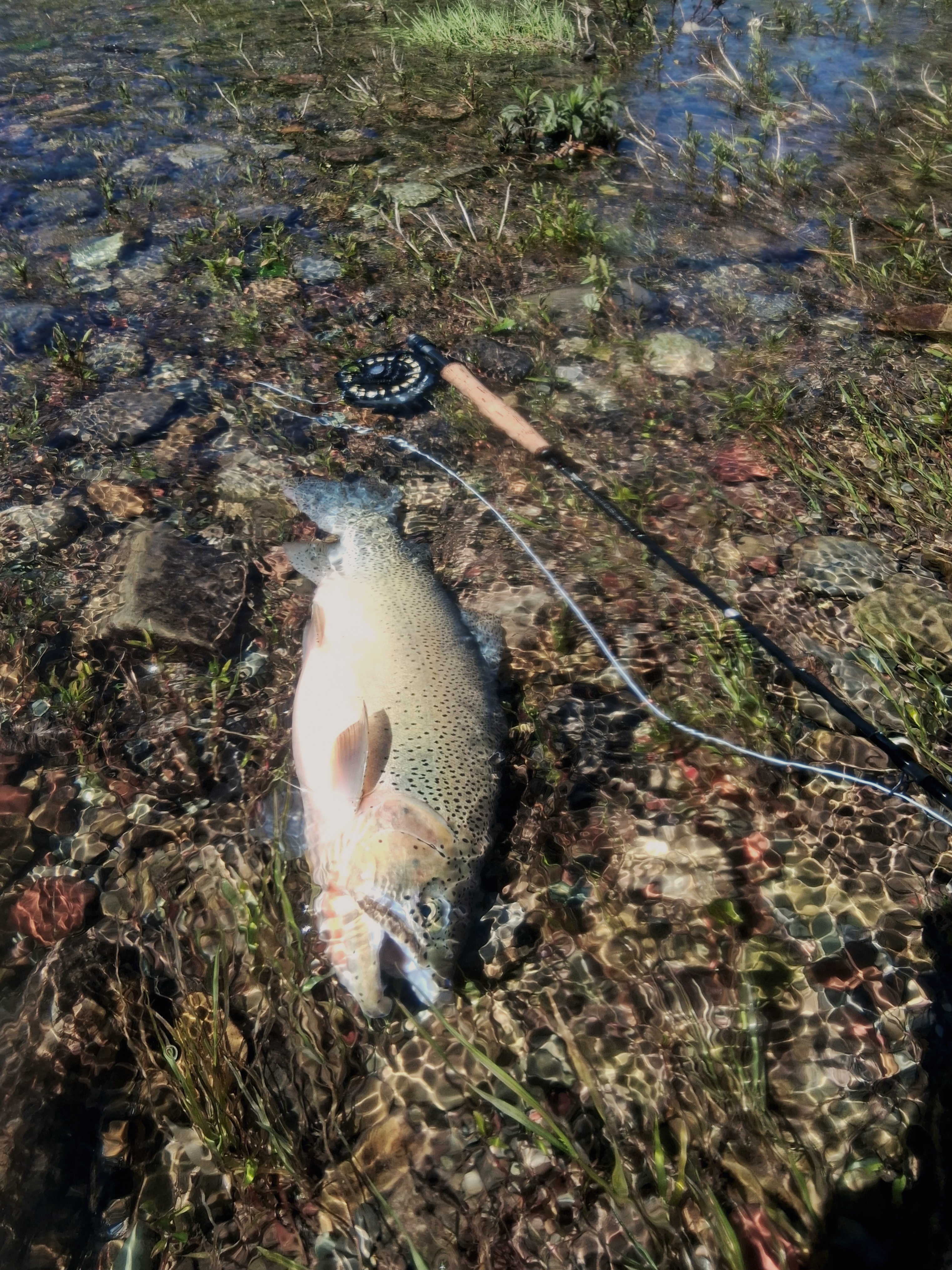
cutthroat on beetle prospecting

Speaking of hatches…there have been few dry fly opportunities this summer in my region, at least on the dozen or so rivers that I have visited. Bug life has been on the decline for years and this year it seems to have dropped off a cliff; it has “tanked” on most rivers…even on the generally reliable local tailwaters. Hopefully it will improve somewhat before the end of the season. If you are a visiting angler and want to be successful, you’ll have to be versatile in your angling methods.

The Last Old Places

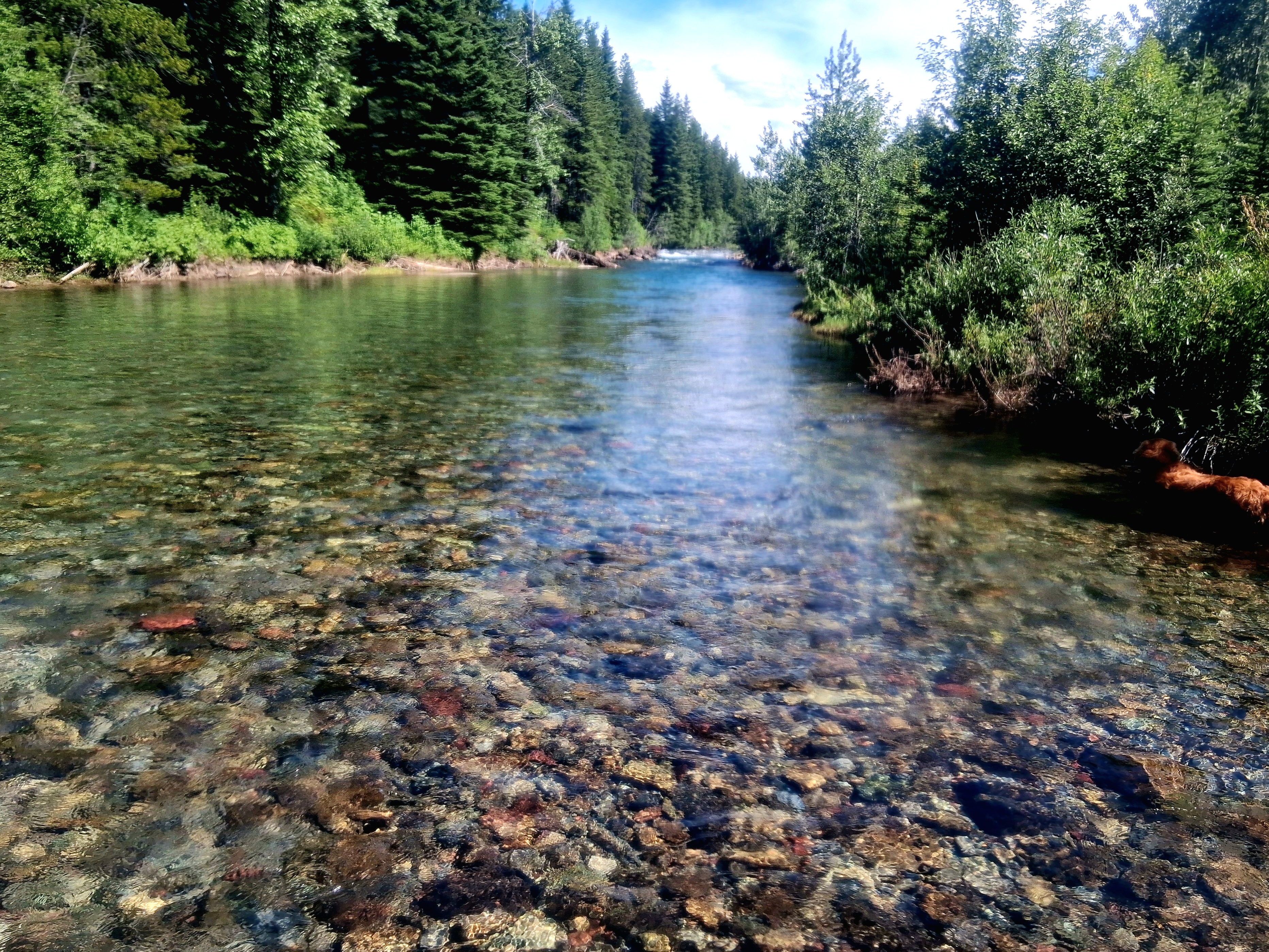
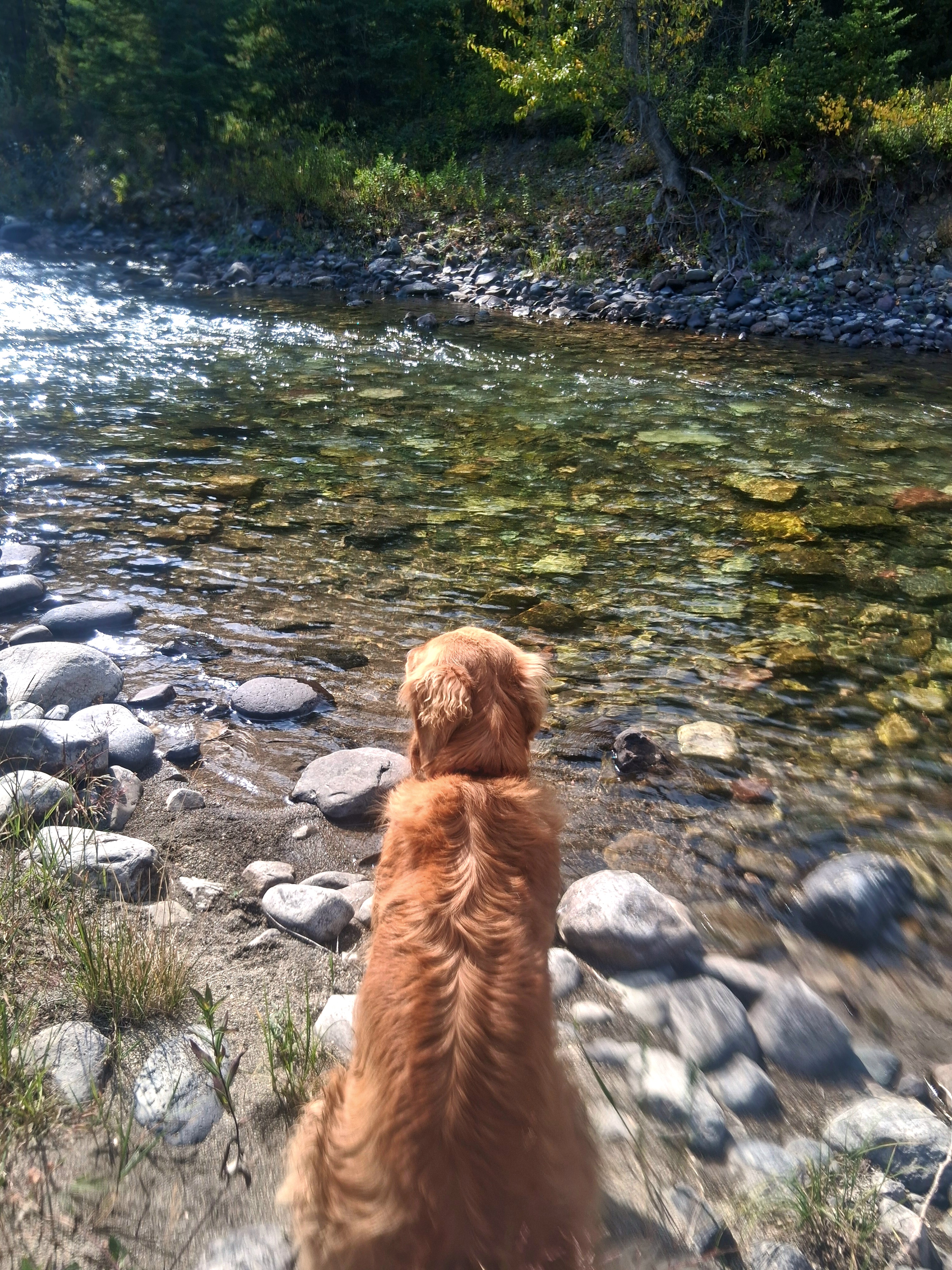
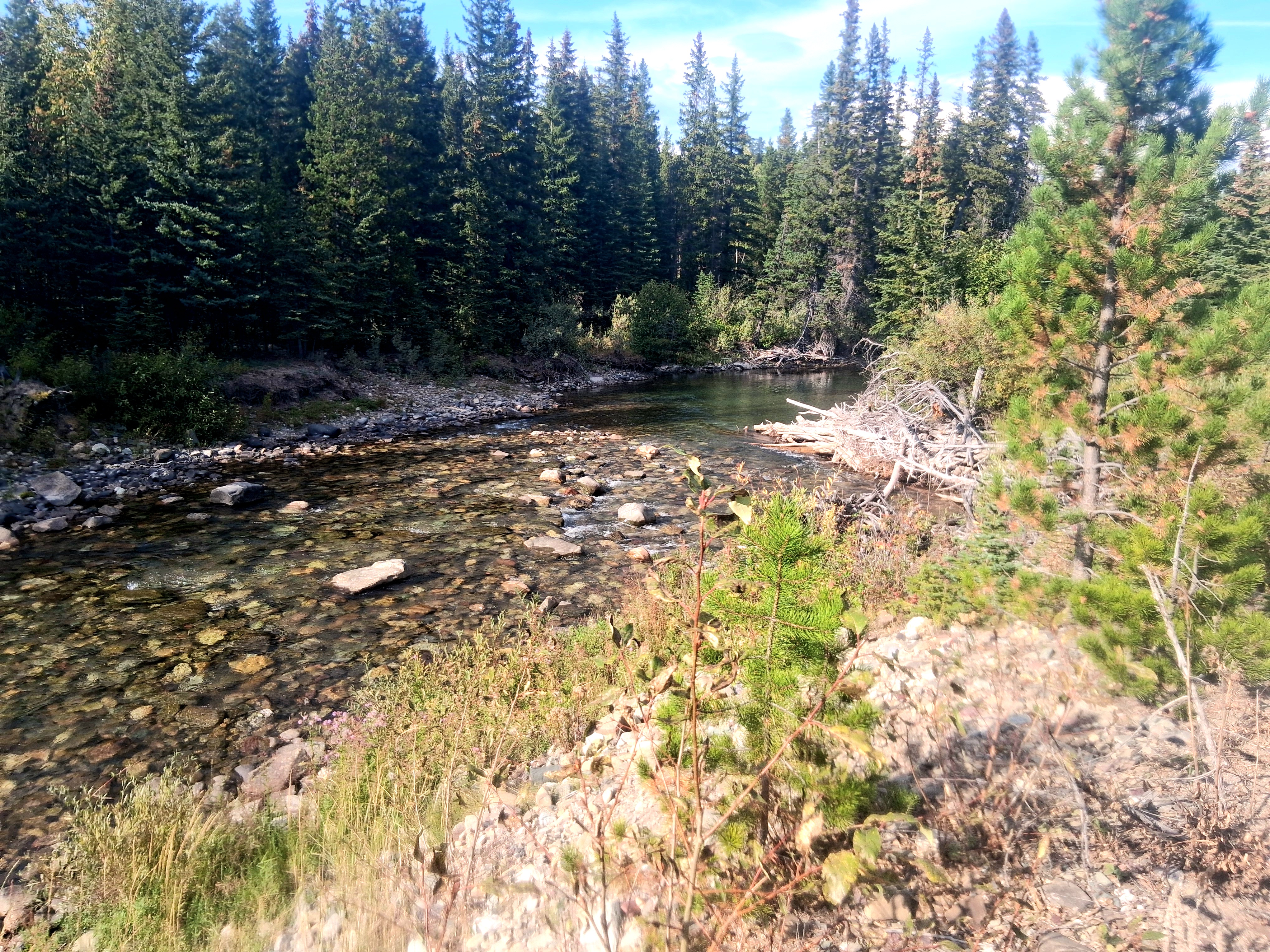
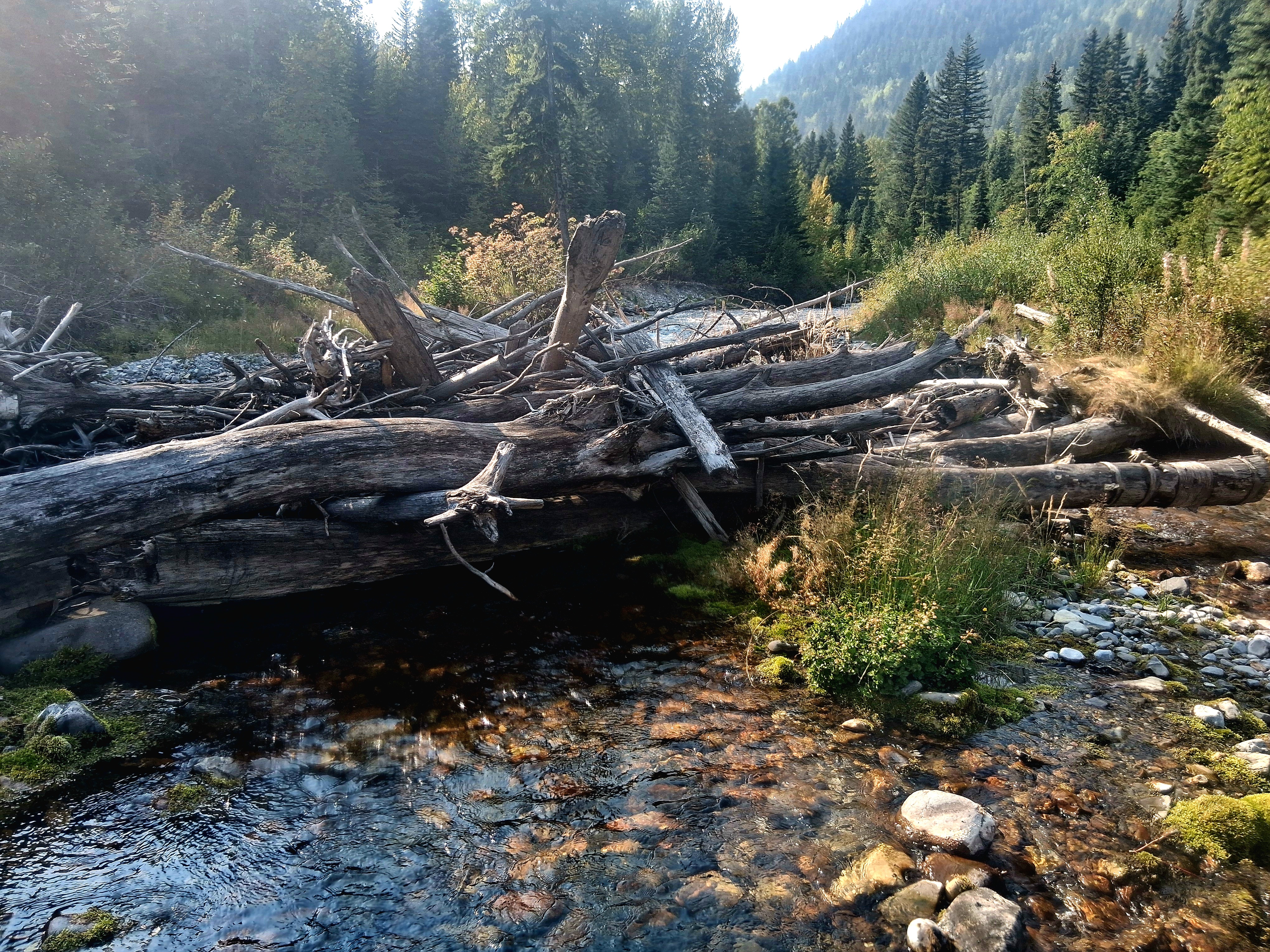
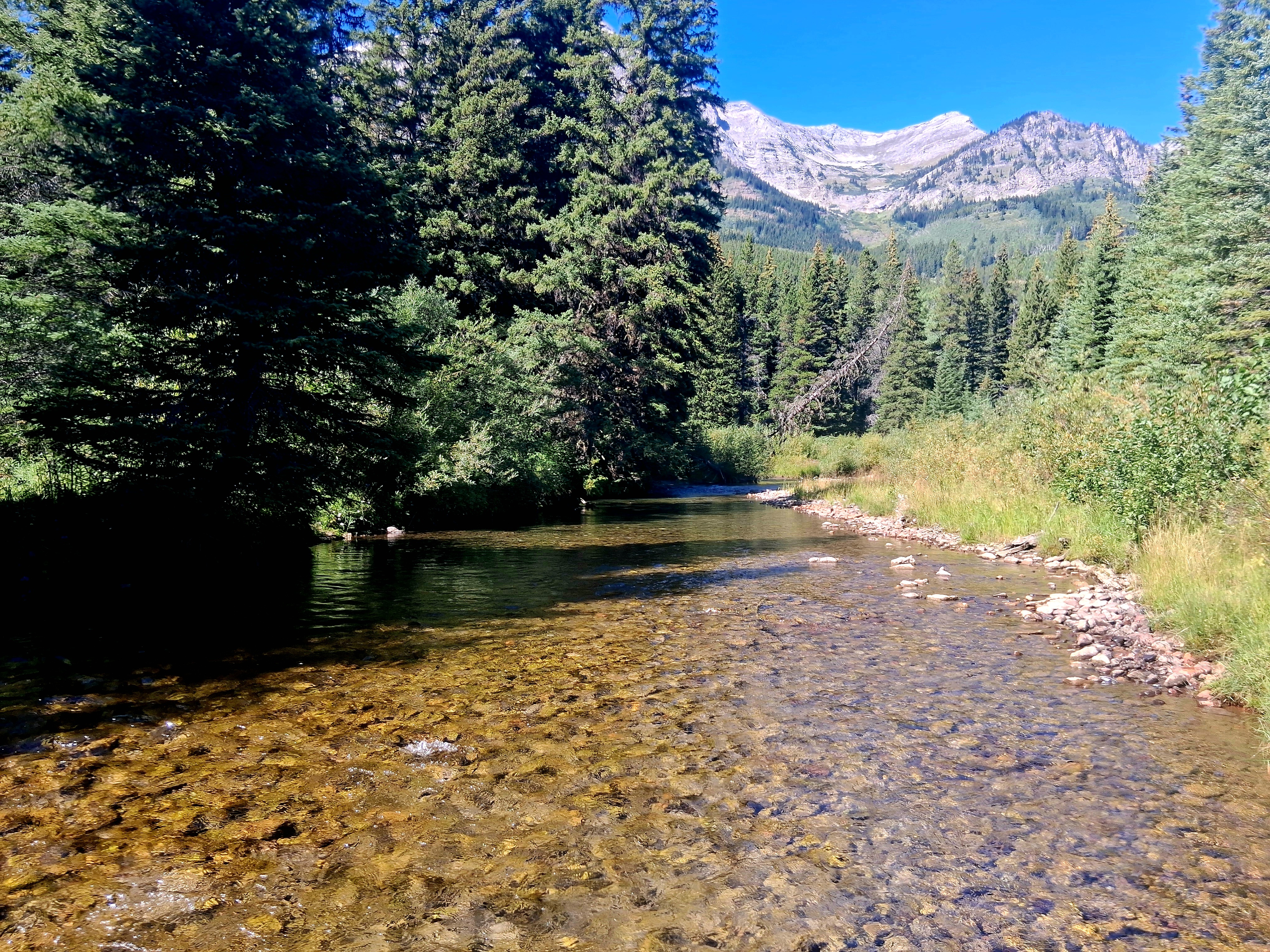
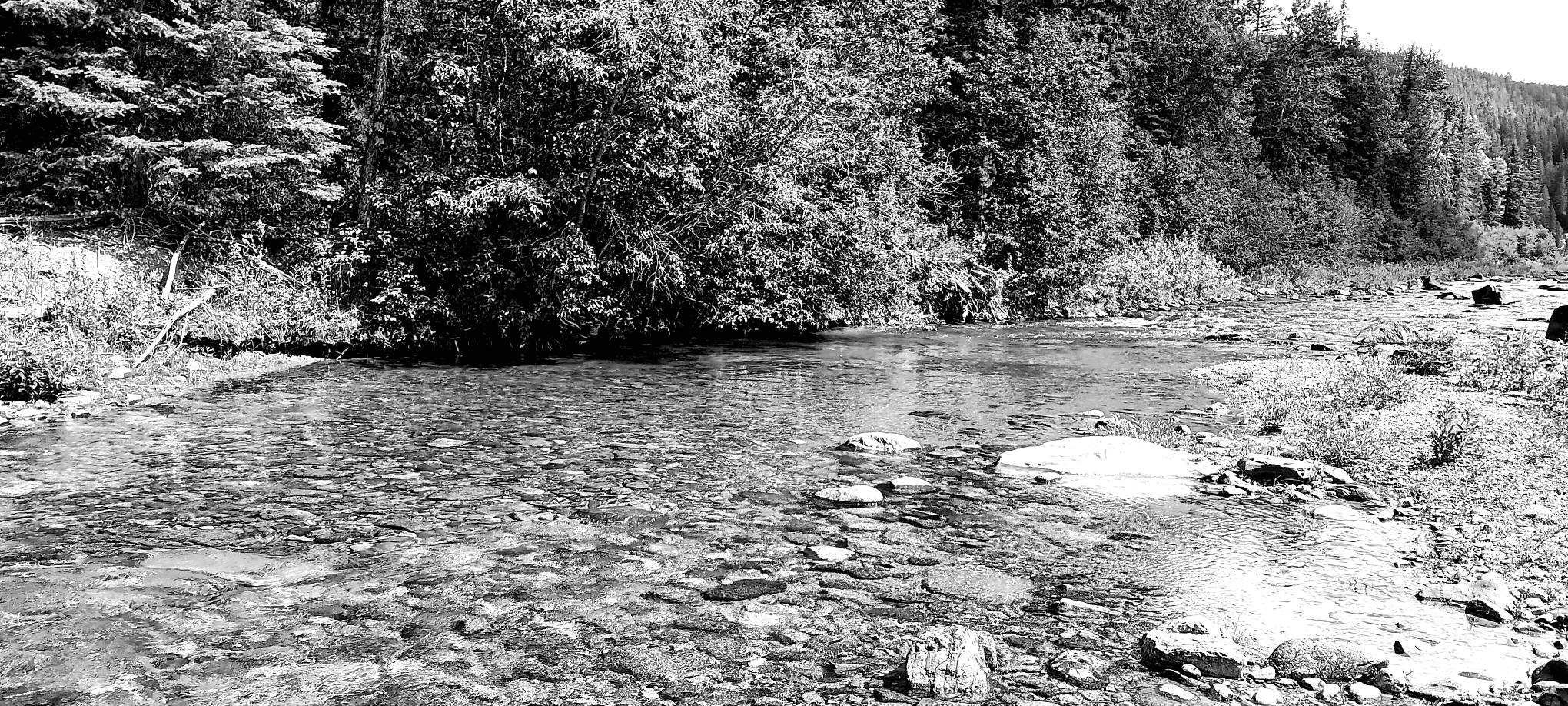
There are two streams that I fish that remain clear when it rains; even after a deluge. In contrast, the dozen or so other rivers that I frequent become seriously turbid even with moderate precipitation; they silt-up. The ones that remain remarkably clear are up in the mountains where all the terrain around them is intact. Where most of the land is probably is as it was 200 years ago.

big river pool

The forest that these rivers run through are thick and diverse, and intact. And the forest floor is covered in leaves, moss, fungi, an endless variety of plants, degrading wood and numerous other types of rich organic material, and a complex intertwined root system below it all. When you hike to the river through the forest the ground is soft and spongy. It holds water well. It absorbs and filters the rainfall and melting snow. The forest floor is a vegetative buffer for the stream. The (riverside) riparian zone is also intact. It is treed, has brush and willows, moss covers some of the ground and again a healthy root system exists holding much of the soil/ banks together, even in high water and run-off.

intact bank


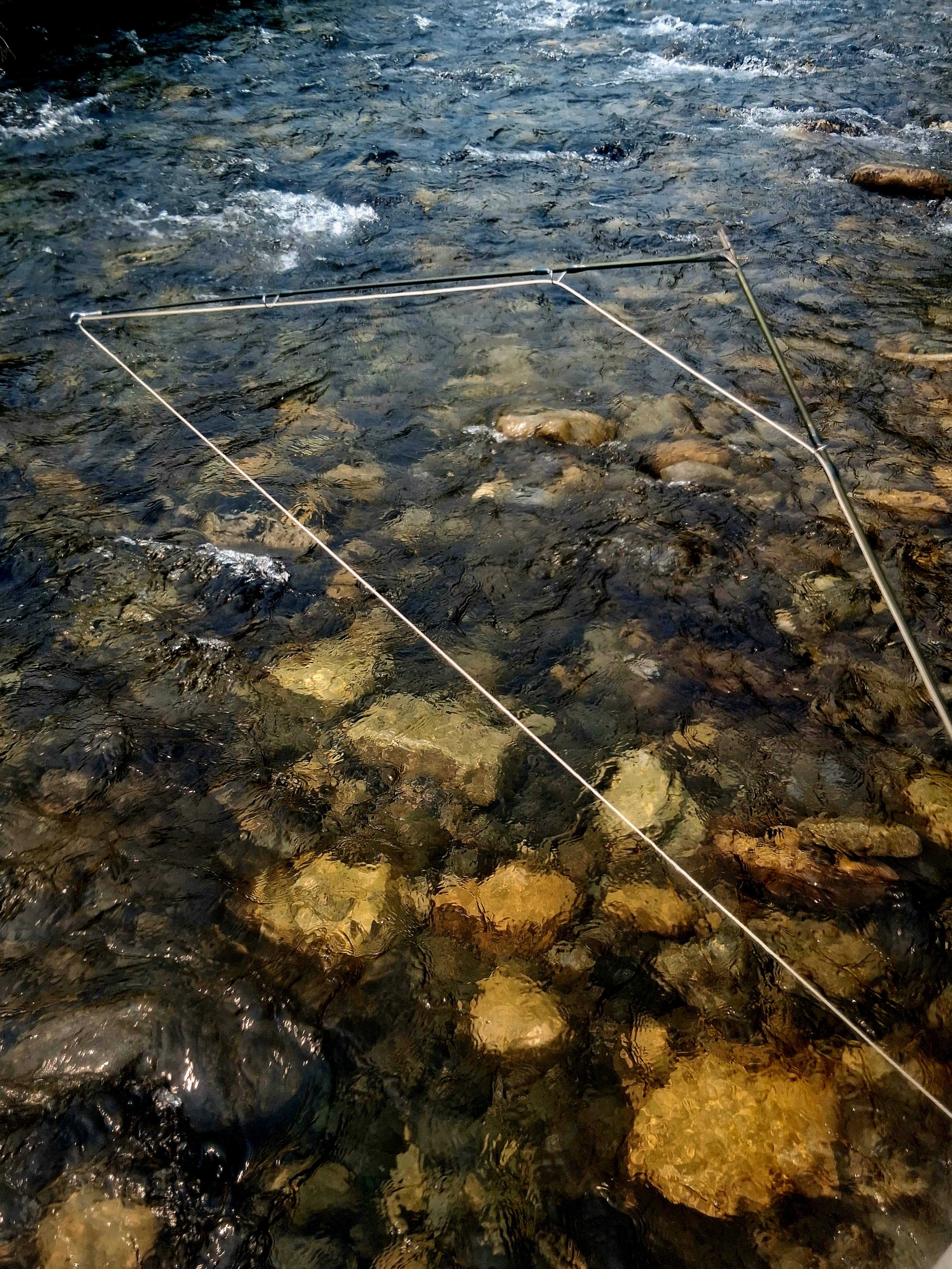
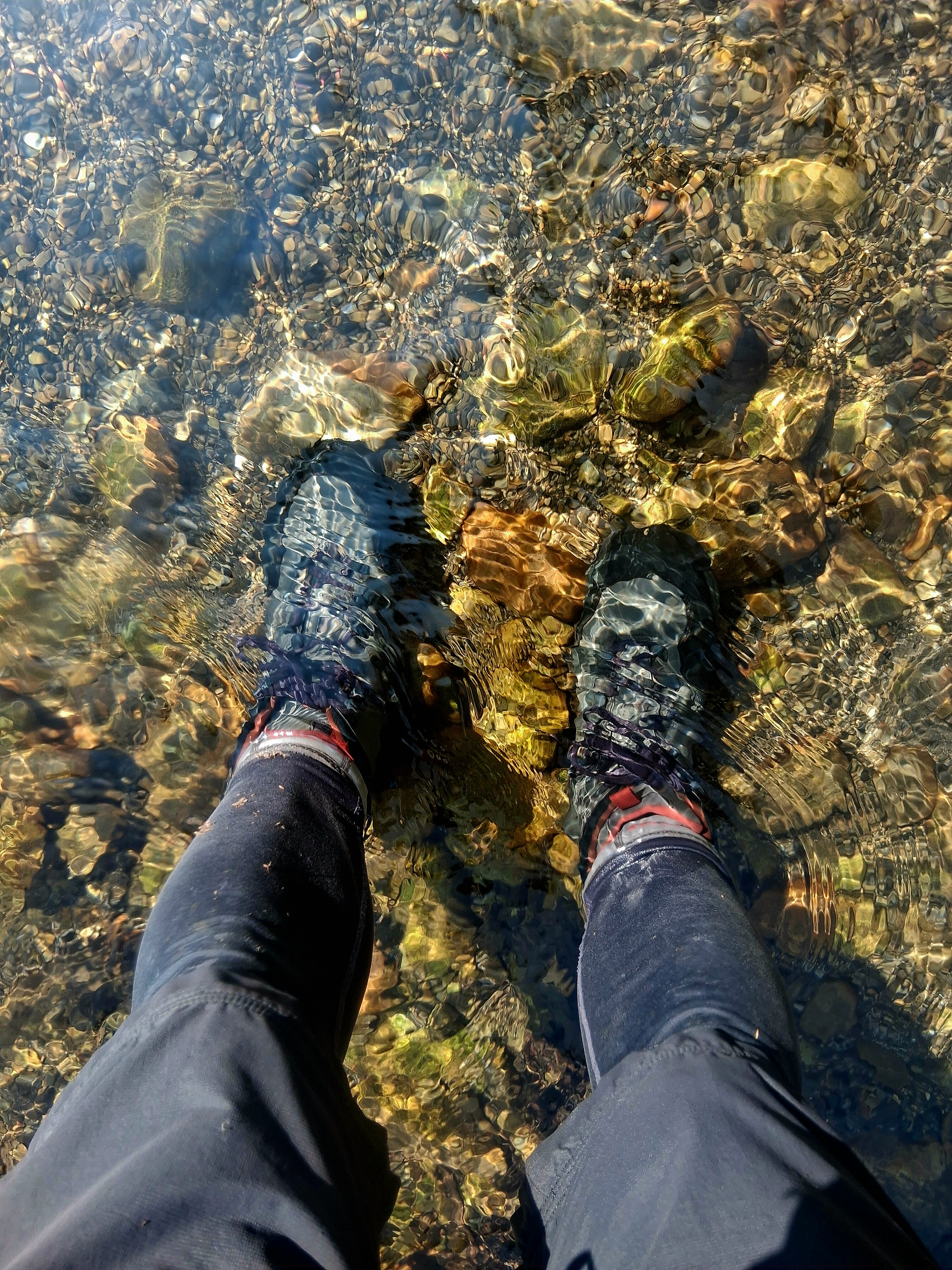
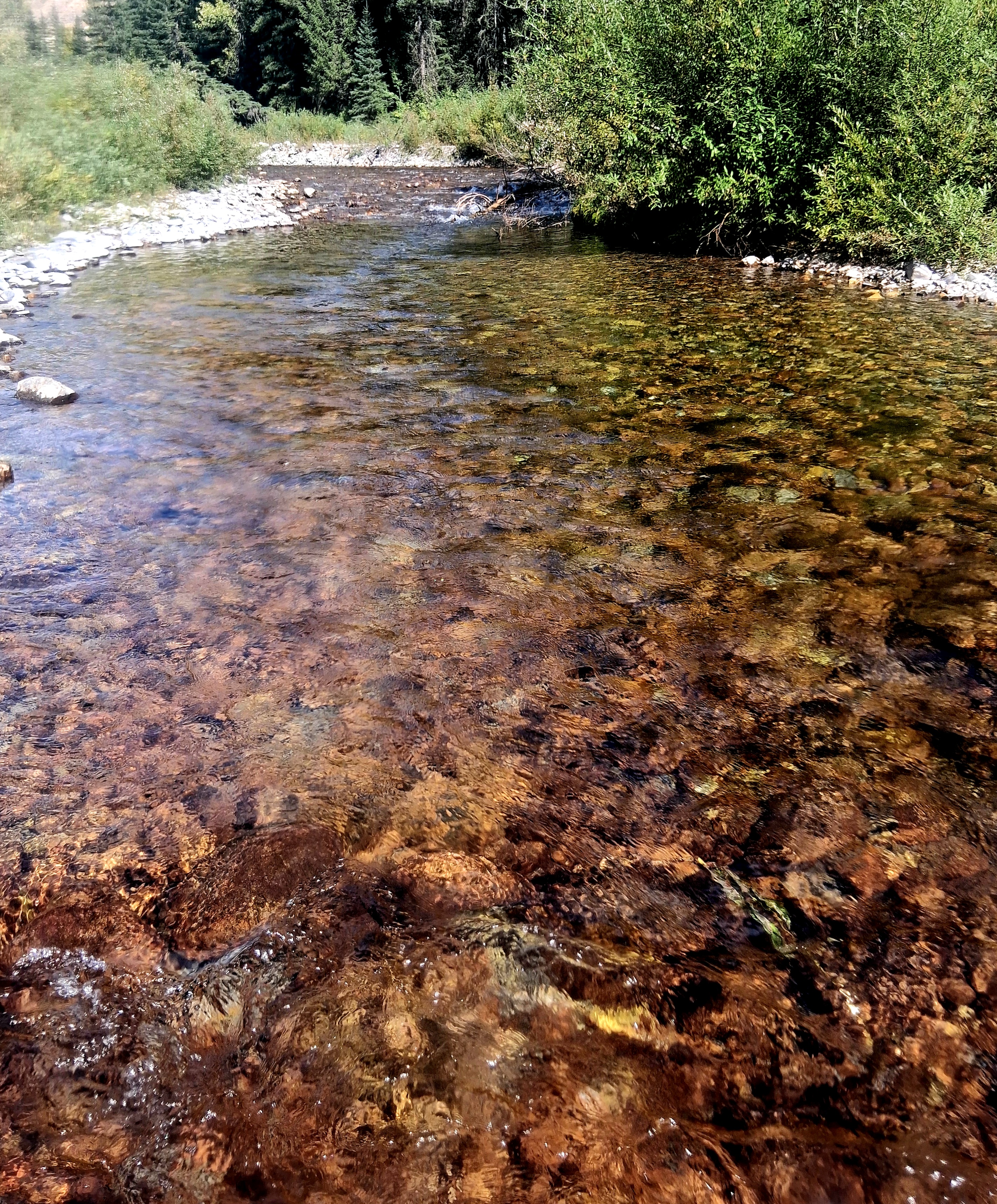
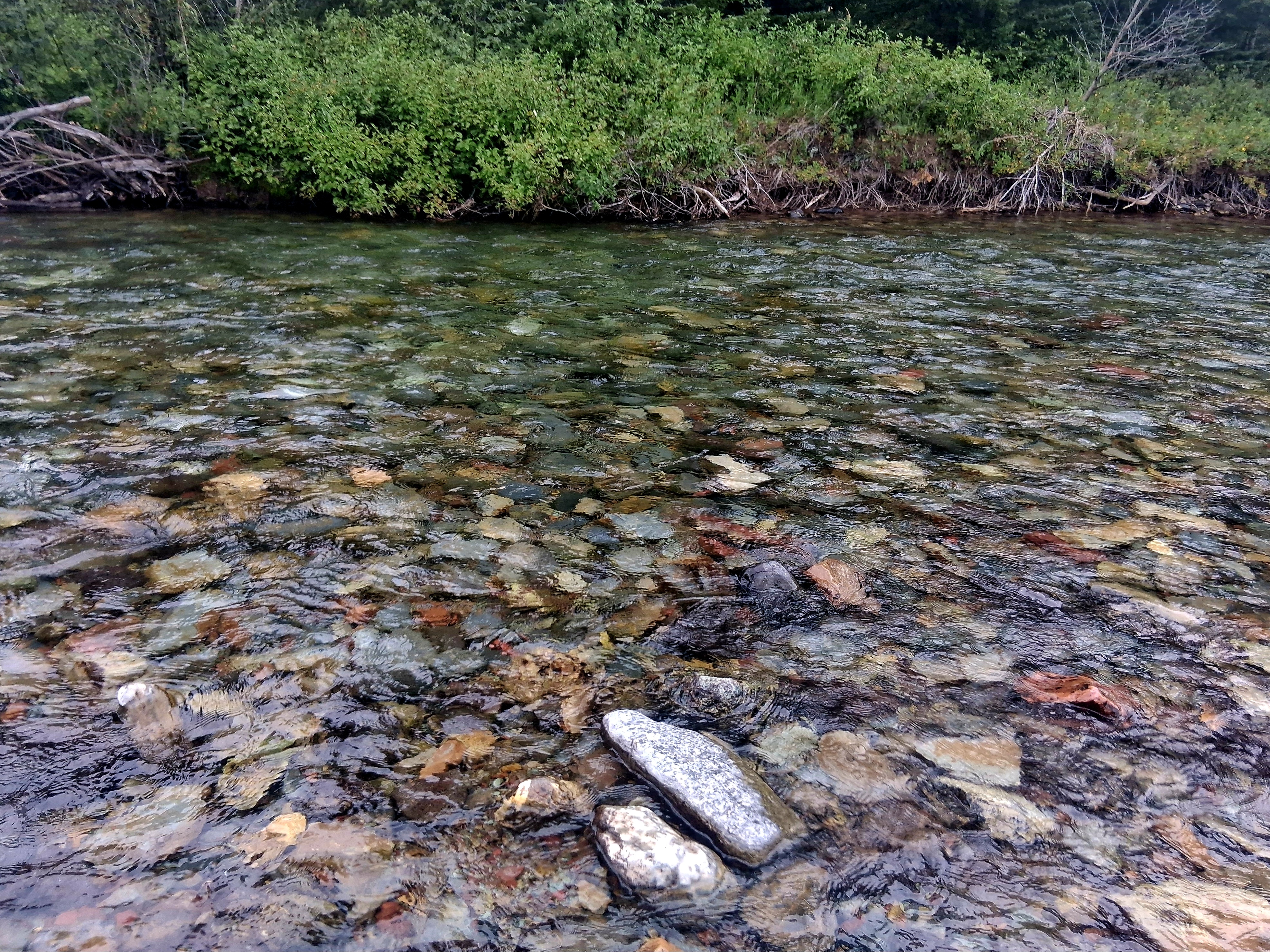
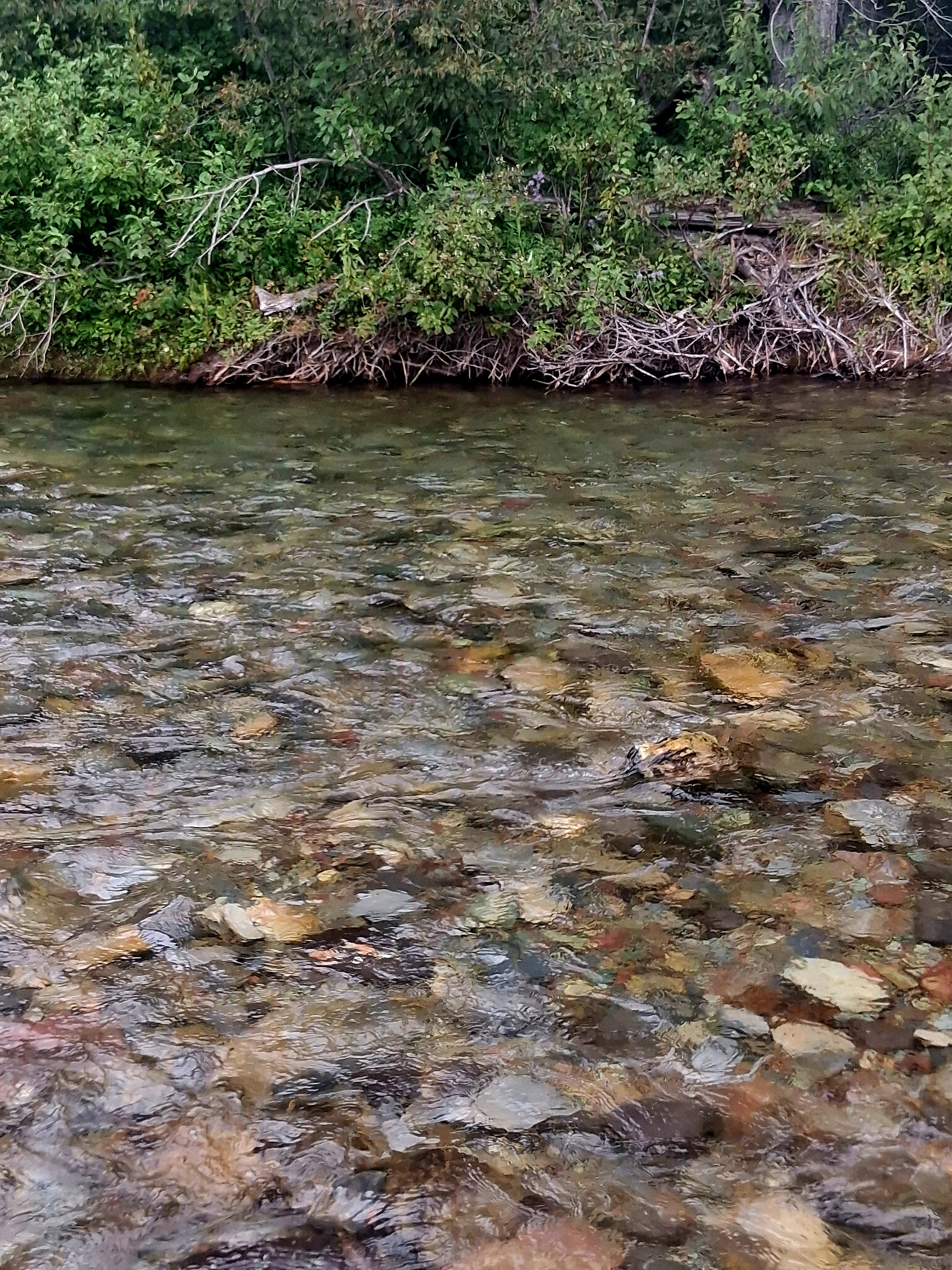
When I wade these two rivers I see little or no silt. The river beds are clean. I can see every stone, pebble, every single detail…no sediment covers/blankets the bottom. On the other rivers it is thick in many places; they look like they need to be vacuumed.

early season fast water ties with palmered hackle body for added flotation but clipped on bottom so fly still sits low

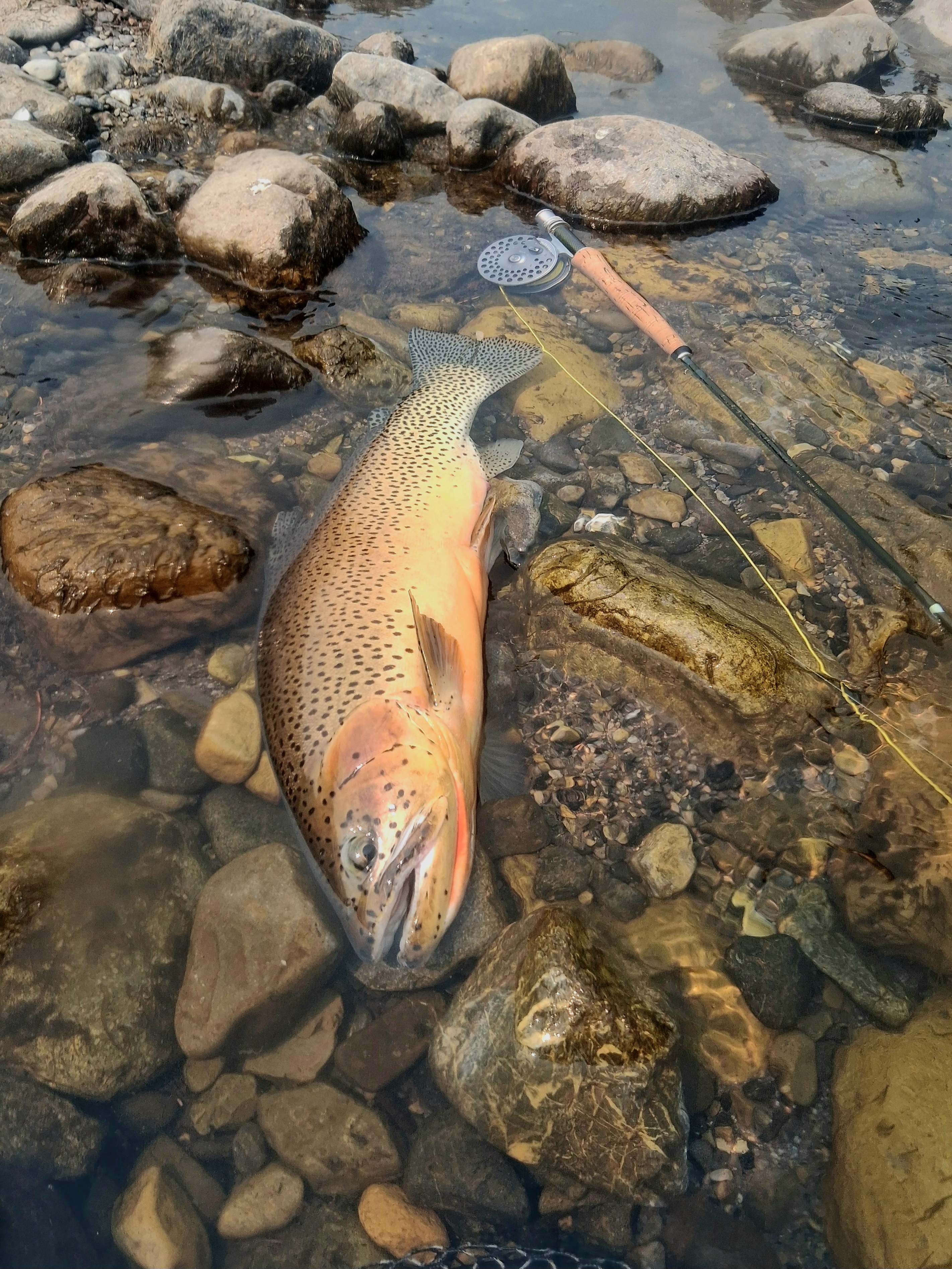
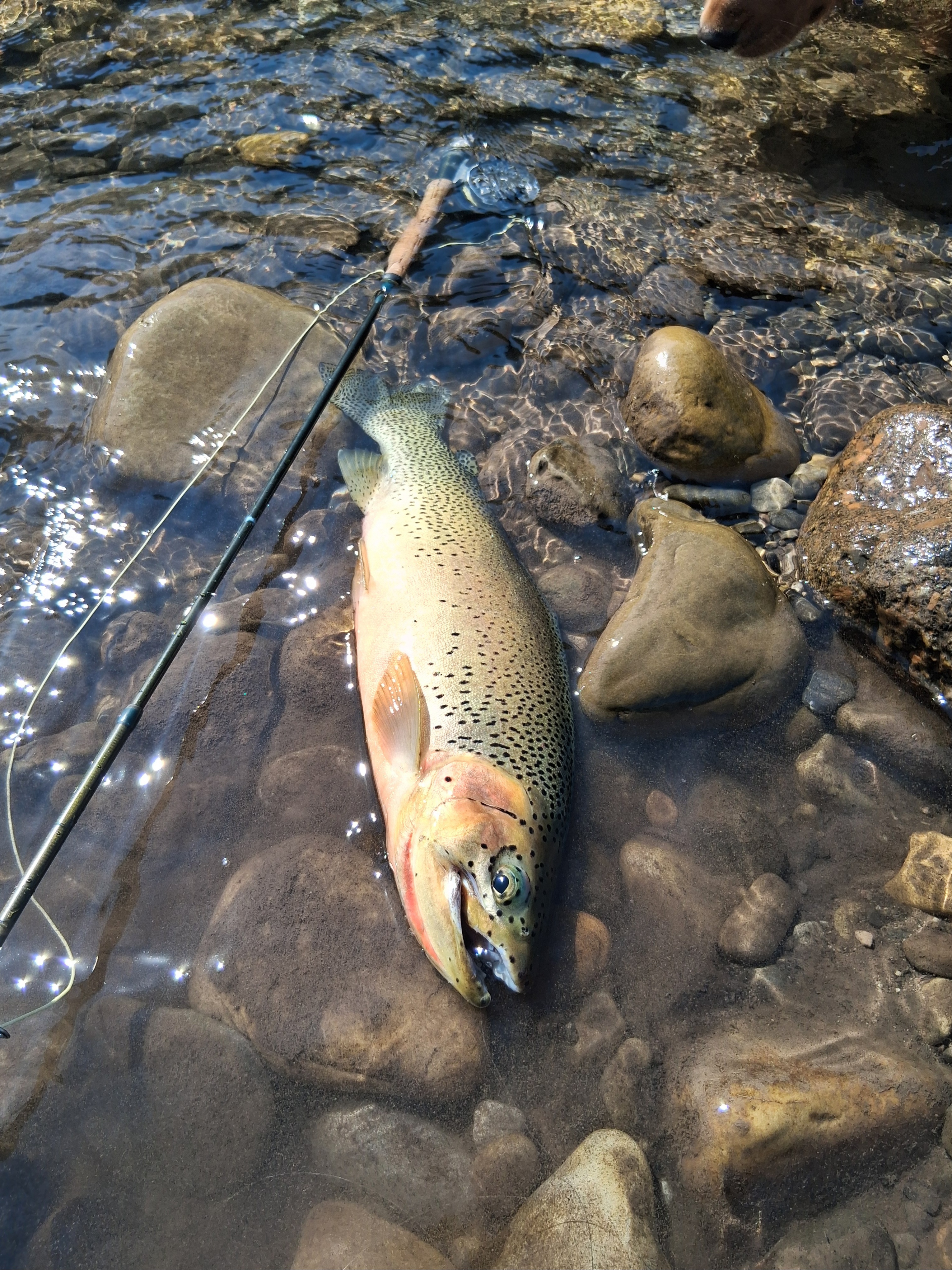
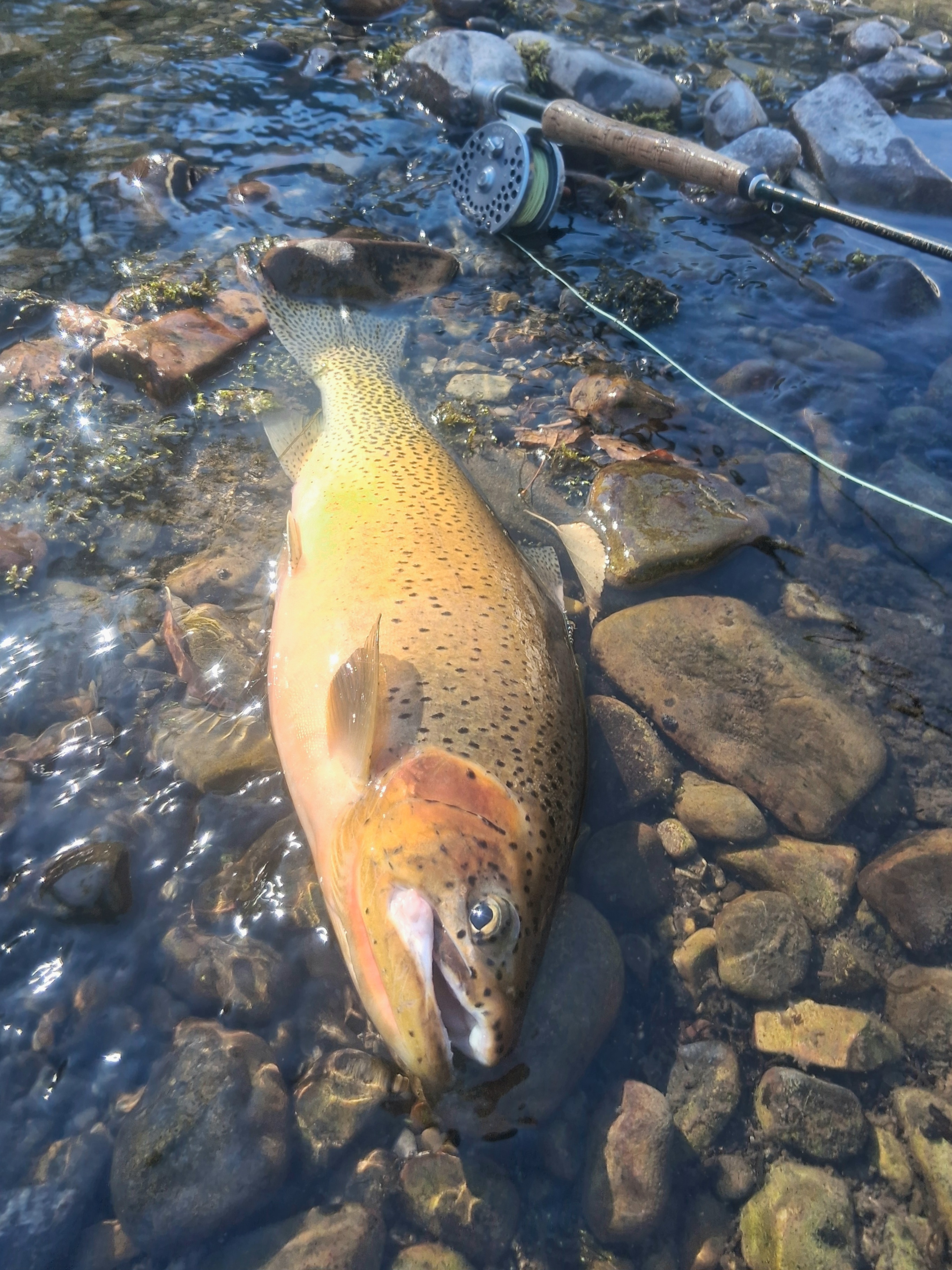
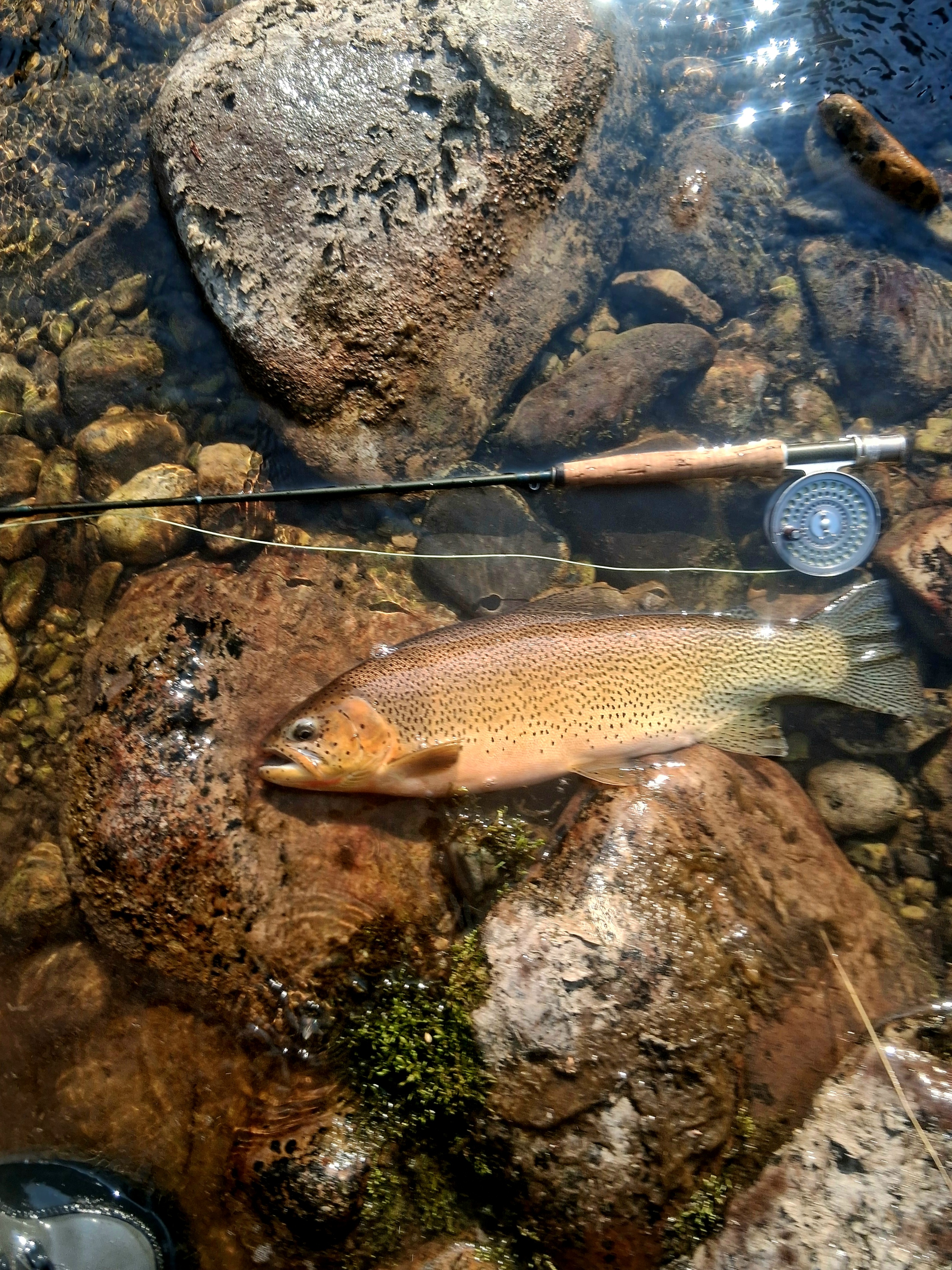
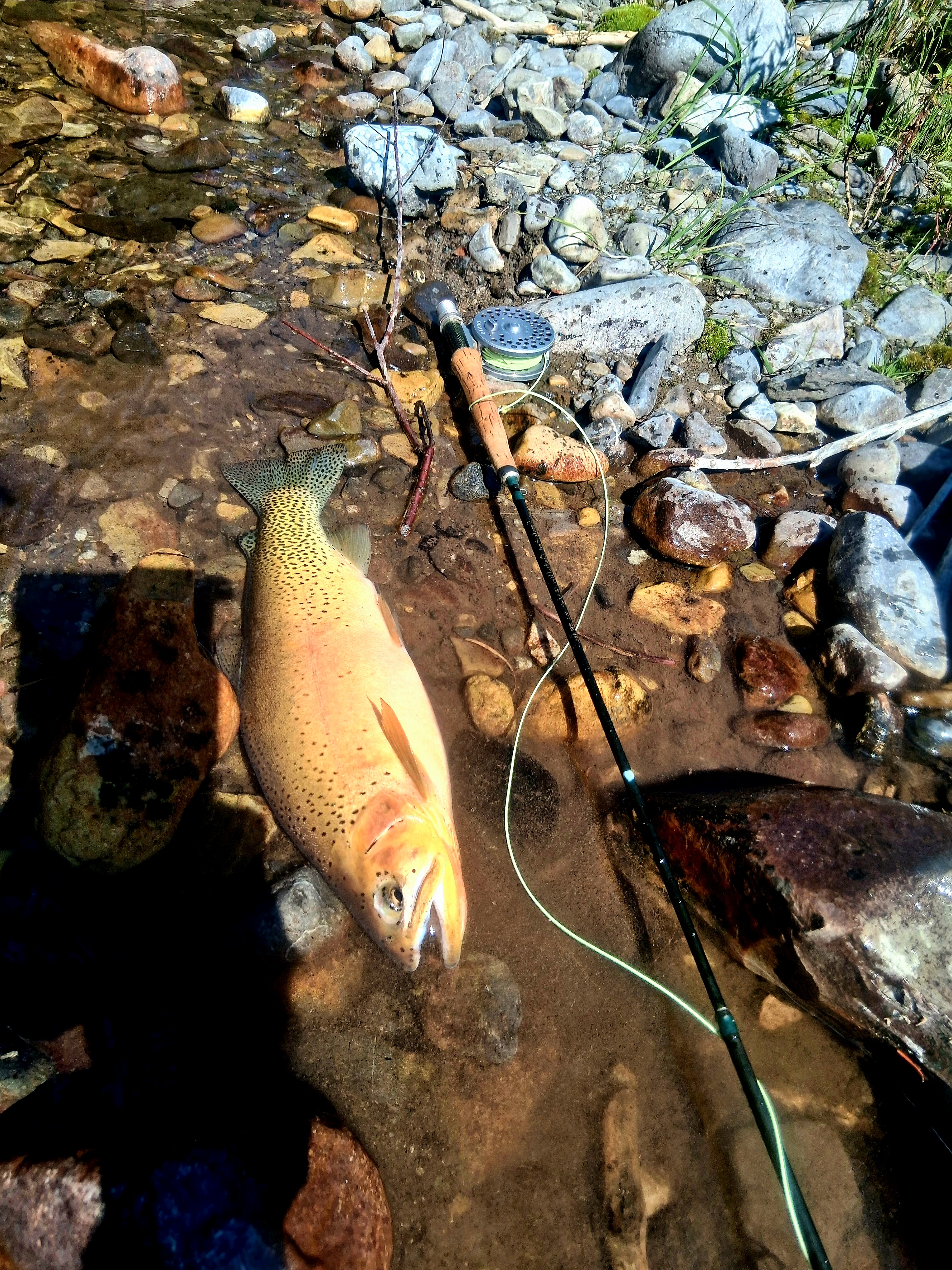
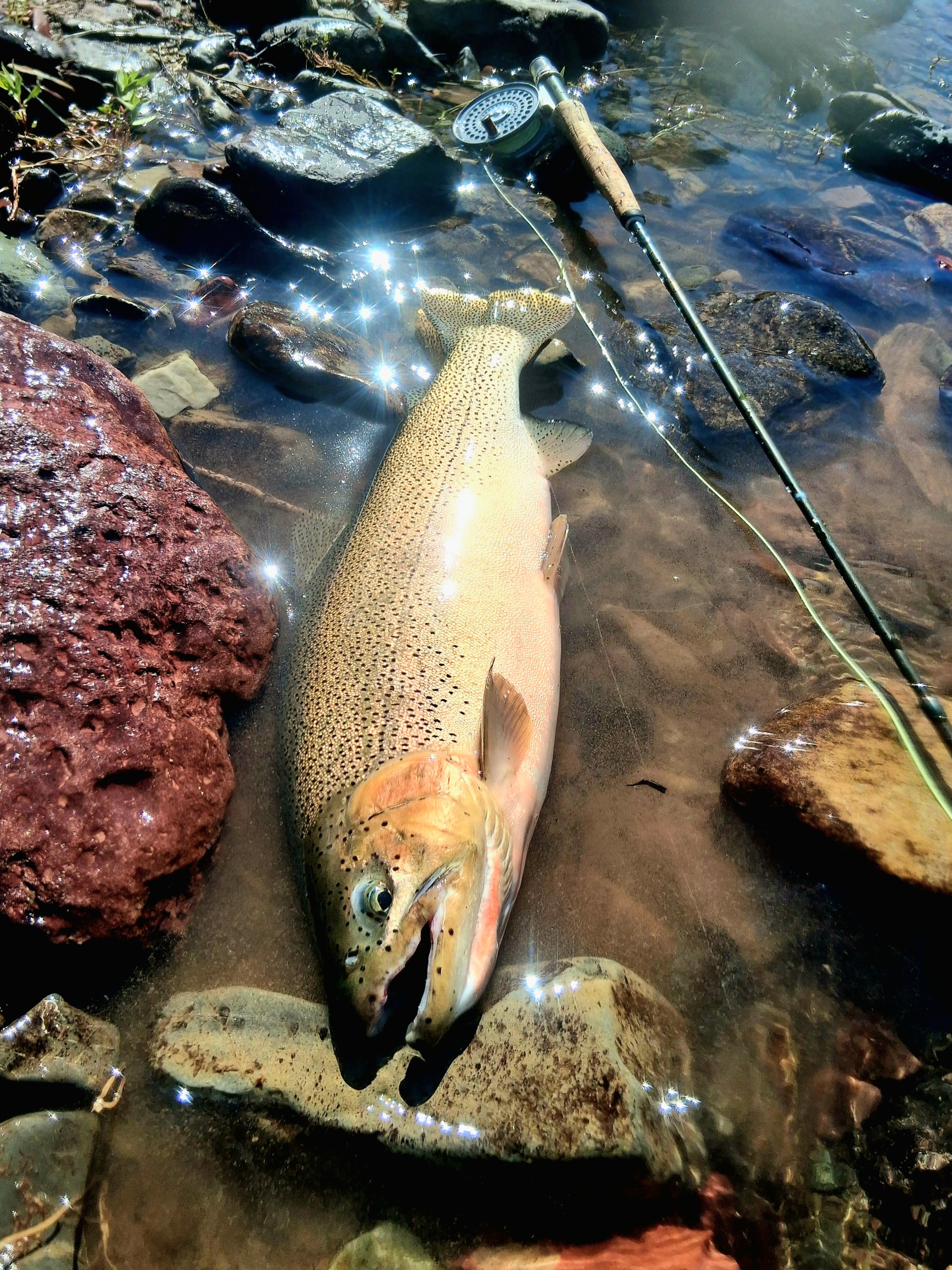
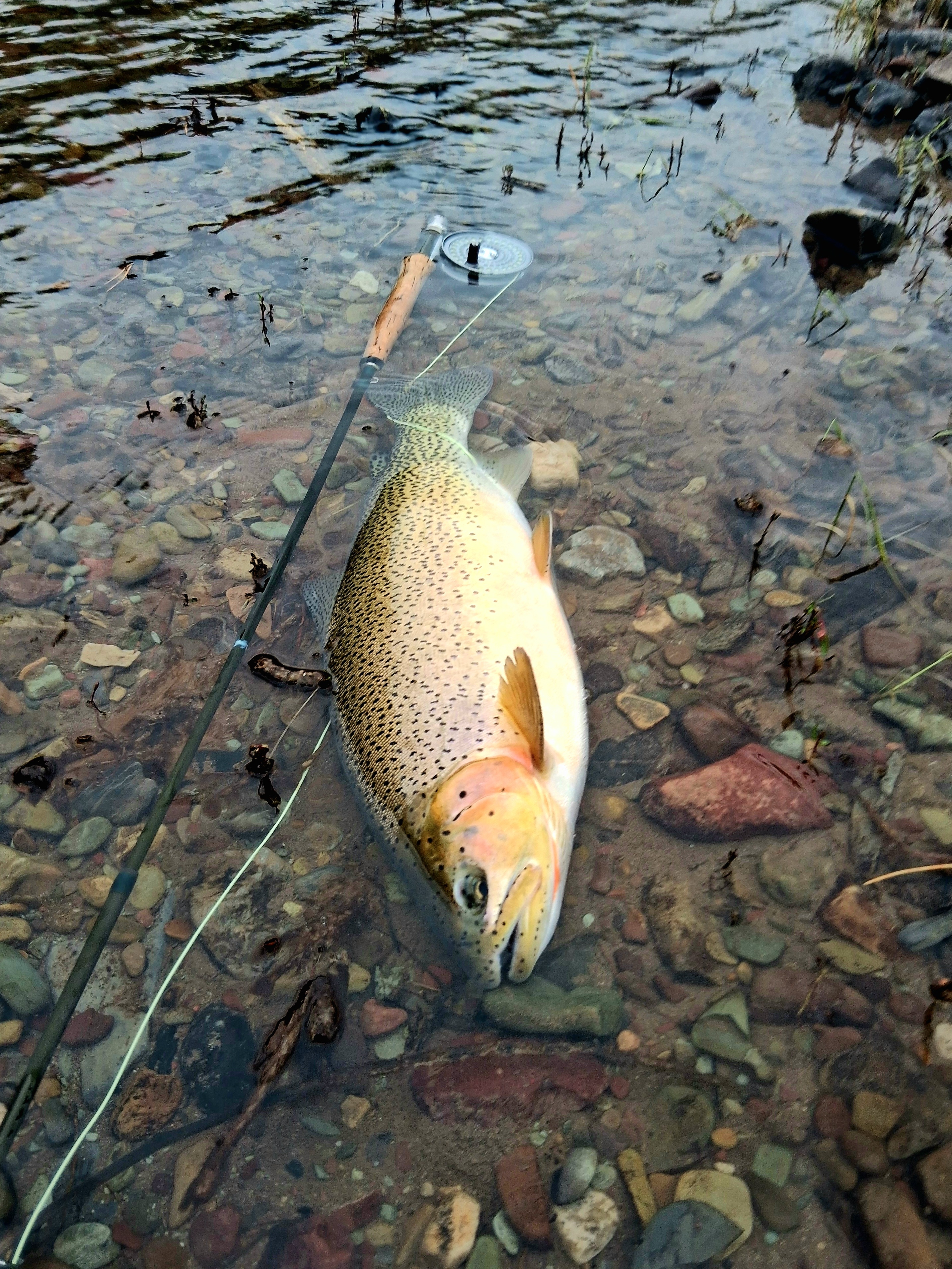
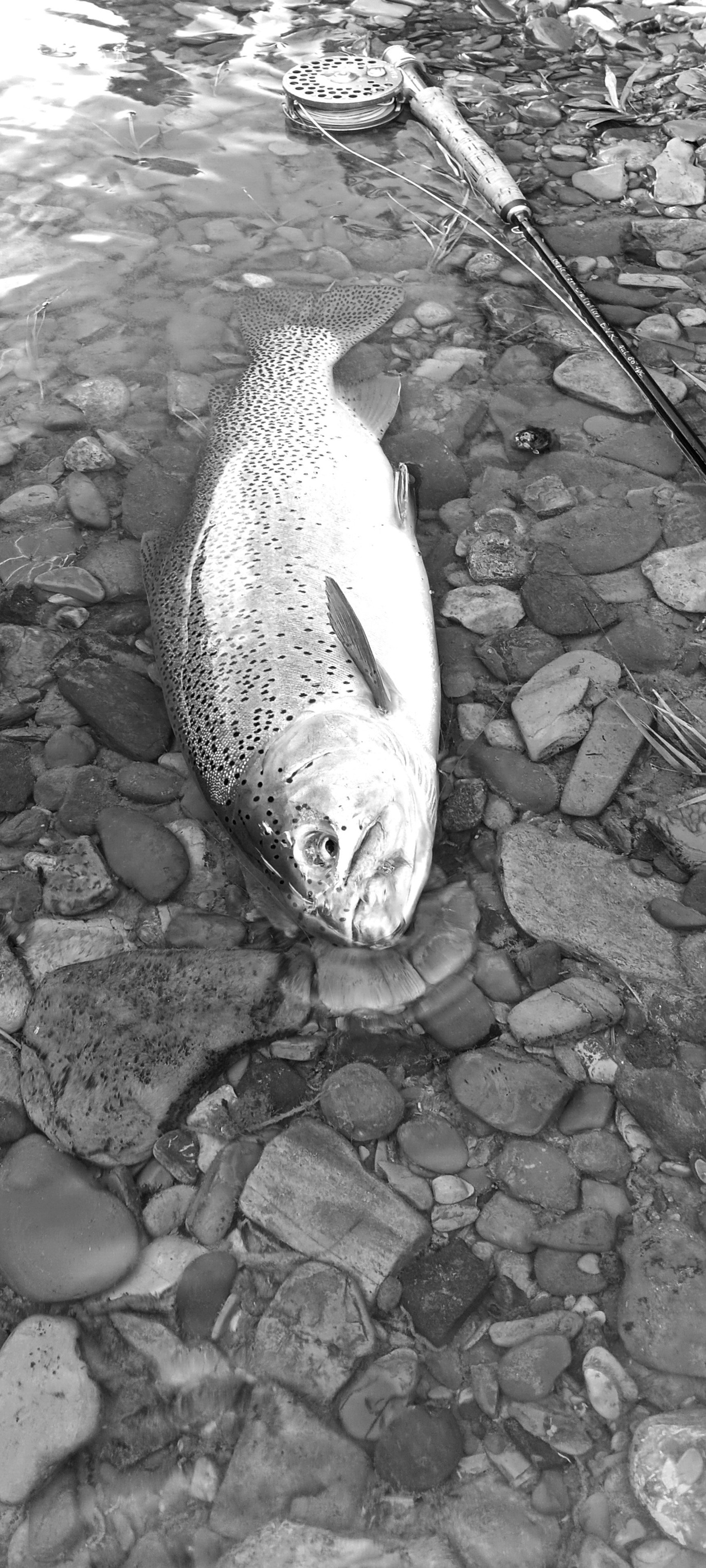
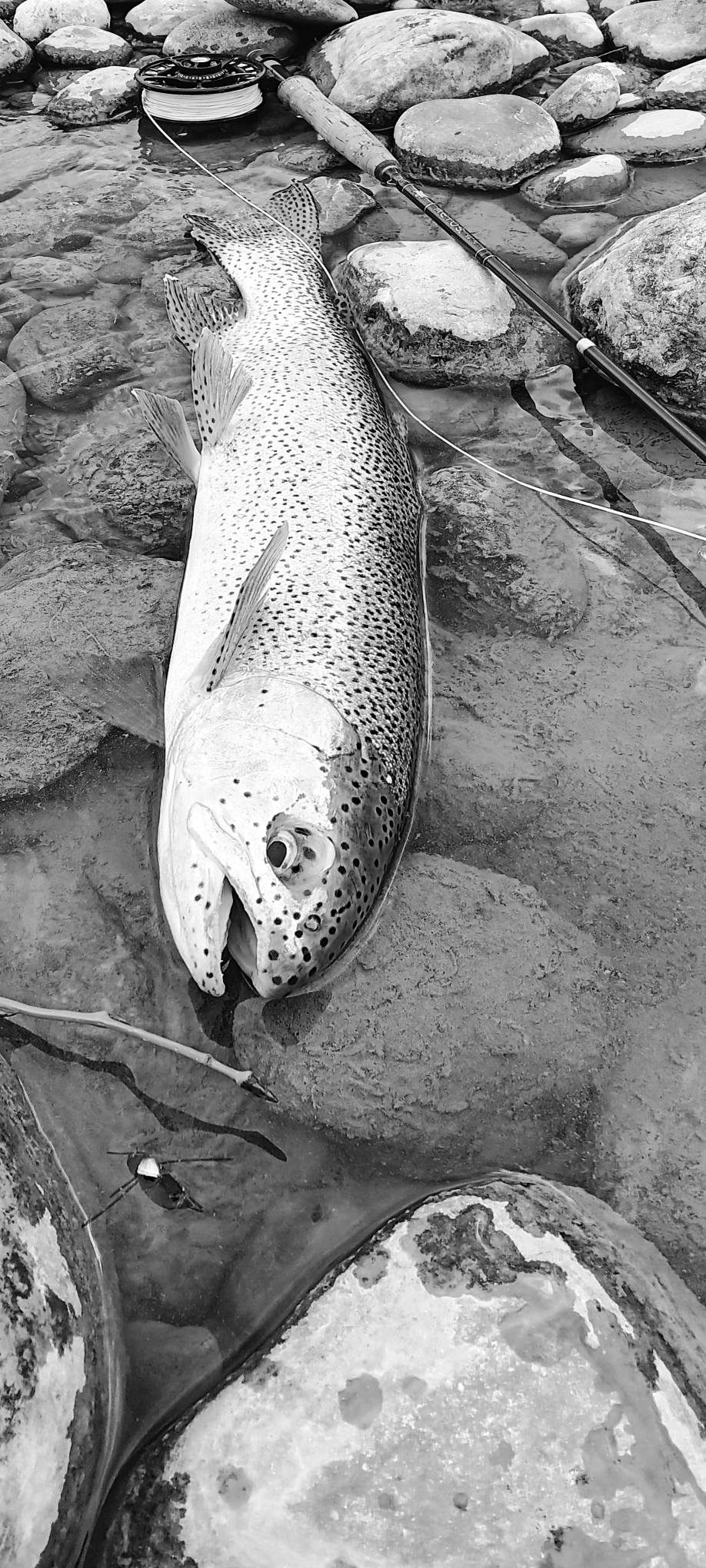
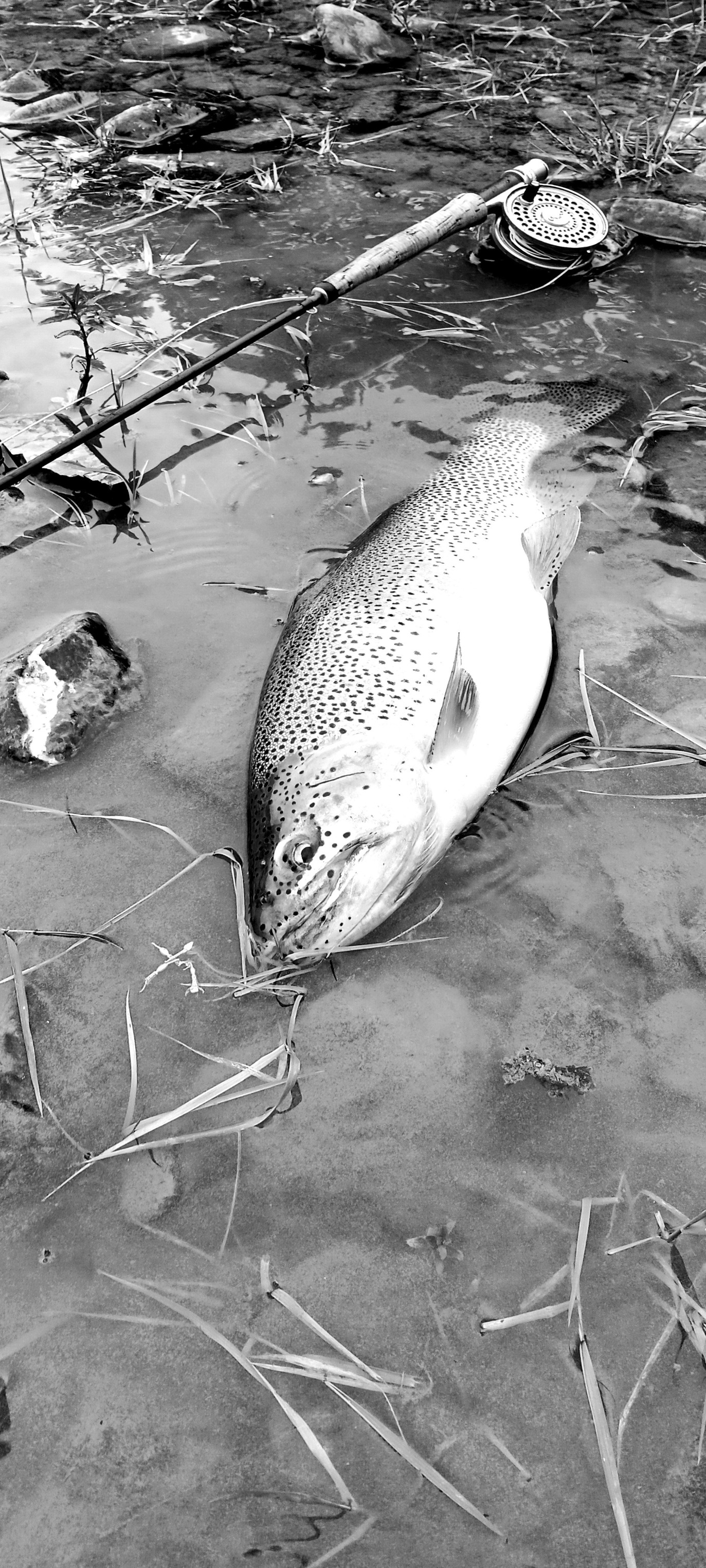
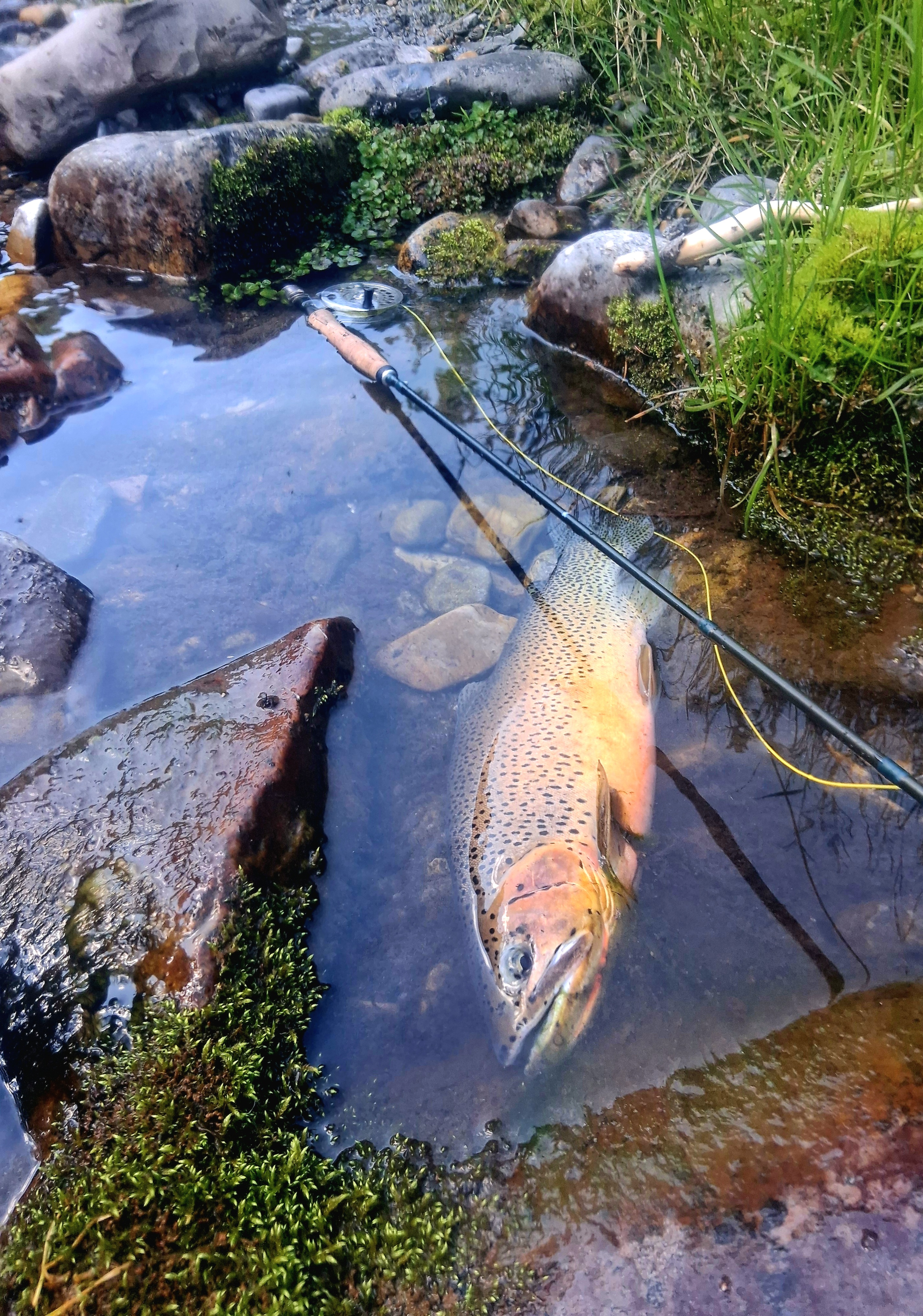
These two pristine rivers hold Cutthroat trout. A regional native fish. They are colorful, untamed and robust. They are extremely healthy just like the rivers they inhabit. Their population generally isn’t high. These freestone rivers tend to be fast and turbulent and there are only so many pockets and pools for them to hold in. It is a challenging environment and their feeding season is brief. In spite of this some miraculously manage to survive and even thrive, and these rivers can hold some real gems. Here’s one of those miracles that I came across a few days ago. It was holding in a crystalline flow in one of the Last Old Places…


Showing up

“Eighty percent of success is showing up” — Woody Allen

I’ve been fishing east and west of the Divide with a friend, Roman. Mostly west. The good weather has been hanging in: clear skies; warm Autumn afternoon light…the best light. Some rivers have been spectacular. Some bugless and lifeless. I’m fortunate to live in a region where a 30-45 minute drive can deliver you to a variety of rivers if the one you are on is unproductive. The key, as always, is to show up, look, explore.

Large Bull trout are on redds in the mountains streams. The Brown trout in the lower rivers are not paired-up yet. There are fewer anglers around. It’s a great time of year to squeeze whatever juice is left out of the dry fly year. Hopefully BWO’s are still to come on some of the tailwater rivers. And maybe even some Mahoganies. I’ll wait for a low front, overcast skies and light wind and then show up. That’s the recipe to find a late season large colorful Brown trout sipping on the surface.

Some images from a week ago.

life ignites

AT MY LATITUDE DAYS are noticeably getting shorter. Mornings cooler. The sun archs lower. Shadows are longer late afternoon. Some trees are coloring and shedding their leaves. September has arrived in the Rocky Mountains.

It was 46f (water temperature) at 11:30 am on a nearby mountain stream the other day. It always runs cold. It’s cold in July. It’s cold in August. Same in September. By mid afternoon the creek probably was a few degrees warmer. Maybe it hit the 50f mark, probably not. Some hatches especially the larger Drakes are only suppose to emerge when the water temperature climbs above 50f and into the mid fifties. In the stream I was on Drakes can pop below 50f, some of the large ones and definitely the smaller, Flavs (Flavilinea Drunella). In my experience it just takes sunlight to flood the river bottom. That seems to be the trigger. That’s the spark that gets a really good hatch going in a frigid flow. With the mid-day sunlight the submerged rock clinging nymphs then let go and make their way to the surface. And trout wake-up and begin chasing their ascent, and start feeding on those riding on the surface. The river comes alive. Witnessing it is always special as is searching for the best that the stream has to offer when life ignites…

creeks, drakes & trout

CLEAR MOUNTAIN CREEKS. I’ve been out on them the past few weeks treasure hunting. A fair amount of stream miles/kms covered while walking the cold flows over uneven stones. The smaller version of the Green Drake (Flavs) family (Mayfly) were around on some of the streams. A few of the bigger Drakes too. Cutthroat trout are always willing to take them on the surface. The hatch never gets ignored. Survival in mountain streams requires that trout feed when opportunity knocks. And this relatively large mayfly means calories and thick healthy fish. Some streams have Drakes. Mysteriously others just a valley or a few miles away do not. The fish in those rivers are not as robust; not as wide.

Some gems found while treasure hunting…

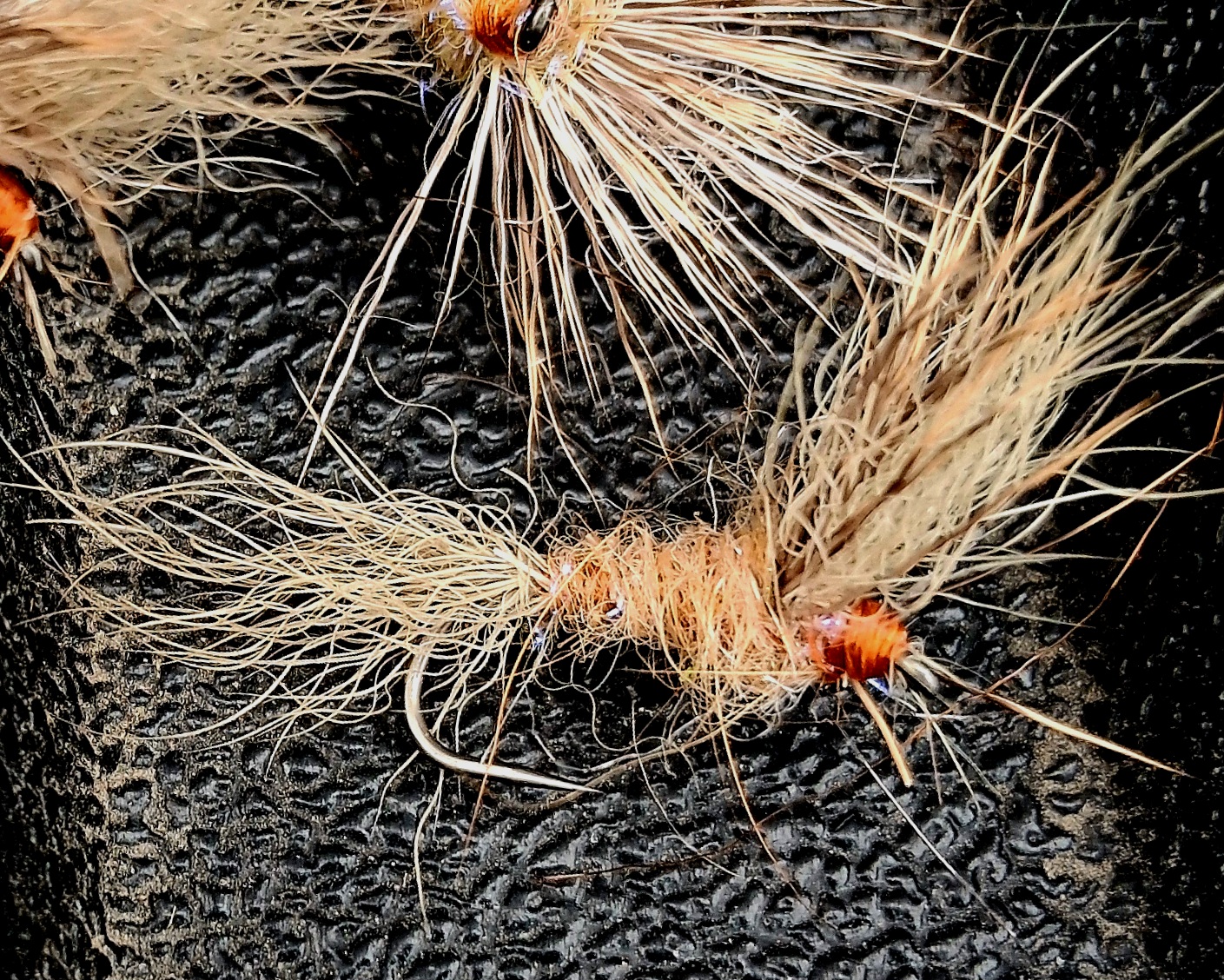
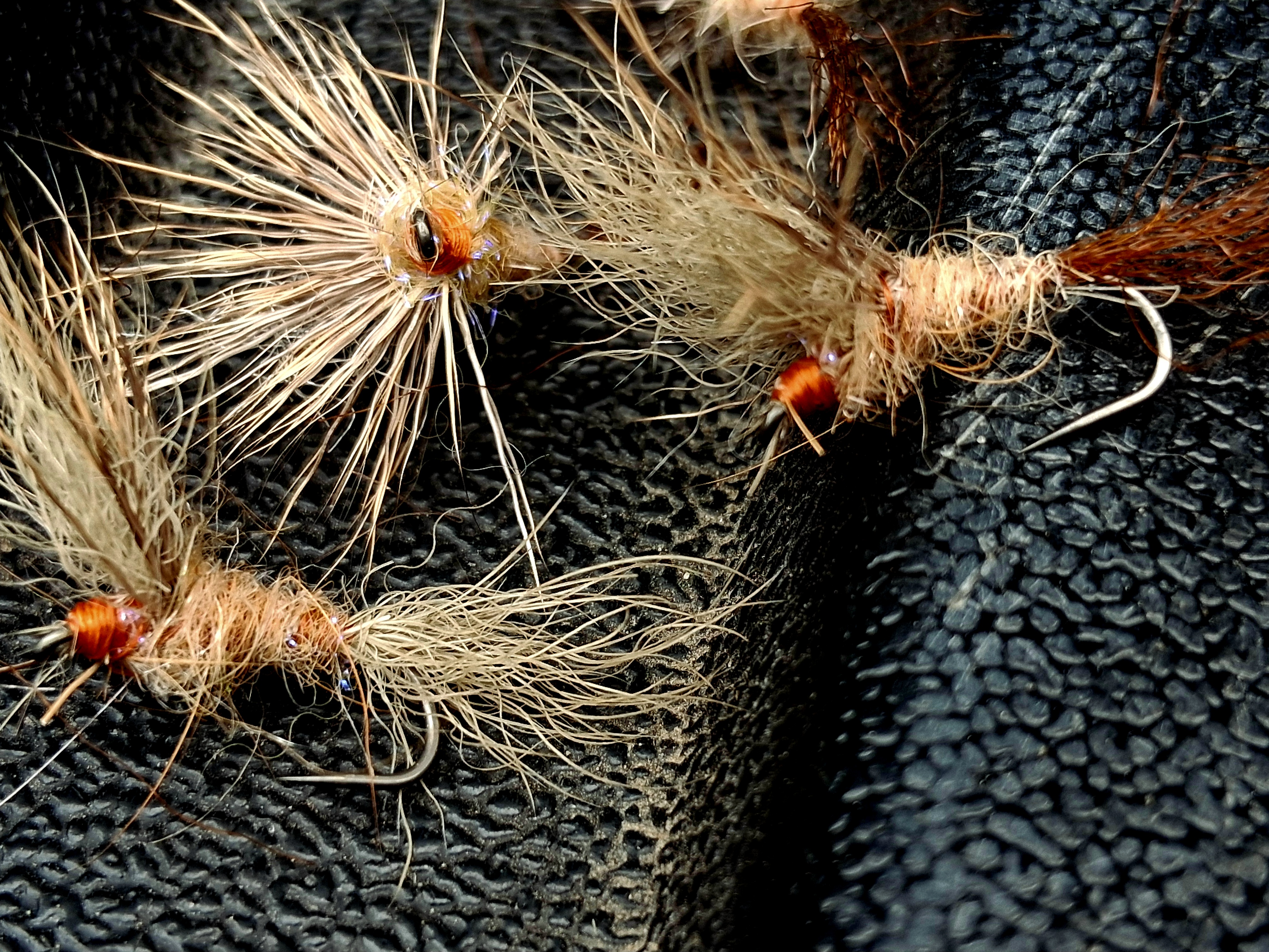
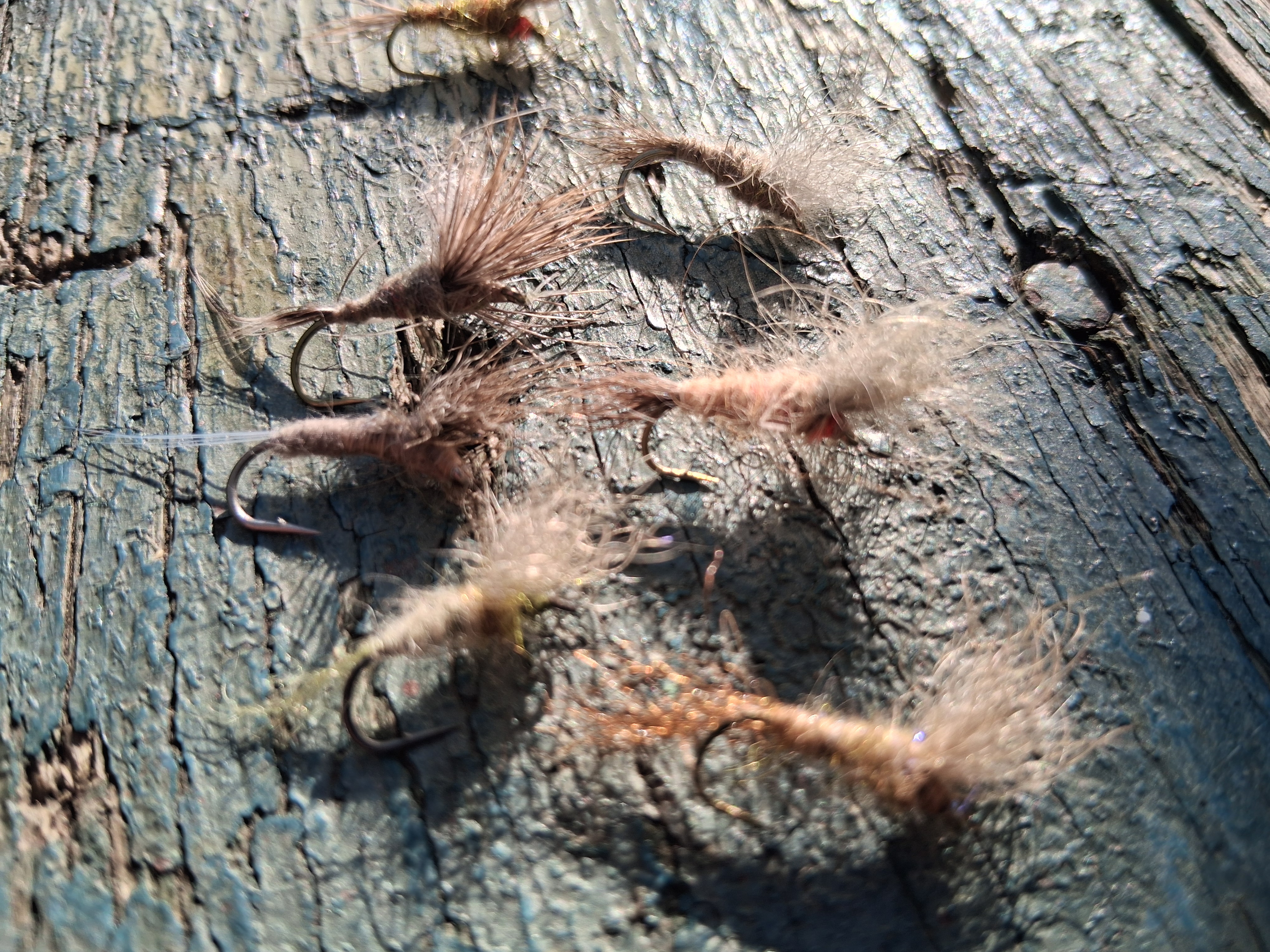
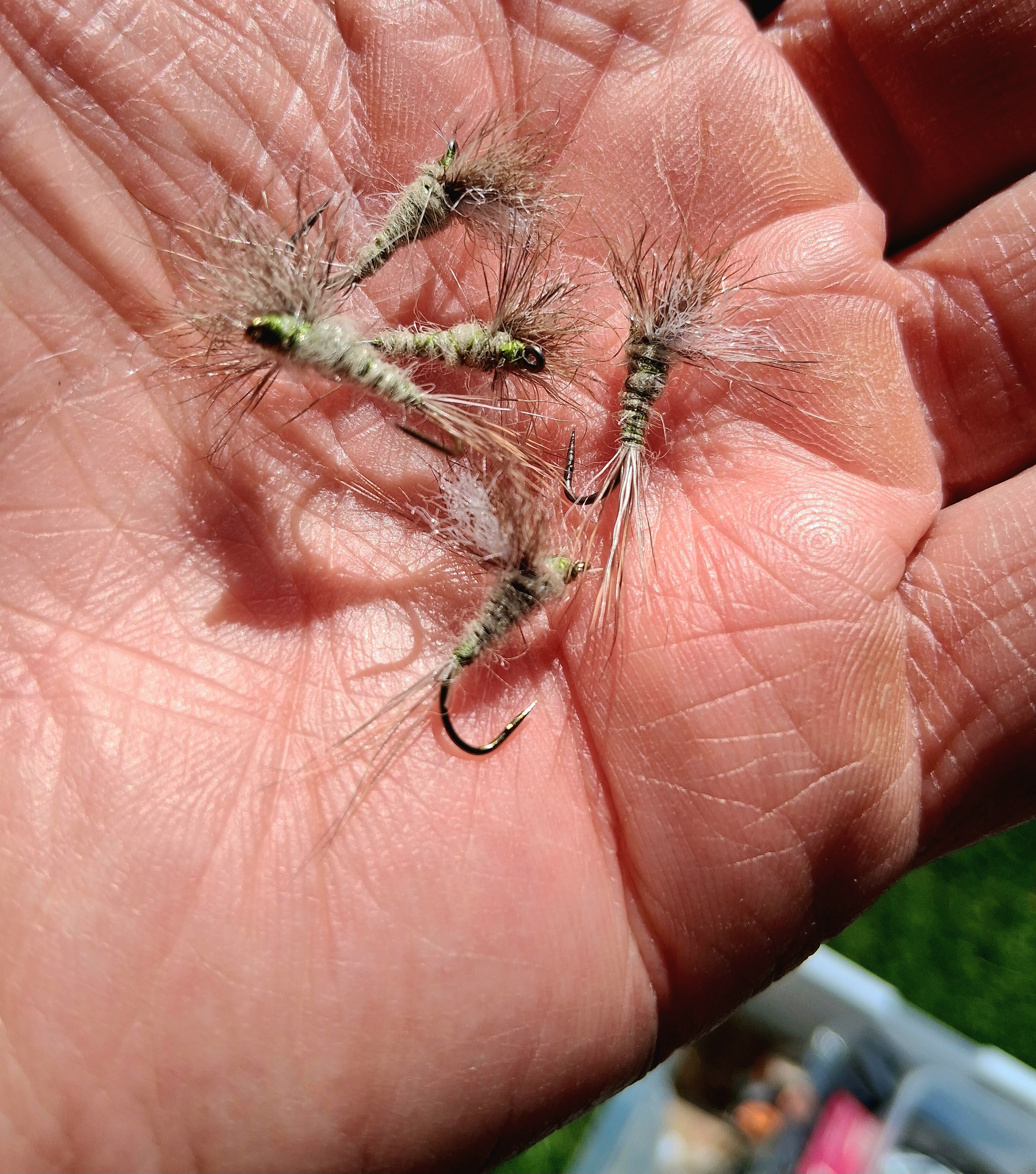
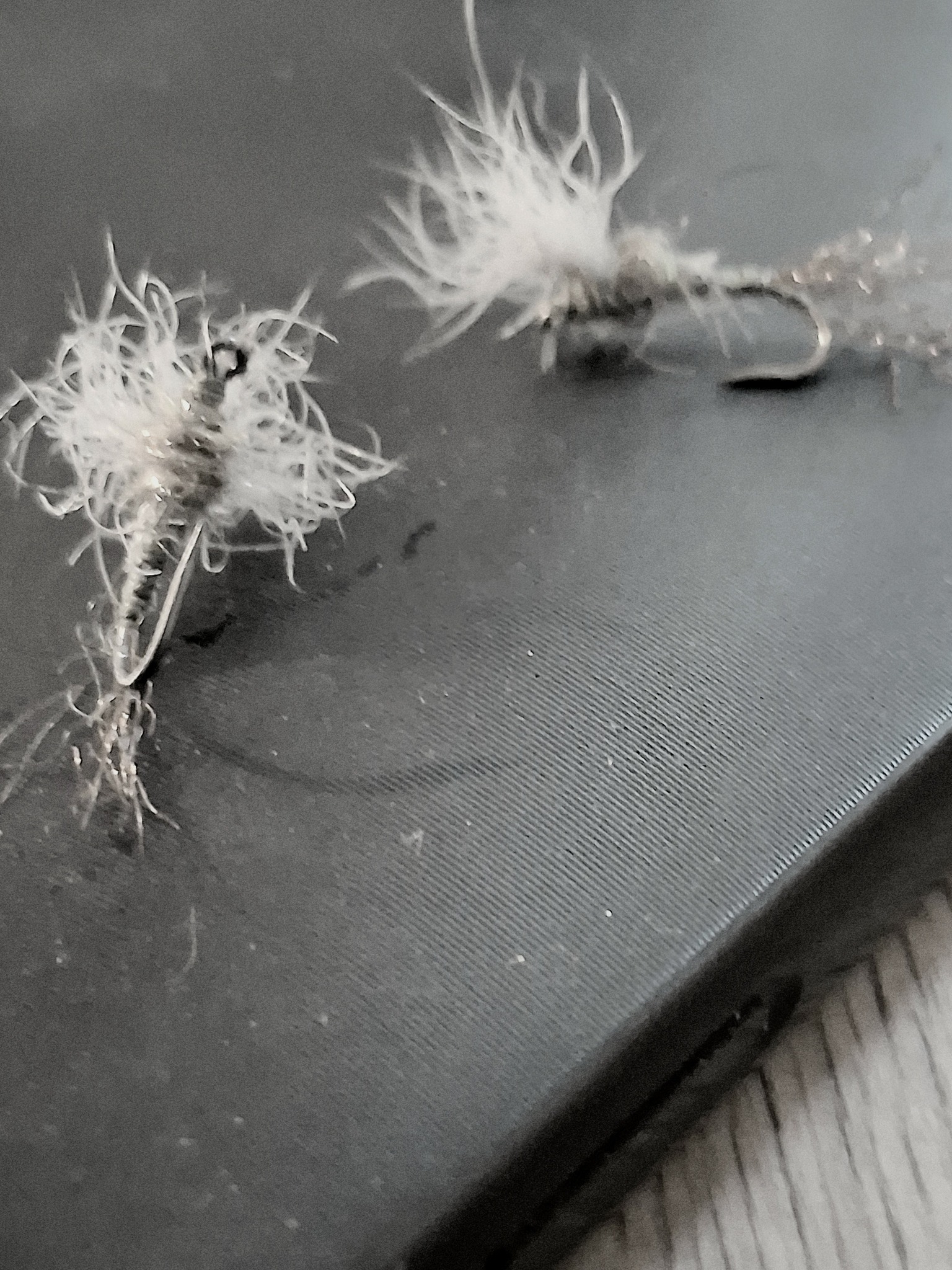
comparaduns/haystacks, a simple pattern

The Originals

Original: “Present or existing from the beginning; first or earliest”.

COOL FOR AUGUST. Overall a cool summer here. And a fair amount of rain. That’s bad for campers. That’s good for trout. Everywhere else in the northern hemisphere it seems to be cooking.

Stream banks, intact ones, great spot to search for trout

I visited a local stream up in the mountains. Clear water up there. Water like air. I was hoping for a hatch. I’m always hoping for a hatch. The conditions looked perfect. It never happened. Just a few Drakes. More as the day progressed. The odd rise. I would have got skunked if I didn’t know the river section I was on well. I walked more than I fished. Last time I was on the river it was late spring, early summer. Today I connected with a few good ones. My reel sang. I believe a reel with a good sound helps me play/ land fish. It’s the feedback.

I casted barbless dry flies. Makes for an easy release on the native trout. A couple of beautiful ones came to hand. Cutthroats with a strong, pronounced slash. The originals…”existing from the beginning”.

Slight undercut

Roaming around

” Aye, aye! and I’ll chase him round Good Hope, and round the Horn, and round the Norway Maelstrom, and round perdition’s flames before I give him up”.

Captain Ahab, Moby Dick/ The Whale—Herman Melville

Oh boy! I’ve been on a bug search. Looking for insects. Looking for a good solid hatch. Looking for some rising fish. The two go together: bugs and surfacing trout. It has been tough out there. I’ve been roaming from river to river. Looking. Some yellow sallies are around; some pmds; some big stones; some bwo’s when cloudy; some drakes. “Some” but not “much” of anything. Kind of sparse (hatches), thin and weak I’d say. And then some inclement weather rolled in. Some low clouds and rain. I picked another river. One I’ve been waiting to get on. Waiting for the flow to drop. Waiting for the right moment. And I got lucky. Around mid-day bugs started to hatch. Big guys. Big drakes riding the surface, wings up, like the old time tall ships with their towering masts. A spectacular event. Maybe 1.5 hours long. Not bad. And with it the best in the river (trout) showed themselves and I managed a few good ones on dries. Then I continued to walk the river and watched familiar locations and spotted several more robust trout rise perfectly to intercept the big bugs. By then watching was good enough. Reverence for this special river.

Some photos while roaming around searching the past few weeks; hiking streamside paths; crossing rivers….and a few special trout.

always investigate little pools off of main flow

tailwater bow, fly: beetle

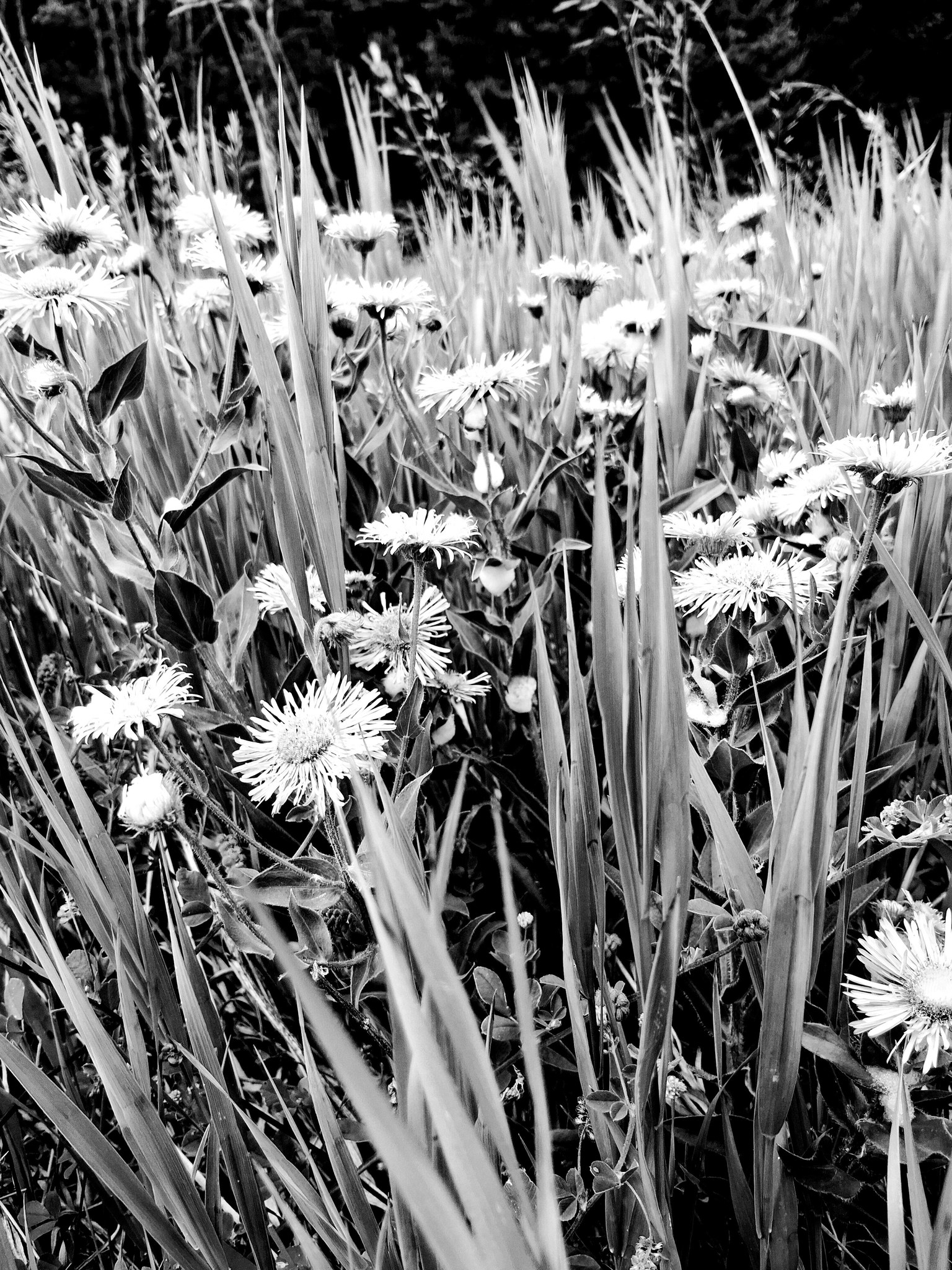
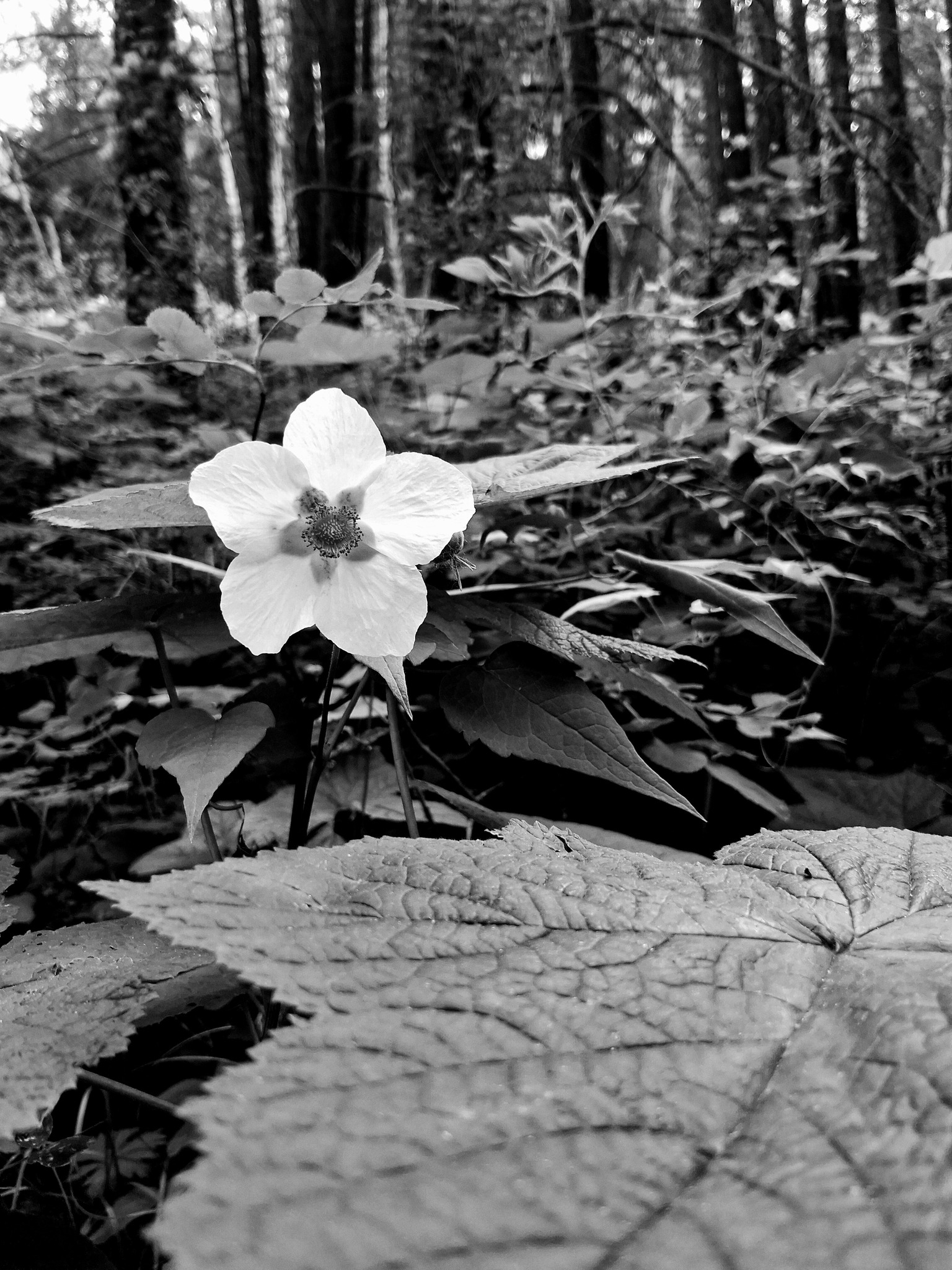
riverside wild flowers

some color

Standing in a River Waving a Stick

“I’m an instinctive caster and use whatever elements of the formal casts I need to get a good drift. I think it’s best to be inventive and flexible…I’ll cast upstream, downstream or sideways; whichever direction gets me the drift I want.”– John Gierach, Author, Trout Bum

SOME NIGHTS HAVE BEEN COLD. I HEAR the furnace kicking-in in the wee hours. Rivers are cooling down. There are fewer late afternoon rising fish. They are retreating. Bottom hugging. The big sleep is coming. I just read John Gierach passed away. A big loss. If you are a fly fisher you know whom I talking about.

A few season end images. It has been a good one. Glad I covered a lot of moving water. Glad I stood in a river and waved a stick….

striking gold

WE POINT THE TRUCK westward. Gear for the day in the back. Big Mayflies have been tied and are in neat rows in our fly boxes. Daniel says, “You can never have enough Drakes”. True. Our rods are rigged with braided leaders for the stretch; for the give. Once at the river we select an entry point, then hike and search. The sun is on our shoulders. It’s warm. There’s no wind. A perfect day. The big bugs start. The fish begin to show. Daniel’s Butterstick bends. His Click and Pawl sings. It sings all afternoon with the strong, untamed trout running downstream and Daniel and Harper rock hopping in pursuit. An unforgettable day. It’s early September and we struck gold…

Some images of the impressive Cutthroat trout caught by Daniel, a co-worker, at the Crowsnest Angler Fly Shop.

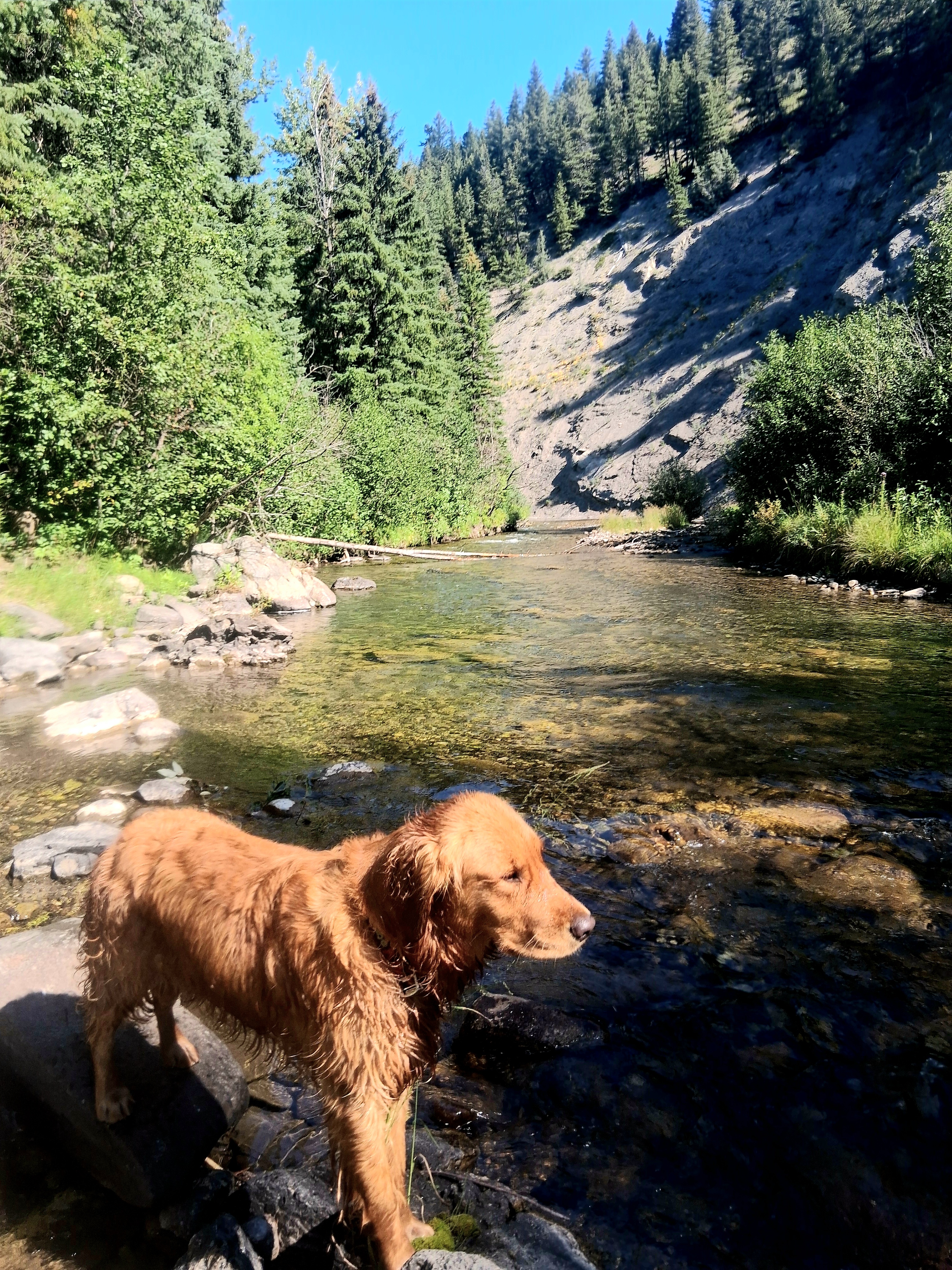
harper