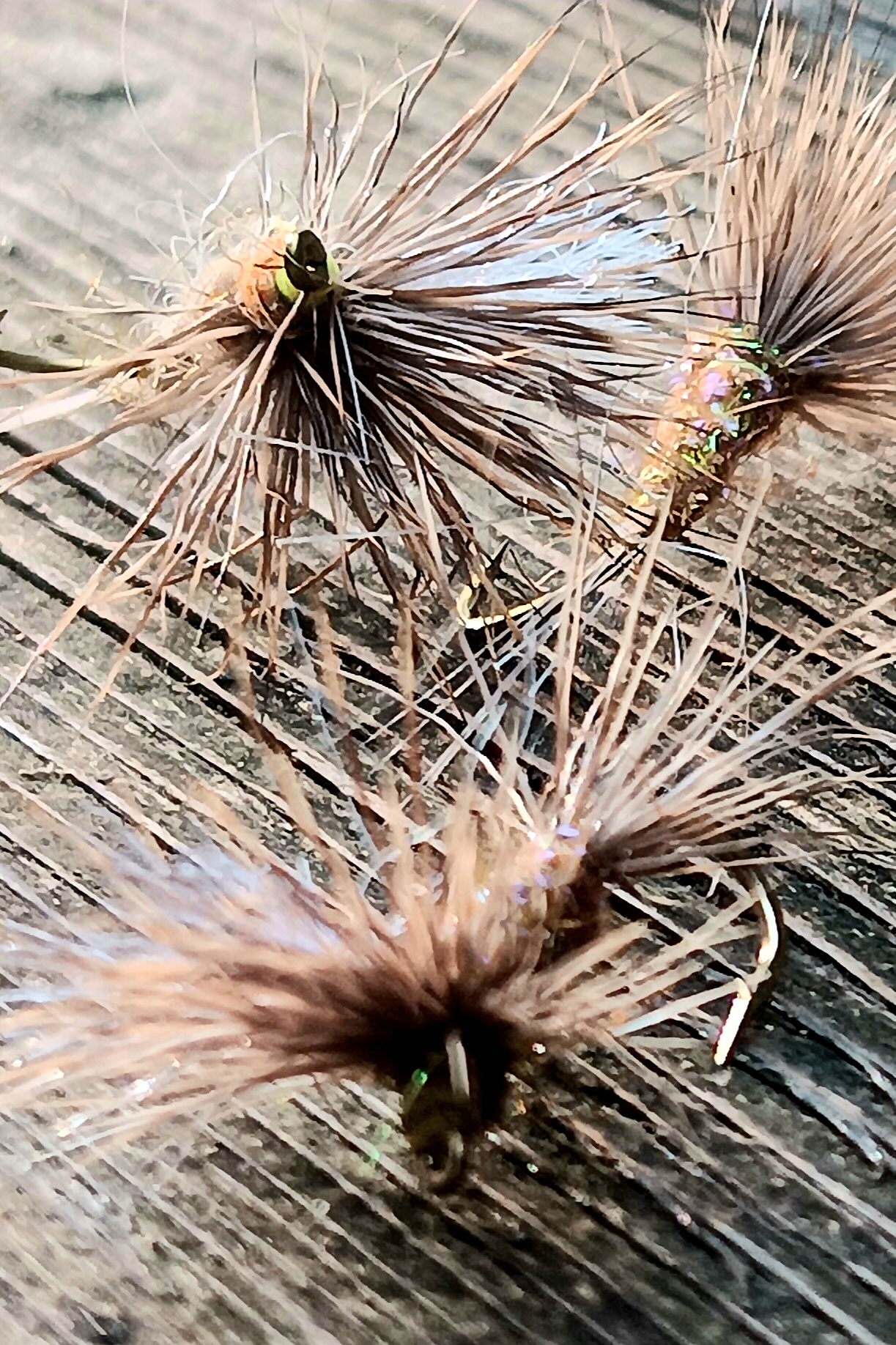
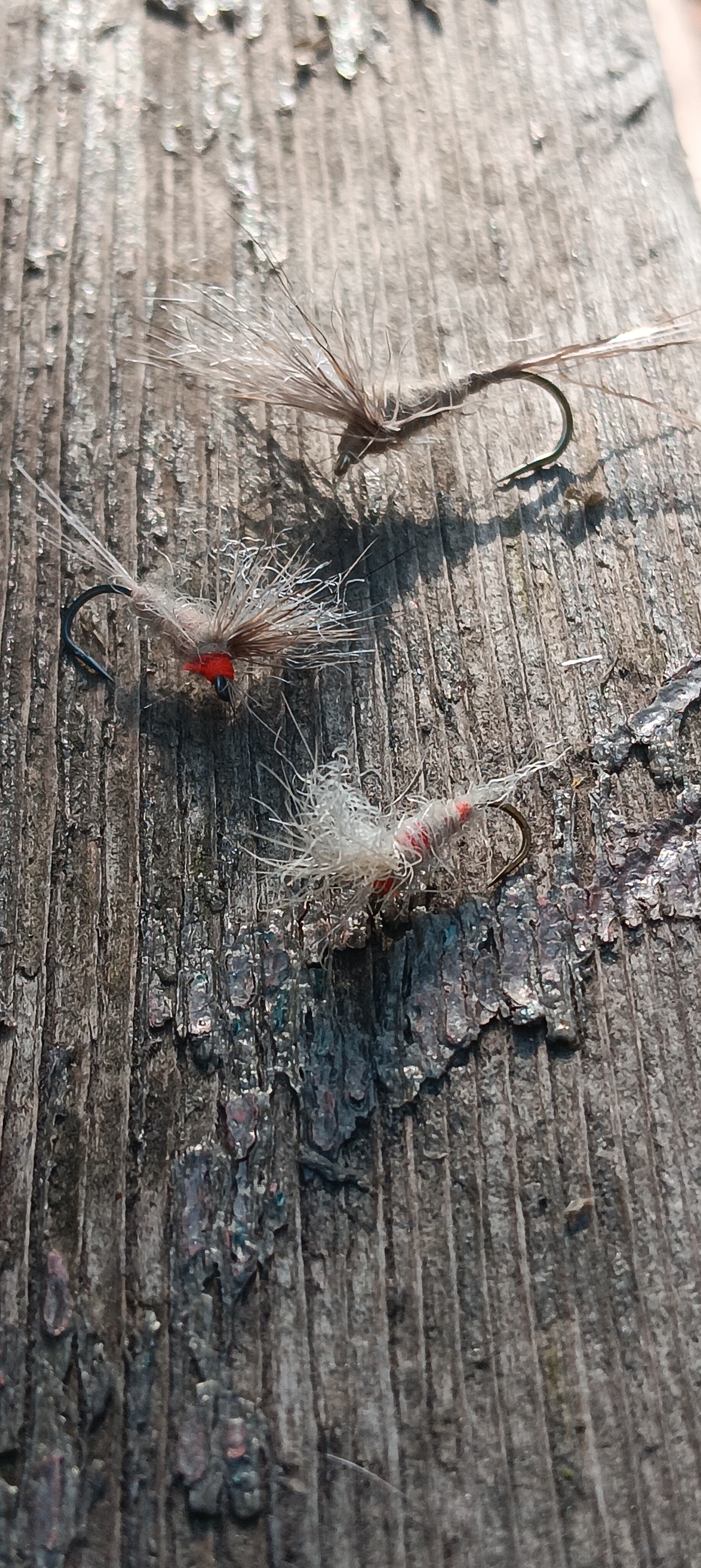
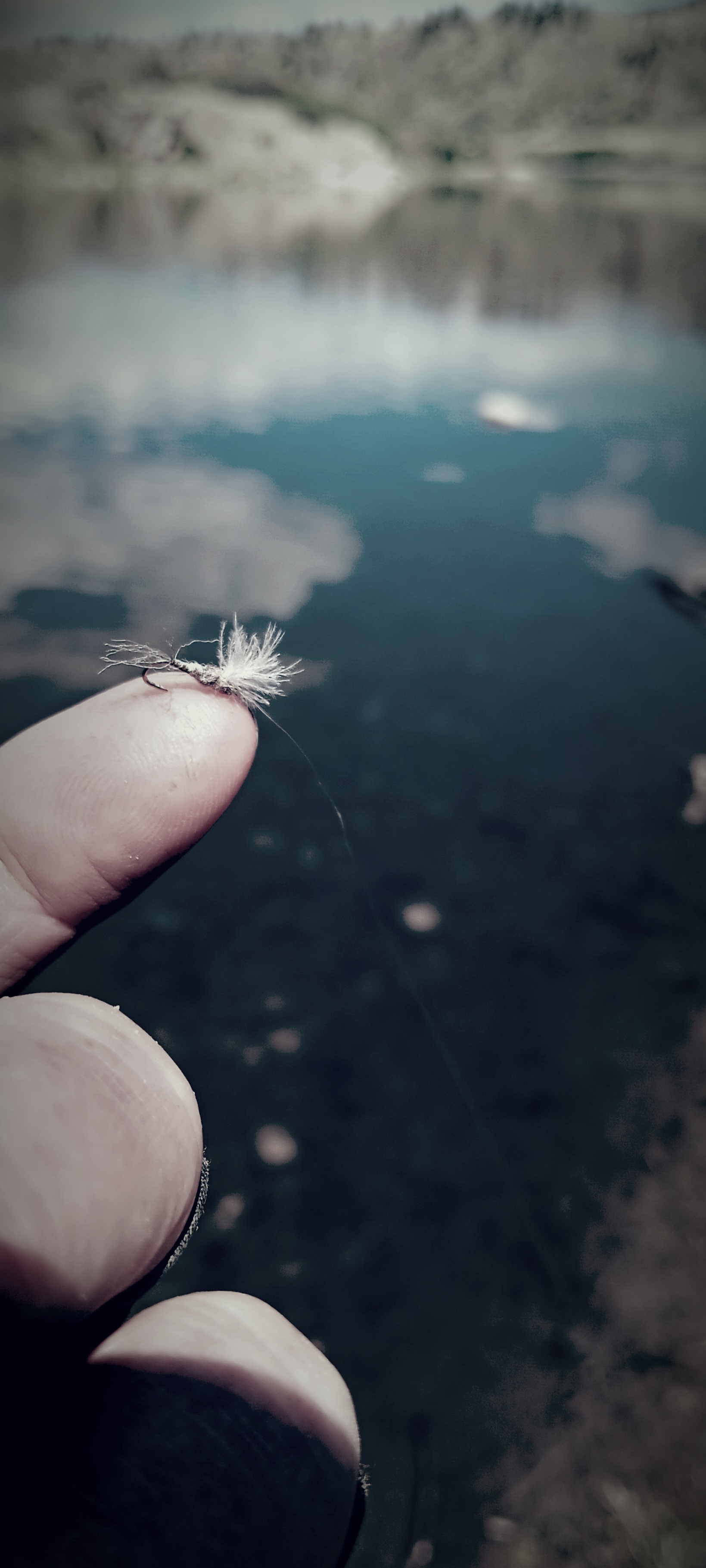
SOME HAYSTACK/ Comparadun style dry flies for fast paced freestone water. I’ve been fishing these on mountain Cutthroat streams. It’s a simple deer hair pattern where attention is paid to basic shape/form but not the smaller details of a Mayfly. They make a significant (noticeable) and enticing impression on the water’s surface. I cast them to opportunistic fish on the feed when Mayflies are present and prospect with them in likely lies where they often “pull-up” trout. I fished them as a child and teenager on pretty little freestone streams in upstate New York. They caught trout then and they do now.
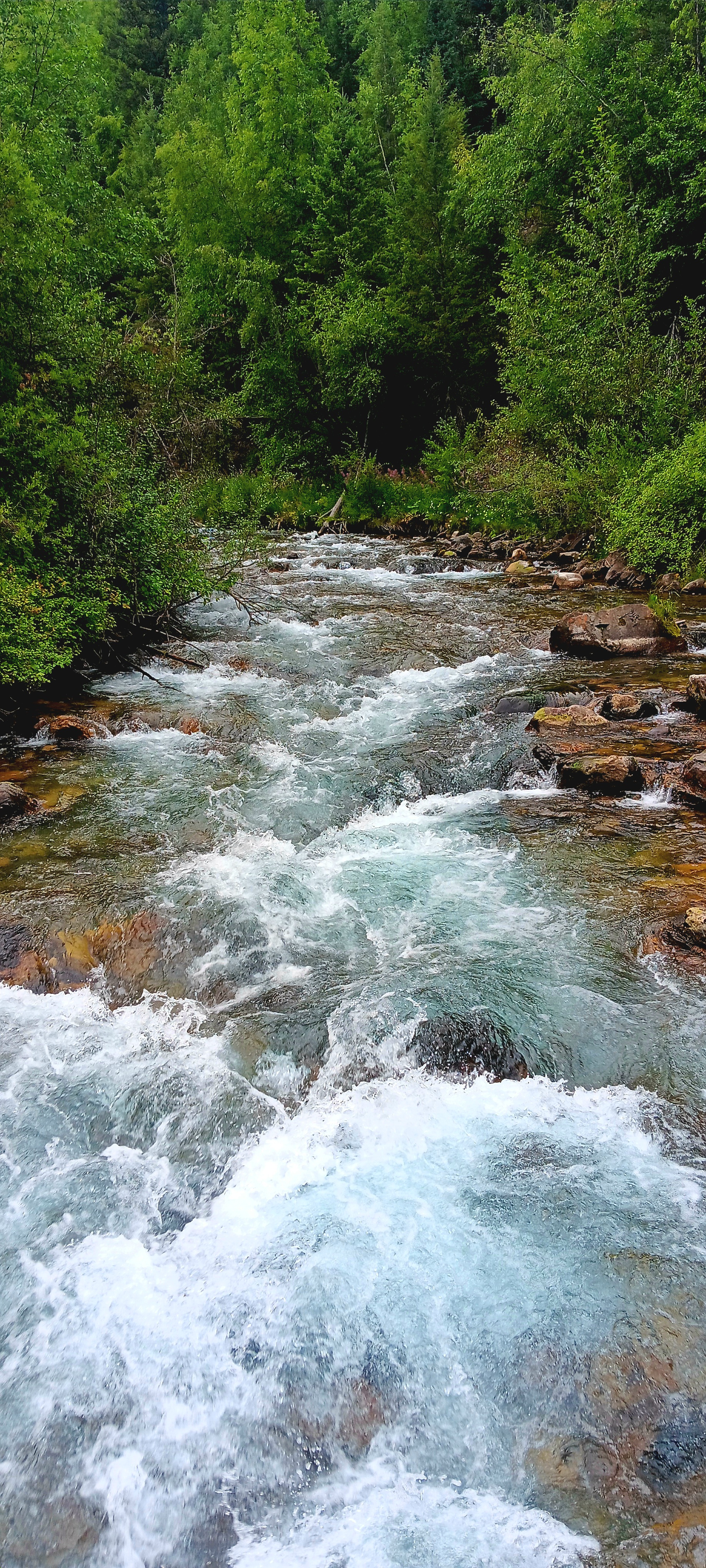
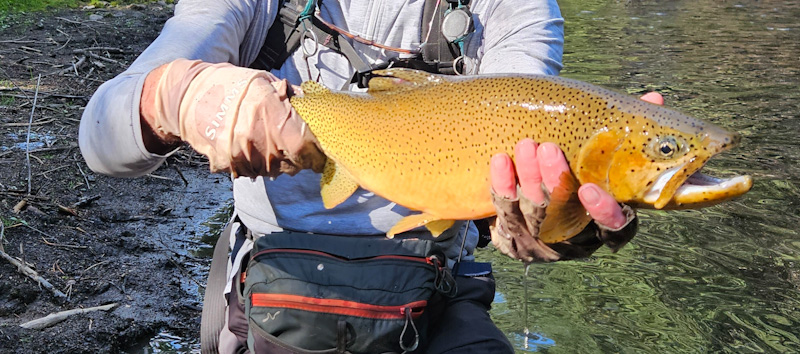
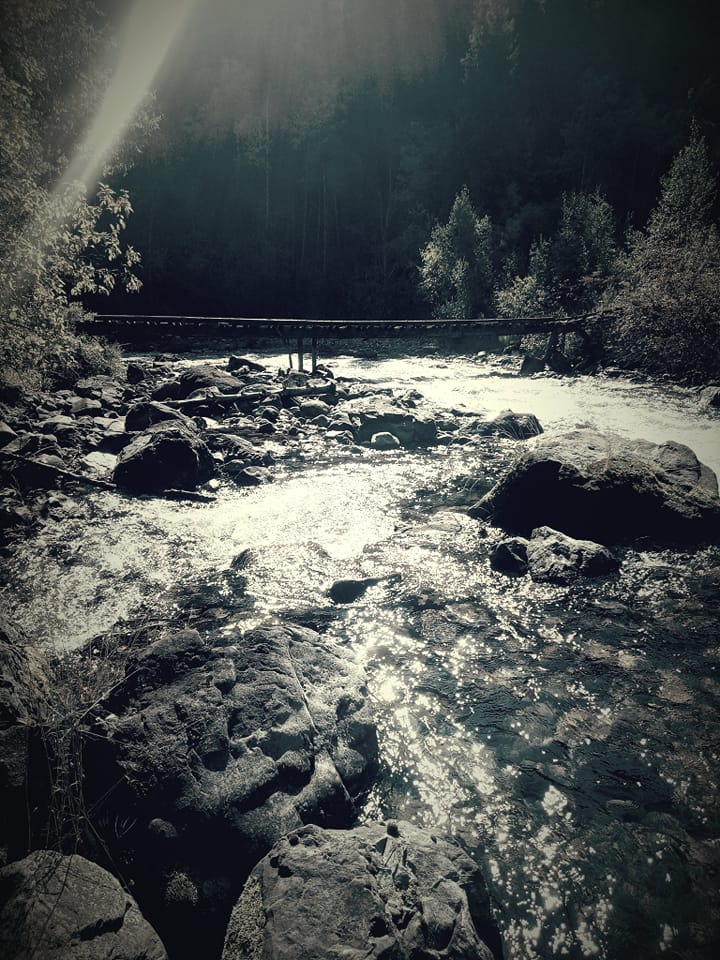
A MOUNTAIN RIVER. A pure freestone flow with a steep gradient and quick pace. Still fast, still cold (48f) even in August after a dry, scorching July. A lot of walking and wading to find little windows of dry fly opportunity. A few connections. One special one. An untouched, richly colored native Cutthroat. Treasure found, treasure returned…
Back home from road trips. I’ve been fishing local rivers recently. All are now open for angling. Water levels are dropping and most can be waded. Run-off was gentle this year. That’s good. And it has been a cool, wet Spring and start to the Summer. That’s also good after several low water years.
Most rivers look good. The Dam controlled tailwater flows that I often fish, however, need a flushing to clean out the significant Didymo (Didymosphenid geminata) build-up but I’m not sure that will happen. Water capture and diversion for agricultural irrigation is the priority with Provincial Water Management, not the health of the rivers below the reservoirs. While angling in Montana this Spring I witnessed a planned flushing of the Beaverhead river which is a dam controlled flow (tailwater). I was told that in years when they have enough stored water in the reservoir a flushing is done for several days to emulate a natural run-off and improve the health of the waterway by dislodging silt and other build-up. Our tailwater rivers could benefit from such a practice.
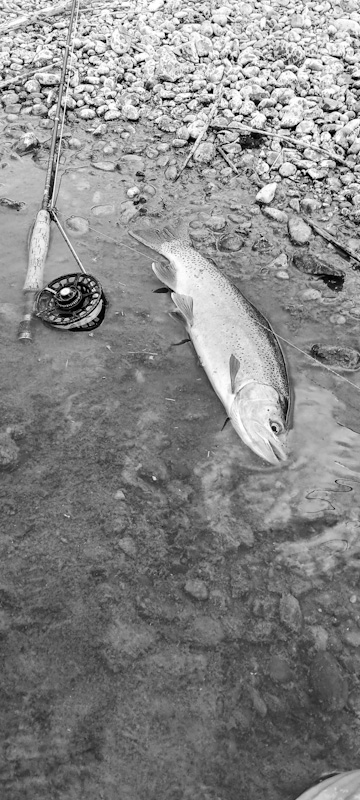
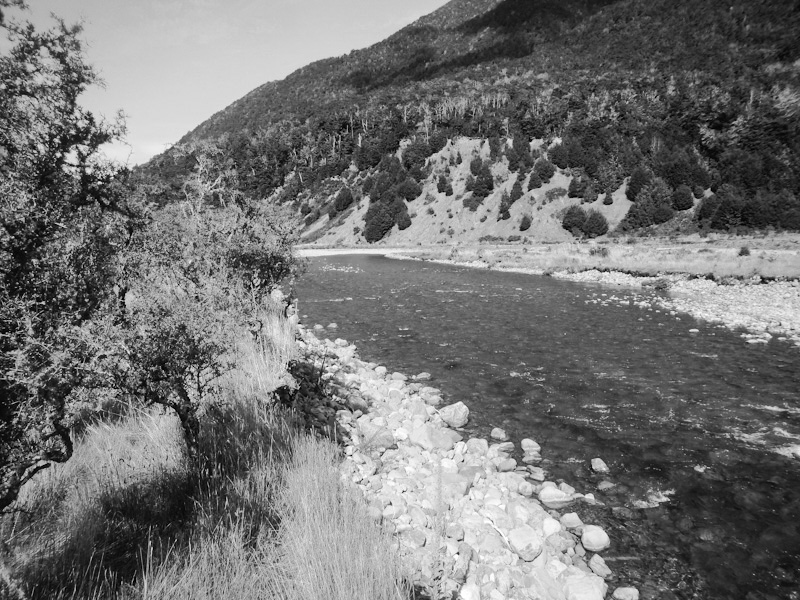
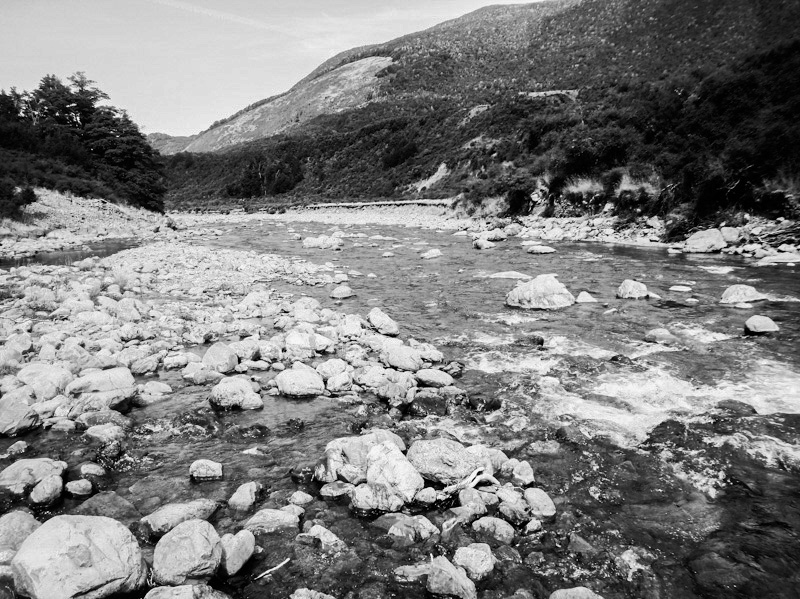
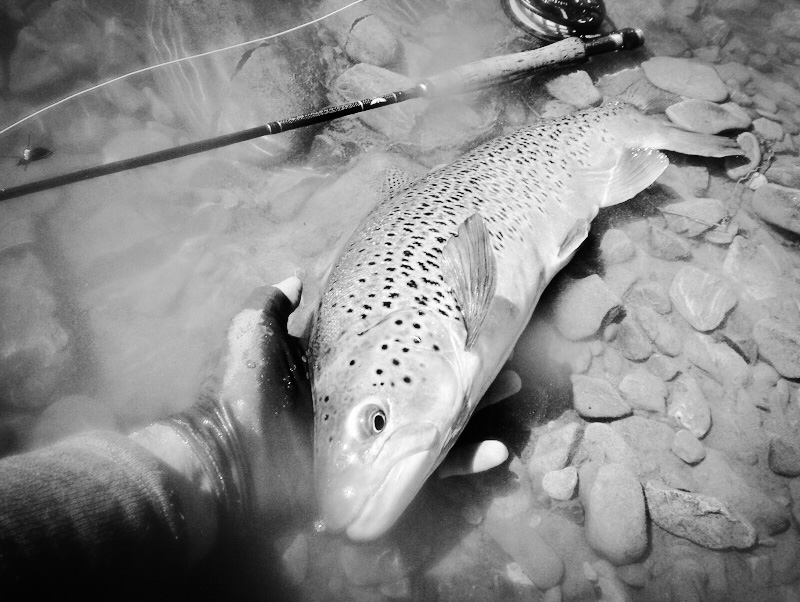
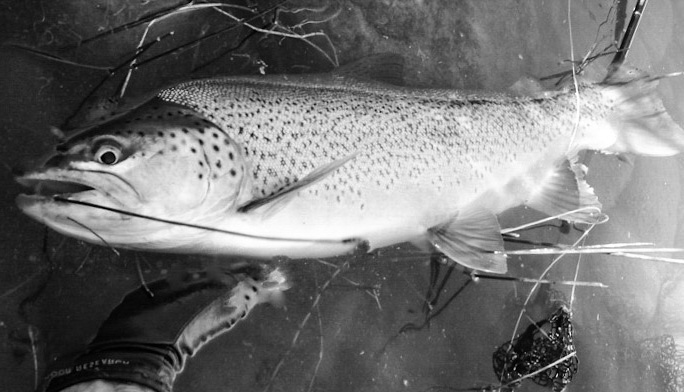
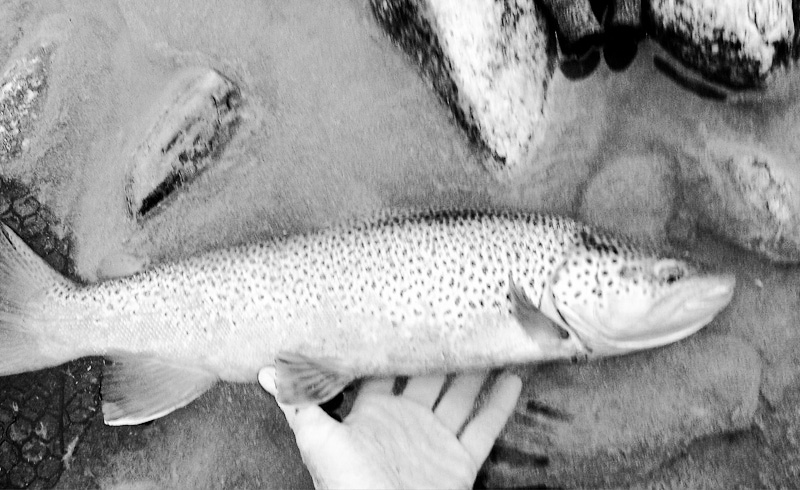
Here are some images of trout caught on dries size 18, 16, BWO’s and PMD’s, and a few on a size 12 Caddis pattern. The rivers are slowly beginning to warm and insects are starting to emerge mid-day.
Springtime road trip. Montana. It’s always a great feeling to have the time to roam around the west and visit rivers. Before you know it days turn into weeks. When fly fishing all sense of time gets blurred or lost. Moving water contributes to this by being so hypnotic.
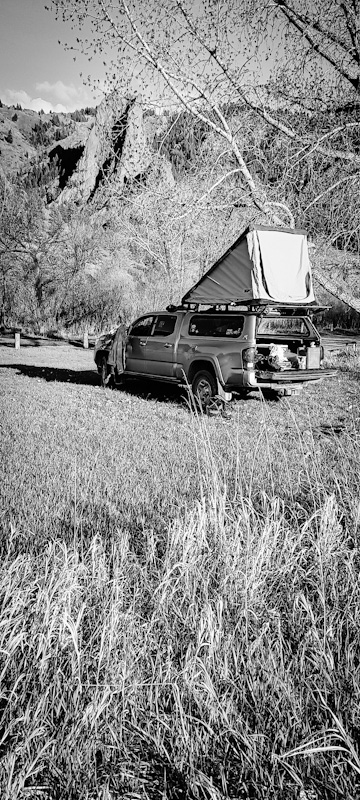
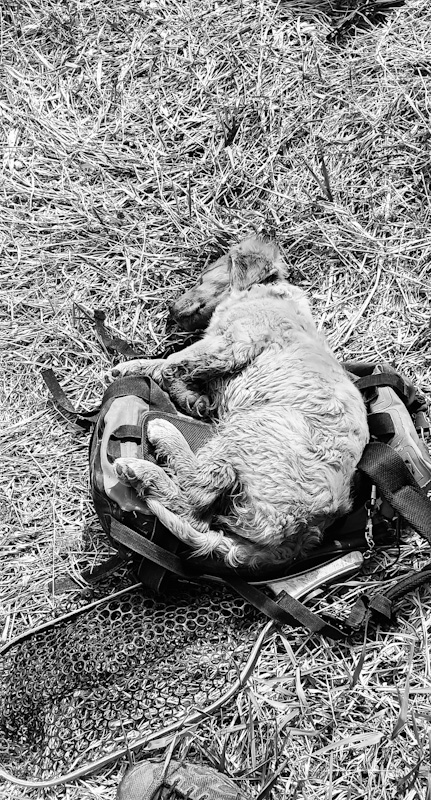
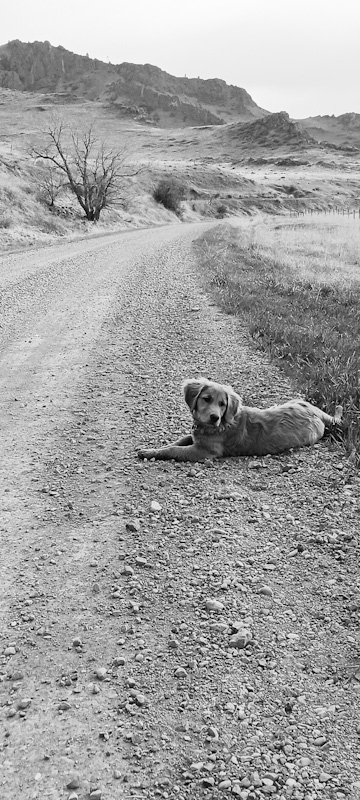
I camped with a puppy. We got up at dawn and called it a day at sunset. We were out all day. All four seasons were experienced on the road trip: from Summertime sunshine and warmth; to heavy Spring rains; many Fall frosty mornings and heavy cloud cover; and even a bout of Winter sleet and snow.
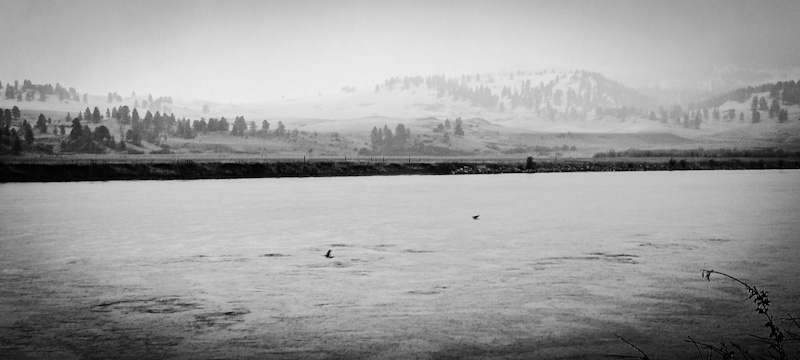
snowing in hills
The fly fishing on the large tailwater river I visited was outstanding, There were dense BWO hatches daily and even some March Browns on the lower river. I also had morning action on midges when it was calm. The river was covered with bugs most afternoons into the evening. As always, low wind and cloud covered days were best and I had many. Fish continually showed themselves by feeding on emergers and dries. Every time I visit the river I say to myself: “This is the best dry fly river I’ve ever been on”. Fly selection is always important which adds to the challenge and intrigue.
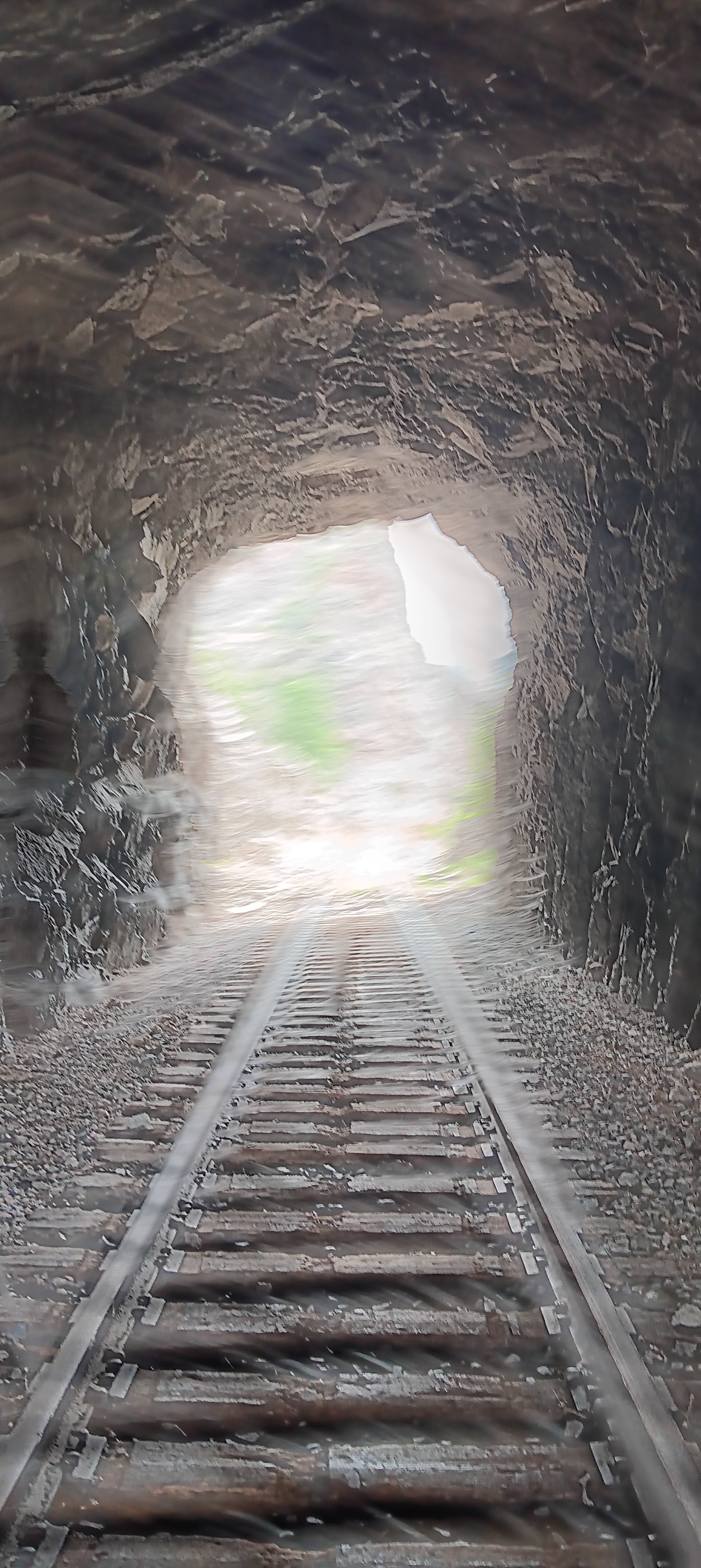
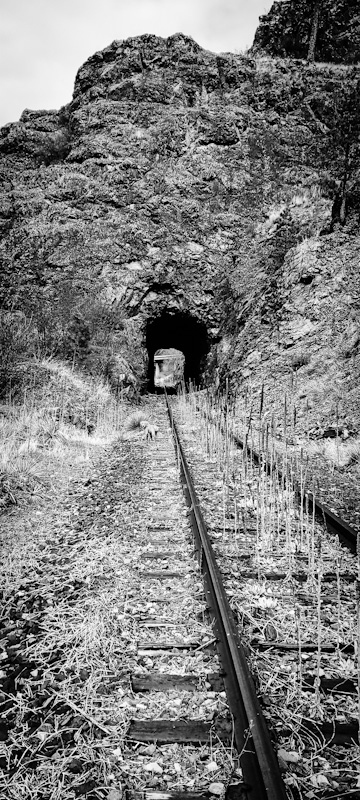
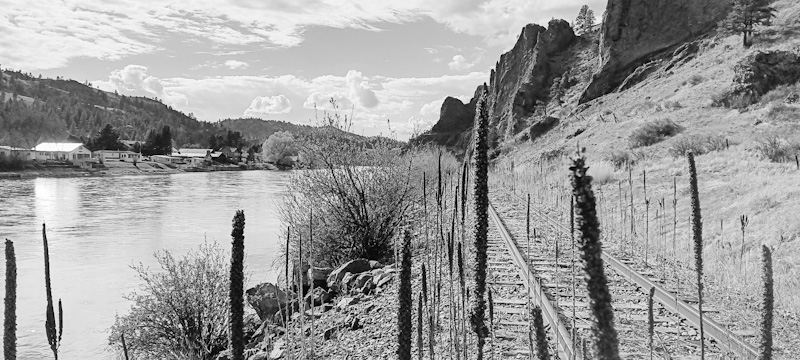
I spent two weeks walking railway tracks to access different river sections. I hung-out in side channels and around islands when the wind blew. Even in full sun I was usually able to find some rising fish.
It was hard to leave the big river but eventually I drove further south to visit a little spring creek I had been on many years ago near Dillon. There were less bugs there. And I saw few rises. The creek is “pretty as a postcard”. I made just a few very good connections on heavy cloud days, mid week when fewer anglers were around. It’s mainly a Brown trout fishery, which is why I visited it. I discovered the creek gets a lot of angling pressure. Most anglers seem to nymph all the deeper holes/pools. Conditions have to be just right for the trout to show themselves on the surface. Too many anglers passing through and it doesn’t happen.
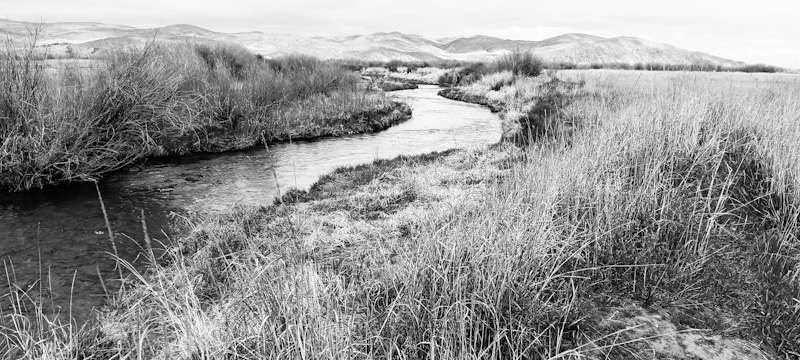
spring creek
Dillon is a great little western town. Several fly shops. Great services. Character architecture in the old town area. It’s totally manageable. I will return to fish the bigger river nearby, which I spent one day exploring. The flow rate was too high for the way I like to fish while I was there.
spring creek
I hiked a lot of railway tracks to access different river sections at both angling locations. Some of the best rivers that I have fished have train tracks running along them.
Some images of rivers, trout and tracks. Just about all he trout were caught on small dries, mainly on size 18 BWO patterns. A few were taken on larger March Brown patterns, size 14/12.
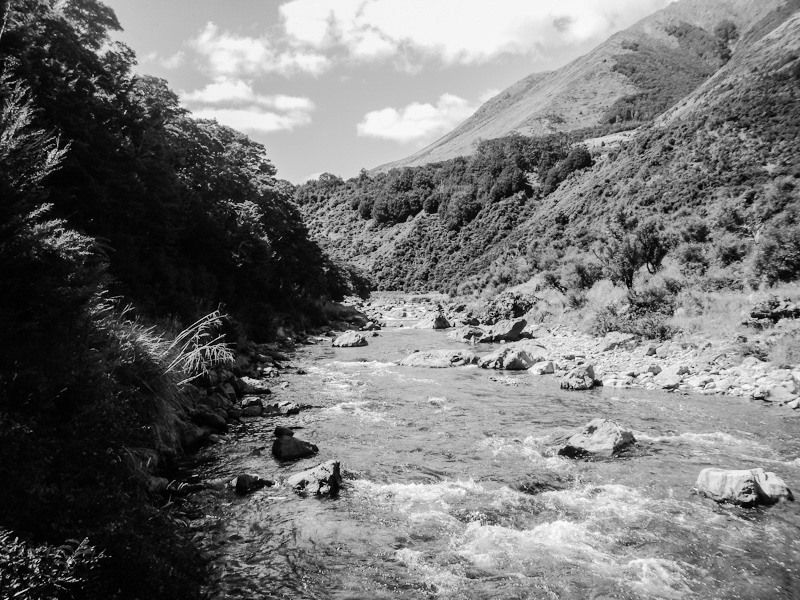
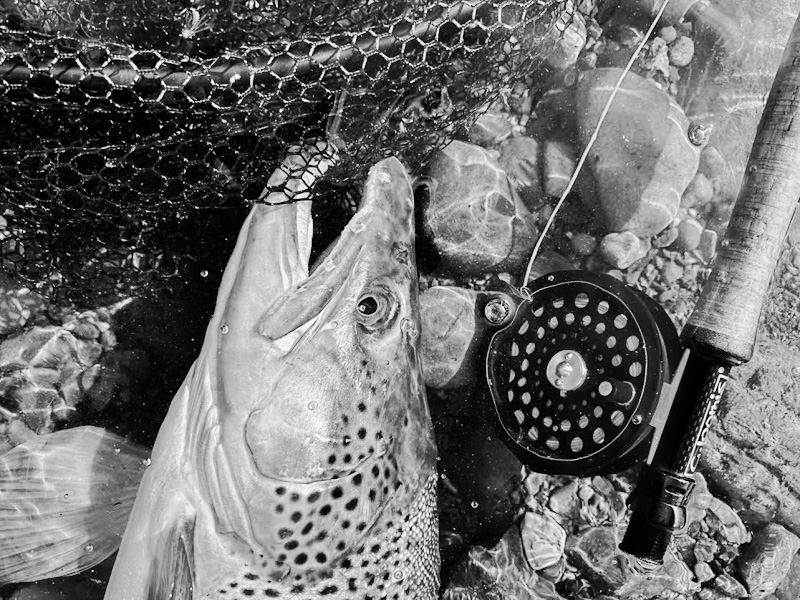
Sight-fishing in New Zealand is simply the best. Endless Rivers with clear water and robust challenging brown trout and some rainbows too. All you have to do on most flows is be willing to walk, sometimes significant distances, and search for them. You use your legs, and you use your eyes. If you are pretty good at spotting trout you’ll probably find one or two in a day, occasionally several. It depends on the river. Fish numbers on average tend to be low in comparison to home (North America). You have to cover water in order to find them but at the same time you have to go slow or you might scare the few fish that inhabit the water that you have selected. Choosing where to fish in New Zealand can be overwhelming as there is so much water: rivers, streams, lakes and ponds. In the past I’ve used John Kent’s book: South Island Trout Fishing Guide. Anglers consider it the Bible. Even though I have an older and well travelled edition (2002) I find its description of rivers and their fish populations amazingly accurate. There are newer (updated) editions which can be purchased and of course there is a lot of information online. Maybe too much…
The fish I encountered on most rivers were wary. This is often the case if you go late in the fishing season (as I did) when there has been angling pressure for over several months. The trout season in New Zealand is a long one: from October 1st to the end of April. One river I fished this year in the North Canterbury region had some of the most cautious/vigilant trout that I’ve ever pursued. Stumble or slip a bit when wading into casting position even in rumbling fast water 30 feet behind a fish and their lateral line would detect it. They’d respond by moving-up into the deep fast flow at the head of a pool for cover. Crawl down a bank in order to get behind a good fish and a rock rolls and careens off of another, even at great distance from the targeted trout, Adios fish! Slap your line a bit when trying to punch your fly into a fierce wind and fish gone…bye-bye! Unforgiving.
There was a noticeable absence of terrestrials on this trip, including Cicadas, even though it was late Summer, early Fall. I became aware of this as I spent a lot of time crawling on my knees and belly streamside in order to avoid detection while stalking fish. Getting trout to take a surface offering was at times challenging. Sometimes a strange New Zealand dry fly pattern called a Blue Blow fly or Blue Bottle fly did the trick. I also caught a few on beetles and ants but not consistently. On some rivers the fish were “locked into” feeding on nymphs. I saw very few mature mayflies or caddis on the surface in spite of angling a variety of rivers and rising fish were a rarity especially higher up on some flows (not unusual). New Zealand is always challenging. It’s why I come here to sight-fish. It’s the walking. It’s the hunt. It’s demanding. Each connection very special.
Roman with great brown caught on willow grub
Very few fly shops in NZ, South I, this had some basics: flies, tippet, a line or two.
Some imagines. Some connections made by Roman, a friend, and I on a thirteen day self-guided angling adventure in beautiful New Zealand, South Island…
brown caught on ant, photo by Roman
searching upper river, photo by Roman
canal sipping brown on ant
swing bridge crossing river
working dogs in town on back of pick-up
Roman’s, beefy 7.5 lbs plus brown, best of trip, photo by Roman
Roman’s brown, check out girth, photo by Roman
many miles of tough walking and wading
small creek near campground/holiday park
brown on beetle
intact banks, good place to hunt for large trout
they are always thick…
freestone water
big head on one of Roman’s great browns, photo by Roman
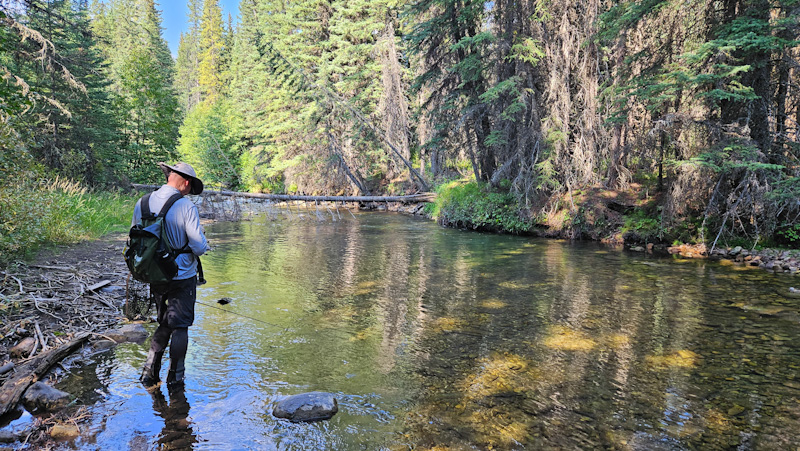
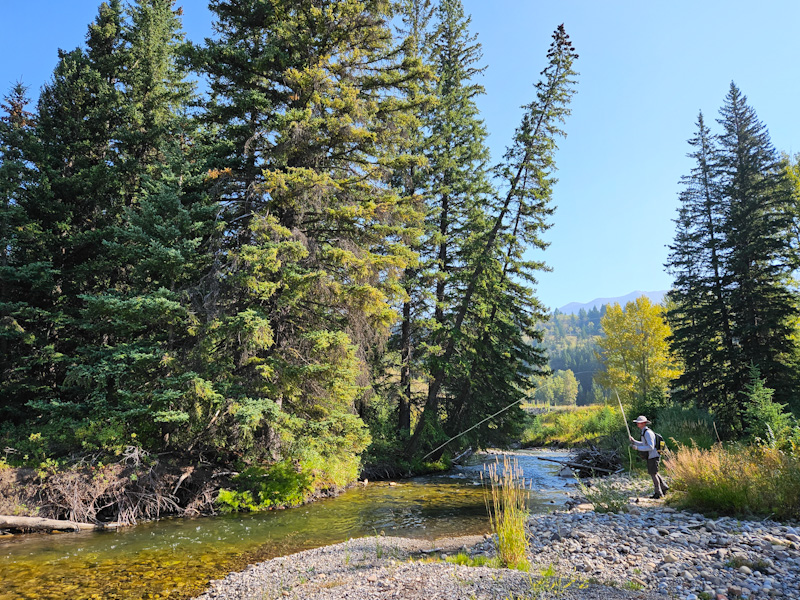
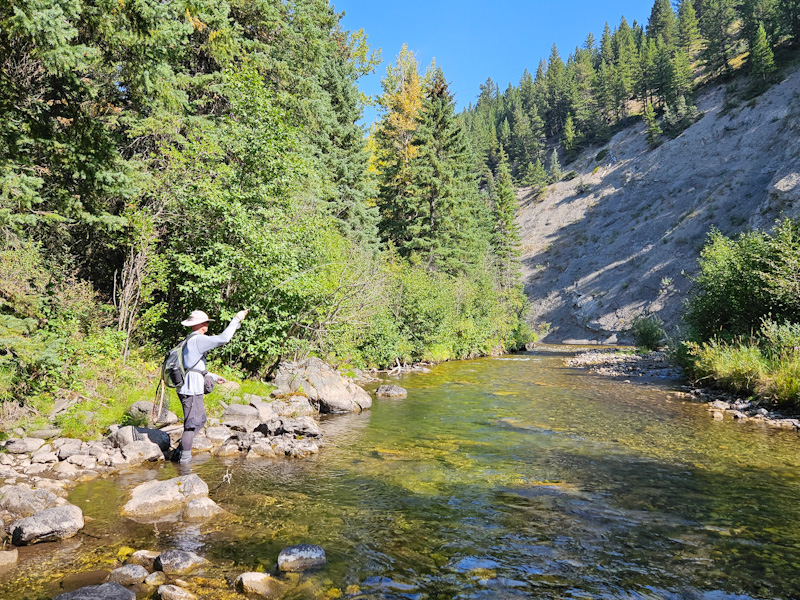
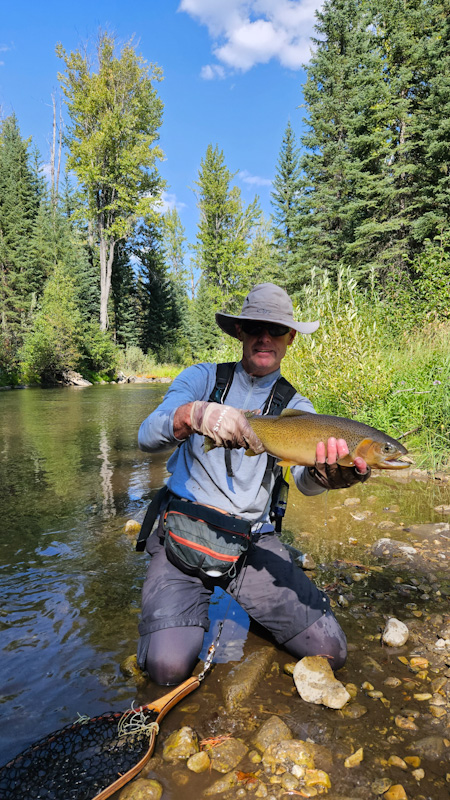
I had the good fortune in late August to be generously treated and guided by Vic Bergman to a day of angling on an unpressured Cutthroat stream. Vic is the owner of the Crowsnest Angler Fly Shop (see link below) in the Crowsnest Pass , SW Alberta. He has owned the shop for 30 years and guided in SW Alberta and SE British Columbia for 40 years. He is also a photographer (see 2nd link). The creek is one of his favorites. It is as pure and clear as any trout stream on the planet. Vic knew several access points and showed me a series of stunning pools where he anticipated trout would be rising, and they were. All I had to do was make the cast. A special creek and day. Many thanks to him for access to the stream, the day, the exceptional photos and guiding. It was the highlight of my angling season…
It’s late season and small dry fly angling is an afternoon event on one of my favorite prairie tailwater rivers. The predictable mayfly hatch at this time of year is Baetis/Olives. On the unique river I have been visiting, however, the Pale Morning Dun’s (PMD’s) of summer often come-off through September and even into October, along with the Olives and sometimes a few Mahoganies. Each river has its story…
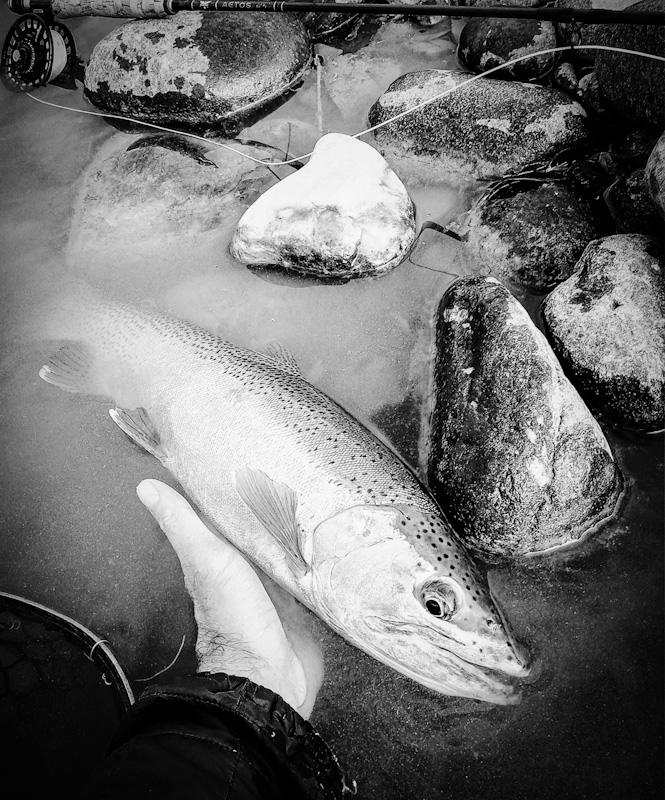
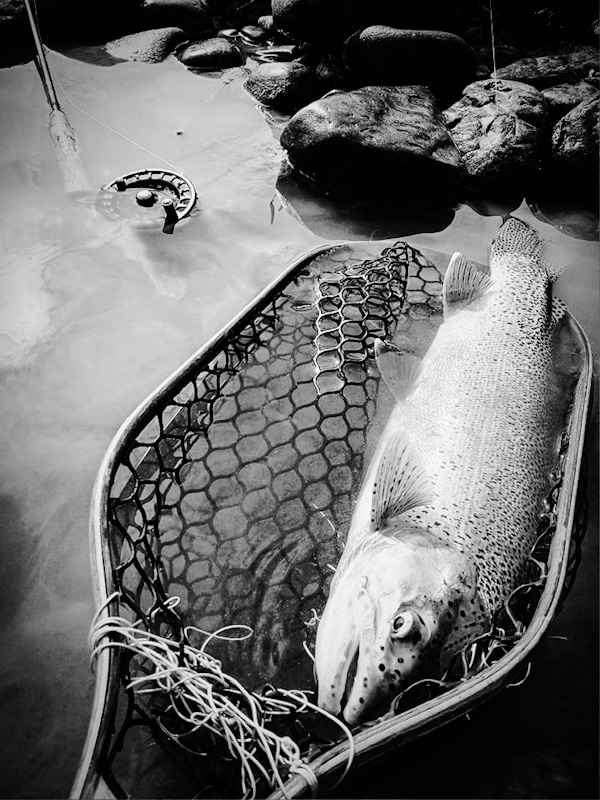
Some images of trout caught this October, on summertime PMD impressions.
“Capturing Nature in its essence is not easy- your work becomes a dance between light and weather…”
Annie Liebowitz, Photographer
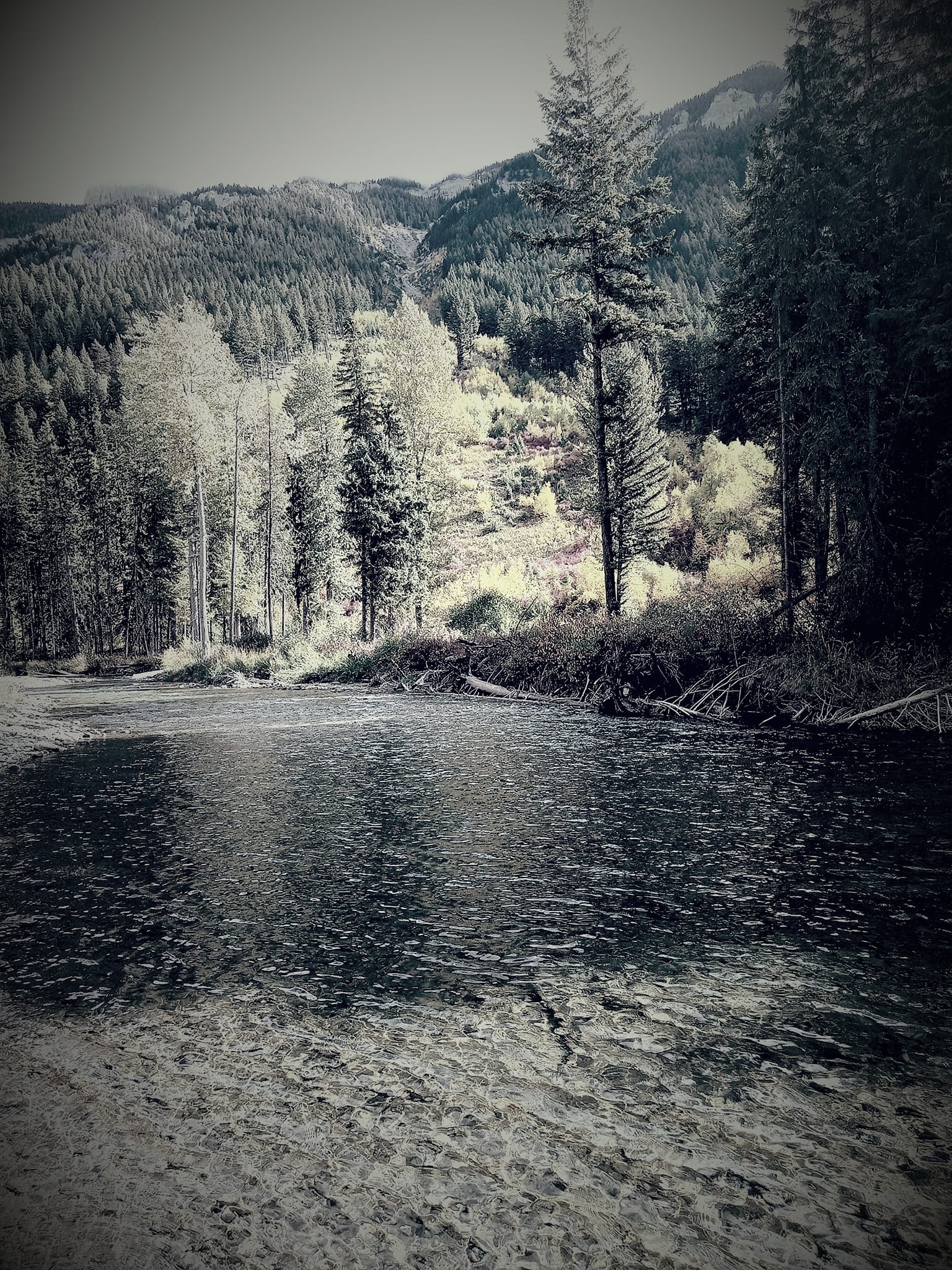
Cold mornings. A trace of snow up high. Leaves are dropping. The Larch trees are golden and glow when the sunlight finds them. Bull trout are spawning in the creeks. It’s Fall. There are still a few more weeks of dry fly angling left. Maybe a little more. It’s the best time of year to be on a river. The angling crowds are gone. The campers have thinned out. It’s real quiet out there. And the afternoon light is rich. And exceptional dry fly fishing is all about the light…





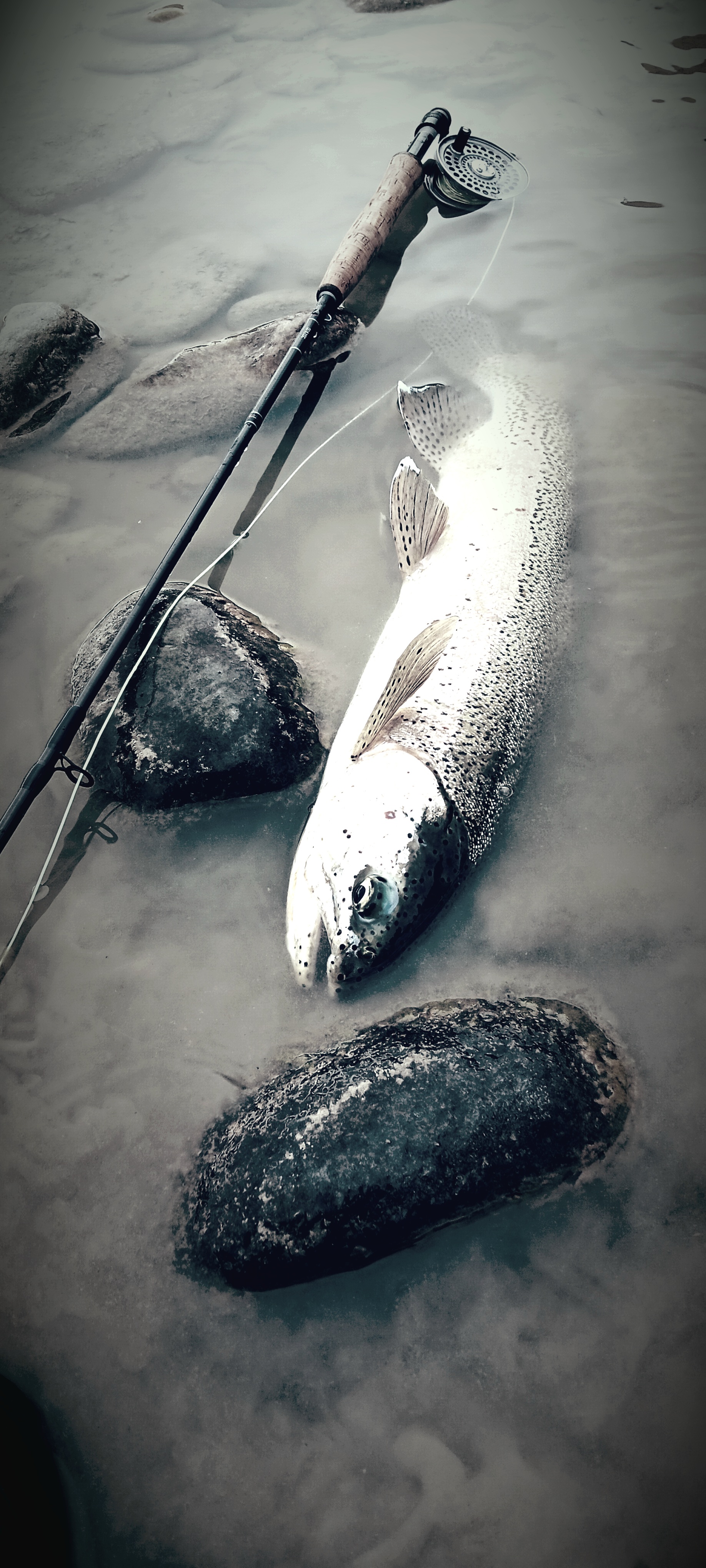
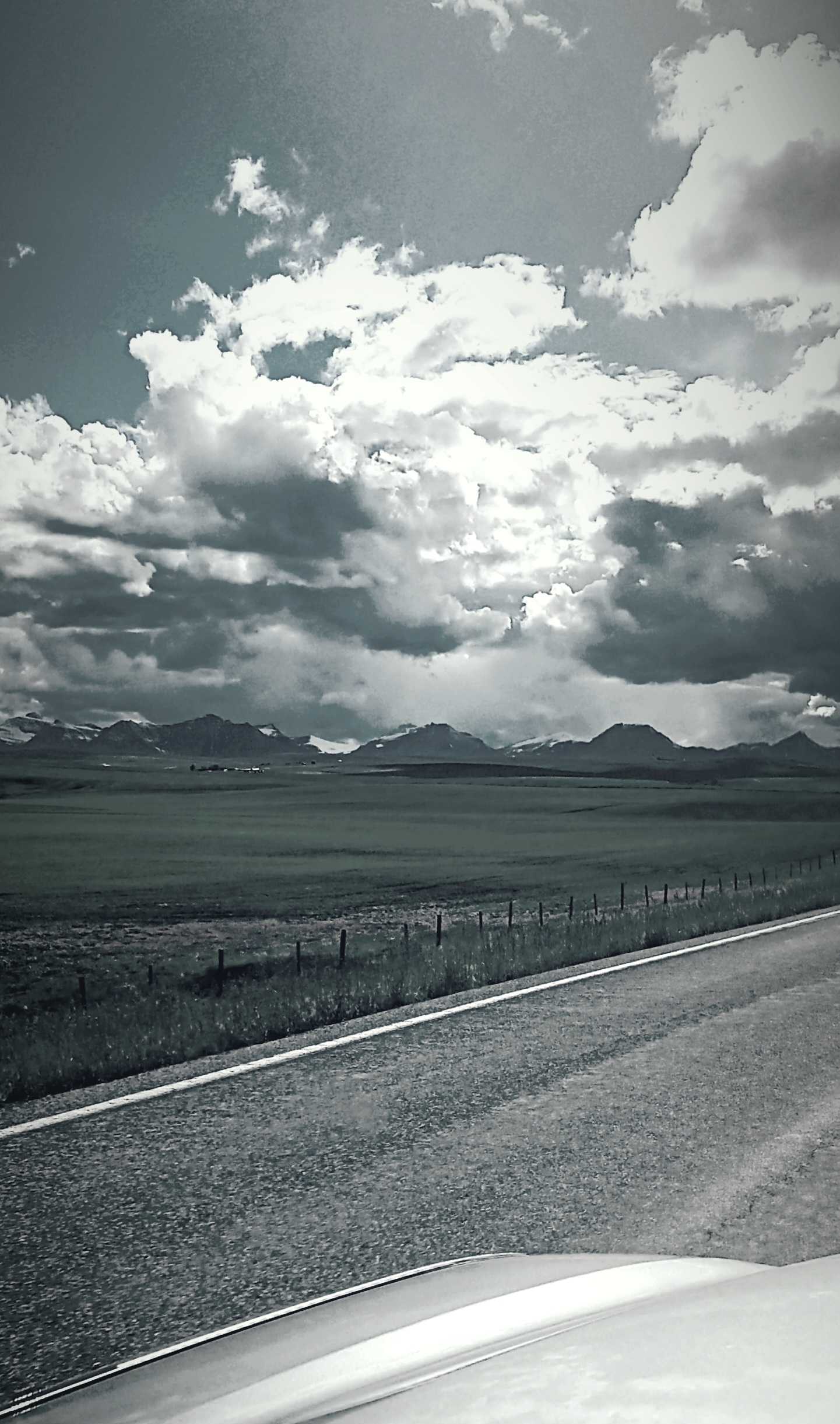
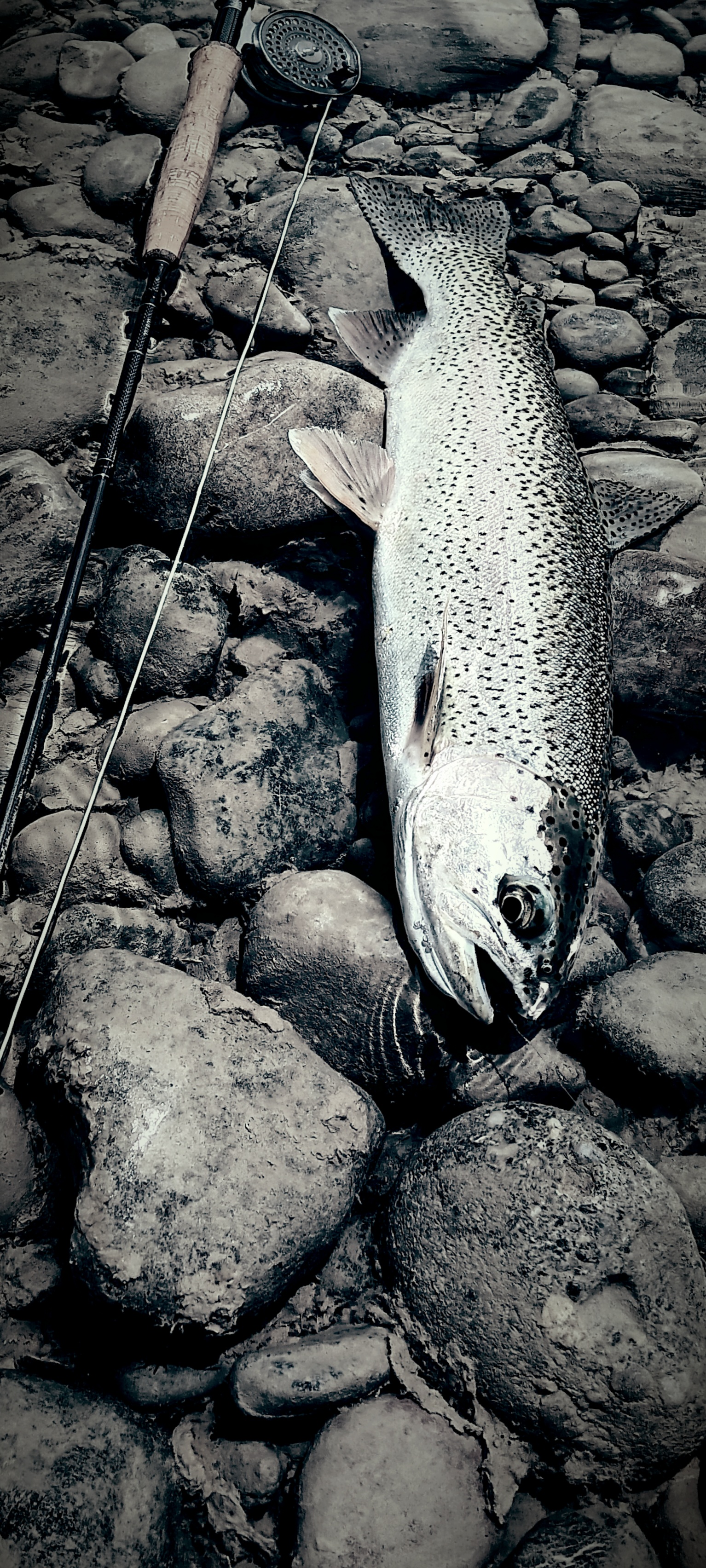
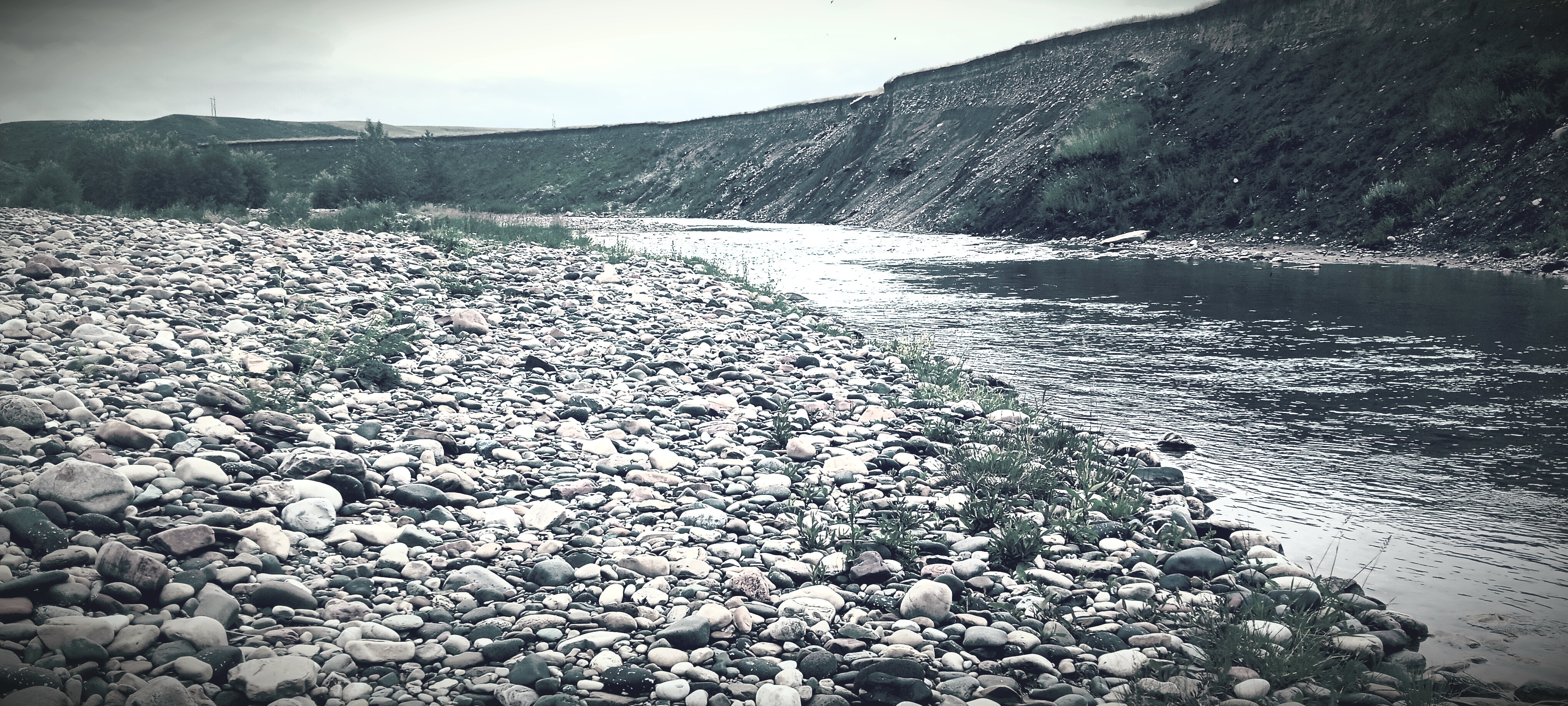
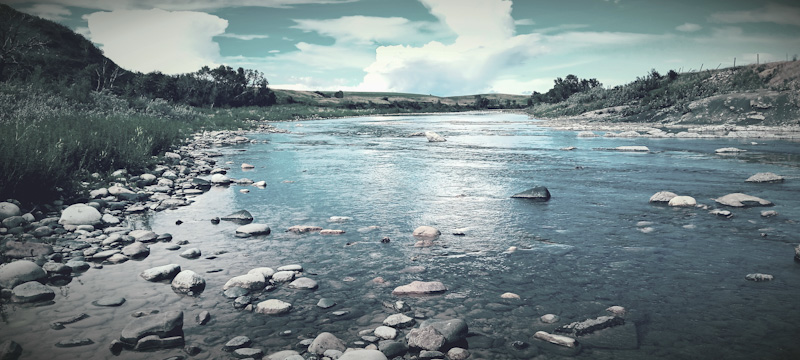

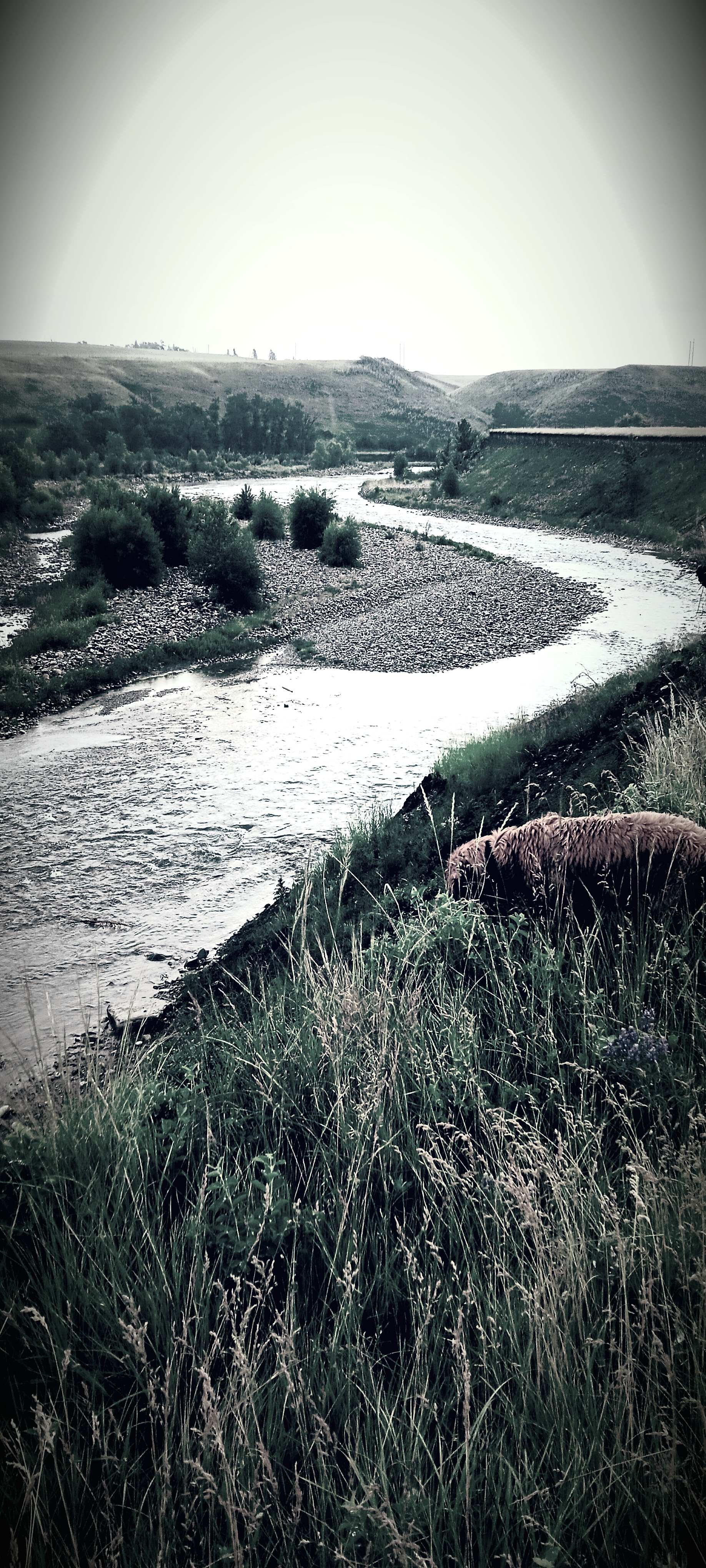

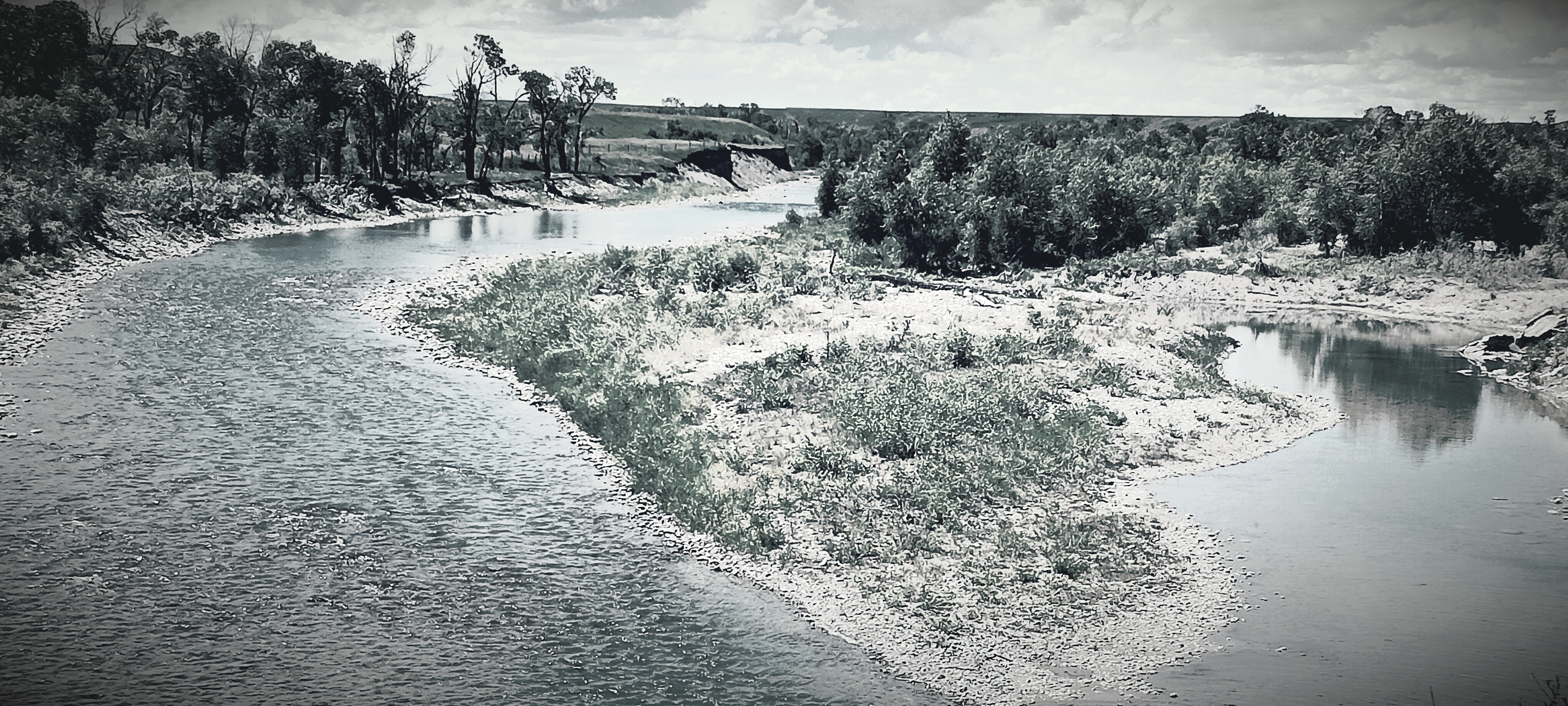




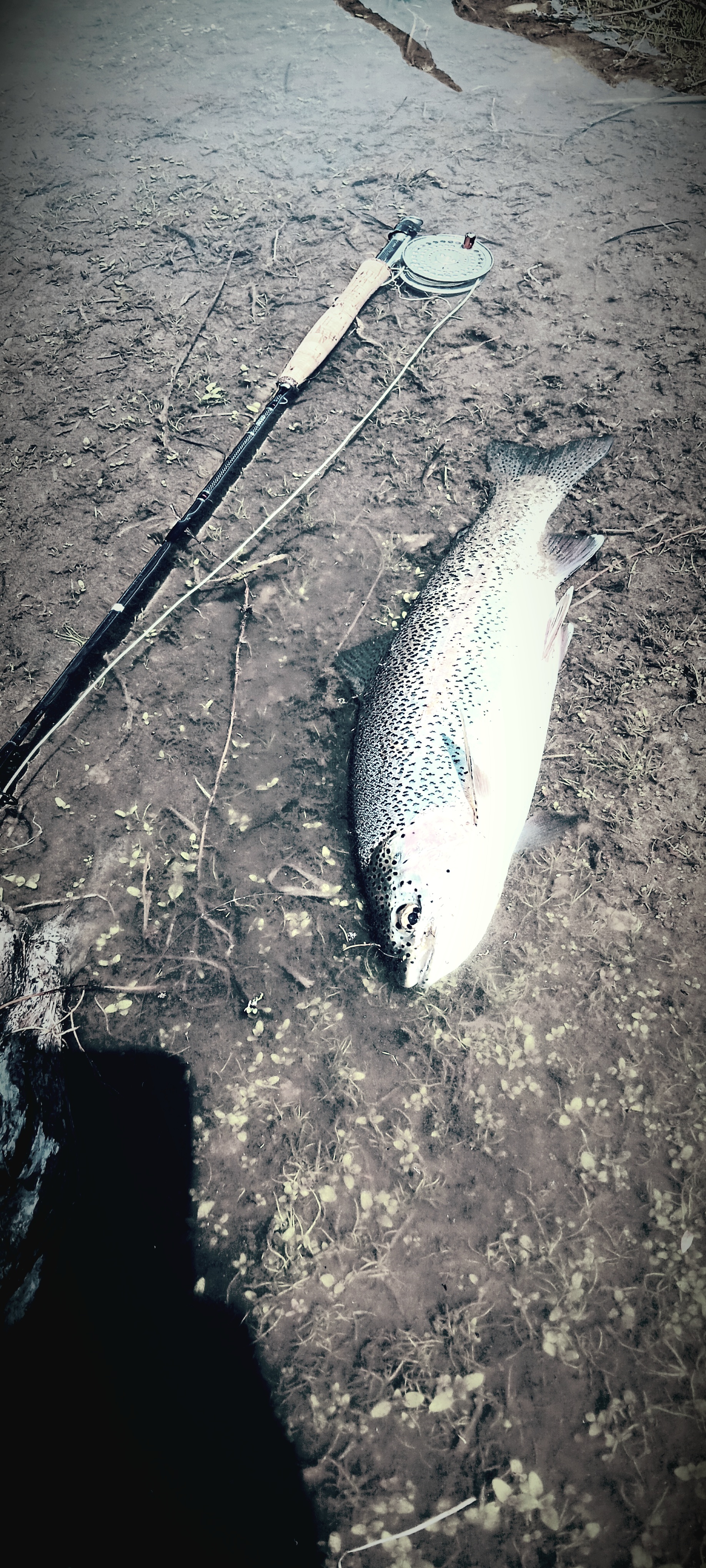








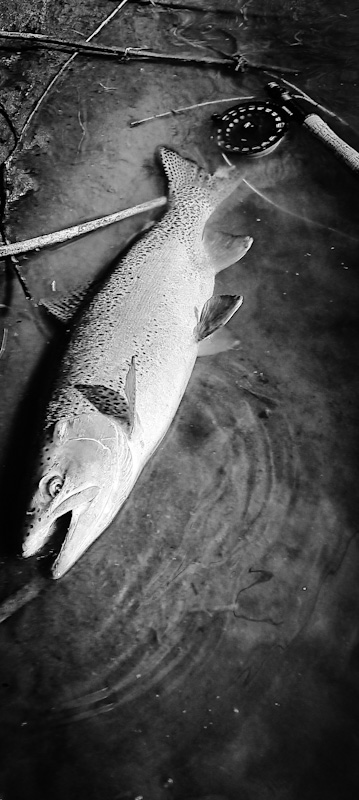


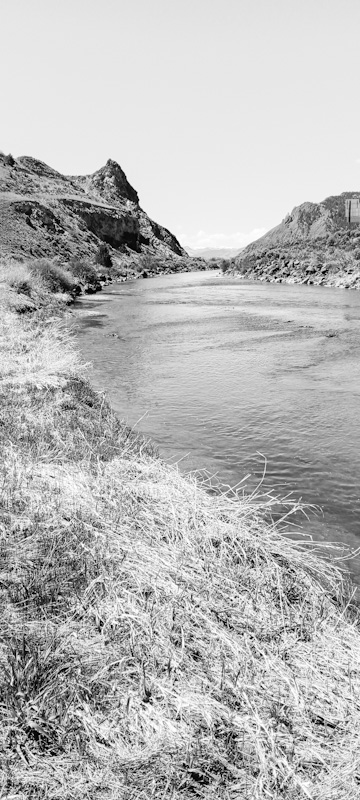

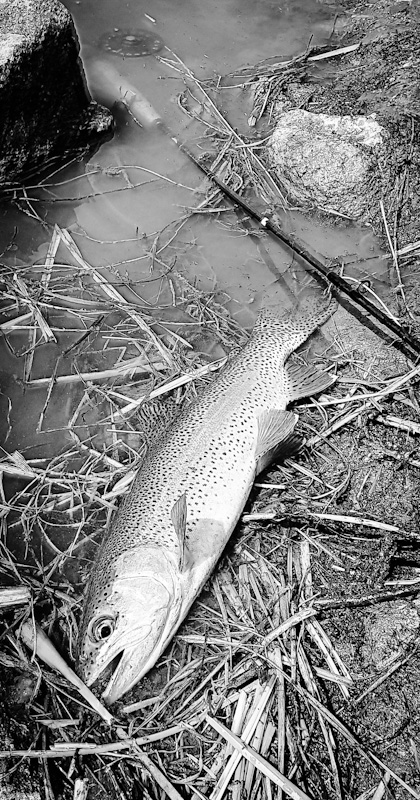
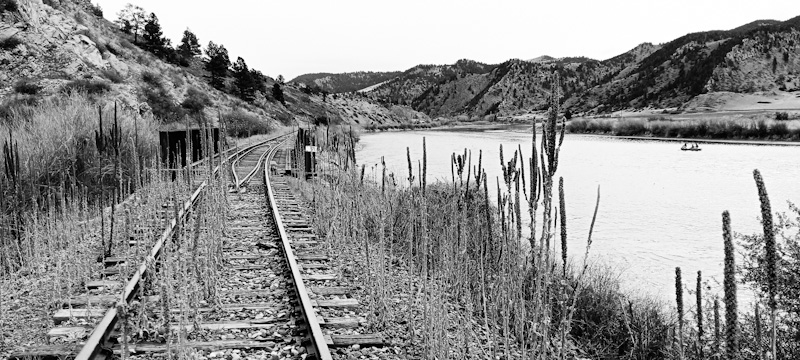

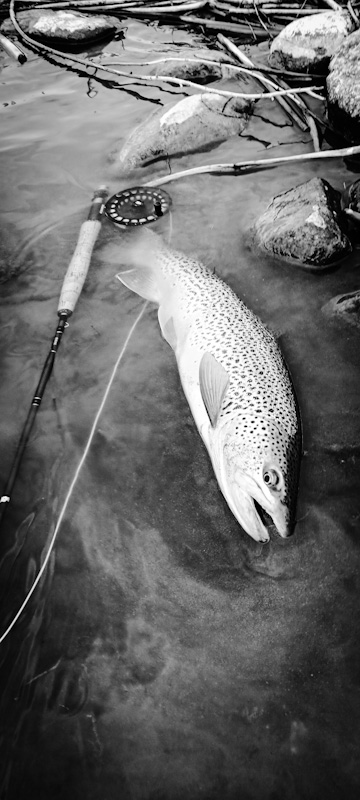




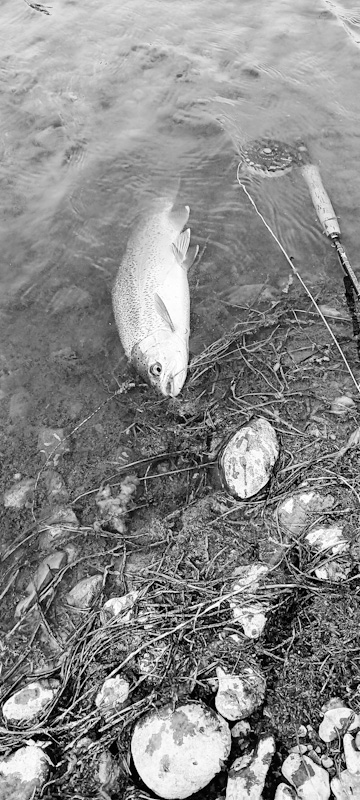


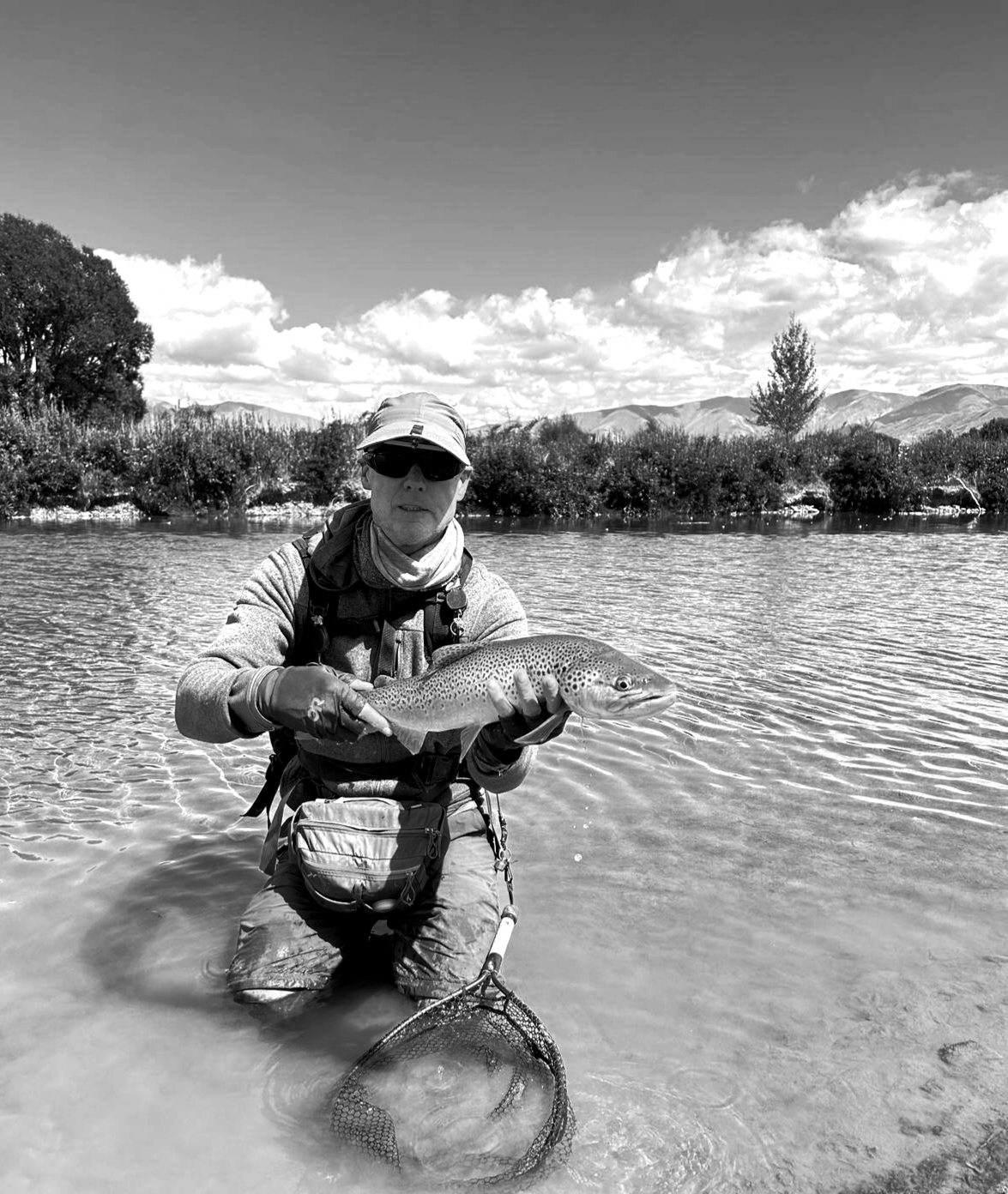








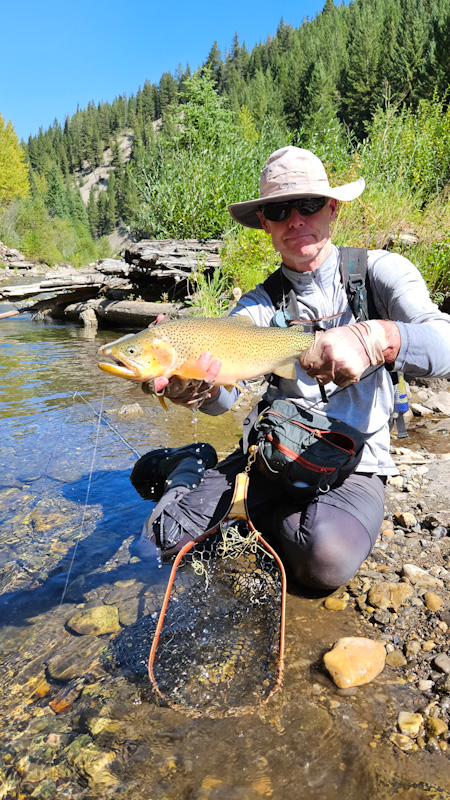


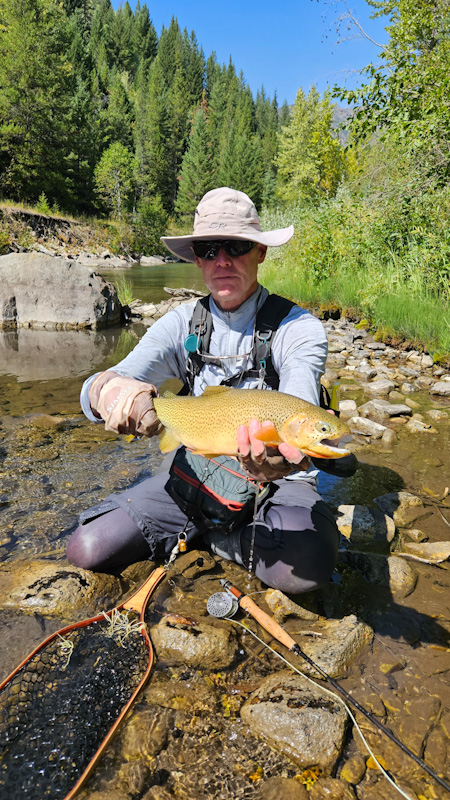


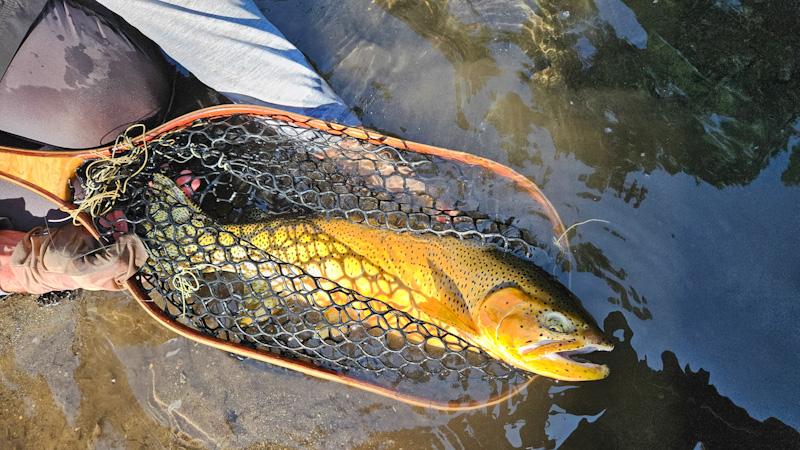






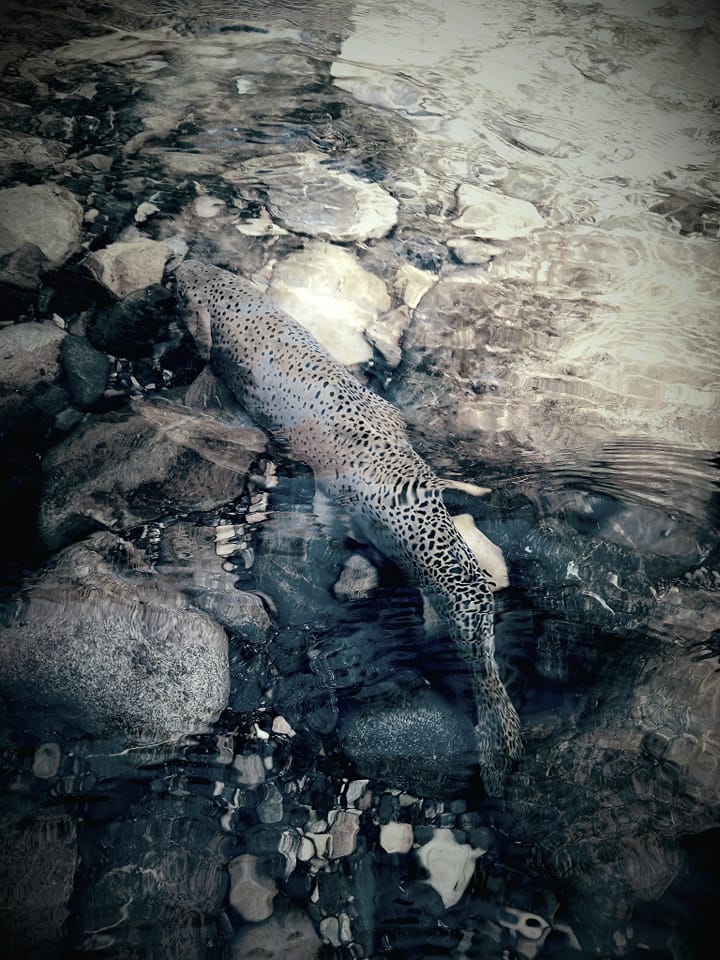
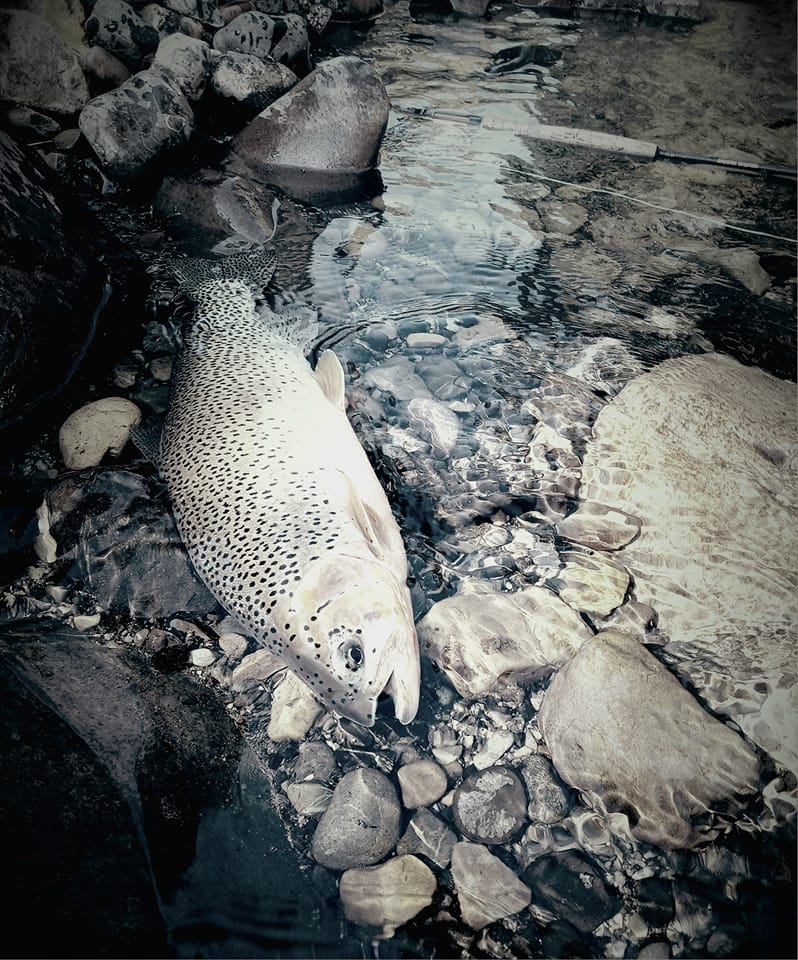
 trout on dries