Many miles put in this September wading tough clear freestone rivers with slippery boulders. With the Fall waning light, long shadows and cooler temperatures, hatches, if there are going to be any, are an afternoon event. That’s when the trout become most active and are most likely to rise. That’s when the river comes alive. That’s when a good one may show itself and the time walking and searching can pay- off.
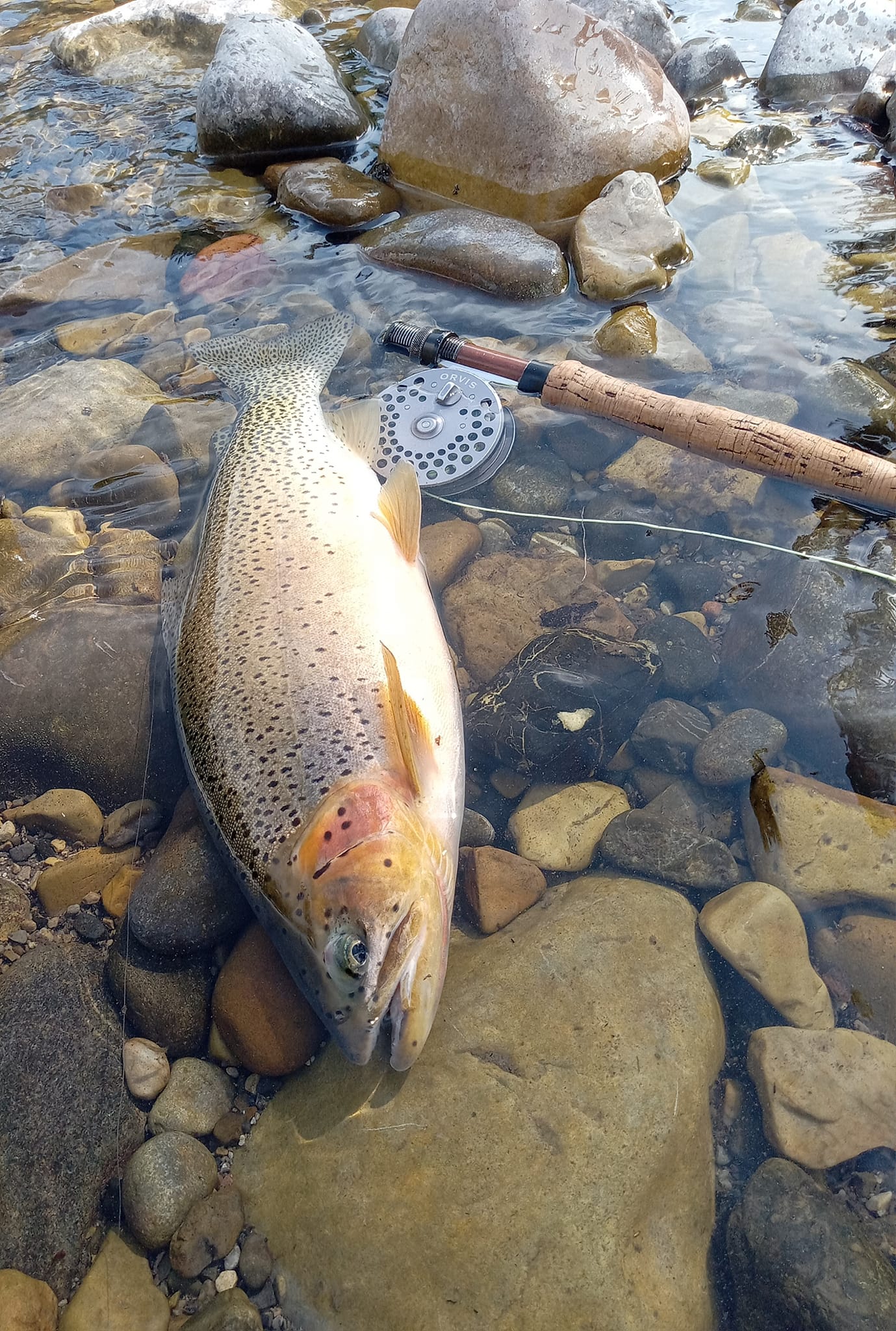
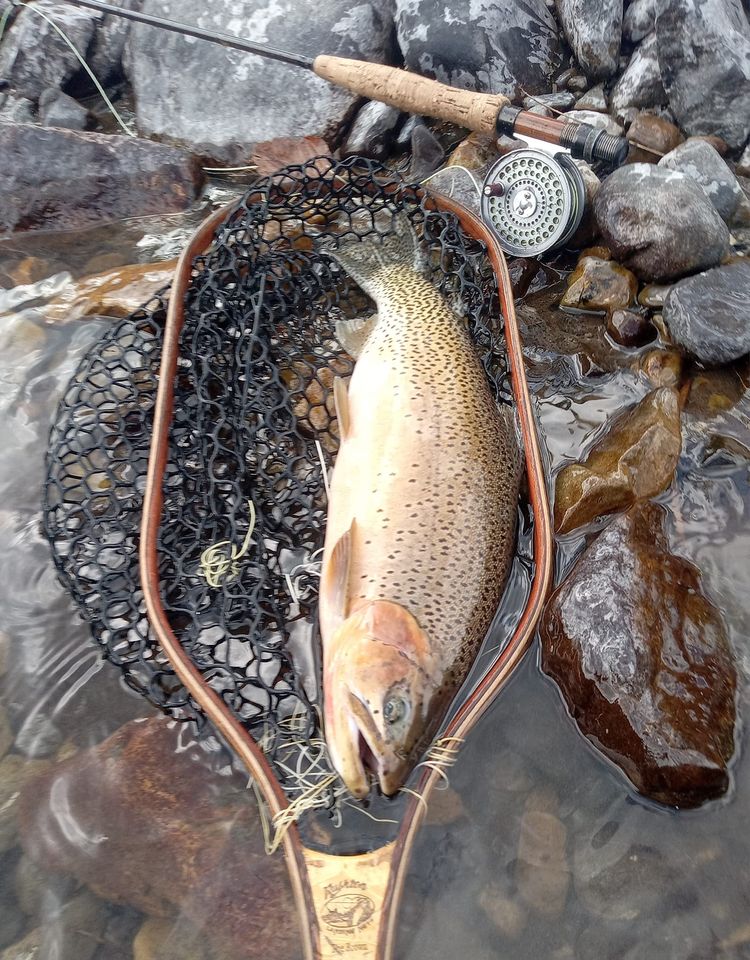
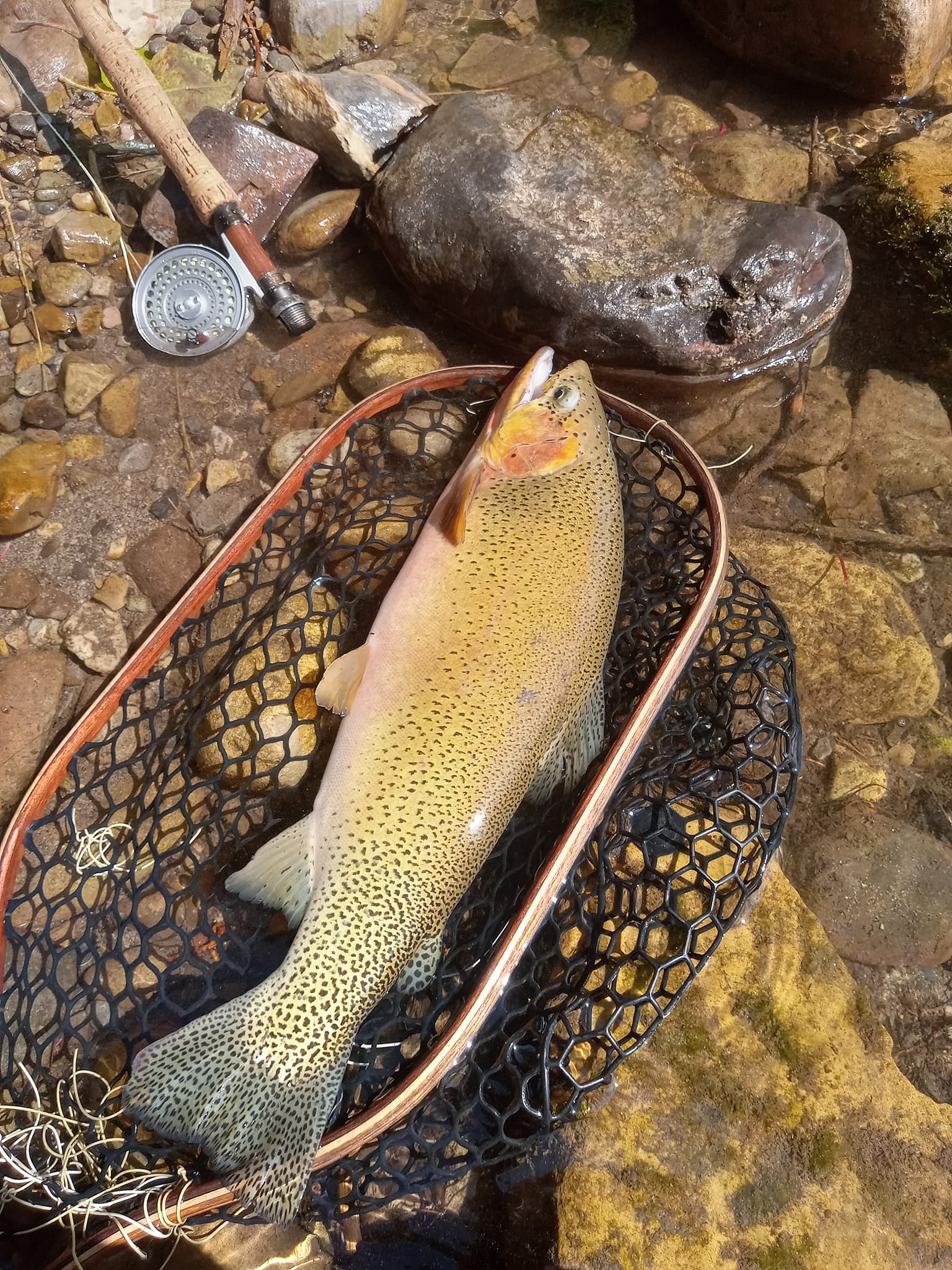
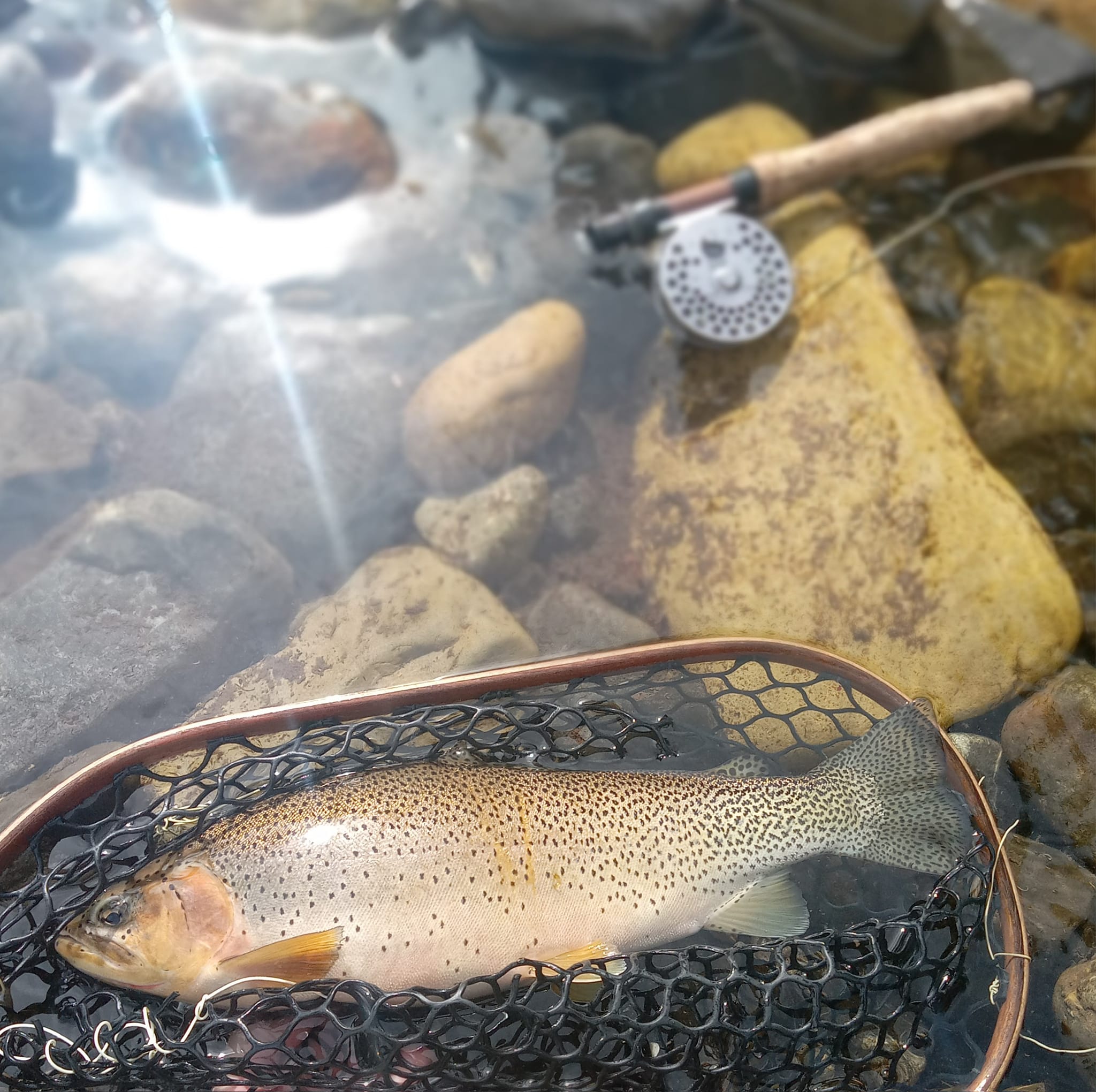
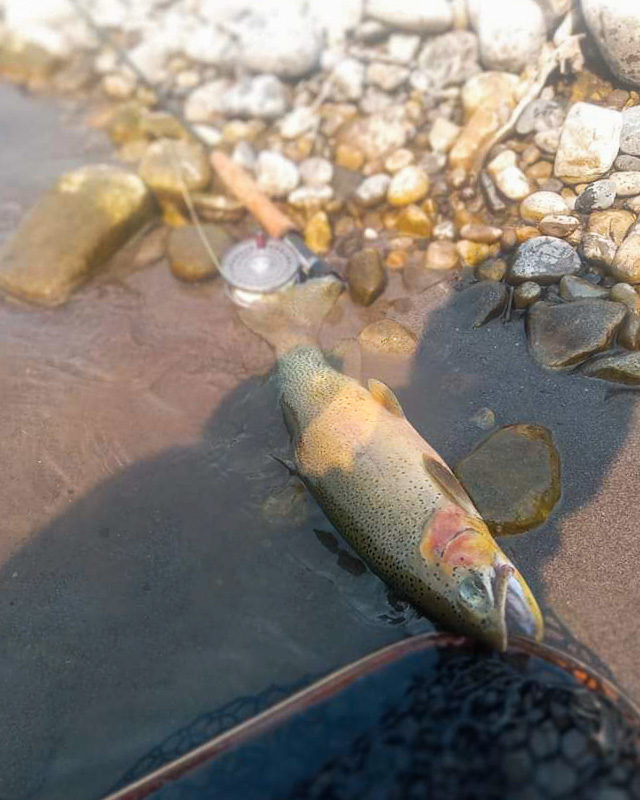
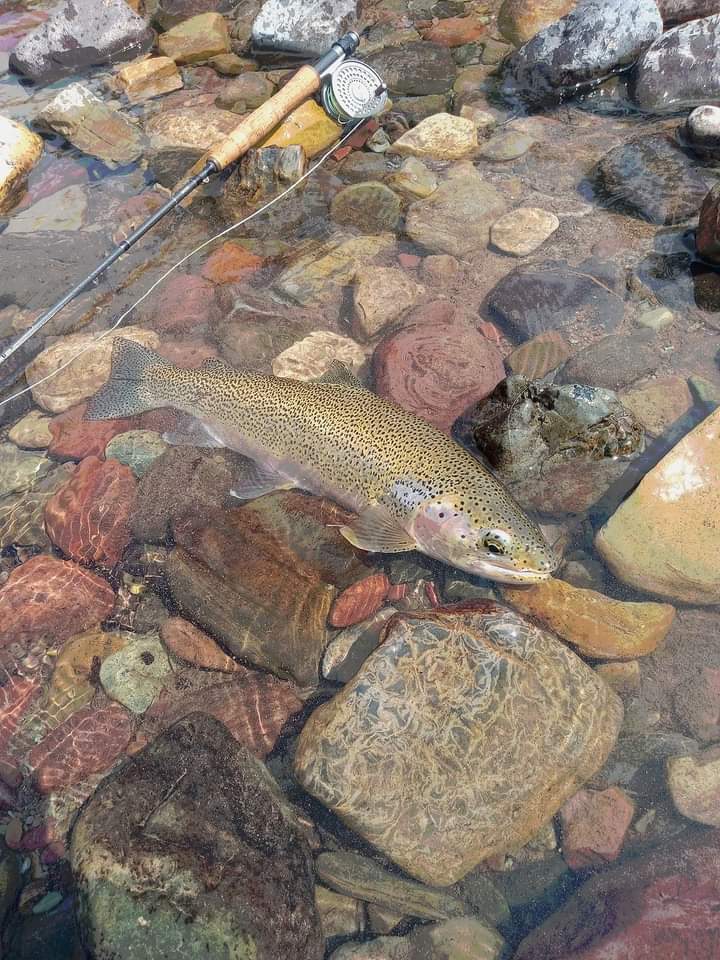
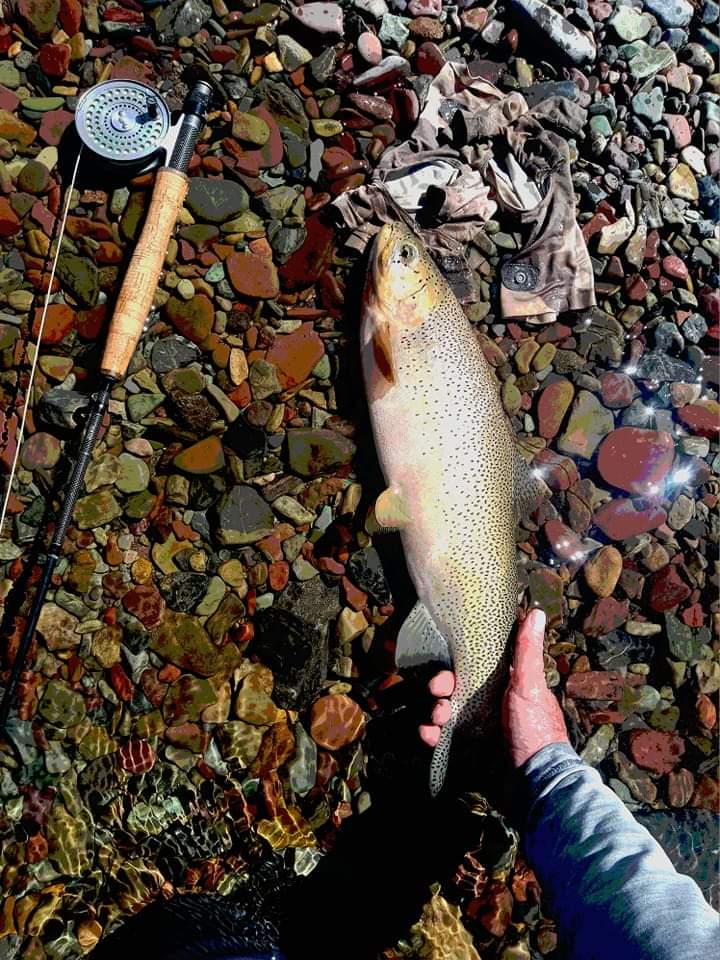
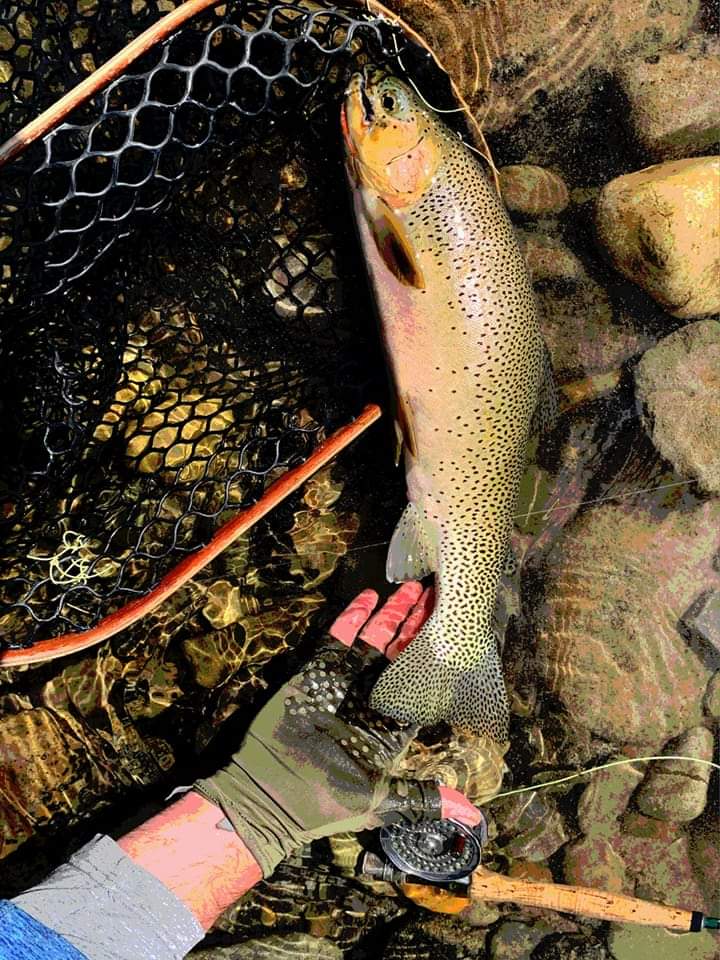
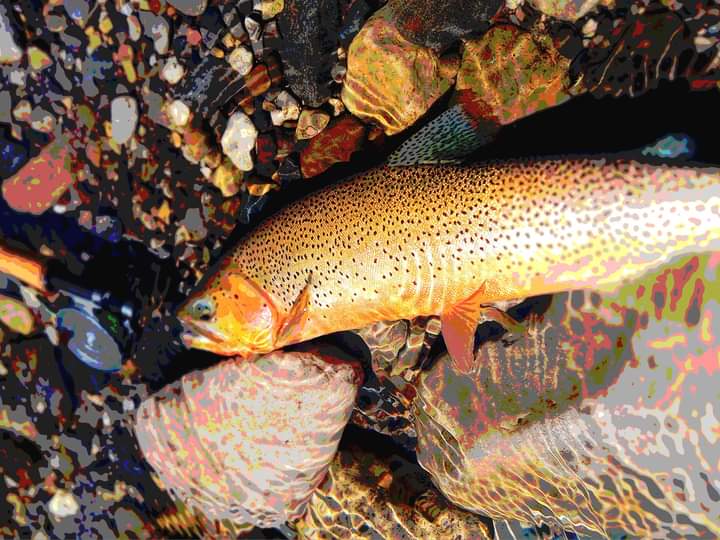
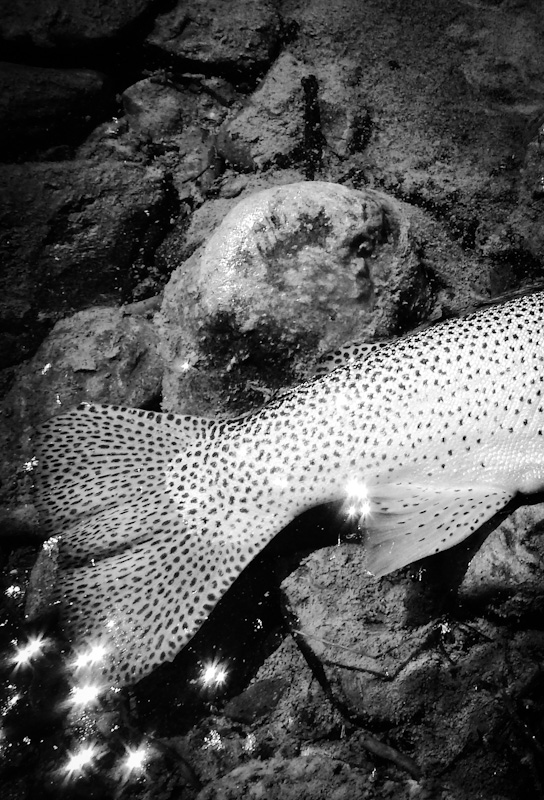
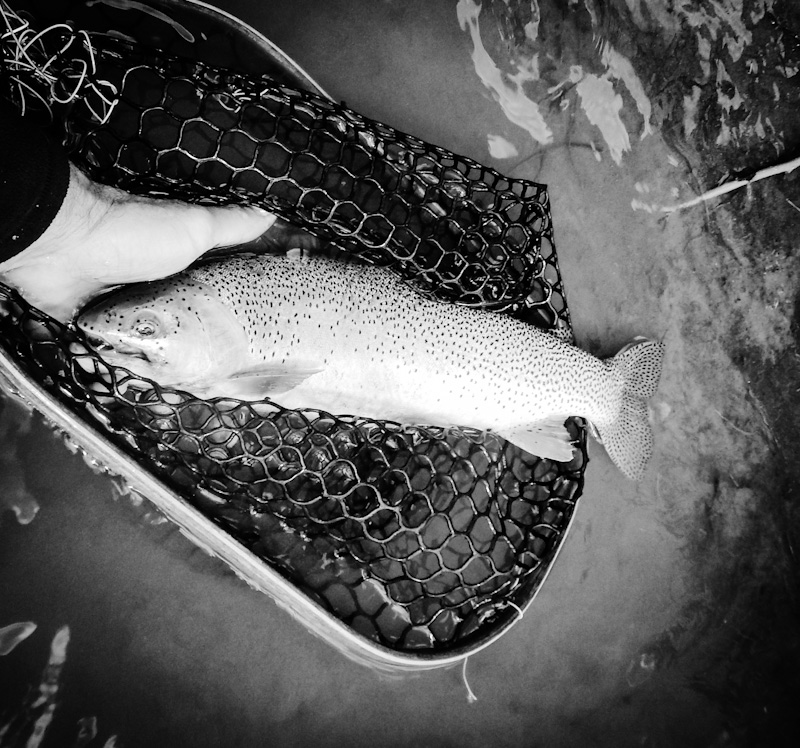
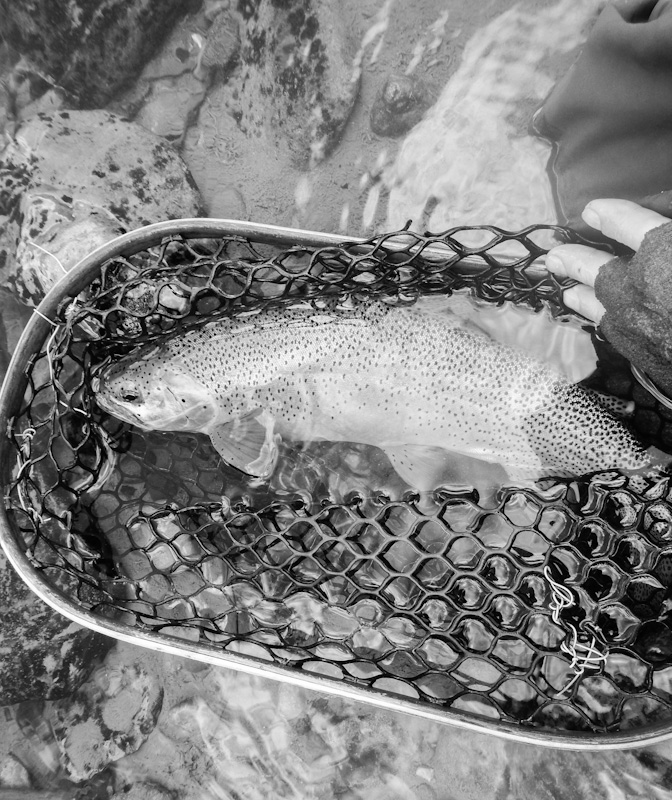
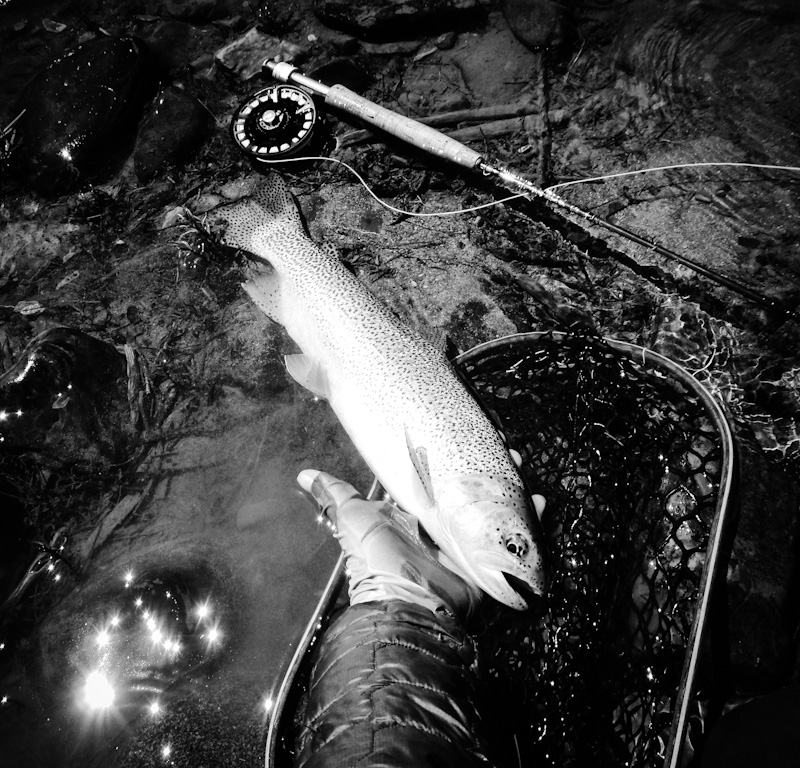
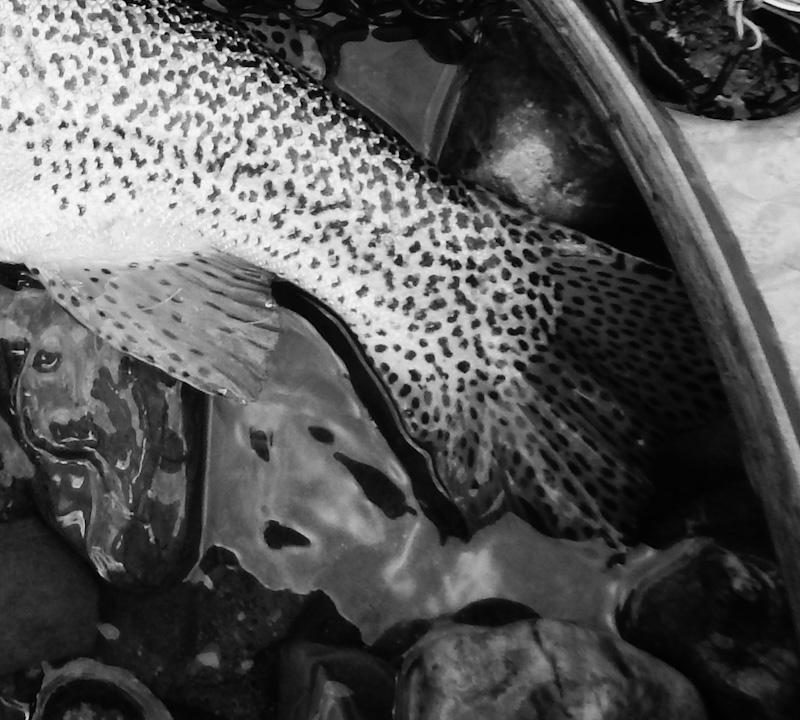
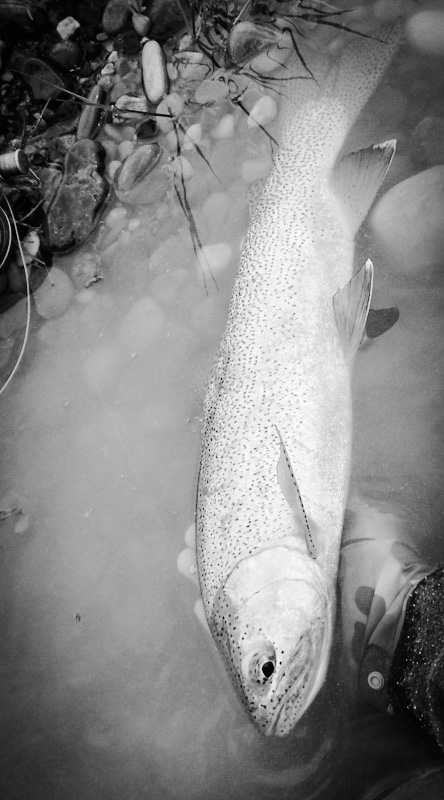
A wild, native trout (Cutthroat) caught on a dry fly while searching in the Autumn afternoon light. Treasure found…
“Let’s Get Ready to Rumble!” – Boxing ring announcer, Michael Buffer.
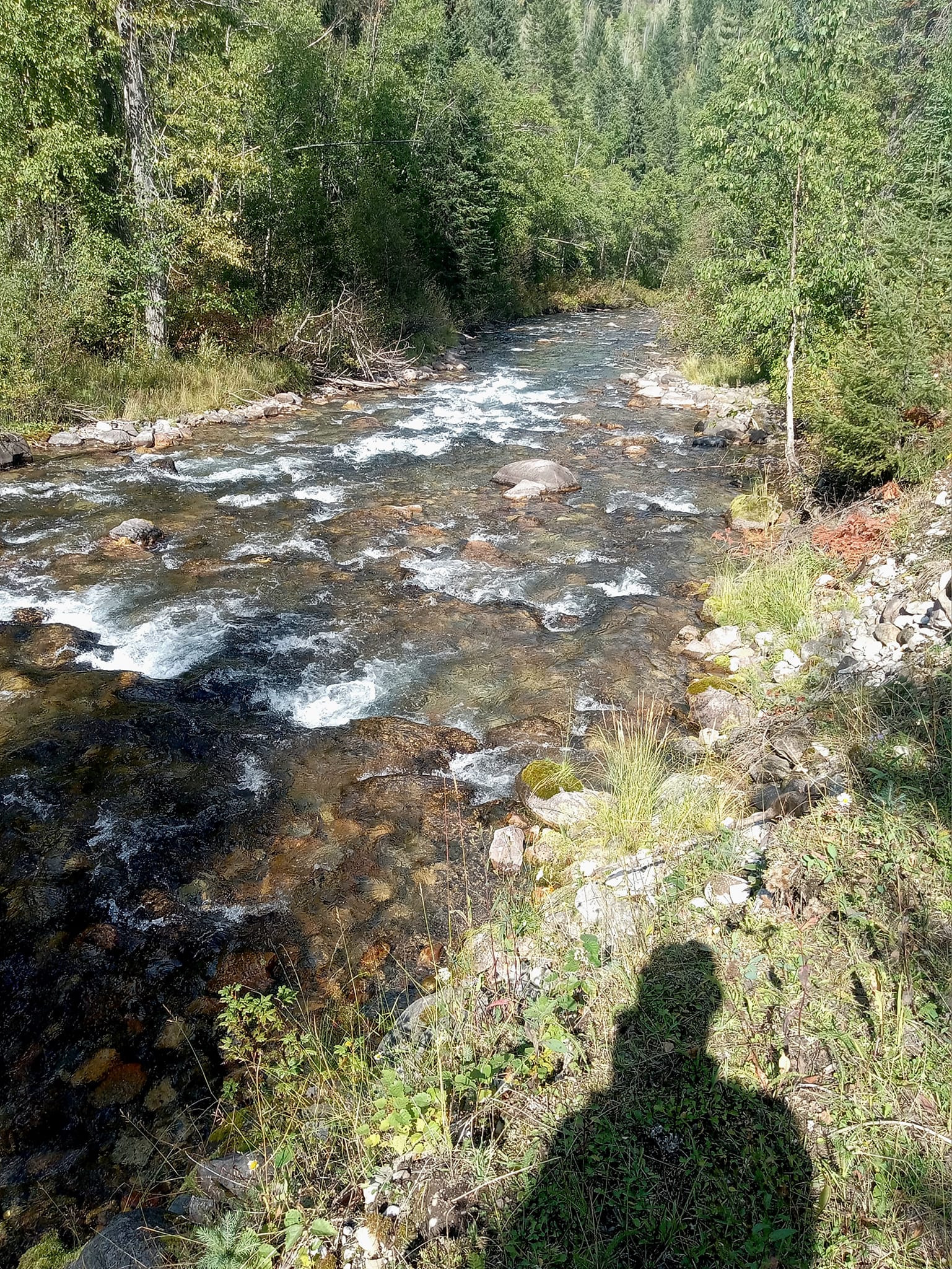
Rumble river. I never see anyone there. I notice the occasional boot print in riverside mud or silt but it is usually near a road access. And I did spotted a big foam dry fly hanging from a branch by some lower river homes. However, as I walk km after km upstream I generally see no other traces of significant angling pressure. The fish, colorful Cutthroats, have few or no hook marks on them. Most don’t look like they have been handled at all. That’s rare for most regional trout streams. They also fight with every cell in their body. Fish that have been caught over and over simply give up once hooked; offer little resistance; have no spirit. The trout in this river are different. They are more than willing to Rumble and use the fast water, boulders, willow branches, and log jams to their full advantage. Landing a sizeable one is always an accomplishment.
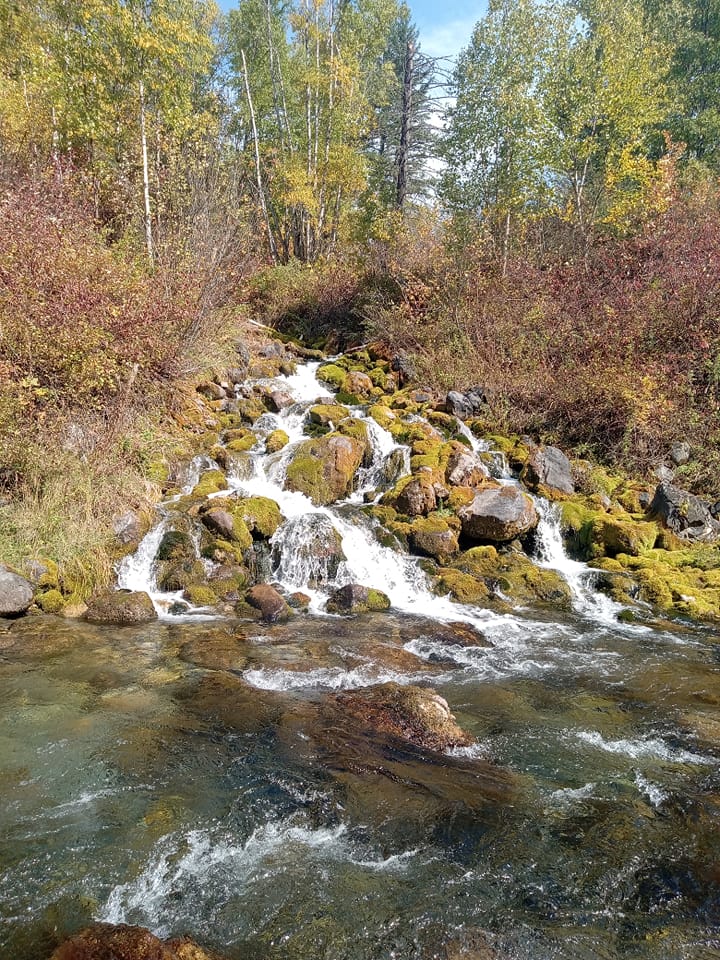
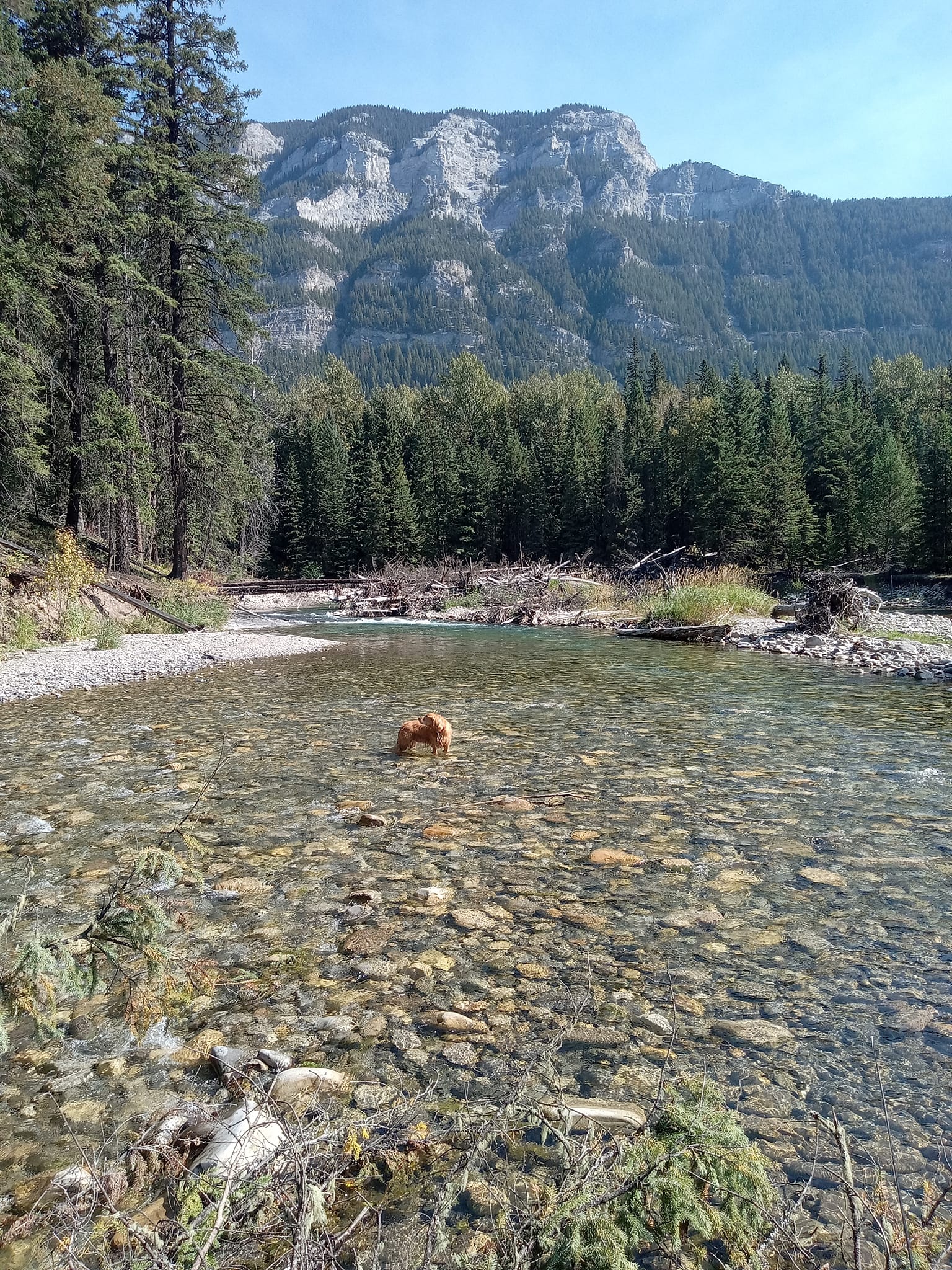
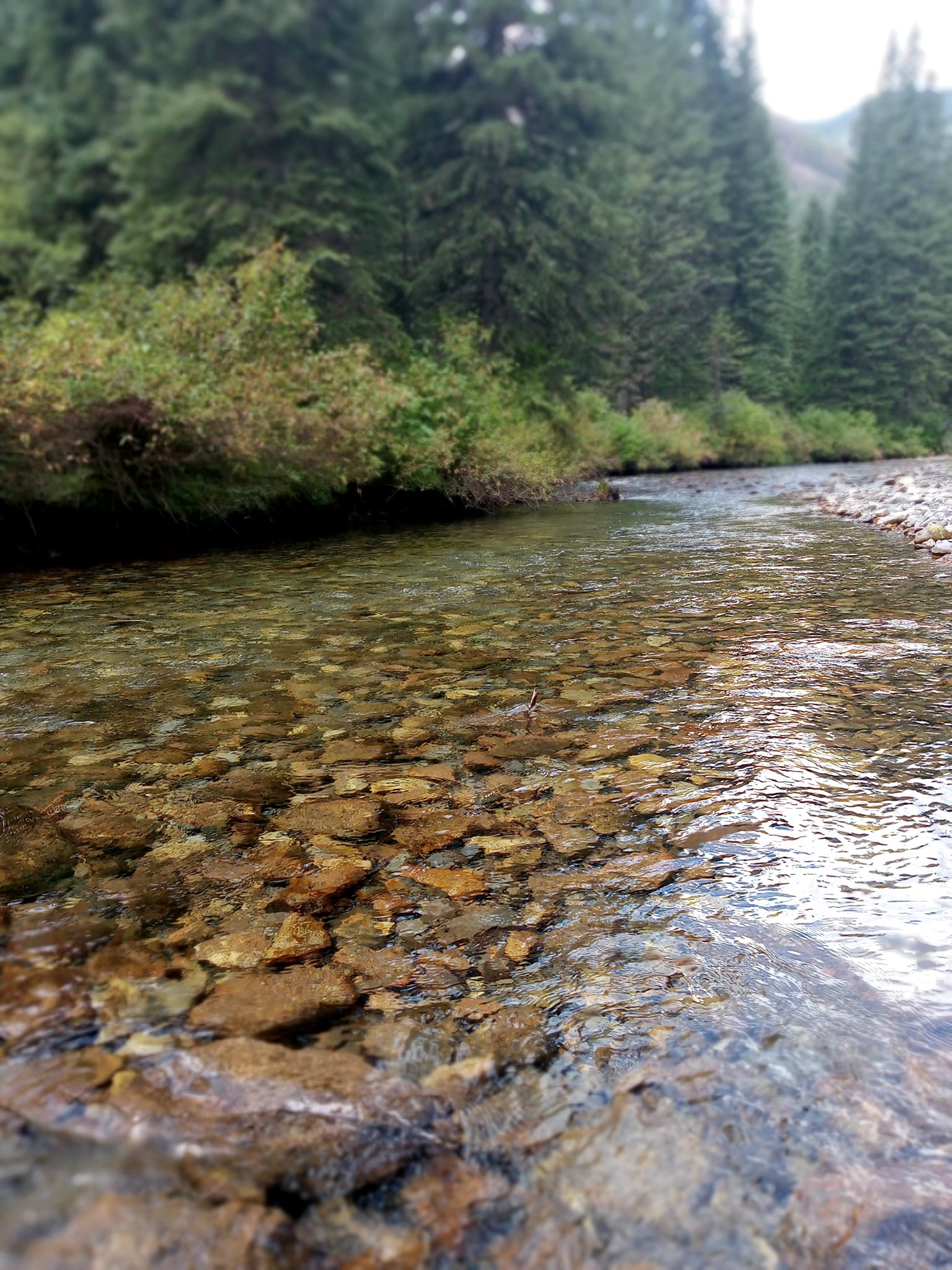
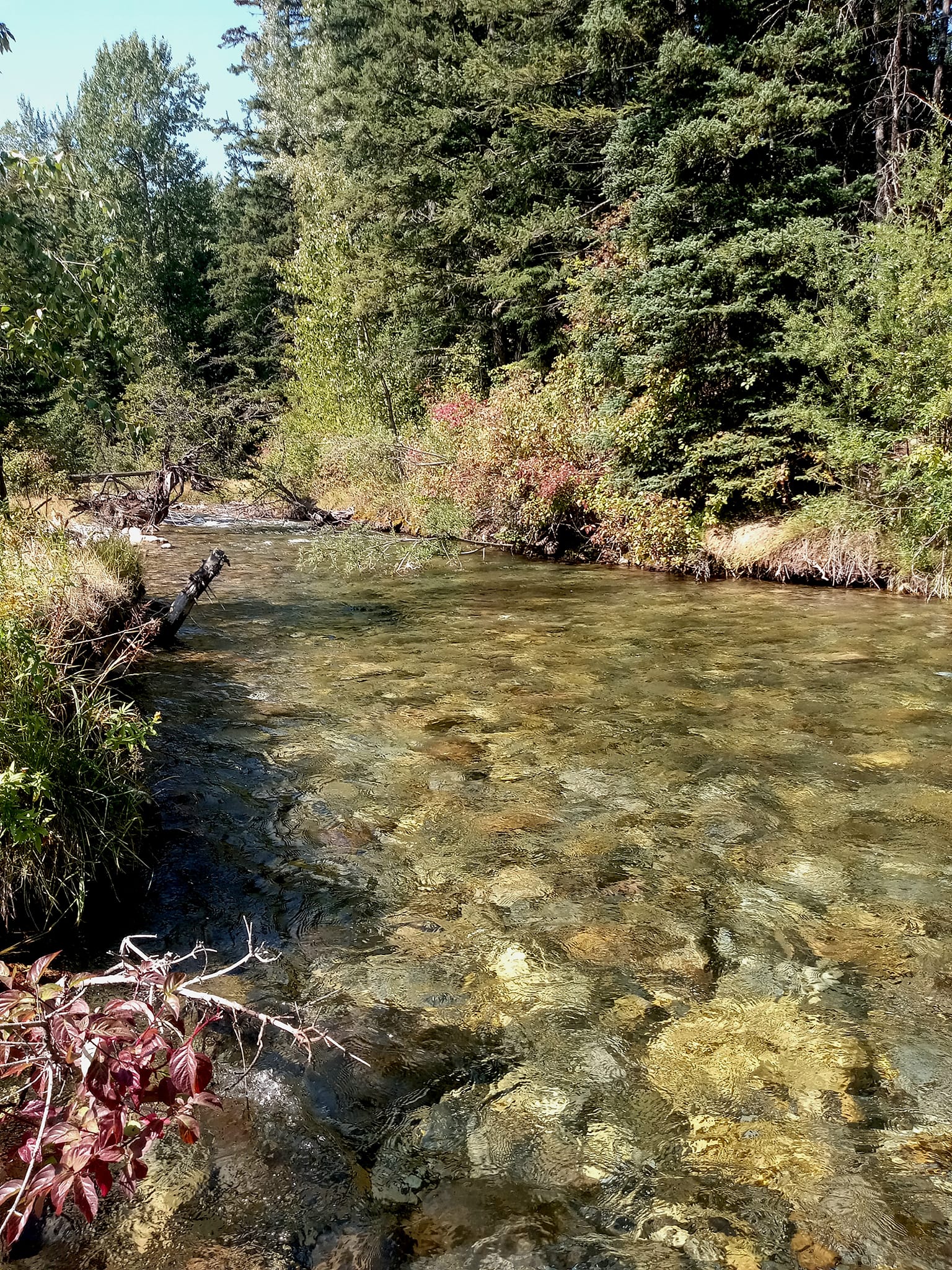
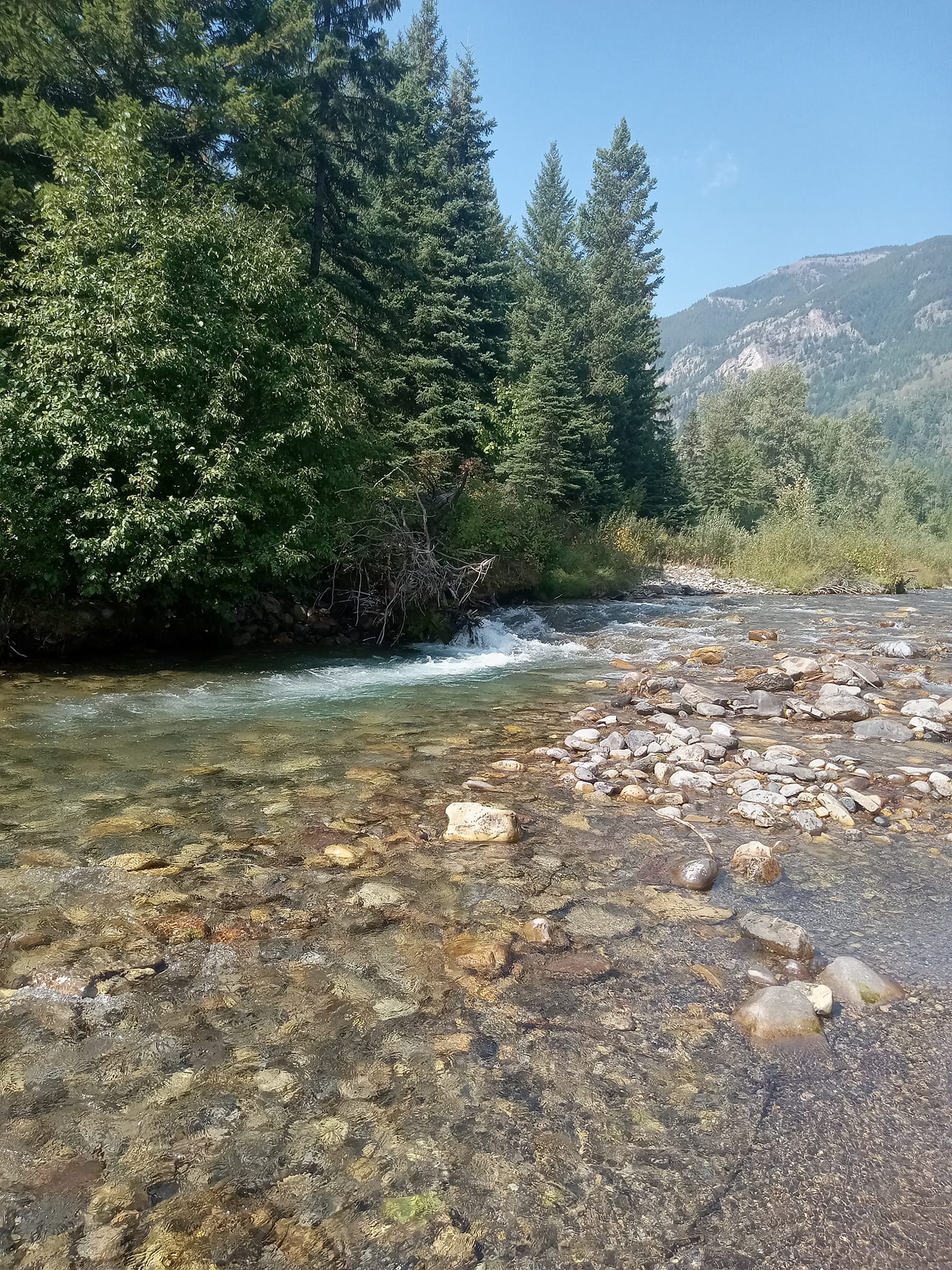
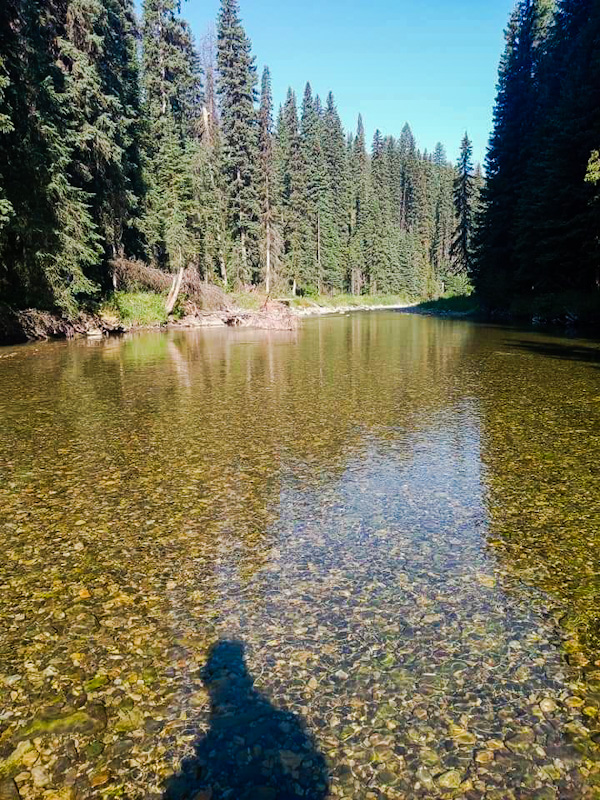
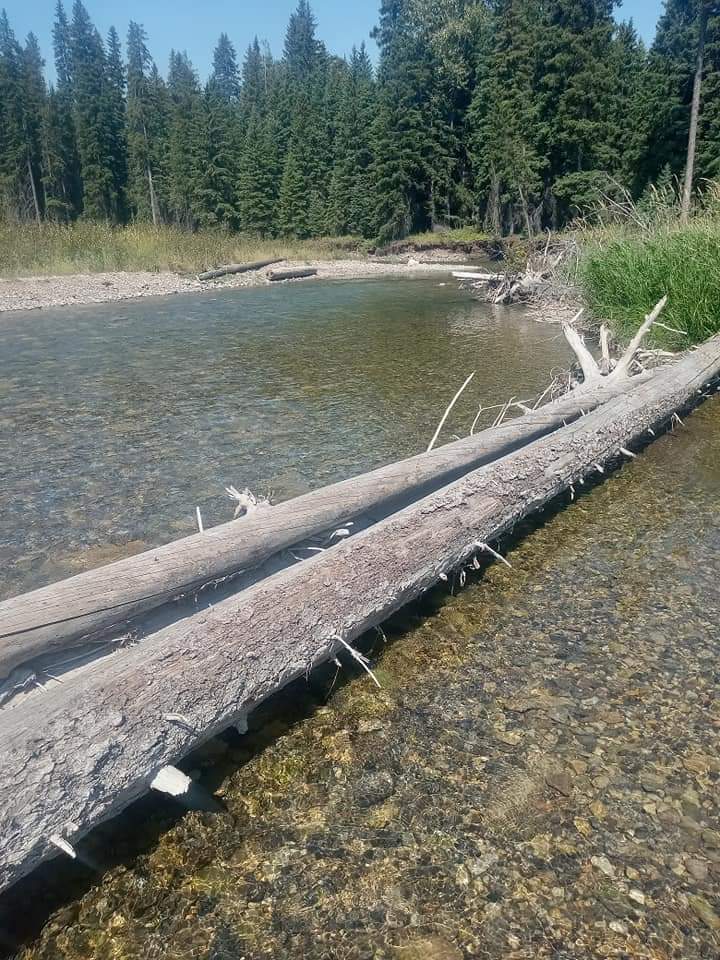
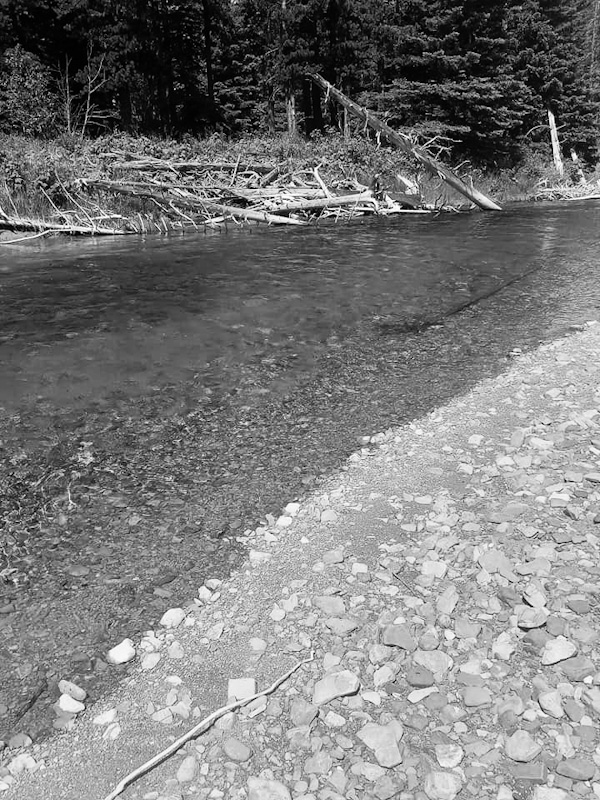
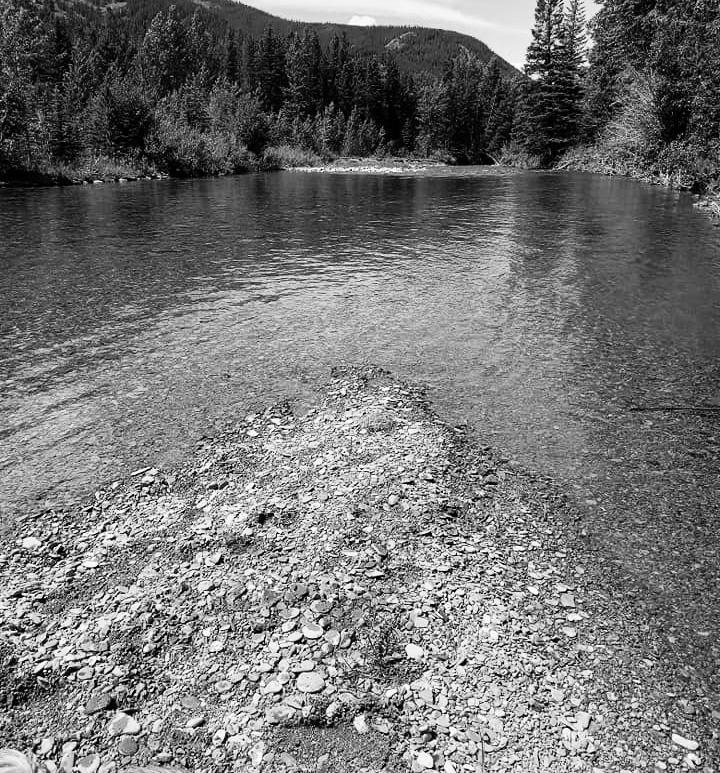
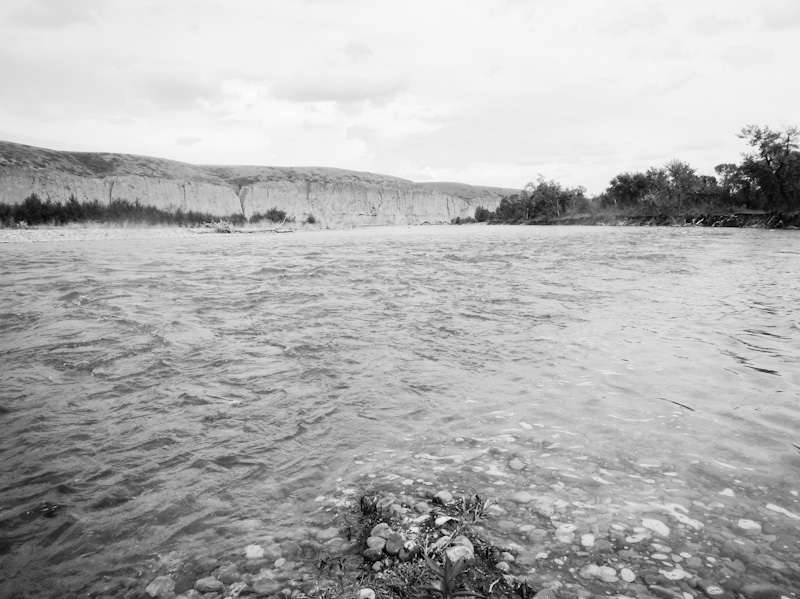
The river is really a stream. It is relatively small, often willow lined and has a significant gradient. Most sections are fast but not all. It has some well defined pools. When insects are on the water, which seems almost daily, trout can be spotted rising in slower sections. The abundance of bug life produces thick and strong trout. The river water is clear. New Zealand clear.
Clear water, challenging terrain, little angling pressure, insect life and sizeable, powerful trout that are willing and ready to Rumble…
Heavy weather means low light. Summertime hatches seem to get more intense during these low fronts. Insects, especially Mayflies, ride the surface longer, especially when it remains calm. Without the sun and wind, emerging wings take longer to dry and therefore “Lift-off” gets prolonged.
Trout, even cautious big ones, seem more willing to risk rising for tiny morsels in low light. Below, some nice low light rainbow trout caught sight-fishing with small Pale Morning Dun dry flies, hook size 16 and 18. Low fronts, low light…your signal to head to the river with your rain jacket and dry flies.
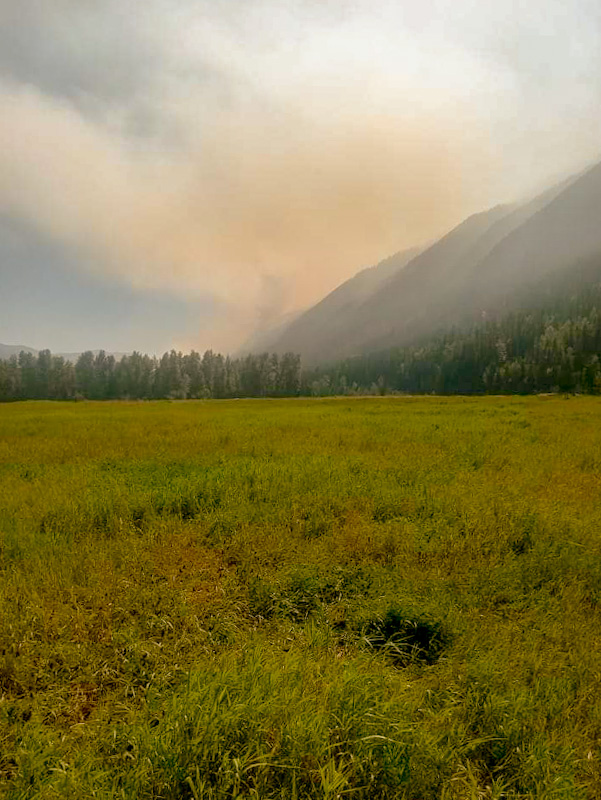
On most days forest fire smoke is in the air. All rivers are at historic lows. Reservoirs are emptying. Angling on all rivers shuts down after 2 pm due to poor flows and high afternoon temperatures. This now seems to be the summertime norm. We need rain. We need a lot of it. We need a Rainmaker…
I’ve been fishing where the water is still cold in the headwaters of rivers at elevation. It seems with every new angling season you have to travel further and higher to find water that numbs your feet and legs.
“Luck is where preparation meets opportunity”–Seneca
A few weeks ago there was cloud cover, rain, some hail and lightening. Then smoke filled skies followed the inclement weather. It produced low light conditions for two or three days. We ventured out, weathered the storms and the heavy smoke, searched and luckily found some good ones sipping. Low light and insect life triggered by the rain brought opportunity. Some nice brown trout…
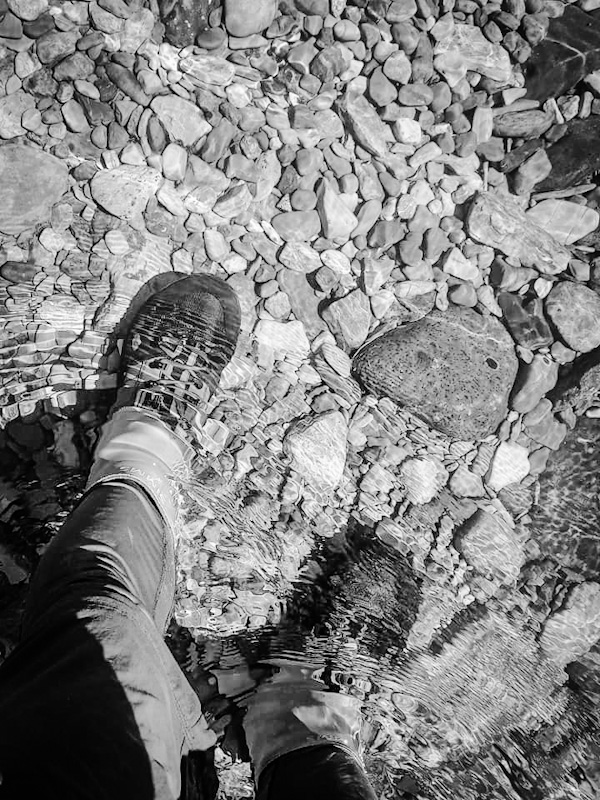
Late June in SW Alberta. A Cutthroat stream. Clear water. Cold water. The weather was suppose to be mainly sunny today but for the most part it was a mixed sky. Mainly cloudy with some sunny breaks. It made wet wading chilly. My feet quickly became numb. River temperature was 49f in the shallows. It felt much colder in the deeper water when I crossed sections of the river when making my way upstream. Sunny breaks heated the riverside sand and fine dry gravel beds. I knelt down in these soft spots absorbing the heat radiating from the ground and watched a number of pools for rising trout. I only saw two slight surface disturbances all afternoon. Fine Cutthroat they were.
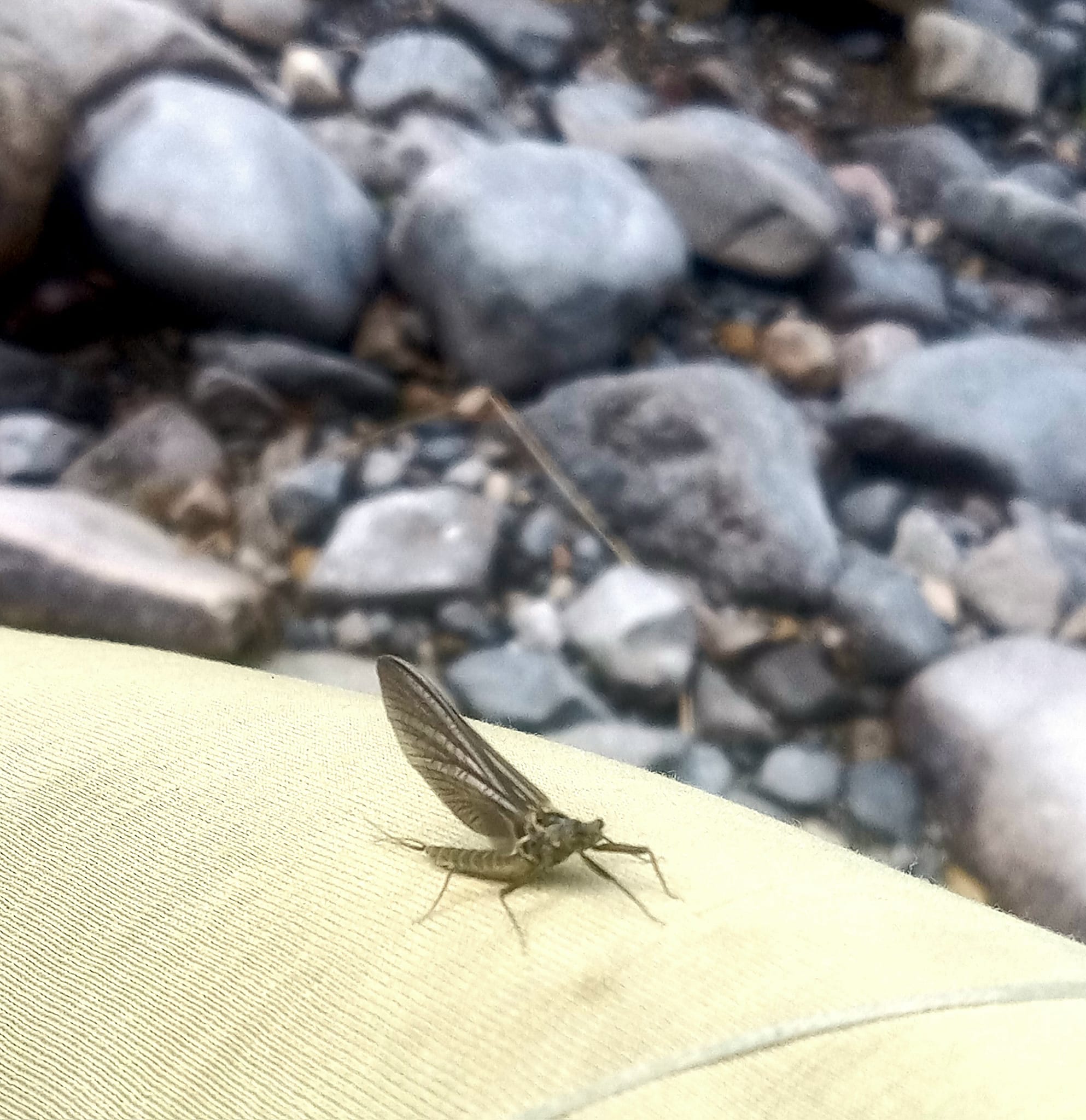
There were a variety of bugs but not a lot of anything. The sum total of PMDs, Drakes, Yellow Sallies and the odd Golden Stone was not enough to entice many fish off of the bottom. Not enough for the river to come alive. Hopefully that will change in several days when the water temperature breaks through the 50f mark. I’ll come back then.
I covered a mile or so searching the clear water. The Cutthroat were caught on a size 12 Drake dry tied on an emerger hook; body of the fly breaking the surface. The river was low for this time of year. All rivers are low. I fished barbless for a quick hook release. I’ll do that all season. Alberta once had a barbless policy. No more.
“Once there were brook trout in the streams in the mountains. You could see them standing in the amber current where the white edges of their fins wimpled softly in the flow. They smelled of moss in your hand. Polished and muscular and torsional. On their backs were vermiculate patterns that were maps of the world in its becoming. Maps and mazes. Of a thing which could not be put back. Not be made right again. In the deep glens where they lived all things were older than man and they hummed of mystery.”
Cormac McCarthy, The Road
Cormac McCarthy. One of my favorite writers. I’ve read most of his novels. My favorite, Suttree, and then the border trilogy: All the Pretty Horses; The Crossing; Cities of the Plain. He recently died at age 89, probably writing to the end.
The past few days I visited some mountain streams that are “older than man” and casted dries to Cutthroat, Cuttbows and Rainbow trout.
In the past several years I’ve felt there has been a decrease in hatches (bug life) on many rivers in my region, SW Alberta. Last year it was very noticeable on some of my favorite tailwater rivers which usually have an excess of small mayflies and caddis which hatch all summer long often well into the Fall. People on various fly fishing forums have noticed the same. What has also been observable is that many of the trout I’ve been catching in recent years seem “leaner”; much less robust and energetic.
I’ve attached a brief article and video below called, “no fly zones” regarding bug life decline. Check it out. It is from a fly fishing perspective but there are numerous non-angling articles on this worldwide phenomenon in publications like the Guardian: etc. Google “bug apocalypse”.
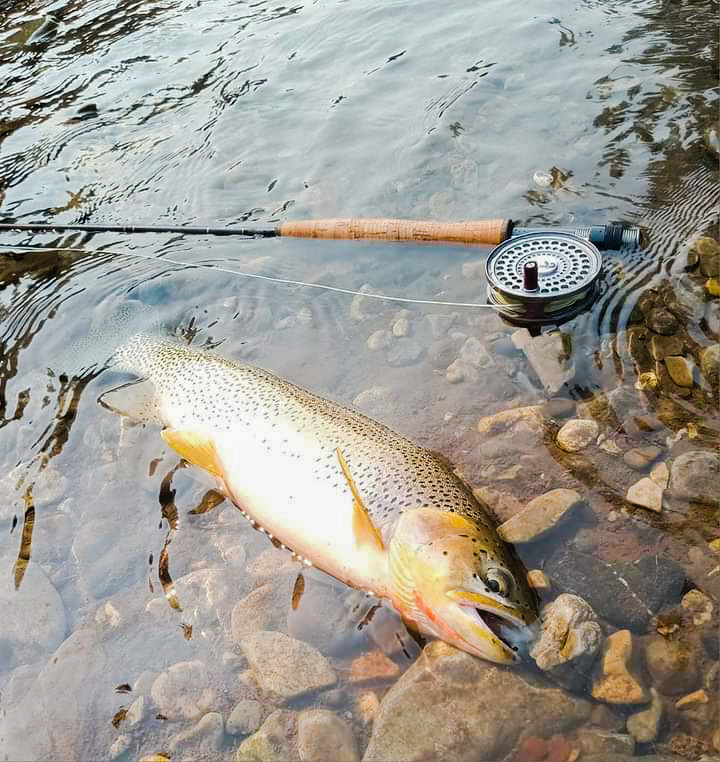
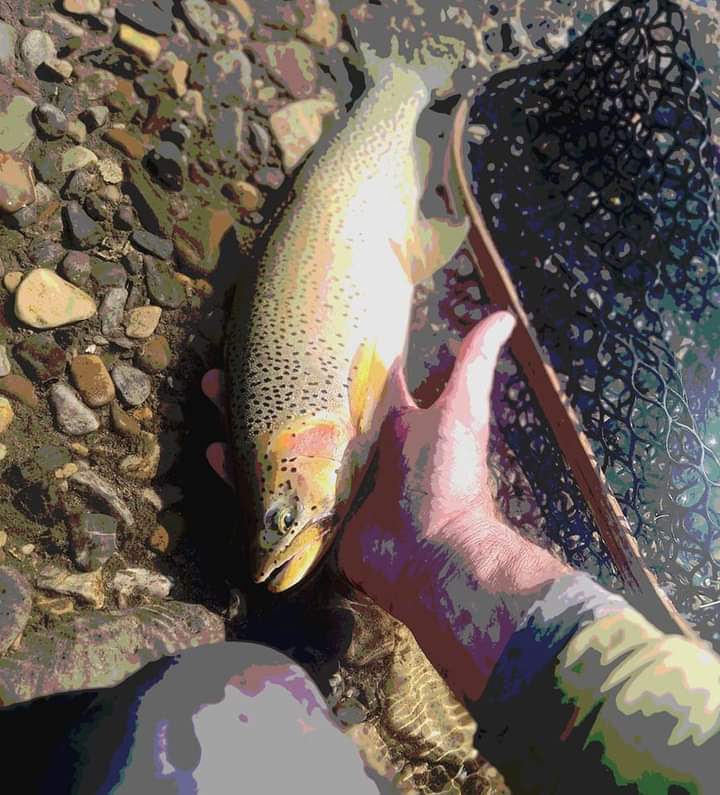
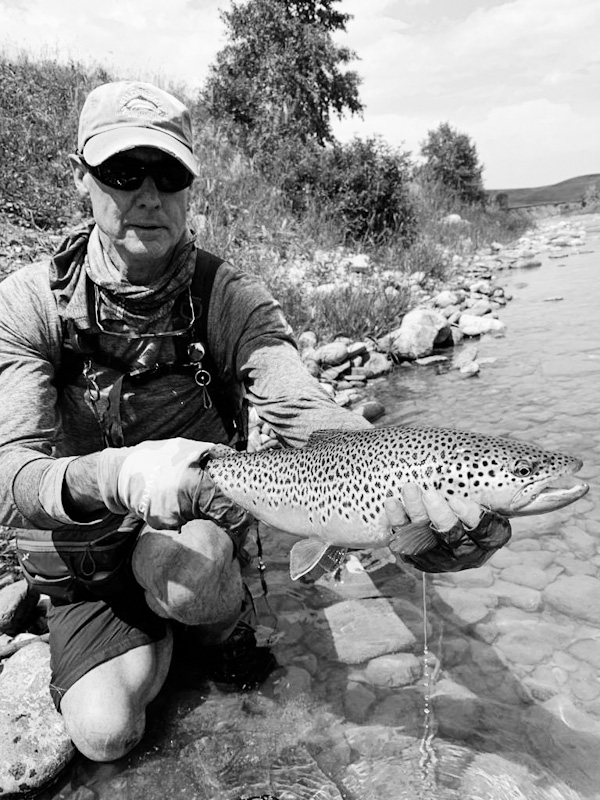
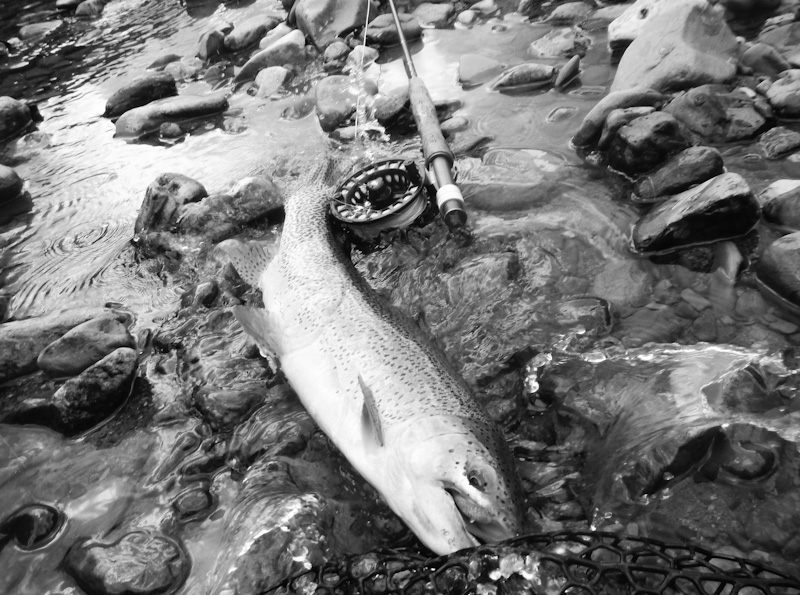
Here’s a nice brown trout I caught on a tailwater river where bug life was especially poor last season. It was cycling in the sunny shallows and I caught it on a size 14 black ant. It was more slender than trout I’ve caught at this location in past seasons…lack of bug life?: tough winter?; lower flows?; warmer water?; additional variables?; all of the above?…










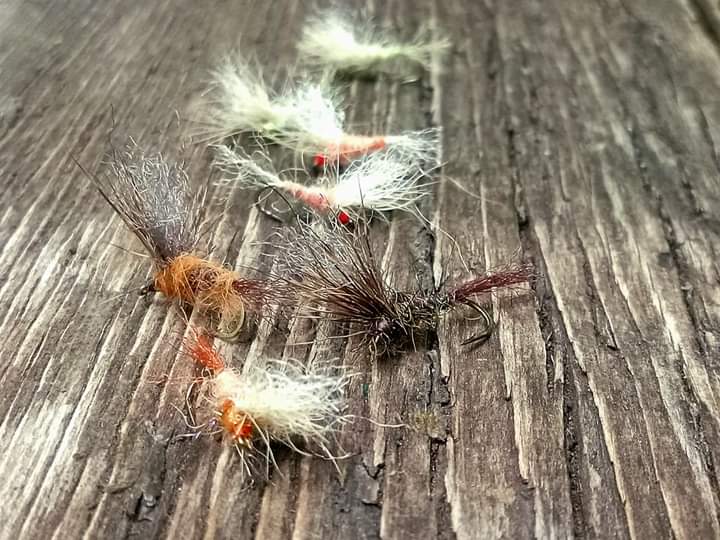














 trout on dries