Cutthroat Trout, AC and Mexicali

HOT

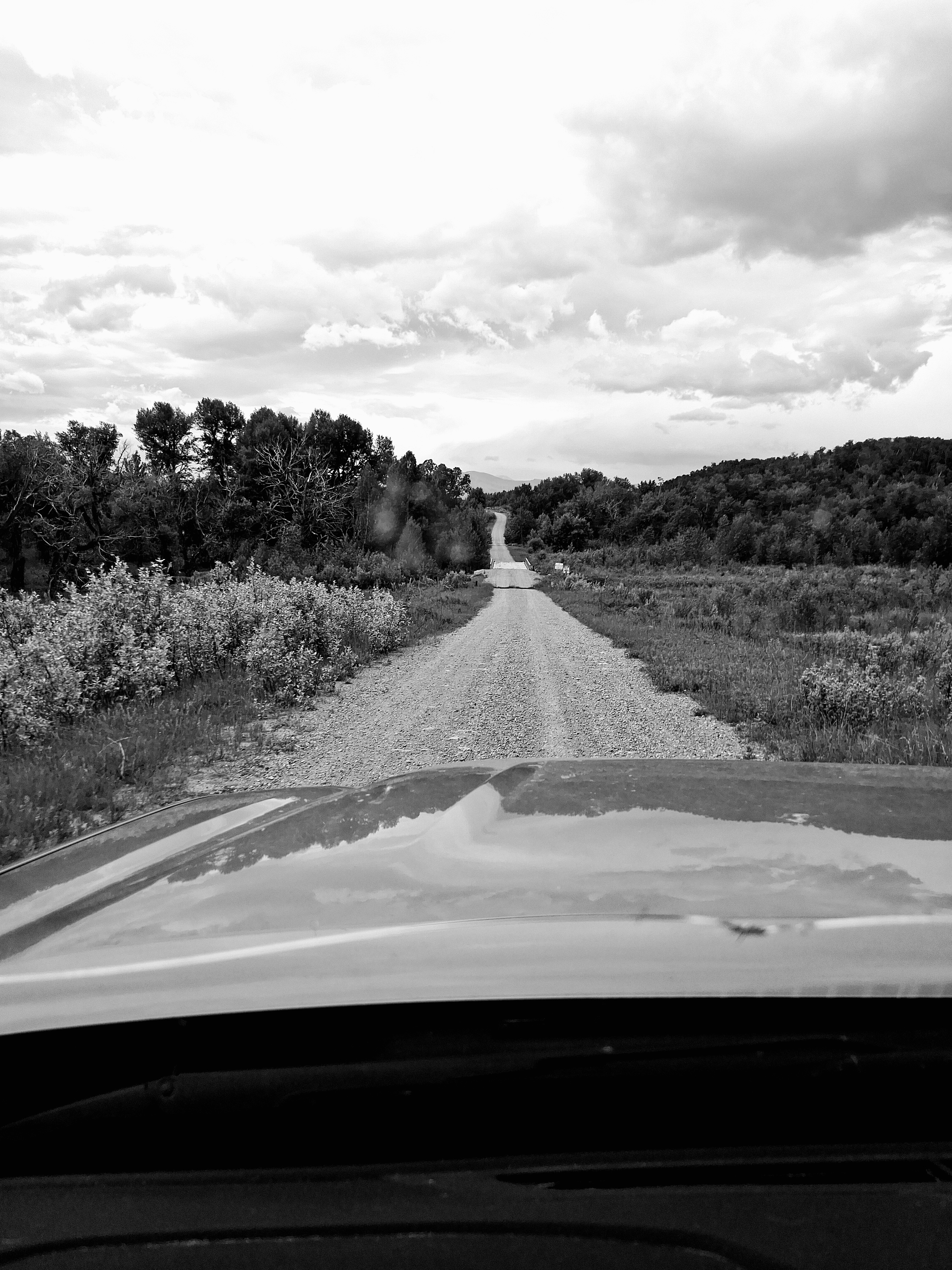
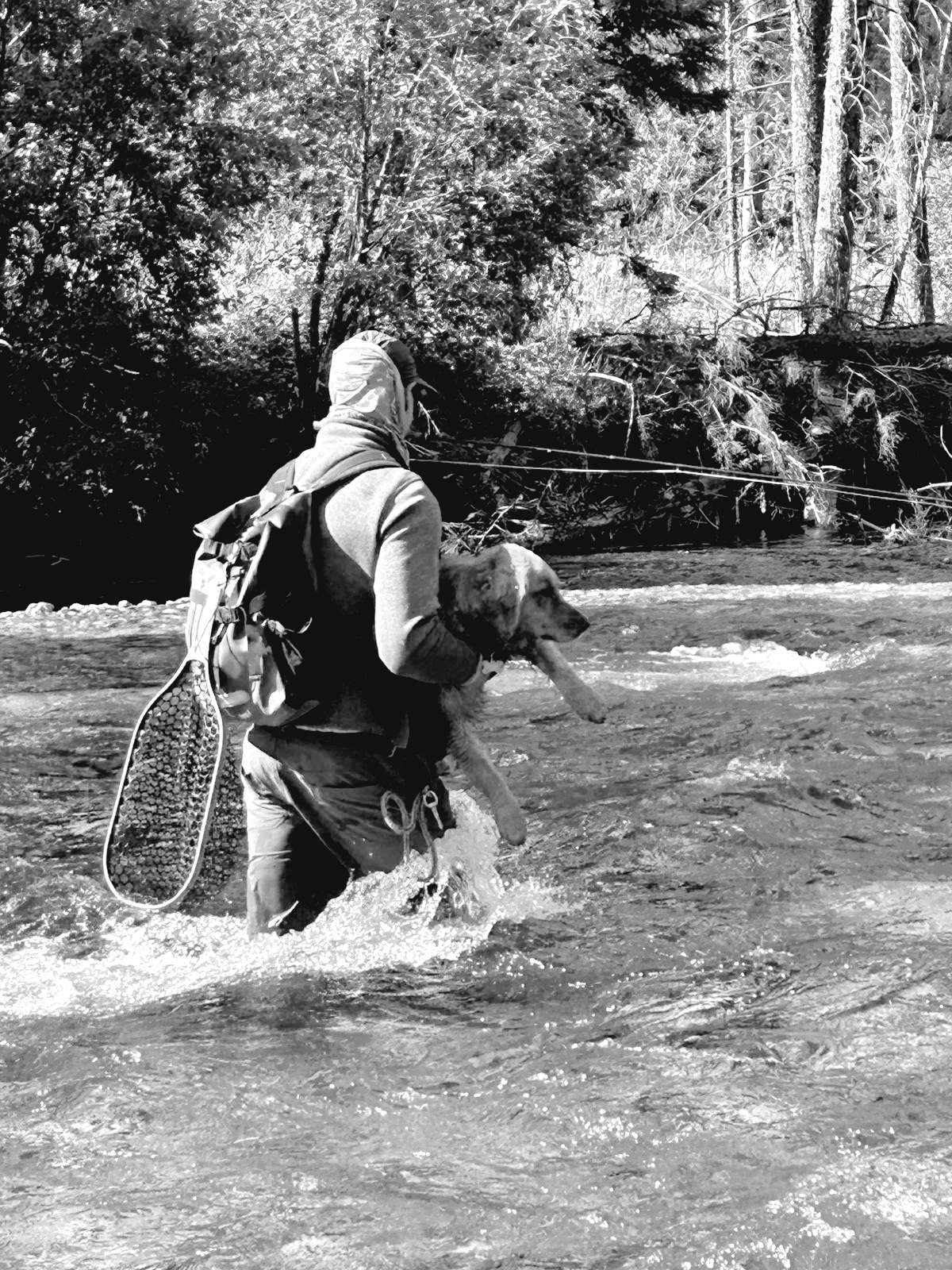
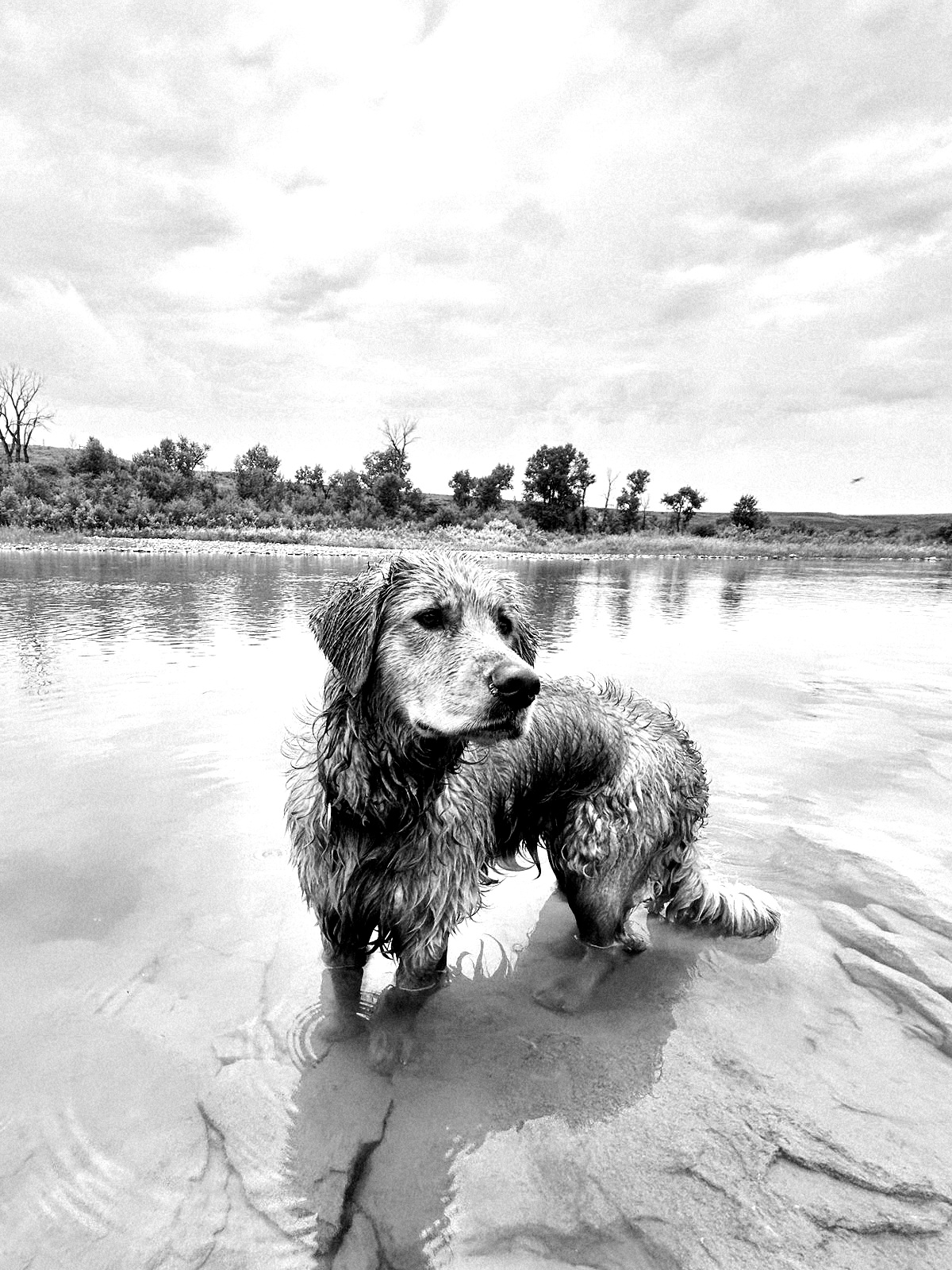
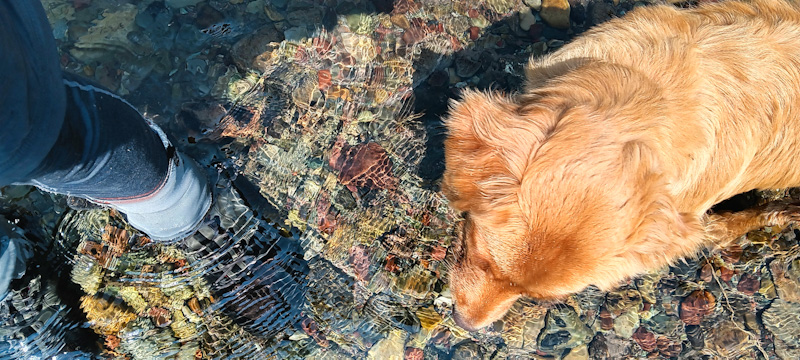
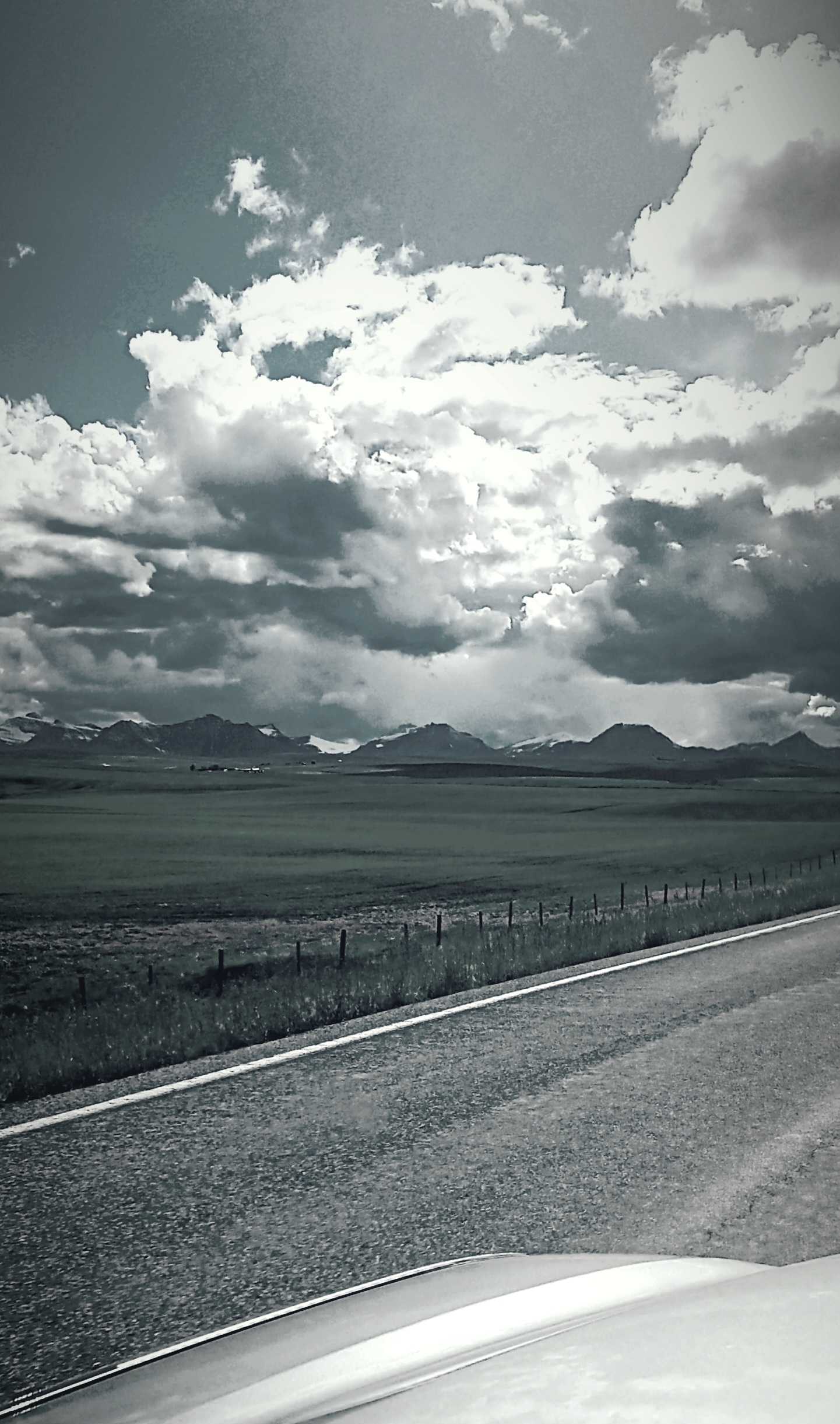
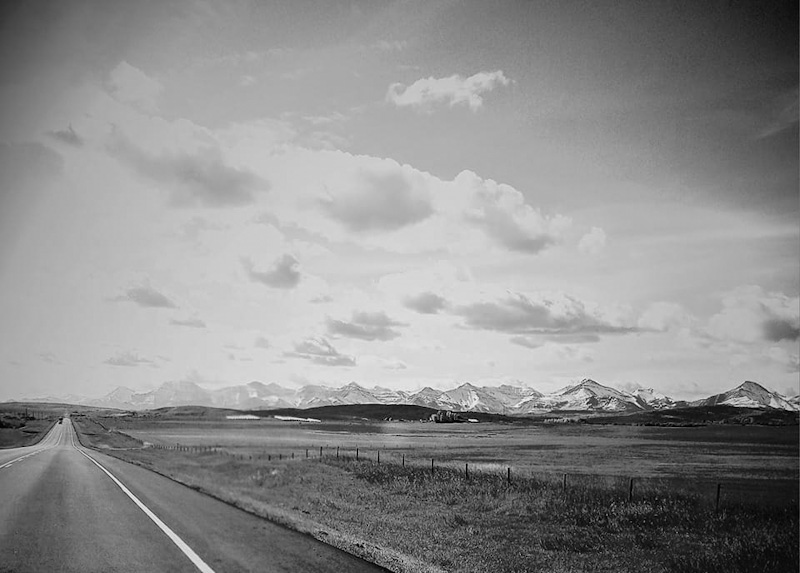
It was a 30 minute drive up into the mountains and the Cutthroat river. My car thermometer read 34c/ 94f. A smoke haze was in the air from fires in British Columbia (B.C.). It made the Rocky Mountains look like they were fading away. It seems B.C. now burns every July and August, and sometimes even into September. Northern Alberta too. My dog, in the back seat, was panting even though I had all the car windows down. I never use the air conditioning (AC). One exception was when I was driving home from a fishing trip in Baja in mid- June and was stuck for hours in border traffic in Mexicali city, Mexico. It was 42c/107f that day. Abby, my last dog, appreciated the cool air blasting from the cabin vents. She also appreciated the rolled-up windows as hundreds of border vendors went from vehicle to vehicle trying to sell their wares: hats, cool drinks, fruit, trinkets. Some had nothing and were simply begging. There were men, women, young children, and even very elderly people in the late afternoon 42C plus heat walking the hot asphalt trying to make a sale just 10 yards from the California border. This wasn’t an Acapulco, Cancun or Puerto Vallarta scene. Nor was it a depiction of idyllic Mexican rural life in a Diego Rivera painting. This was a “Behind the Curtain” look at Mexico. This was raw desperation and poverty I witnessed as I inched along the tall rusted metal border wall until I reached the heavily guarded portal that delivered me to the north. Justified or not, when I crossed the border I muttered to myself that “Mexico doesn’t look after its people”.

COLD

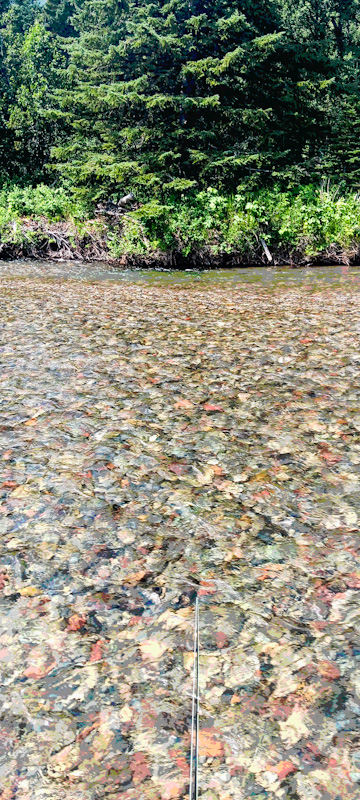
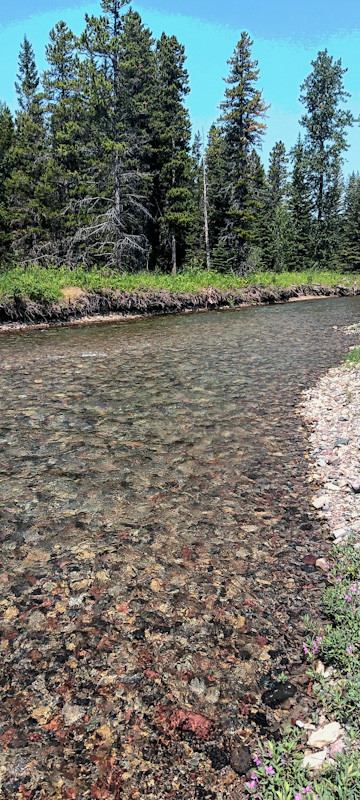
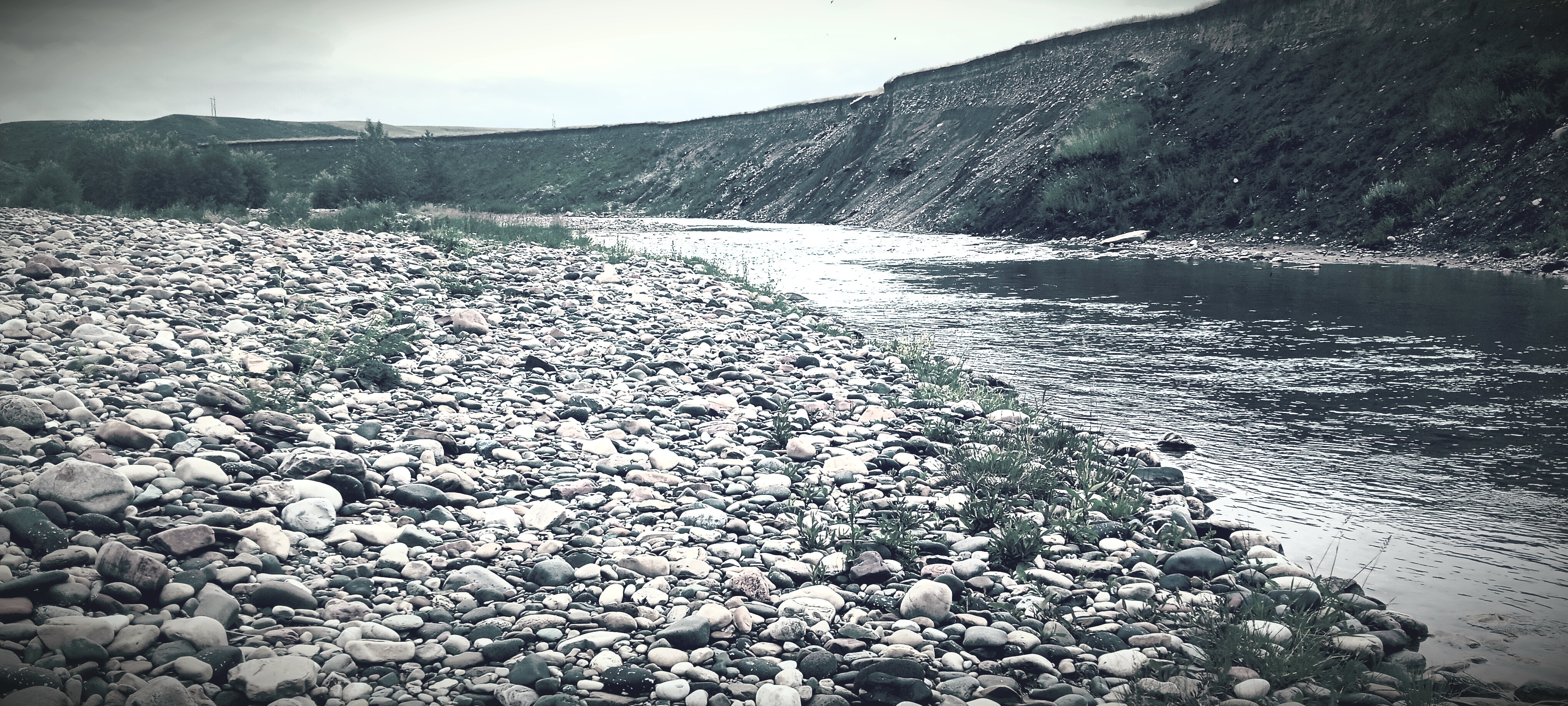
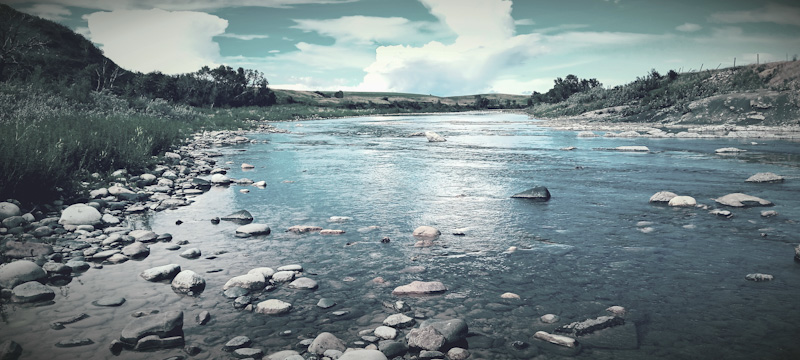
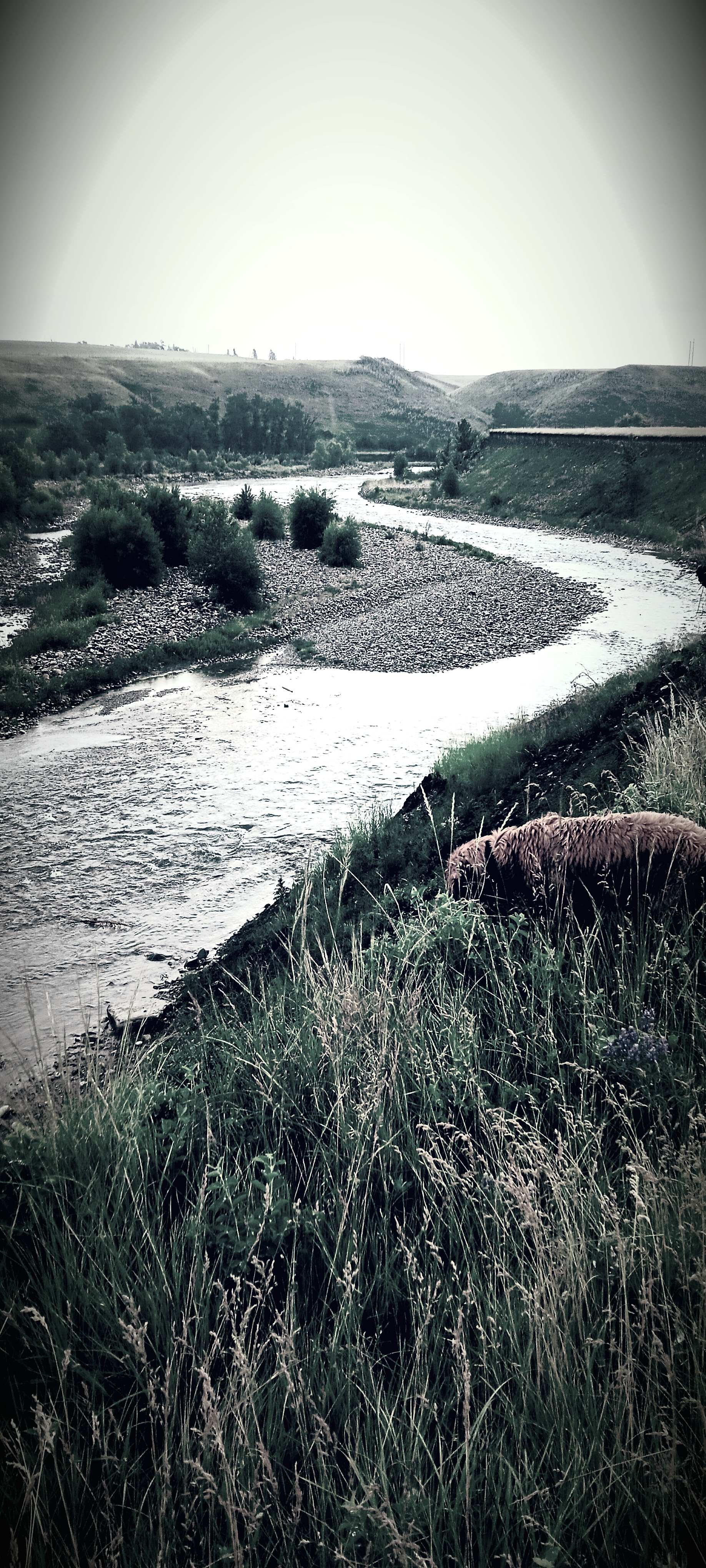
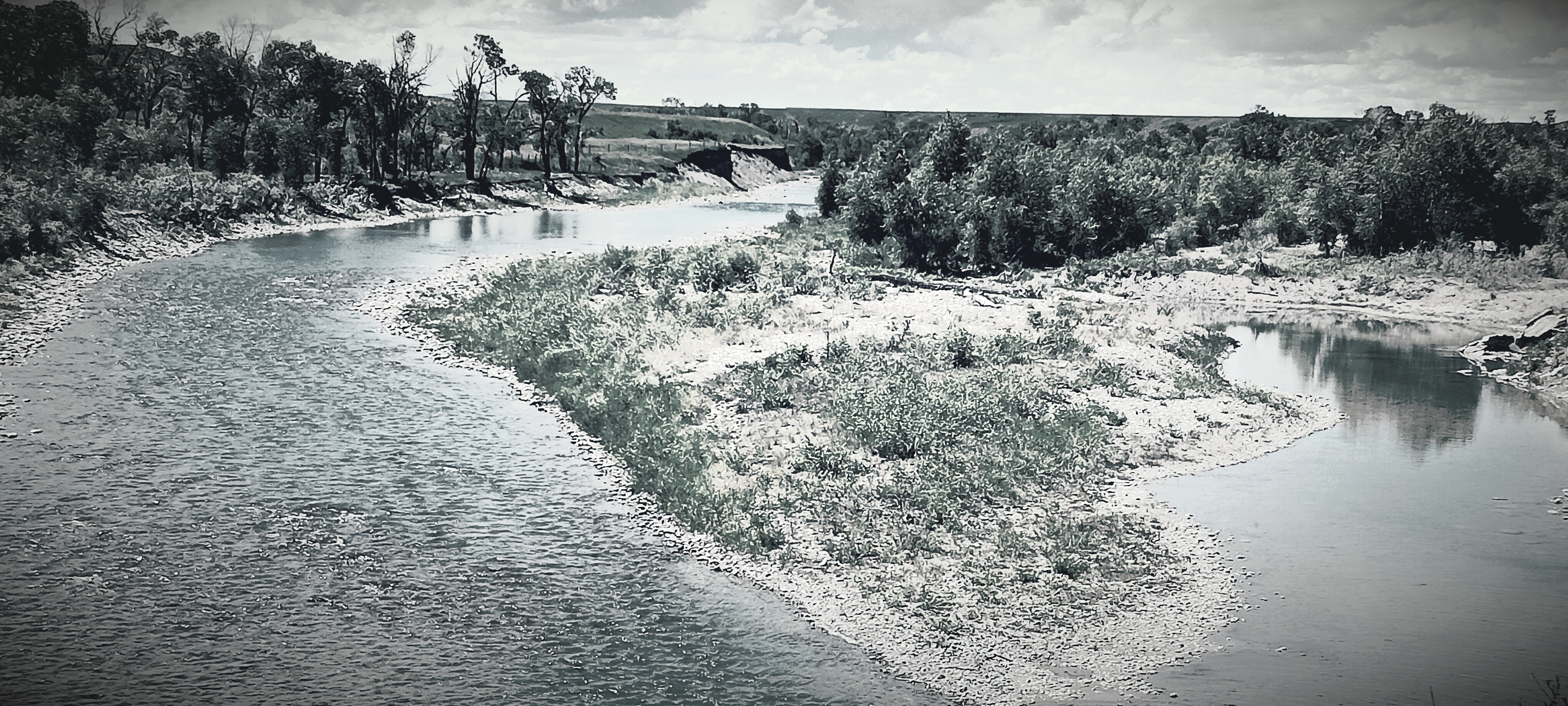
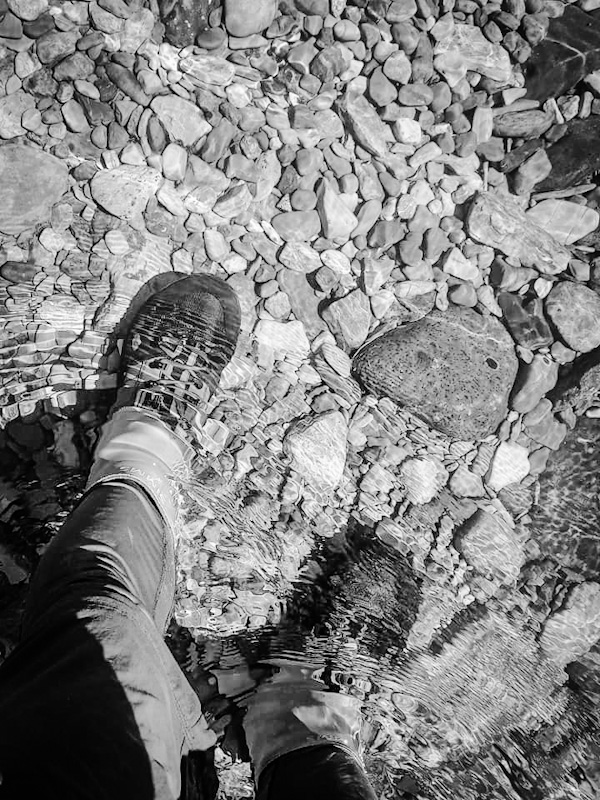
When I entered the mountain river at 11am my water thermometer read, 10c/ 51f. Almost half the air temperature. By 2pm the river was only 54f and my feet still numb. The stream had stayed cold in spite of two solid weeks and now entering a third week of extreme heat. One small creek that feeds the river was still flowing. Last year it was dry in late July. I thought that there was probably still some snow melting up high. It was probably one of many creeks helping the river stay cold when many lower elevation rivers were warming well into the 15c plus/60f and some approaching 20c/70f. Cold water in July and August is always good for trout and fishing.

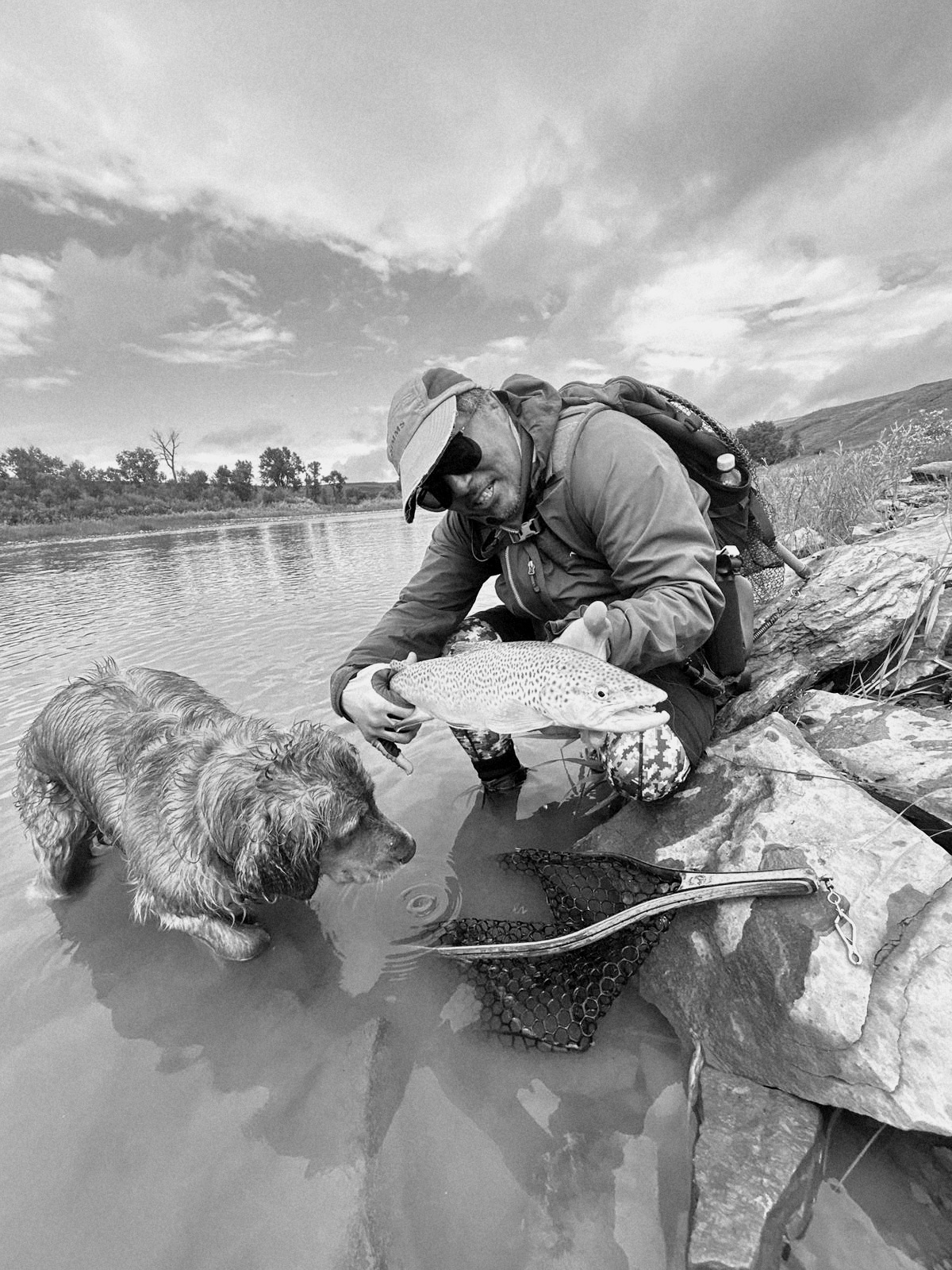
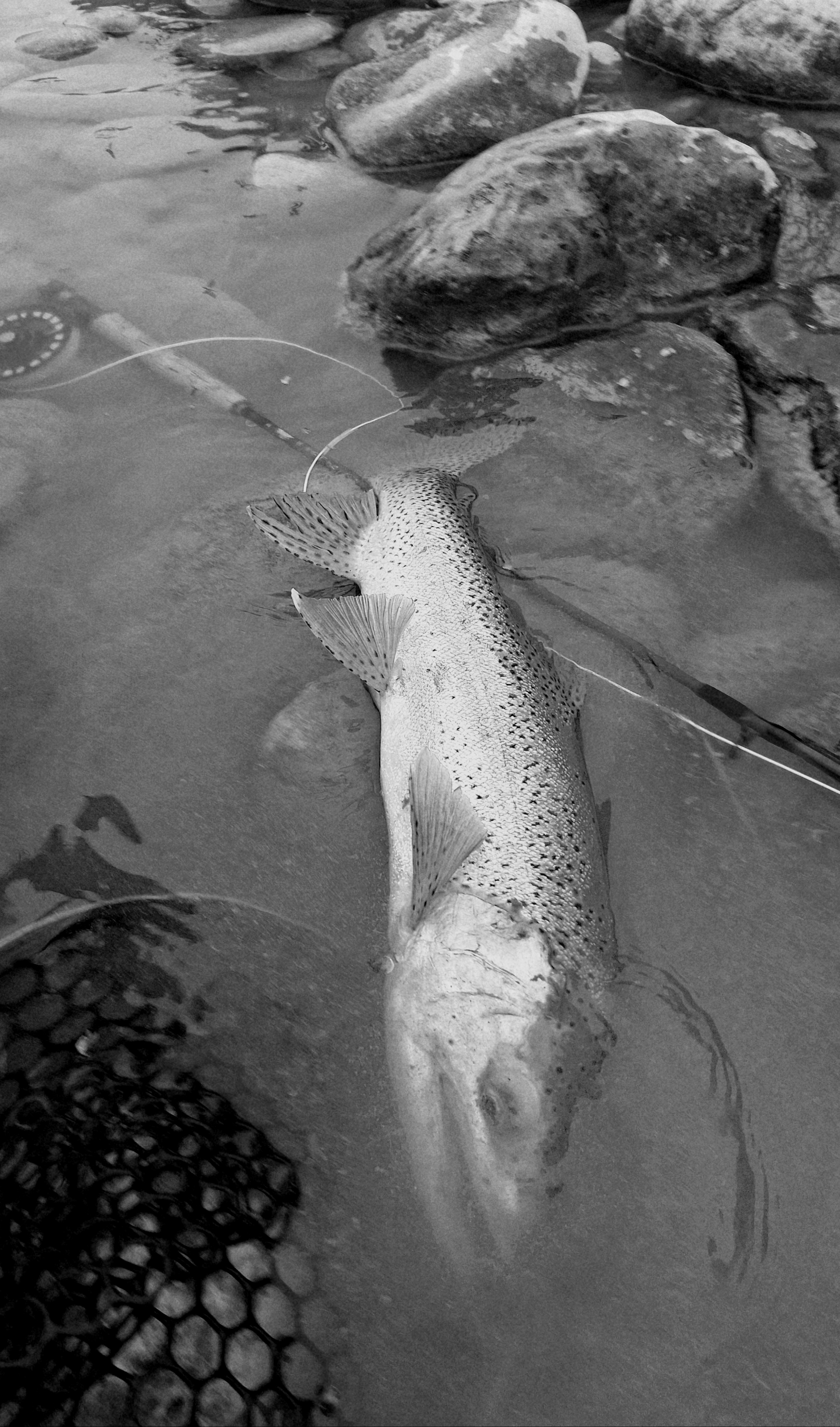
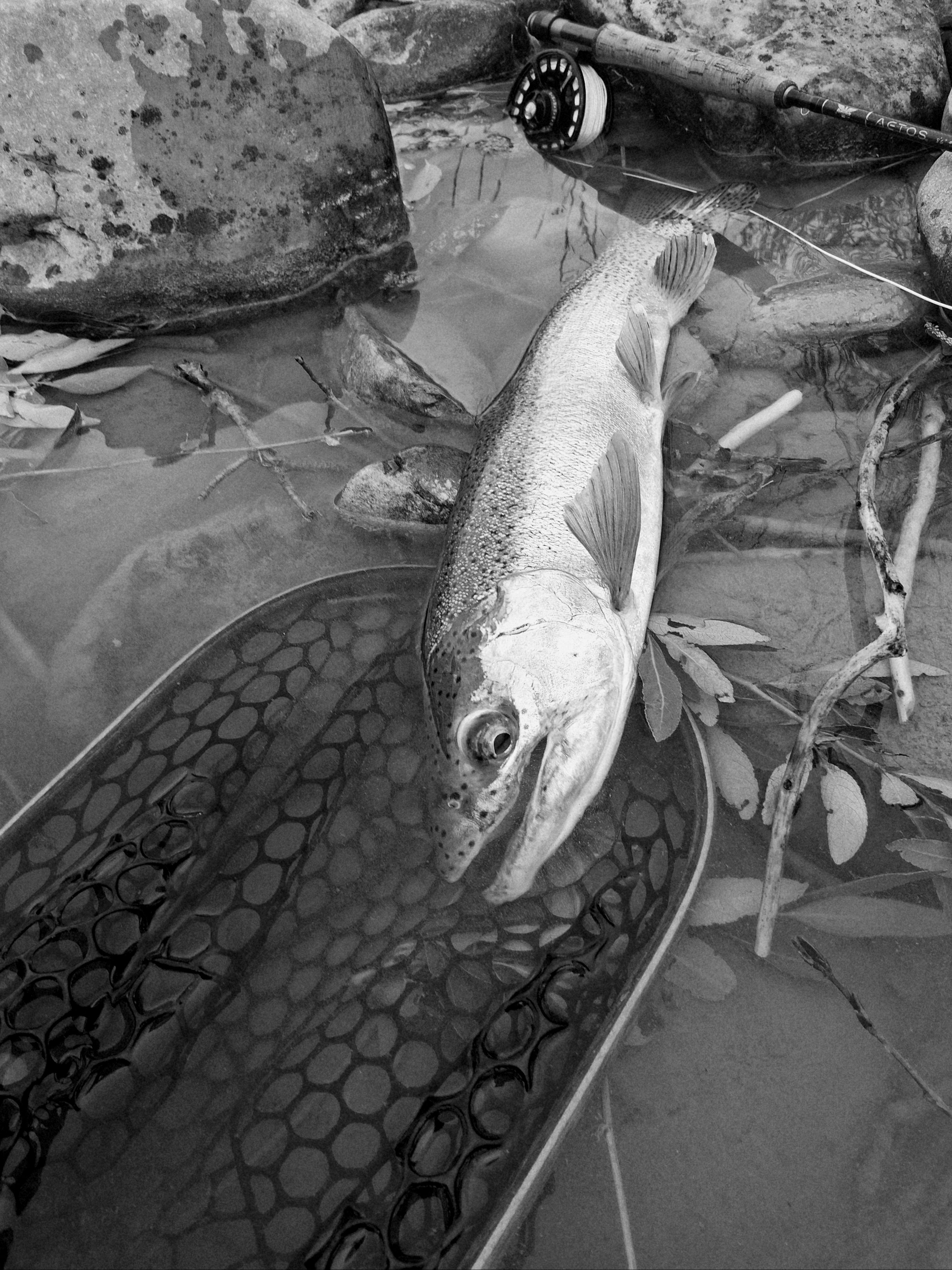
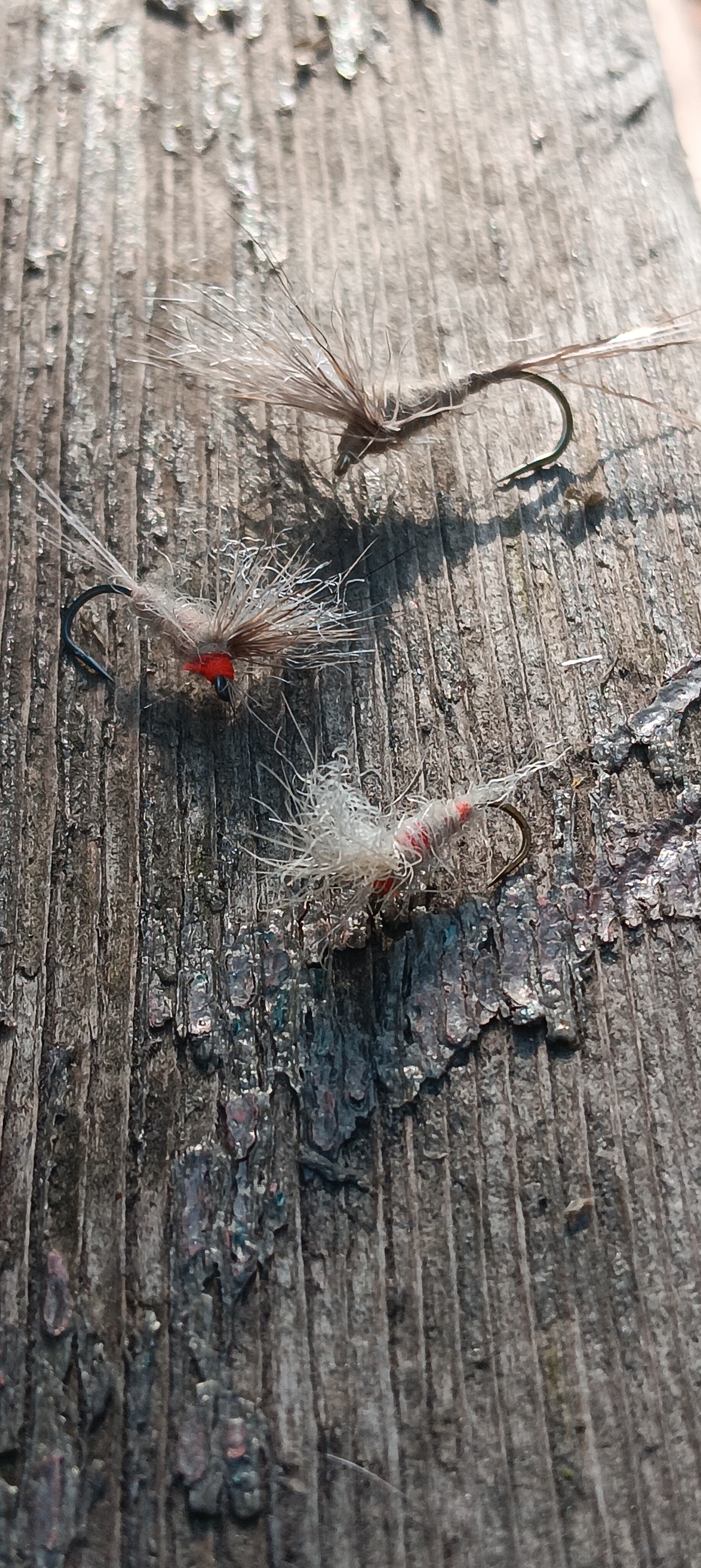
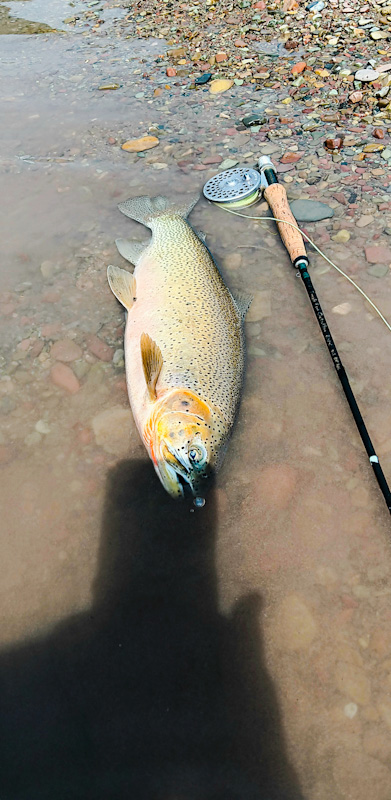
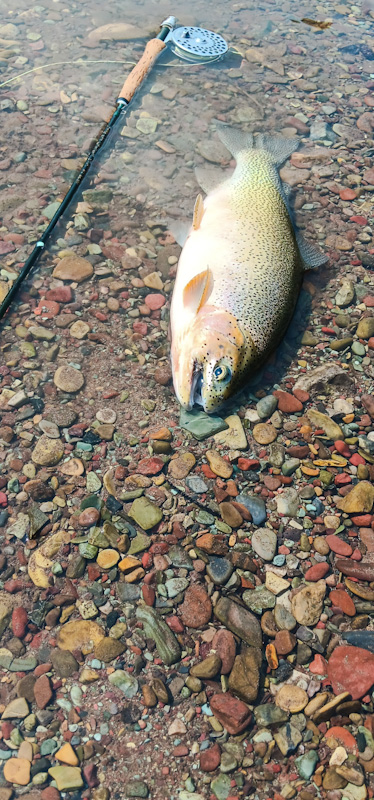
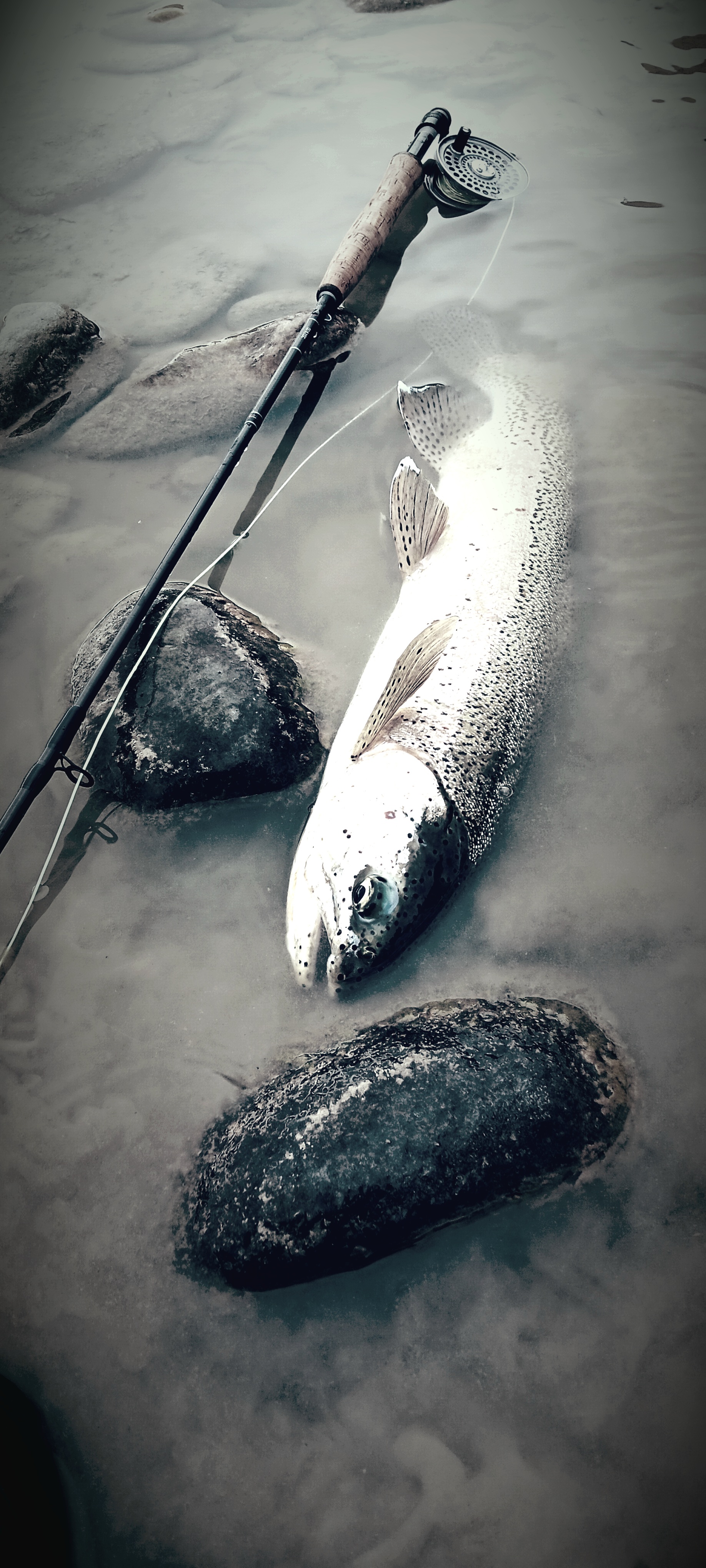
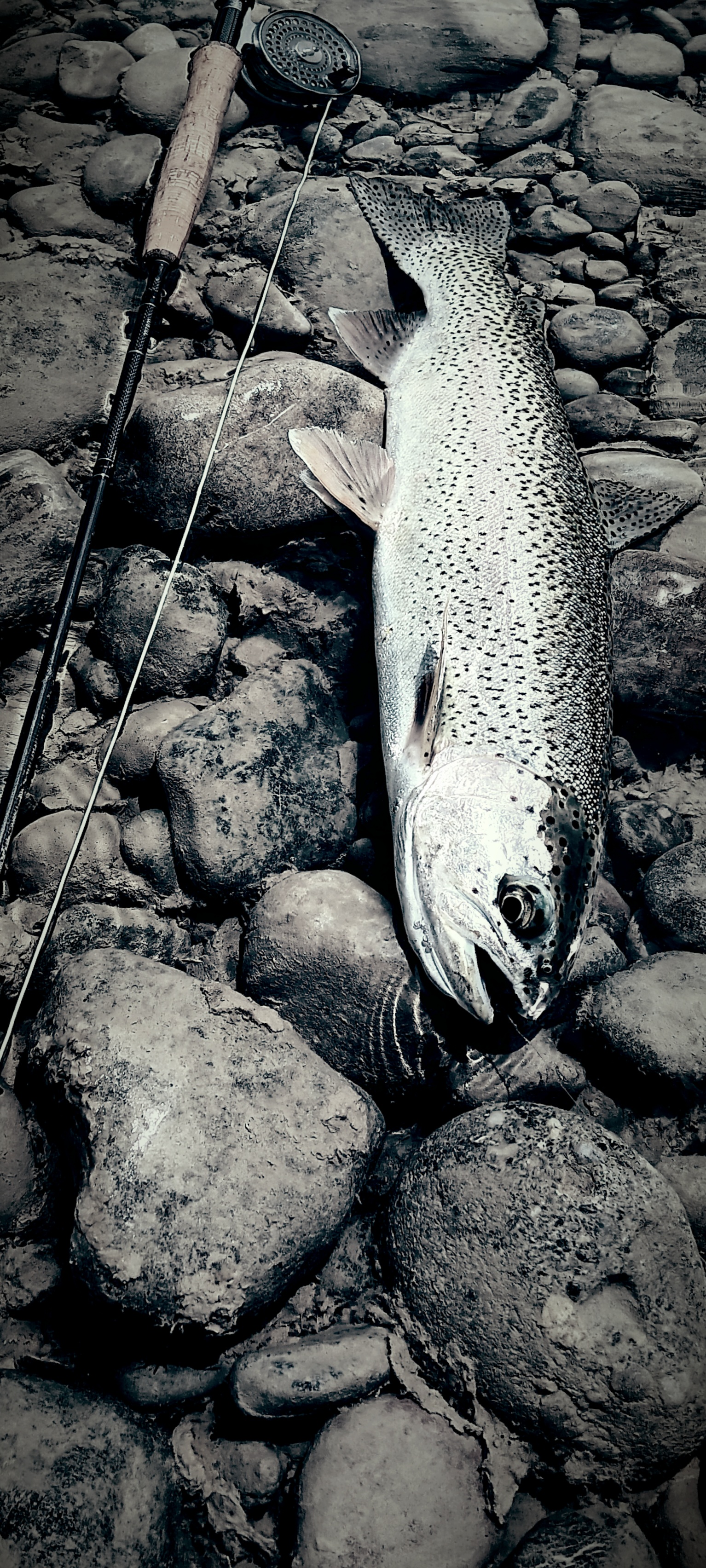
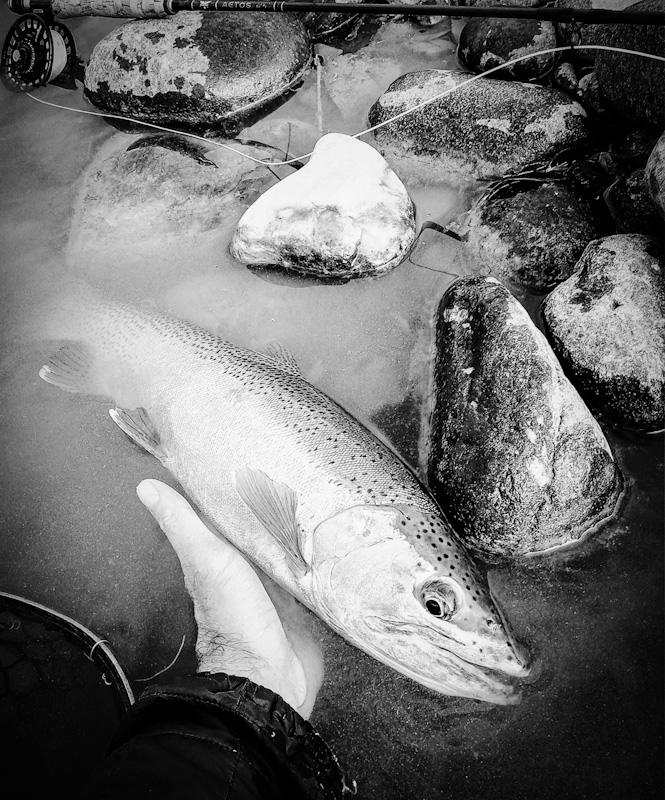
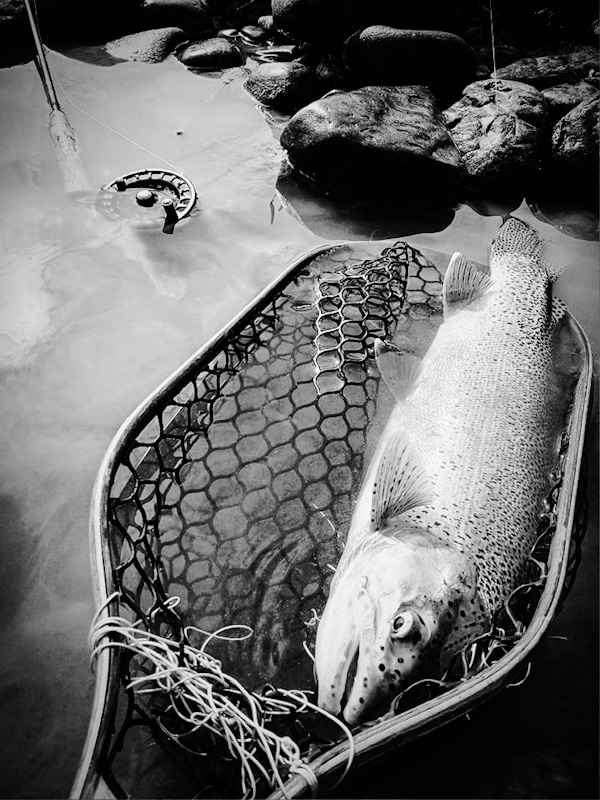
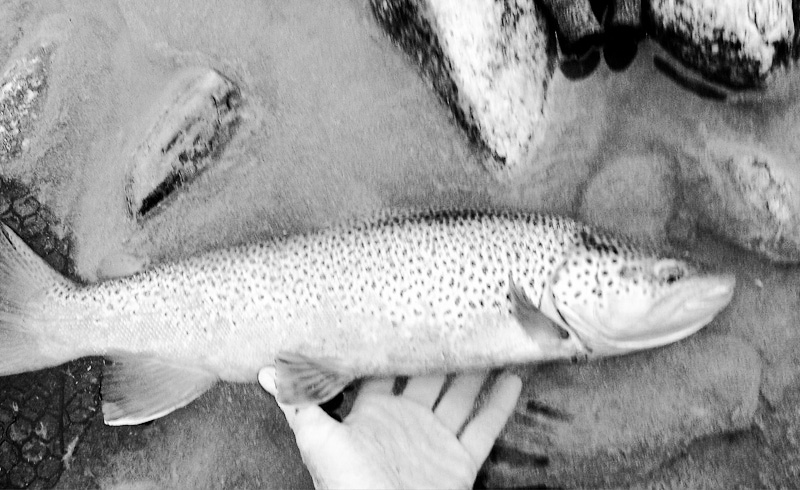
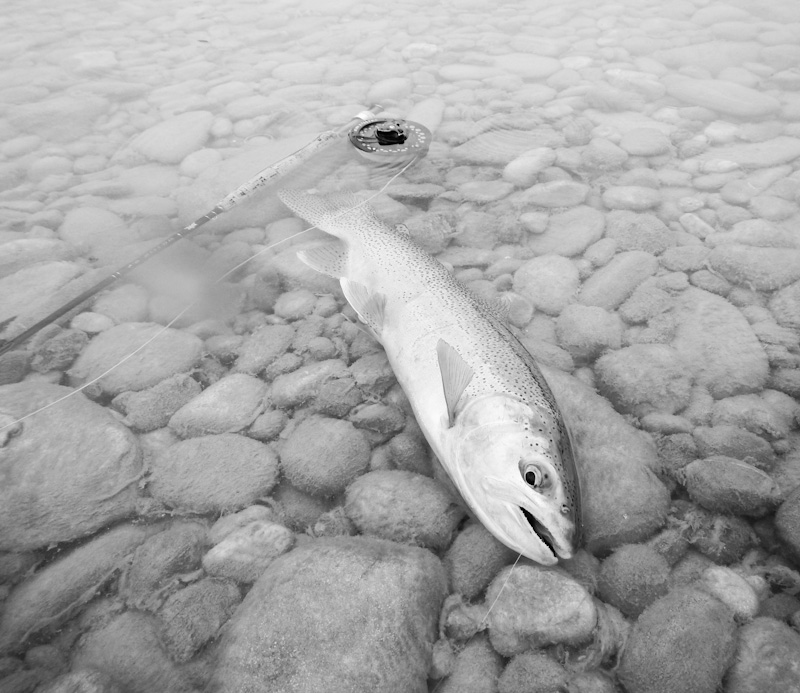
The Cutthroat that I spotted in the slower flows were selective. I was able to fool some with spring creek type (barbless) dry fly patterns. Cutthroat are often regarded as being easy to catch. That’s not always true. Each Cutthroat stream is different and has its idiosyncrasies. There are no absolutes. The one I was on is usually quite challenging, especially as summer marches on and especially in the pools and slower sections. The river doesn’t hold a lot of trout. It is a quality over quantity river. Here are a couple of healthy fish that I connected with.


Troughs along bank sometimes hold trout

quigley pattern took fooled a big fish

big horn skull

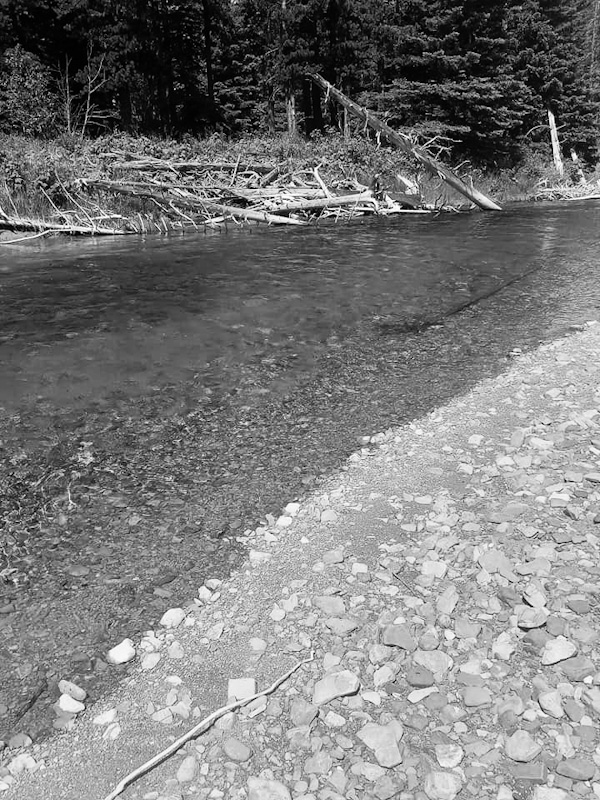
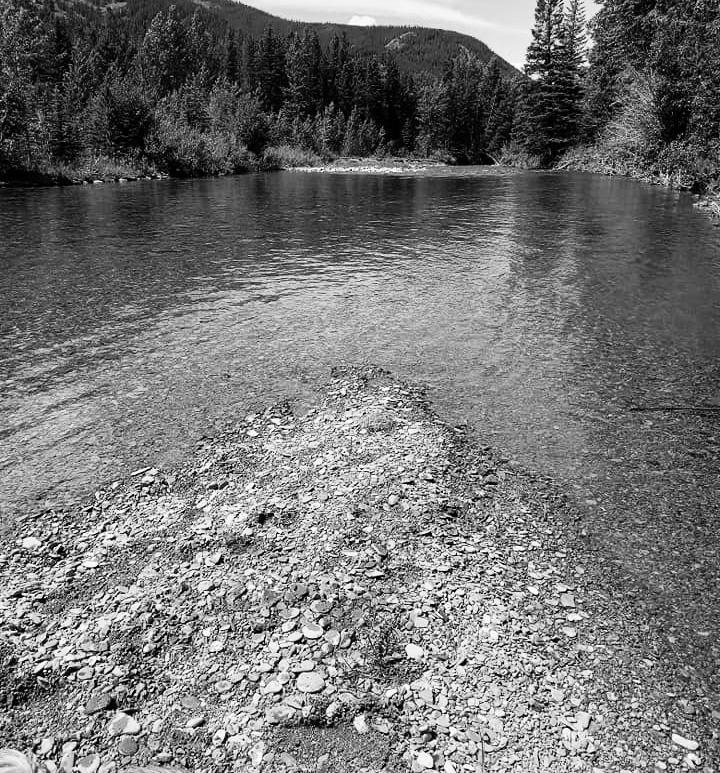
clear water

small flow from feeder creek

cutthroat trout

bergamot blooming

big horn sheep

chewed hackle stacker drake

new season

Back home from road trips. I’ve been fishing local rivers recently. All are now open for angling. Water levels are dropping and most can be waded. Run-off was gentle this year. That’s good. And it has been a cool, wet Spring and start to the Summer. That’s also good after several low water years.

Most rivers look good. The Dam controlled tailwater flows that I often fish, however, need a flushing to clean out the significant Didymo (Didymosphenid geminata) build-up but I’m not sure that will happen. Water capture and diversion for agricultural irrigation is the priority with Provincial Water Management, not the health of the rivers below the reservoirs. While angling in Montana this Spring I witnessed a planned flushing of the Beaverhead river which is a dam controlled flow (tailwater). I was told that in years when they have enough stored water in the reservoir a flushing is done for several days to emulate a natural run-off and improve the health of the waterway by dislodging silt and other build-up. Our tailwater rivers could benefit from such a practice.

Here are some images of trout caught on dries size 18, 16, BWO’s and PMD’s, and a few on a size 12 Caddis pattern. The rivers are slowly beginning to warm and insects are starting to emerge mid-day.


Season’s End

“For one to fly, one needs only to take the reins” – Melissa James

The dry fly season has come to an abrupt end. Winter showed-up, for now. So I left the rivers and started hiking some nearby trails and met some old friends along the way…

Pale Morning Duns in October

It’s late season and small dry fly angling is an afternoon event on one of my favorite prairie tailwater rivers. The predictable mayfly hatch at this time of year is Baetis/Olives. On the unique river I have been visiting, however, the Pale Morning Dun’s (PMD’s) of summer often come-off through September and even into October, along with the Olives and sometimes a few Mahoganies. Each river has its story…

Some images of trout caught this October, on summertime PMD impressions.

pmd dries, marching to river

Abby

snow in mountains, last week

wet lens brown

cutthroat

clear water

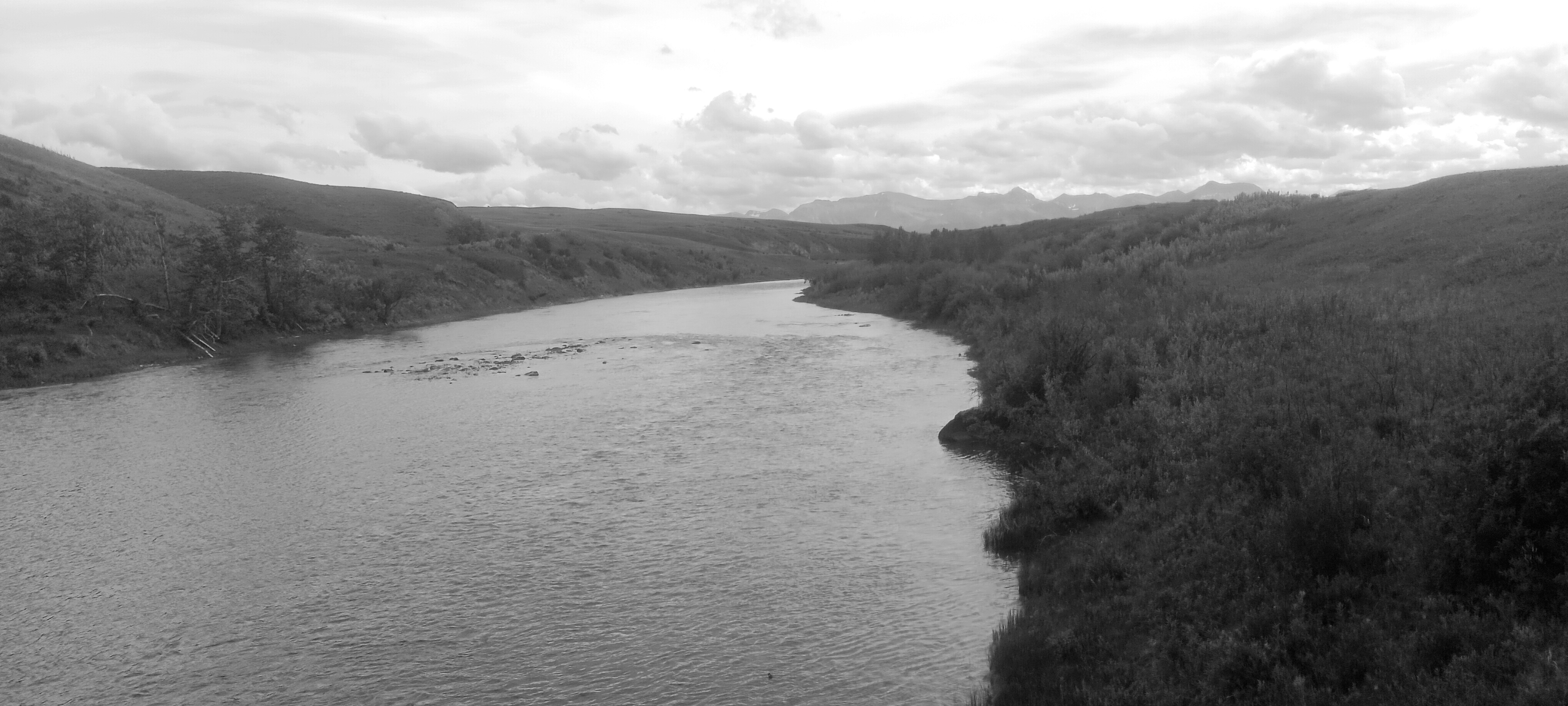
Late June in SW Alberta. A Cutthroat stream. Clear water. Cold water. The weather was suppose to be mainly sunny today but for the most part it was a mixed sky. Mainly cloudy with some sunny breaks. It made wet wading chilly. My feet quickly became numb. River temperature was 49f in the shallows. It felt much colder in the deeper water when I crossed sections of the river when making my way upstream. Sunny breaks heated the riverside sand and fine dry gravel beds. I knelt down in these soft spots absorbing the heat radiating from the ground and watched a number of pools for rising trout. I only saw two slight surface disturbances all afternoon. Fine Cutthroat they were.

There were a variety of bugs but not a lot of anything. The sum total of PMDs, Drakes, Yellow Sallies and the odd Golden Stone was not enough to entice many fish off of the bottom. Not enough for the river to come alive. Hopefully that will change in several days when the water temperature breaks through the 50f mark. I’ll come back then.

I covered a mile or so searching the clear water. The Cutthroat were caught on a size 12 Drake dry tied on an emerger hook; body of the fly breaking the surface. The river was low for this time of year. All rivers are low. I fished barbless for a quick hook release. I’ll do that all season. Alberta once had a barbless policy. No more.

abby

a bit of color

Spring

Flows are low for this time of year on a local tailwater river and water clarity, for now at least, is excellent. Usually it is high and off-color in late May. I took advantage of the good river conditions and a forecast that called for cloud cover and minimal wind, hoping for a good hatch of Blue Winged Olives. The hatch was good. Fish were up. I casted emerger patterns mainly size 18: fly body breaking the surface and a wing (white or black depending on surface glare) simply for a bit of flotation at eye of fly and for visibility. A few photos of Rainbow trout.