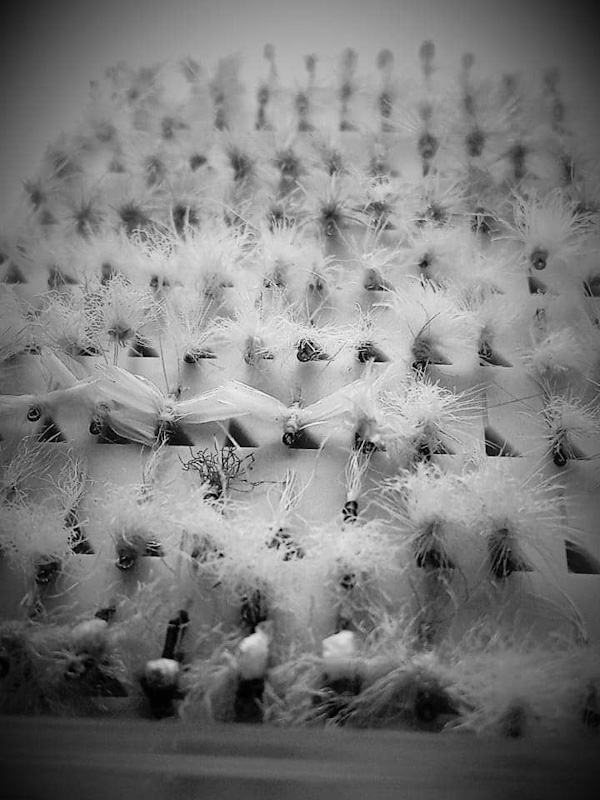
Visible flies

” Black: the absence of light; the absorption of light”.
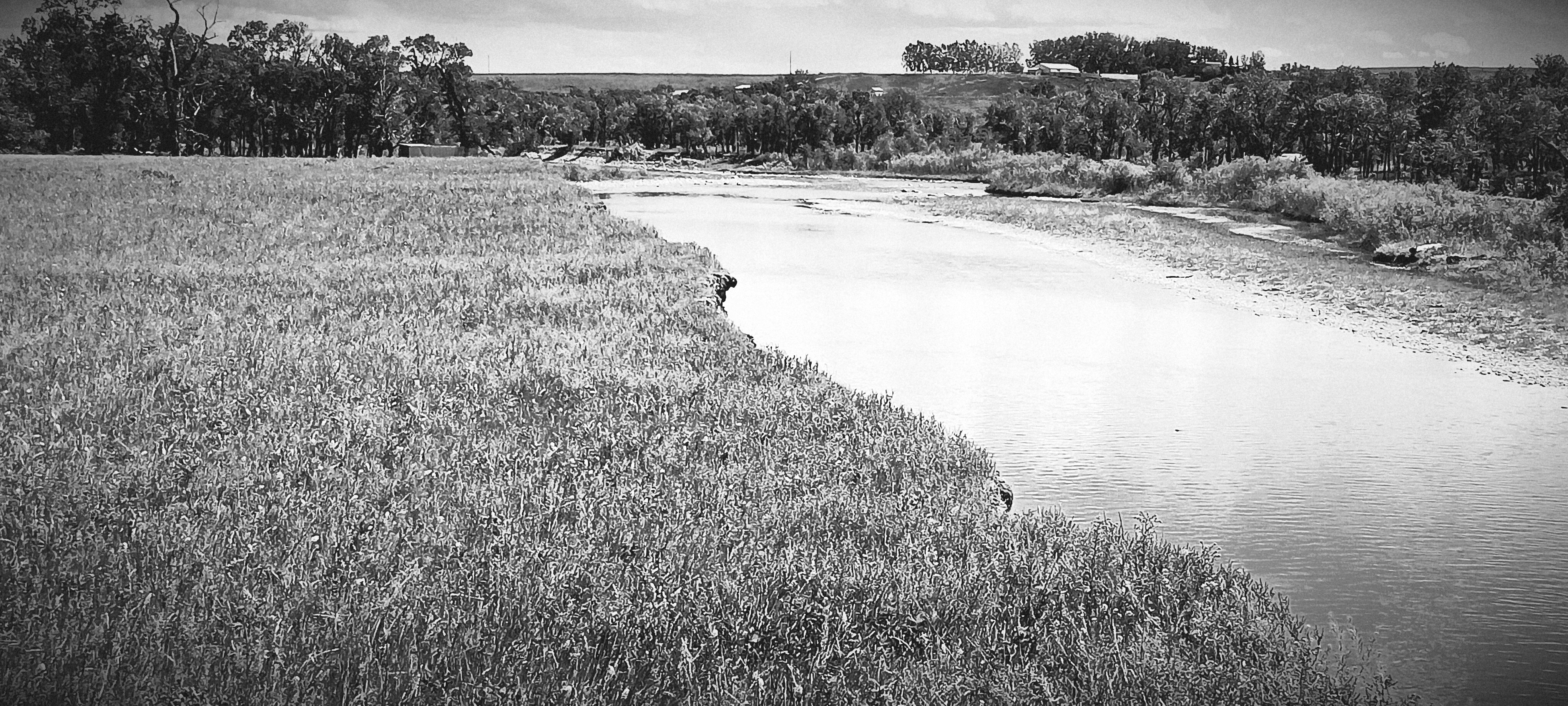
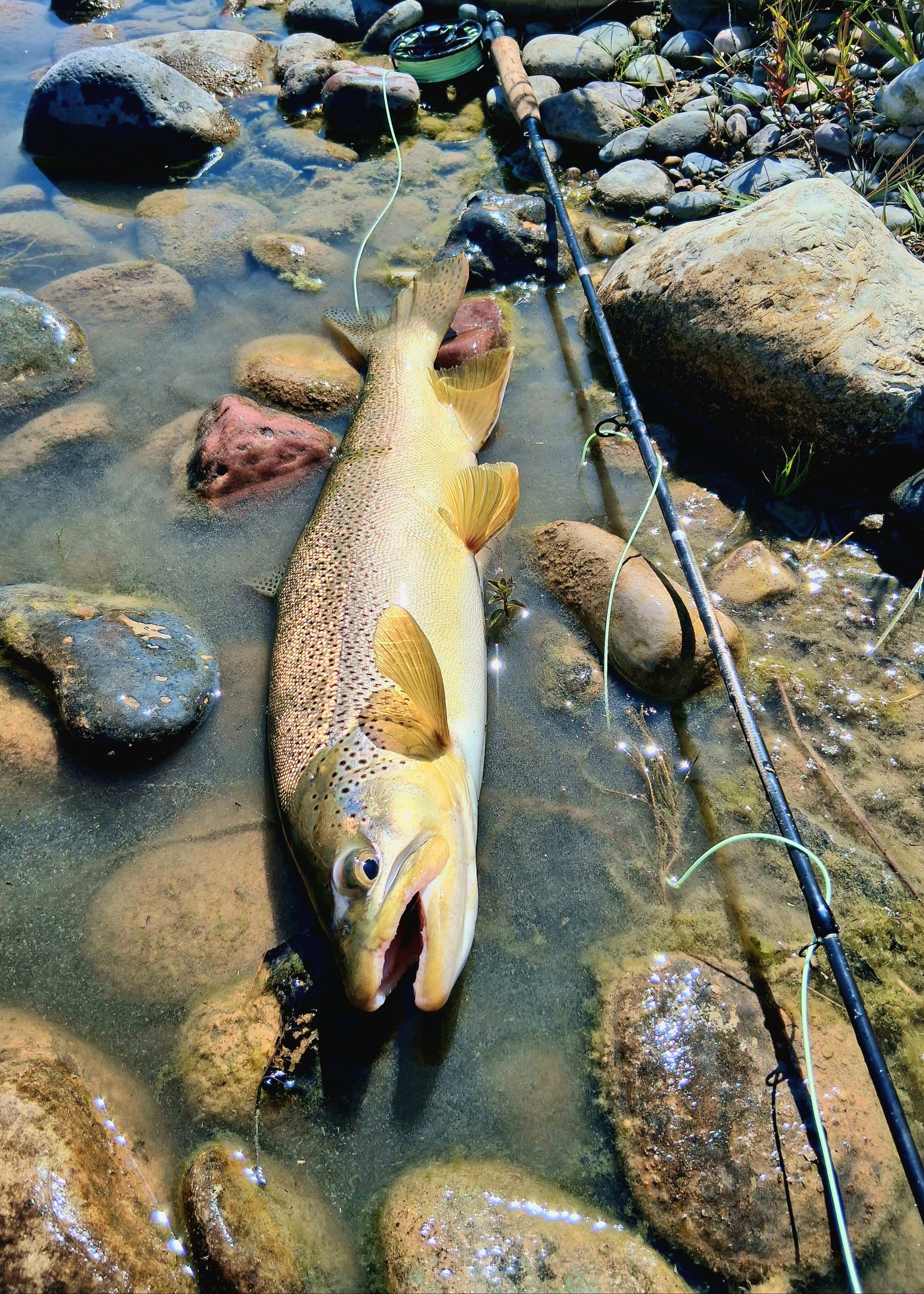
The clouds rolled in. Just for one day. So I took advantage of it as the dry fly season is winding down in my region. Soon local Brown trout will be on redds. Maybe some already are. With the overcast sky I was hoping some trout could be found rising to Olive and Mahogany mayflies. There were quite a few bugs on the water in the afternoon but unfortunately it was windy. I didn’t see a lot of fish surfacing but did find one decent one feeding just off of the edge of a current line. It ate a size 18 Olive tied with a black wing. The black wing allowed me to see the small fly from some distance even in the low light, high glare conditions. I was able to get the tiny impression on target.

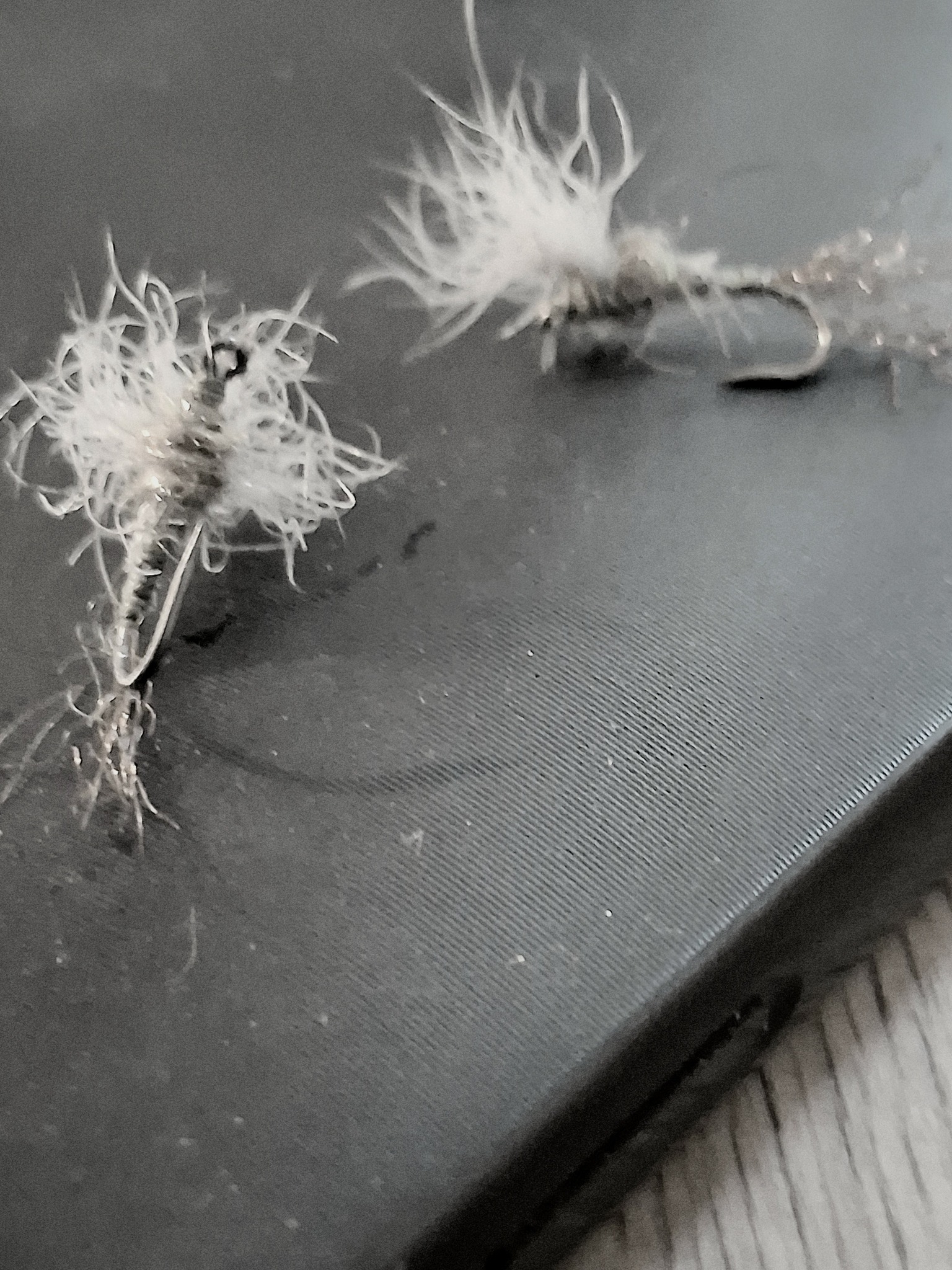
When fishing wide open places I tie at least one third of my small dries/emergers with a black wing or post. I can’t fish what I can’t see. Flies that become invisible once casted are useless. When tying dry flies for rivers that tend to produce a lot of small bugs I pay attention to size, color, attitude (how it sits) in the water but just as importantly, or more so, visibility. I need to see where the fly lands to know if my cast is accurate; I need to see it tracking (drift) to the fish; and I need to see the trout’s response if I’m going to fish effectively. Put simply, I need to see it…

When I glance over various online fly tying forums I see many exquisitely crafted fly patterns (beyond my skill level) but many would be hard or impossible to see on a lot of the rivers that I fish. Maybe these tyers fish a lot of small water with streamside foliage and shadows that darken the water and therefore their dry fly patterns, even small ones, contrast well and show-up. A lot of the tailwater rivers I fish are not like that. They are broad and flow in wide open terrain and their hatches are generally small mayflies and caddis. And the dry fly fishing is usually best on overcast days which often means a grey, silvery surface and eye straining glare. That’s when a black wing or post can be helpful.

Surprisingly it’s hard to find fly shops even in big broad river destinations that have small fly patterns in their bins with black wings or posts. Most have some High Vis patterns in fluorescent colors but my eyes simply don’t pick them up as well in extreme glare as solid black.

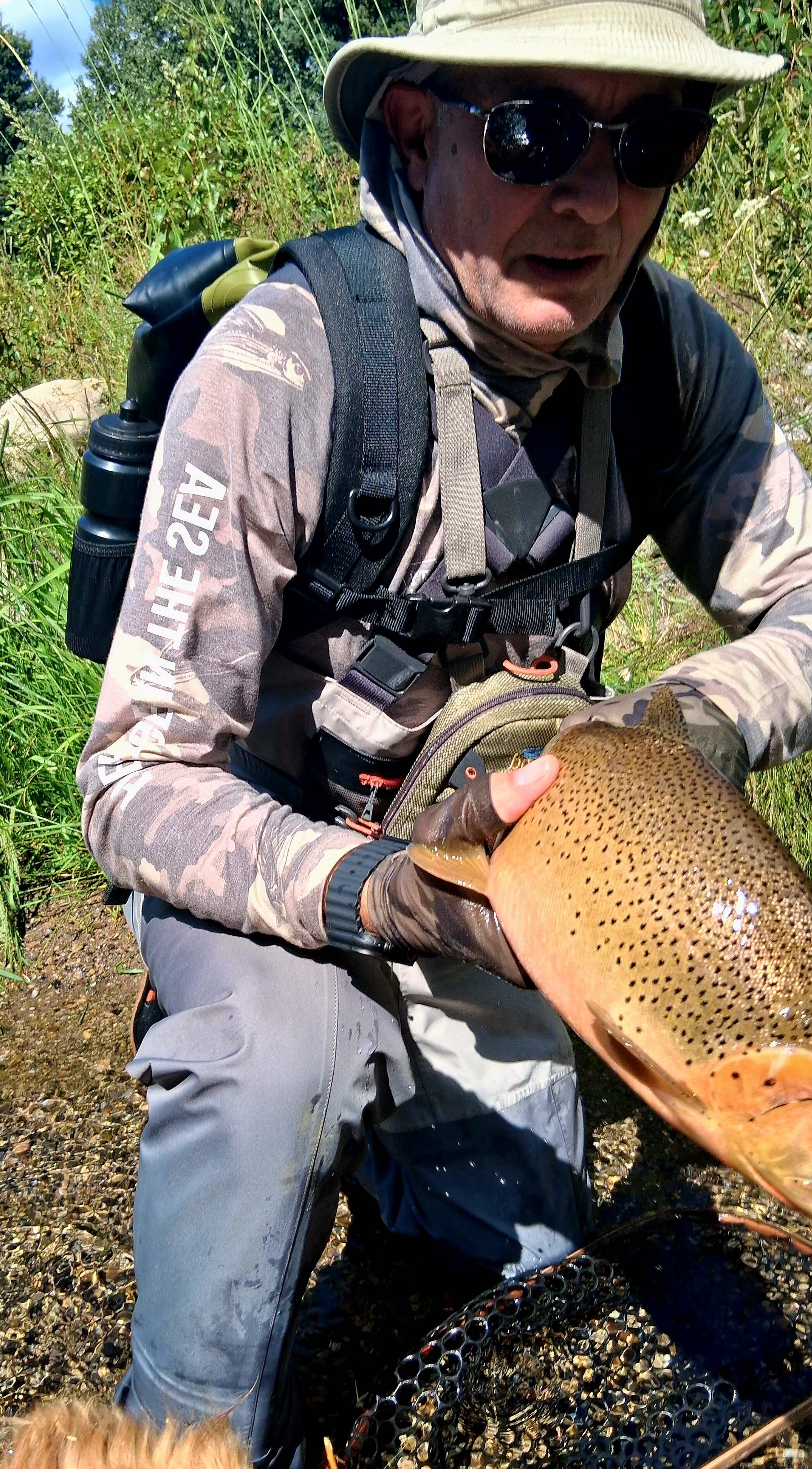
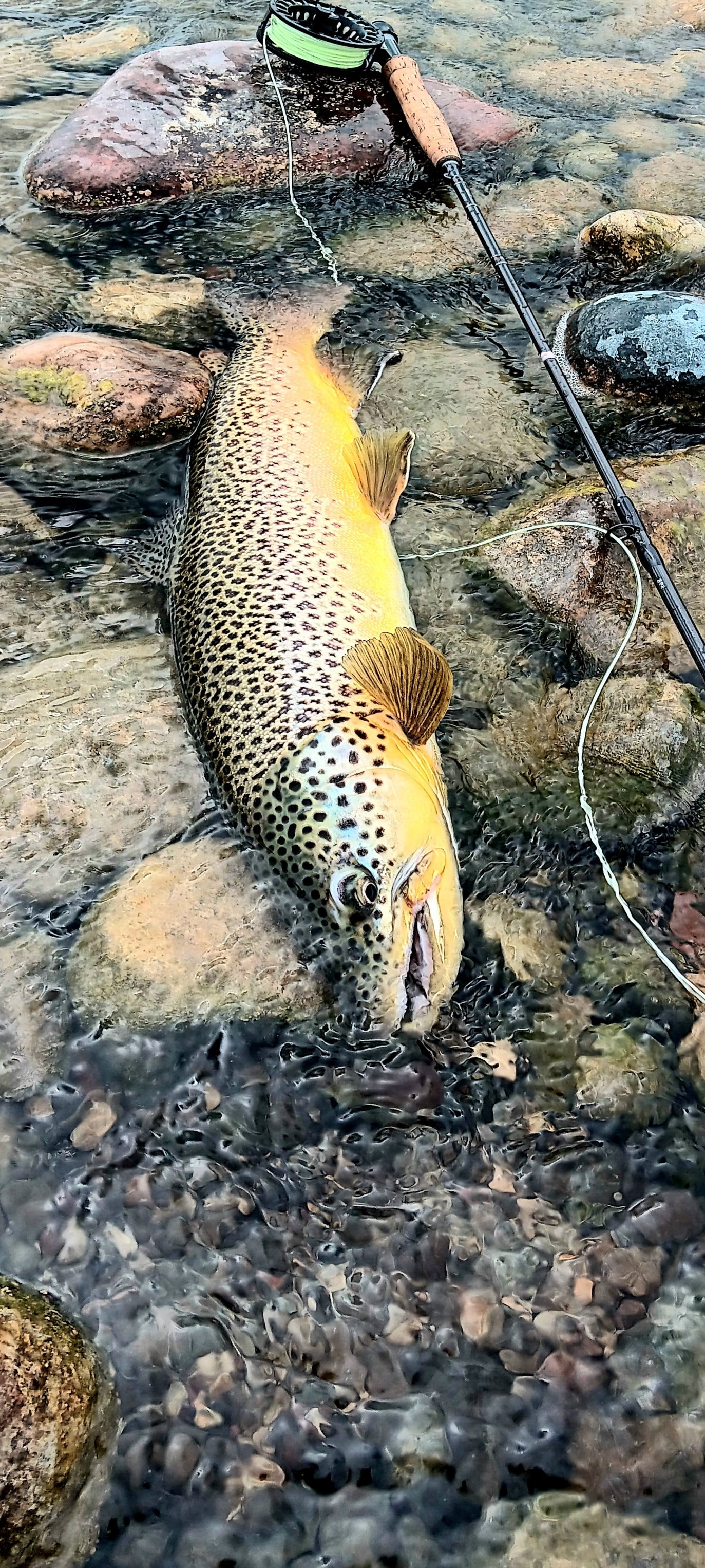
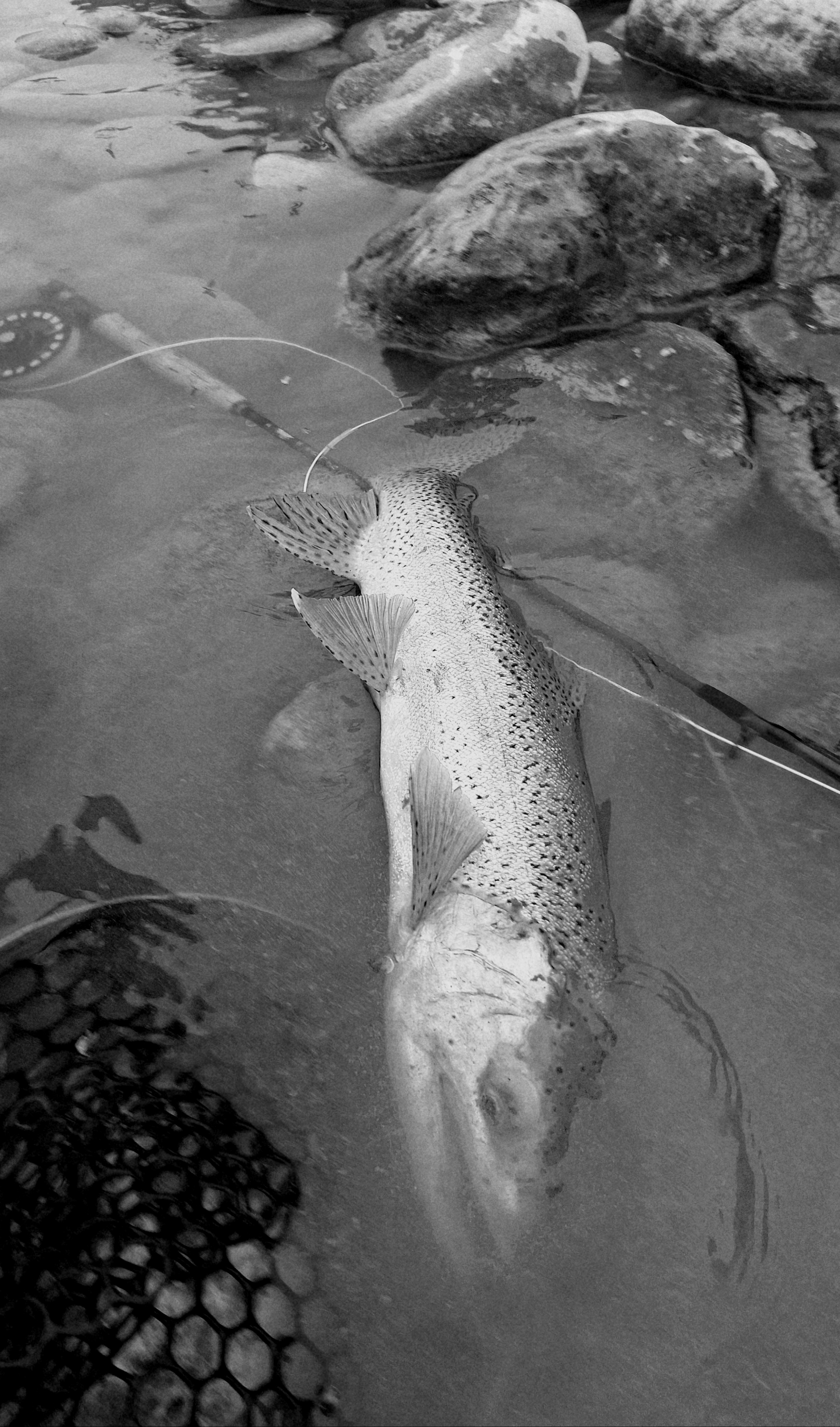
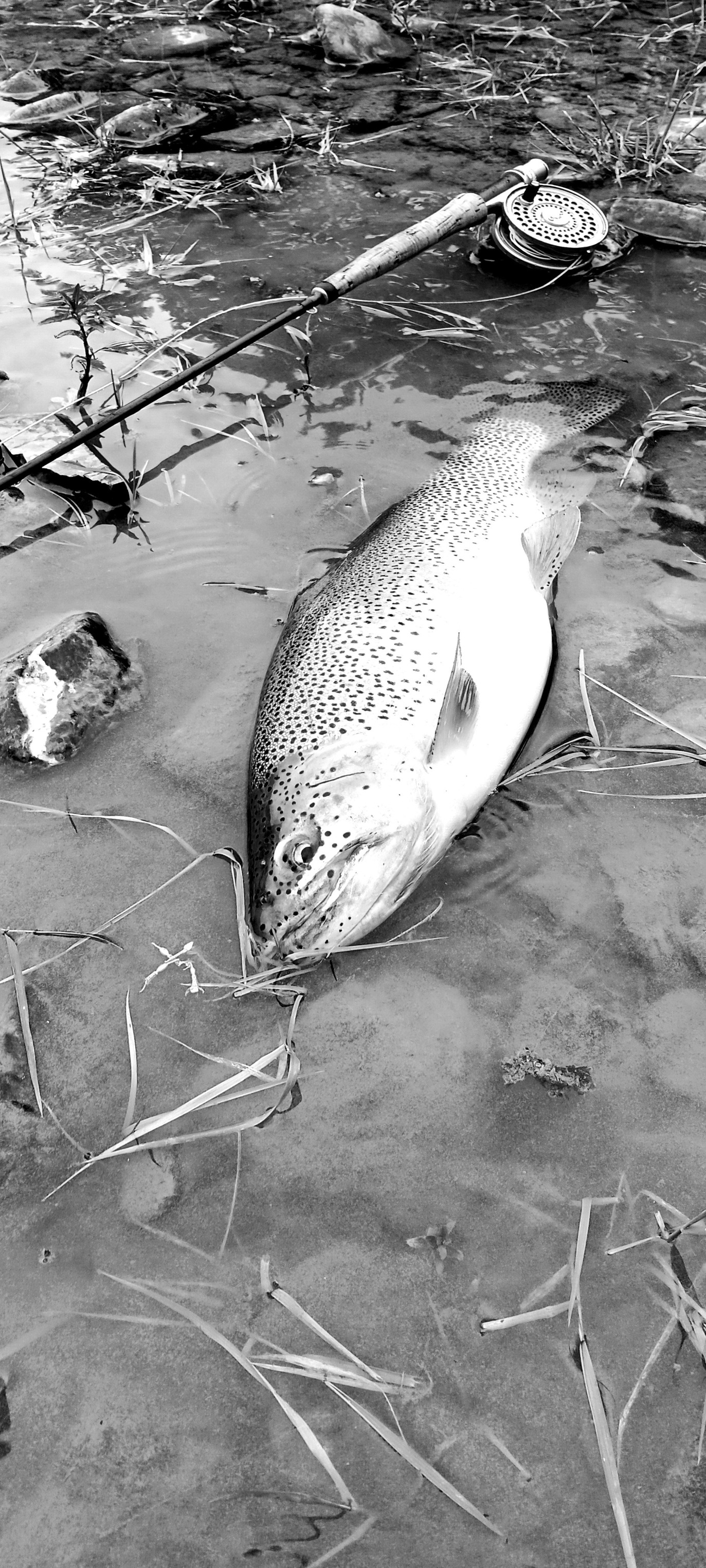
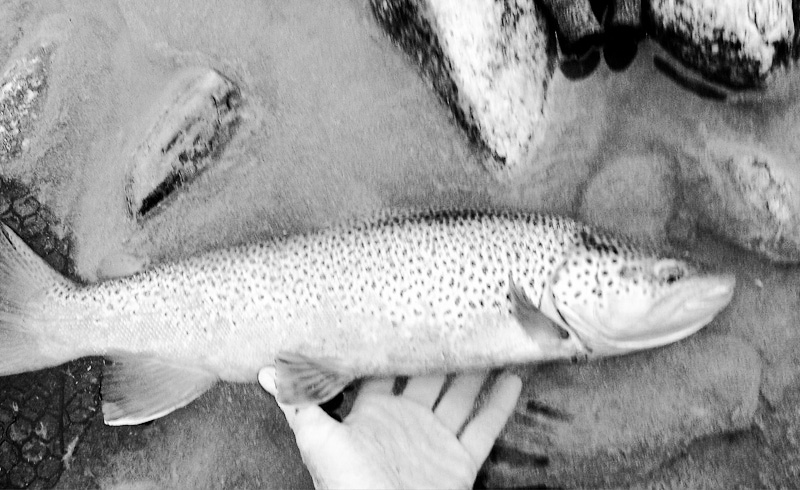
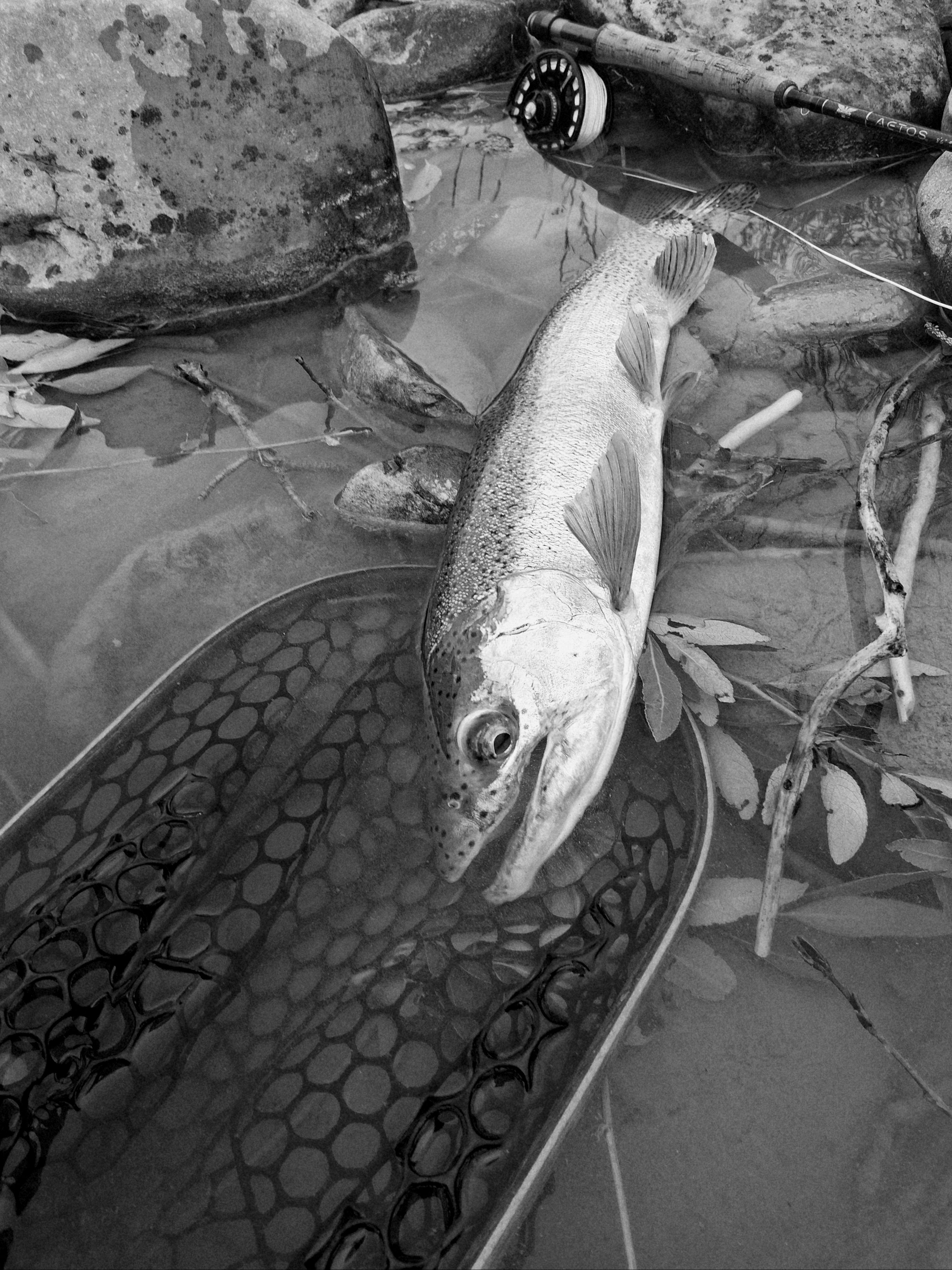
Here’s an Autumn colored Brown trout that I caught on a size 18 Olive pattern with a black polypropylene wing.

pierre

“We fish for hours only to hold a trout for seconds”– Unknown

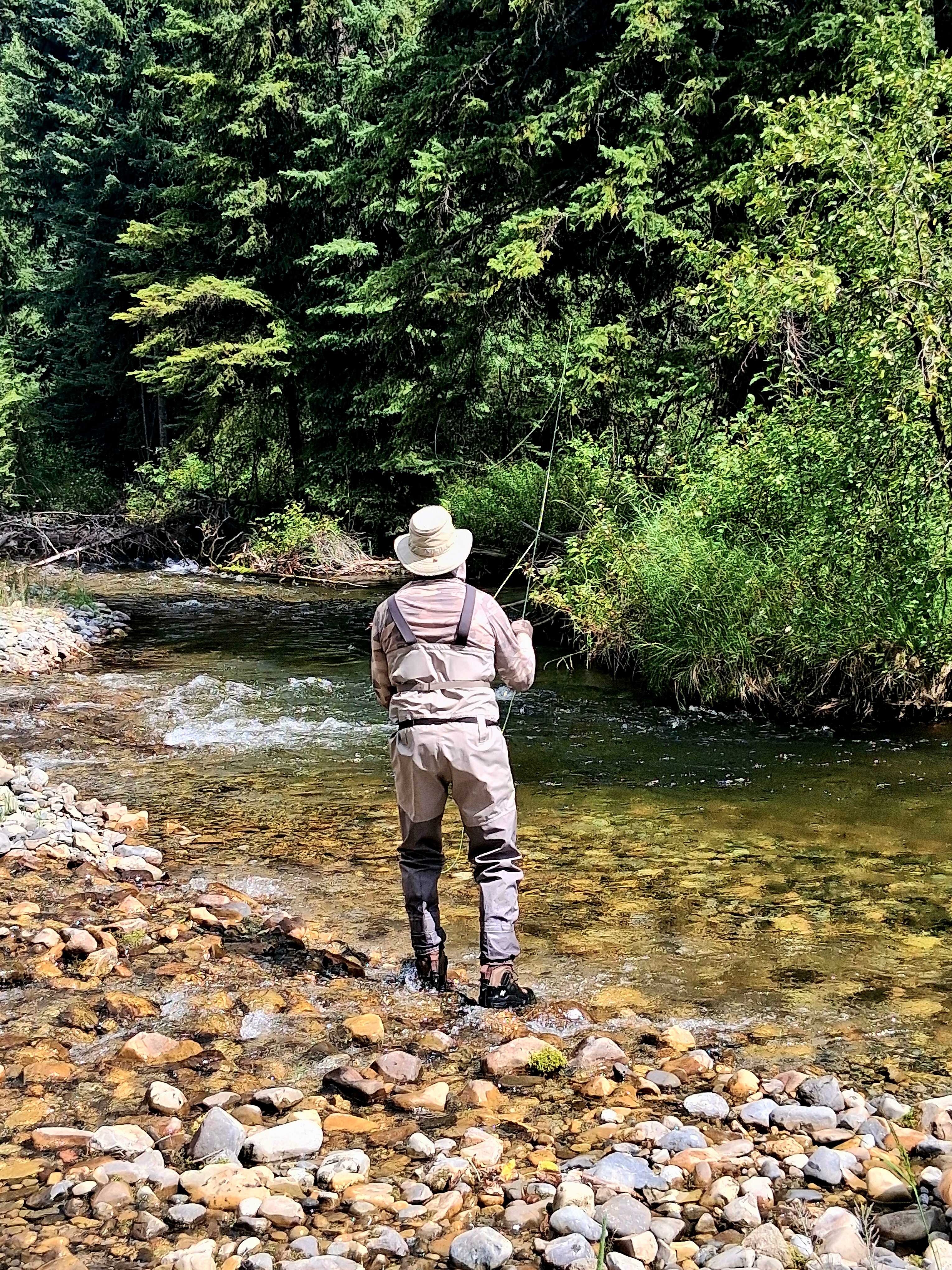
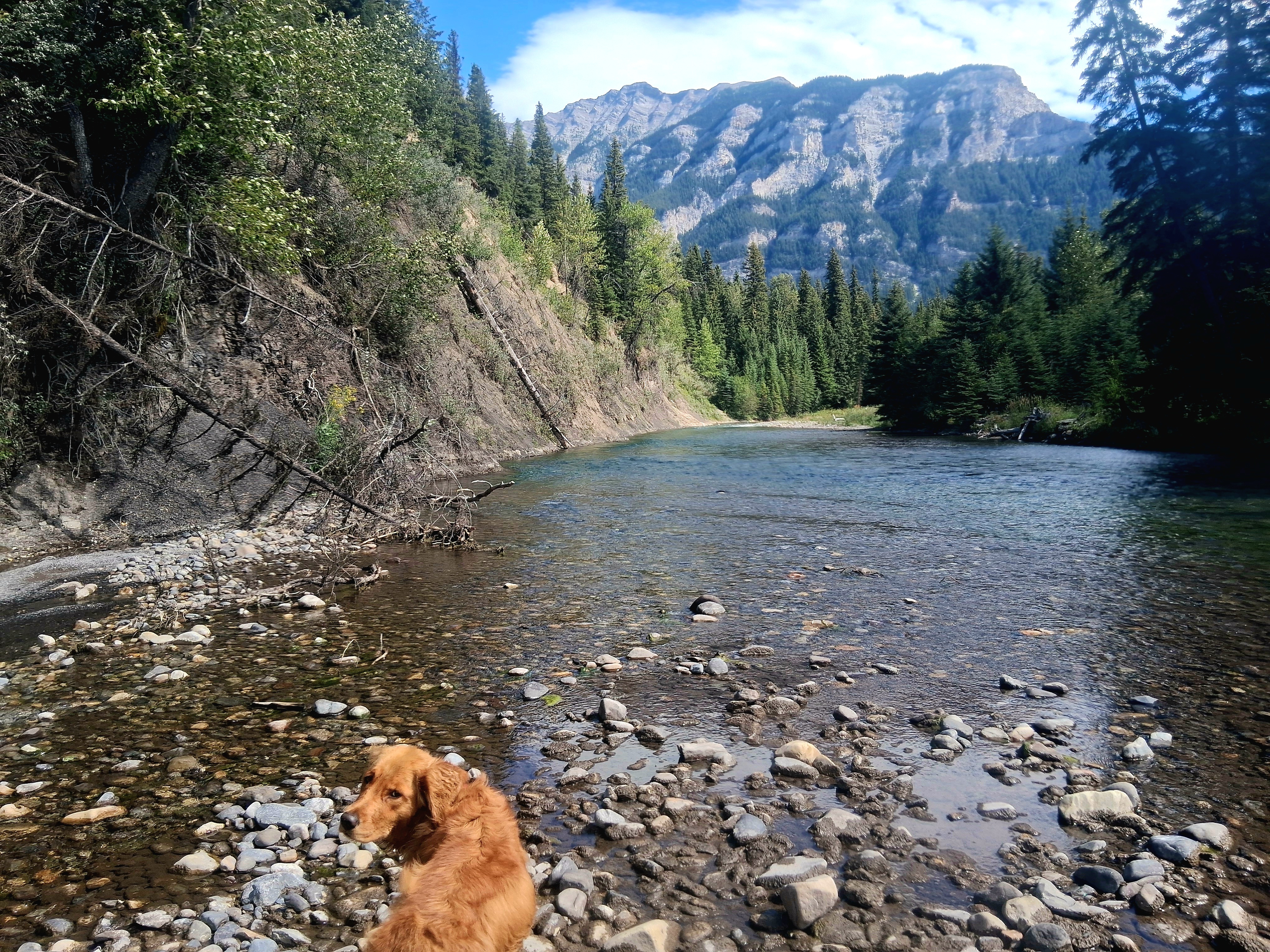
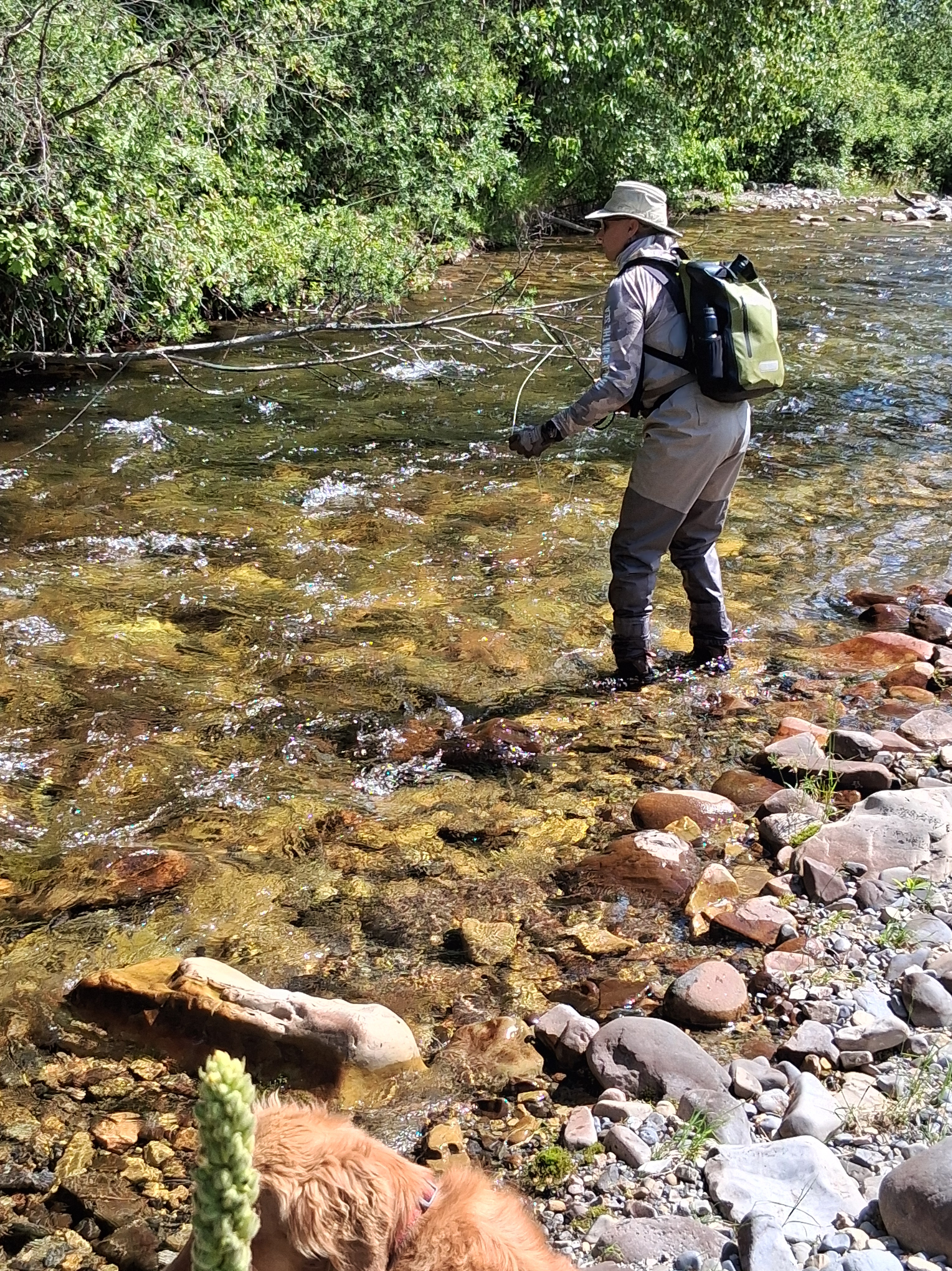
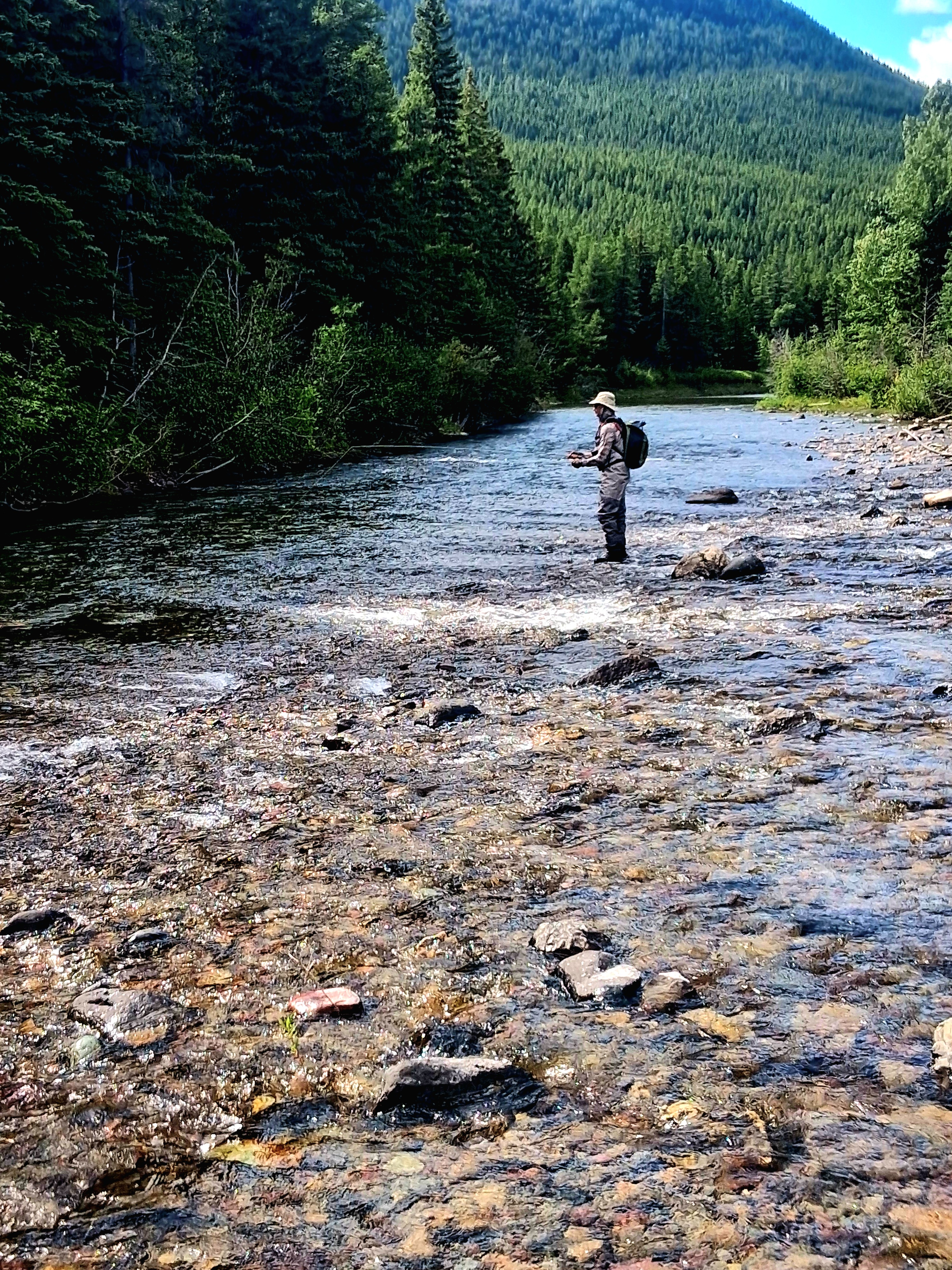
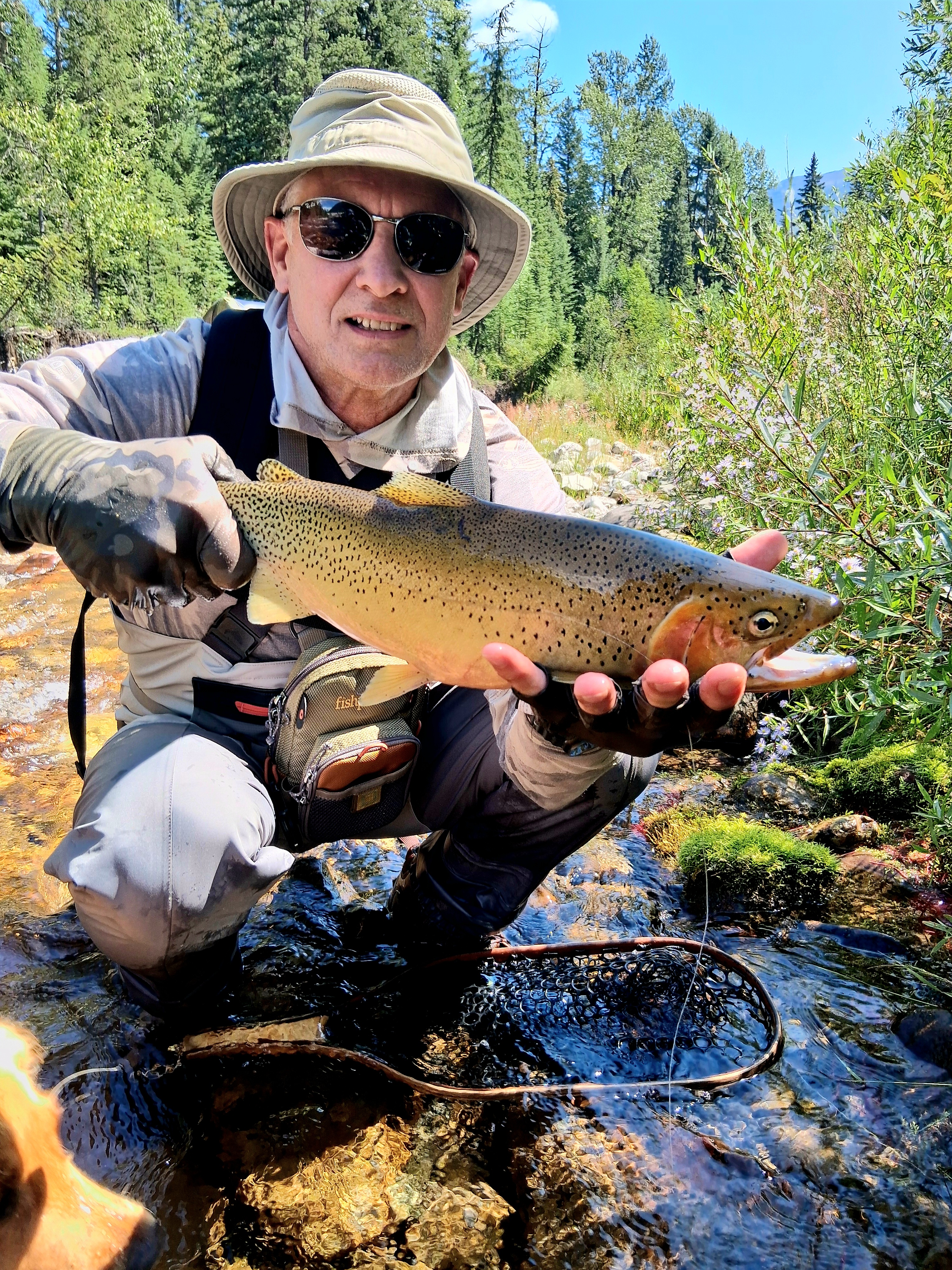
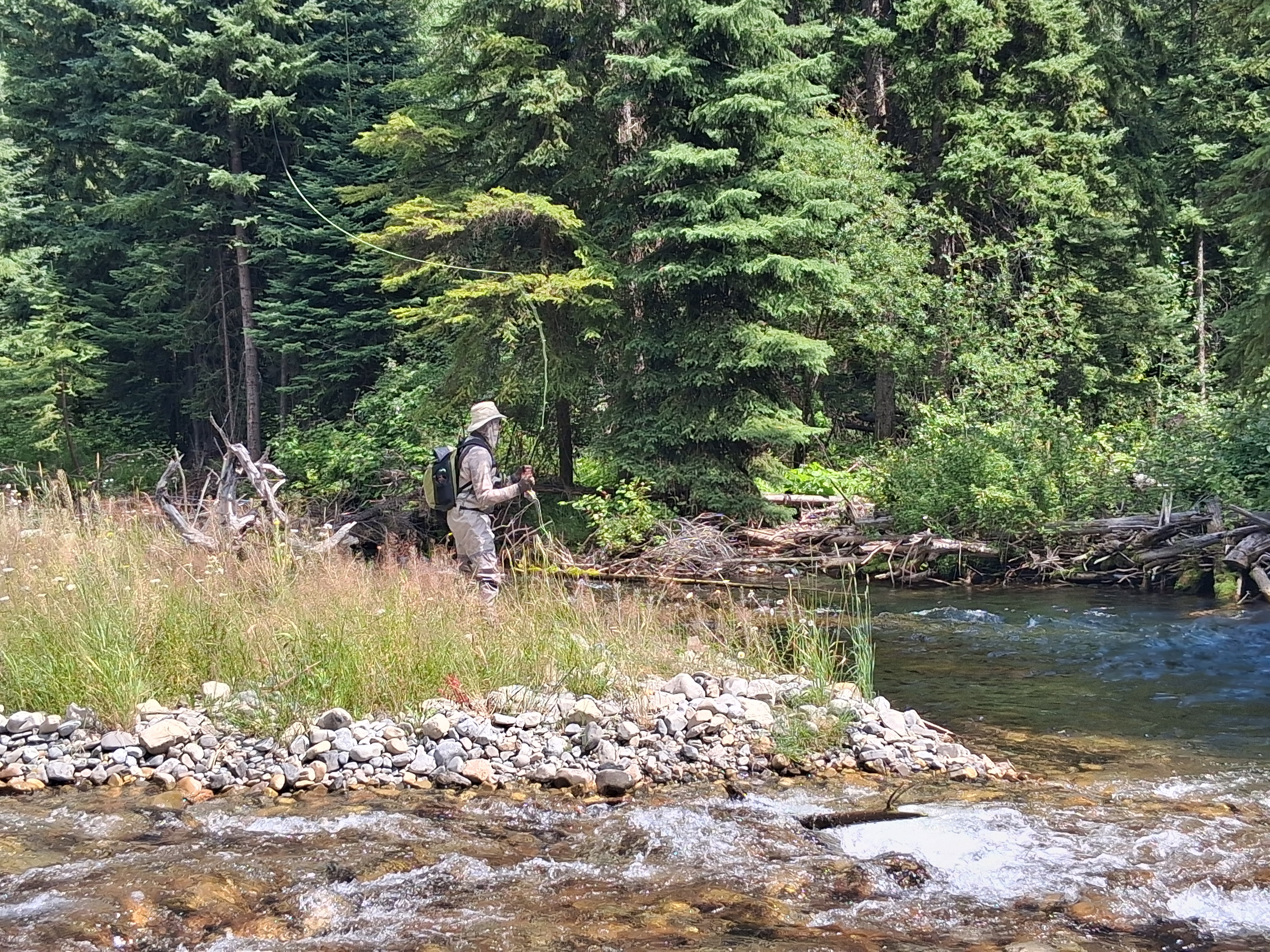
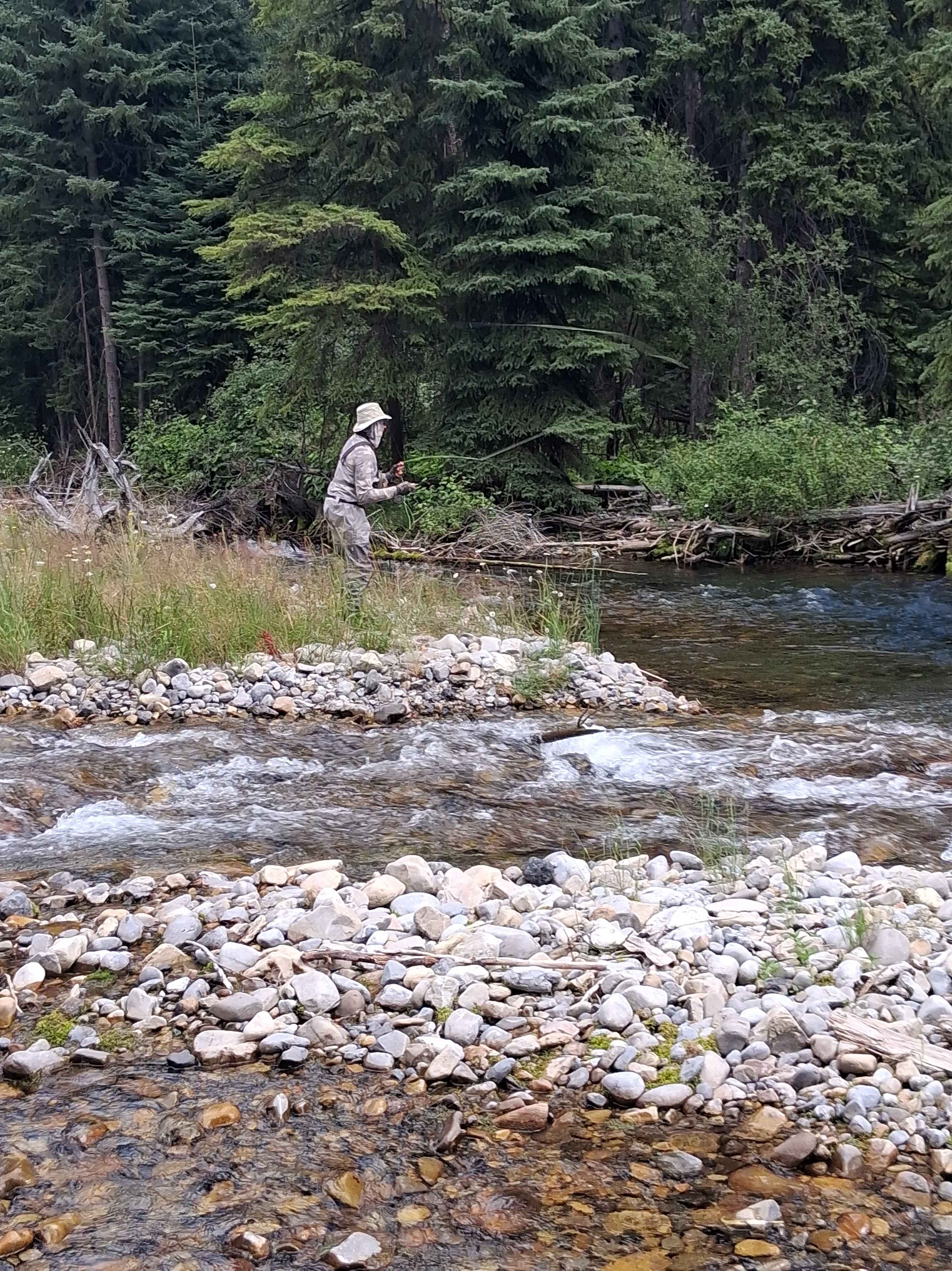
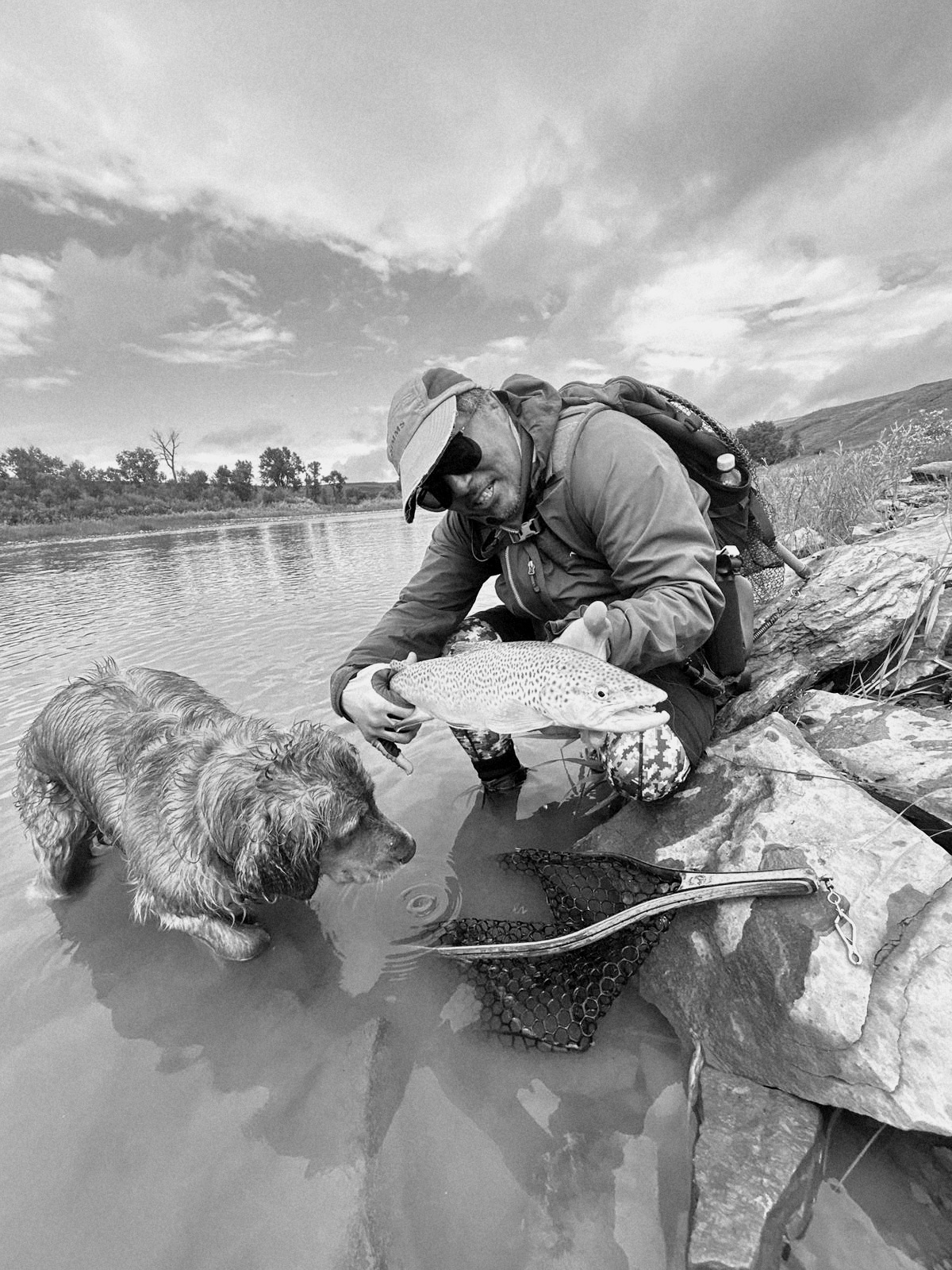
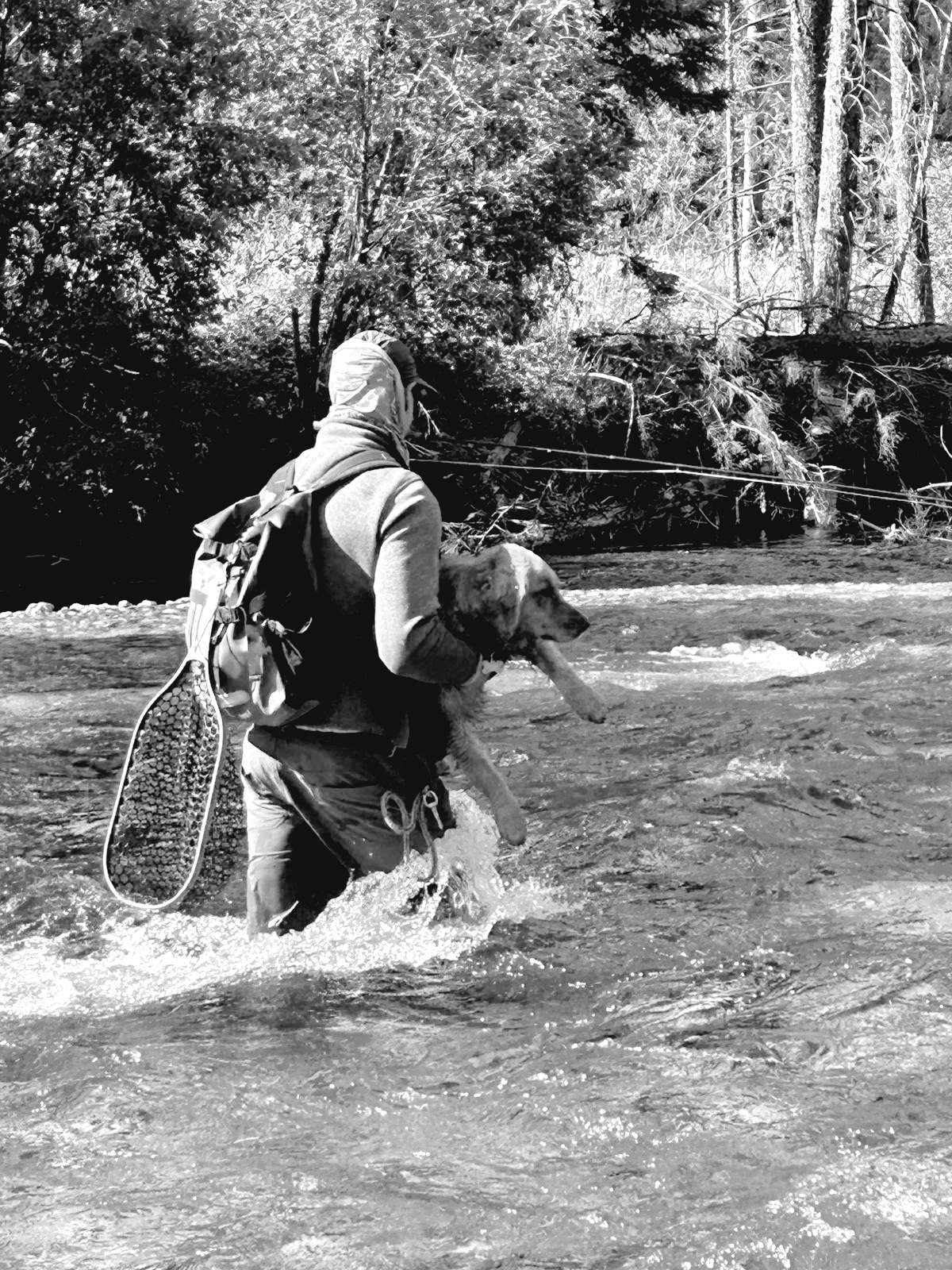
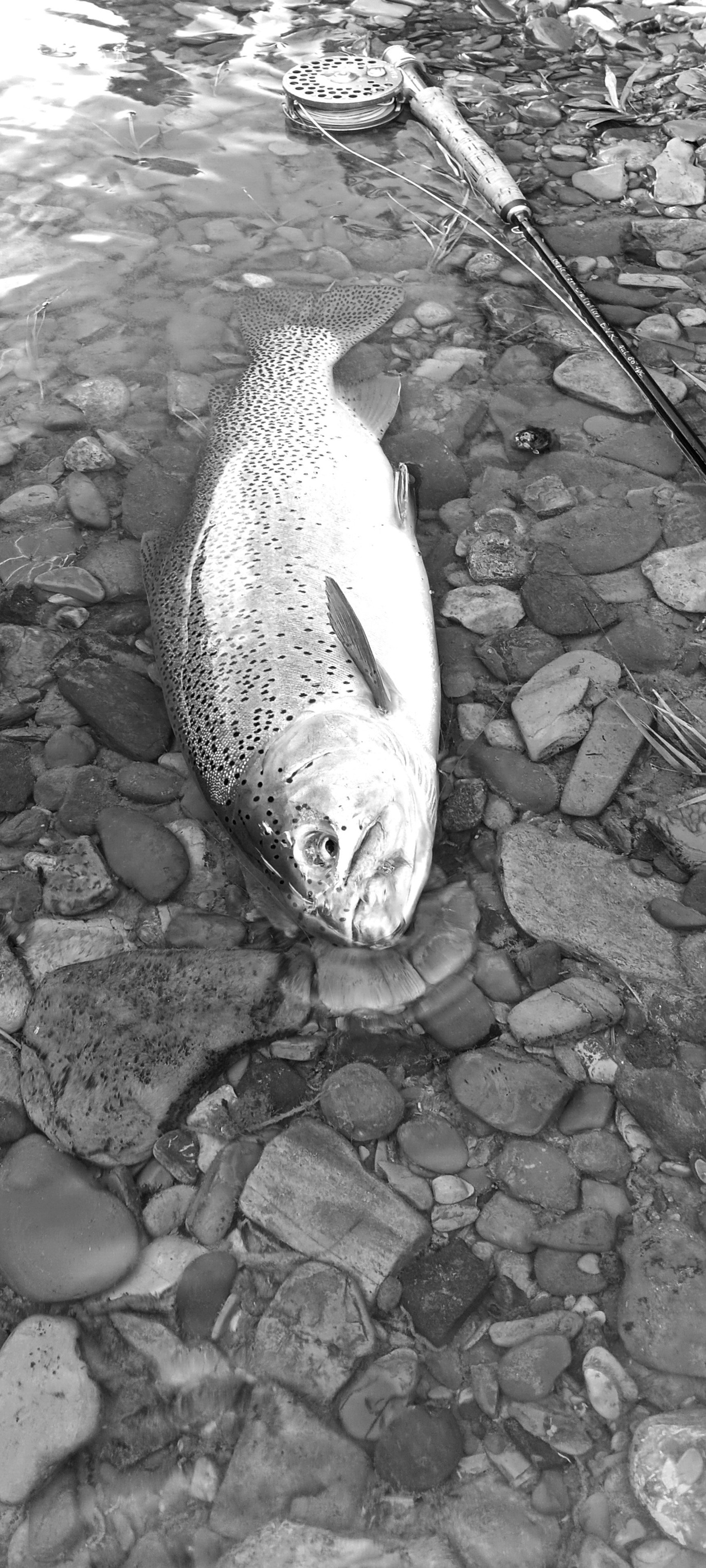
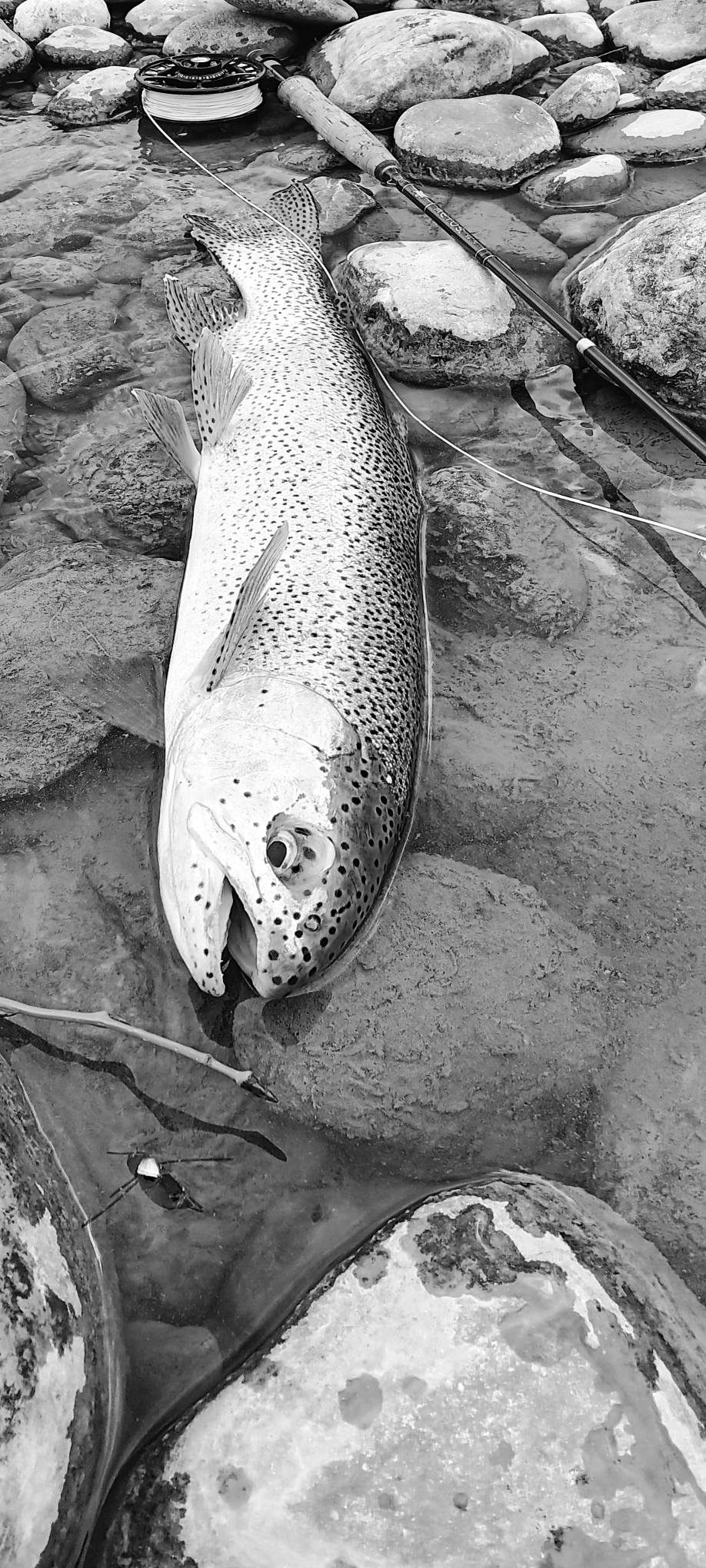
RECENTLY FRIENDS FROM the Montreal area visited the region. Pierre had experience fishing lakes but never trout streams in the Rocky Mountains. We spent four days combing a few freestone rivers. He said he did not have a lot of experience casting a fly rod. With some basic tips, however, within one-half of a day he was able to consistently get the fly where he wanted to and in front of trout. He even threw tight loops into the wind. In short order he became a natural at casting, wading rivers and reading the water. His athleticism and calm, patient manner and positive attitude were a real advantage. And with all of that came great success. Some beautiful Cutthroat trout were caught on dry flies, admired and released. It was an easy and enjoyable hosting/guiding experience for me. It was a breeze. A great guy to spend a day with on the river. I hope he returns to visit again. Some images captured on our outings…

The Originals

Original: “Present or existing from the beginning; first or earliest”.

COOL FOR AUGUST. Overall a cool summer here. And a fair amount of rain. That’s bad for campers. That’s good for trout. Everywhere else in the northern hemisphere it seems to be cooking.
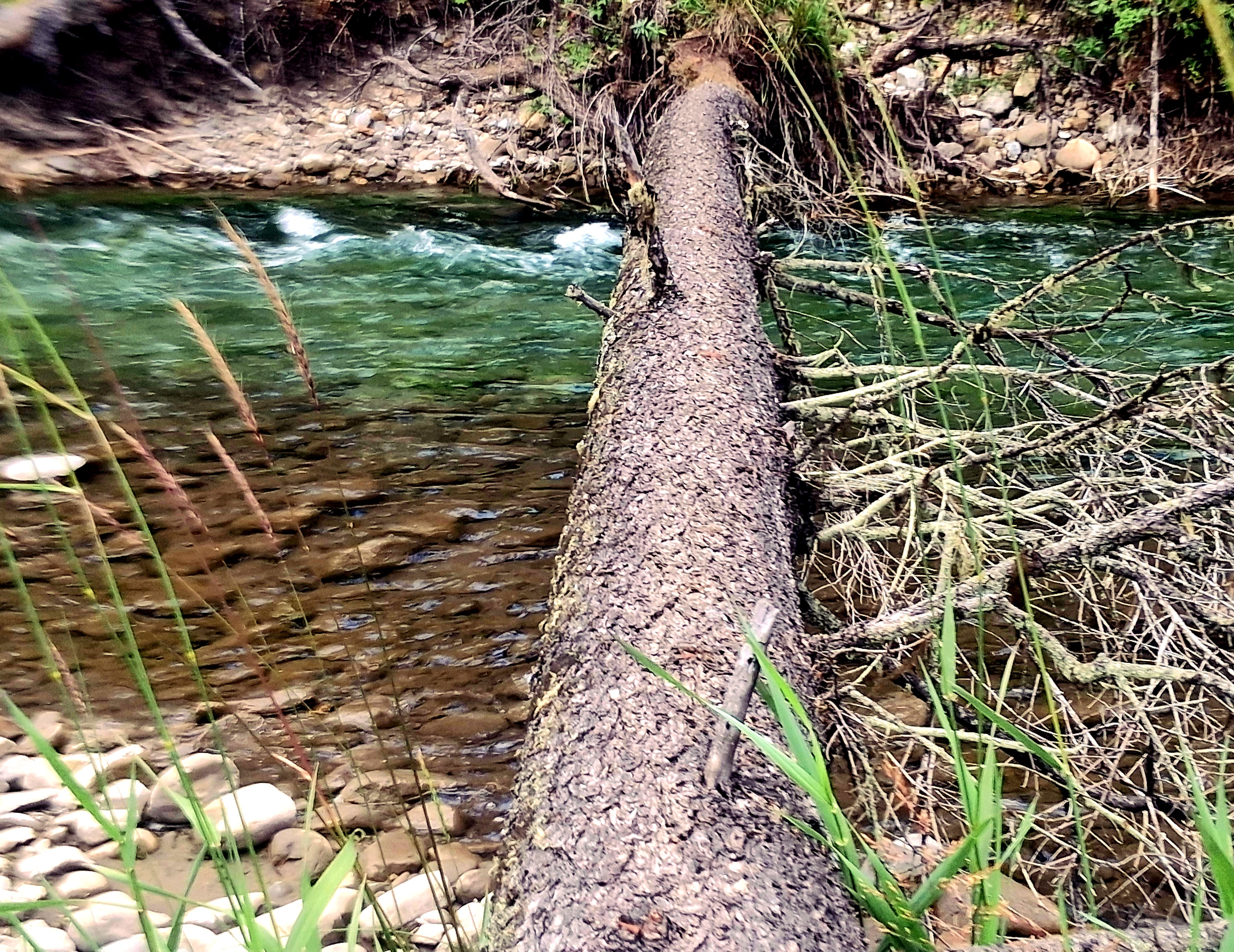
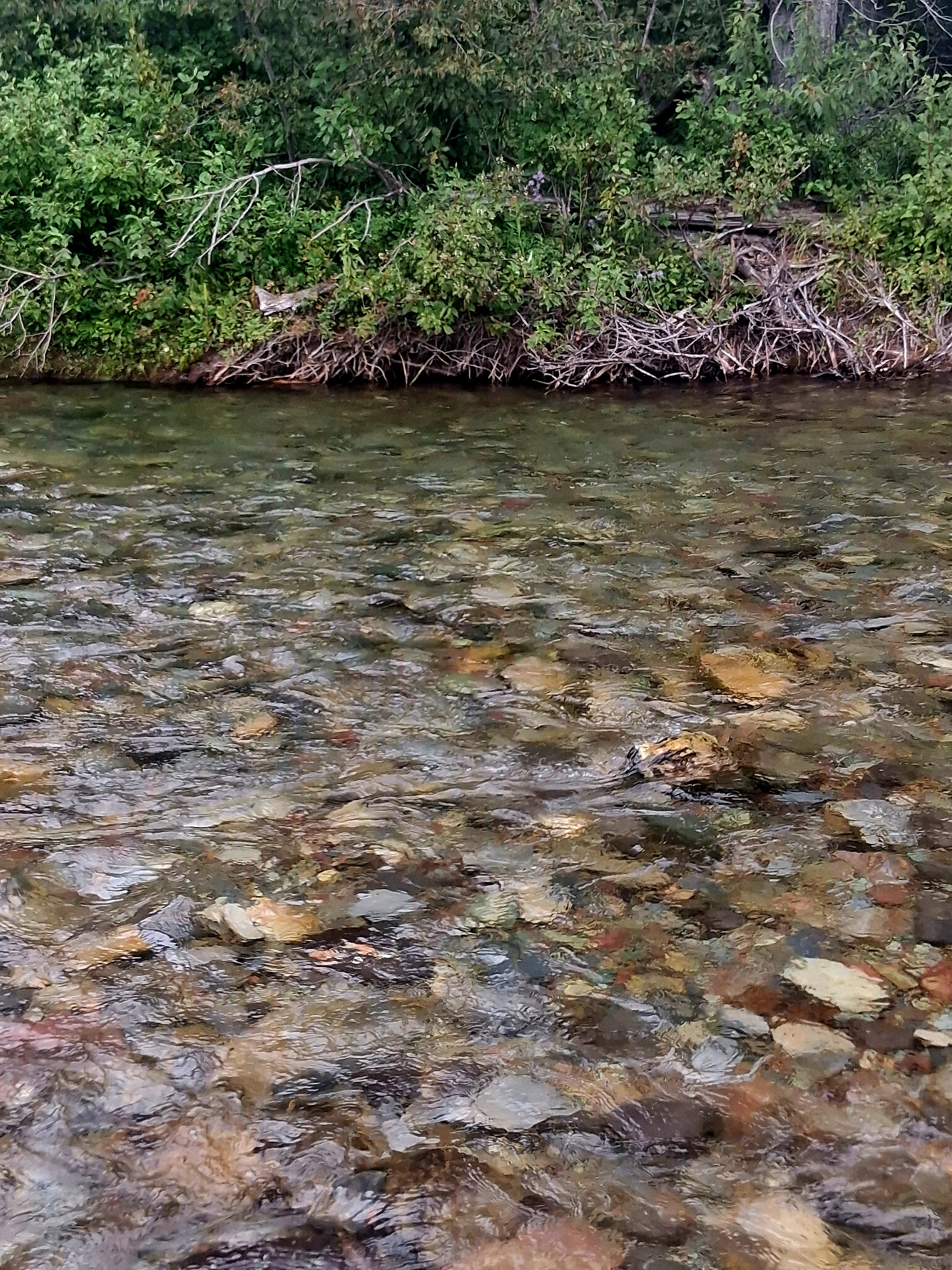
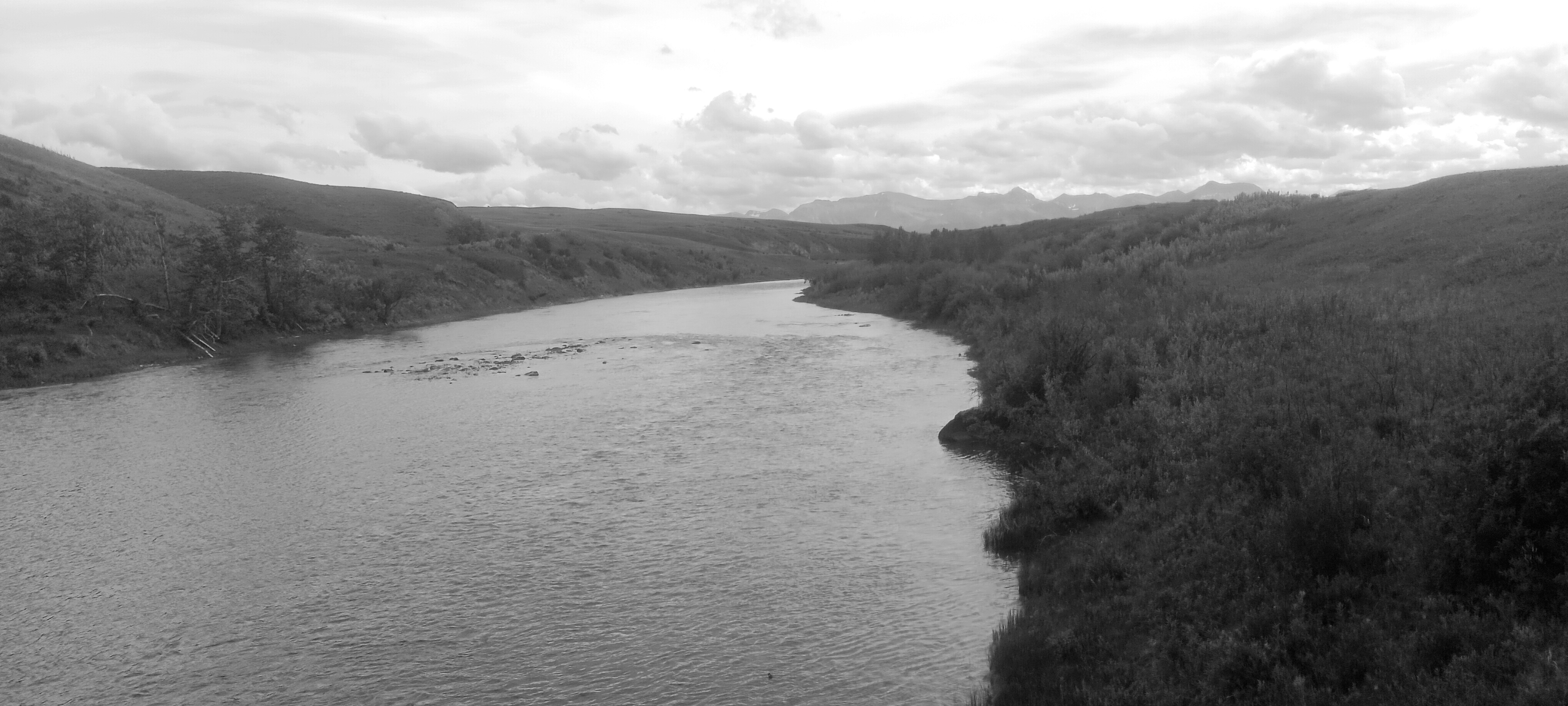
Stream banks, intact ones, great spot to search for trout

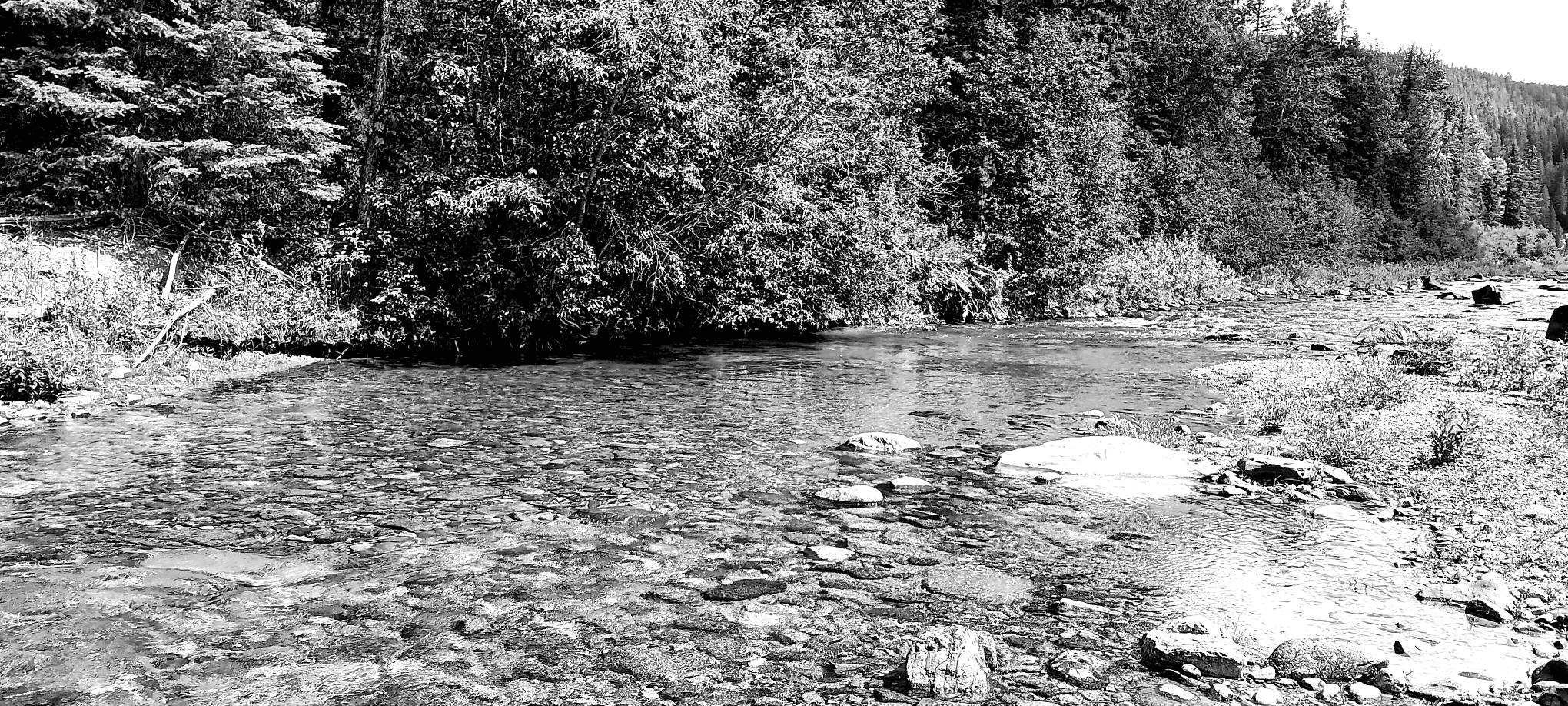
I visited a local stream up in the mountains. Clear water up there. Water like air. I was hoping for a hatch. I’m always hoping for a hatch. The conditions looked perfect. It never happened. Just a few Drakes. More as the day progressed. The odd rise. I would have got skunked if I didn’t know the river section I was on well. I walked more than I fished. Last time I was on the river it was late spring, early summer. Today I connected with a few good ones. My reel sang. I believe a reel with a good sound helps me play/ land fish. It’s the feedback.
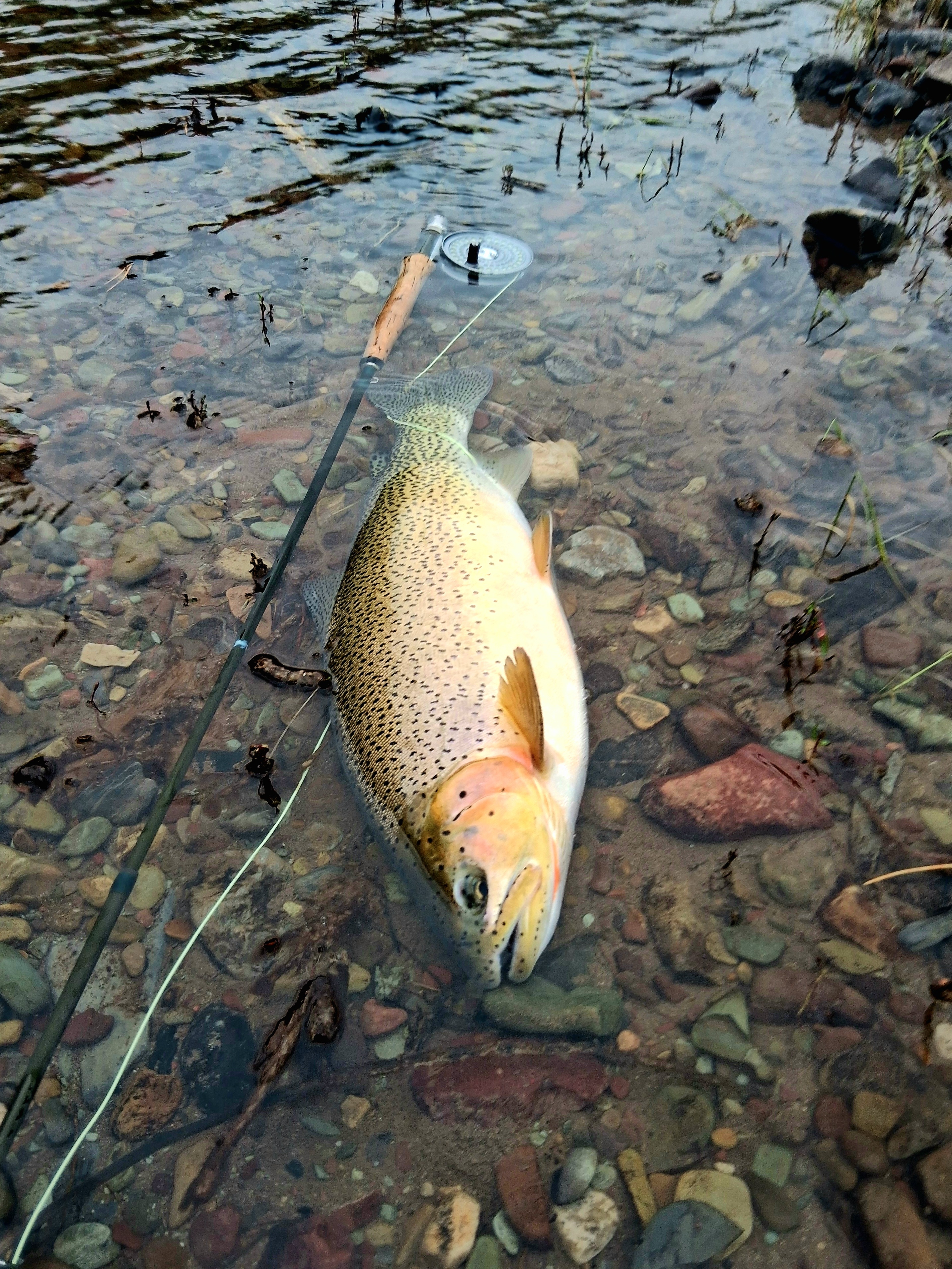
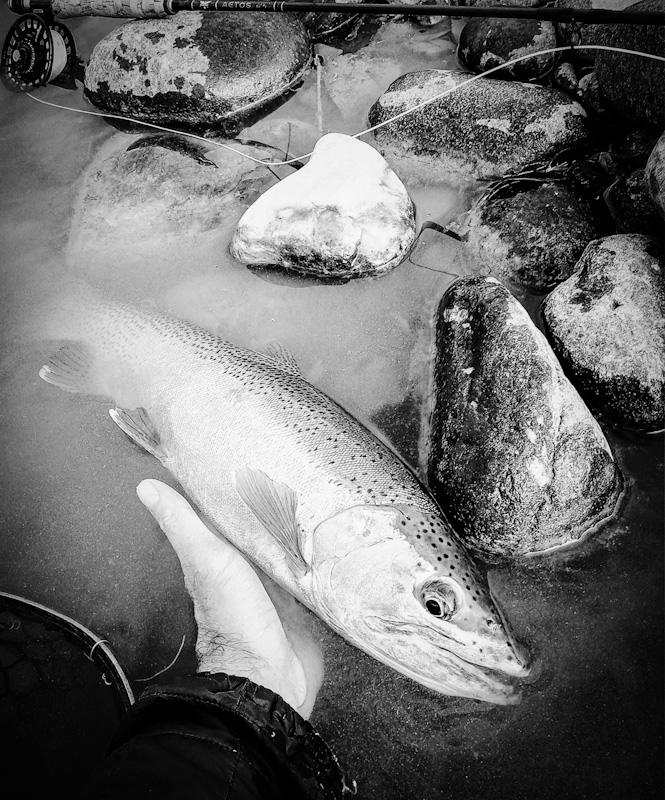
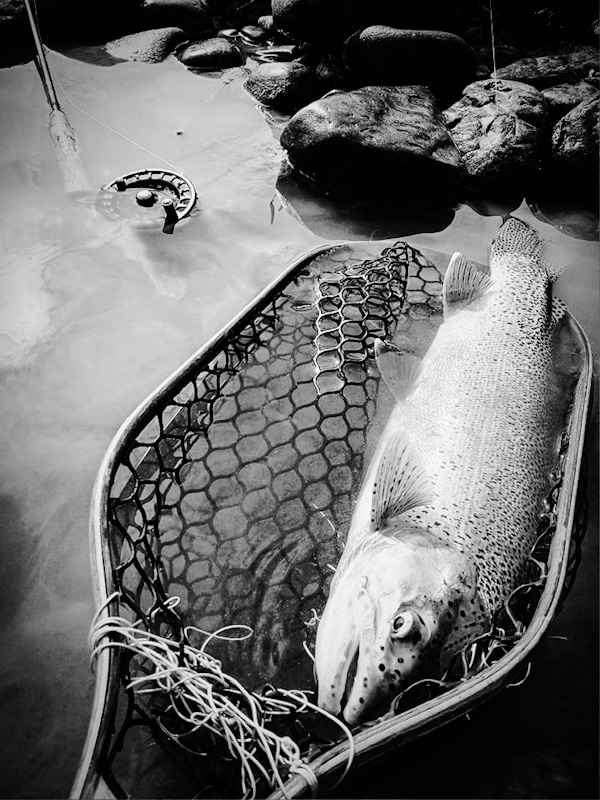
I casted barbless dry flies. Makes for an easy release on the native trout. A couple of beautiful ones came to hand. Cutthroats with a strong, pronounced slash. The originals…”existing from the beginning”.

Slight undercut

small fly

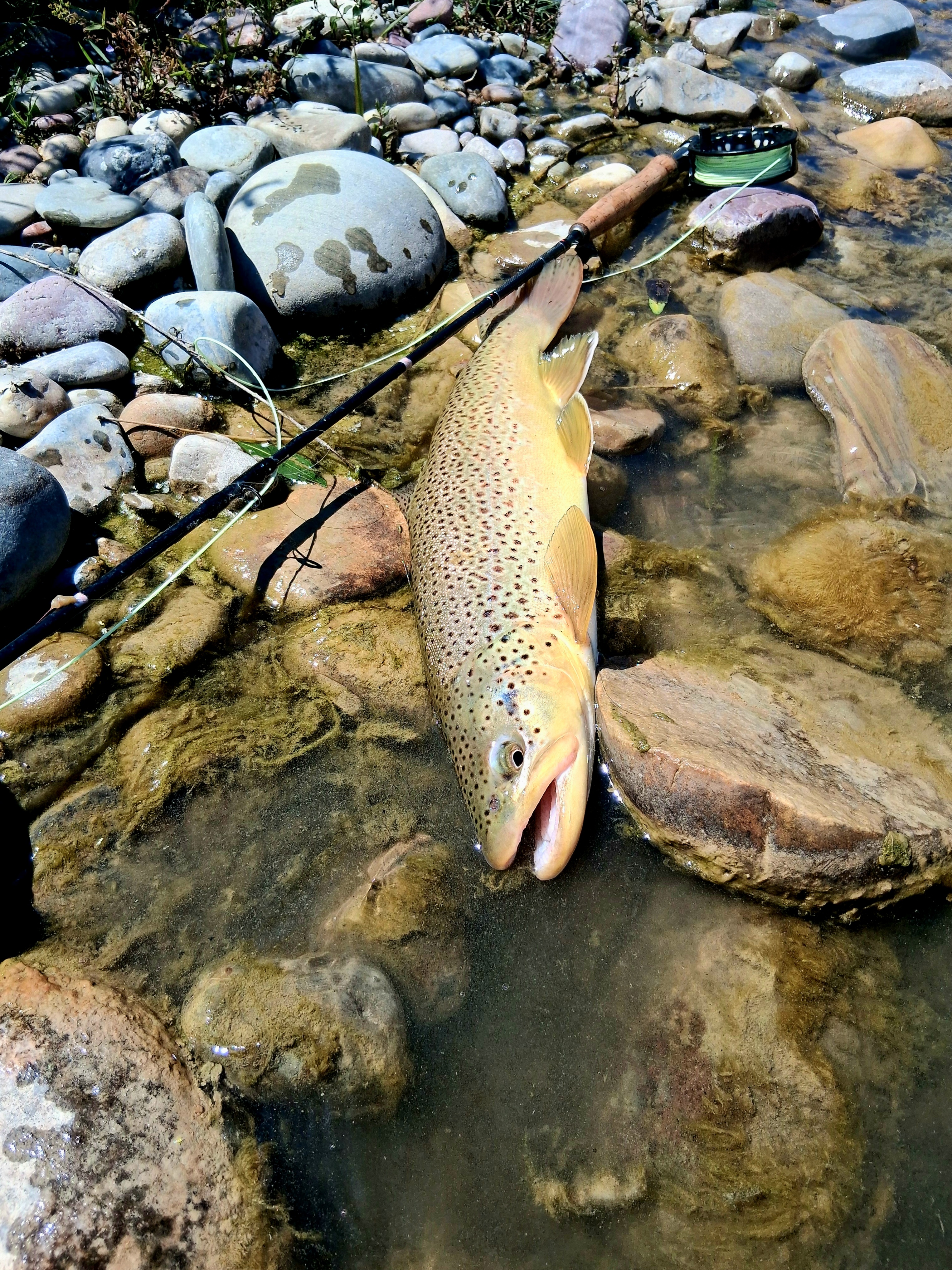
Here’s a photo of a brown trout I caught a few weeks ago on a size 18 Pmd. Basically the fly was pale yellow thread, a small puff of light dun cdc for the wing to keep it afloat and to see it as it tracked to the fish, and a tiny amount of yellow dubbing below the wing to accentuate the thorax. A quick simple tie. The fly sits low/ flush in water. The trout was on the feed. Eating regularly; eating aggressively. Therefore in my mind a very makeable sizeable fish on what anglers would describe as technical water. I presented something similar to what he was eating: similar size, color and footprint/ impression on the water’s surface. No other anglers were around. The trout probably hadn’t been casted to that day. That makes things easier. And it was a low light, overcast day. All I had to do was make a good cast and get a good drift and hope my fly impression would past the test. I always get anxious casting directly from behind a fish; having to cast my leader over it. So instead I spent some time circumventing the trout, crossing the river and making a long down and across cast. I’ll choose that every time if the river and trout position gives me a chance to do so.

I got lucky that day: an aggressively feeding trout, a good hatch, no angling pressure, low light, a passable fly impression, and the small fly held…

This is where…

This is where I covered many miles of river the other day. Mostly along its bouldery edge. Walking on round rocks all day is an art. I usually take shortcuts between river pools on the softer ground through the Cottonwood forests, meadows and brush in the river valley in order to get a break from the boulders. However, I didn’t this time as it’s wild berry season. There’s a bumper crop of Saskatoons this year. And bears love to feast on them.

The pools on this river are far apart and there’s not much fishable water between them, so you have to cover ground. You keep telling yourself “maybe the next distant pool has a good fish in it” and you rock-hop onward. The river holds a few quality trout so that’s the incentive to keep going mile after mile. It’s kind of like fishing New Zealand. There can be great reward for your effort, or sometimes not. That’s the deal.

I spotted a few fish with the sun overhead but mostly “fished the water” (prospected). I tossed a large black foam beetle. I had to twitch it to get the best one of the day to take notice and rise off of the bottom.

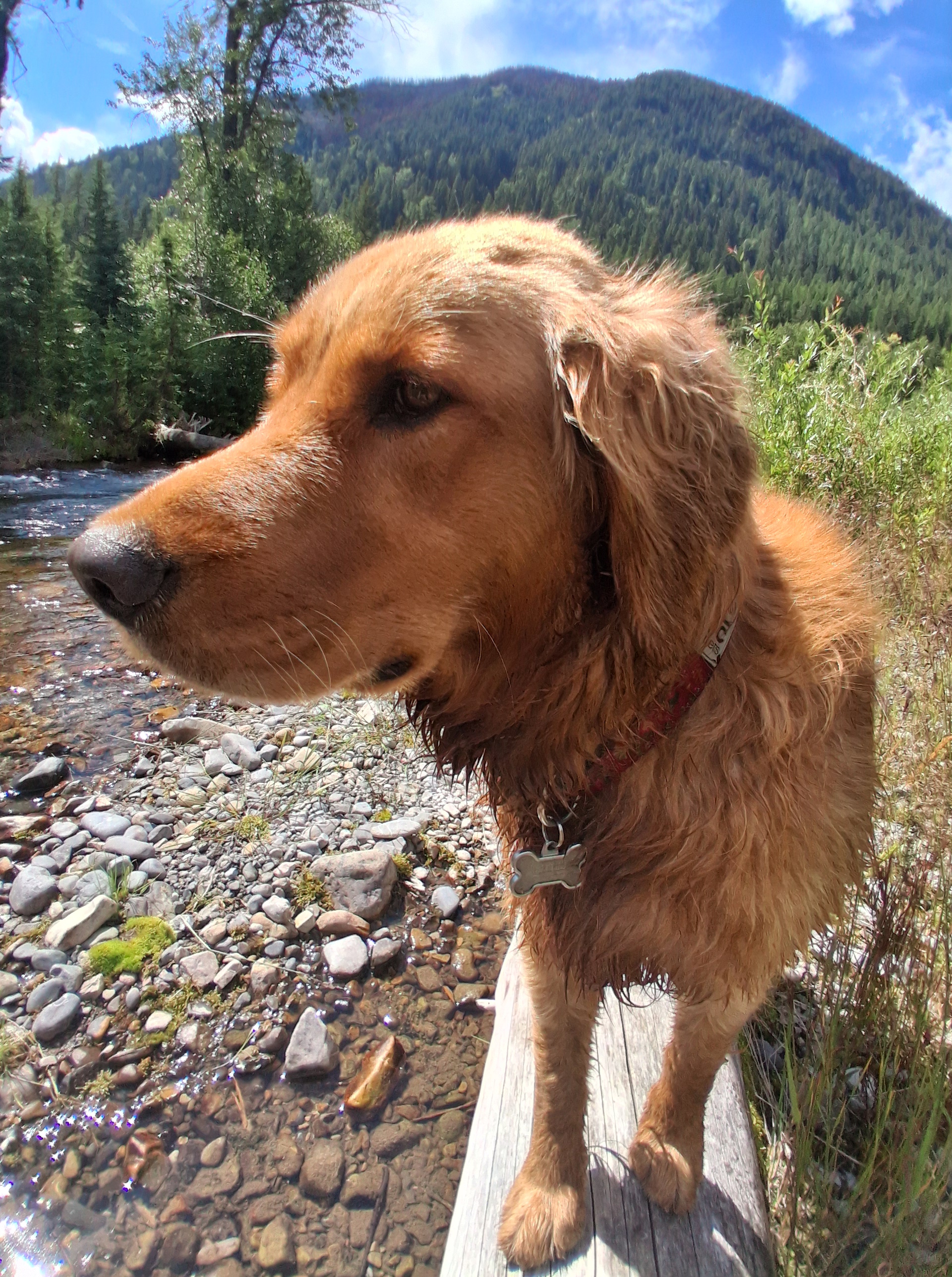
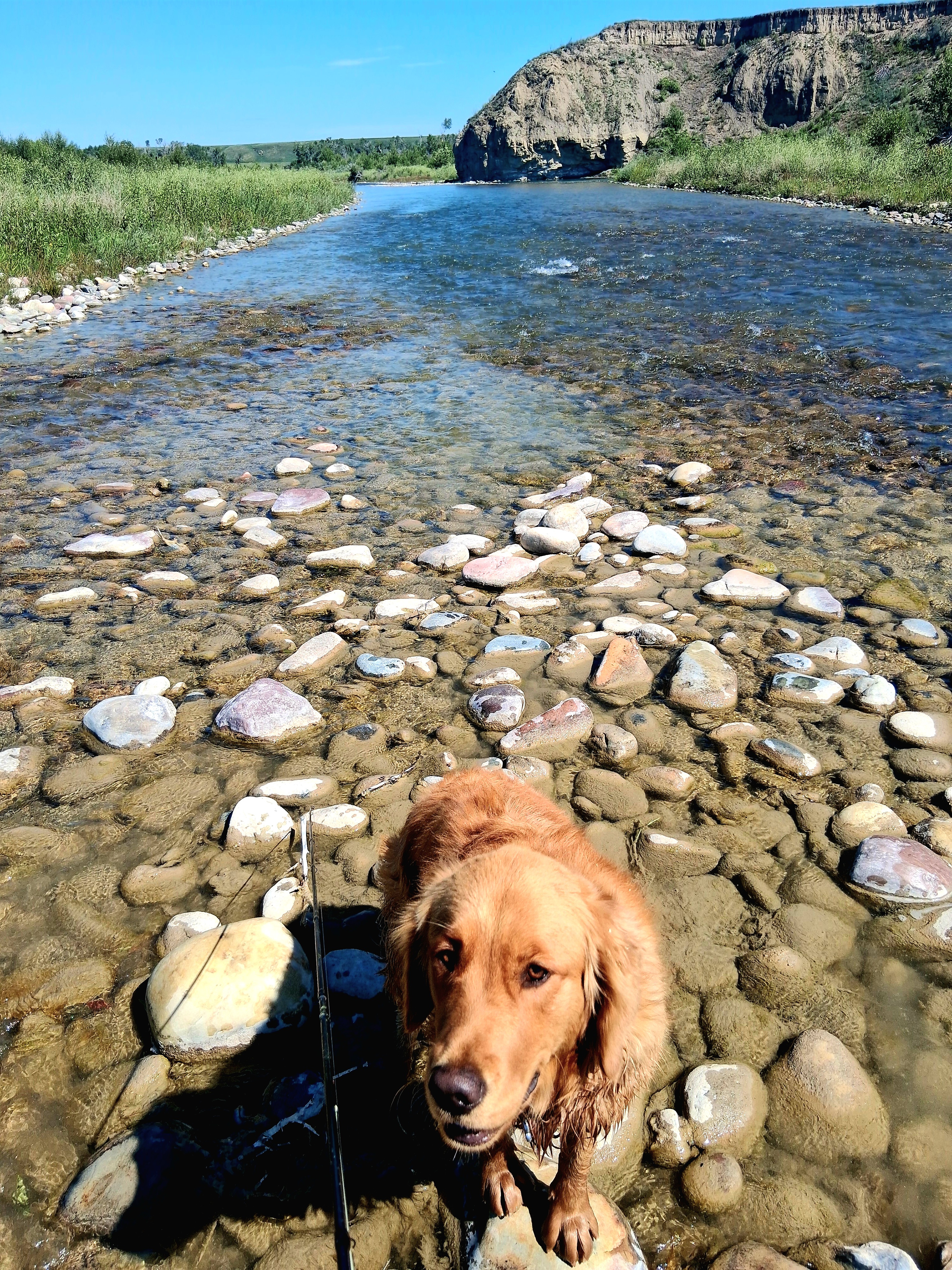
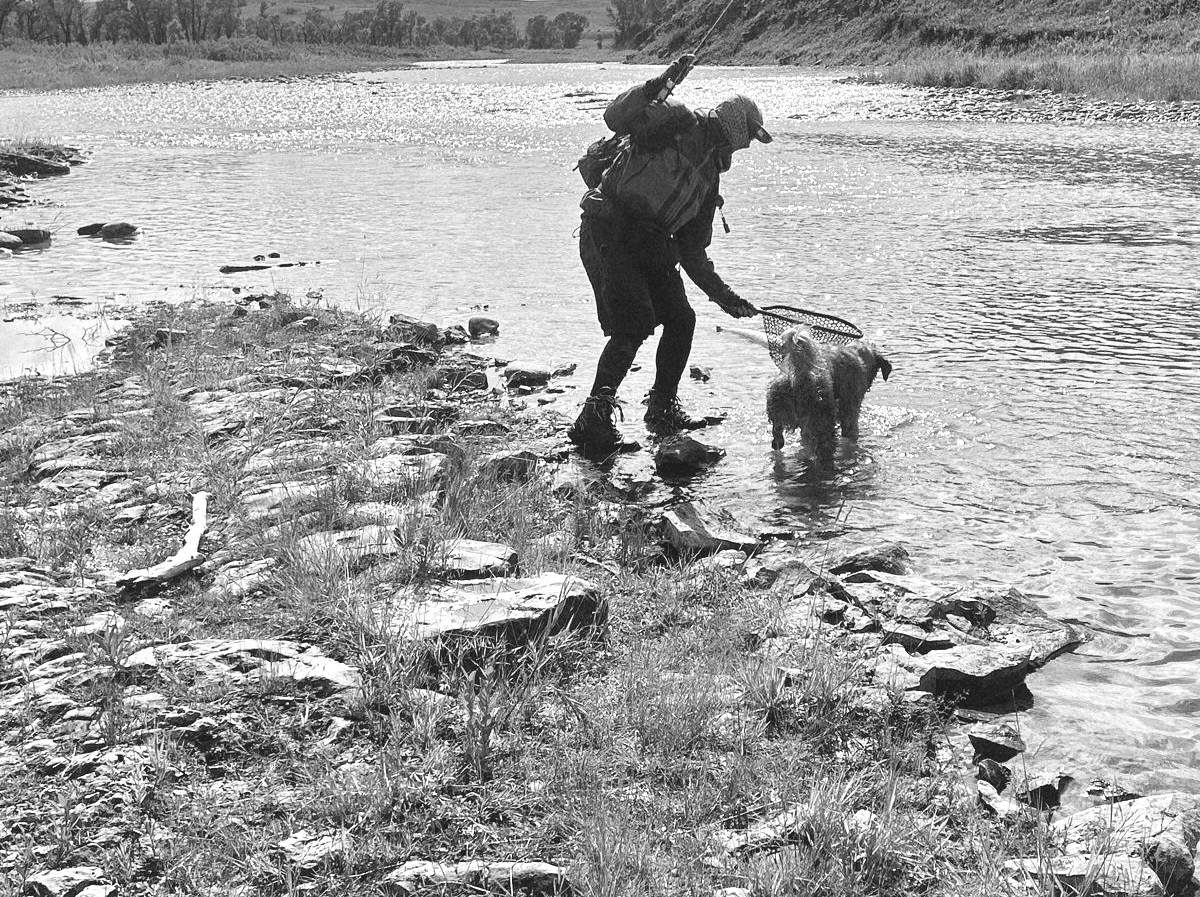
Before I know it my water bottle is empty, lunch and snacks are all gone, my shadow lengthens, and Harper, my dog, curls-up and naps riverside. It’s the sign(s) that it’s time to turn around and head back downstream; back to my vehicle.

While walking back I remind myself this is where Dinosaurs once roamed. This has long been the home of the Blackfoot. This is where giant prairie Grizzly bears wandered. This is where Buffalo once lived and travelled freely.

This is where I spent my day…

“It might happen”

” When preparation meets opportunity, luck happens”.

roman with a fine brown trout

Nine days of wandering around rivers. We went east, west and south. We never went north. It’s kind of a gong-show up there anyway. Too many campers, too many camping riverside, too many 4-wheelers, too many anglers, too many casting treble hooks, too many mangled fish, too many… For six of the nine days there were few bugs around; no real hatch. The insect apocalypse theory remained intact. It was mediocre dry fly angling in the beautiful sunny weather. Then the Weather Network and Environment Canada predicted a few days of cooler weather, cloud cover, rain or at least thundershowers. I checked a third source, AccuWeather. It reported the same. All weather sources were aligned and it meant a very strong possibility of daytime low-light conditions with precipitation. I thought, “It might happen”: the chance of a solid daytime hatch and fish up. Trout generally feel safer rising for insects when the dimmer switch has been dialed down.

brown trout

So on the first cloudy day I put on my rain jacket and headed for a river where I felt there was potential; where “It might happen”. I had not been on the one I selected for a month. Around mid-day birds started swooping and darting over the river. It looked like a hatch was developing and then shortly after it exploded. The main insect: Pale Morning Duns (Pmd’s). And the trout responded. They were up everywhere. Boils and bulges at the head of pools and sipping fish eating duns in the mid and lower pool sections. I got lucky. I got more than lucky as the event lasted for 3 or 4 hours.

rainbow trout

On the next cloudy day I returned with a friend, Roman. It was cooler and wetter. There was also thunder and some lightning. We got there just before noon. We waited and waited. There were showers all afternoon. We walked from pool to pool in order to stay warm. I wondered if it was ever going to occur. An old Yiddish adage came to mind, “Man plans, and God Laughs”. Then at around 3-3:30 pm, three hours after our arrival, the birds started working the river, Pmd’s began to emerge and fish started to rise. Big guys and gals. A repeat performance. Just delayed and briefer probably because of the cooler weather. The fish continued to surface even when the sun occasionally broke through late day. The brown trout glowed golden in the late afternoon light. After being wet all afternoon we appreciated the sun’s warmth. Then when the river became fully illuminated by the sun, it all stopped. The trout disappeared: “Now you see me now you don’t”. Like magic.
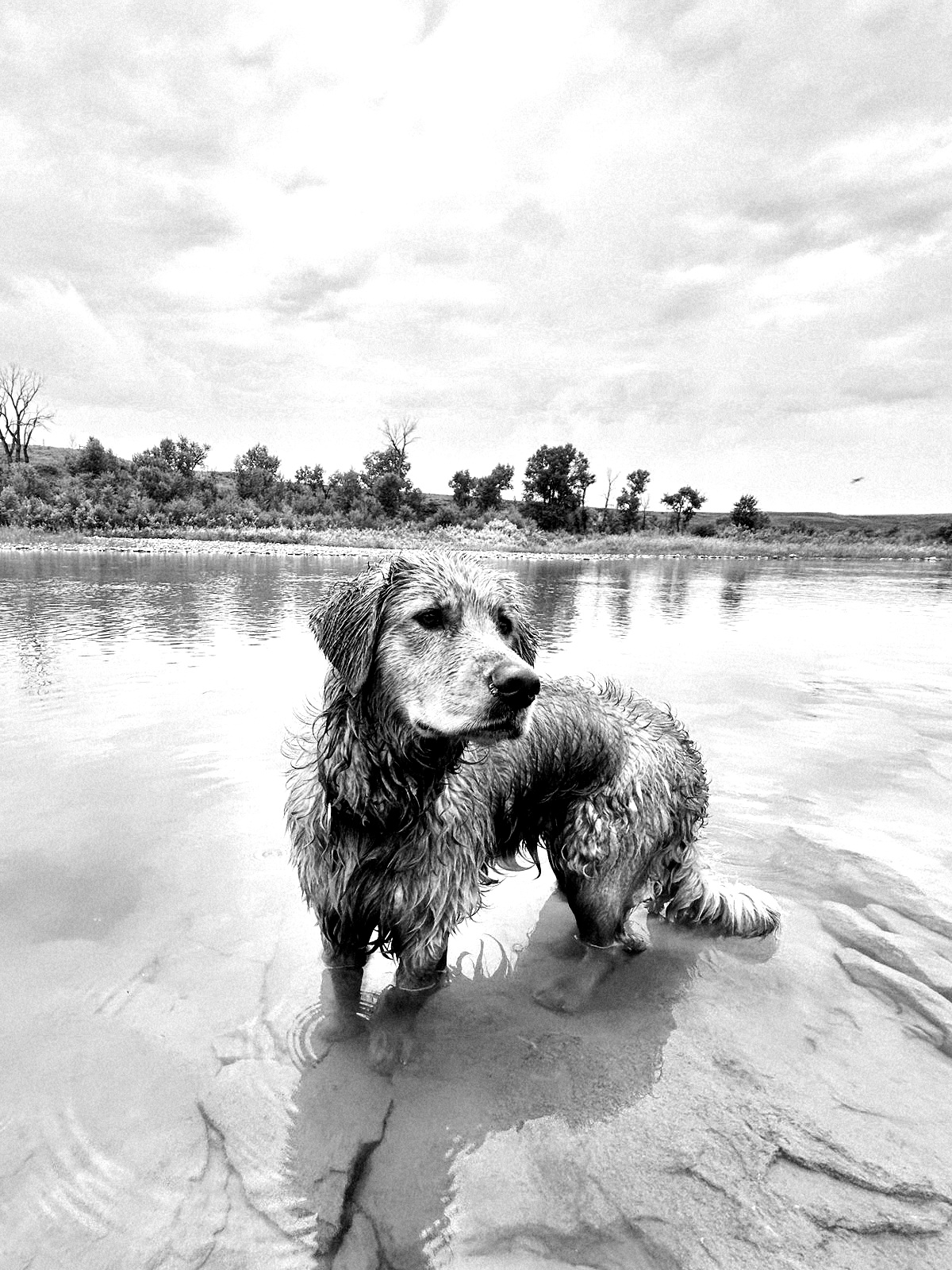
photo by roman

fast water carry, photo by roman

If you fish a lot you know it doesn’t always happen this way. Some rivers are easier to predict than others but in the end when dealing with Nature there are many uncertainties; many unknowns. Sometimes everything seems perfect but you don’t get a solid hatch, you just get wet…but that’s all part of it.

rainbow

harper, photo roman

So, “It might happen” ended up “happening” and we caught and released some wonderful trout on size 16, 18 Pale Mornining Duns…here are a few images…

pmd flies

some color

Roaming around

” Aye, aye! and I’ll chase him round Good Hope, and round the Horn, and round the Norway Maelstrom, and round perdition’s flames before I give him up”.

Captain Ahab, Moby Dick/ The Whale—Herman Melville

Oh boy! I’ve been on a bug search. Looking for insects. Looking for a good solid hatch. Looking for some rising fish. The two go together: bugs and surfacing trout. It has been tough out there. I’ve been roaming from river to river. Looking. Some yellow sallies are around; some pmds; some big stones; some bwo’s when cloudy; some drakes. “Some” but not “much” of anything. Kind of sparse (hatches), thin and weak I’d say. And then some inclement weather rolled in. Some low clouds and rain. I picked another river. One I’ve been waiting to get on. Waiting for the flow to drop. Waiting for the right moment. And I got lucky. Around mid-day bugs started to hatch. Big guys. Big drakes riding the surface, wings up, like the old time tall ships with their towering masts. A spectacular event. Maybe 1.5 hours long. Not bad. And with it the best in the river (trout) showed themselves and I managed a few good ones on dries. Then I continued to walk the river and watched familiar locations and spotted several more robust trout rise perfectly to intercept the big bugs. By then watching was good enough. Reverence for this special river.

Some photos while roaming around searching the past few weeks; hiking streamside paths; crossing rivers….and a few special trout.

always investigate little pools off of main flow

tailwater bow, fly: beetle

riverside wild flowers

some color

down in a coulee

“Fish the way you love to and go find water that favors and honors that…”

AS I DROVE DOWN INTO THE COULEE I could see grey smokey-like clouds hovering and shifting over the river. They were tiny Mayflies. Tricos to be exact. I had witnessed this hatch before, here and elsewhere, and knew it was going to be a morning of possibility. It was 7:30 am when I arrived riverside. No one was around. It was August. A couple of big rainbows were up gorging themselves in the cool morning water on the dense hatch and spinner fall. Catching one was all timing. First I had to gain control of my excitement and shaking hands. Then I had and get the fly right in front of a large mouth when it opened and gulped, then pray the tiny hook would catch and hold. Here’s a rainbow caught that day on a size 20 Trico dry fly.

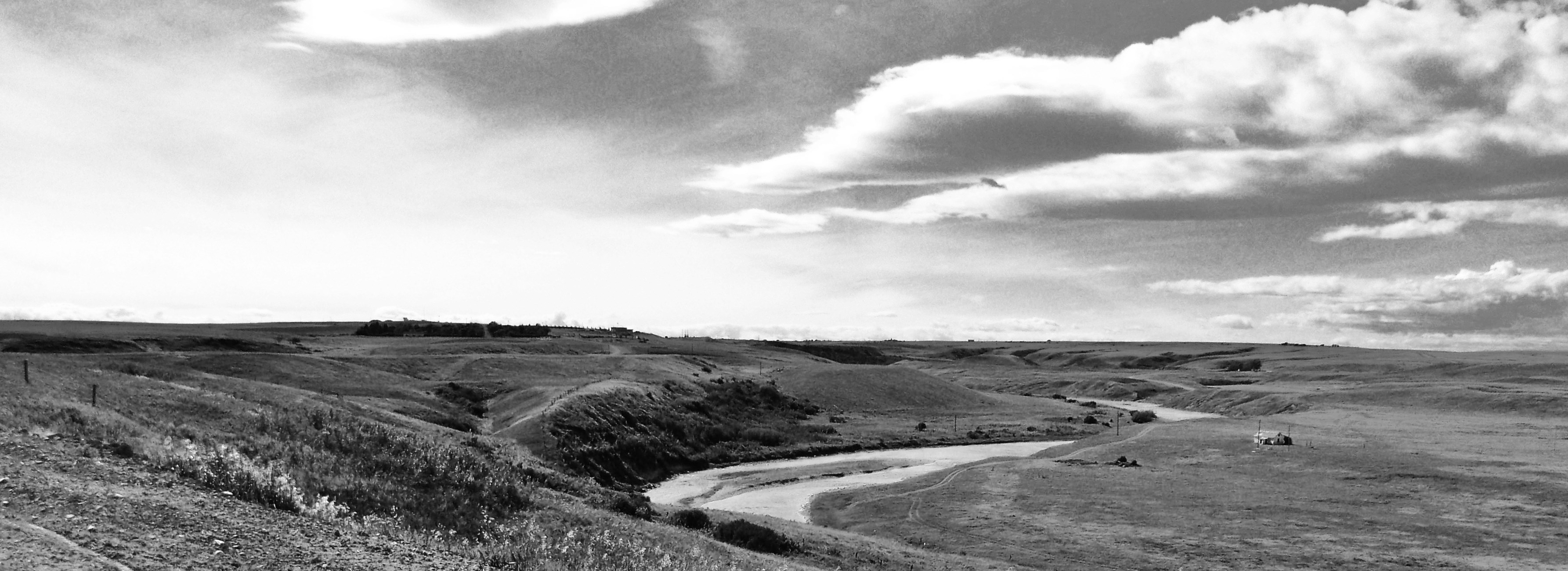
That was about a decade ago. I had fished the Coulee river intensely for 5 or 6 seasons in a row and considered it the best large wild trout, walk/ wade river I had ever been on in North America. Some rivers had better hatches. Some more rising fish. Some had way more trout per mile. This was the best sight-fishing river. It rivaled some of the rivers I’d experienced on a few trips to New Zealand. On most days the river required a lot of walking and searching to find a few special fish, especially when there were few insects around. I always felt I had to fish well in order to make a connection in the wide open terrain. There were few places to hide from the wary trout.

On most days I’d walk the cattle and deer trails along the ridges and hills of the coulee and search for rainbows in the clear water below. Their dark backs would contrast well with much of the river bottom and they were often easy to spot. In areas where they were more camouflaged I’d look for movement. That would give them away. It was one river that I preferred to fish in full sun.

When I approached one of the many river’s pools I’d watch for trout prowling the shallow edges where they often looked for hatch leftovers and terrestrials like ants, beetles, crickets and in late summer, grasshoppers blown in from the riverside grass. They were big confident fish that didn’t seem to mind the skinny water even though there were often Pelicans and Osprey around. Of course they were always on high alert and never too far from the safety of deeper water. Their cycling patterns were repetitive and often predictable. I’d watch their routes then drop down from my elevated perch on a slope or ridge and try to intercept them along their hunting path. If I stayed low and used the sun’s angle to my advantage I usually wouldn’t be seen. A black beetle on a long leader often enticed them. Most trout would accelerate towards my foam impression once spotted. When they didn’t notice it a small twitch sometimes pulled them over to inspect the slight disturbance which suggested a living thing. Some when approaching slowed down, paused and hovered millimeters from my fly before eating. Some nudged it with their nose. This would usually result in a rejection. I recall one pausing and eyeing my fly at close range then it turned away, circled, then returned to inspect it once again, and ate it. I remember saying to myself, “I’m watching them think”. The river offered some of the most visually engaging angling that I had ever experienced.

Unfortunately the river no longer fishes as well. In recent years I have returned every summer a few times to check it out and hope it is again, what it once was. Hope that it has recovered. But it has not. Repetitive years of drought, low snow pack and significant agricultural water extraction/ diversion have hurt it. The flow, controlled by a dam, remains minimal just about all season long. Basically the river has been choked-off. As a result the water is often warm and is rarely clear. There’s a thick sludge along many of its banks. There are still some fish around but not like there once was. Places I always use to spot trout are often barren. Anglers who nymph the well oxygenated flows at the head of the river’s shrinking pools still catch some quality fish but I’m not into that.

I’m lucky to have witnessed it when it was a remarkable sight-fishery. There was always a chance of a great trout down in the coulee…reel backing required.

Pale Morning Duns in October

It’s late season and small dry fly angling is an afternoon event on one of my favorite prairie tailwater rivers. The predictable mayfly hatch at this time of year is Baetis/Olives. On the unique river I have been visiting, however, the Pale Morning Dun’s (PMD’s) of summer often come-off through September and even into October, along with the Olives and sometimes a few Mahoganies. Each river has its story…

Some images of trout caught this October, on summertime PMD impressions.

pmd dries, marching to river

Abby

snow in mountains, last week

wet lens brown

low light bows

Heavy weather means low light. Summertime hatches seem to get more intense during these low fronts. Insects, especially Mayflies, ride the surface longer, especially when it remains calm. Without the sun and wind, emerging wings take longer to dry and therefore “Lift-off” gets prolonged.

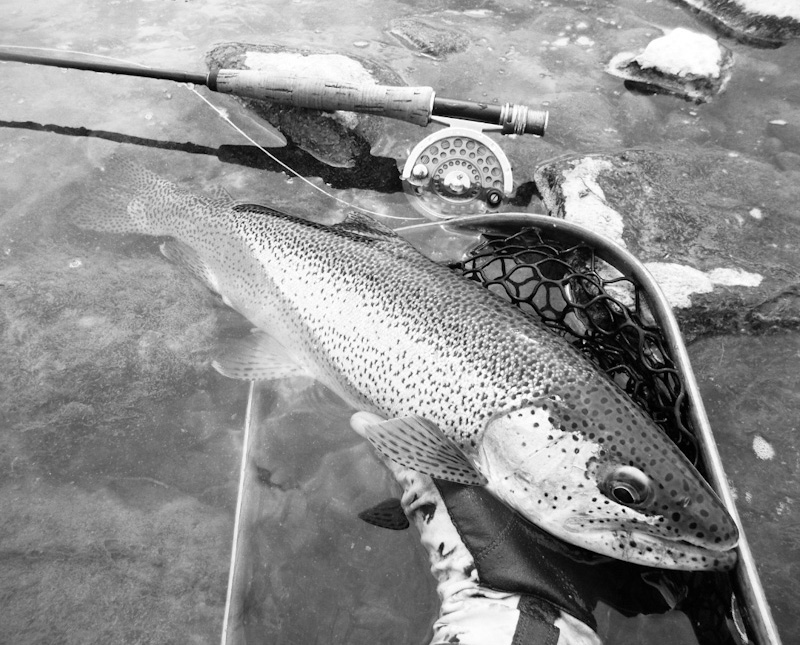
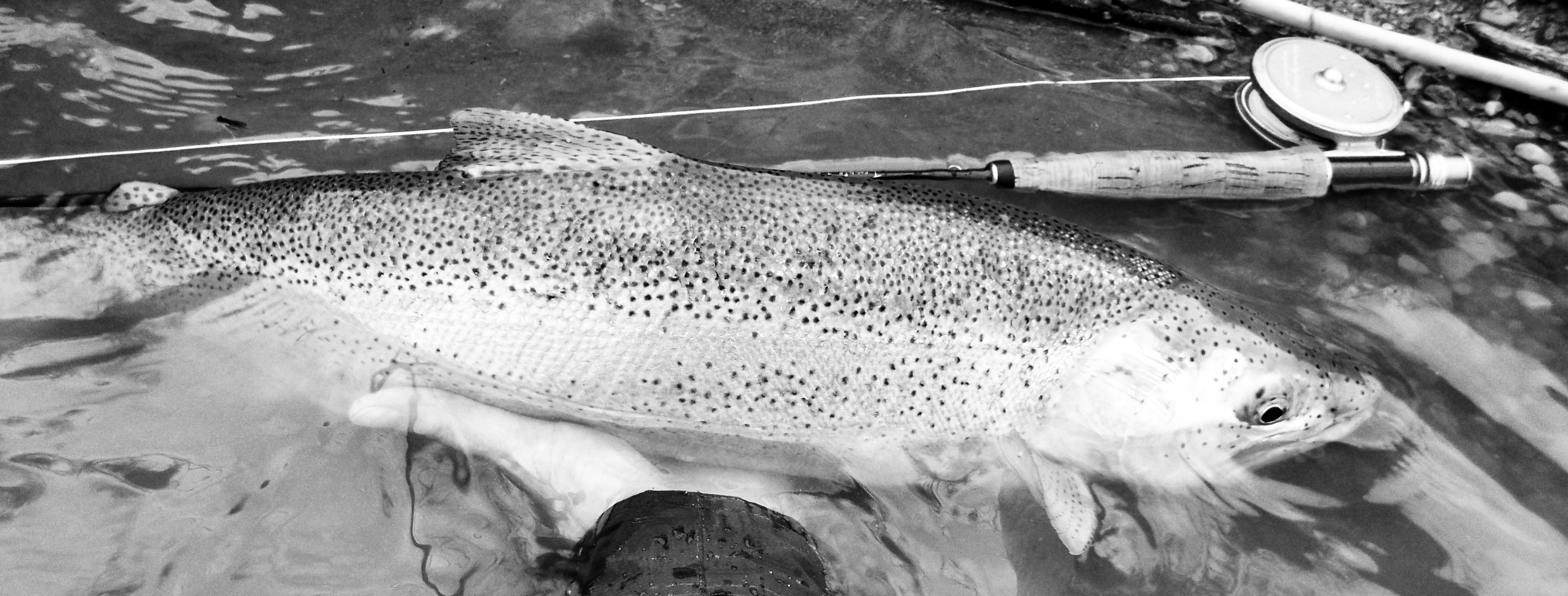
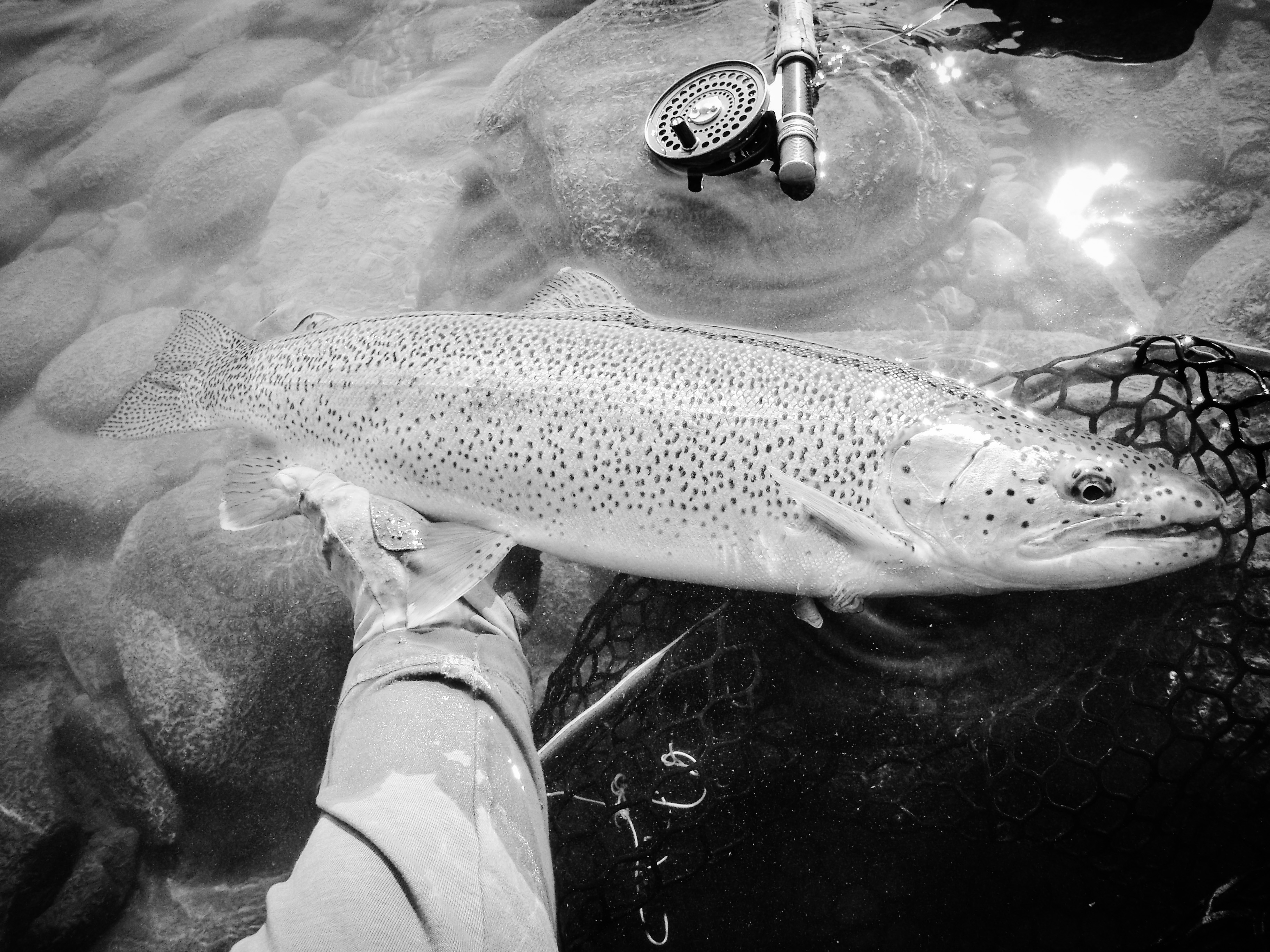
Trout, even cautious big ones, seem more willing to risk rising for tiny morsels in low light. Below, some nice low light rainbow trout caught sight-fishing with small Pale Morning Dun dry flies, hook size 16 and 18. Low fronts, low light…your signal to head to the river with your rain jacket and dry flies.

pmd box

hacklestacker pmd’s