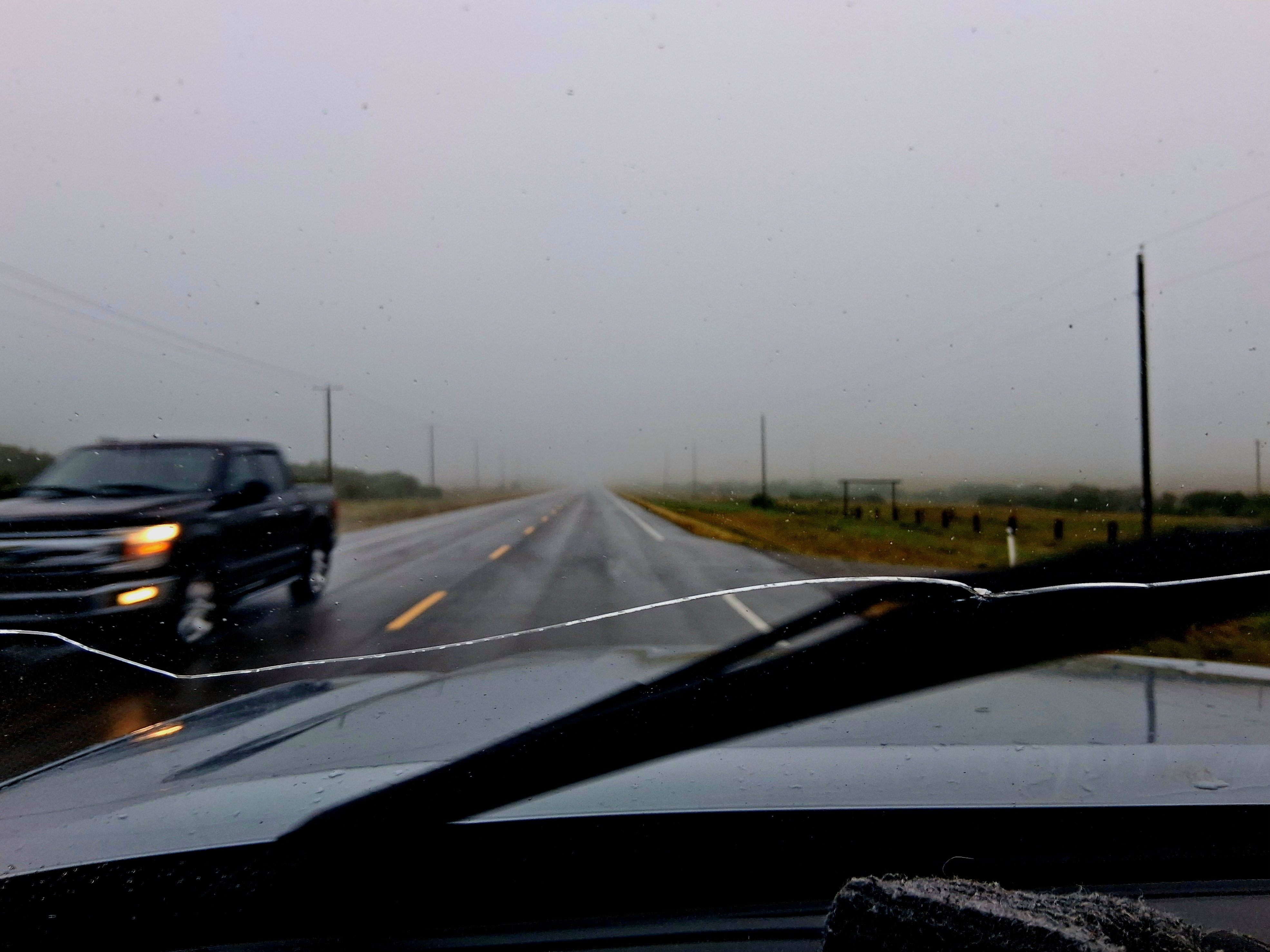
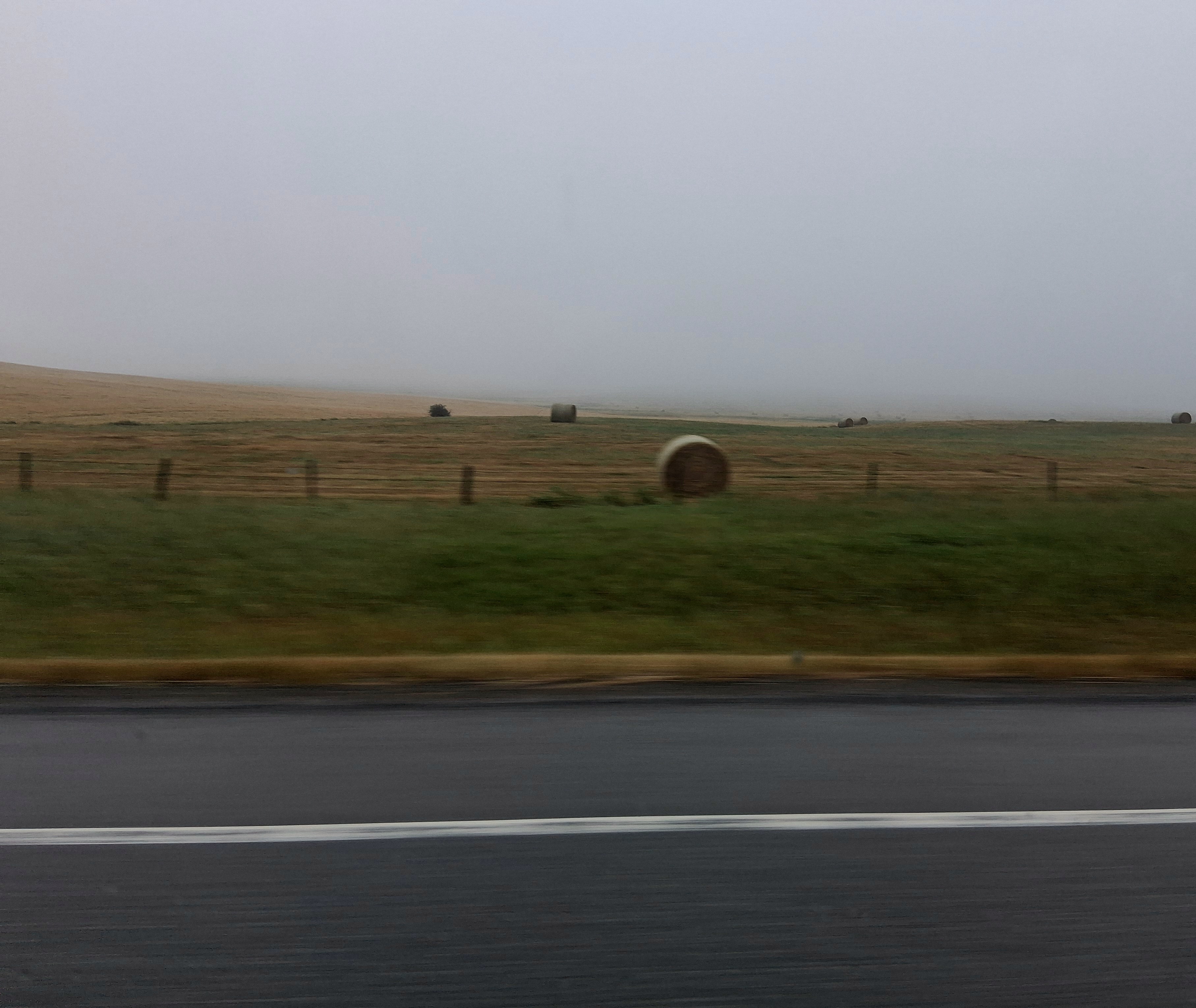
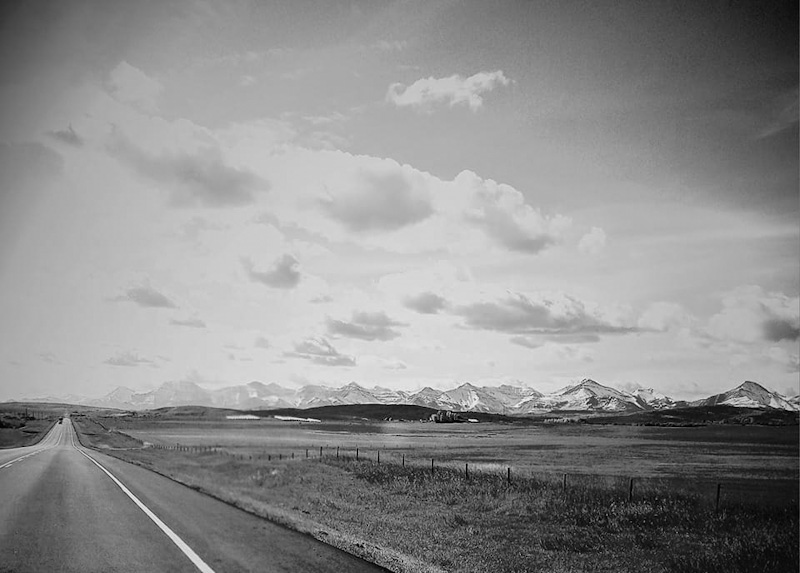
BROWN TROUT LIKE COVER. They like to be undercover: Under a cut bank; under the shade of a streamside tree; under overhanging tree branches, logs; under a bridge; in the shadow of a big rock; tucked in a tight weed bed channel; etc. These locations mean safety. The river I was recently on has Brown trout but not much cover. It’s a wide open prairie river.
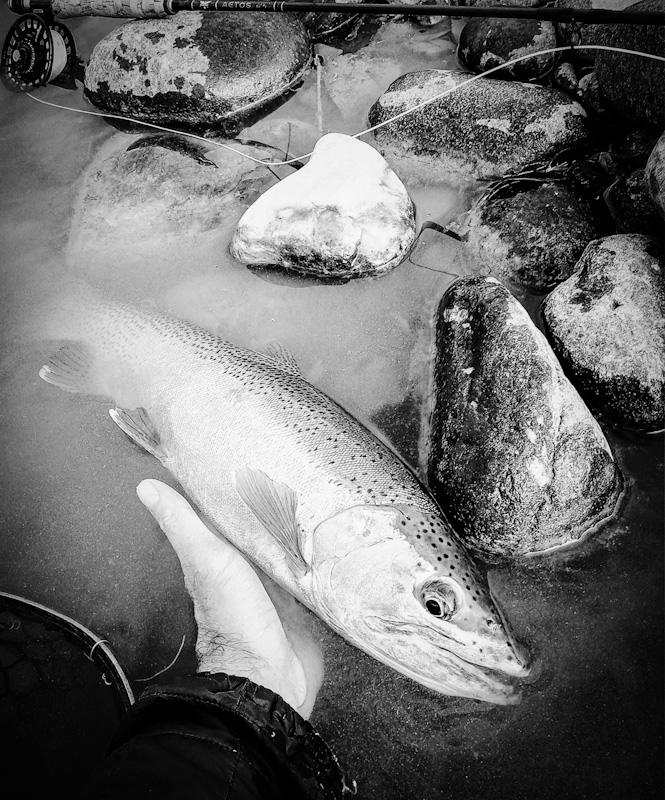
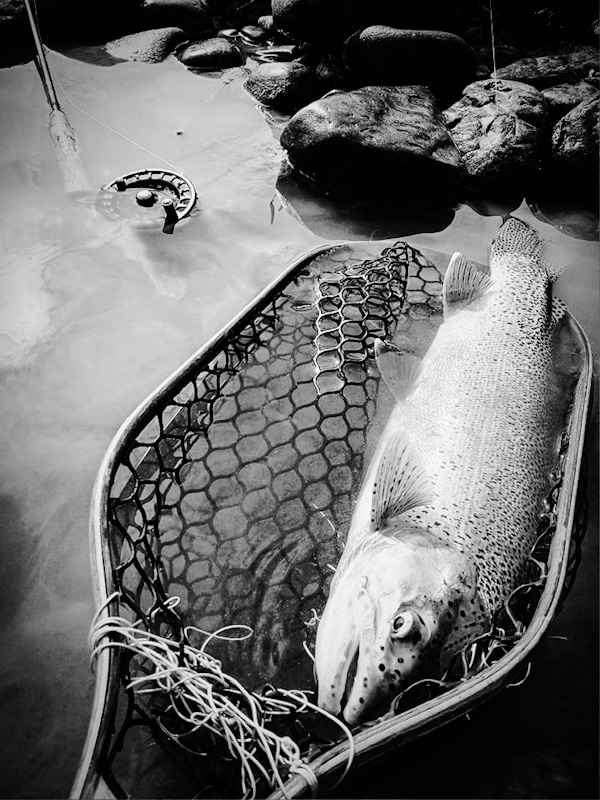
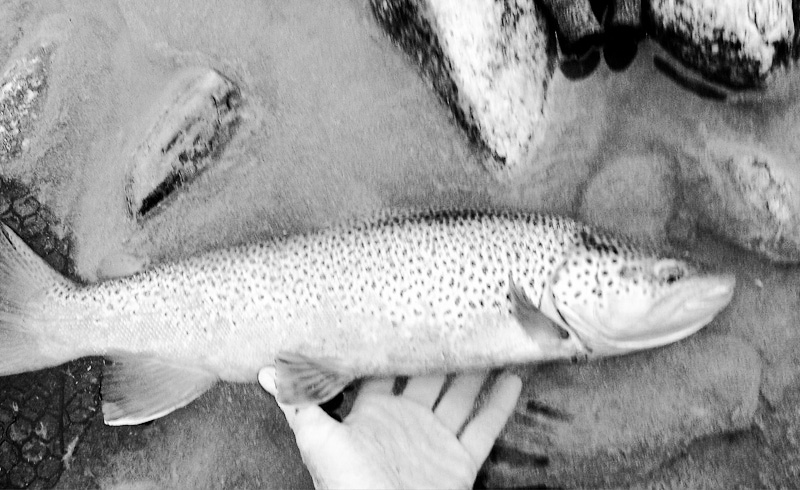
The Brown trout below was spotted feeding on tiny Pale Duns and Emergers, size 18 and 20 in open relatively flat water where the little mayflies were collecting. Seemingly no cover except the low light and rain and drizzle which dimpled the river’s surface. That was its shield of safety. The dark inclement weather above was its cover. Its complete attention to feeding and the low light conditions allowed me to get close to it without being noticed. In bright light the fish would have never been surface feeding in the location it was in.

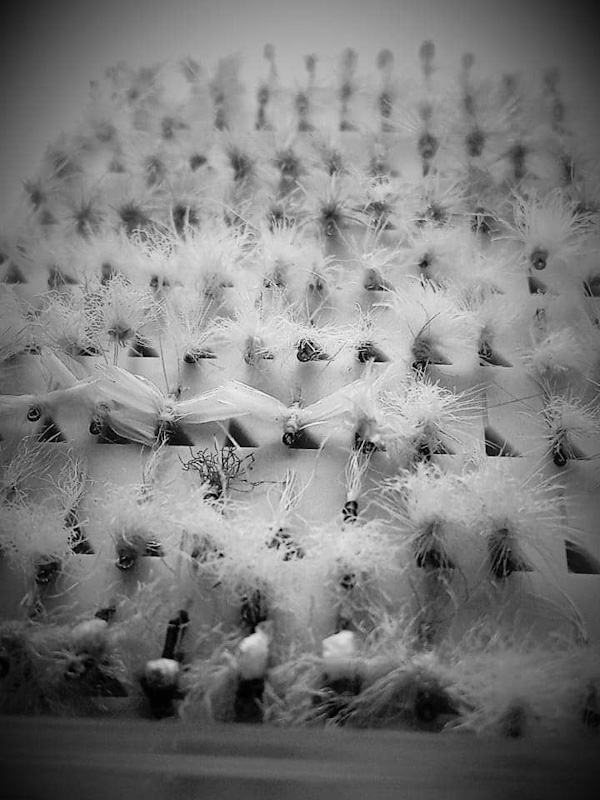
It was caught on a size 18 Pale Dun. A parachute pattern with a black post which showed-up on the grey surface and differentiated it from the hundreds of other small natural/real Pale Duns. The black post helped me see where it landed and if it was in front of the cycling/feeding trout. It was a rare (for this summer) decent hatch and with all the natural mayflies on the surface (a lot of competition) I was lucky that even with repeated casts, it ate my impression.







 trout on dries