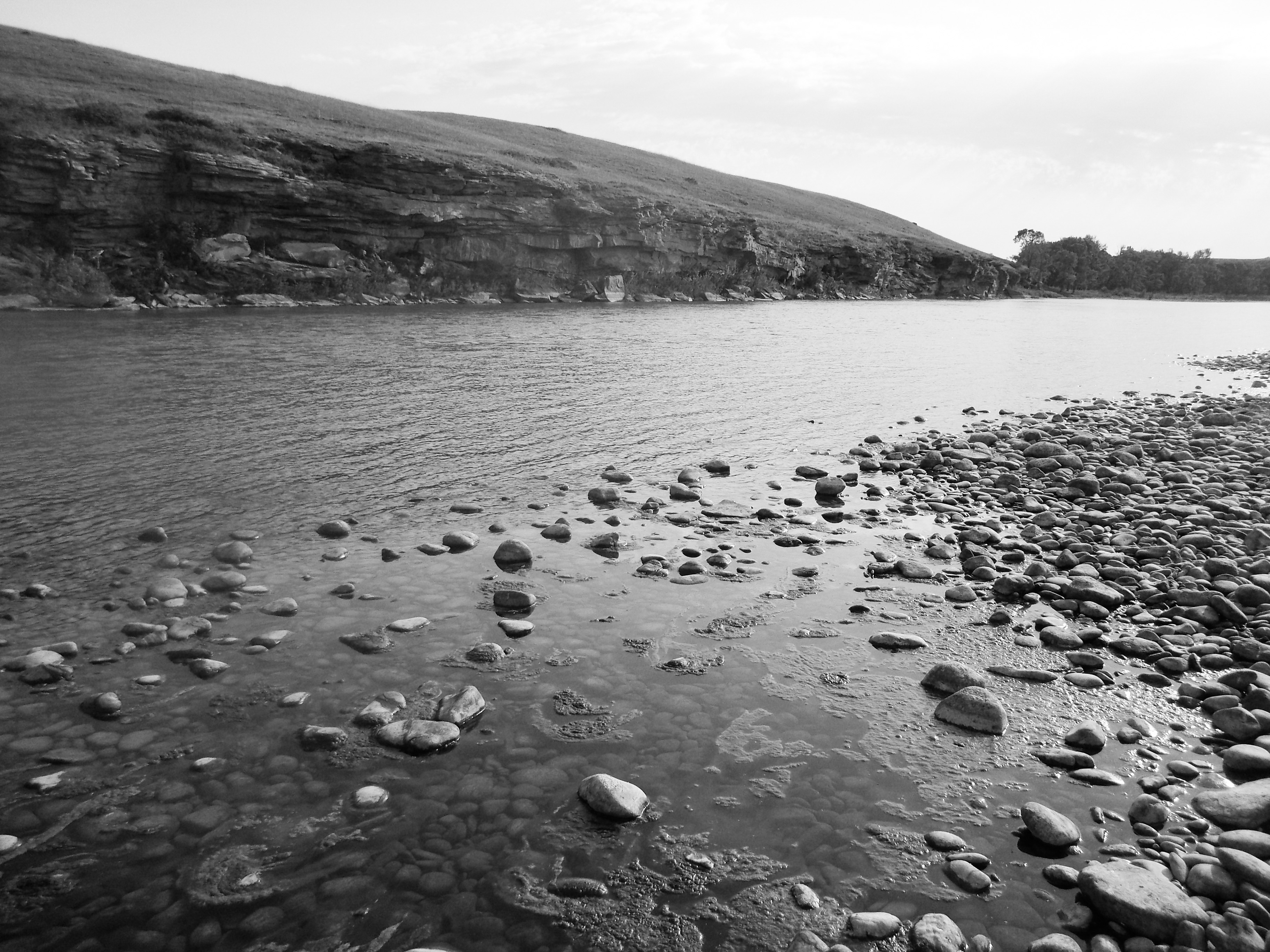
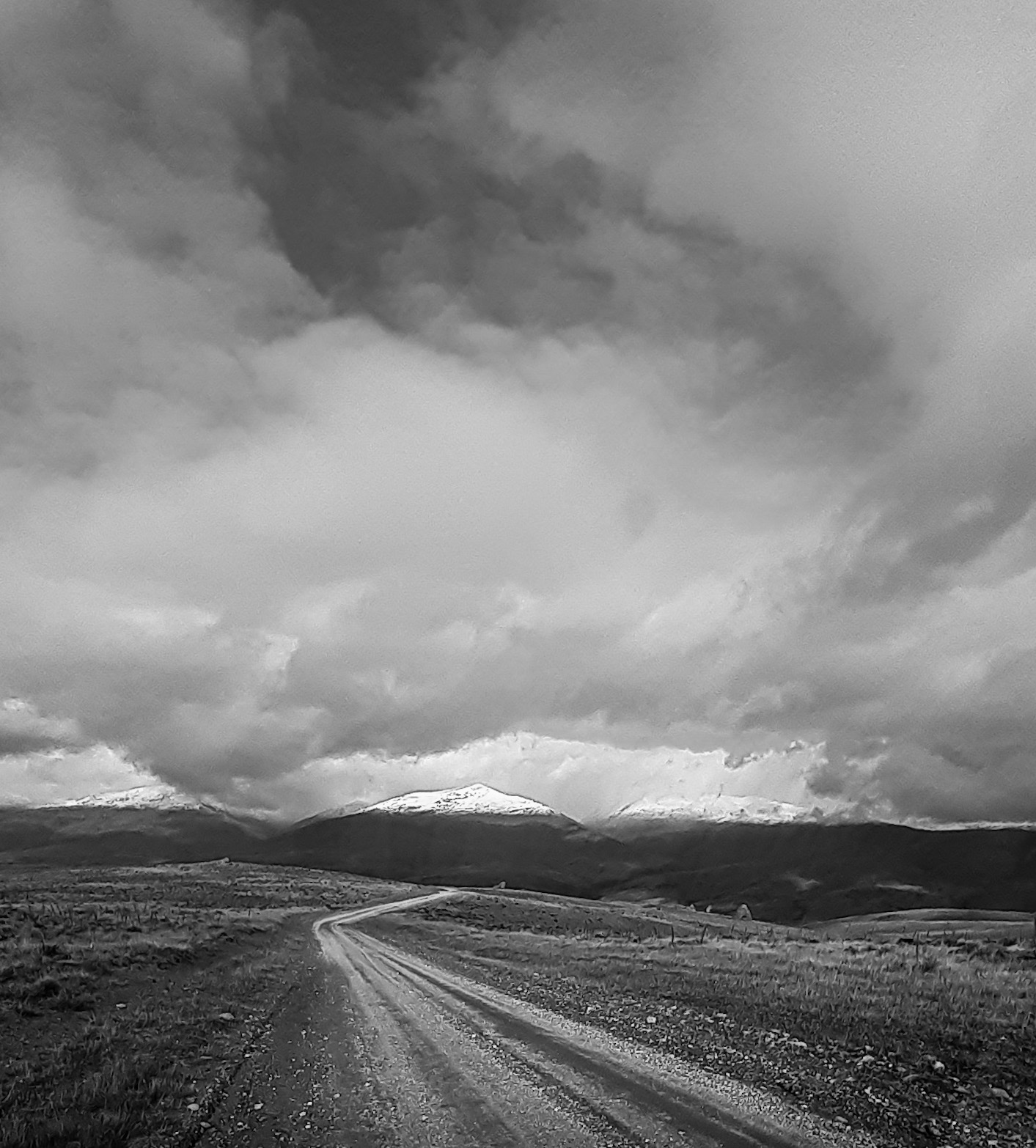
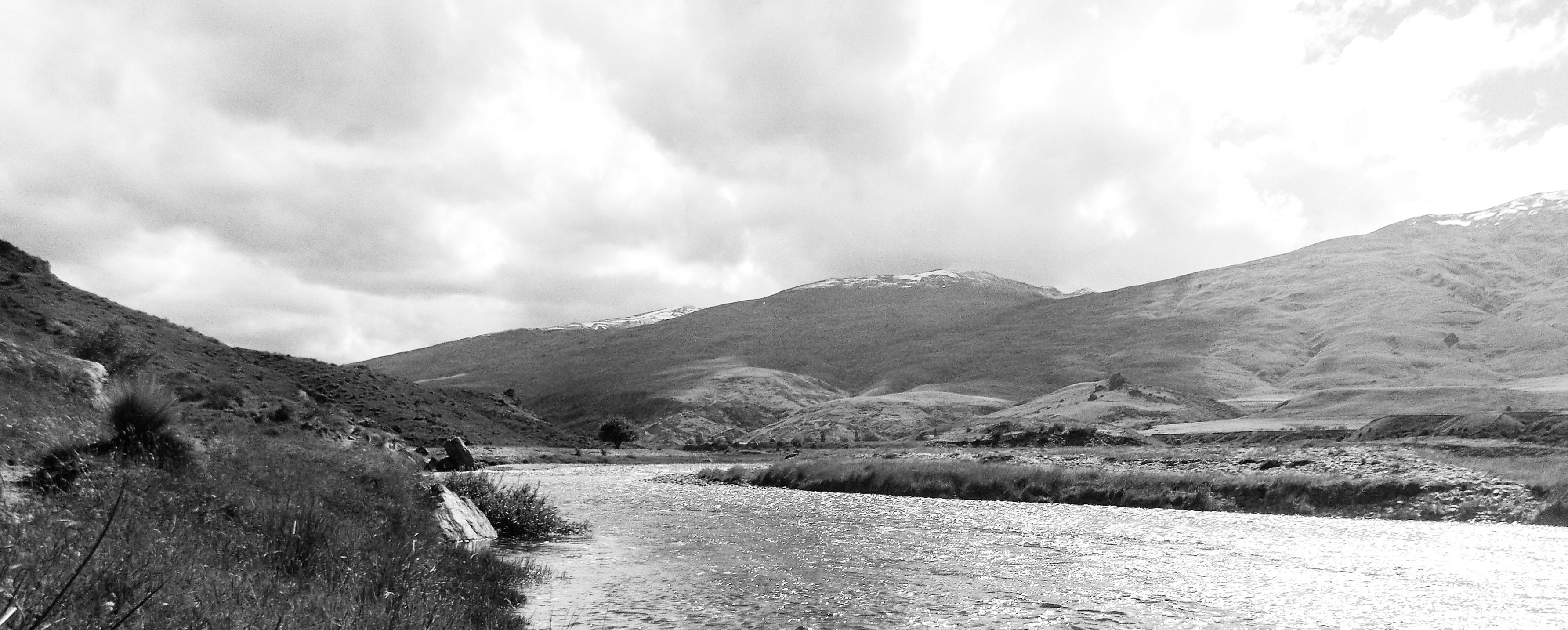
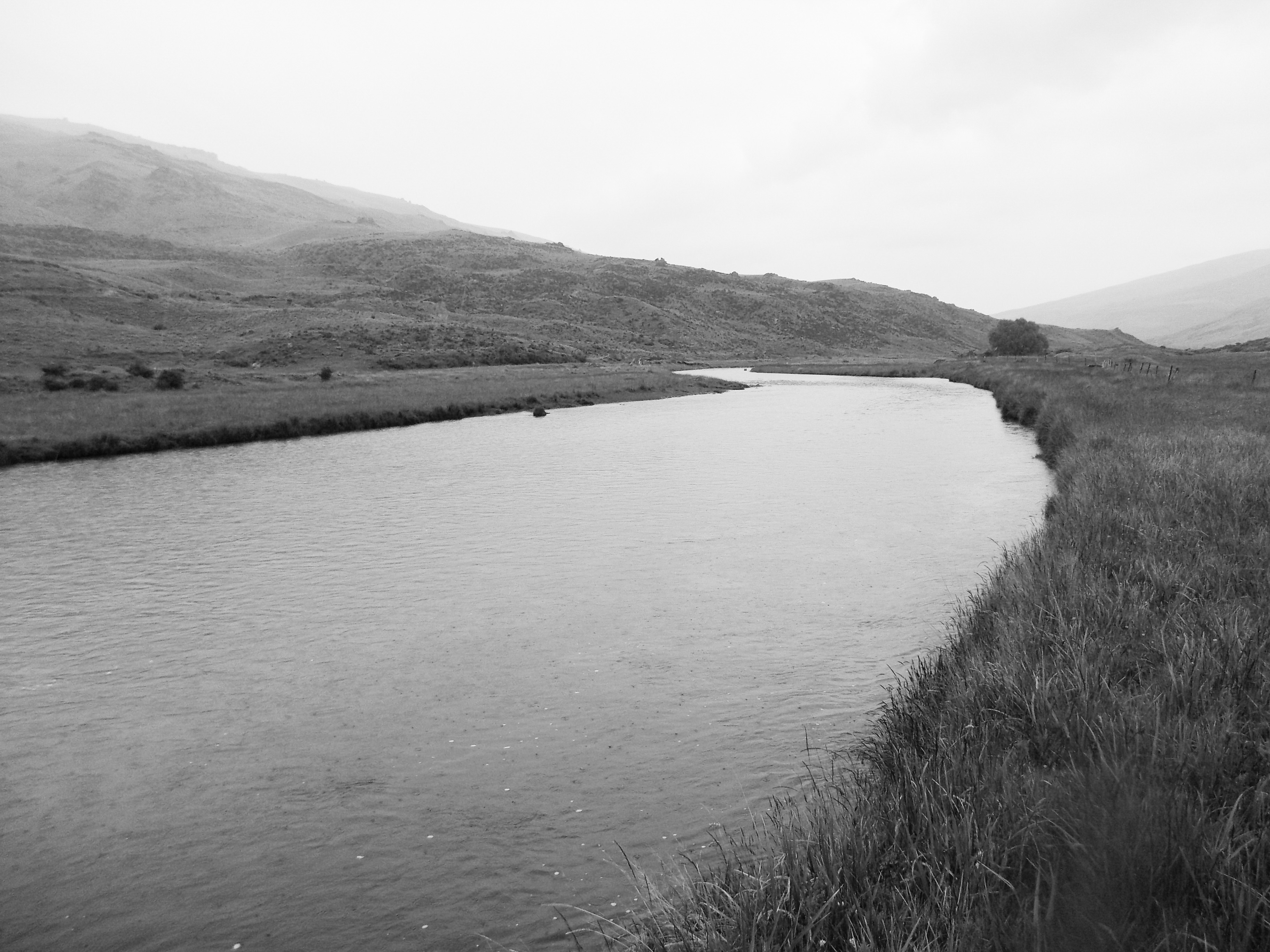
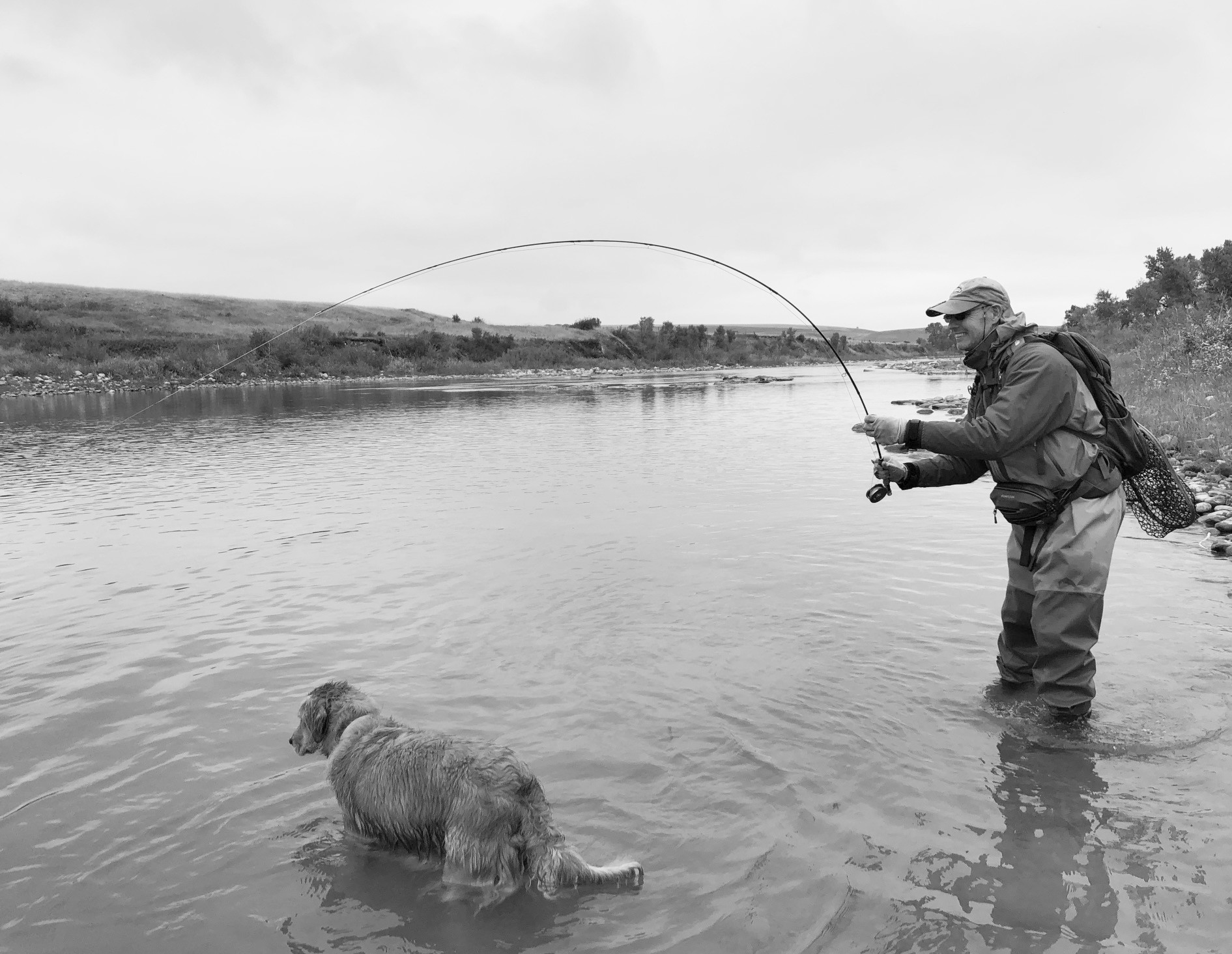
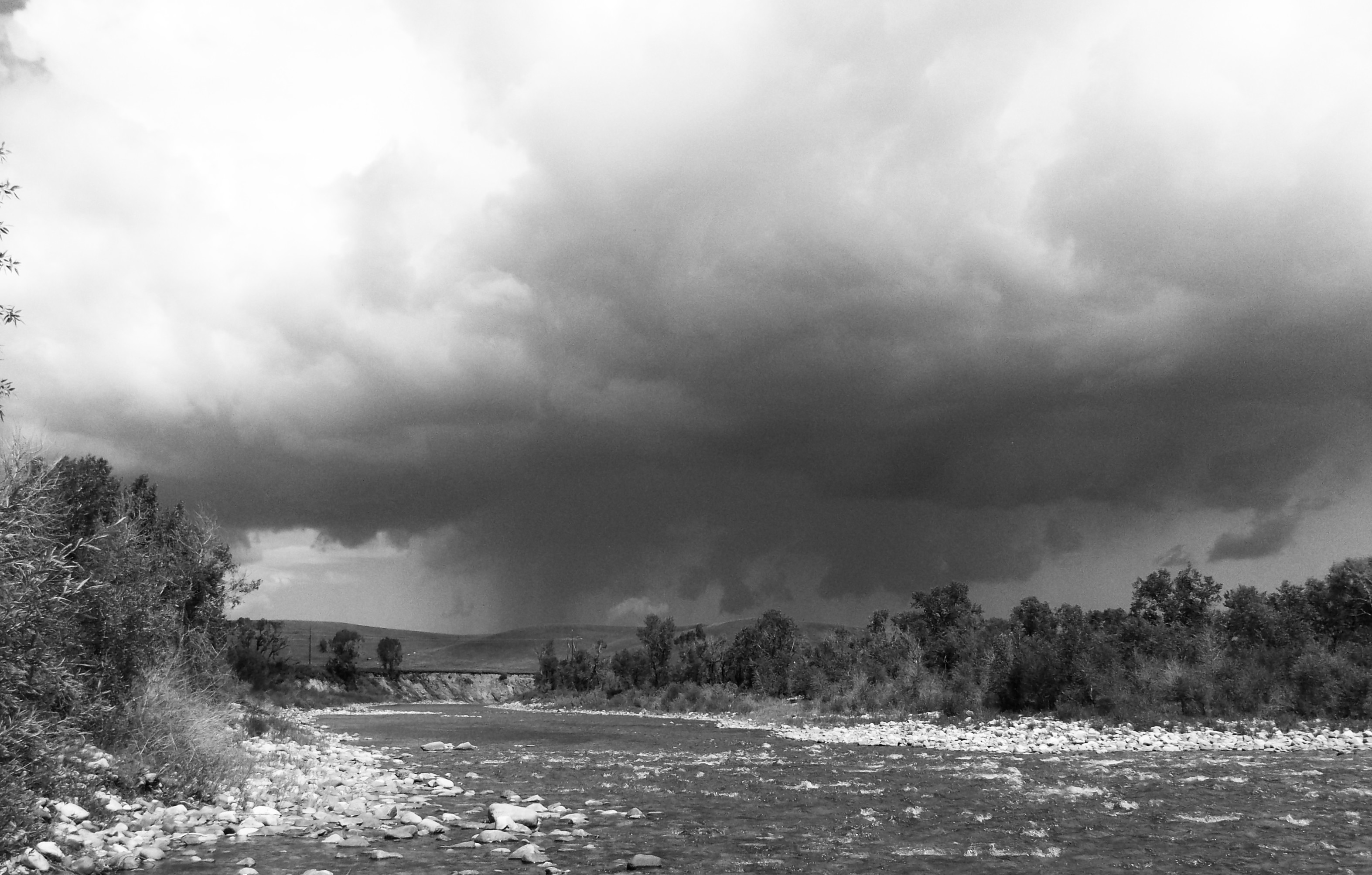
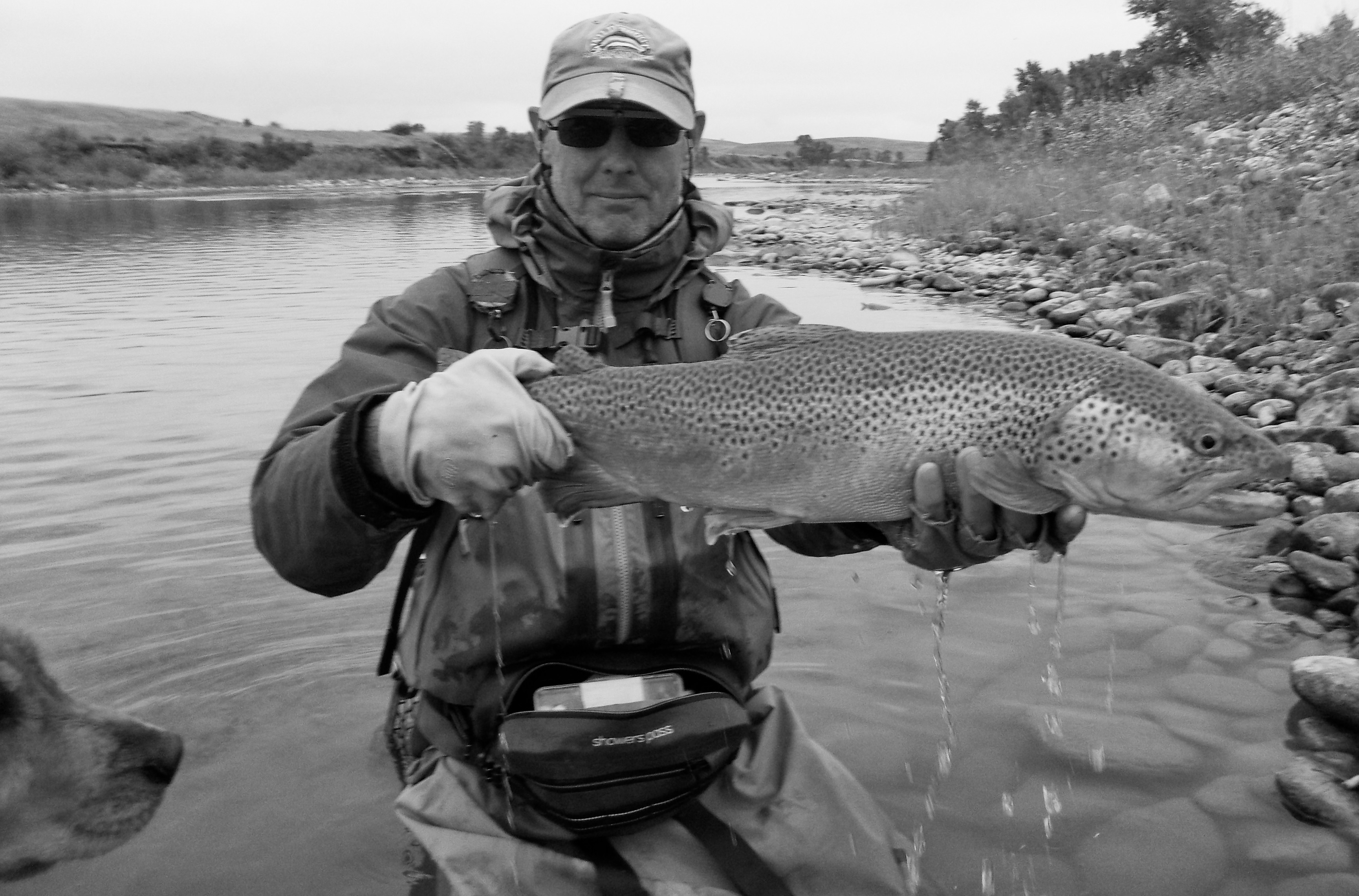
down in a coulee

“Fish the way you love to and go find water that favors and honors that…”

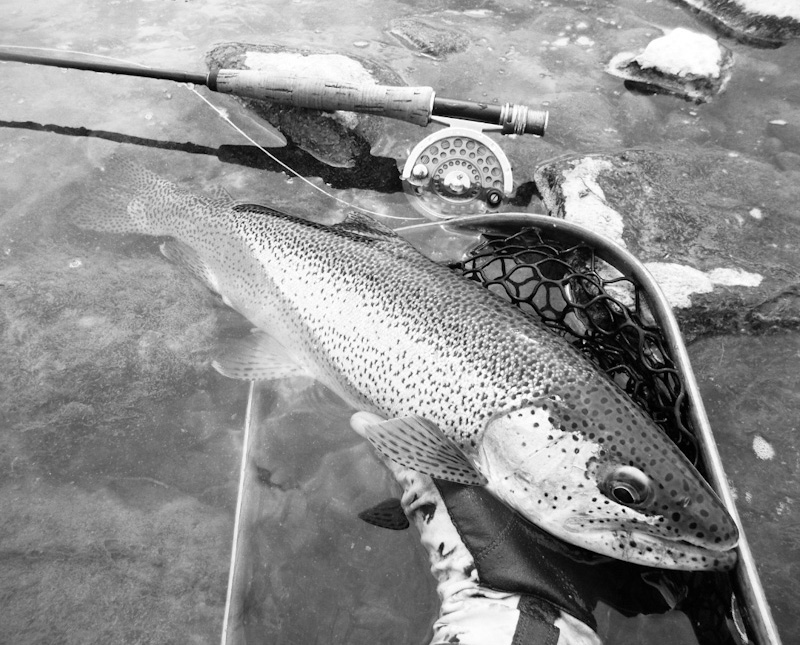
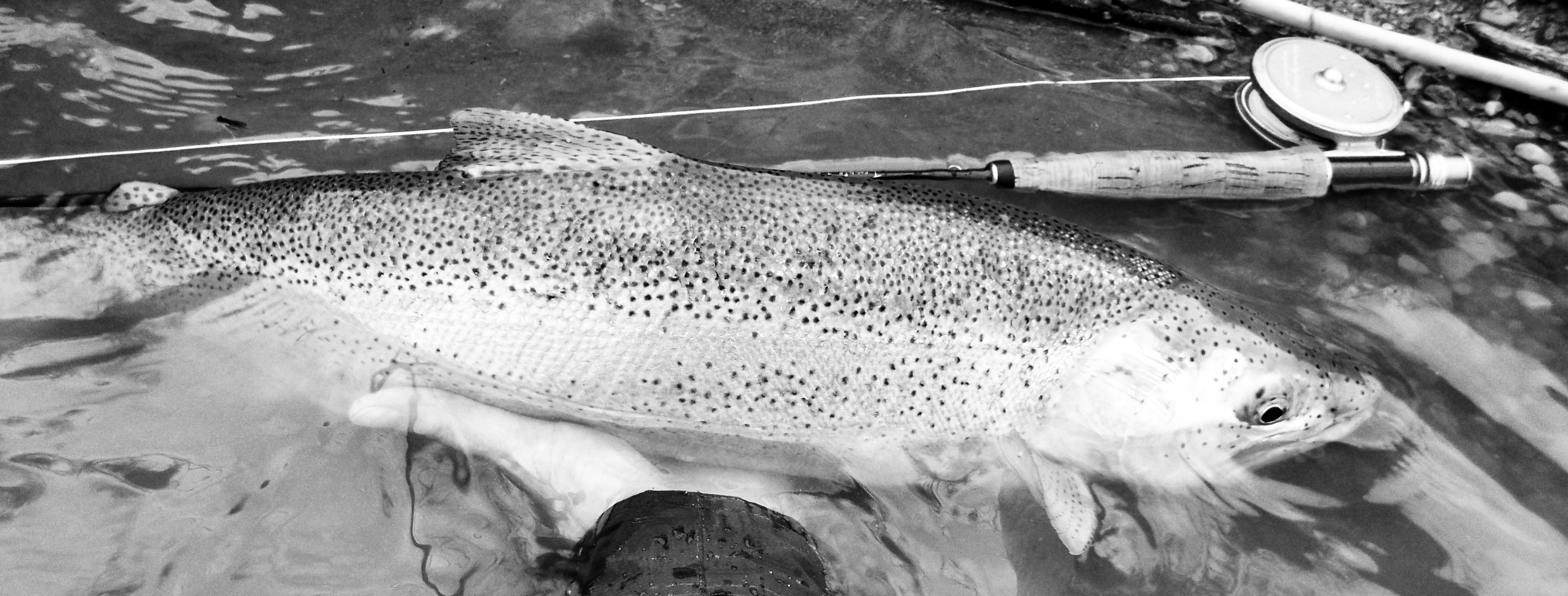
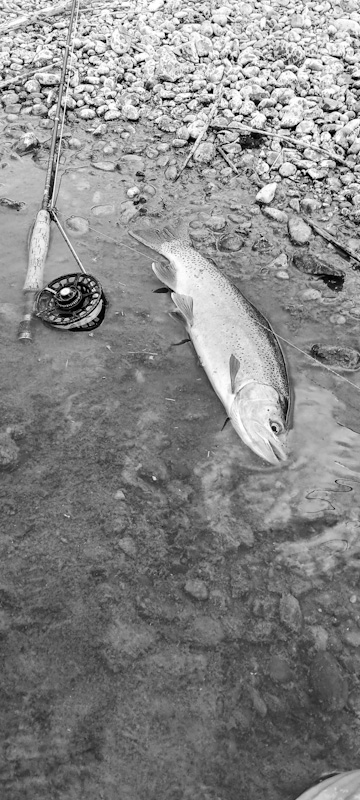
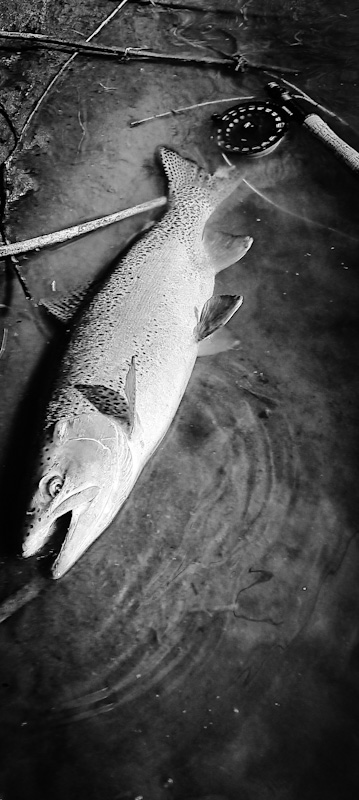
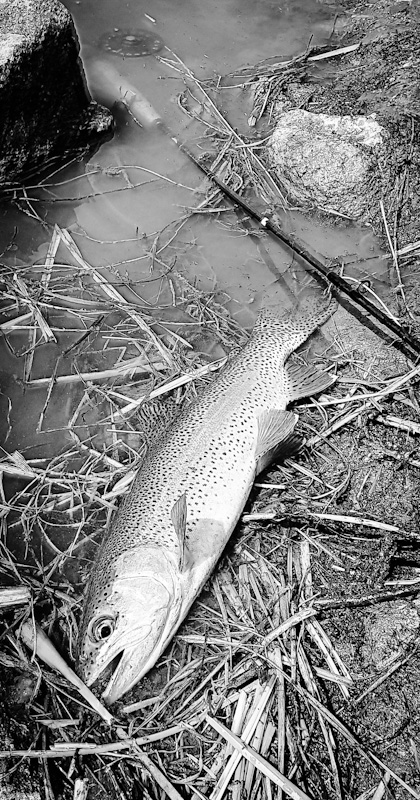
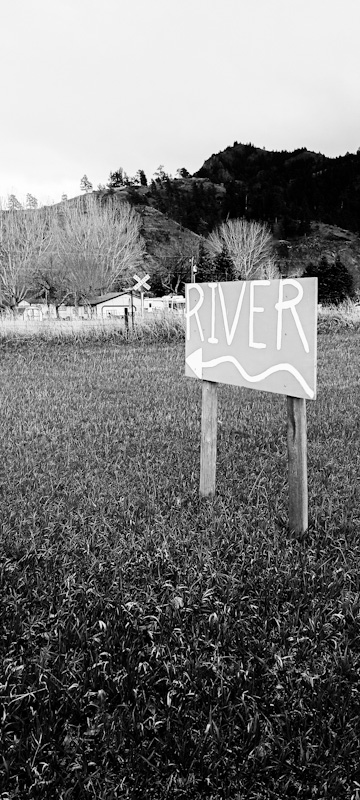
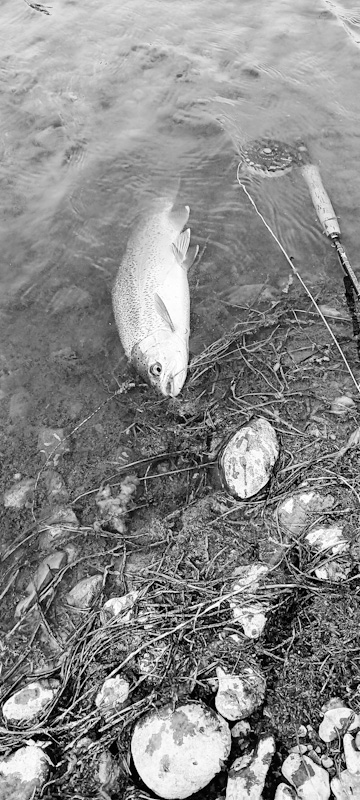
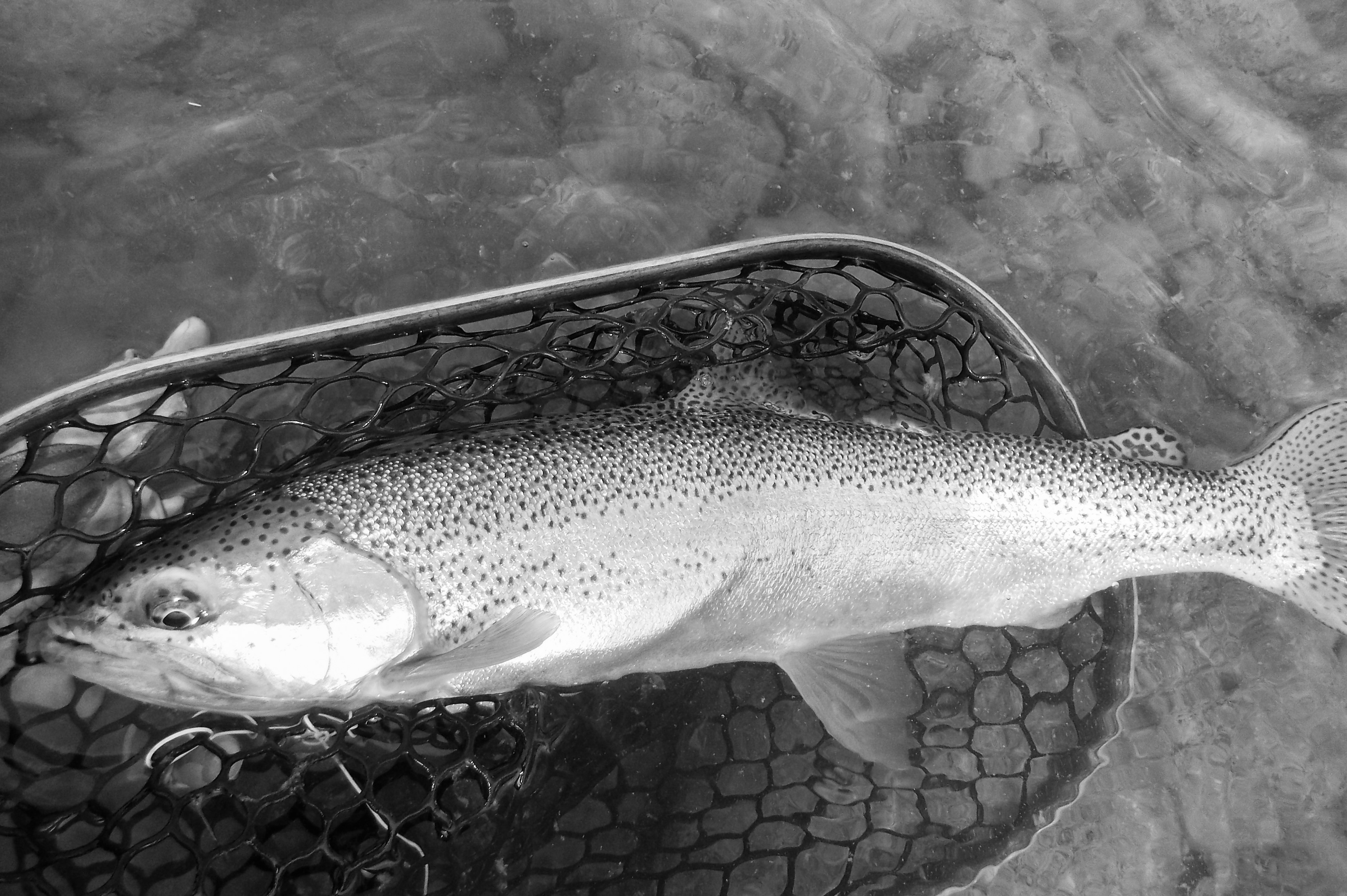
AS I DROVE DOWN INTO THE COULEE I could see grey smokey-like clouds hovering and shifting over the river. They were tiny Mayflies. Tricos to be exact. I had witnessed this hatch before, here and elsewhere, and knew it was going to be a morning of possibility. It was 7:30 am when I arrived riverside. No one was around. It was August. A couple of big rainbows were up gorging themselves in the cool morning water on the dense hatch and spinner fall. Catching one was all timing. First I had to gain control of my excitement and shaking hands. Then I had and get the fly right in front of a large mouth when it opened and gulped, then pray the tiny hook would catch and hold. Here’s a rainbow caught that day on a size 20 Trico dry fly.

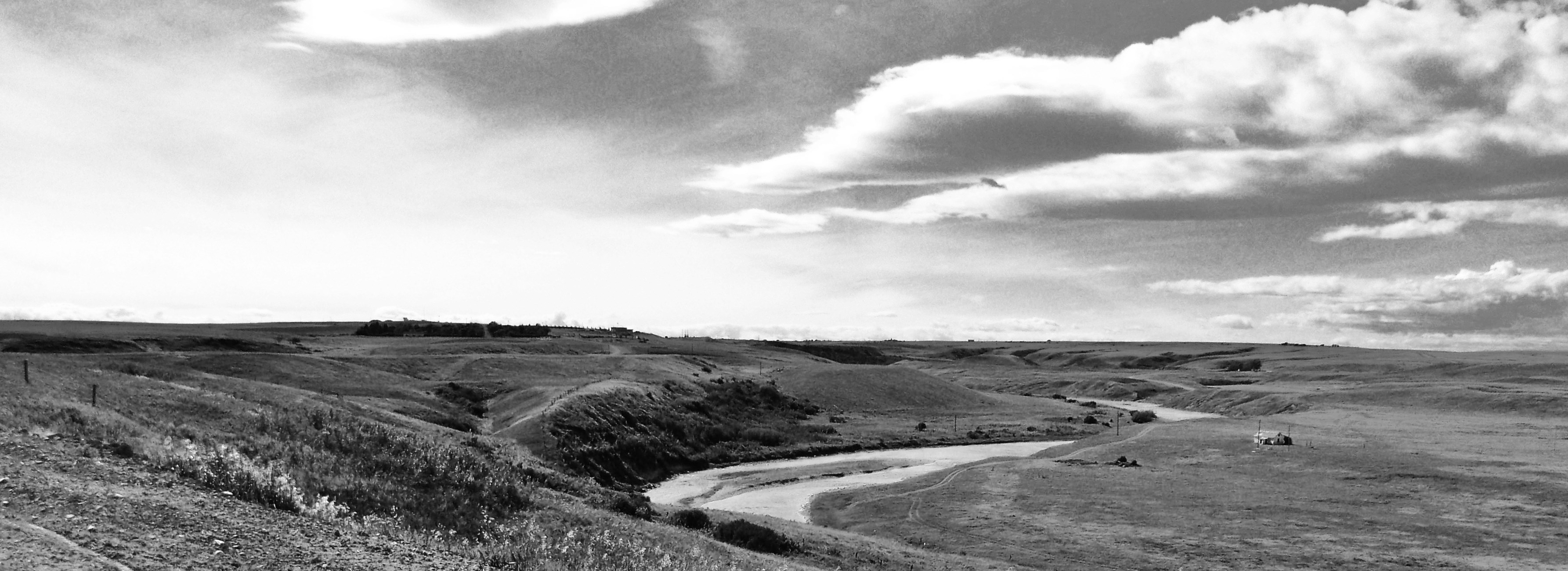
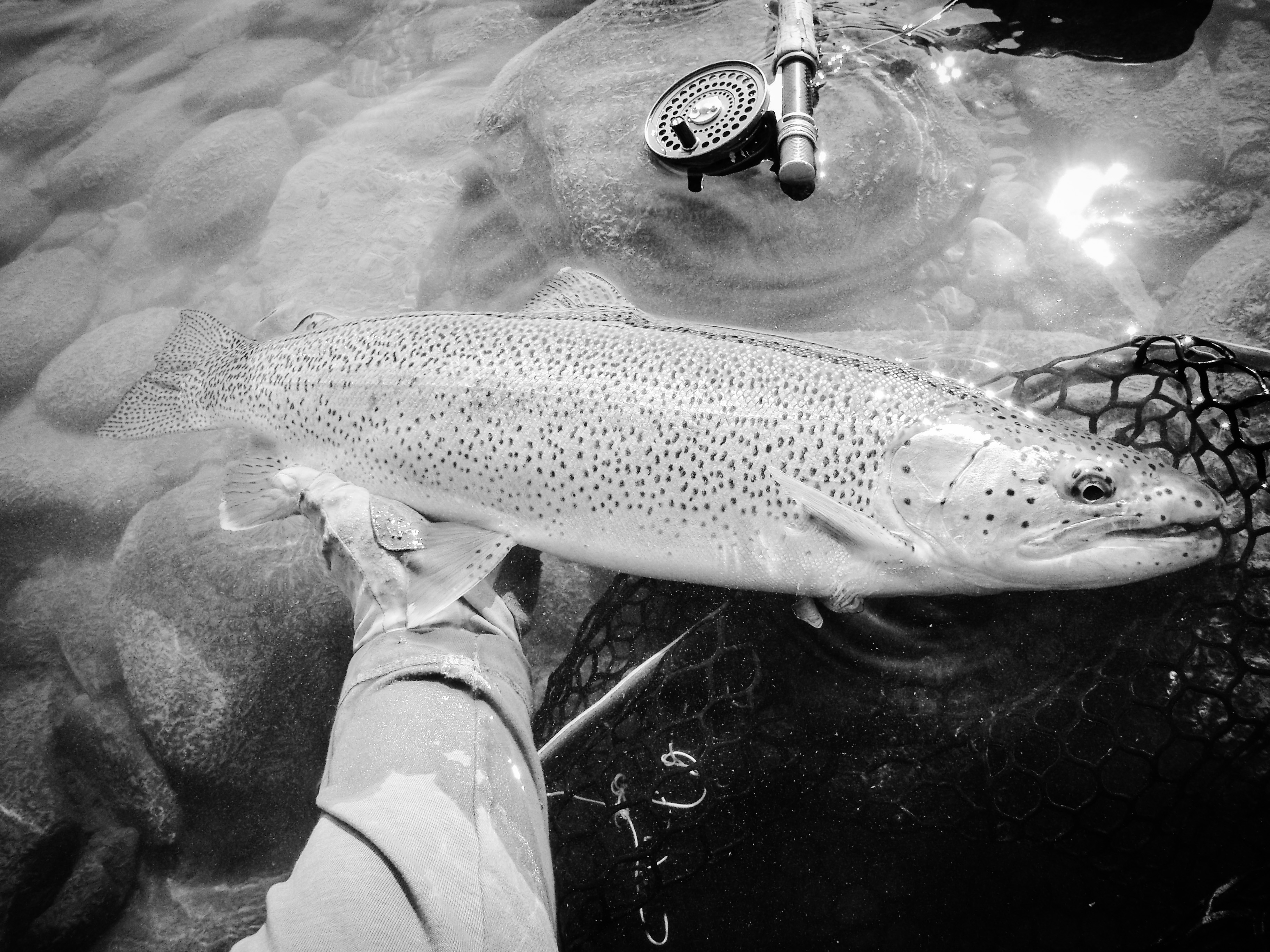
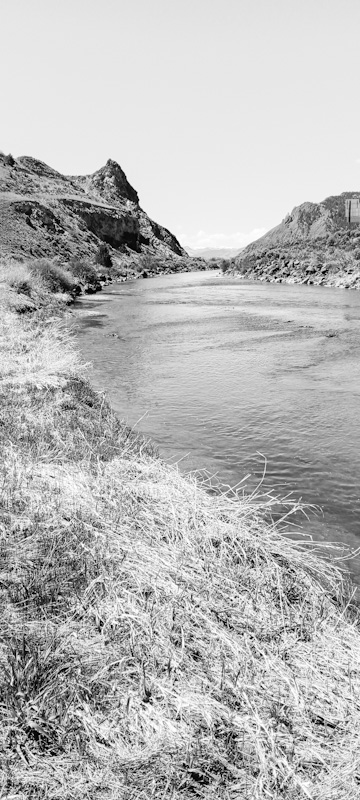
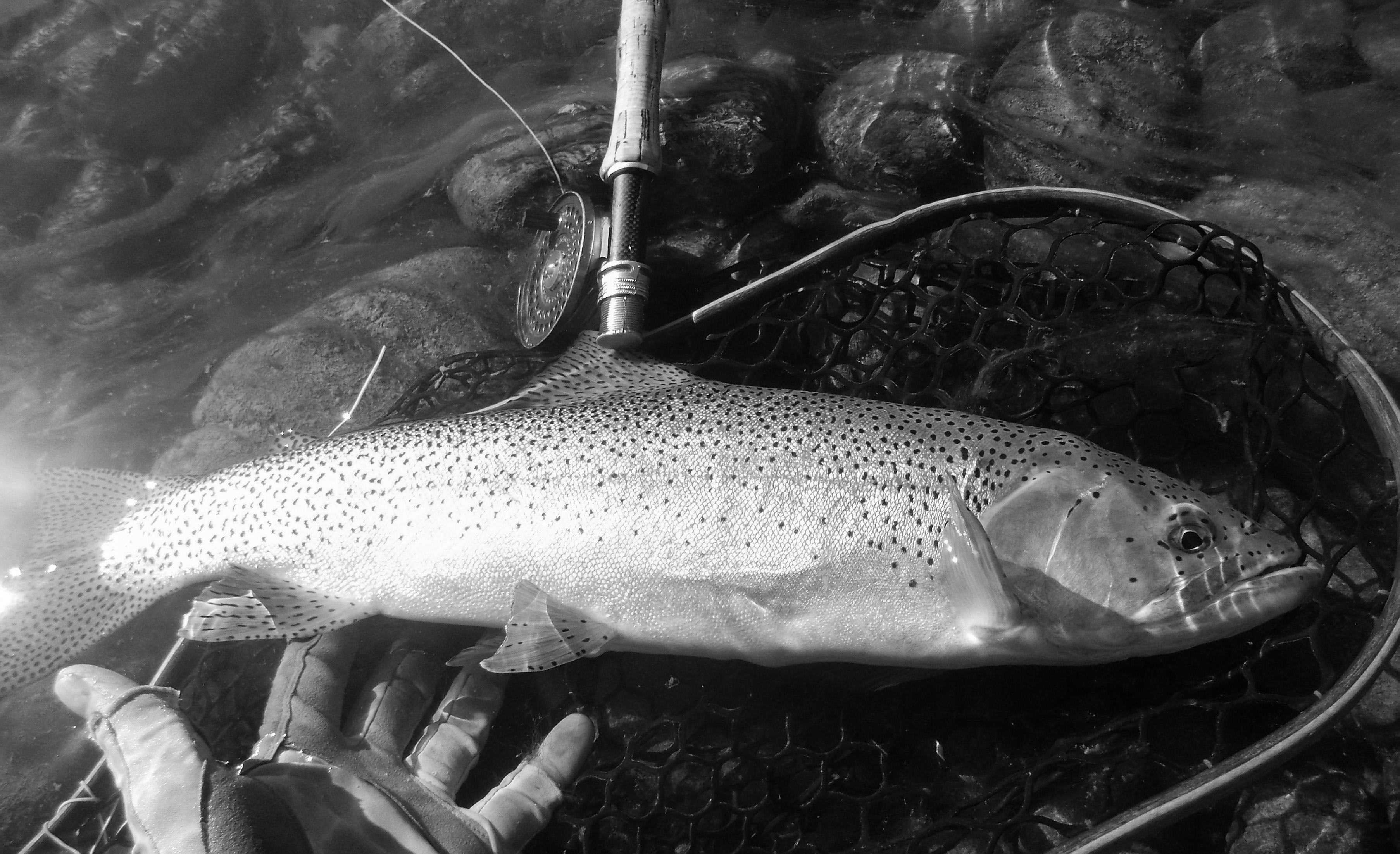
That was about a decade ago. I had fished the Coulee river intensely for 5 or 6 seasons in a row and considered it the best large wild trout, walk/ wade river I had ever been on in North America. Some rivers had better hatches. Some more rising fish. Some had way more trout per mile. This was the best sight-fishing river. It rivaled some of the rivers I’d experienced on a few trips to New Zealand. On most days the river required a lot of walking and searching to find a few special fish, especially when there were few insects around. I always felt I had to fish well in order to make a connection in the wide open terrain. There were few places to hide from the wary trout.

On most days I’d walk the cattle and deer trails along the ridges and hills of the coulee and search for rainbows in the clear water below. Their dark backs would contrast well with much of the river bottom and they were often easy to spot. In areas where they were more camouflaged I’d look for movement. That would give them away. It was one river that I preferred to fish in full sun.

When I approached one of the many river’s pools I’d watch for trout prowling the shallow edges where they often looked for hatch leftovers and terrestrials like ants, beetles, crickets and in late summer, grasshoppers blown in from the riverside grass. They were big confident fish that didn’t seem to mind the skinny water even though there were often Pelicans and Osprey around. Of course they were always on high alert and never too far from the safety of deeper water. Their cycling patterns were repetitive and often predictable. I’d watch their routes then drop down from my elevated perch on a slope or ridge and try to intercept them along their hunting path. If I stayed low and used the sun’s angle to my advantage I usually wouldn’t be seen. A black beetle on a long leader often enticed them. Most trout would accelerate towards my foam impression once spotted. When they didn’t notice it a small twitch sometimes pulled them over to inspect the slight disturbance which suggested a living thing. Some when approaching slowed down, paused and hovered millimeters from my fly before eating. Some nudged it with their nose. This would usually result in a rejection. I recall one pausing and eyeing my fly at close range then it turned away, circled, then returned to inspect it once again, and ate it. I remember saying to myself, “I’m watching them think”. The river offered some of the most visually engaging angling that I had ever experienced.

Unfortunately the river no longer fishes as well. In recent years I have returned every summer a few times to check it out and hope it is again, what it once was. Hope that it has recovered. But it has not. Repetitive years of drought, low snow pack and significant agricultural water extraction/ diversion have hurt it. The flow, controlled by a dam, remains minimal just about all season long. Basically the river has been choked-off. As a result the water is often warm and is rarely clear. There’s a thick sludge along many of its banks. There are still some fish around but not like there once was. Places I always use to spot trout are often barren. Anglers who nymph the well oxygenated flows at the head of the river’s shrinking pools still catch some quality fish but I’m not into that.

I’m lucky to have witnessed it when it was a remarkable sight-fishery. There was always a chance of a great trout down in the coulee…reel backing required.

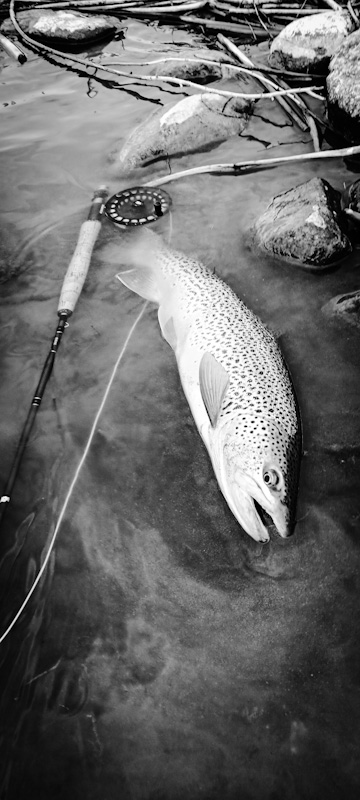
trout along the tracks

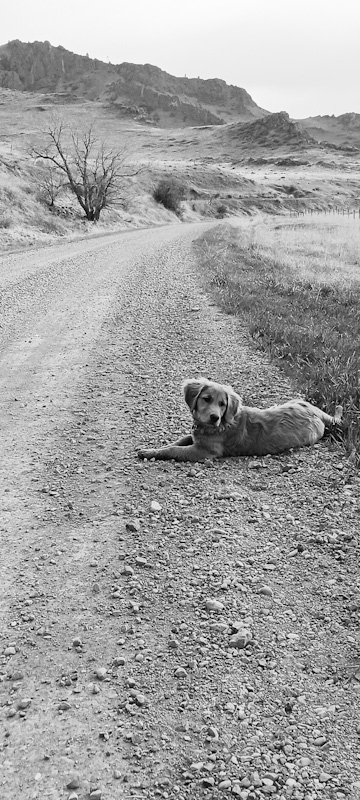
Springtime road trip. Montana. It’s always a great feeling to have the time to roam around the west and visit rivers. Before you know it days turn into weeks. When fly fishing all sense of time gets blurred or lost. Moving water contributes to this by being so hypnotic.

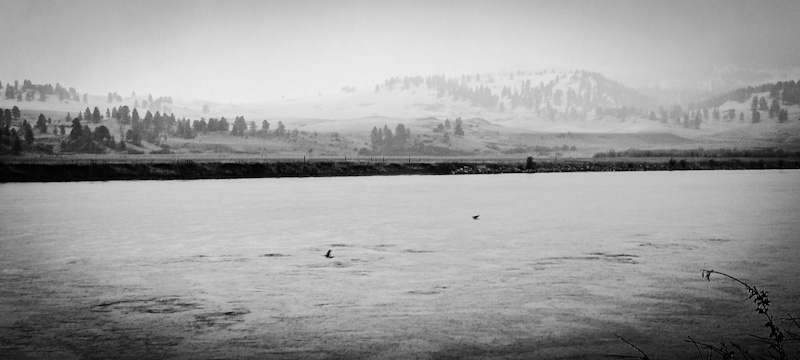
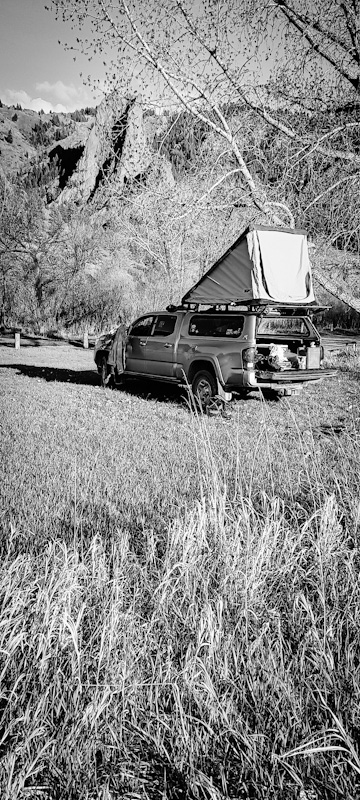
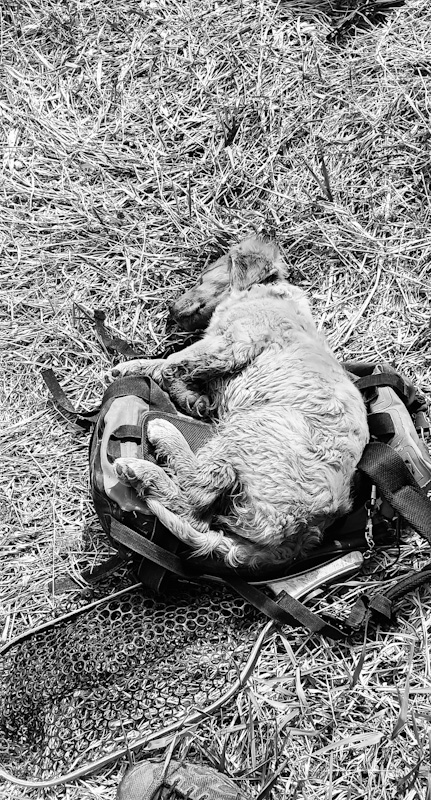
I camped with a puppy. We got up at dawn and called it a day at sunset. We were out all day. All four seasons were experienced on the road trip: from Summertime sunshine and warmth; to heavy Spring rains; many Fall frosty mornings and heavy cloud cover; and even a bout of Winter sleet and snow.

snowing in hills

The fly fishing on the large tailwater river I visited was outstanding, There were dense BWO hatches daily and even some March Browns on the lower river. I also had morning action on midges when it was calm. The river was covered with bugs most afternoons into the evening. As always, low wind and cloud covered days were best and I had many. Fish continually showed themselves by feeding on emergers and dries. Every time I visit the river I say to myself: “This is the best dry fly river I’ve ever been on”. Fly selection is always important which adds to the challenge and intrigue.

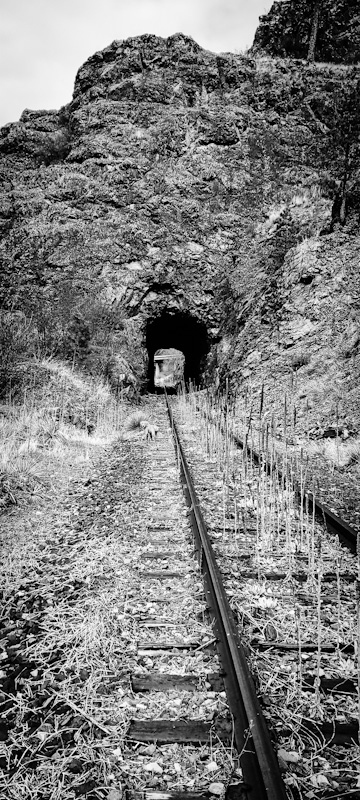
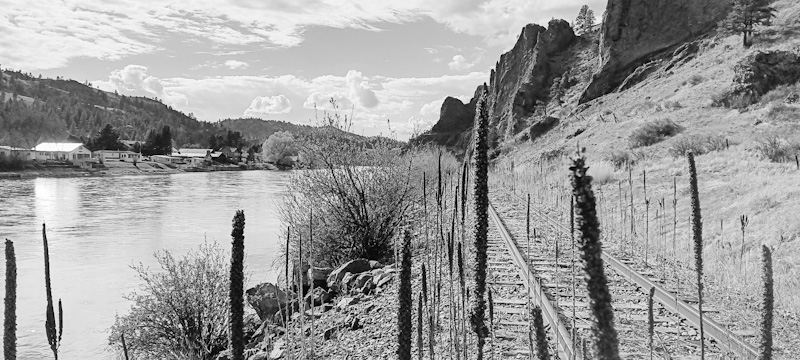
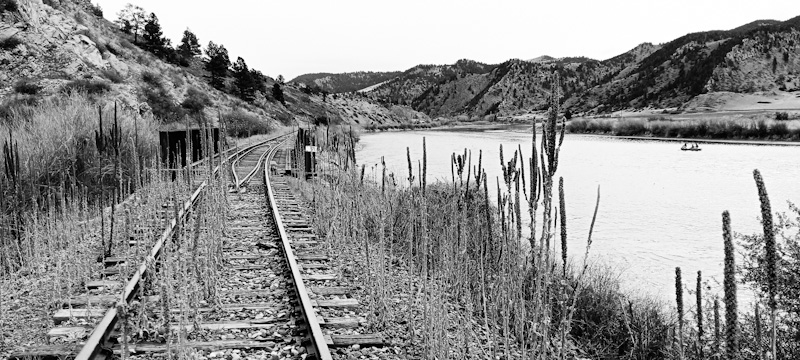
I spent two weeks walking railway tracks to access different river sections. I hung-out in side channels and around islands when the wind blew. Even in full sun I was usually able to find some rising fish.

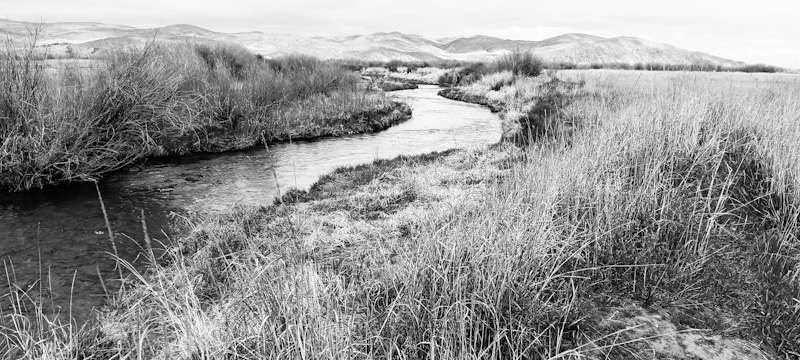
It was hard to leave the big river but eventually I drove further south to visit a little spring creek I had been on many years ago near Dillon. There were less bugs there. And I saw few rises. The creek is “pretty as a postcard”. I made just a few very good connections on heavy cloud days, mid week when fewer anglers were around. It’s mainly a Brown trout fishery, which is why I visited it. I discovered the creek gets a lot of angling pressure. Most anglers seem to nymph all the deeper holes/pools. Conditions have to be just right for the trout to show themselves on the surface. Too many anglers passing through and it doesn’t happen.

spring creek

Dillon is a great little western town. Several fly shops. Great services. Character architecture in the old town area. It’s totally manageable. I will return to fish the bigger river nearby, which I spent one day exploring. The flow rate was too high for the way I like to fish while I was there.

spring creek

I hiked a lot of railway tracks to access different river sections at both angling locations. Some of the best rivers that I have fished have train tracks running along them.

Some images of rivers, trout and tracks. Just about all he trout were caught on small dries, mainly on size 18 BWO patterns. A few were taken on larger March Brown patterns, size 14/12.

writing in thick frost on tent


home


sleeping on backpack

some color


clear water


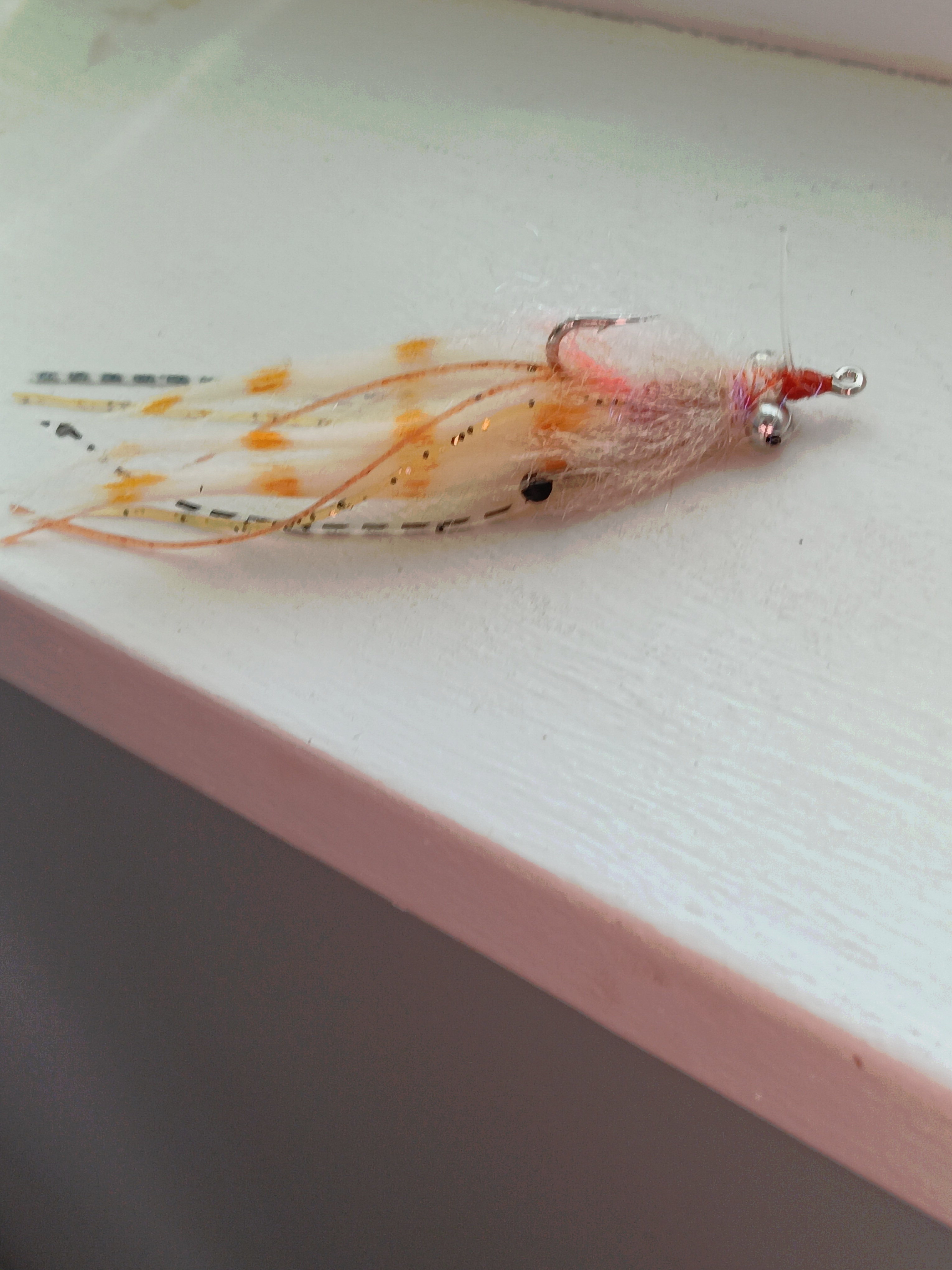
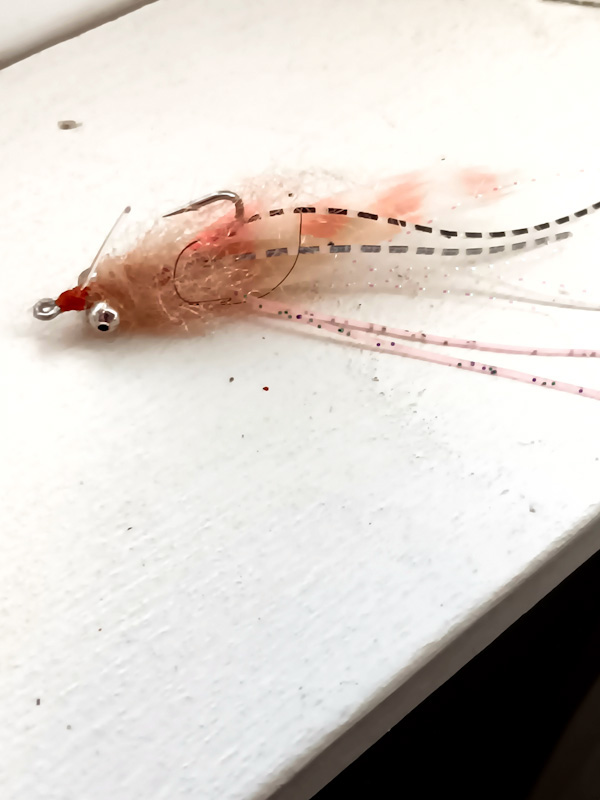
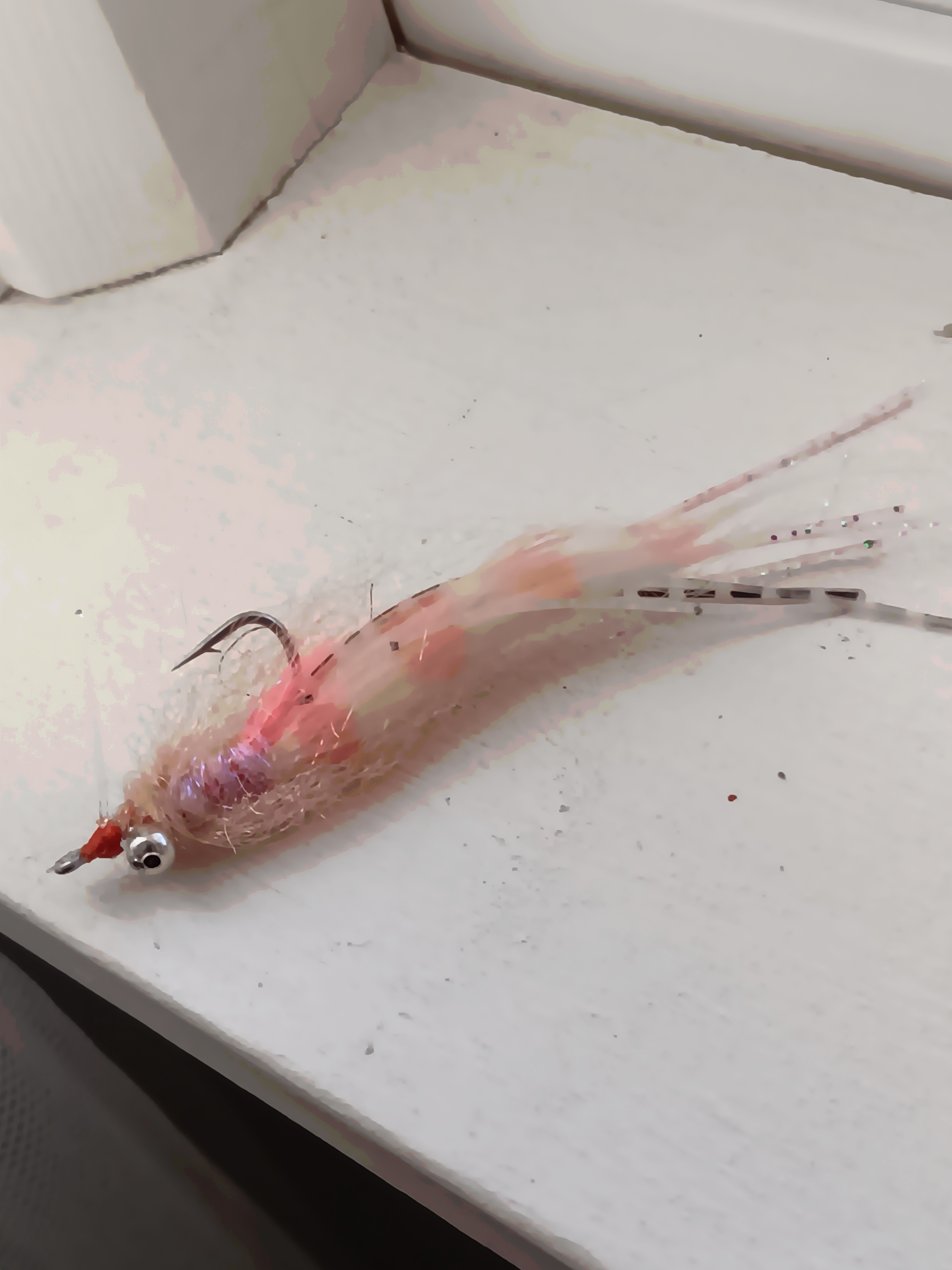
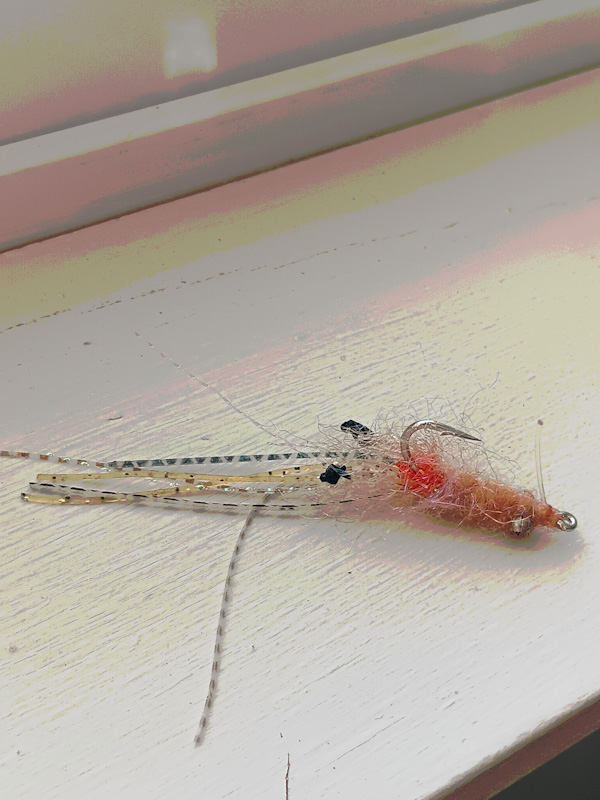
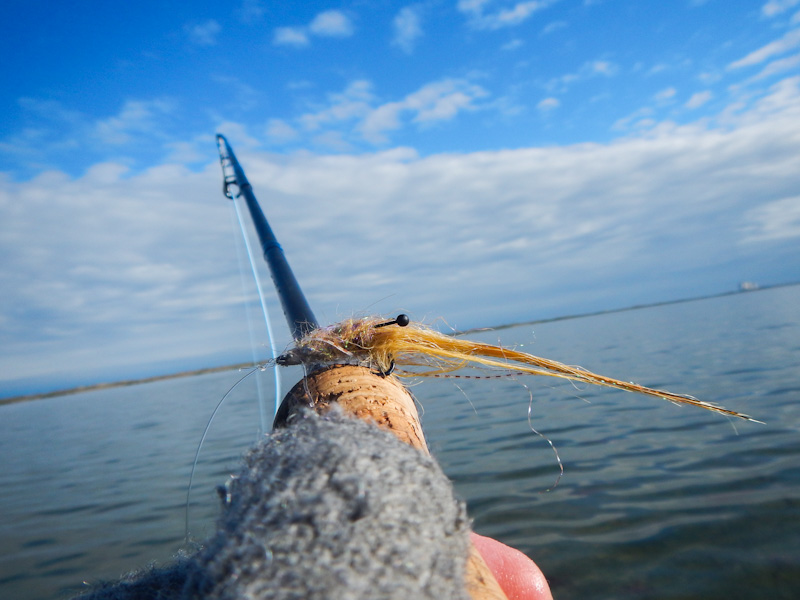
shrimp flies

“Land silent, run shallow”

Fly fishing adventures always inspire thought and more tying; more patterns. A recent saltwater fly fishing trip for Redfish motivated these shrimp creations, size 4 hook, medium-sized bead chain so fly pierces the surface but is still relatively light and not too loud when entering shallow water. I also tie some with small-sized bead chain (lighter) and no bead (no added weight) to land almost silent and to run shallow, in just inches of water…

Slow walking the sand…

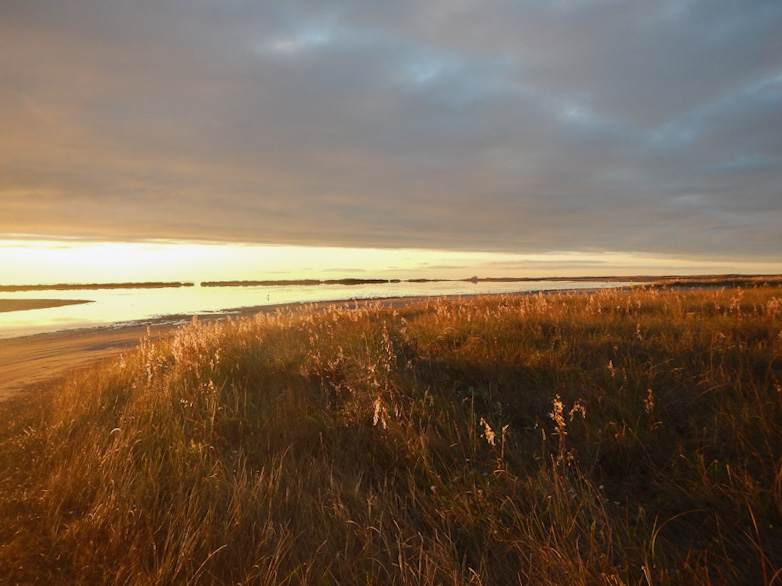
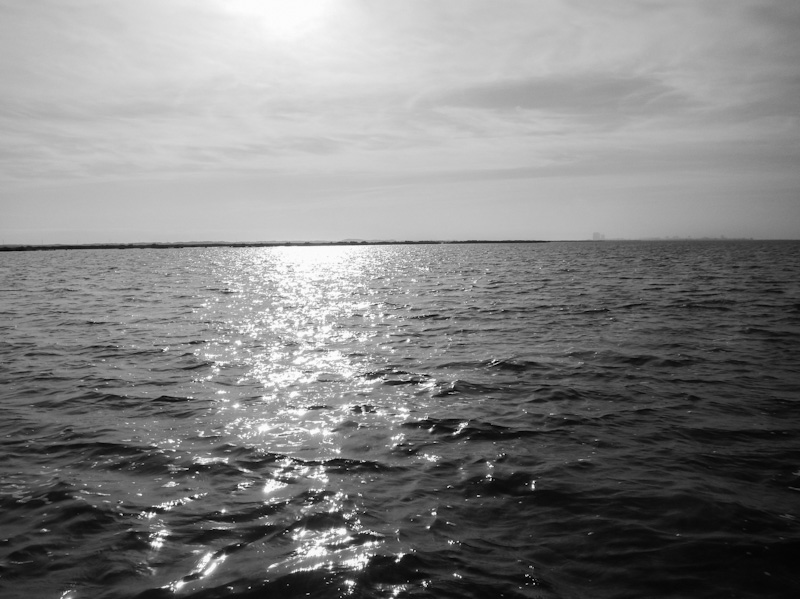
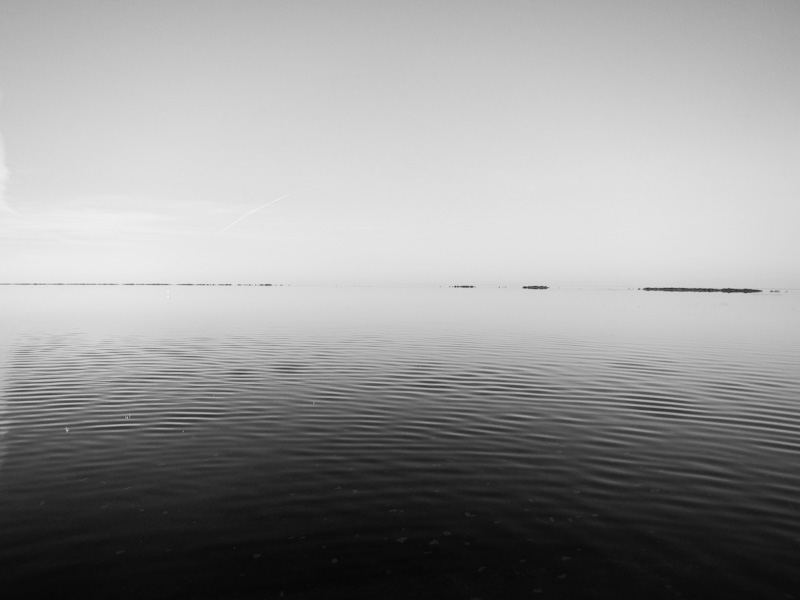
Out on the Laguna, cloud reflection, shoreline in distance, middle of photo

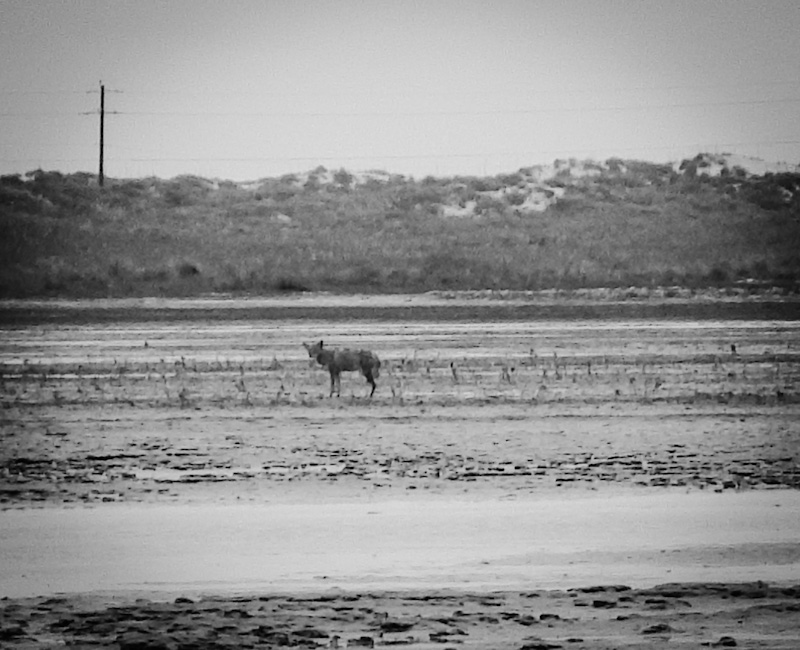
Each morning I’d take the beach road north out of town almost to where it ends. I’d park my rental and then make the twenty to thirty minute hike over the sand dunes and then on to the broad tidal zone leading to the Bay/Laguna. The grassy sections of the dunes held sand flies so I passed through quickly. The wide open tidal zone never had biting insects, nor the Laguna. This zone was either flooded or dry depending on the tidal cycle and wind direction. While walking I’d look for scavenging Coyotes and the small local Deer. I always wonder how they survive on the long thin band of sand they call home. I was on a barrier island along the Gulf of Mexico.

walk to the Laguna

coyote on tidal plain

Once at the edge of the Laguna/Bay I’d pass through a thin line of mangroves and then enter the water. The bay in front of me was one big clear sand flat and shallow, just inches to calf-deep for miles. The bottom was a light tan color and firm. Most areas were fairly barren. Some spots had sparse fine shoal grass growth. Much, much further out there were thicker weed beds. Redfish at times showed-up and prowled the sand shallows in search of food: shrimp, crabs, sea worms and other things. It’s a perfect location to look for them. It’s ideal sight-fishing water. It’s why I made the long journey here.

I’d always arrived at the Laguna early. The sun, if it was out, was usually just cresting the high dunes to the east and as I walked out into the shallows it was at my back. I’d wade westward as that’s the direction that I’d see best. On good weather days the visibility improved and expanded as the morning progressed and the sun climbed the sky. Fishing skiffs were always skimming northward in the mornings, sometimes a mile or more away. I’d always hear them before I’d see them. Several minutes later their boat wake would reach me and push up against my legs. Energy travels a long distance in the ultra shallow Laguna. Boat energy, my energy. A reminder to wade cautiously.

typical bay skiff in town

mixed sky, glare

shrimp fly

The sand shallows always looked promising, especially on the calmer, sunny days. On this trip, however, most days were not sunny. The long range weather forecast looked favorable before I booked my trip and left home. However, weather prediction is often imperfect and seaside climate can be unpredictable and ever-changing. Out of fourteen angling days I had three full sun days. Not a great percentage. However, you have the angling day that you wake-up to. Cloud cover, high wind, some occasional light rain, it didn’t matter…I layered-up and waded the shallows and searched for Redfish. I wore waders during inclement conditions. I happily wet-waded on the warm sunny days.

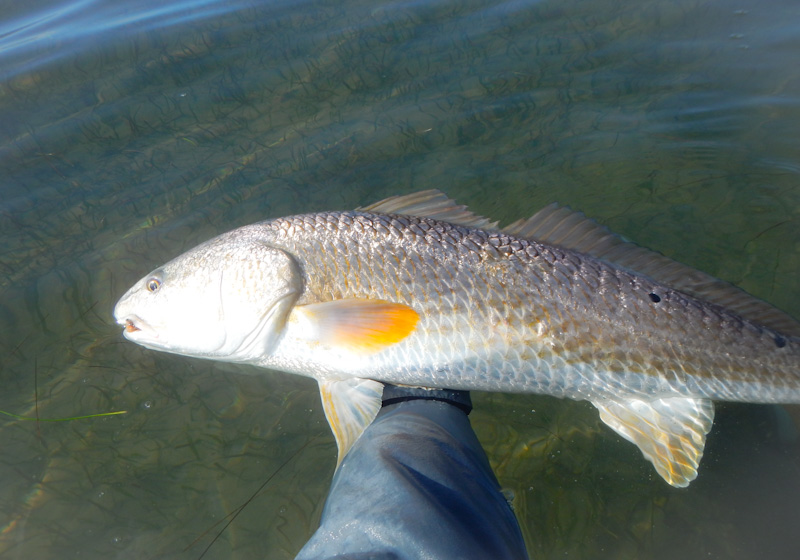
redfish

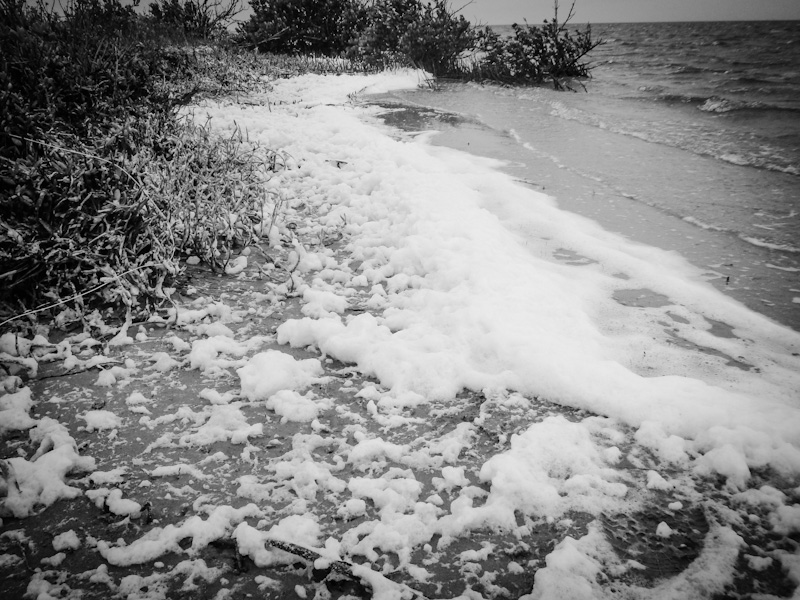
Sight-fishing in cloud glare and wind is always challenging. At times it was impossible to see beyond two or three rod lengths. In the tough conditions I caught a few but missed and spooked several fish. On many days on this trip and in the past, I left the Laguna late afternoon frustrated with not being able to see well. I knew great fish were coming in on the sand daily but I had little chance of spotting them. But that’s all part of any angling trip. You have to surrender to and accept what you can’t control, hope things change and appreciate it fully when it does. I tried to do that.

wind foam

gear for the day

When the sun did appear it illuminated the sand. Everything became visible. Everything was revealed. It was confirmation as to why I had come here. It was like flicking on the light switch in a dark room. That’s when there was opportunity. That’s when I had a chance to spot a good one. I’d look for shape; a shape that contrasted with the light colored bottom and above all I watched for movement. Movement catches your eye. Movement gives them away. If I managed myself well when the light was good: stayed alert, concentrated intensely, methodically scanned the water, moved slowly (all the shallow water tactics), then I knew I had a chance to spot one. Then it was up to me to make a good cast. In the clear twelve inches of water my fly impression needed to land “near” the Redfish but not “on” it. Too close and a Redfish in skinny water and on high alert, would bolt.

On a good day, when I could see well, I’d always spot Redfish in the sandy shallows. Never many but some. In high glare windy conditions less. Sometimes I’d see none. All fish spotted on this trip were good ones. I’ve heard of great numbers of schooling and tailing redfish on the richer weed thick westside of the bay but I’ve never witnessed that on the eastside sand flats when I’ve waded them in late Fall and Winter time. Maybe it is just the time of year that I come here. There were no surface disturbances to give their location away. When I’d spot them most were on the move; combing the sand.

Days passed quickly on the sand. By mid-afternoon I’d see best wading eastward, back to shore. By late afternoon the sight-fishing day came to an end. I’d hear the skiffs returning from their journey north. Once again, their wake managed to find me. Some had music blasting: usually heavy Rock, sometimes Rap, sometimes bar brawling Country. I guess song selection was dependant on the age of the captain. I never heard Sinatra.

looking back to shore

It was my third visit to the barrier island. I’ve now spent a total of two months sight-fishing the sand flats. It’s still all new to me: Redfish behavior, their environment, the tides… that’s good. It’s a new angling journey. When I review things at the end of each trip I’m reminded how weather always rules the day and how demanding but rewarding ultra-shallow saltwater fly-fishing can be when on foot. The Laguna is as intriguing, spirited and challenging a fly fishing location as anywhere I’ve been. When the sun lights-up the sand it is simply beautiful and mesmerizing out there, and full of possibility.

All redfish were released safely back to the Laguna..

cooler day

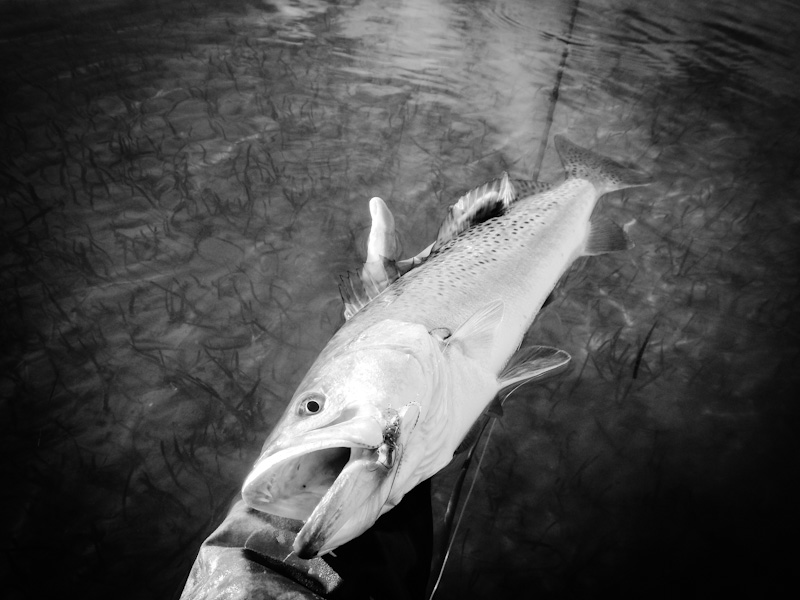
sea trout

POSTSCRIPT

Prior to this trip I had read that a Coffee/ Fly Shop (Los Pescadores Coffee and Outfitters) would be opening on the island probably sometime in the second half of 2024. Their website said that although their storefront was not open yet, an angler could order online and have items mailed, or if in town arrange a curbside pick-up. I had tied many flies for my trip but wanted to purchase some regional redfish patterns, so I arranged a pick-up. I got to meet the owner of the business, Daniel, and the future fly shop manager and guide, Alex. Both super guys. They showed me the space they had rented, spoke about their plans for the coffee and fly shop and overall business. They had a great fly selection and offered angling and location tips on the region. Alex has a skiff, guides and catches impressive fish. Whenever I visit an angling destination it’s a bonus to know there is a Fly Shop nearby. I’ll drop by again. Here is the link: https://www.lospescadores.com/

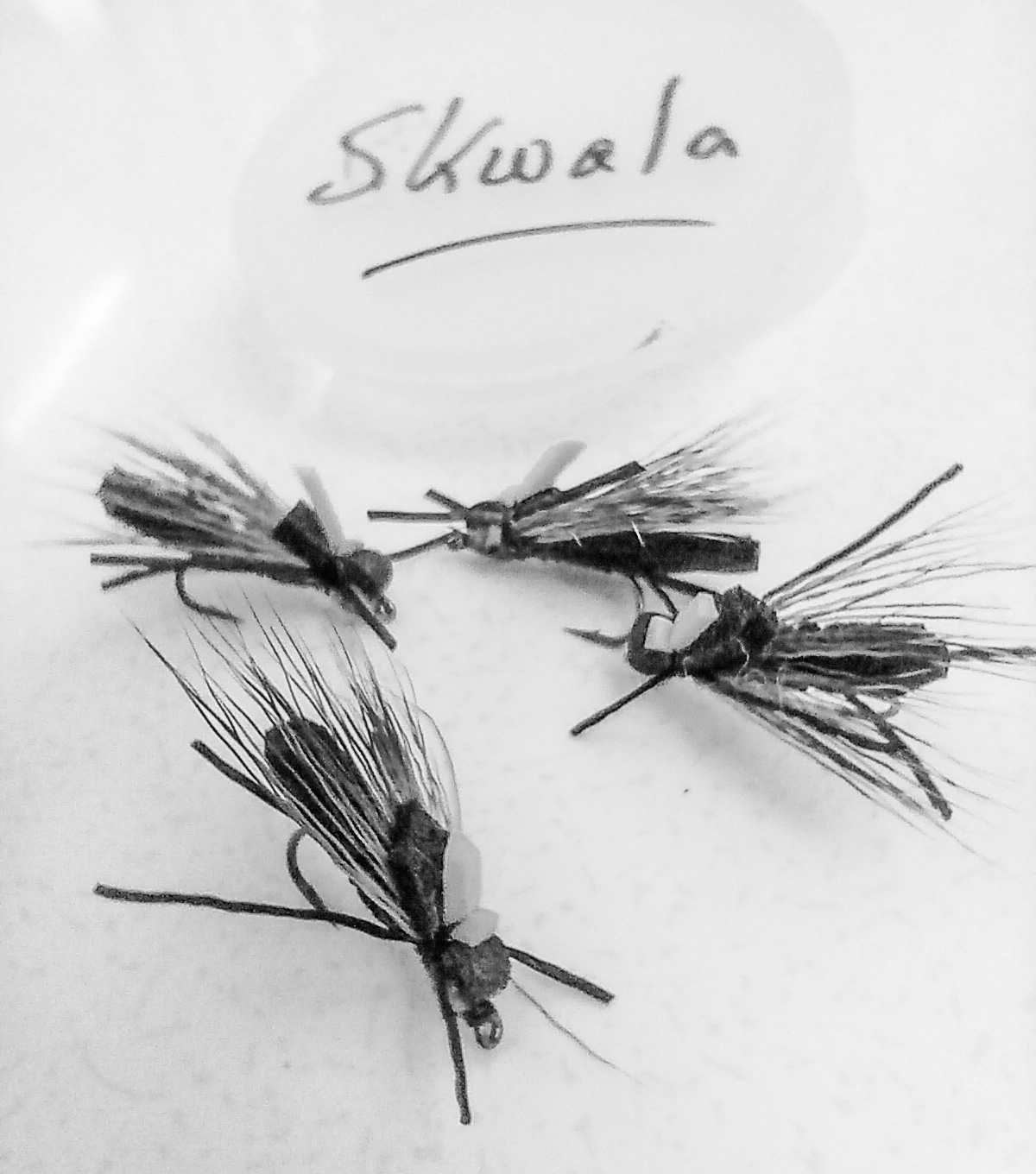
skwala

“LISTEN TO THE RIVER and you will catch a trout” – Irish Proverb

THERE ARE A COUPLE OF RIVERS in my region that produce Skwala stoneflies early in the season. It’s not a significant hatch but sometimes there are enough of them to get the attention of a few good trout. I usually start noticing them while I’m waiting on an afternoon Blue Winged Olive hatch.

Skwalas are relatively big (hook size 10 or 12) and easy to spot in comparison to other early season insects such as Midges and Olives. They are also dark (dark olive sometimes almost black) in color and therefore contrast well on days when a river surface is a silvery-grey which is common on broad, wide open water.

When Skwalas appear I often position myself ankle deep on a large slow moving shallow flat below a riffle. I can usually spot them just as they exit the riffle and begin their long journey over the flat. Due to their size I can follow them for 30, 40, sometimes 50 yards or more before I lose sight. The key is to focus and not take your eyes off of one during its long slow drift. Occasionally one will disappear. This means a shallow water fish has “tipped up” and consumed it. These rises are rarely aggressive such as when trout are focused on the much bigger fluttering stoneflies (Salmon and Golden) later in the season. The feeding is a little more subtle. Sometimes I hear the rise before spotting it. This often happens on a slow moving flat.

Once a rise has occurred I try to mentally mark the location of the trout using the shoreline as a reference point and also estimate its distance from shore. This is easier said than done when one spots a fish 40 yards downstream on a broad river with a somewhat featureless bank and flat featureless water. Once I have an estimated location then I quickly “rock hop” along the freestone shoreline to the approximate location. If there are no other Skwala in the drift then I will prospect the location where I believe the trout was feeding. If there are more Skwala in the flow then I’ll patiently wait for another rise so that I can more accurately pinpoint the fish before making a cast.

In the rivers that I frequent the trout aren’t selective when feeding on this stonefly. Exacting fly patterns aren’t needed. Anything resembling a Skwala is usually taken. I’ve even fished a large, oversized black ant and had a response.

If some Skwalas are around but I don’t see any rises on my favorite shallow flats then I hike to a “collector” area on the river such as back eddy or bay, or a long seam or bubble line where they can get captured. Sometimes I’ll find a good trout feeding there.

Sometimes a Blue Winged Olive hatch never develops and early season Skwala save the day.

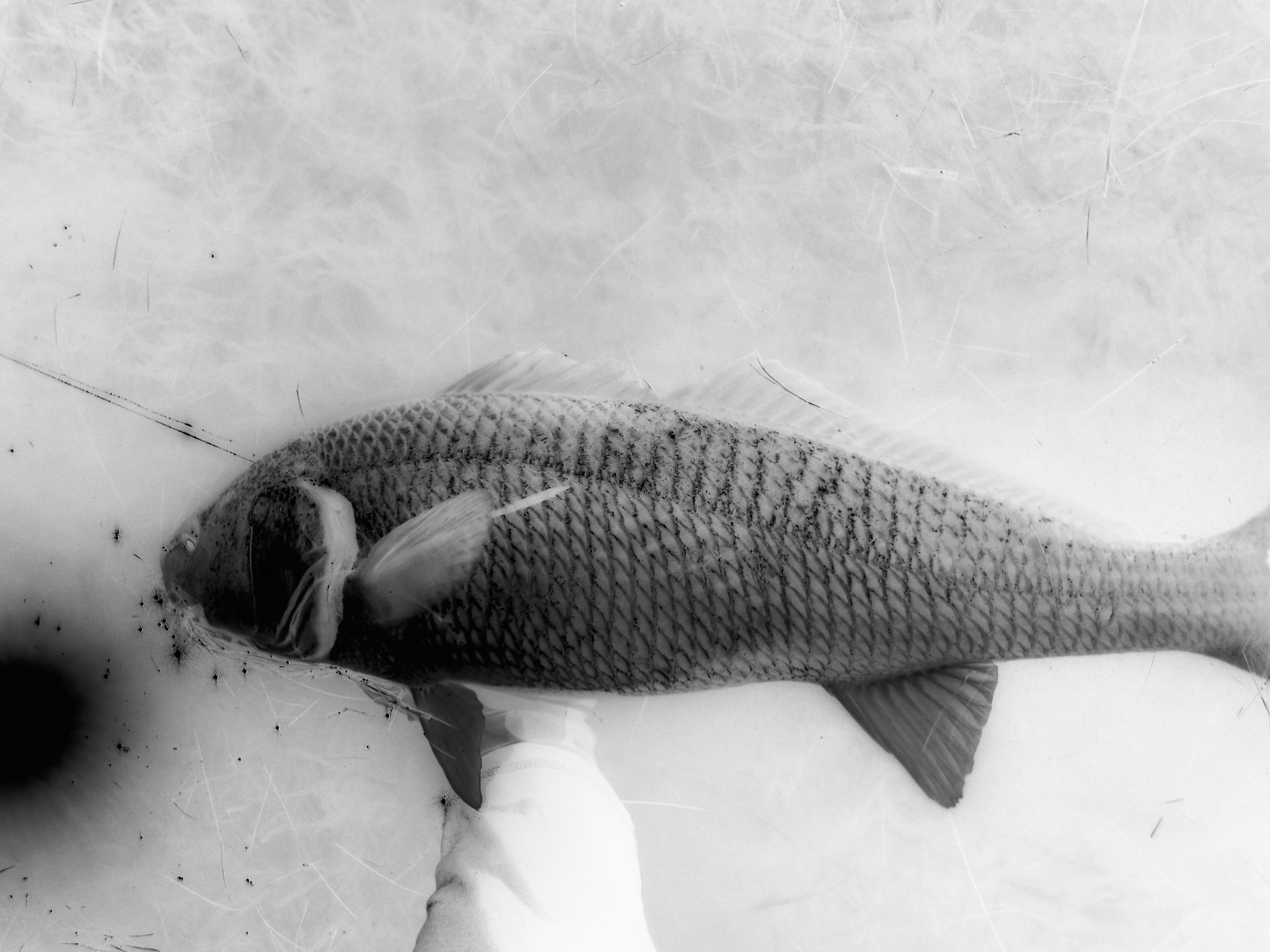
redfish

I played around with a recent photo of a Redfish I caught fly fishing. It reminds me of a Water Color Fish Print. I’m attracted to the detail. I wish I would have captured the tail in the photo as Redfish have a big dark/ black spot on their tail. In some regions they are called Spot-tail. Photographing a fish way out in a Bay while wading and angling alone is not easy as you are trying to manage the fish and keep your equipment (reel) out of the sand and saltwater, and I had my dog with me who always likes to get up-close to what is on the end of the line. At the same time I’m also trying to release the fish as quickly and as safely as possible…

shallow flats

    full sun

I was able to locate a few nice surface feeding trout last weekend in spite of the full sun and few insects. Their rises were inconsistent and subtle. If I didn’t know the river section I was on real well, I would have never seen them or I should say “hear them”. On the broad shallow flats that I like to fish, below or to the side of a good run, it is often the sound of a rising fish that first catches my attention. When I hear something I focus on the water in the region where I think the sound emanated from. I often take several soft steps up or downstream to change my visual angle depending on the light and glare. Most importantly I try to be patient, refrain from casting and wading, and wait for another sound or even better a surface disruption. Sometimes I hear the fish multiple times before I can actually visually pinpoint its location especially when the lighting situation is challenging. Usually these trout are closer to shore than I originally thought. If I was in a hurry and didn’t take the time to locate them, I probably would wade right through their feeding position, or cast over them and they would be off to the safety of deeper water.

cuttbow

Many drift boats/rafts beach on the flats that I frequent. Anglers generally get out of their boat, immediately wade through the shallow relatively calm flat to reach the main current flow or edge where they repeatedly work their nymph rigs. Usually they catch fish. However with this tactic they miss some of the best visual angling that the river has to offer. Some large trout like to feed lazily on the slow water flats. They slide in from deeper water and position themselves wherever there is some sort of gentle current channeling drifting food. If you can find (see or hear) one of these subtle feeders and make a connection, you are in for a real treat. A large trout hooked on a shallow flat heads for deeper water at breakneck speed. Often they take me into my backing.

slow flat off of main flow

When sight-fishing  I always try to pick a shallow flat where the sun is going to be on my back. If it is cloudy it does not matter as trout rise more frequently and confidently when the light is low and a hatch, if there is going to be one, will be stronger.


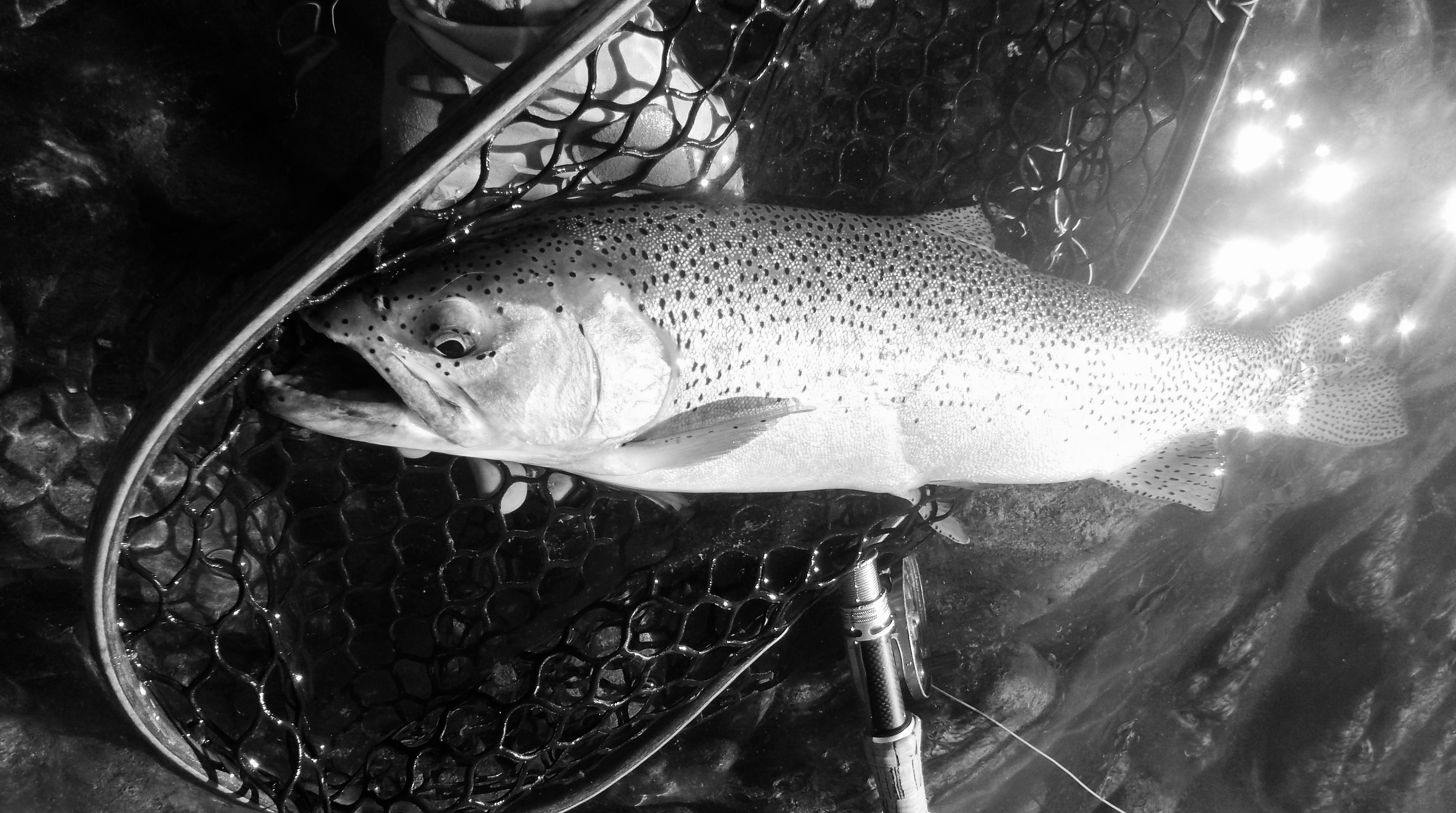
The featured trout were caught on the shallow flats of a local tailwater river.

places


Places. Special places. We all have them. They resonant with us for personal reasons. Many of mine are places with water, clear water, and fish. Places like the Salmon river in Malone, New York; a stream below an old covered bridge in Powerscourt, Quebec; a particular side channel on the Missouri river in Montana; coastal La Ribera, Baja; a Snook beach along the gulf coast, Florida; the Crowsnest River, Alberta. Some of the best brief, and not so brief, moments in my life have been standing, toes wet, in the middle of these places. Another such place is a river in New Zealand (NZ) that I wrote about it in my blog two years ago: https://troutondries.com/2017/11/18/high-plateau/.

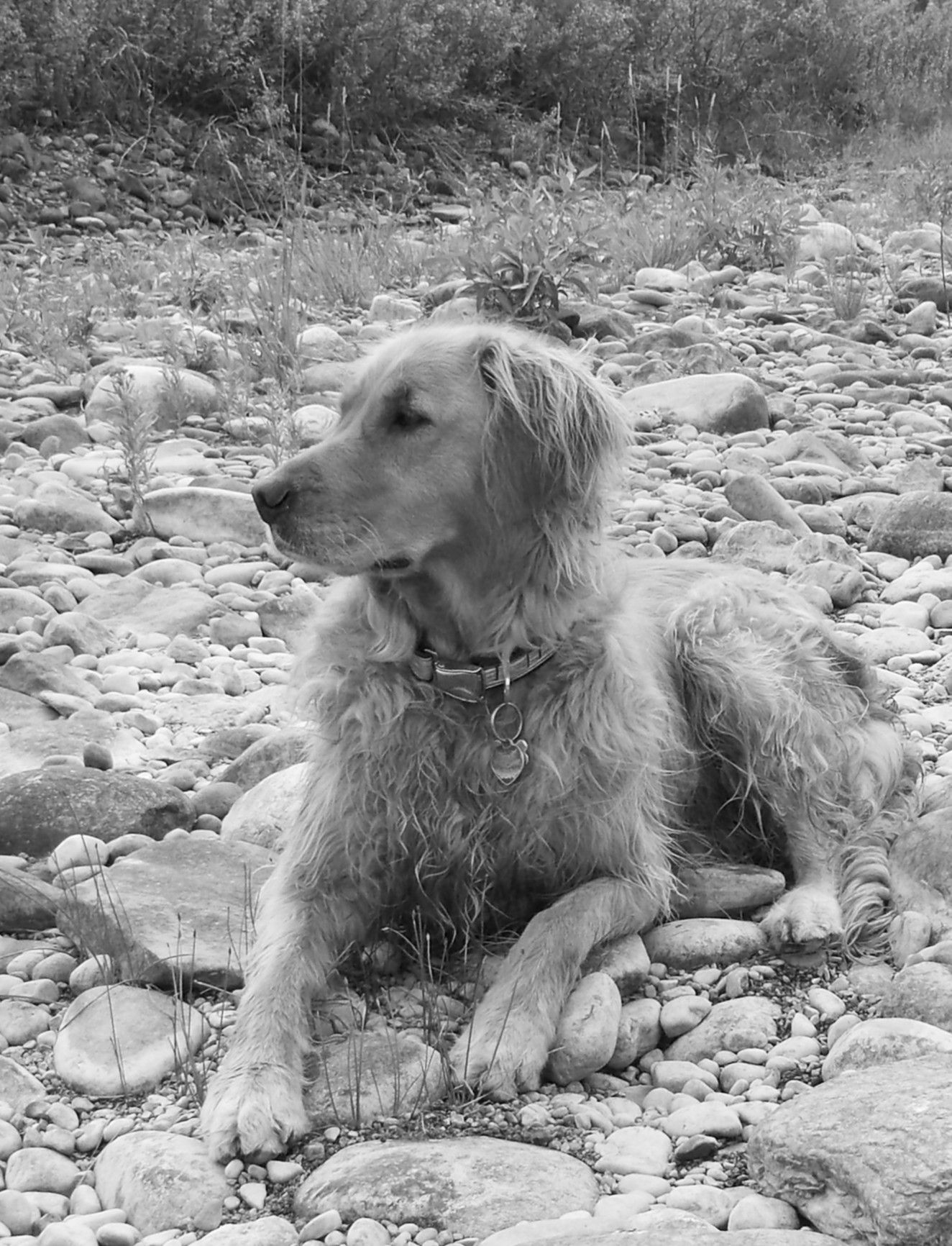
In the High Plateau post I said there are rivers in NZ where I have caught bigger fish and rivers where I have seen more fish but in my mind the high plateau is still the most special. It’s the austere beauty of the place; it’s the wide open, wind swept, rolling grassland terrain the color of wheat, yellow ochre, and my golden retriever; it’s the long slow flat pools and bends; it’s the fact that I have to use all of my angling skills and sometimes fish to almost perfection in order to make a connection there; it’s the extreme wariness of the trout in the wide open land where an angler has no place to hide; it’s the challenge of the place…
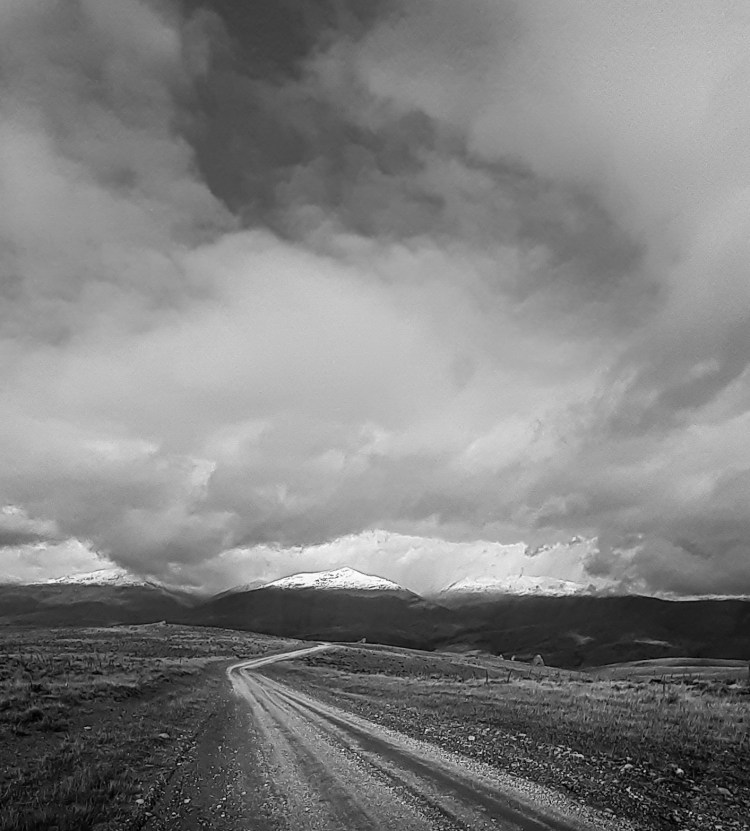
This year I was fishing six hours away from the high plateau at the opposite end of the South Island.  Due to flooding and road closures I was unable to visit it the first week. However, every day I checked its flows. I checked and re-checked morning and night. They were always high; less than ideal. The river would drop. My optimism would rise. Then the flow would spike and all hope would be dashed. The route up to the high plateau is also a scary, switchback dirt road with no guard rails. With the heavy rain the region had been experiencing I knew it would be muddy and slick. I’ve driven it before in wet weather. I wondered whether I could make it up there. All year I had planned to return. I even rented a more expensive AWD vehicle to make the journey. I hoped to fish the sections I’ve been on in the past and then cover a few spots that I have never tried. Man plans, God laughs…

On my second week of the NZ trip I decided to venture south to the high plateau knowing that my chances due to conditions (continued rain) of catching a good one on a dry fly would be slim to none. And that proved true. I made the long drive crossing one raging river after another on the way down. The large glacier fed lakes I circumvented were white-capped, ocean like looking in temperament, and threatening to flood the roads and tourist towns on their edge. The wind blew, the clouds were low, and I drove through storm after storm. I got a tiny cabin rental at a holiday park for the night and then early the next morning I tackled the muddy, slippery switchback road up to the plateau. What normally takes me thirty minutes took one hour. But I got there. I brought along extra food, water, warm cloths, and my sleeping bag in case I got stuck and had to wait for things to dry out. My first day there it rained. It was cold for summertime. Snow collected on the hills that fringed the river valley. Surprisingly, water clarity wasn’t too bad but it was much higher and faster than when I fished it in other years. Many pools I had fished in the past weren’t really pools due to the higher flow. I knew of one exceptionally big and long pool, with a back eddy, where I thought I might find some slow, flat water and possibly a rising or cycling fish if  insects showed.

On the east side of the pool there is high ground. I’ve sat up there and watched the whole pool when conditions were ideal: blue skies and sun. No such luck my first day. I still went up. I could see into the water on my side of the river so I sat there and watched. Wild Hare grazed above and below me, most not noticing my presence. Eventually I spotted movement in the eddy: a large yellow toned trout feeding mainly below but occasionally rising. It was in the curl back of the eddy facing downstream. Sometimes, however, it would turn around and face and feed upstream. Its behavior suggested there was food but not enough for it to stay in just one tight feeding position. Due to its unpredictable movement approaching and fishing to it would be tricky. However, it was feeding and therefore I had a chance. And a chance is what it is all about.

cold on the plateau


When I dropped down from my perch I lost sight of the trout because of the grey skies and reflection. I had to wait for a rise. I chose an upstream position as most of the time the trout was looking downstream. I stayed real low, hugged the ground and waited for the a rise and then placed a small ant pattern nearby. I watched my impression and studied the mercurial surface for floating insects. There were some dark mayflies. Slightly larger than a Blue Winged Olive (BWO). I spotted a few even larger mayflies. Some but not a lot.
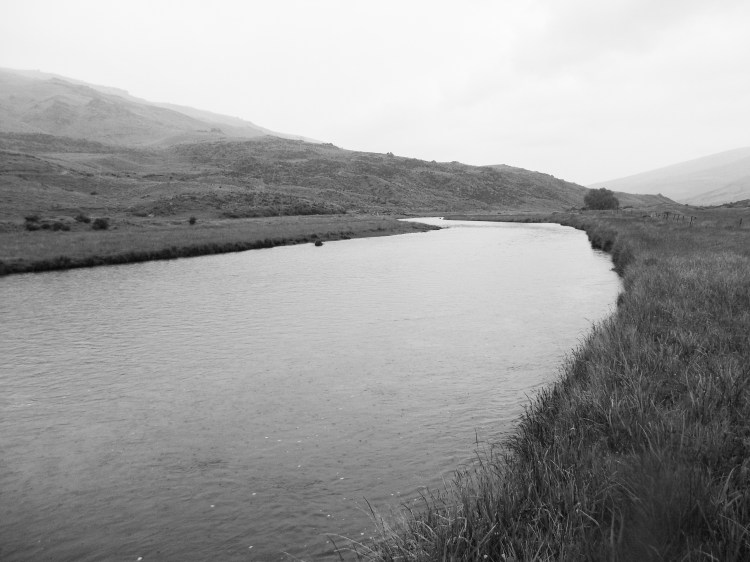
There was no response to my ant pattern so I let it drift back, gently picked it up and put on a size 14 BWO, tied parachute style with a black post for visibility. I waited for the fish to rise again and then tossed my second offering. I did this two or three times and then the rises stopped. I waited awhile then went back up to my perch to see if I could spot the fish again. After some time I located it. It was still in the eddy but down deep. I waited and watched but it never surfaced again. Eventually it disappeared. I had my chance. Day one.
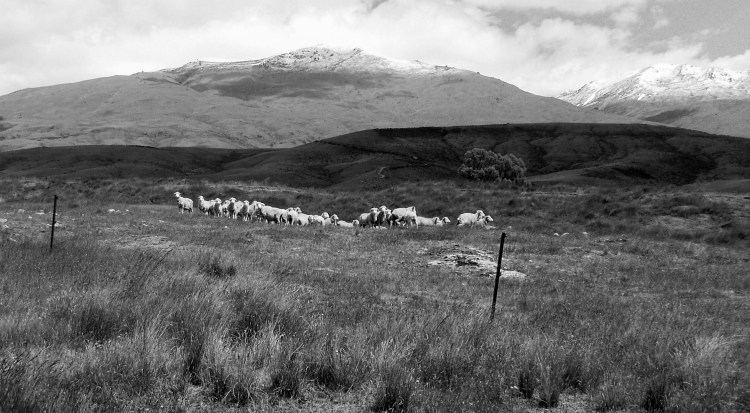
I drove the slick winding descent home to my cabin and that night dried all of my gear with the little electric heater provided. Next morning it was sunny and I waited awhile for the road to hopefully dry-out. By mid-morning I made the journey back up to the plateau. This time it was a mix of sun and cloud. The wind was howling when I got up to the river. Flows were even higher due the previous day’s heavy rain. There was a car at the bridge so I drove on. As I passed through a large sheep station another car caught up to me. When I stopped to open a station gate the occupants of the car, anglers, asked me where I planned to fish. I told them. They said they’d fish the beat below me. I drove to the same location as the day before, however, there was a shiny pick-up truck with two long rod holders on its roof at the parking area. I arrived too late. In past seasons I’ve rarely seen another angler on the river. I usually have the water to myself. It’s one of the attractions of the place. Not so today. I would have to fish the top beat, which meant fast pocket water and rapids. With all the rain and high water it wasn’t a good sight-fishing option. I spent a fruitless morning on it and then drove the road back downstream at noon to see if the other anglers were still around. Their cars were gone so I jumped on one of the lower beats but saw nothing the rest of the day. That was day two.

On the way back to my car I spotted a rabbit that obviously had been crushed by an ATV. The nearby large sheep station appears to have been promoting tourism: a high end farm-stay type of business. I noticed they had half a dozen high performance looking ATV’s parked in a straight row outside of the guest accommodations. I had observed many tire tracks along the river something I had not seen in past seasons. Why they’d allow their guests to drive riverside, I don’t know. There are endless opportunities in the nearby hills. Tire tracks and ruts along a river are always disappointing to see. I’ve seen this scenario before at home. Mud ruts form, get deeper and grow, and fill with standing water. Subsequent riders follow the same path. The gouges don’t heal. They become permanent. The place starts looking used, abused and just plain ugly.


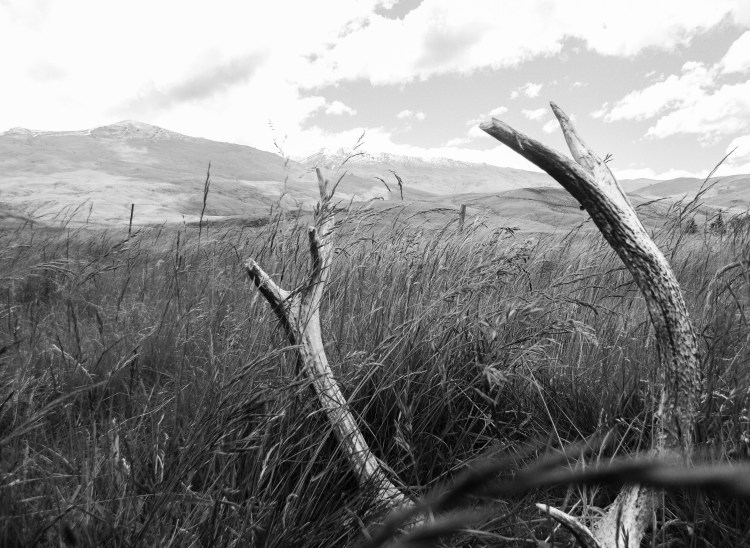
The third day I got up early and got to the big pool at 7:30-8:00 am. I had the place to myself. No cars anywhere. I had seen spinners hovering along the river the first rainy day I fished it and wondered if there was a morning or mid morning spinner fall. No such luck. The clouds were back but thankfully no rain. I watched the pool all morning. The same bugs hatched in the early afternoon but the fish never made an appearance. The flow was still high. I hung in until late afternoon, watched and when cold walked and checked the other nearby pools above and below but saw nothing. I thought maybe the great trout had been caught the day before and was down deep recovering; maybe it had been harassed and moved briefly elsewhere; I don’t know? I simply couldn’t find it again…

If you fly fish a lot you know that many days are like this, unlike what is generally reported in angling social media, videos, etc. People display their successes (I’m no different), rarely the times when they get ‘blanked”. When sight-fishing sometimes you simply just don’t see much; you don’t have a lot of opportunity; and you don’t catch. Sometimes you simply walk a lot; much more than you want to. Sometimes you get cold, wet, your nose runs and your fingers freeze, or you get blown off the water by extreme wind. It’s all part of it. I could have thrown streamers or chucked weighted nymphs and possibly improved my chances up on the High Plateau. Maybe. Maybe not. But that’s not why I traveled to the plateau.

If you’ve fished for a long time you probably have a fairly rigid set of parameters which you operate by. You try catching in a certain way, pick water that matches your angling style, often fish certain specific/select flies that you like. Your way or choices are no better than any other way people fly fish or fish in general. It is just the place that you’ve come to. It is where you are after a long refinement process. It’s what you seek. It’s what you look for when you head out for a day on the water.
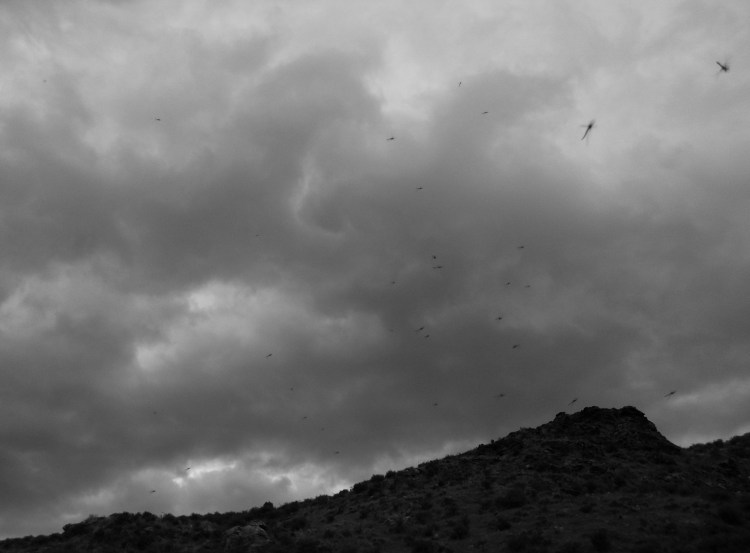
spinners in the sky

Periods of heavy rain were predicted for the next day and the day after. The flow on the river I had fished my first week, six hours north, was dropping and so I decided to make the drive back there late that afternoon. I was, however, satisfied with my return to the high plateau. I got back. I got back and in spite of all the weather adversity I had one good opportunity with one of the river’s large wild brown trout. One opportunity was enough.

The high plateau! Still the ultimate challenge. Still the best place I ever fished. I hope to return some day.

It’s good to have places…


low light browns

“I feel that luck is preparation meeting opportunity”–Oprah

roman, brown trout on small dry fly, best of the weekend

Early August. Sunny, dry and hot. Summer finally arrived. A browning lawn, line-ups at the local ice cream shop…With the heat the top water fly fishing slowed down. Then this past weekend a prediction of a cool low front and rain moving in, and best of all, not much wind. Opportunity!? With the changing weather a visiting friend and I walked the well warn path along a favorite river, searched and found some rising fish. In the low light conditions we even located some great brown trout. As always, weather can either be an angler’s friend or foe. This past weekend it was our ally. We were present. We were observant. We were persistent. And we had a bit of luck…our small dry flies held on some great trout. Some photos…

photo by roman


successful dry fly during weekend, size 18 pmd, parachute


brown on size 18 pmd dry


brown trout caught by roman, photo by roman


brown on size 18 pmd dry, photo by roman


abby, drying off


deceased riverside pike…tail


roman, another great brown on dry fly