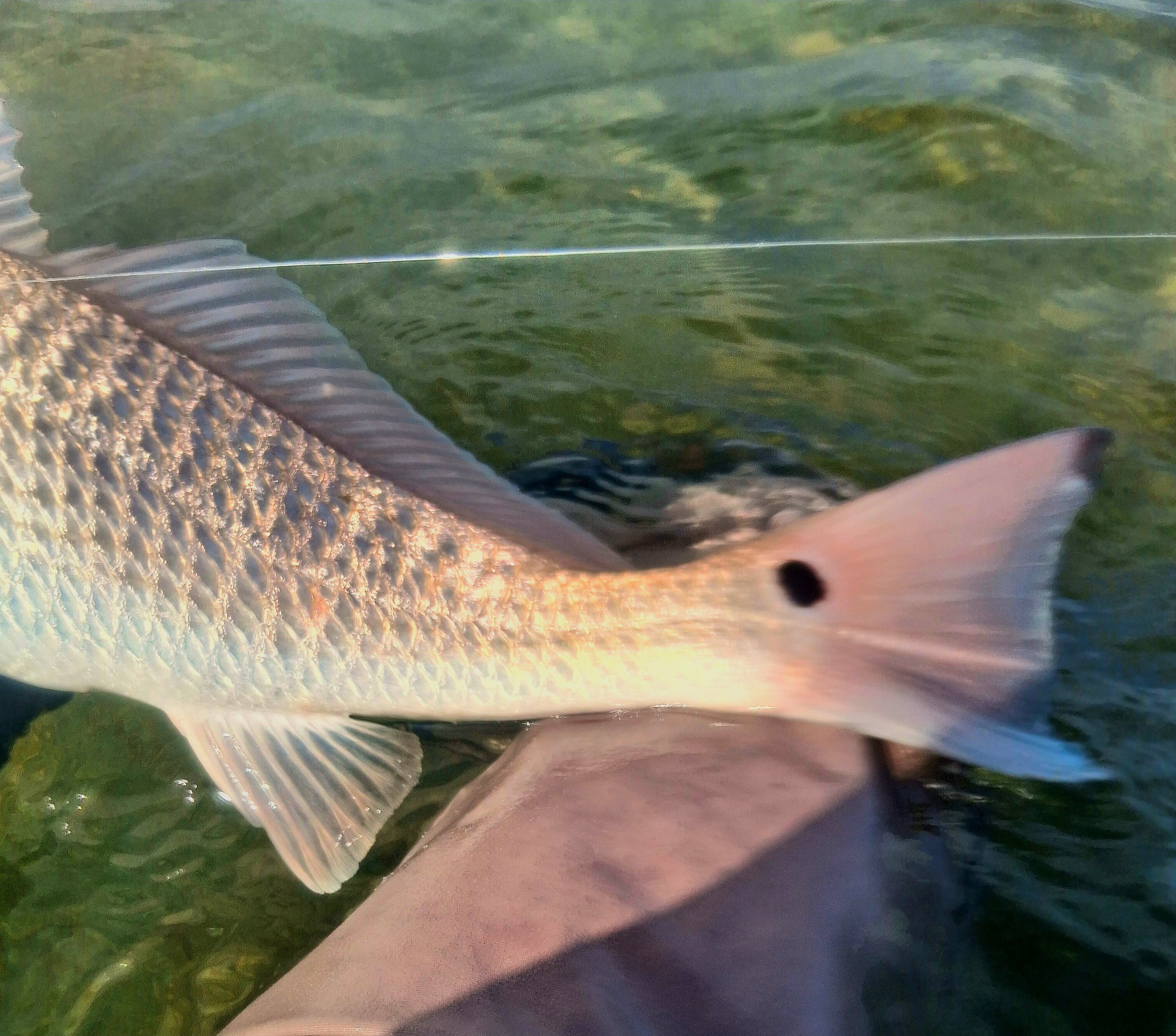
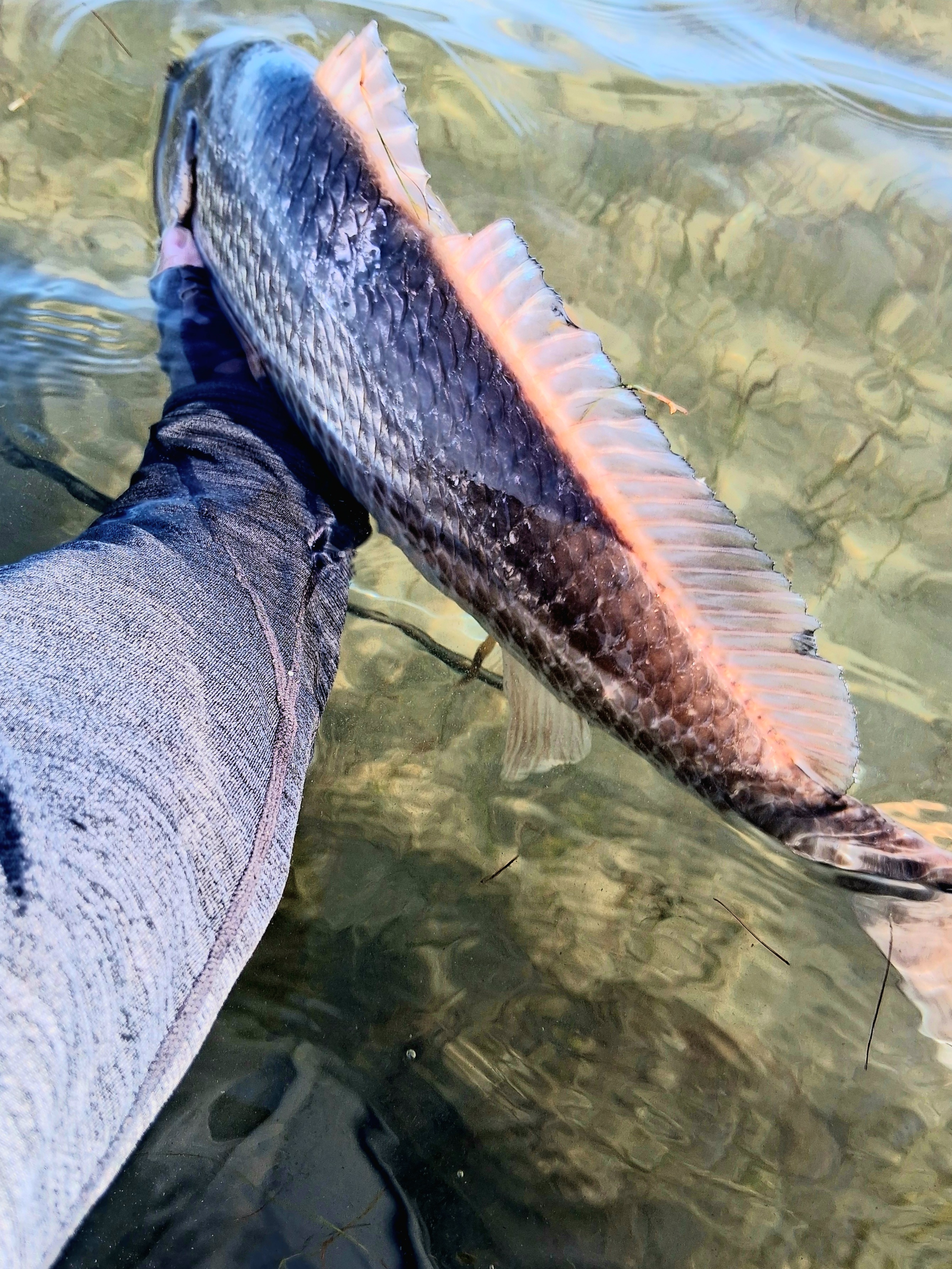
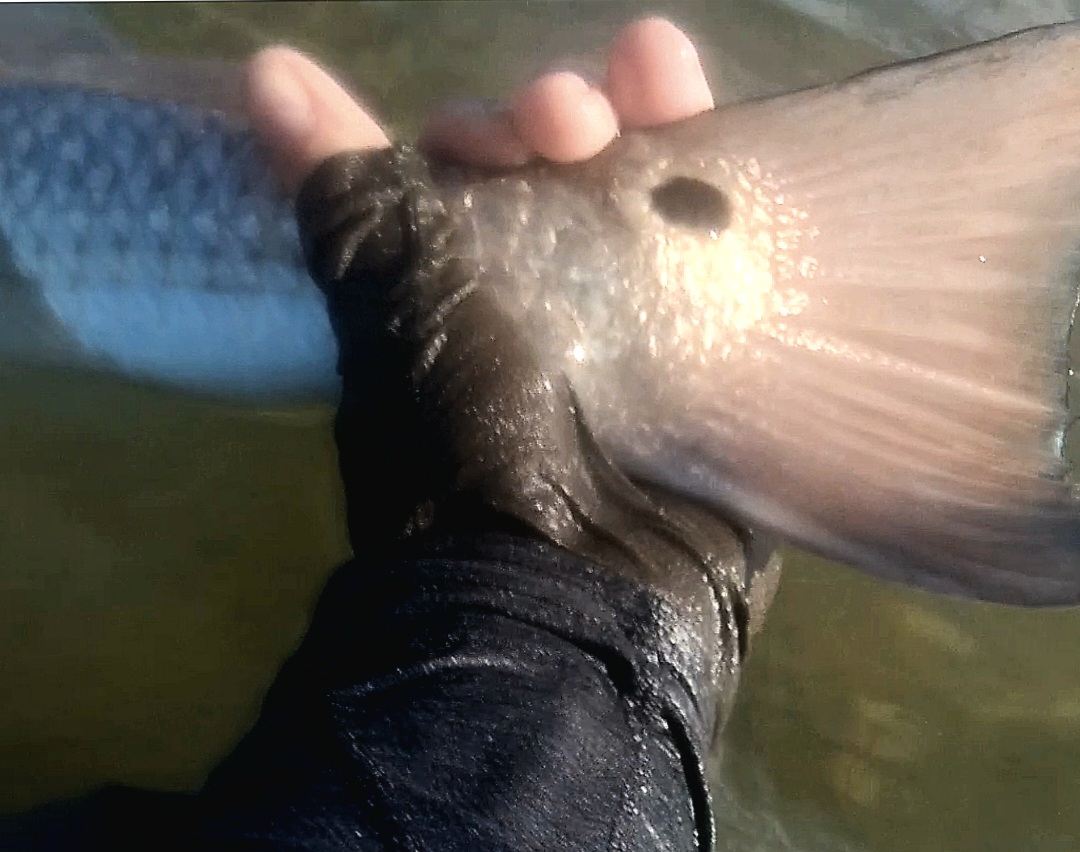
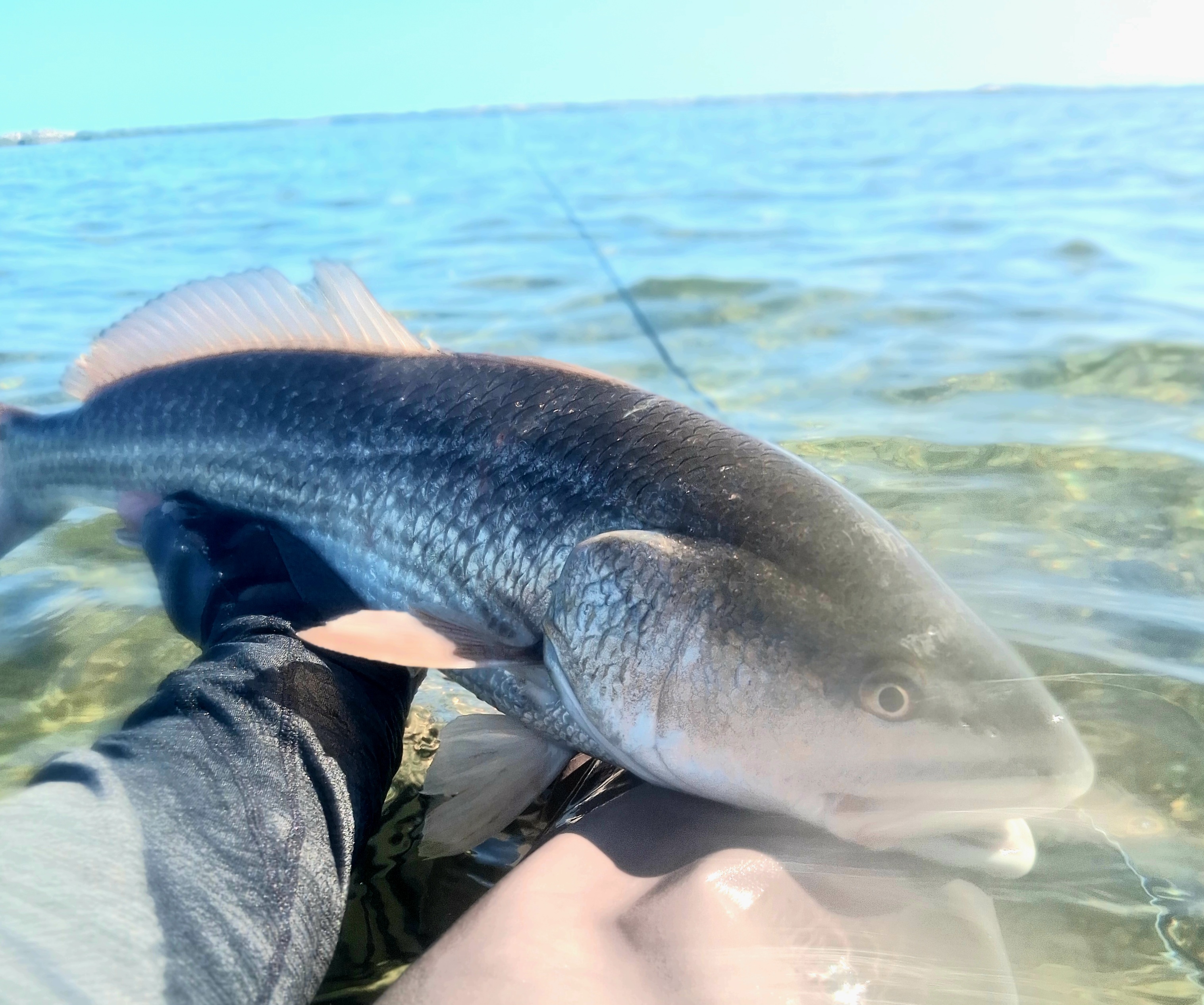
REDFISH, AKA: Red Drum, Spot-Tail, Reds.
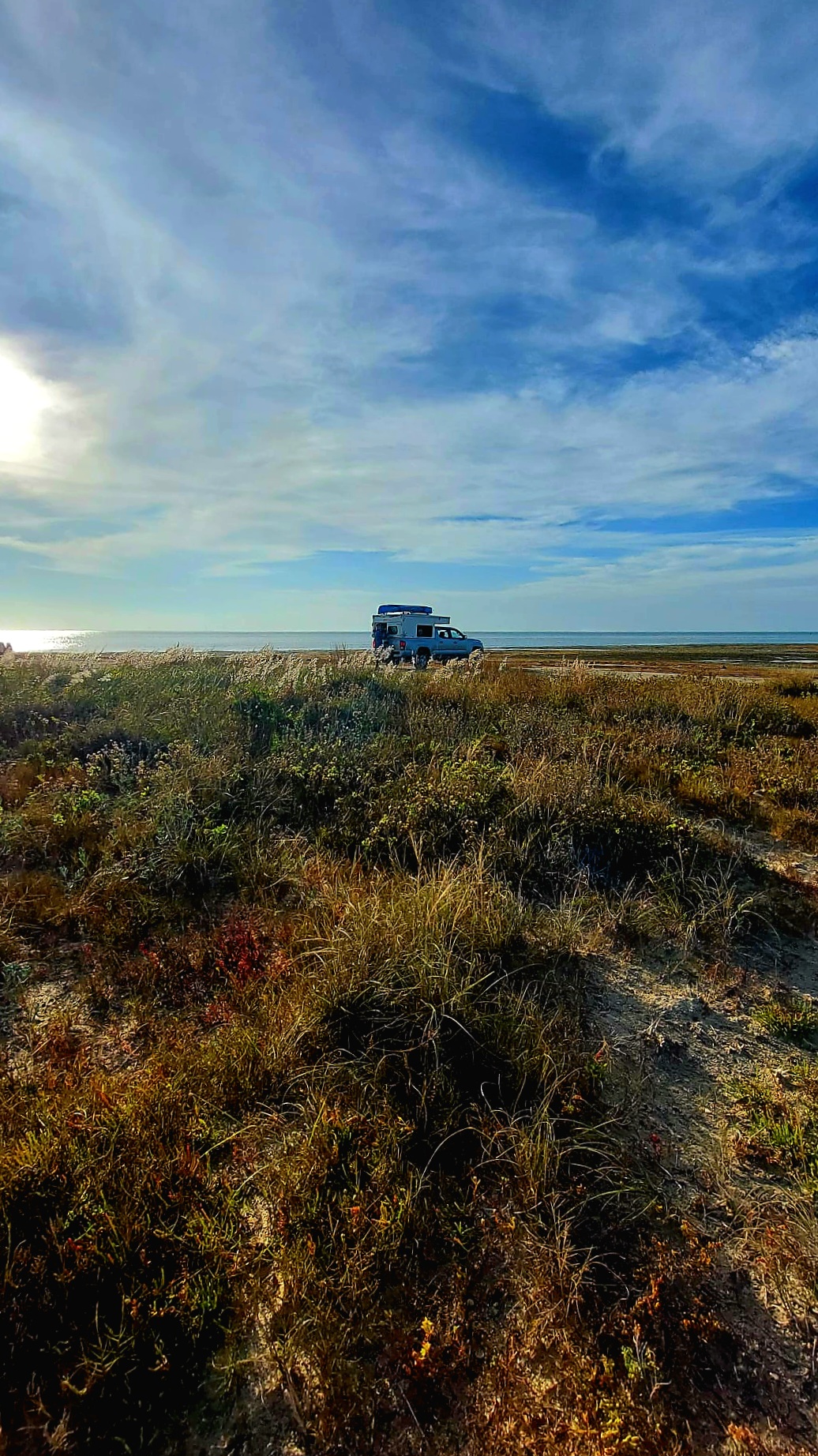
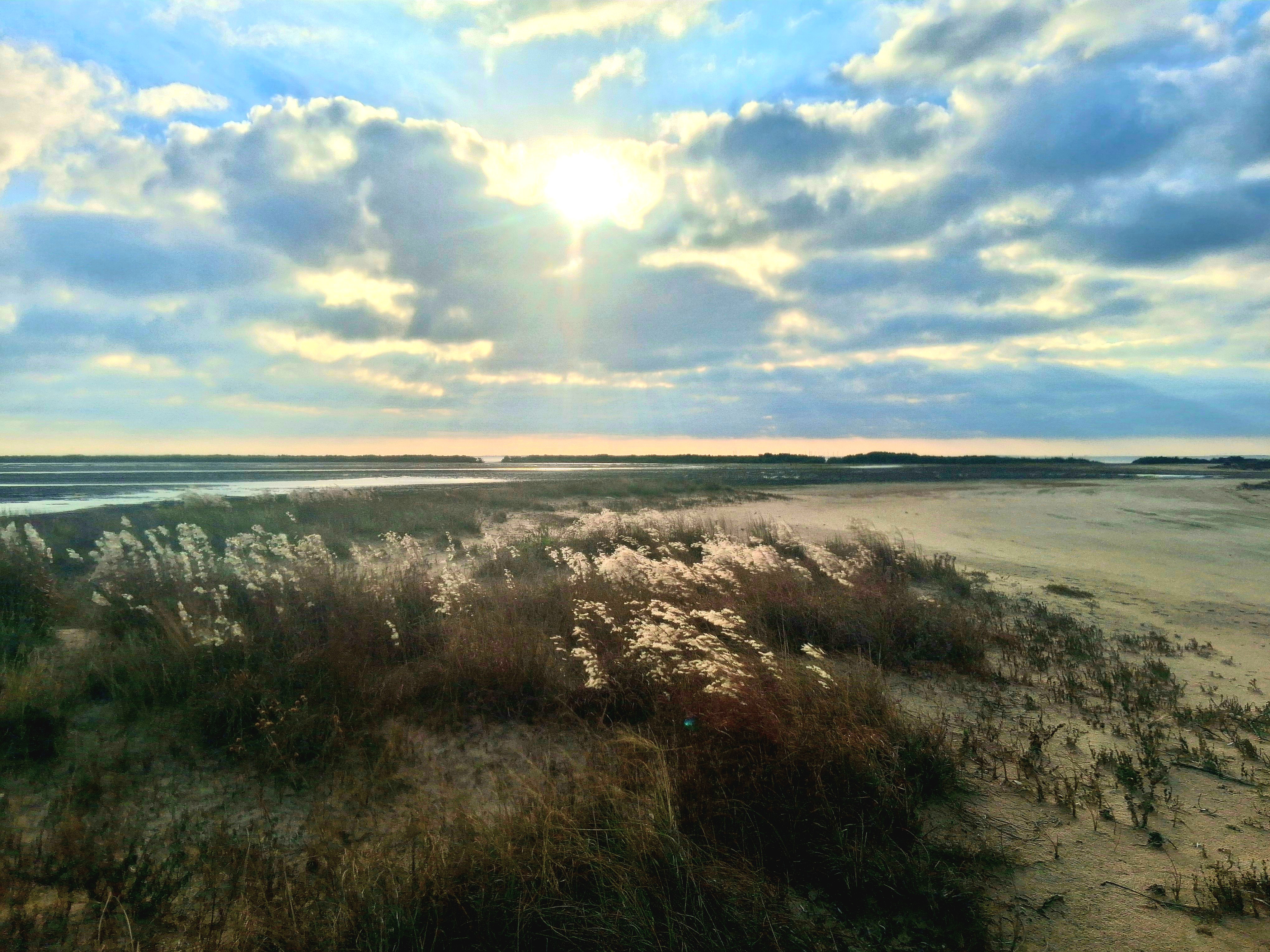
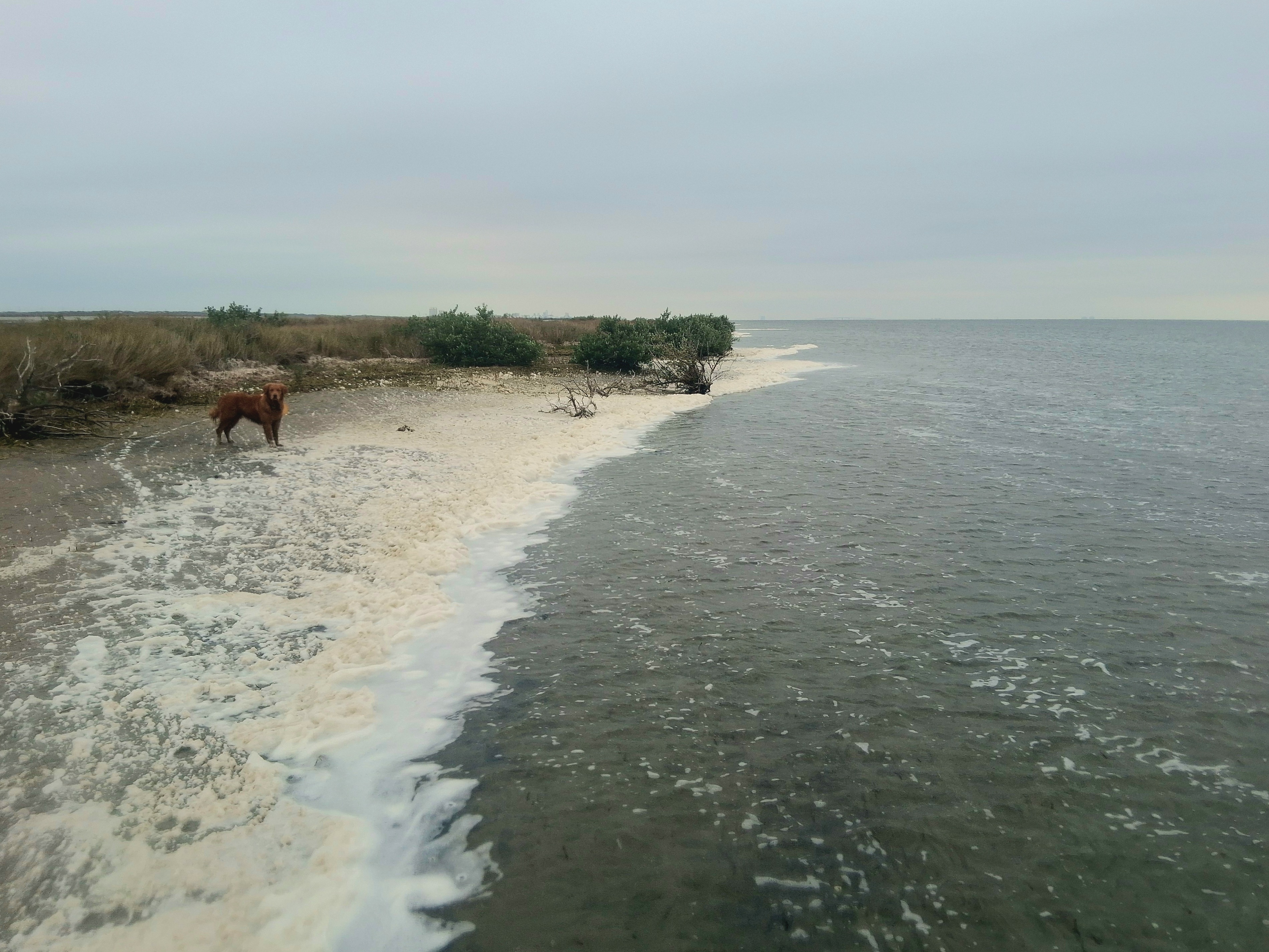
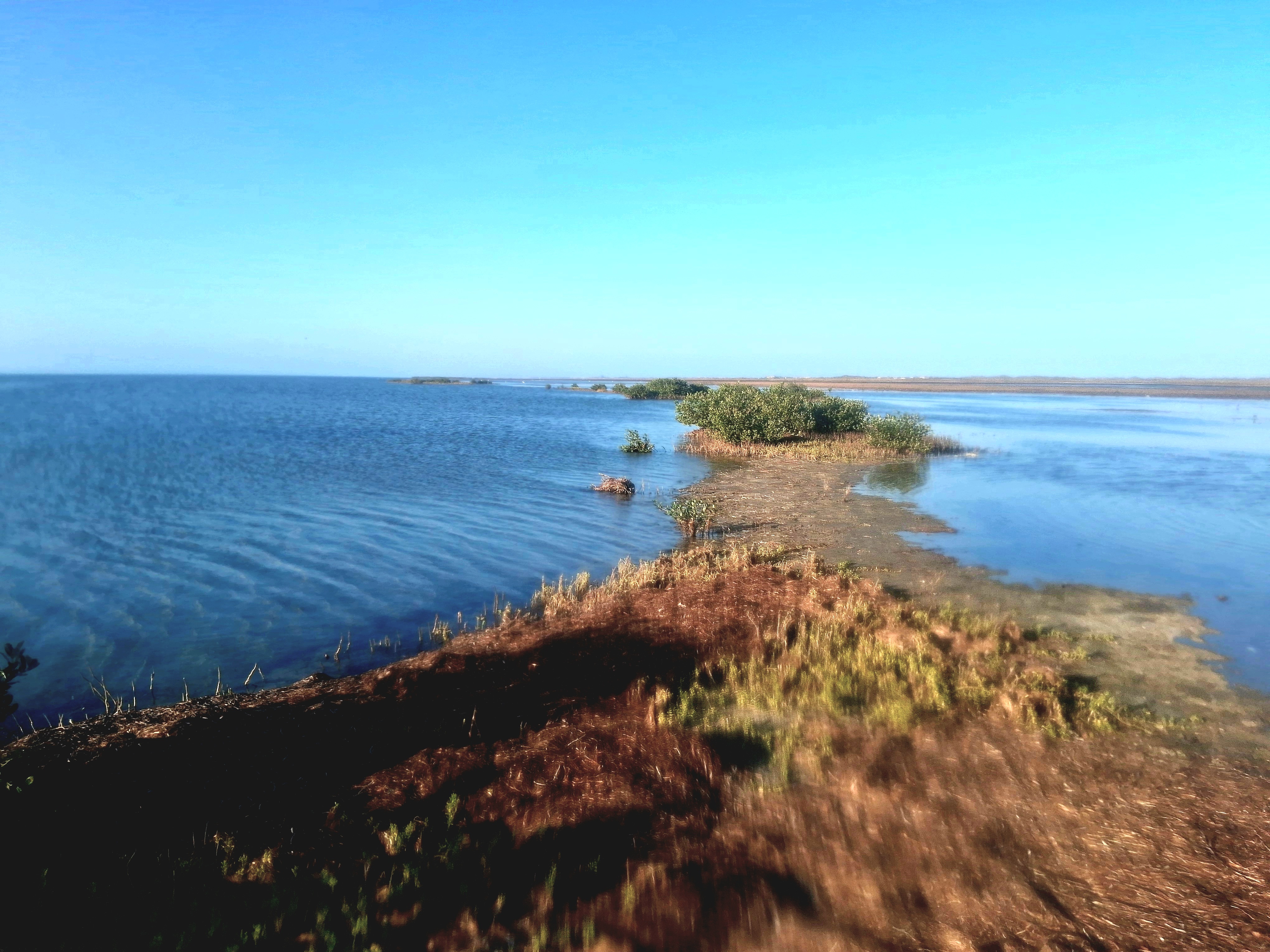
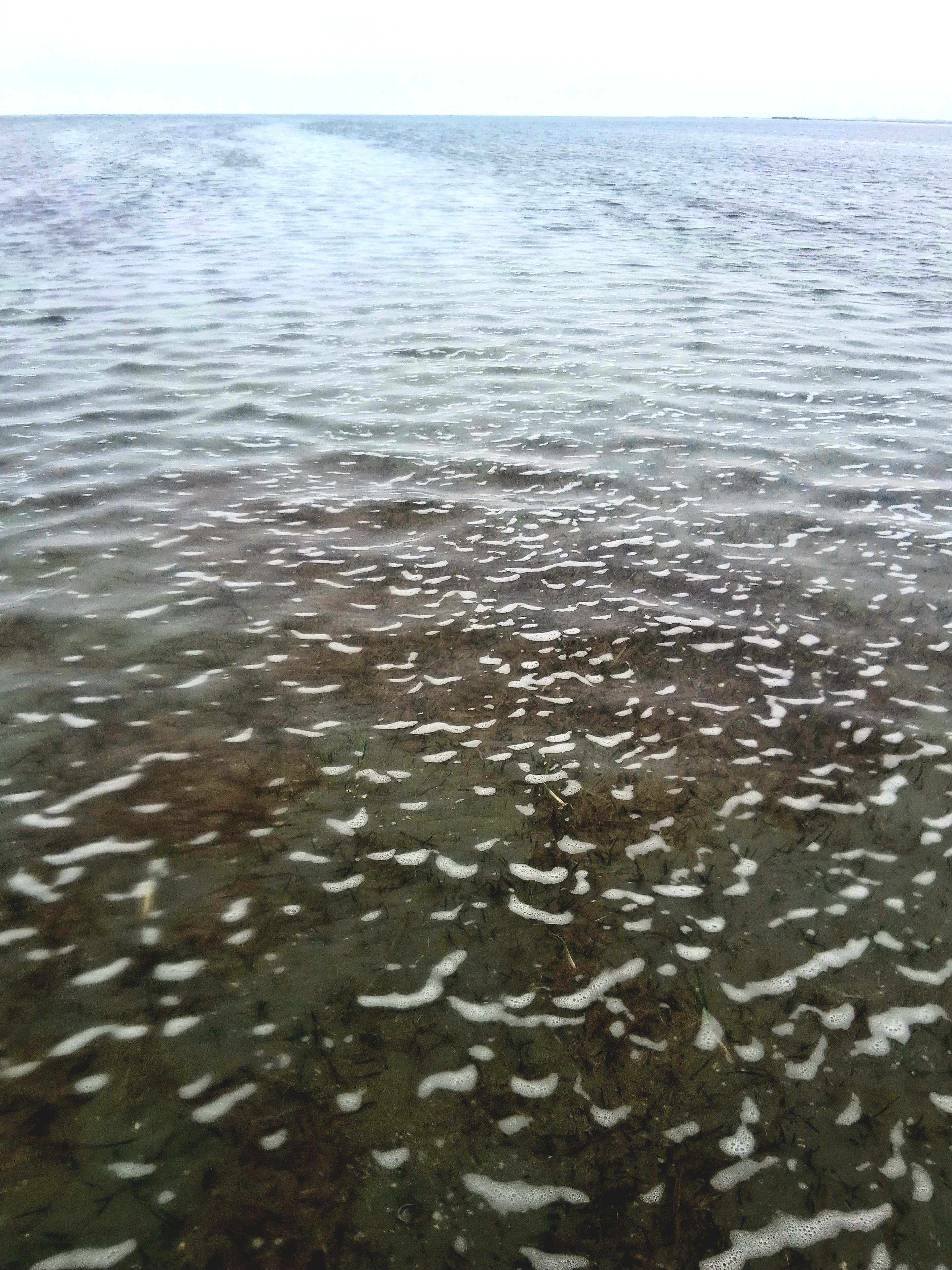
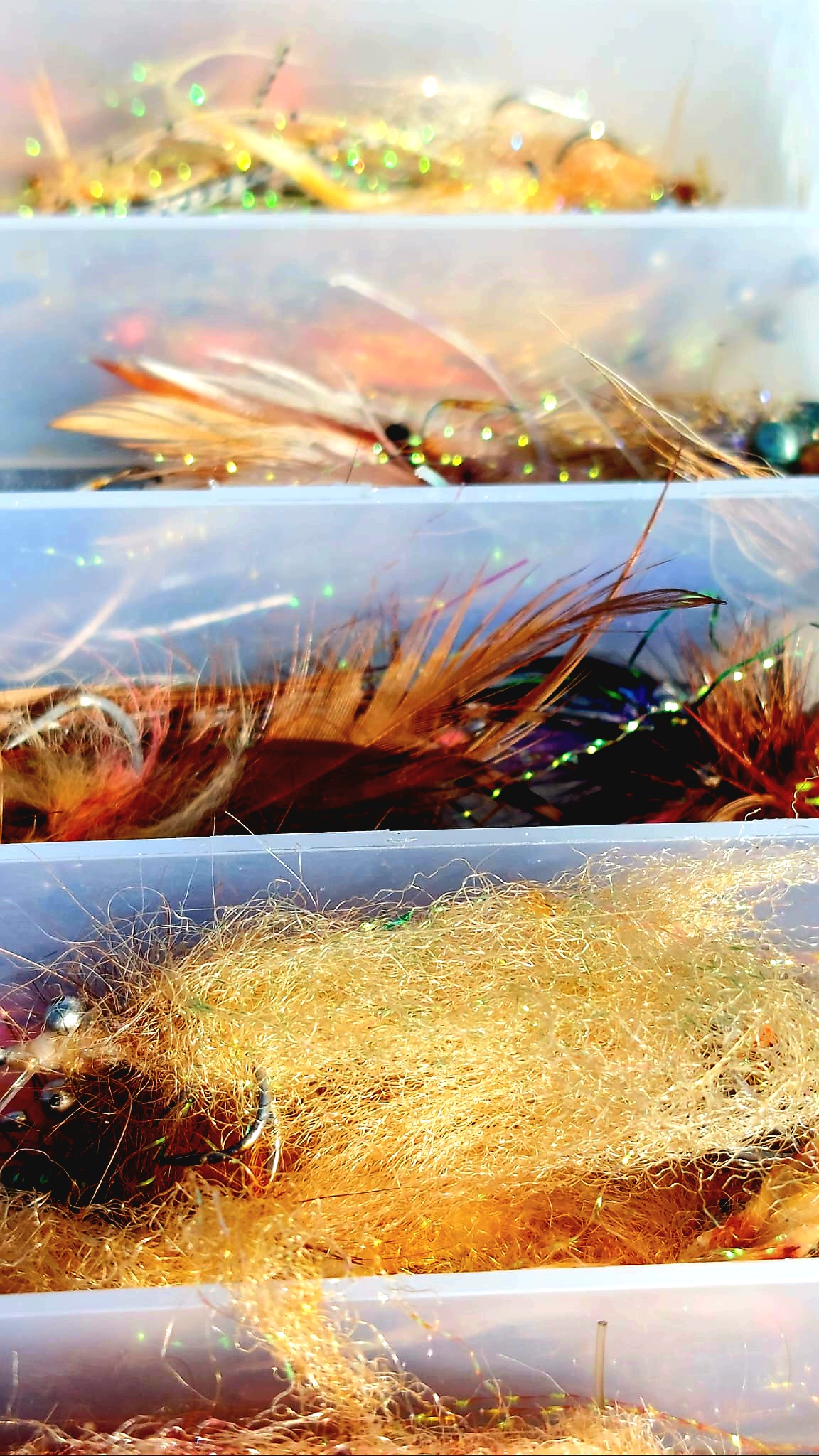
I HIKE THE SAND DUNES TOWARDS THE BAY IN THE MORNINGS with a fly rod, fly box, some leader material, nippers and a knapsack with lunch and water for the day, and most importantly optimism. My equipment is basic. It’s pretty much the same as when I fish for trout except the rod I’m using is slightly heavier, a saltwater 7 weight. I’m on a barrier island along the Gulf of Mexico. I’m here searching for Redfish on the clear sandy saltwater flats on the bayside of the island. I’m fishing on foot in knee deep water. It’s my 6th trip to the region.
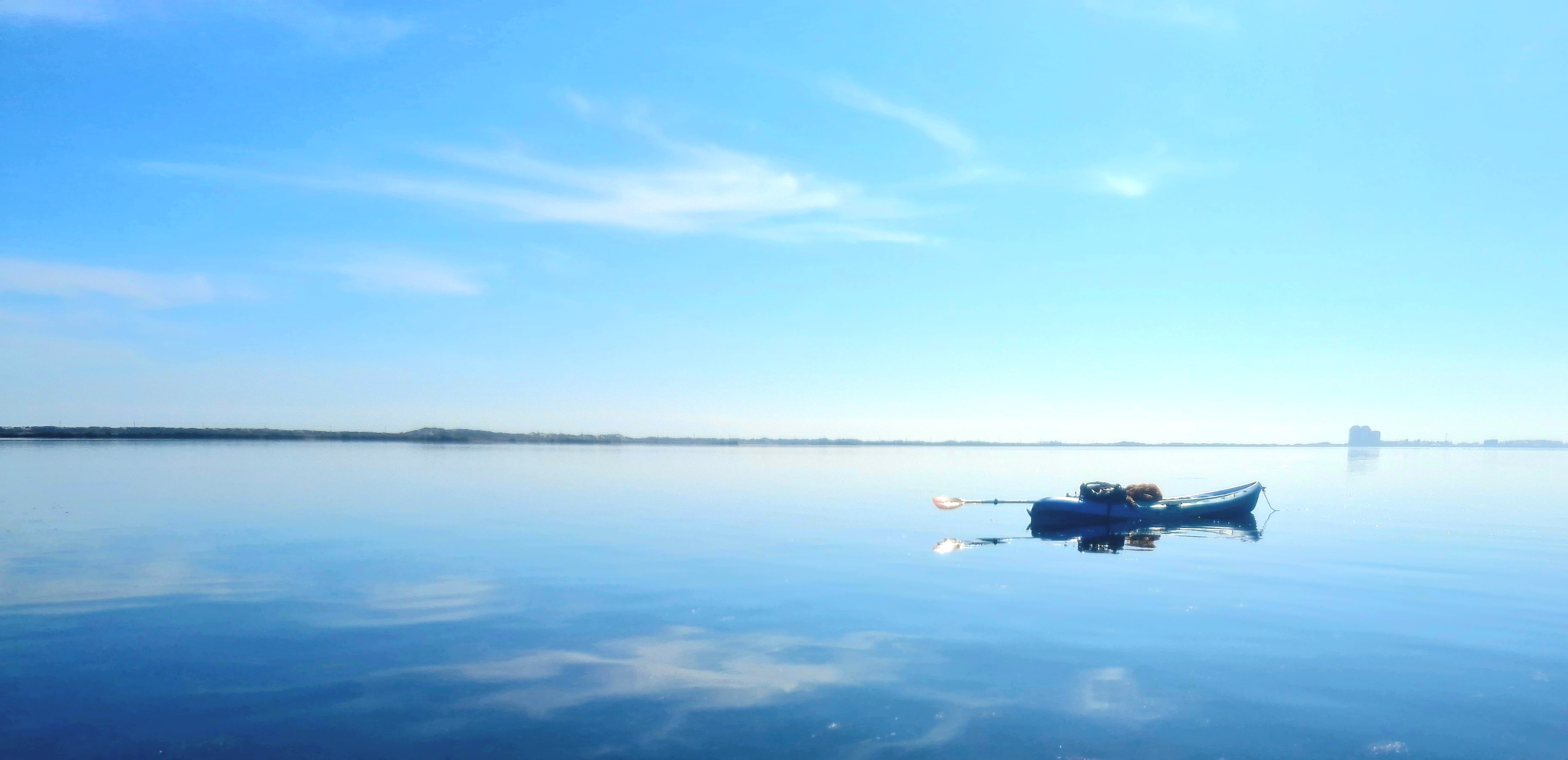
It’s Winter Solstice time and daylight is brief. The sun arcs low, close to the horizon. With the short days angling time and opportunity pass quickly. Most days are warm but conditions are often variable. With the short-lived days and fickle maritime weather it can make sight-fishing challenging, especially when it gets cloudy and windy. The worst is when a big blow from the north blasts through.

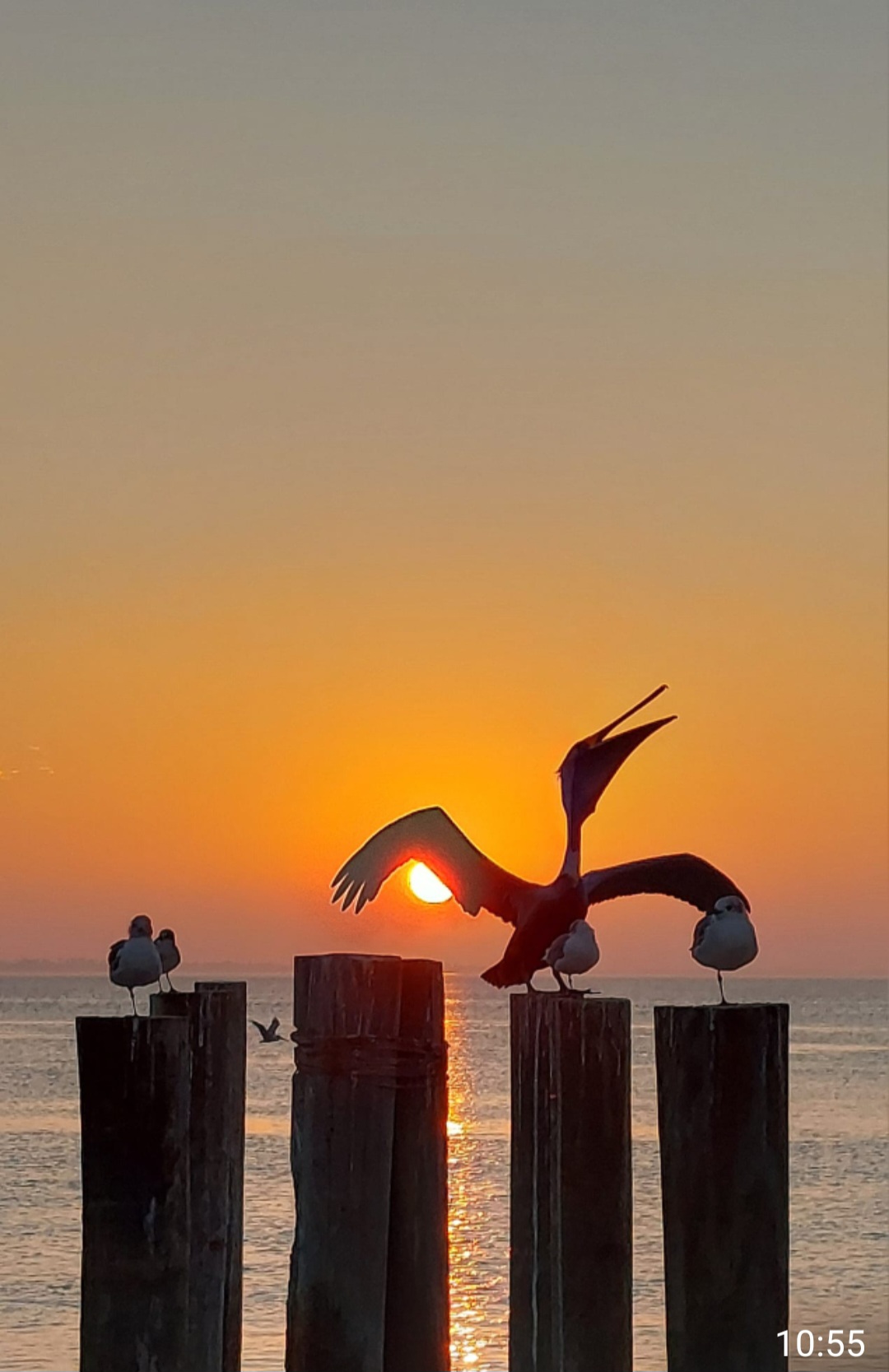
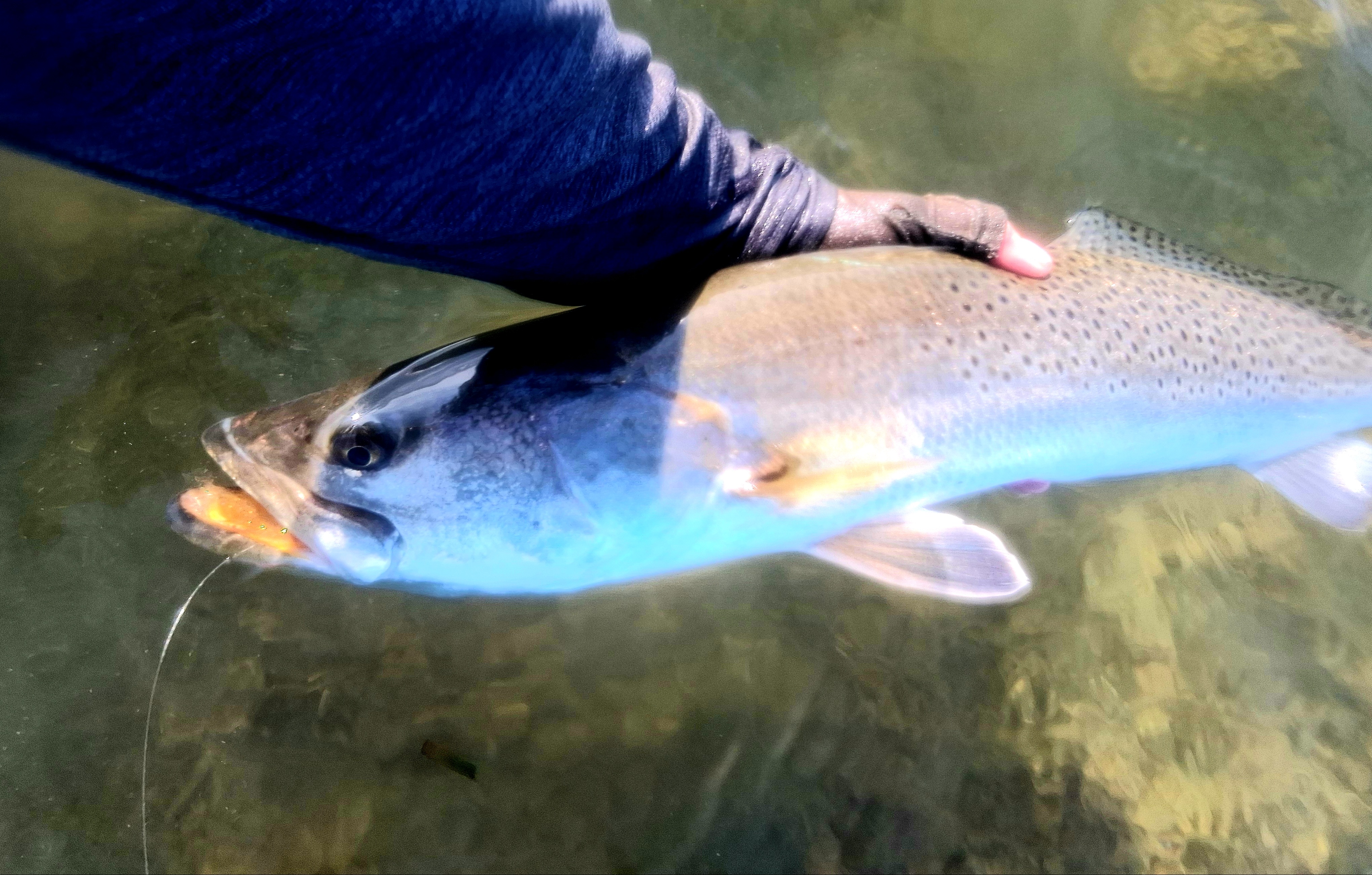
The best time to spot a Redfish on the sand flats is when the light is good and when there is a significant tide. Moving water, in or out, always seems good. With it Sheepshead, Sea Trout and baitfish like Mullet, Lady fish and small Silverside minnows show up. And Redfish often tag along. That’s when the sand flats come alive. That’s when pelicans and other bird life begin working the water. That’s when you see Mullet jumping. That’s when you see schools of Ladyfish pushing water, their sides reflecting the sunlight on those rare perfect days. That’s when the bay is full of activity and energy. That’s when you want to be out there wading the knee deep water, hopefully standing right in the middle of it all. Stand still long enough and you end up becoming part of it, and with the sun fully illuminating the shallows you can see everything. It’s like looking into an aquarium and just as mesmerizing. That’s when you have your best chance to spot a good one.
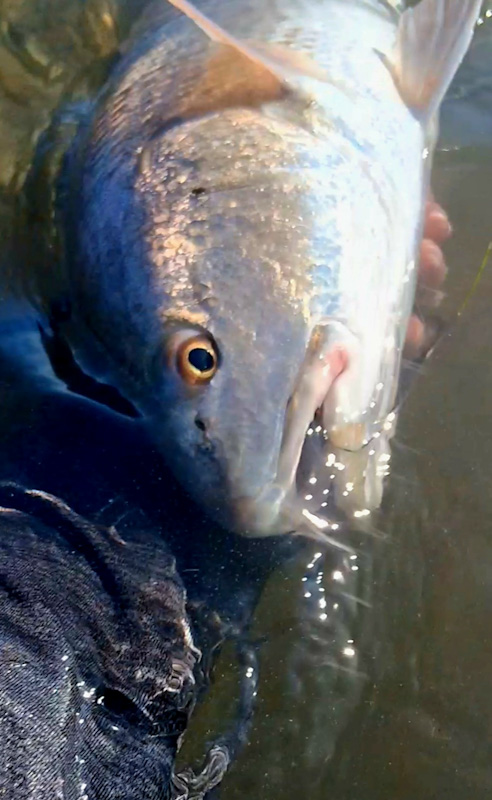
When Redfish do make an appearance they are usually on the move. When they prowl the shallows they are always alert; always hypervigilant. Spot one and you’ve got to be quick and fairly accurate with your cast. You’ve just seconds to react. And you rarely get a second chance with the same fish on the flats. Make a casting mistake and it is gone. If it sees you it’s Adios!
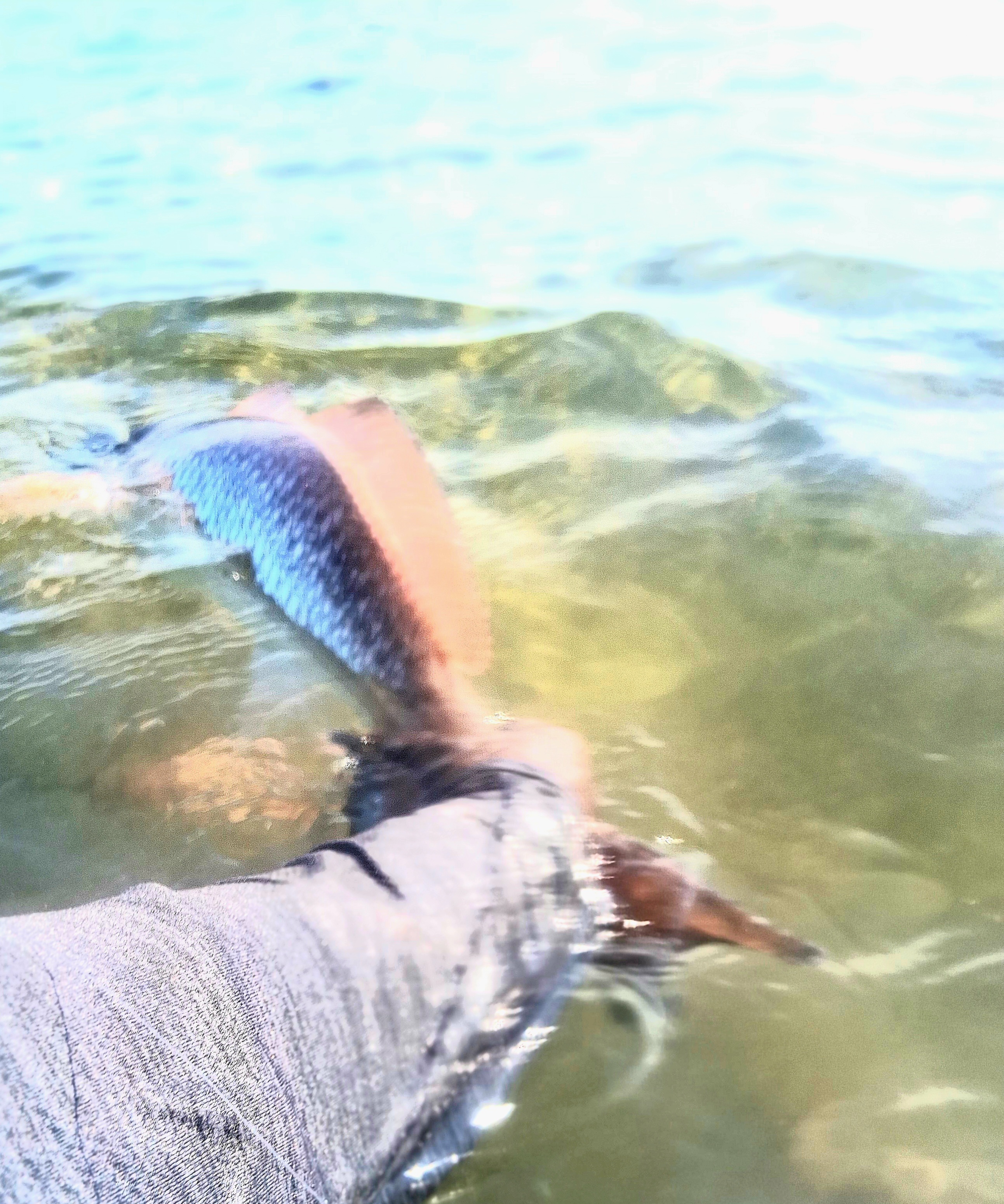
As quickly as fish come in on the sand flats they can disappear. Sometimes they don’t show-up but that’s rare. There are usually a few that pass through at some point in the day. It’s a big bay that I’m fishing and fish move around and there are no guarantees that they will visit the area that I choose to wade. Successful sight-fishing here is a commitment. It’s always a challenge. You have to put in your time and stay focused and alert when searching. Concentration is essential. Spotting fish in a variety of conditions is a skill. Like anything, you get better at it the more you do it. You have to believe the Reds are out there and that at some point they will come in to feed on the crustaceans and small baitfish that inhabit the sand flats. I know that if keep showing-up, I will cross paths…







Postscript
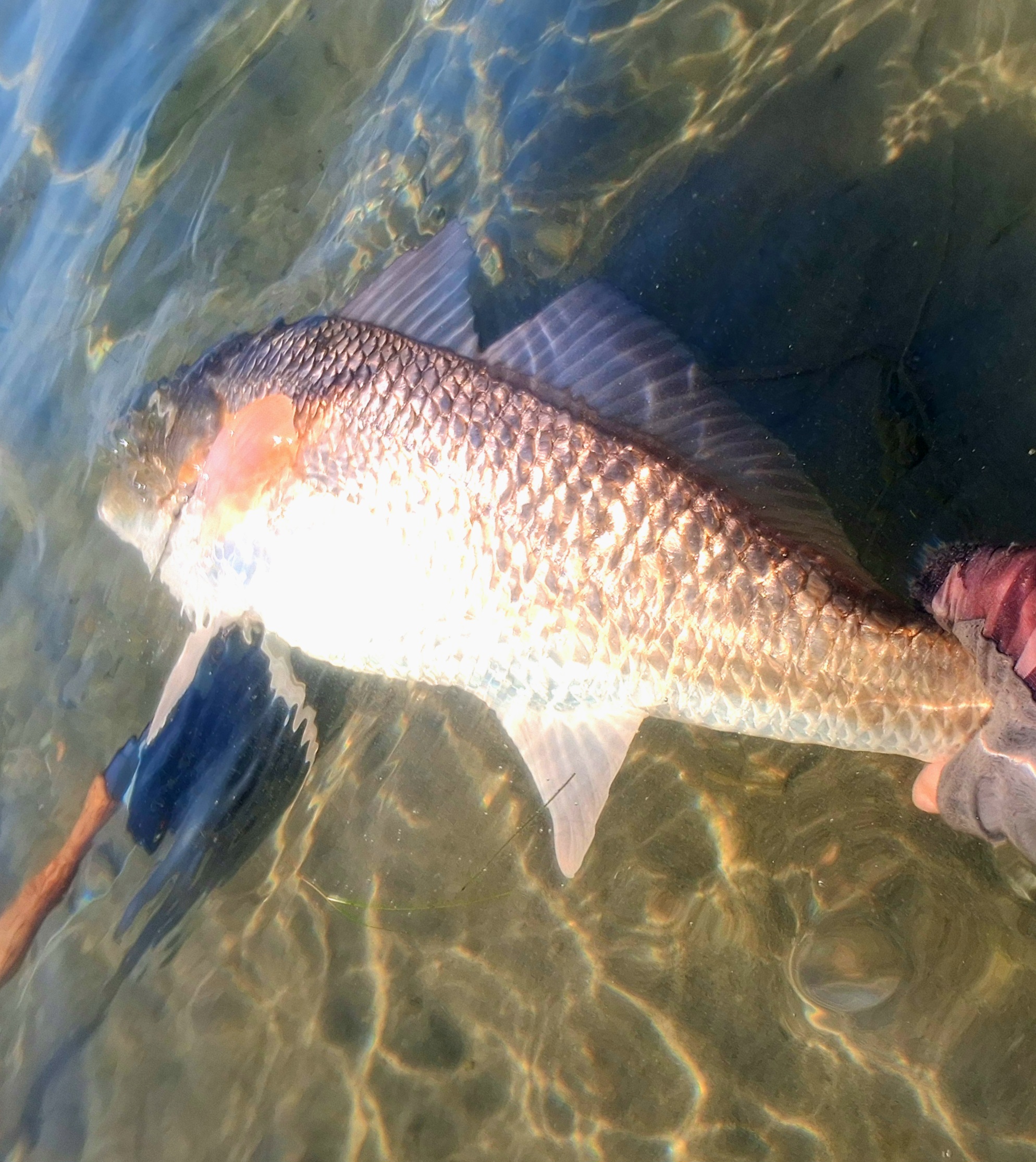
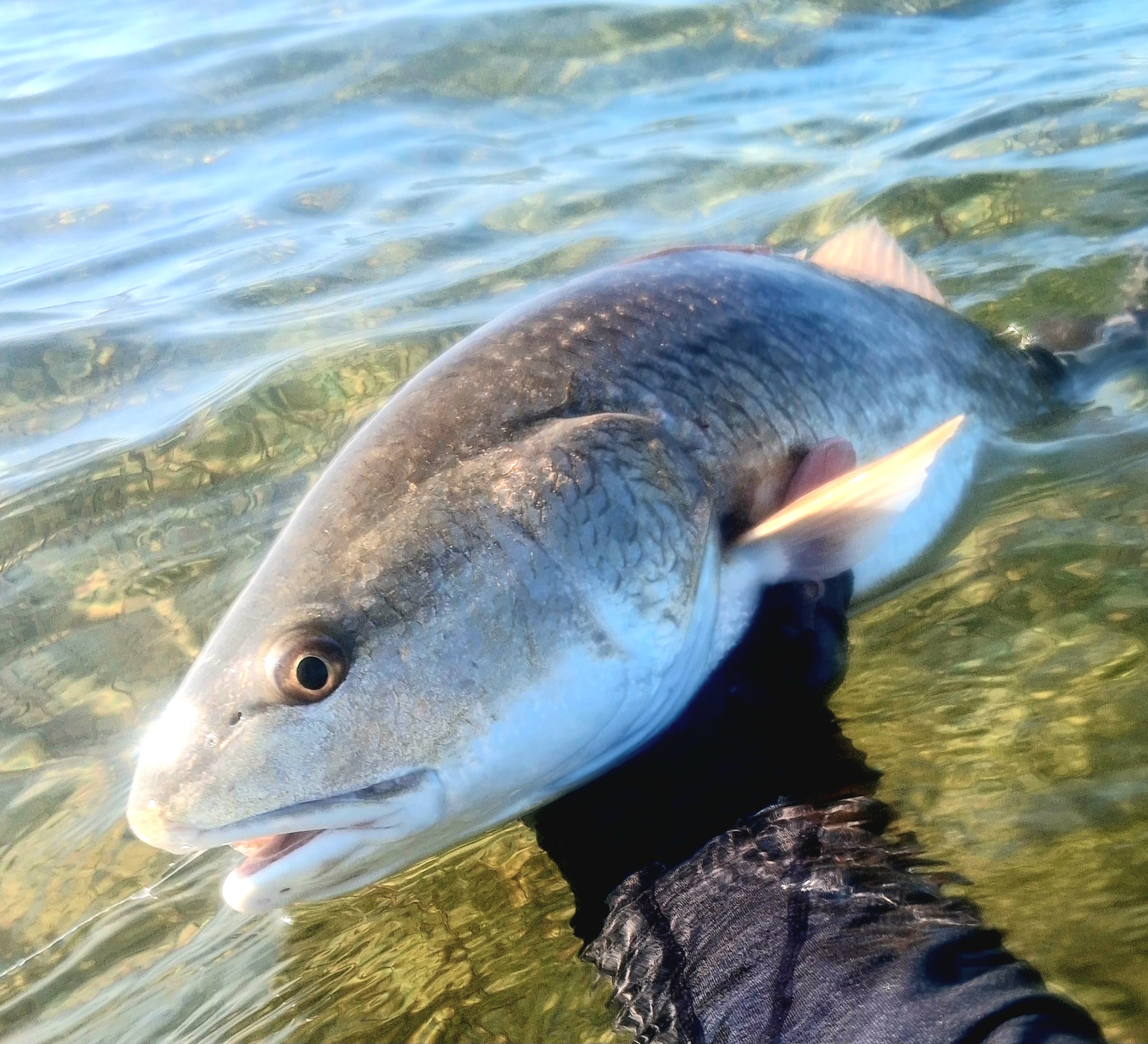
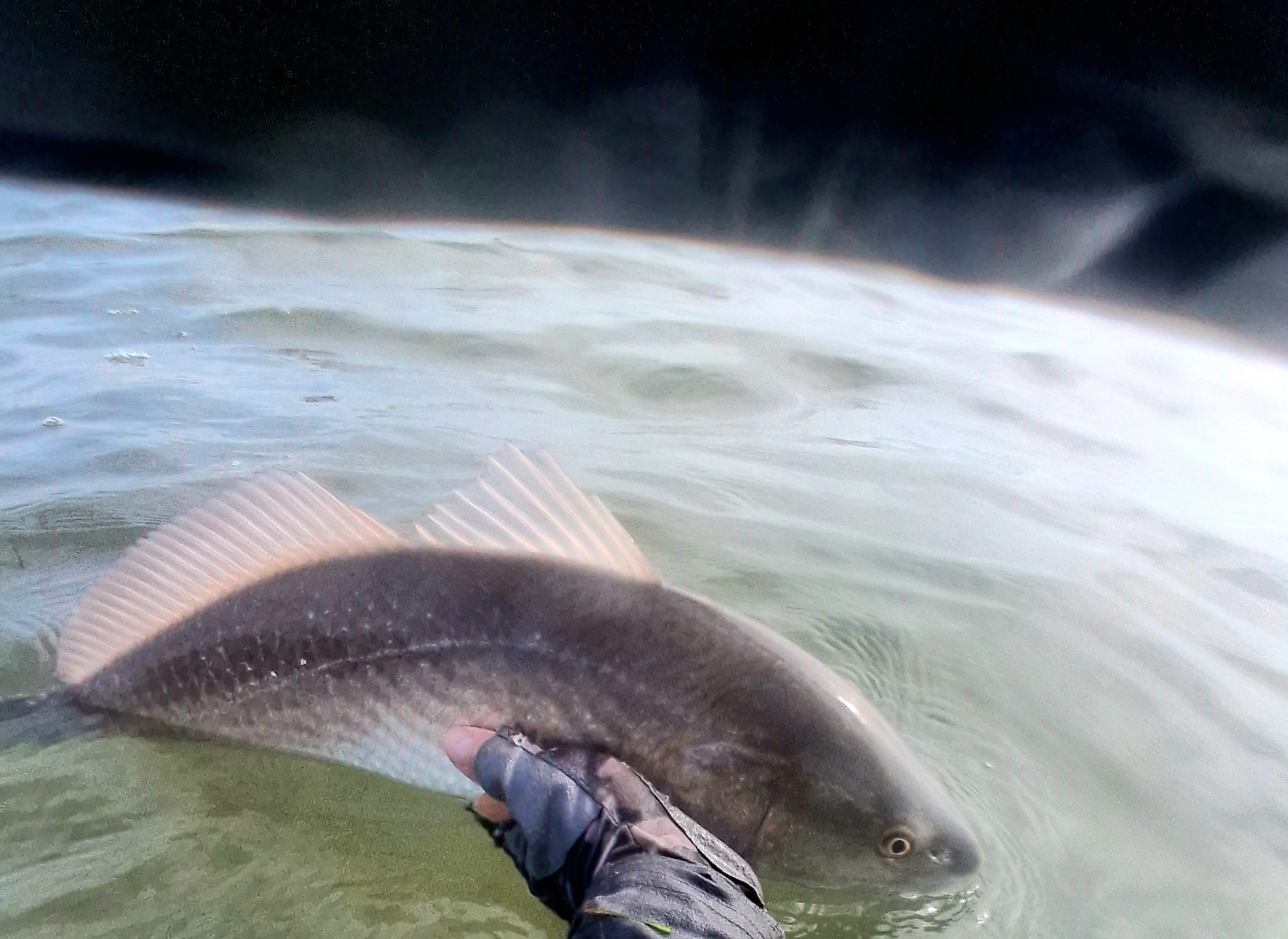
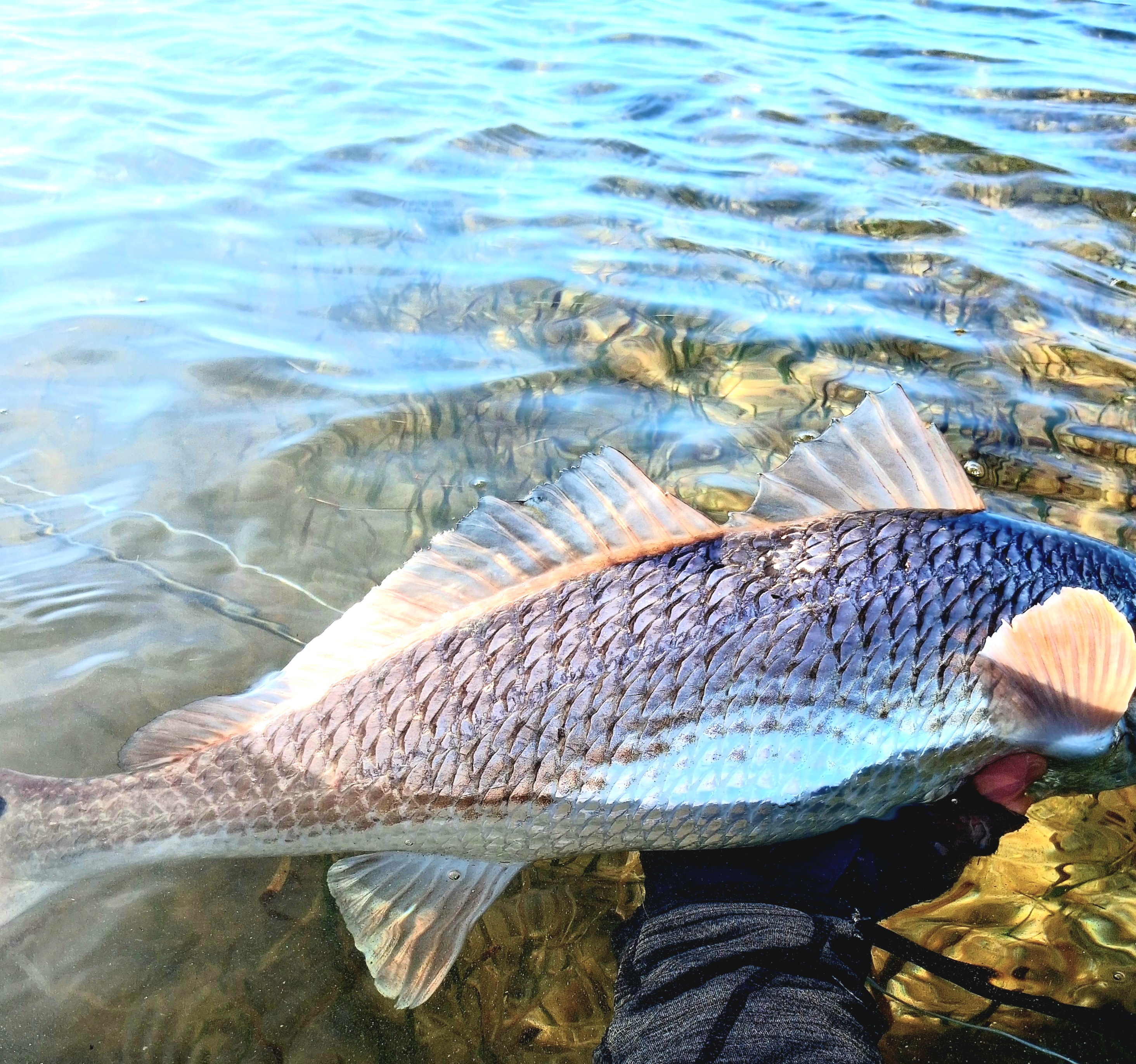
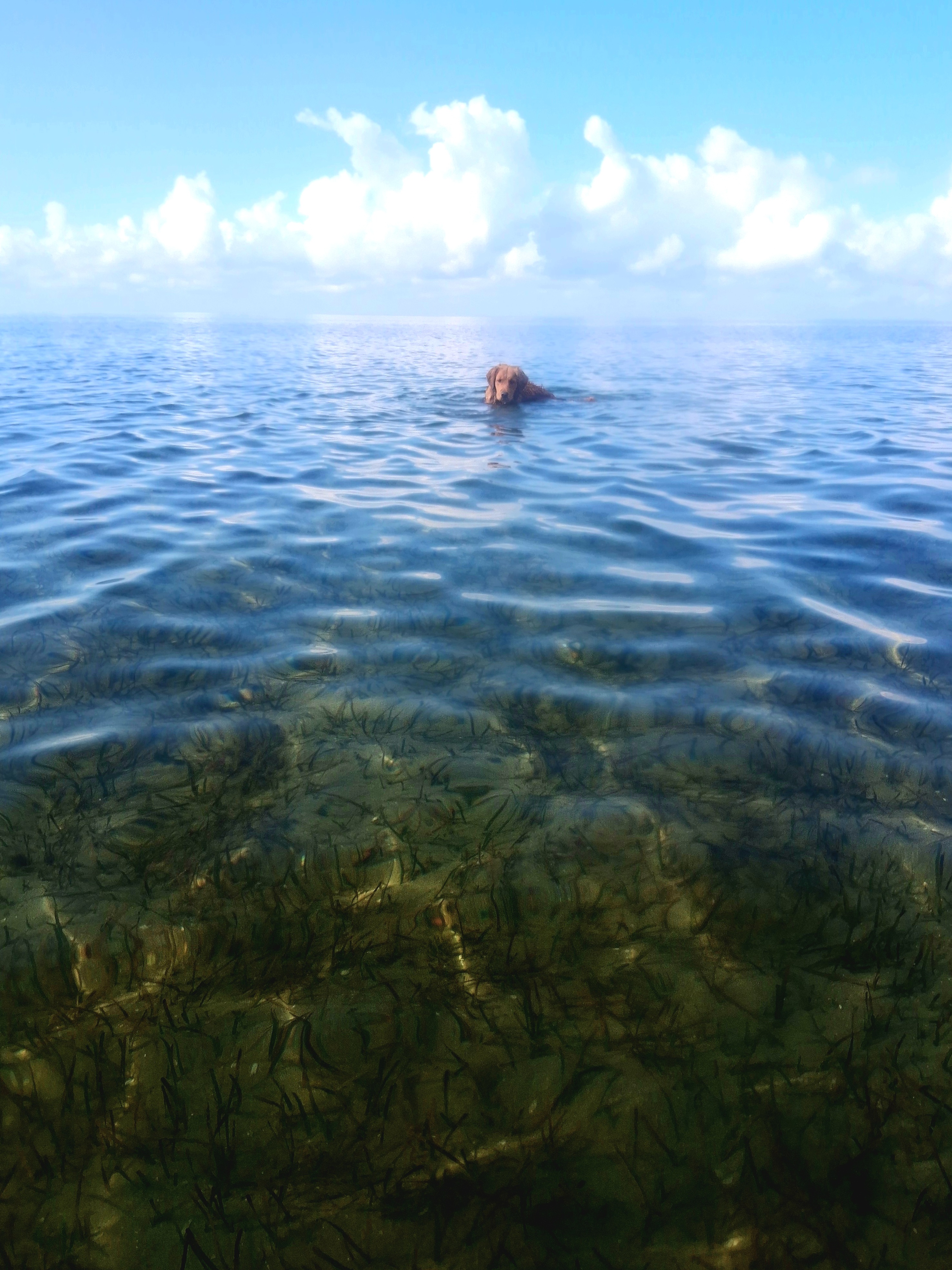
Photographing fish alone with my phone (in a plastic waterproof sleeve, high humidity) while standing in water several hundred yards out in a windy bay is always challenging and with many images the clarity is not always the best.
All Redfish landed were released.
 trout on dries