Treasure Hunting

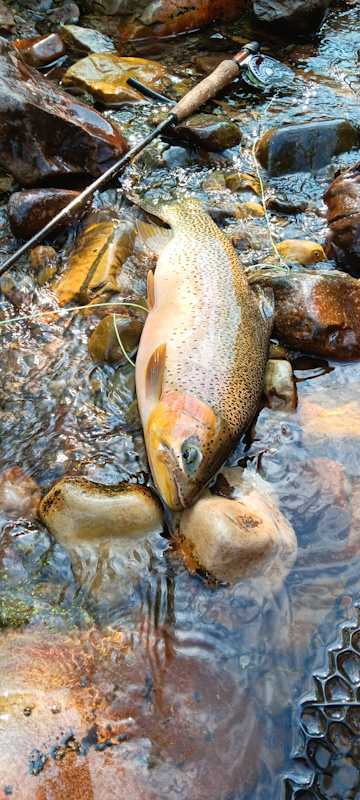
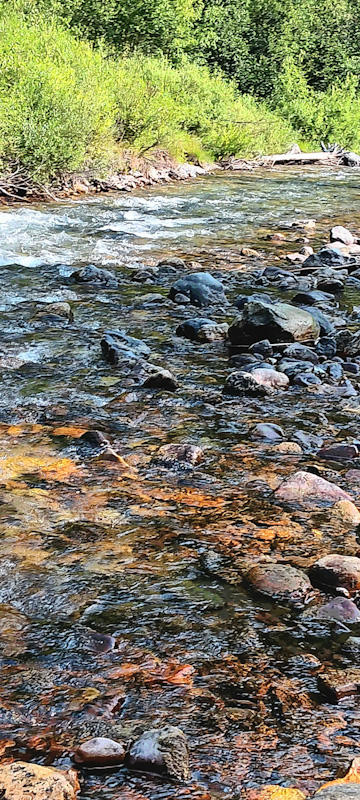
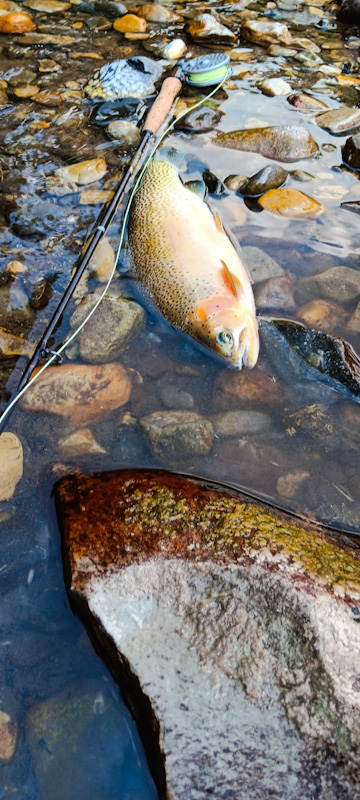
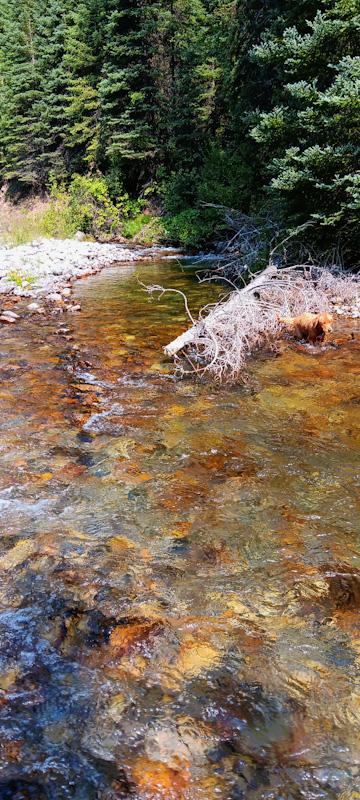
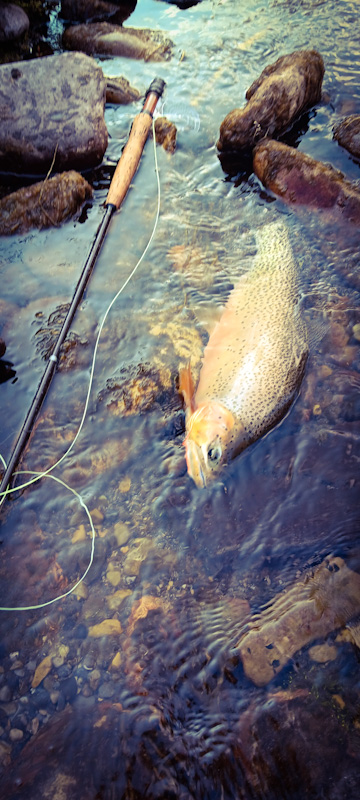
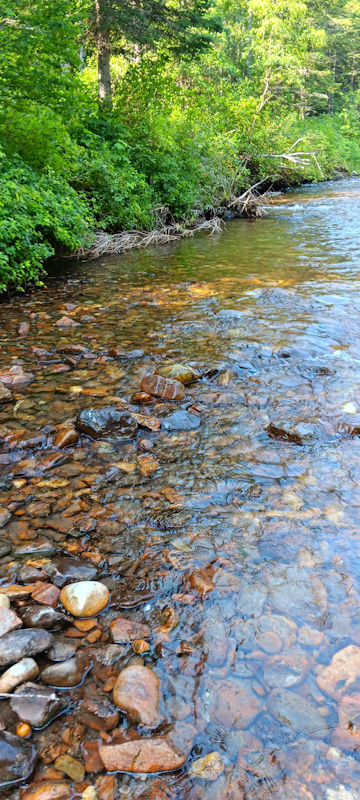
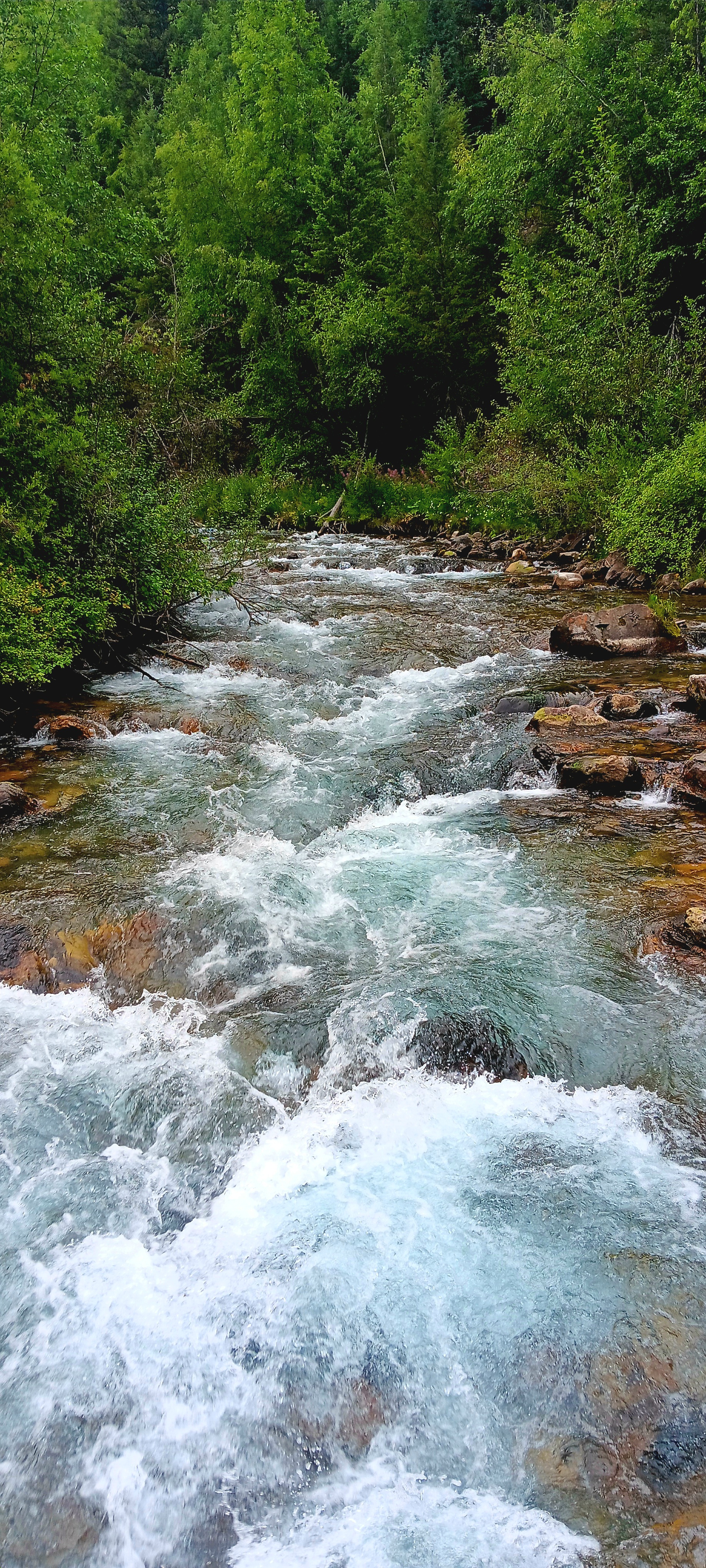
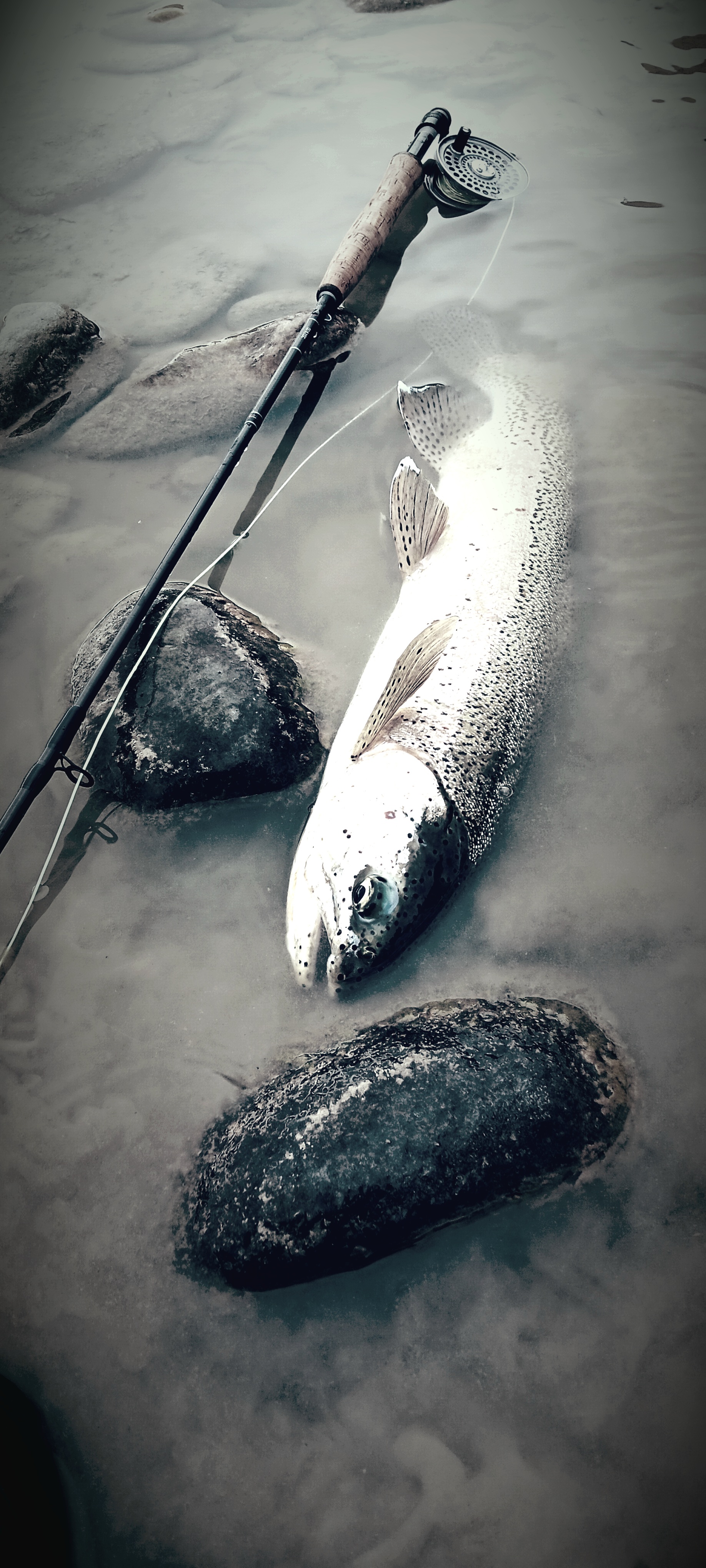
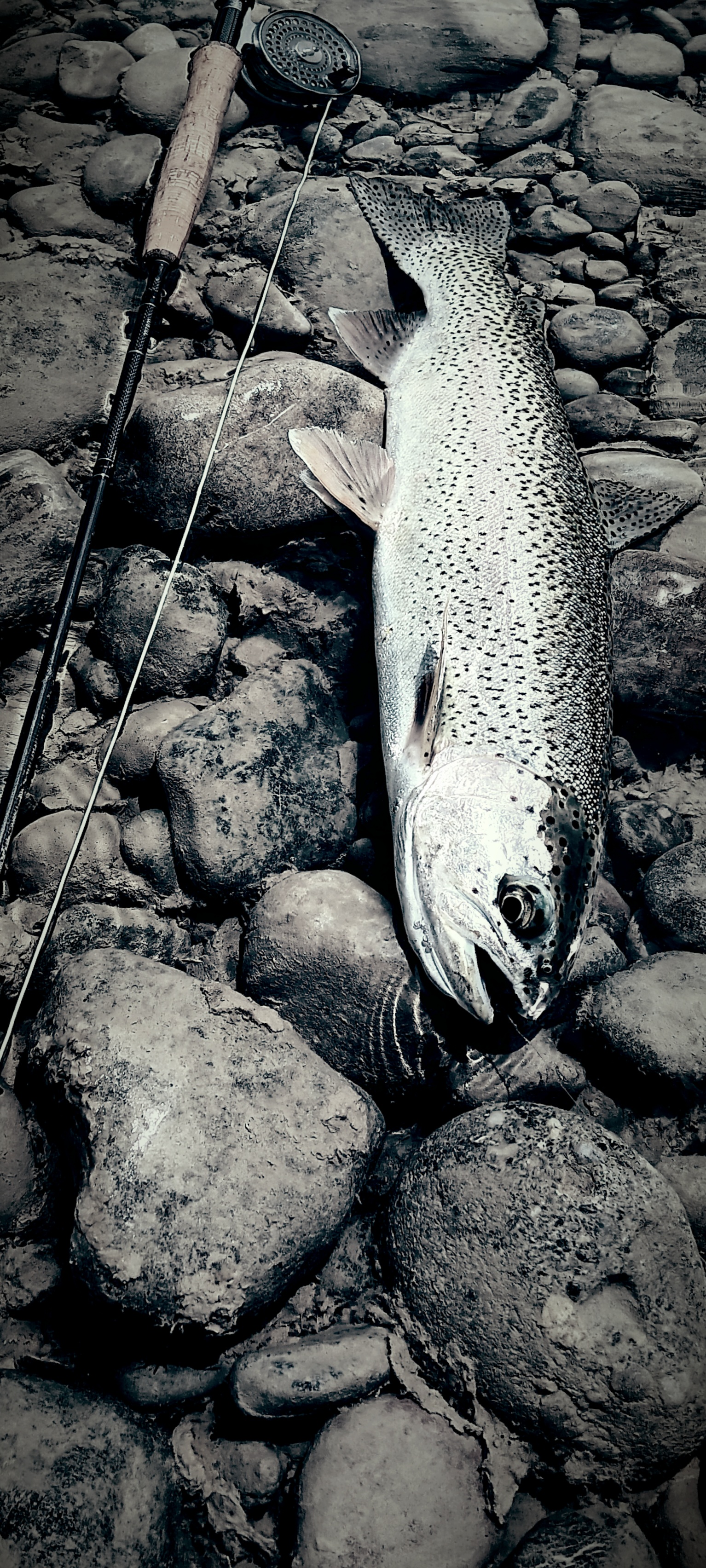
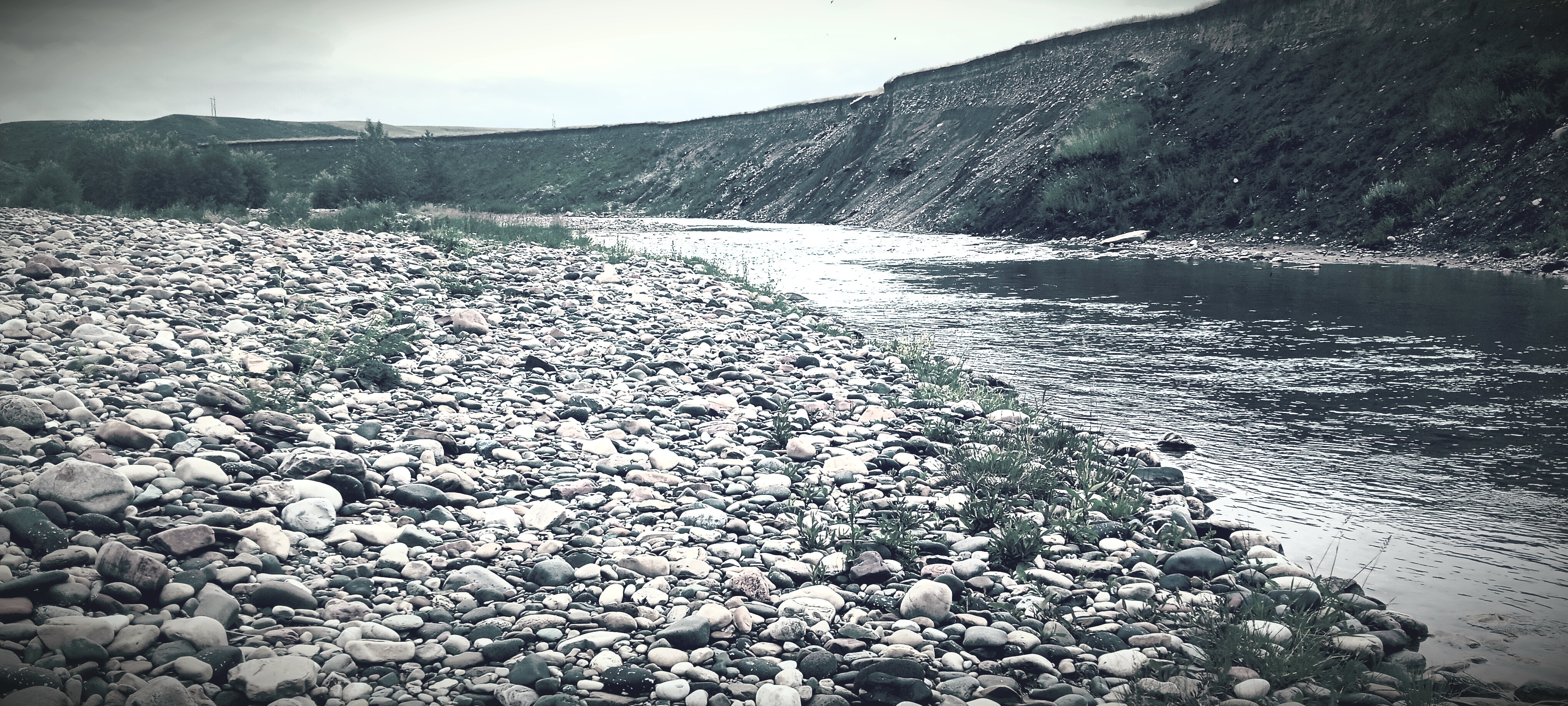
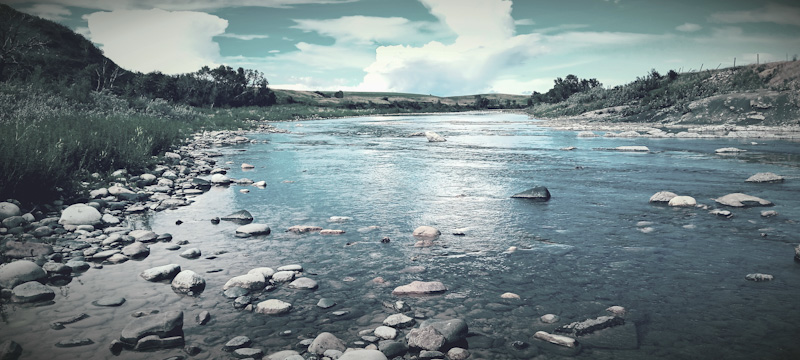
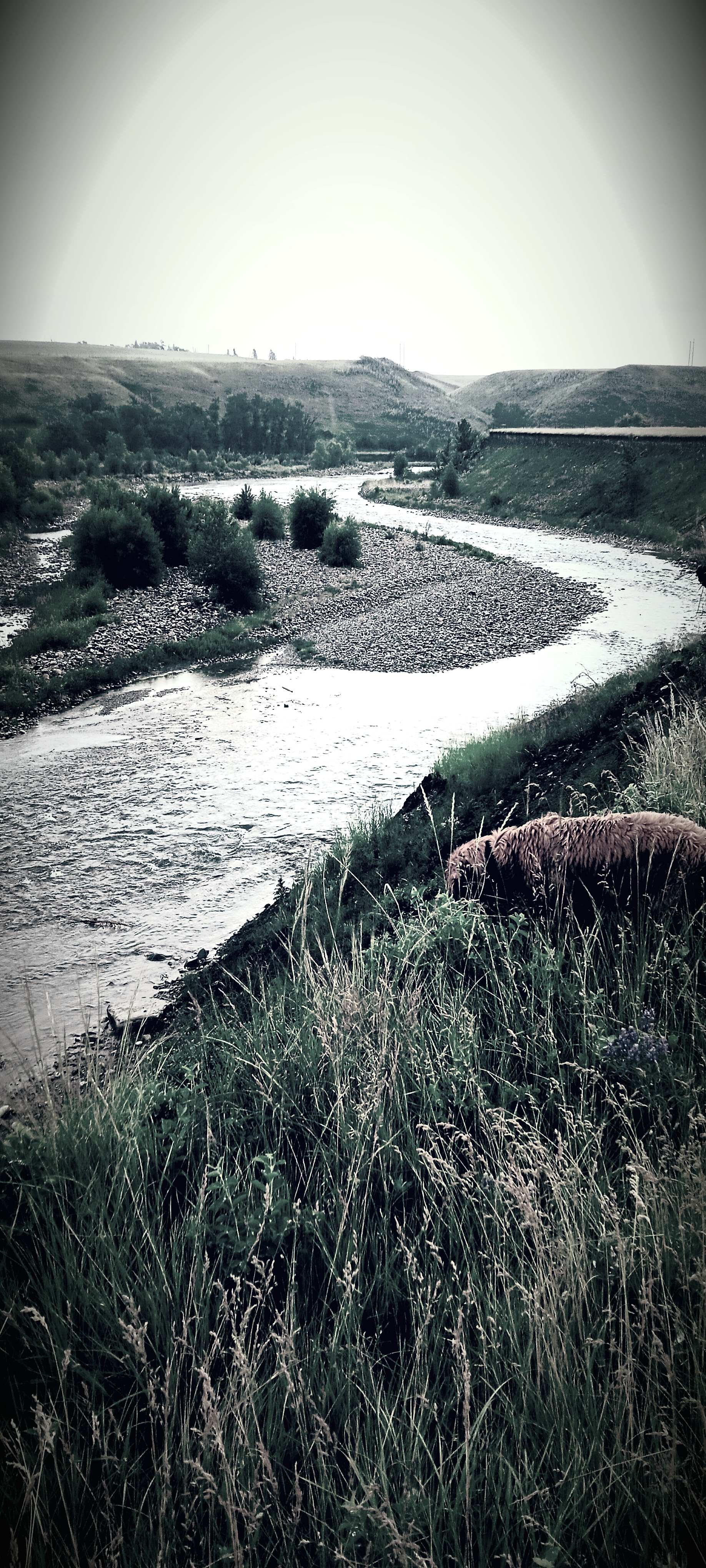
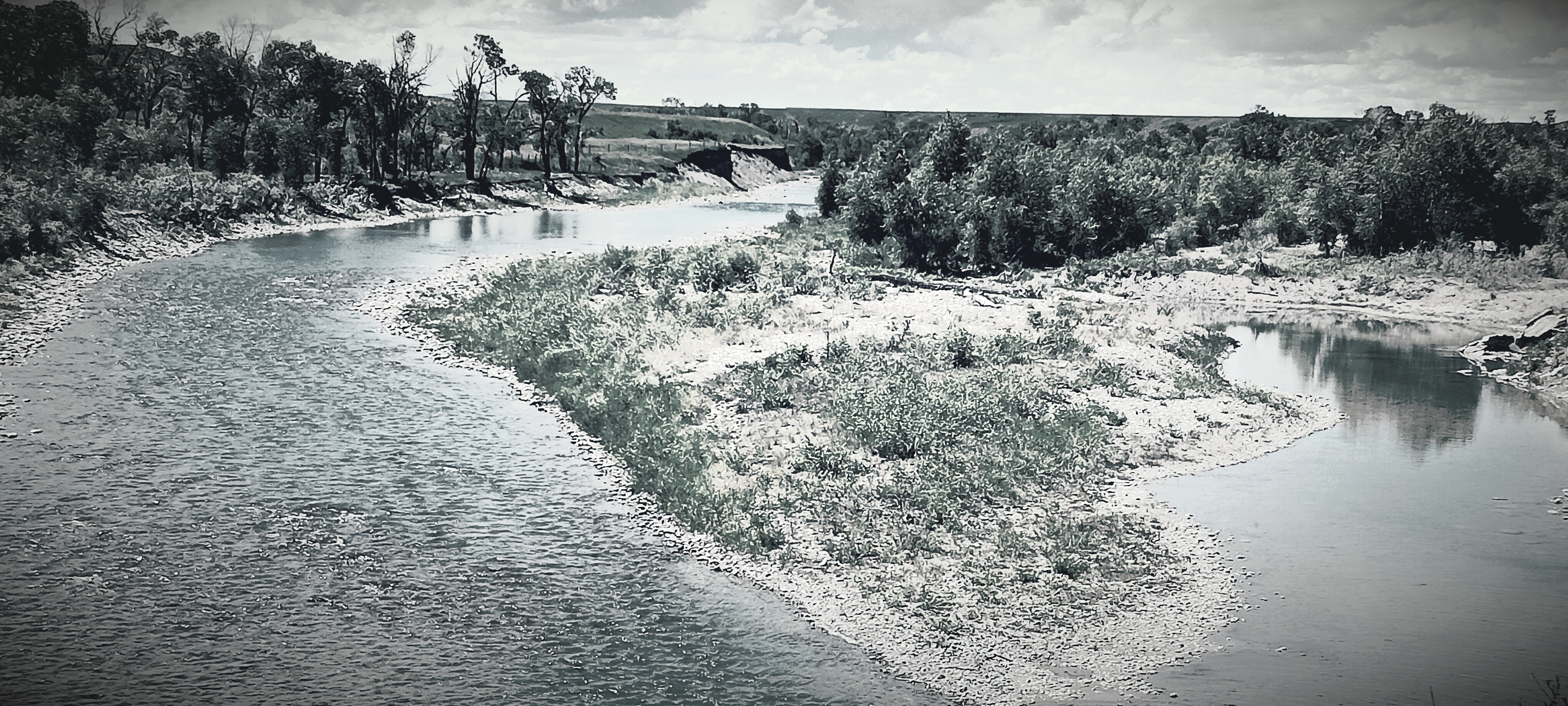
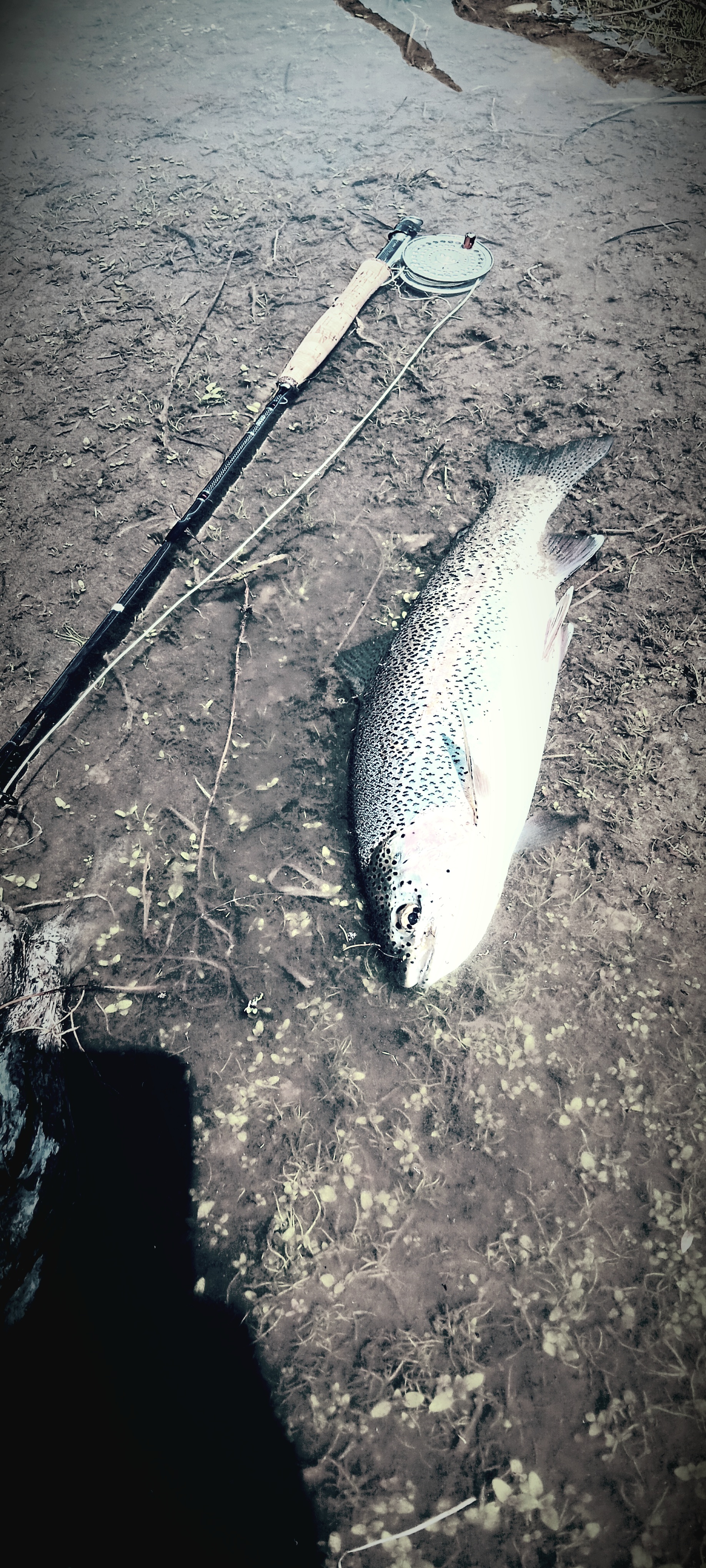
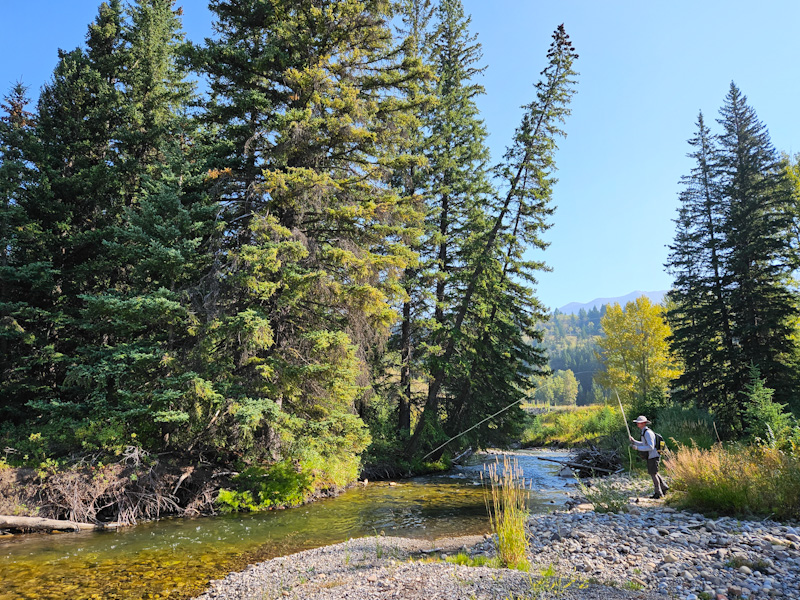
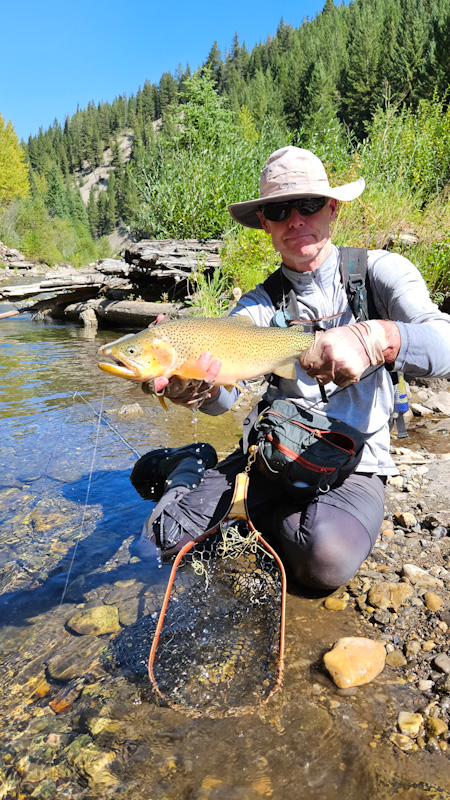
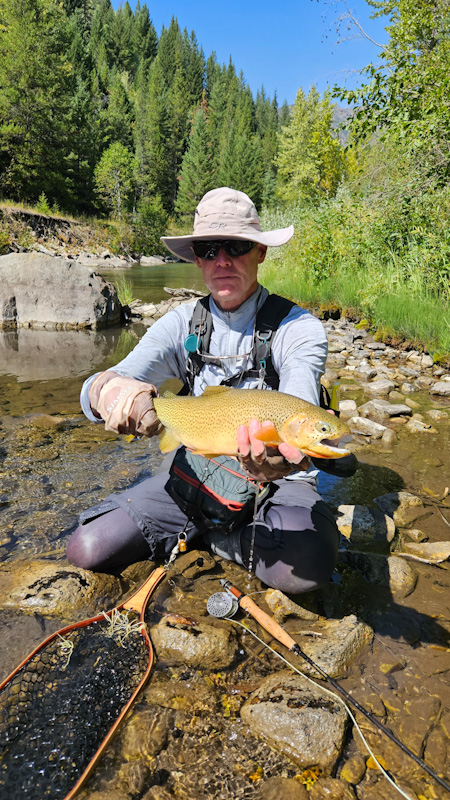
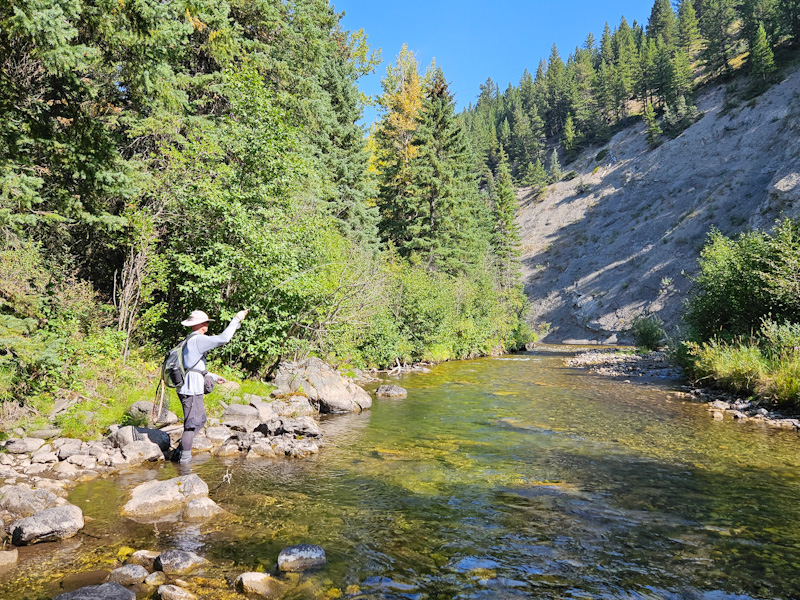
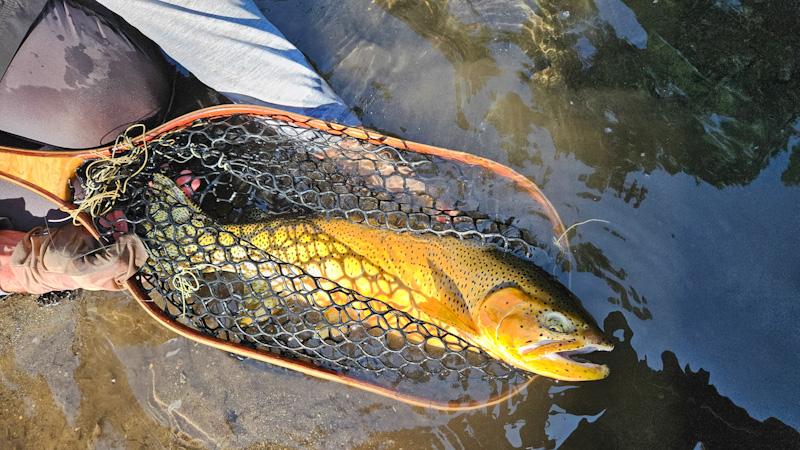
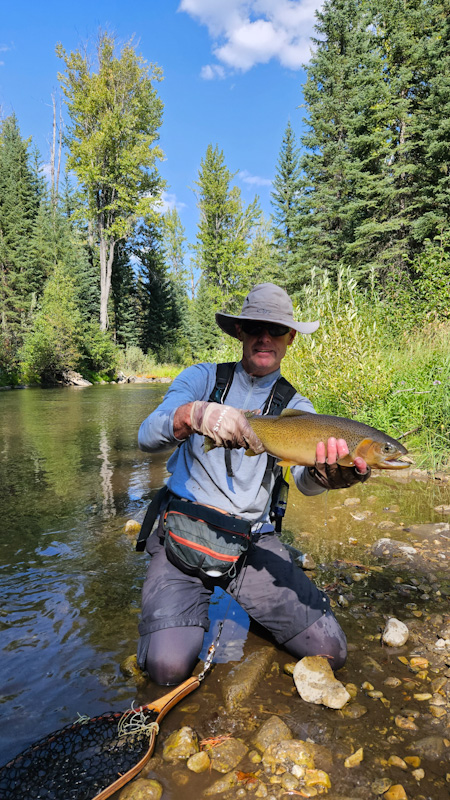
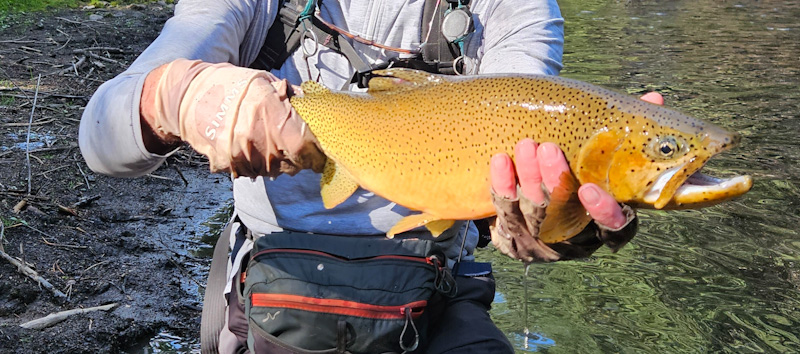
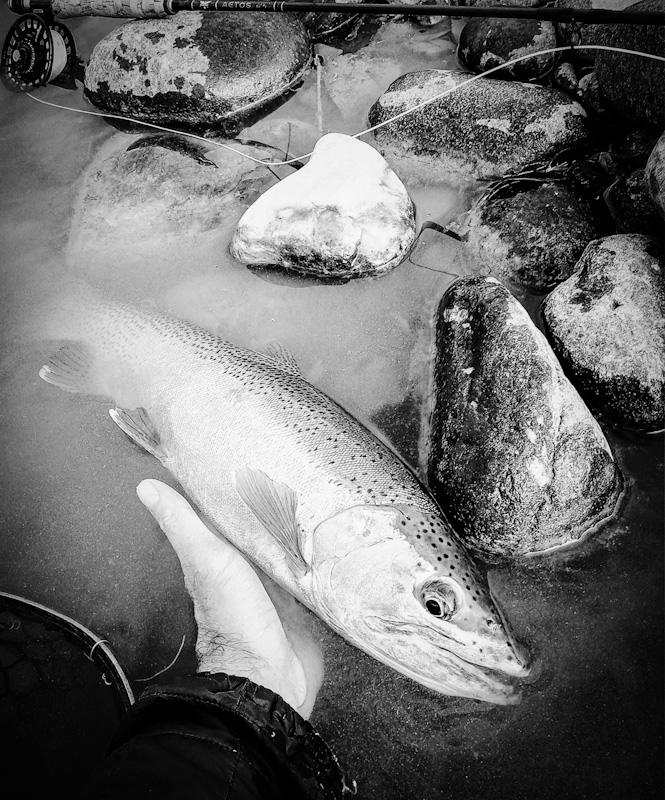
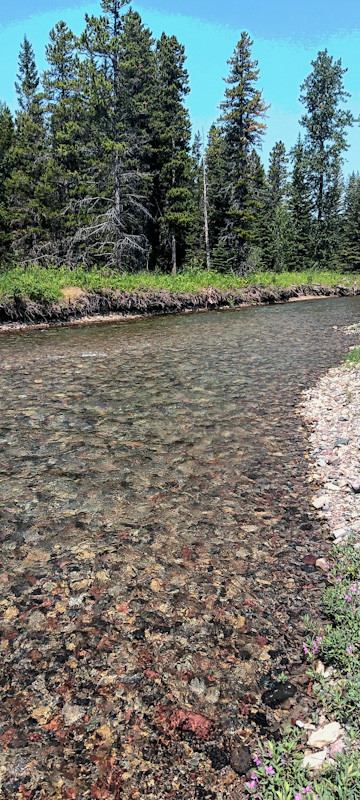
A MOUNTAIN RIVER. A pure freestone flow with a steep gradient and quick pace. Still fast, still cold (48f) even in August after a dry, scorching July. A lot of walking and wading to find little windows of dry fly opportunity. A few connections. One special one. An untouched, richly colored native Cutthroat. Treasure found, treasure returned…

Cutthroat Trout, AC and Mexicali

HOT

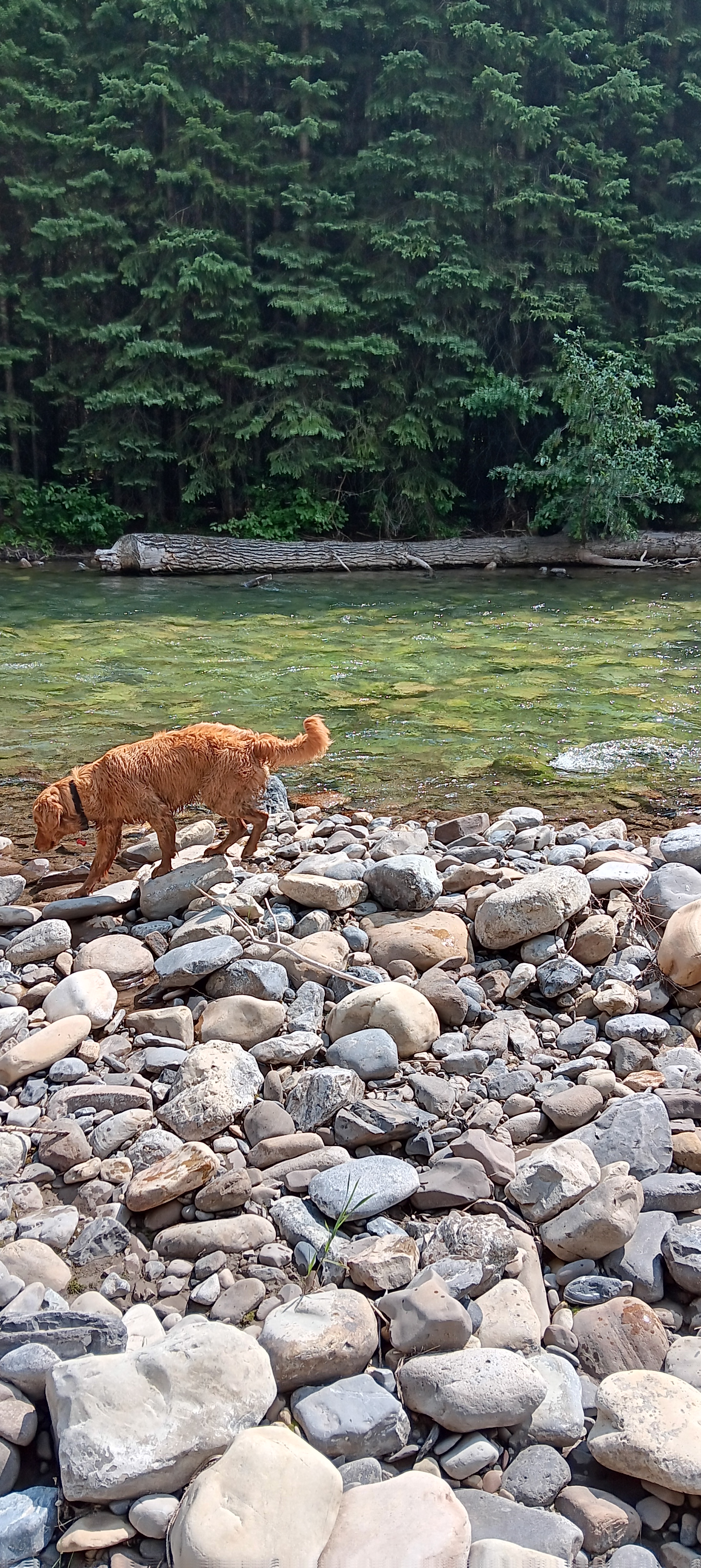
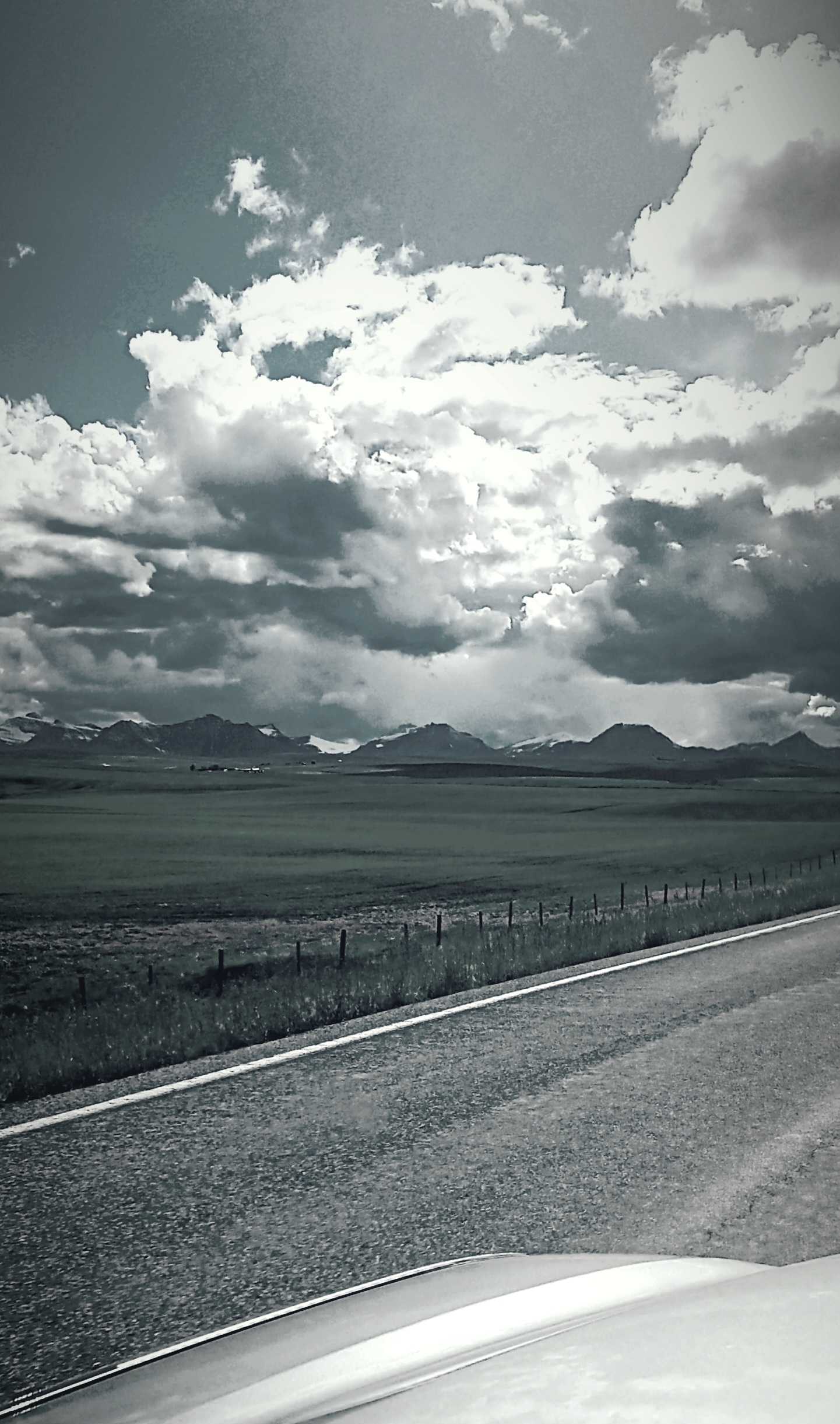
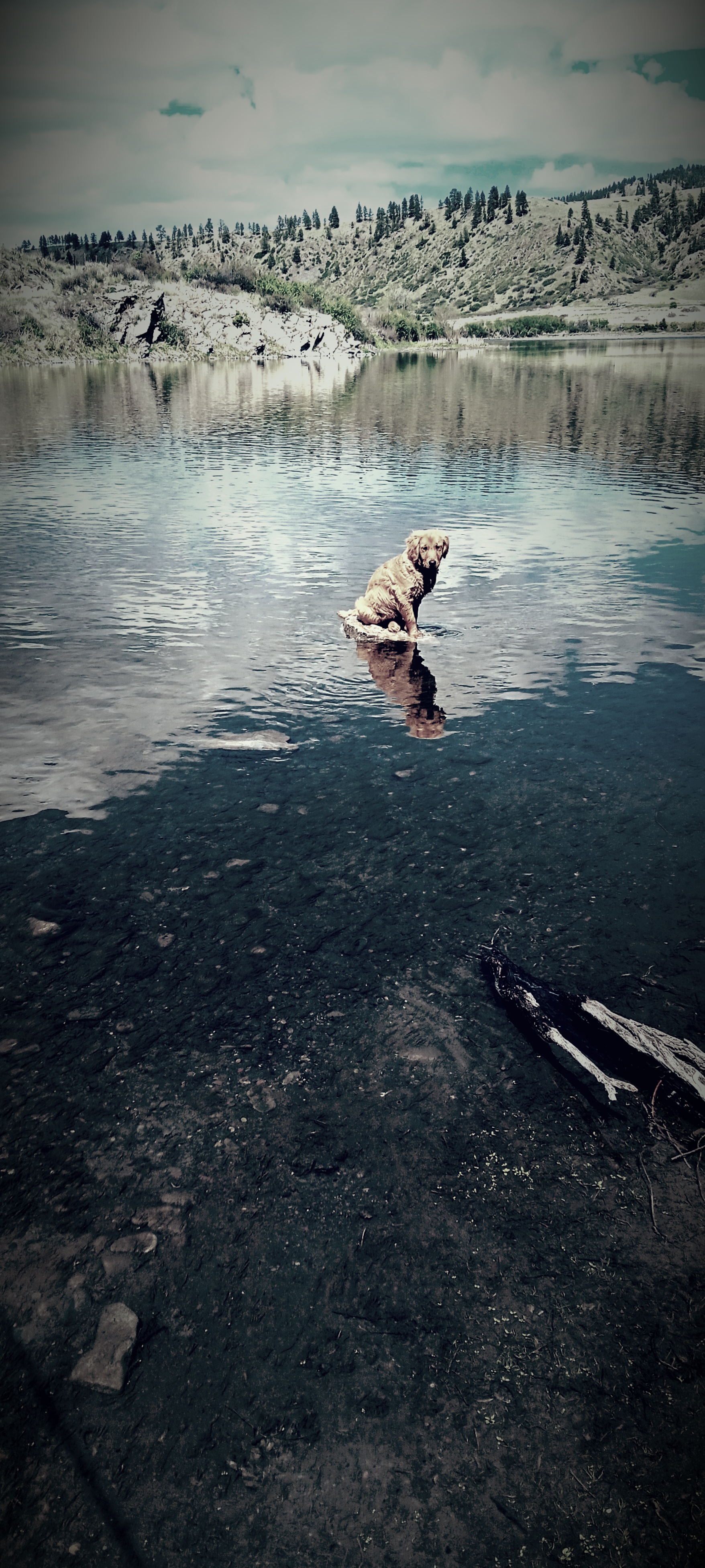
It was a 30 minute drive up into the mountains and the Cutthroat river. My car thermometer read 34c/ 94f. A smoke haze was in the air from fires in British Columbia (B.C.). It made the Rocky Mountains look like they were fading away. It seems B.C. now burns every July and August, and sometimes even into September. Northern Alberta too. My dog, in the back seat, was panting even though I had all the car windows down. I never use the air conditioning (AC). One exception was when I was driving home from a fishing trip in Baja in mid- June and was stuck for hours in border traffic in Mexicali city, Mexico. It was 42c/107f that day. Abby, my last dog, appreciated the cool air blasting from the cabin vents. She also appreciated the rolled-up windows as hundreds of border vendors went from vehicle to vehicle trying to sell their wares: hats, cool drinks, fruit, trinkets. Some had nothing and were simply begging. There were men, women, young children, and even very elderly people in the late afternoon 42C plus heat walking the hot asphalt trying to make a sale just 10 yards from the California border. This wasn’t an Acapulco, Cancun or Puerto Vallarta scene. Nor was it a depiction of idyllic Mexican rural life in a Diego Rivera painting. This was a “Behind the Curtain” look at Mexico. This was raw desperation and poverty I witnessed as I inched along the tall rusted metal border wall until I reached the heavily guarded portal that delivered me to the north. Justified or not, when I crossed the border I muttered to myself that “Mexico doesn’t look after its people”.

COLD

When I entered the mountain river at 11am my water thermometer read, 10c/ 51f. Almost half the air temperature. By 2pm the river was only 54f and my feet still numb. The stream had stayed cold in spite of two solid weeks and now entering a third week of extreme heat. One small creek that feeds the river was still flowing. Last year it was dry in late July. I thought that there was probably still some snow melting up high. It was probably one of many creeks helping the river stay cold when many lower elevation rivers were warming well into the 15c plus/60f and some approaching 20c/70f. Cold water in July and August is always good for trout and fishing.

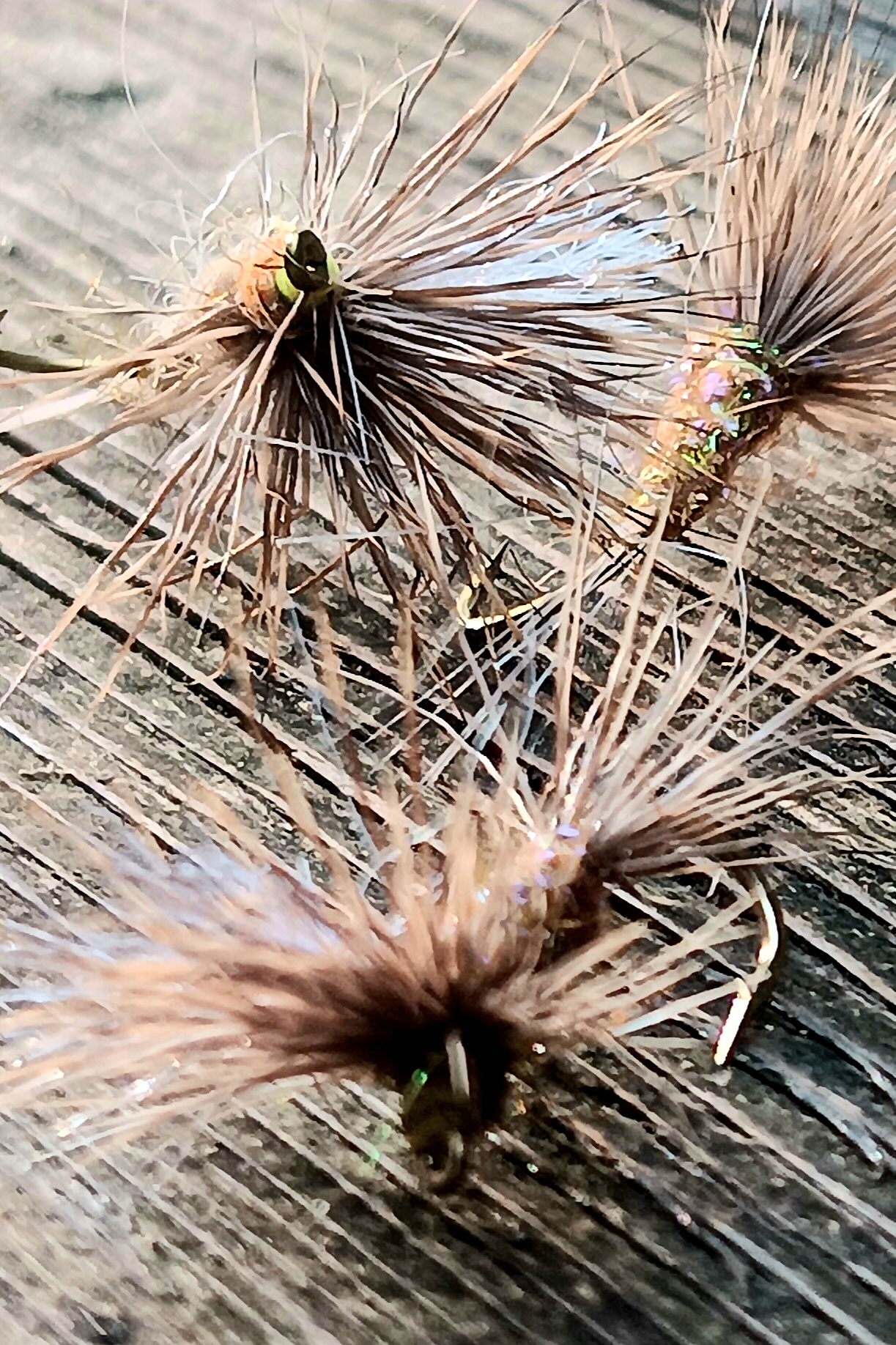
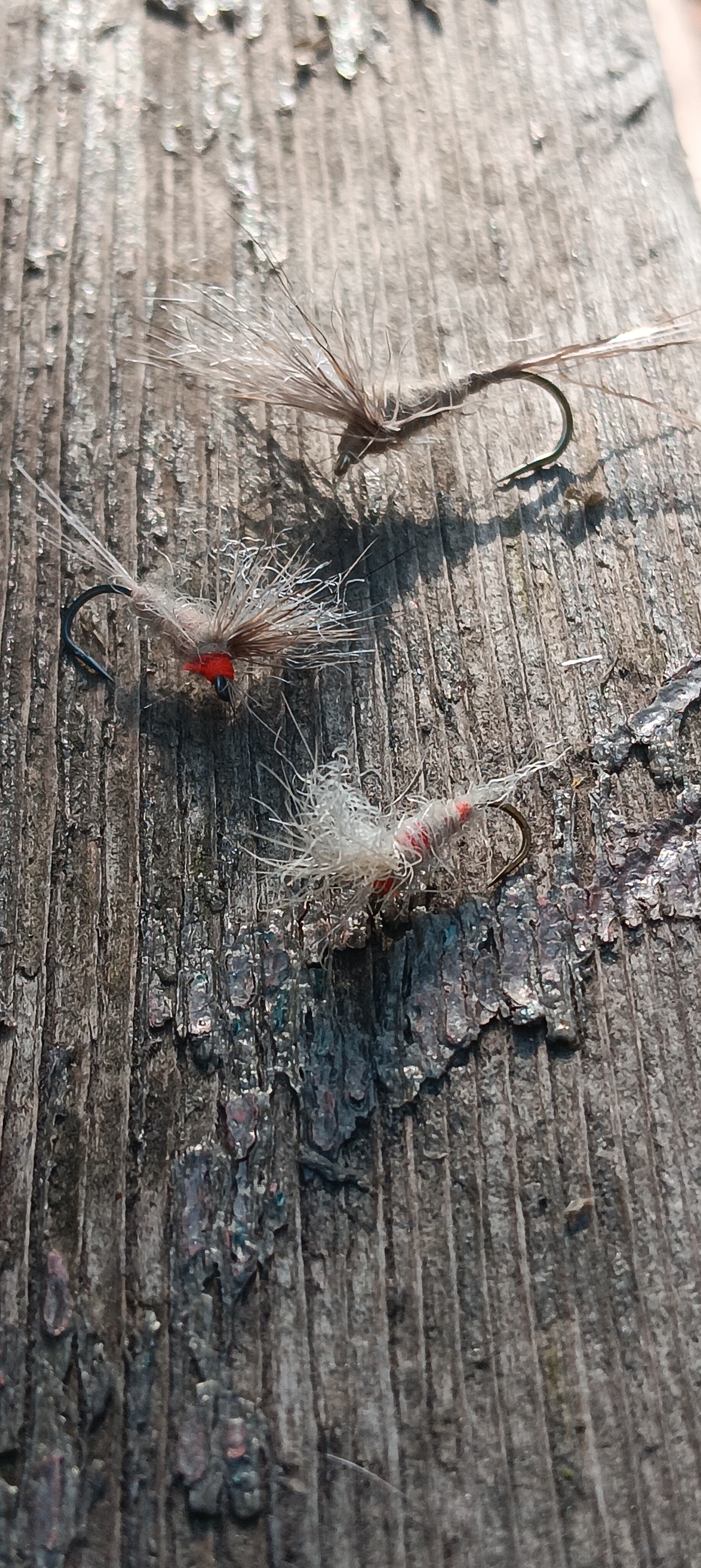
The Cutthroat that I spotted in the slower flows were selective. I was able to fool some with spring creek type (barbless) dry fly patterns. Cutthroat are often regarded as being easy to catch. That’s not always true. Each Cutthroat stream is different and has its idiosyncrasies. There are no absolutes. The one I was on is usually quite challenging, especially as summer marches on and especially in the pools and slower sections. The river doesn’t hold a lot of trout. It is a quality over quantity river. Here are a couple of healthy fish that I connected with.
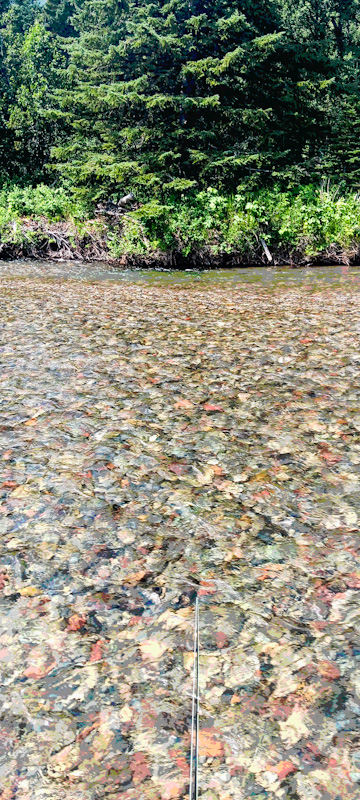
 

Troughs along bank sometimes hold trout
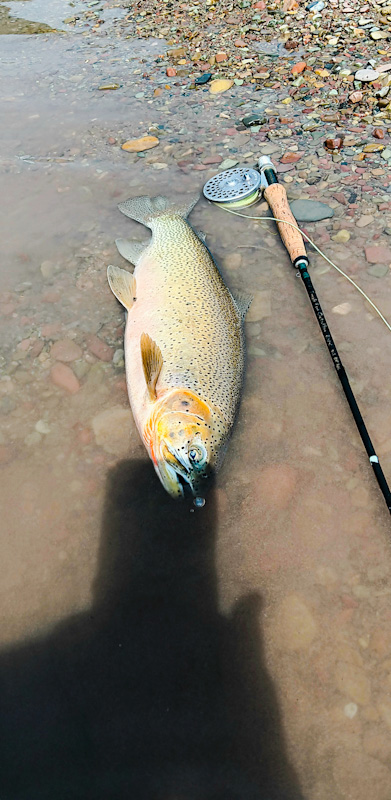
quigley pattern took fooled a big fish
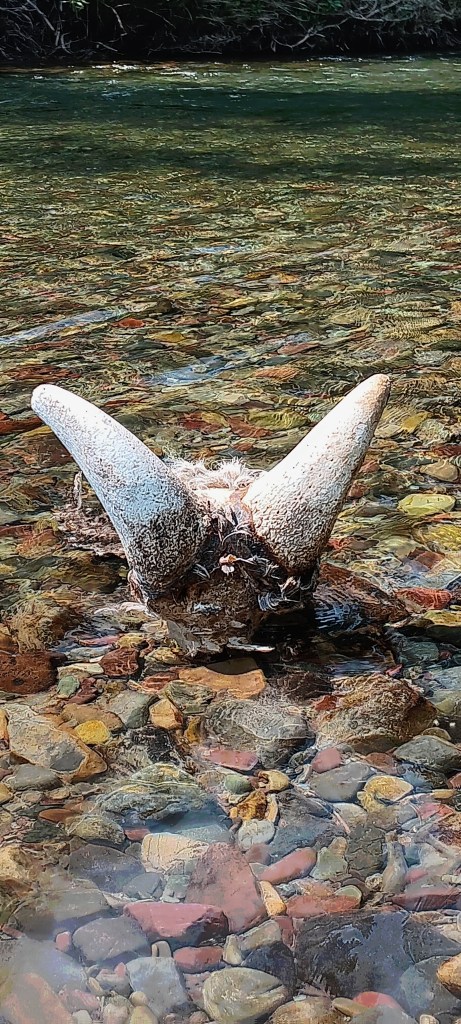
big horn skull
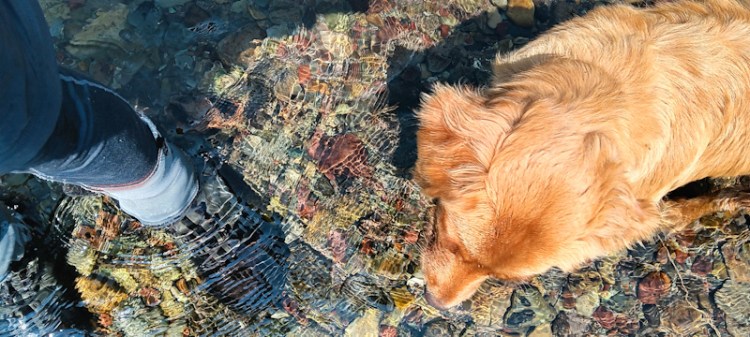
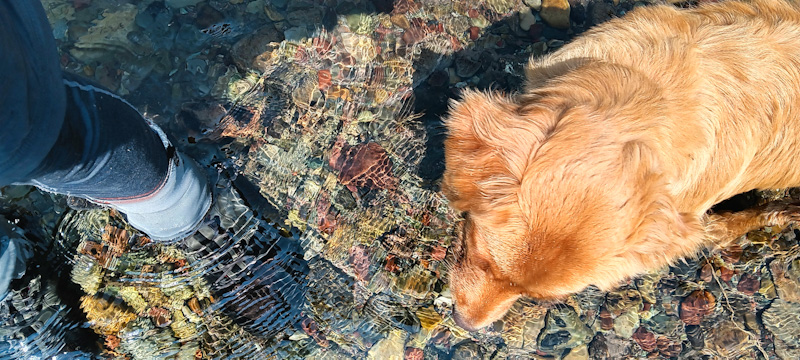
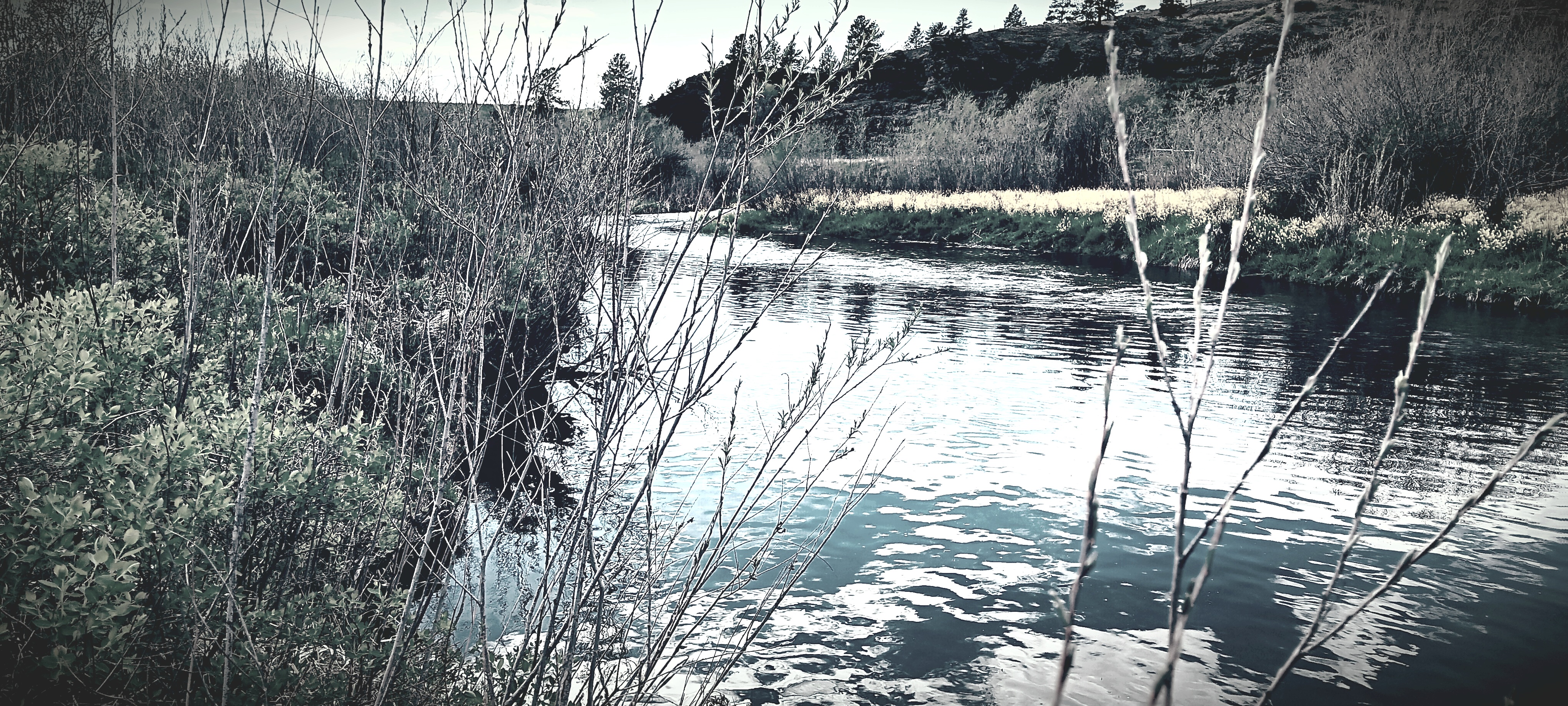
clear water

small flow from feeder creek
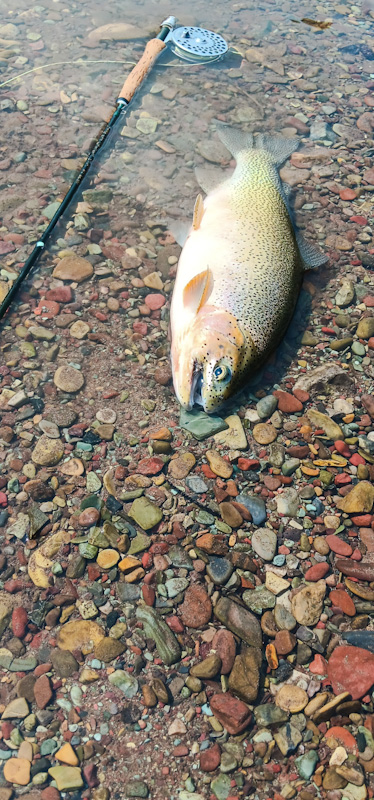
cutthroat trout
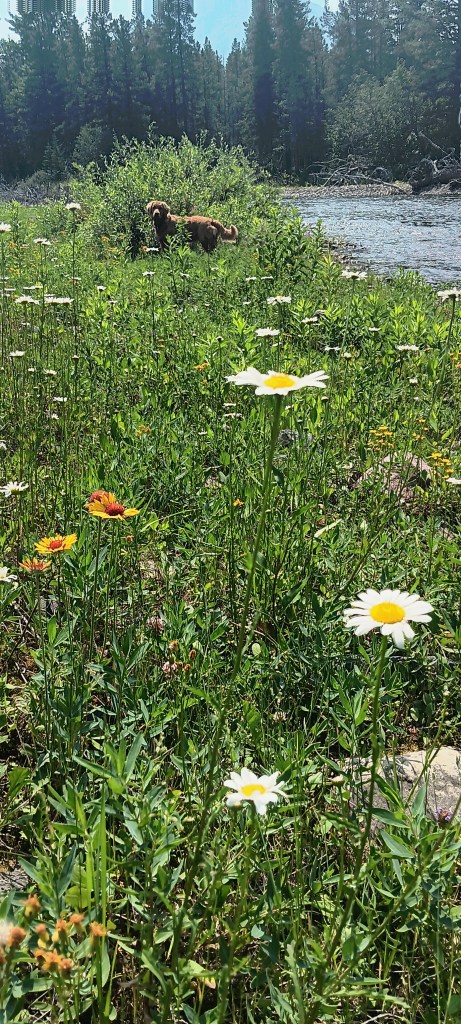
bergamot blooming

big horn sheep
chewed hackle stacker drake
new season

Back home from road trips. I’ve been fishing local rivers recently. All are now open for angling. Water levels are dropping and most can be waded. Run-off was gentle this year. That’s good. And it has been a cool, wet Spring and start to the Summer. That’s also good after several low water years.

Most rivers look good. The Dam controlled tailwater flows that I often fish, however, need a flushing to clean out the significant Didymo (Didymosphenid geminata) build-up but I’m not sure that will happen. Water capture and diversion for agricultural irrigation is the priority with Provincial Water Management, not the health of the rivers below the reservoirs. While angling in Montana this Spring I witnessed a planned flushing of the Beaverhead river which is a dam controlled flow (tailwater). I was told that in years when they have enough stored water in the reservoir a flushing is done for several days to emulate a natural run-off and improve the health of the waterway by dislodging silt and other build-up. Our tailwater rivers could benefit from such a practice.

Here are some images of trout caught on dries size 18, 16, BWO’s and PMD’s, and a few on a size 12 Caddis pattern. The rivers are slowly beginning to warm and insects are starting to emerge mid-day.


open road

Stetson named one of their hats, Open Road. Probably paying homage to the wide open West. Here are some images while fly fishing out on the Open Road… eleven days, three rivers in search of brown trout, a growing pup and a roof top tent on my truck. No Stetson or Cowboy boots. Instead, a ball cap and aging Simms wading boots. All trout caught on foot, with my eyes and on dries…

brown trout on small beetle
sage brush
mastering an angler ladder
a spring creek

checking out the hatch
5lbs plus brown, I’m in creek up to my suspenders, hoisted him on grass bank, quick shot.
angling crossroads

tailwater brown trout

tailwater brown trout

brown trout camo
calm creek
true color

some rainbows on the way home

road trip

Another road trip south of the Border. Brief. The weather conditions were volatile. Some moments/ images captured…an old postcard look.


why I search/watch side channels


flat water tie, cdc


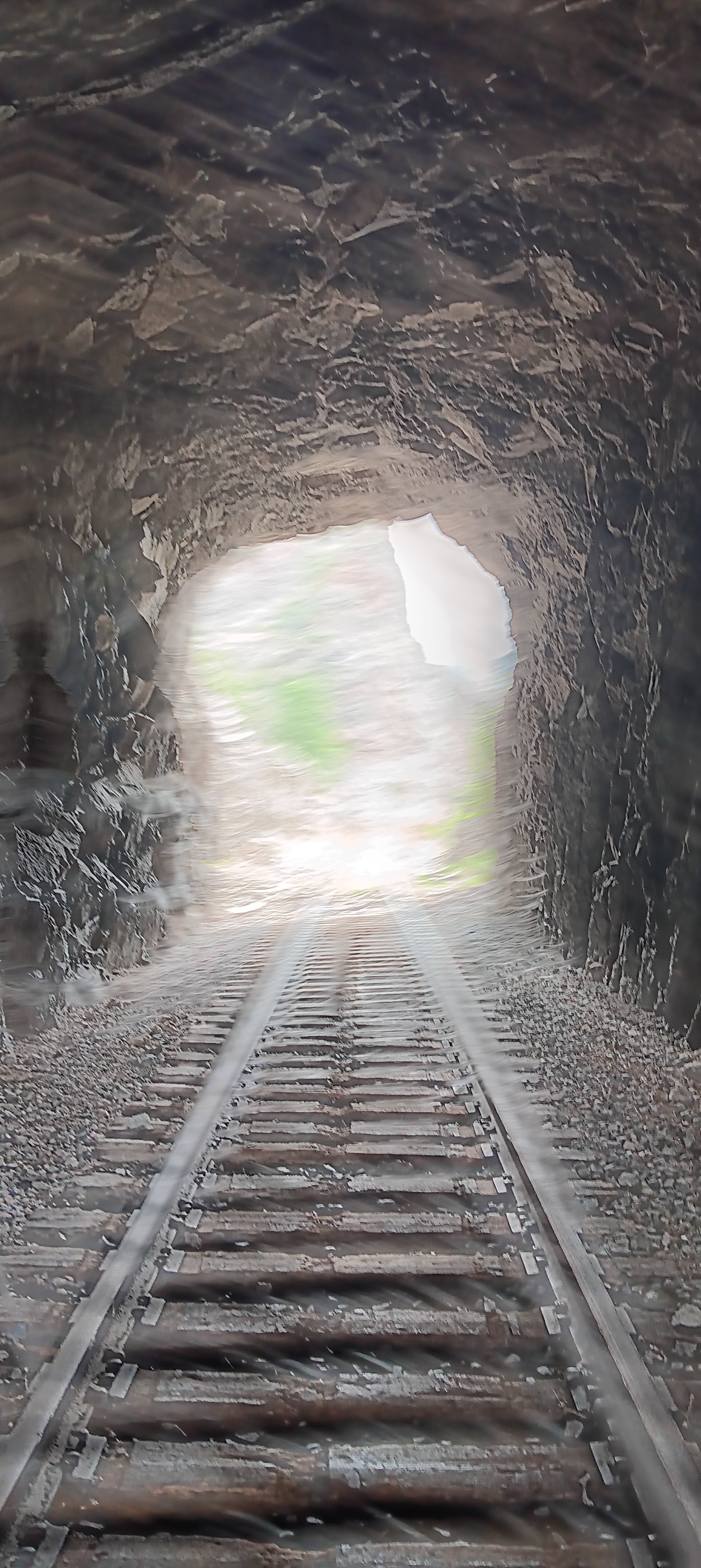
train tunnel


side channel


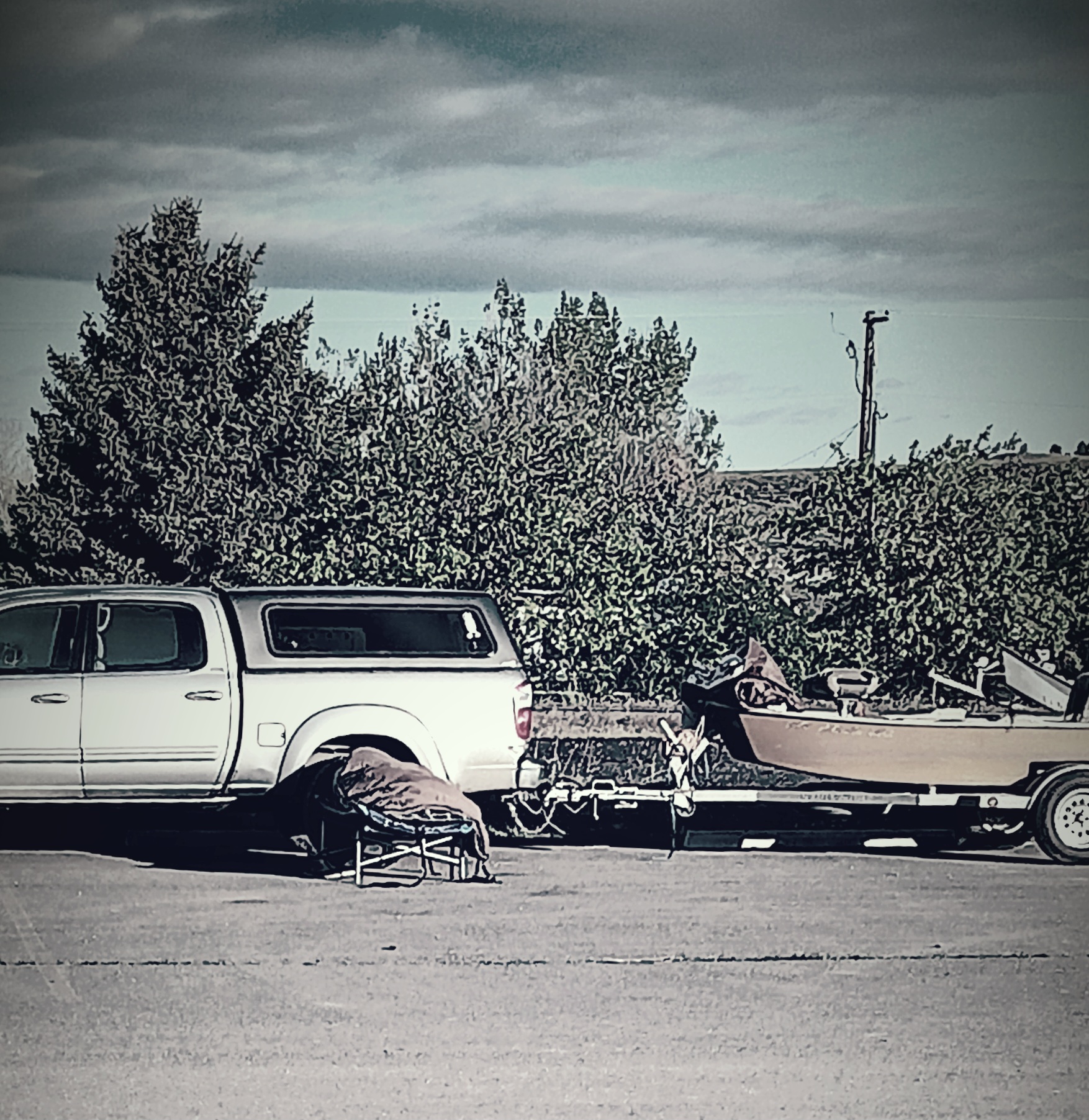
angler sleeping parking lot

a special day

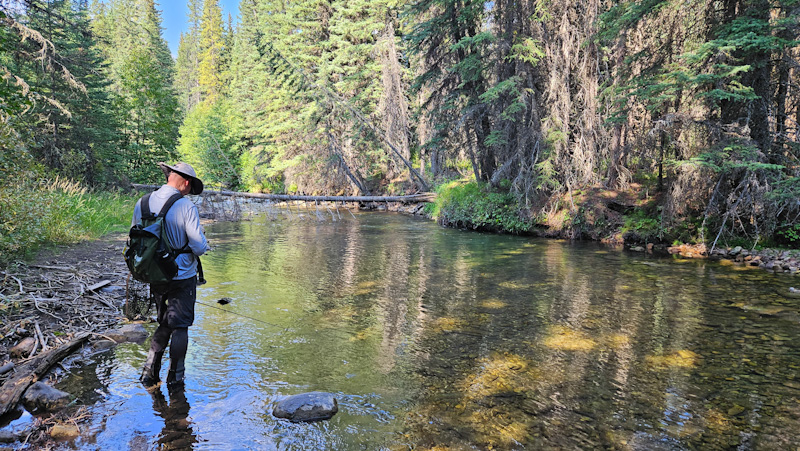
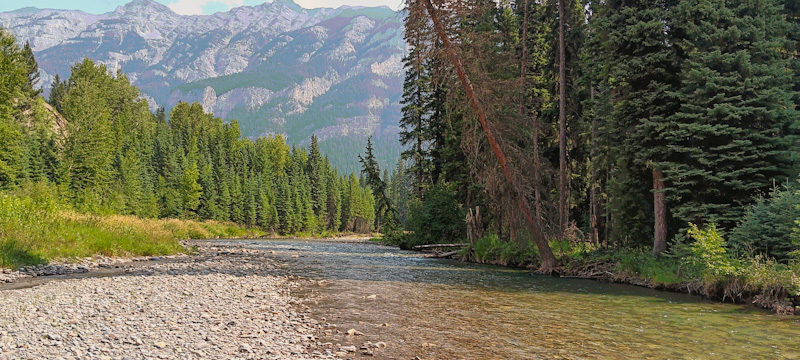
I had the good fortune in late August to be generously treated and guided by Vic Bergman to a day of angling on an unpressured Cutthroat stream. Vic is the owner of the Crowsnest Angler Fly Shop (see link below) in the Crowsnest Pass , SW Alberta. He has owned the shop for 30 years and guided in SW Alberta and SE British Columbia for 40 years. He is also a photographer (see 2nd link). The creek is one of his favorites. It is as pure and clear as any trout stream on the planet. Vic knew several access points and showed me a series of stunning pools where he anticipated trout would be rising, and they were. All I had to do was make the cast. A special creek and day. Many thanks to him for access to the stream, the day, the exceptional photos and guiding. It was the highlight of my angling season…
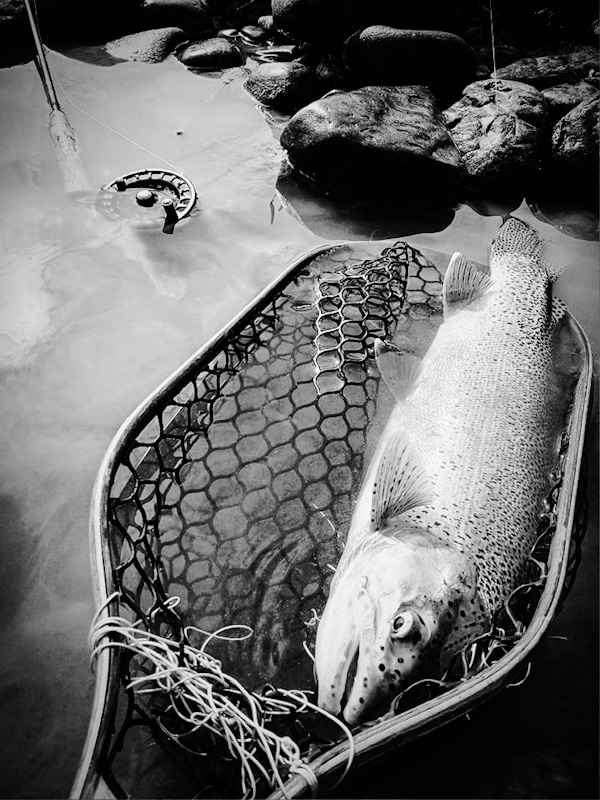
All photos by Vic Bergman.

https://www.crowsnestangler.com/ ; https://www.vicbergman.com/

Pale Morning Duns in October

It’s late season and small dry fly angling is an afternoon event on one of my favorite prairie tailwater rivers. The predictable mayfly hatch at this time of year is Baetis/Olives. On the unique river I have been visiting, however, the Pale Morning Dun’s (PMD’s) of summer often come-off through September and even into October, along with the Olives and sometimes a few Mahoganies. Each river has its story…

Some images of trout caught this October, on summertime PMD impressions.

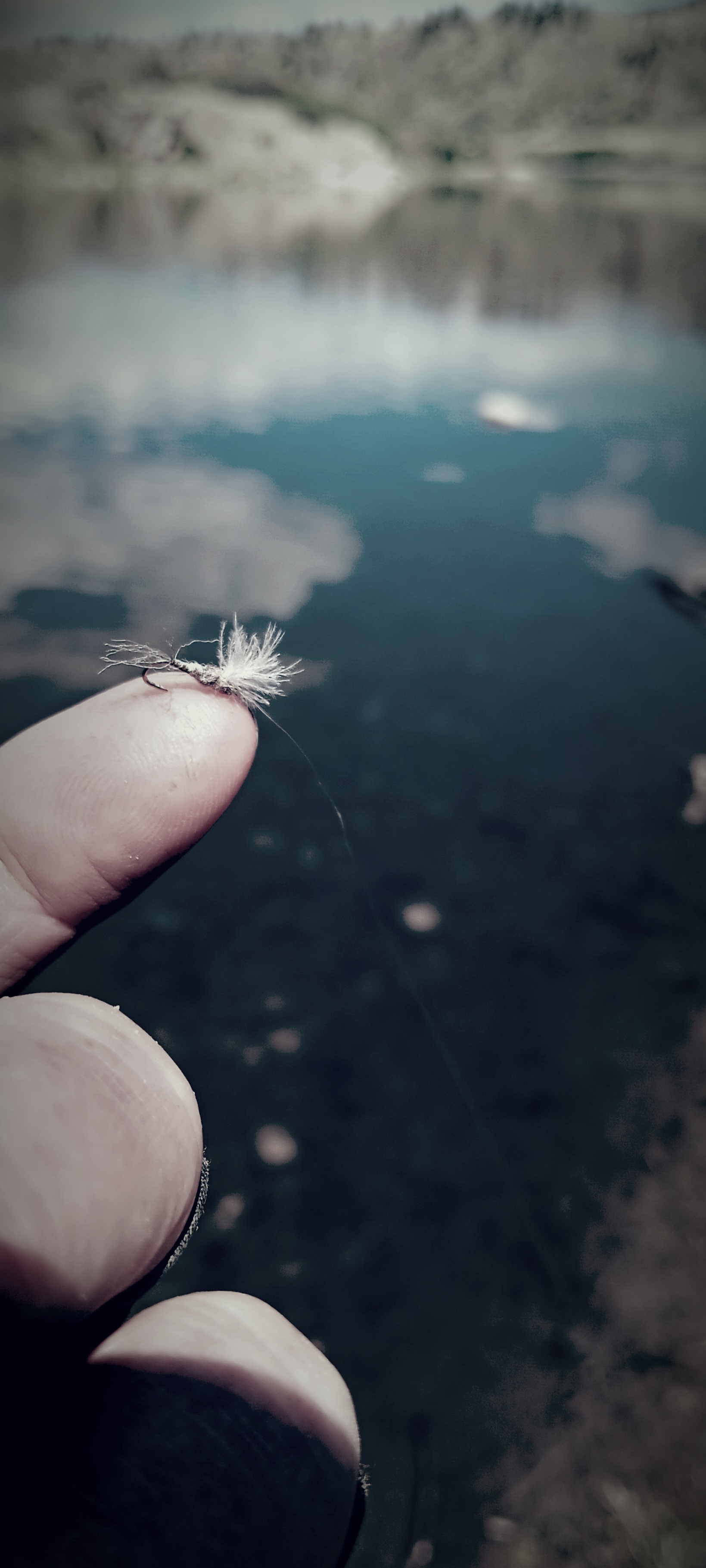
pmd dries, marching to river

Abby

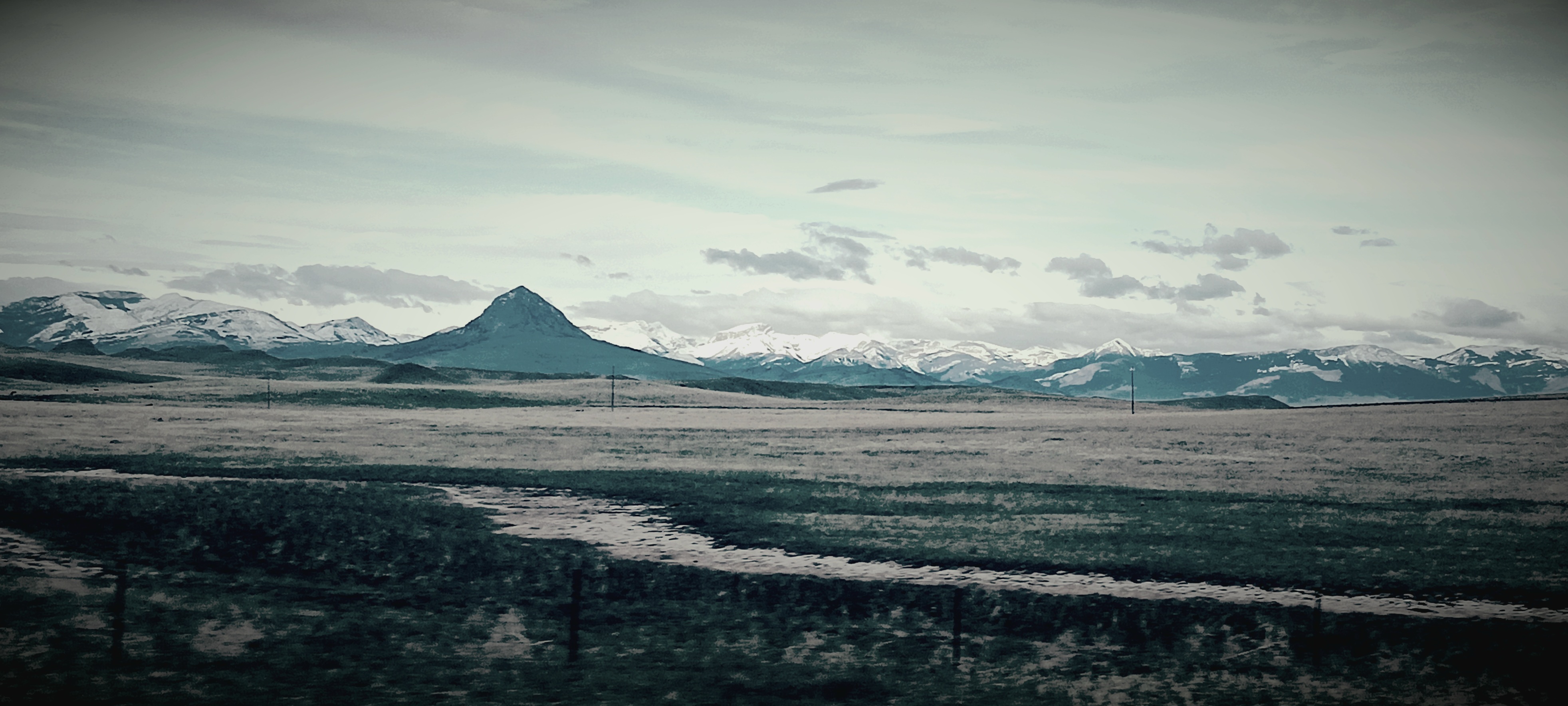
snow in mountains, last week

wet lens brown

Light

“Capturing Nature in its essence is not easy- your work becomes a dance between light and weather…”

Annie Liebowitz, Photographer

Cold mornings. A trace of snow up high. Leaves are dropping. The Larch trees are golden and glow when the sunlight finds them. Bull trout are spawning in the creeks. It’s Fall. There are still a few more weeks of dry fly angling left. Maybe a little more. It’s the best time of year to be on a river. The angling crowds are gone. The campers have thinned out. It’s real quiet out there. And the afternoon light is rich. And exceptional dry fly fishing is all about the light…

clear water illuminated by the sun

searching for treasure

Many miles put in this September wading tough clear freestone rivers with slippery boulders. With the Fall waning light, long shadows and cooler temperatures, hatches, if there are going to be any, are an afternoon event. That’s when the trout become most active and are most likely to rise. That’s when the river comes alive. That’s when a good one may show itself and the time walking and searching can pay- off.

A wild, native trout (Cutthroat) caught on a dry fly while searching in the Autumn afternoon light. Treasure found…