“Fish the way you love to and go find water that favors and honors that…”

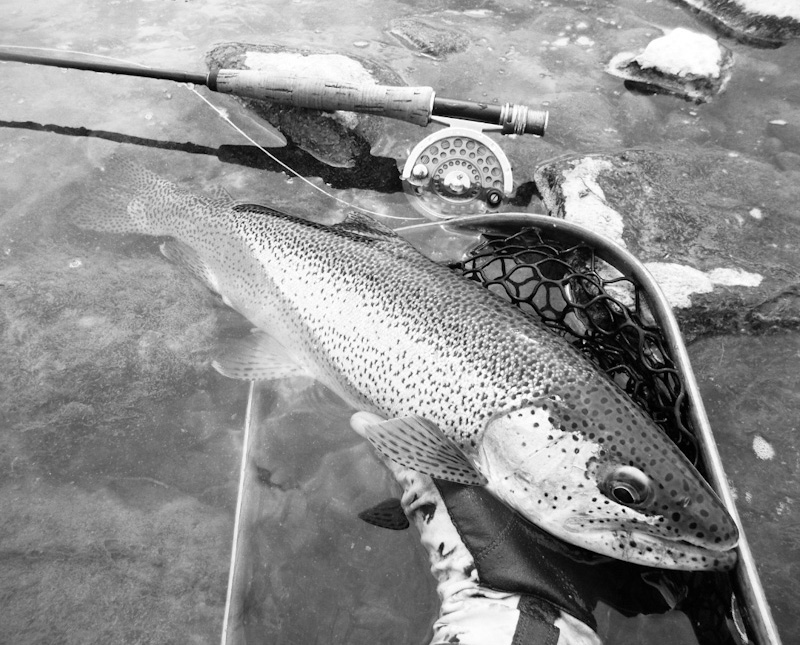
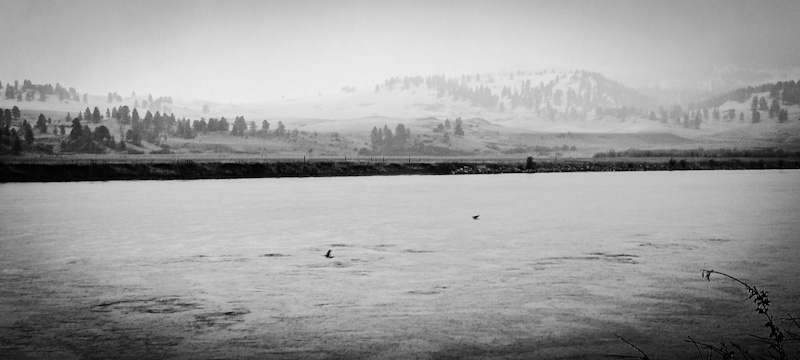
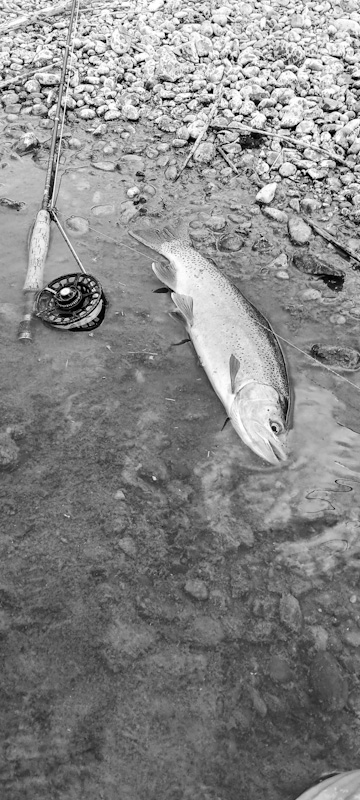
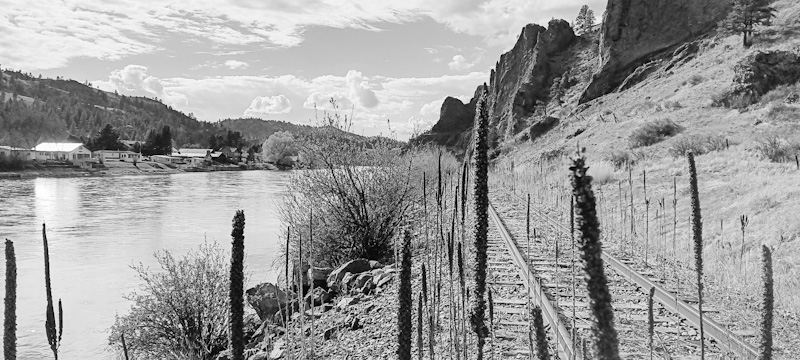
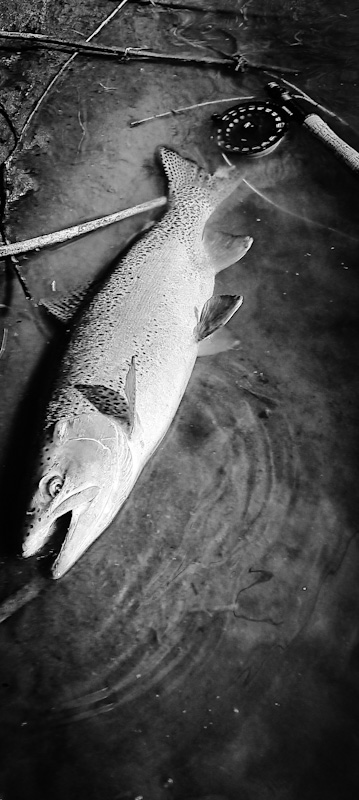
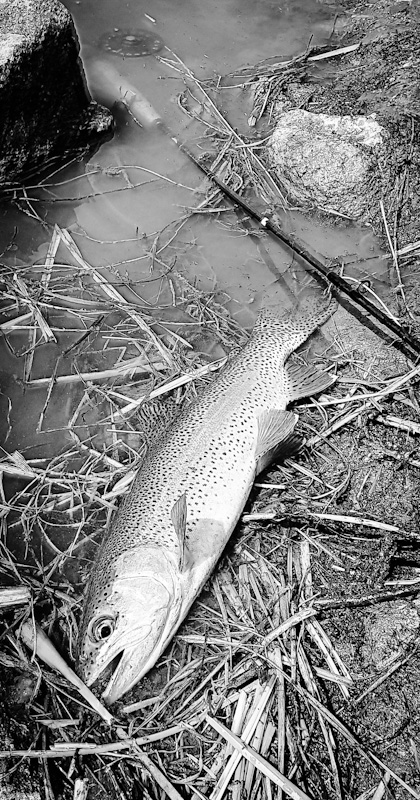
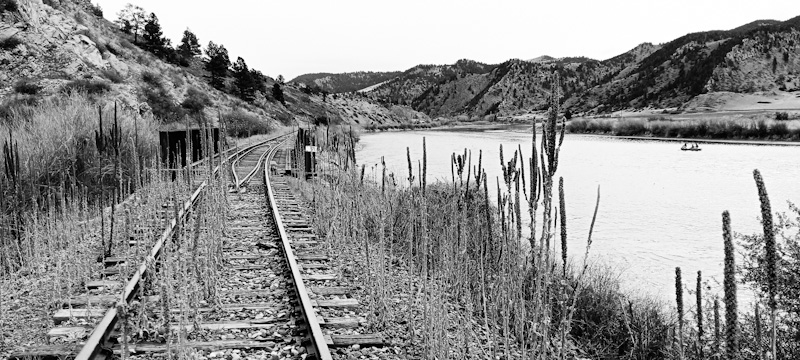
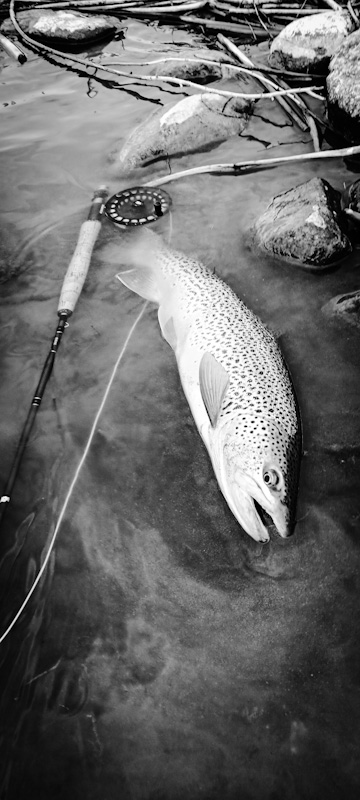
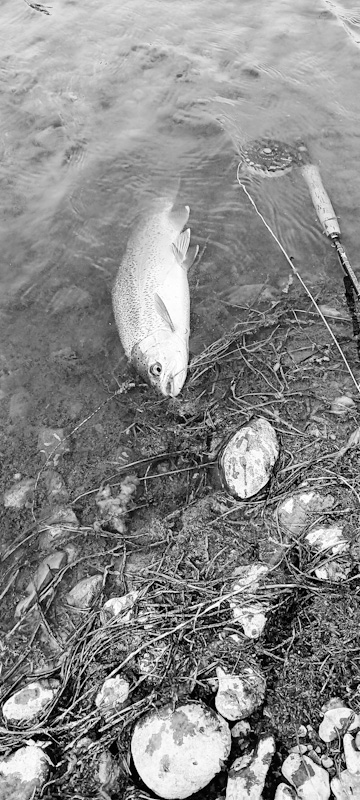
AS I DROVE DOWN INTO THE COULEE I could see grey smokey-like clouds hovering and shifting over the river. They were tiny Mayflies. Tricos to be exact. I had witnessed this hatch before, here and elsewhere, and knew it was going to be a morning of possibility. It was 7:30 am when I arrived riverside. No one was around. It was August. A couple of big rainbows were up gorging themselves in the cool morning water on the dense hatch and spinner fall. Catching one was all timing. First I had to gain control of my excitement and shaking hands. Then I had and get the fly right in front of a large mouth when it opened and gulped, then pray the tiny hook would catch and hold. Here’s a rainbow caught that day on a size 20 Trico dry fly.
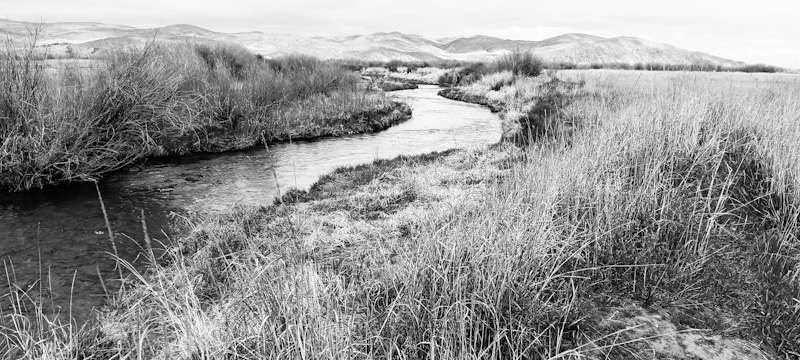
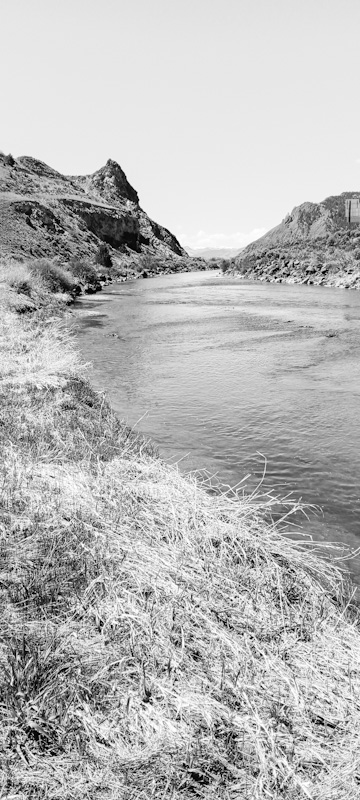
That was about a decade ago. I had fished the Coulee river intensely for 5 or 6 seasons in a row and considered it the best large wild trout, walk/ wade river I had ever been on in North America. Some rivers had better hatches. Some more rising fish. Some had way more trout per mile. This was the best sight-fishing river. It rivaled some of the rivers I’d experienced on a few trips to New Zealand. On most days the river required a lot of walking and searching to find a few special fish, especially when there were few insects around. I always felt I had to fish well in order to make a connection in the wide open terrain. There were few places to hide from the wary trout.
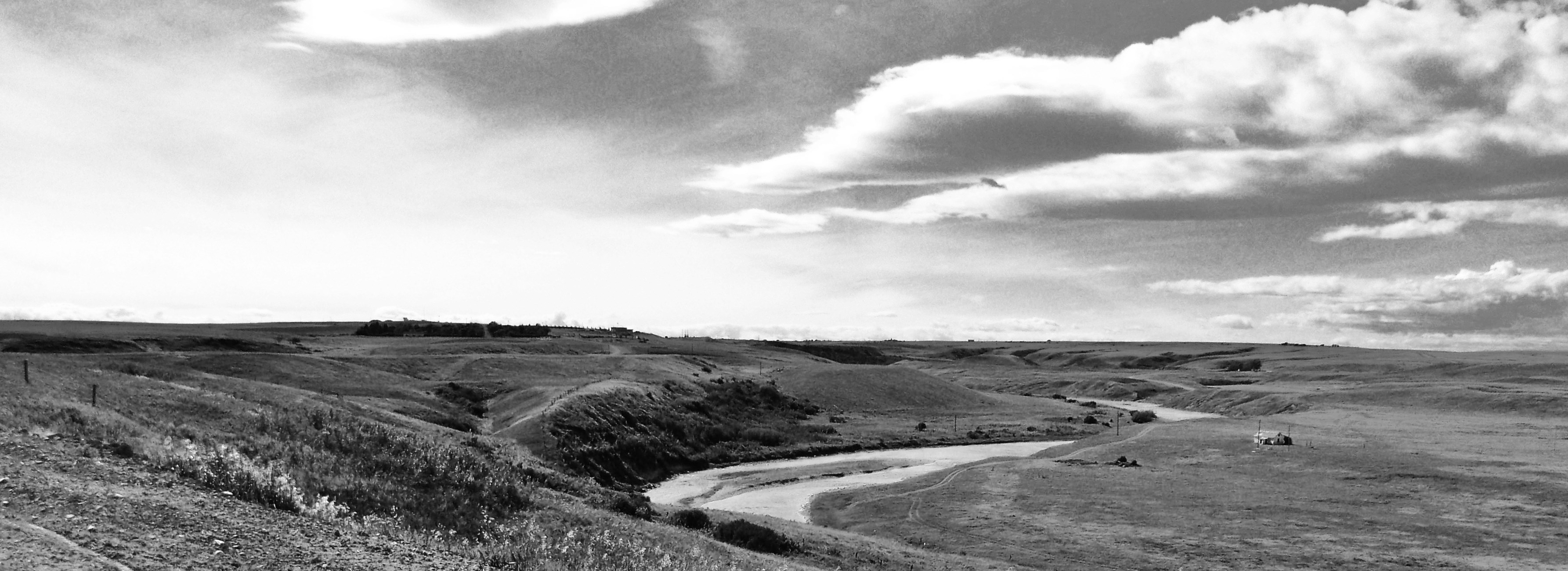
On most days I’d walk the cattle and deer trails along the ridges and hills of the coulee and search for rainbows in the clear water below. Their dark backs would contrast well with much of the river bottom and they were often easy to spot. In areas where they were more camouflaged I’d look for movement. That would give them away. It was one river that I preferred to fish in full sun.
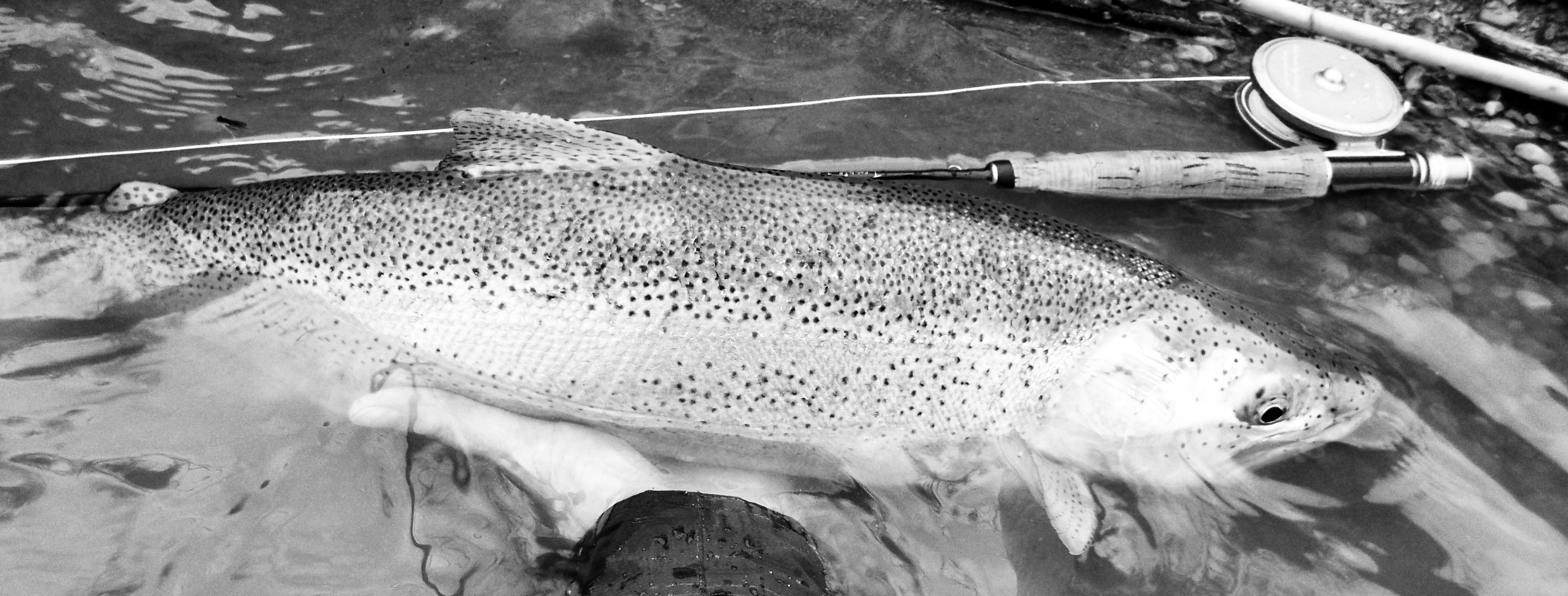
When I approached one of the many river’s pools I’d watch for trout prowling the shallow edges where they often looked for hatch leftovers and terrestrials like ants, beetles, crickets and in late summer, grasshoppers blown in from the riverside grass. They were big confident fish that didn’t seem to mind the skinny water even though there were often Pelicans and Osprey around. Of course they were always on high alert and never too far from the safety of deeper water. Their cycling patterns were repetitive and often predictable. I’d watch their routes then drop down from my elevated perch on a slope or ridge and try to intercept them along their hunting path. If I stayed low and used the sun’s angle to my advantage I usually wouldn’t be seen. A black beetle on a long leader often enticed them. Most trout would accelerate towards my foam impression once spotted. When they didn’t notice it a small twitch sometimes pulled them over to inspect the slight disturbance which suggested a living thing. Some when approaching slowed down, paused and hovered millimeters from my fly before eating. Some nudged it with their nose. This would usually result in a rejection. I recall one pausing and eyeing my fly at close range then it turned away, circled, then returned to inspect it once again, and ate it. I remember saying to myself, “I’m watching them think”. The river offered some of the most visually engaging angling that I had ever experienced.

Unfortunately the river no longer fishes as well. In recent years I have returned every summer a few times to check it out and hope it is again, what it once was. Hope that it has recovered. But it has not. Repetitive years of drought, low snow pack and significant agricultural water extraction/ diversion have hurt it. The flow, controlled by a dam, remains minimal just about all season long. Basically the river has been choked-off. As a result the water is often warm and is rarely clear. There’s a thick sludge along many of its banks. There are still some fish around but not like there once was. Places I always use to spot trout are often barren. Anglers who nymph the well oxygenated flows at the head of the river’s shrinking pools still catch some quality fish but I’m not into that.
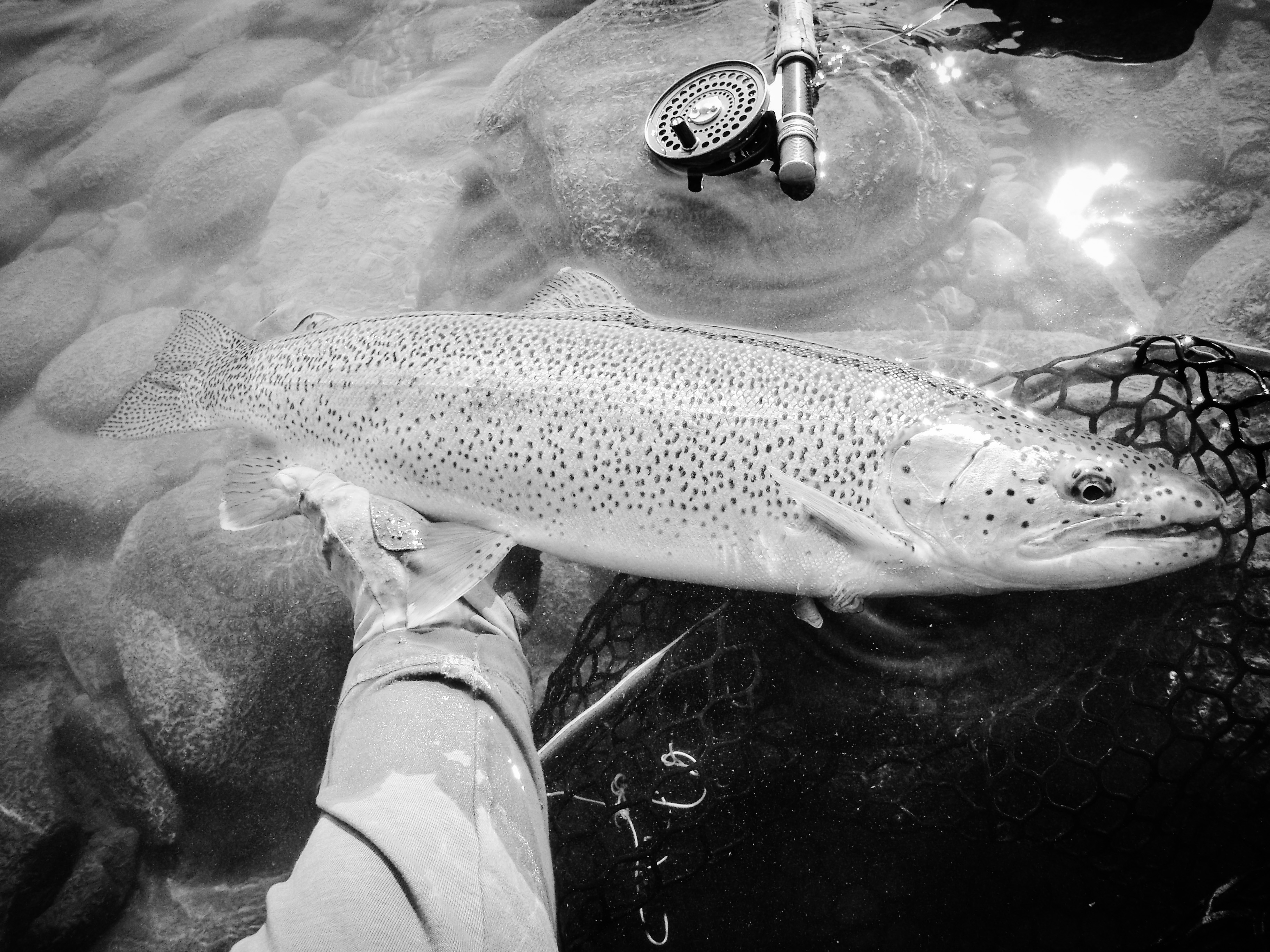
I’m lucky to have witnessed it when it was a remarkable sight-fishery. There was always a chance of a great trout down in the coulee…reel backing required.












 trout on dries