
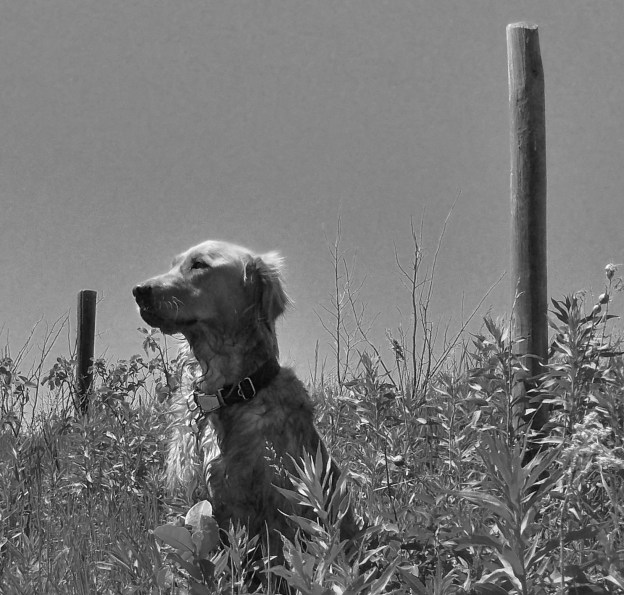
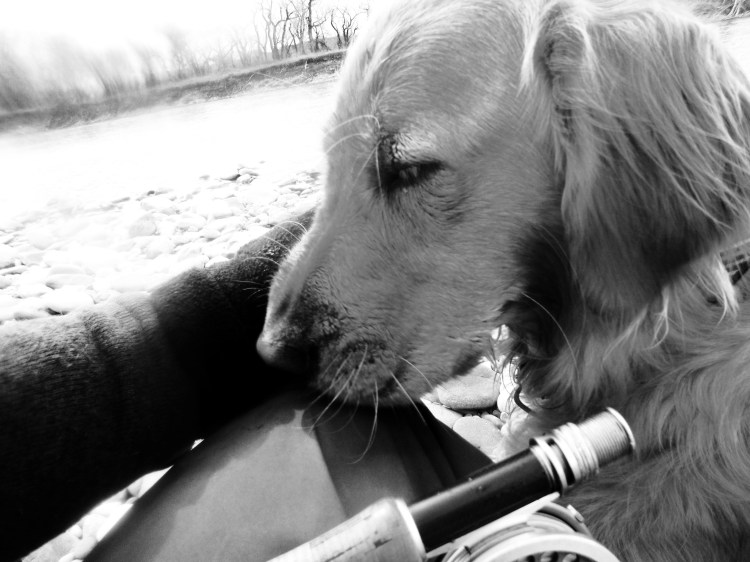
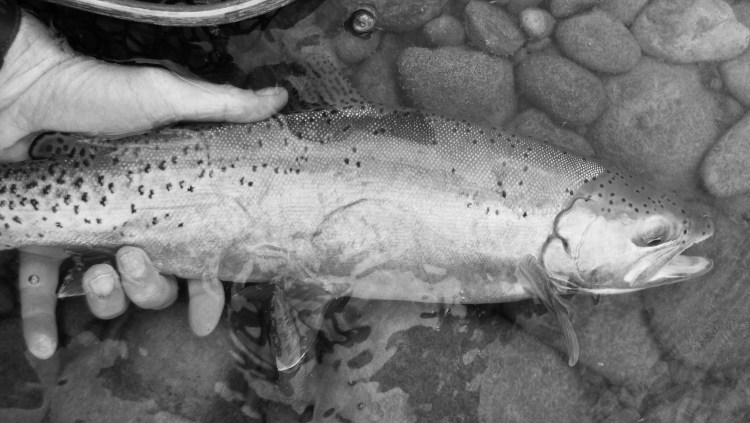
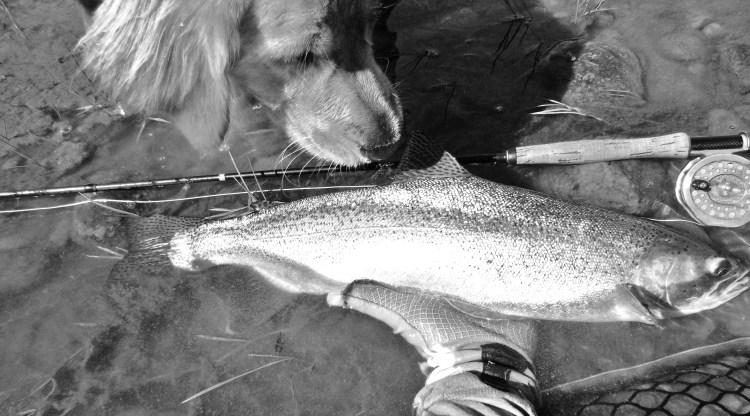
Midges are small; tiny; minuscule; wee; teensy; petite; itty-bitty things. Here are trout taken on midge dries this past weekend while fishing with my dog Abby.
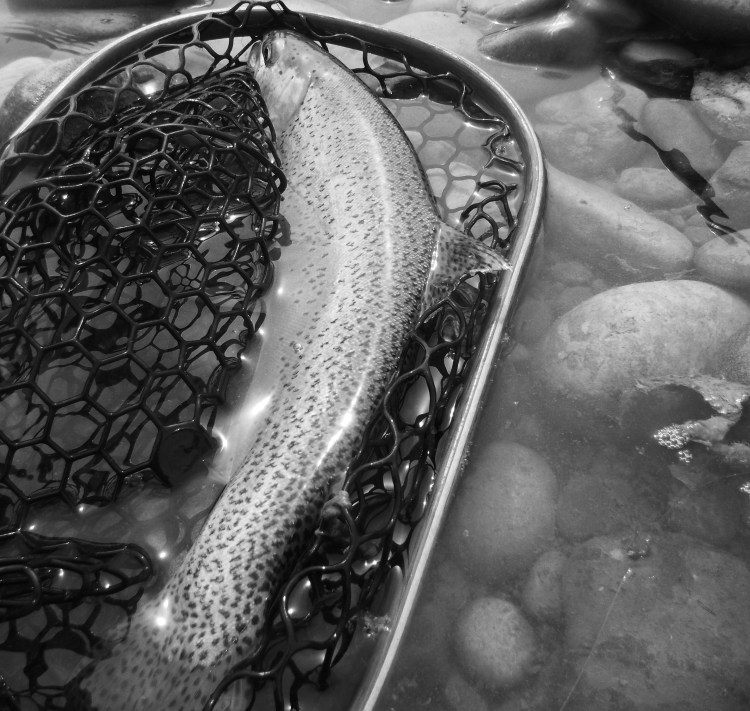

1000’s of midge shucks, dark area
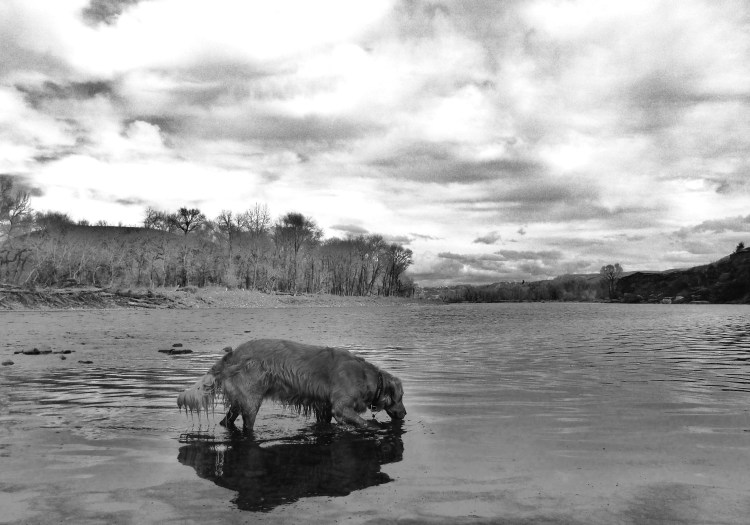

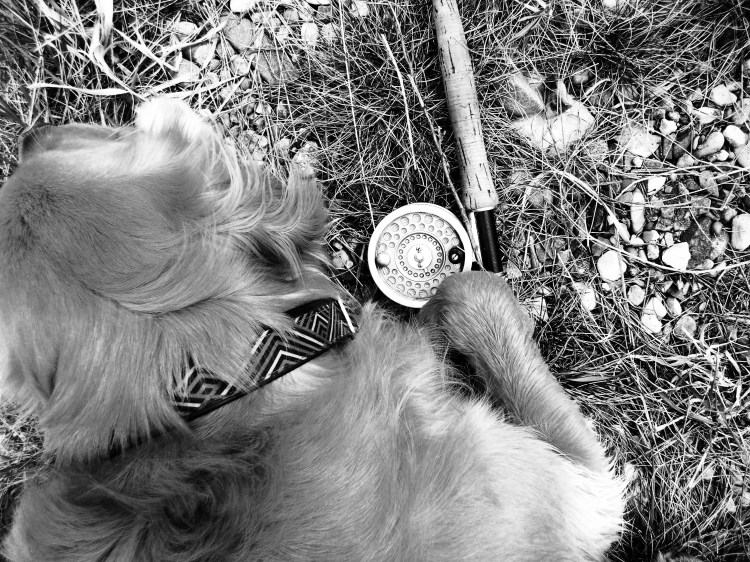
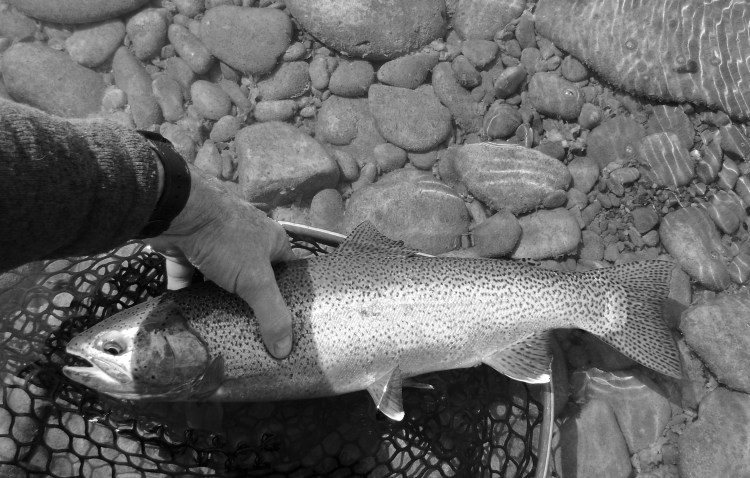
With only a light breeze on Sunday I checked out my local tail-water river. Spring in SW Alberta has been slow in coming. Nothing new. I’ve been itching to get out as there is a ton of snow in the mountains and when the temperature finally heats-up and it begins to rain, a serious run-off will occur and it could last awhile….possibly a couple of months. So, the opportunity is now to sight fish (and hopefully the next couple of weekends) as the water is low and fairly clear.

abby
There were some bugs on the river: midges were the most numerous type; then some Skwala stoneflies; and just a few BWO mayflies. I saw very few rising fish. It was a slow day. However, I managed what looked like a Cuttbow (hybrid) on a dry…a nice one, and missed a good brown trout at the end of day.


Next weekend should be a bit better as hatches intensify. The BWO’s will get the fish looking up and rising.
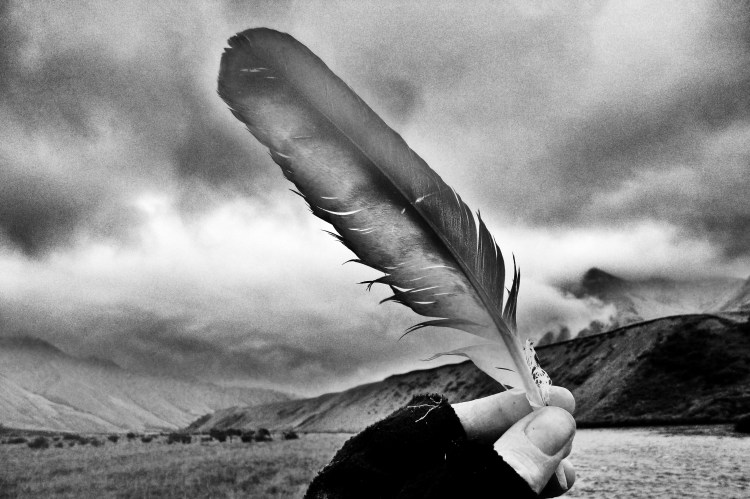
WHILE IN NEW ZEALAND ALL OF MY DAYS were consumed with slowly and deliberately walking the stable banks of rivers in search of brown trout. My preference was always to cover these sections while walking upstream (sneaking up behind the fish)…for obvious reasons. Sometimes, however, due to the position of the sun (lighting and glare), I searched while walking downstream. This meant covering the water even slower, being more cautious and also trying to spot trout from a greater distance as I was much more visible/exposed. I located many trout this way. Once one was spotted I’d try to mark the location mentally, then leave the river’s edge/bank and circle around behind the trout so as not to disturb it. Then I’d cast upstream to it. Often this ended up being a blind cast or one with a bit of guess-work involved due to river glare. It all depended on the time of day; the height of the sun. And most trout spotted weren’t rising and therefore not showing off their exact location which made things even more challenging.
Sometimes instead of fighting glare I decided to gingerly walk back upstream and when the river depth allowed, I’d cross it and approach the bank fish from an upstream position, often wading mid-river. From this vantage the fish would still be very visible due to the light. Then I’d cast “Down and Across” to it. This meant staying some distance on the approach, using a long leader, and keeping myself and fly line low. If the fish committed to my impression then I ‘d sweep the rod parallel to the water either to my left or right, in order to set the hook, depending on my orientation to it, with the objective that the hook, often a fairly small one, would catch the corner of the trout’s mouth. Although I didn’t keep stats, my hook-up rate/ percentage seemed significantly better this way than at any other angle/approach. More importantly, with good light I was always able to watch the trout’s behavior and reaction (feedback) to my fly. I wasn’t blind due to glare. I wasn’t casting my leader over a fish I couldn’t see, or see very well, or risk having it (leader) land heavily, especially when trying to punch the fly into difficult wind or making an extra long cast. The method (down and across) meant the trout saw the “fly first” (no leader) as it tracked right to its nose. It’s a well-known technique often used on rivers that receive a lot of angling pressure. It works at home and it worked in NZ.
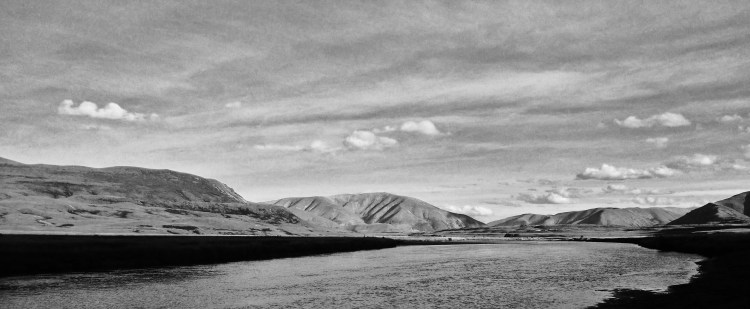
If the light provided good visibility to approach a fish from behind, then I’d always selected that option. It was my first choice as there was less of a chance of being spotted and therefore frightening a fish. If there was a lot of glare and/or wind in my face, I’d get above the trout and go with a “Down and Across” presentation. I caught some beauties this way on several challenging, heavily fished South Island rivers.
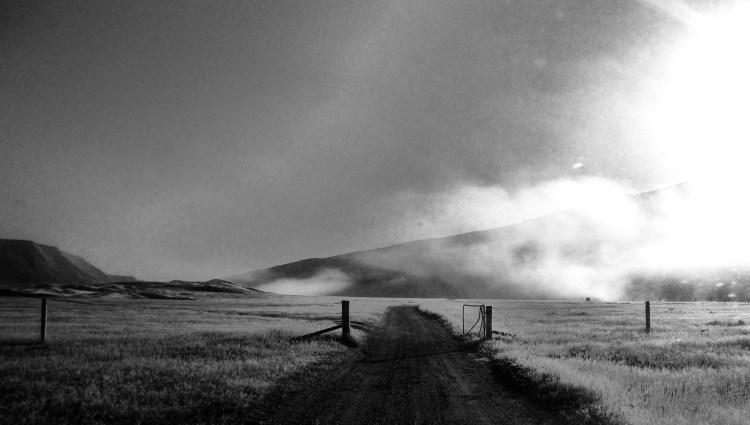
Every day on a river is like a blank canvas. Although there are some basic angling tenets to live by, in the end you get to choose how you apply the paint. Down and across can be a great brush stroke.

paintbrush(foreground), canvas(background)
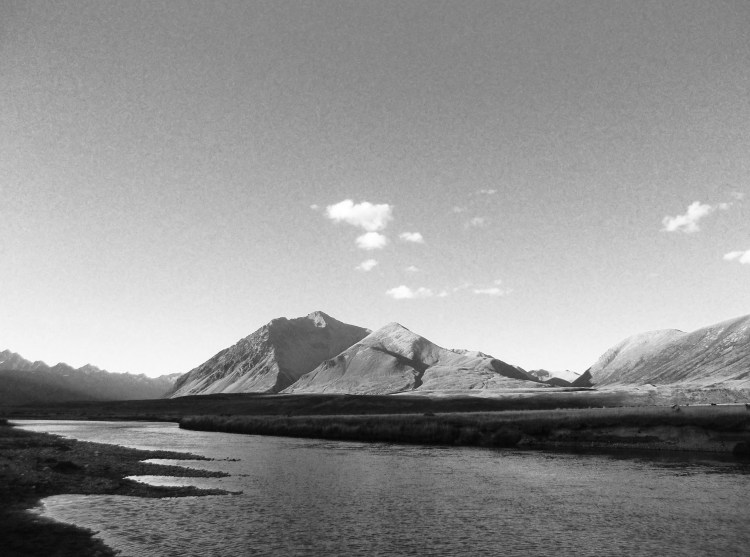
morning: waiting for sunlight to illuminate the river
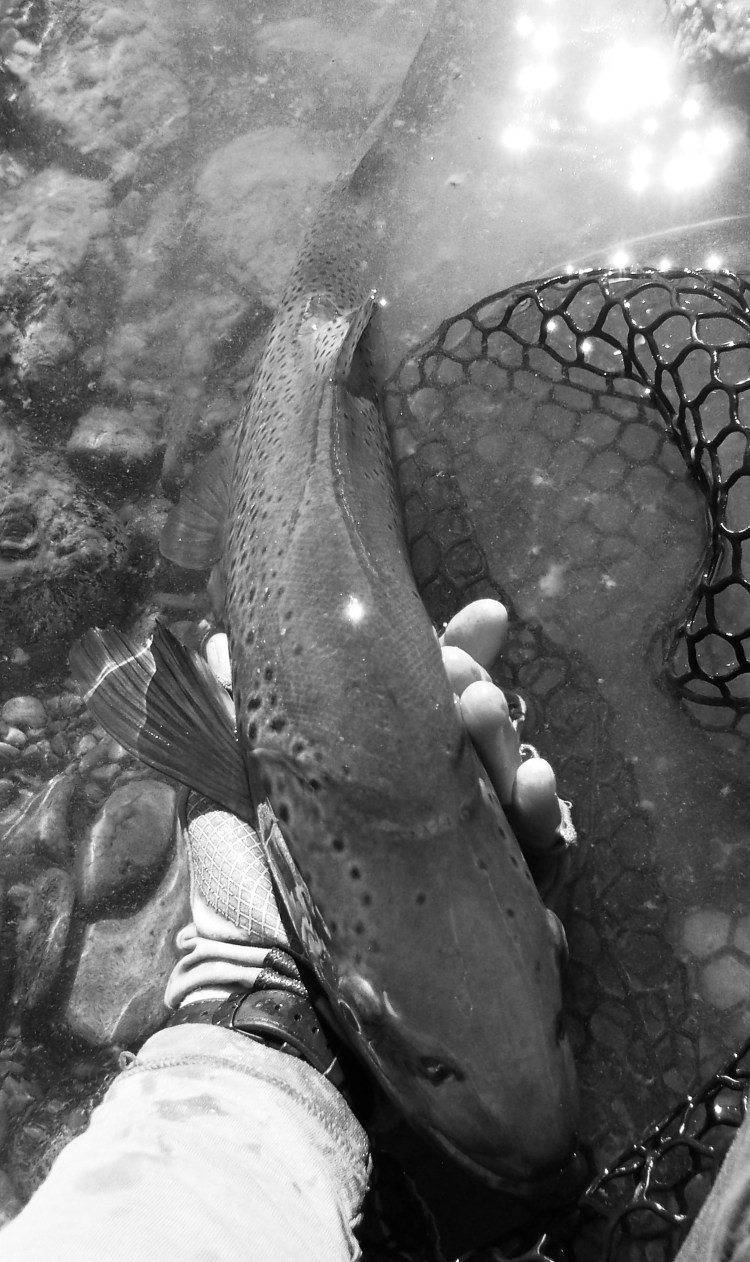
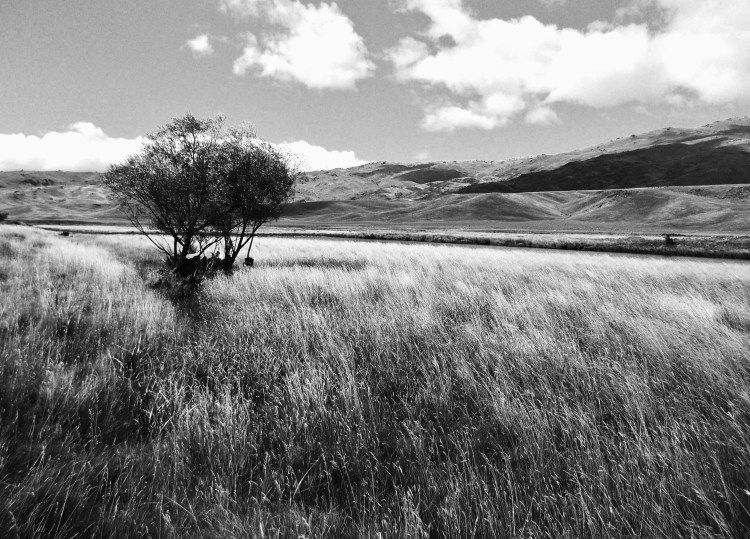

coaxing a brown trout, photo by roman
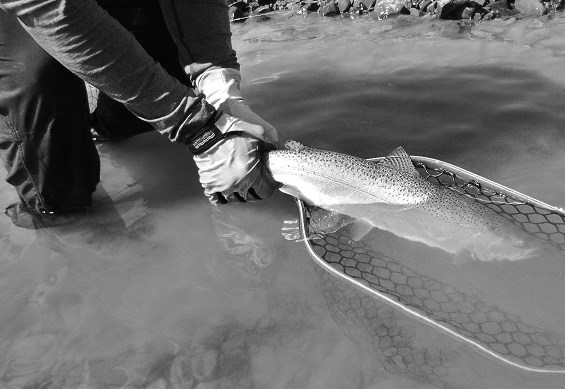
roman with rainbow
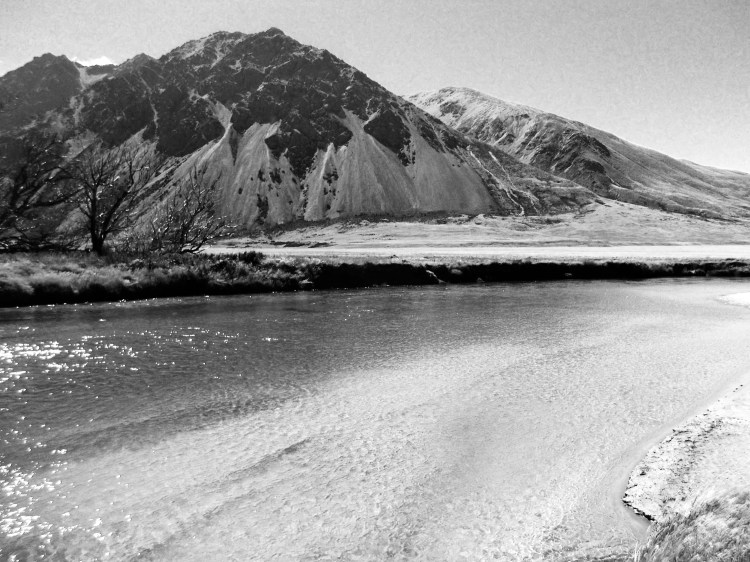
good light for trout spotting
I’ve been fly fishing the SW corner of Alberta for sixteen years. Although the region has many fine rivers and streams, in the last several seasons I’ve been focusing on just a few rivers that are some distance from the mountains out on the prairies. Fish numbers aren’t real high in these flows but they hold some remarkable, challenging trout. With scarcity comes value.
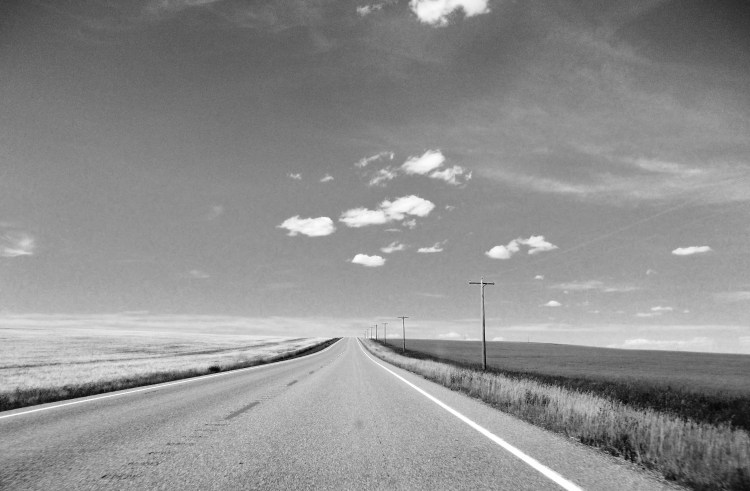
prairie road
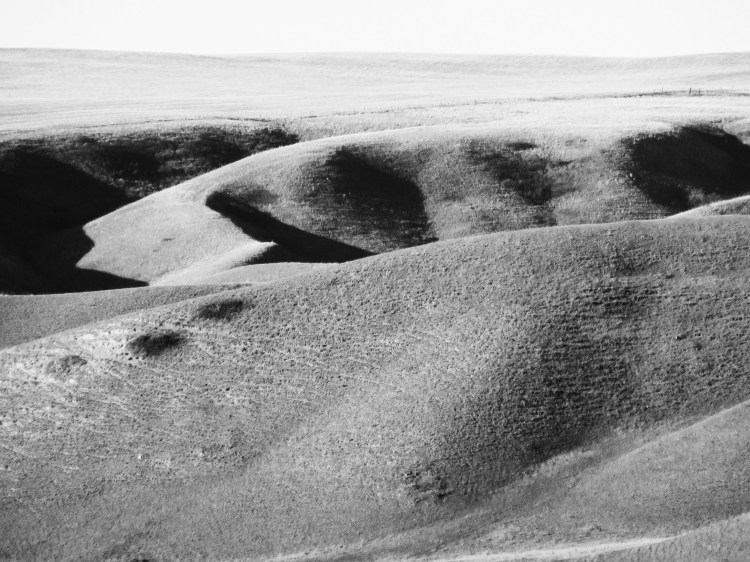
The rivers run through rolling grassland terrain, often down in valleys and canyons. It’s Coulee country and for most of the summer sun drenched, windy in the afternoons, and very arid. From a nearby prairie road, which runs straight like an arrow seemingly to the horizon, you wouldn’t think that there is a river anywhere. If someone told you there was, you certainly wouldn’t think it contained some well conditioned trout.
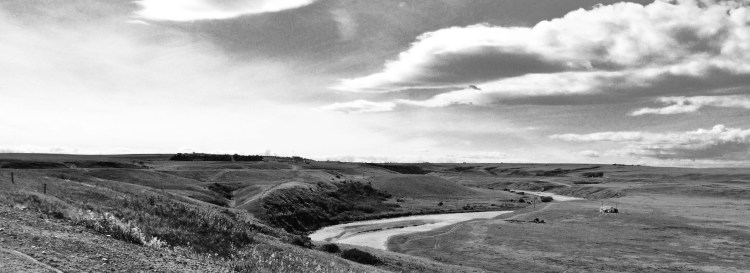
The region has few trees. The ones that do make a stand tend to be stunted by the harsh, dry conditions. The openness of the terrain makes the fly fishing extra challenging as there is nowhere for an angler to hide. The blinding summer sun can be your friend or foe. It all depends on how you use it. It helps you spot fish but also makes you very visible. You’ve got to be strategic about where you stand; where you position yourself.
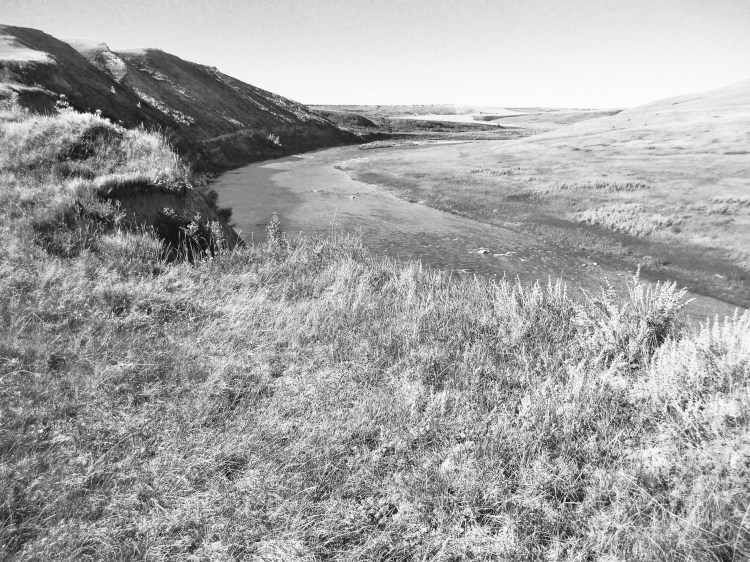
The coulee shadows, only available early and late in the day, can help you stay stealthy. You can hide in them. The rest of the time you need to use the sun to your advantage. I’m always checking my shadow in relation to the water and when possible try to position myself between the sun and a fish that I’ve located. Sight-fishing is all about the interaction between light and water.
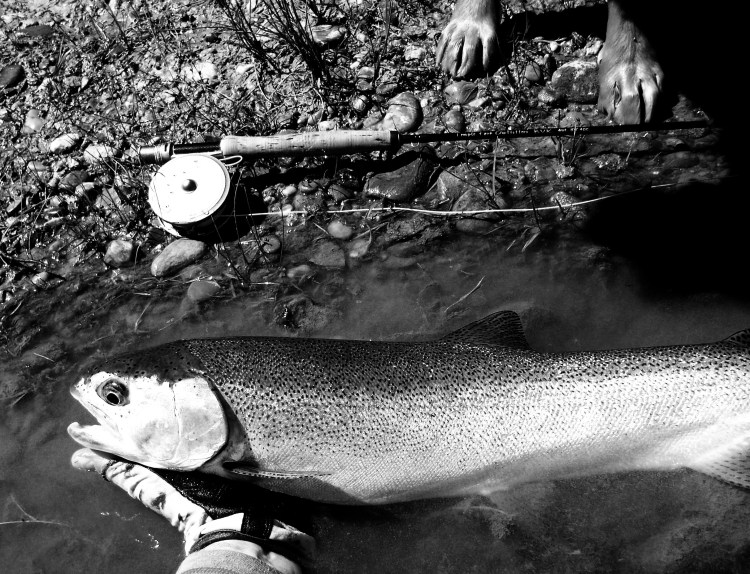
When the sun is at its zenith it’s best if possible to approach a trout from behind or from well upstream to avoid being noticed. If you want to get in tight to a fish you often have to crouch or crawl. My stream-side mantra is “stay low and go slow”. Any movement is easily detected in the great wide open and trout will quickly bolt to the safety of darker water. Spook a trout and you’ve missed a chance, and on some days you don’t get too many. The catch percentages in the coulees often aren’t real high. In fact on many days they are quite low. Remember with scarcity comes value…
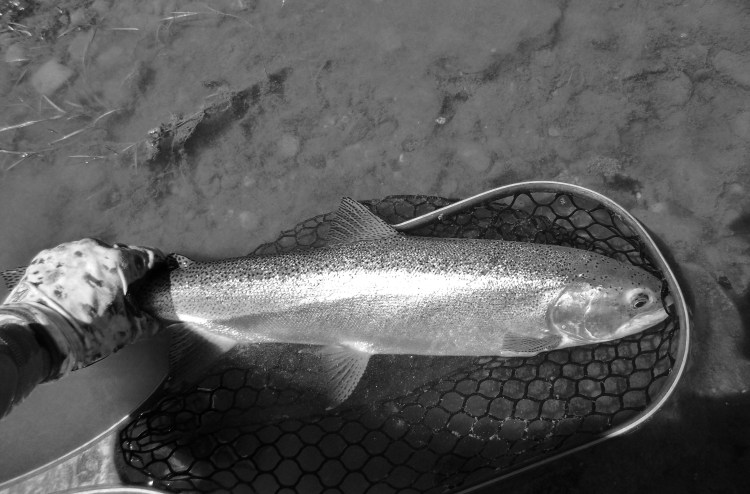
Clouds may roll in and turn the river surface a silvery grey and therefore impenetrable to the human eye. This makes spotting trout almost impossible. The wind can turn gale force and challenge any weakness in your casting mechanics. A fly embedded in your cheek or ear lets you know who’s in charge. The swoop or shadow of an osprey or hawk over the water will make a trout you have been carefully watching flee. On some days you’ll feel you are being plotted against. You know it’s irrational to think this way… but you will. The old, ancient part of the brain will challenge and override the newer well-developed rational part. You’ll try to talk yourself out of this kind of superstitious, magical thinking but when everything seems to be going wrong and you can’t find or fool a single trout, you’ll succumb to it. You’ll feel jinxed.
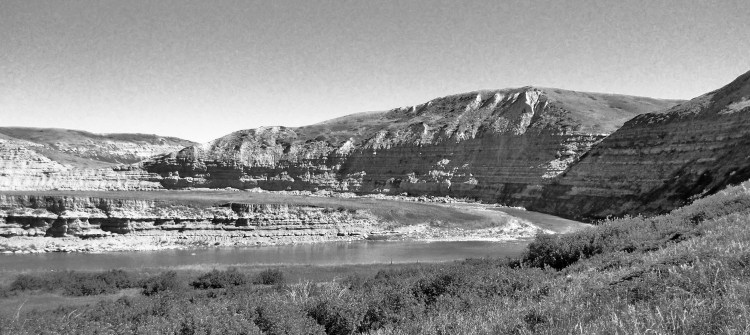
The rivers can have hatches and this can make things easier. When they don’t, or when they are stifled by the wind, you look for prowling/cycling fish. They often cruise the shallows searching where leftover flies and terrestrial bugs have collected. These fish are large, confident creatures but they still remain wary. They’re like coyotes who leave the hills at night in search of an easy meal in the back allies of a village. They have their territory and their daily routes. Watch their prowling patterns and where they choose to stall and feed, and it will pay dividends on an outing, or the next one. Spot a fish at one of these discovered locations on another day and you’ll feel a sense of mastery: that you are learning to read the river and the trout that inhabit it. It’s a feeling that is even better than catching.
In certain spots you can climb the coulees. Up high you can scan a lot of water and locate feeding trout. At elevation hawks often dive and buzz your head at incredible speed. Sometimes they come so close I think they are going to clip the top of my fly rod off with the efficiency of a ceiling fan.
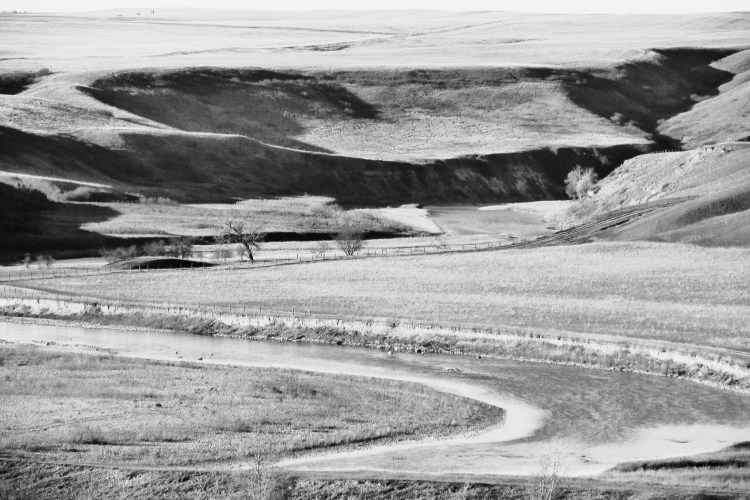
When you can’t use height to your benefit you stand stationary at a good pool, again using the sun to your advantage for maximum visibility, and watch for movement. Fishing with your eyes takes concentration and patience. You have to manage yourself well in order to be successful. Fish like you’d imagine Obama would fish, not his successor. You’ve got to resist the impulse/ temptation to flog the water by repetitive casting. The old fishing books call it ” hoarding your casts”. It’s hard to do as most of us learned to fish on rivers that required casting over and over in order to make a connection. When sight-fishing you’ve got to do the opposite.
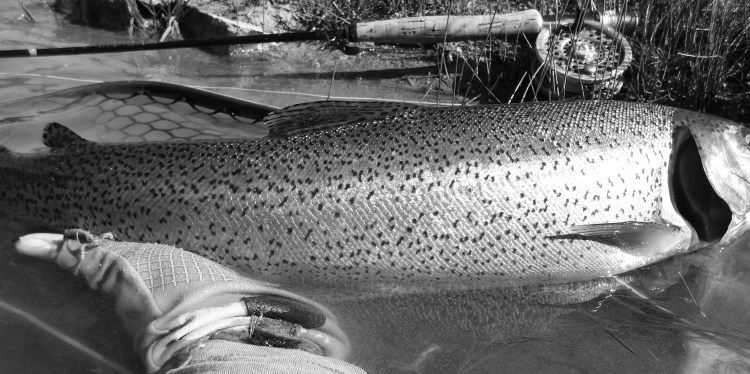
These rivers summon all of your angling skills. Finding trout on foot in this demanding environment and then tricking them with a dry fly is in my mind one of the ultimate fly fishing challenges.
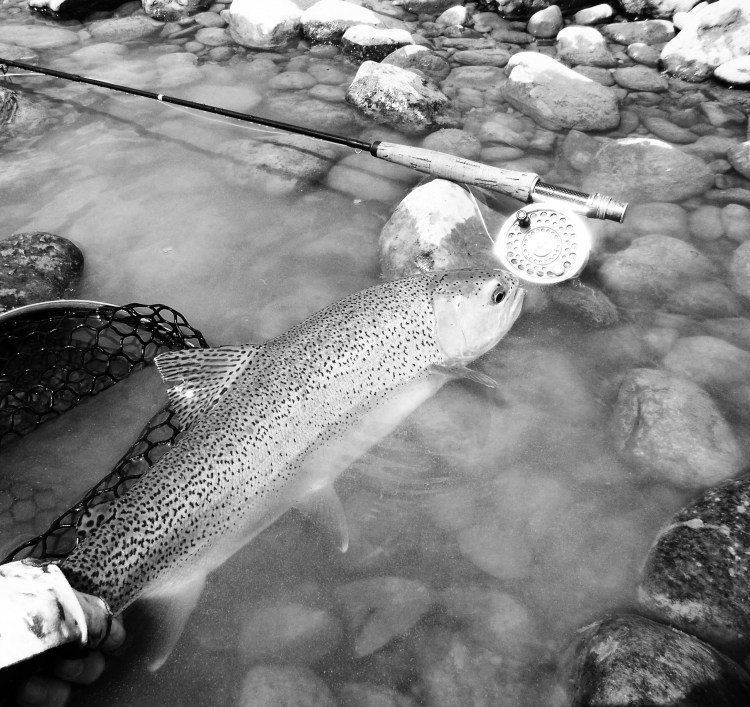
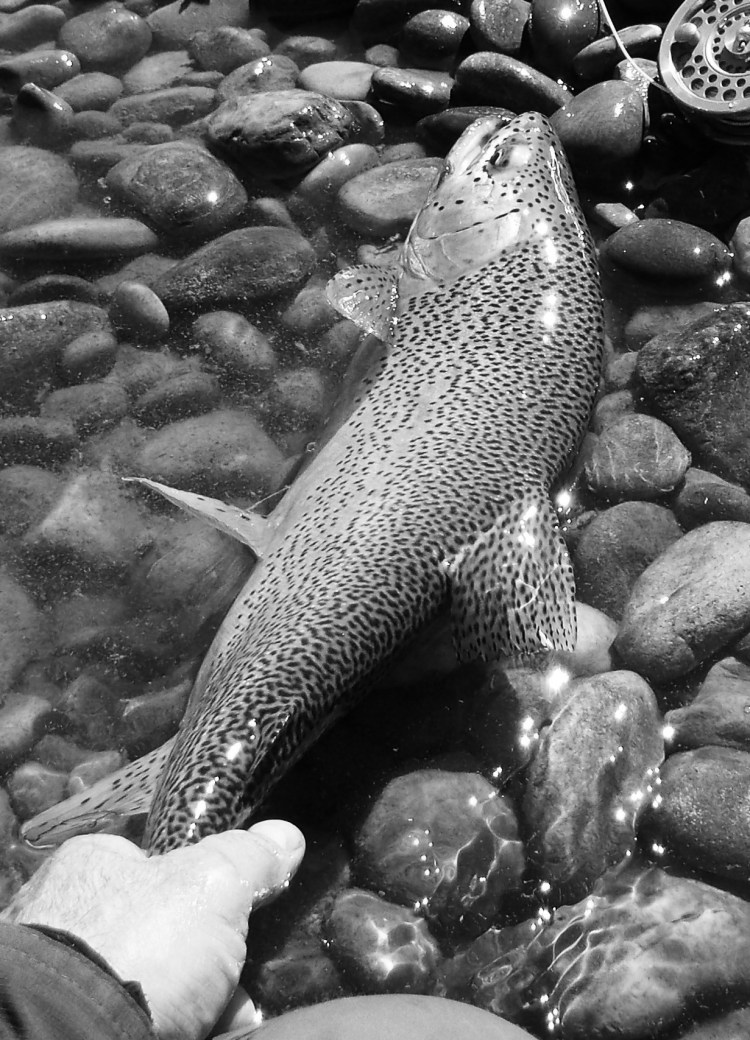
Above are some trout caught and released while sight-fishing with dries this past season.
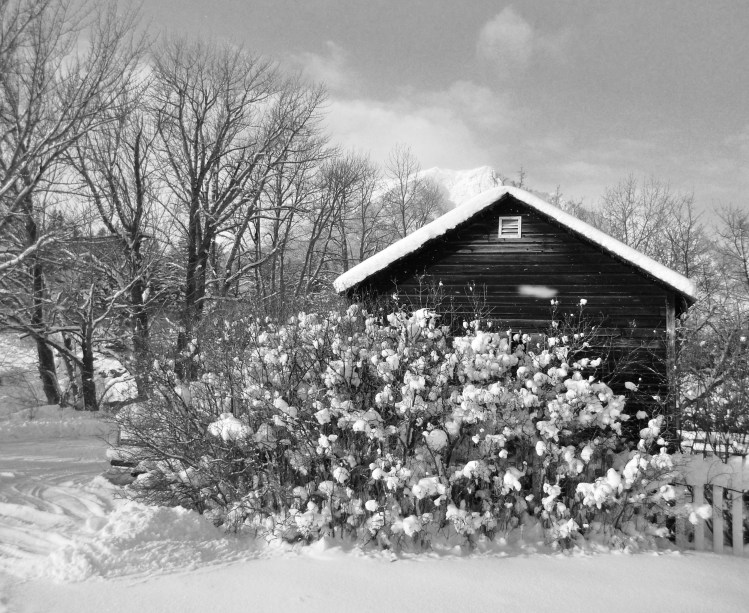
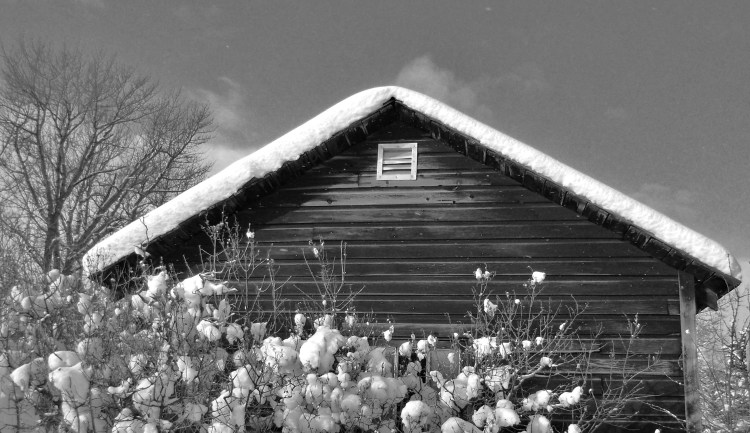

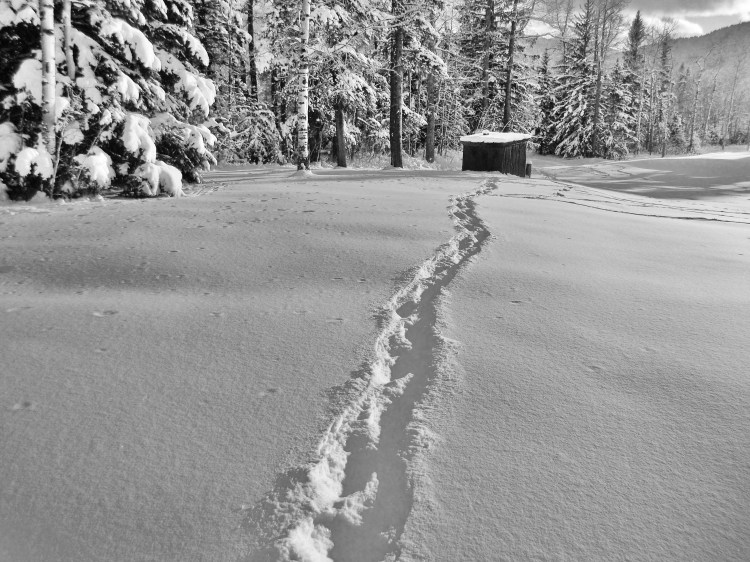
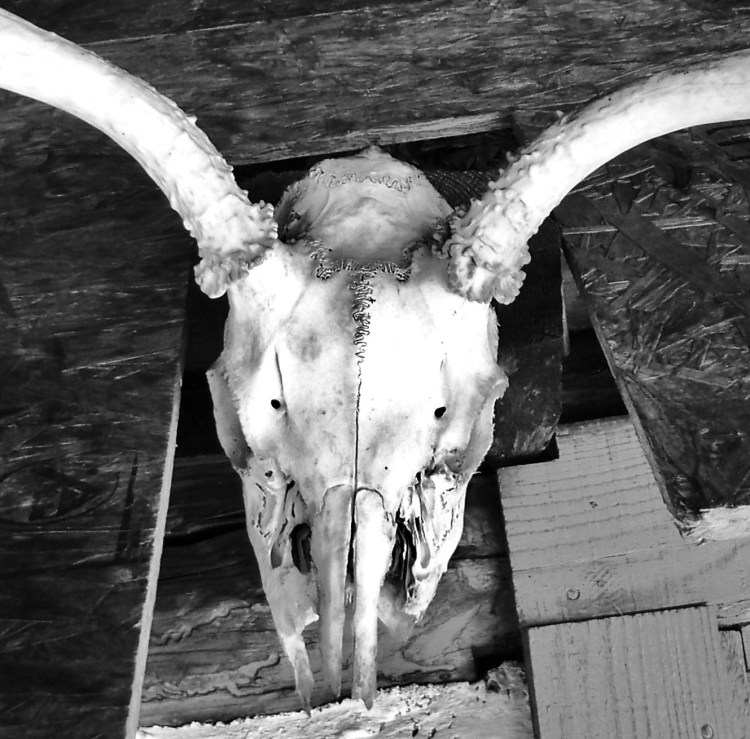
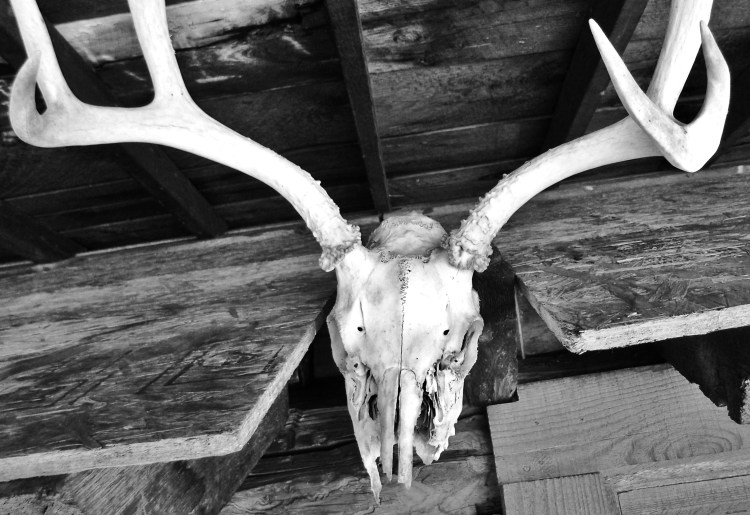
Georgia O’Keeffe might approve…

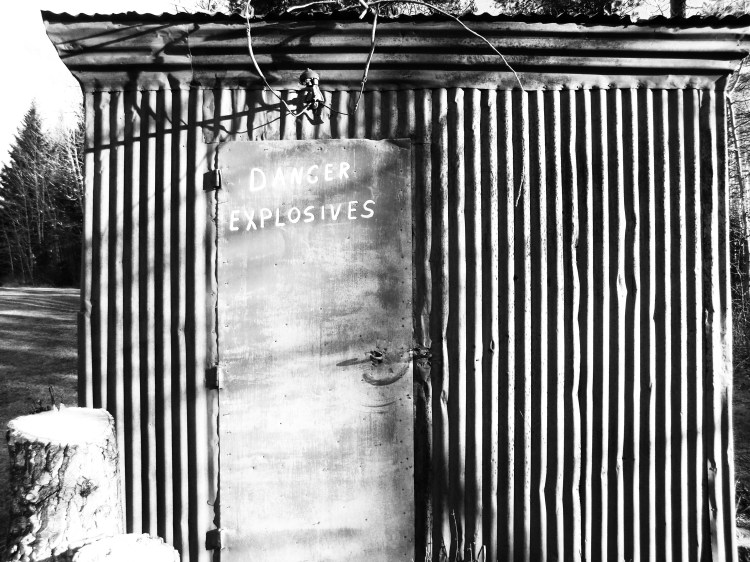
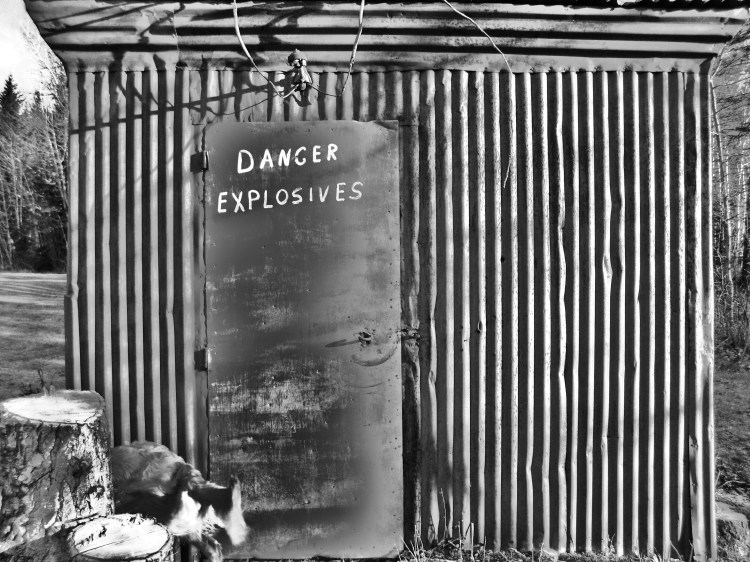
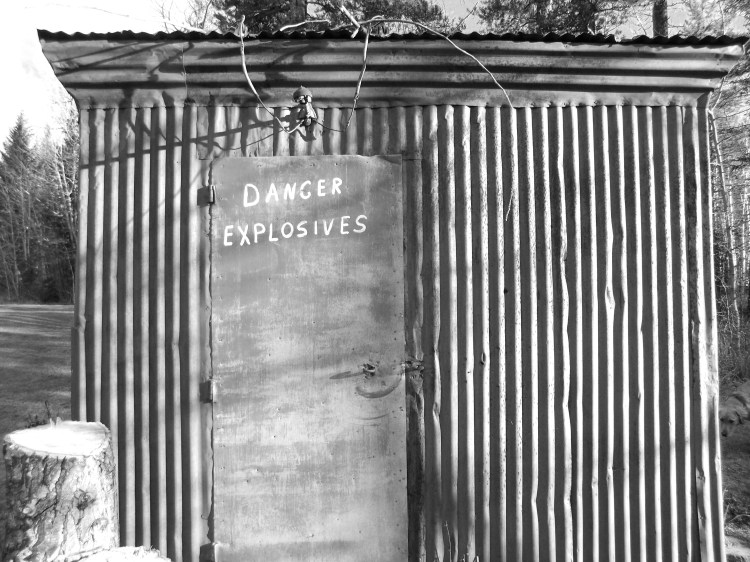
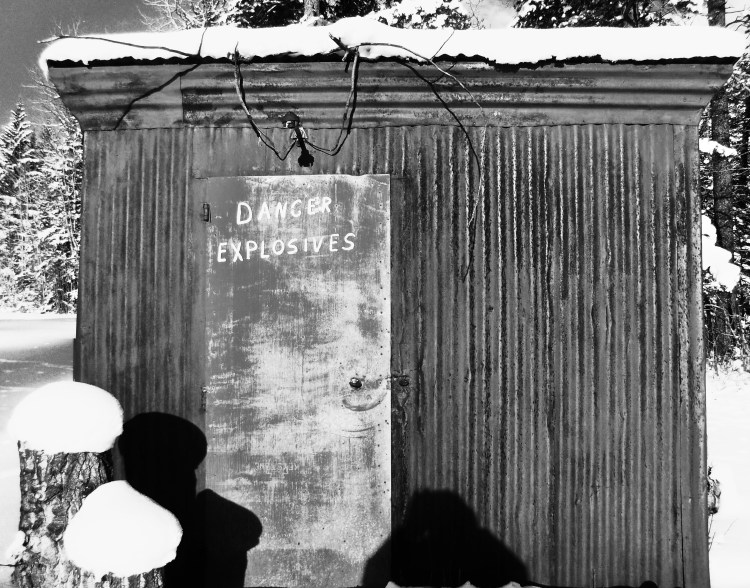
Corrugated steel mining shed; a remnant…
 trout on dries