WHILE IN NEW ZEALAND ALL OF MY DAYS were consumed with slowly and deliberately walking the stable banks of rivers in search of brown trout. My preference was always to cover these sections while walking upstream (sneaking up behind the fish)…for obvious reasons. Sometimes, however, due to the position of the sun (lighting and glare), I searched while walking downstream. This meant covering the water even slower, being more cautious and also trying to spot trout from a greater distance as I was much more visible/exposed. I located many trout this way. Once one was spotted I’d try to mark the location mentally, then leave the river’s edge/bank and circle around behind the trout so as not to disturb it. Then I’d cast upstream to it. Often this ended up being a blind cast or one with a bit of guess-work involved due to river glare. It all depended on the time of day; the height of the sun. And most trout spotted weren’t rising and therefore not showing off their exact location which made things even more challenging.
Sometimes instead of fighting glare I decided to gingerly walk back upstream and when the river depth allowed, I’d cross it and approach the bank fish from an upstream position, often wading mid-river. From this vantage the fish would still be very visible due to the light. Then I’d cast “Down and Across” to it. This meant staying some distance on the approach, using a long leader, and keeping myself and fly line low. If the fish committed to my impression then I ‘d sweep the rod parallel to the water either to my left or right, in order to set the hook, depending on my orientation to it, with the objective that the hook, often a fairly small one, would catch the corner of the trout’s mouth. Although I didn’t keep stats, my hook-up rate/ percentage seemed significantly better this way than at any other angle/approach. More importantly, with good light I was always able to watch the trout’s behavior and reaction (feedback) to my fly. I wasn’t blind due to glare. I wasn’t casting my leader over a fish I couldn’t see, or see very well, or risk having it (leader) land heavily, especially when trying to punch the fly into difficult wind or making an extra long cast. The method (down and across) meant the trout saw the “fly first” (no leader) as it tracked right to its nose. It’s a well-known technique often used on rivers that receive a lot of angling pressure. It works at home and it worked in NZ.
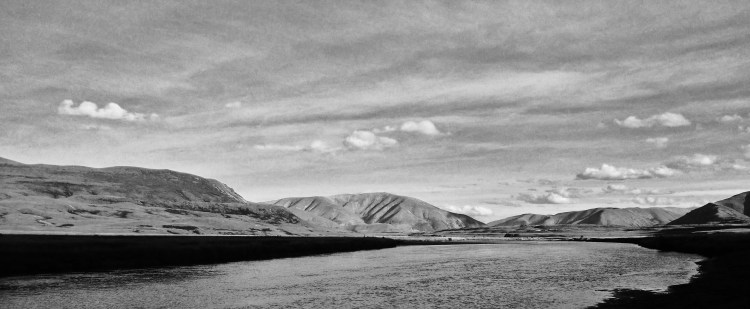
If the light provided good visibility to approach a fish from behind, then I’d always selected that option. It was my first choice as there was less of a chance of being spotted and therefore frightening a fish. If there was a lot of glare and/or wind in my face, I’d get above the trout and go with a “Down and Across” presentation. I caught some beauties this way on several challenging, heavily fished South Island rivers.
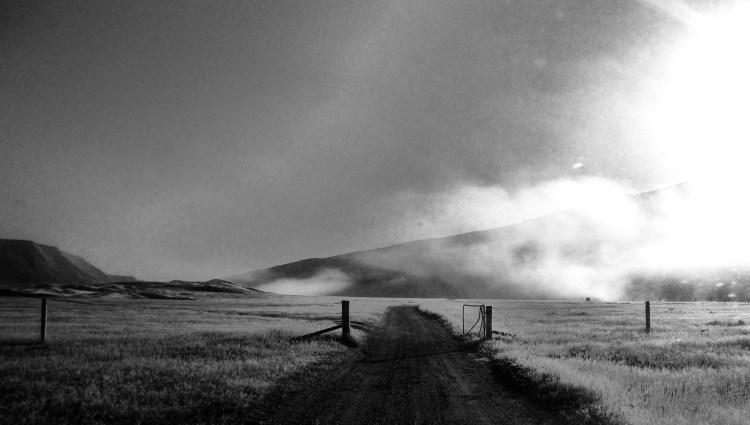
Every day on a river is like a blank canvas. Although there are some basic angling tenets to live by, in the end you get to choose how you apply the paint. Down and across can be a great brush stroke.

paintbrush(foreground), canvas(background)
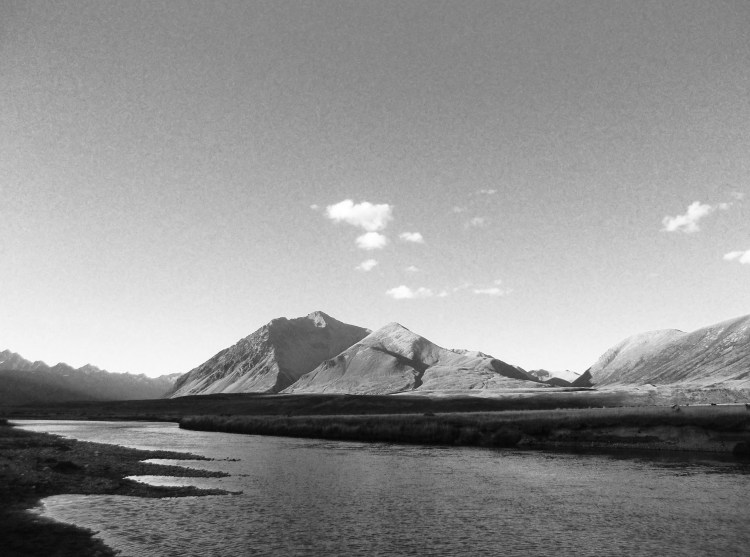
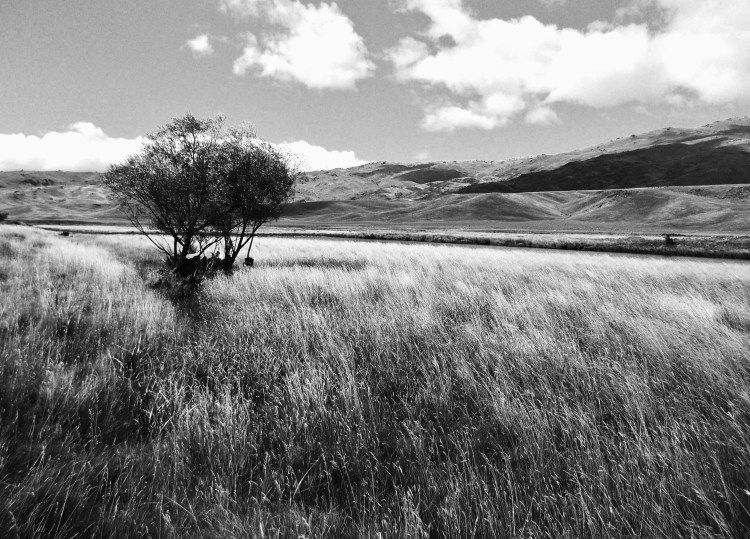
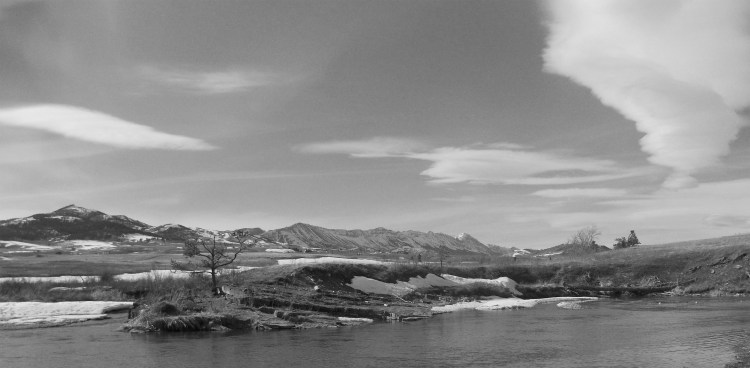
morning: waiting for sunlight to illuminate the river
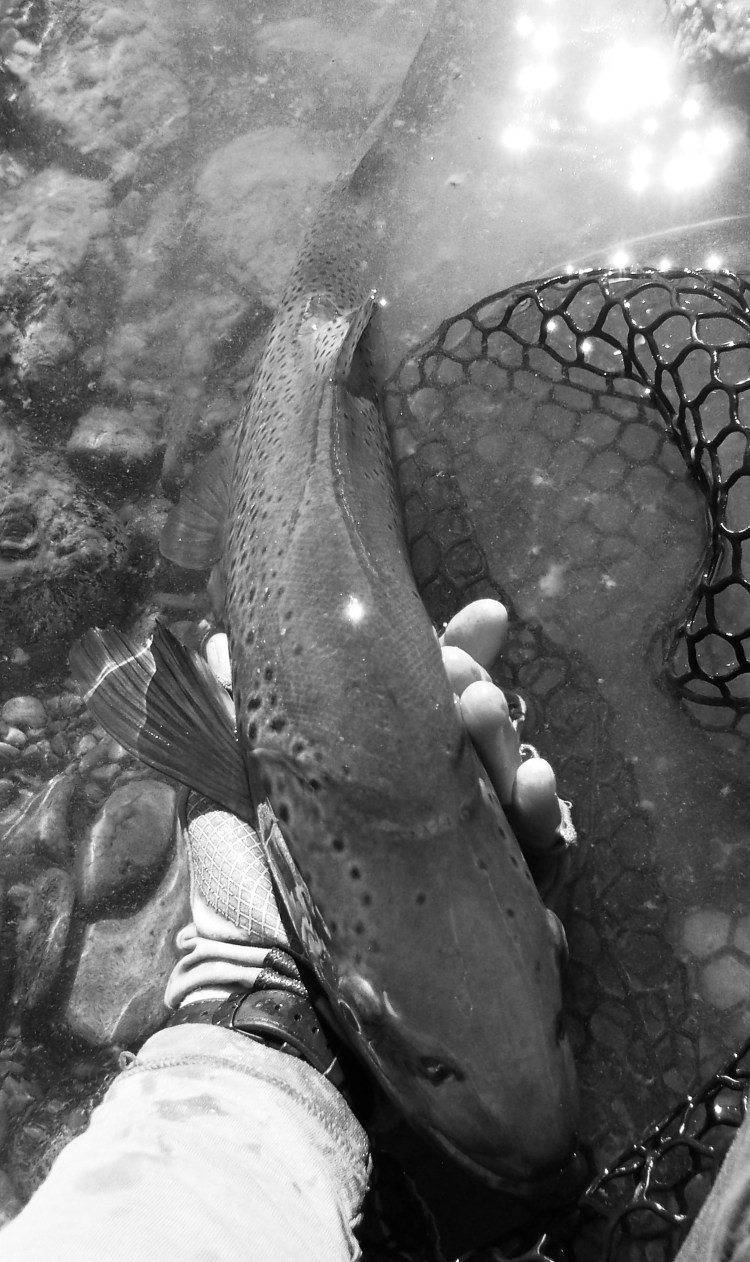

coaxing a brown trout, photo by roman
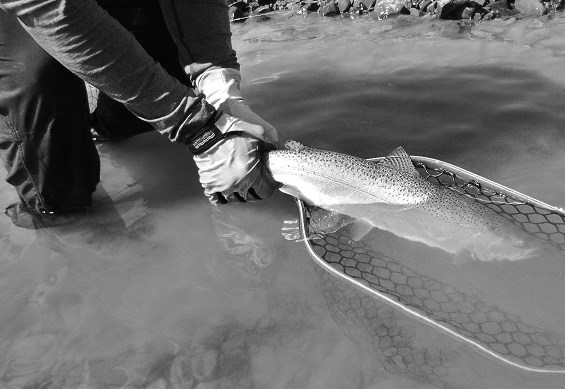
roman with rainbow
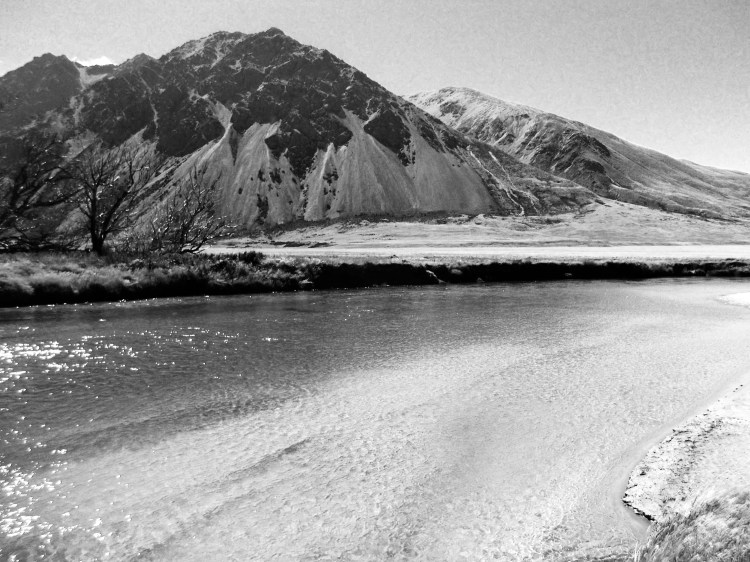
good light for trout spotting








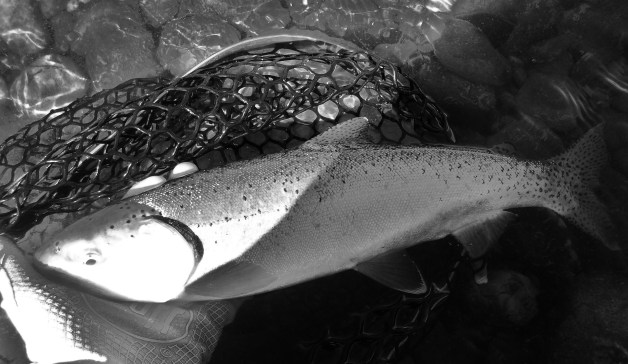




 trout on dries