untamed

MID -AUGUST. MORNINGS are noticeably cooler and shadows are longer around suppertime. The Corn truck is parked along the highway. Bears are foraging for berries in the river valleys. All are signs that we are transitioning into late summer. It’s a reminder to “catch it while you can.”

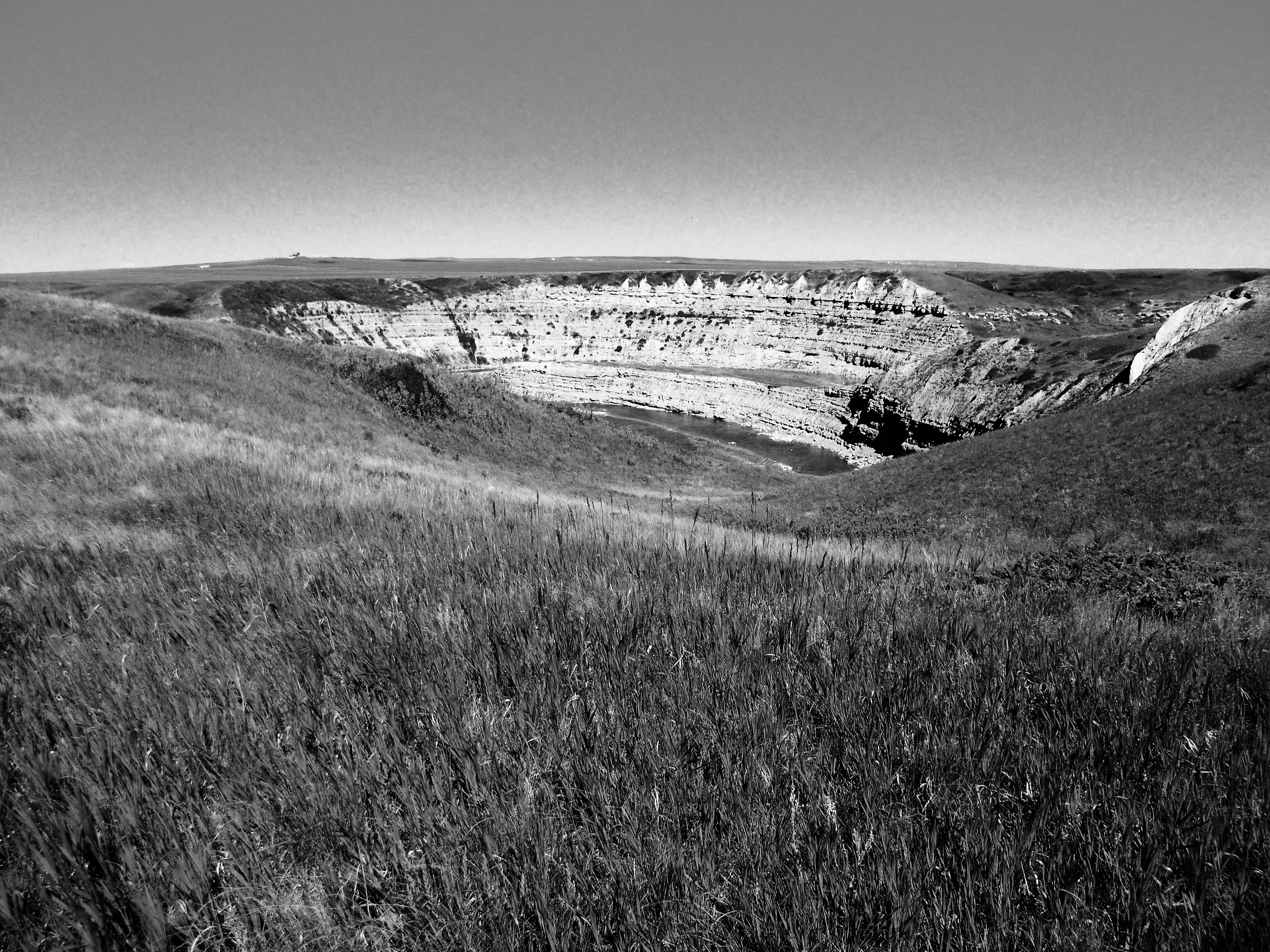
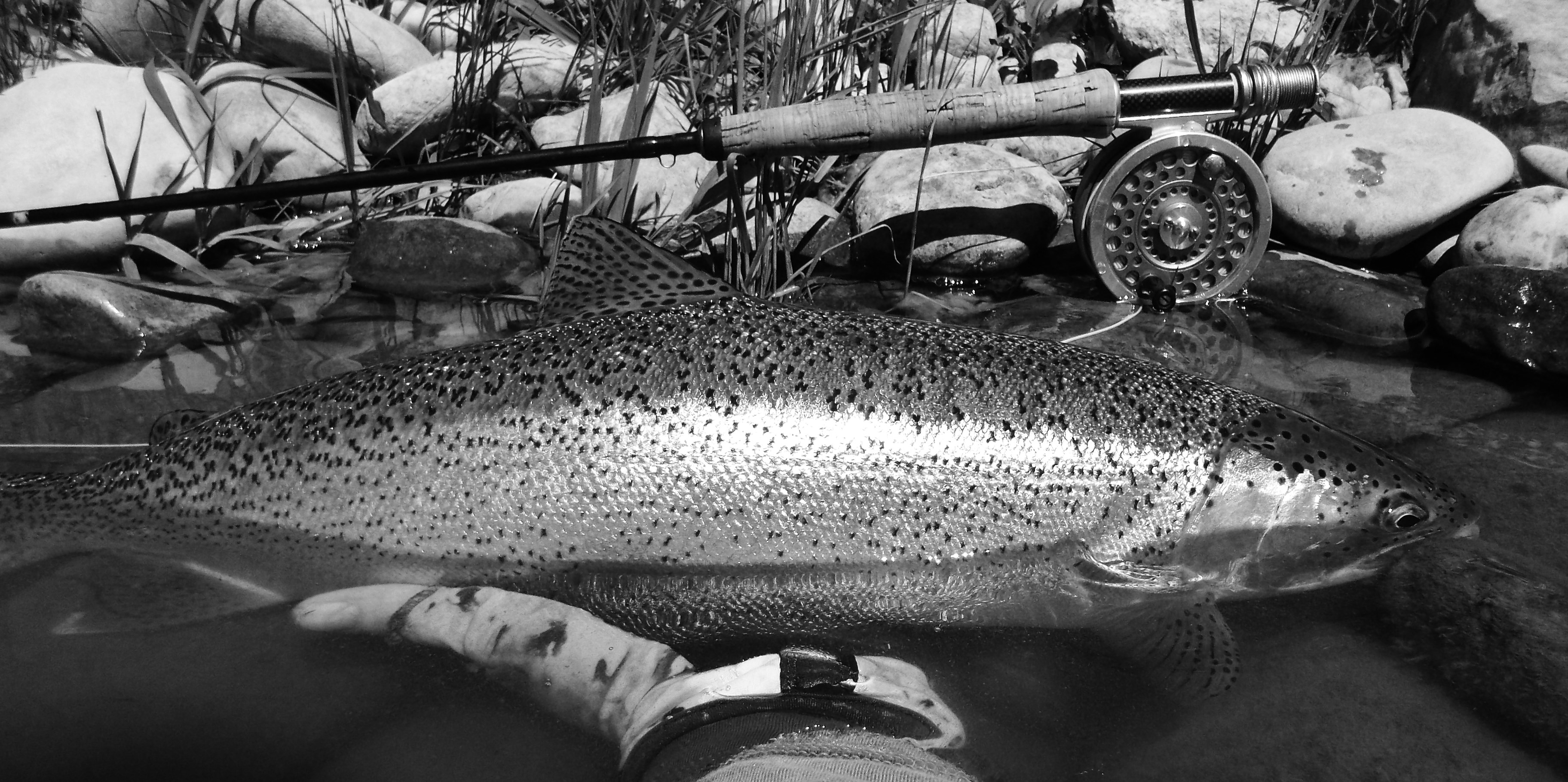
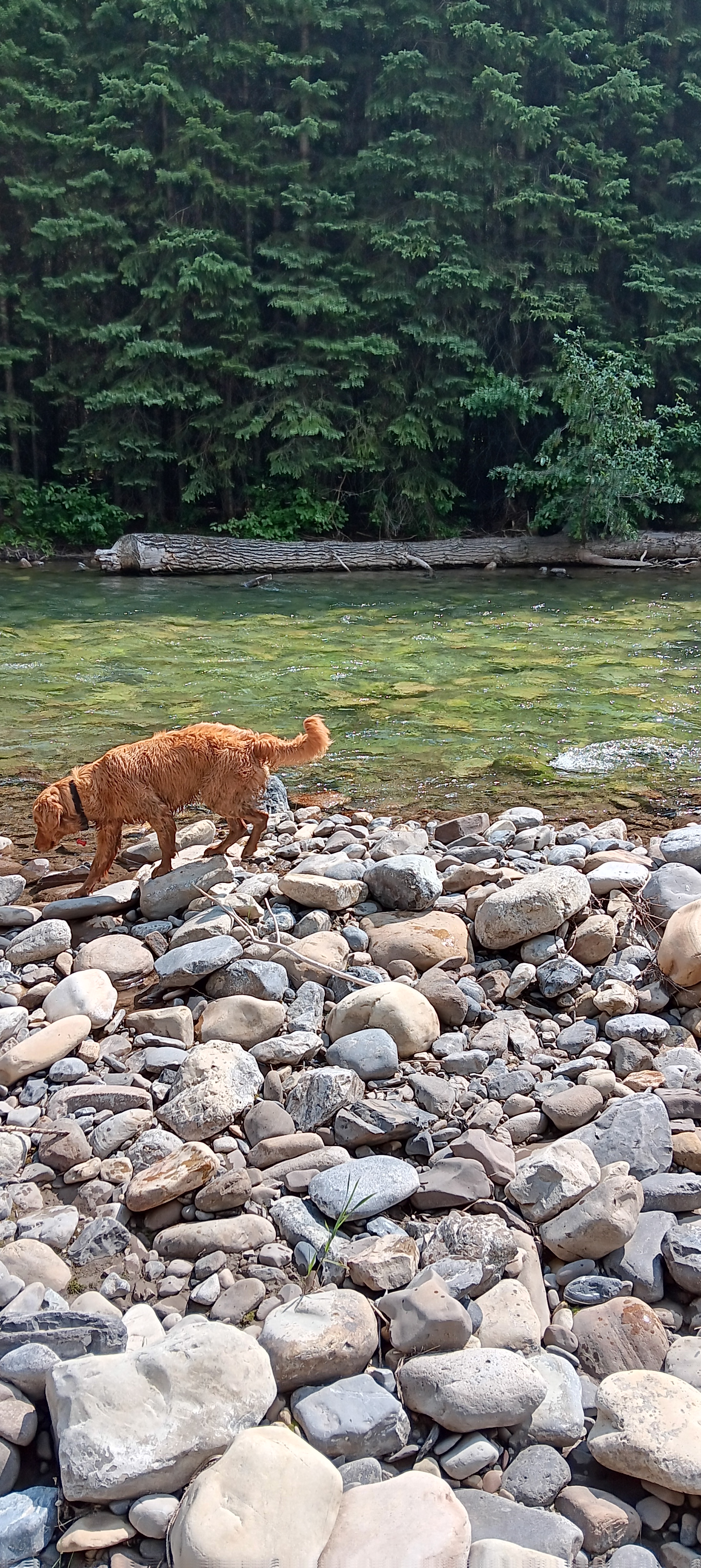
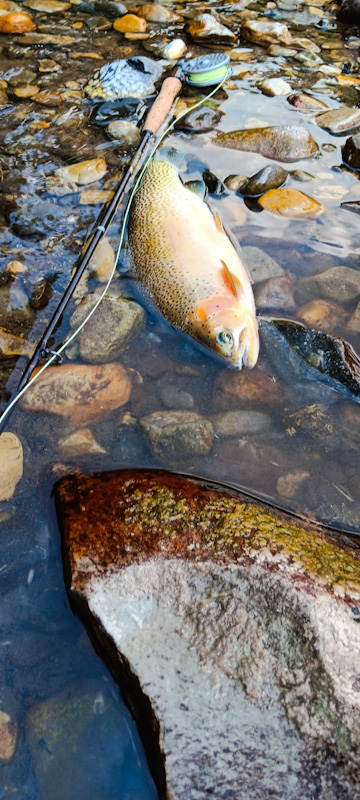
Some photos from recent outings where the trout haven’t been tamed…

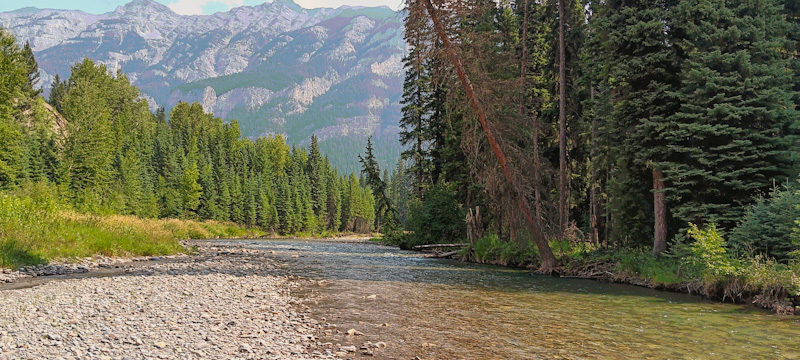
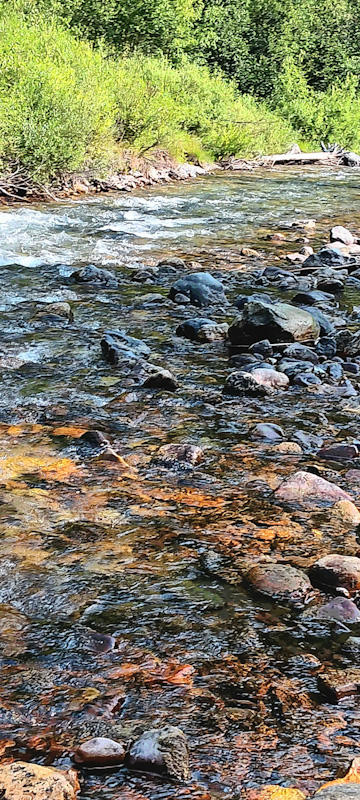
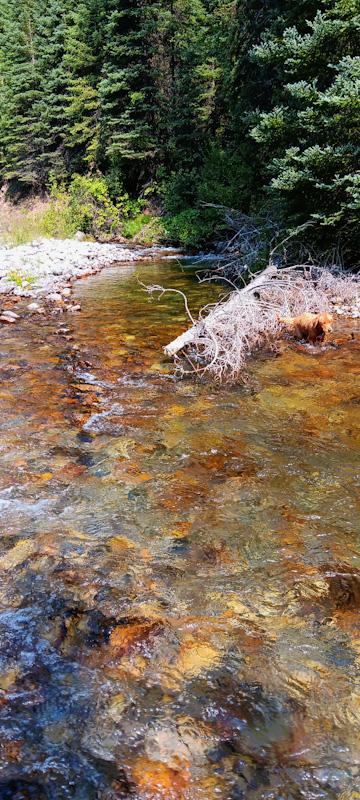
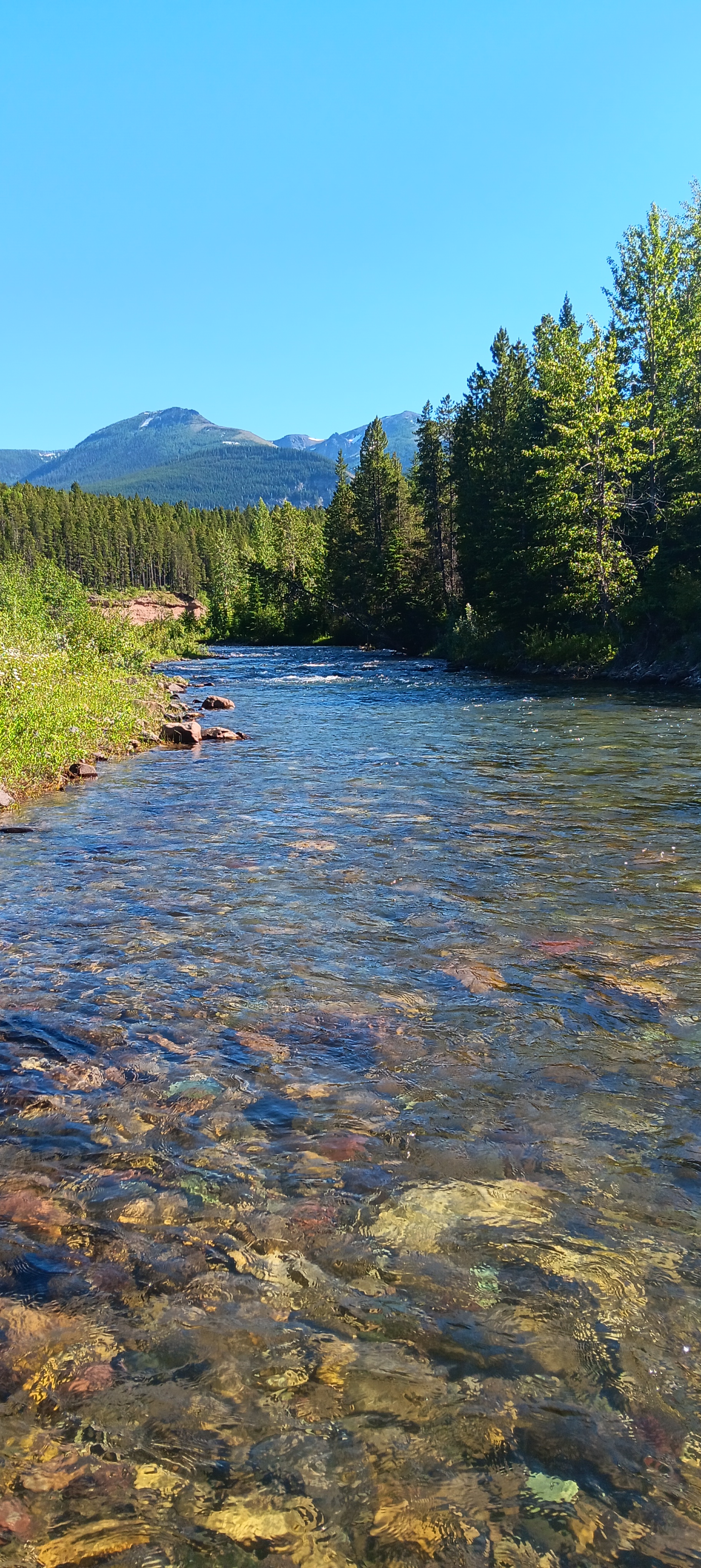
Mountain Streams


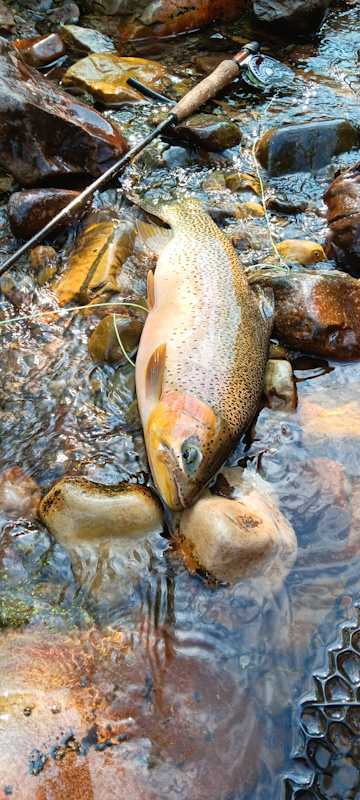
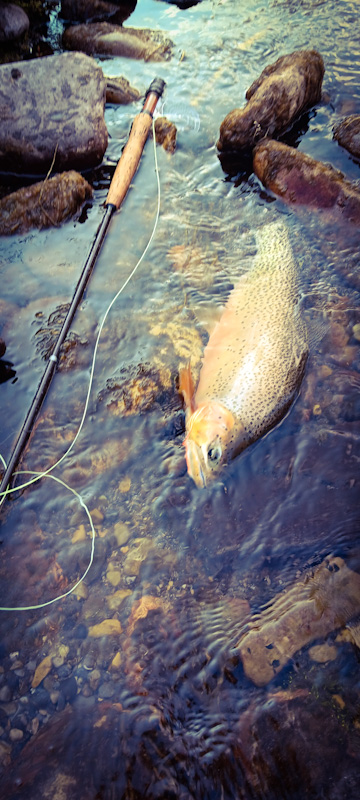
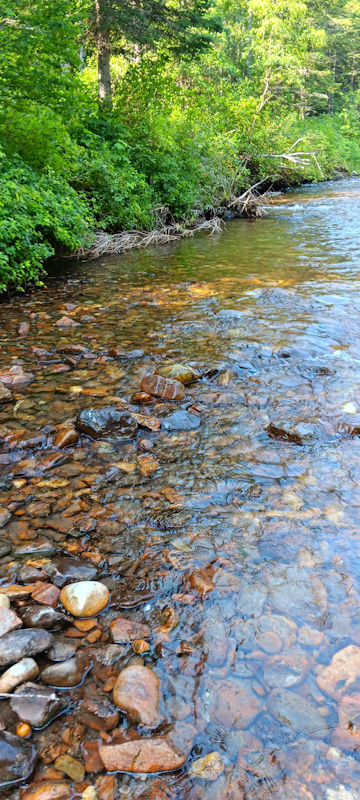
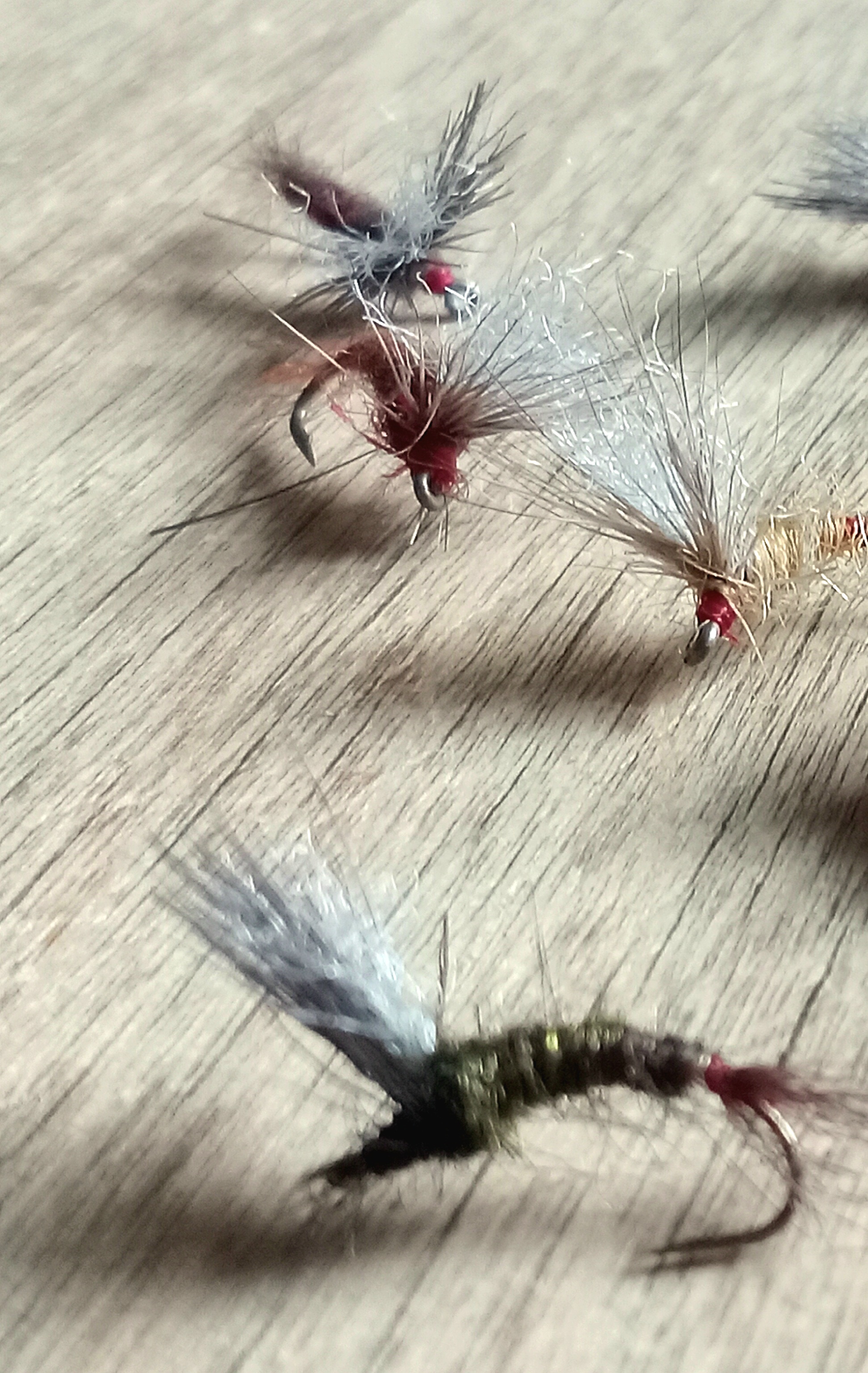
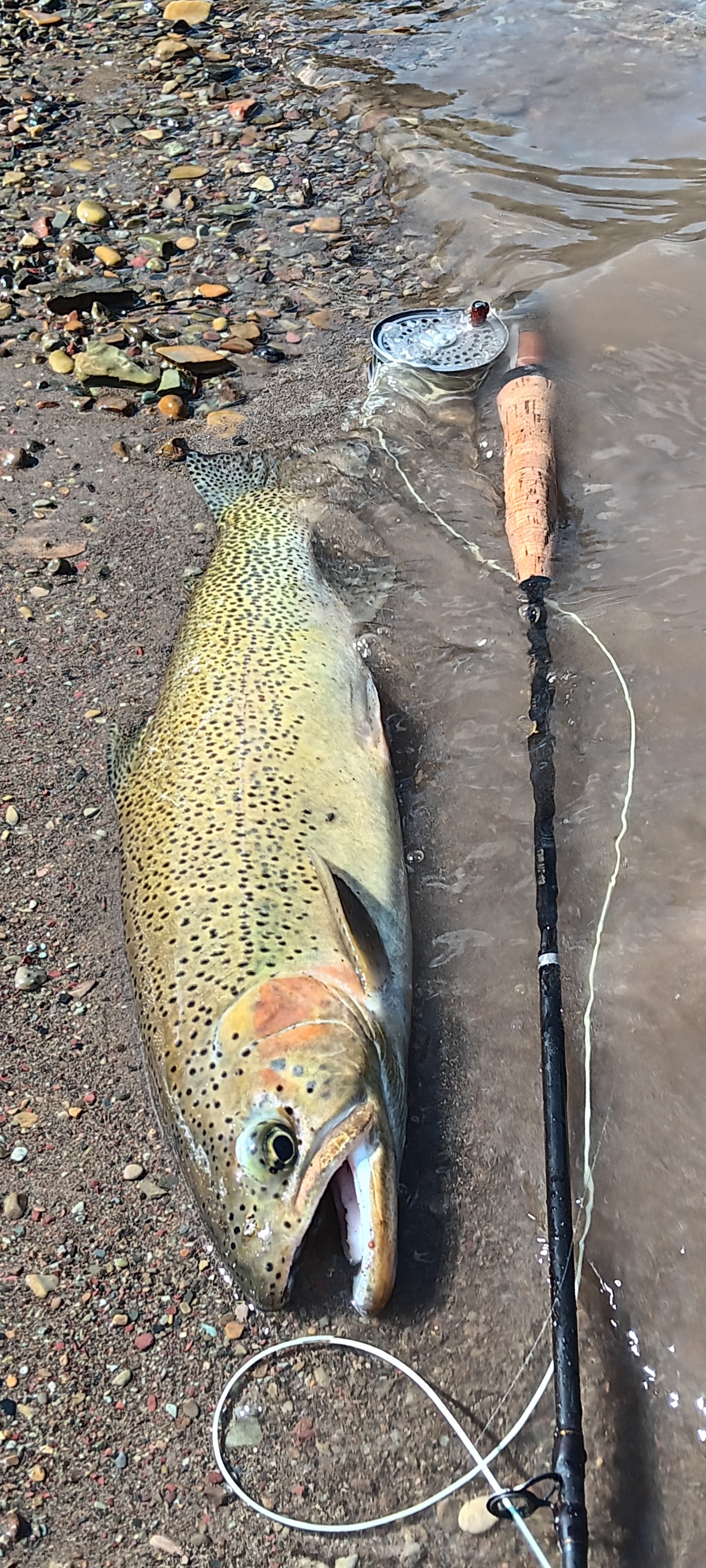
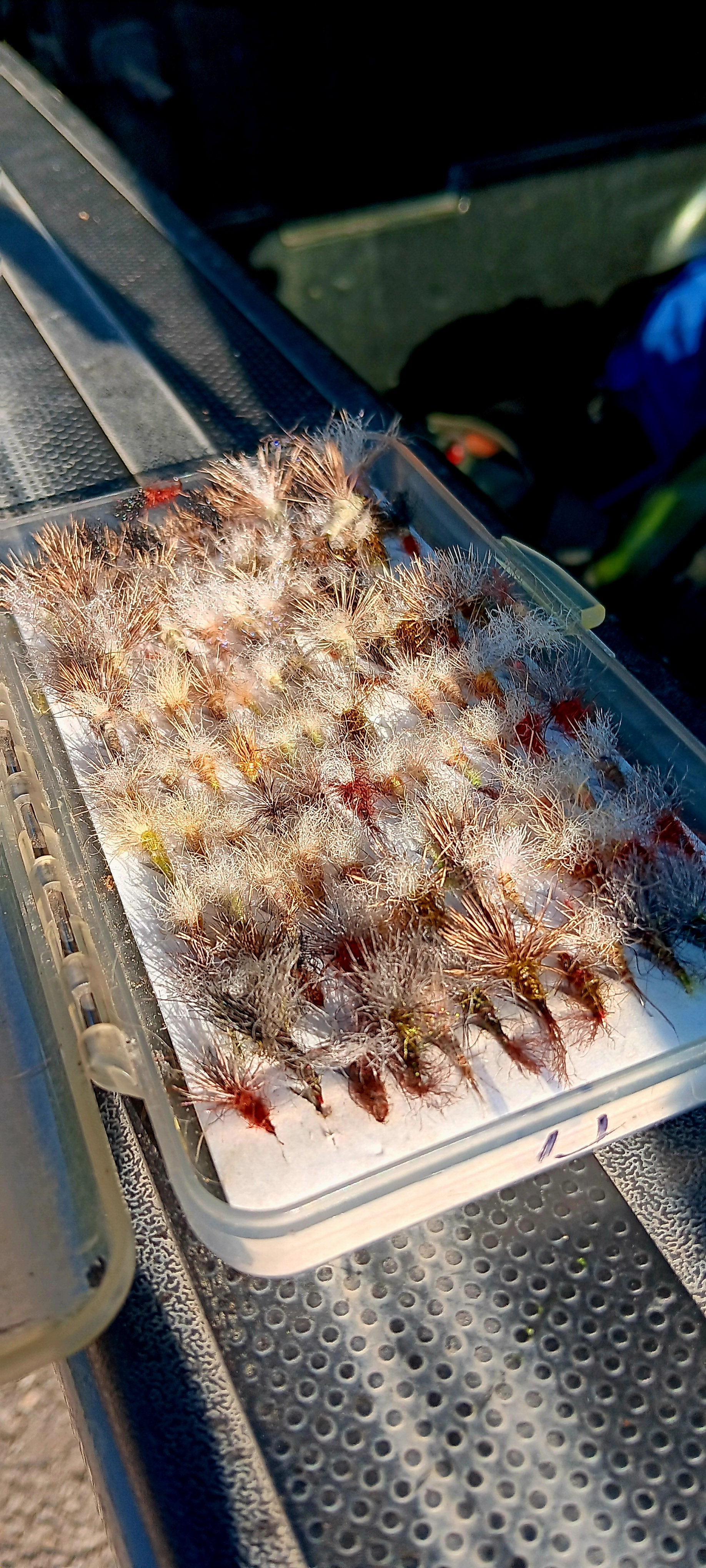
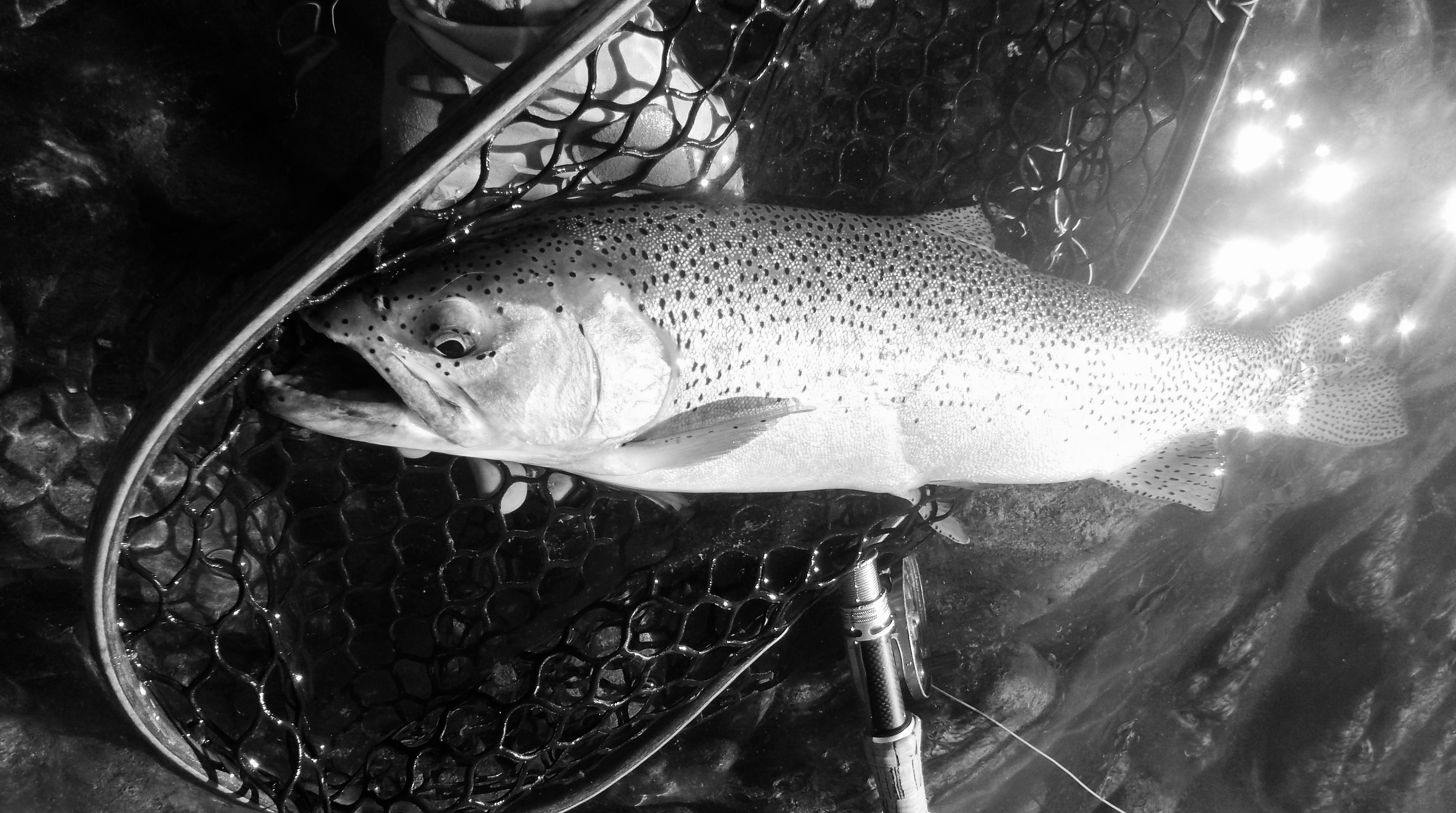
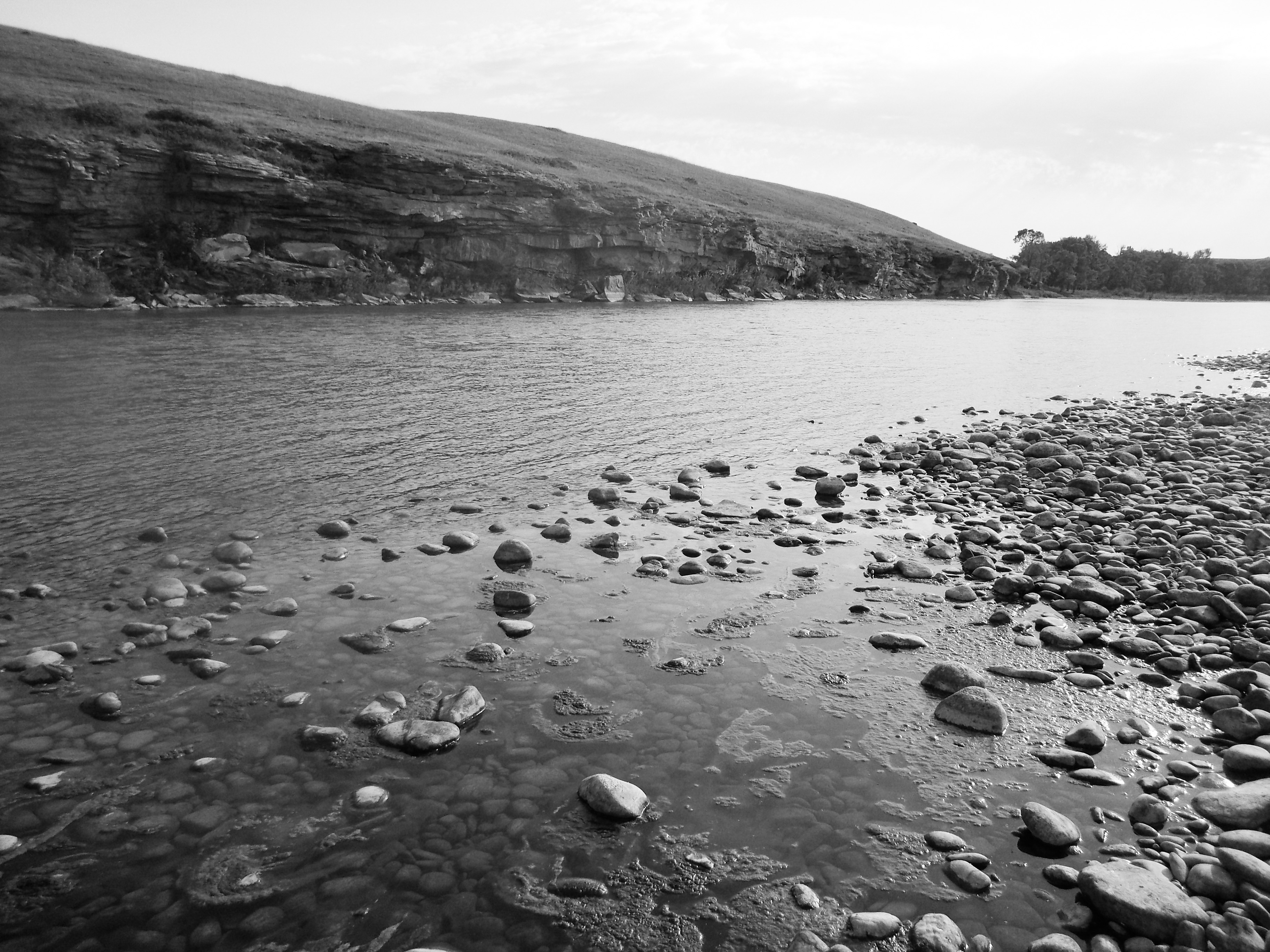
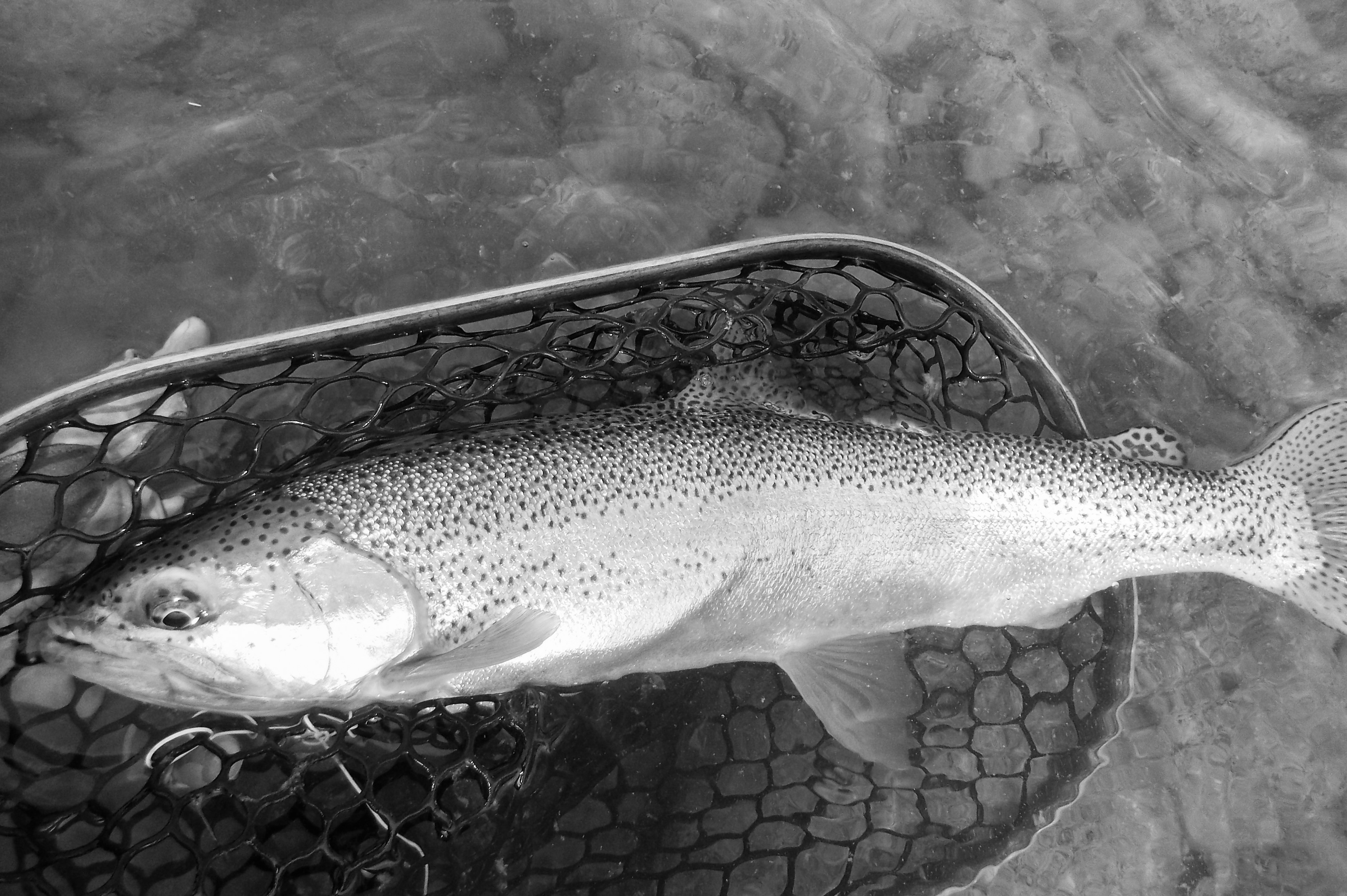
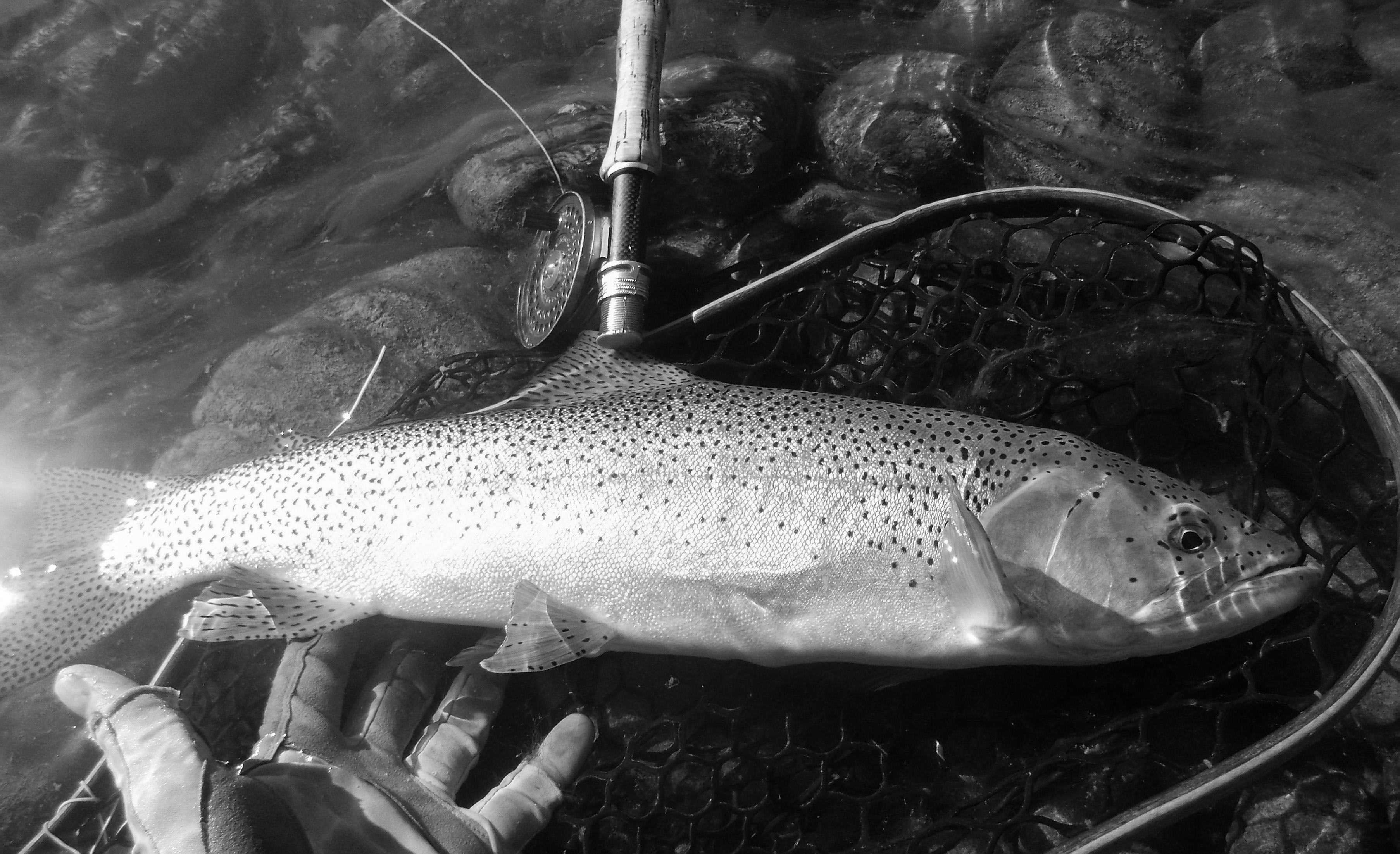
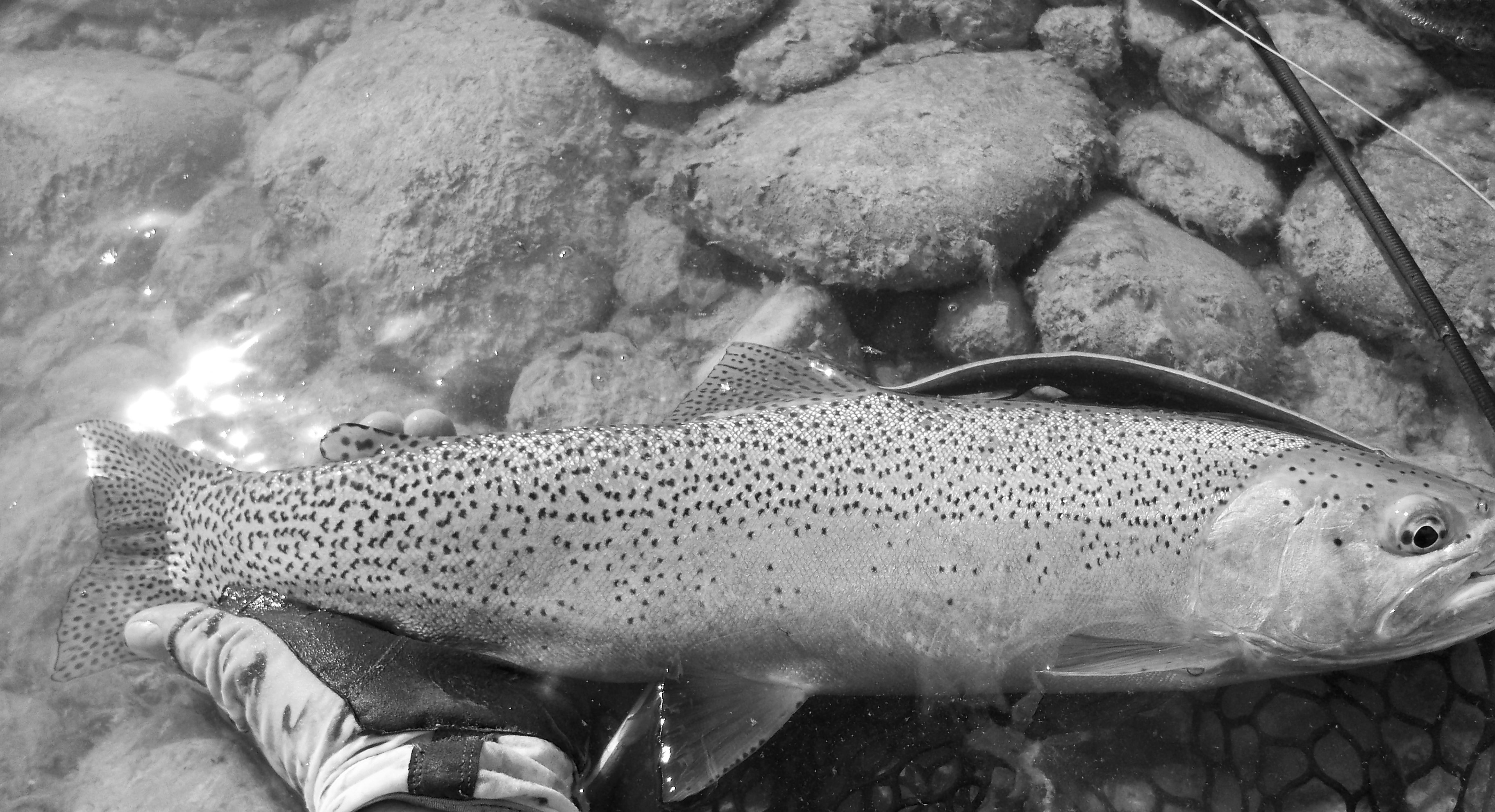
Mountain streams. Always pristine, cool and clear. In my region they are the home to Cutthroat trout. With the cool wet spring we’ve had they are still somewhat high and the water cold even though it’s July 9th. I’ve been waiting for the flows to recede and the water to warm so that hopefully insects start emerging and the Cutthroat start rising. After a couple hot summer days I fished two evenings in the mountains. The wading was challenging on the river I was on but I was able to criss-cross it and work my way upstream. I saw very few bugs: just a few drakes, a few pmds, a few small yellow stones and a few rusty spinners dancing above late day. It appears the mountain streams are just starting to come alive. They are waking-up. Here are the best of the several Cutthroat and Cuttbows that I did pull-up while prospecting the river with Haystack and Usual dry fly patterns…


road trip

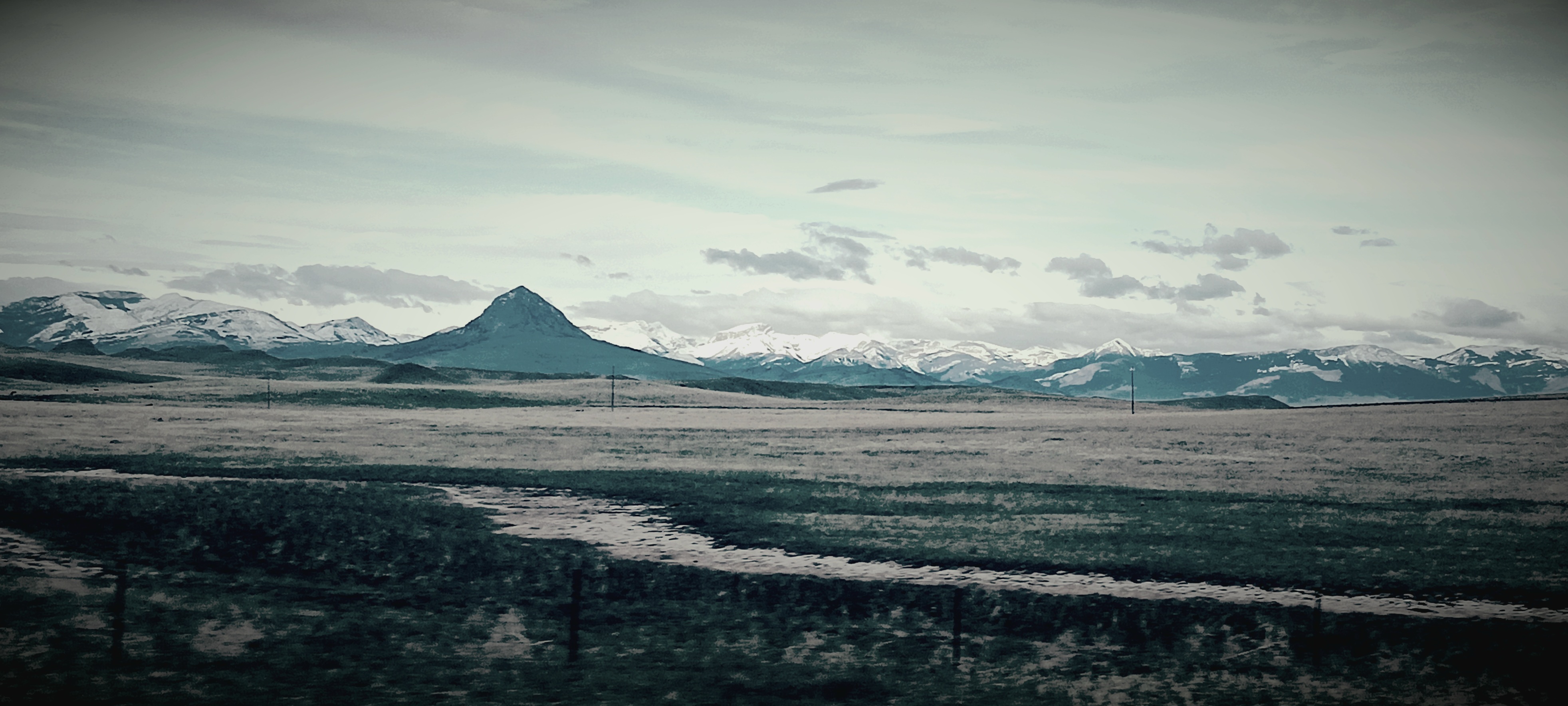
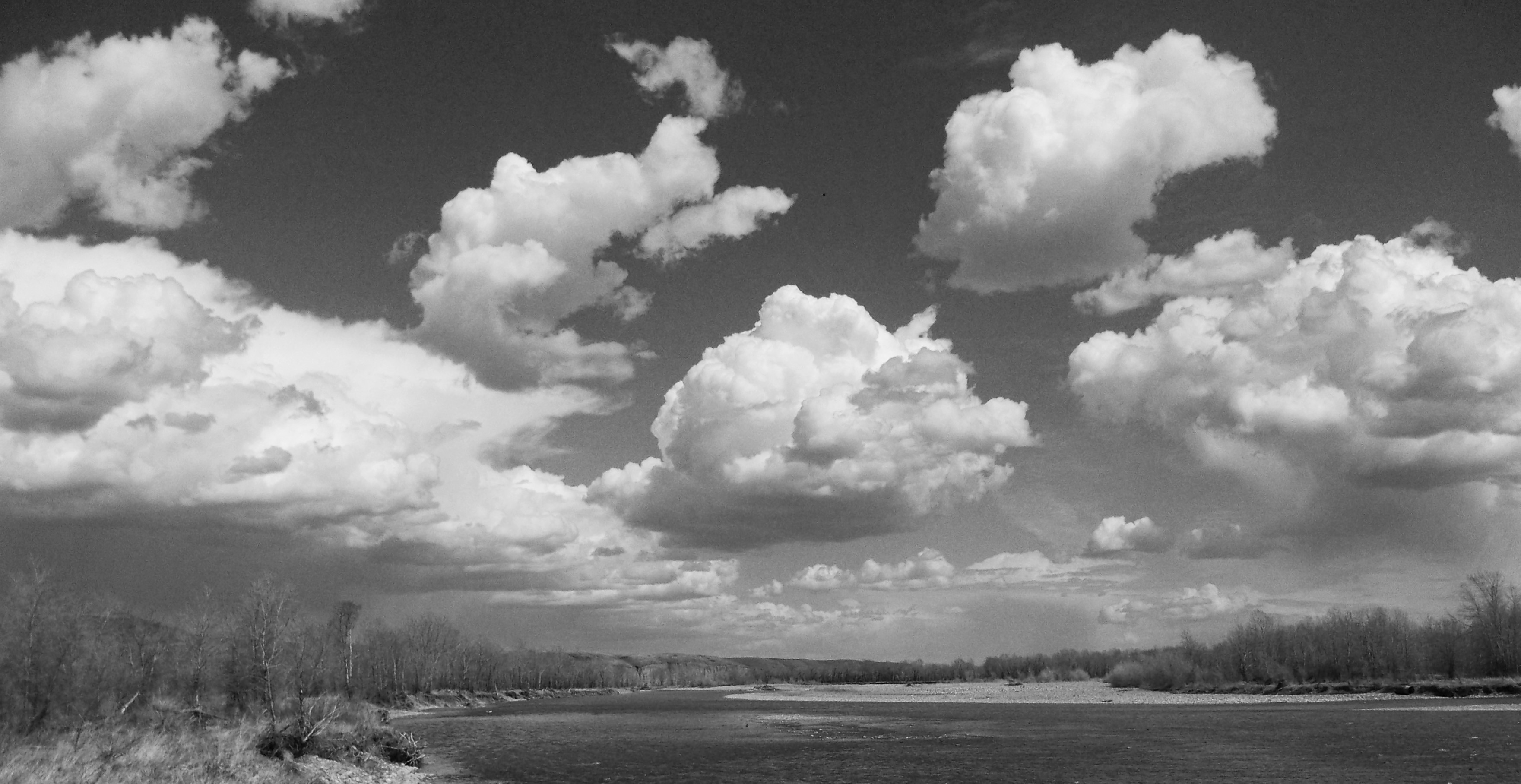
Another road trip south of the Border. Brief. The weather conditions were volatile. Some moments/ images captured…an old postcard look.


why I search/watch side channels


flat water tie, cdc


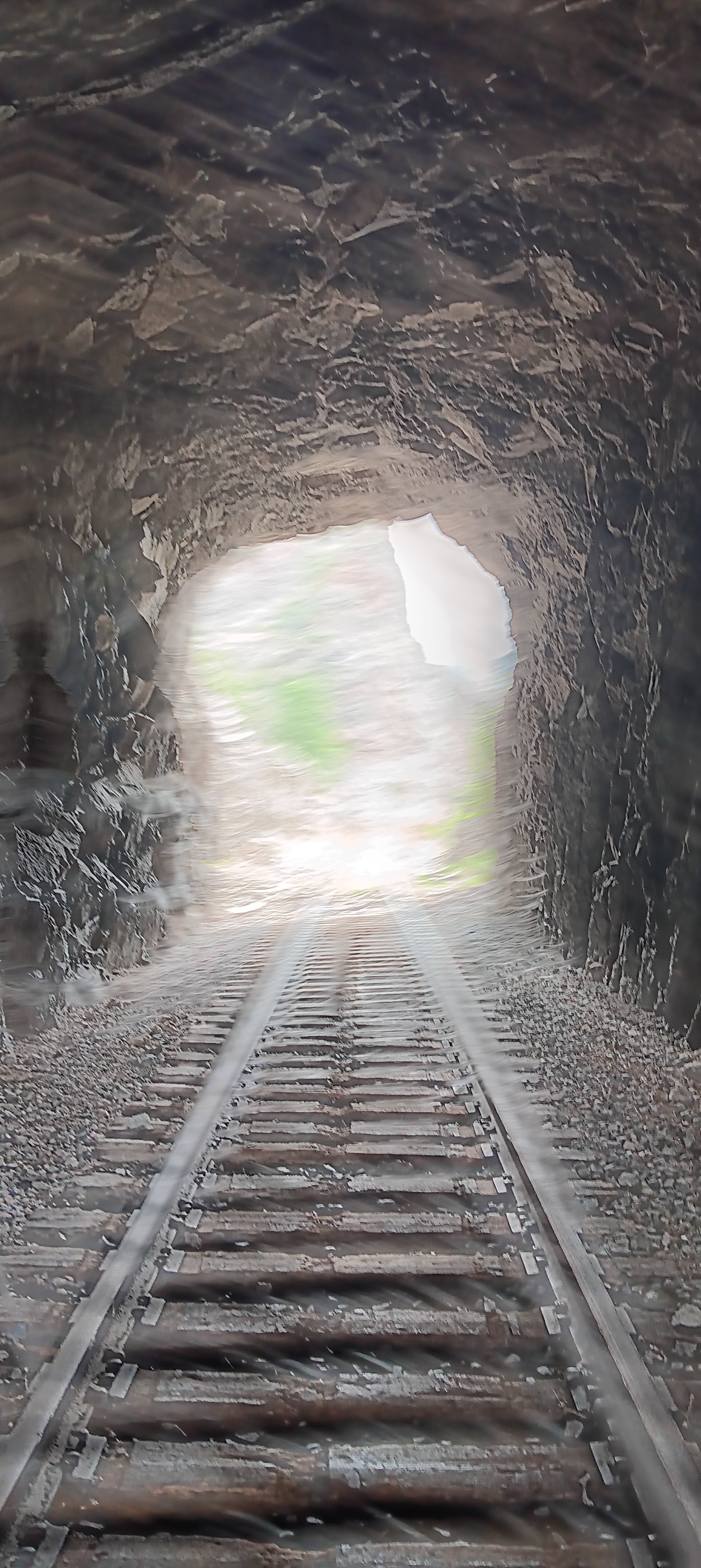
train tunnel


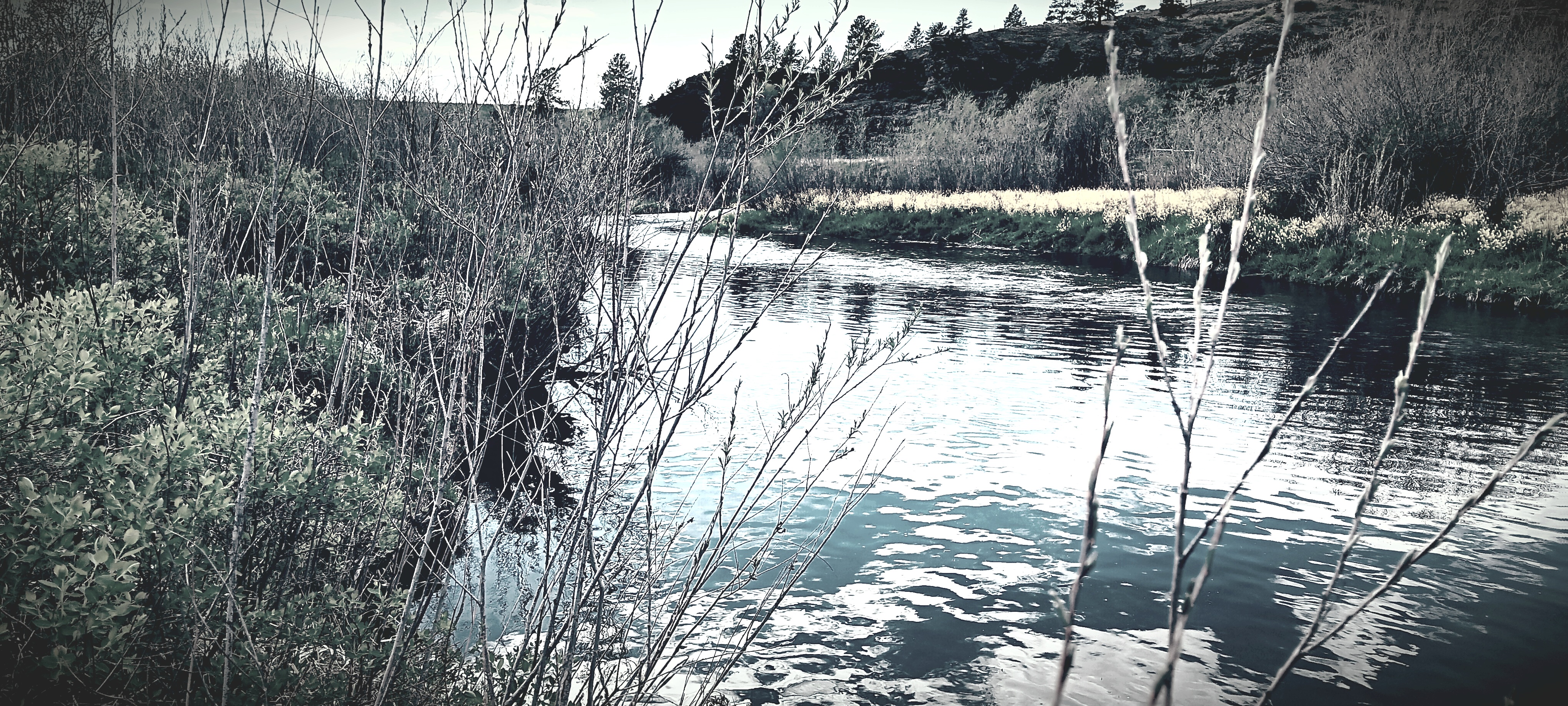
side channel


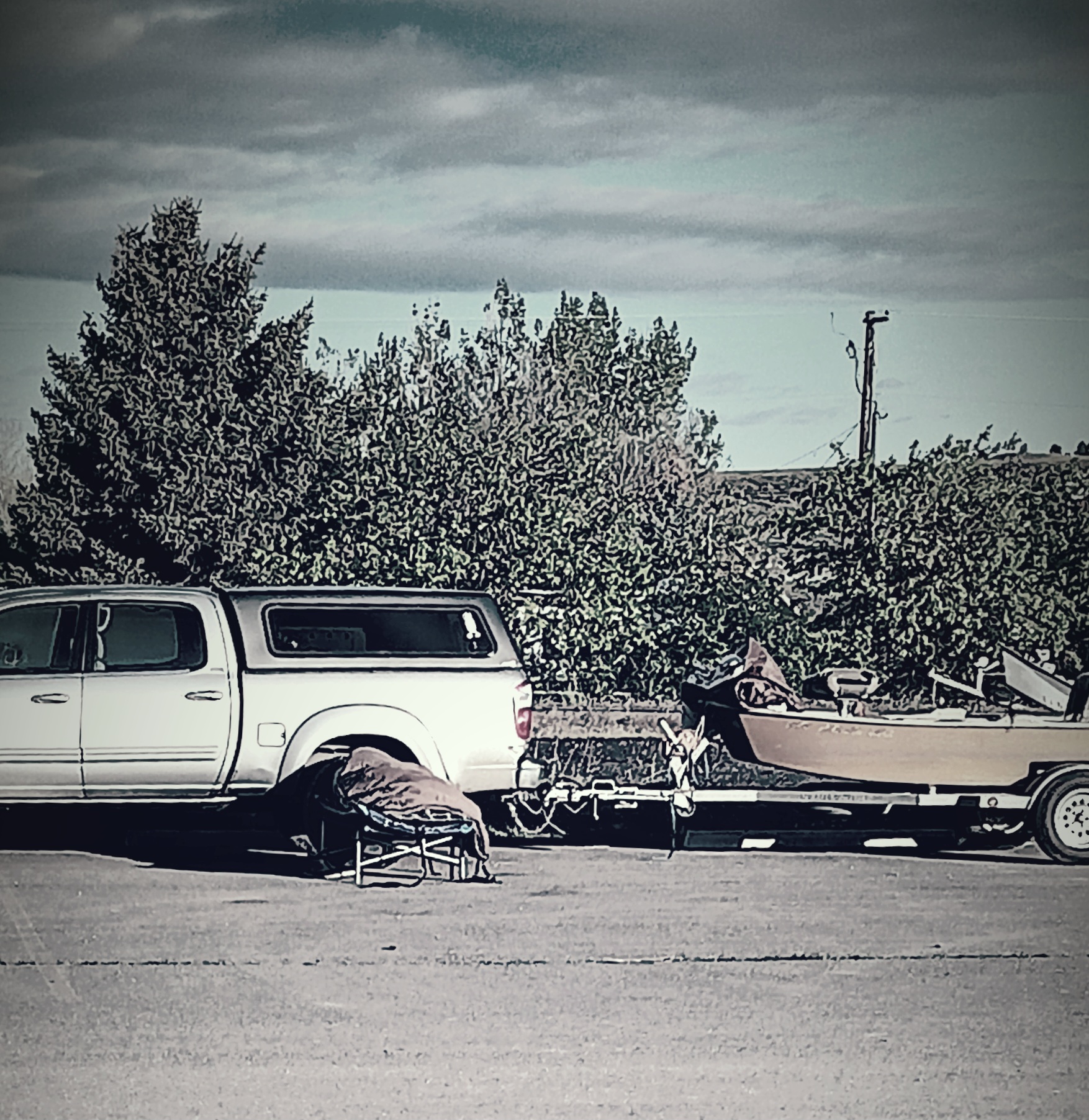
angler sleeping parking lot

midges and movement

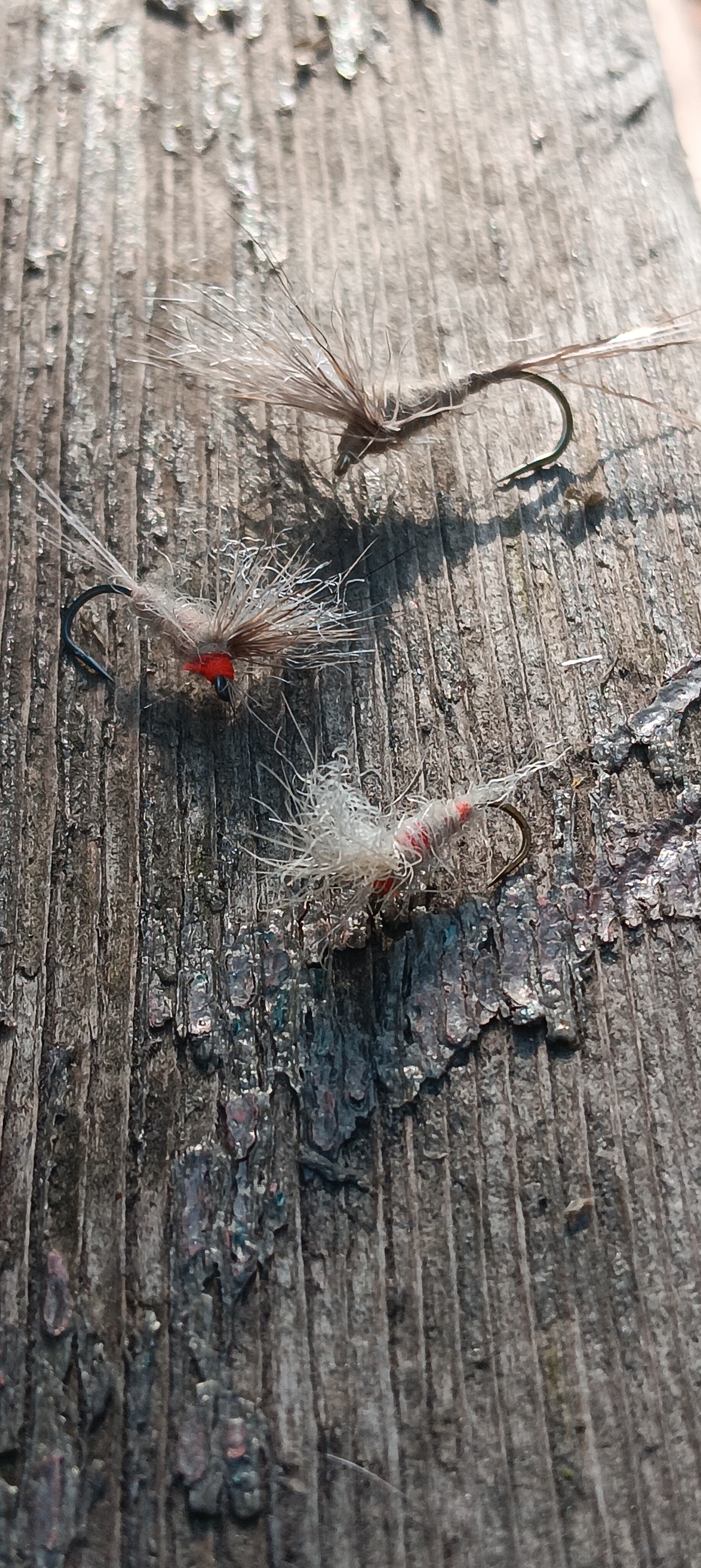
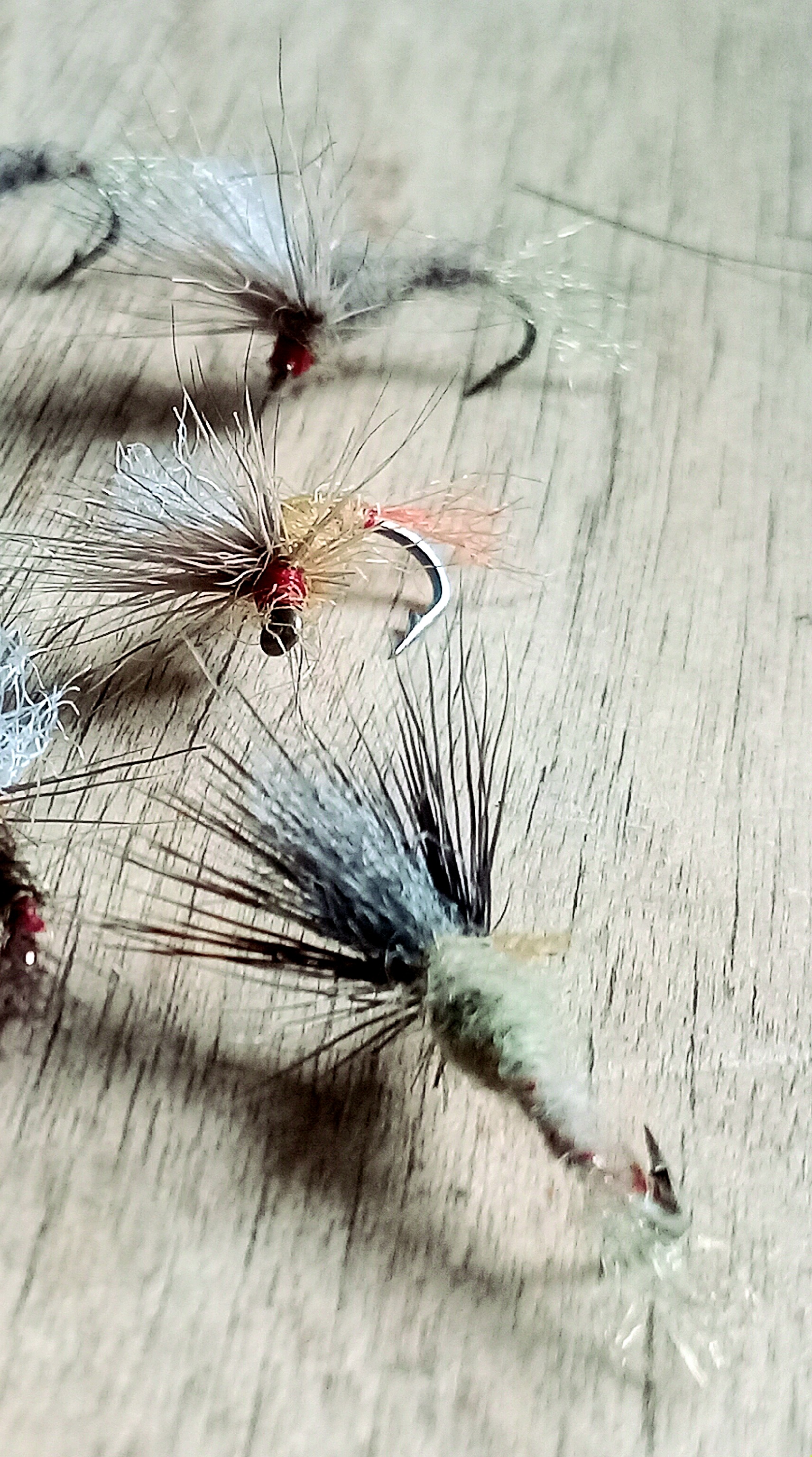
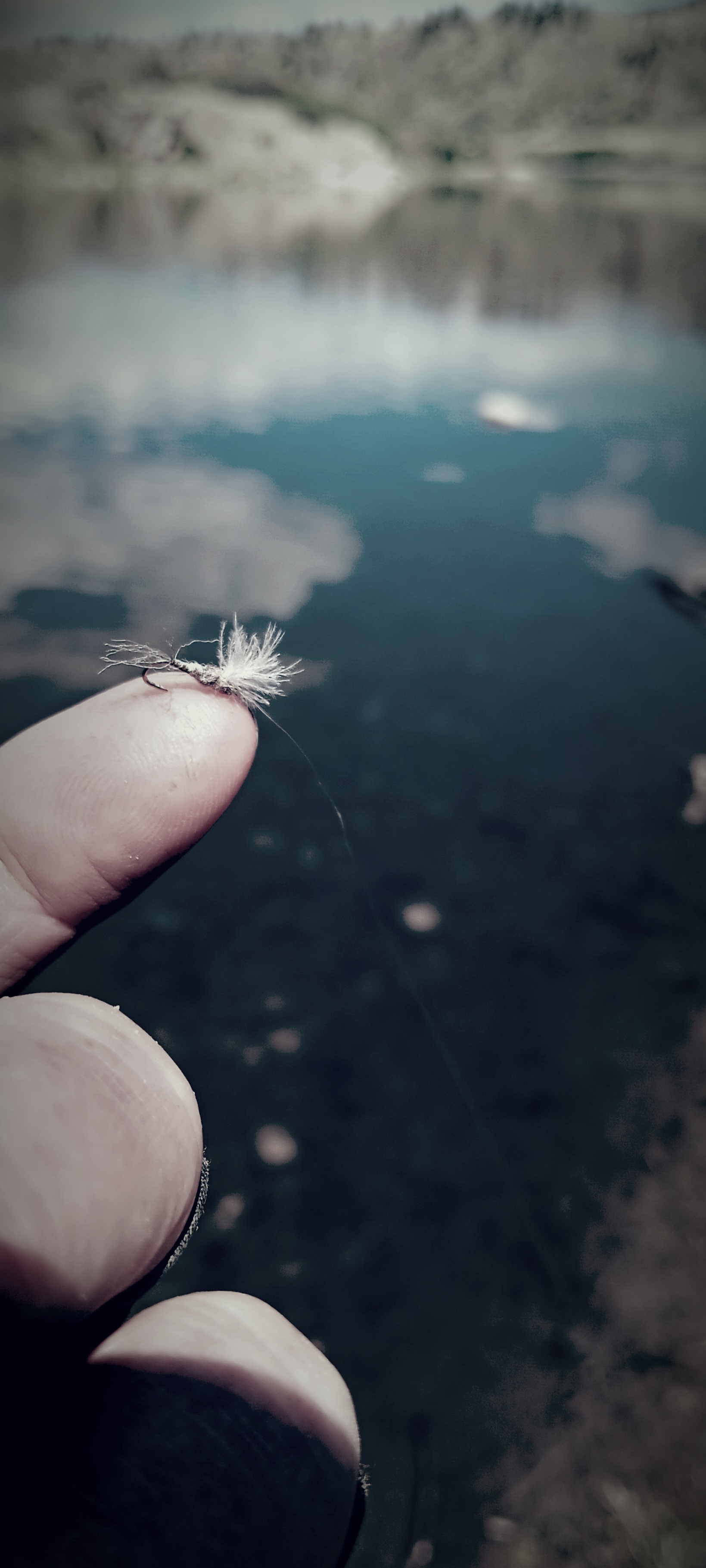
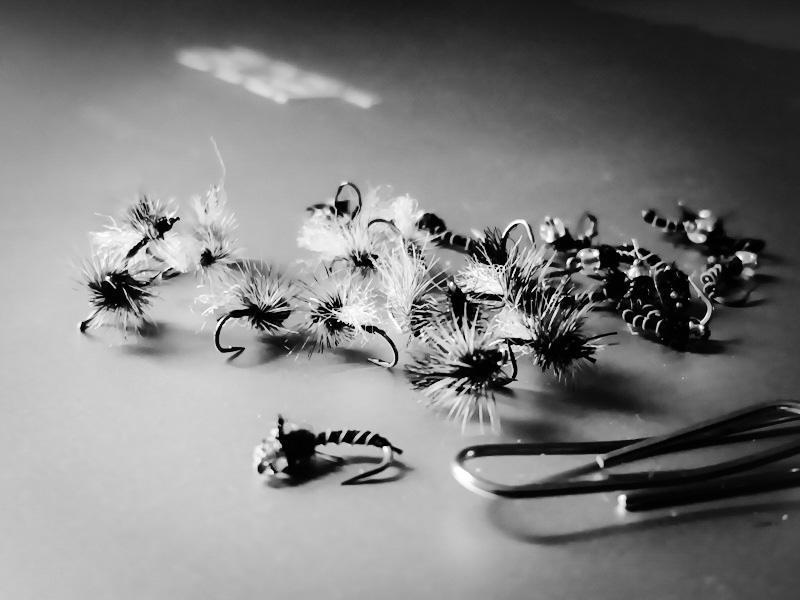
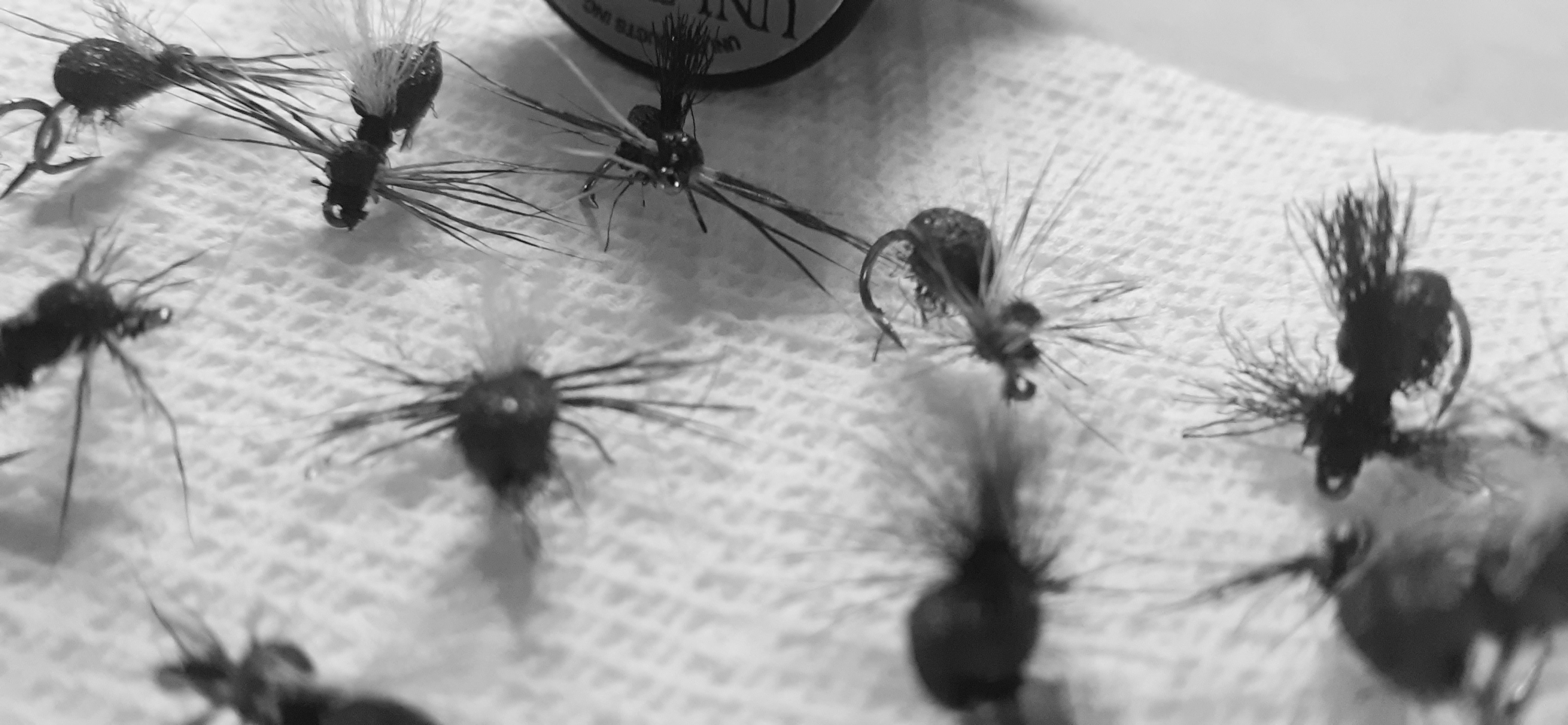
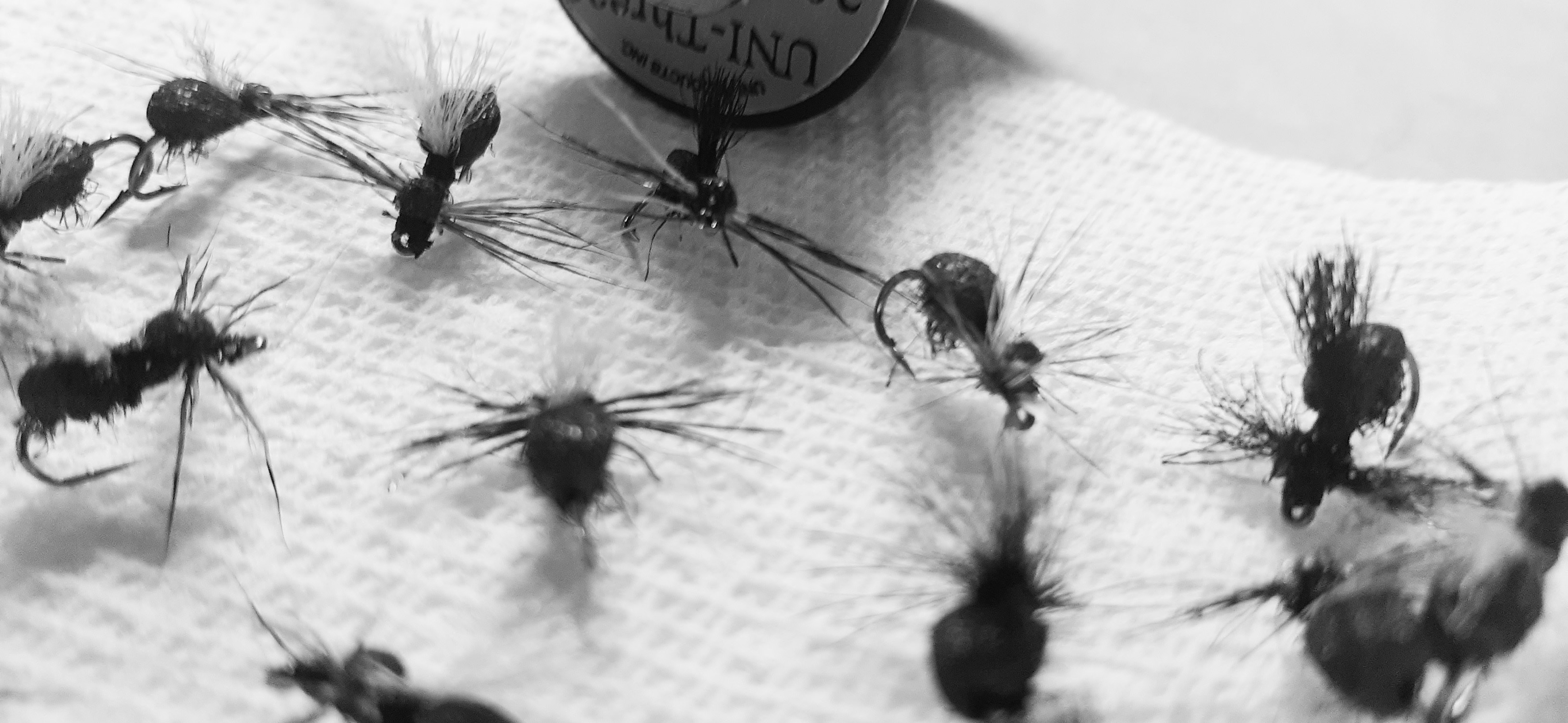
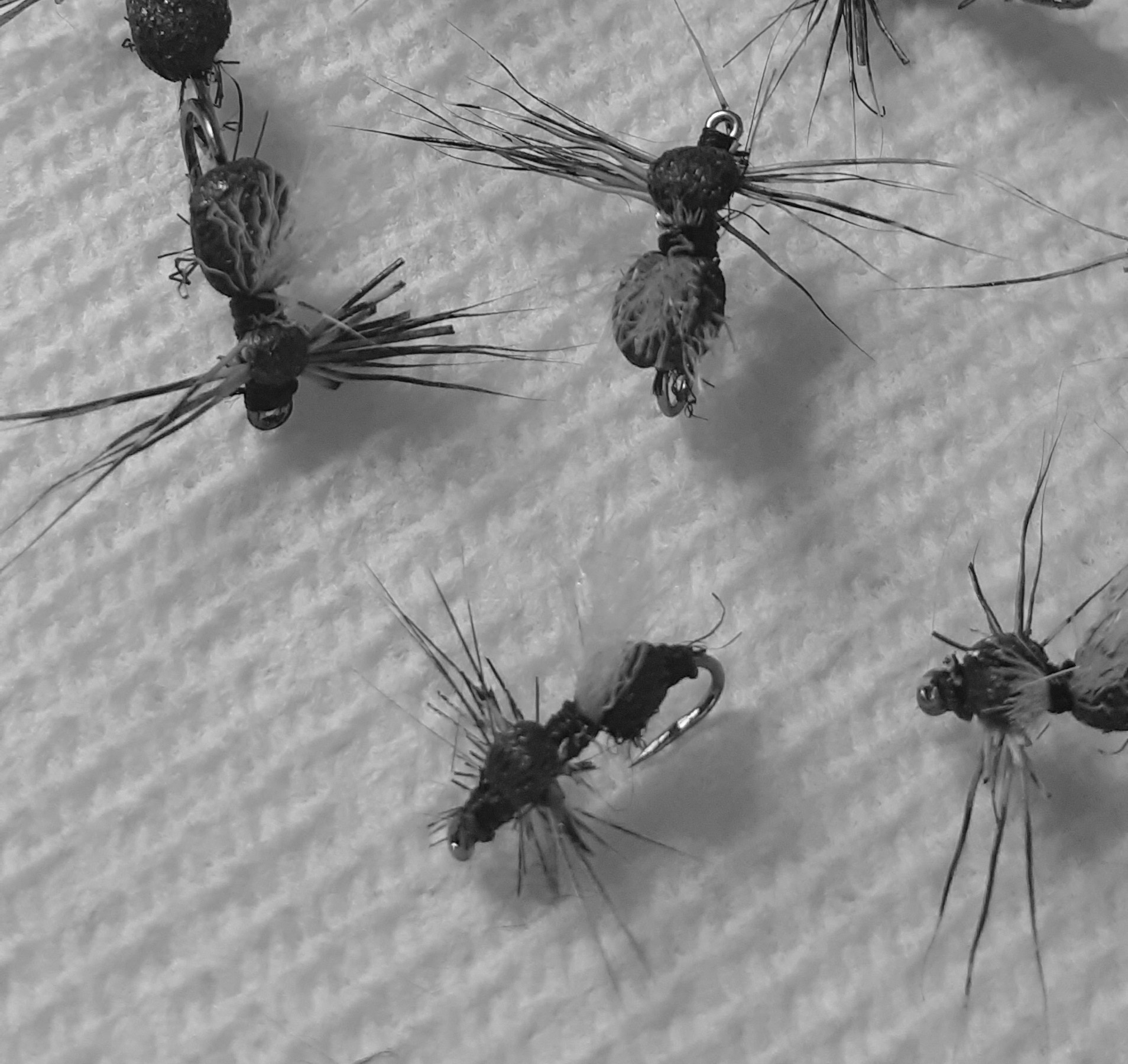
Midges. Some dries and nymphs. Fairly small: size 20,18. Sometimes I tie smaller. On one of my favorite tailwater rivers in central Montana I’ll fish a midge dry down and across to a rising or bulging (midging) trout on a flat water section. If no response after a few drifts then I try a few other other patterns including some suspender types, etc. If still no success then I’ll tie on a lightly weighted Zebra nymph (plastic clear bead on head and a few wraps of wire on body to help it break the surface) just 3 or 4 inches below the dry. Then I go with the same presentation angle (down and across). If still unsuccessful then I try slightly twitching the dry and nymph (upstream movement) just in front of the feeding fish. Often this will elicit a response, sometimes on the dry but usually on the nymph which is hanging slightly below the surface and with the movement/ twitch may look like it is emerging/ rising in the water. Sometimes the movement catches a trout’s eye and it lunges for the impression (dry or nymph). Some of my best Springtime angling has been midge fishing in the morning in a protected area where the wind is light or non-existent and some fish are “up” on them. On those days I’m usually just hanging-out hoping for a good Blue Winged Olive hatch to begin in the afternoon. A few solid trout on Springtime midges is a great way to kick-off the season…

zebra midge

golden midge

shallow flats

    full sun

I was able to locate a few nice surface feeding trout last weekend in spite of the full sun and few insects. Their rises were inconsistent and subtle. If I didn’t know the river section I was on real well, I would have never seen them or I should say “hear them”. On the broad shallow flats that I like to fish, below or to the side of a good run, it is often the sound of a rising fish that first catches my attention. When I hear something I focus on the water in the region where I think the sound emanated from. I often take several soft steps up or downstream to change my visual angle depending on the light and glare. Most importantly I try to be patient, refrain from casting and wading, and wait for another sound or even better a surface disruption. Sometimes I hear the fish multiple times before I can actually visually pinpoint its location especially when the lighting situation is challenging. Usually these trout are closer to shore than I originally thought. If I was in a hurry and didn’t take the time to locate them, I probably would wade right through their feeding position, or cast over them and they would be off to the safety of deeper water.

cuttbow

Many drift boats/rafts beach on the flats that I frequent. Anglers generally get out of their boat, immediately wade through the shallow relatively calm flat to reach the main current flow or edge where they repeatedly work their nymph rigs. Usually they catch fish. However with this tactic they miss some of the best visual angling that the river has to offer. Some large trout like to feed lazily on the slow water flats. They slide in from deeper water and position themselves wherever there is some sort of gentle current channeling drifting food. If you can find (see or hear) one of these subtle feeders and make a connection, you are in for a real treat. A large trout hooked on a shallow flat heads for deeper water at breakneck speed. Often they take me into my backing.

slow flat off of main flow

When sight-fishing  I always try to pick a shallow flat where the sun is going to be on my back. If it is cloudy it does not matter as trout rise more frequently and confidently when the light is low and a hatch, if there is going to be one, will be stronger.


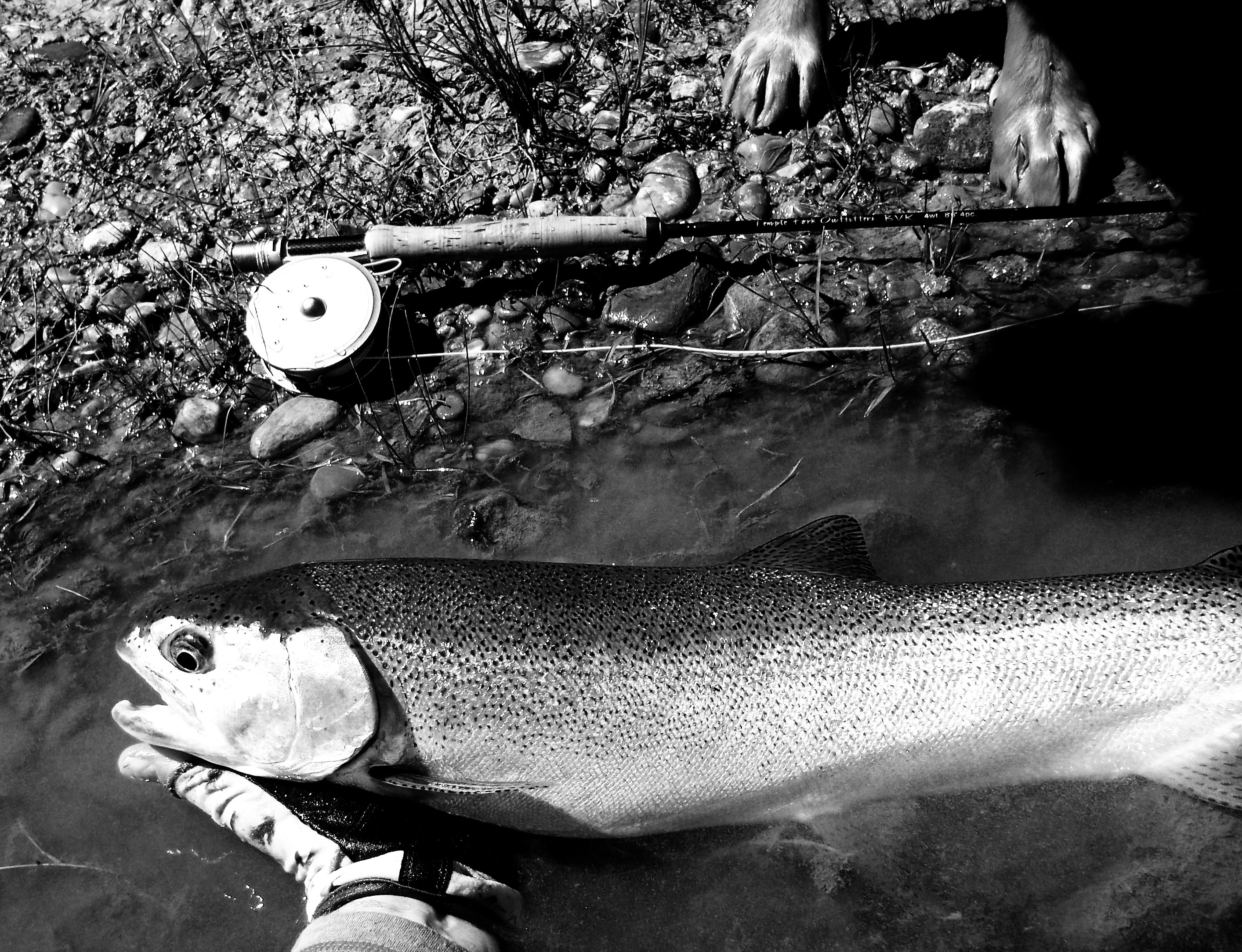
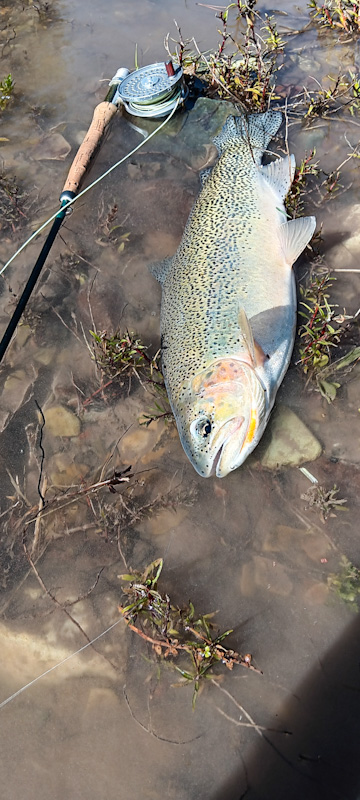
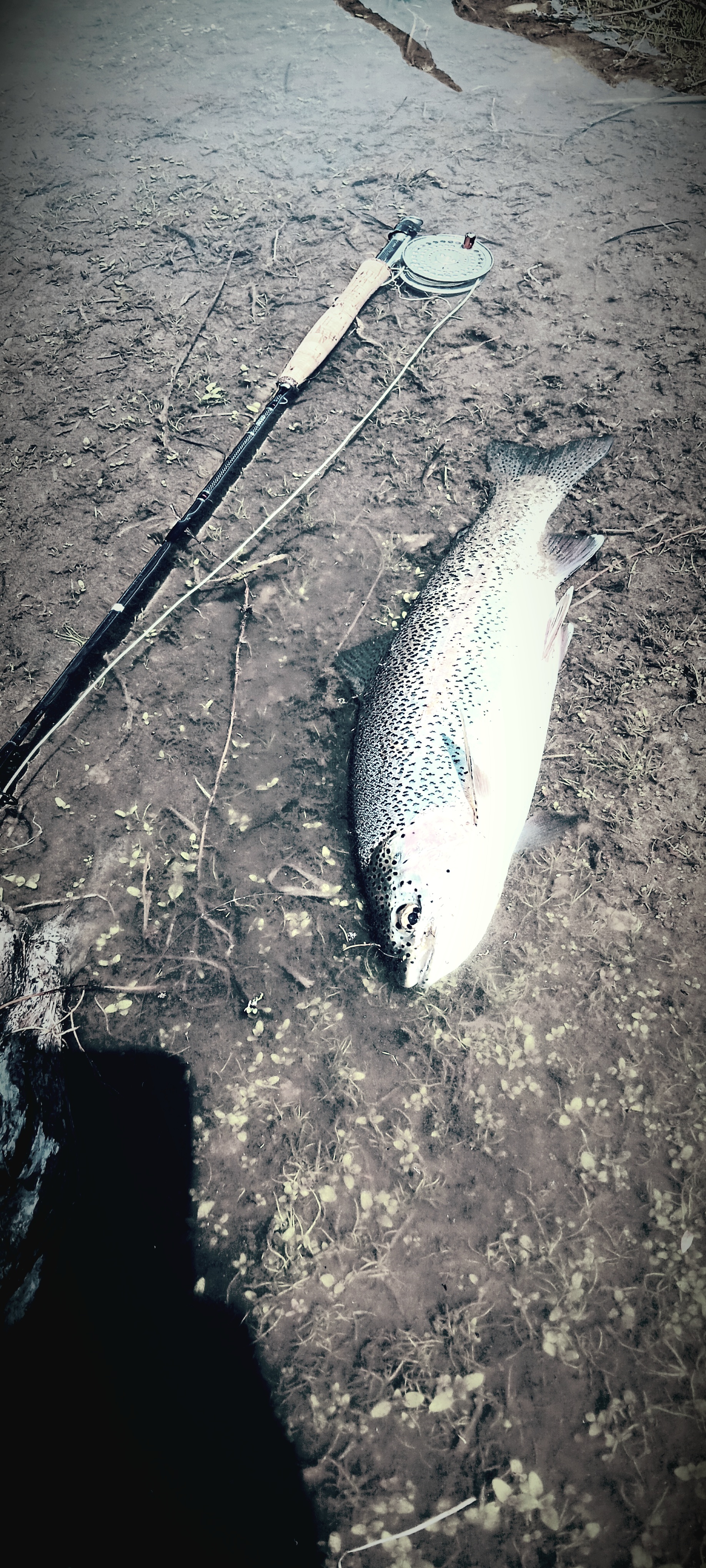
The featured trout were caught on the shallow flats of a local tailwater river.

le soleil

“It was so hot I saw a roasted turkey fly by”
milk

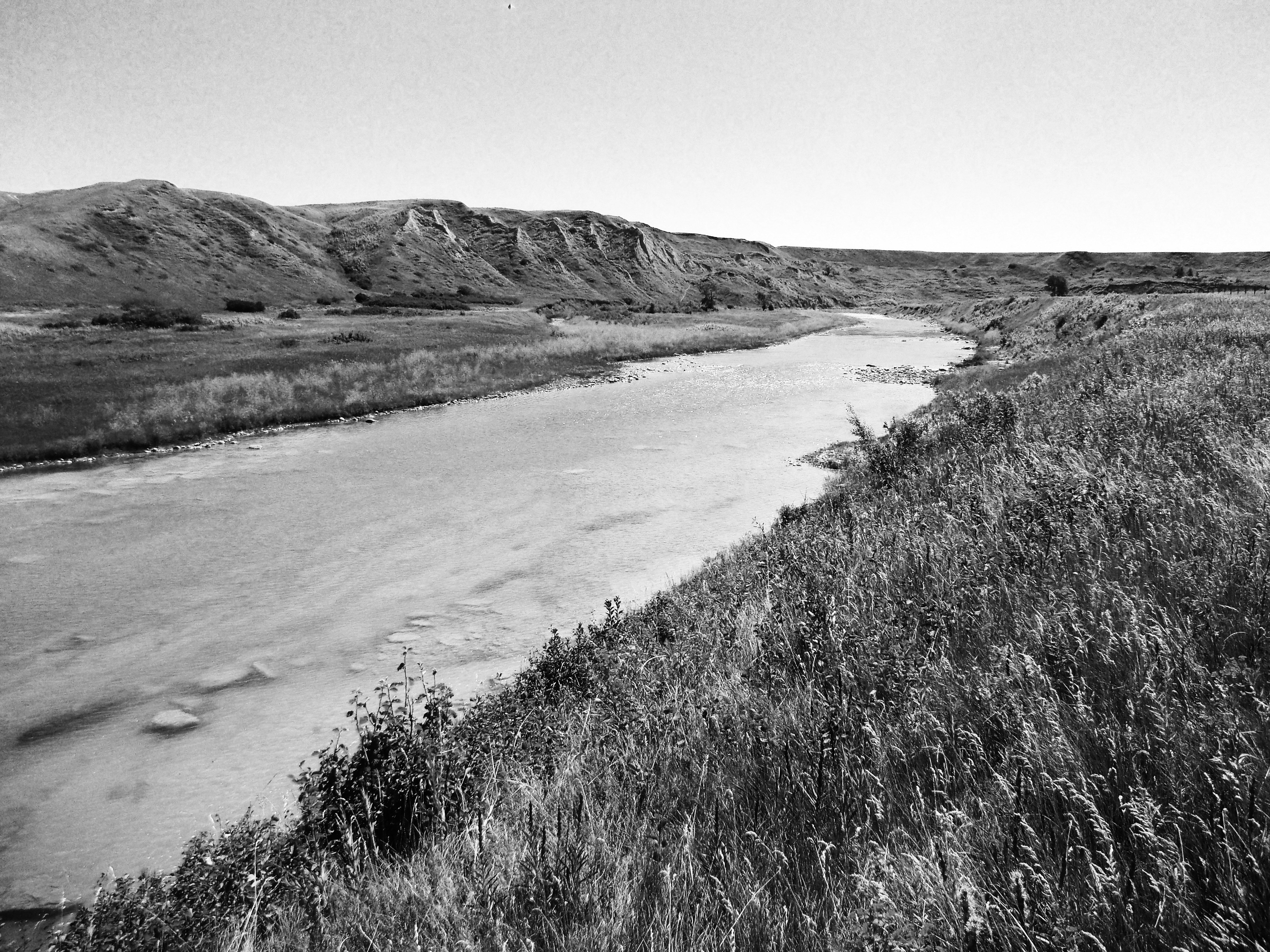
Summer finally returned after a cool spell and it was nice to wade in shorts and river sandals after spending three weeks in waders. Local rivers are low and heating up (temperature).

I was able to take advantage of the blue sky and full sun to spot some great fish and fool a few. It is amazing how tight you can get to a feeding fish in shallow water if you have the sun at your back and wade carefully, even on down and across presentations where you are in front or above the fish, not behind.

I learned how the sun can “blind” fish on the Missouri river many years ago while casting to a roaming pod of sipping trout. By standing still with the sun over my shoulder I watched a dozen large fish feed just a rod length away. They were oblivious to my presence.

For me, so much about fly fishing has to do with light; they are intertwined.

My favorite sight fishing river had few PMD’s on it this weekend and no other hatch. In response I fished beetles and crickets… my favorite way to go. I had the place to myself in spite of it being peak holiday season; lots of people on the road; local fly shops busy. The river was mine for a day. Amazing!

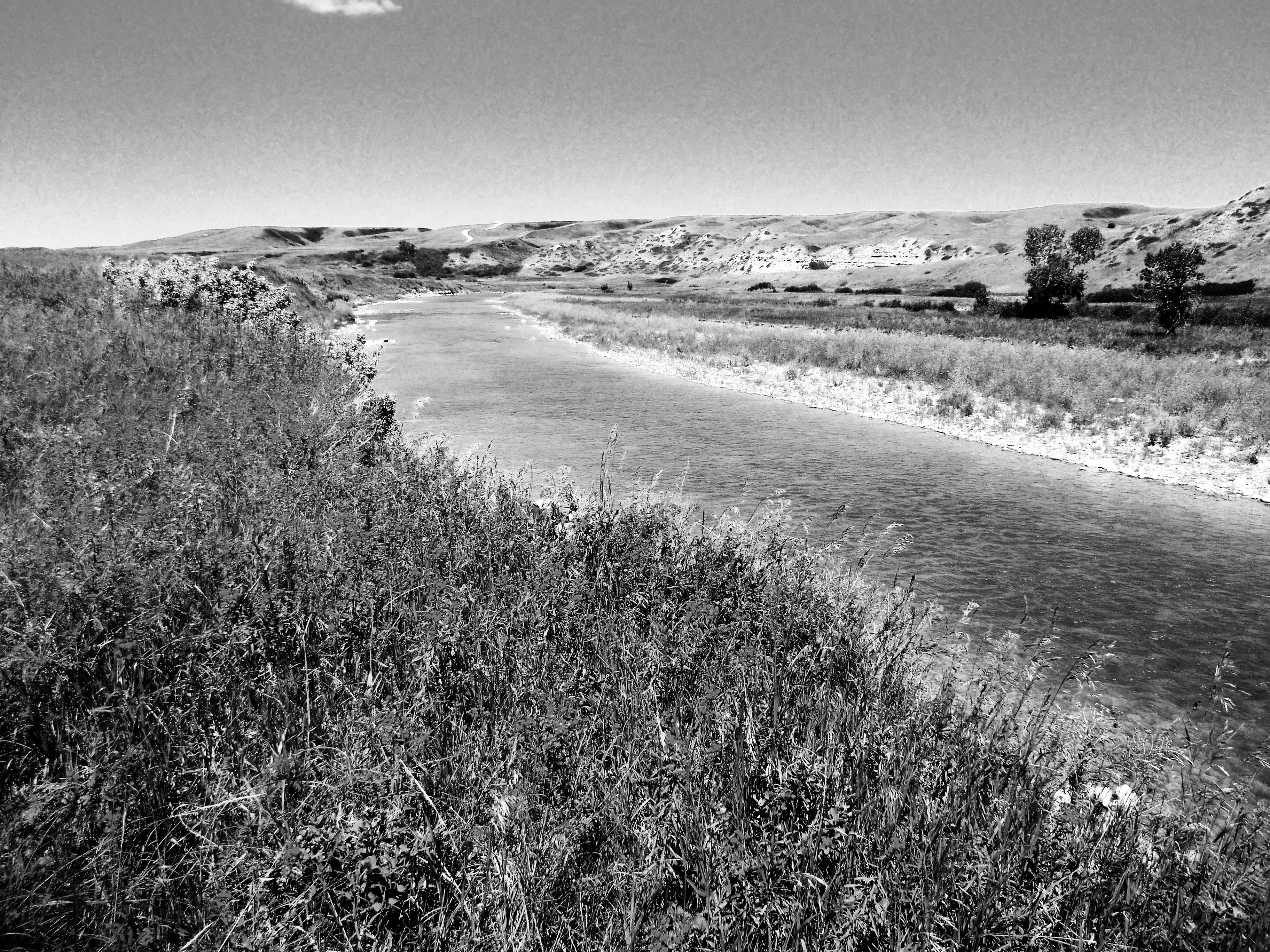
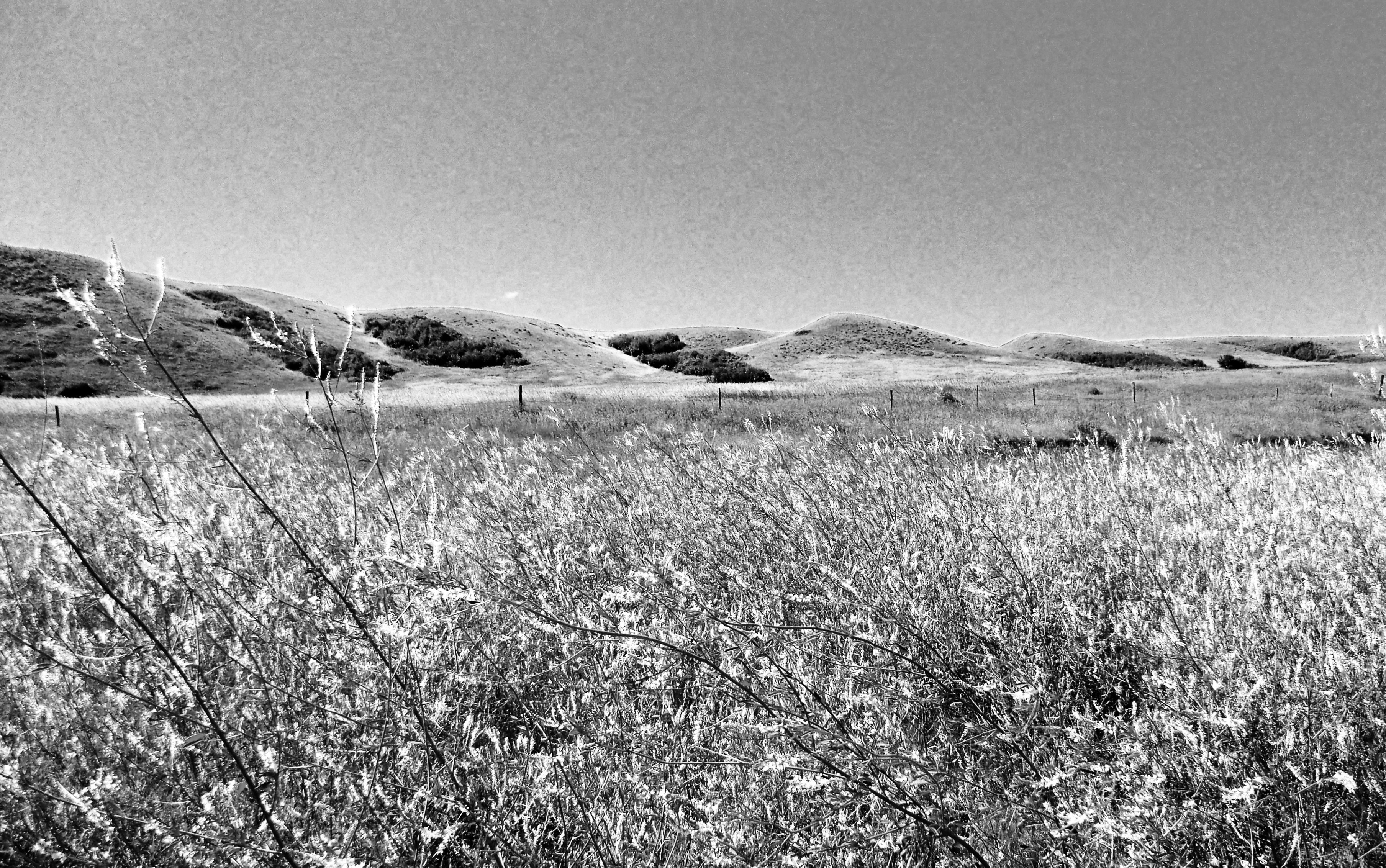
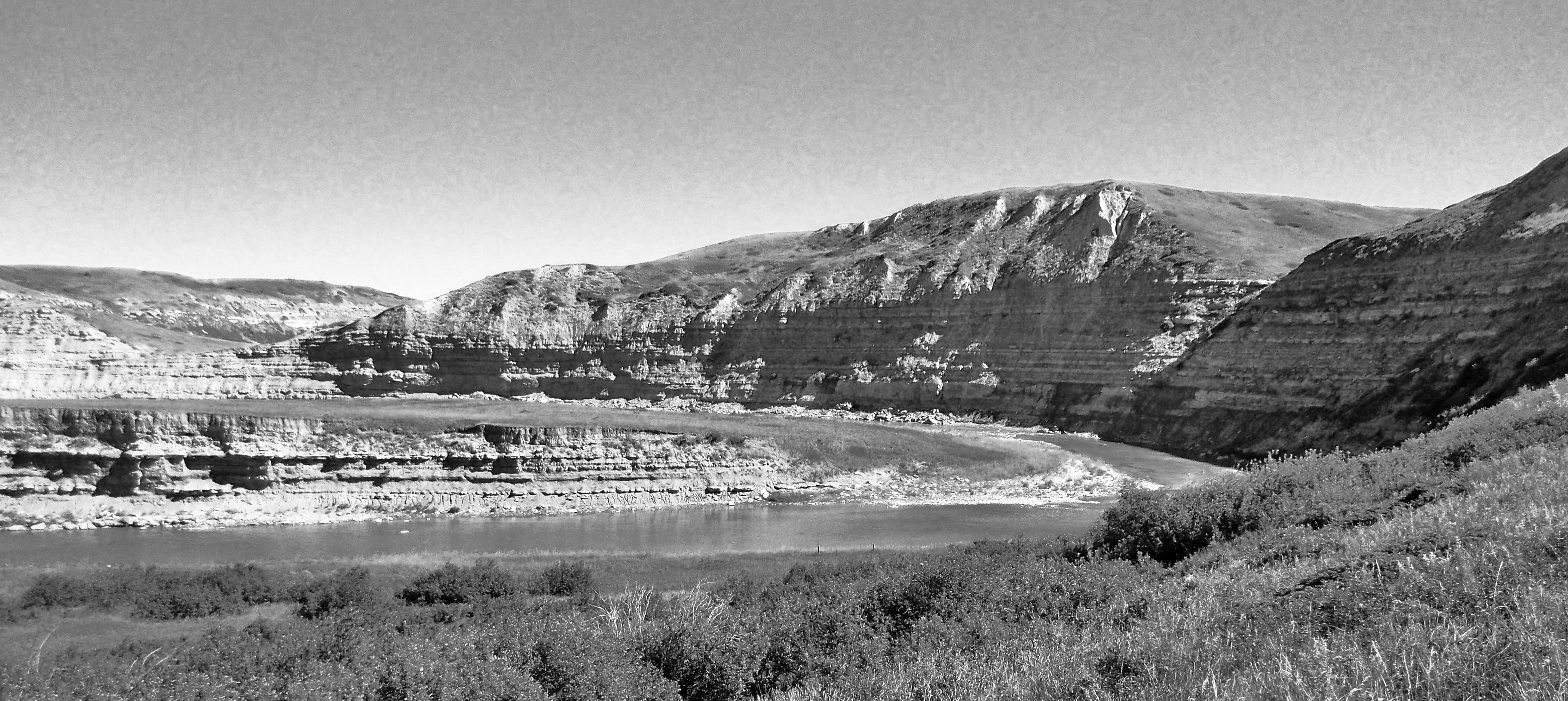
Here are some landscape and trout photos while sight fishing the past week. All fish caught on dries.
theturn

updown

lngriv

shadft

hills

abby (1)

abby

claws

lngriv

wheat

globow

distshot

handsupport