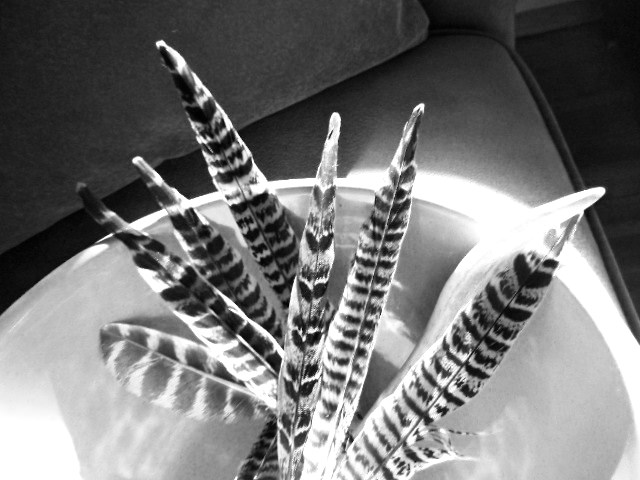
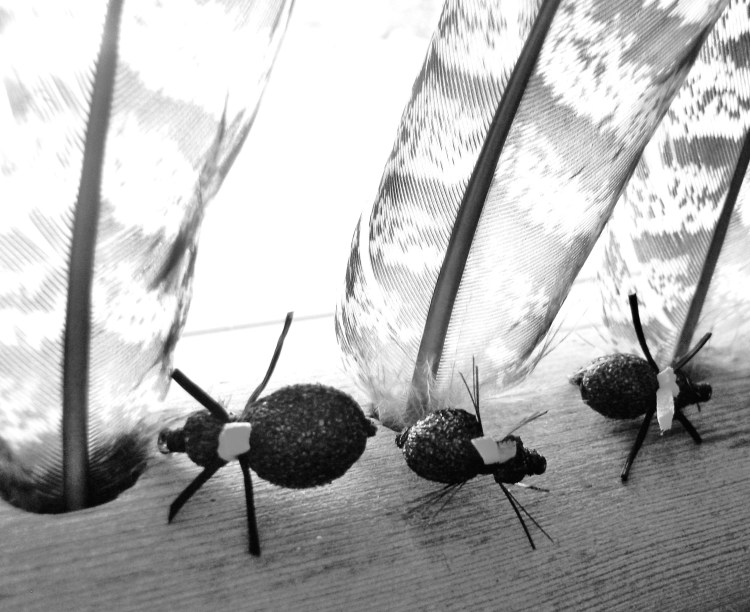


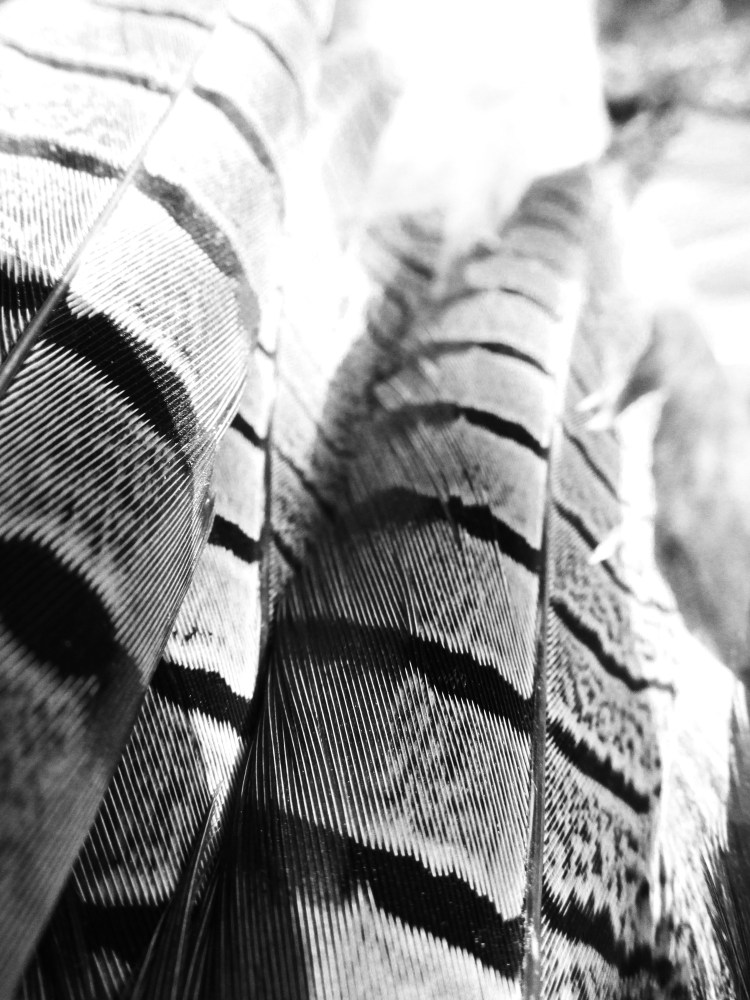
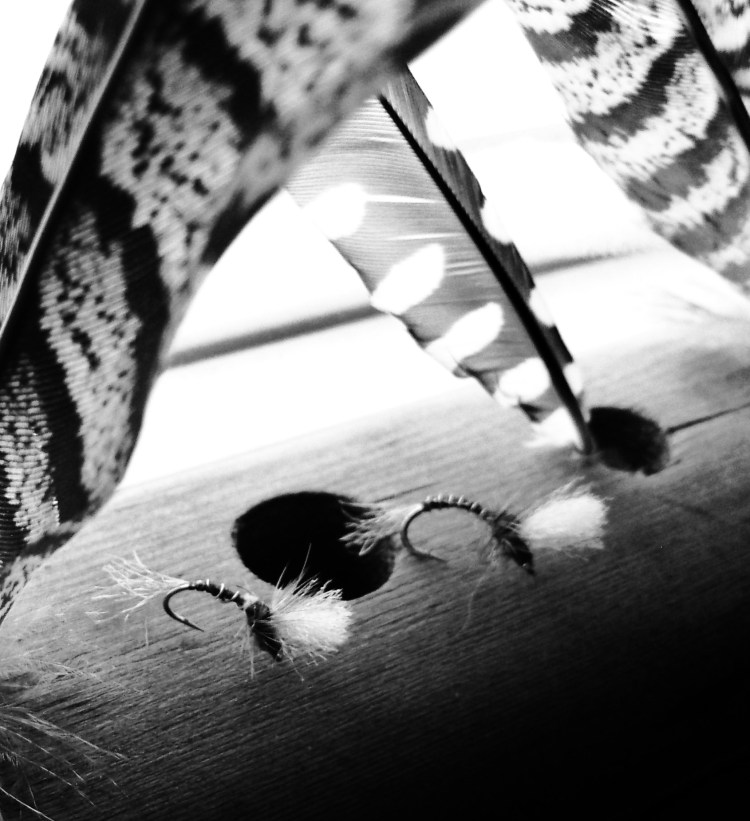
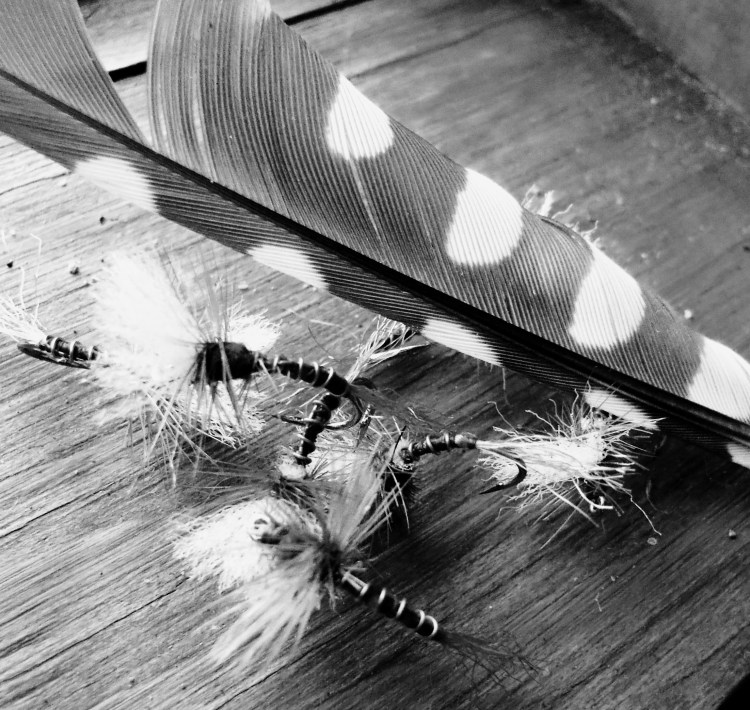

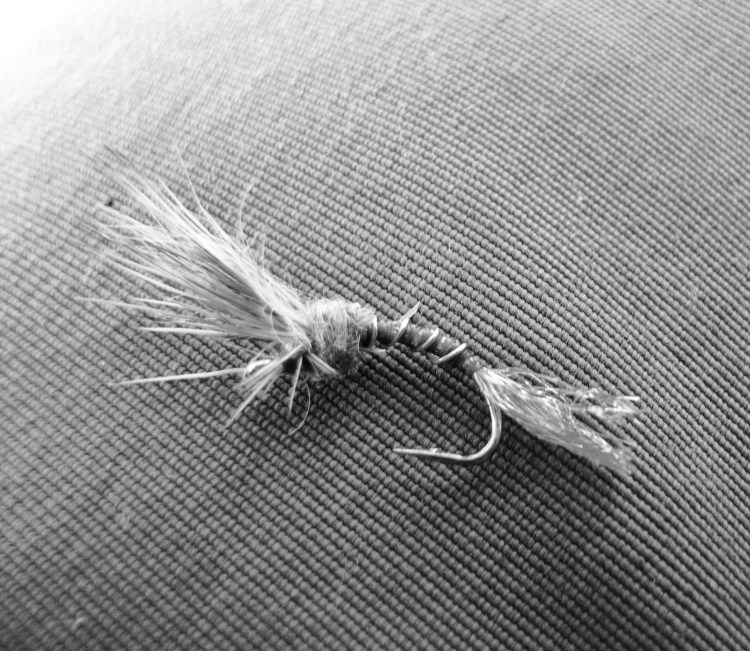
Some simple, durable, quick ties (size 18 flies) that often get the attention of trout on rivers nearby and afar. Tied on a hook that dangles: trailing shuck; some weight (wire) on body to hopefully tug it below the surface (saliva on shuck and body helps); exaggerated thorax dubbed; wing of polypro or deer hair, sometimes hackle used to keep top half (head) floating and most importantly visible. A white or black wing allows you to see the small fly in most light conditions. If I can see a small fly then I feel I can get it on the nose of a feeding fish, and then I at least have a chance. If I can’t see and follow the drift then I might as well be blindfolded! Deer hair and hackle is often less visible but can be seen if you can get close to a trout. The pattern can be fished as a dry/ emerger (mayfly hatch). I simply change body and thorax color and size depending on the season/hatch. The wing can be tied or clipped real sparse (less wing) for flat water, or CDC used. No fly works in all situations but some flies work in a lot of them.
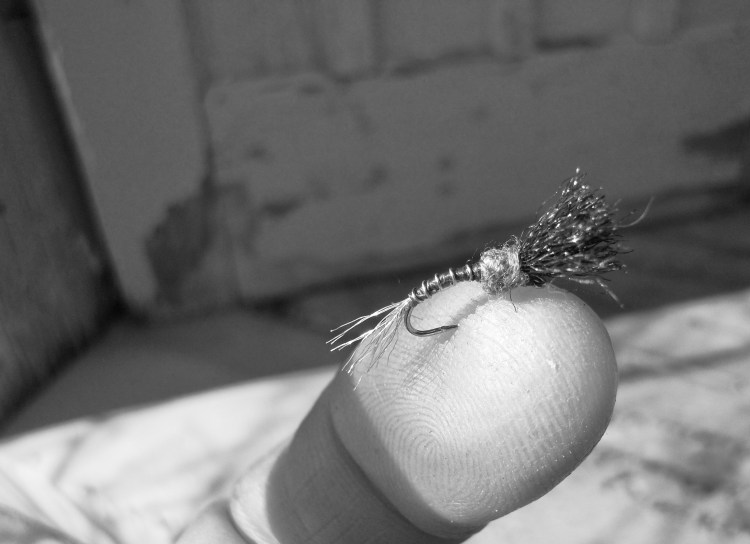
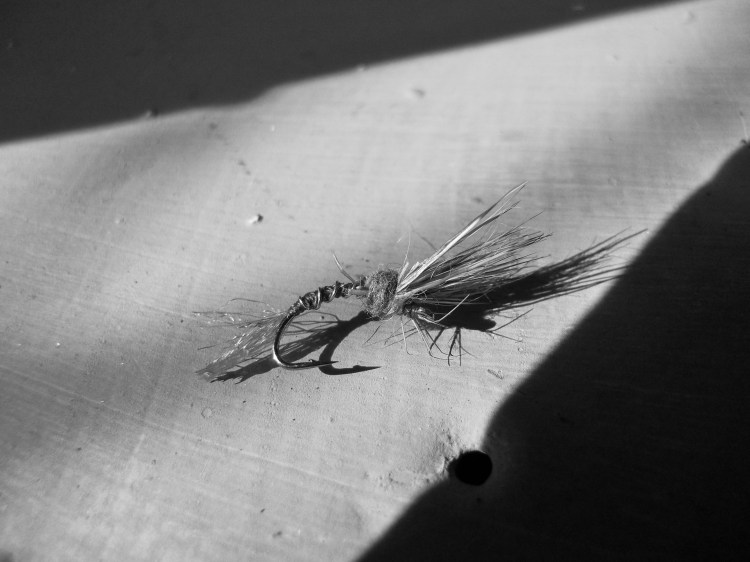
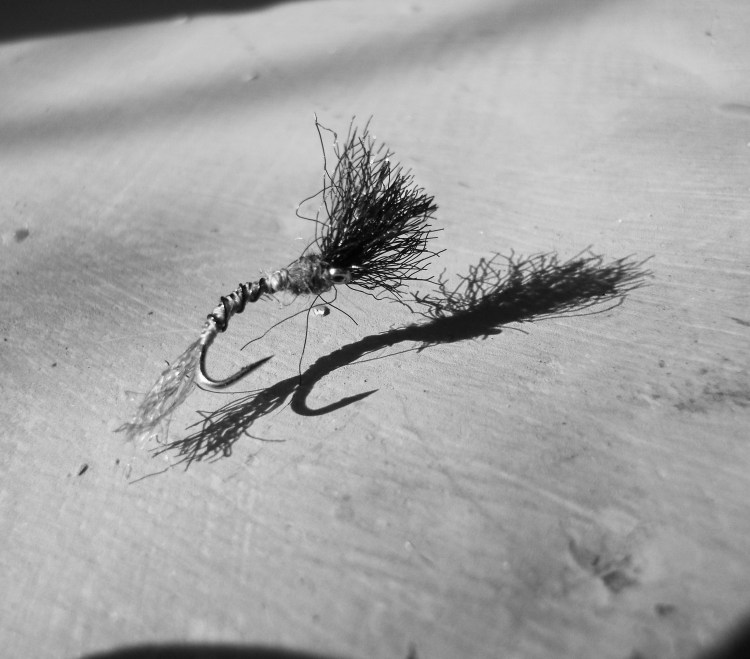


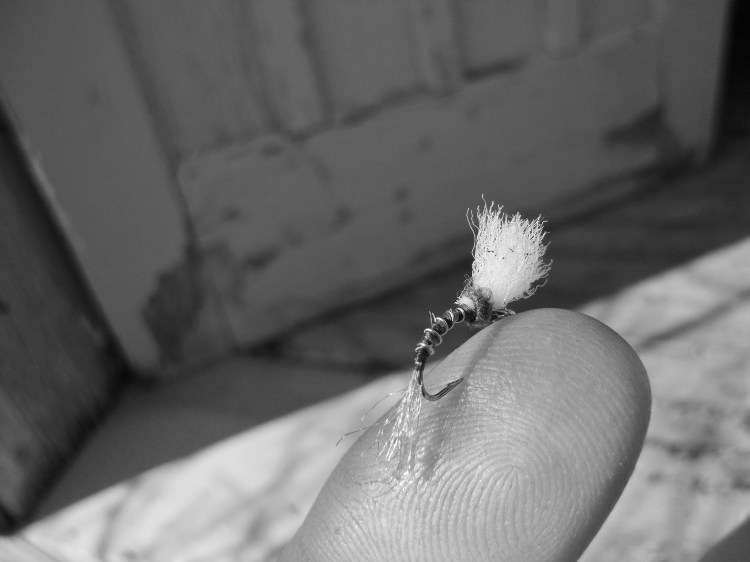


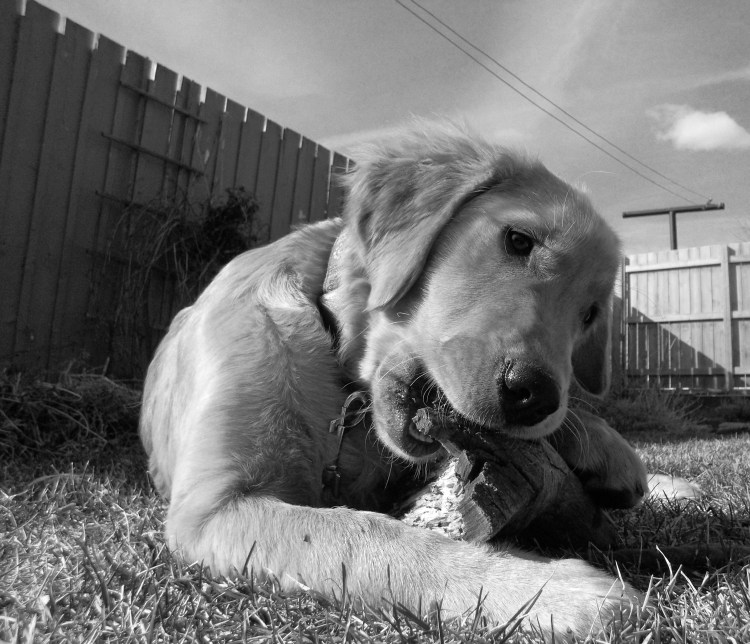
master fly tyer (abby) taking a break
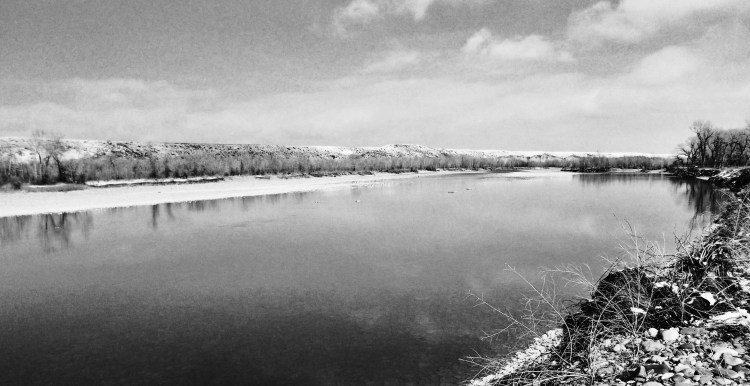
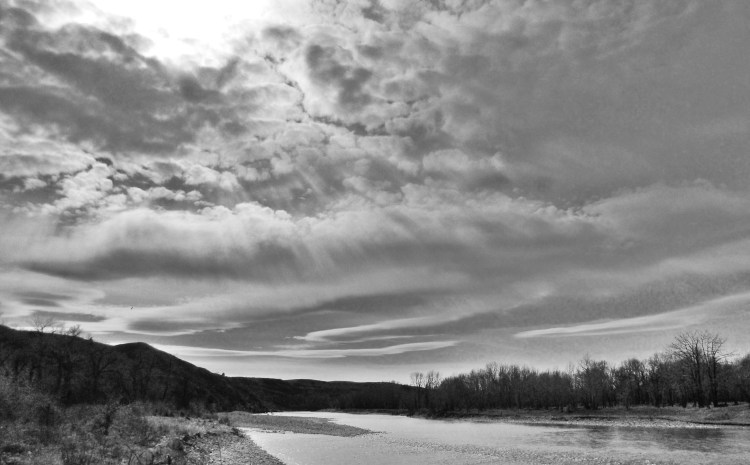
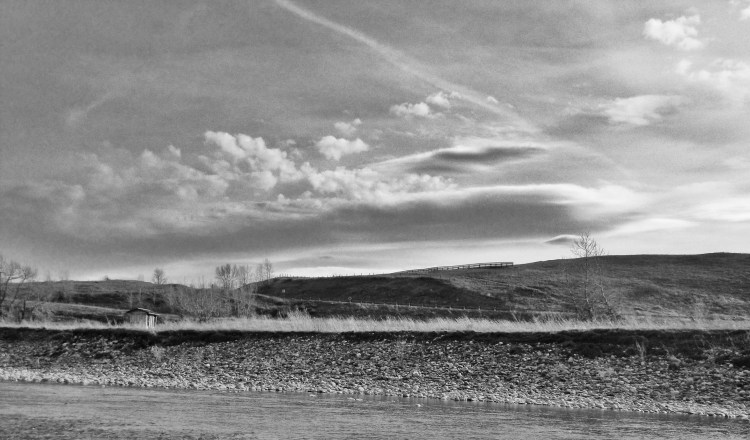
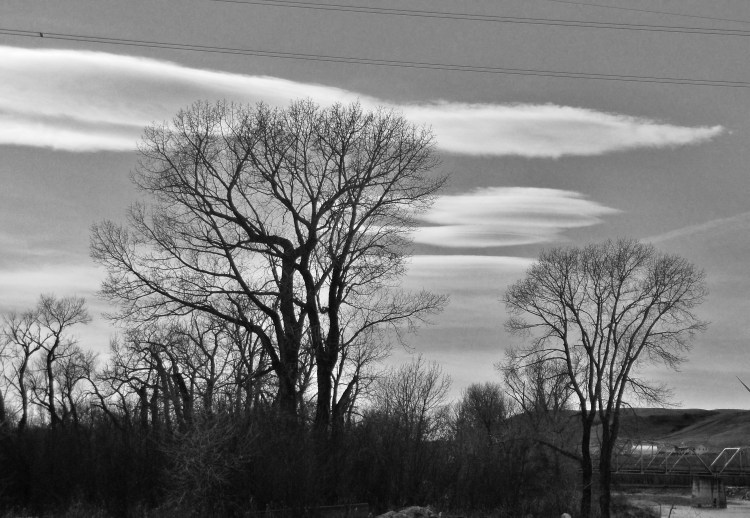
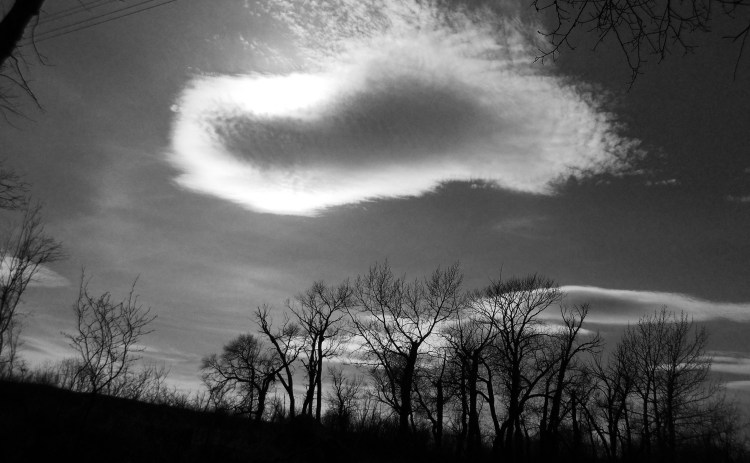
A few snaps while walking one of my favorite trout streams and looking for an early season midge hatch and trout. No trout spotted but some great clouds filled the ceiling of my big western room.
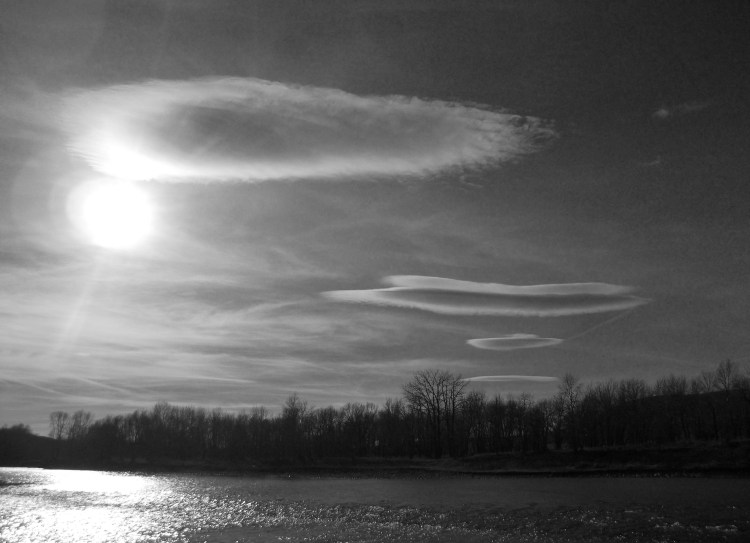
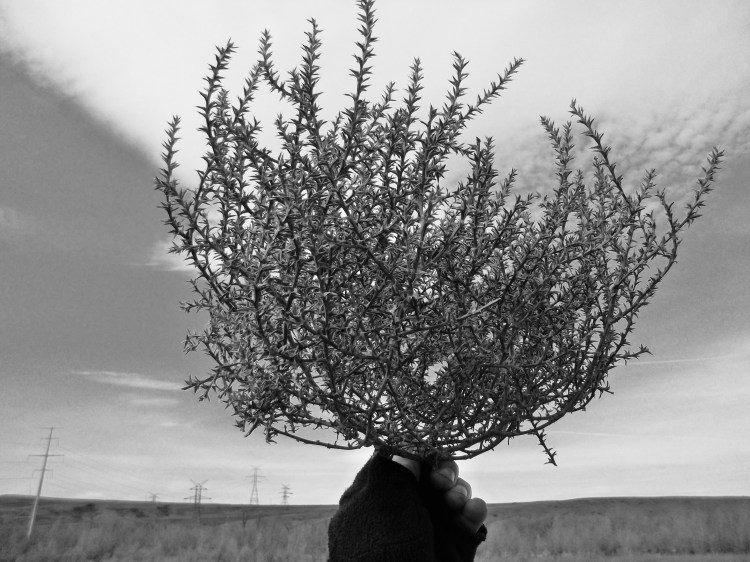
riverside tumbleweed

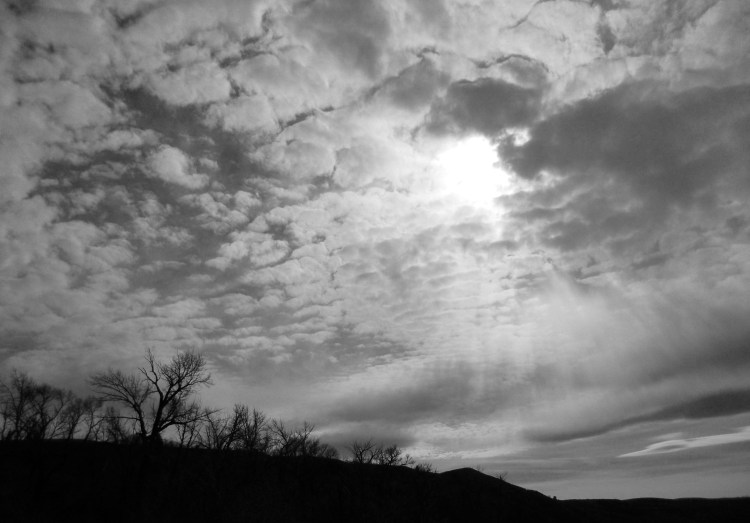
Some favorite photos from the past several years…
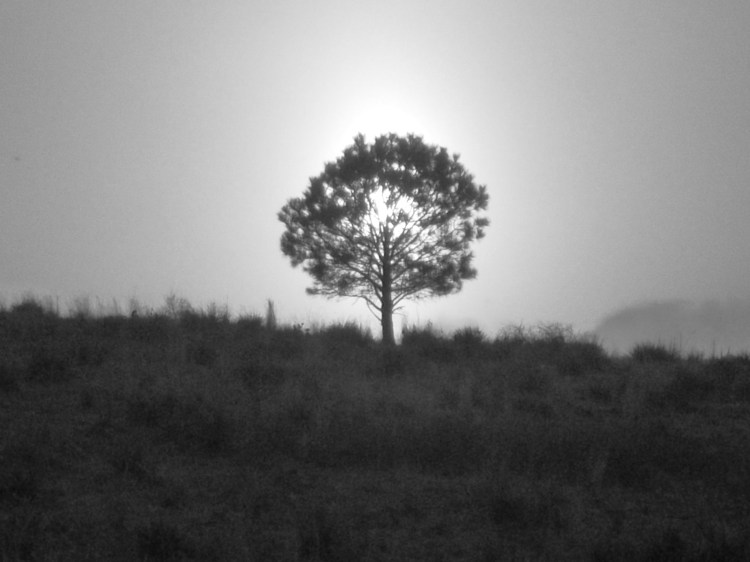
Favorite tree
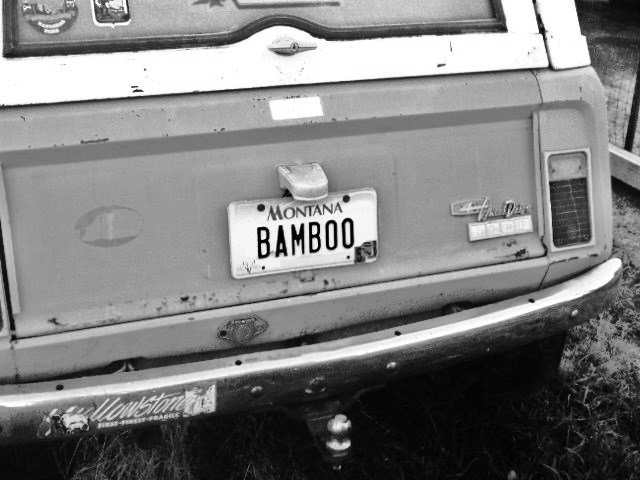
favorite license plate
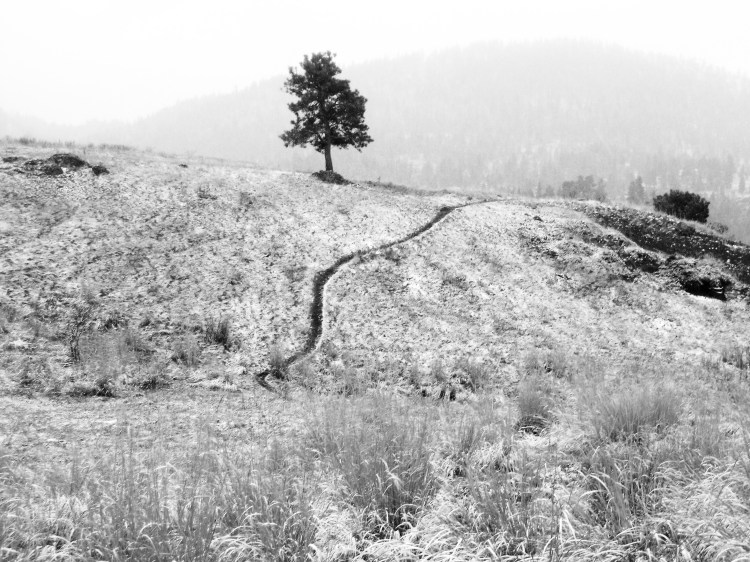
favorite river trail
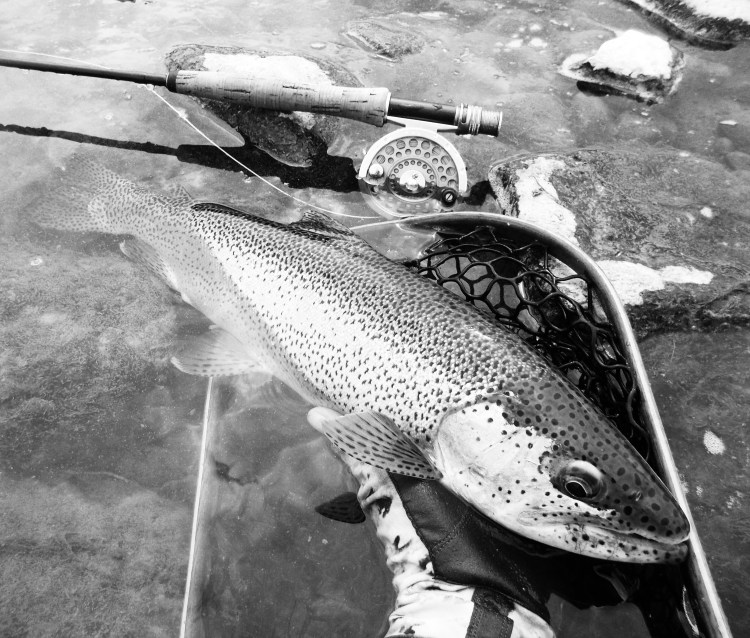
favorite trout on trico
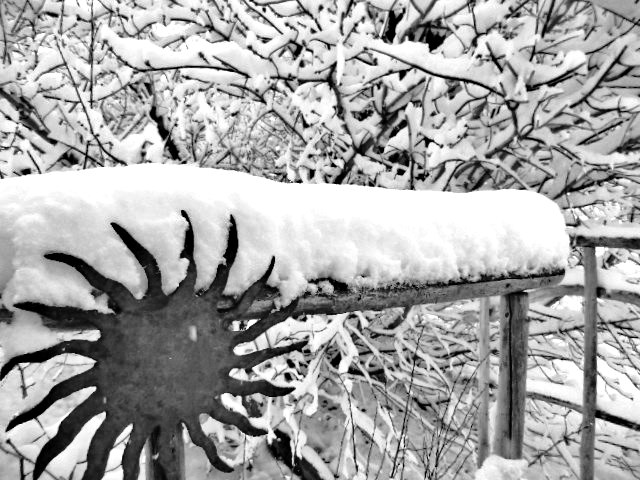
favorite sun
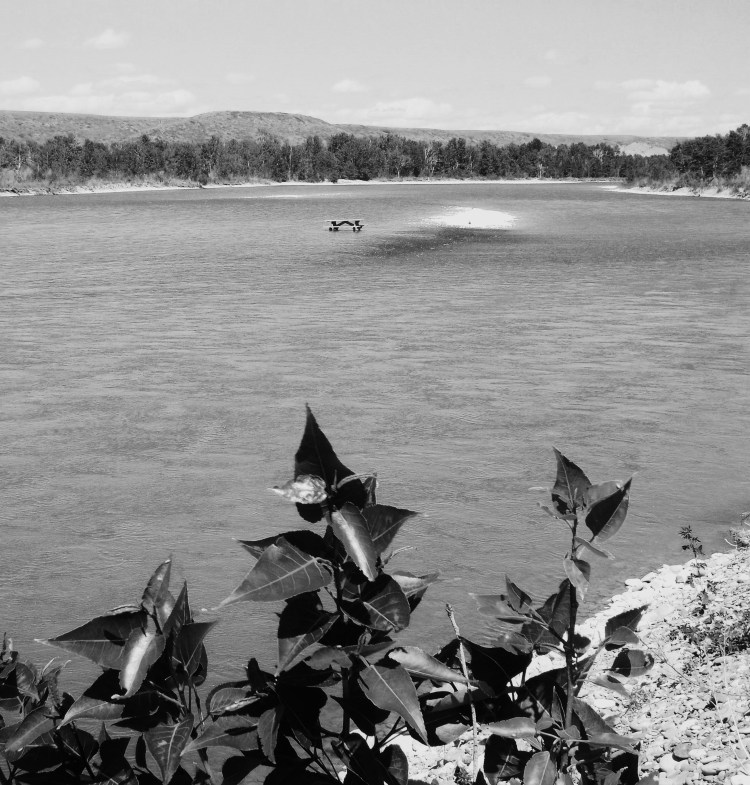
favorite picnic bench
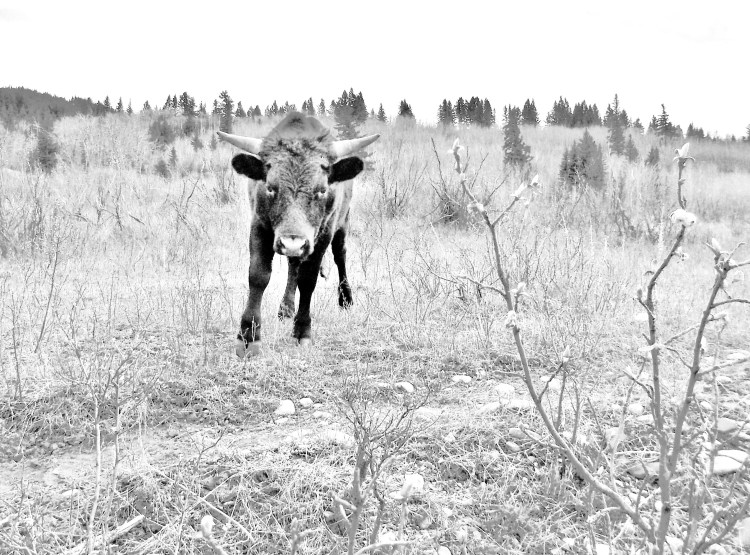
favorite riverkeeper
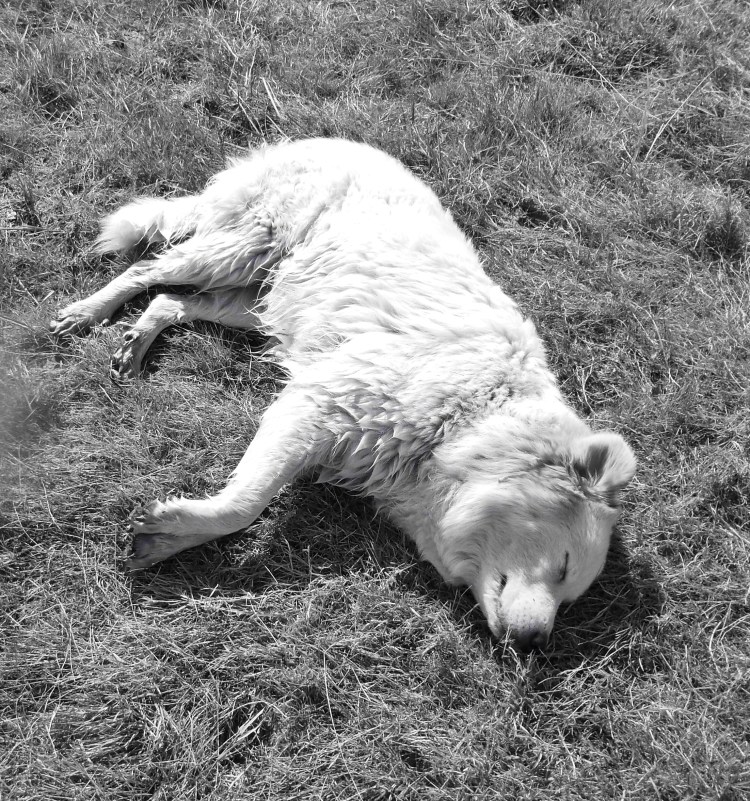
favorite sheep herder
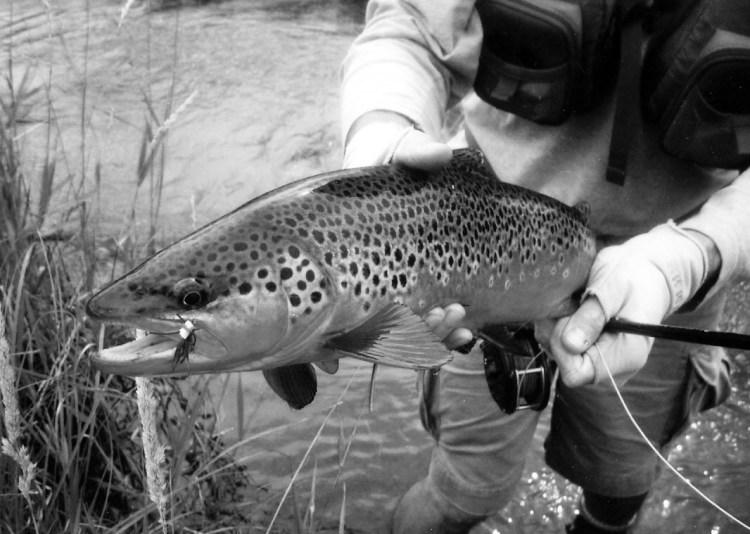
favorite brown on dry
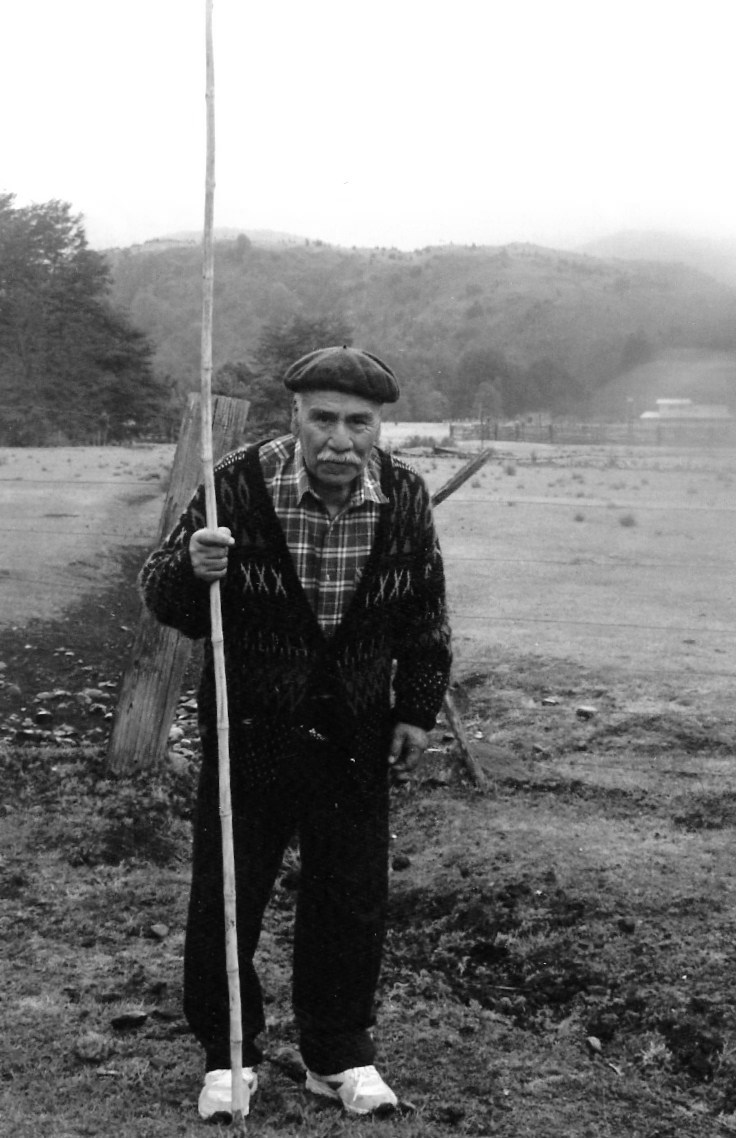
favorite patriarch of valley

favorite peanut shack
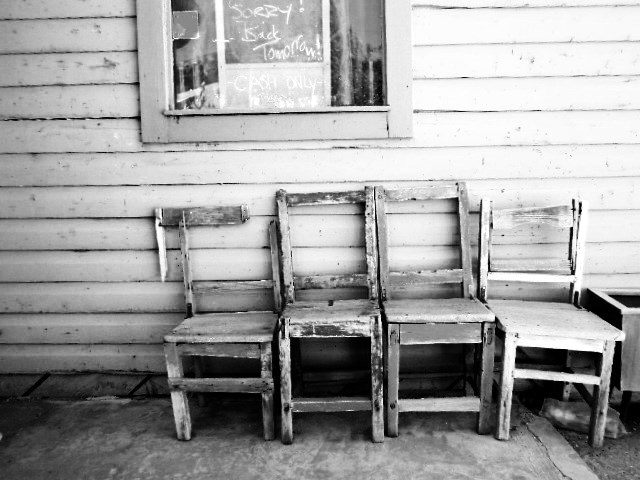
favorite porch

favorite reel
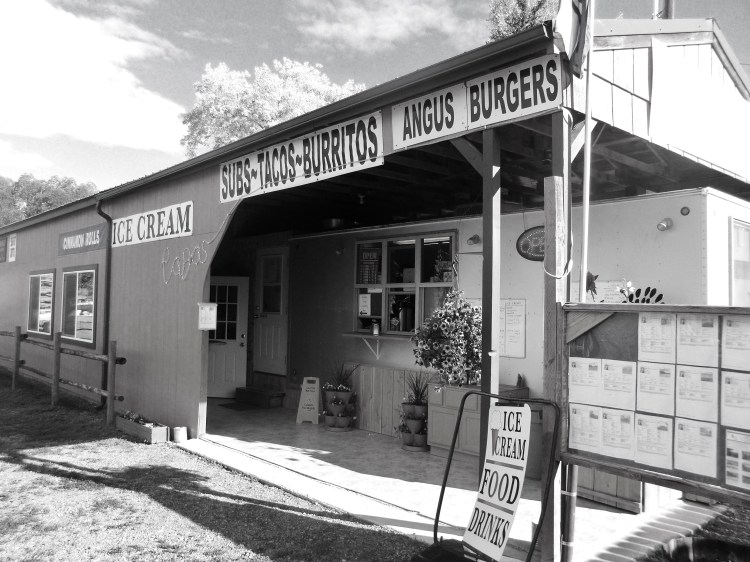
favorite riverside burrito place
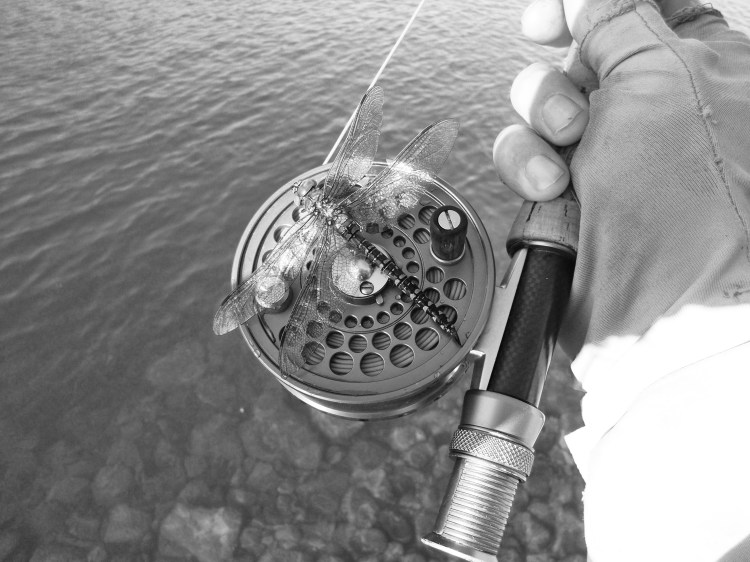
favorite bug shot
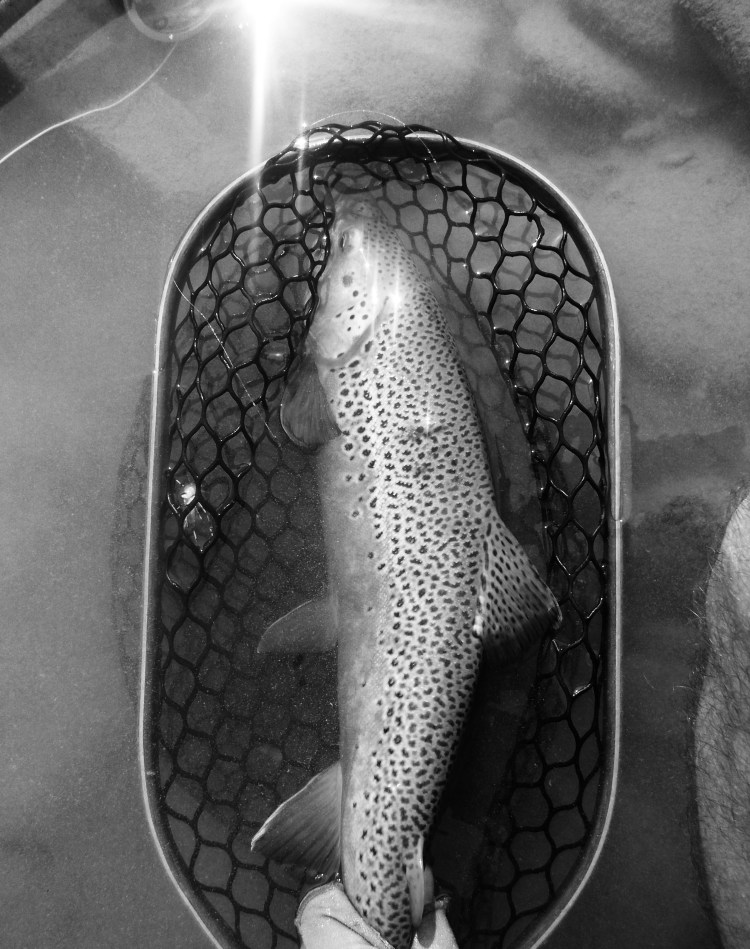
favorite net shot

favorite address
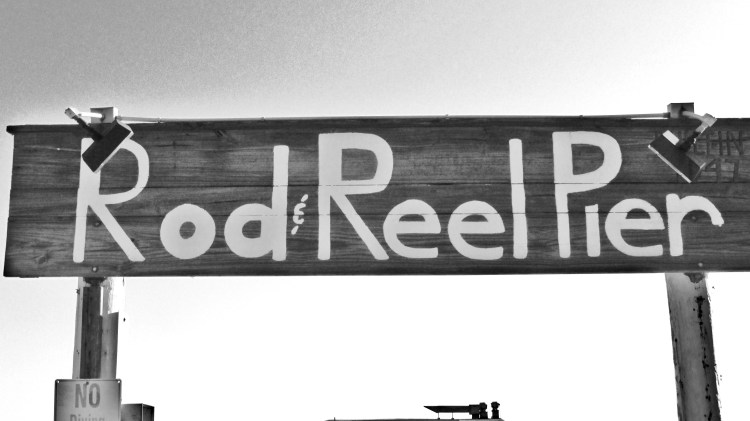
favorite pier
“I’m gonna win. There’s no way I’m goin’ down. I don’t go down for nobody”.
-1940’s Boxer, Jake LaMotta
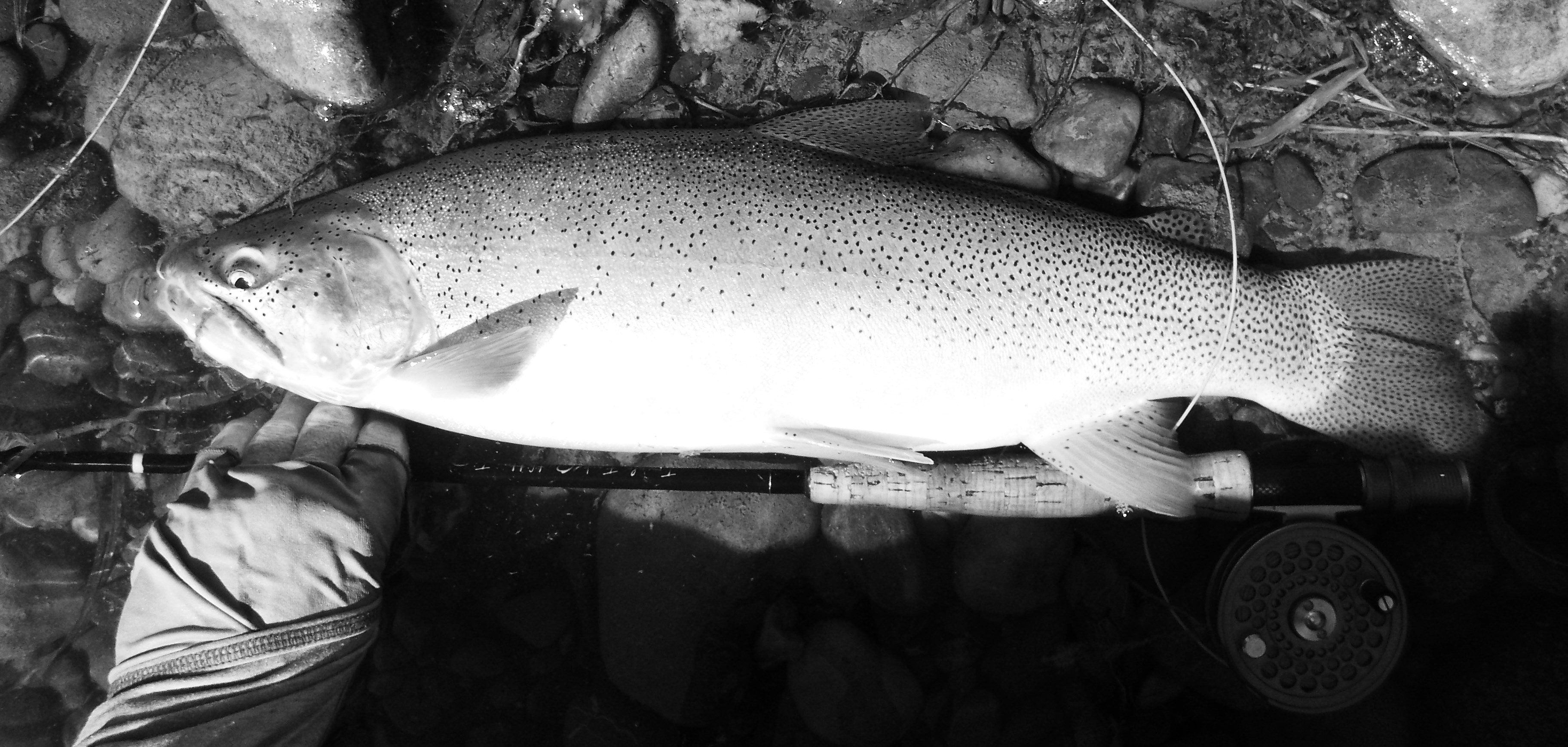
A local tailwater river that I frequently dry-fly on has a healthy population of sizeable rainbow trout. This is not surprising as they are the predominant trout species in my region. It also has a good population of brown trout. Also not surprising.
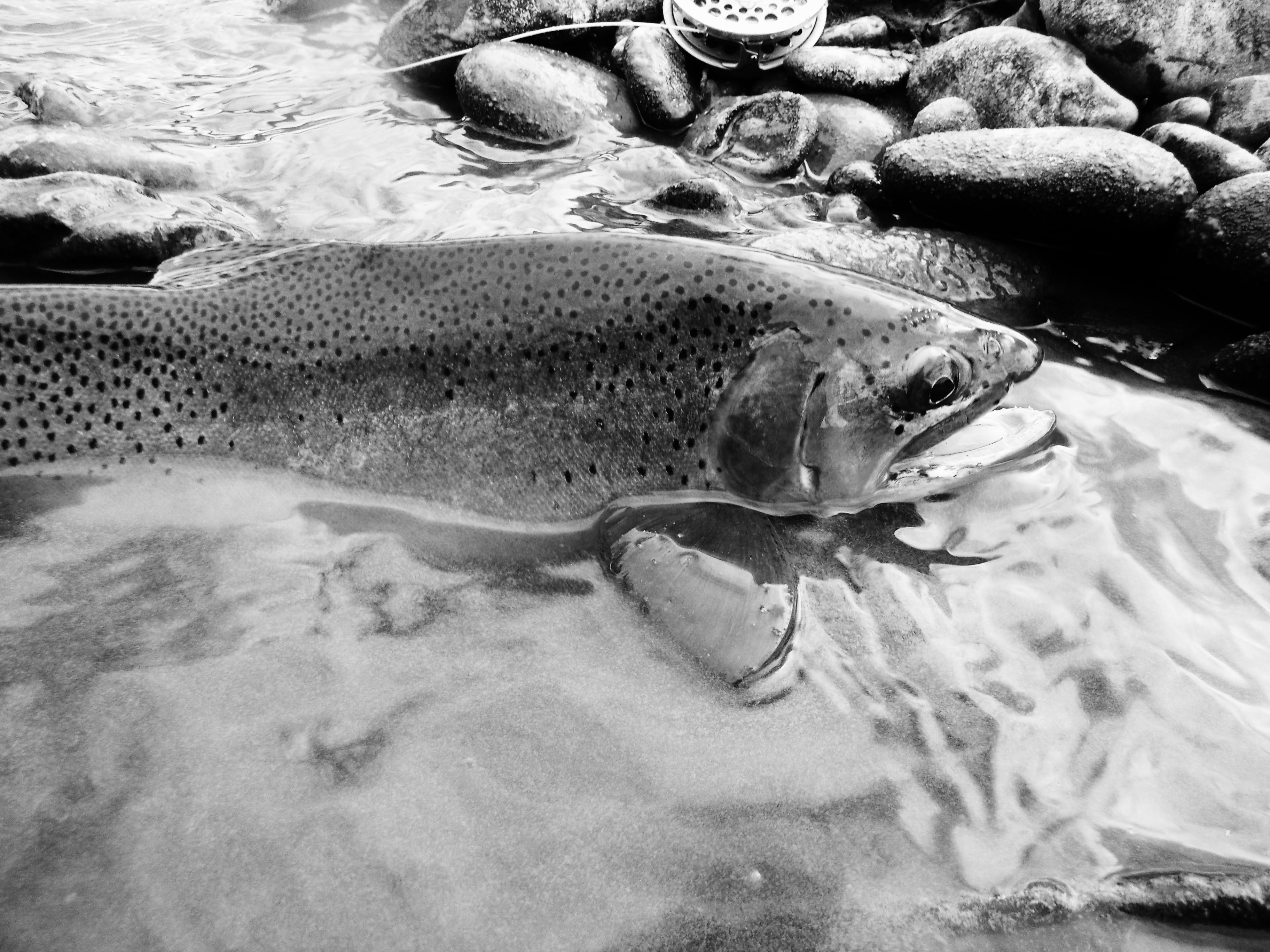
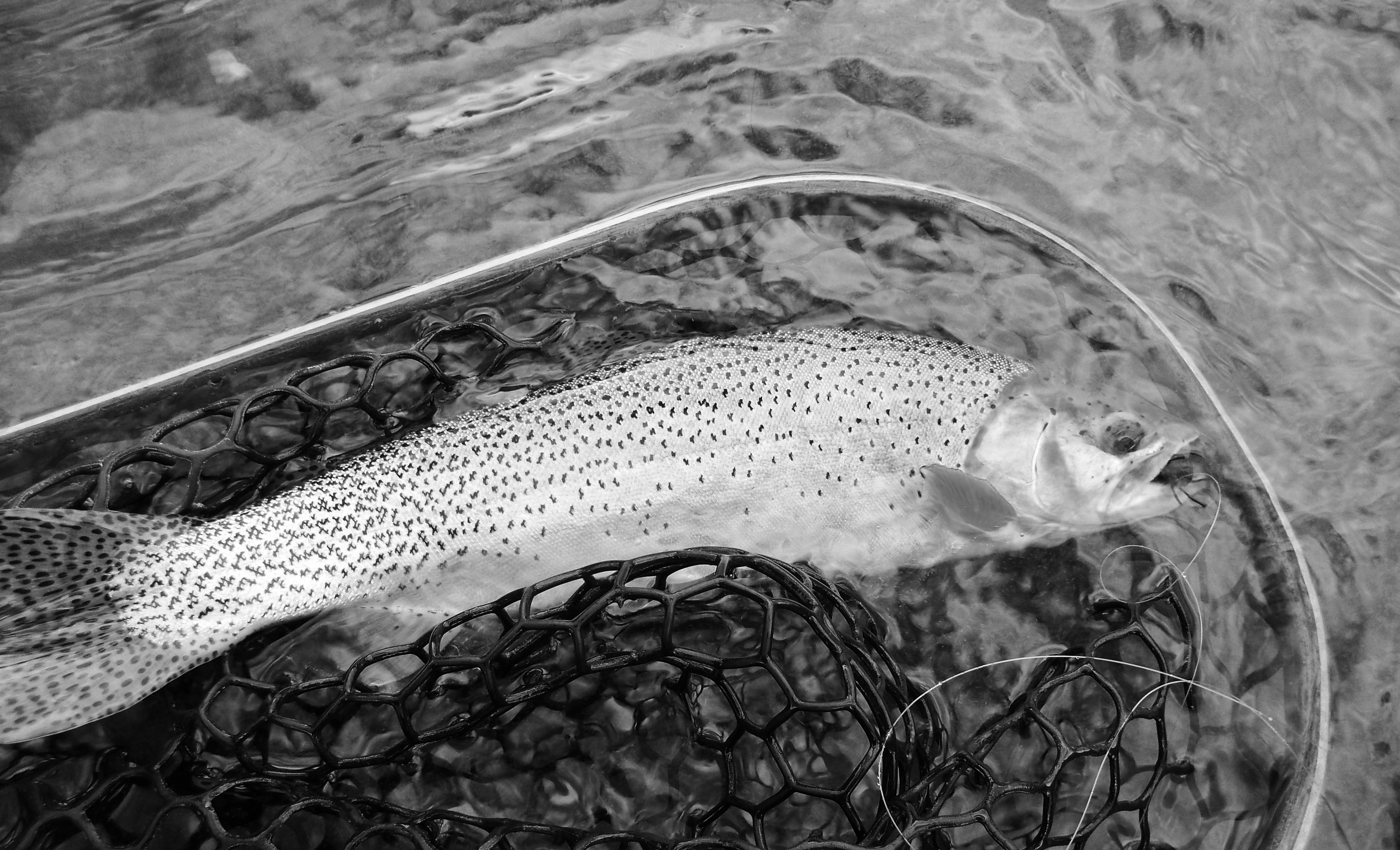
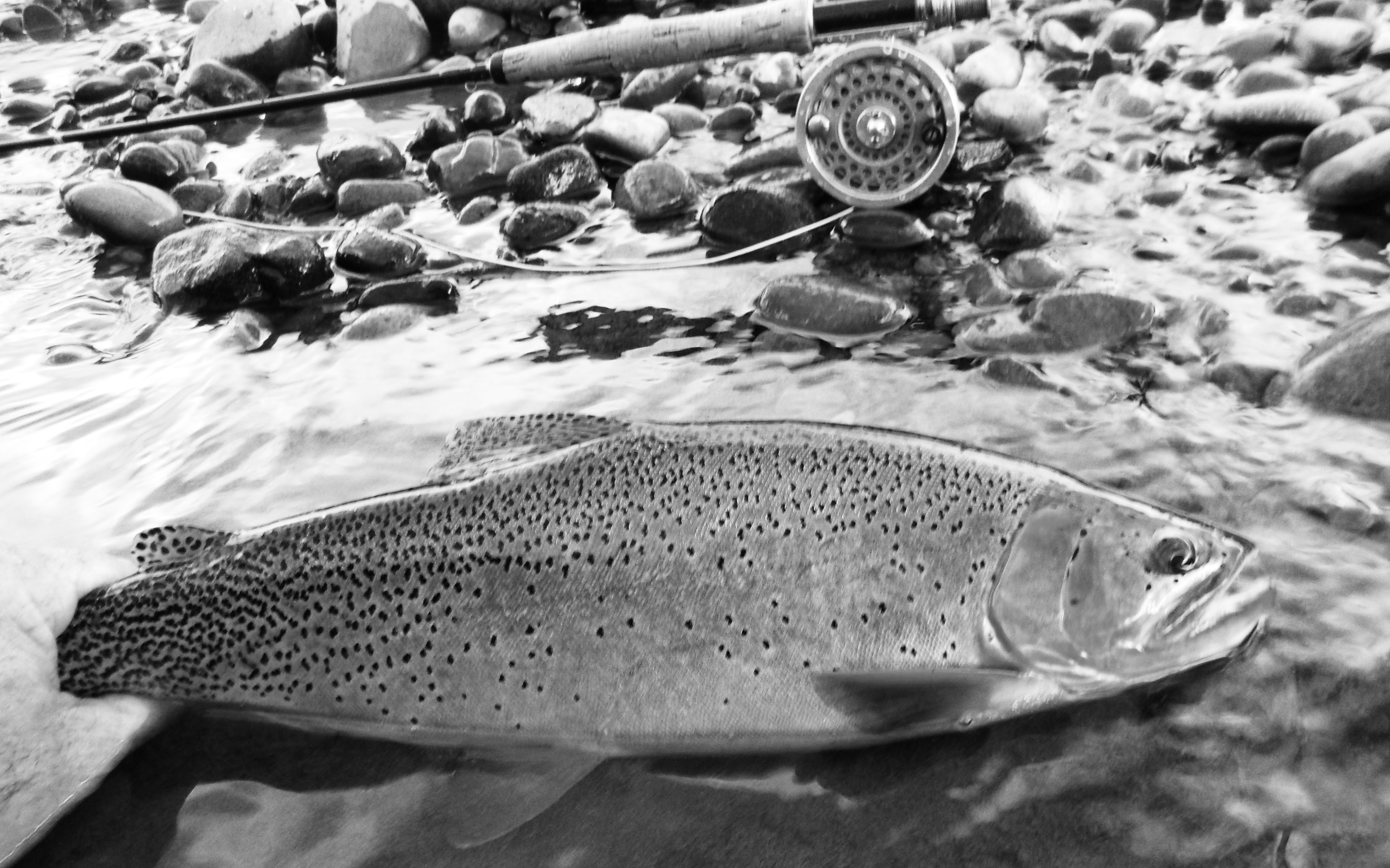
What is surprising is that in spite of this river section being a fair distance from the mountains and the water quality being far from pristine, it has some very healthy Cutthroat and the hybridized Cuttbow trout. These fish can be quite large but what is extraordinary is that they are especially robust. Hook into one on a broad section of the river and they race for the horizon, and can take you into your backing.
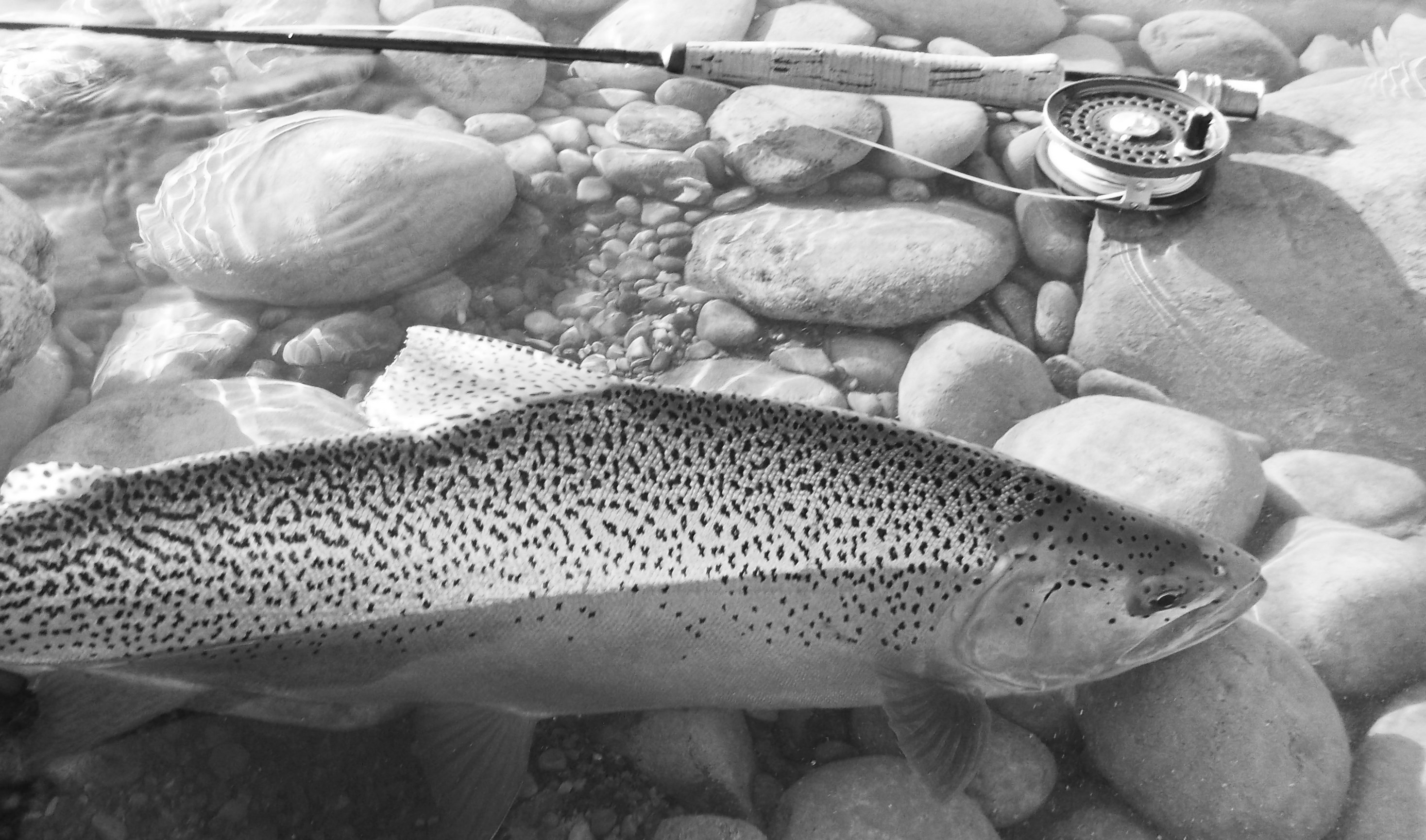
I go there when I expect a hatch and look for surface disturbances. It is “technical” water: whether it is rainbows, browns or cutthroat, or a hybridized version, you have to pay attention to what the fish are focused on (eating) and also their rise forms to figure out whether you fish on top, in the film, or have to go slightly subsurface. I sometimes get the subsurface feeders to tip up and take a dangling, klinkhammer style fly, or a helpless easy floating target such as a cripple pattern. Some people have success using soft hackles in this situation.

The river has very impressive rainbows and brown trout but I consider the cutthroat and their hybridized brethren to be the “Raging Bulls” of this neighbourhood. Think Jake LaMotta… they just don’t give up.
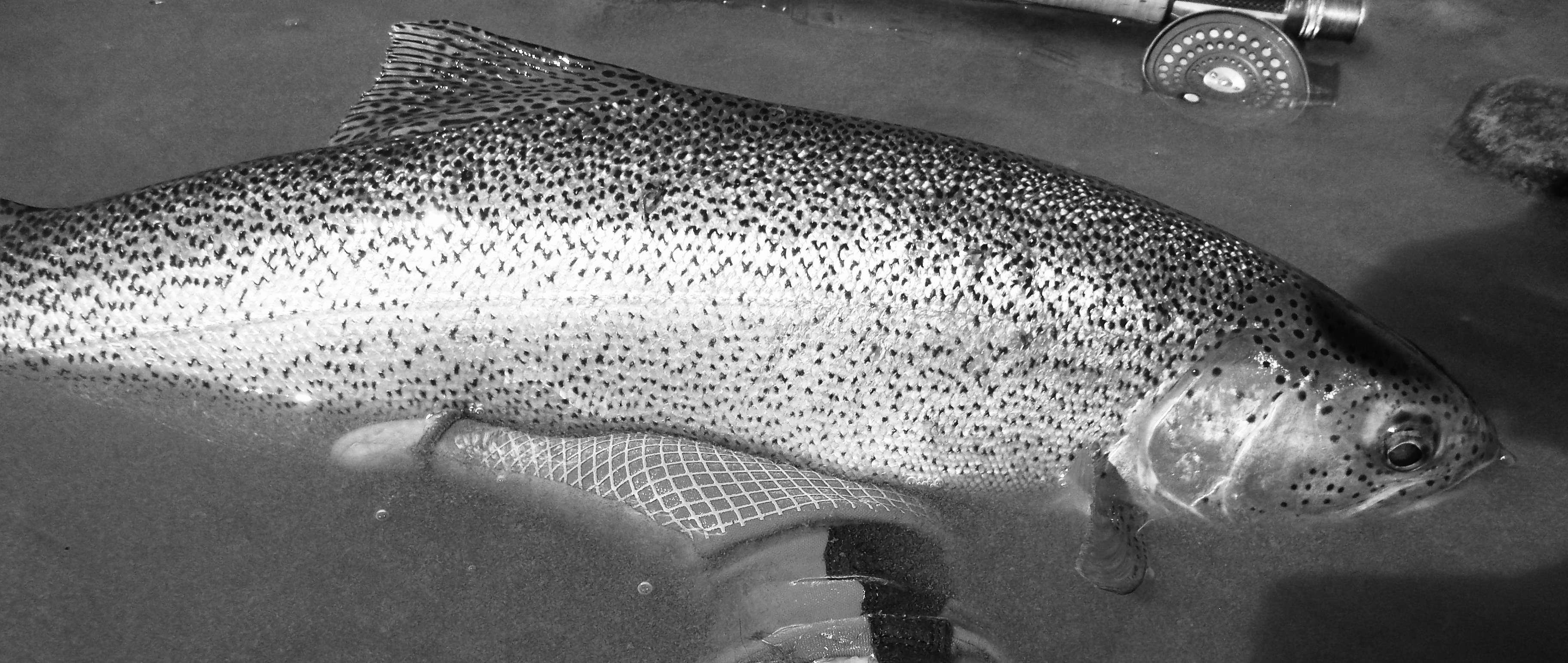
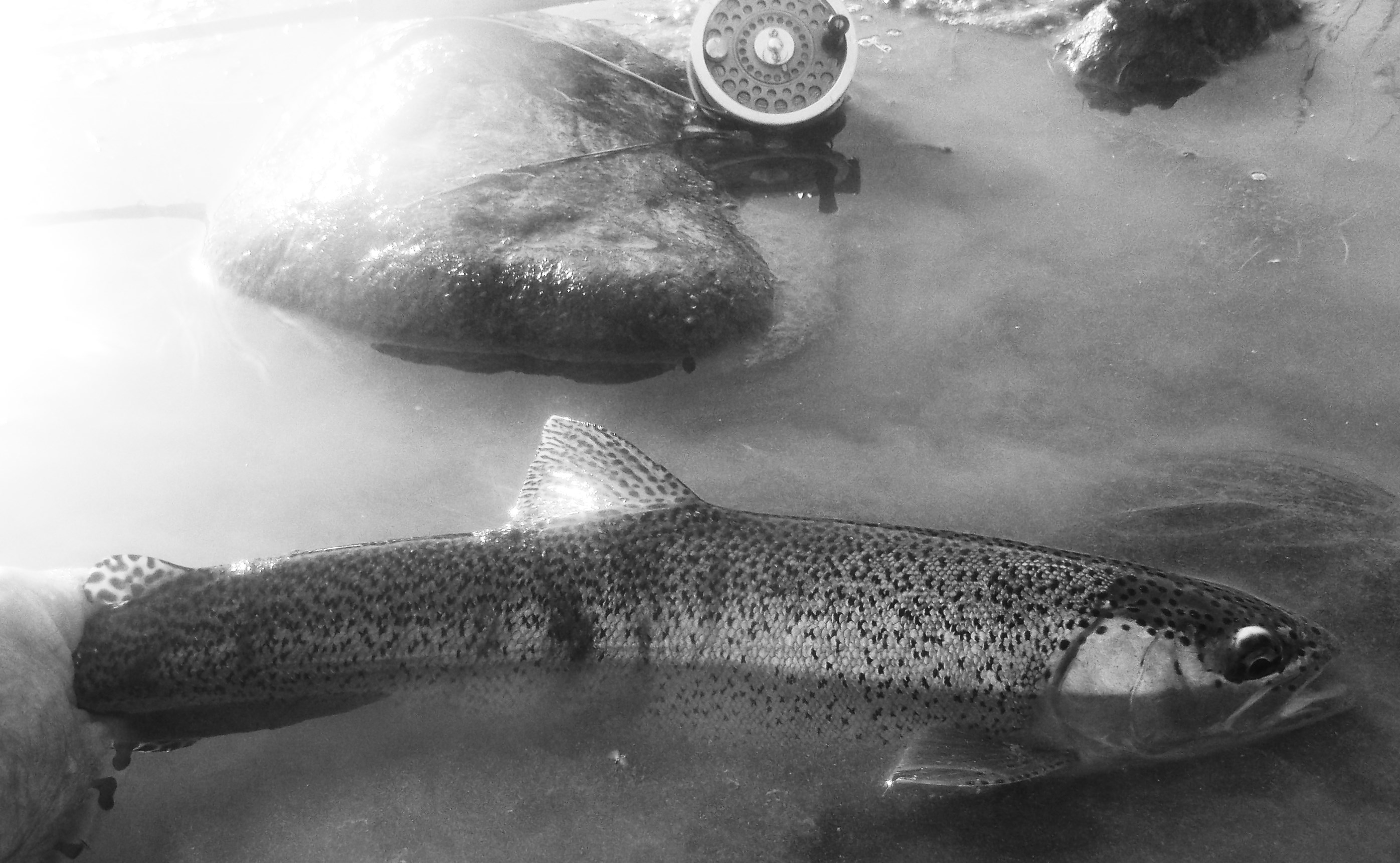
Here are some pictures of these fish caught (this and last summer) on small dries: size 16 and 18 pmd’s and one fish on a tiny beetle. All fish photographed on this blog have been released.

“And Fall, when yeller harvest moon and the hills growin’ brown and golden under a sinkin’ sun.”
Roy Bean
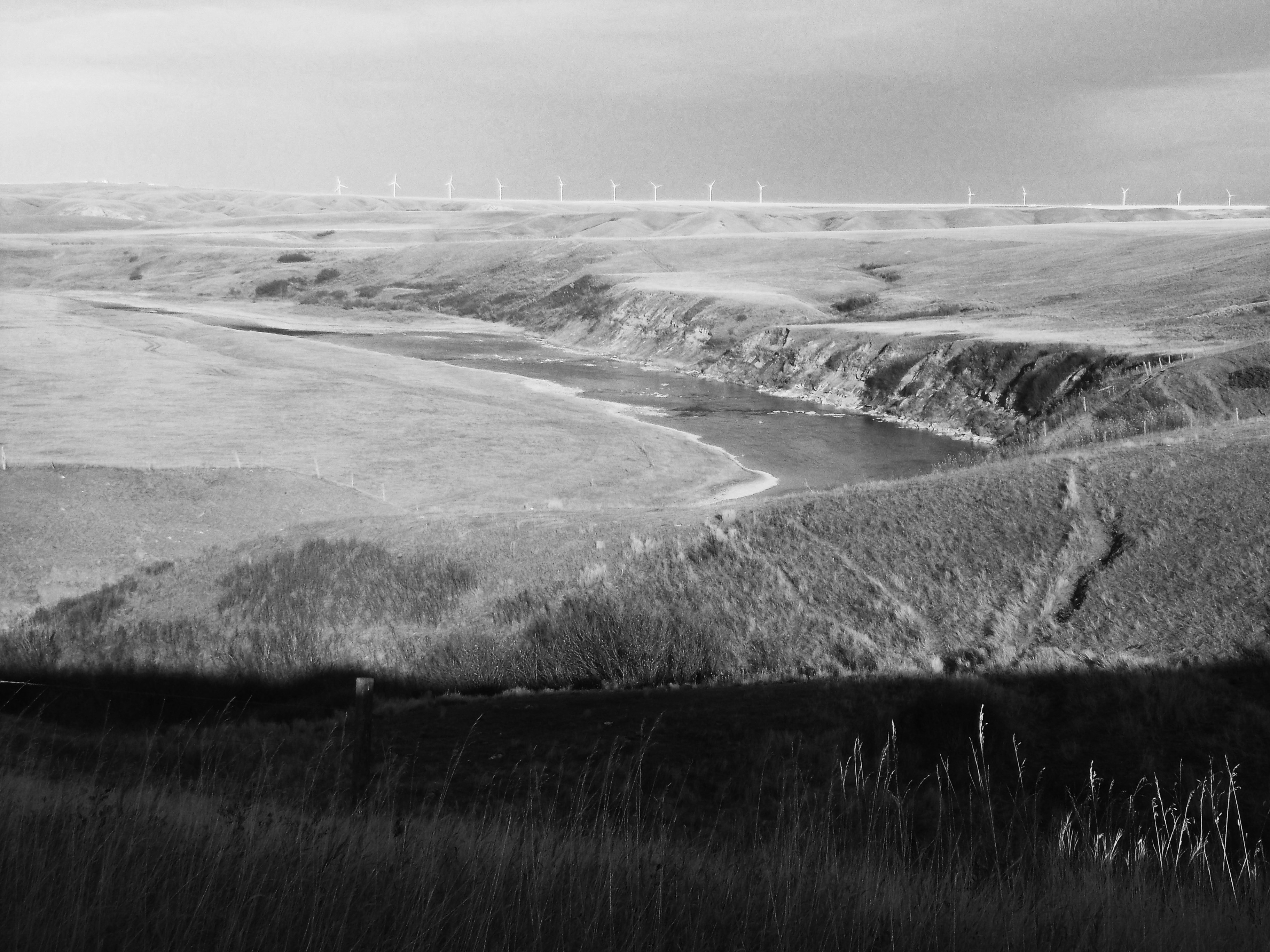
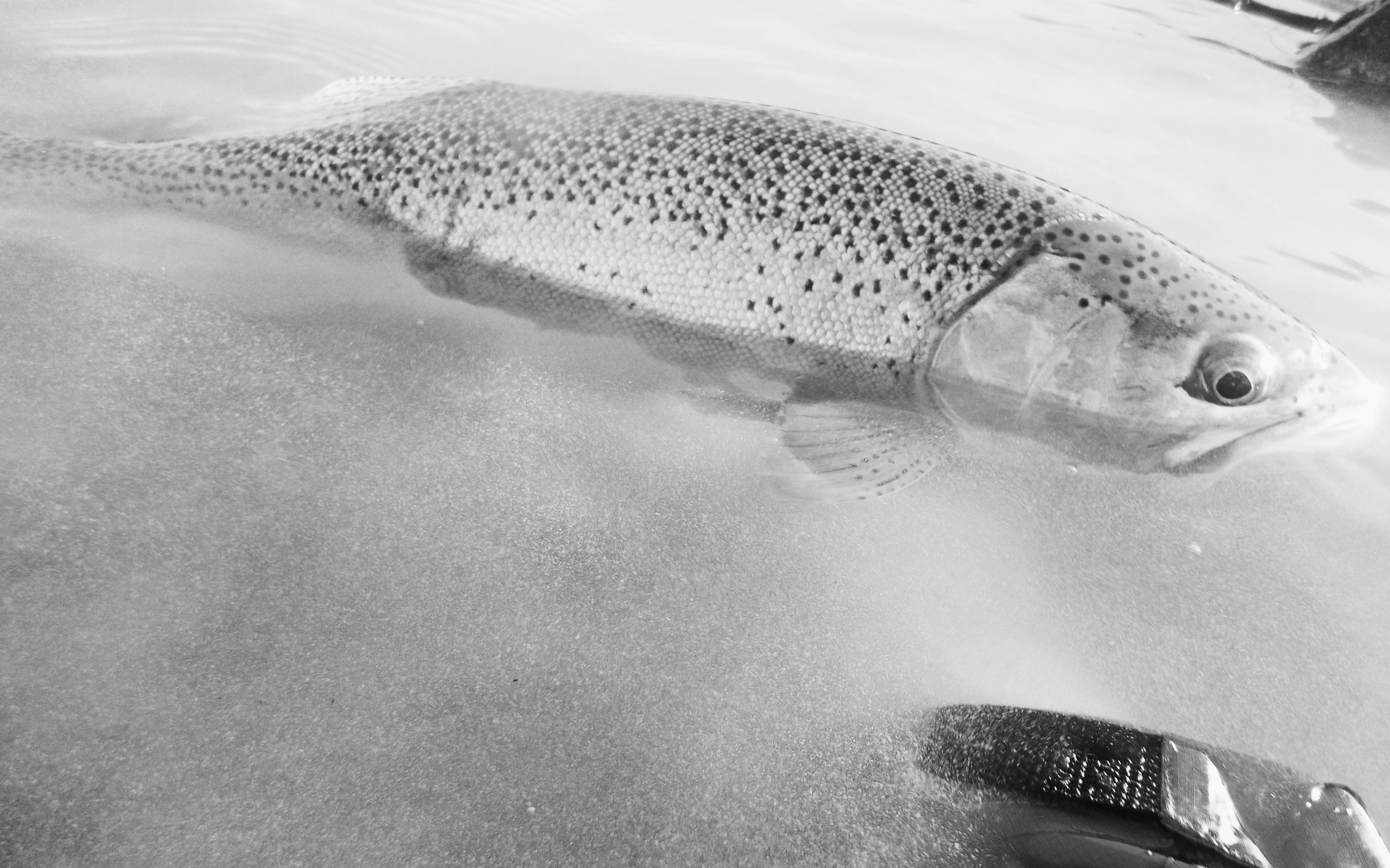
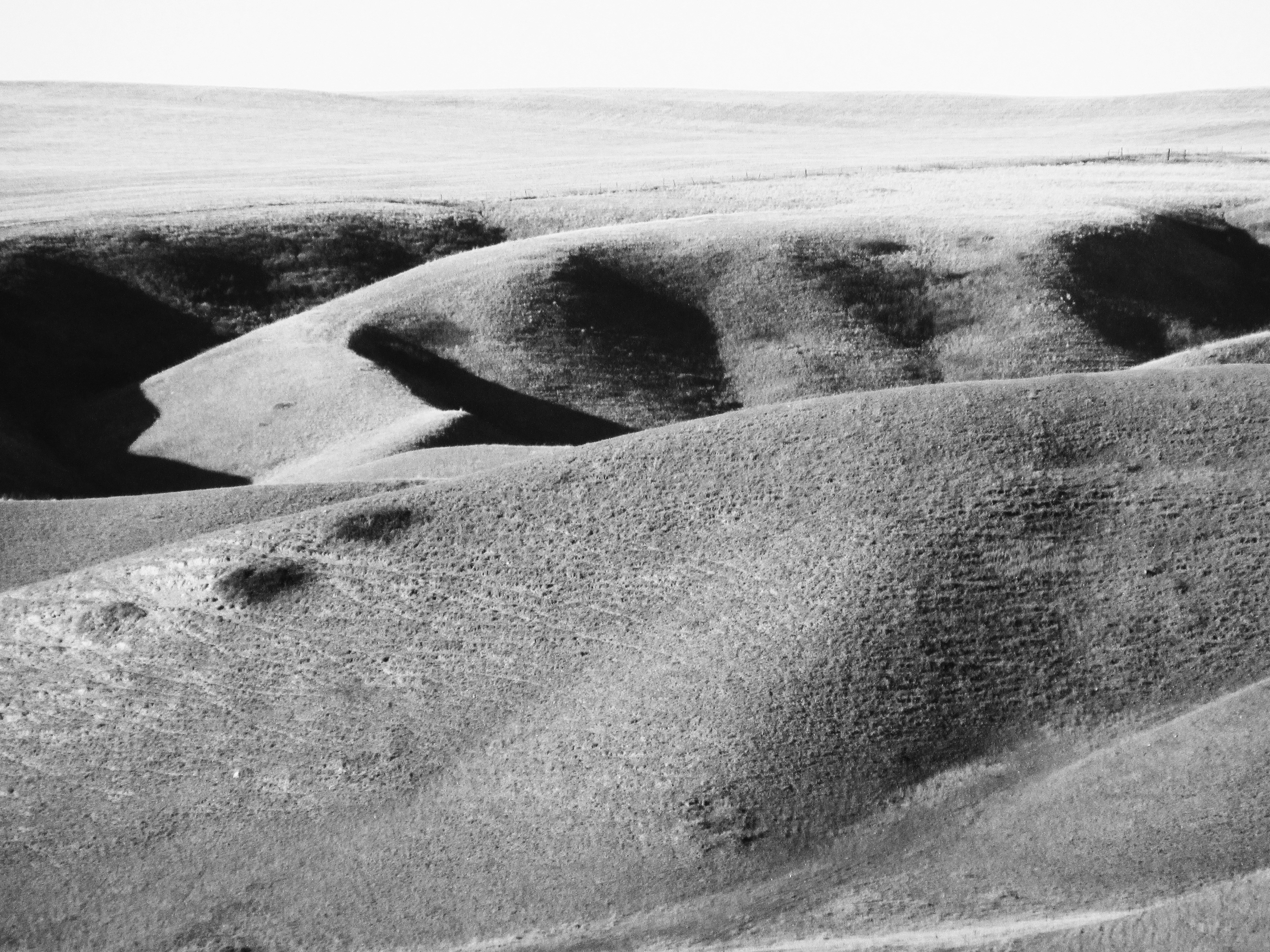
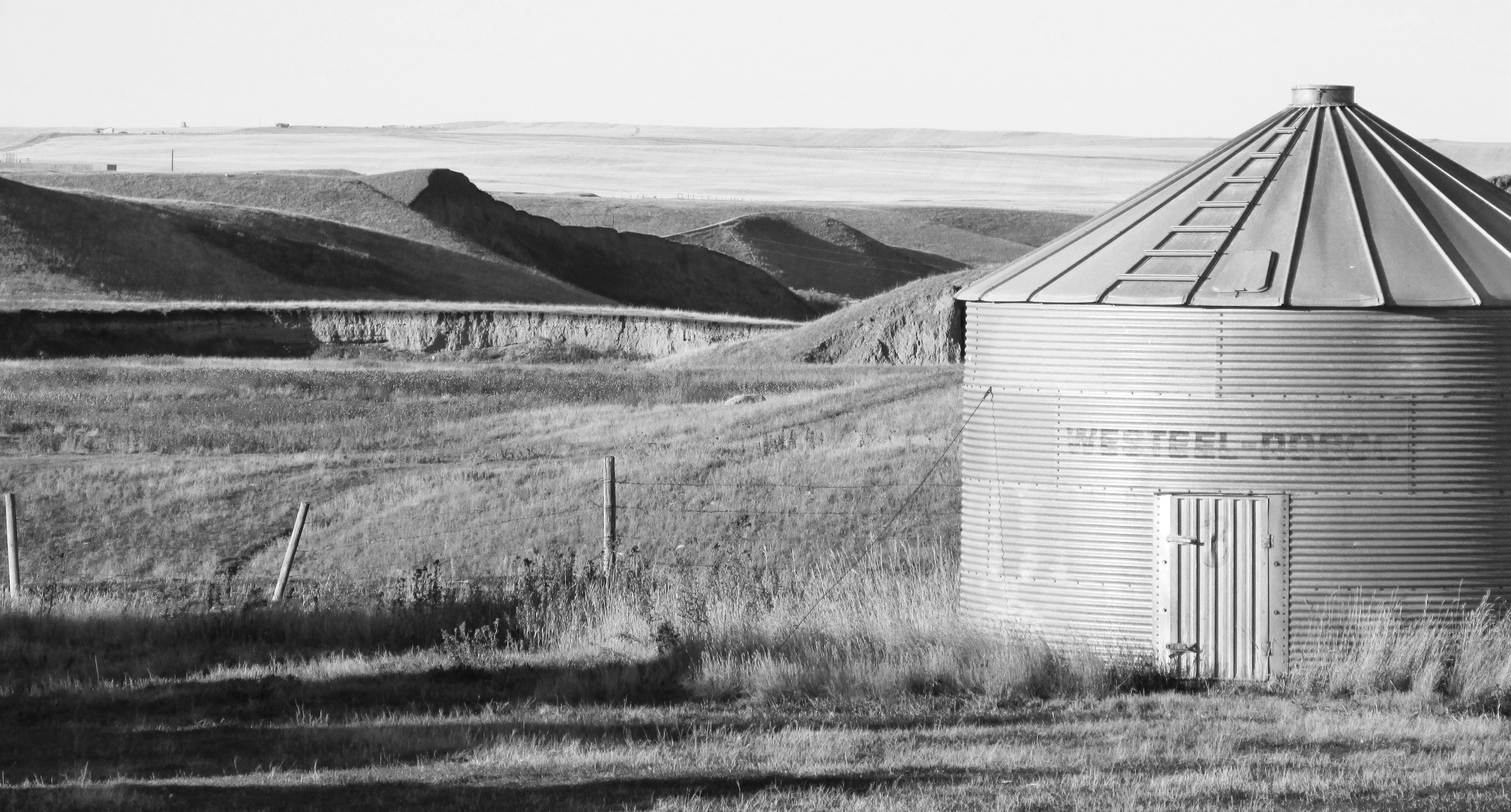
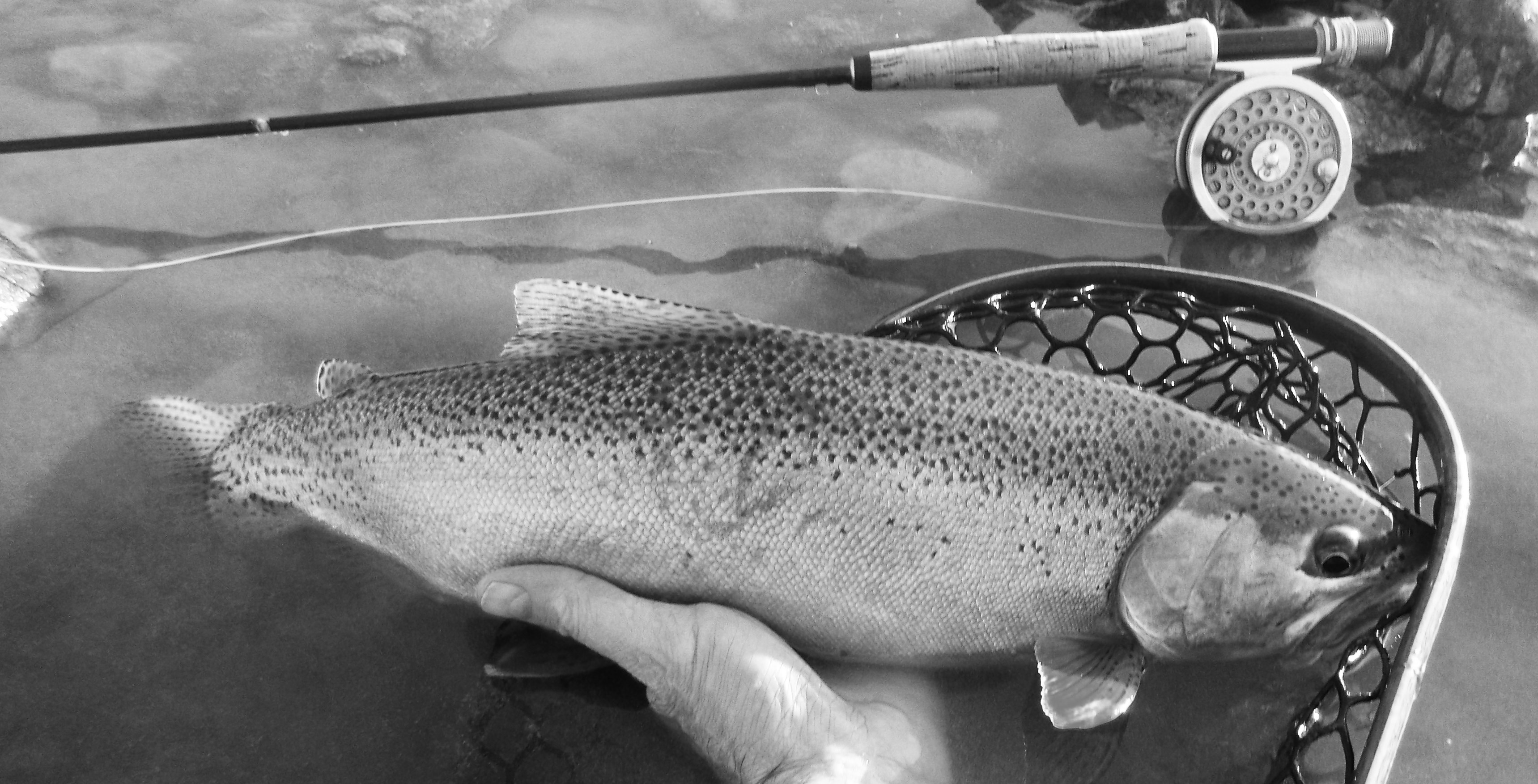
wild rainbow trout
wild rainbow trout
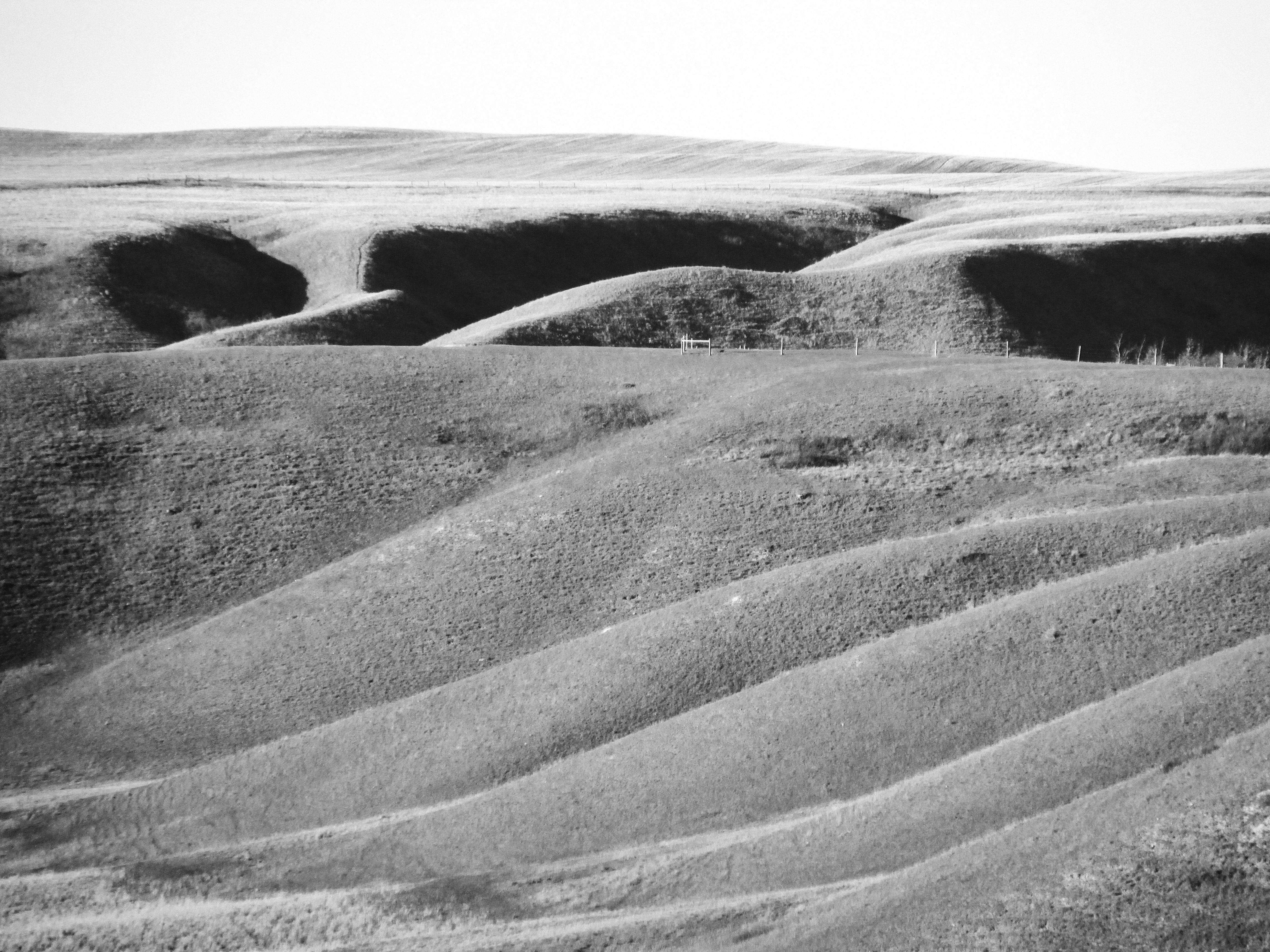
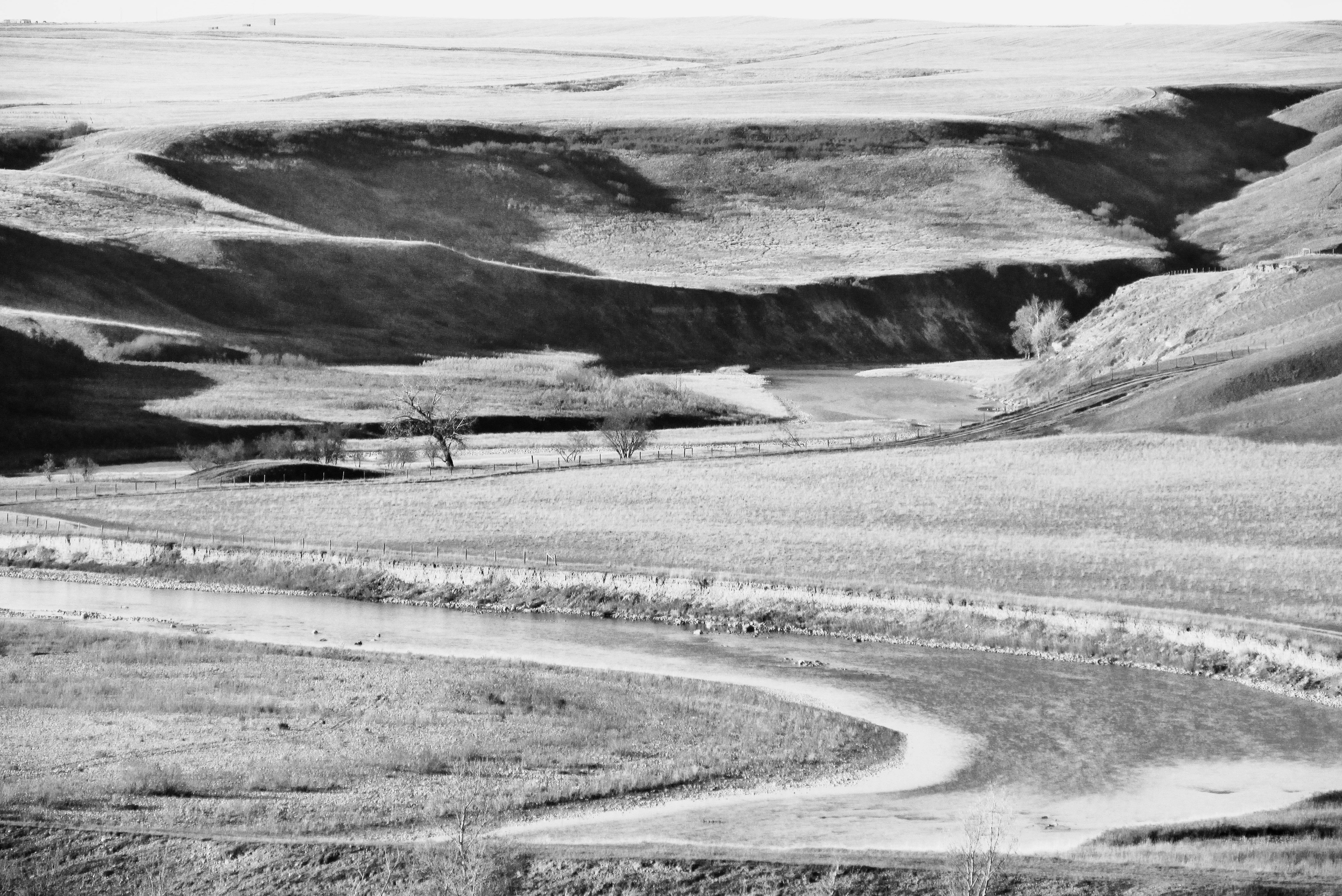
I’m a fortunate angler to live along the Continental Divide. If I don’t like the river and weather conditions on one side of the Rockies, I can drive fast and cross over in one hour or less and check out the situation on the other side. The east slope and the west slope are like night and day. They are completely different environments and sometimes have contrasting weather patterns. The Alberta east slope is dry, more wide open and breezy, and the British Columbia (BC) west slope is wetter, therefore has more vegetation (trees) and is usually less windy.
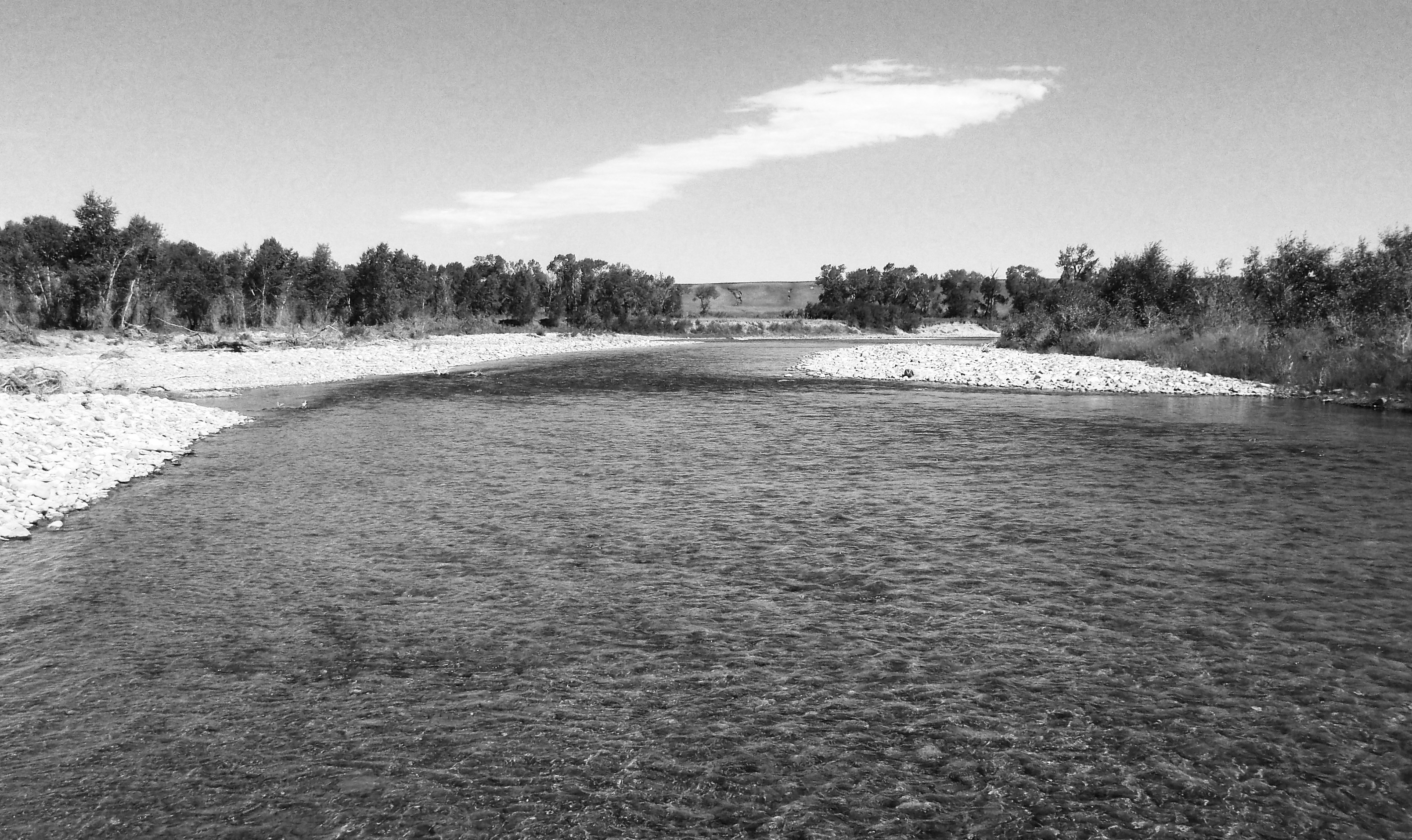
east slope river
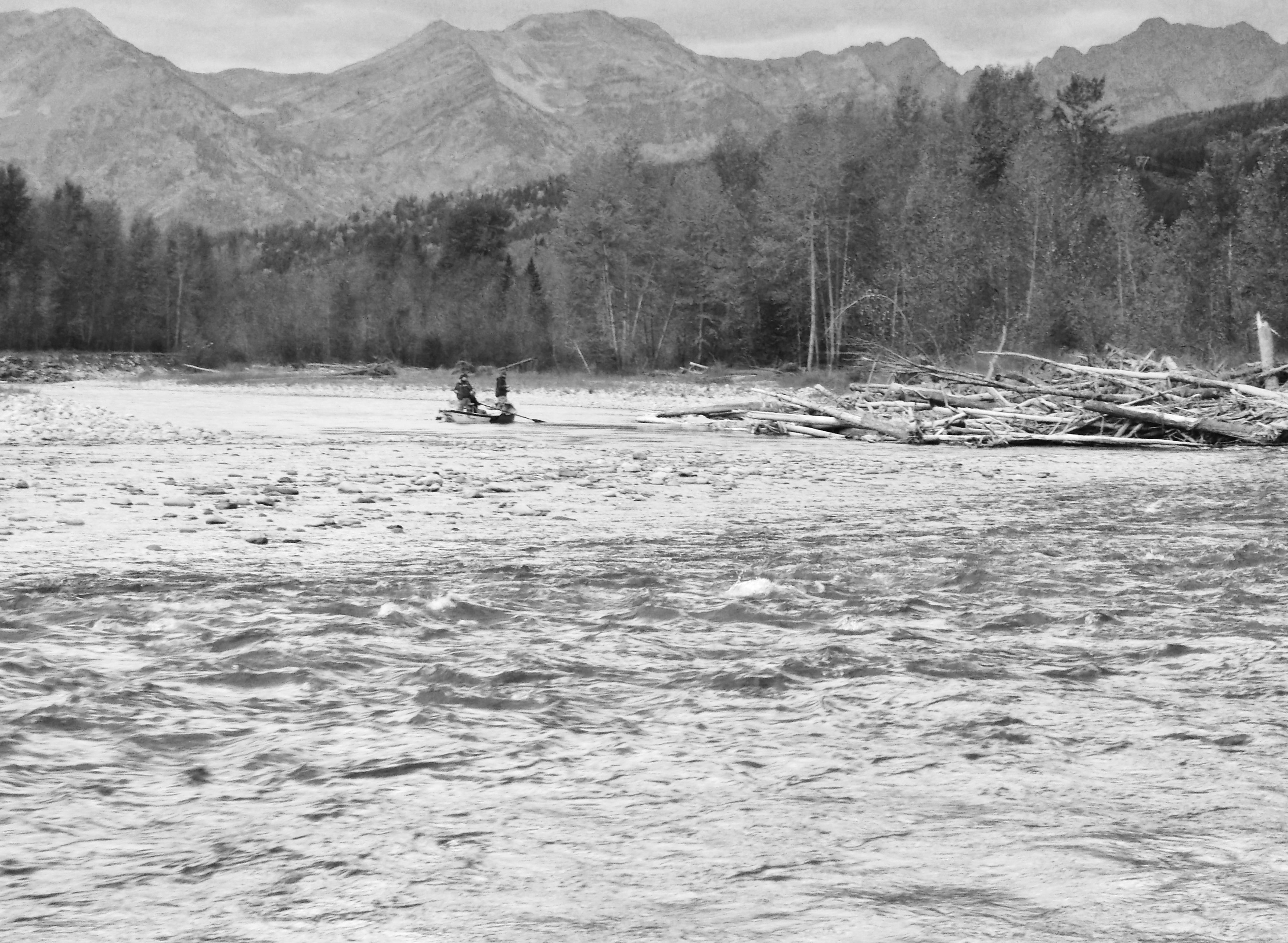
west slope, elk river
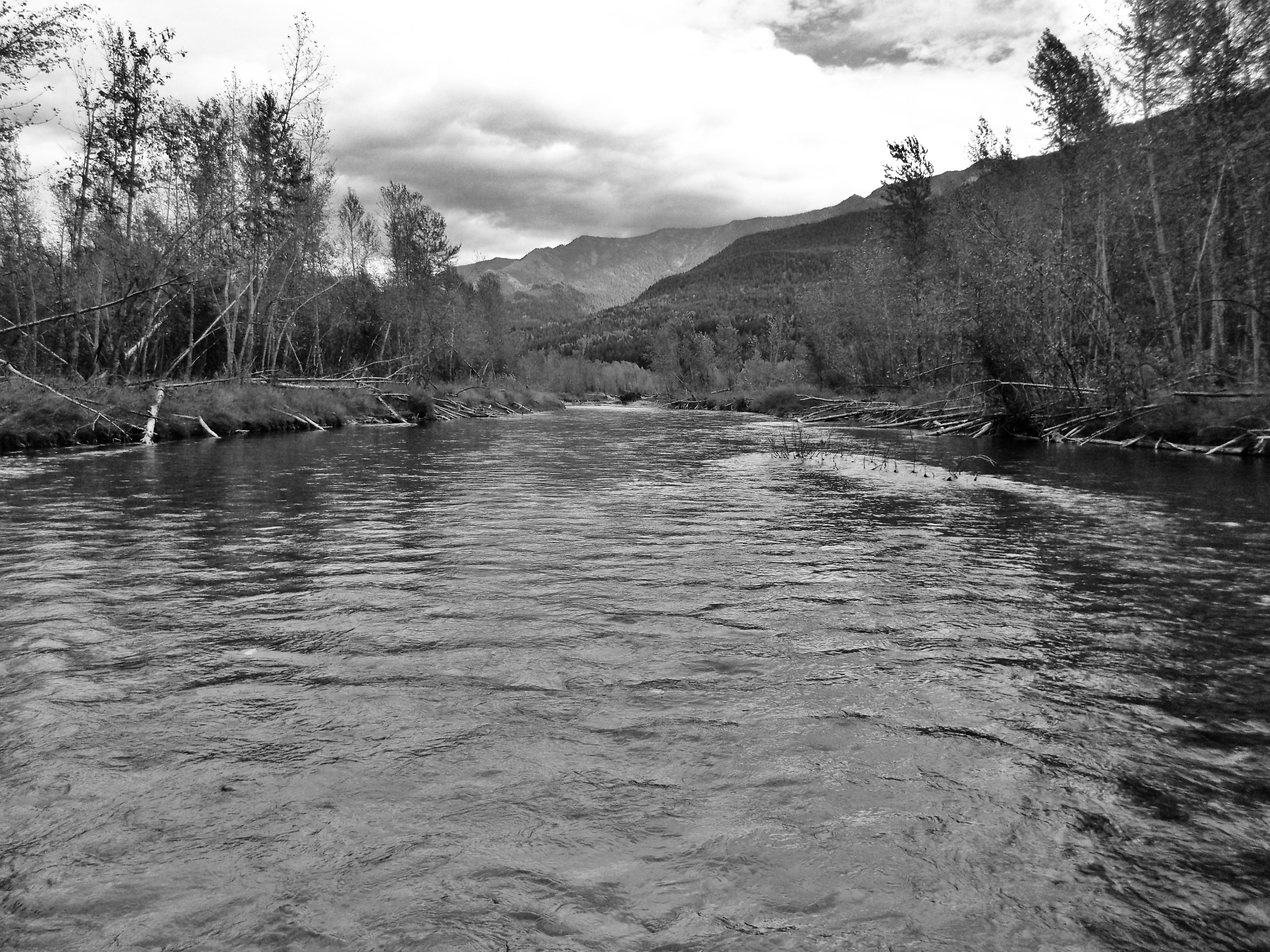
west slope, elk river side channel
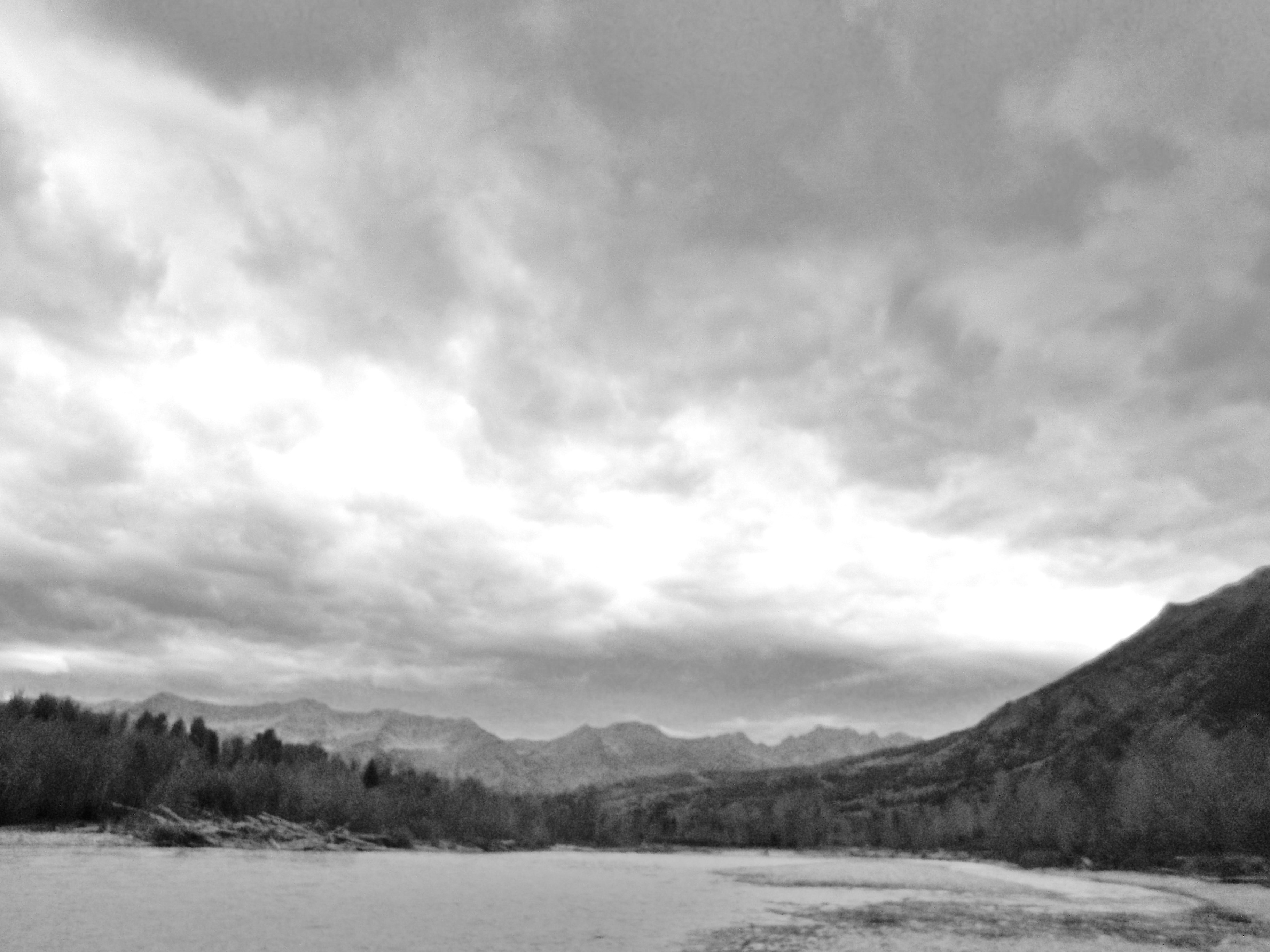
elk river
I crossed into BC this weekend as there were 100km an hour wind warnings in my region of Alberta. I fished the Elk river. With the predicted relative calm and overcast sky I was hoping for a Blue Winged Olive hatch. There was a very brief one late afternoon and I eventually found some rising cutthroat trout. An early trout was caught on a cricket pattern and afternoon rising fish on a size 20 Olive pattern: natural color deer hair wing tied forward, a turn or two of medium dun hackle clipped on the bottom, grey thorax dubbed and grey body, amber trailing shuck on a Klinkhammer style hook that allows the body to dangle. Sounds kind of complicated but I’m sure any fly tied the right size would have worked. Here are a few weekend pictures of the east slope, the west slope and some BC cutthroat.
The skin of a cutthroat feels just like a brook trout…silky smooth.
west slope cutthroat
west slope cutthroat
west slope cutthroat
I finally stopped fishing, looked up and here I was…


“Among famous traitors of history one might mention the weather”
Ilka Chase

snow on the great divide
Some pictures taken over the long weekend. The conditions were tough: some snow, heavy rain, and worst of all high winds when the sky started to clear up which dampened the Baetis hatch. Some rivers were off color; some ok. Sight fishing was real challenging. Oh well. Here are a few trout picked up on dries.


brown trout

riverside cottonwoods

brown trout


a calm clearing moment

rainbow trout
Getting back into a fishing groove wasn’t easy after a two-week absence. A lot changed while I was away. There have been river closures in my area: low, hot water. Most are now re-opened. My favorite sight fishing river is still off-limits. The smoke-filled skies have made spotting trout difficult (reflection) and the hatches have changed and are quite sparse, which is not unusual for this time of year. Fall blows (wind) are also underway.

walk down to river
I spent a couple of days on a river (tailwater) I used to fish a lot but haven’t in recent years. It holds some great trout but not a lot of them. When you go there you have to be prepared to get skunked as the river can be quite fickle. It can be a frustrating place, which is why I generally see few anglers there. Often it seems void of trout. However if you “hang in” and put in your time, it can be quite rewarding…sometimes! Rivers like this can be quite special. They’re a challenge. If they were any better or easier, anglers would be all over them. Since they are not easy people tend to go elsewhere. Therefore, on many days you can have the place to yourself.

brown trout
I saw a couple of young guys fishing it the right way. Their backpack vests suggested they were out for a full day and they were covering a lot of water with their black Lab…working pool after pool.

Most people who fish it seem to cast over one or two pools with a streamer and then go home. They either hit a home run or strike out…the latter usually being the case. In good grasshopper years you can switch from a streamer to this big bug and have some exciting angling. This hasn’t been one of those years even though it has been hot and dry. After run off some fly fishing guides float the river with their clients as there is enough water. Once the water level drops the rafts disappear and angling pressure is minimal as visitors who pay to fish generally don’t want to walk far.

brown trout
I learned several years ago that this tailwater fishery (bottom release from a dam) can have some good (not great) small fly hatches which can get the attention of some sizeable fish. It was one of the few local waterways I was seeing some bug life on and the occasional riser, so past experience taught me to stick with it.

smoky sky
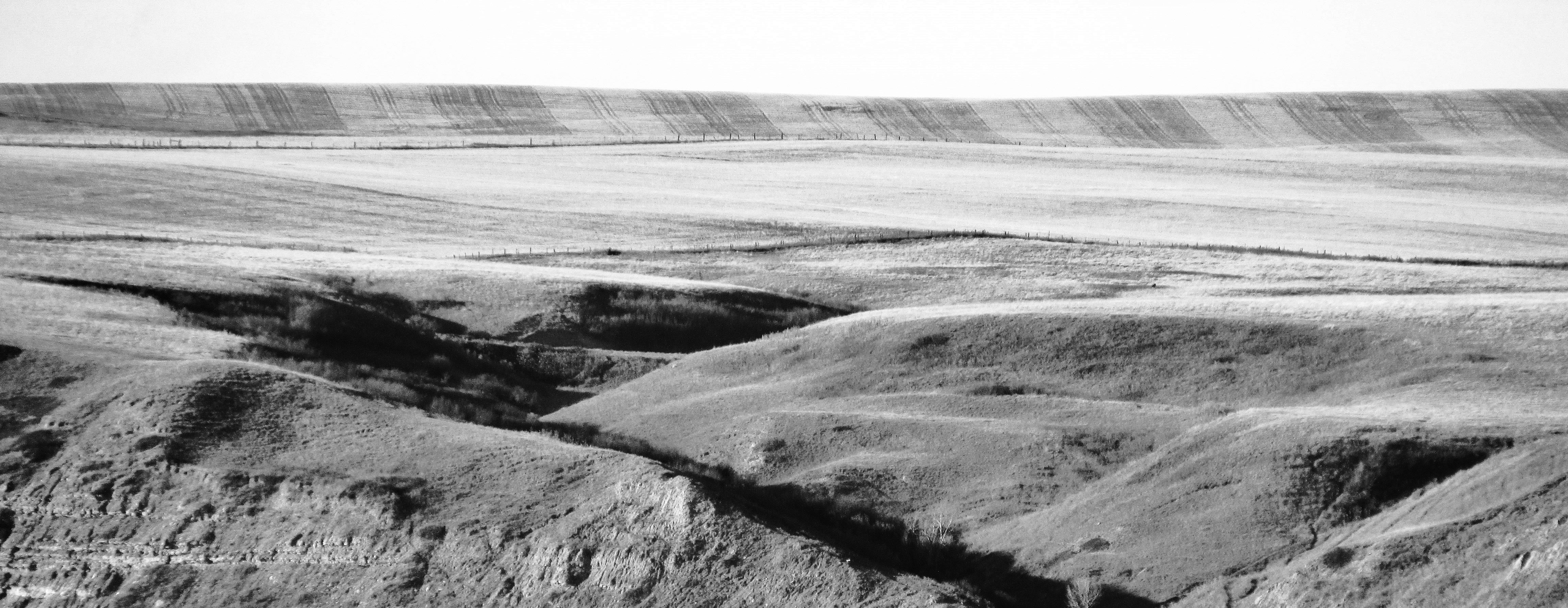
The river meanders out on the prairies way down in a coulee. From a distance you wouldn’t even know it was there. To fish it you have to walk a lot of steep hilly terrain…it’s all up and down. The holding water (pools) are often a quarter to half mile apart, sometimes further, so you have to cover great distances to improve your odds. I use the elevated areas to locate fish when the lighting is right. Much of the river bottom is covered in a yellow sometimes tan to brownish algae so it is difficult in most places to spot trout hugging the stream bed as they simply blend in. High flow areas polish (clean) the river stones and trout show up better in these locations, so it is always wise to carefully watch these spots. Rainbows with their dark backs and flashing silver sides show up better than the brown trout. The browns, master camouflage artists, just don’t show up.

brown trout
The trout generally need to be actively feeding on emerging insects (rising to mid levels or near the surface) in order to be seen, or prowling the surface current lines for grasshoppers which blow off the cliffs when they are around.


All the trout I spotted were eating small stuff and being ultra picky. They were focused on emergers and rarely poked their heads through the surface. However, some shallow water feeders were enticed to do so. The trout featured in this post were caught on dry flies. I put in two long days watching the water and was rewarded with a few good fish.

old river valley homestead

best of the day, brown trout
The river is a challenge. It’s a sleeper. It’s a special place.

rainbow trout

grassland hike to river

