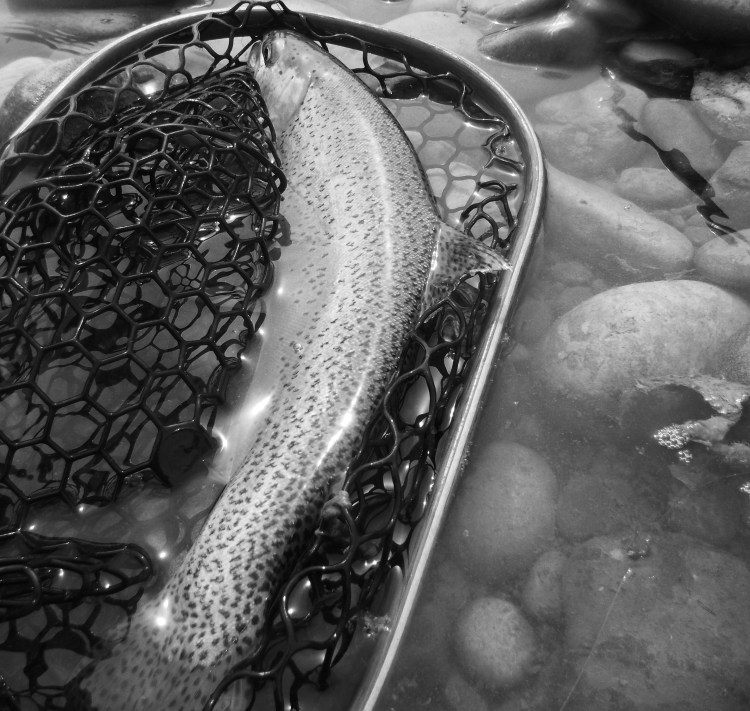
Midges are small; tiny; minuscule; wee; teensy; petite; itty-bitty things. Here are trout taken on midge dries this past weekend while fishing with my dog Abby.

1000’s of midge shucks, dark area
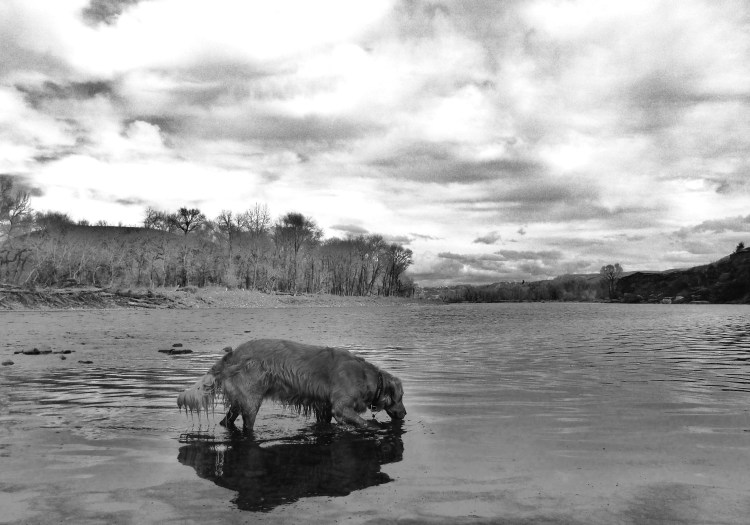

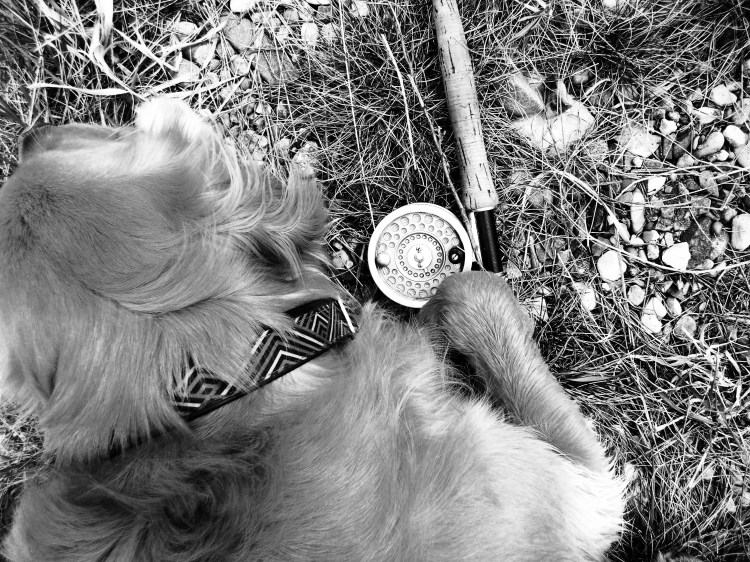
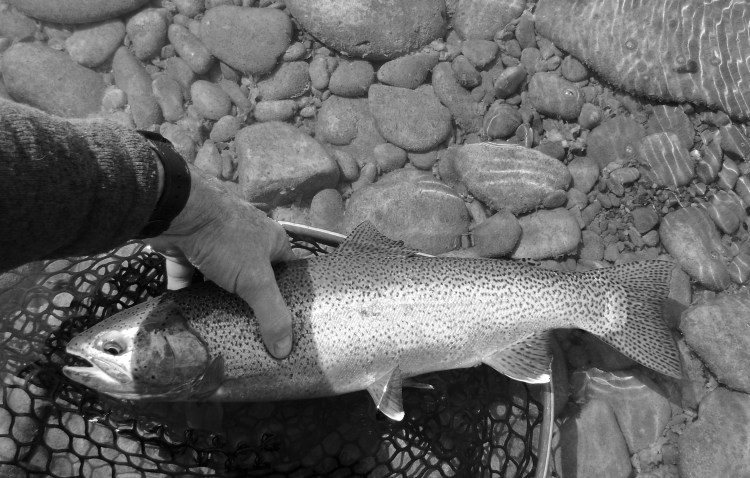
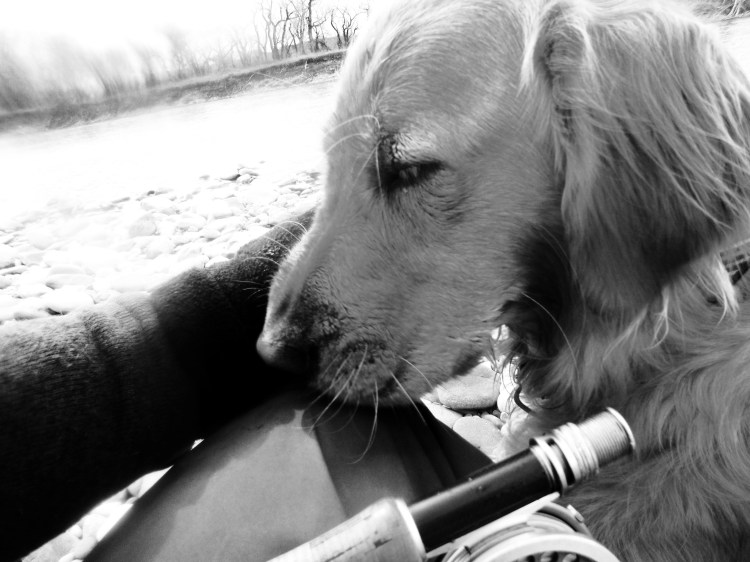
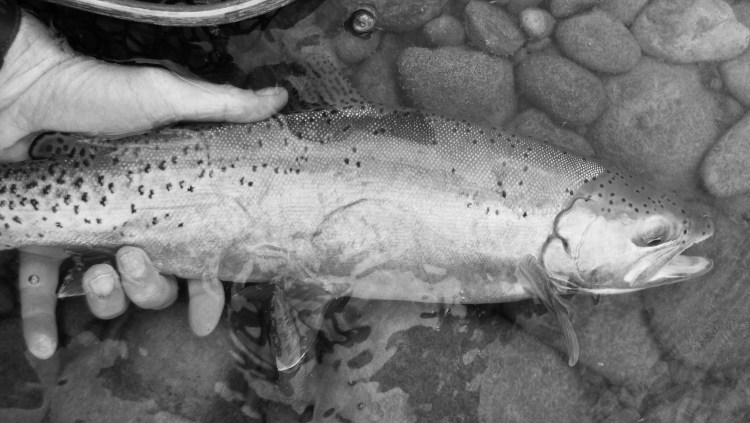
Midges are small; tiny; minuscule; wee; teensy; petite; itty-bitty things. Here are trout taken on midge dries this past weekend while fishing with my dog Abby.
1000’s of midge shucks, dark area

“The Littlest Birds Sing the Prettiest Songs”
-The Be Good Tanyas
When I moved to the West to fish its many trout streams I was anticipating the big fly hatches: Salmon flies; Golden Stones; Green and Brown Drakes; etc. I soon realised the emergence of these exciting big bugs is often brief and unpredictable. What was reliable, however, and brought trout to the surface day-after-day all season long and then some, was the small stuff. It was the littlest bugs. That’s what I consistently caught my best fish on. Quickly my fly boxes started being filled with tied Midges, Olives, PMD’s, Tricos; small Caddis flies; and little Beetles. Just about all of the trout featured in this blog have been caught on small stuff (small dry flies).
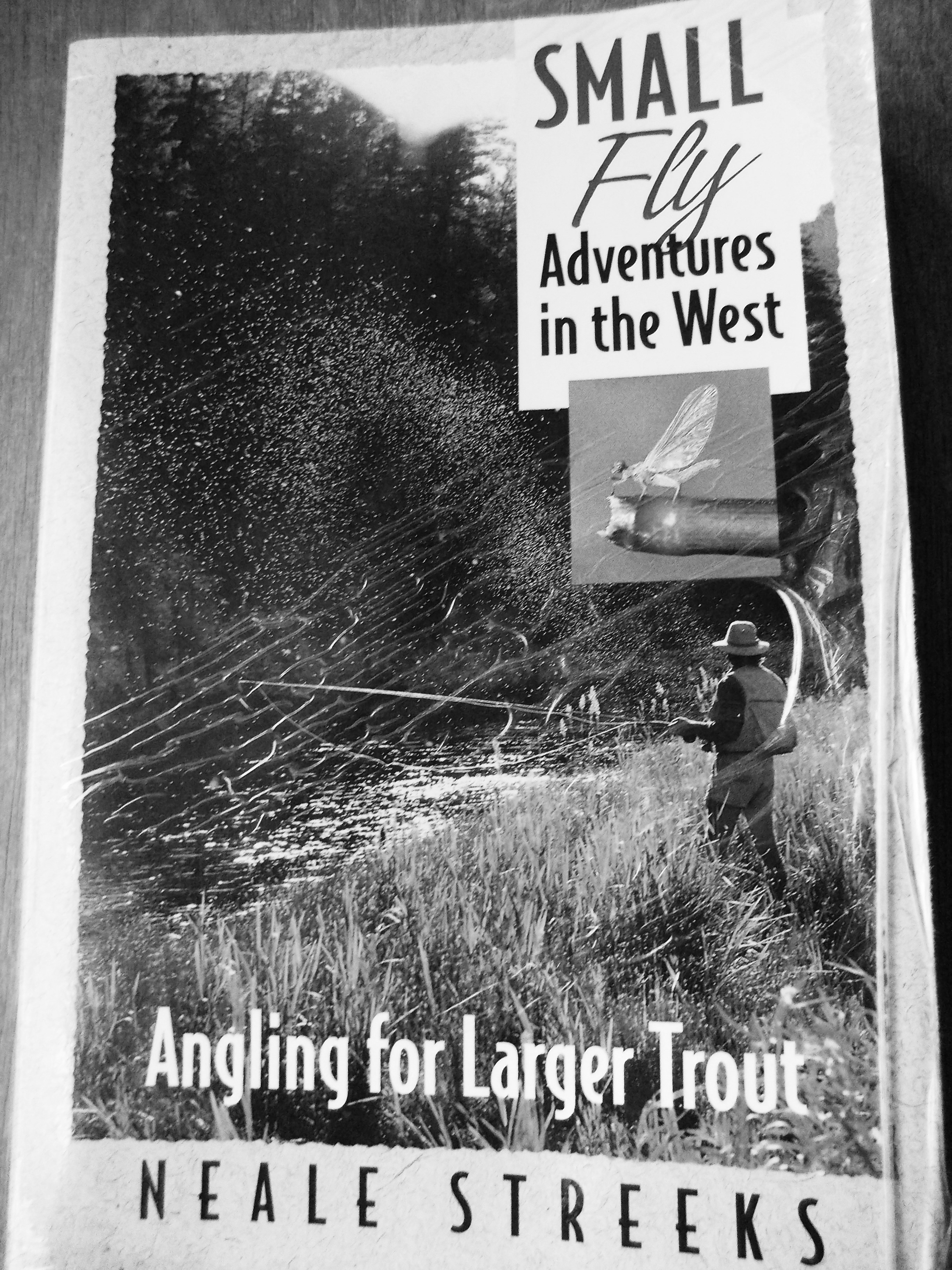
Then one day I came across a book that clearly described what I was experiencing on the rivers in my region: Small Fly Adventures in the West, Angling for Larger Trout by Neale Streeks. Neale, a seasoned and observant Missouri river guide, wrote about why smaller flies are often more effective at catching more and larger trout. As I turned the pages I kept saying, “Yes, yes…yes”. What he authored matched what I encountered every time I slipped into my waders.

brown trout on pmd dry
If you fly fish tailwater rivers, spring creeks, and other rich (alkaline) flows with dry flies you owe it to yourself to find a copy of this out-of-print book. It will make you a better angler and you’ll end up enjoying sweating all the small stuff!
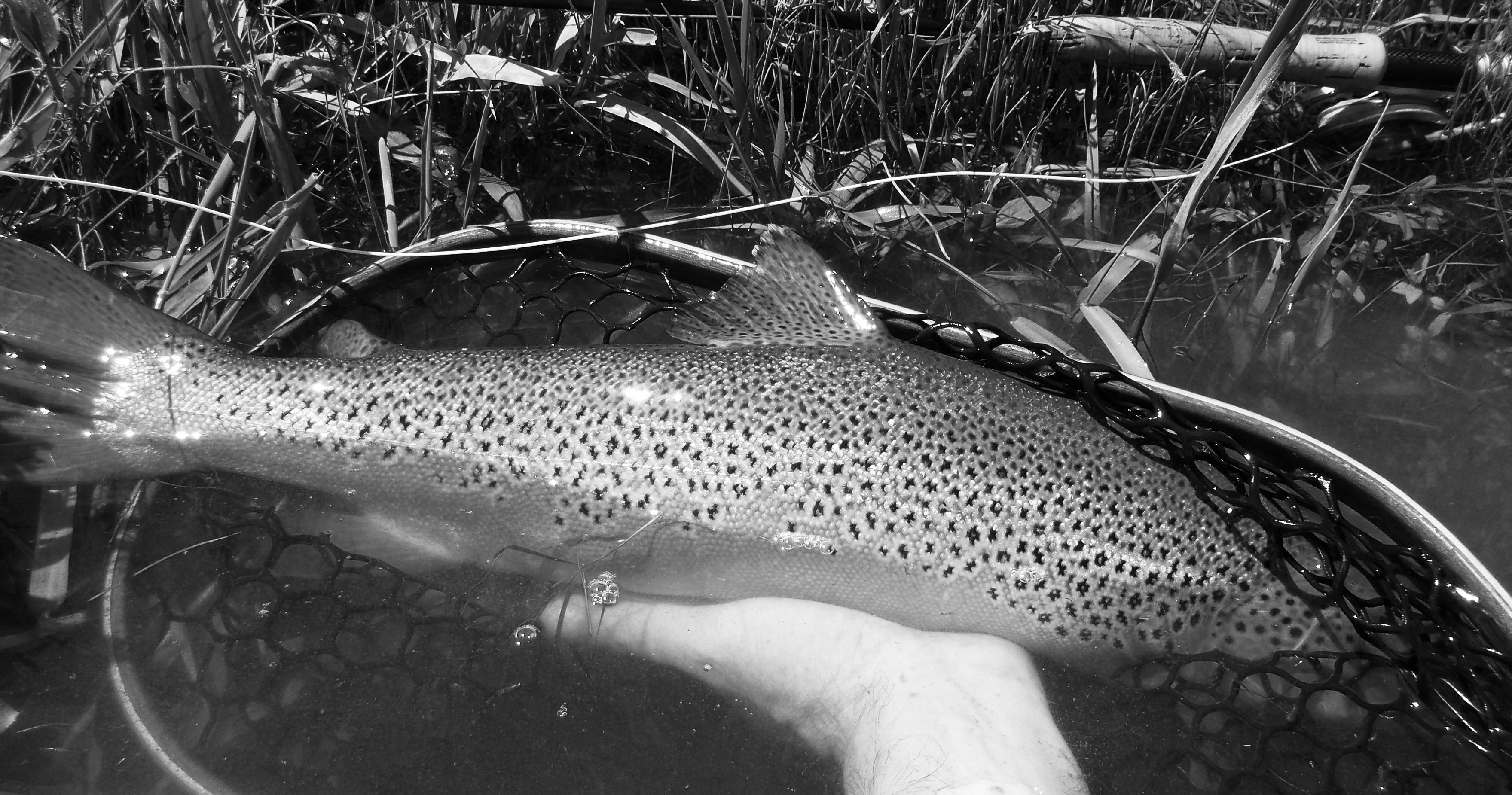
same brown trout
Here are some photos from a recent outing. All the trout featured were caught on small flies (PMD’s).
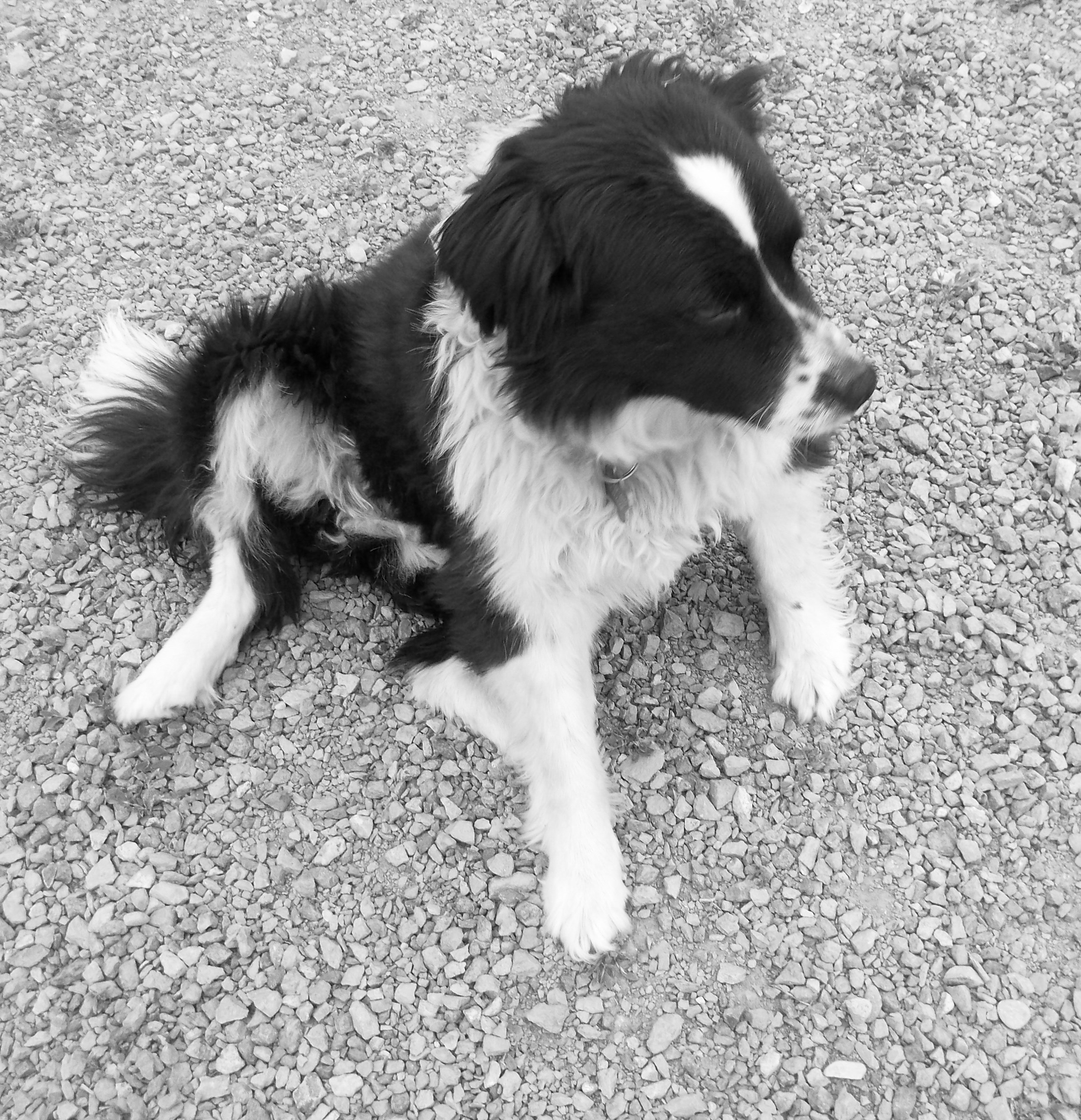
a little midge after my breakfast burrito
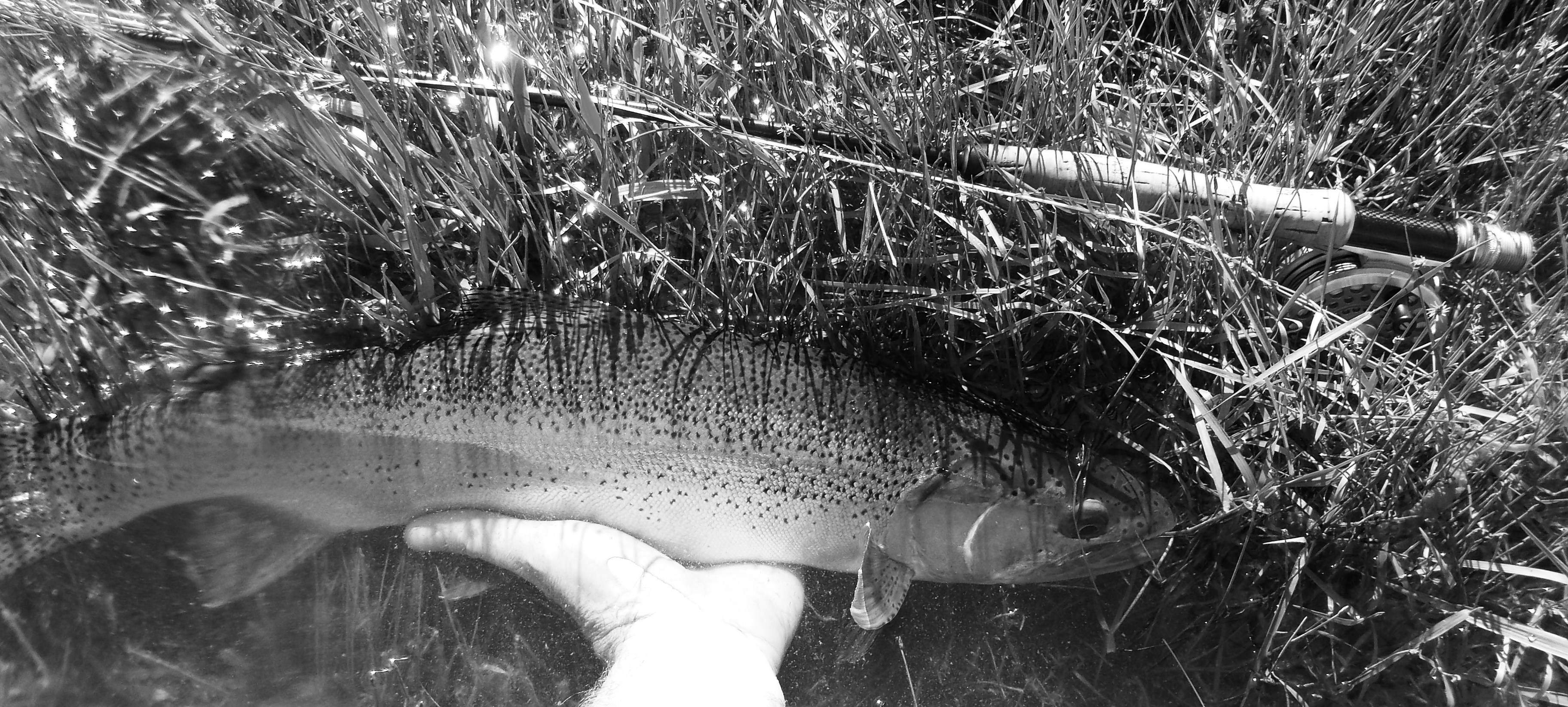
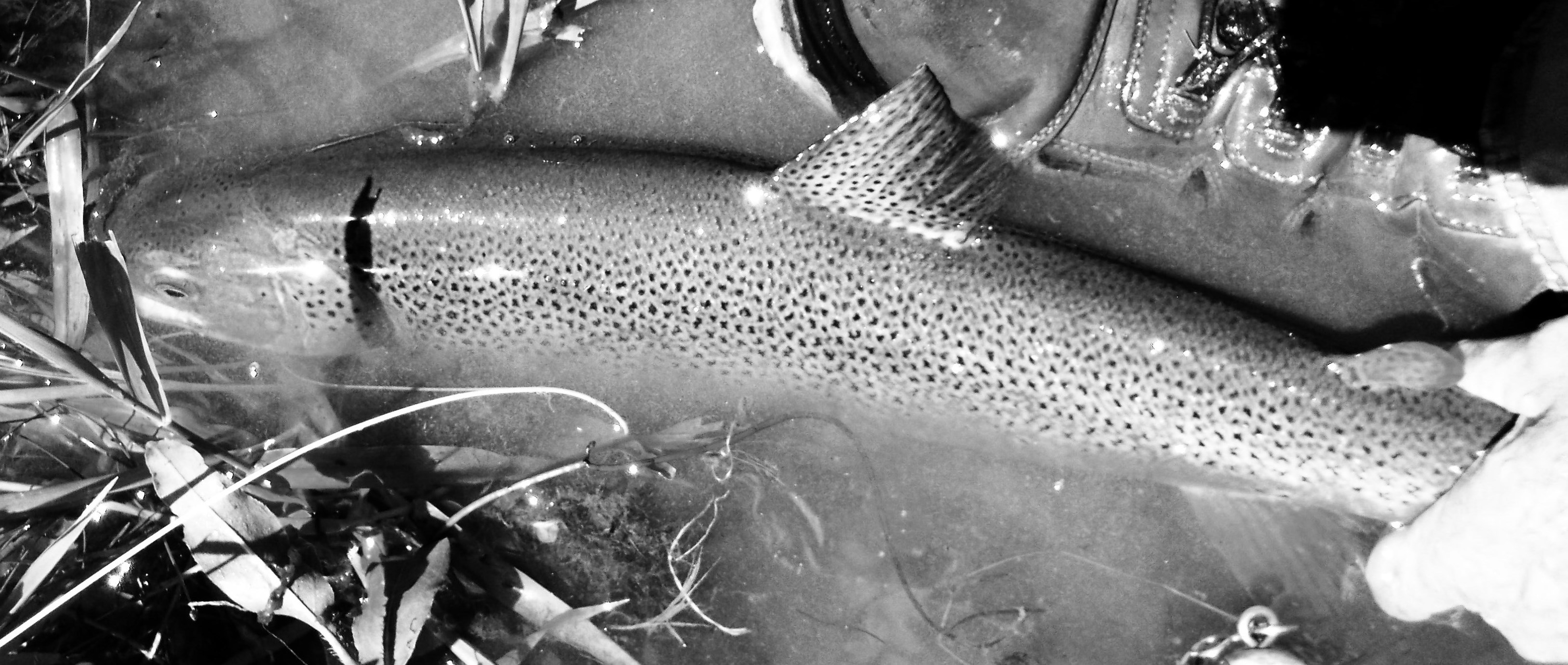
After a winter of fishing blind with a two handed rod it was a real pleasure to sight fish with a light 4wt rod and dry flies this past weekend. I spent two days walking and wading the Missouri river in Montana. I tossed midges all weekend and on a couple of occasions a small beetle. Most fish were on emergers (bulging the surface). A few could be found eating dries, especially when the wind died down in the flat water sections of the river. Some bulging fish could even be enticed to eat on top; however, many would not. A lot of the midges were clustering in the mid afternoon so cluster fly patterns worked fairly well. A few Blue Winged Olives were out but not many. This hatch should be developing soon which will make the dry fly angling easier. All of the fish below were caught on dries. I spent my time fishing flat, shallow sections; slow wading ankle deep water. Some great fish landed; many more missed. Some humbling moments. Trout fishing doesn’t get much more challenging or better. If you love dry fly fishing you owe it to yourself to one day visit this river.

misty late day leaving the river
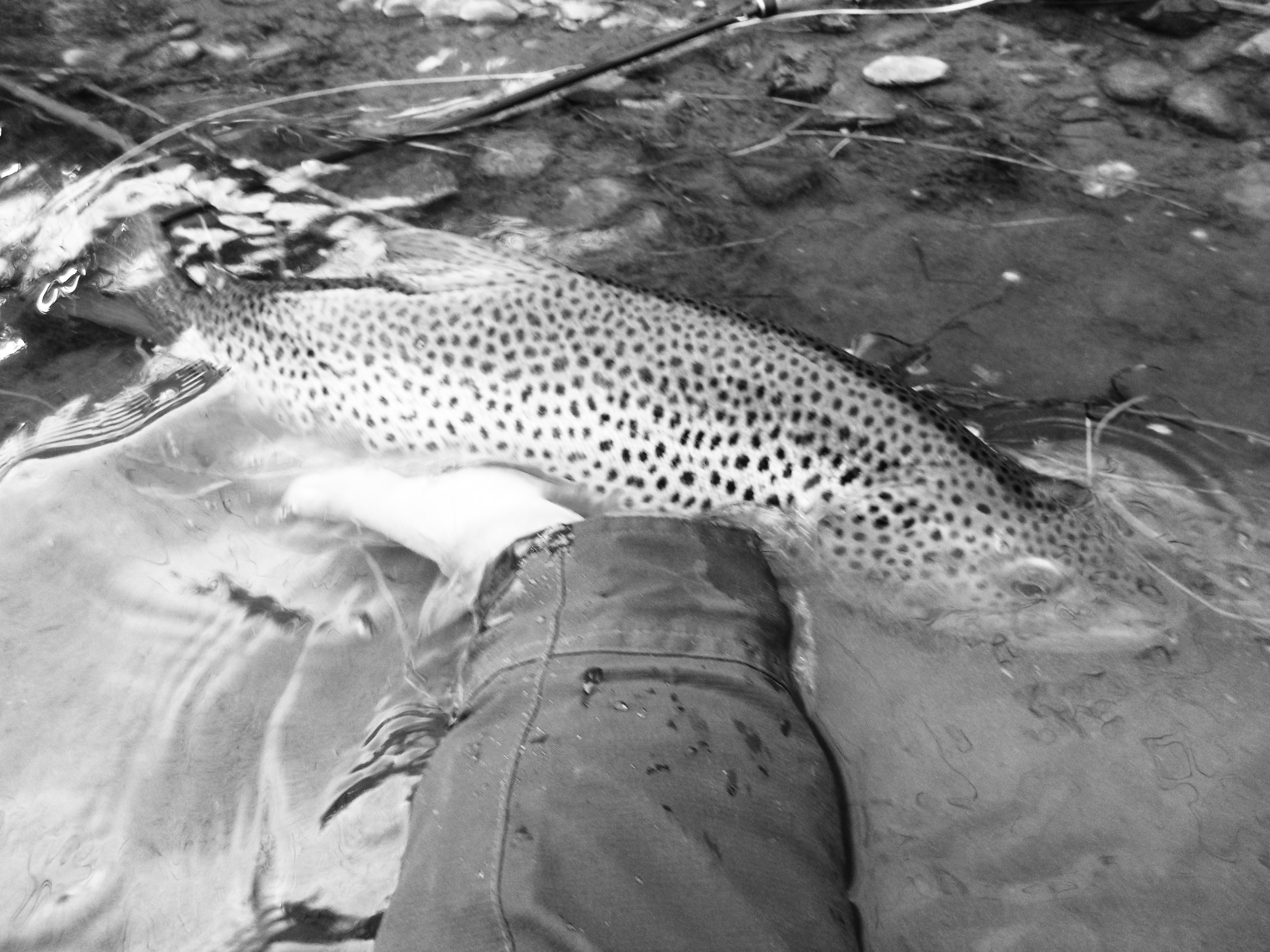
brown trout on dry fly, beetle
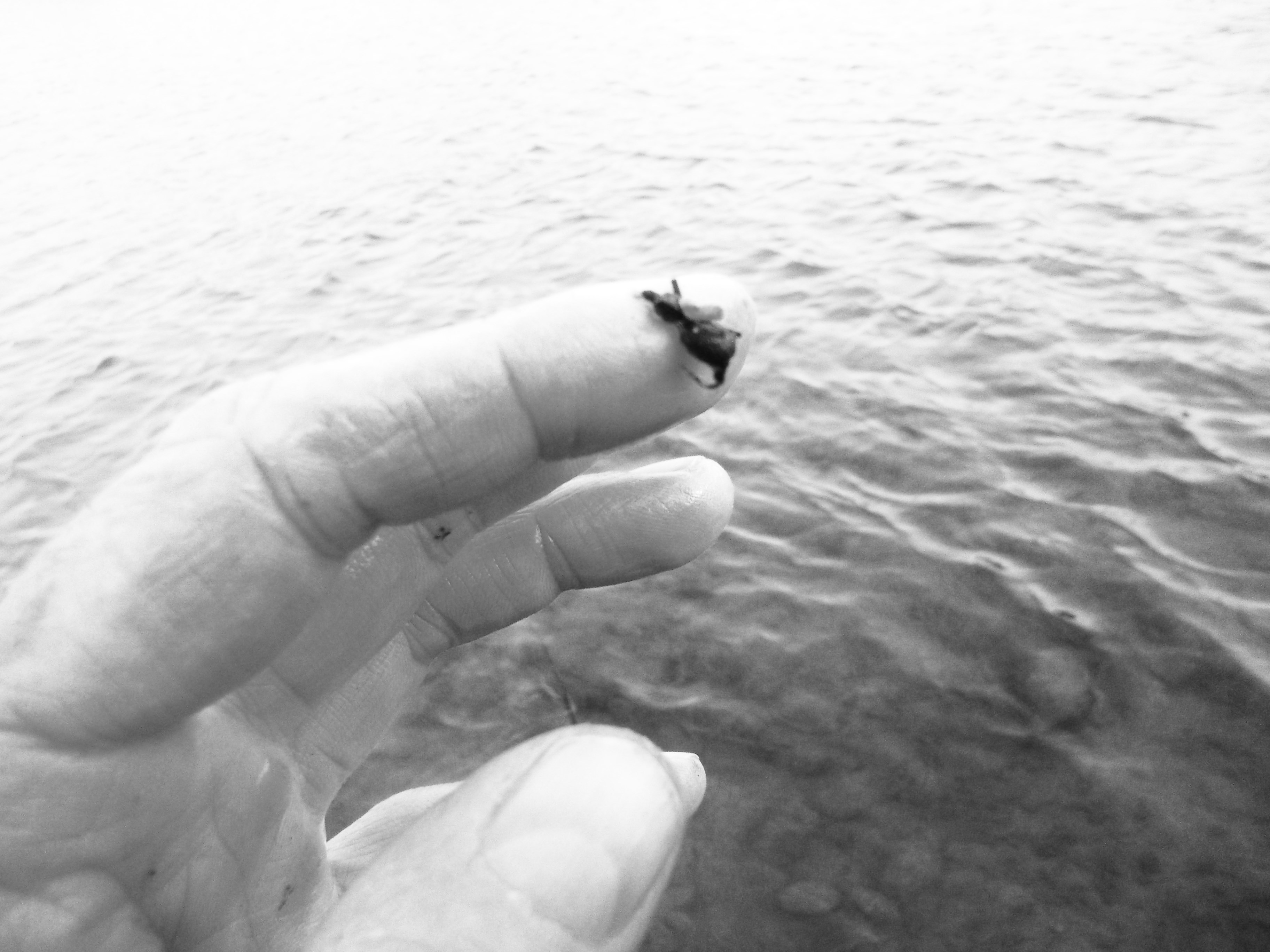
beetle fly, chewed
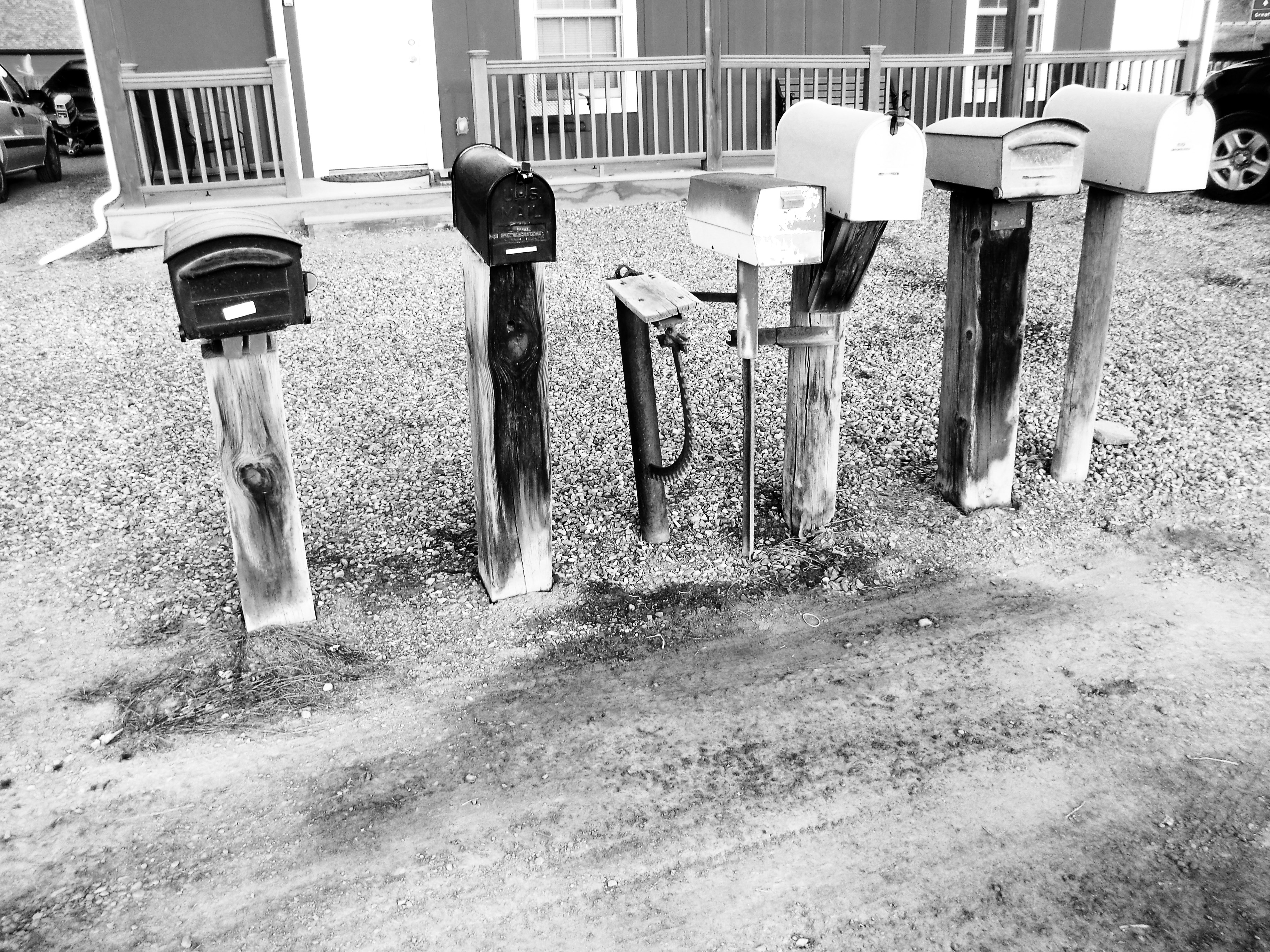
craig, scene
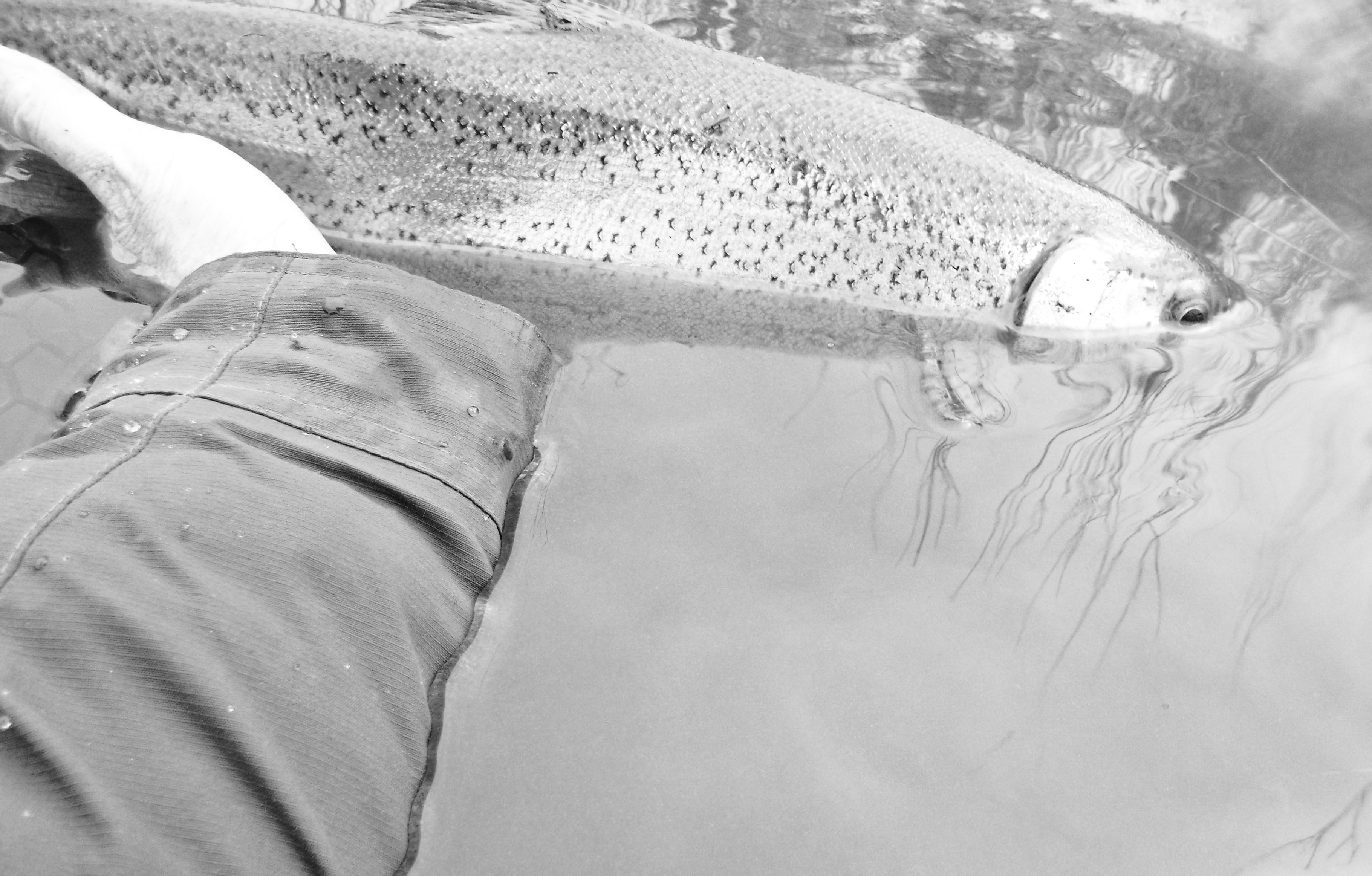
rainbow trout on dry fly
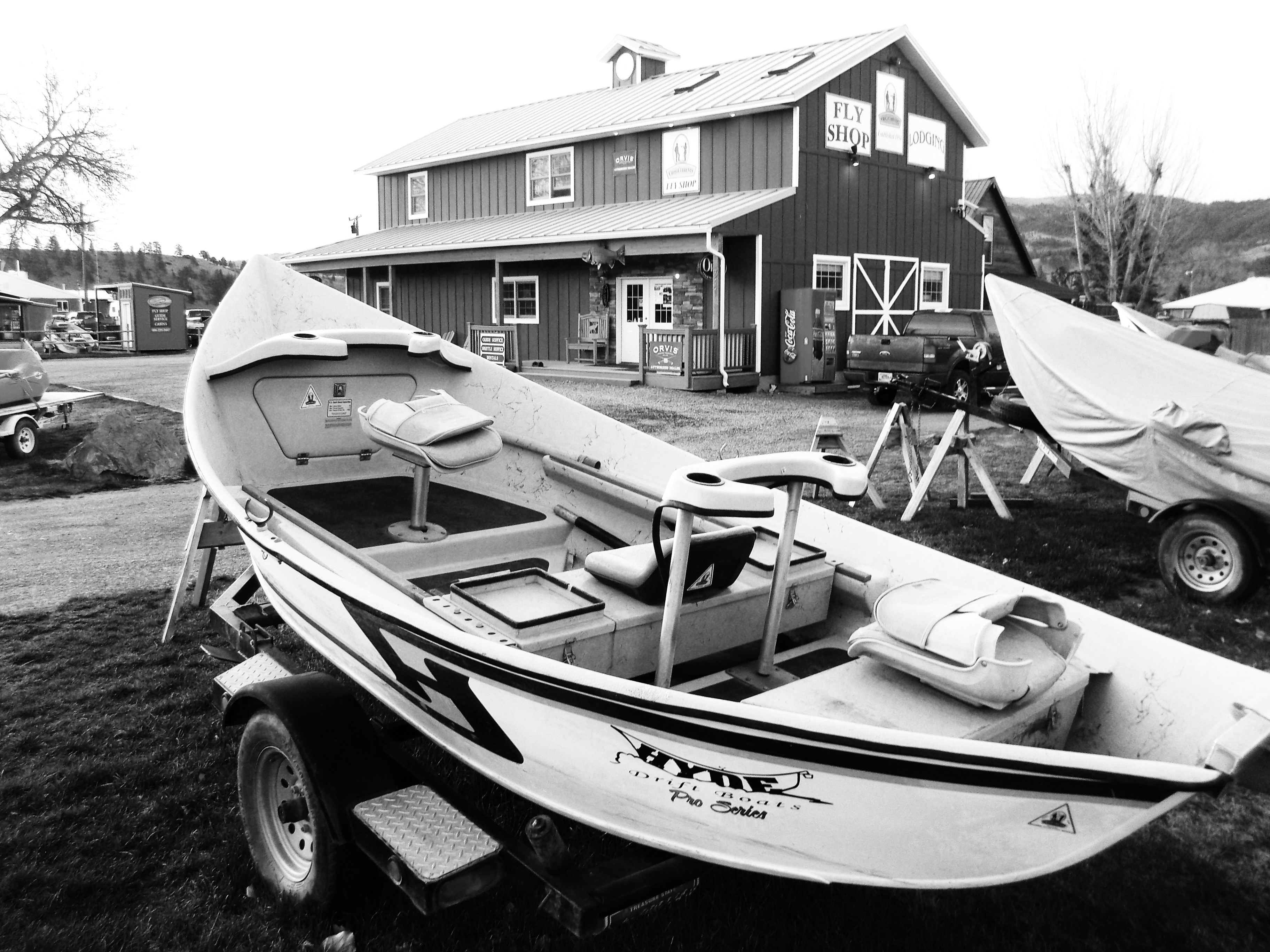
craig fly shop
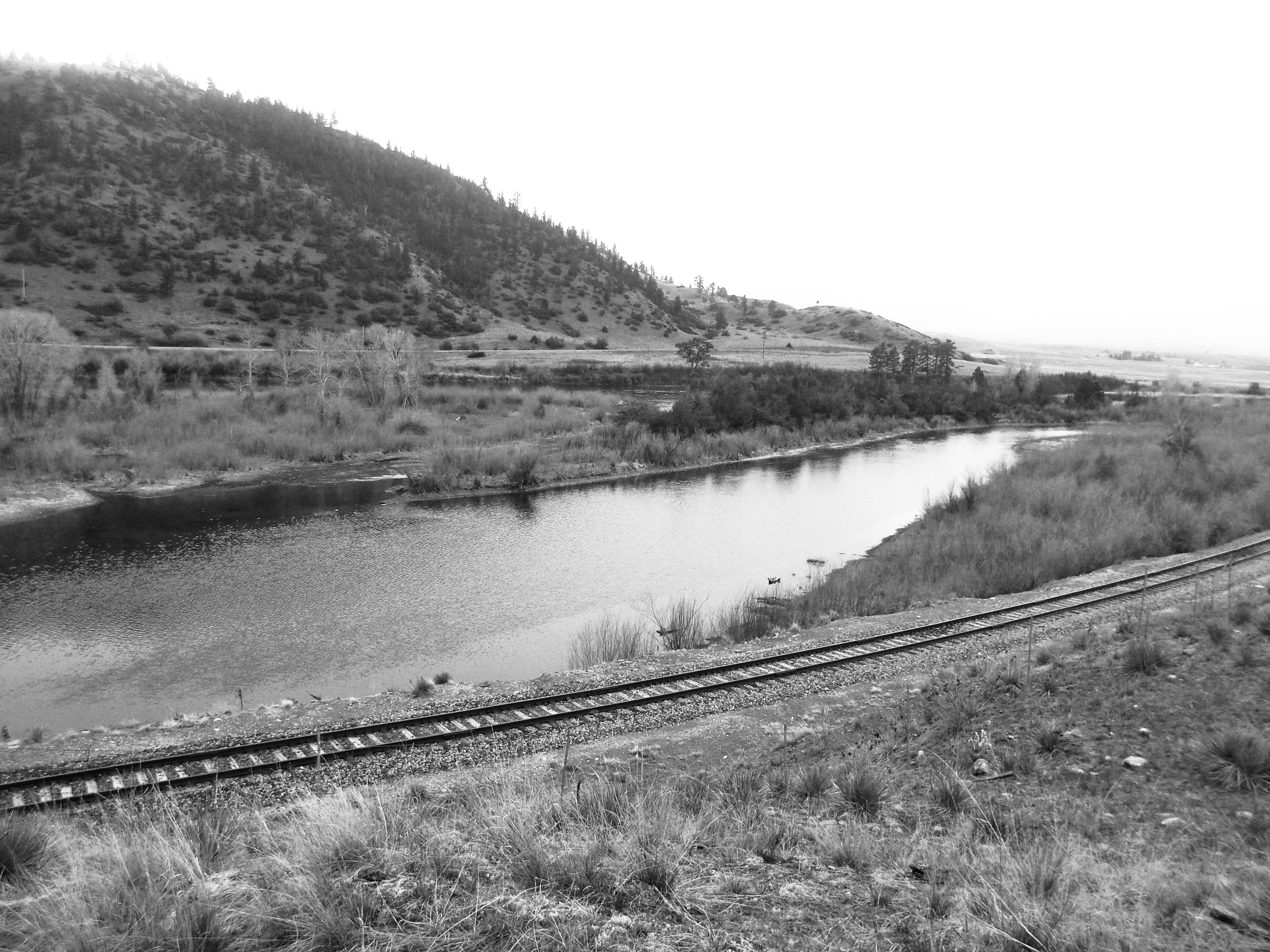
shallow side channel

rainbow on dry fly
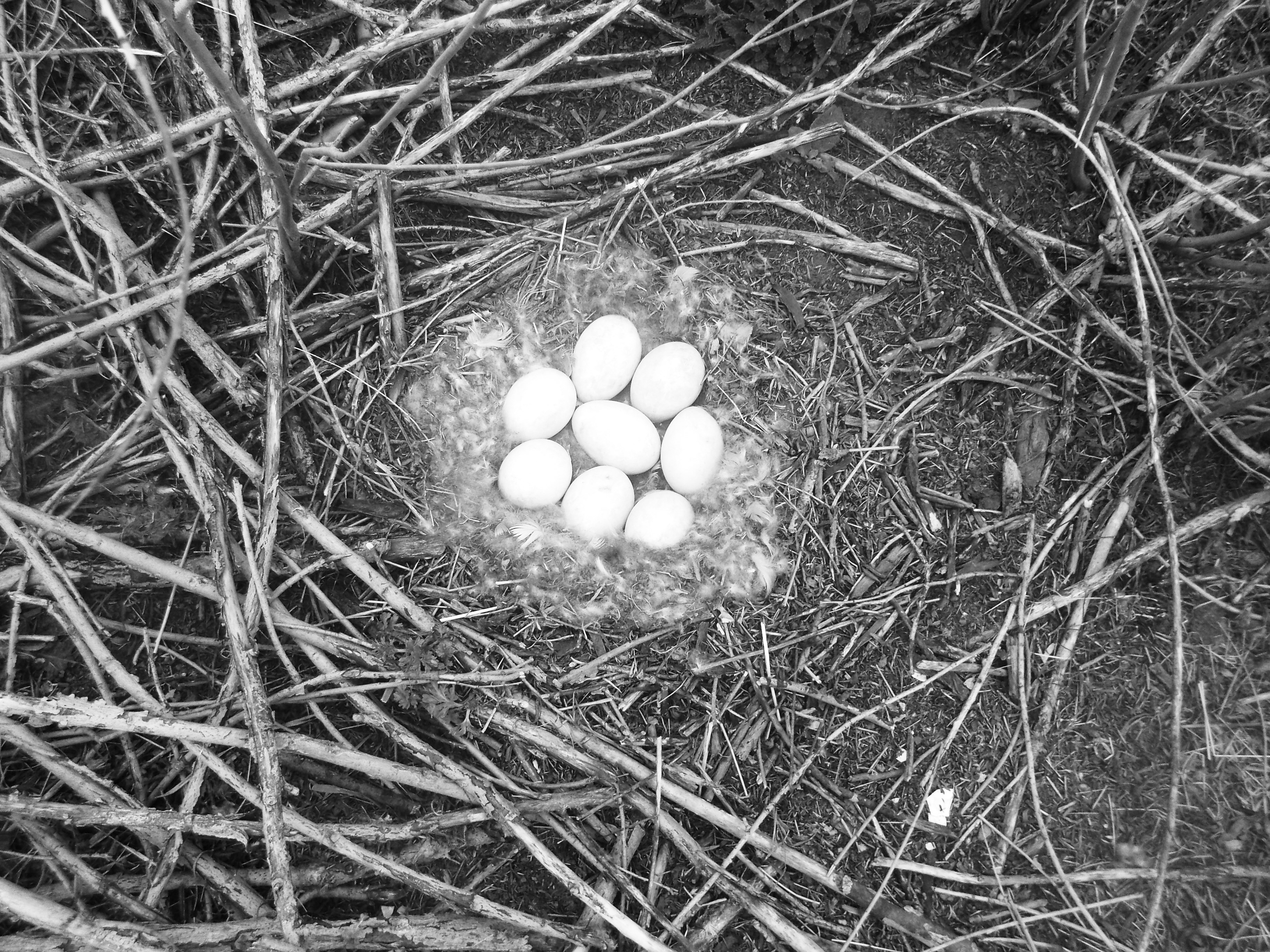
easter eggs on river island (goose eggs)
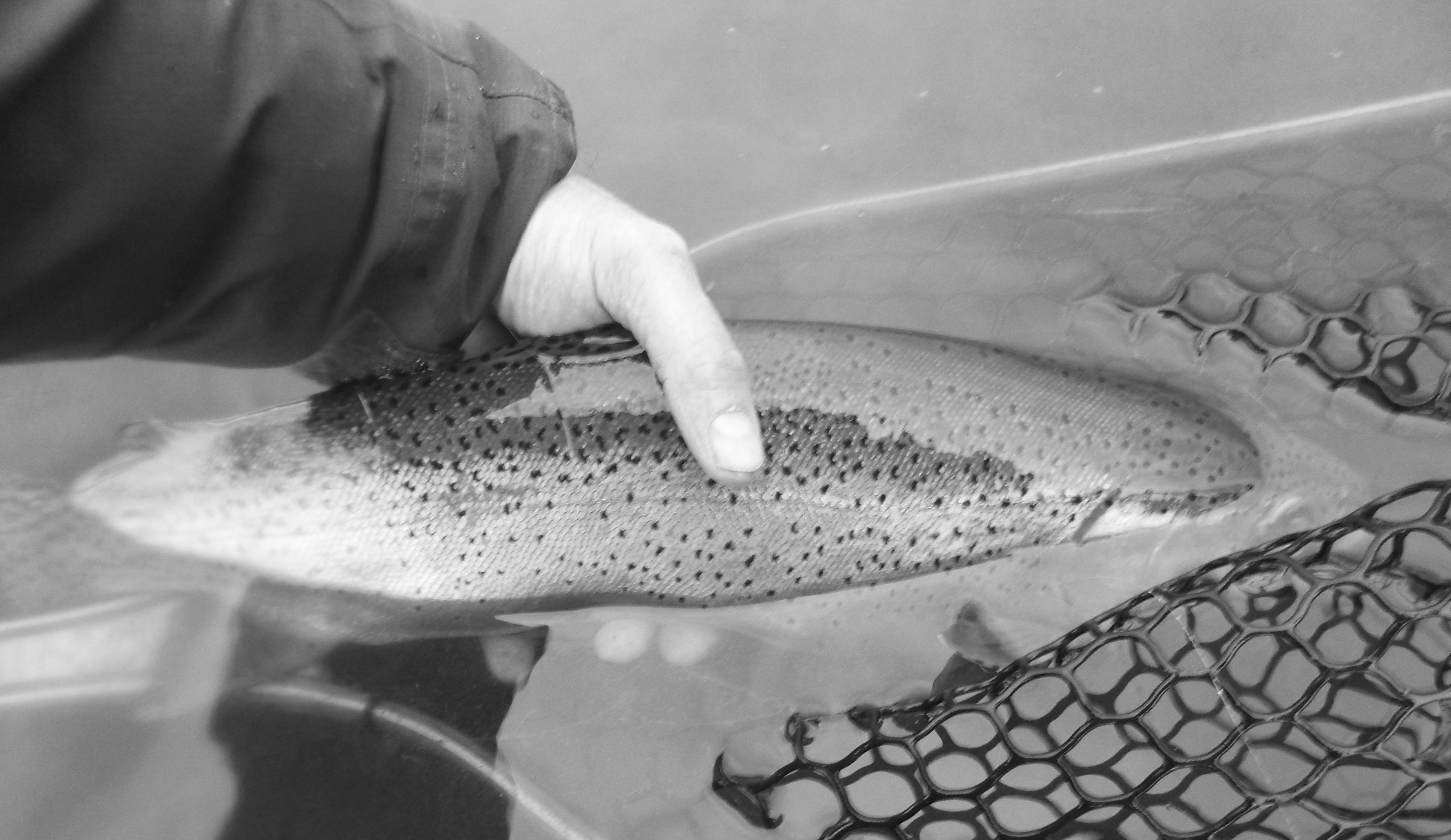
rainbow trout on dry fly

craig, montana
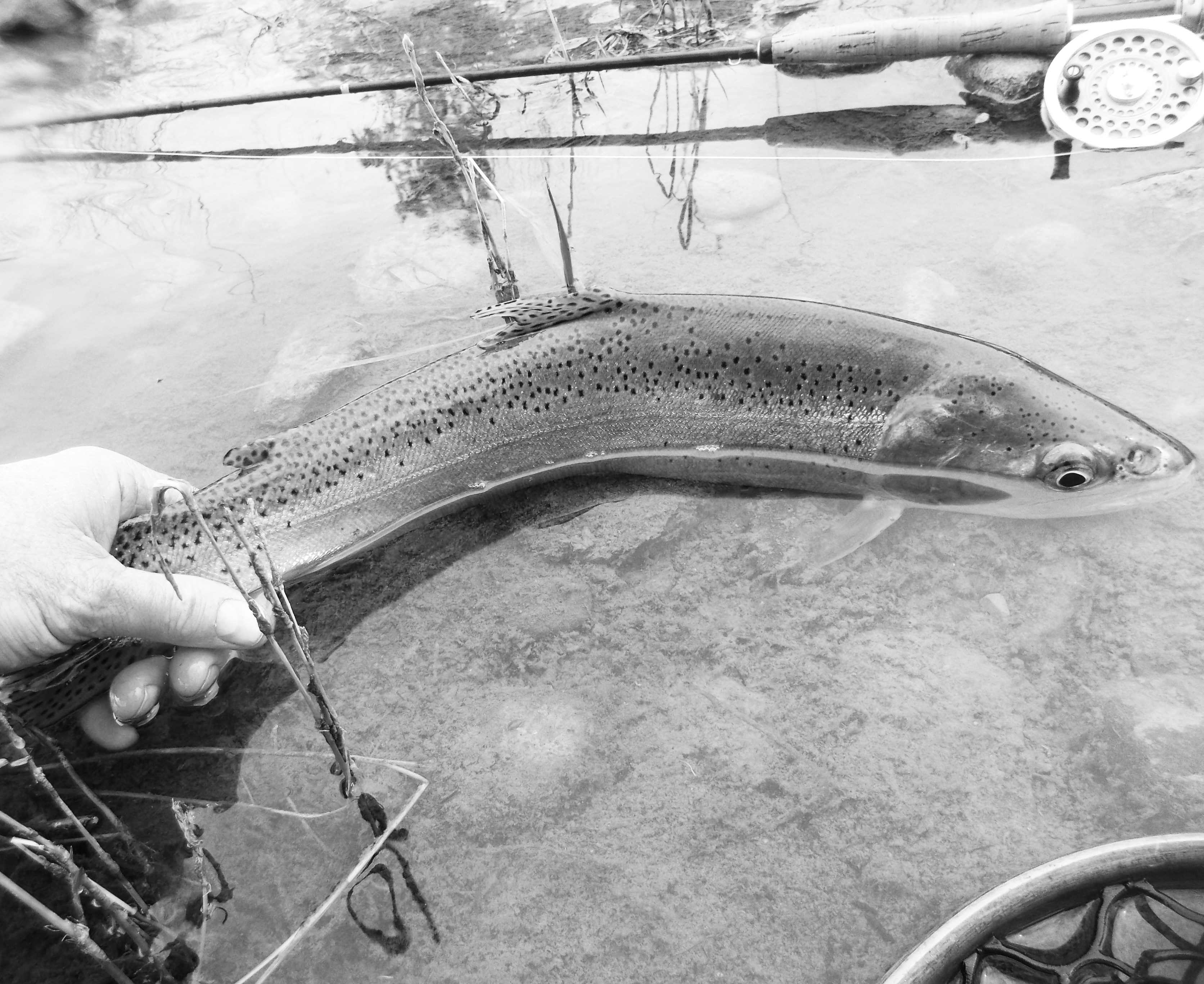
caught on dry fly
horse shoe pit at local fly shop
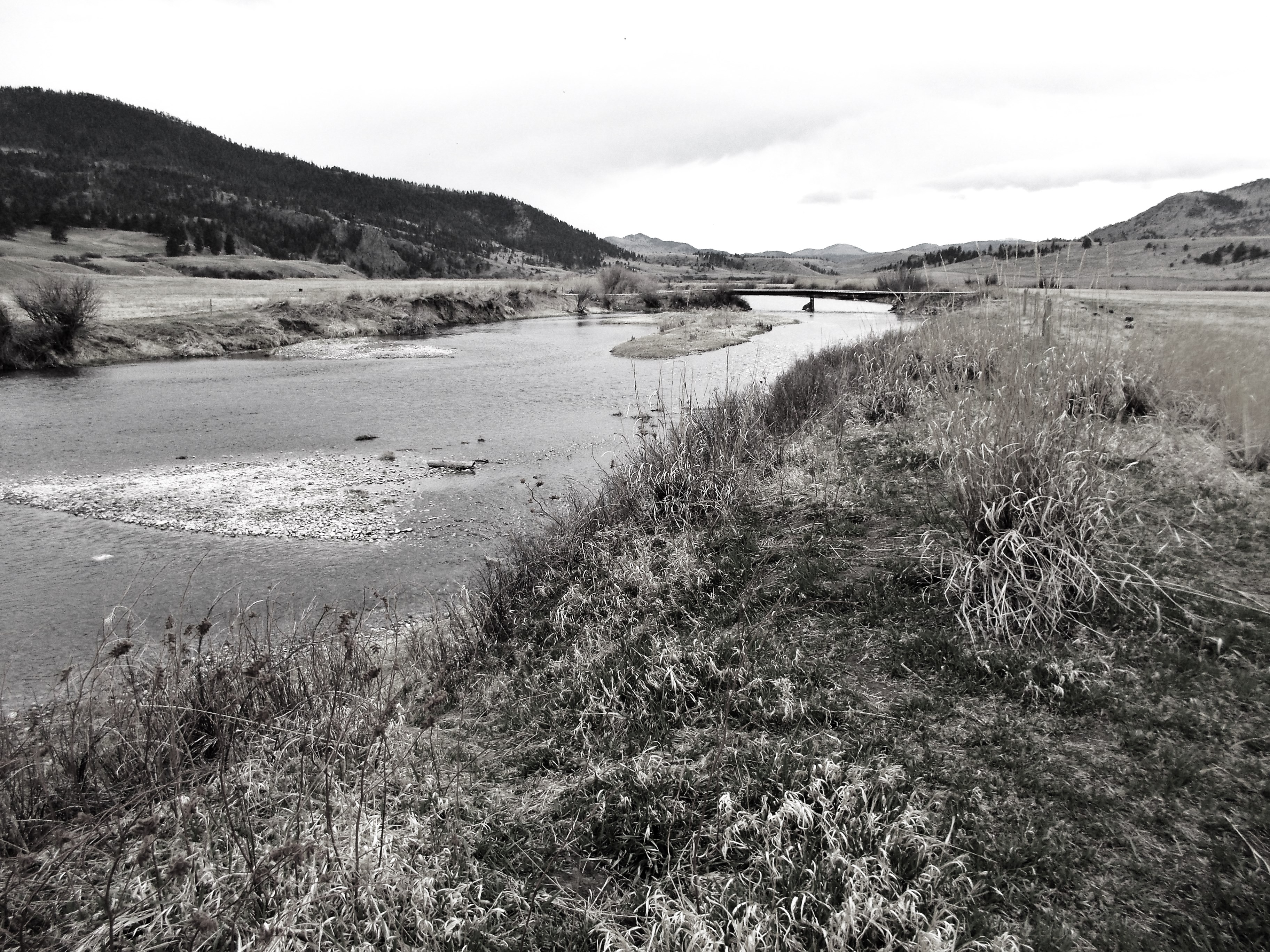
side channel

another pic of brown trout
“I don’t need an alarm clock. My ideas wake me”.
– Ray Bradbury
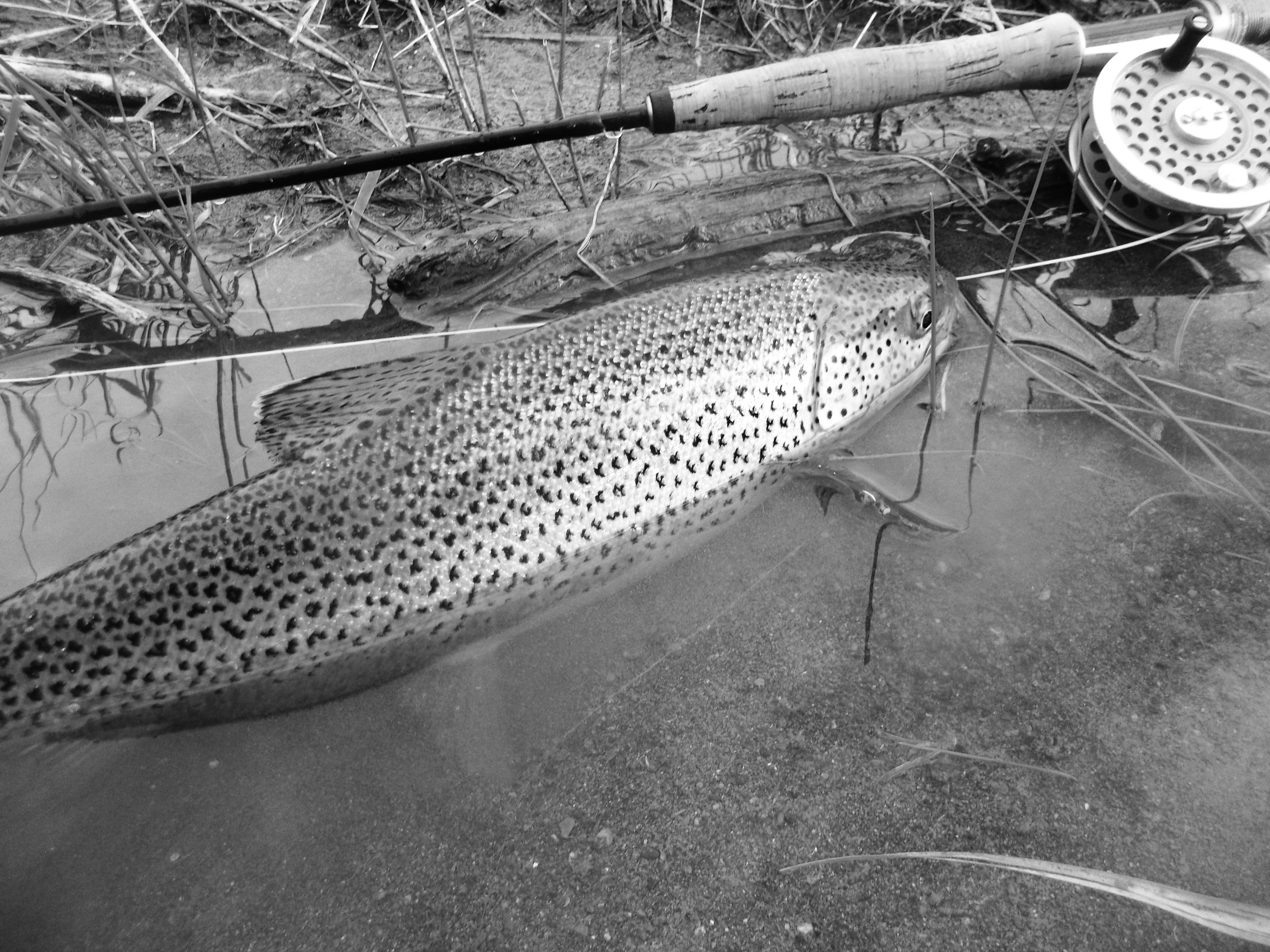
brown trout
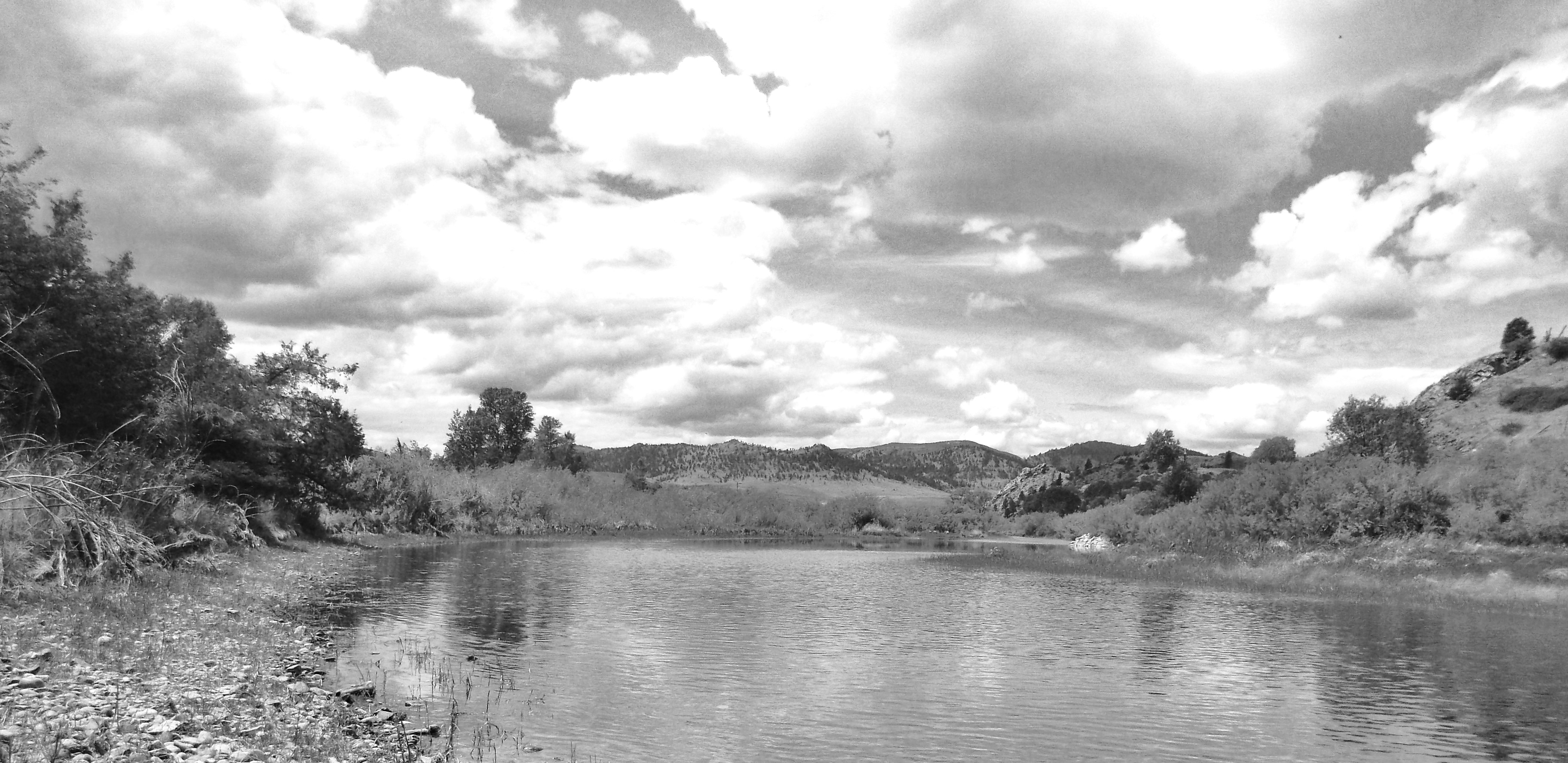
side channel: slow and low
I’m on a side channel of the Missouri river and I hear this fellow talking to someone. It sounds like he’s giving advice and directives, possibly to a kid. I can’t see them due to the willows but it is clear they are heading my way. Then they appear. It’s an angler in his early 40’s and a very young Golden Retriever. Now I get it. He is teaching his dog stream etiquette. I say hello and squat. The golden approaches me and I pet him. I followed it up with a big hug. He’s a real beauty, almost Irish Setter red, and only several months old. Welcoming the attention he leans against me. I press my face next to his and receive a lick on the cheek. Tears come to my eyes. The angler doesn’t notice as I’m wearing sun glasses and a long-billed cap. My retriever passed away in late February at age 16+.
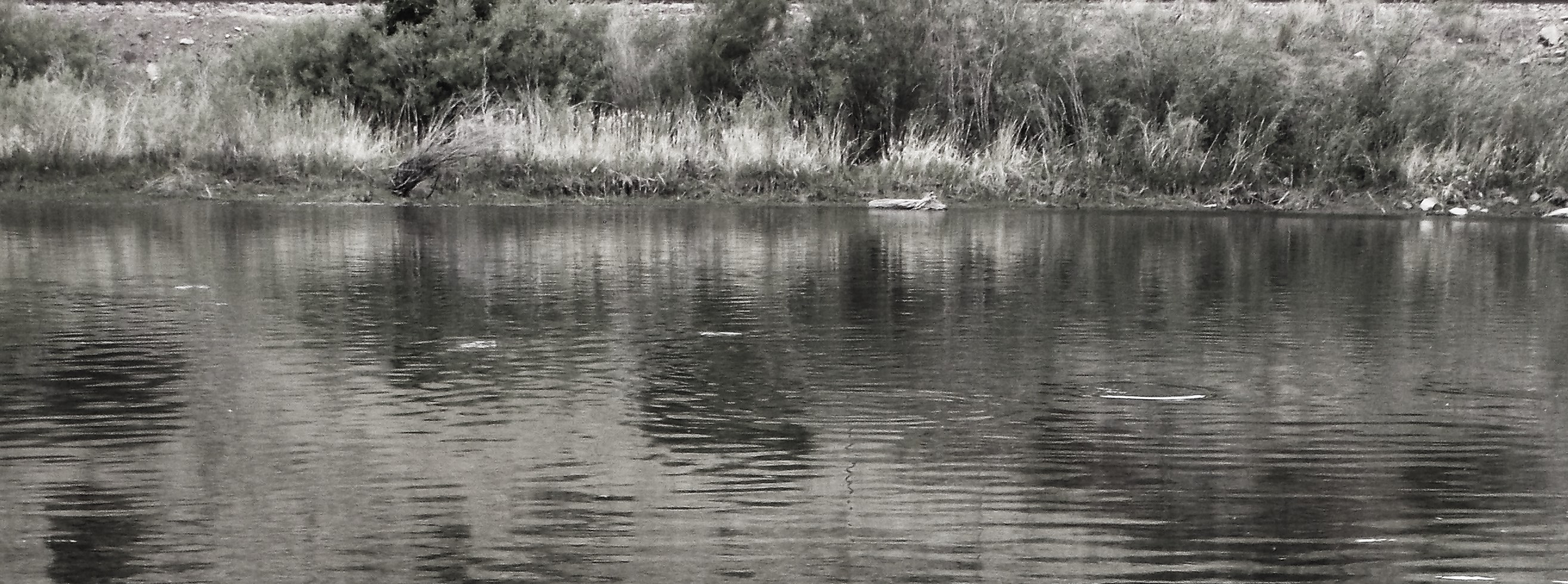
rising trout
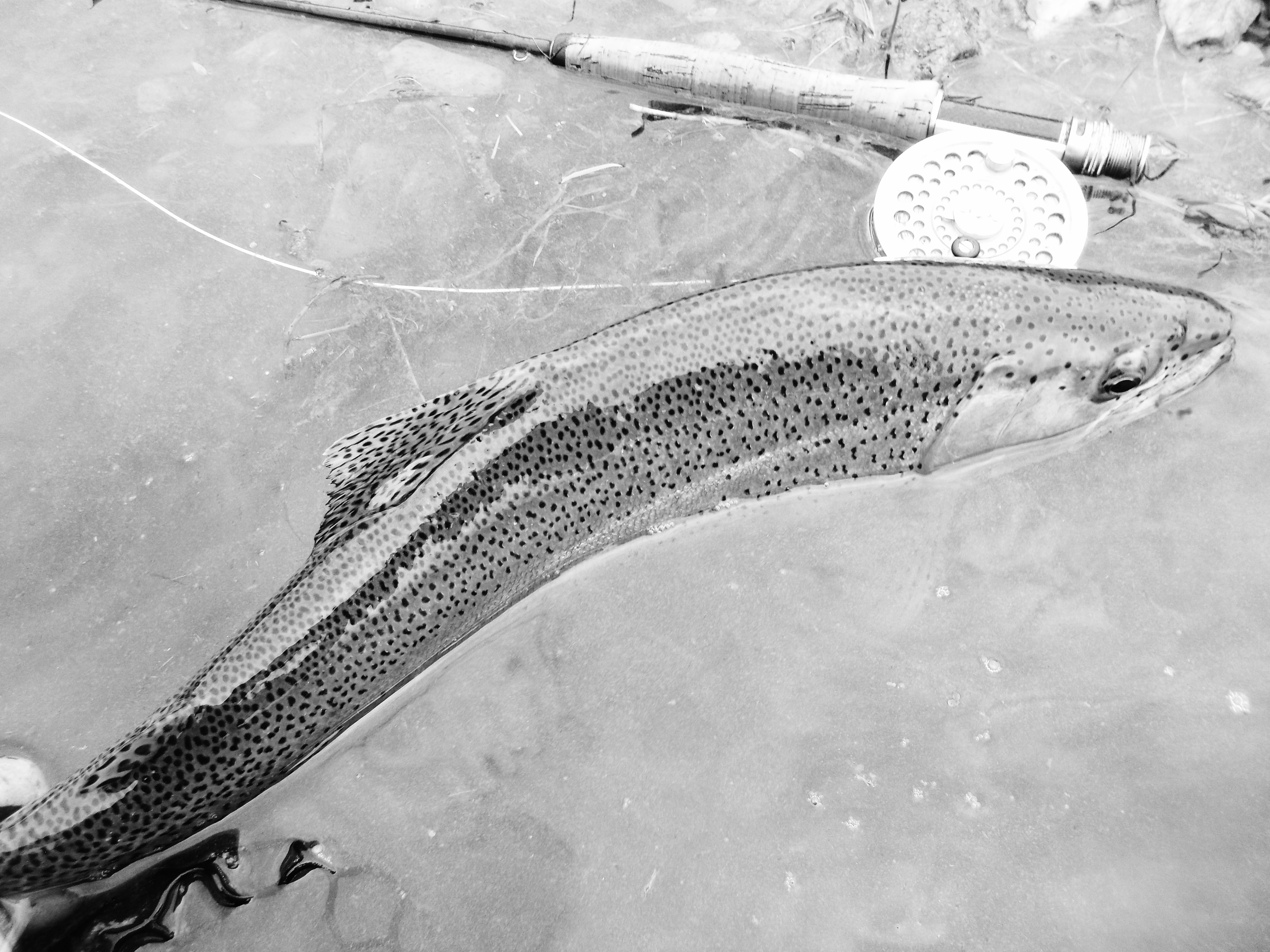
rainbow trout
The angler is from Helena, Montana. We talk and realise we fish many of the same intimate locations on the big river. Eventually he asks me my favorite dry fly location. I hesitate, look at him and then tell the truth. He says the spot I identified is also his most revered. He then tells me he wrote the name of his last golden retriever, who lived to age 13, on the side of the bridge there. We talk for about ten minutes. We are like “kindred spirits”. The next day I walk to the bridge and find a very faded name: Kinnickinn. I hope I have spelled it right.
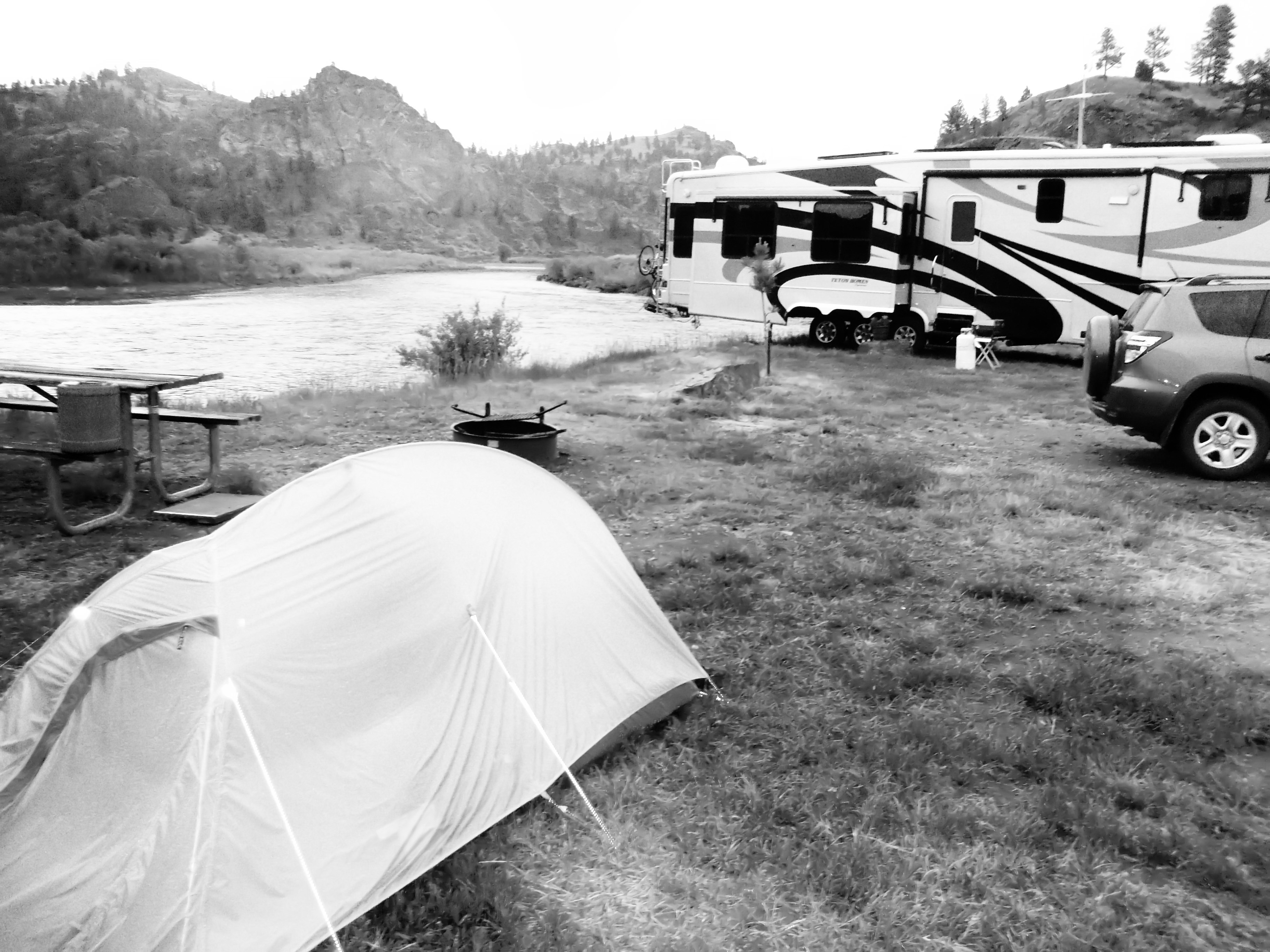
my tent next to 45ft RV
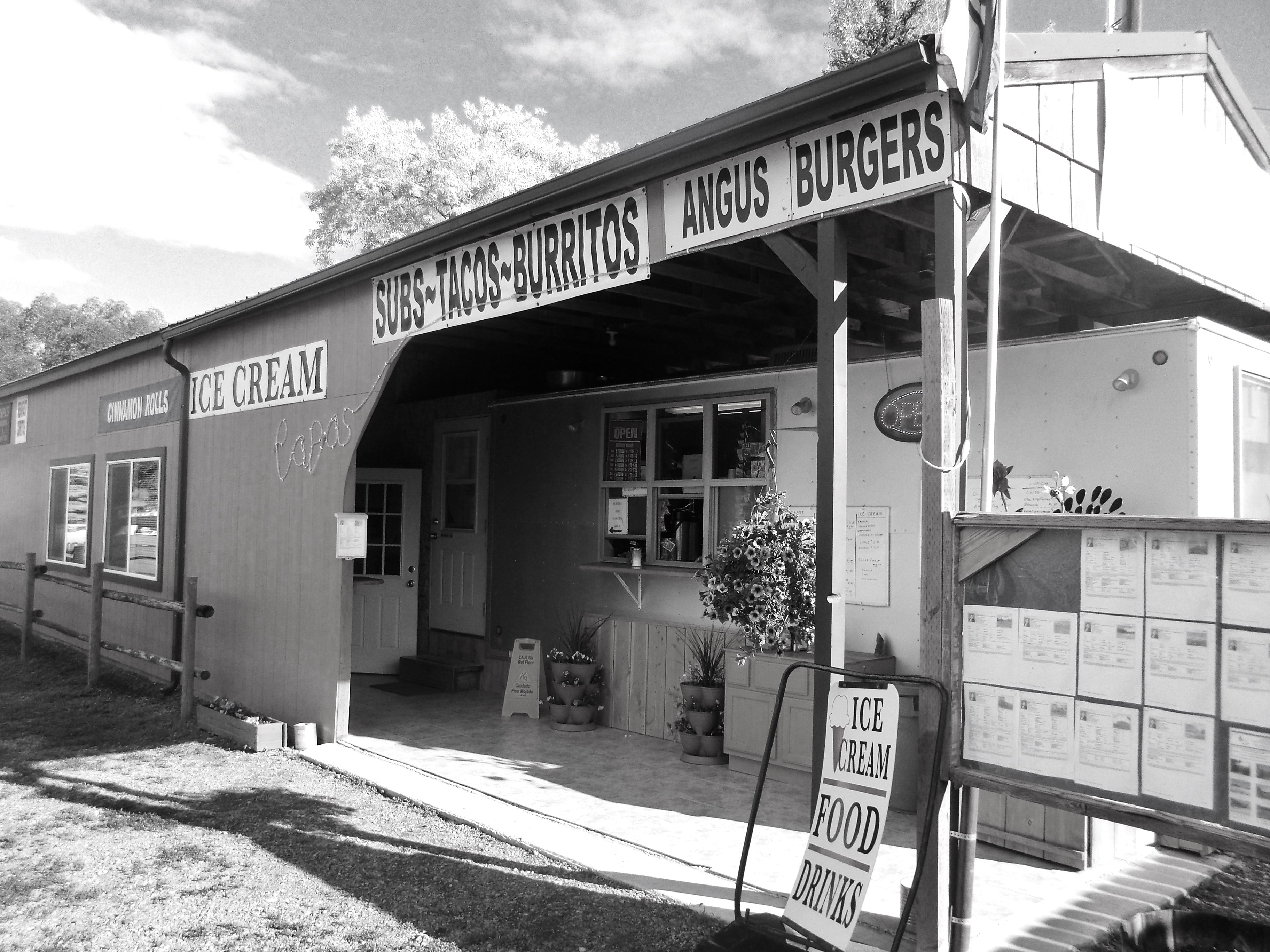
papa’s burgers and burritos
It’s early. I’m at the angler parking area in the town of Craig, Montana. I’ve been camping for three days and last night it was cold and poured for several hours straight. It’s finally cleared and I’m absorbing the morning sun while eating a tasty breakfast burrito from Papa’s Burgers and Burritos, and enjoying a strong coffee. I’m also gearing up for the day ahead: pulling on my waders; sorting flies; tying up a new leader; etc. Trailered drift boats are passing every thirty seconds. It’s like a parade. The place is buzzing with activity. There is this guy sitting on a rock nearby eating a snack and drinking from a pop can. He eventually says to me with a smile, “I guess you are going fishing like everyone else”. I reply, “No, I’m getting ready to go shopping in downtown Helena”. We both laugh. I find out he’s on a canoe trip. Get this, he’s paddling from Twin Bridges Montana to Dallas. Yes, Texas! He’s taking the Missouri to the Mississippi, then eventually to the Red River where he’ll paddle the last leg upstream to Dallas where he lives. It’s a long way and multiply it by seven as all three rivers meander immensely. He’s originally from Boston. I tell him I spent most of my life in Montreal. We talk about the hockey rivalry between the two towns and about Bobby Orr and Guy Lafleur. His vessel is Canadian made: Clipper Canoes from British Columbia. I’m going to follow his incredible river journey. Here’s his web site: canoevoyage.com.

local wanting a taste of my breakfast burrito
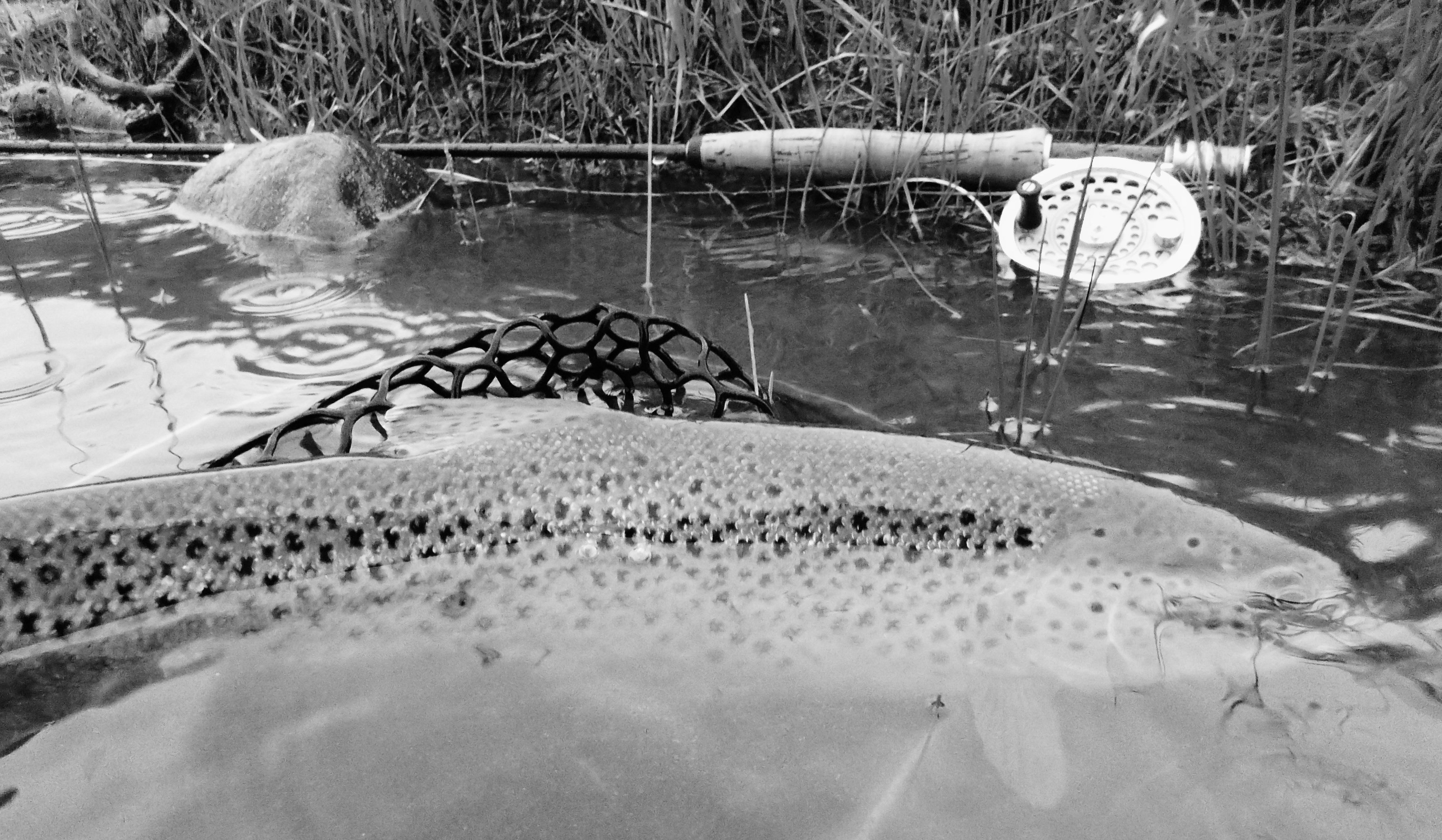
brown trout

brown trout
I just spent three and one half days on the Missouri river. I fished midges and tiny olives (baetis), size 20. Only a couple of fish required a dropper. The last morning there I managed some nice trout in full sun on a small terrestrial pattern. On this trip I tried to focus on brown trout. On the Missouri they are significantly out-numbered by rainbows. It is surprising how challenging it is to differentiate between the two species even in shallow water, especially on those days when light conditions are less than ideal. I did manage more browns than usual as I committed to searching for them, often passing by some large rainbows along the way. Sight fishing with dries in shallow water is always exciting, challenging and intense. It’s all about watching the water and being sneaky. A lot of time was spent staying low, hunched or angling on my knees. And I missed more than I caught. Seeing trout up close react to an imitation is just simply the best. It’s what gets me up at 6 am, no alarm clock required.
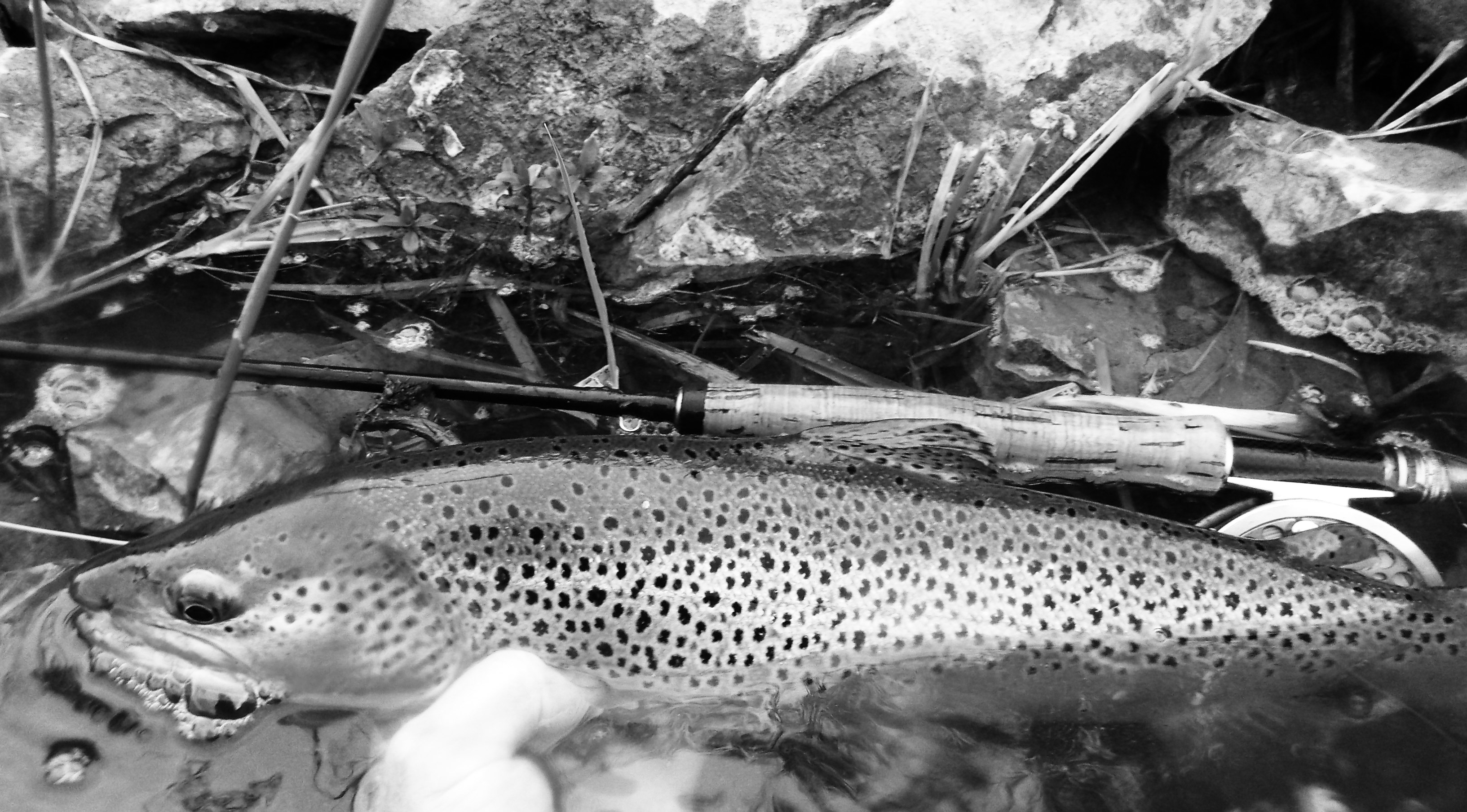
brown trout
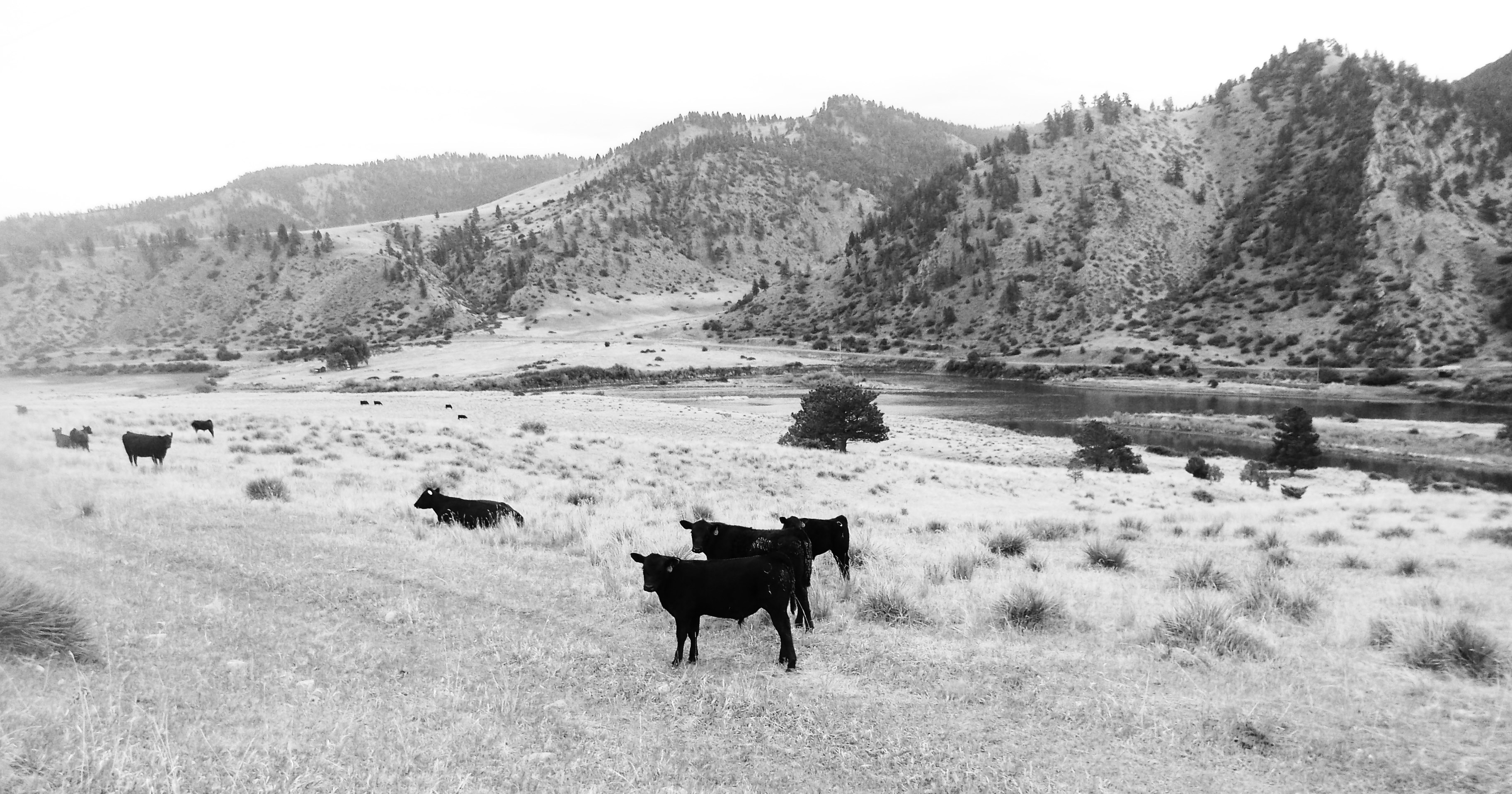
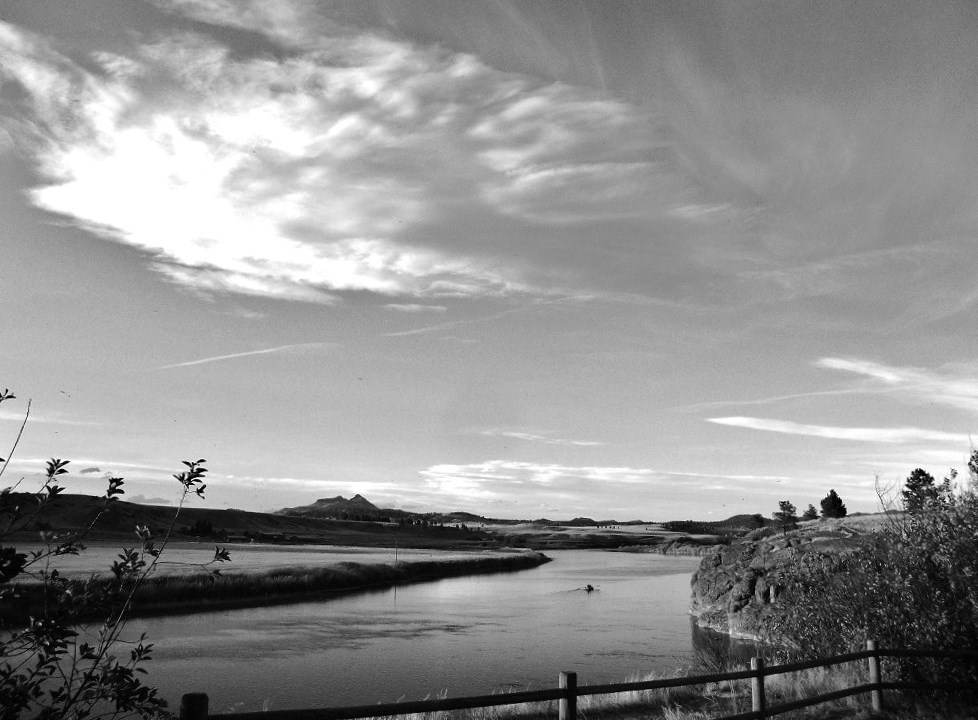
Missouri river valley

rainbow

busy fly shop
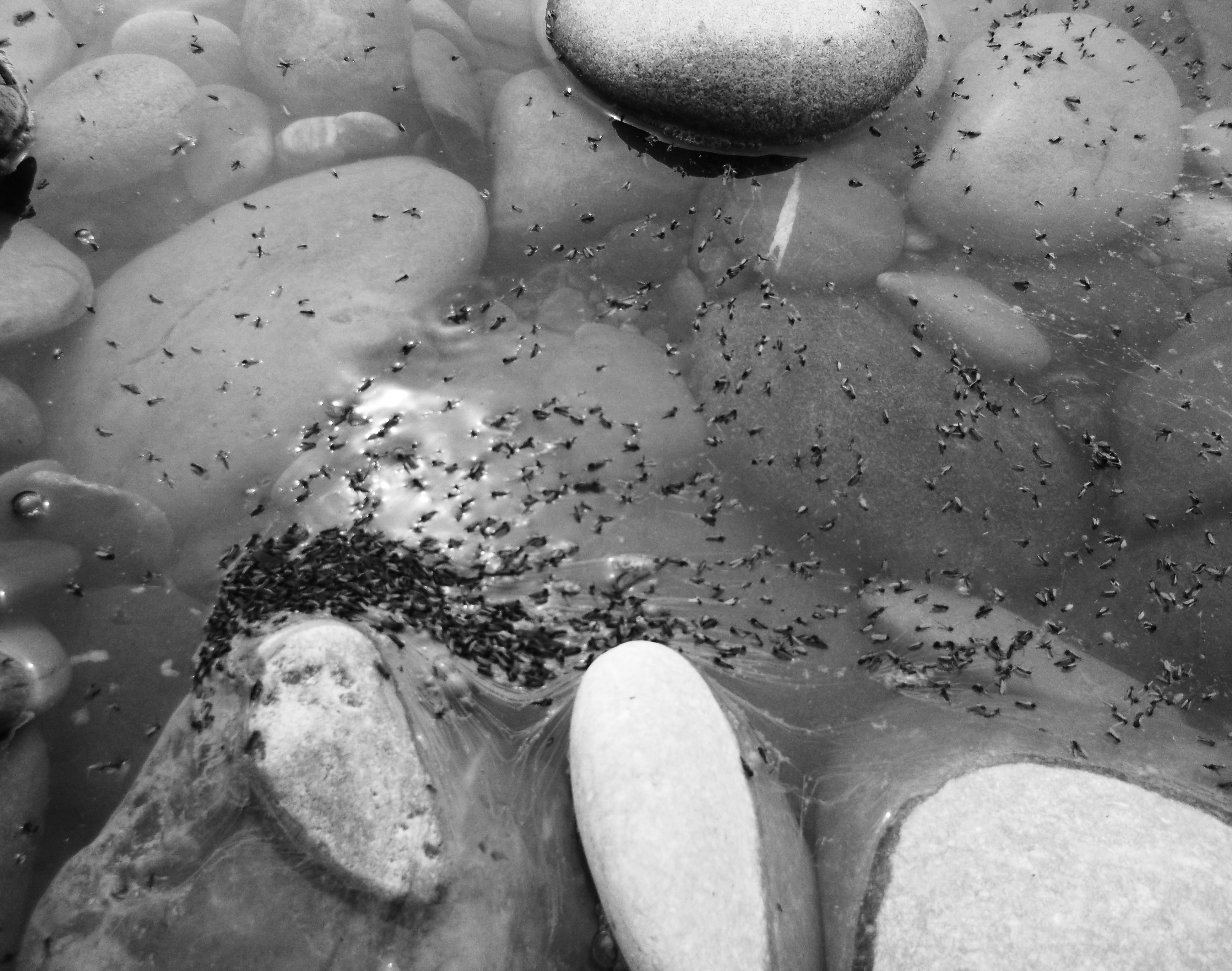
midges
I went to a local tail water river two times in the past week feeling hopeful. However, there was no dry-fly action in spite of a lot of Midges being around and even some Blue Wing Olives. I was excited to see drifting mayflies after several months. I guess that’s something only a fly angler appreciates. It’s been a long winter and slow developing spring and water temperatures are still very cool: 38F. Usually at this time of year I can pick up a couple of surface feeding fish late afternoon once the bugs get going. It begins with whitefish rising, then some smaller to mid-sized trout, then when the hatch really gets popping and bugs accumulate, some bigger fish get involved. No such luck. I sat on a section I know well, looking and especially listening for life. On large broad water in bright light and with a lot of reflection, it is often sound that gives a trout’s surface feeding position away. I would catch fewer fish on dries if I was hearing impaired. I looked and listened for a long time then gave my eyes a rest, looked elsewhere, and just listened. Silence. The river never woke up. I plan to return one more time before run-off but I might not get a chance as the last three days have been hot and soon they will open the dam and release enough water to turn the Sahara green. Then I’ll have to wait a month or two for the river to settle down and clear. If things don’t work out locally then Plan B is to jump in the car and make the trip south to the Missouri river for the upcoming long weekend. May is usually a good dry fly month there. I’ll get riverside and listen for life.
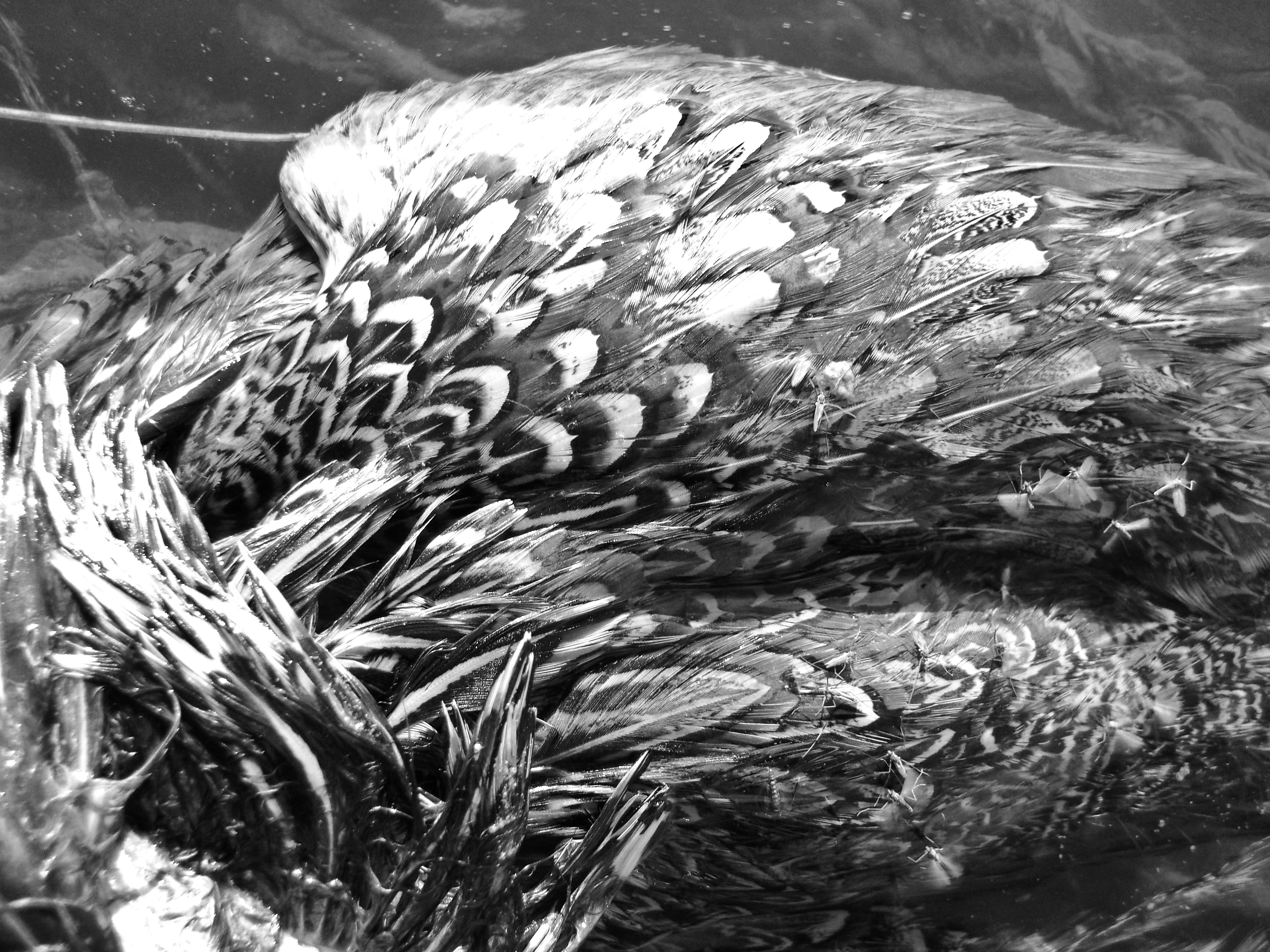
dead pheasant wing
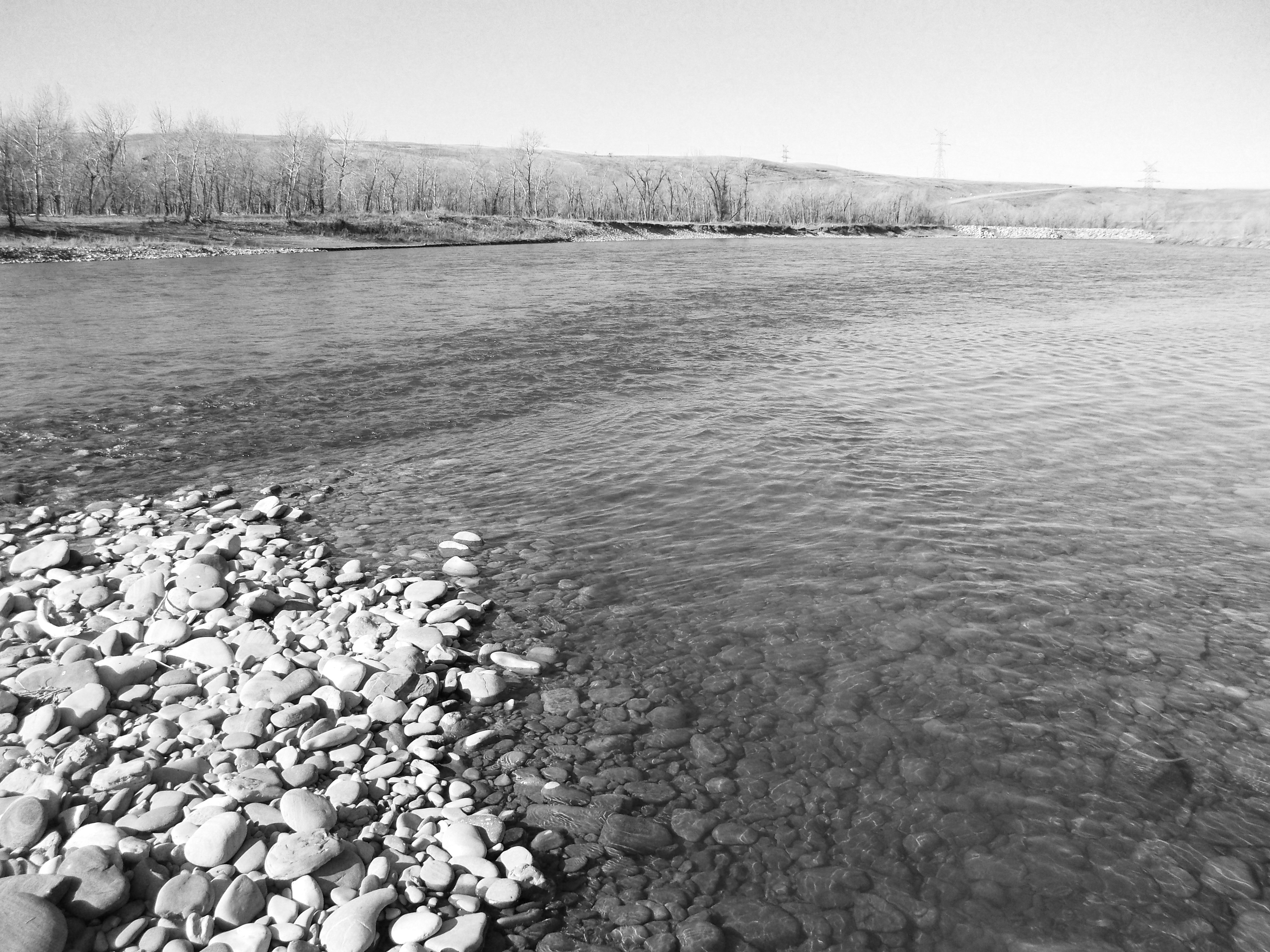
soft spot where bugs were collecting
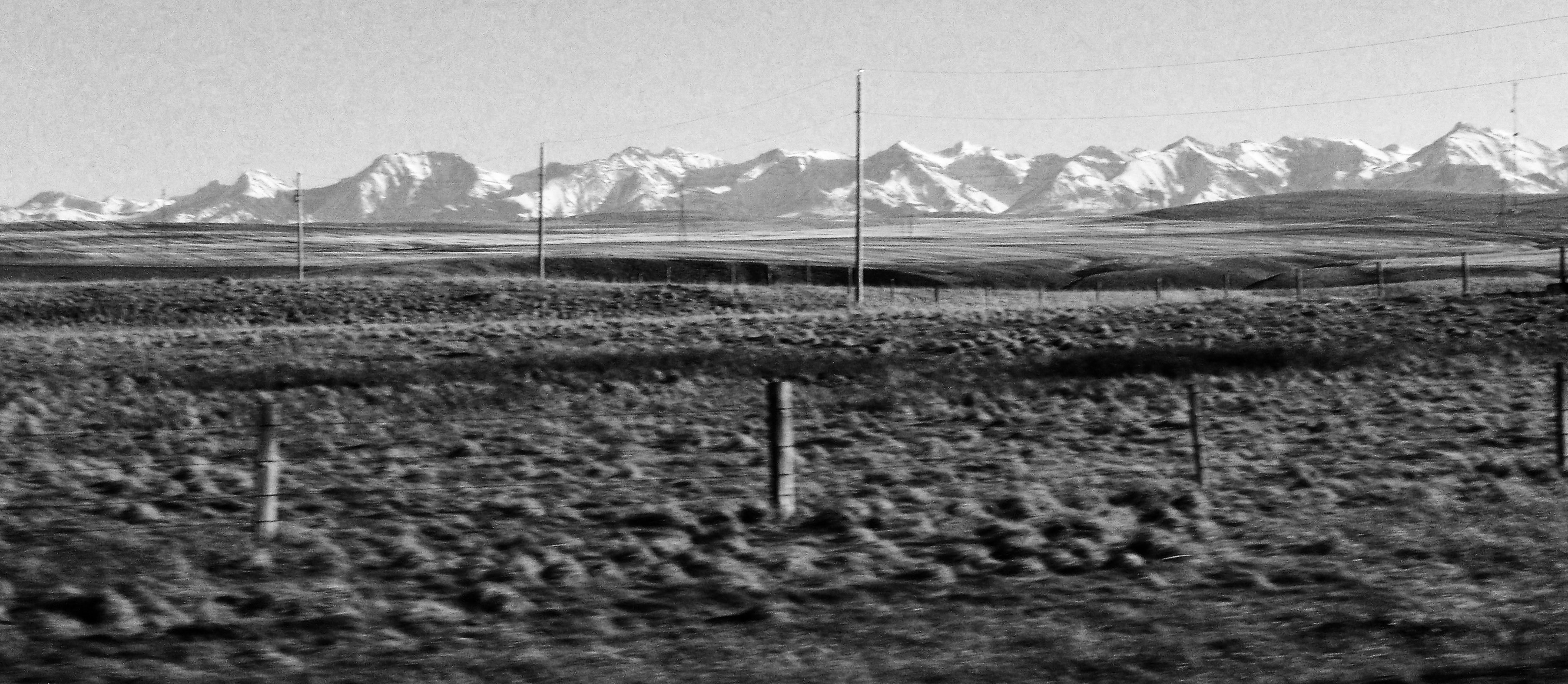
eastern slopes snowpack

olive
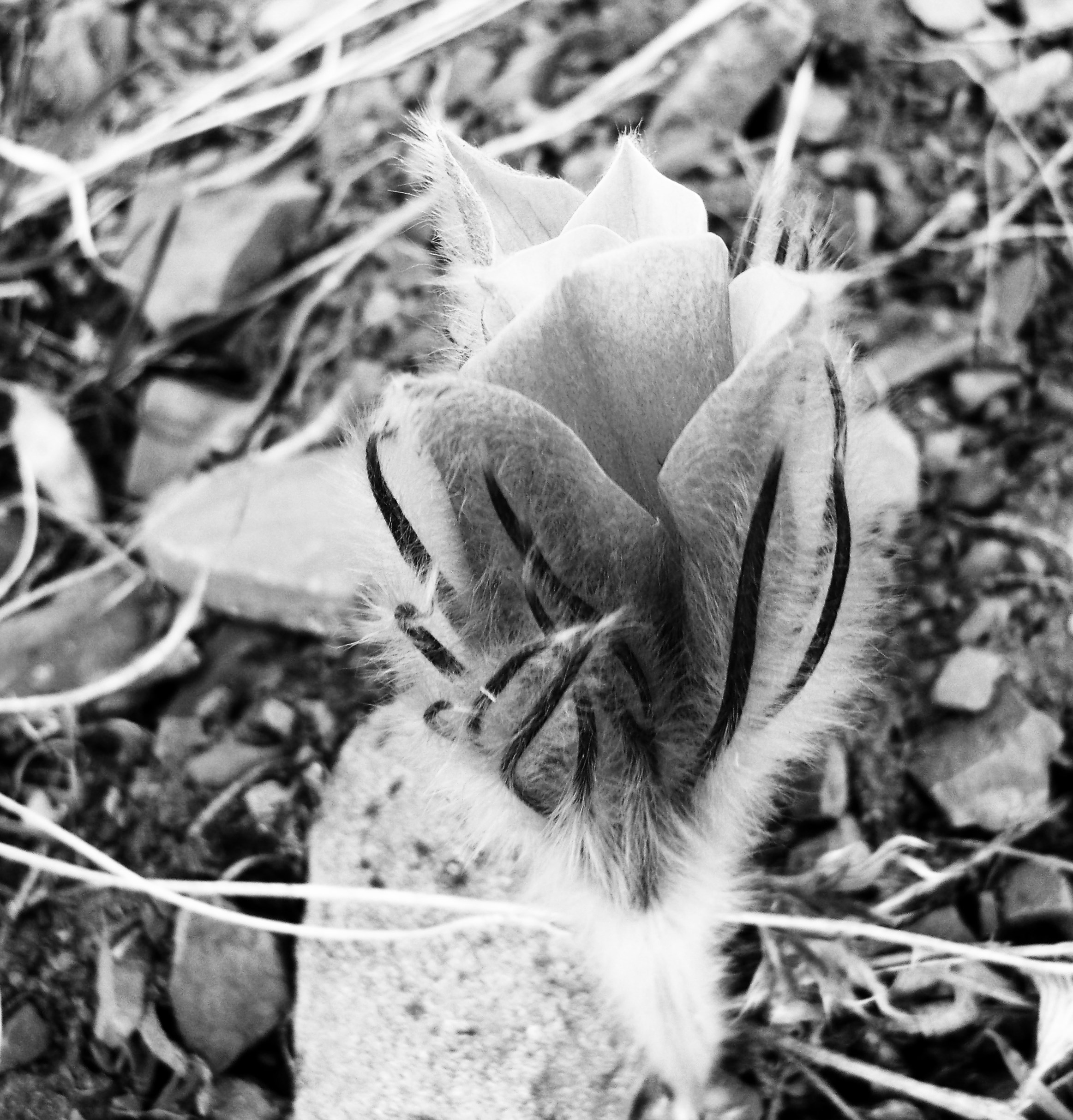
crocus
 trout on dries