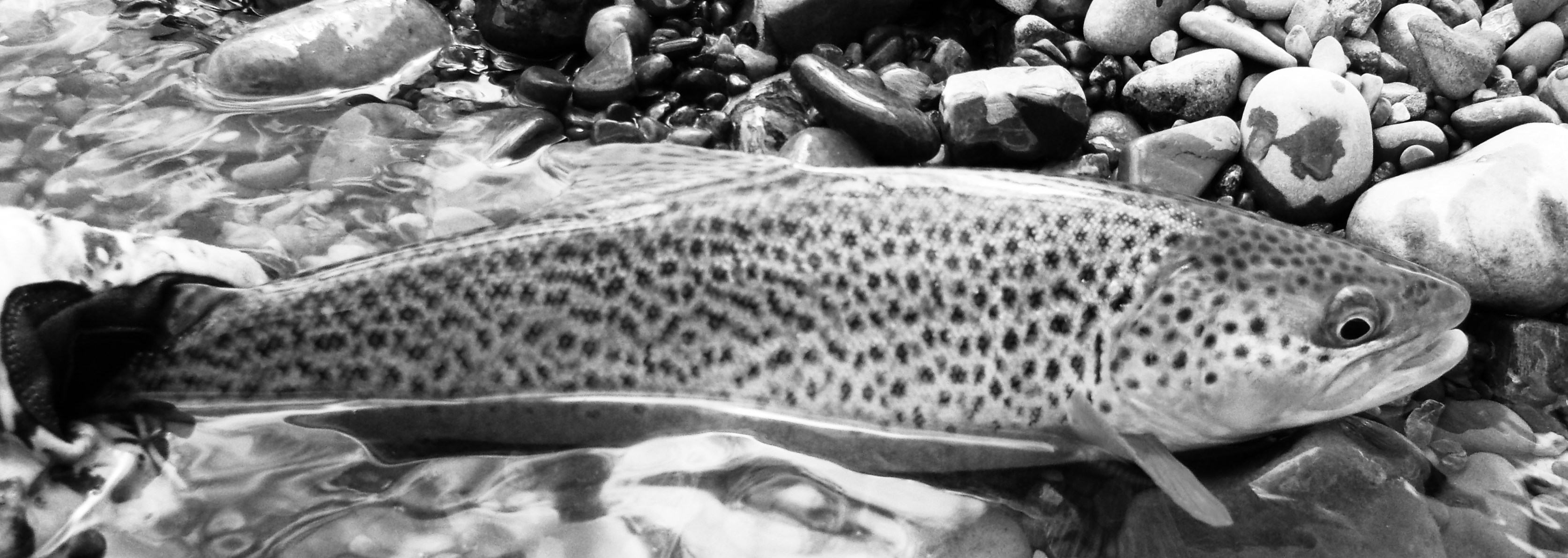
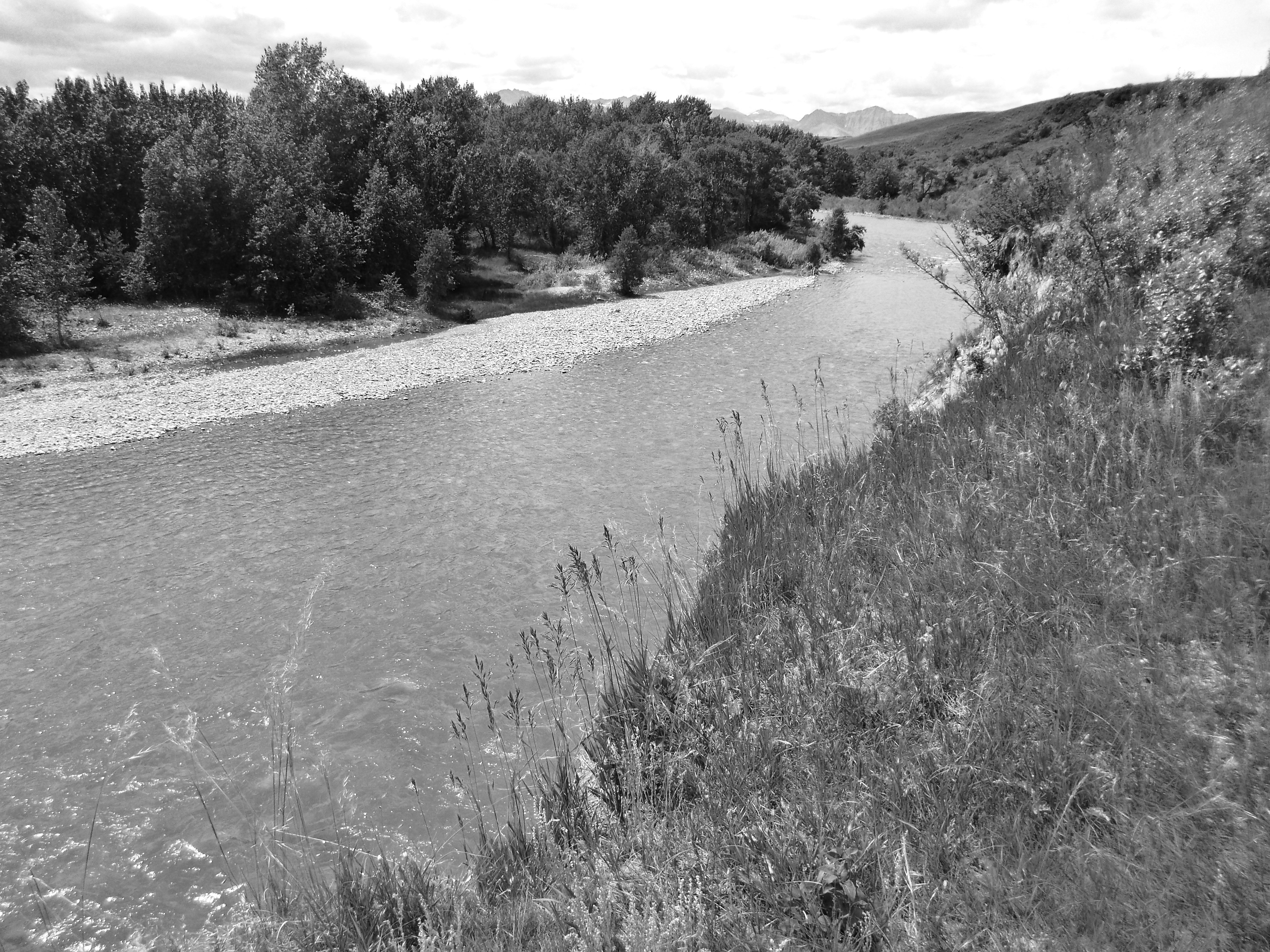
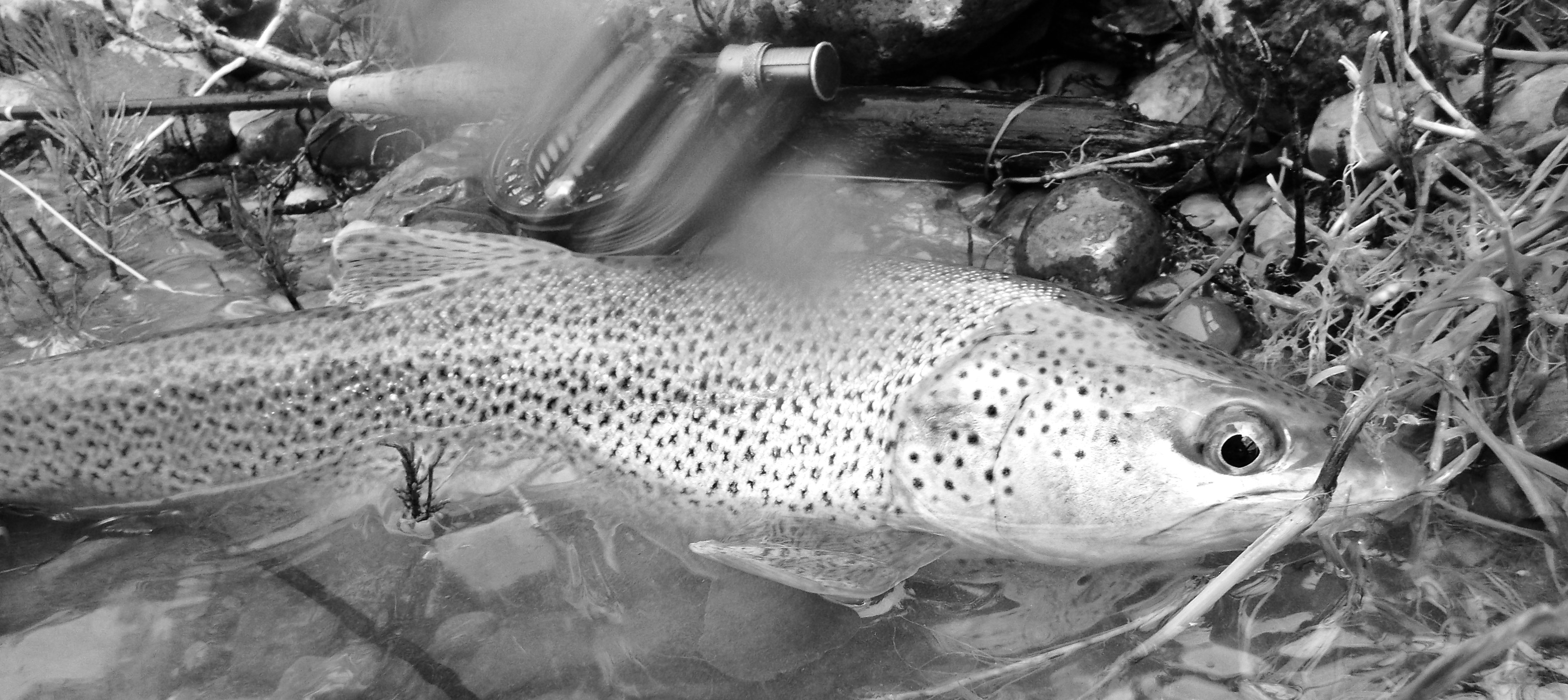
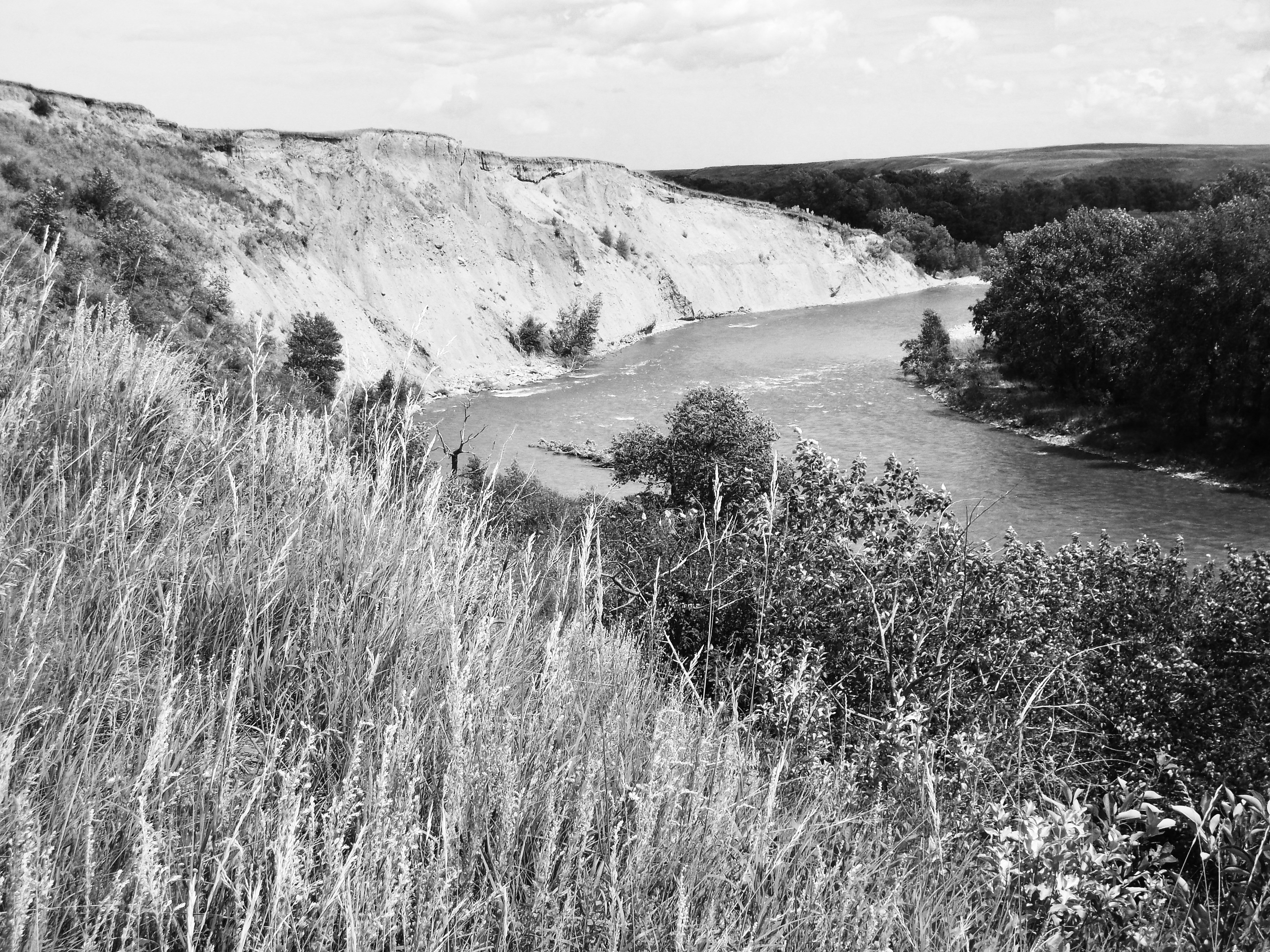
Some scenery and trout caught on dry flies on a windy Sunday afternoon. The river dropped a bit, it was clearer and some brown trout decided to rise.
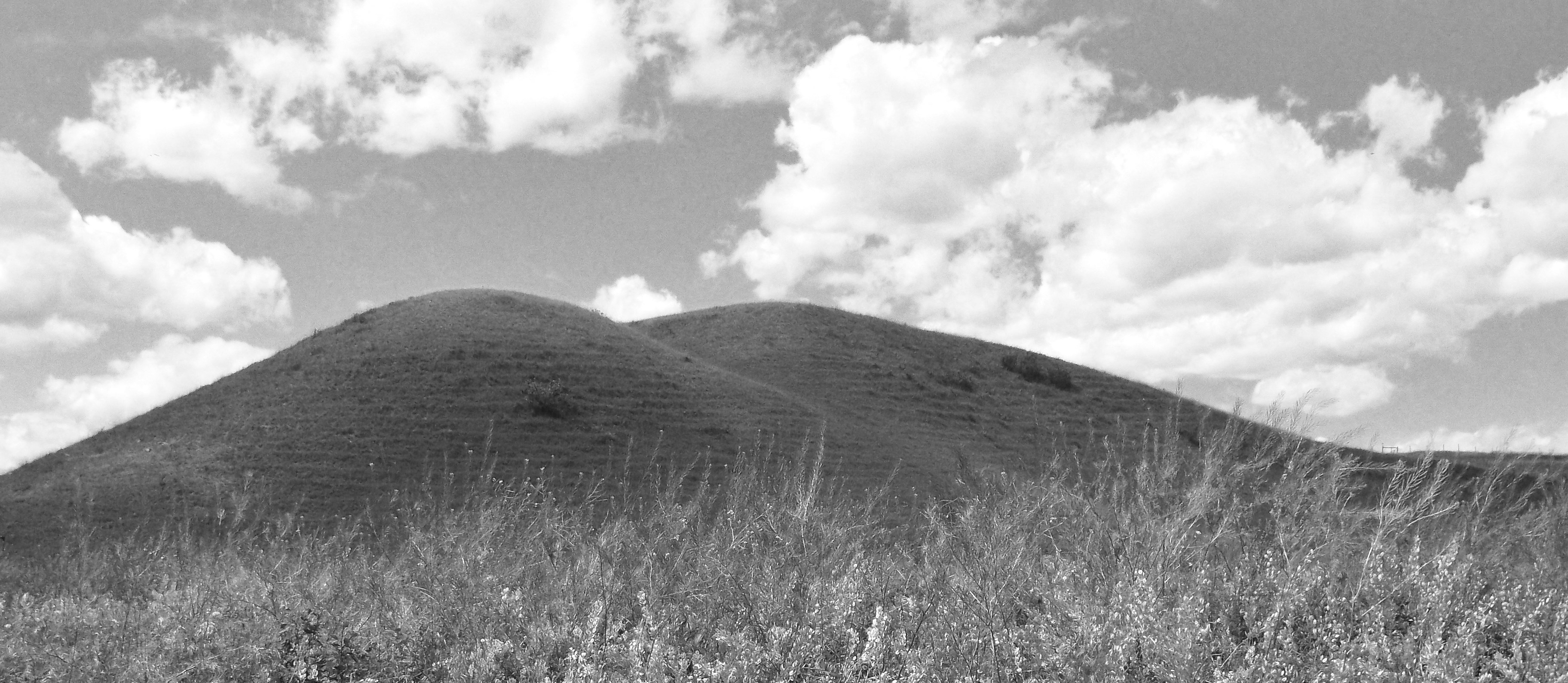
smooth hills riverside

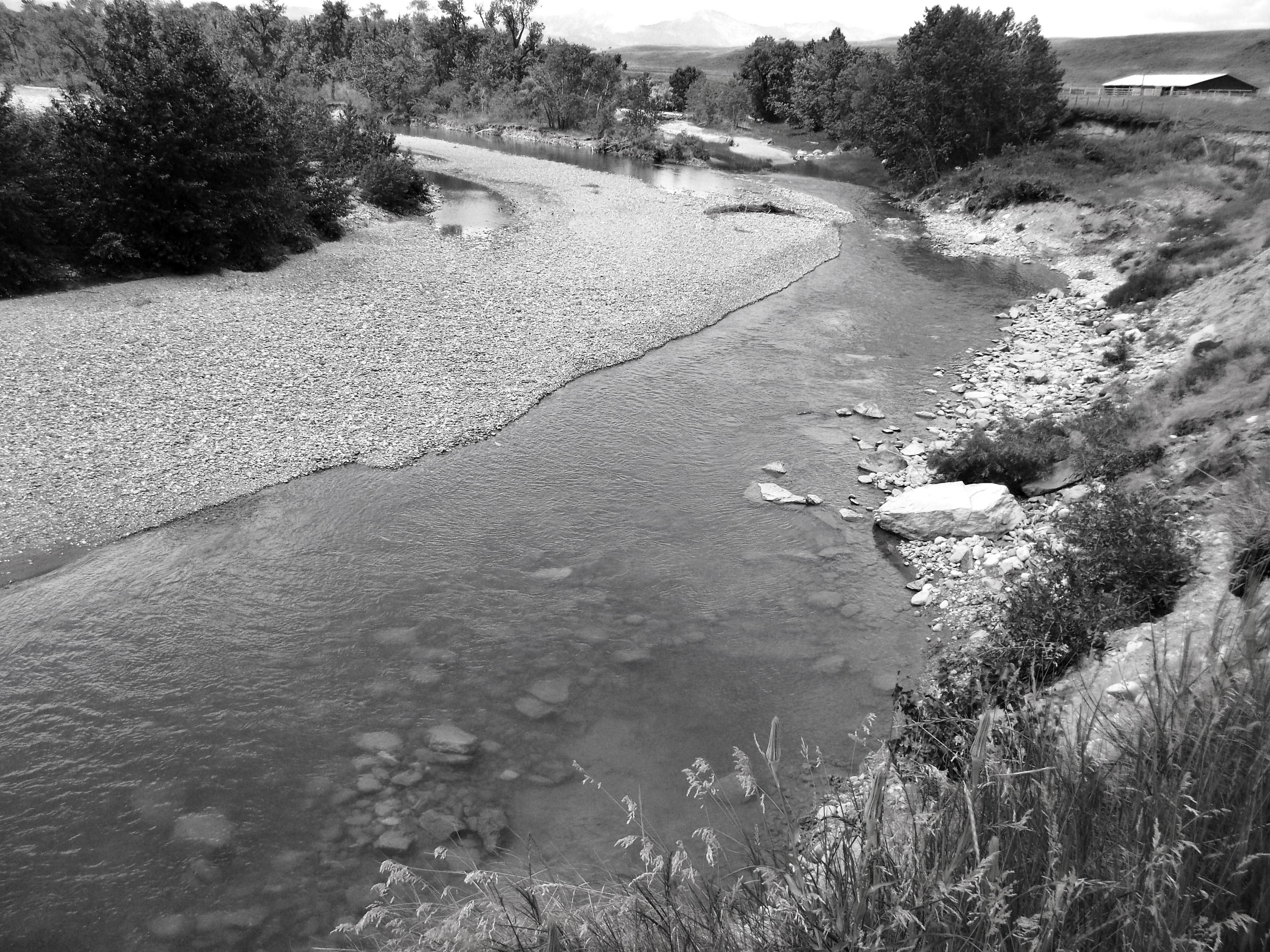
high water side channel
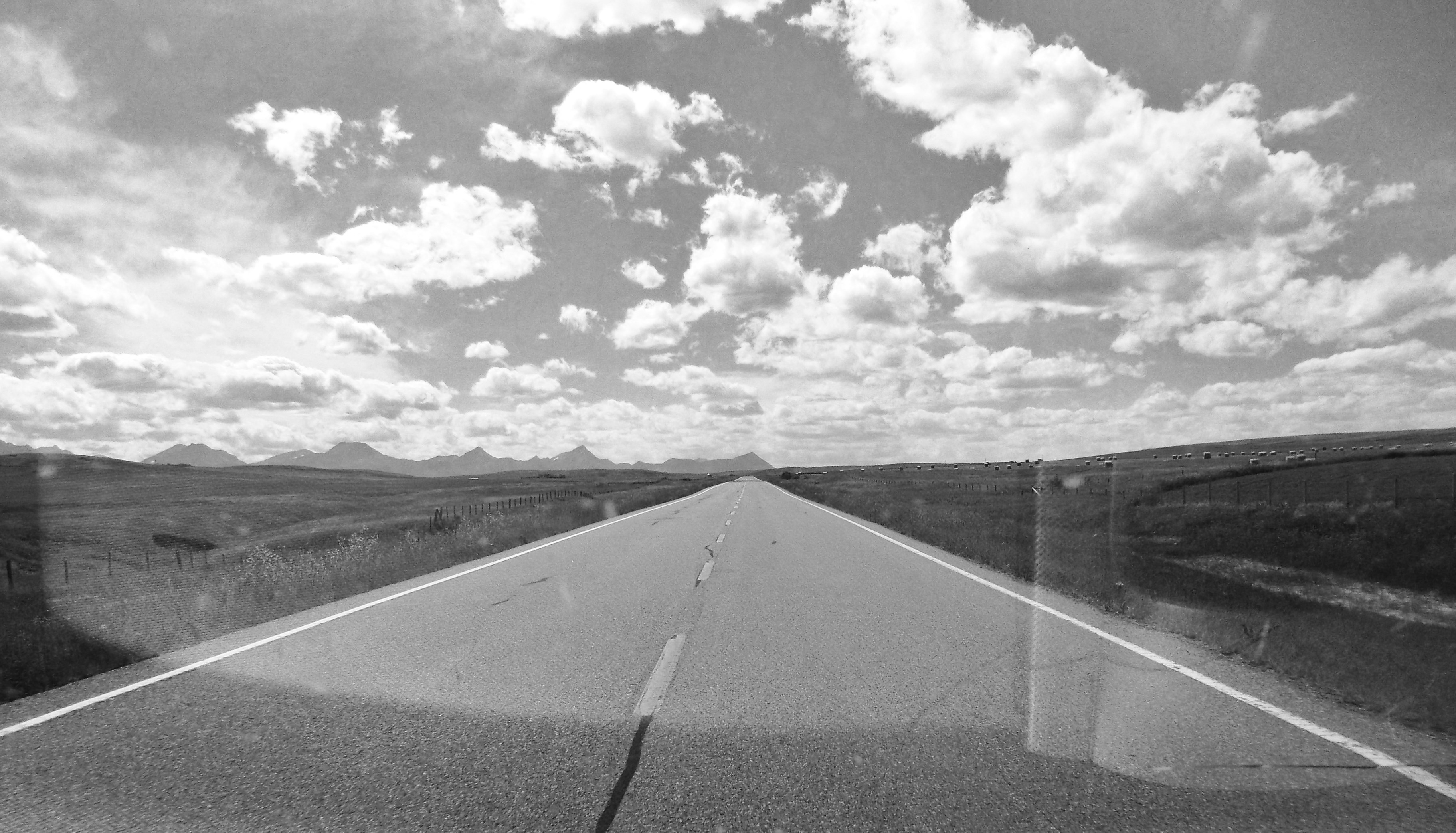
windshield shot
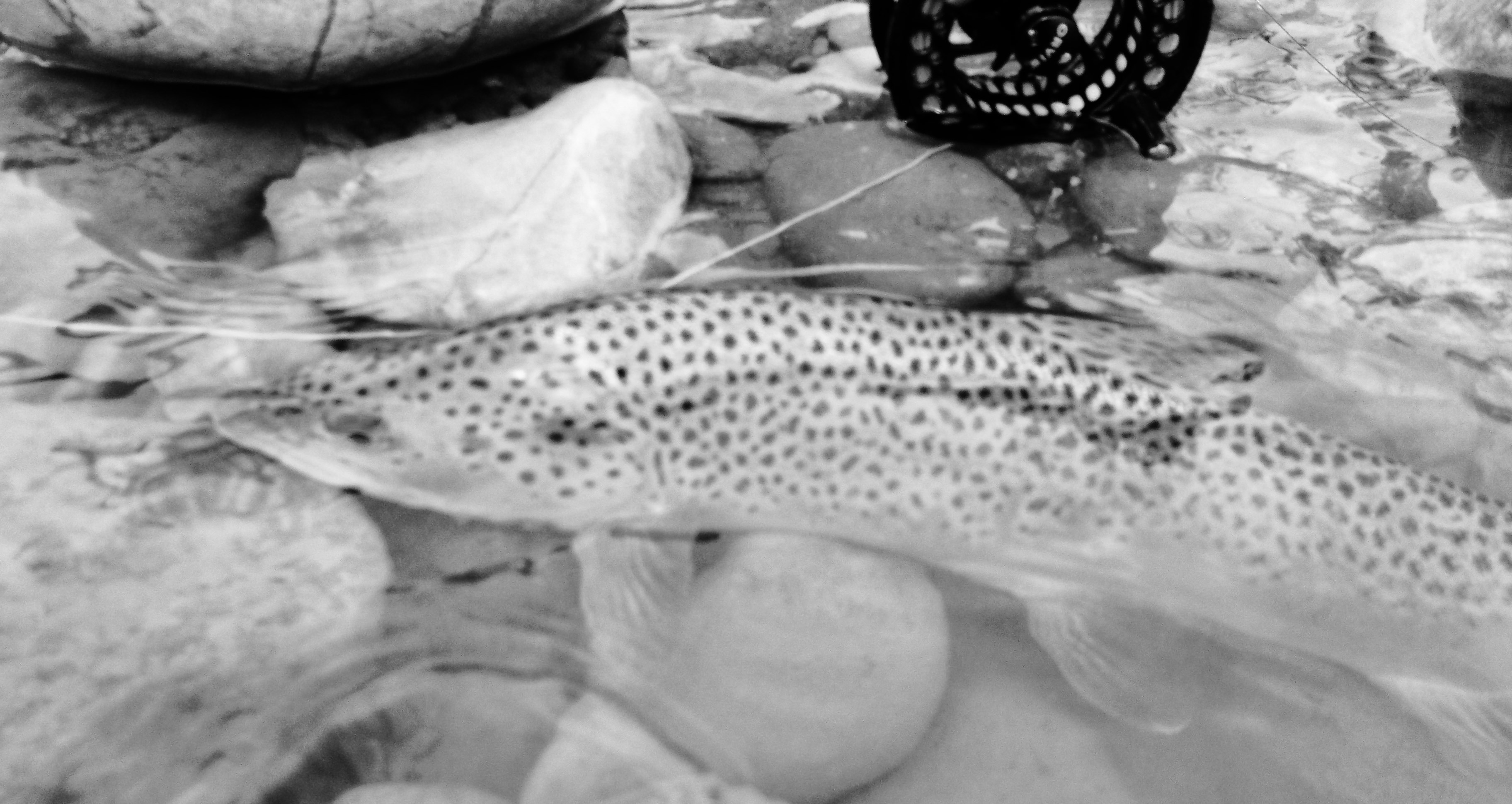
trout spotting cliffs
Some scenery and trout caught on dry flies on a windy Sunday afternoon. The river dropped a bit, it was clearer and some brown trout decided to rise.
smooth hills riverside
high water side channel
windshield shot
trout spotting cliffs
Trout, like people, have their habits, routines and places they frequent. On one river pool I often fish there is a side that has as rock face, is deep and has a good flow. On the opposite side the bank is low, earthy, lush with vegetation and the water very shallow and slow. I’ve learnt that once a hatch reaches a certain density or magic mark, a couple of large fish leave the safety of the deep pool, glide over to the slow, low side and surface feed just inches off of the bank. I have often sat there when the place seems like a ghost town and said to myself, “Be patient, wait for the bugs and it will happen”. And it usually does. A large nose will pop-up next to the bank and sip a small may fly in less than a foot of water. I’ve come to know this section of the river quite well, at least from a dry-fly angling perspective, and I am always amazed that I can predict such an event. The key is some sort of hatch. I used to spot two sometimes three large trout on this bank once a good hatch was underway. In the last few seasons it is usually just one fish. I’ve noticed the same trend on other slow water stretches that I know well.
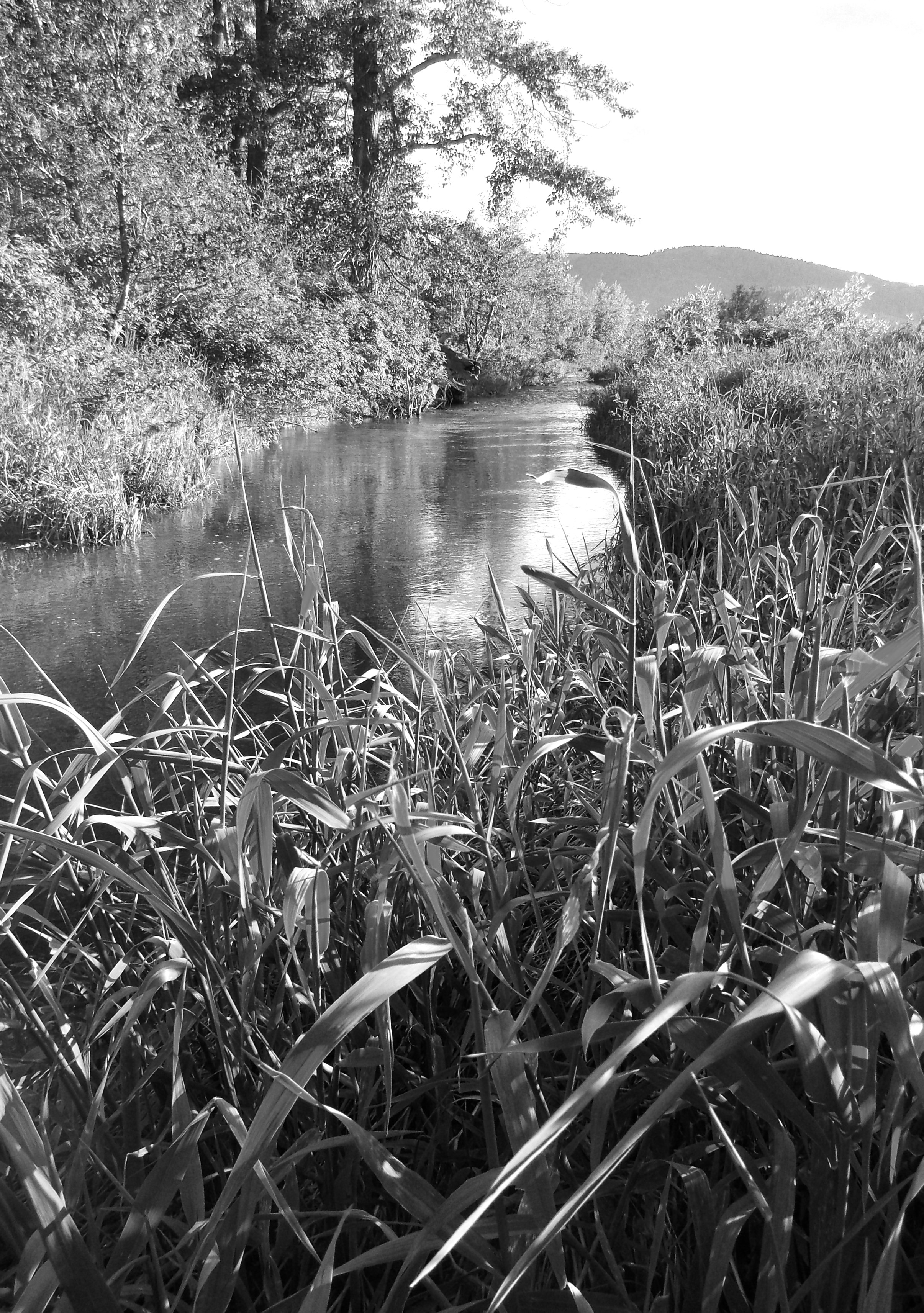
high water side channel, no risers
I haven’t been able to fish a lot lately but did manage to get on the water two evenings this week. The bug life has been alright, nothing special, but seems to be developing: PMD’s; Drakes; Yellow Sallies; Caddis. I’ve been walking and watching slow water sections where a sizable fish might park and lazily munch away. I must say it hasn’t been easy finding a large surface feeder. Two nights ago I did located one in the pool that I described above. The large trout ate my impression but the fly simply slipped out without much contact, and the fish moved off the bank into deeper water. I waited around but it didn’t return.
I went to the same spot the following evening and waited for a hatch. A weak one did occur quite late and there were just enough PMD’s on the water for a large fish to appear where I spotted one the night before. I’m sure it was the same fish. As I’ve said, “trout, like people, have their habits, routines and places they frequent”. This time I managed to connect with a size 16 PMD. I don’t think the fish had been hooked this season as it seemed quite surprised by the event and sluggish at first, and then after a thirty seconds or so adrenaline kicked in, or whatever “fight or flight” hormone trout operate on, and it went ballistic. It took me way down stream. I struggled to photograph it due to the awkward location that I had to land it in. There was also a lot of splashing as the fish simply wouldn’t give up. It had “moxie”.
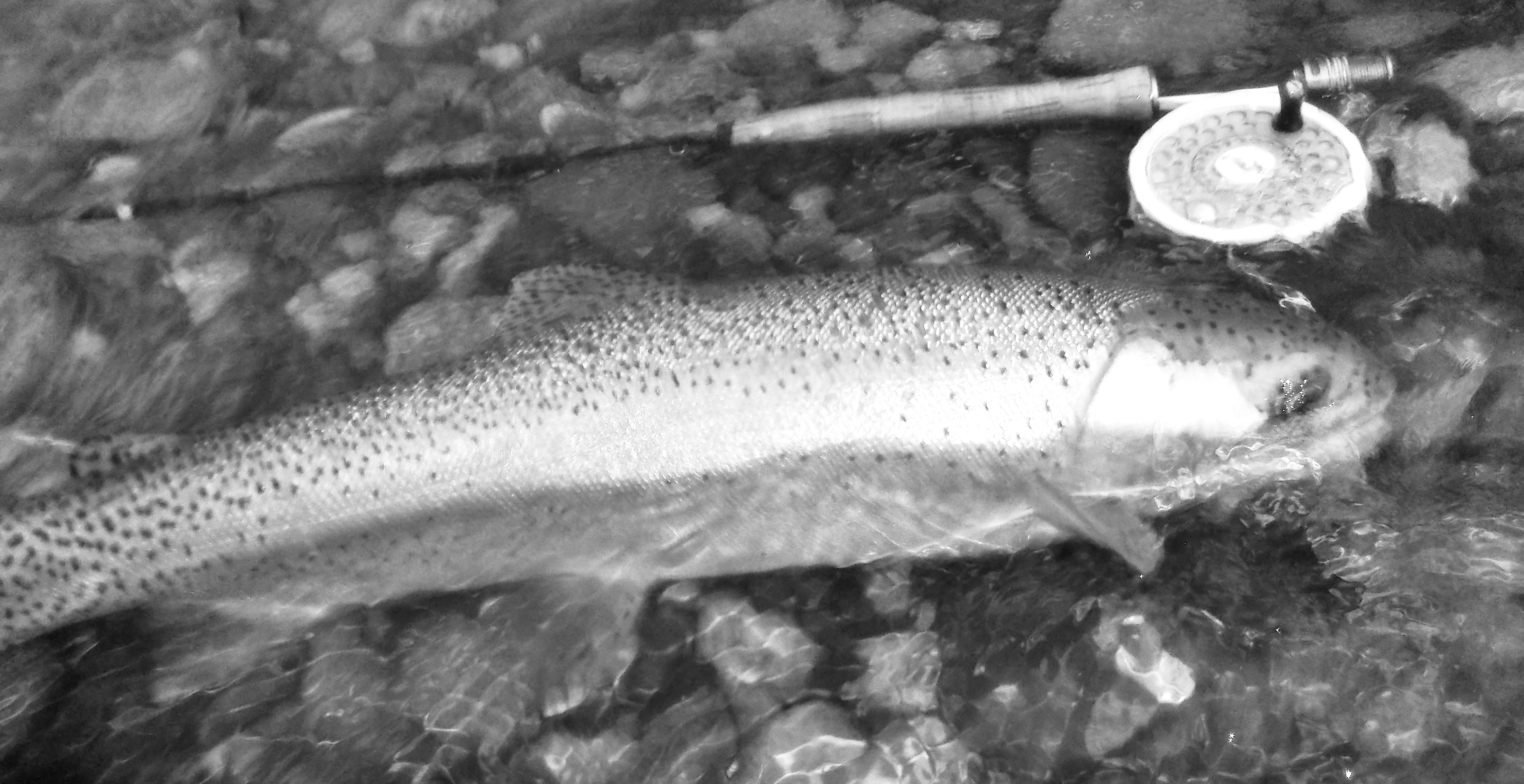
crowsnest river, rainbow trout
“I don’t need an alarm clock. My ideas wake me”.
– Ray Bradbury
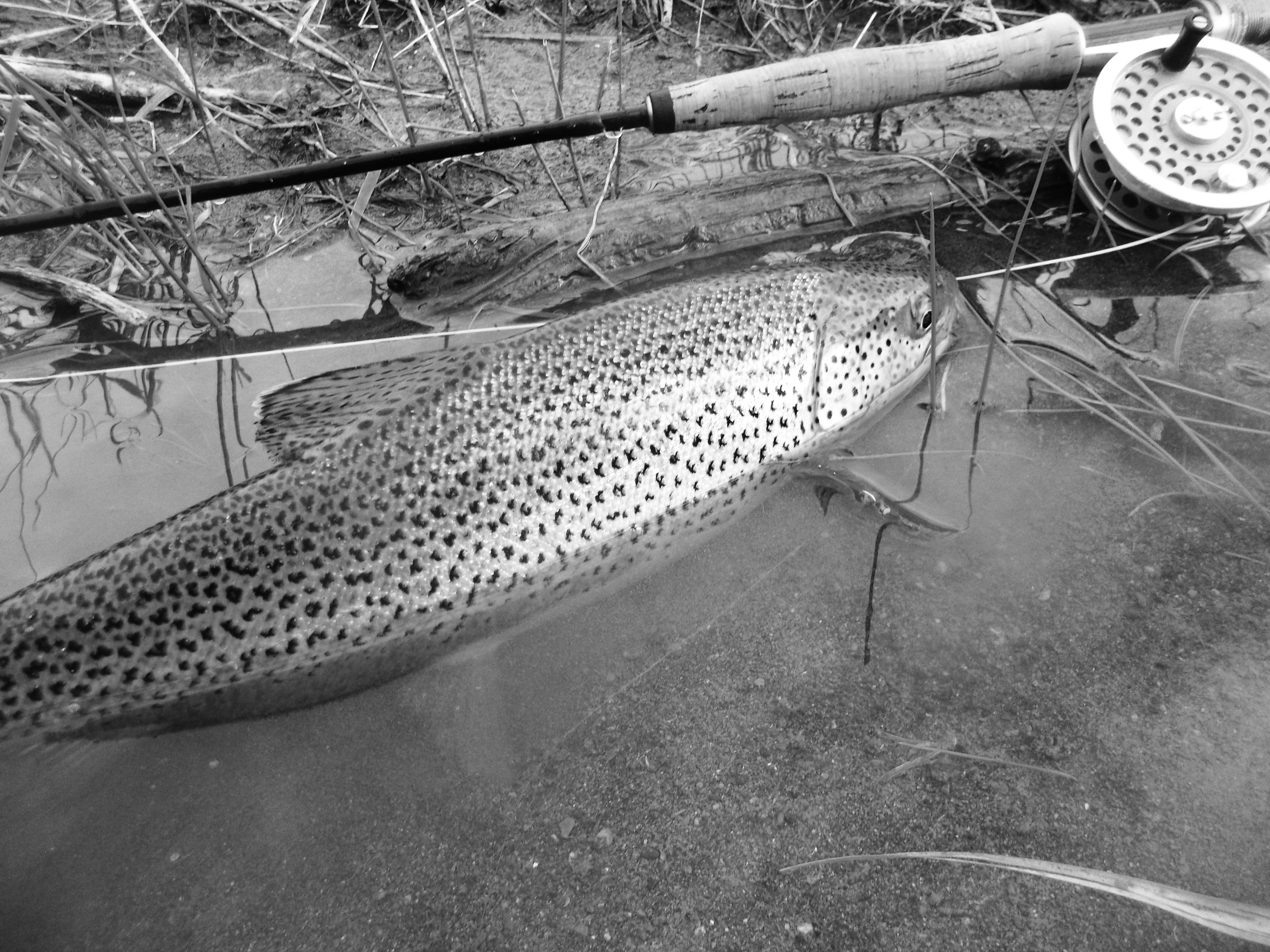
brown trout
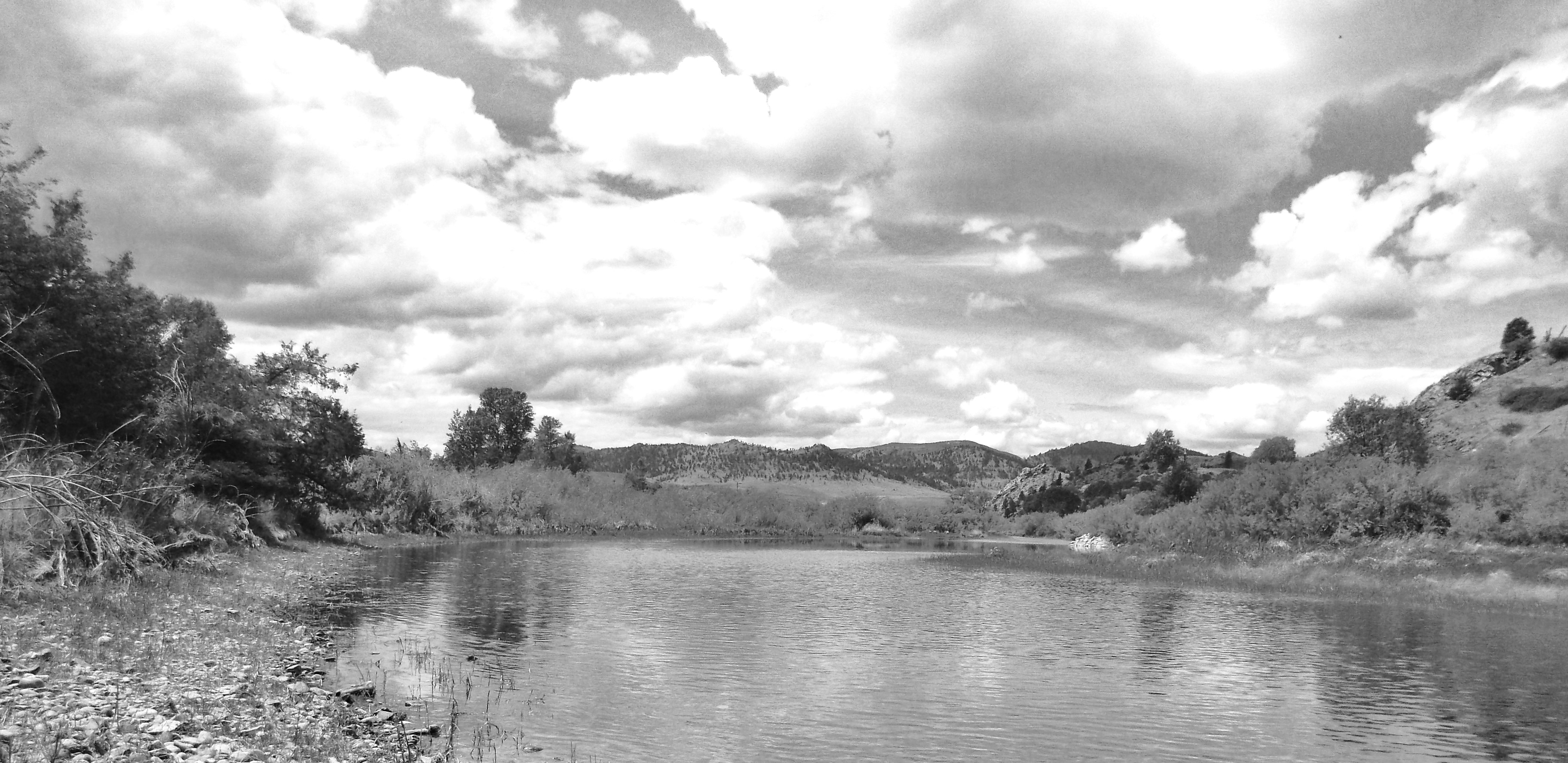
side channel: slow and low
I’m on a side channel of the Missouri river and I hear this fellow talking to someone. It sounds like he’s giving advice and directives, possibly to a kid. I can’t see them due to the willows but it is clear they are heading my way. Then they appear. It’s an angler in his early 40’s and a very young Golden Retriever. Now I get it. He is teaching his dog stream etiquette. I say hello and squat. The golden approaches me and I pet him. I followed it up with a big hug. He’s a real beauty, almost Irish Setter red, and only several months old. Welcoming the attention he leans against me. I press my face next to his and receive a lick on the cheek. Tears come to my eyes. The angler doesn’t notice as I’m wearing sun glasses and a long-billed cap. My retriever passed away in late February at age 16+.
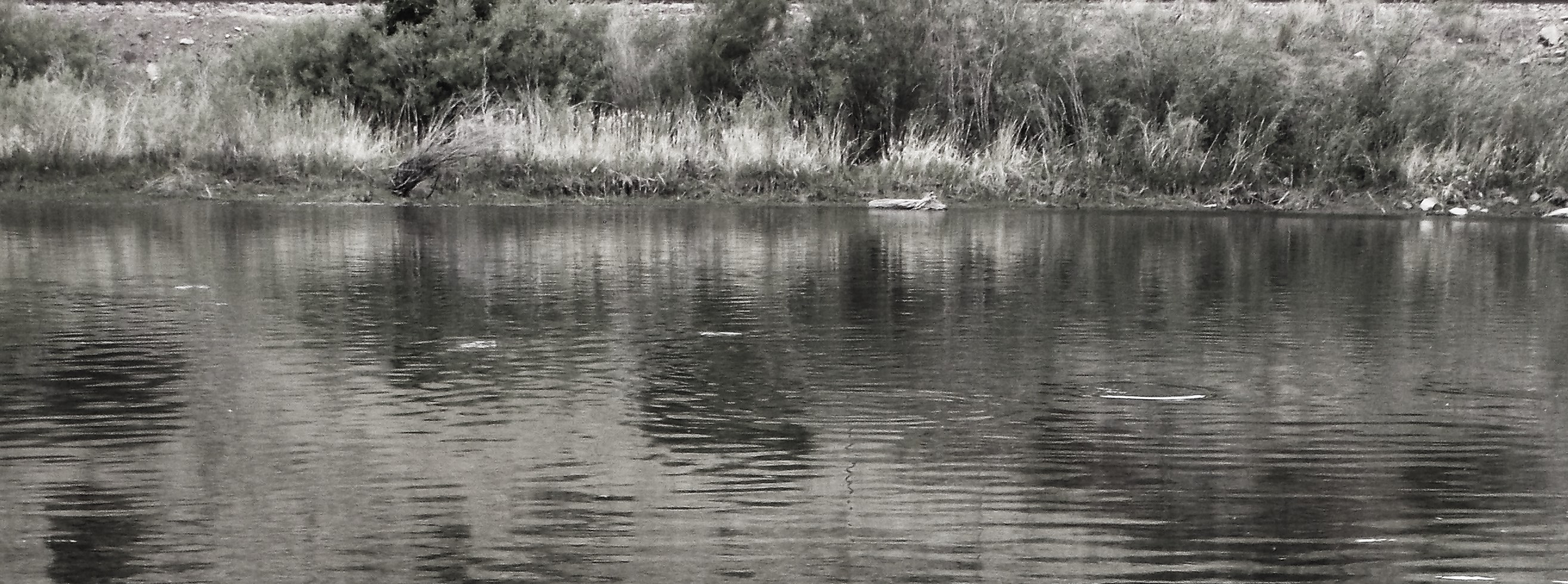
rising trout
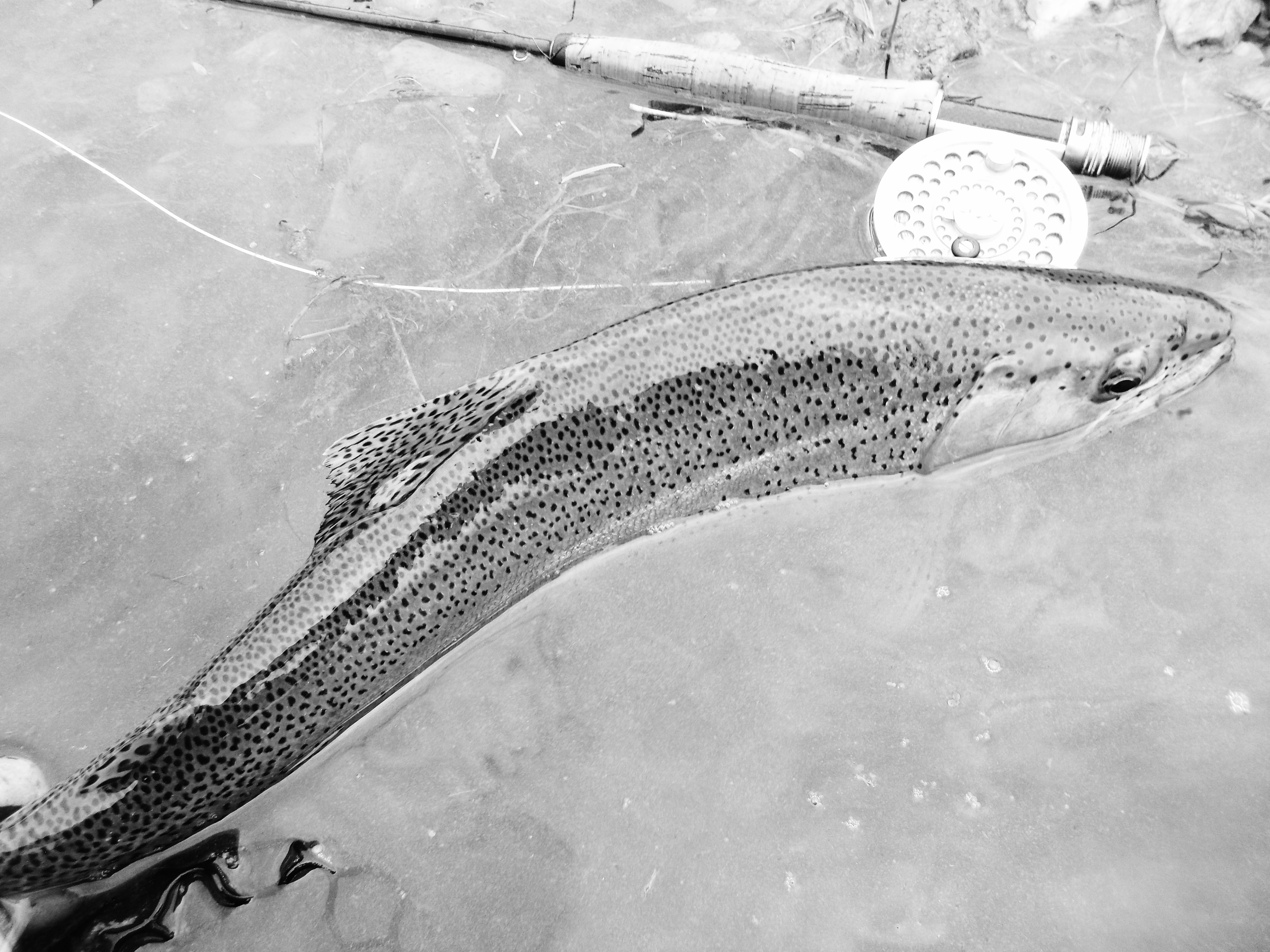
rainbow trout
The angler is from Helena, Montana. We talk and realise we fish many of the same intimate locations on the big river. Eventually he asks me my favorite dry fly location. I hesitate, look at him and then tell the truth. He says the spot I identified is also his most revered. He then tells me he wrote the name of his last golden retriever, who lived to age 13, on the side of the bridge there. We talk for about ten minutes. We are like “kindred spirits”. The next day I walk to the bridge and find a very faded name: Kinnickinn. I hope I have spelled it right.
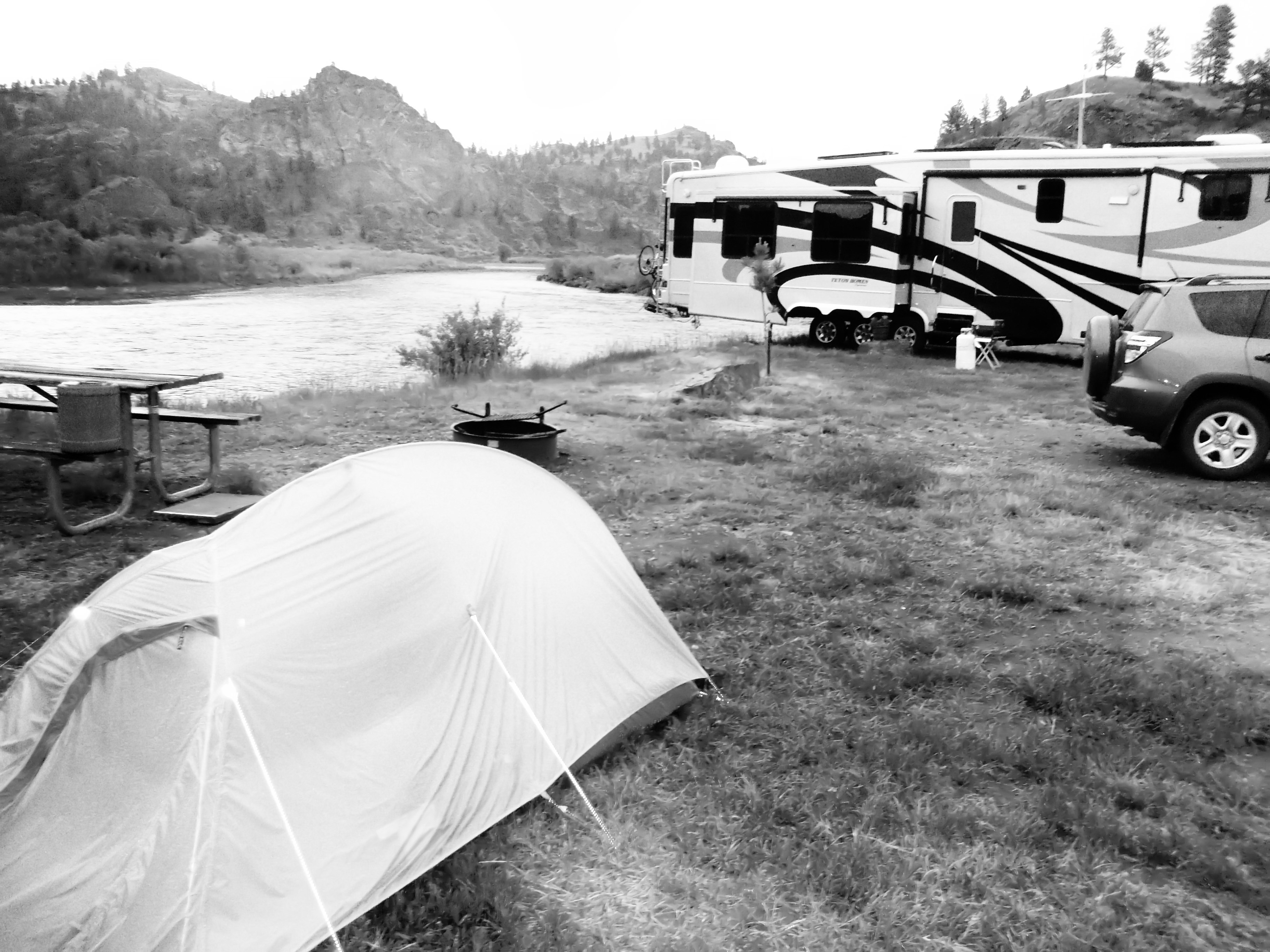
my tent next to 45ft RV
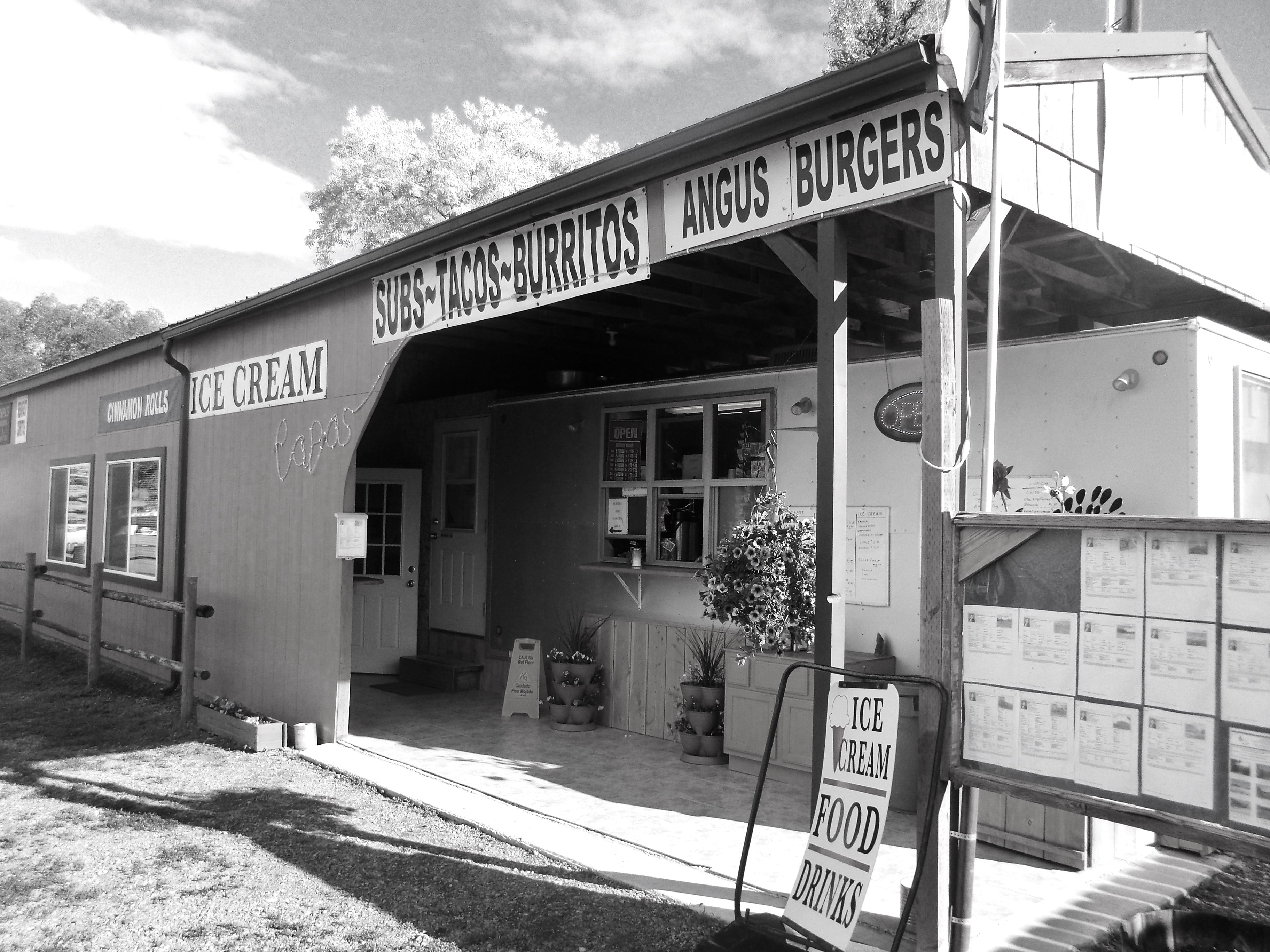
papa’s burgers and burritos
It’s early. I’m at the angler parking area in the town of Craig, Montana. I’ve been camping for three days and last night it was cold and poured for several hours straight. It’s finally cleared and I’m absorbing the morning sun while eating a tasty breakfast burrito from Papa’s Burgers and Burritos, and enjoying a strong coffee. I’m also gearing up for the day ahead: pulling on my waders; sorting flies; tying up a new leader; etc. Trailered drift boats are passing every thirty seconds. It’s like a parade. The place is buzzing with activity. There is this guy sitting on a rock nearby eating a snack and drinking from a pop can. He eventually says to me with a smile, “I guess you are going fishing like everyone else”. I reply, “No, I’m getting ready to go shopping in downtown Helena”. We both laugh. I find out he’s on a canoe trip. Get this, he’s paddling from Twin Bridges Montana to Dallas. Yes, Texas! He’s taking the Missouri to the Mississippi, then eventually to the Red River where he’ll paddle the last leg upstream to Dallas where he lives. It’s a long way and multiply it by seven as all three rivers meander immensely. He’s originally from Boston. I tell him I spent most of my life in Montreal. We talk about the hockey rivalry between the two towns and about Bobby Orr and Guy Lafleur. His vessel is Canadian made: Clipper Canoes from British Columbia. I’m going to follow his incredible river journey. Here’s his web site: canoevoyage.com.

local wanting a taste of my breakfast burrito
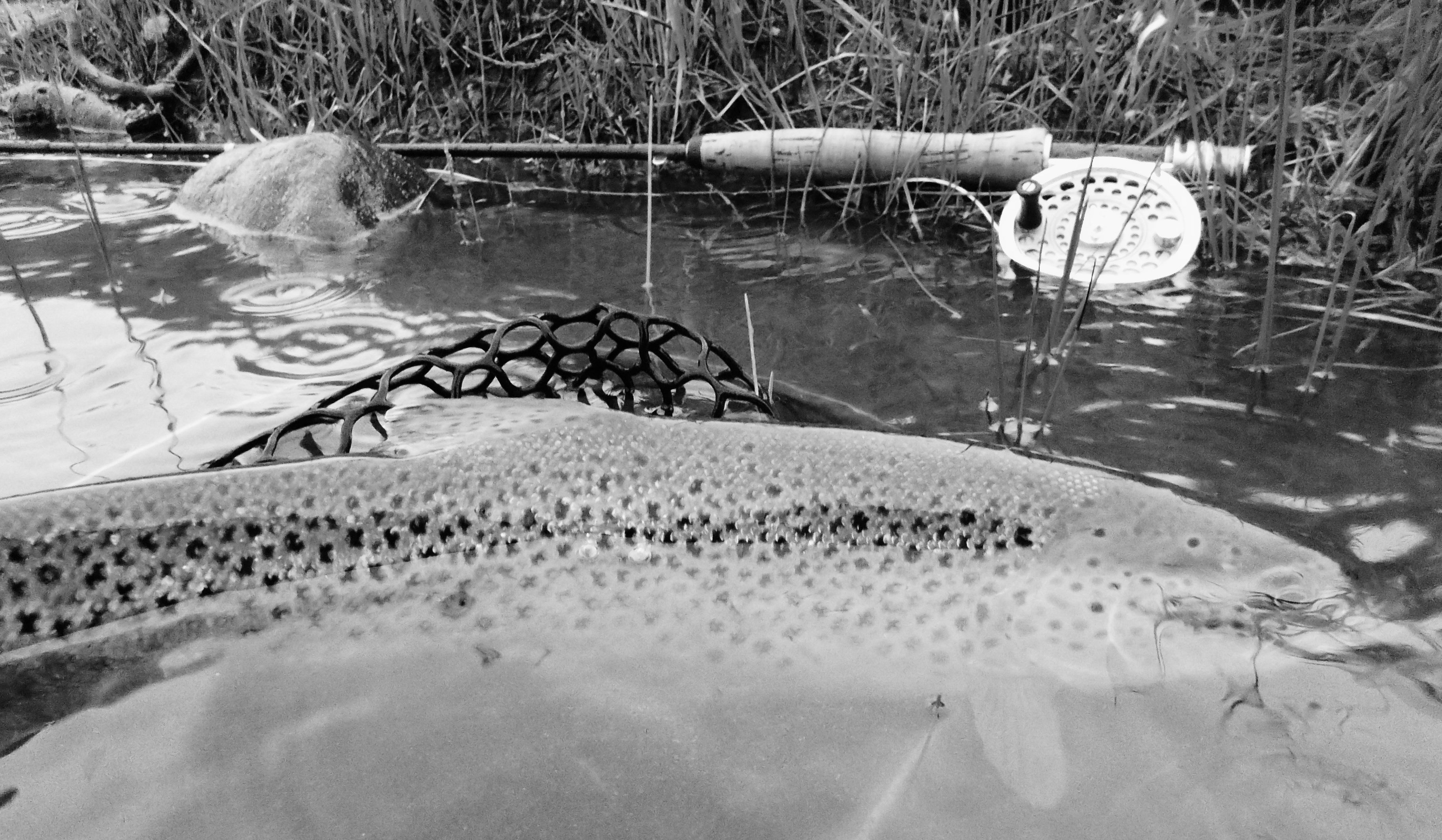
brown trout

brown trout
I just spent three and one half days on the Missouri river. I fished midges and tiny olives (baetis), size 20. Only a couple of fish required a dropper. The last morning there I managed some nice trout in full sun on a small terrestrial pattern. On this trip I tried to focus on brown trout. On the Missouri they are significantly out-numbered by rainbows. It is surprising how challenging it is to differentiate between the two species even in shallow water, especially on those days when light conditions are less than ideal. I did manage more browns than usual as I committed to searching for them, often passing by some large rainbows along the way. Sight fishing with dries in shallow water is always exciting, challenging and intense. It’s all about watching the water and being sneaky. A lot of time was spent staying low, hunched or angling on my knees. And I missed more than I caught. Seeing trout up close react to an imitation is just simply the best. It’s what gets me up at 6 am, no alarm clock required.
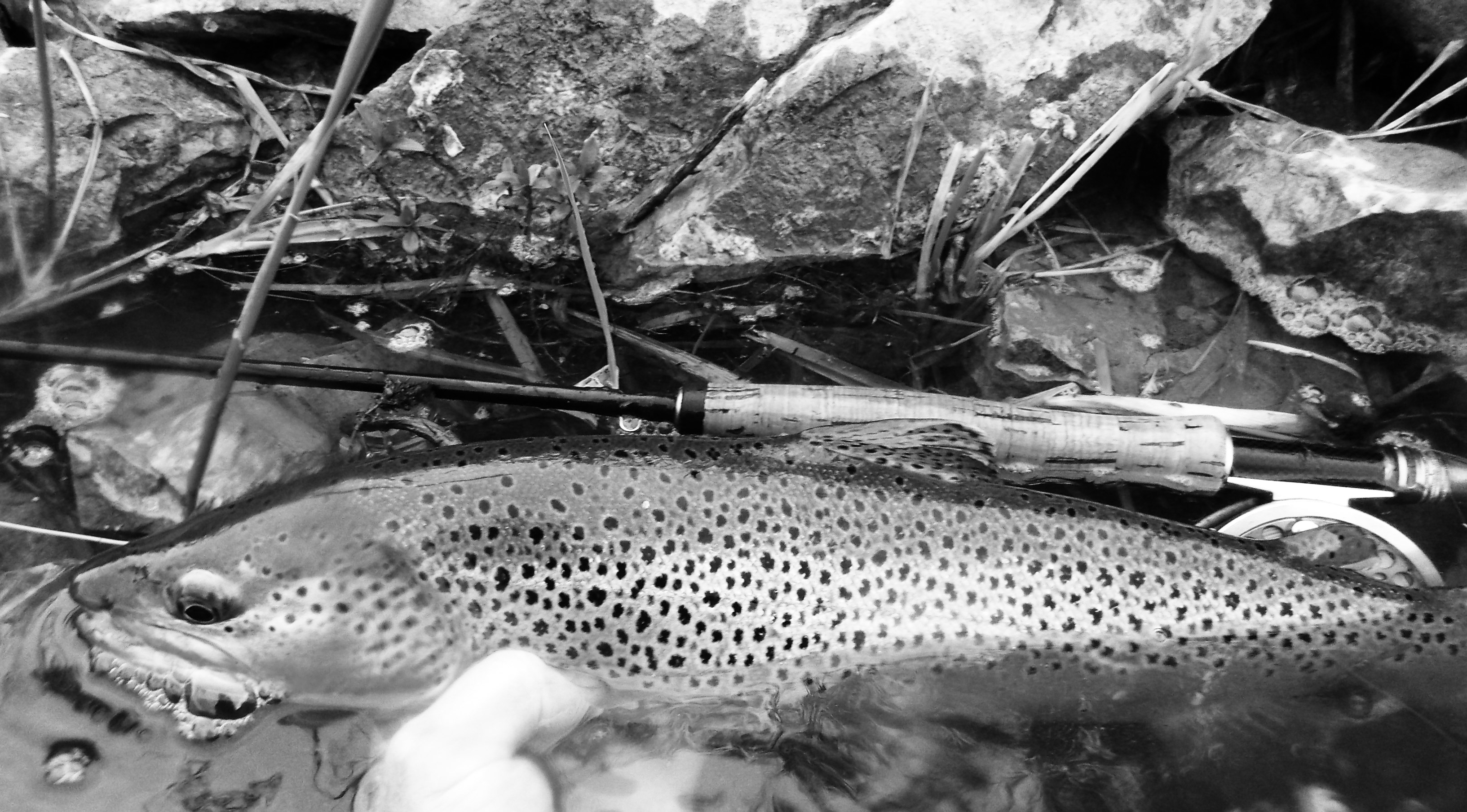
brown trout
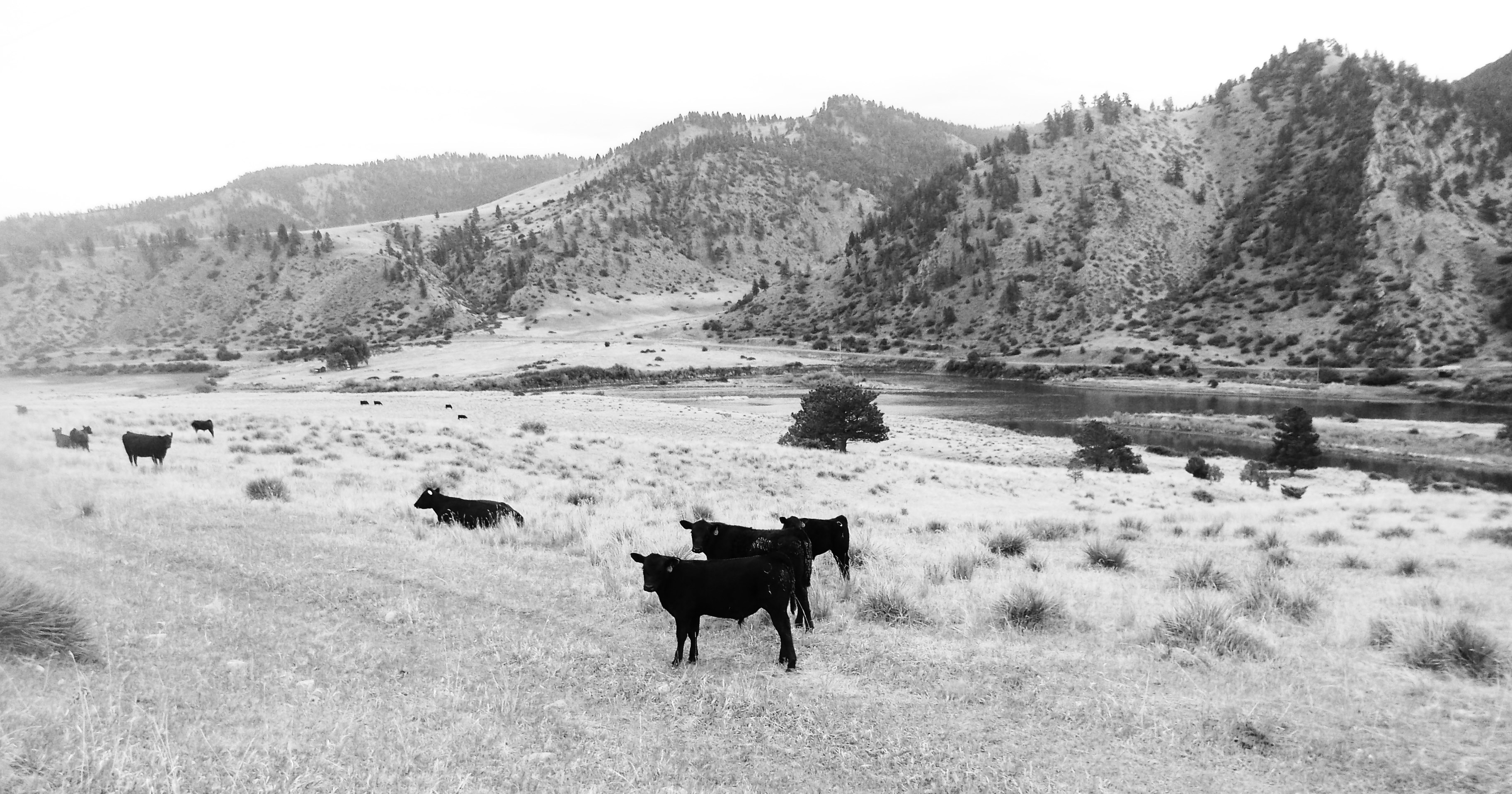
Missouri river valley

rainbow

busy fly shop
Confidence is a fickle thing. Here one day, gone tomorrow. One day a baseball pitcher is “nibbling the corners” and striking everyone out, and the next outing he can’t find home plate. He wonders: “What happened…where did it all go?” Angling confidence can also be fleeting. One day you’re finding fish, casting accurately and landing everything, and the next outing you can’t even spot a minnow in your favorite pool, or as they say in some places out west, a “minner”. This past Friday I was on the Missouri river. The Blue Winged Olives were everywhere. It was a perfect Baetis day, overcast and occasional drizzle, and yet I couldn’t find a riser. The bugs were piling up in “tried and true” locations but the trout were illusive. The only explanation in my mind was the high flow rate. It was double what it was last year. May is generally an outstanding dry fly month on the Missouri.
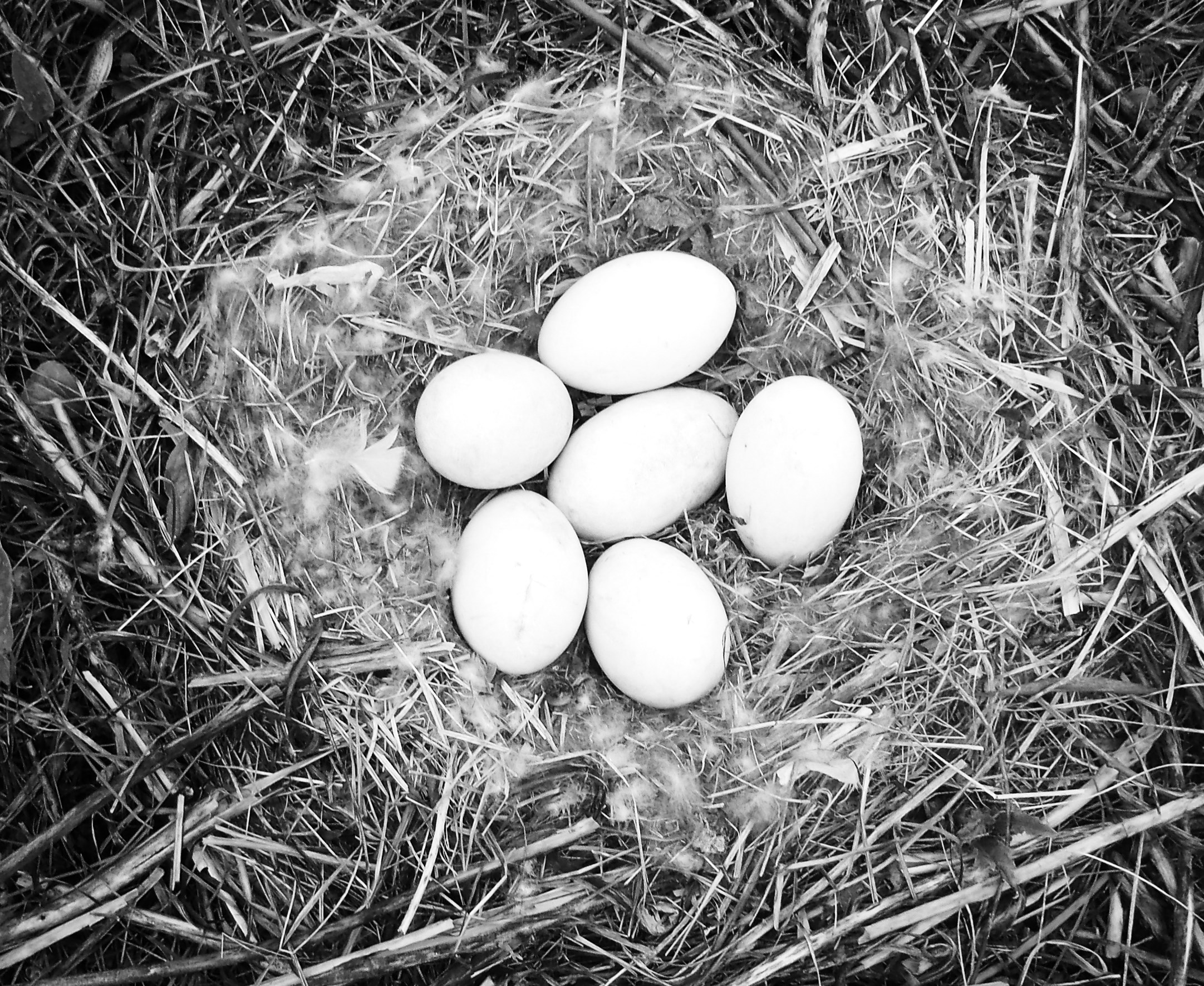
goose eggs
With the high water I was also cut-off from much of the river. For the angler on foot the options were limited. I was prepared for the tough conditions. The Internet reports said the nymphing was good, the streamer fishing improving and the dry fly angling slow. When interpreting a fishing report “slow” means “poor”. I was prepared for “poor” and high flows and therefore had a back up plan. The next day I got up real early and drove further south to fish a spring creek I had heard about with the strange name, Darlington Ditch! I had read it was small water and very shallow. Shallow seemed a perfect alternative to the big flow I had been on. Maybe I could sight fish!
 The Ditch runs parallel to the Madison river. From what I understand a dike or levee was built between the river and the creek to protect the ranching/farming valley from flooding when the Madison (big water) is in full run-off. When the dike was built the creek probably got altered a fair amount and straightened-out. And it stayed that way for many years. I found the Ditch. It was small, clear and looked promising. The morning was still, warm and sunny. I was in the beautiful Madison river valley and decided to walk the creek and sight fish.
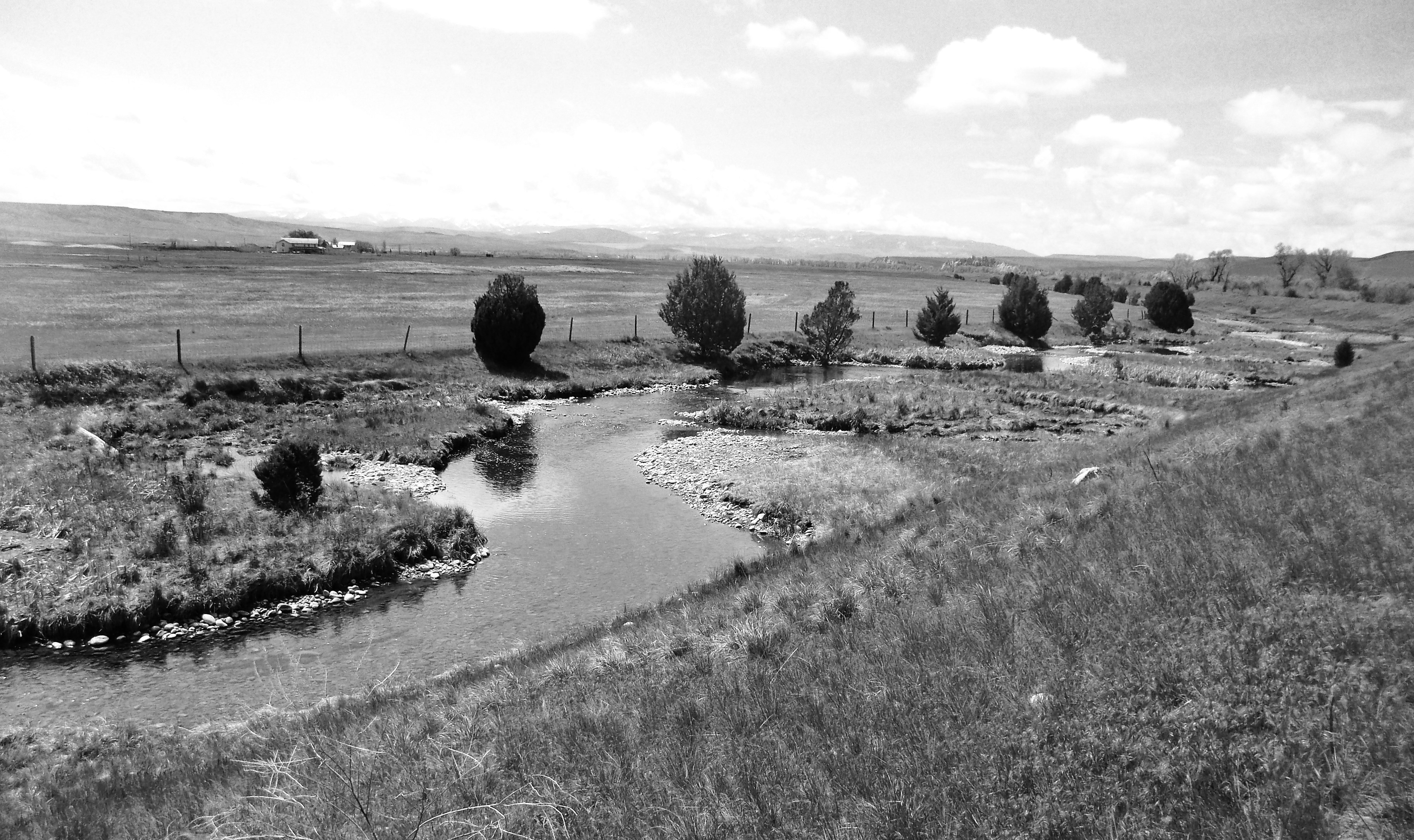
the ditch
At the anglers parking area the Ditch looked like it had recently been renovated: a stream restoration project. I figured I’d walk beyond where the work had been done to where it was more natural looking and untouched. After walking a mile or so I climbed the dike and from my elevated point looked further upstream. To my surprise the restoration work went on and on, and on. It looked like the whole creek had been re-shaped. I had spotted some trout so I decided to fish the creek.
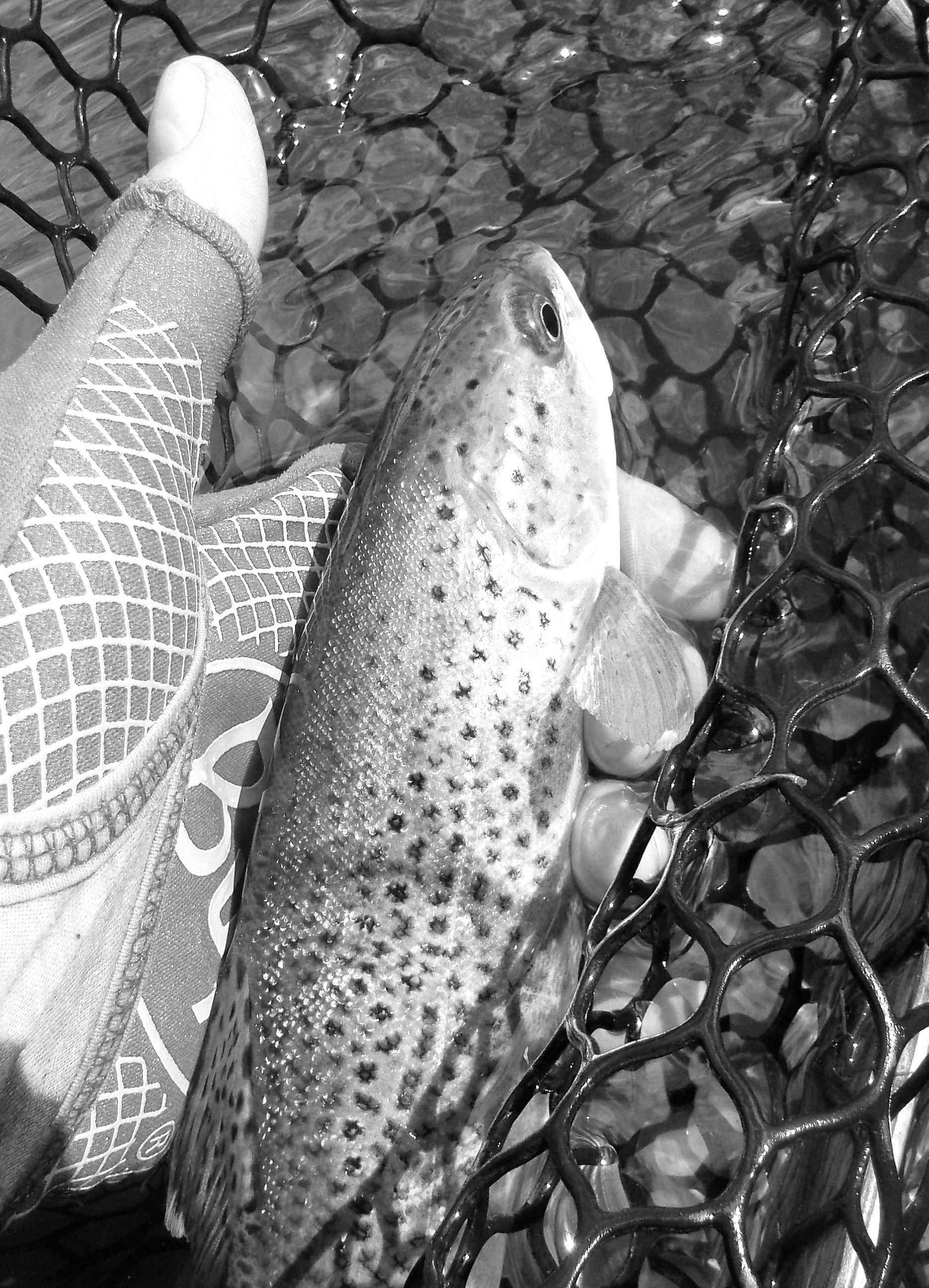
ditch brown
Before casting I took out a new can of spray sunscreen. I had difficulty twisting the top to the On position. It wouldn’t rotate and during my struggle spray shot out with the force and volume of a garden hose set on Jet. It blasted my left eye. I quickly dunked my face in the creek and open my eyes to flush them and continued doing this all morning. Eventually the burning subsided and I became more confident I wasn’t going to go blind. I managed several trout on dry flies: browns and rainbows. I caught nothing big but the trout were healthy looking and colorful. I have read that the creek can hold some fairly large fish.
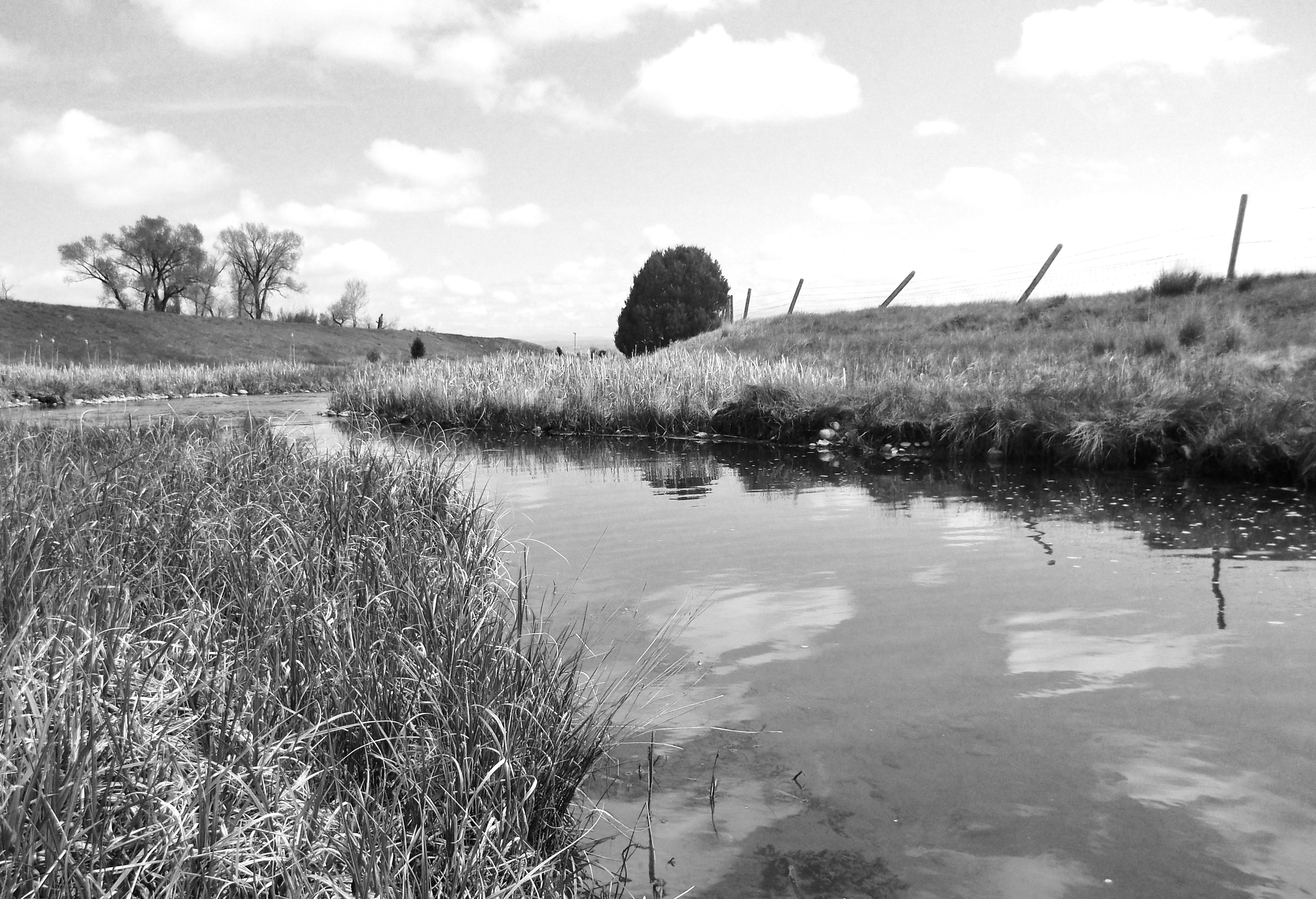
the ditch
I wondered how the recent project had affected the trout as clearly a large excavator had done much of the work. The Pools had either been created or dredged and rocks had been placed on outer bends to provide structure. The renovation architects had shaped the creek in ongoing repetitive symmetrical S-curves. I knew some work had been done when I viewed the creek on Google Maps but I didn’t expect it had just happened, probably in the past year. The project had to have been quite intrusive and probably also affected the insect population.
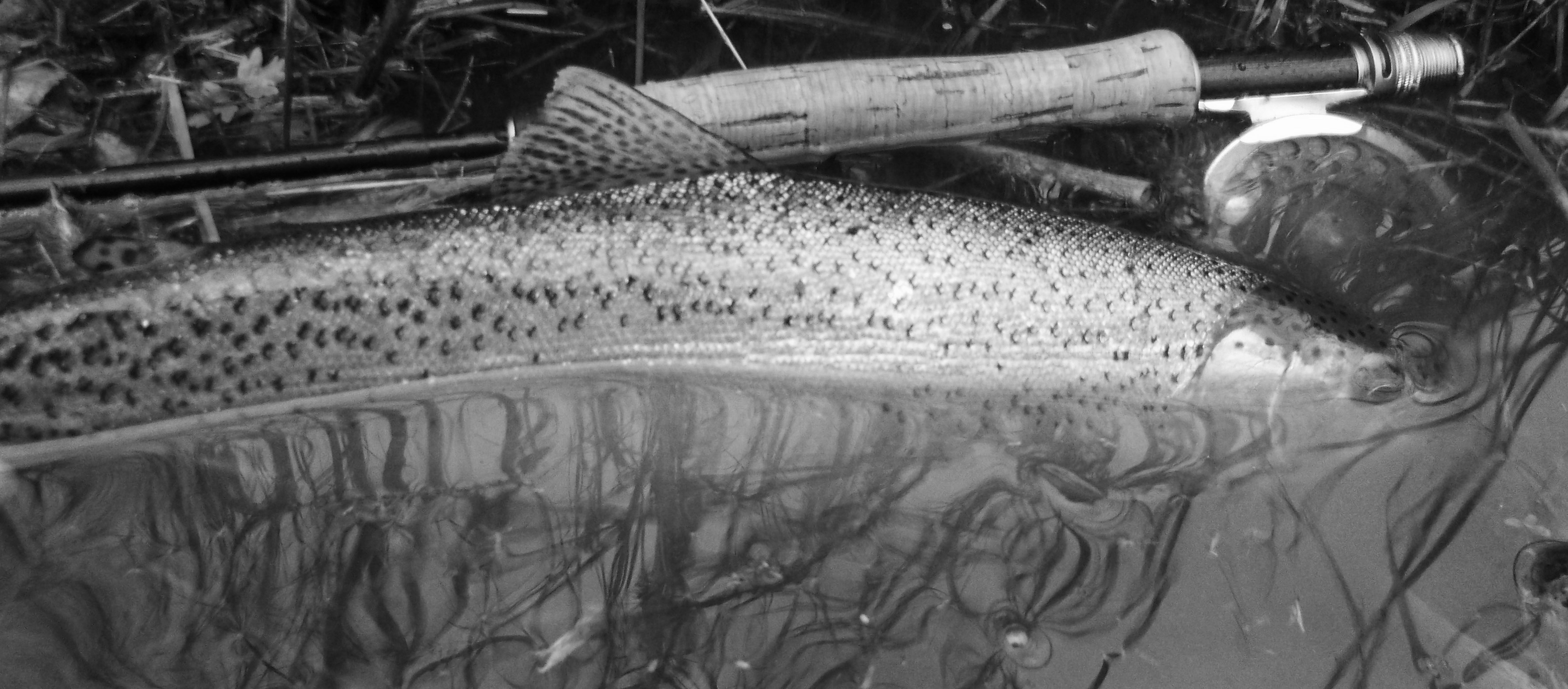
missouri bow
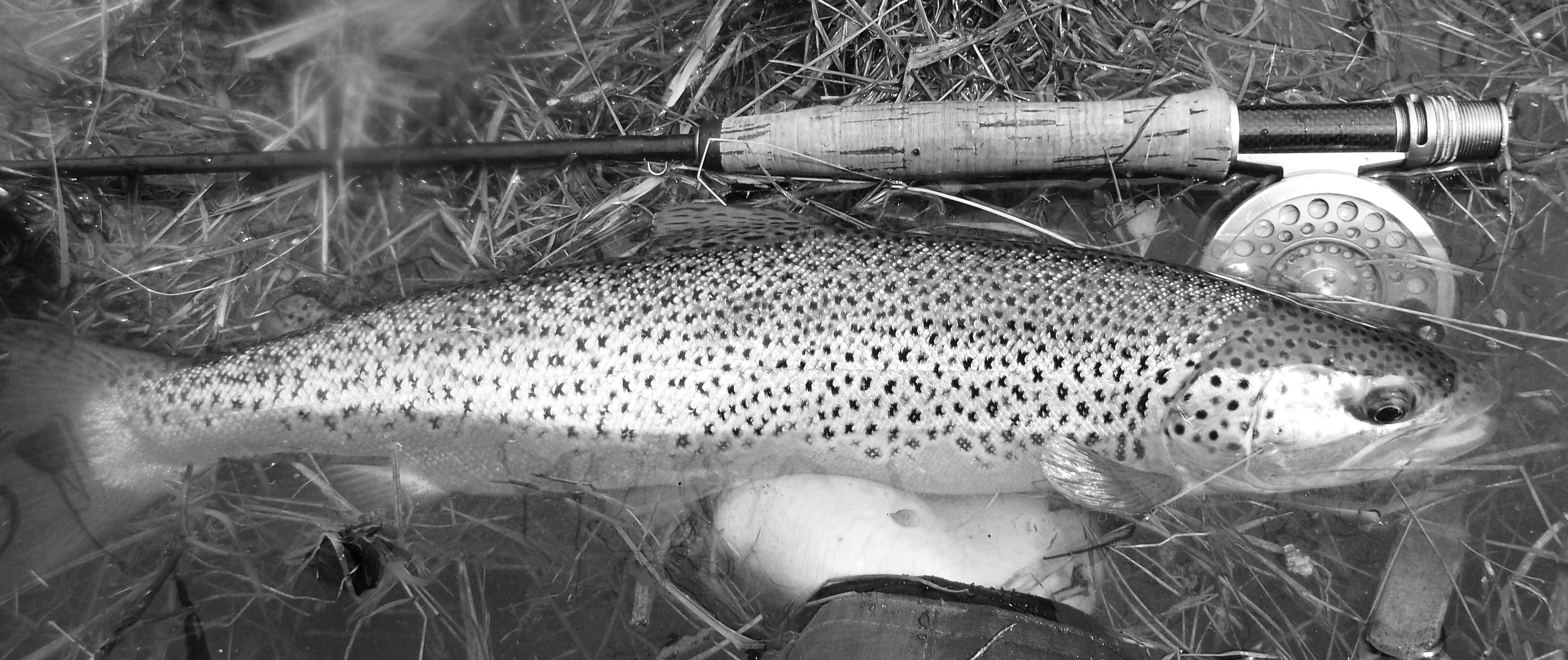
missouri brown
I have been on a number of rivers that have had sections restored or mitigated: the lower Crowsnest river in southwest Alberta; I was on Nelson spring creek in Paradise Valley the season after it was altered. Restoration companies understand the science of stream improvement and can make a fishery more productive but in my mind they often miss the mark on the aesthetic or artistic part of stream design. Sometimes their creations seem strikingly artificial (obvious) and repetitive. I would think subtle or small alterations could improve trout habitat just as effectively but they often seem to “Go big”. Maybe they need to consider having an artist on board during the early stages of stream re-design to create something more aesthetic and in tune with the landscape. I’m ok with S-curves as most spring creeks meander. What I have some difficulty with is carbon copy S-curve after S-curve going off into infinity. It seems a bit much. That said, I appreciate the work they did on the Ditch and that they felt there was value in doing it. In a couple of seasons I think the Ditch, once nature takes over and it matures, will be a great place to fish for those who love small stream angling. It will also, in its own way, be beautiful. I’ll definitely go back.
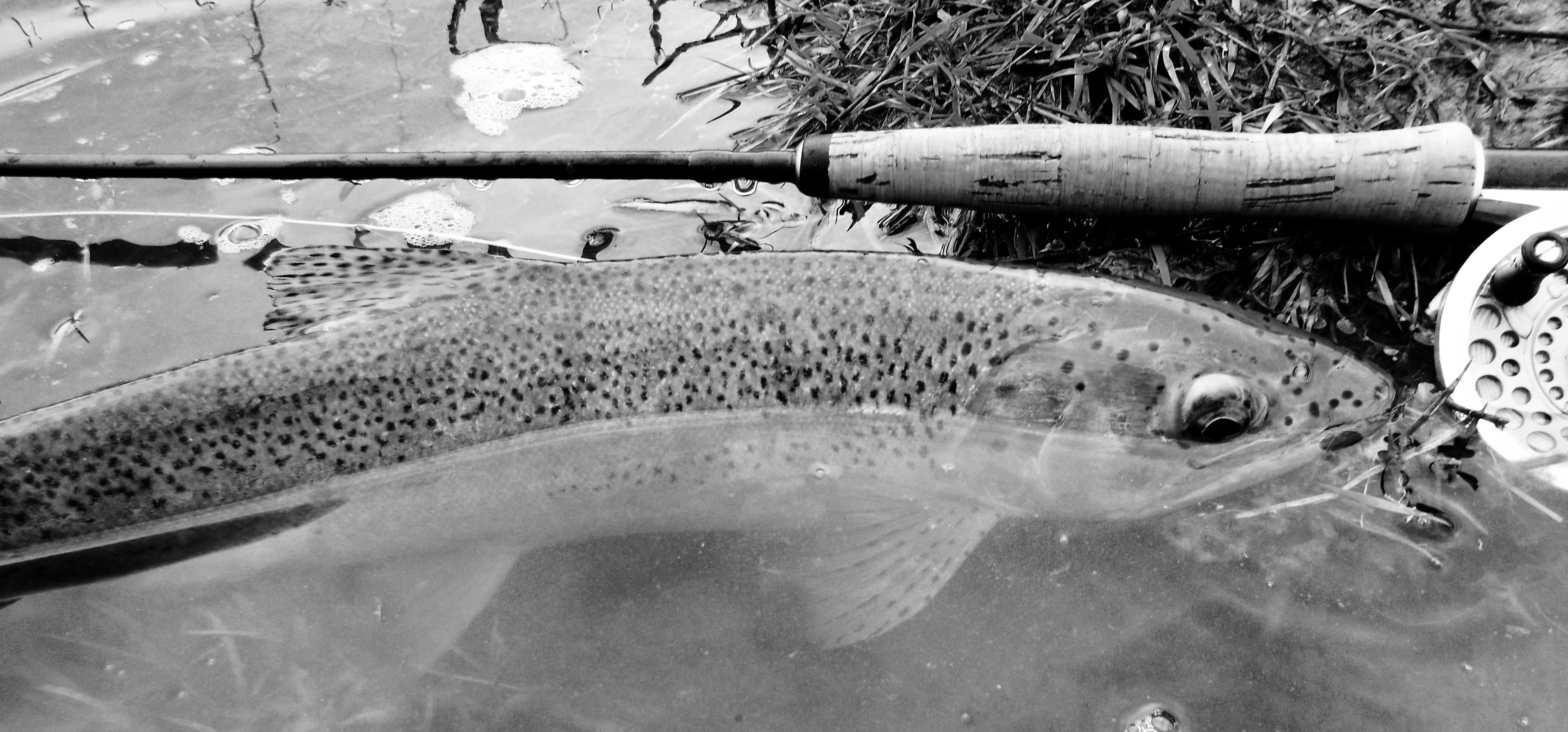
missouri bow
After a morning on the Ditch I decided to walk the top of the dike back to my car. While strolling along and taking in the surroundings I heard a terrifying sound that went right through me. It was a fusion of hissing, screeching, buzzing and a rattle. Think of the sound the Raptors made in Jurassic Park. I stopped and turned. There was a five foot rattlesnake staring at me and coiled. I had just walked by it. A foot more to my right and it would have probably struck me. I’ve seen other rattlesnakes in Montana usually while walking train tracks. This was the closest I had come to one.
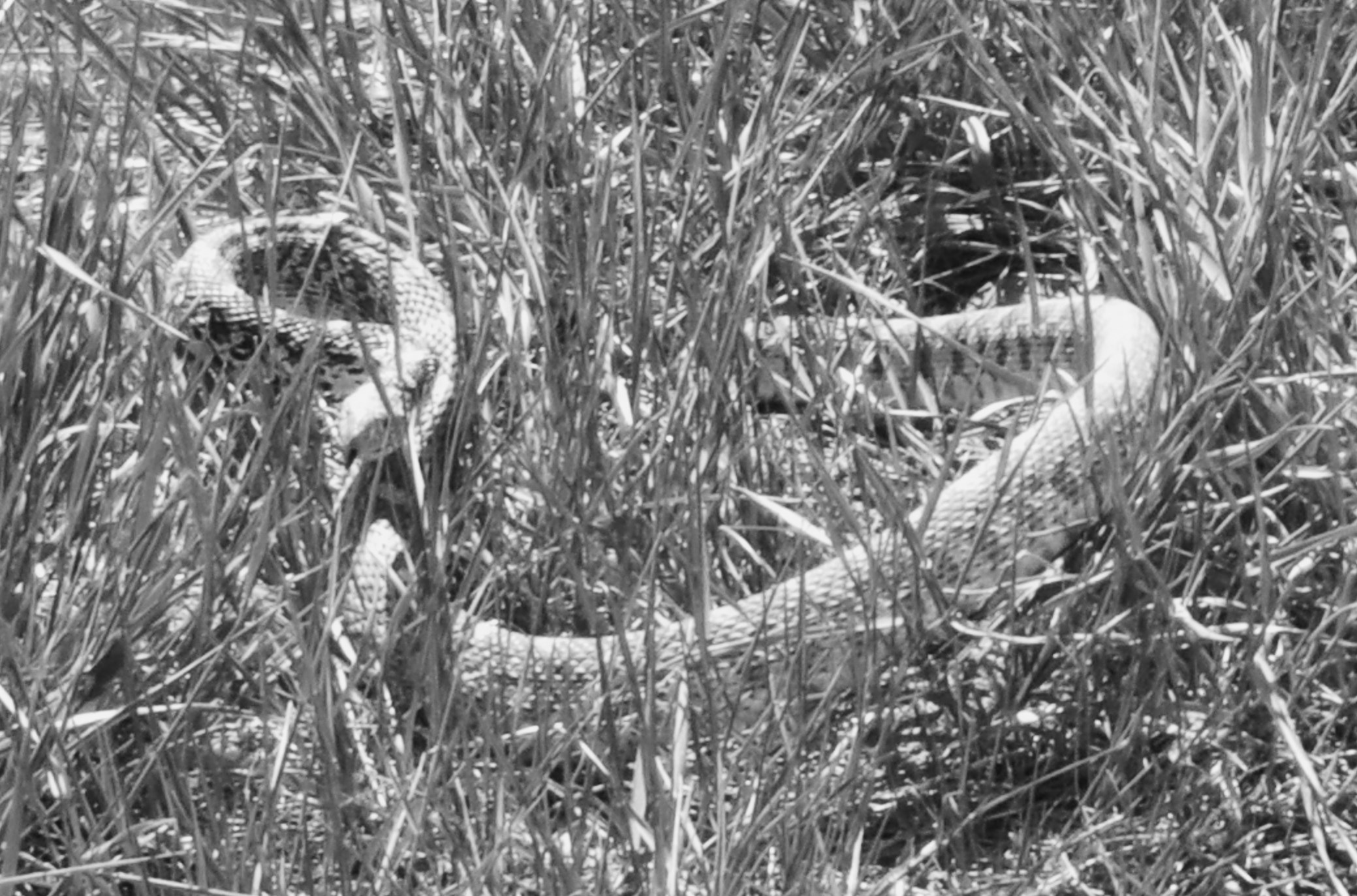
rattlesnake
I wondered what I would have done if I got bit. Prairie rattlers generally are not lethal unless you are one of the unfortunate ones who react badly to the venom. I’ve survived two scorpion bites in Baja but that is another story. I guess if I was John Wayne I simply would have sucked the venom out of my leg (not advisable), shot the snake and cooked it over an open fire.
Given I was in the middle of nowhere and I’m not John Wayne, I probably would have panicked and driven a break neck speed to the nearest hospital in either Butte or Bozeman… probably Bozeman…better coffee shops. If I made it to the emergency room my skinny body would probably have been transformed into something resembling the Michelin Tire Man with a runny red left eye or one of those characters from the Eddie Murphy movie: the Clumps. Of course, by that time I’d also probably be delirious and singing something like, “Home on the Range”.
The next morning I returned to the Missouri and spent a full day on it. In the afternoon I spotted four good fish rising and connected with them using an emerger pattern. They were selective.
Somehow I got home intact from my adventure. And even though fishing was “slow” I managed some nice trout on dries… “Not a discouraging word was heard…”
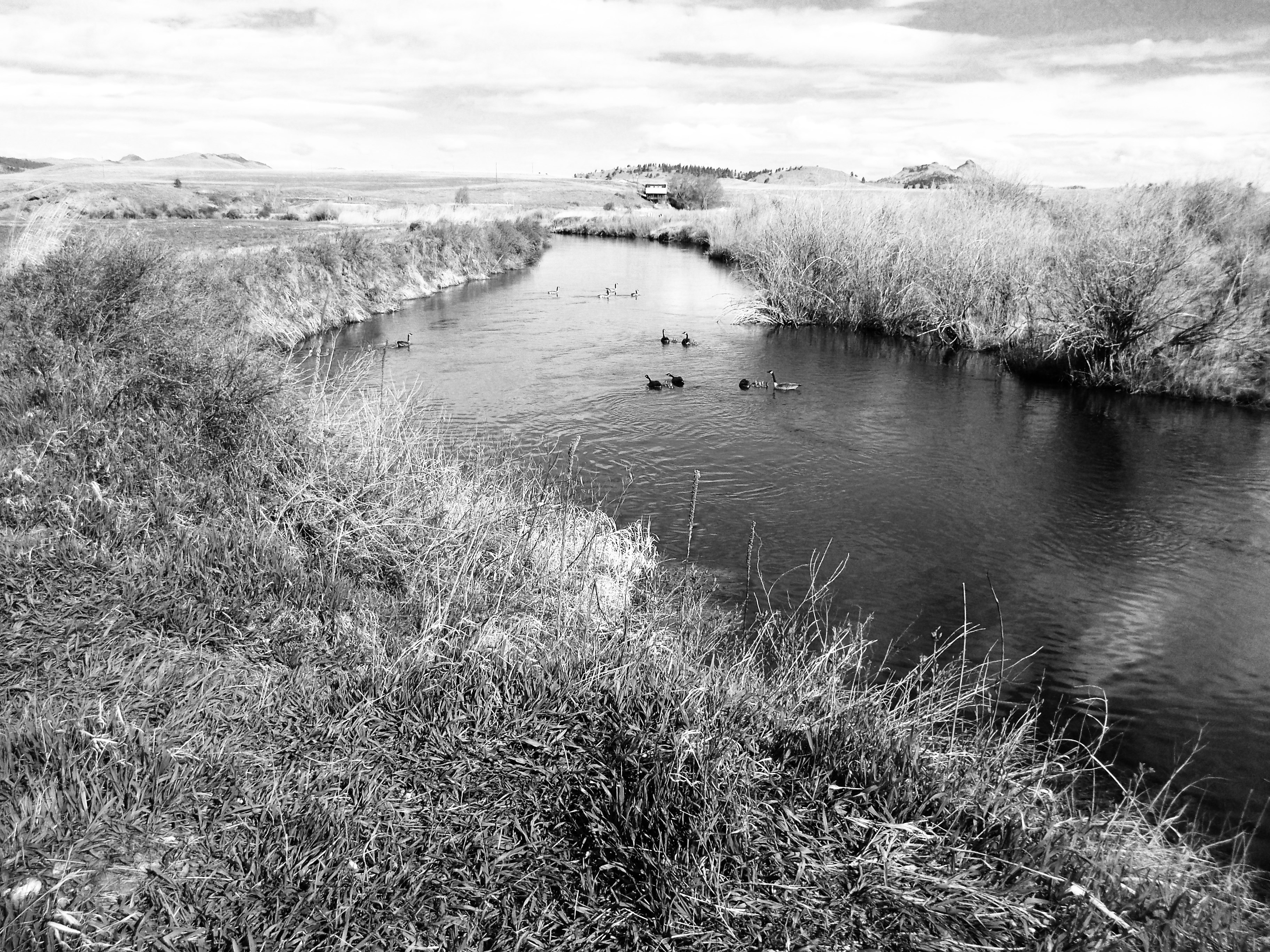
missouri side channel
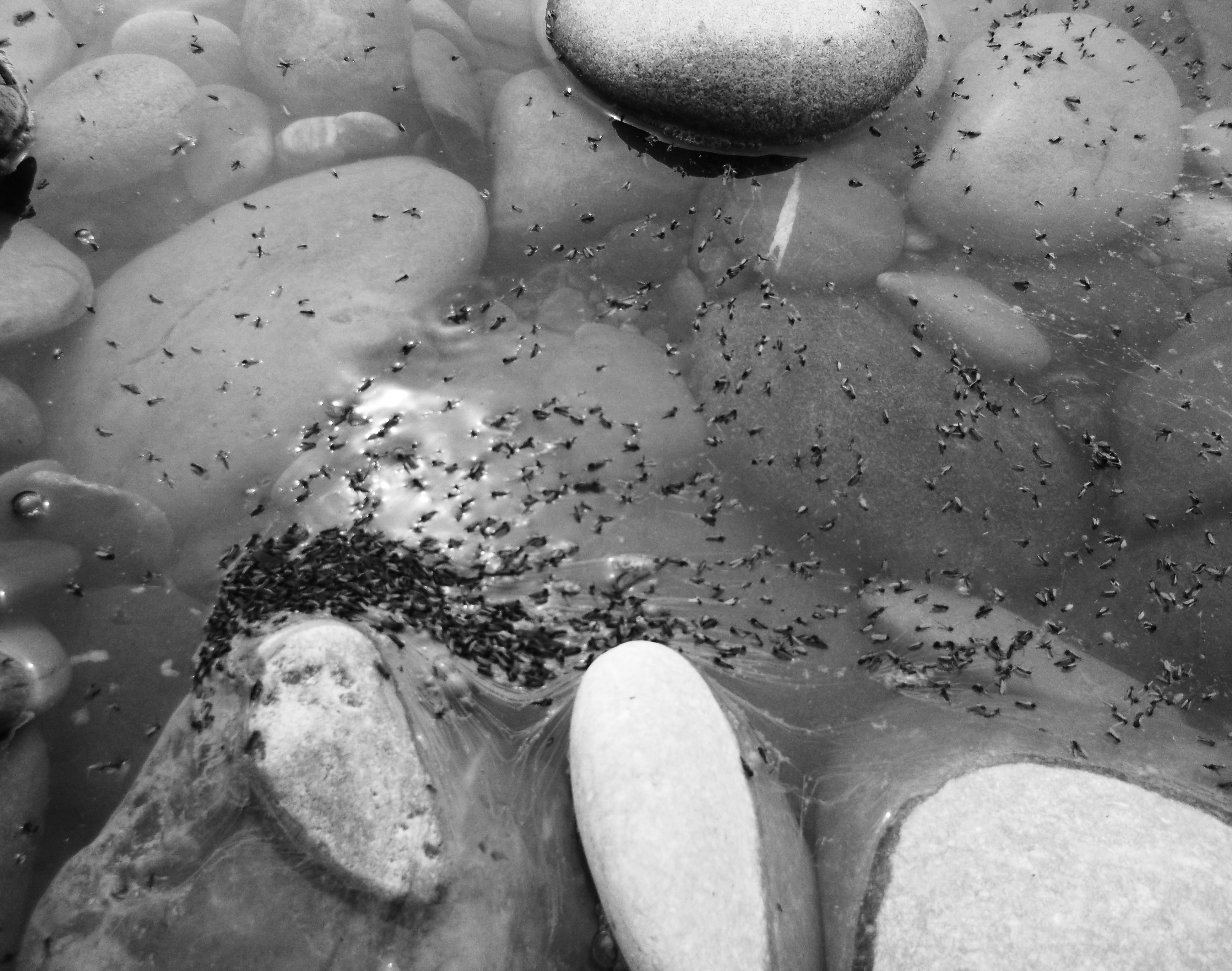
midges
I went to a local tail water river two times in the past week feeling hopeful. However, there was no dry-fly action in spite of a lot of Midges being around and even some Blue Wing Olives. I was excited to see drifting mayflies after several months. I guess that’s something only a fly angler appreciates. It’s been a long winter and slow developing spring and water temperatures are still very cool: 38F. Usually at this time of year I can pick up a couple of surface feeding fish late afternoon once the bugs get going. It begins with whitefish rising, then some smaller to mid-sized trout, then when the hatch really gets popping and bugs accumulate, some bigger fish get involved. No such luck. I sat on a section I know well, looking and especially listening for life. On large broad water in bright light and with a lot of reflection, it is often sound that gives a trout’s surface feeding position away. I would catch fewer fish on dries if I was hearing impaired. I looked and listened for a long time then gave my eyes a rest, looked elsewhere, and just listened. Silence. The river never woke up. I plan to return one more time before run-off but I might not get a chance as the last three days have been hot and soon they will open the dam and release enough water to turn the Sahara green. Then I’ll have to wait a month or two for the river to settle down and clear. If things don’t work out locally then Plan B is to jump in the car and make the trip south to the Missouri river for the upcoming long weekend. May is usually a good dry fly month there. I’ll get riverside and listen for life.
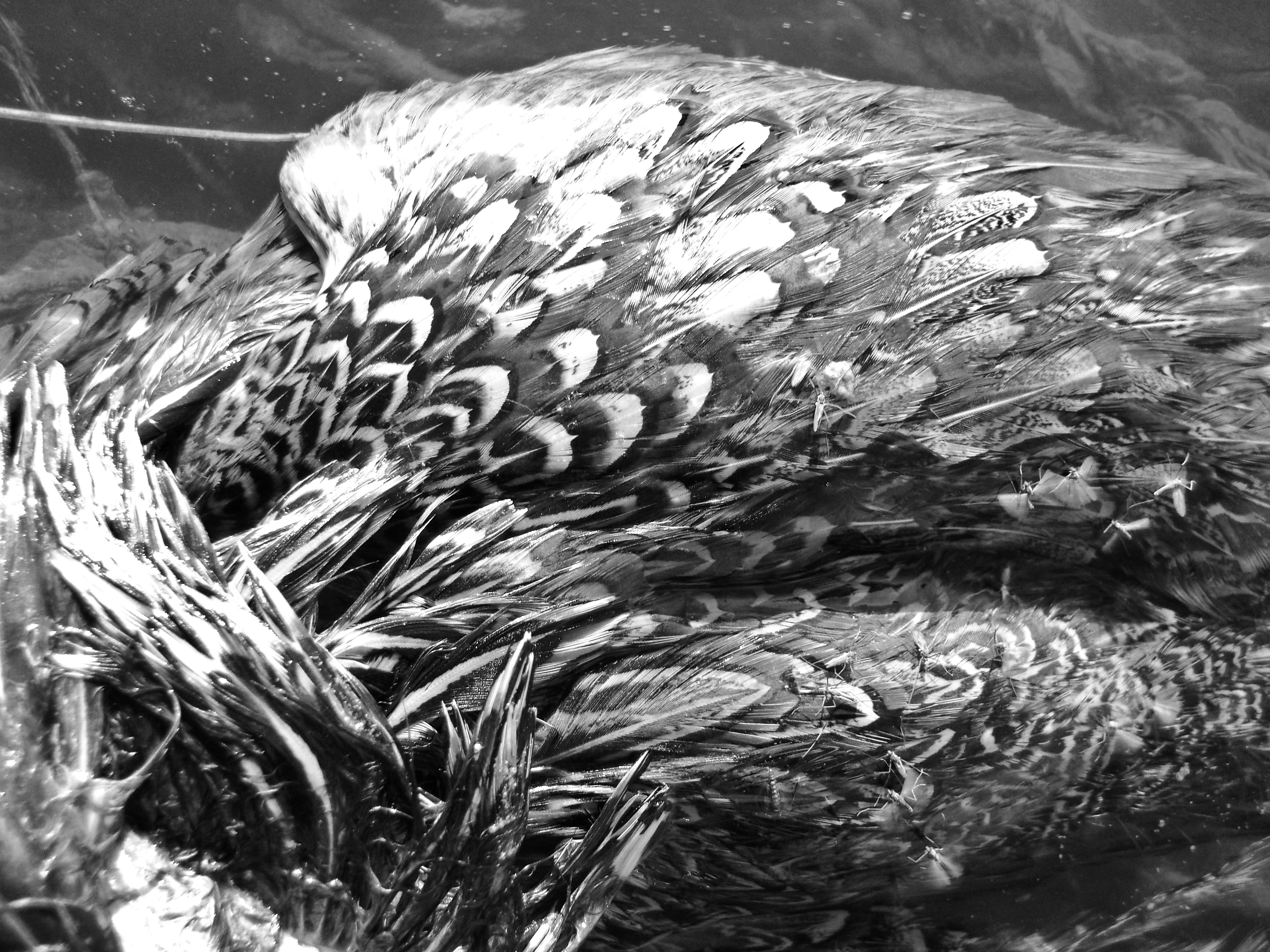
dead pheasant wing
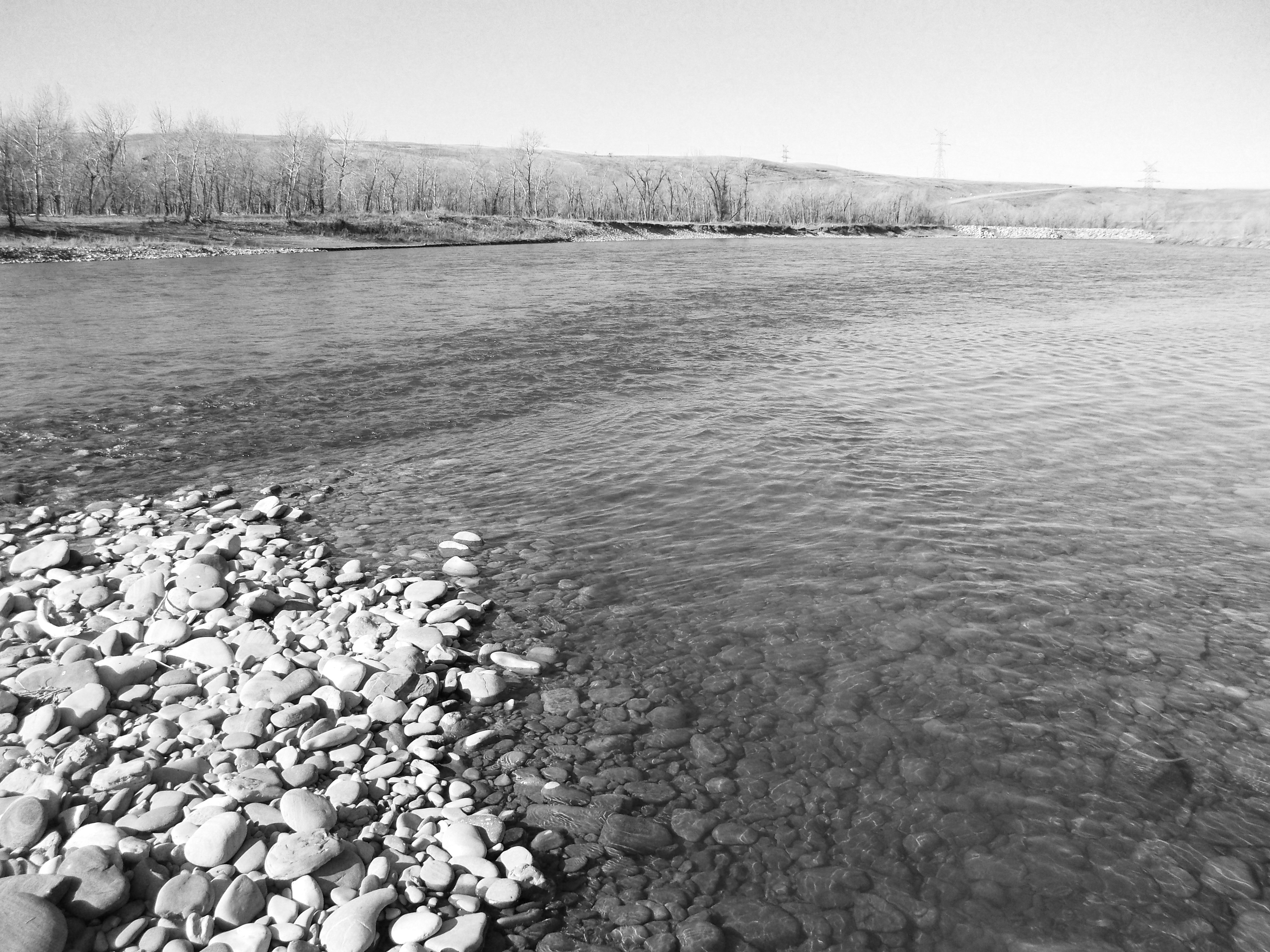
soft spot where bugs were collecting
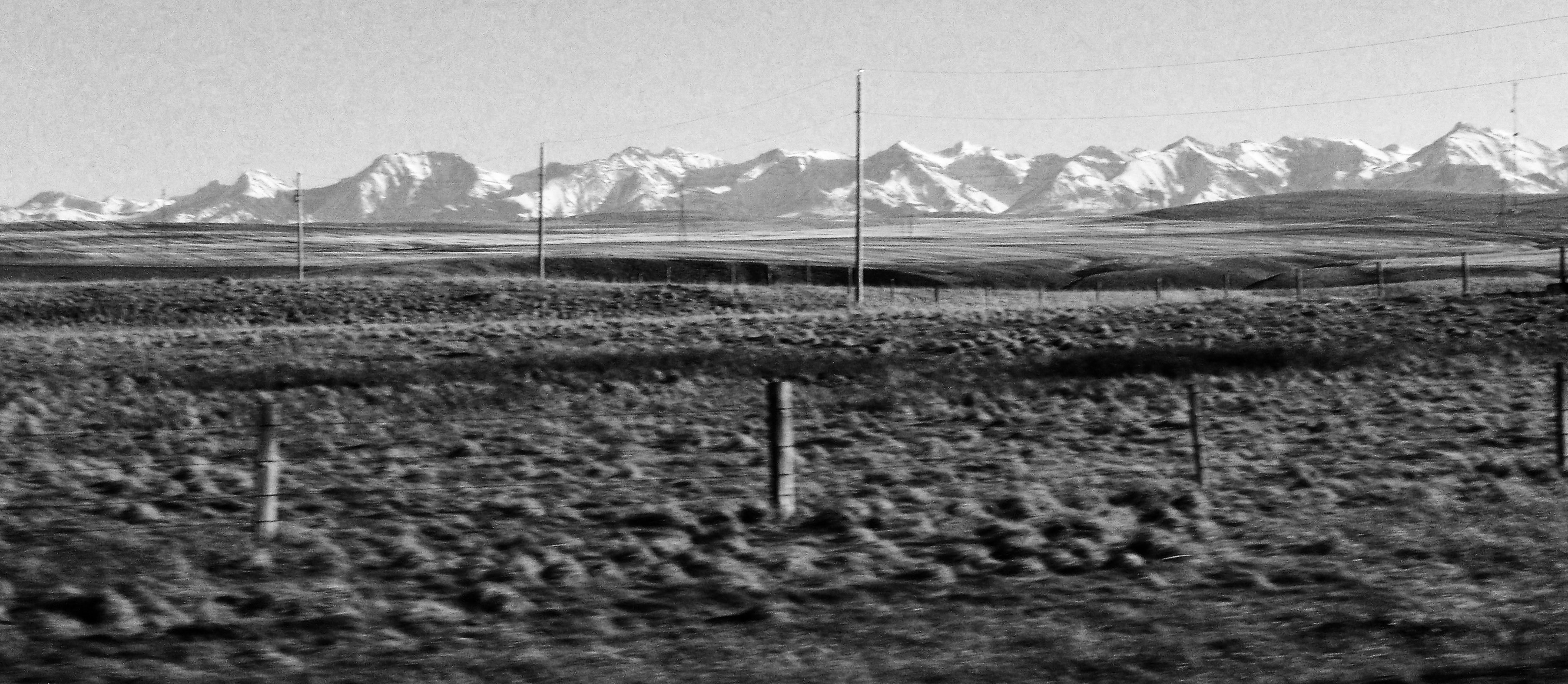
eastern slopes snowpack

olive
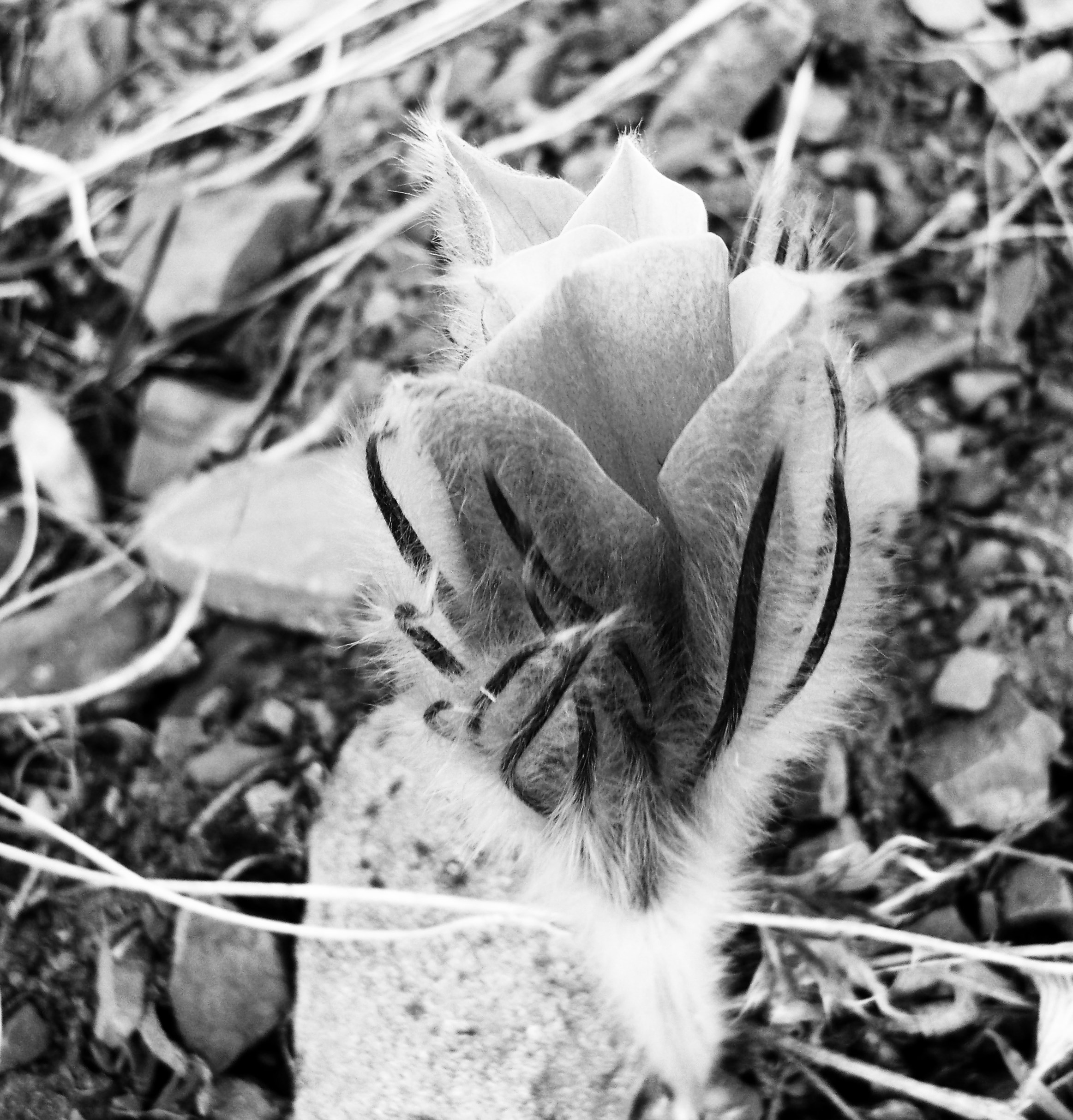
crocus
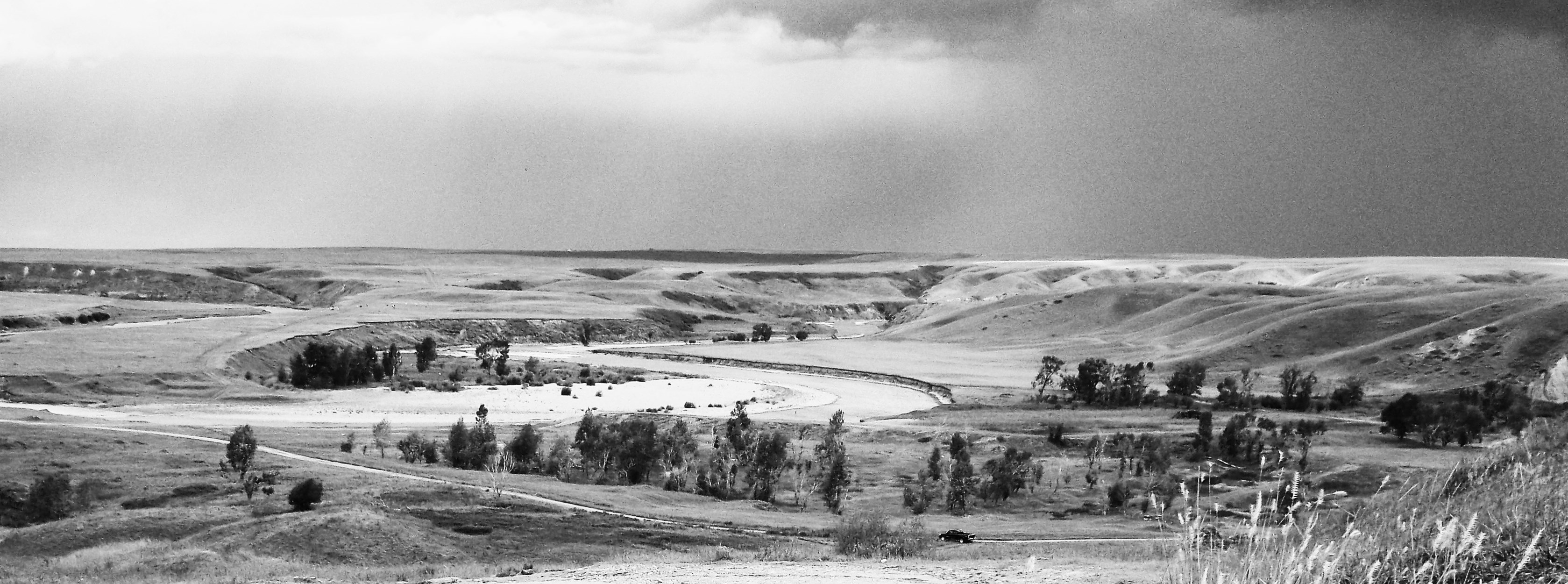
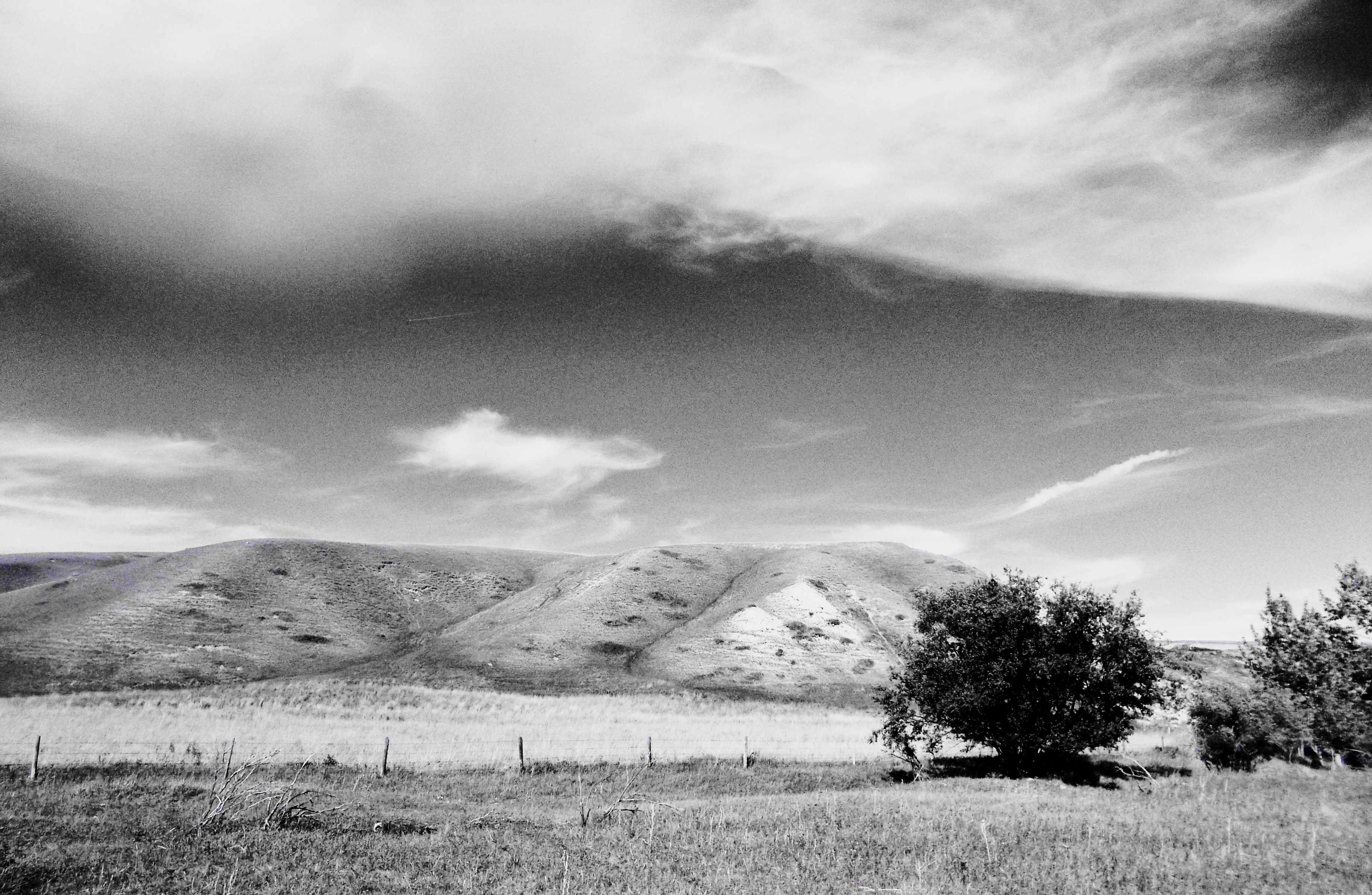
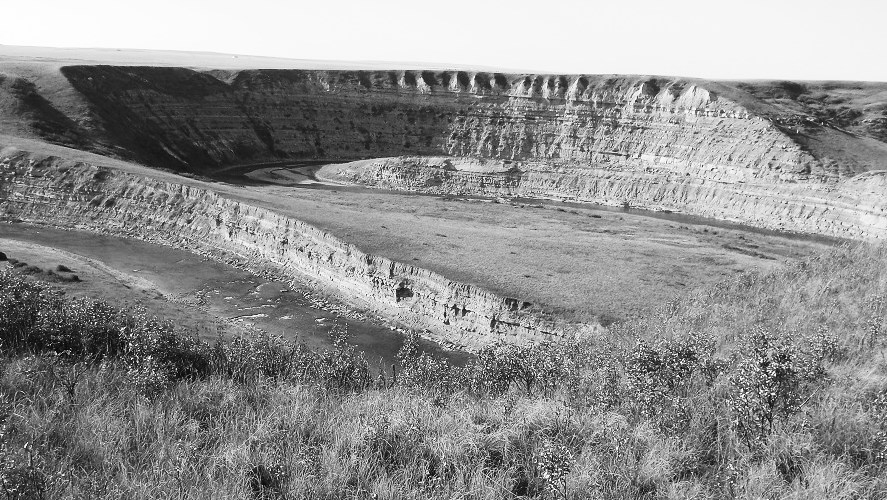
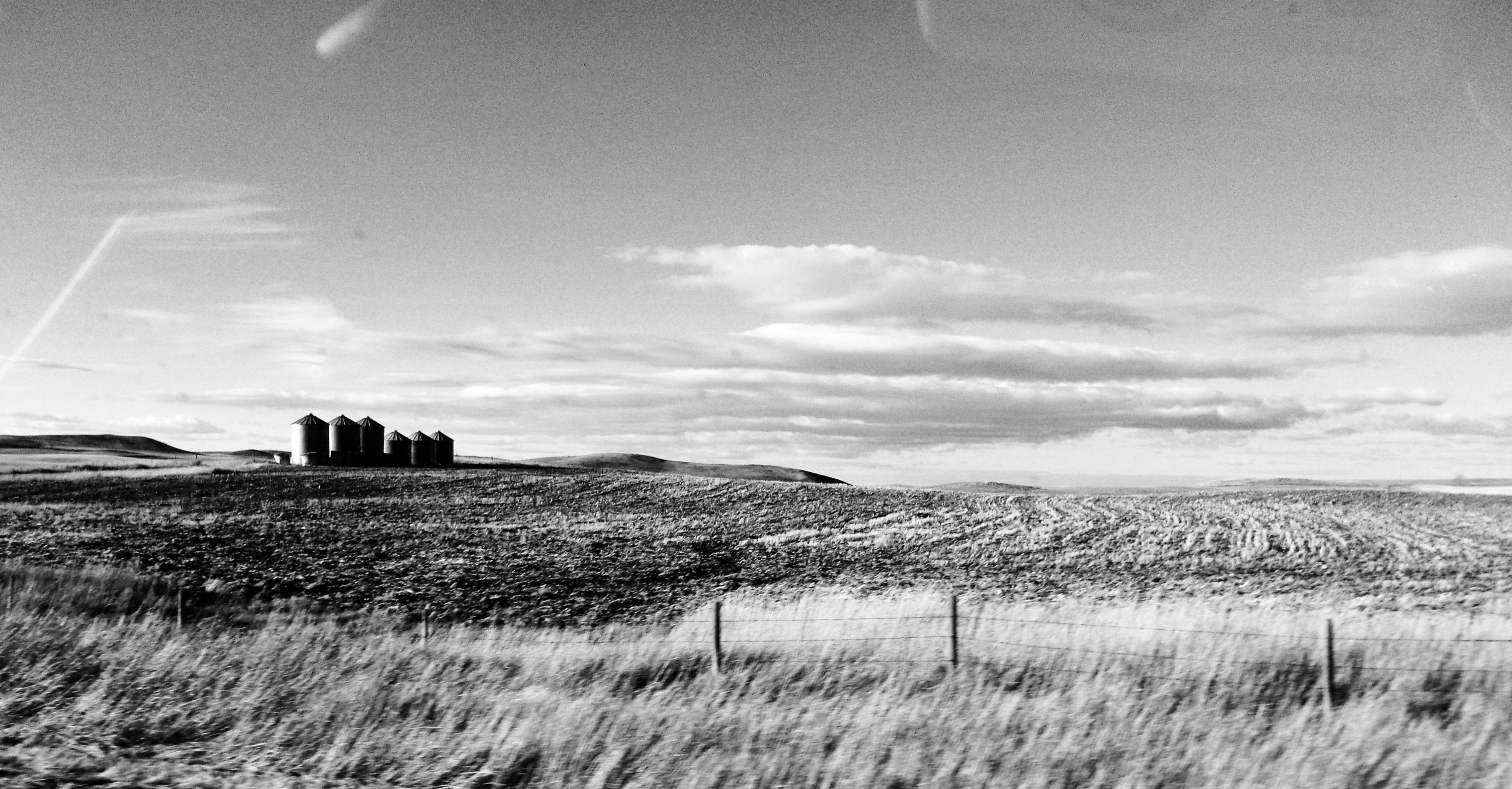
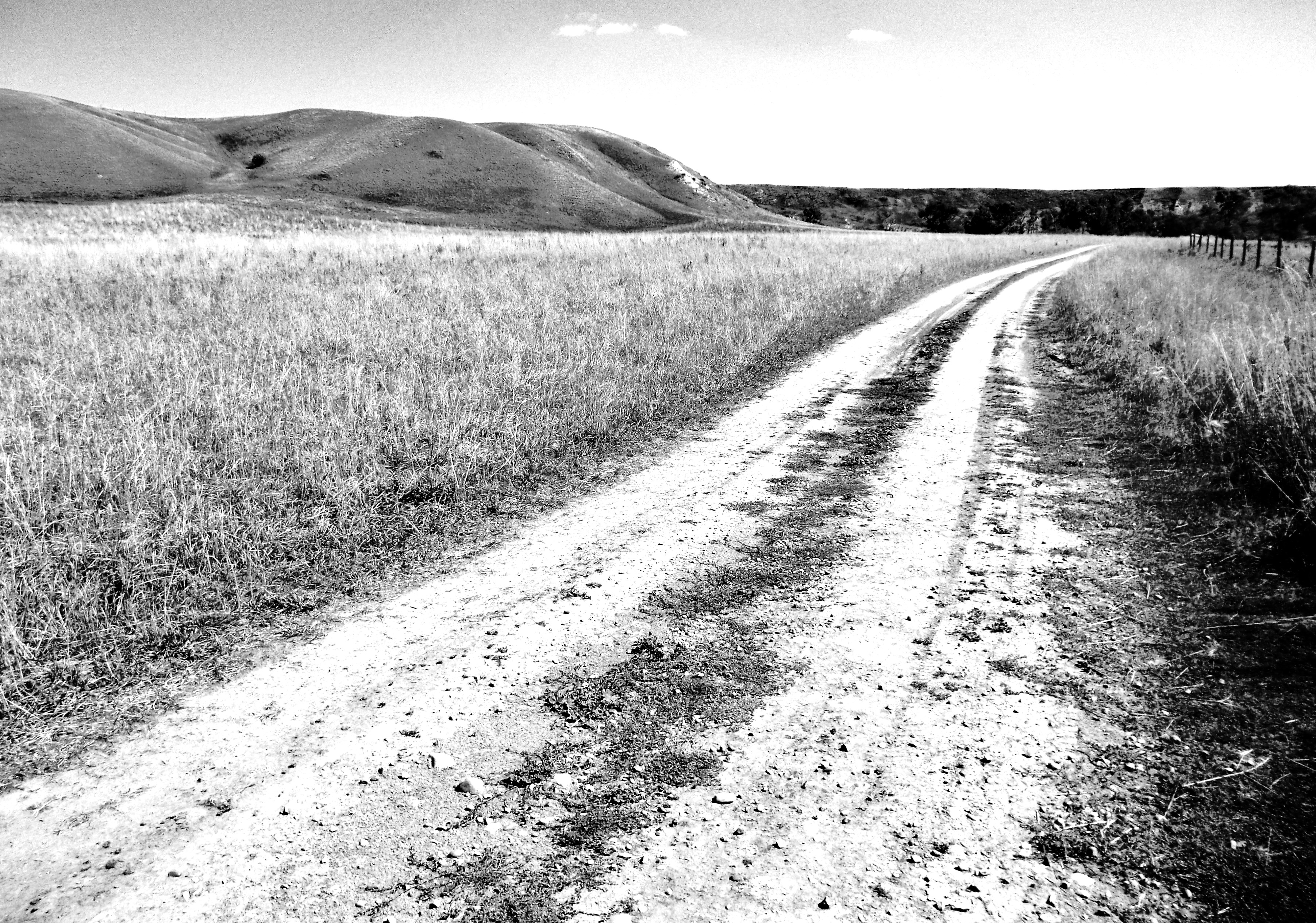
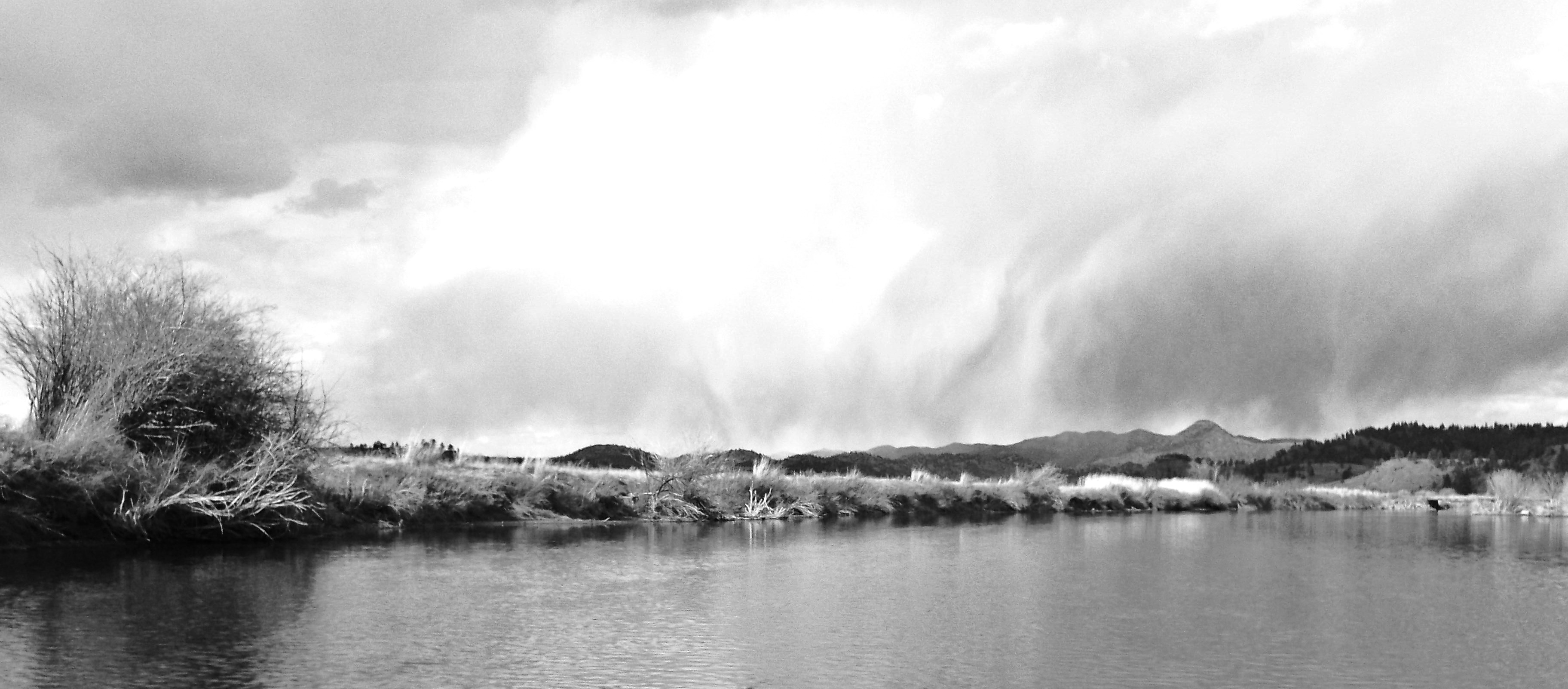
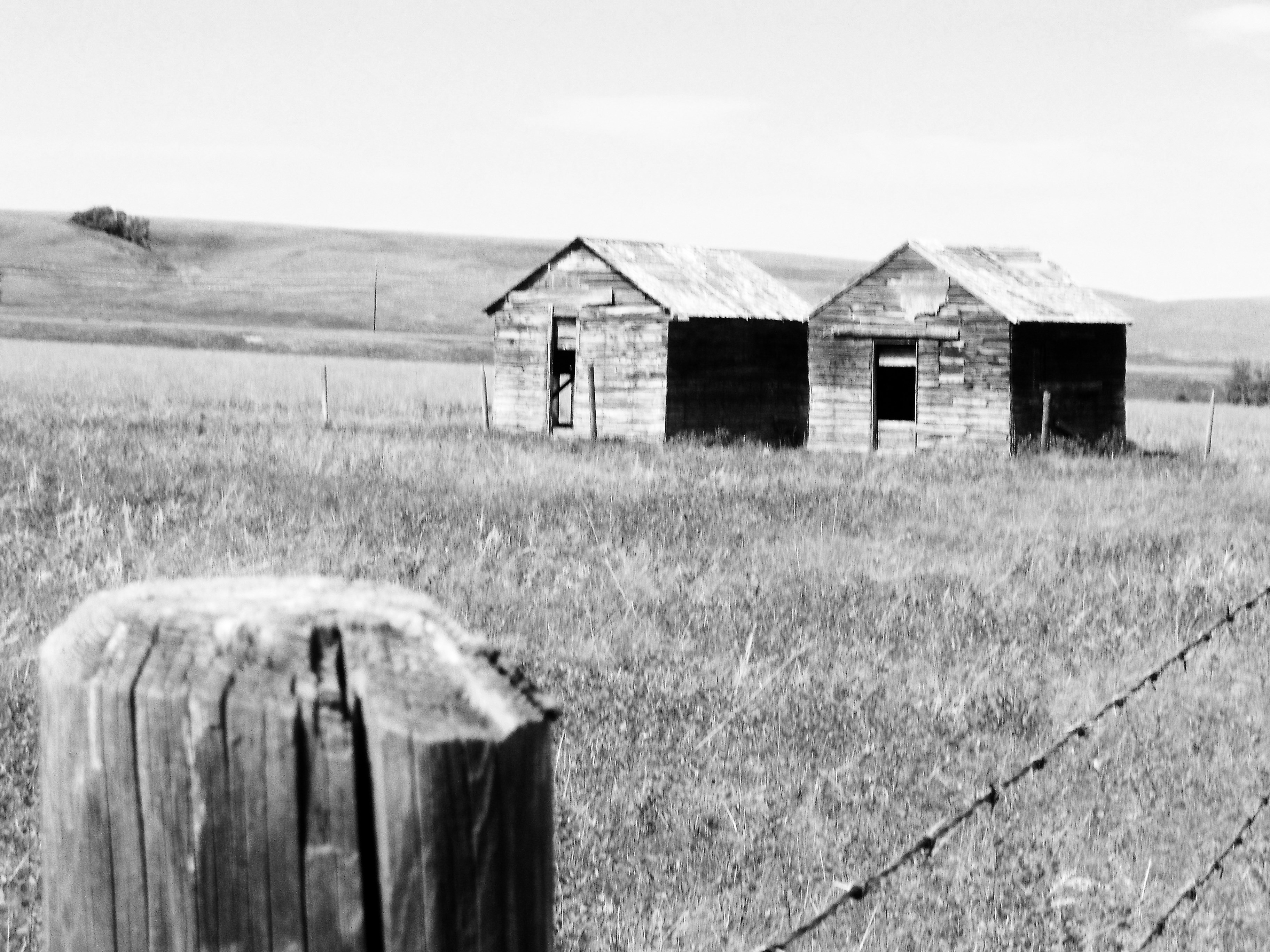
In the About page of my blog I describe how I’m drawn to the rivers in the parched, windswept land of the high plains on the eastern side of the continental divide. Here are some pictures of the landscape I find so captivating, and where I often find myself hiking and sight fishing for wild trout with dries. The “catching” is always important but it is also about the sky, the serpentine water, the light and shadows, the wind, and the texture of the land. Places have an impact on us. Some places more than others. When you find a place that keeps calling you, you should go there. You go and spend the day, a complete day, where you get to watch the sun travel from one shoulder of the earth to the other. And you breathe it all in and it changes you. Maybe just a little. Maybe just temporarily. But it does change you. And at the end of the day when you retrace your steps home and slowly awaken from the spell of the place, you find yourself saying, “I want to go back”.

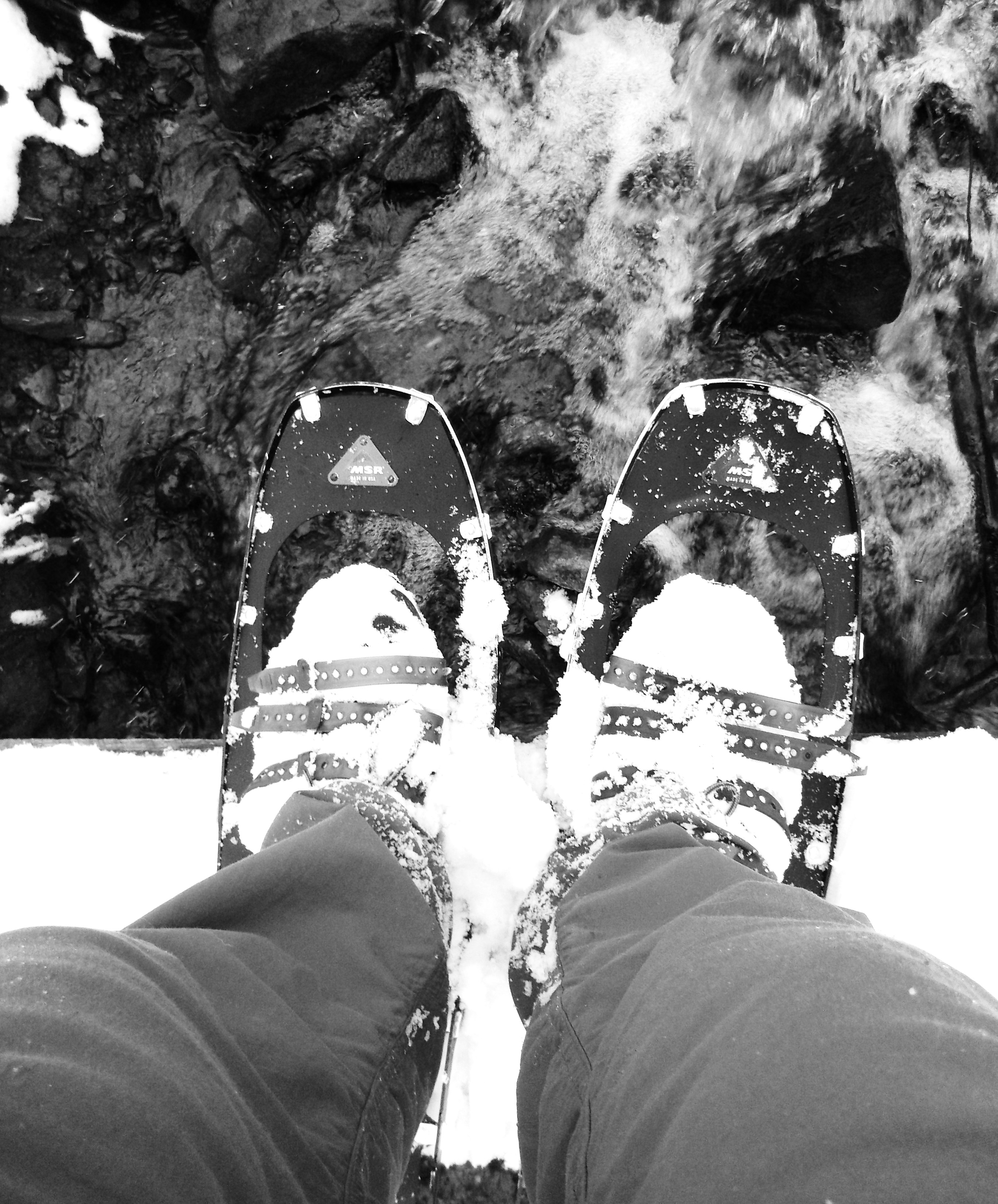
It’s the middle of winter but the days are noticeably longer. I’m actually able to put in some time on the nearby trails after work, snowshoeing for an hour before it gets dark. More daylight feels good.
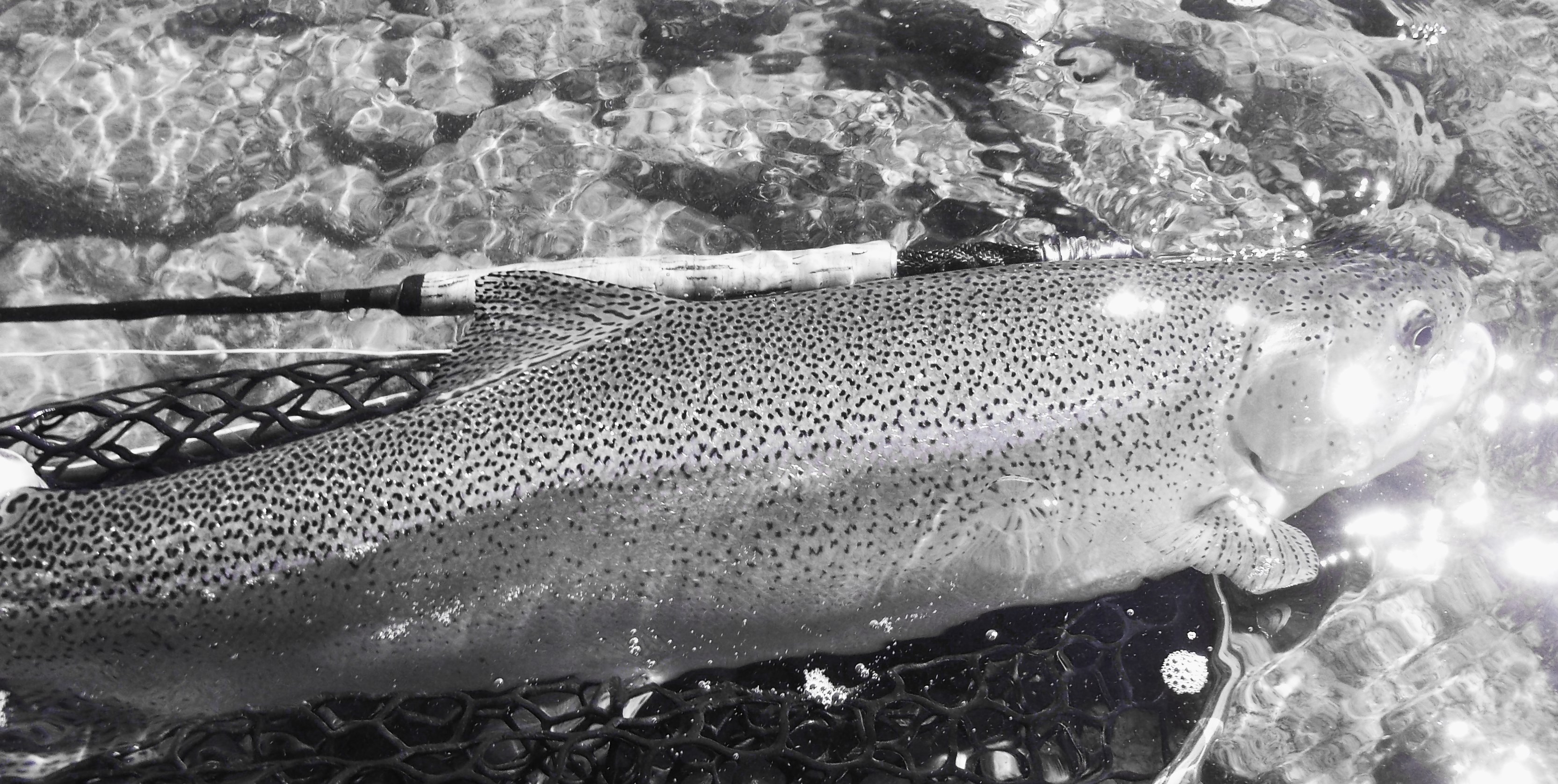
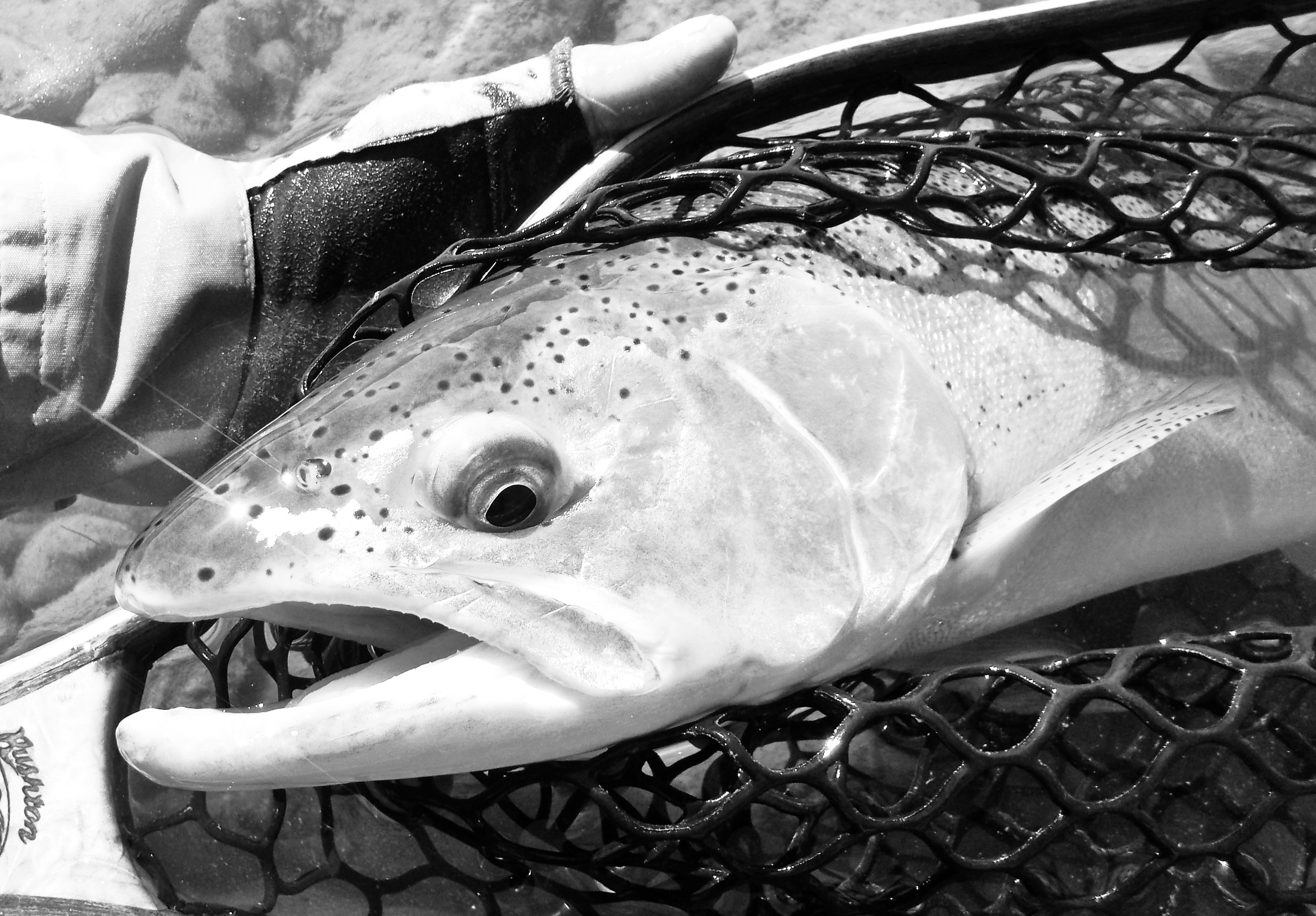
Here are some summertime pictures of rainbow trout. All were caught sight fishing with dry flies: mayflies and small terrestrial. The two rivers I frequently fished don’t have high concentrations of trout so you have to walk a lot and search when the light conditions are right. The key to success is commitment to the angling style, intense concentration and observation, patience, and once a large fish is spotted, being sneaky. Fishing this way brings you closer to trout. You get to watch their behavior and sometimes even see them think.

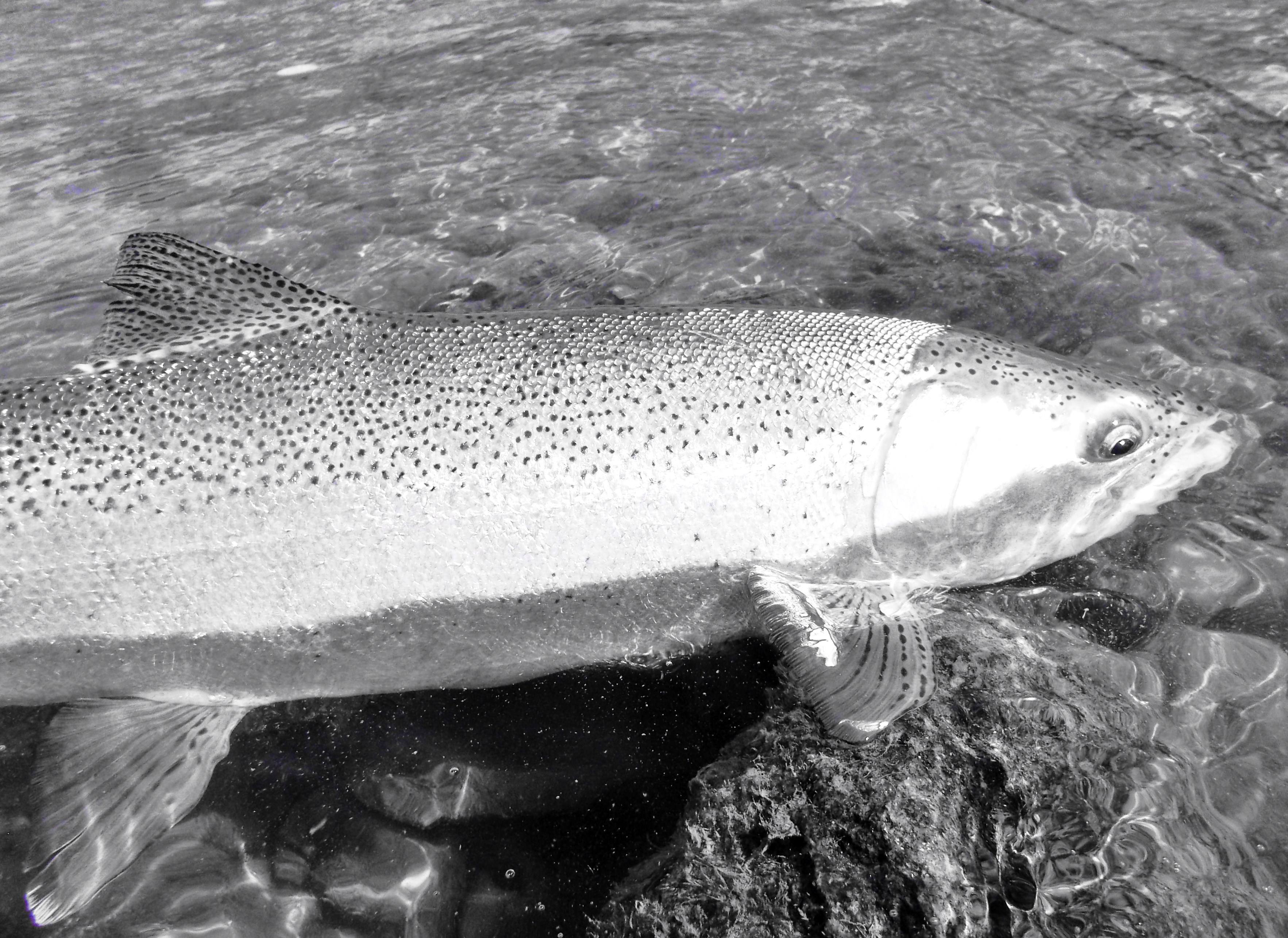
I remember a day in August when I crawled up behind a large rainbow that was feeding opportunistically six feet from shore in very shallow water. I decided to plop my fly down between it and the bank. It responded to the vibration, slid over, looked at my offering up close, real close, then slowly turned away, circled tightly and returned to look at my fly again. Then it suspended itself right in front of it for several seconds, slowly tipped its nose up and ate.


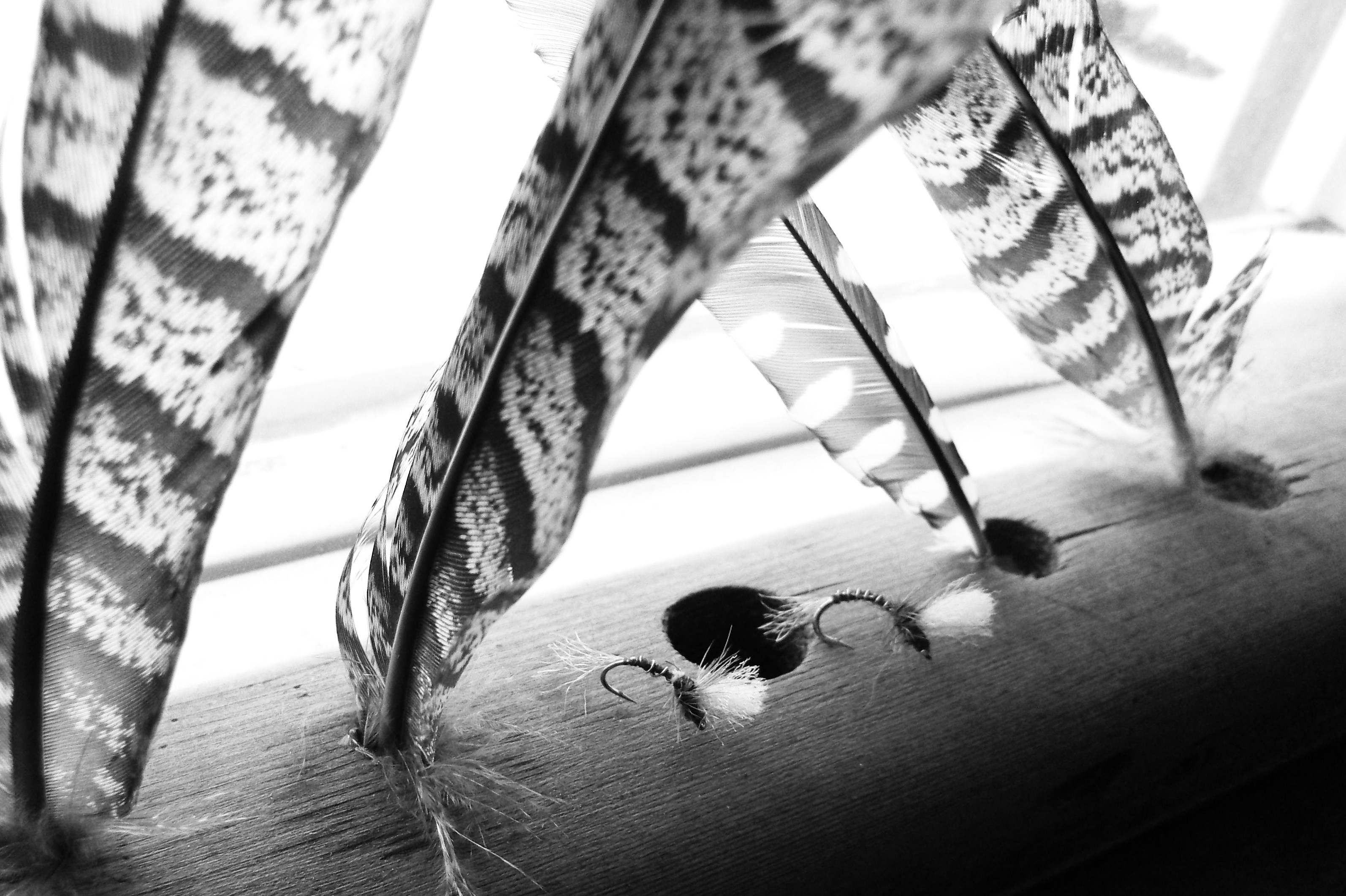
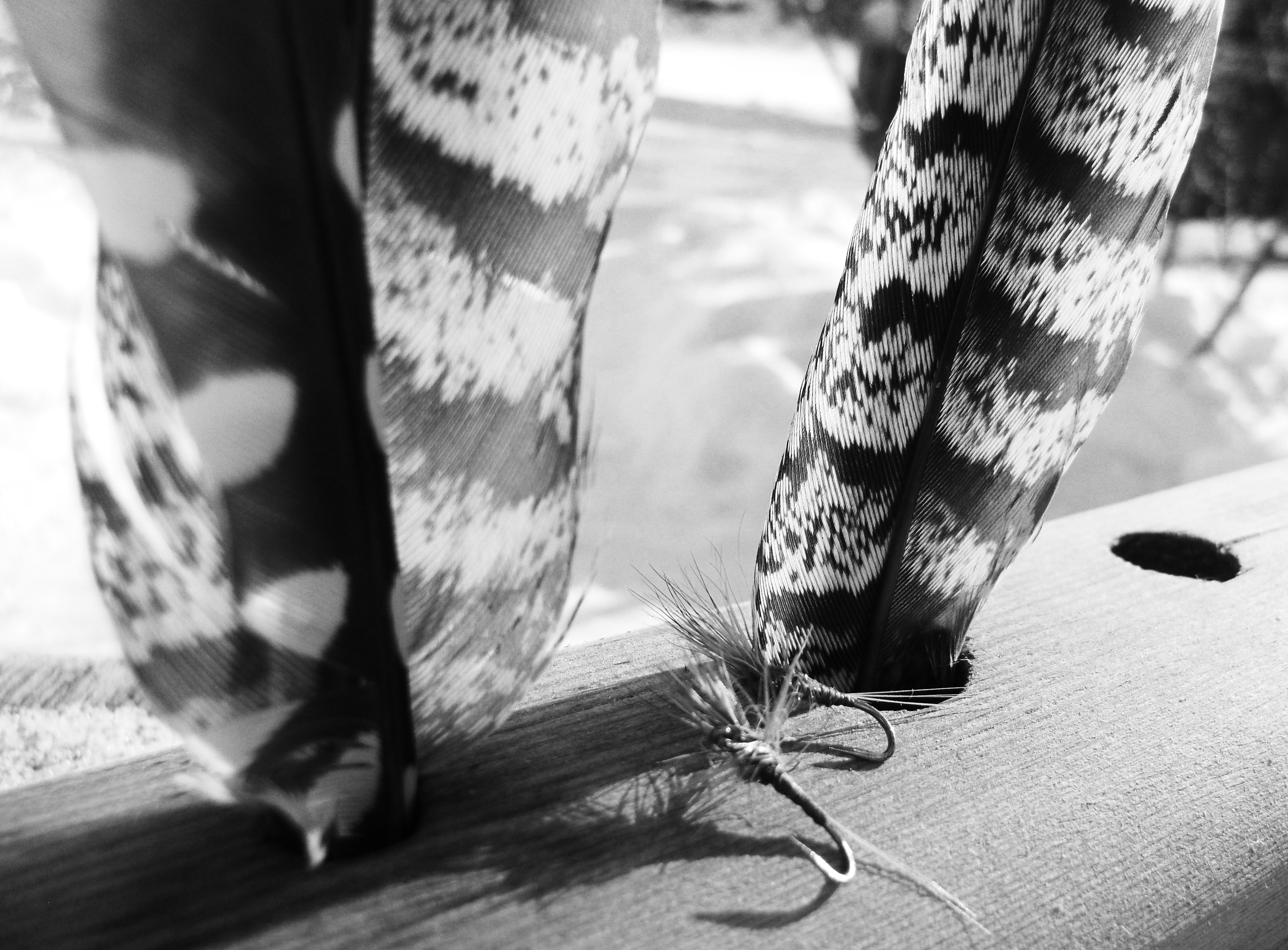
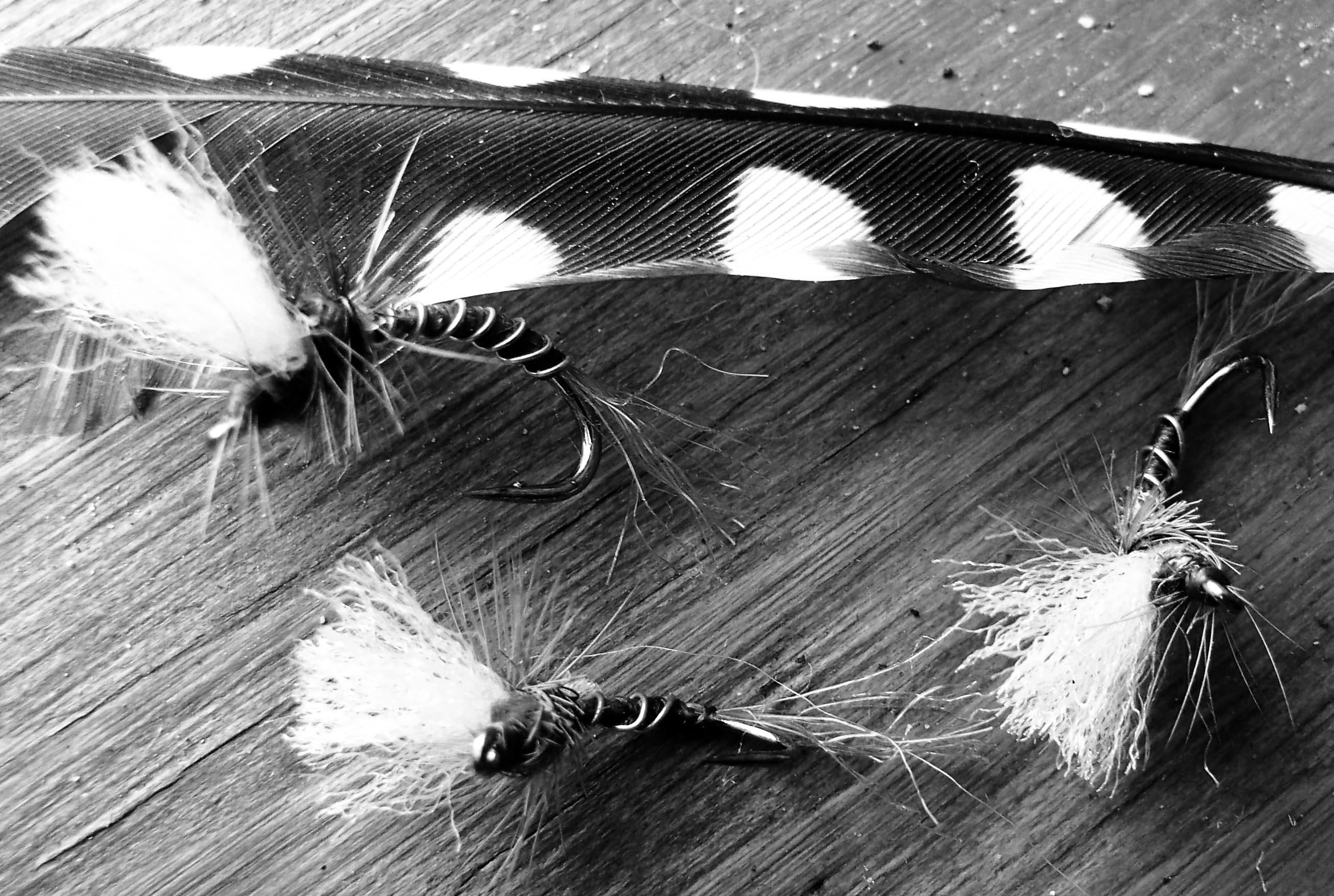
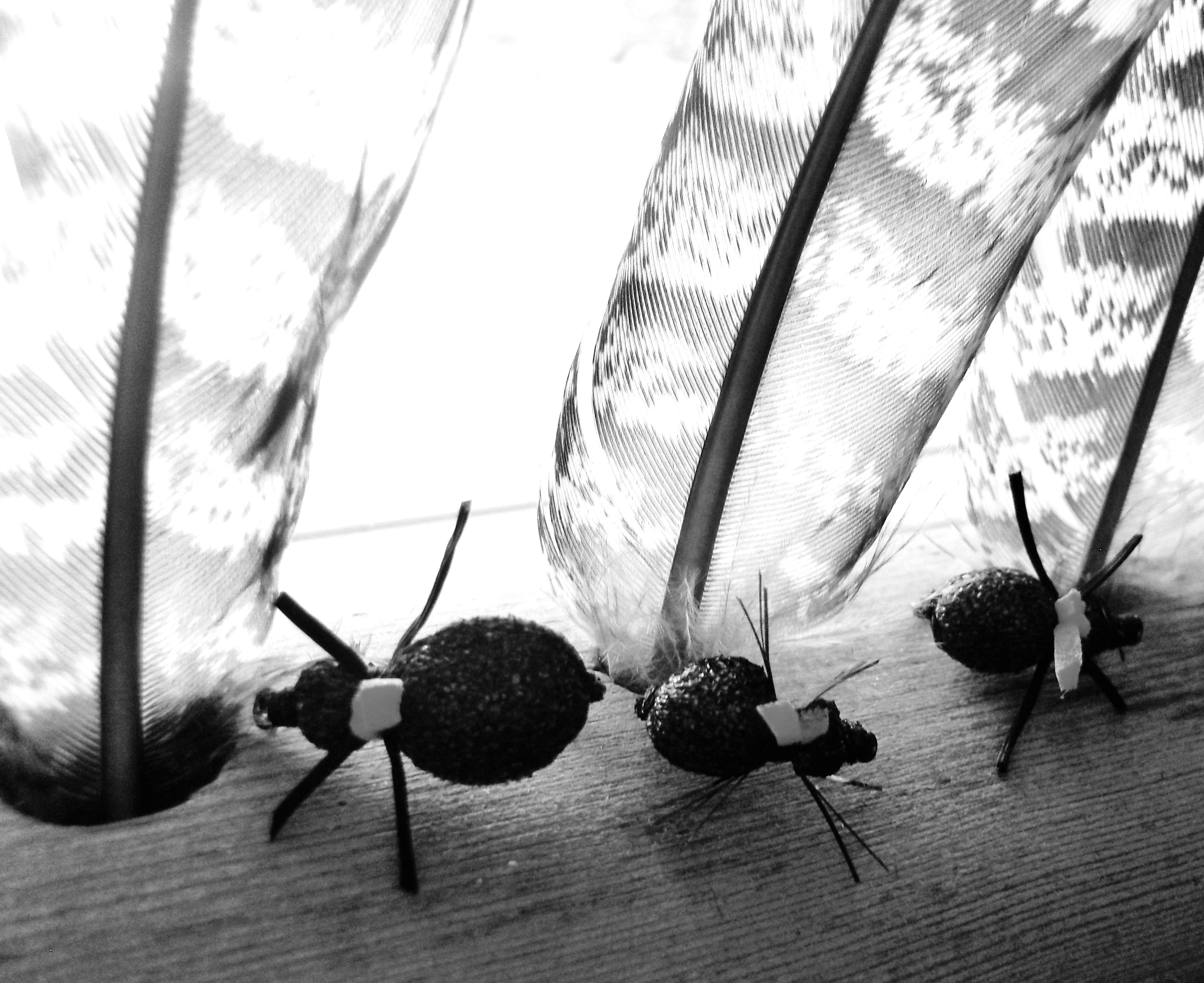
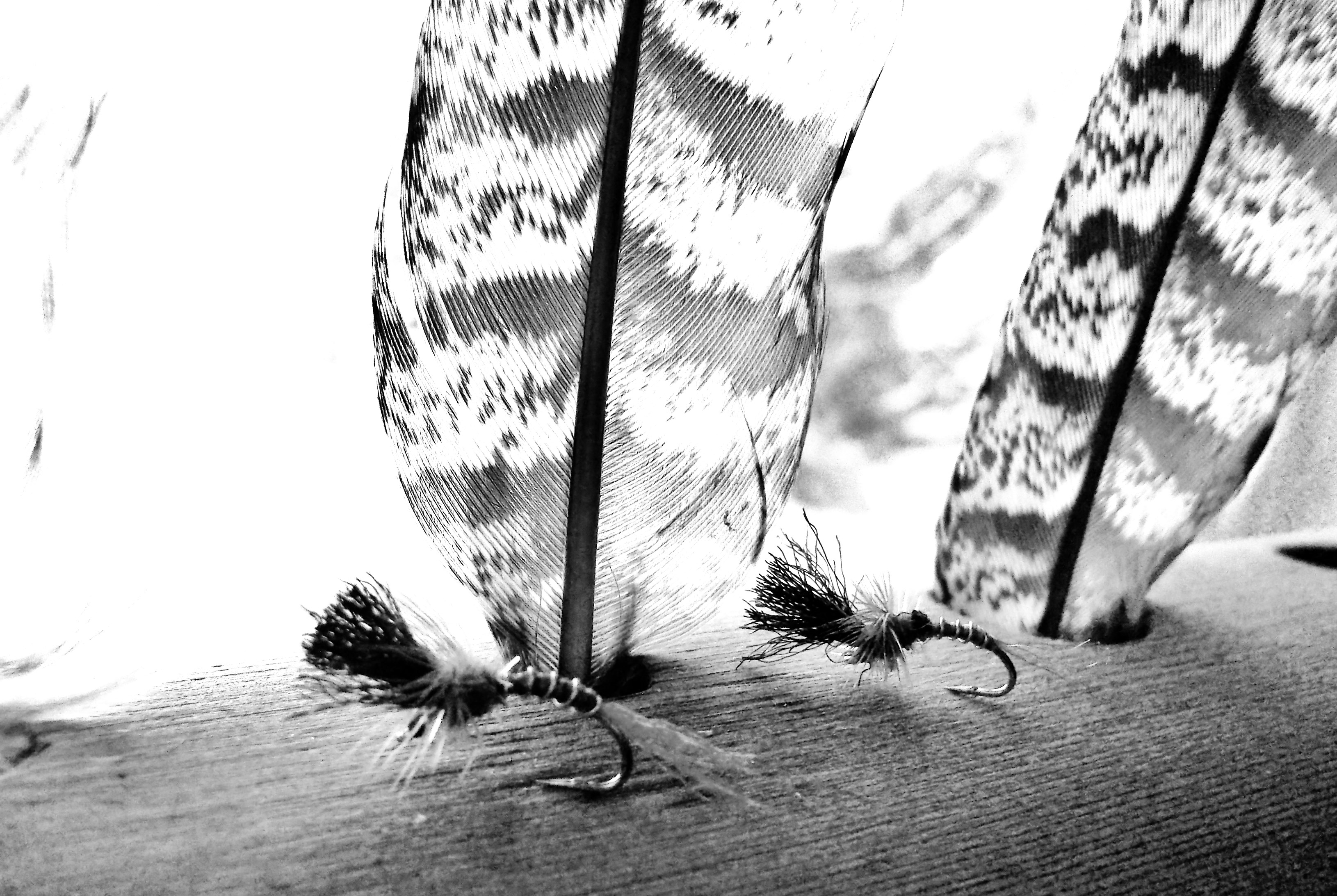
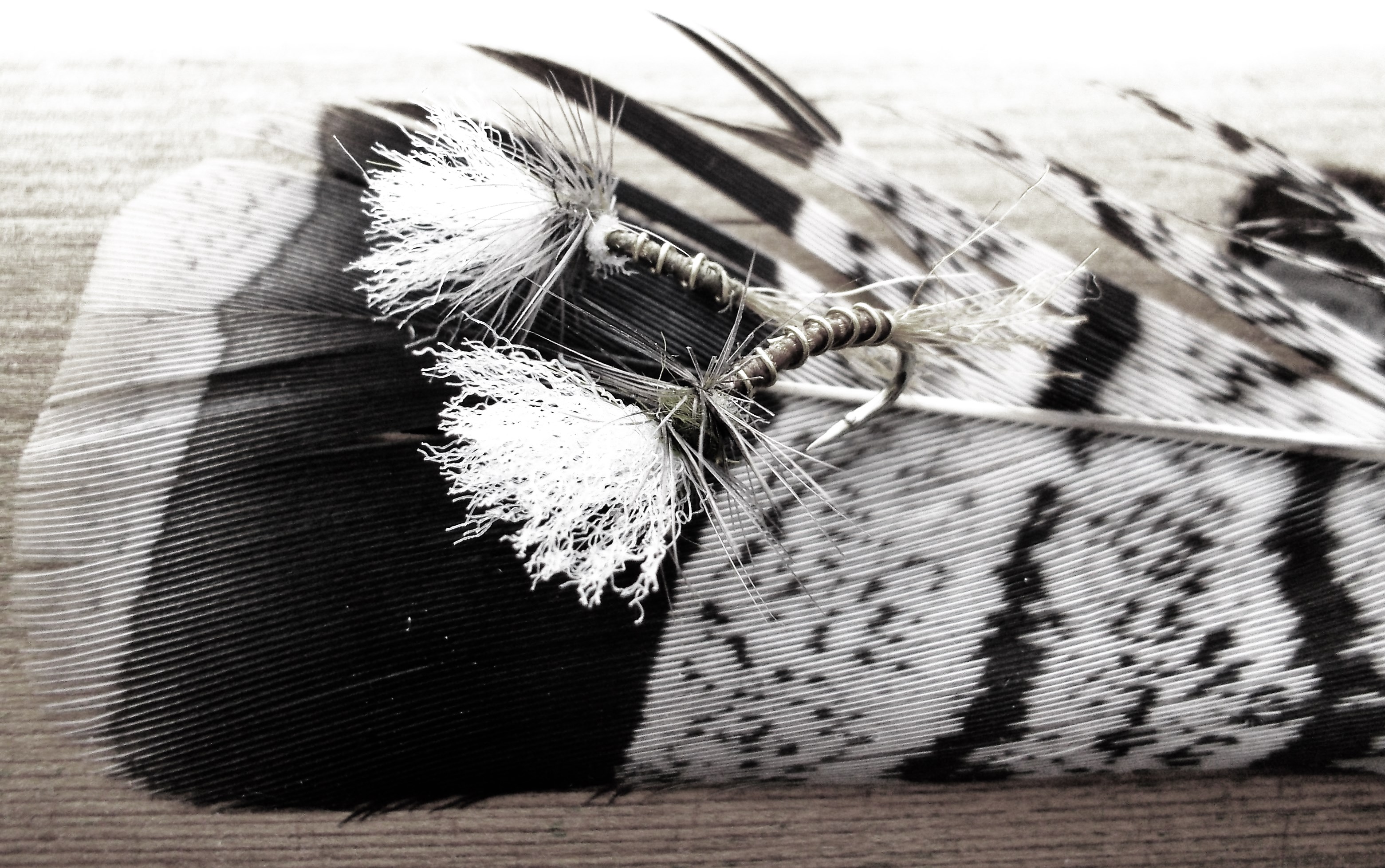
I’m pulled to rivers that have hatches. I start the early season fishing midges, then olives, then the pale morning duns of summer, sometimes tricos, then back to olives in the fall and end the season as I began it, with midges. A full circle. Depending on the year, grasshopper imitations play a role mid to late summer and into the fall. I also sight fish from summer onward with other terrestrial patterns such as beetles and crickets when there is no hatch. Since I fish mainly small dry flies I try to keep my patterns simple and visible. If I can see my fly, I can fish well. Polypropylene wings are buoyant and flies tied in this material in white, black, or even orange show up well in varying light conditions. This material is also more durable than CDC, and I can resurrect it faster once slimed. This is important as a lot of the water I fish is rich, out of the main flow (flat) and has some surface scum. I also tie wings with fine deer hair generally cripple style (forward) and a lot of my small patterns incorporate a turn or two of hackle frequently clipped underneath so the fly rides low. When it comes to terrestrials I like foam as it always floats and is easy to tie with. Black is a great colour as it is noticeable to trout in bright or low light; it contrasts well. I use standard hooks but also like a Klinkhammer (emerger) bend. Of course when tying I pay attention to size, shape, colour and how the fly will sit in the water (attitude).
My dog Brooke, a Golden Retriever, ran up to greet a group of Native men who had their backs to us. They were pitching big round river stones into the back of a pickup truck. Their work was noisy, rock thundering against metal, and they didn’t hear us coming. When she reached the first man he was bent over and preparing to lift a stone. She surprised him and he leaped in fear. Not knowing how he’d react, I called out that she was friendly and harmless. He later laughed and said that for a split second he thought my dog was a cougar… same color, similar size and we were in big cat country.
The man said they were collecting the river stones for an upcoming Sweat Lodge (purification) ceremony at a Sun-dance or Pow Wow on the nearby reserve. He had a white bandana on his head and his face looked like he had lived a hundred lives. The other men stopped working and gathered around.

They were from the Blood tribe, part of the Blackfoot Confederacy, a proud plains people who were originally nomadic and followed the buffalo until everything changed. All had jet black hair. In their facial structure there was a trace of ancient Asia and I imagined they had just walked across the Bering straights.
They made a fuss over my dog, kneeling down and playing with her, and remarking about her friendly disposition. We talked about the upcoming Sweat for a while. They spoke about the ritual and said the stones they were collecting would be heated and water poured over them to create steam in an enclosed space. They spoke about people having visions in the intense heat and about other mysterious experiences.
They asked me questions about the river and its secrets saying they were hunters, not fishermen. I departed wishing them a successful ceremony and they said “good luck’ on the river.
As my dog and I headed upstream she kept looking back towards them. Every ten yards or so she’d pause and look back. Then I heard one of the men holler, “Don’t look back”! We both stopped and turned around. Then he said it again, “Don’t look back”. It was the white bandana man. He saw my puzzled expression and explained, “I name your dog, Don’t Look Back!” I nodded and waved goodbye.
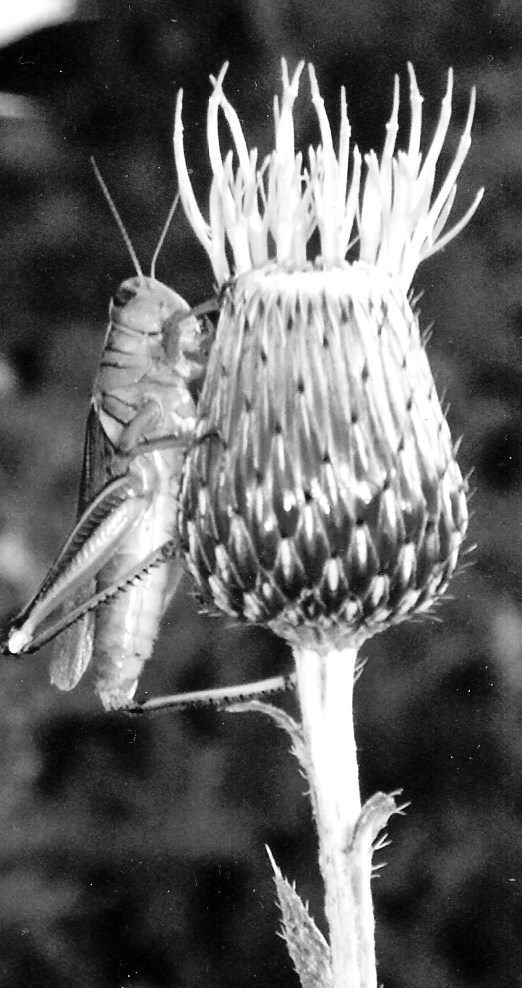
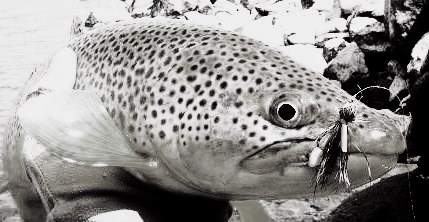
That was several years ago. The river I was on is a solid one hour drive south of my home and I always fish it from late summer through to the fall usually with grasshopper imitations until the first frost occurs. If you take your time on a sunny day and use the stream side bluffs and high banks to your advantage, you can sight fish. It is a challenging place as trout spotting is not always easy. You have to be observant. Over the years Don’t Look Back and I have spent some memorable days angling there. Although the region is predominated by rainbows and cutthroats, this river has some nice brown trout. Browns and the Blackfoot…that makes it special.
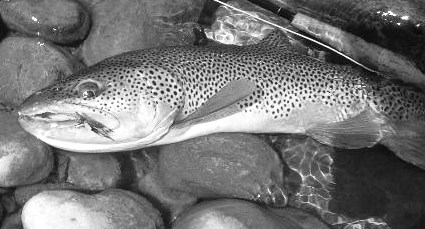
 trout on dries