smokin’ trout

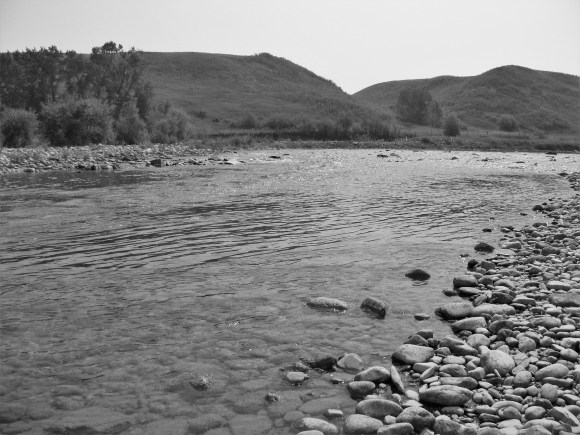
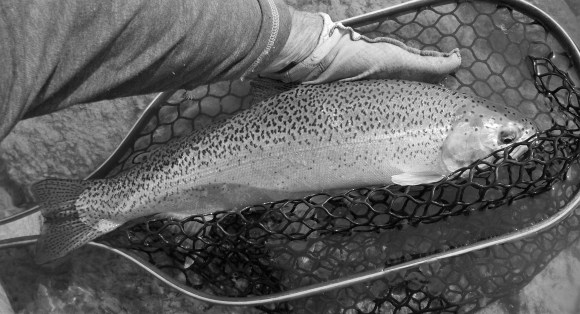
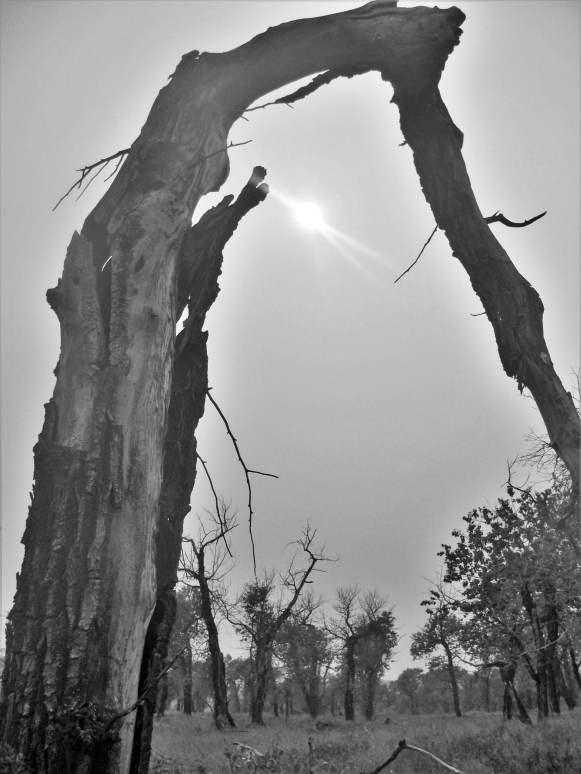
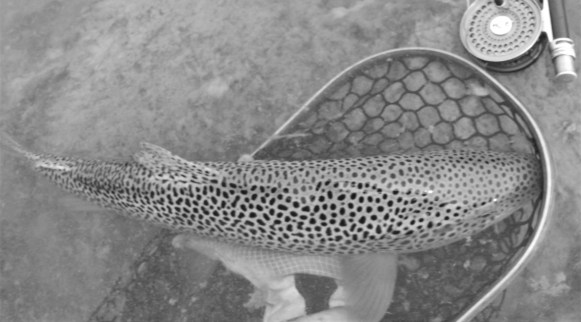
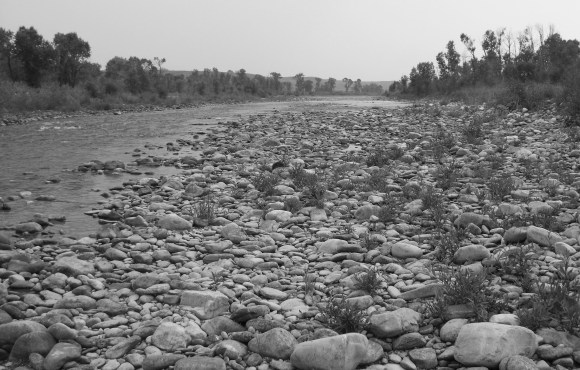
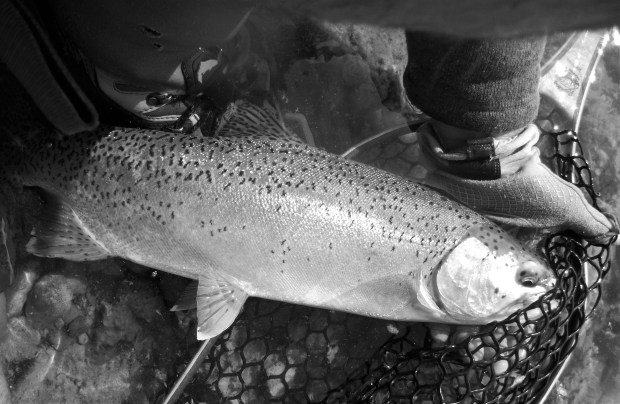
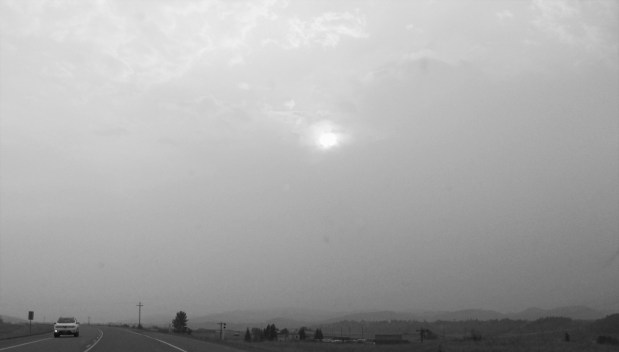
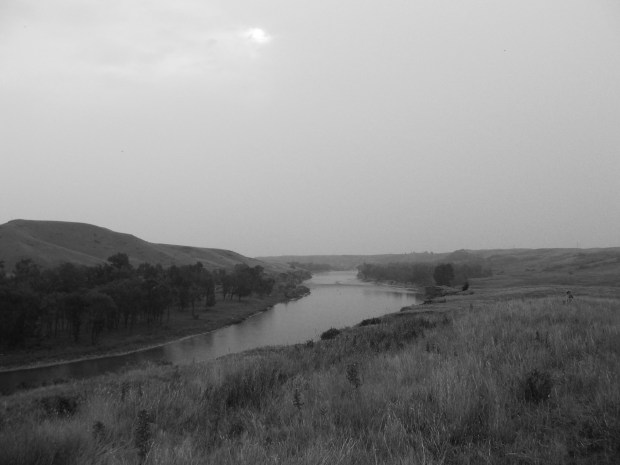
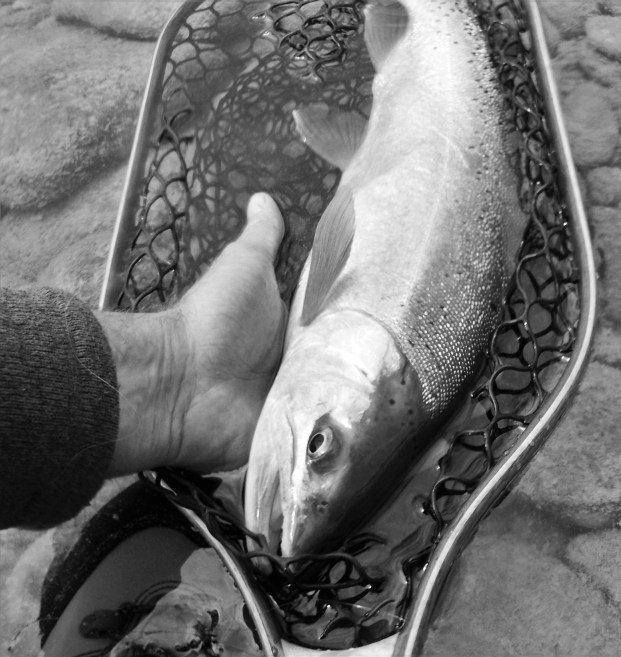
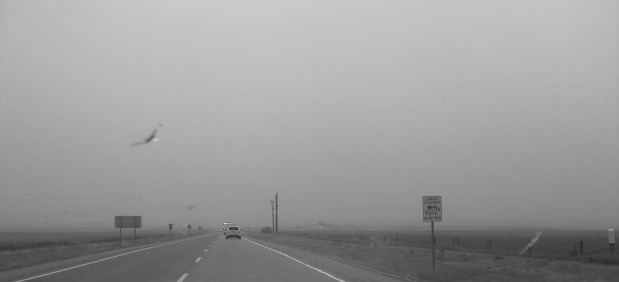
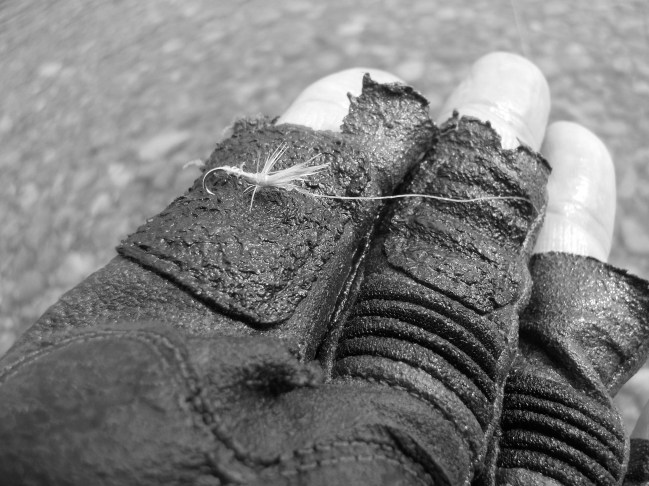
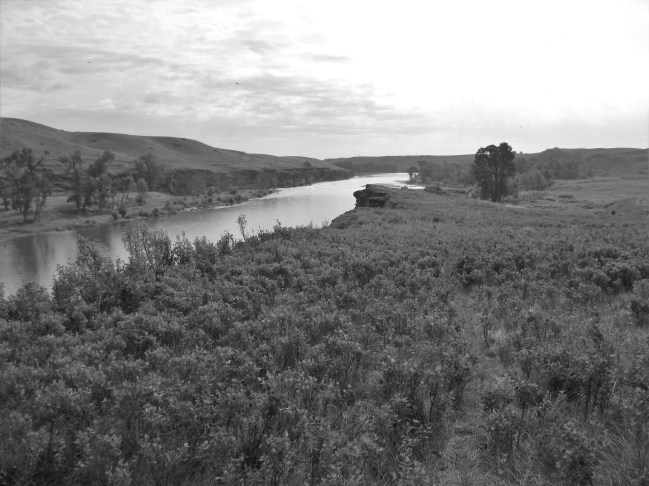
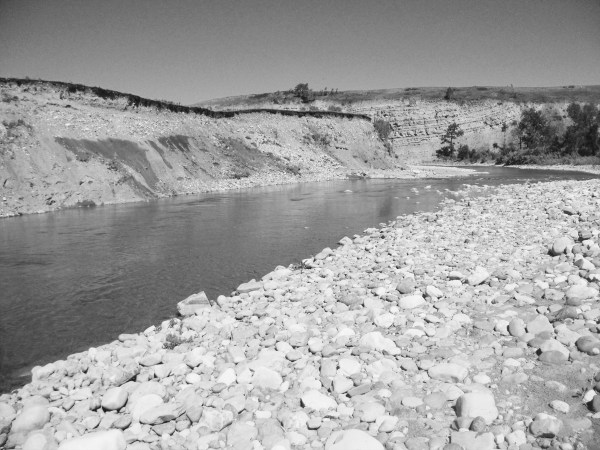
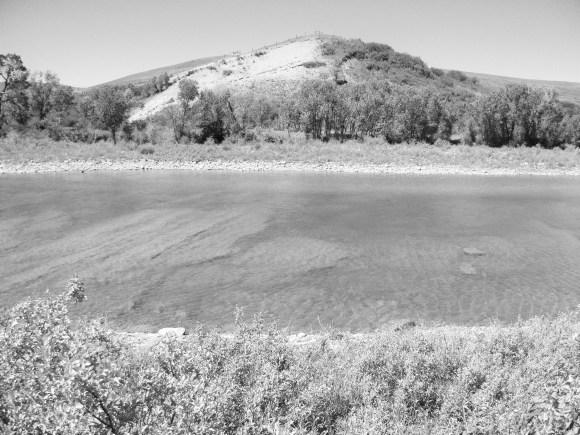
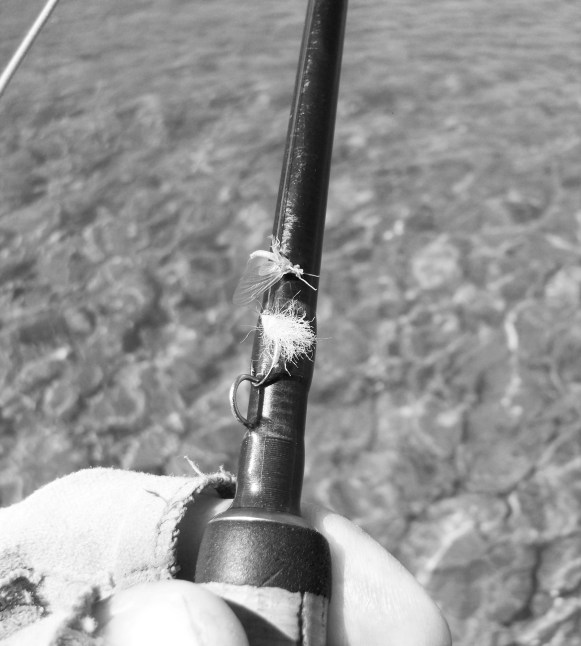
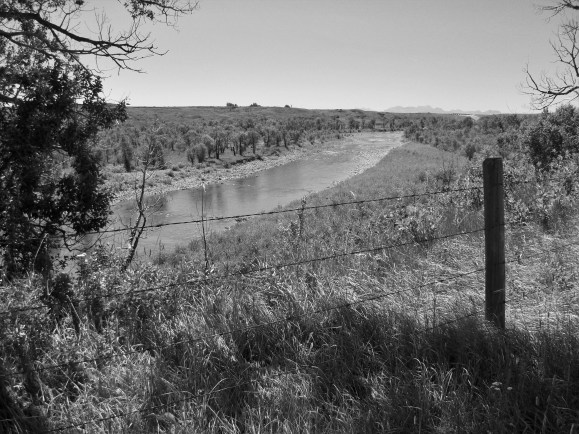
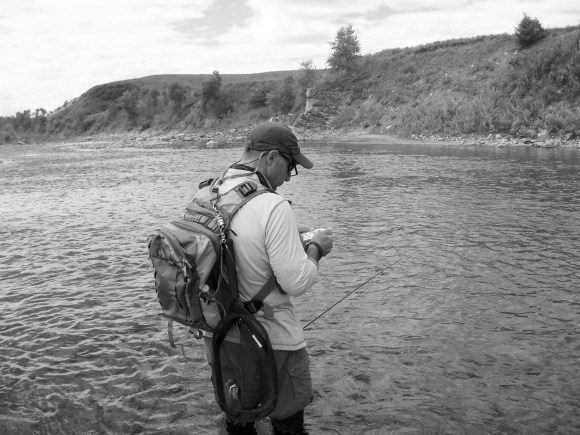
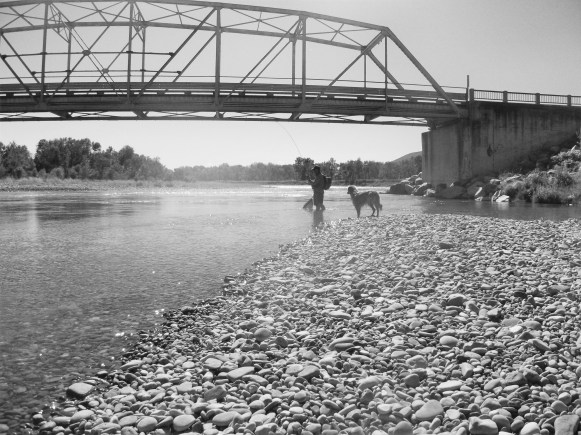
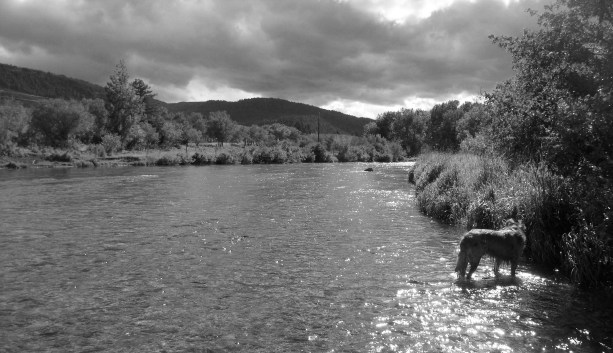
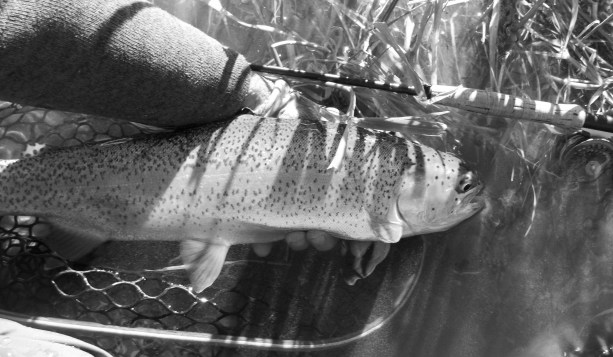
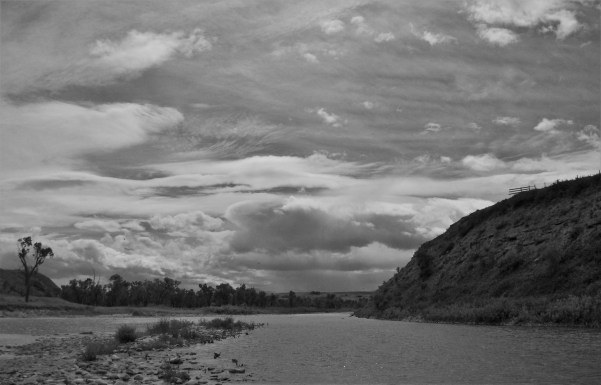
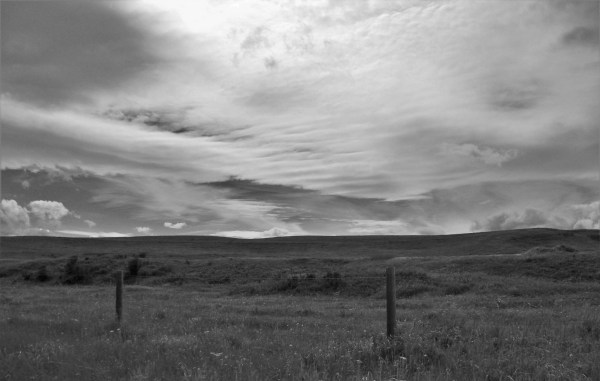
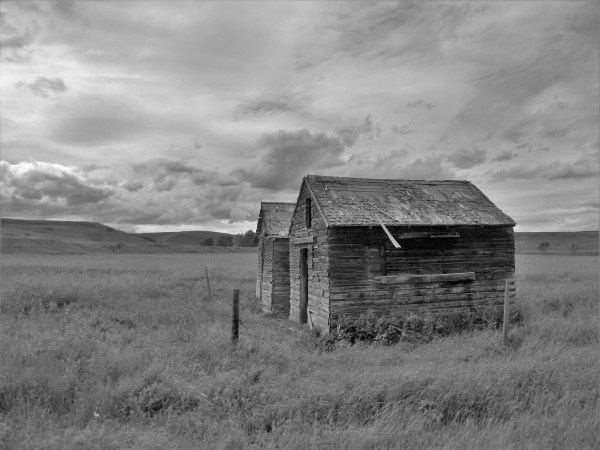
August. Smoke everywhere. It keeps coming. It’s blocking the sun. There was an evacuation alert (fire) the other day. No rain in sight. That’s bad. Cooler recently. That’s good. I just spent one week walking a nearby river in the Coulees. Challenging breathing. Challenging angling. Small fly stuff: size 18 dries and emergers… Pale Morning Dun mayflies and small Caddis. Most fish were on emergers. Real daunting angling. Some were found sipping on duns. My best fish were taken on duns.

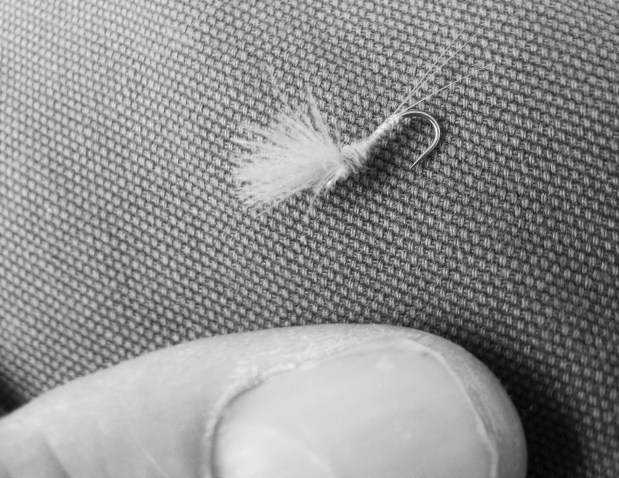
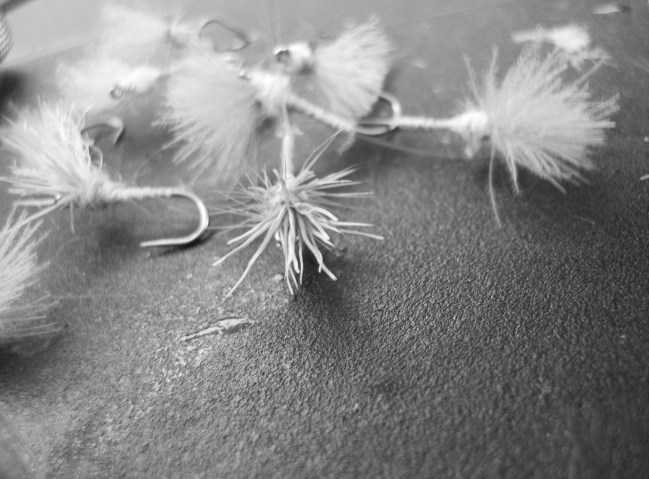
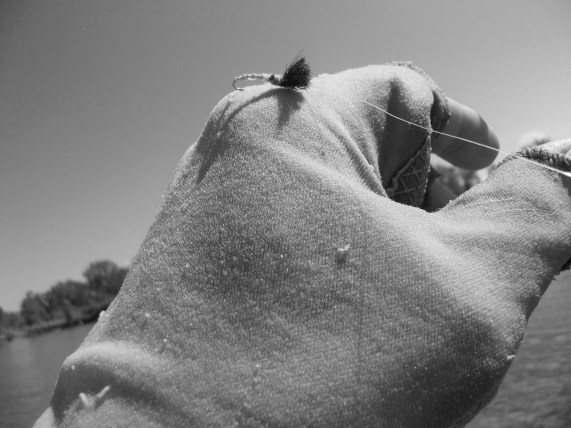
Early in the week I missed several great trout. A hand-tied leader popped mid-section on a biggie; on more than one occasion fish wedged my line between river bottom boulders and freed themselves; several powerful trout on reel screeching first runs cut me off on rocks in the low water conditions; a fly line got sliced and diced and rendered useless; I missed several connections as the small fly didn’t set once eaten, especially on the tiny emerger patterns I tied on Klinkhammer style hooks.

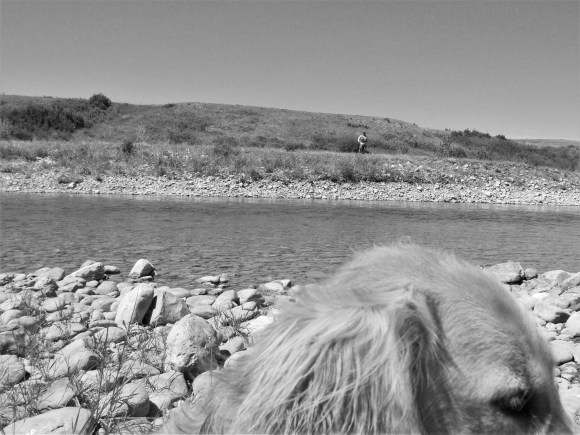
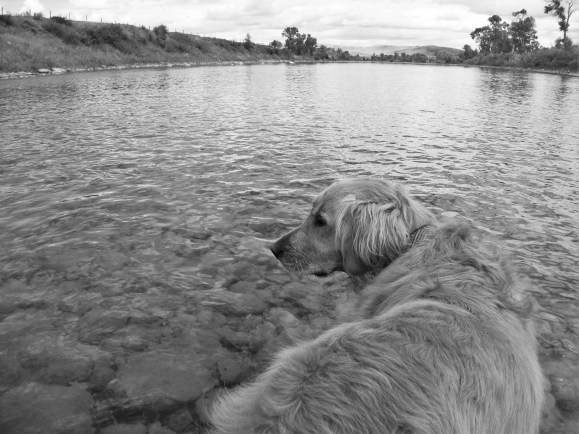
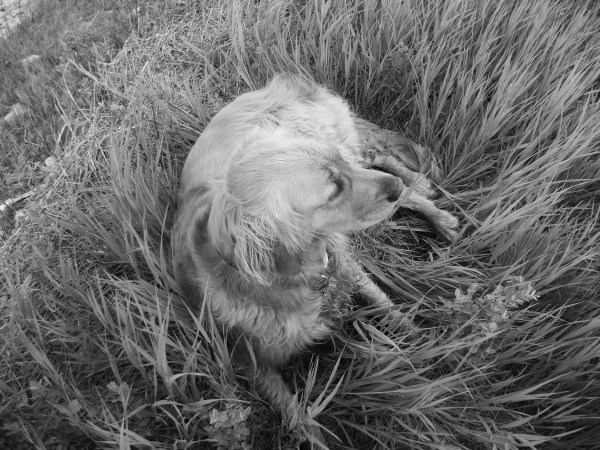
In frustration I talked to myself. I talked to my dog. I looked-up and talked to the sky. I hung in. I walked and searched, and fished my way through the slump. I made some adjustments and things eventually started to click.

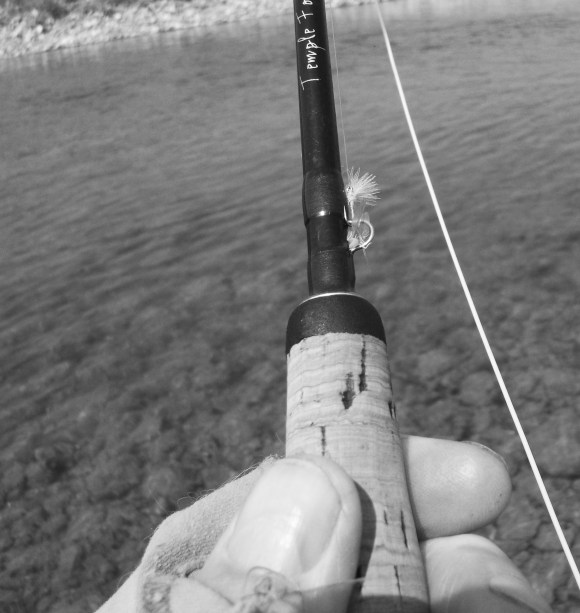
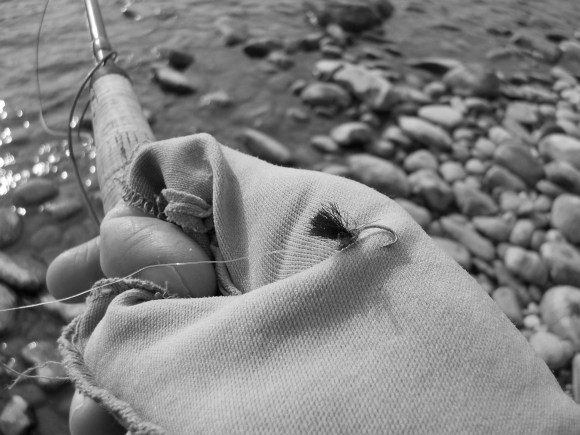
I started connecting more consistently when I opened (slightly) the hook bend on my klinkhammer flies with hemostats and also slowed down my hook set. In the future I’ll tie on emerger/scud hooks. A less acute bend. I also tied on stronger tippet, especially when approaching a fish from above and casting down and across (fly first) to it.

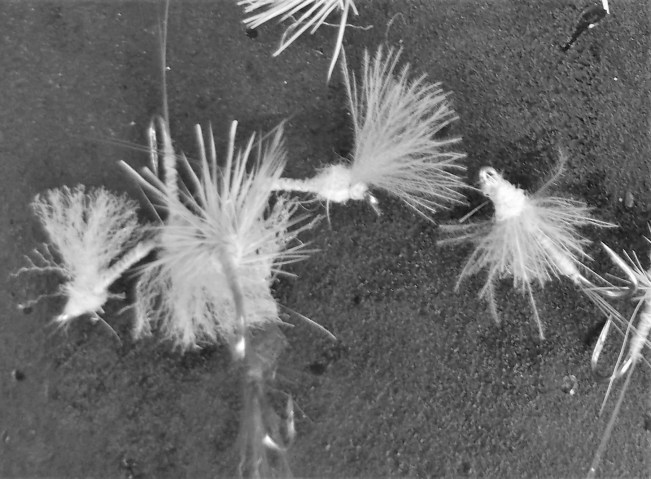
The tailwater trout were selective. They would have nothing to do with ants, beetles, grasshoppers, and attractor patterns. They stuck to the main items on the menu. It was Pale Duns, small Caddis flies (mostly on the emerger stage).

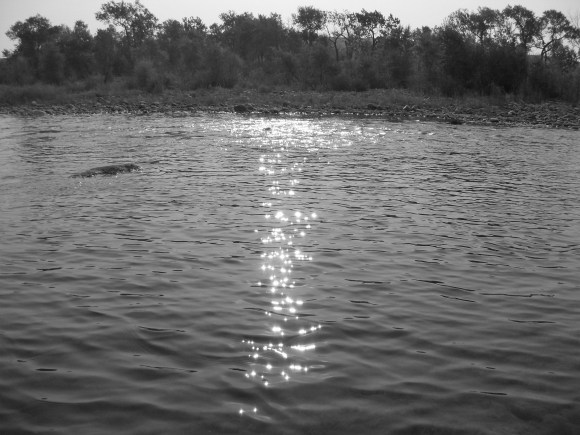
The thicker the smoke the better the top water angling. Like clouds it intensified the hatches. And in the low light trout were more willing to surface. Even some of the bigger trout made an appearance.

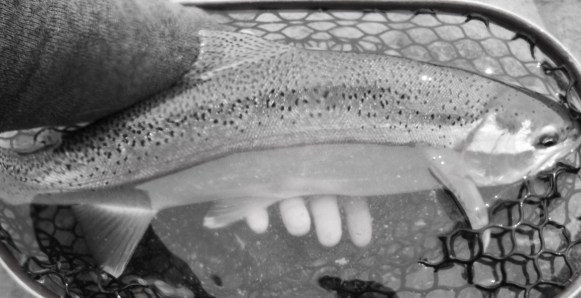
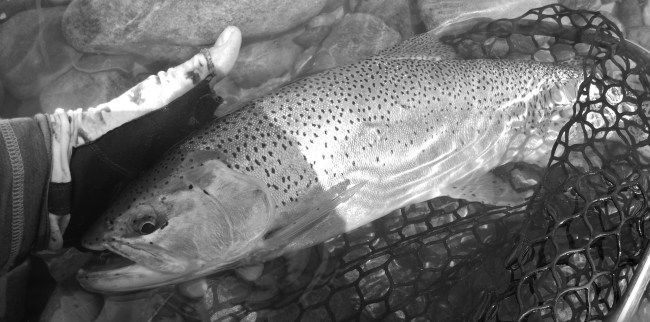
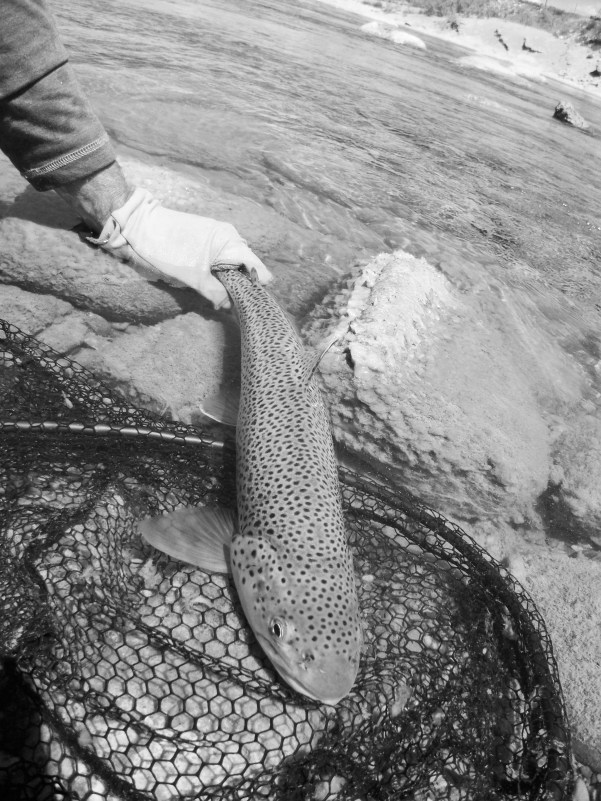
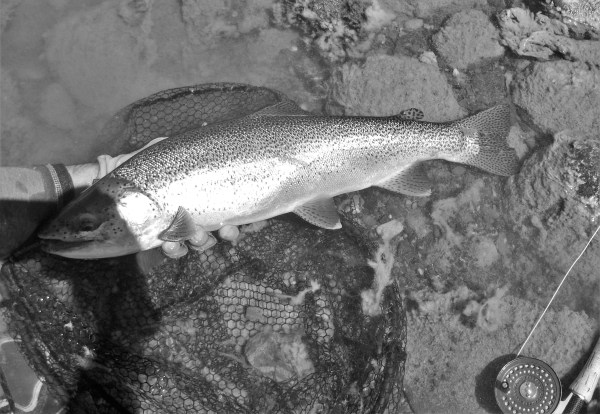
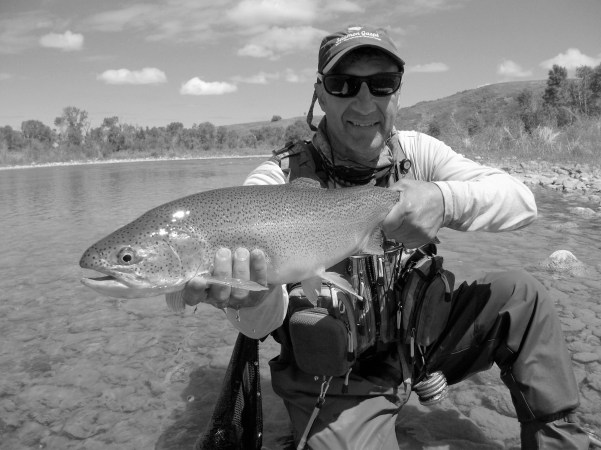
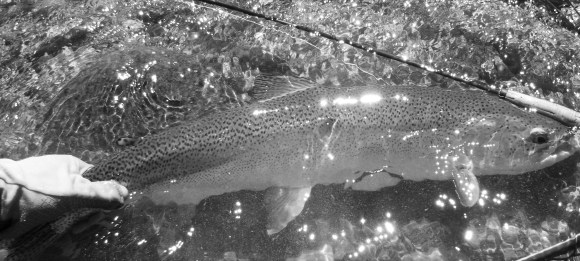
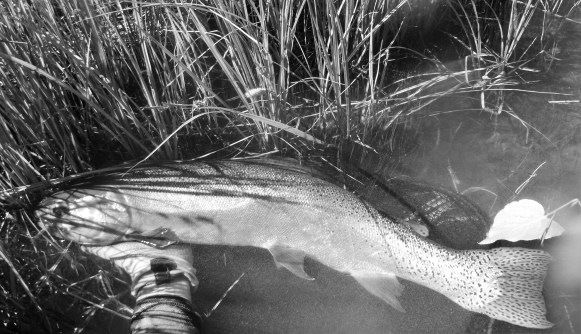
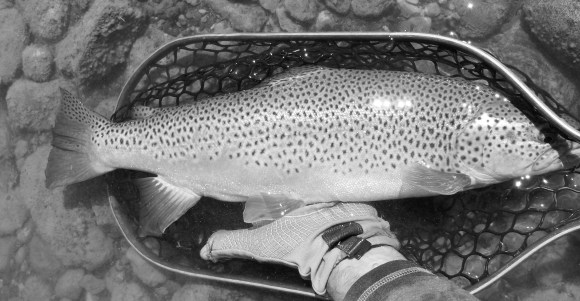
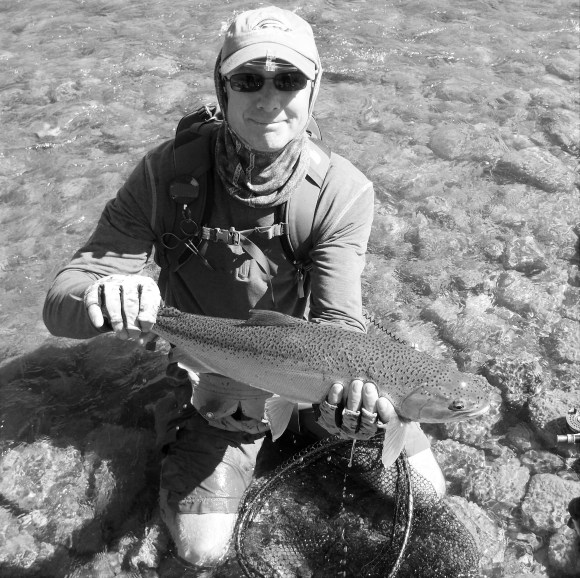
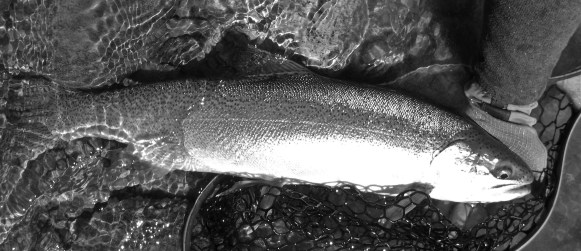
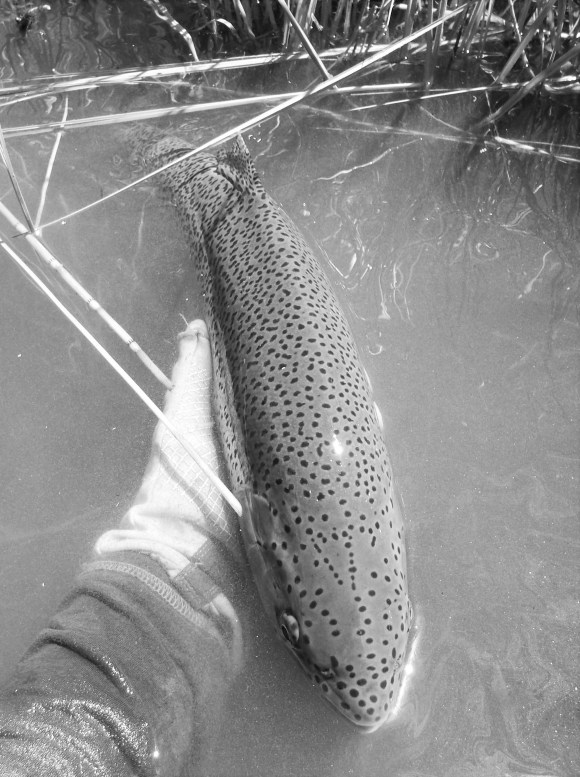
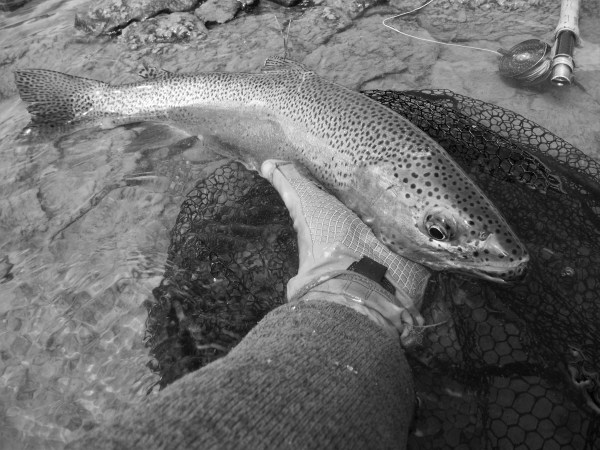
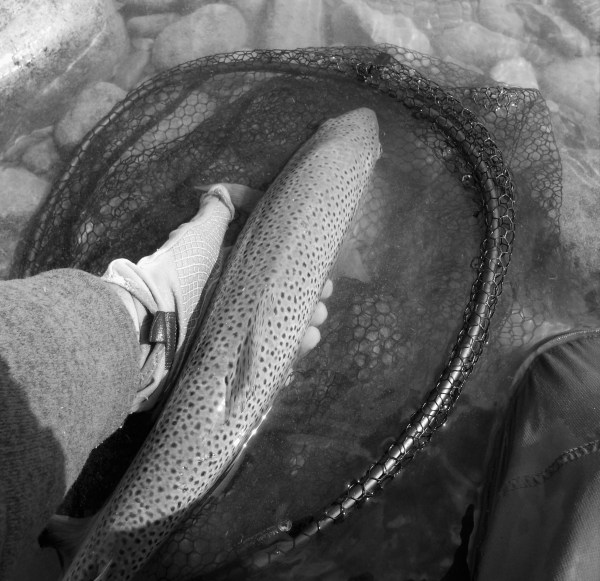
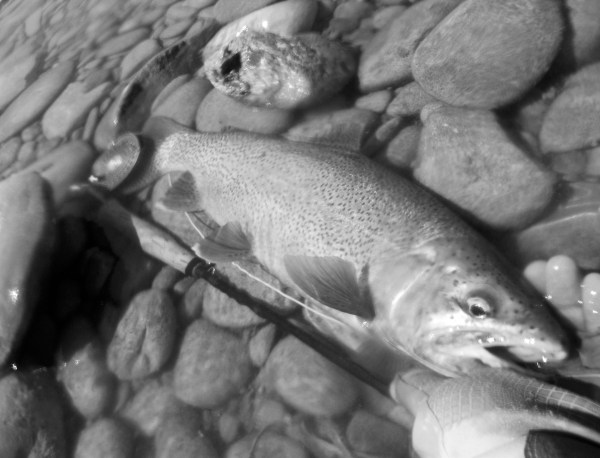
It was some of the most demanding and best sight-fishing I’ve ever had. You simply couldn’t make any mistakes with the powerful trout in the low water conditions. An angling error meant a lost fish. Fish perfectly and you could still lose a fish. I lost my share. A few great smokin’ trout caught and released on tiny dries. Ridiculous! One memorable week in August…

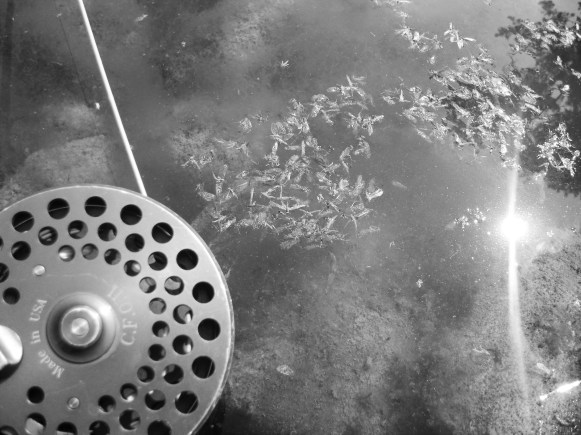
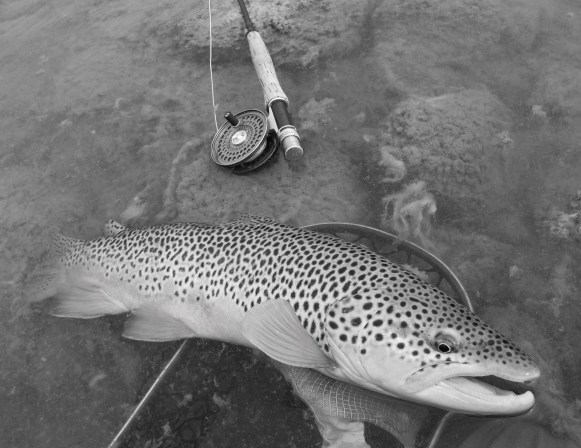
brownreelrt

beefy brown on dry


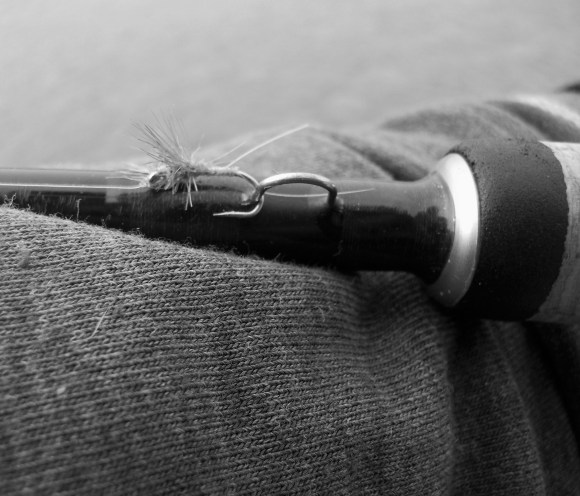
chewed

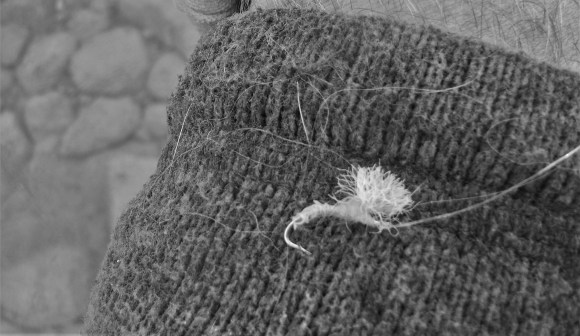
chewed pmd on sleeve


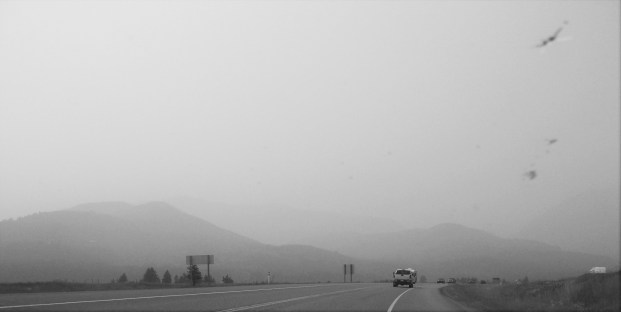
windsheildreel

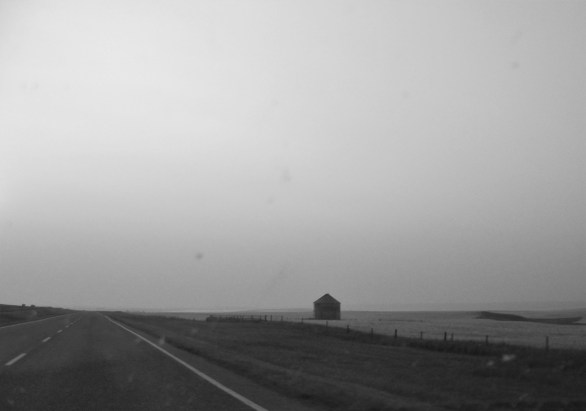
smoke- driving to river

grain

horizon of smoke

other bwn

brown on pmd

pmd3 (2)

shucks

spent pmds

thickbow

rainbow on pmd

abby2

abby riverside clearer day

anglebwn

brown trout


pmd2

cdc pale dun


benttree2

riverside cottonwoods

topbwn

brown trout

lwater

low water but cool

bowb

rainbows were thick

riverglare

small flies and glare- tough combo

black wng

black wing for river glare

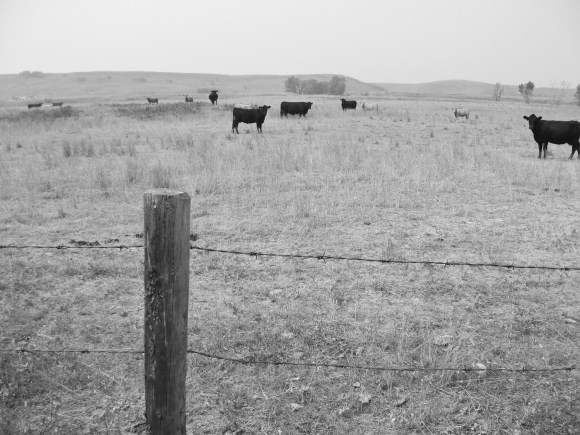
cattle smok

cattle in smoke


pmd

half hackle, size 18

big guy

caught on size 18 half hackle


casting dries under Beijing sky

August. Hot as “H”. A Sky full of smoke. Looks like a smog blanket in Beijing. It’s burning west of here. In British Columbia. The residue is drifting eastward. We had almost two months of it last year. To quote Yogi Berra, ” It’s Deja Vu all over again”. Cool, clear Rocky Mountain air… total myth. It’s a heat wave. Fires are burning. And I’m casting flies/fries under a Beijing sky.

smoke4

smokey sky

smoke

on pmd size 18

smoke8

smoke6

smoke7

river 10am

smoke1

rainbow on pmd, size 18

smoke3

cdc pmd size18

smoke5


small tailwater flies

The flow has finally dropped on a local tailwater river. There are now many more targets for the dry-fly angler. Many of the softest feeders I spotted in the shallows were Cutthroats and the hybrid, Cutt-Bows. They were often much more demanding and discriminating than the other risers. It’s mainly small flies hatching, Pmd’s size 18, 16. Challenging at times…with the slower water many rise to duns.

DSCN5197 (2)

cdc

DSCN5199 (2)

DSCN5189mit

DSCN5195 (2)

head on


DSCN5194 (2)

DSCN5183 (2)

DSCN5204 (2)

DSCN5184 (2)


late july ties

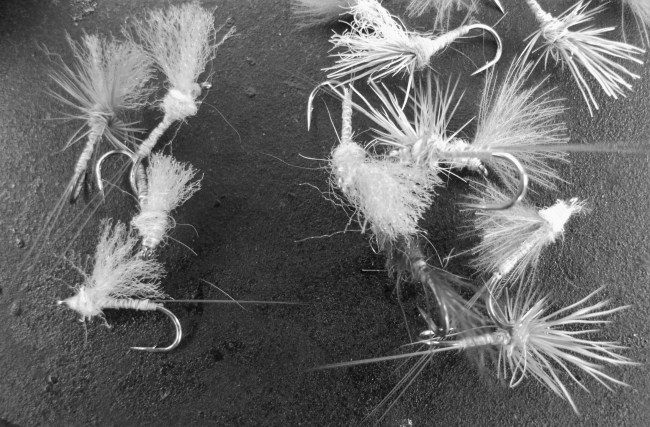
Simple Pale Morning emerger and dun patterns that I’ve been casting this summer. This hatch is still going  quite strong on a few nearby tailwater rivers. And some small grasshopper flies I hope to use in the upcoming weeks.
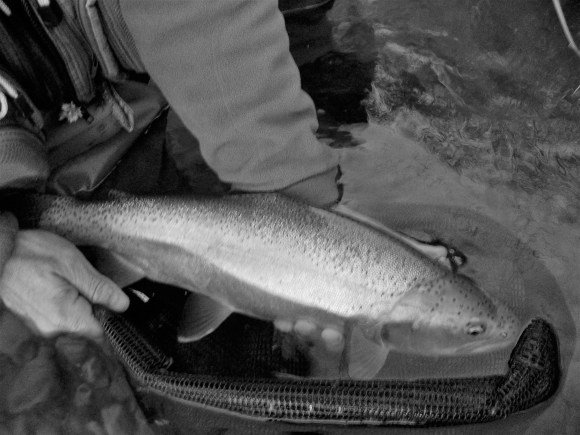
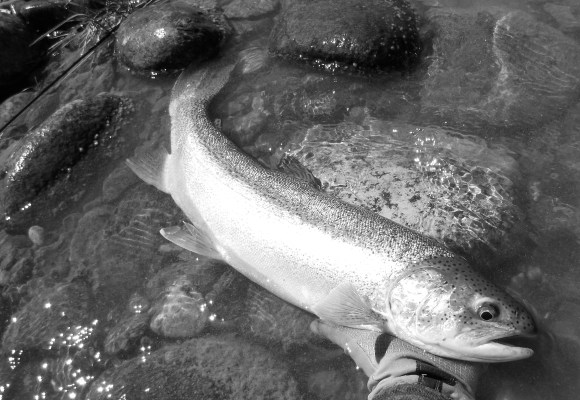


coulee trout

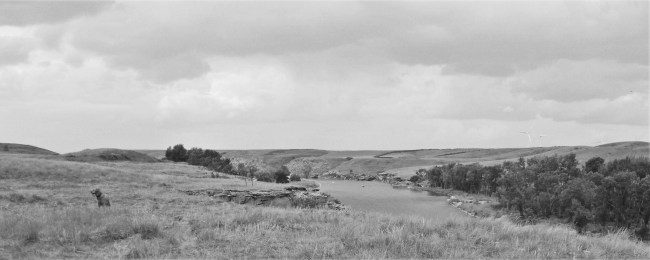
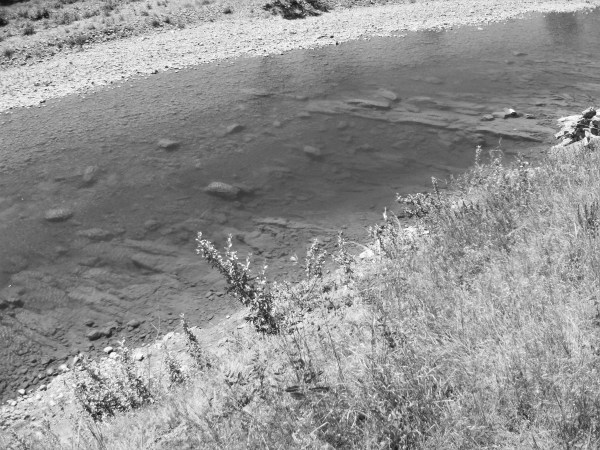
Sunlight finally fills the ravine. The river can now be searched from above. Climb out and up. Follow a deer or cattle path. Perch on the edge. Watch for life. Look for movement in the flow. Then drop back down…

DSCN5125x

DSCN5143

brown taken on size 16 pmd

DSCN5121

DSCN5130

DSCN5148

DSCN5120

DSCN5151x

looking west; continental divide

DSCN5146x

rainbow on pmd

DSCN5117


one week in july

14 (1)

Joe F. – best of the week

One week in July. Summertime. A visiting friend. Chasing trout. Walking. Wading. Watching. Sight-fishing. Three rivers visited. Two fished regularly. One in the day. The other in the evening. A fishing rhythm. Trout on small dry flies: size 16, 18 Pale Morning Duns; small beetles; ant patterns. A few taken sight-fishing nymphs. Some good ones caught. Some good ones lost. A fly rod found. The owner found.

12 (2)

trout-spotting from the bank

Outside all day. Then back at it in the evening. A good week.

One week in July…

10 (1)

16 (1)

crowsnest rainbow caught by Joe F

2 (1)

my best rainbow

8 (1)

low water sight fishing

12 (1)

half day on a pond

14 (2)

10 (2)

small dry flies

8 (2)

7 (1)

brown trout

16 (2)

2 (2)

6 (1)

4 (2)

7 (2)

6 (2)

4 (1)


An evening on the Crow

The Crowsnest. A small river. Really just a stream. Beautiful. Some call it the perfect trout stream. Home to impressive rainbows. The closest river to my house. A walk away.  When summer takes hold and small flies hatch, its large trout slide into the slow/soft water areas and feed subtly. Often in shin deep water or even less. Here’s one that was located the other evening in the shallows…taken on a beetle.

DSCN5014

DSCN5013 (2)

DSCN5012 (2)

summer, sort of

Over the long weekend I went to 3 rivers to see how they are shaping-up. It was unsettled weather: cool and high winds. The dry-fly fishing is improving daily. Hatches are strengthening. Some trout are willing to rise. Here are some photos from Saturday’s outing. All trout taken on small dries under a big sky…

DSCN4994 (2)

DSCN4991 (3

DSCN5001 (3)

DSCN4993 (2)

DSCN5005 (2)

DSCN4999

DSCN5003 (2)

brown trout

DSCN5004 (2)


the riffles

DSCN4986 (3)

a riffle trout

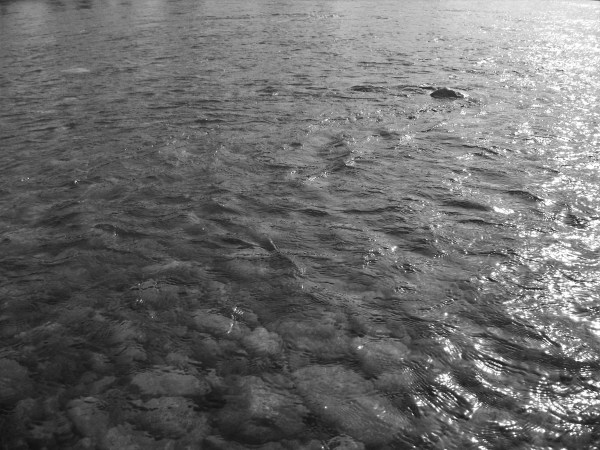
When looking for rising trout I watch the flat water river sections first. That’s where they are easiest to spot. If there is no activity then I search the riffles. Trout in this location are much more challenging to find due to the water being broken and faster. Throw in river glare and spotting can be especially daunting. So I focus on very shallow sections. Often  water just six inches to one foot depth. Large trout feeding sub-surface in very skinny water occasionally break the surface, and therefore make noise and notify you that they are around. Sometimes it’s barely perceptible above the constant sound of the flowing water. But you get good at hearing it. You just have to stay in one place for a while and listen. Large trout in the shallow riffles also push or displace water as they intercept nymphs and emergers, and occasionally rise for a dun. Their feeding can disturb and slightly change the riffle surface pattern. Again, almost imperceptible. You have to concentrate and watch the water to notice. It’s all subtle. You have to observe and concentrate…kind of the key to learning and becoming a better fly angler or really a better anything.

DSCN5008 (2)

riffles

The trout in these ultra-shallow areas can often be enticed to take a dry-fly or a dangling emerger pattern. On my broad local tailwater river fish hooked in the riffles sometimes have to sprint 40, 50, 60 yards before they get to the main deeper flow. Thrilling first runs. Thrilling stuff.

DSCN4987 (2)

simple dangling fly, black wing for glare

Of course an angler can fish the riffles blind by swinging a streamer or prospect with a nymph below a strike indicator, or below a big dry-fly. These can be effective ways to cover these bumpy areas and catch trout.

I find spotting them first before casting, however, requires all of your senses and observation skills, and the practice further develops and hones your angling abilities. A decade ago I would have walked by the riffle stretch I fished this past Sunday afternoon and spotted nothing. It’s the same now as it was then…but now I see (and hear) more.

DSCN4985

trout in riffles