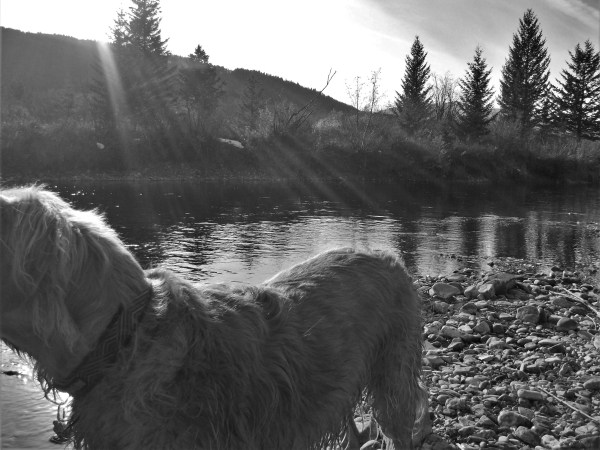
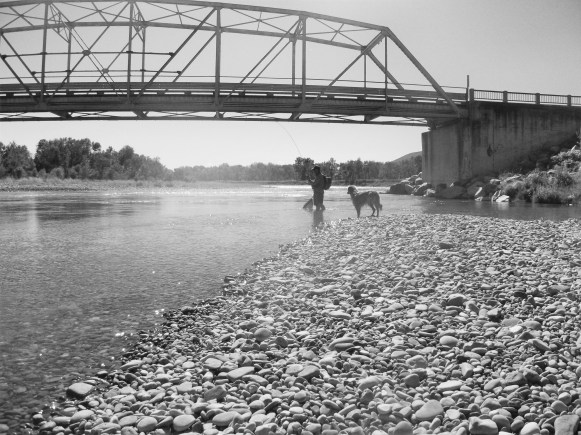
Nice weather for a change. Light sweater conditions in the afternoon and minimal wind. The dry-fly season on the Crowsnest river has been extended a little. Finding rising fish is getting harder but there are still some around. Bug life is weak but there are just enough midges and small olives around to entice some good fish to feed on the surface with the low, slow, clear water conditions. The river is still producing if you’re willing to hunt. I walked it this past Sunday. It’s an afternoon game. The low arcing Autumn sun creates long afternoon shadows and the trout like feeding in these darker river sections once (if) the bugs get going.
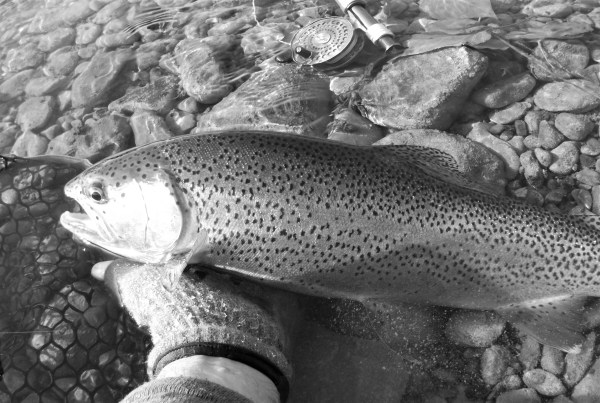
I started fishing the Crowsnest river in 2001. Seventeen years later it still amazes me the quality of the trout that inhabit it given its size. Best of all you can search for them with your eyes and try to fool them, often in the shallows, with small dry flies. You get to watch the trout react to your impression; you get to see it all unfold. Engaging, visual angling. It’s why I fly fish…
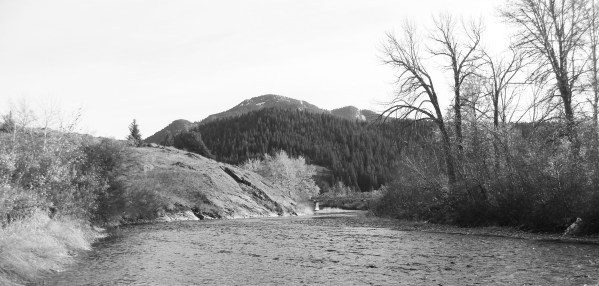
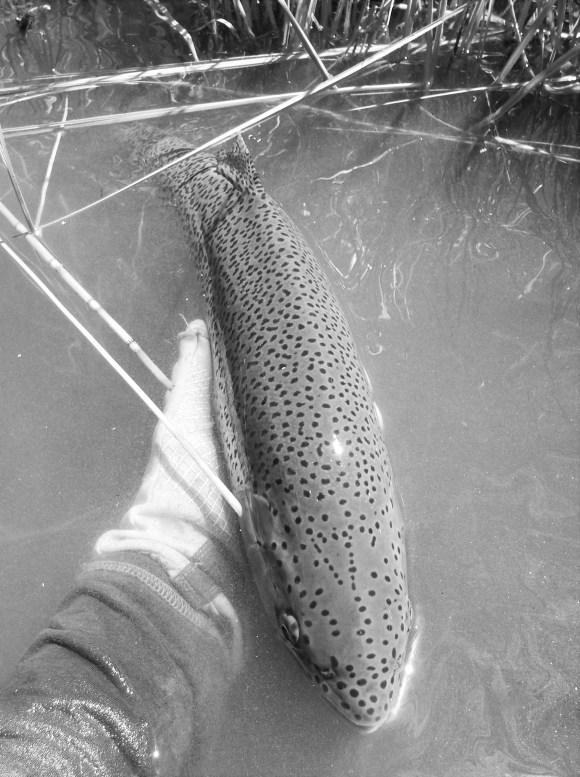
Here’s a nice Crowsnest rainbow that was located feeding on a shadowy bank. Caught on a size 18, BWO hacklestacker pattern.
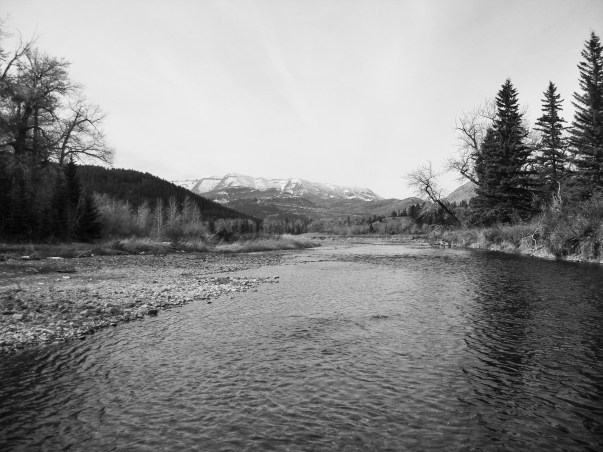
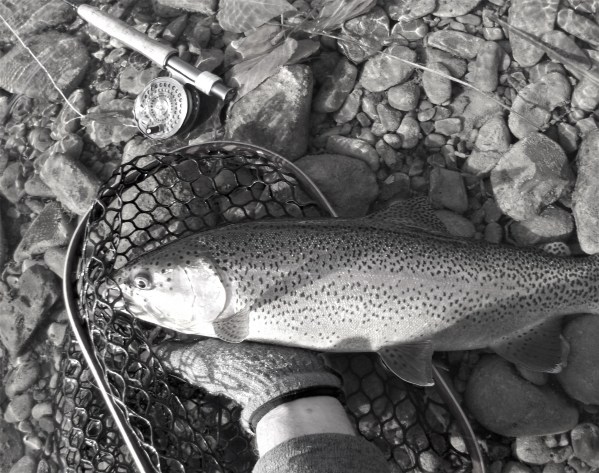
same rainbow

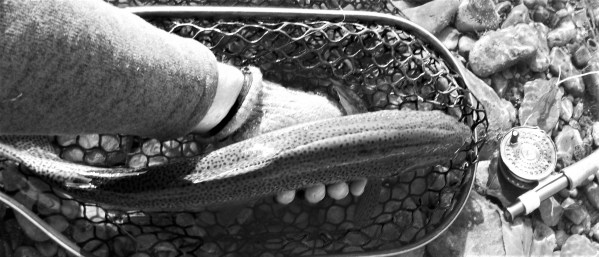
SOMEone flipped the switch at the end of August. September has been real cold so far. SOME mornings snow at elevation. SOME mornings right around zero. SOME mornings even colder. On Saturday it was 3C pretty much all day and foggy. SOME good Baetis hatches. SOME good fish have been looking up. SOME selective. SOME very, very selective. SOME frustration getting them to commit. SOME failure. SOME success. SOME brown trout. SOME photos from past two weekends. All trout, not SOME, taken on size 18 BWO’s.


size 18 BWO’s


taken on hacklestacker BWO, size 18

focused river guide

broad tailwater and wind

low challenging clear water on crowsnest river, fish landed below

classic crowsnest river rainbow

same brown below


brown trout on size 18 parachute BWO
Sliding into Autumn. Pale Duns have had their day. Blue Winged Olives are just starting. A few Mahogany may flies around too. The dry-fly angling has been challenging during the transition. Visited four very different rivers over the past few weekends. It was hard to find rising fish. Had to walked a lot and search. Not easy. Not many opportunities. Caught a few nice ones. Missed a couple. Time spent roaming around beautiful SW Alberta in search of trout is always enriching…
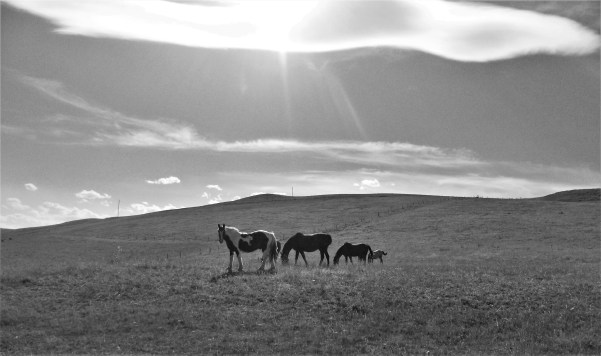
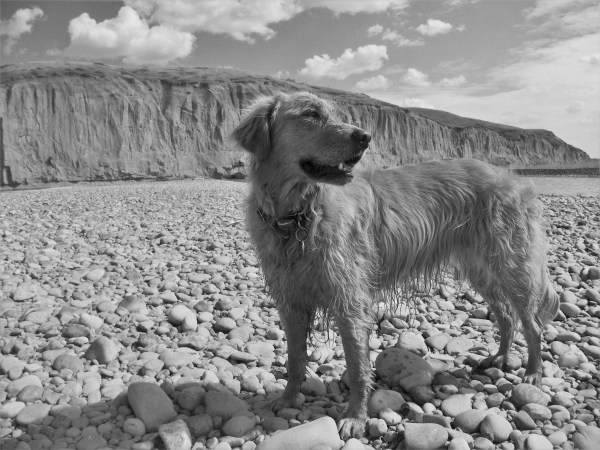
Underdog without cape
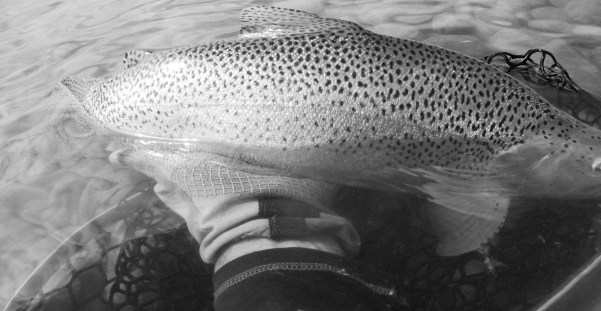
cuttbow, I believe
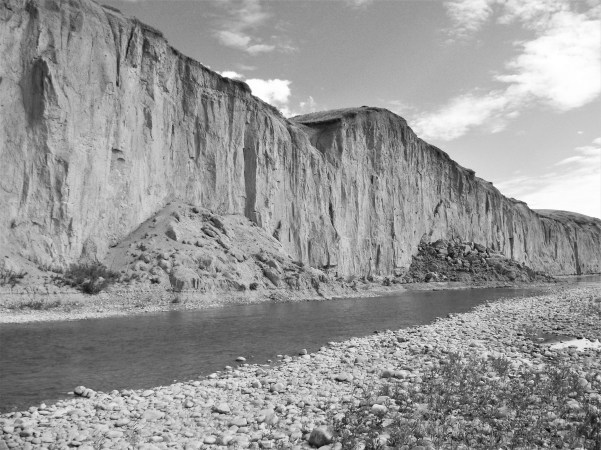
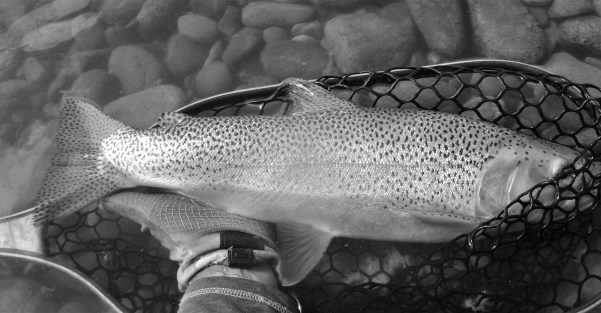
same thick cuttbow caught on size 16 mahogany

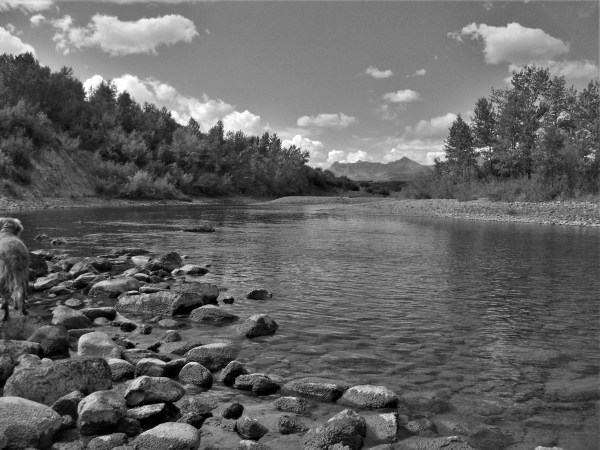
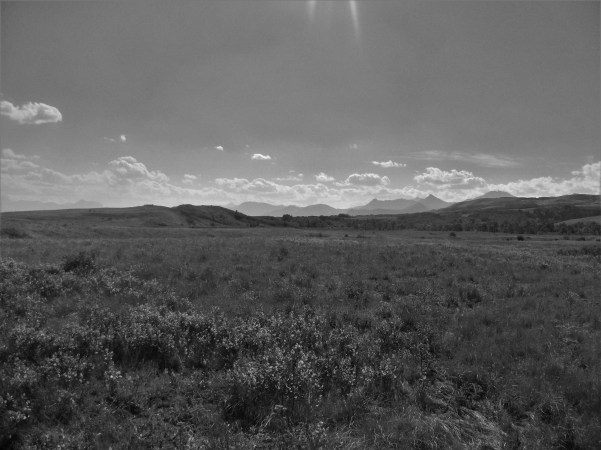

great rainbow
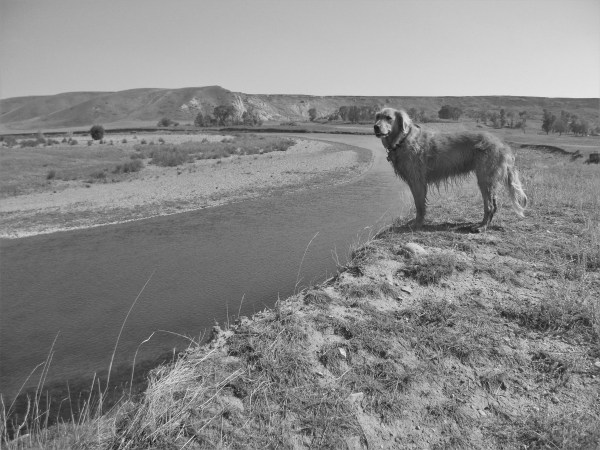
trout spotting

size 18 flies
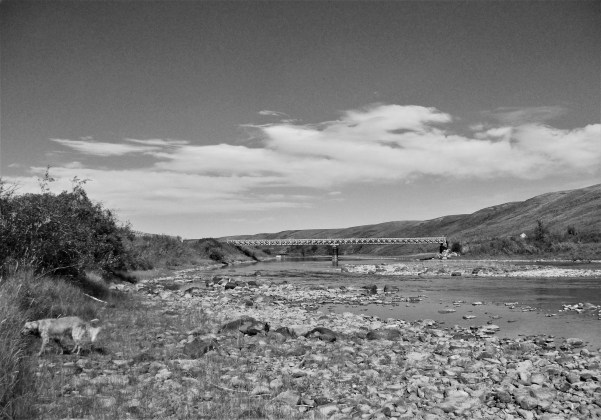
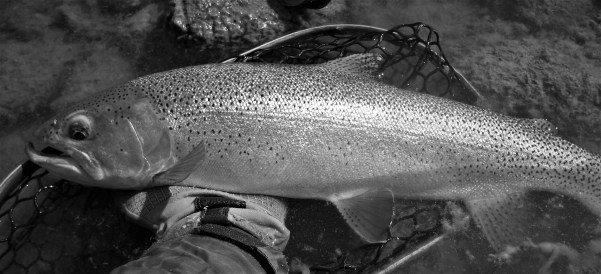
same rainbow, on size 18 hacklestacker bwo
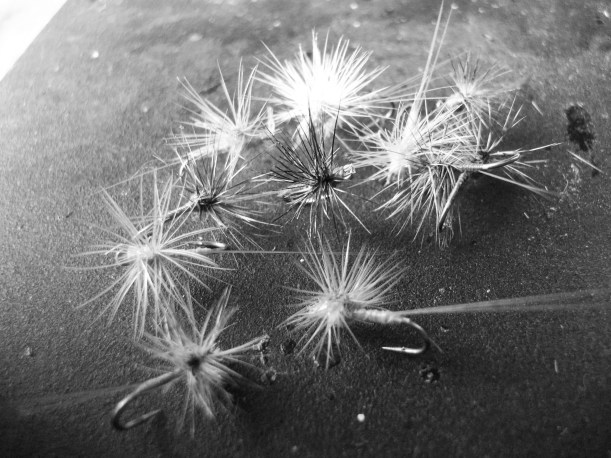
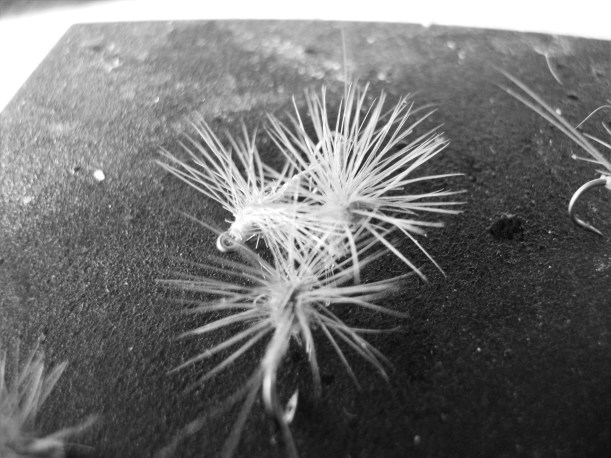
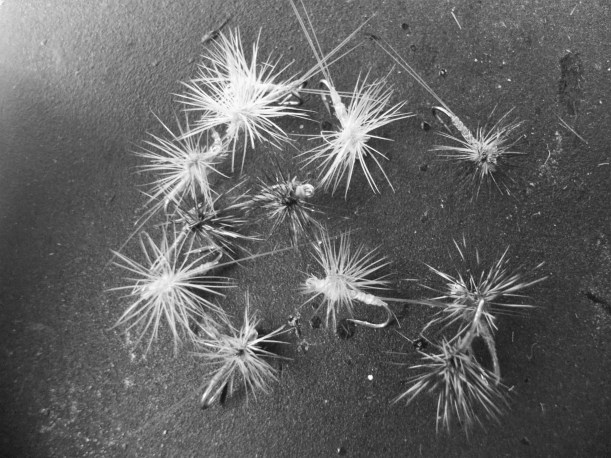
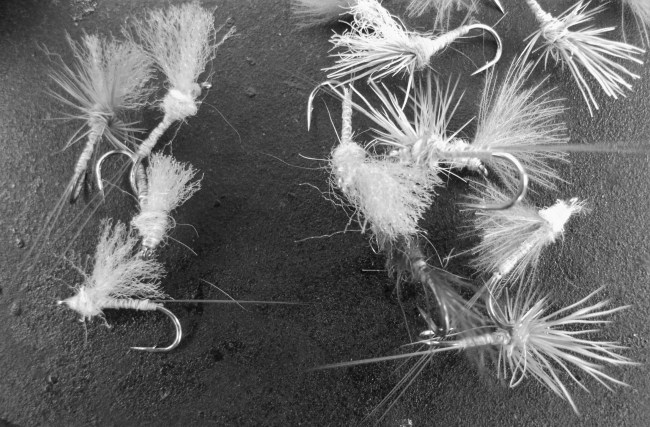
The Hacklestacker. A creation of Bob Quigley. An innovative fly tier who is unfortunately no longer with us. Over time I’ve learned that his creations such as the Hacklestacker, Quigley Cripple, Film Critic and other patterns, can fool some very picky (selective) flat water trout. Here are some PMD and BWO Stackers all tied on size 18 hooks; with size 18 or size 16 hackle.
August. Smoke everywhere. It keeps coming. It’s blocking the sun. There was an evacuation alert (fire) the other day. No rain in sight. That’s bad. Cooler recently. That’s good. I just spent one week walking a nearby river in the Coulees. Challenging breathing. Challenging angling. Small fly stuff: size 18 dries and emergers… Pale Morning Dun mayflies and small Caddis. Most fish were on emergers. Real daunting angling. Some were found sipping on duns. My best fish were taken on duns.
Early in the week I missed several great trout. A hand-tied leader popped mid-section on a biggie; on more than one occasion fish wedged my line between river bottom boulders and freed themselves; several powerful trout on reel screeching first runs cut me off on rocks in the low water conditions; a fly line got sliced and diced and rendered useless; I missed several connections as the small fly didn’t set once eaten, especially on the tiny emerger patterns I tied on Klinkhammer style hooks.
In frustration I talked to myself. I talked to my dog. I looked-up and talked to the sky. I hung in. I walked and searched, and fished my way through the slump. I made some adjustments and things eventually started to click.
I started connecting more consistently when I opened (slightly) the hook bend on my klinkhammer flies with hemostats and also slowed down my hook set. In the future I’ll tie on emerger/scud hooks. A less acute bend. I also tied on stronger tippet, especially when approaching a fish from above and casting down and across (fly first) to it.
The tailwater trout were selective. They would have nothing to do with ants, beetles, grasshoppers, and attractor patterns. They stuck to the main items on the menu. It was Pale Duns, small Caddis flies (mostly on the emerger stage).
The thicker the smoke the better the top water angling. Like clouds it intensified the hatches. And in the low light trout were more willing to surface. Even some of the bigger trout made an appearance.
It was some of the most demanding and best sight-fishing I’ve ever had. You simply couldn’t make any mistakes with the powerful trout in the low water conditions. An angling error meant a lost fish. Fish perfectly and you could still lose a fish. I lost my share. A few great smokin’ trout caught and released on tiny dries. Ridiculous! One memorable week in August…

beefy brown on dry
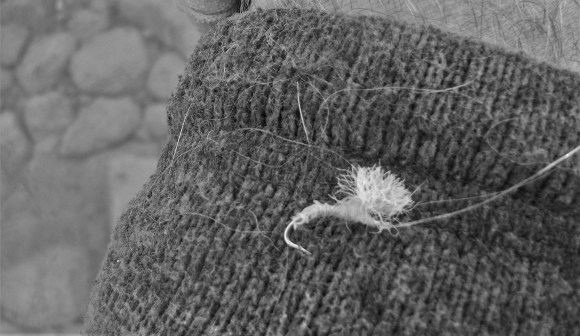
chewed pmd on sleeve

smoke- driving to river
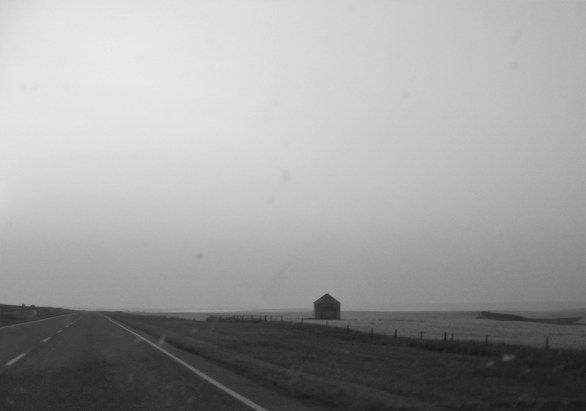
horizon of smoke

brown on pmd
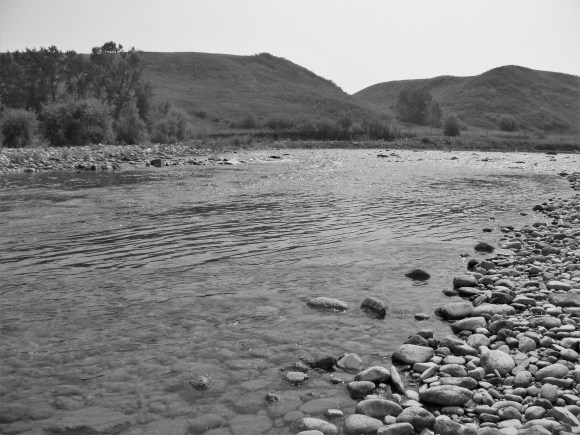
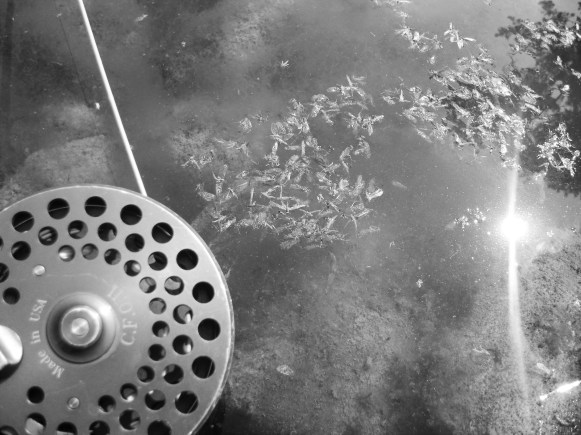
spent pmds
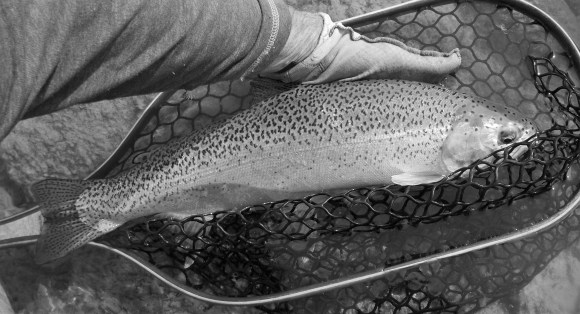
rainbow on pmd

abby riverside clearer day

brown trout
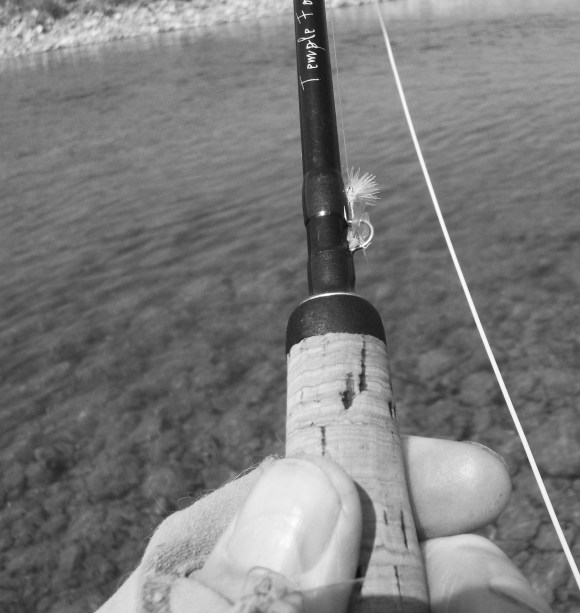
cdc pale dun
riverside cottonwoods
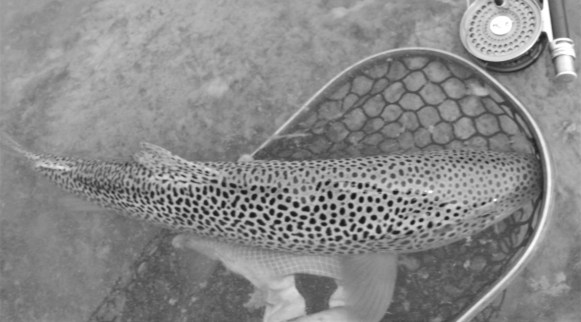
brown trout
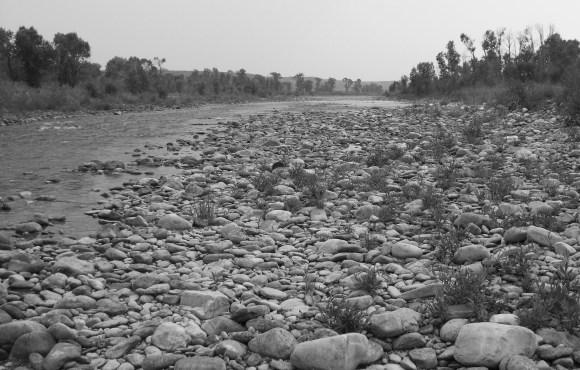
low water but cool
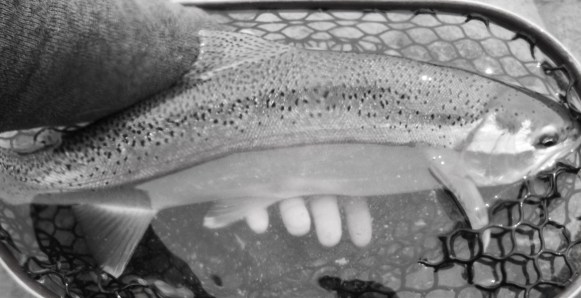
rainbows were thick
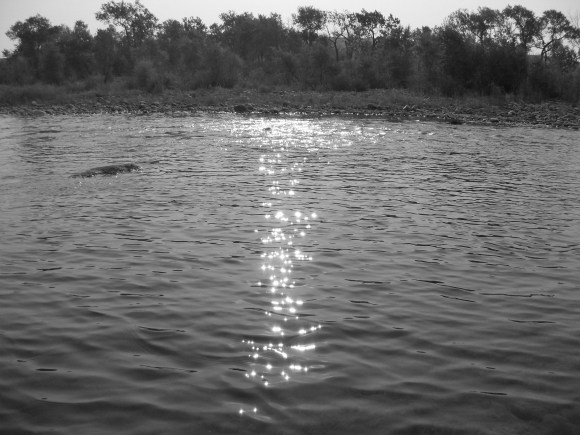
small flies and glare- tough combo
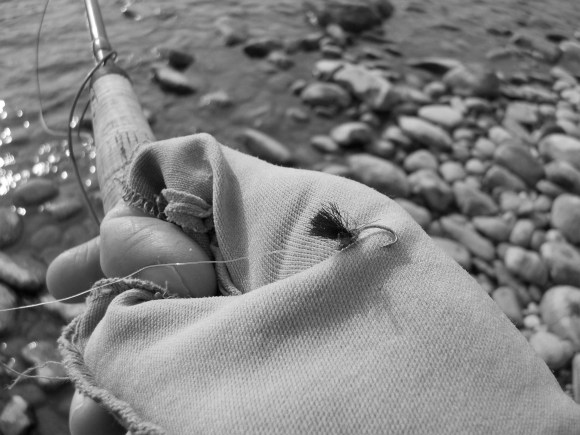
black wing for river glare
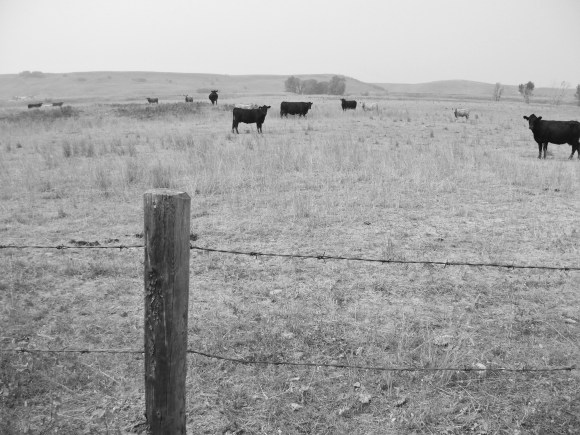
cattle in smoke
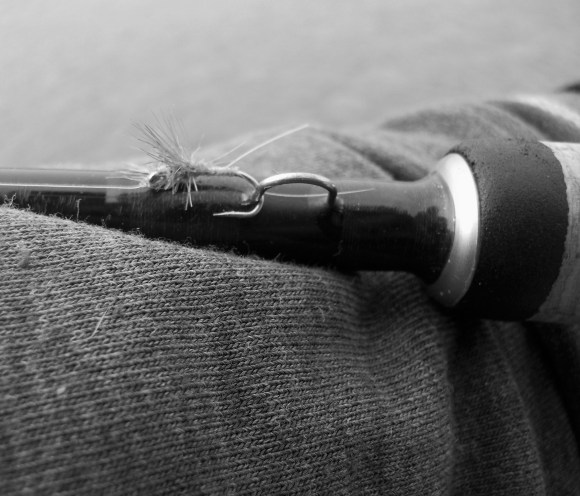
half hackle, size 18
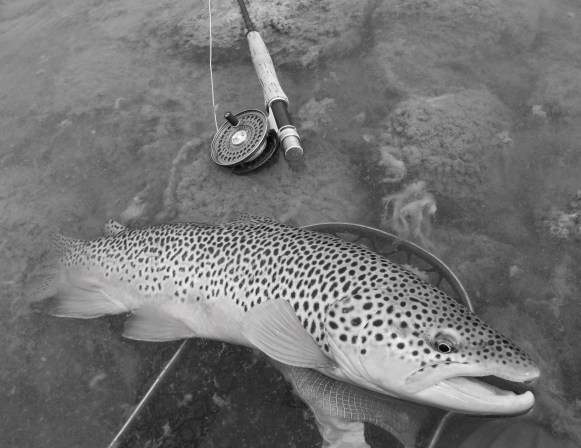
caught on size 18 half hackle
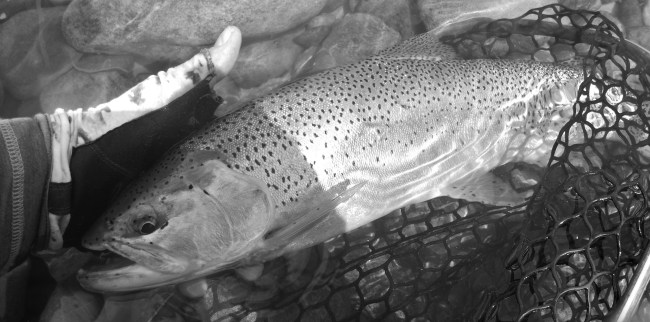
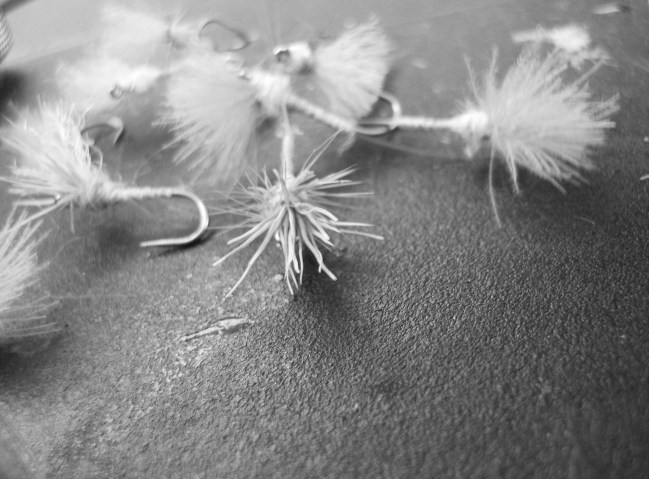
The flow has finally dropped on a local tailwater river. There are now many more targets for the dry-fly angler. Many of the softest feeders I spotted in the shallows were Cutthroats and the hybrid, Cutt-Bows. They were often much more demanding and discriminating than the other risers. It’s mainly small flies hatching, Pmd’s size 18, 16. Challenging at times…with the slower water many rise to duns.

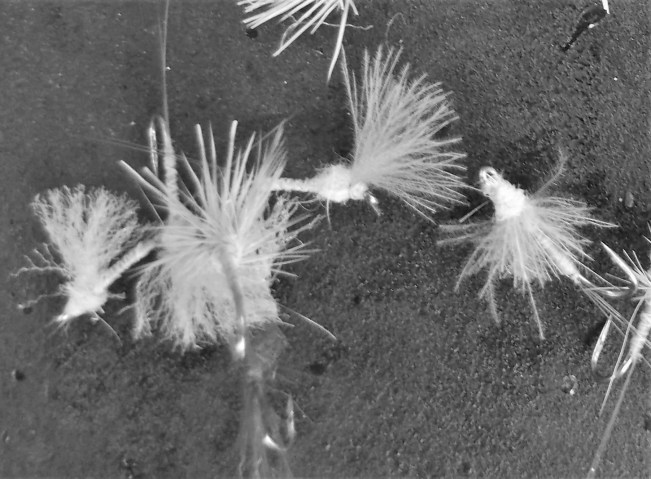
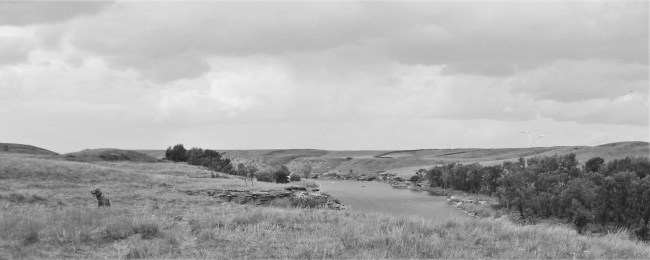
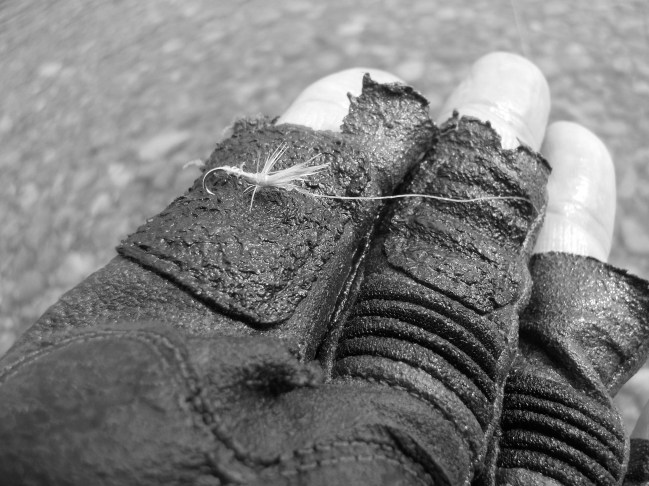

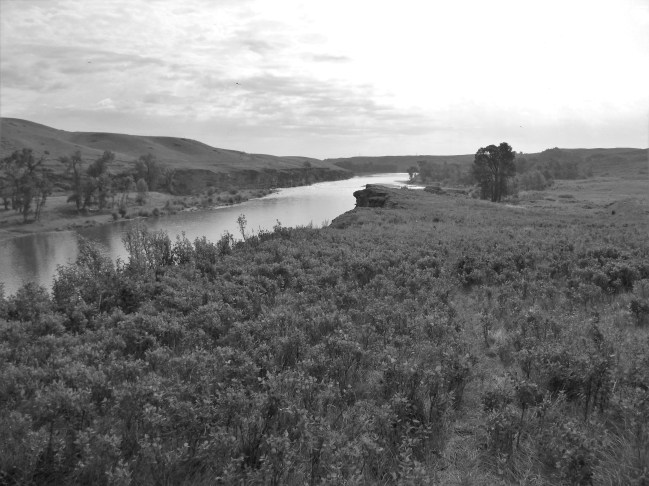

Sunlight finally fills the ravine. The river can now be searched from above. Climb out and up. Follow a deer or cattle path. Perch on the edge. Watch for life. Look for movement in the flow. Then drop back down…

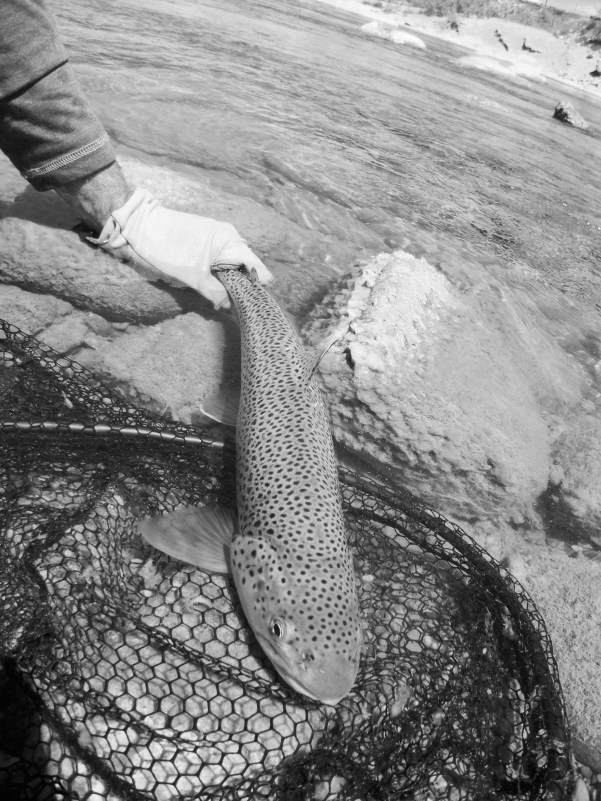
brown taken on size 16 pmd
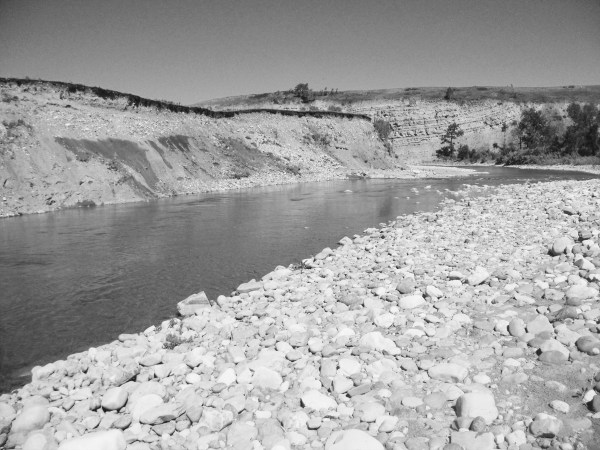
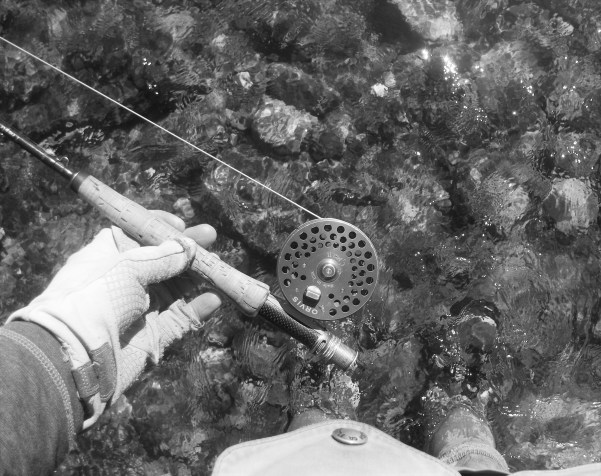
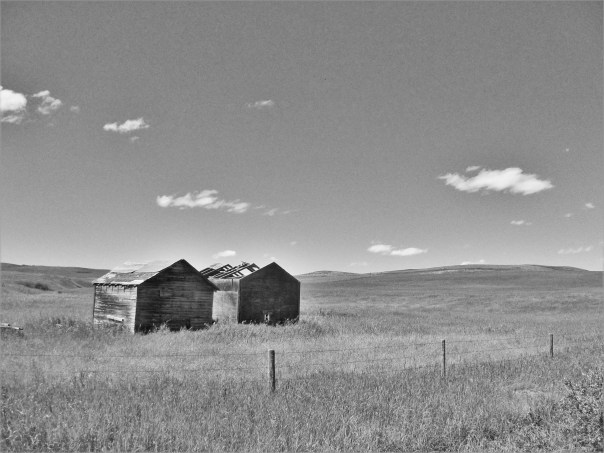
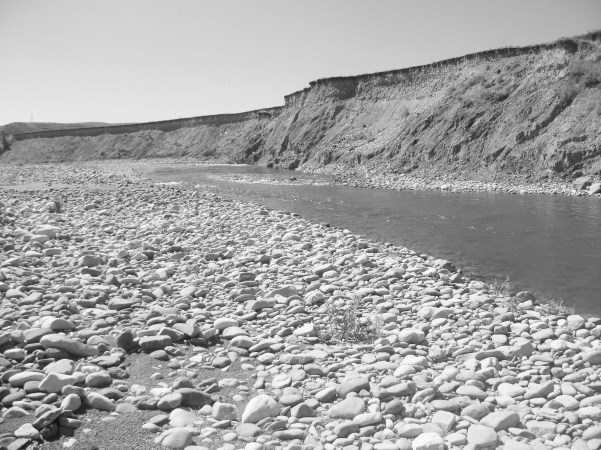
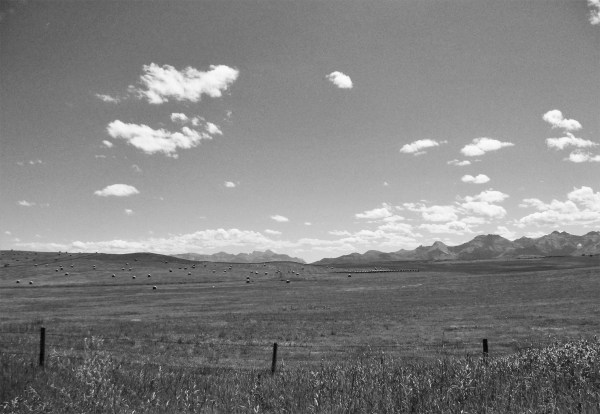
looking west; continental divide
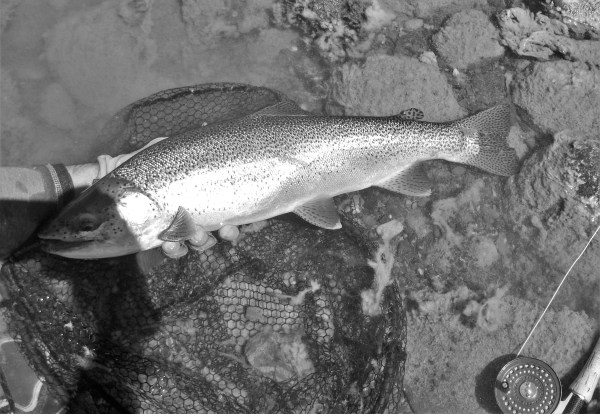
rainbow on pmd
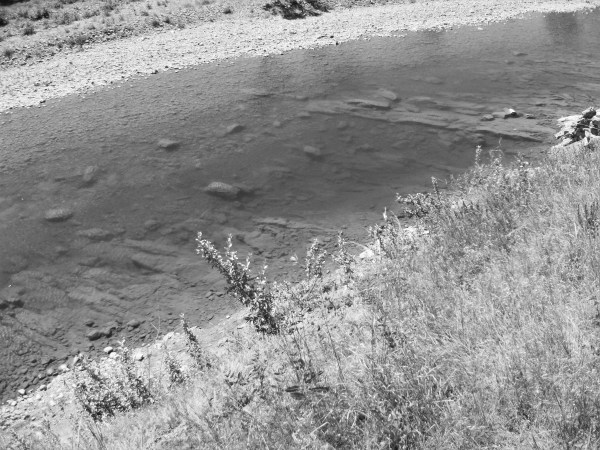
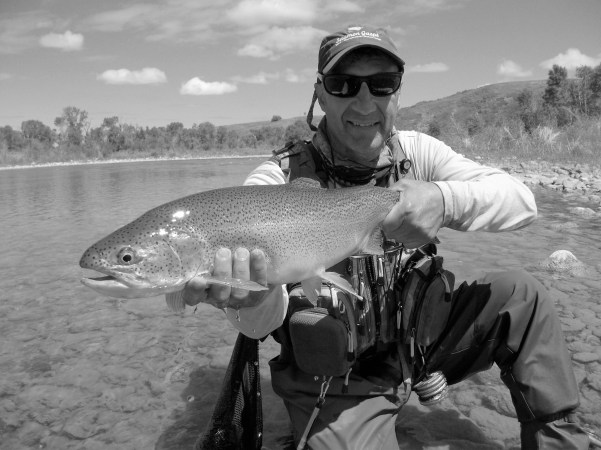
Joe F. – best of the week
One week in July. Summertime. A visiting friend. Chasing trout. Walking. Wading. Watching. Sight-fishing. Three rivers visited. Two fished regularly. One in the day. The other in the evening. A fishing rhythm. Trout on small dry flies: size 16, 18 Pale Morning Duns; small beetles; ant patterns. A few taken sight-fishing nymphs. Some good ones caught. Some good ones lost. A fly rod found. The owner found.
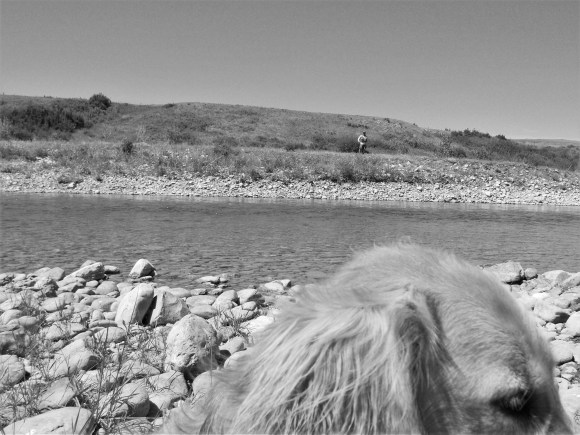
trout-spotting from the bank
Outside all day. Then back at it in the evening. A good week.
One week in July…
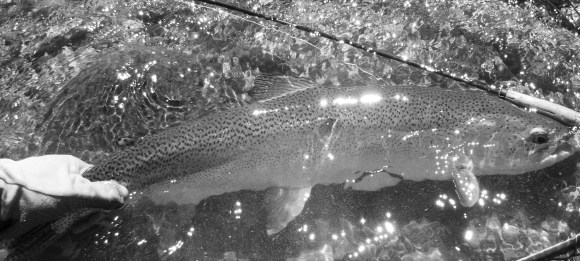
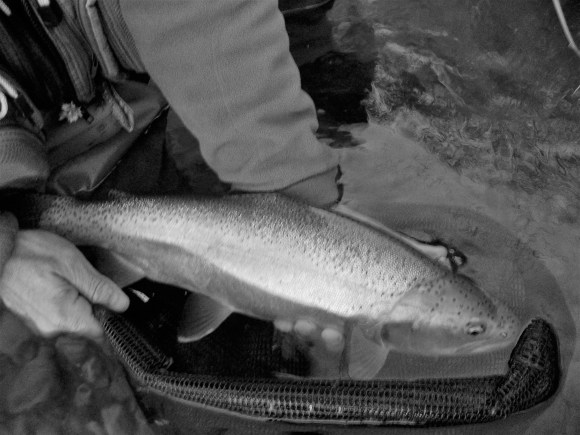
crowsnest rainbow caught by Joe F
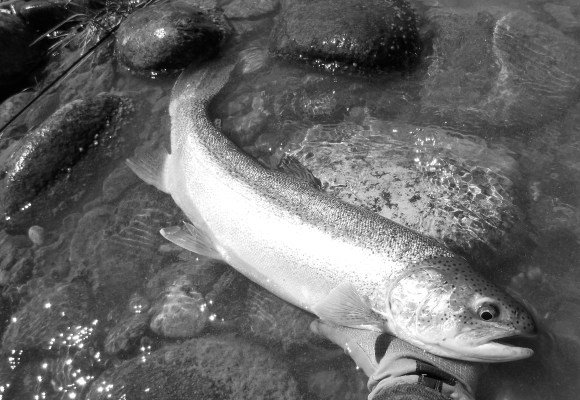
my best rainbow
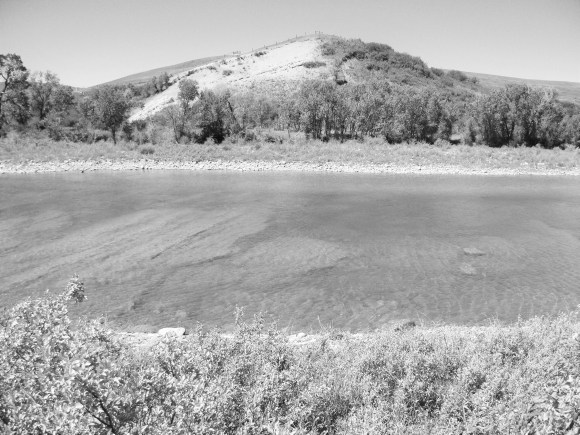
low water sight fishing
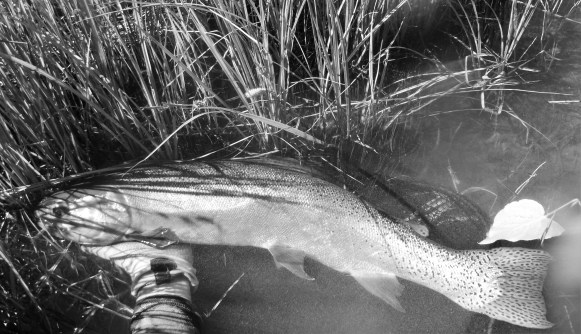
half day on a pond

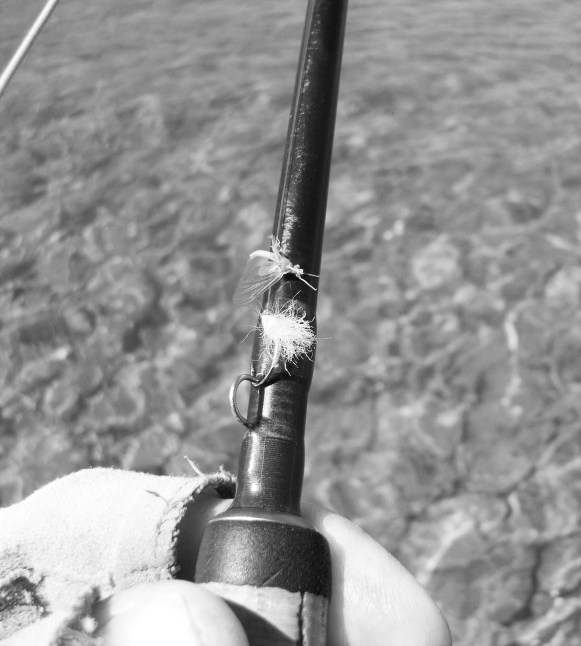
small dry flies
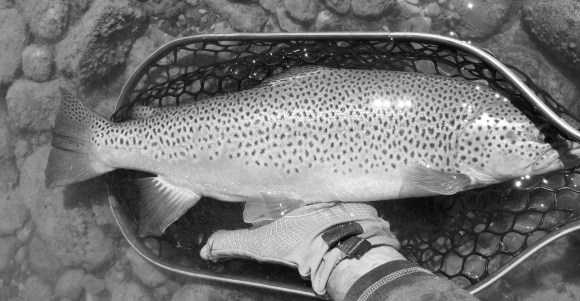
brown trout
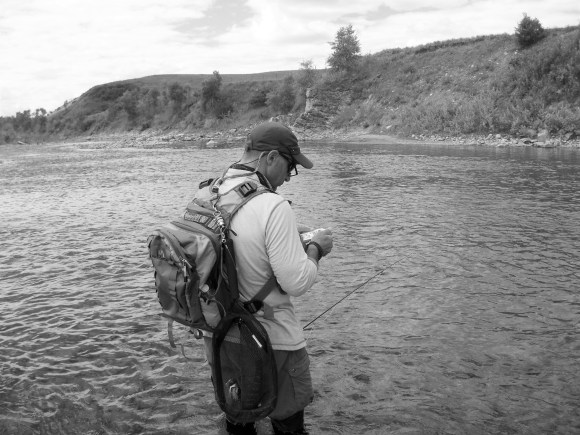
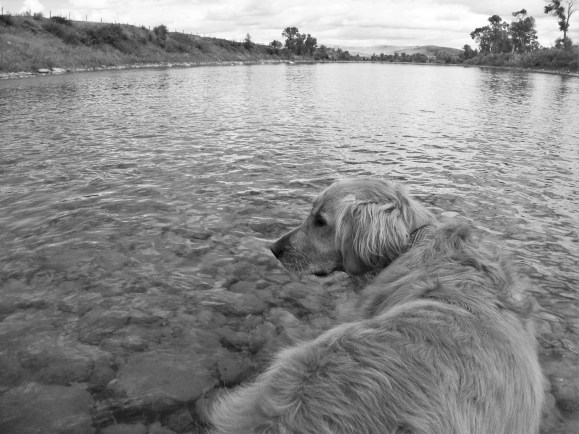
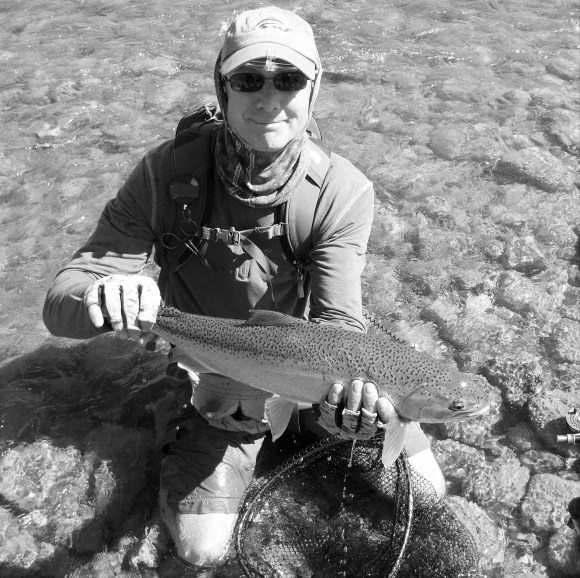

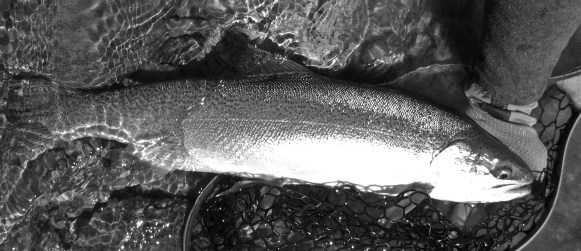
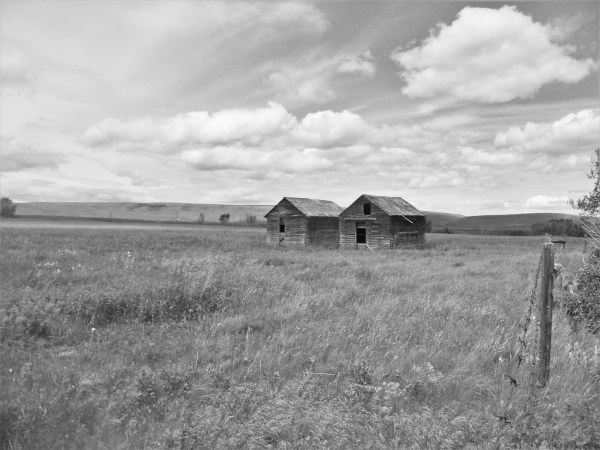
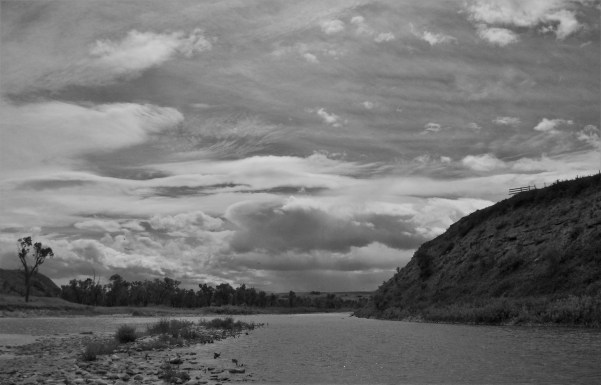
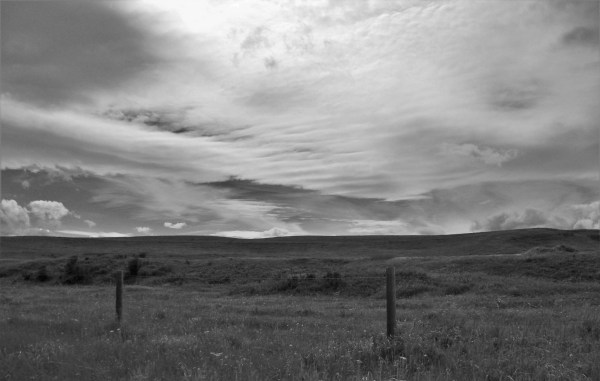
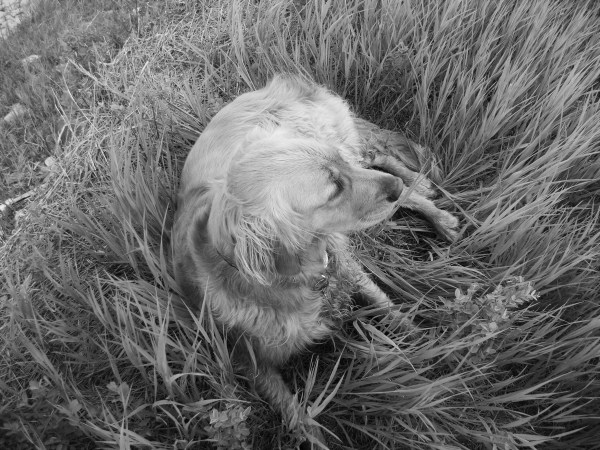
Over the long weekend I went to 3 rivers to see how they are shaping-up. It was unsettled weather: cool and high winds. The dry-fly fishing is improving daily. Hatches are strengthening. Some trout are willing to rise. Here are some photos from Saturday’s outing. All trout taken on small dries under a big sky…
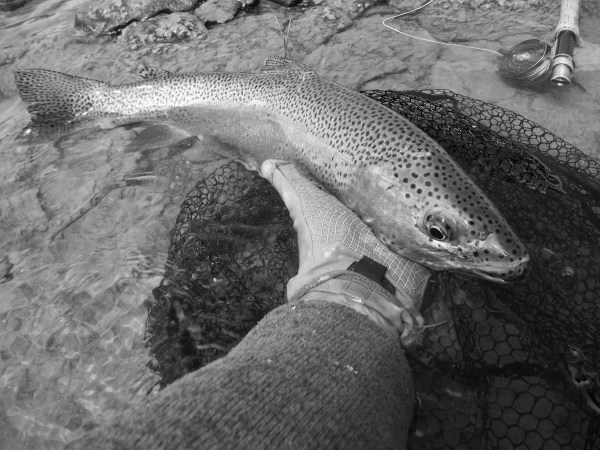

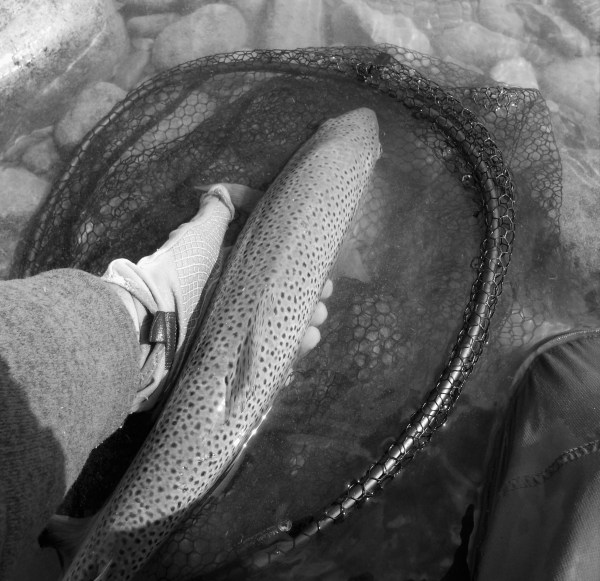
brown trout