Bonefishing for Trout

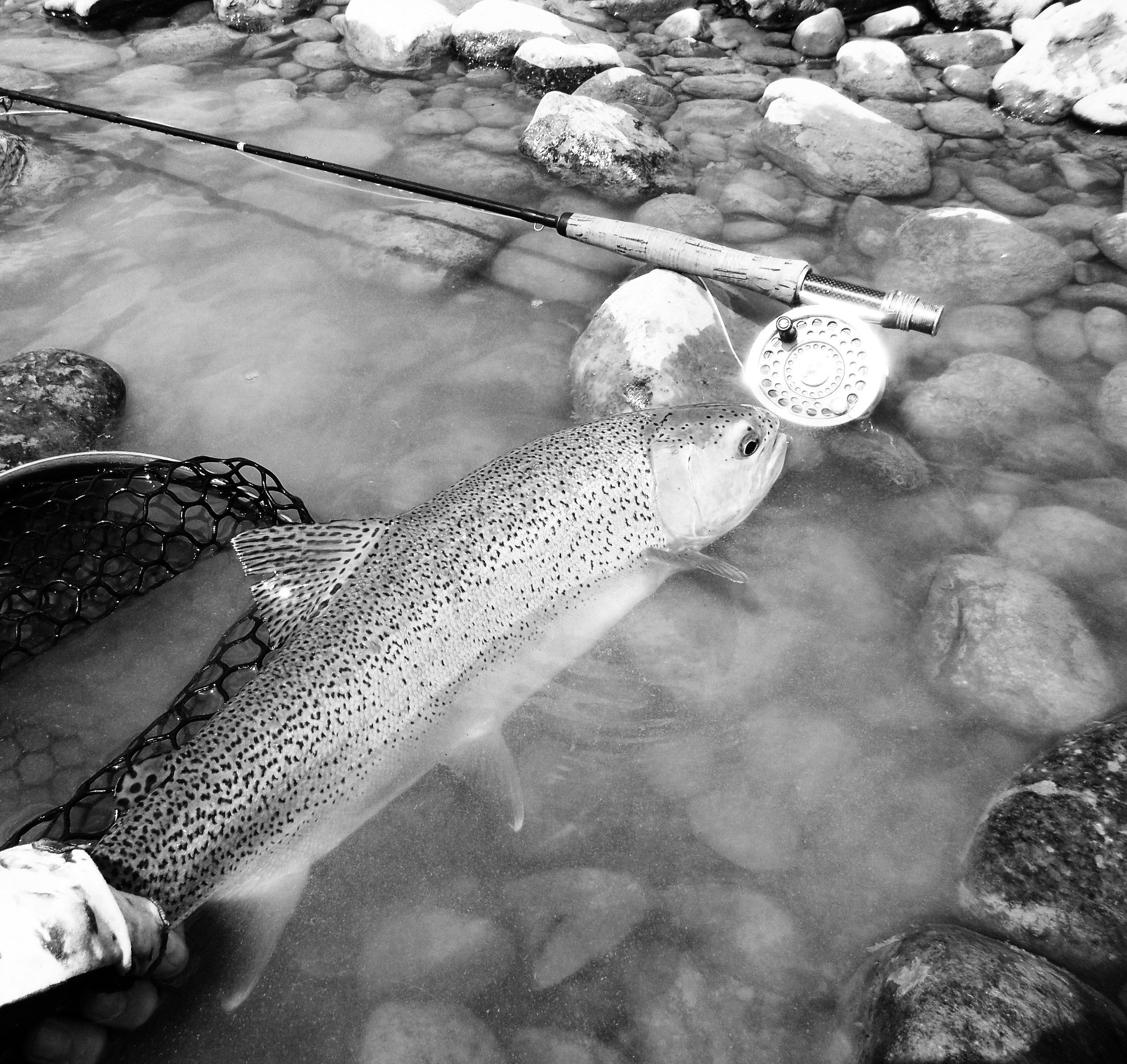
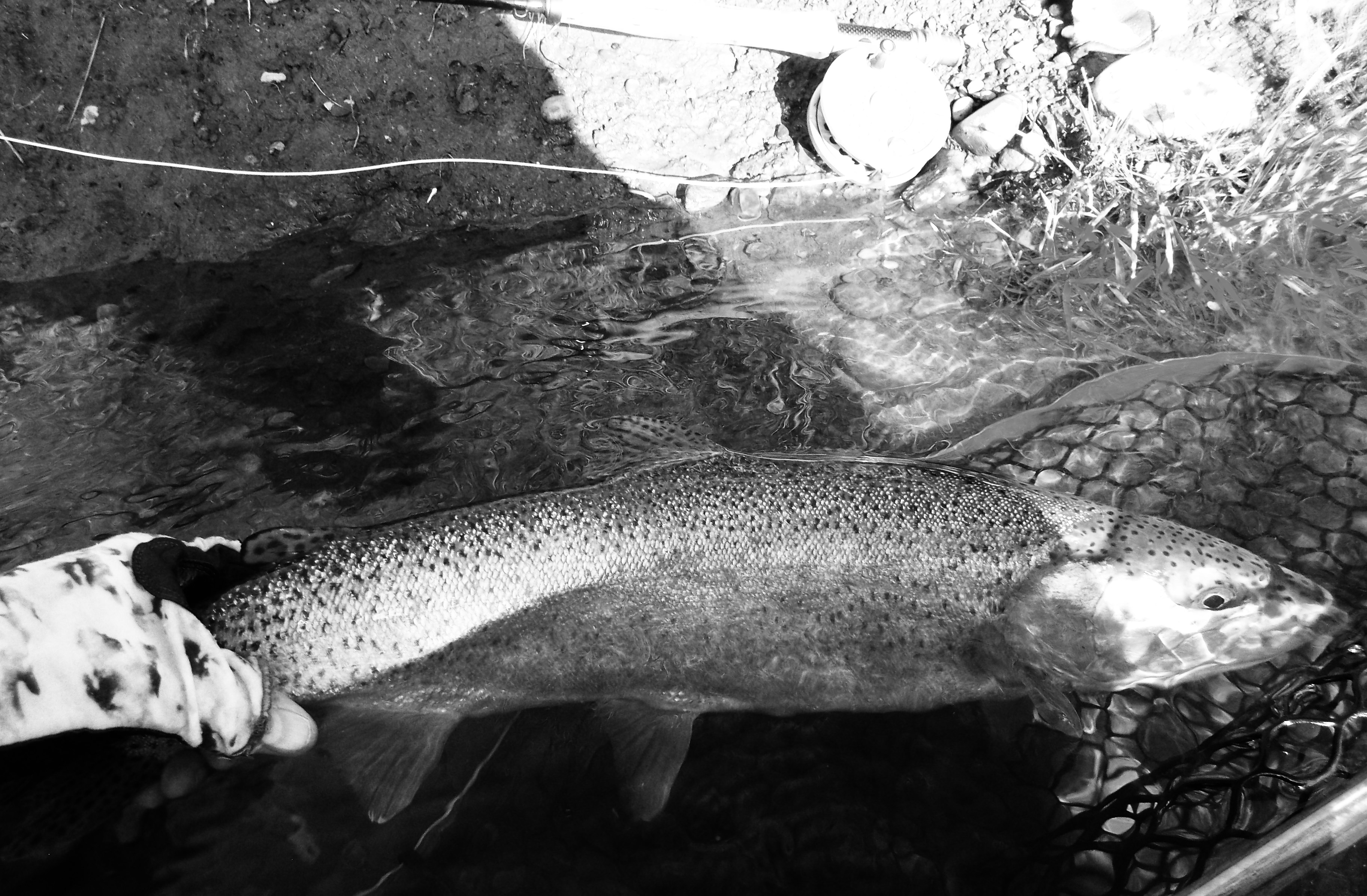
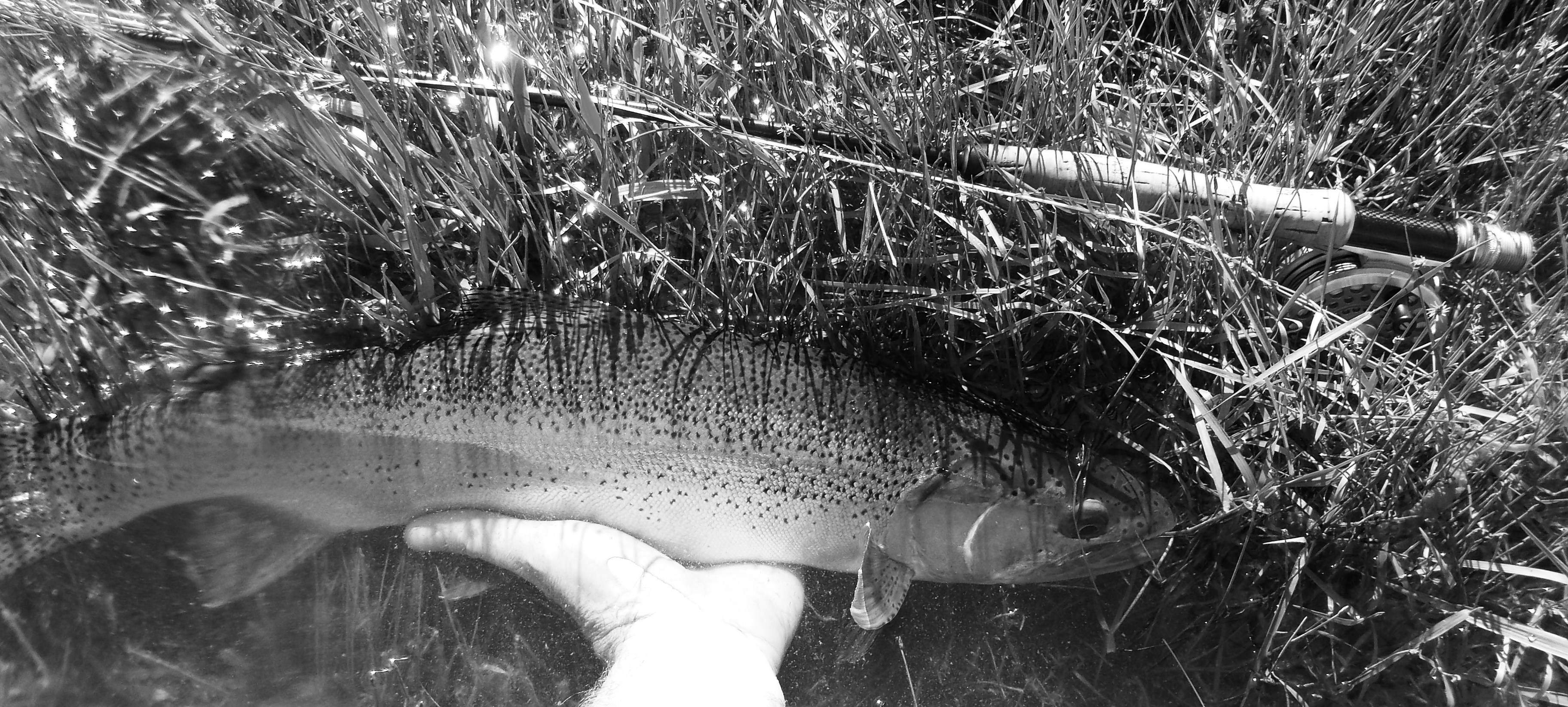
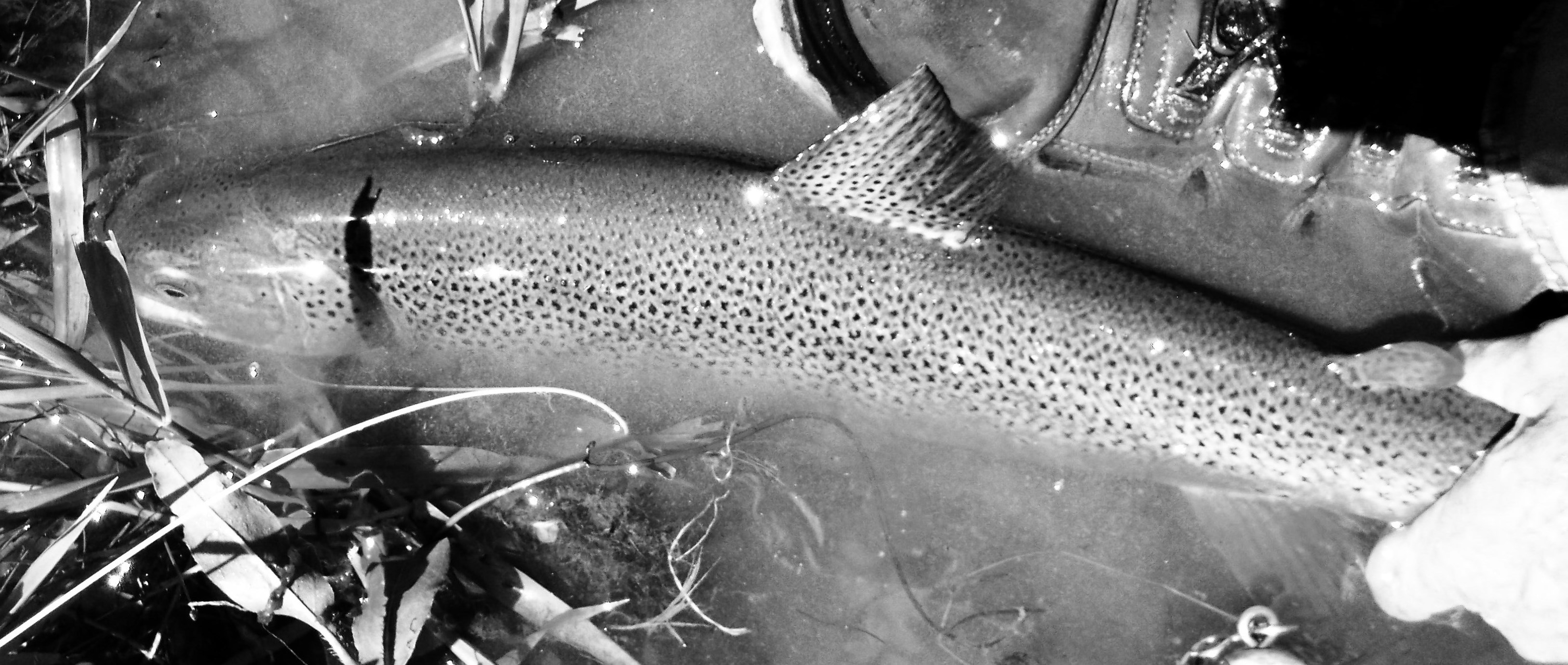
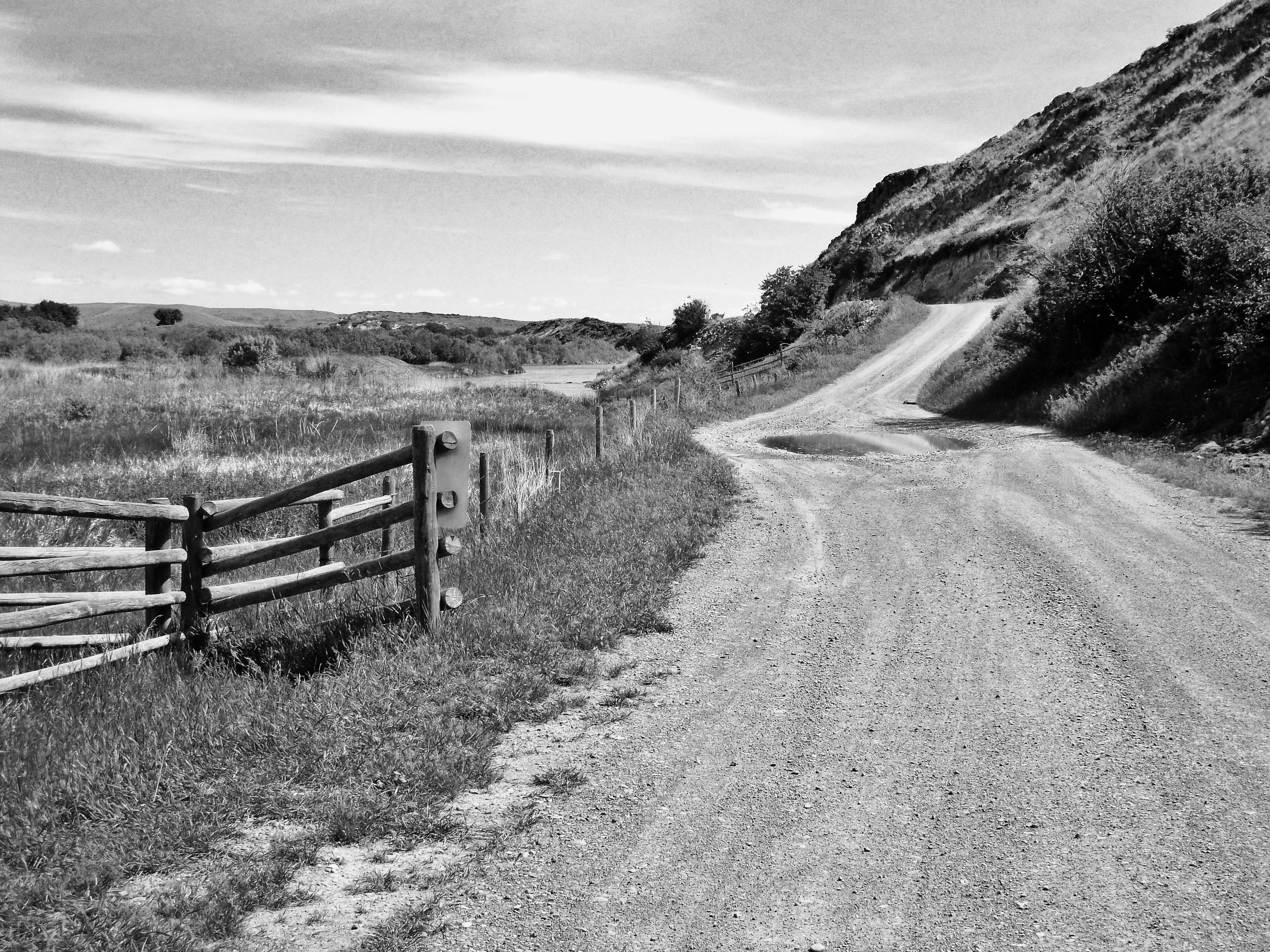
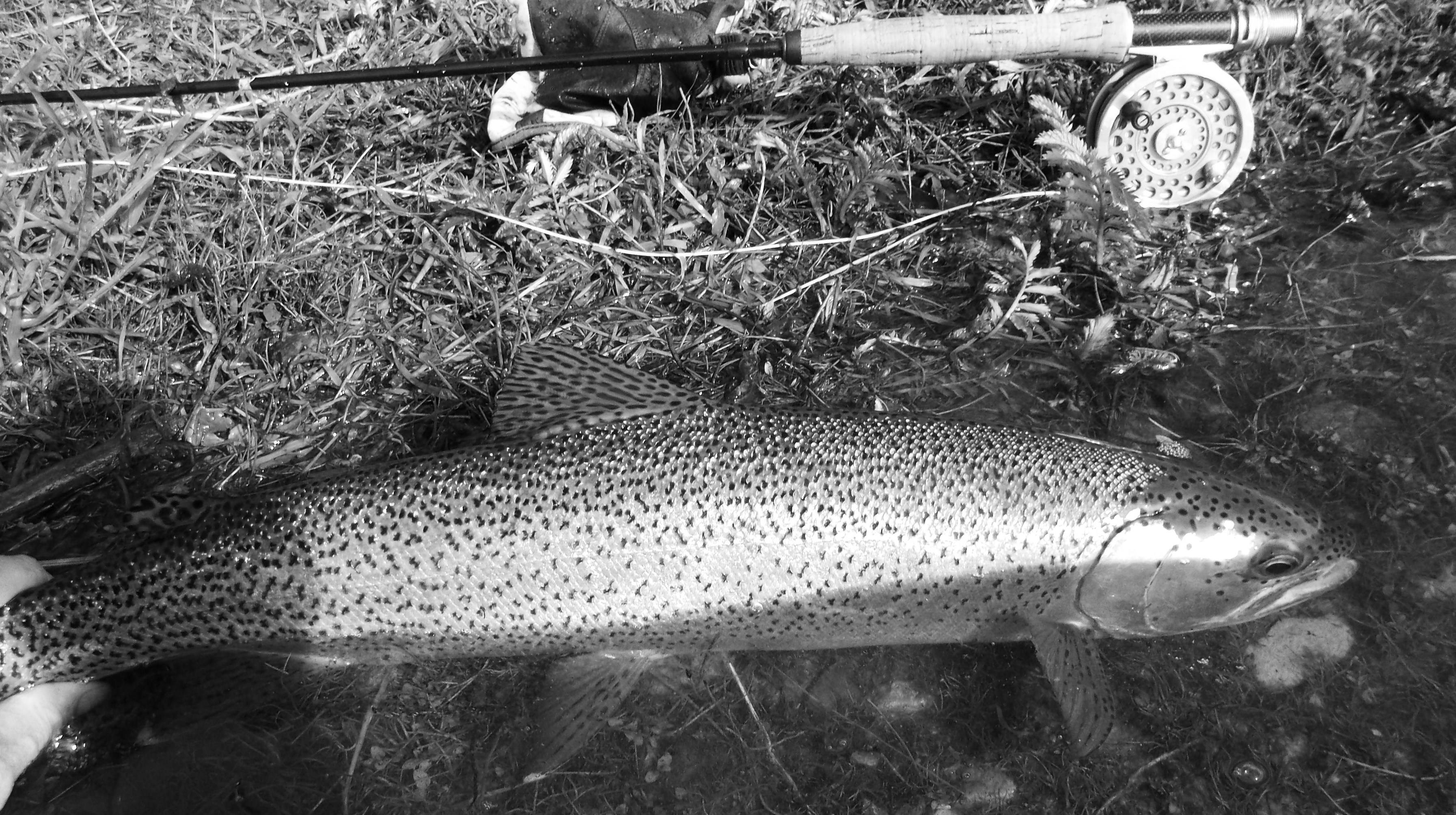
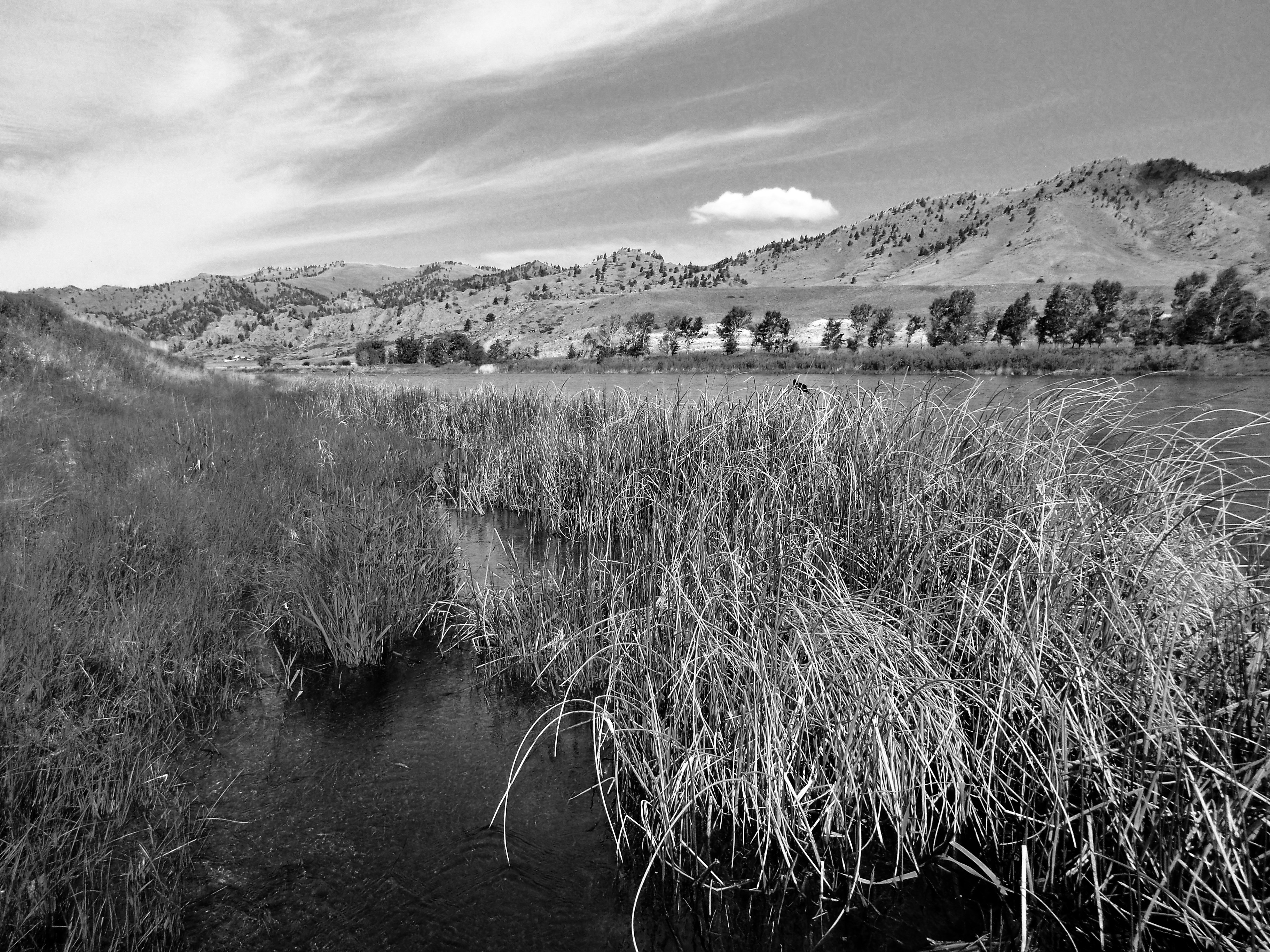
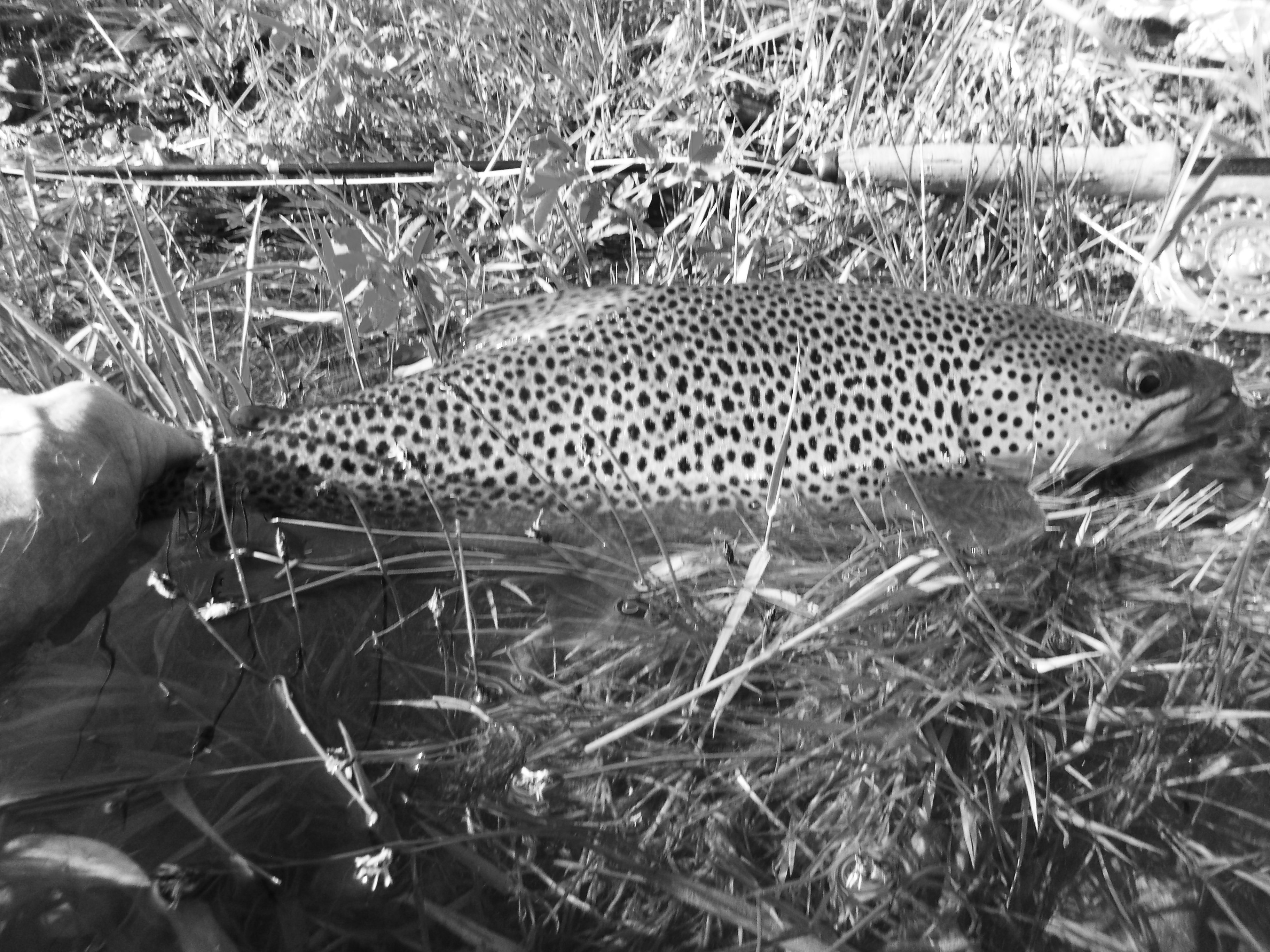
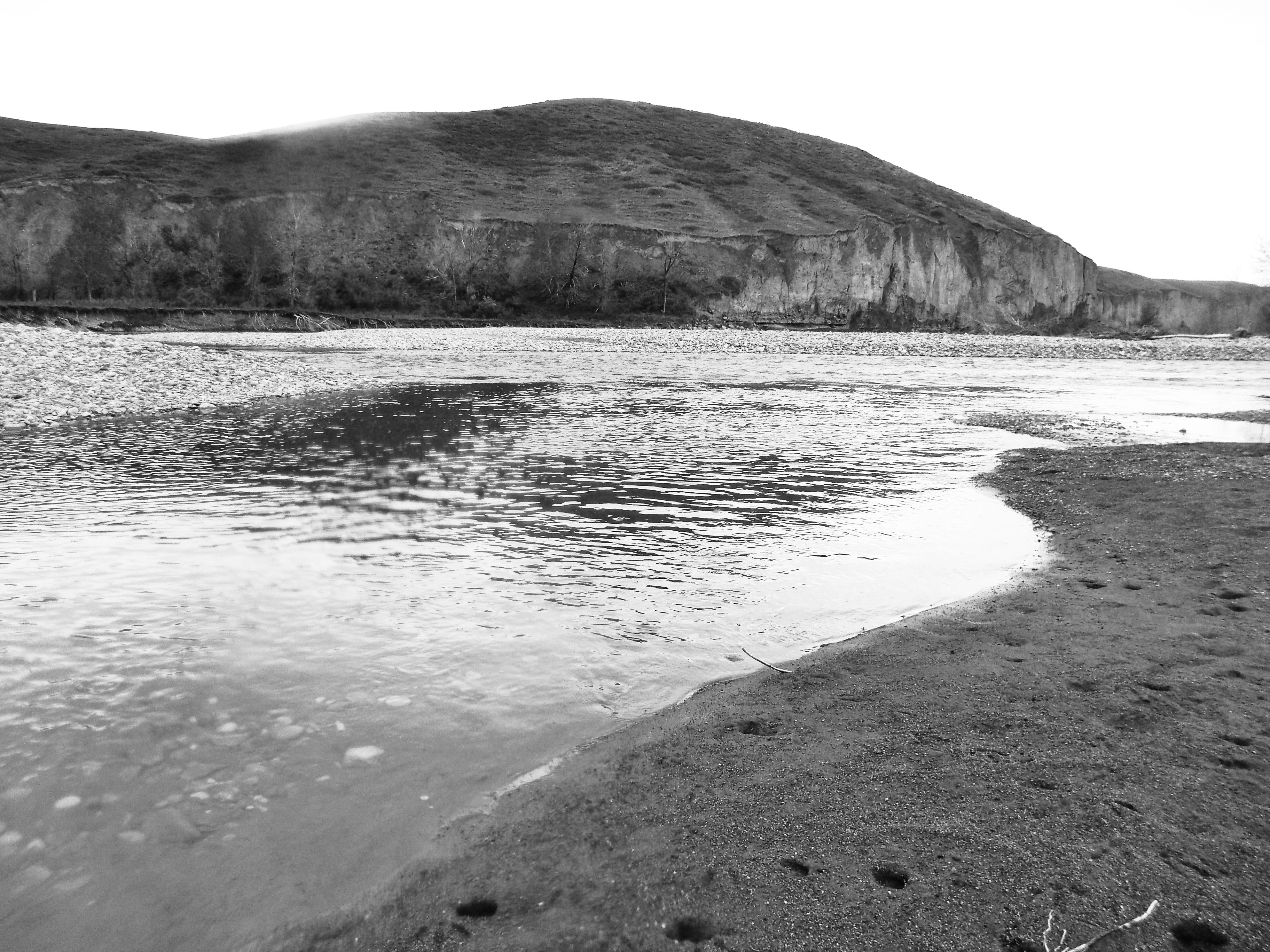
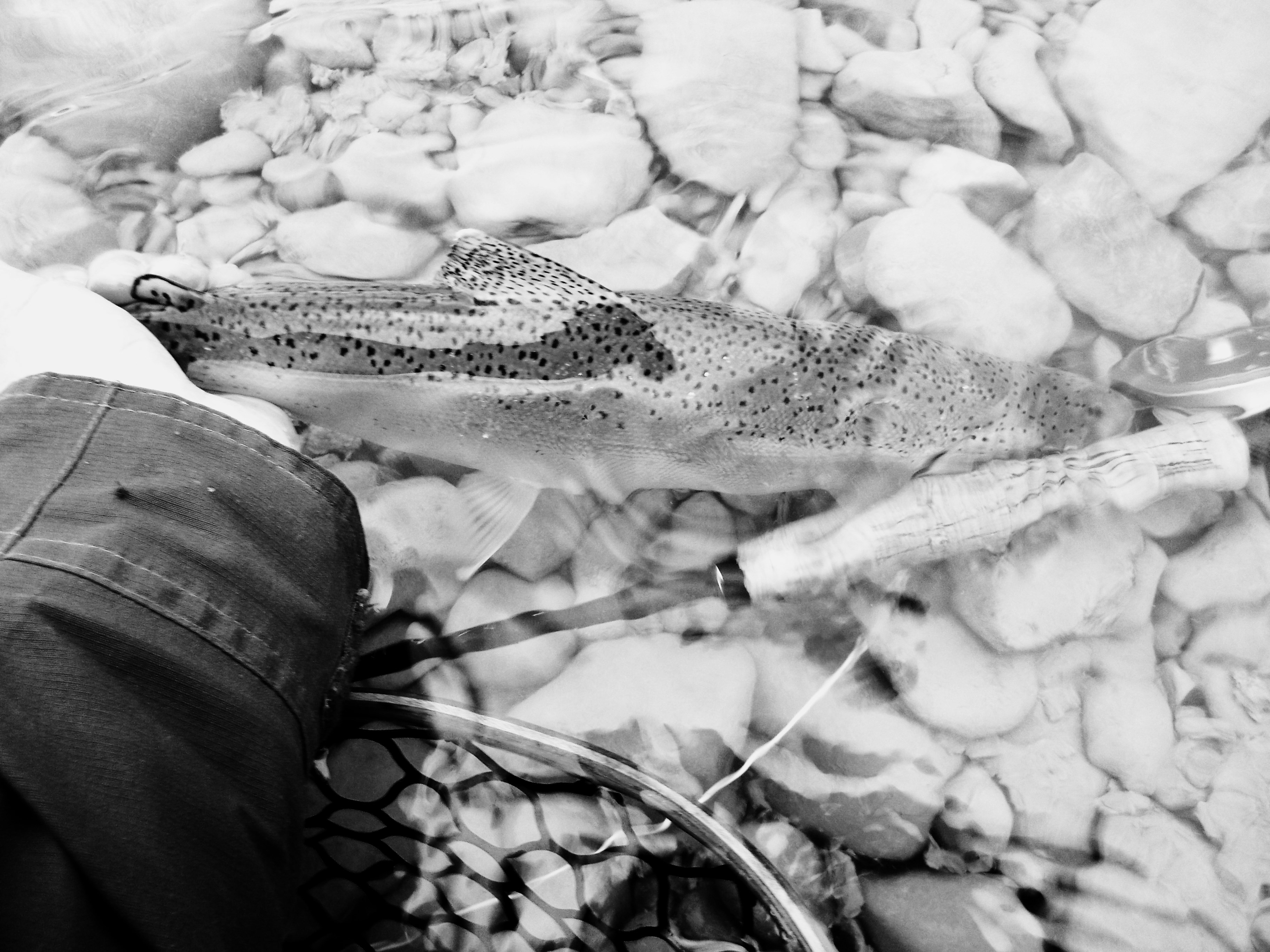
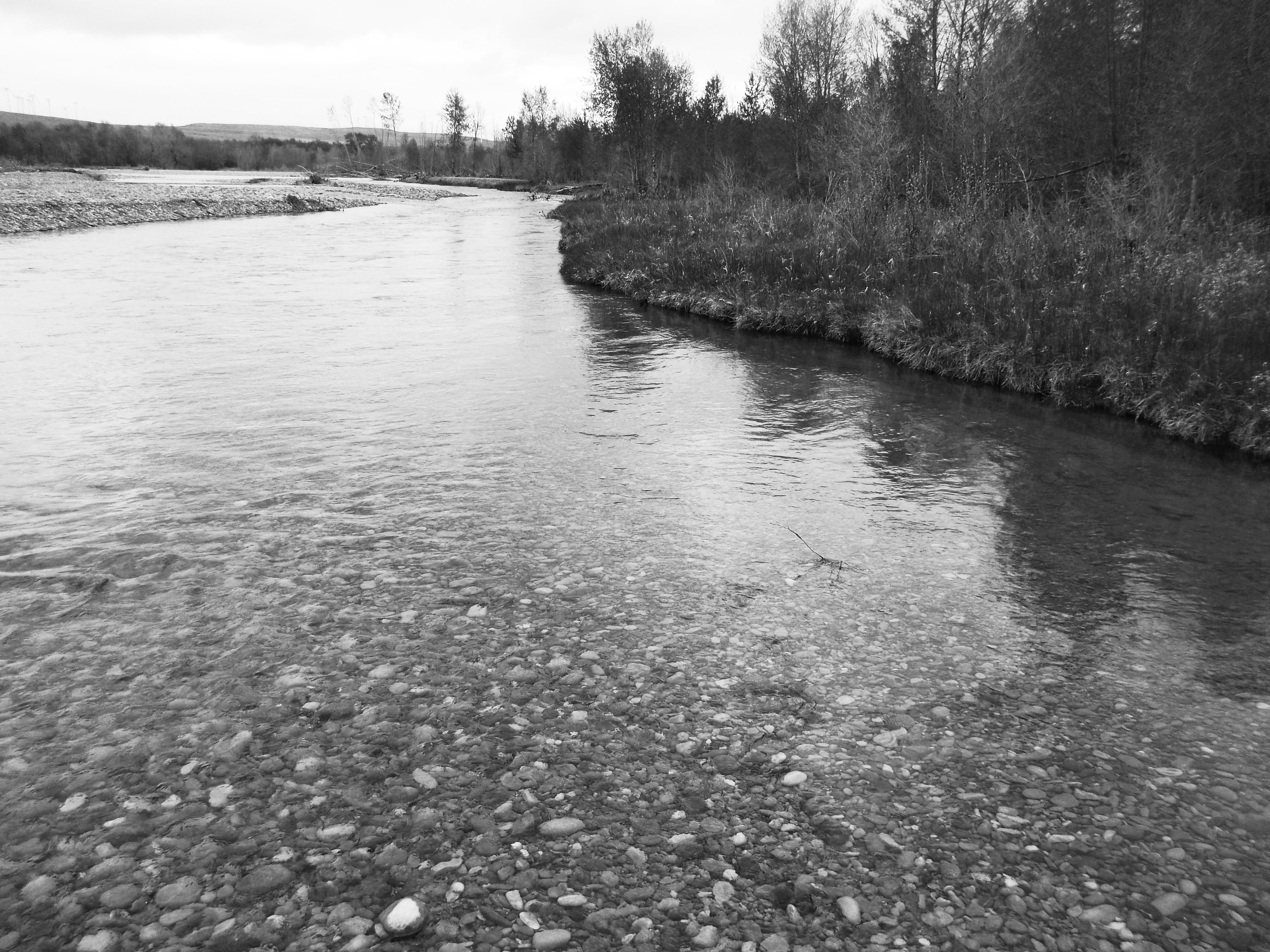
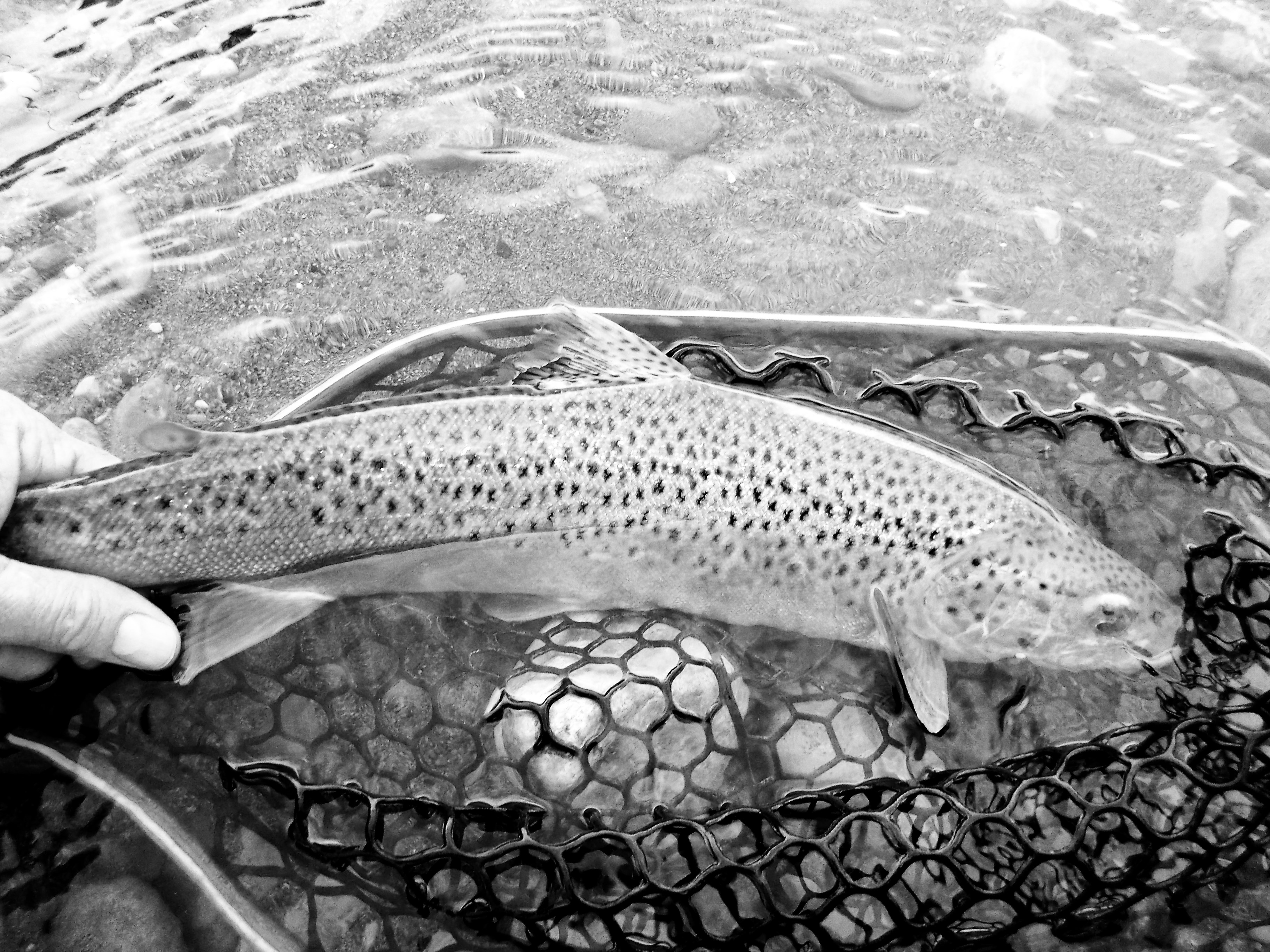
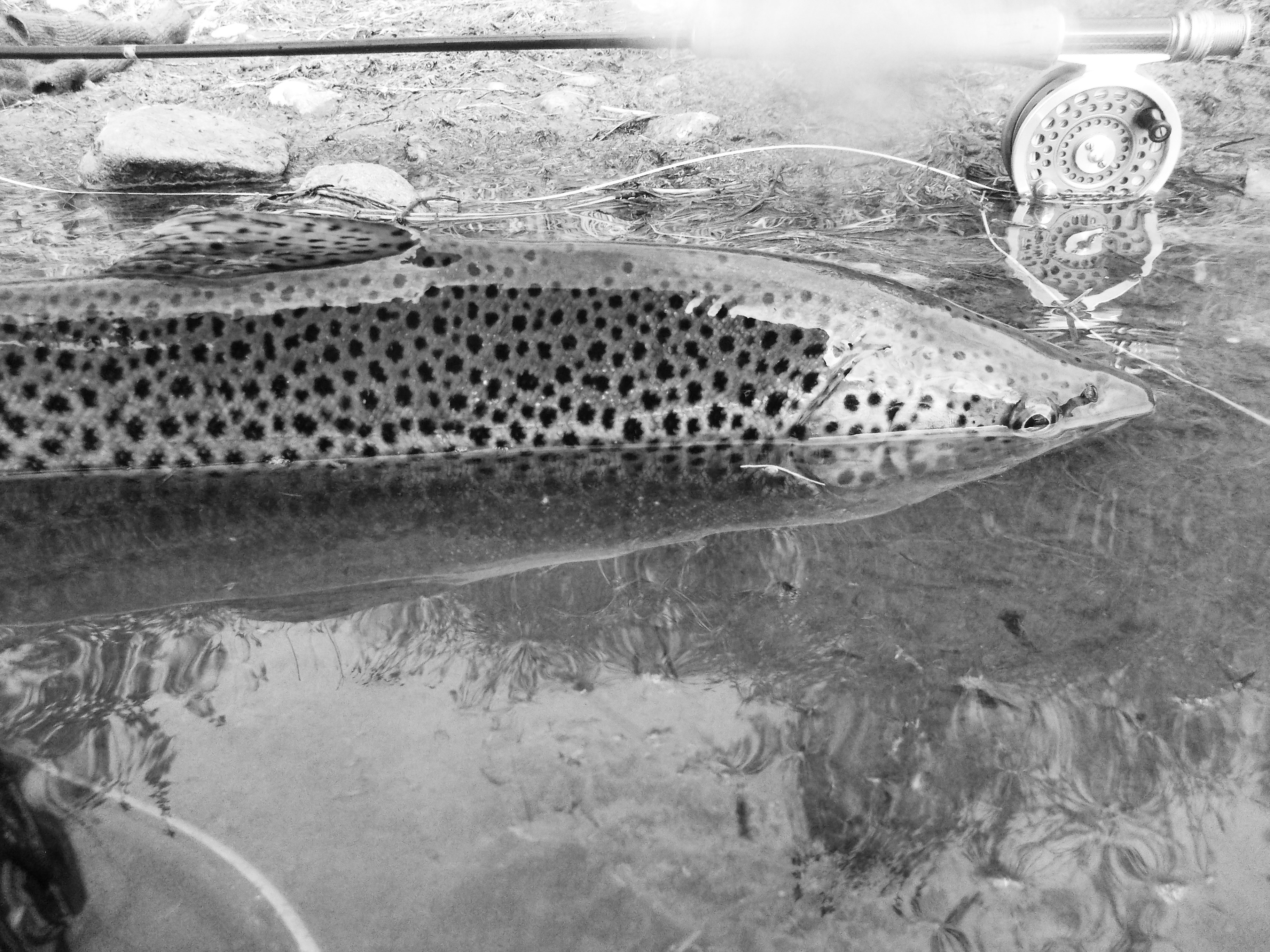
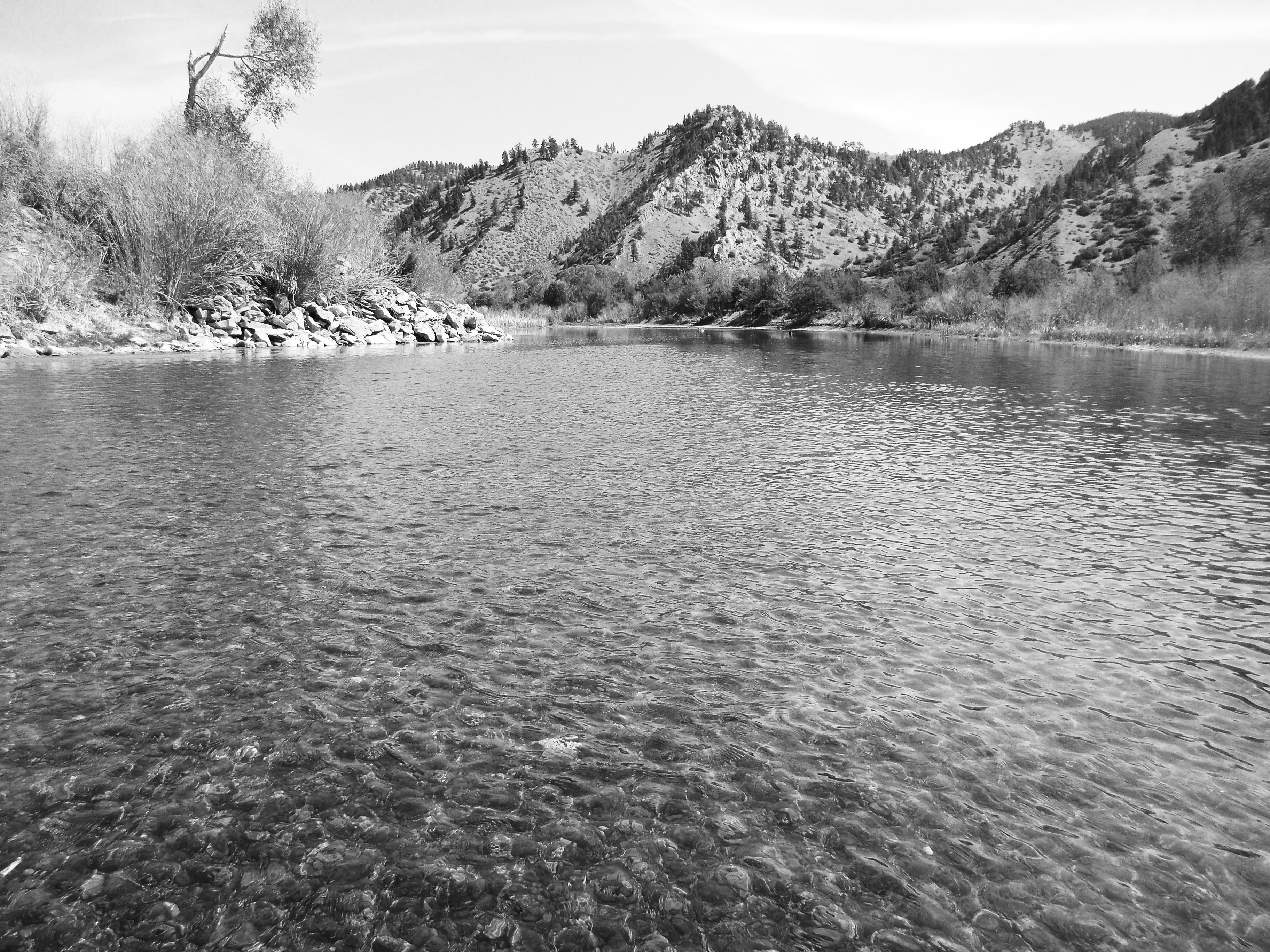
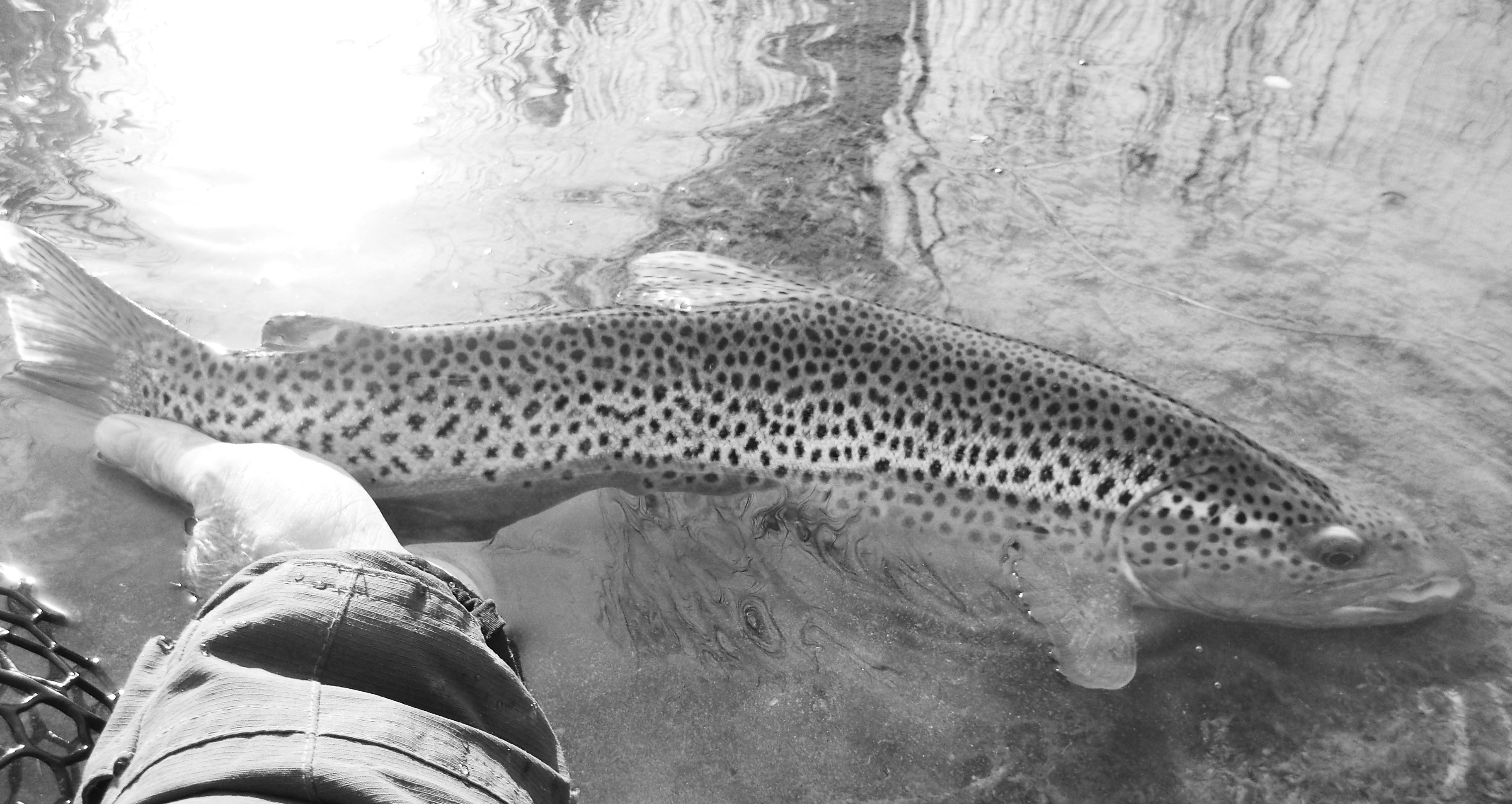
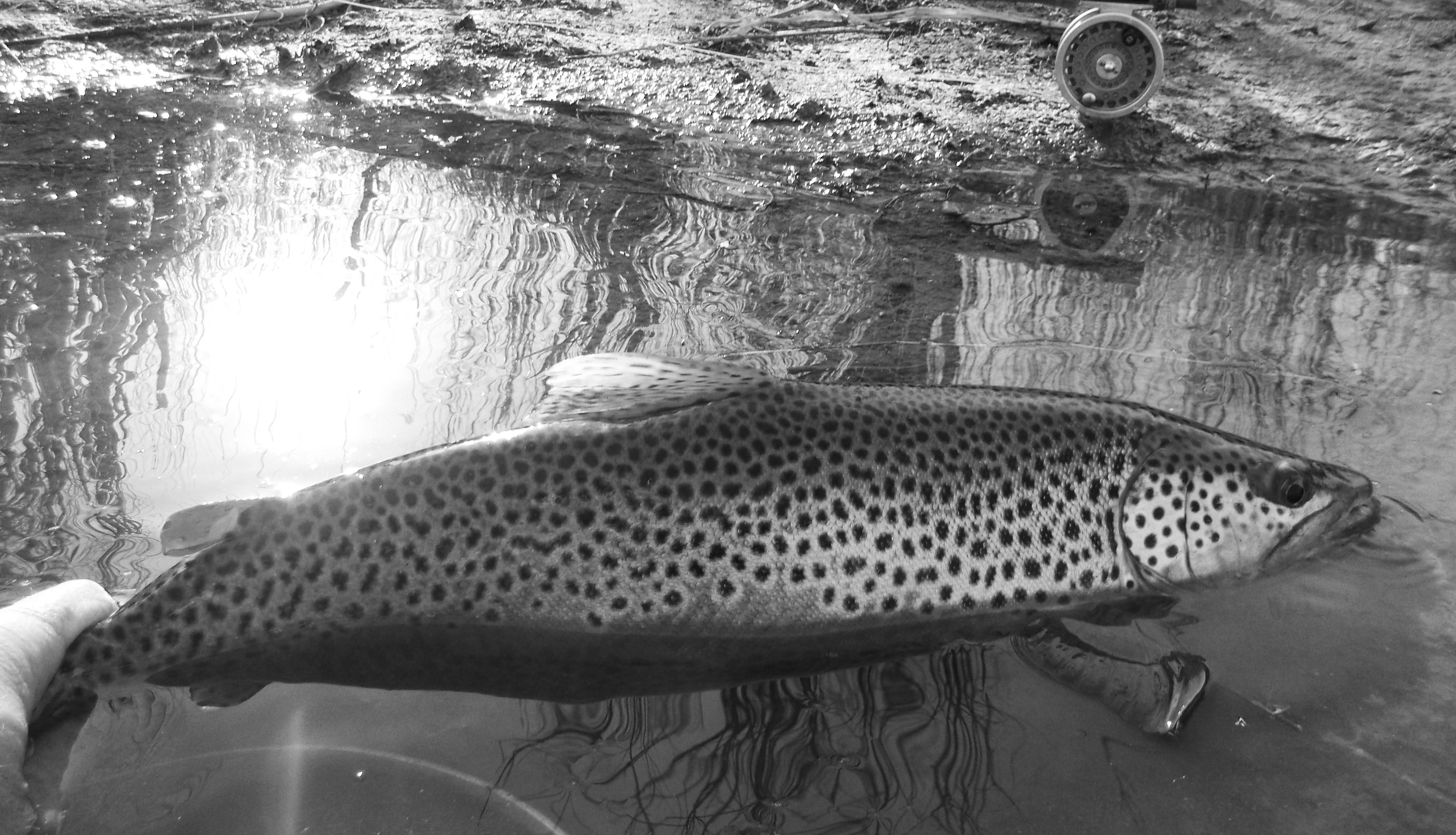
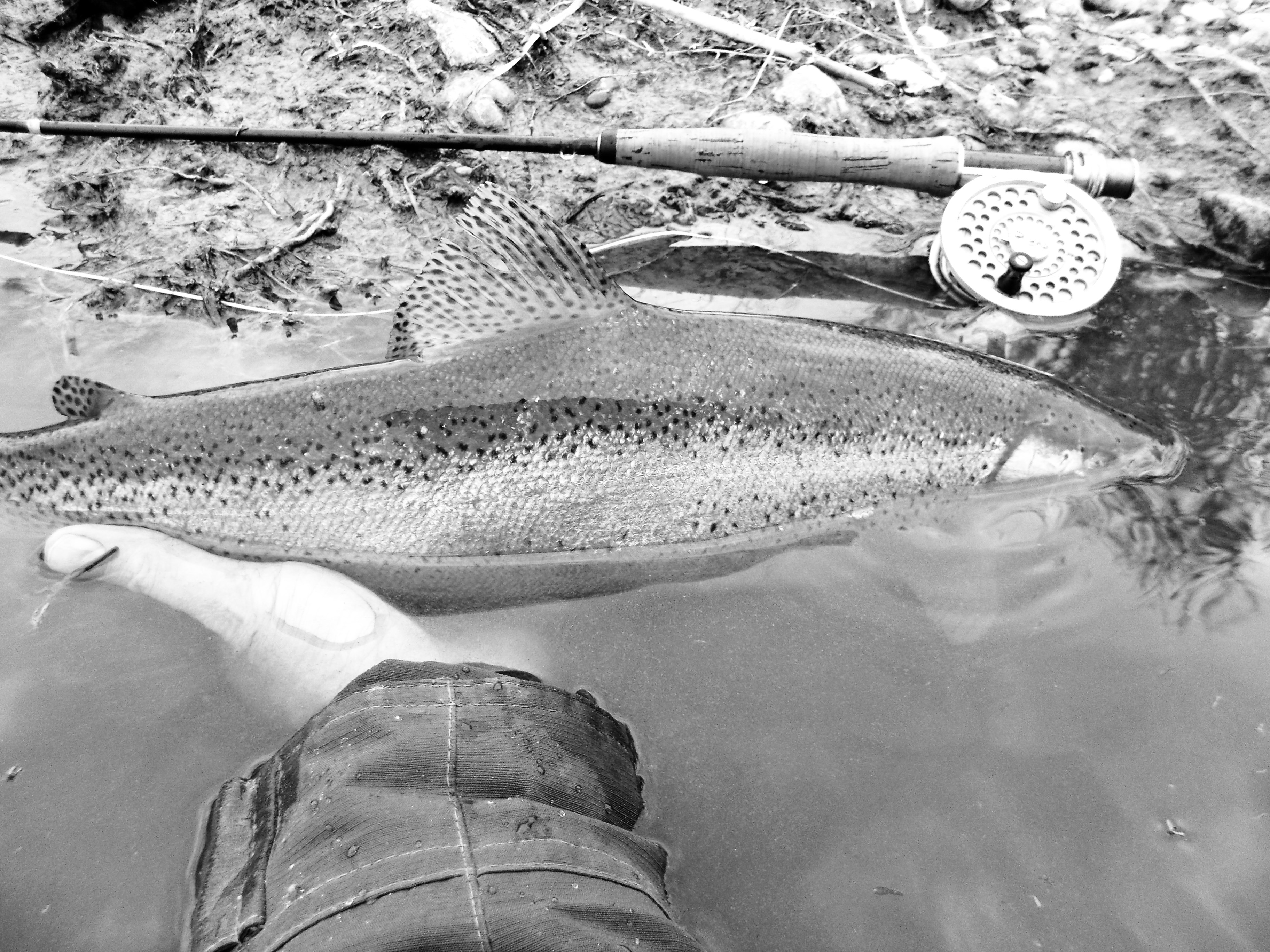
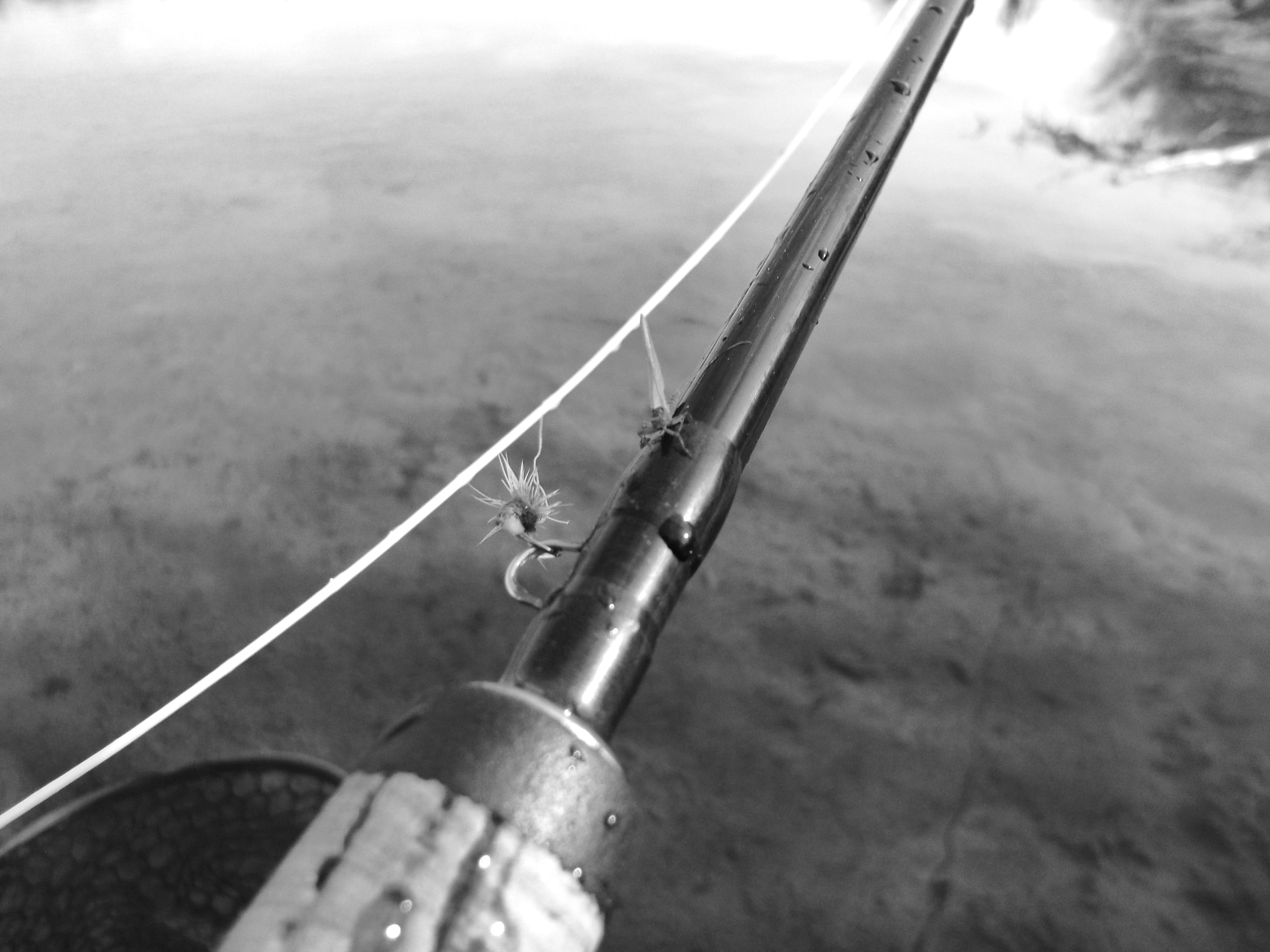
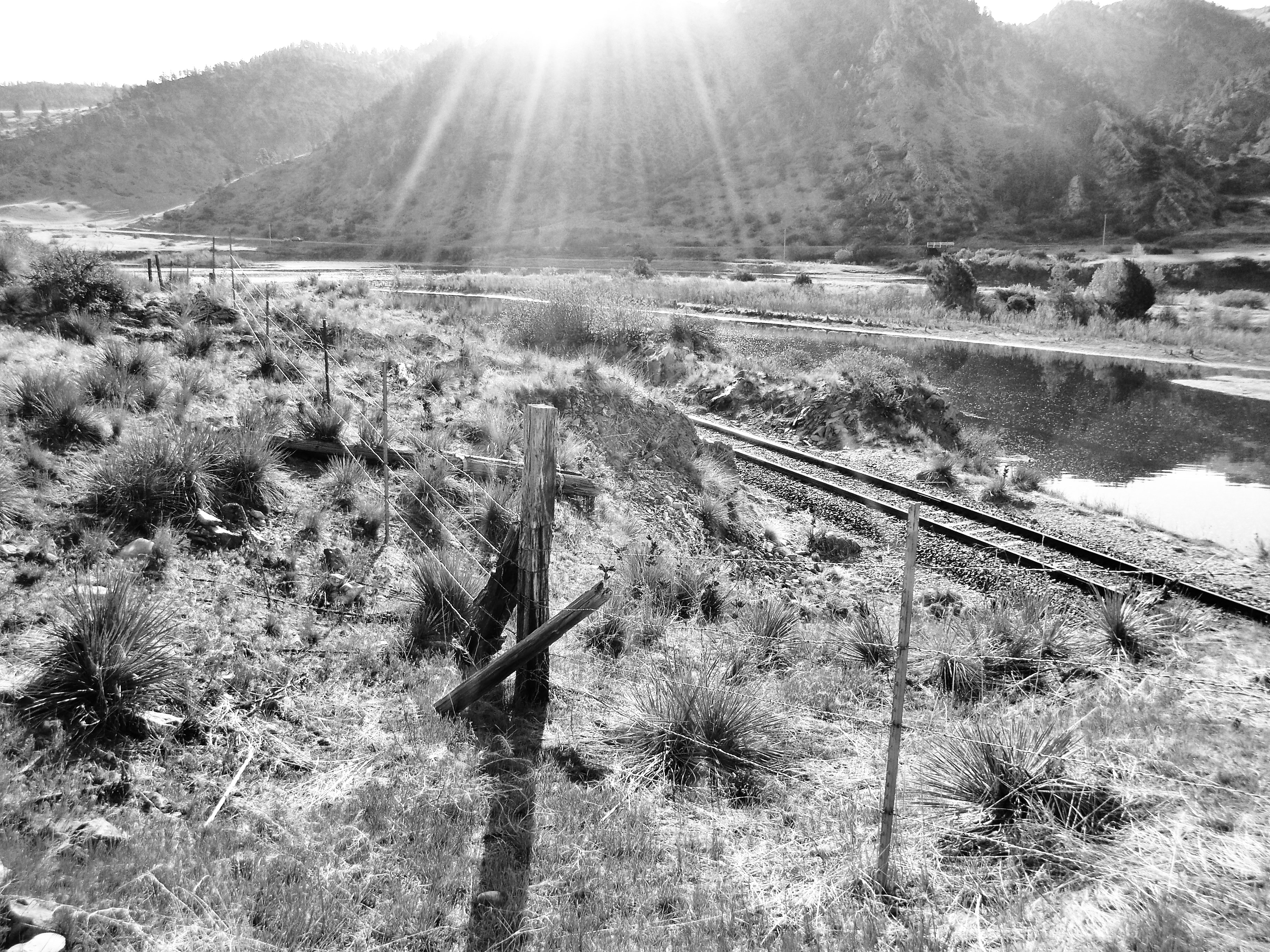
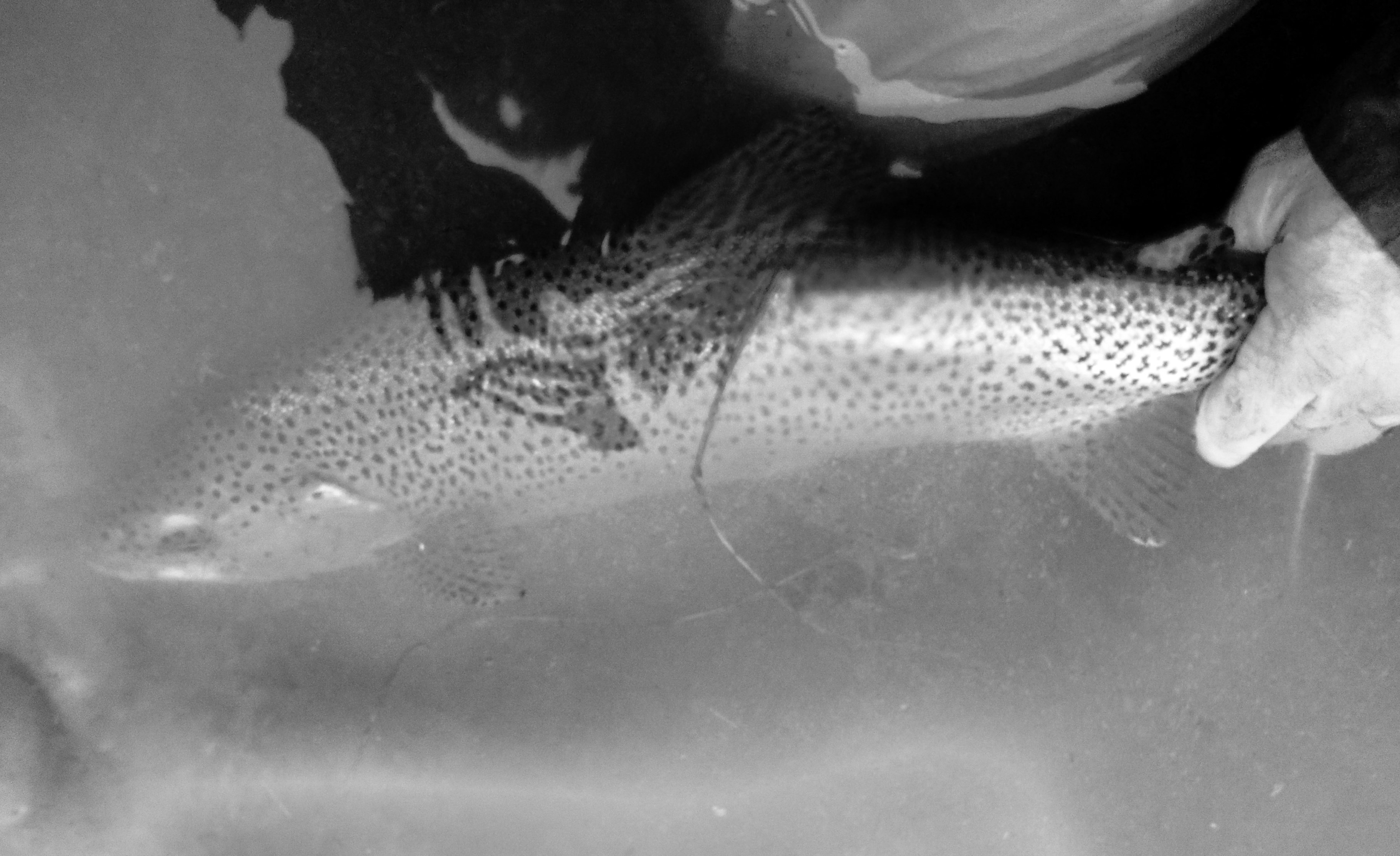
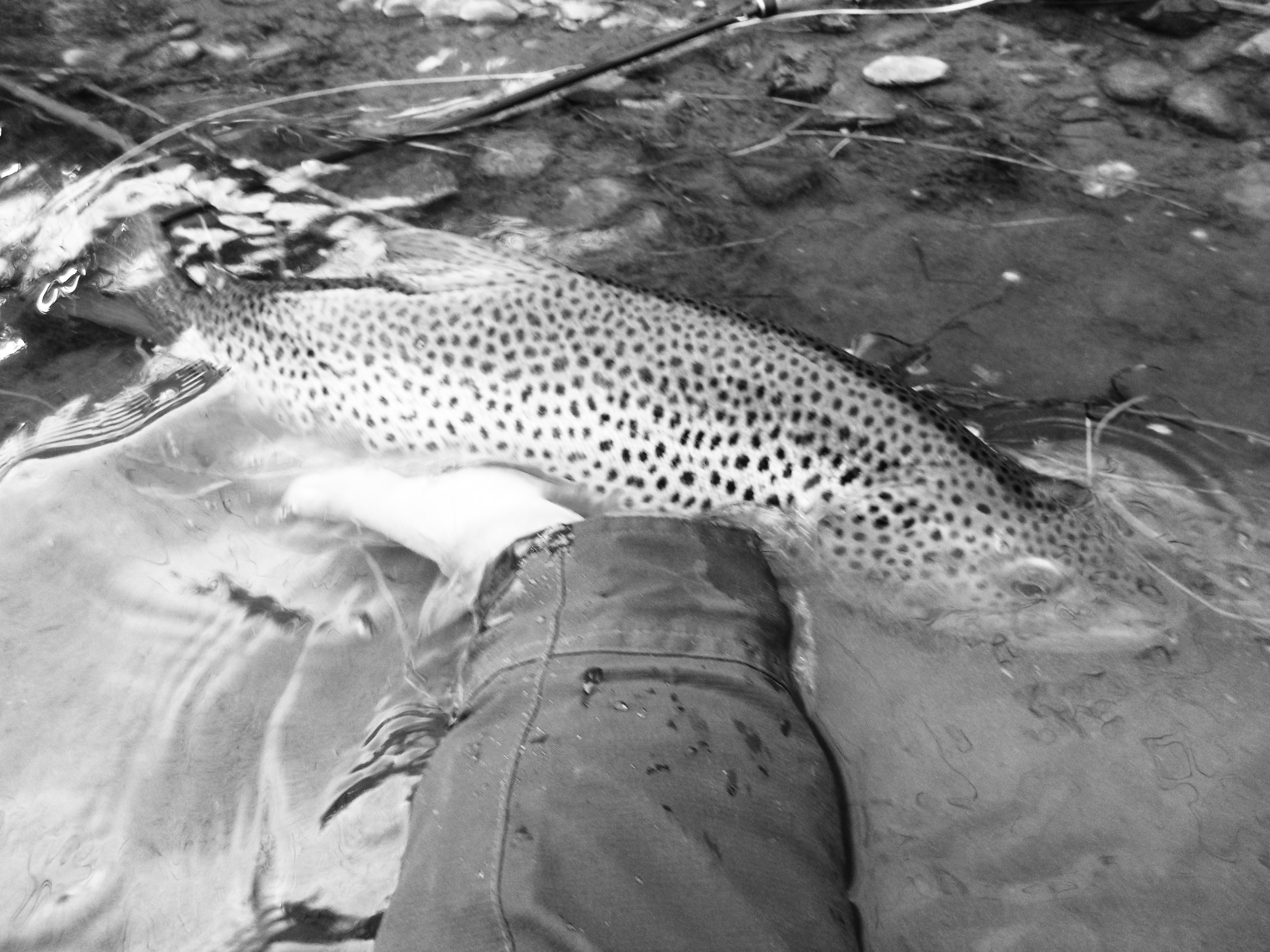
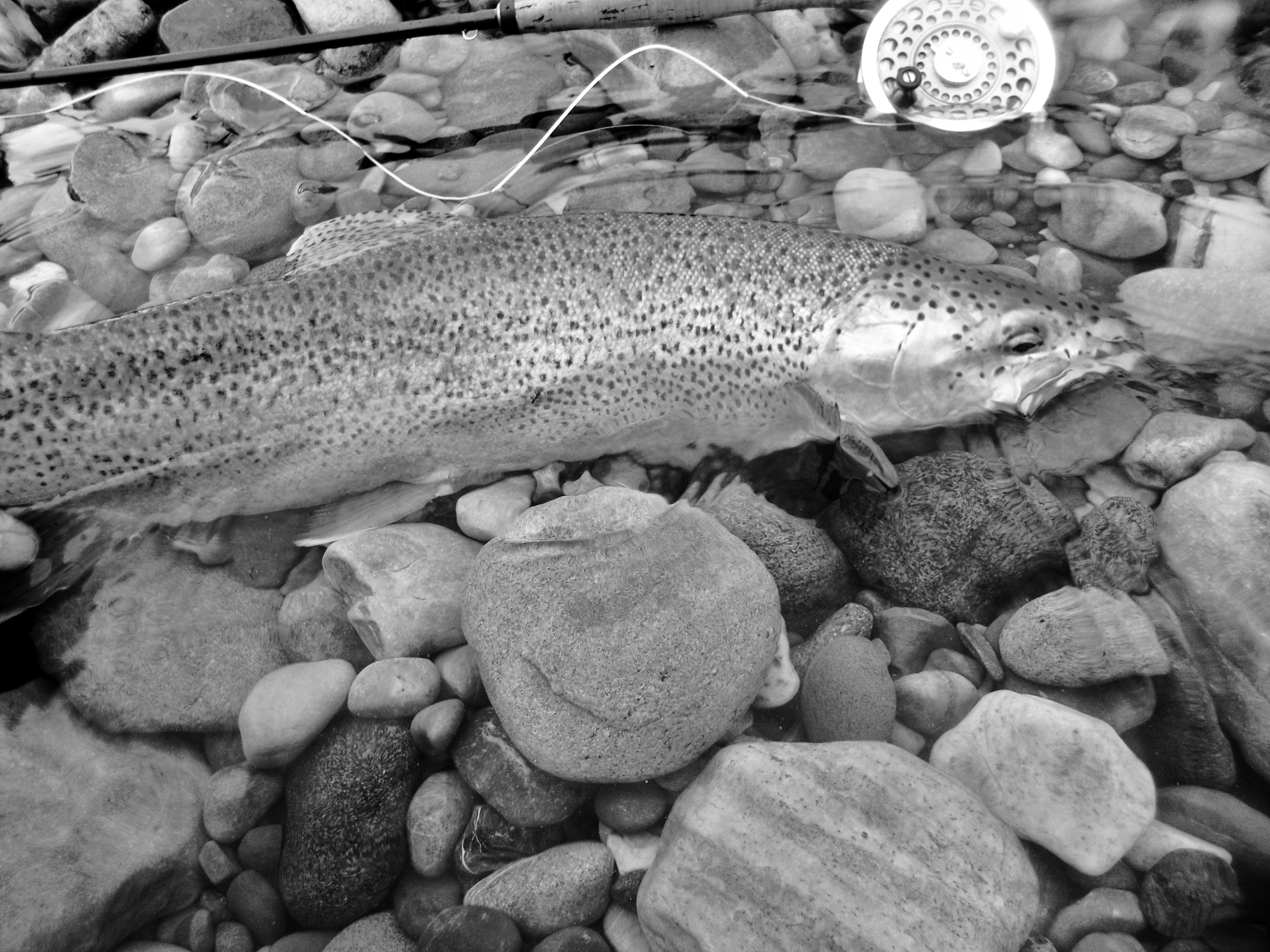
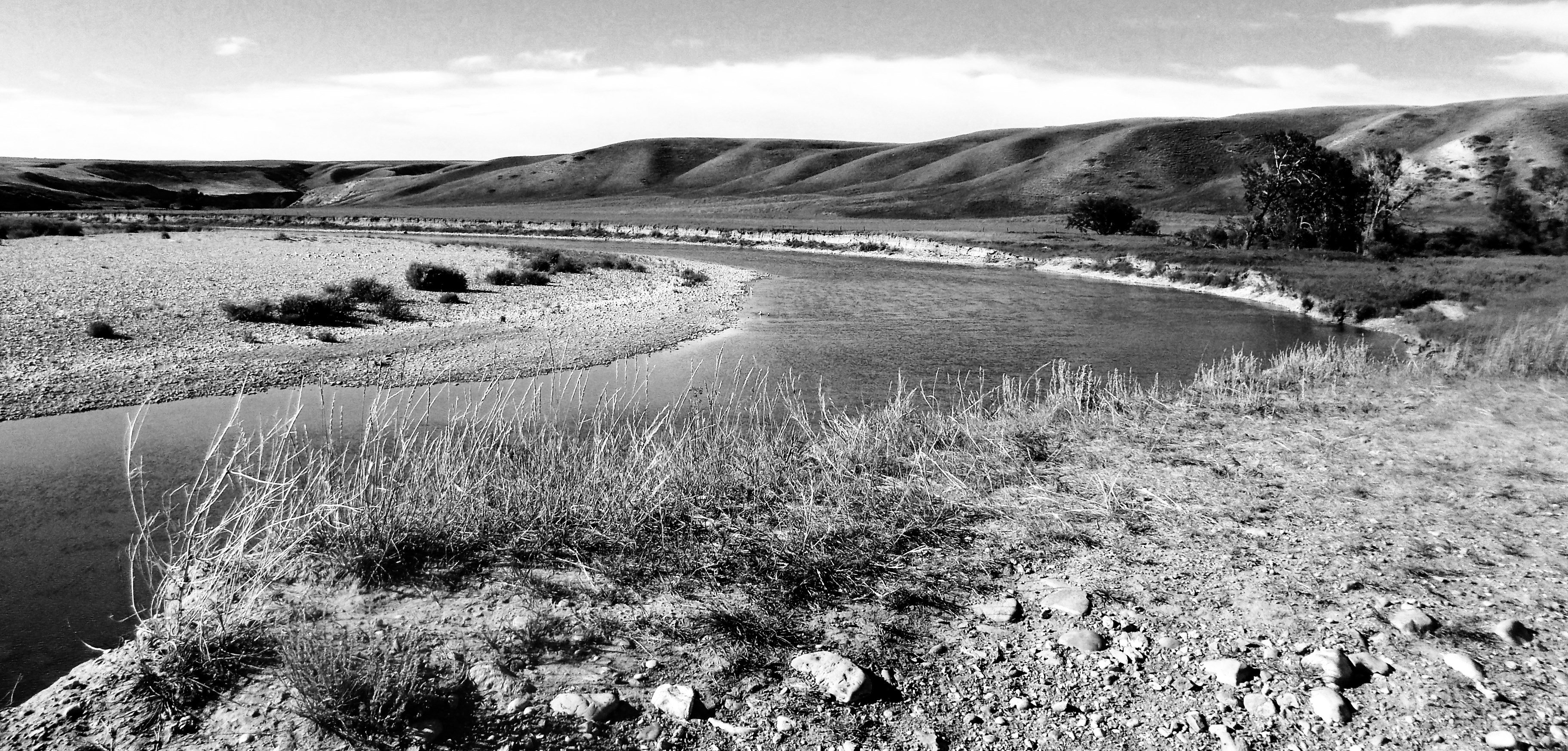
There’s this river I go Bonefishing on. I don’t really catch Bones there, I catch trout. But it’s just like Bonefishing. The angling is all visual.
benchland

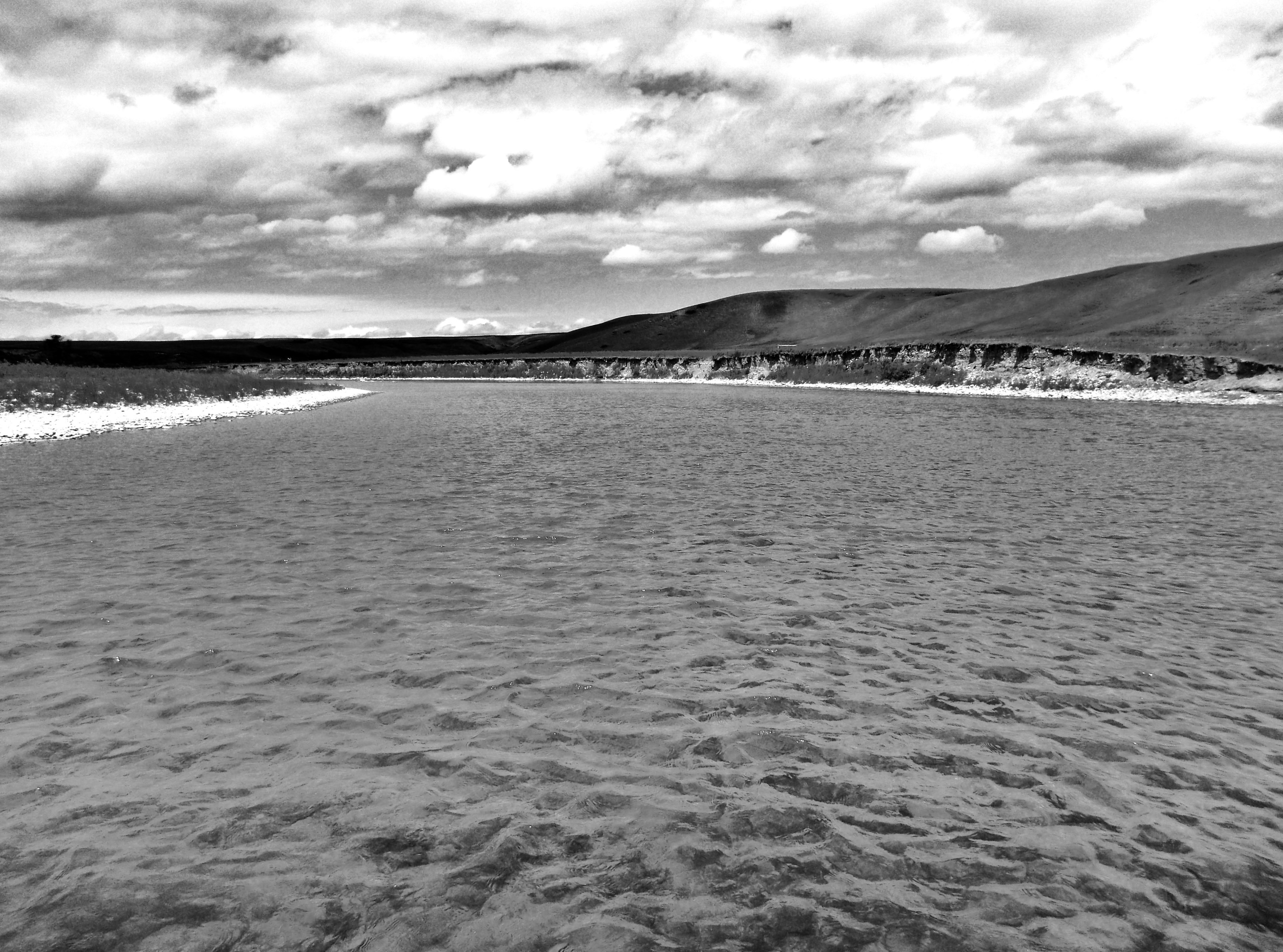
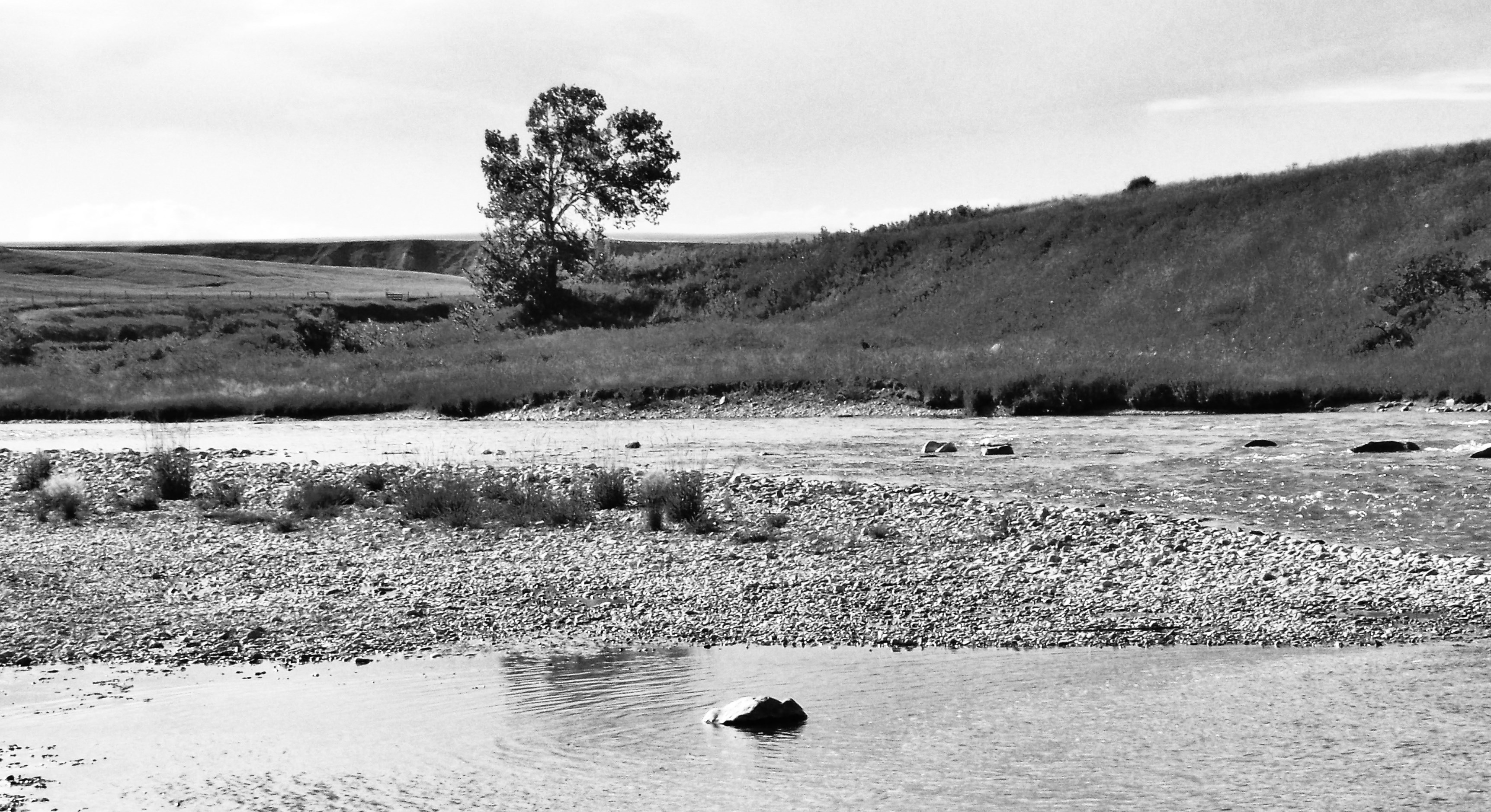
Around mid to late morning when the sun gets high in the sky I look for some shallow water areas that have a fairly light and uniform bottom; or as uniform as a trout stream bottom can get. The presence of trout and their movement is harder to detect when I’m walking so when I get to a promising location I sit or stand still and watch.
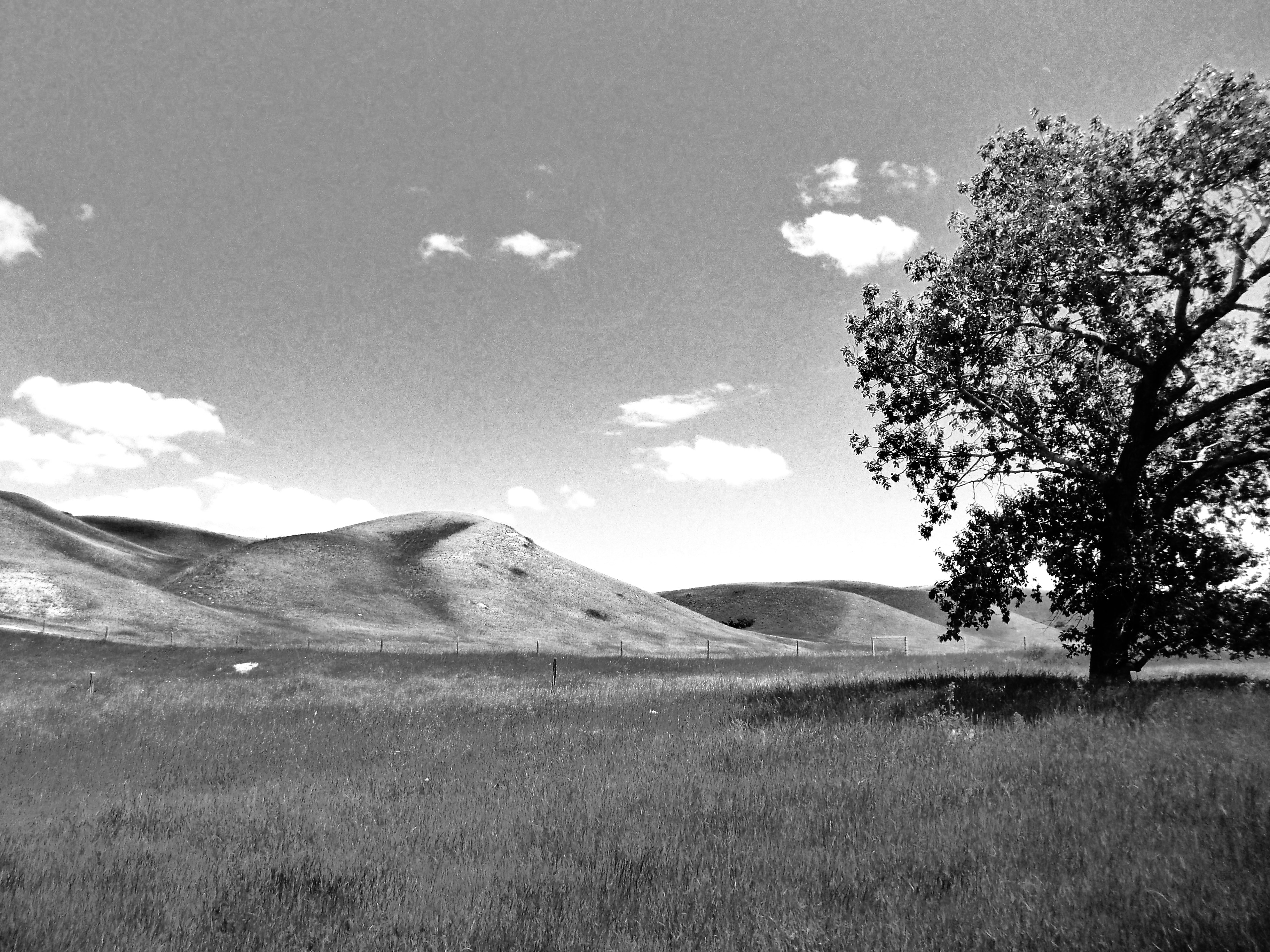
tree

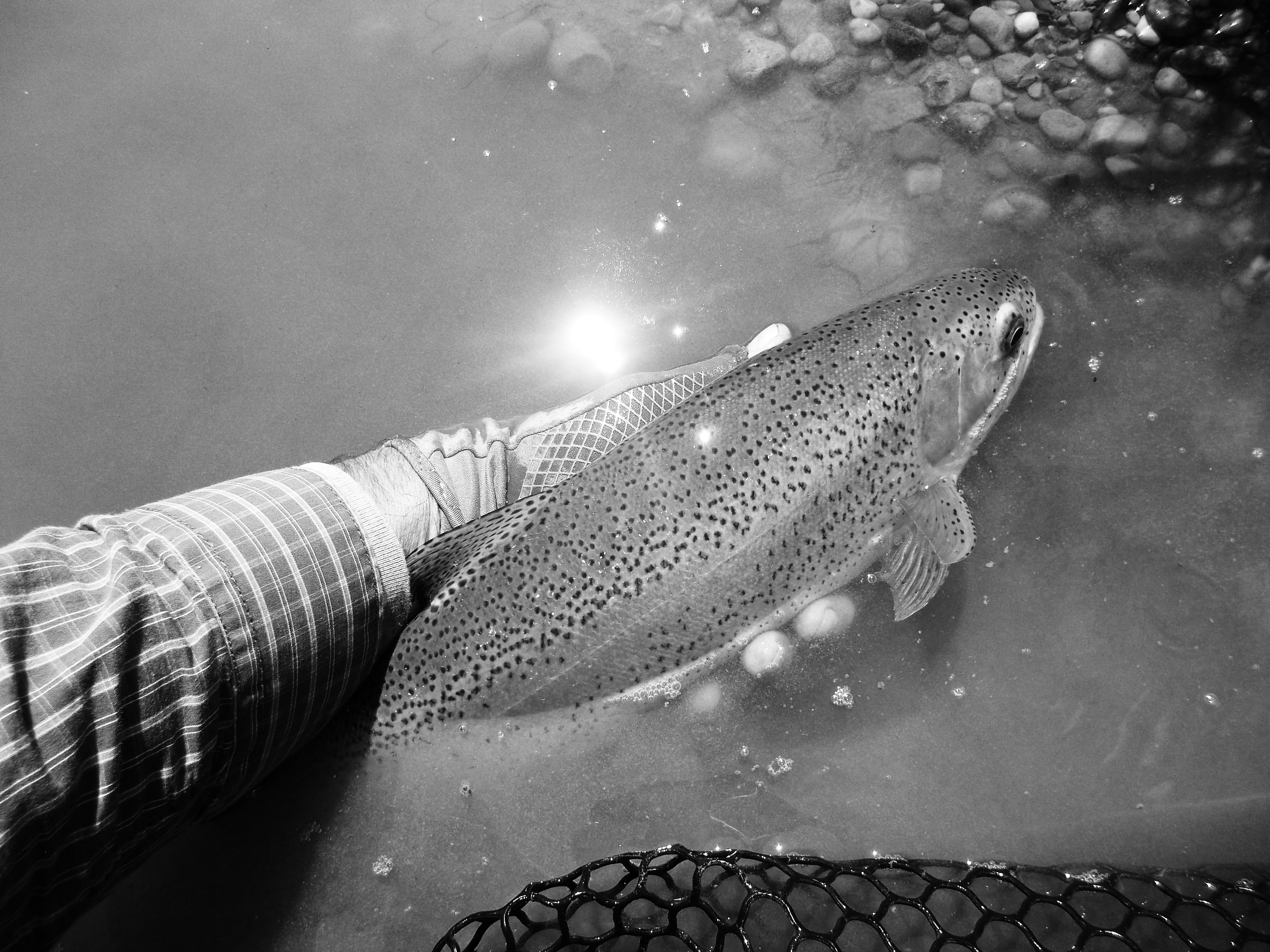
The trout in this bonefishing river often move out of the deeper water into these shallows and prowl for food. They tend to cycle in and out of these spots. If I see one exiting such a location for deeper water I wait as it will probably be back. If you watch cycling trout for a while you soon realise they often repeat the same route or path over and over. If a trout disappears I plan for its return and strategize my approach and get ready to cast. It all sounds easy but with wary fish in clear shallow water on a bright sunny day, a lot can go wrong. Trout are always hypervigilant, especially for any kind of movement from above.
yes2

clear sky and success

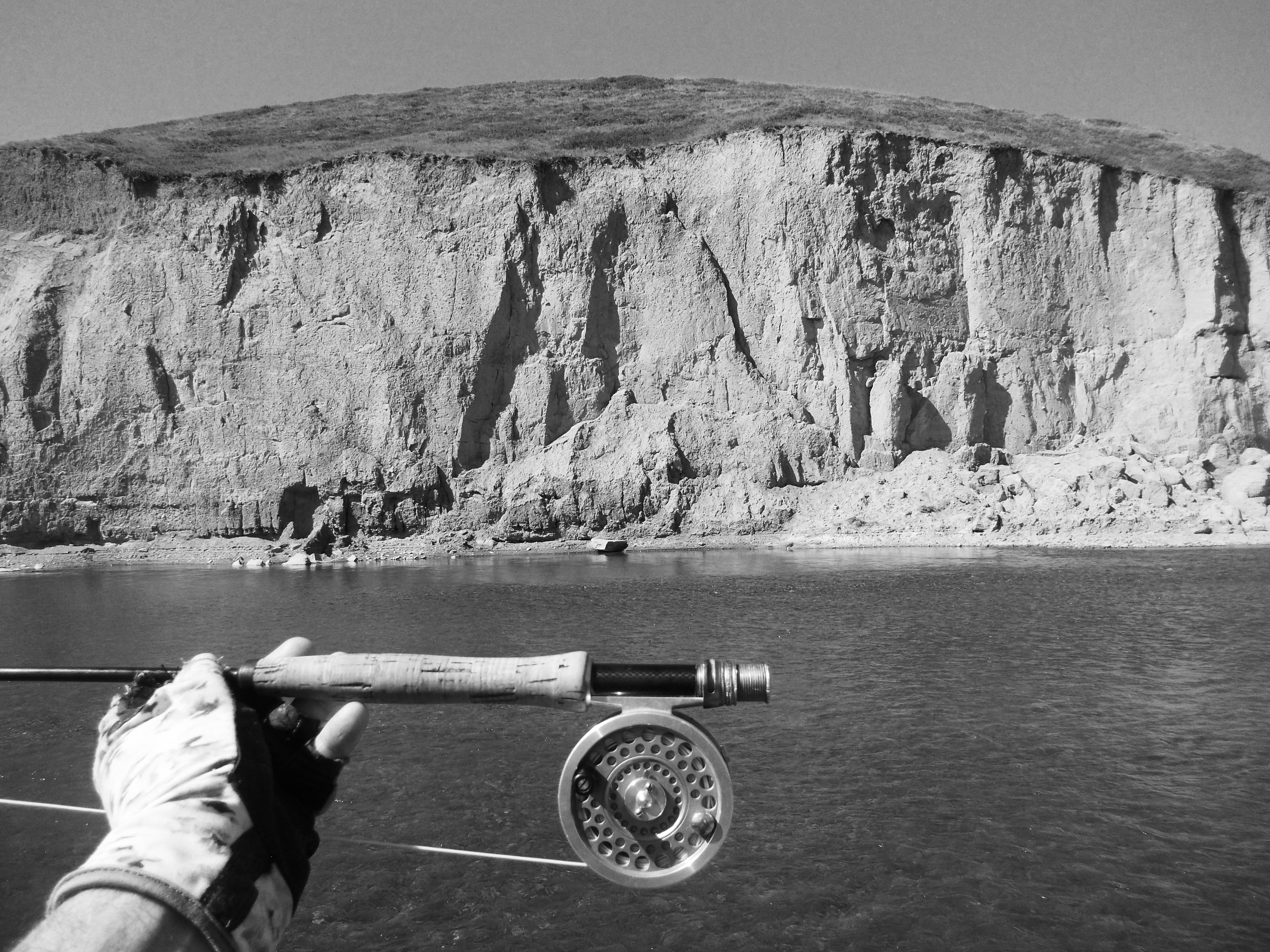
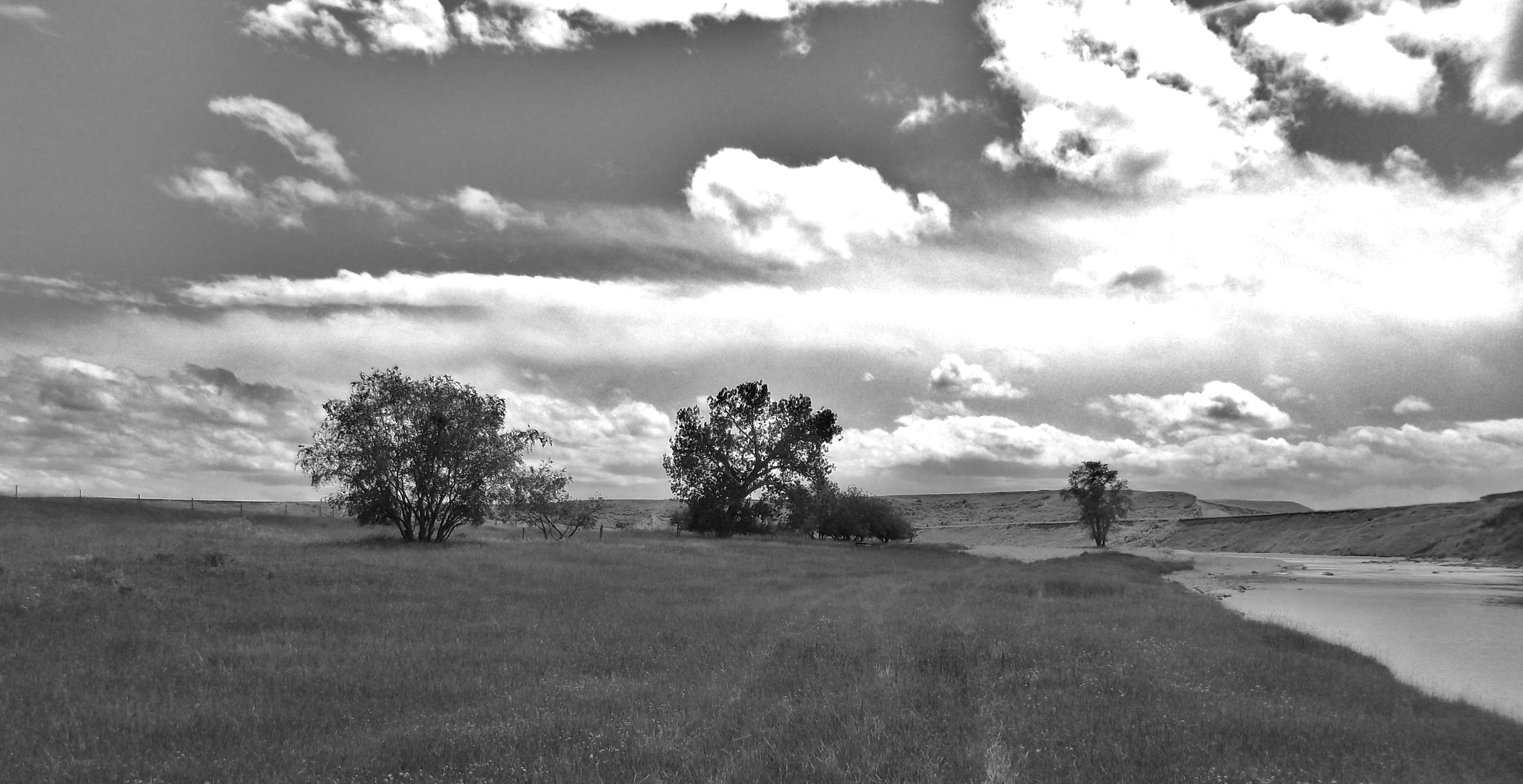
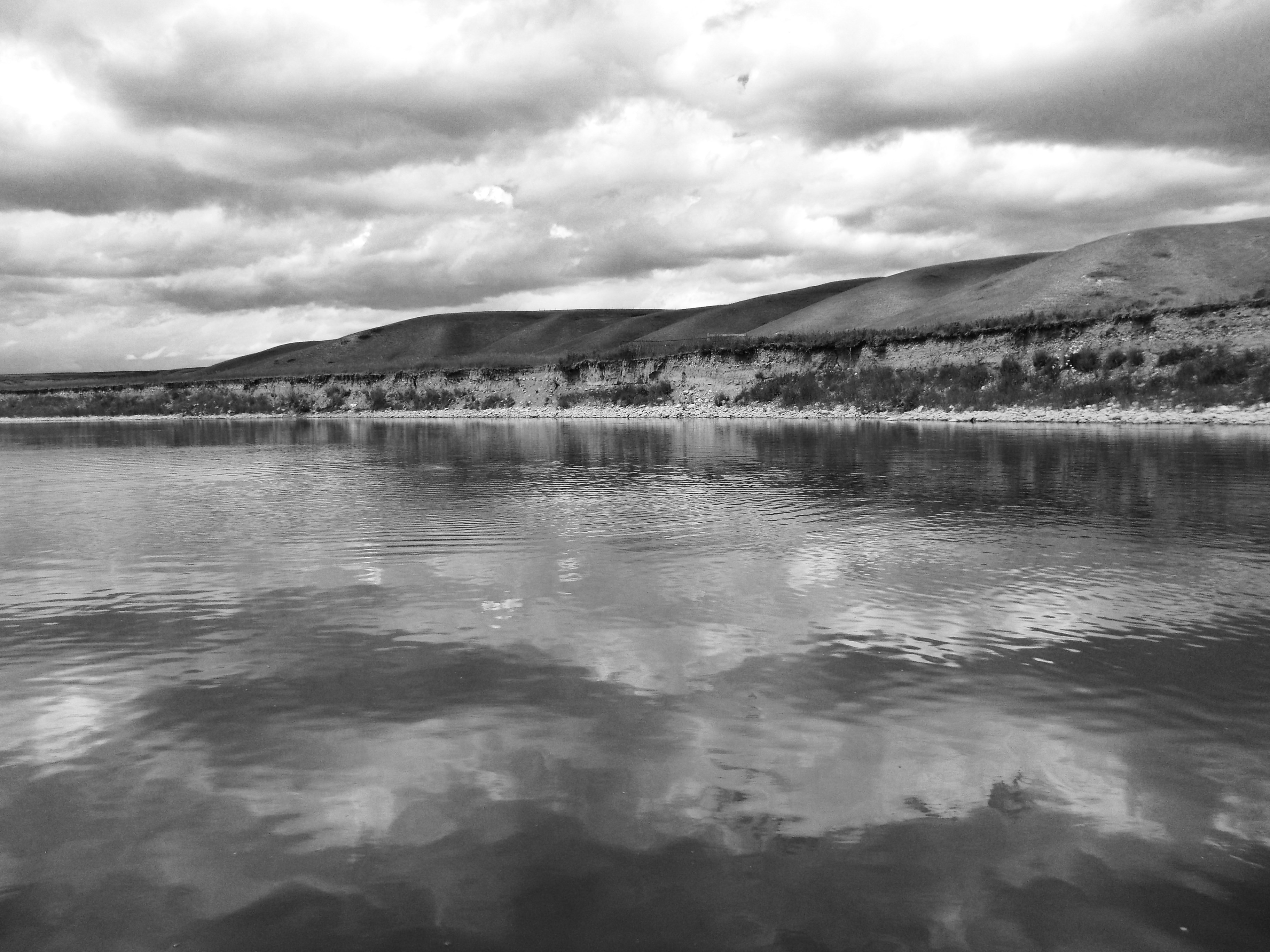
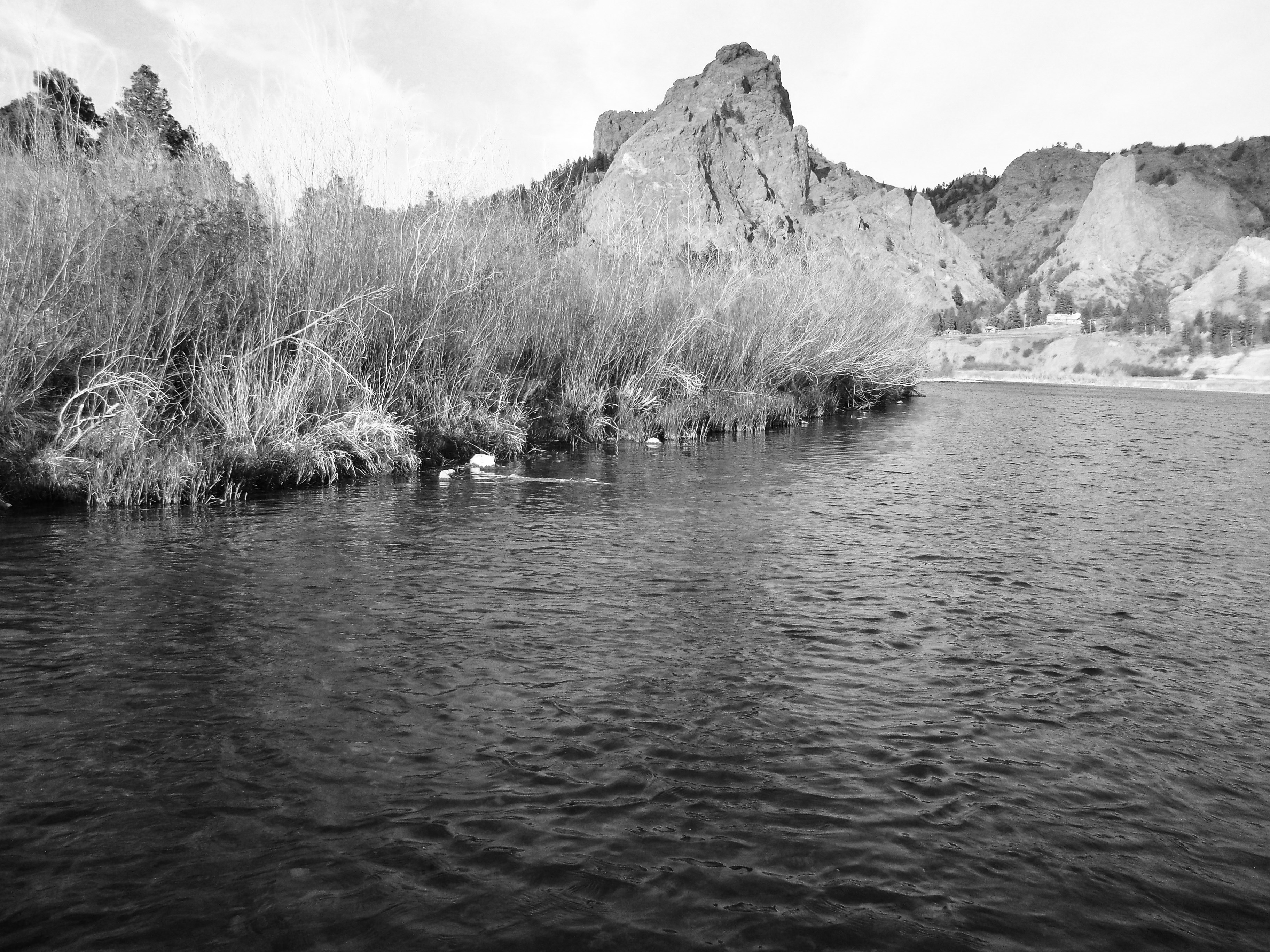
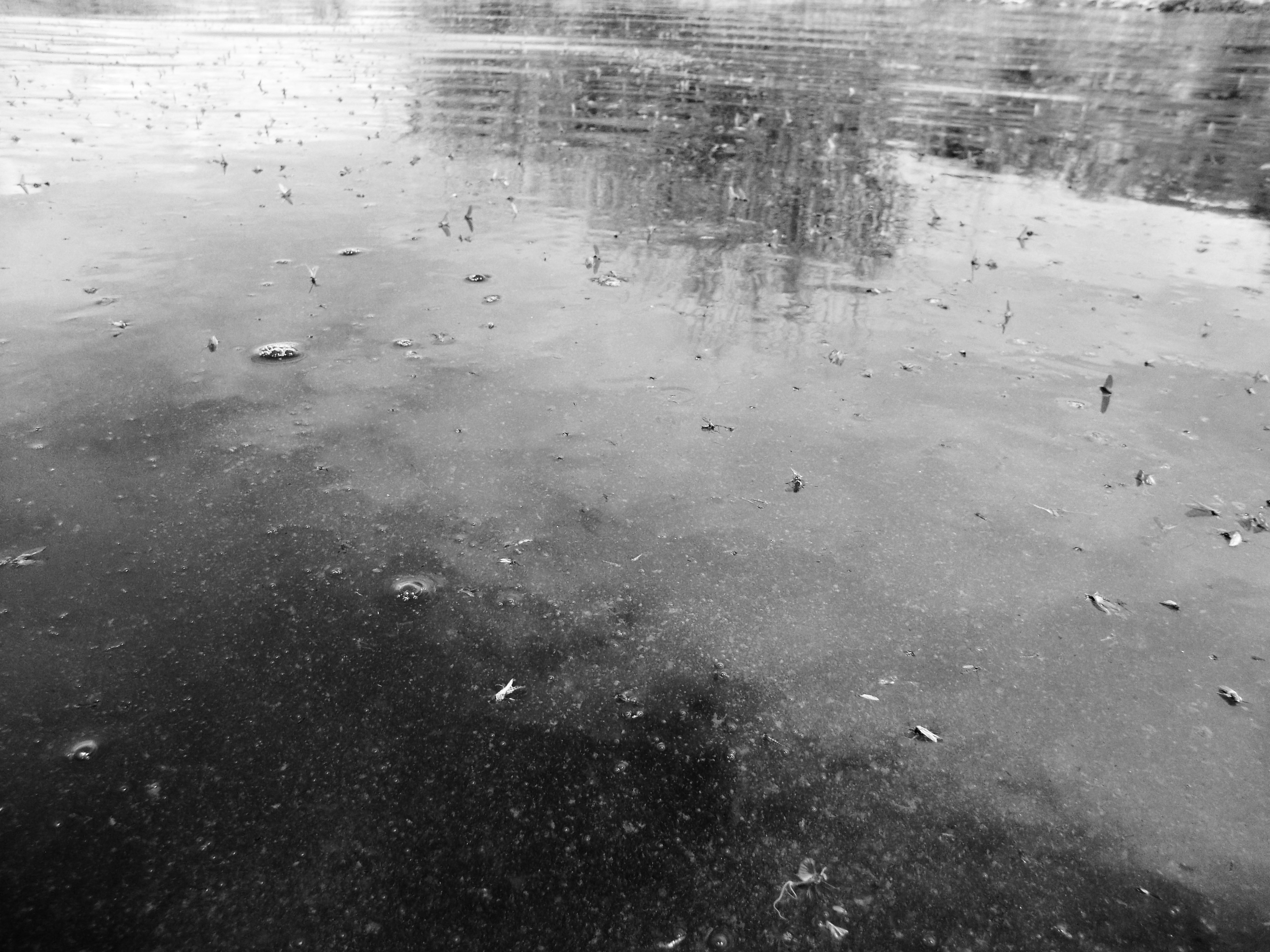
To spot these fish I look for movement. A blue sky with few or no clouds to create reflection is ideal. Clouds and sun can turn the river surface milky white blinding your vision. Light colored riverside cliffs are just like clouds, they reflect light and create glare when it is sunny. Dark cliffs with vegetation are good but unfortunately my favorite sight fishing river has little of this. I prefer river terrain that is flat and open on a sunny day so there is little around to reflect light. The neat thing about this angling style is that you can often sight fish even when there is no hatch occurring, and on my Bonefishing river there has been an unusual absence of bugs lately. This makes the game even more challenging.

rivershot

in bright sun cliffs like this cause blinding glare; river in distance
wheat

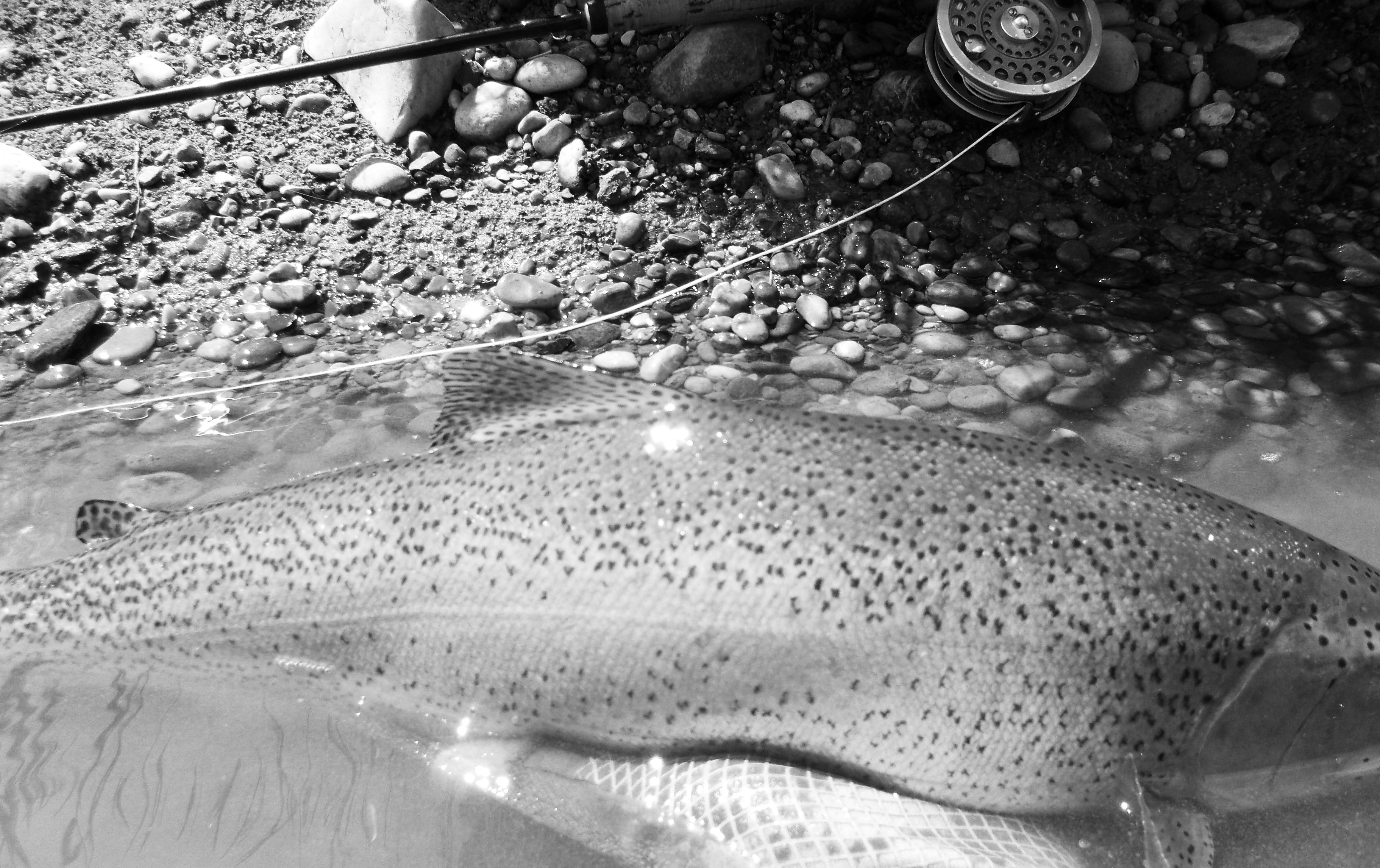
I do best with this type of fishing when the river drops and I can wade across it in many areas. This allows me to take advantage of the changing light as the sun arcs throughout the day. A good spot late morning is probably not going to be as good mid-afternoon. Cross the river and you can sight fish again. The key is to use the light to your advantage so you have maximum vision and can spot movement. This type of angling is all about seeing. I move around until I can see real well and look for a section of river bottom where a fish will stand out.
010

Once I spot a cycling fish I stay low and still. I often creep up on fish and cast from my knees. Drab clothing helps me blend in. A white shirt or hat in full sun is like waving a flag and causes trout to bolt. Forget about those shiney silver or gold fly reels. I also tuck away anything that glitters or shines on my vest or pack. I try to blend in, stay still, cast side arm and if I have to move for a better position I do so when the fish turns away from me or re-enters deep water. It is best to approach a fish from behind but often that’s not possible. I catch many from the side or feeding them the fly from above (downstream presentation). In these situations staying low, still and at some distance is even more important.
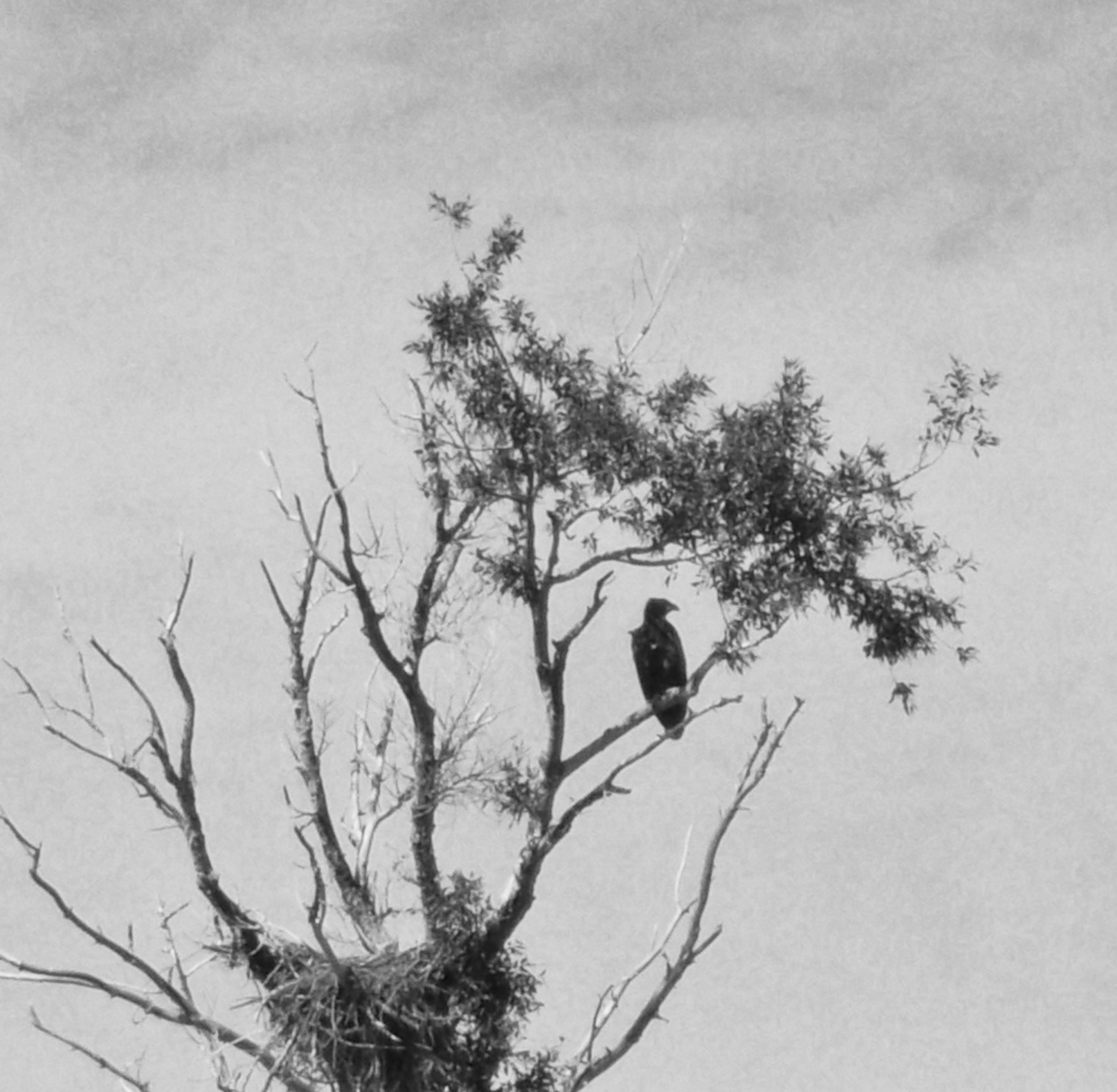
eagle

eagle

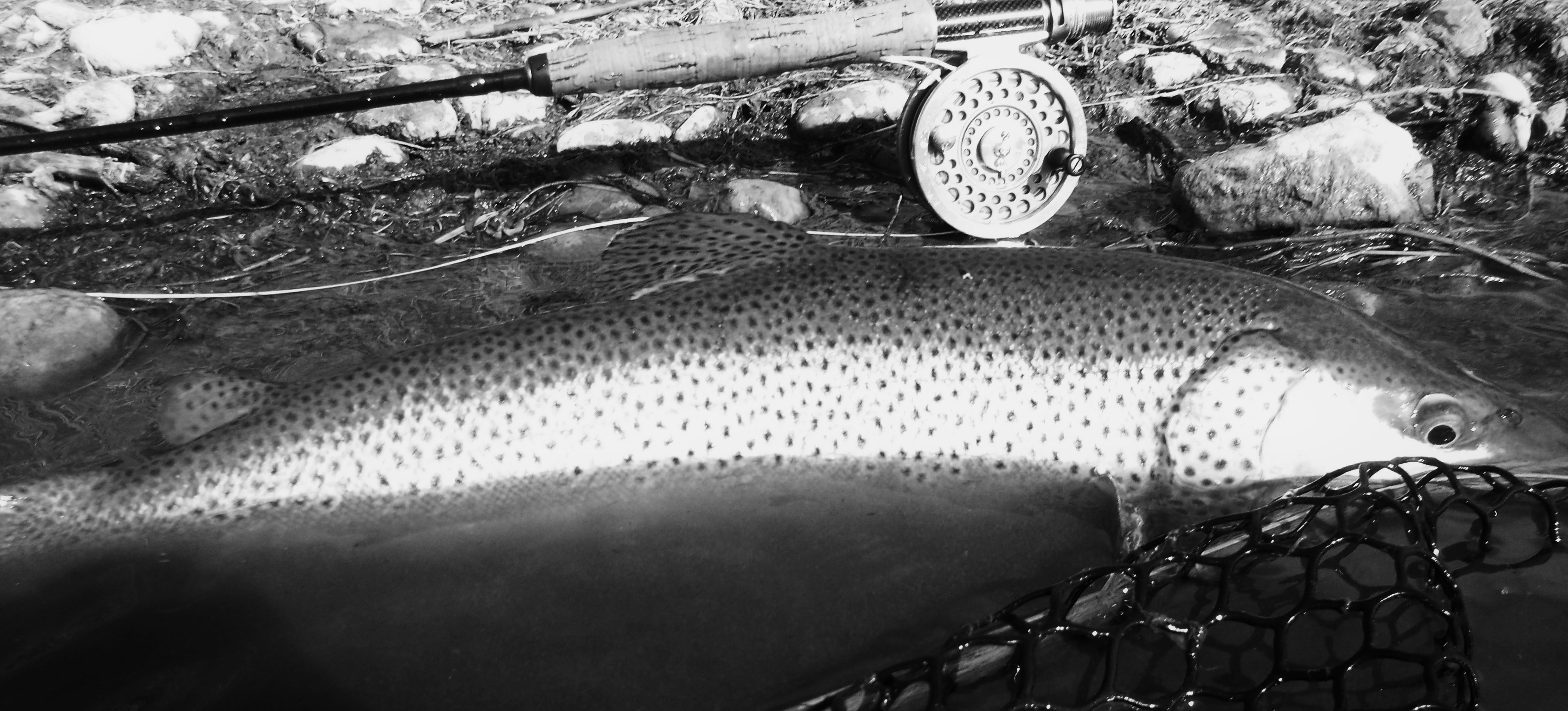
My Bonefishing river harbours some great trout but not a lot of them and therefore on any given day you only get so many shots at a good fish. If you throw in a bit of cloud, some wind, intense summer heat and an absence of bugs, and some snooty/selective fish into the equation, then a hook up becomes even more special. I often come home from such an outing knees sore from crawling on hot river rocks and eyes tired. On my last outing I hooked several but only landed one.
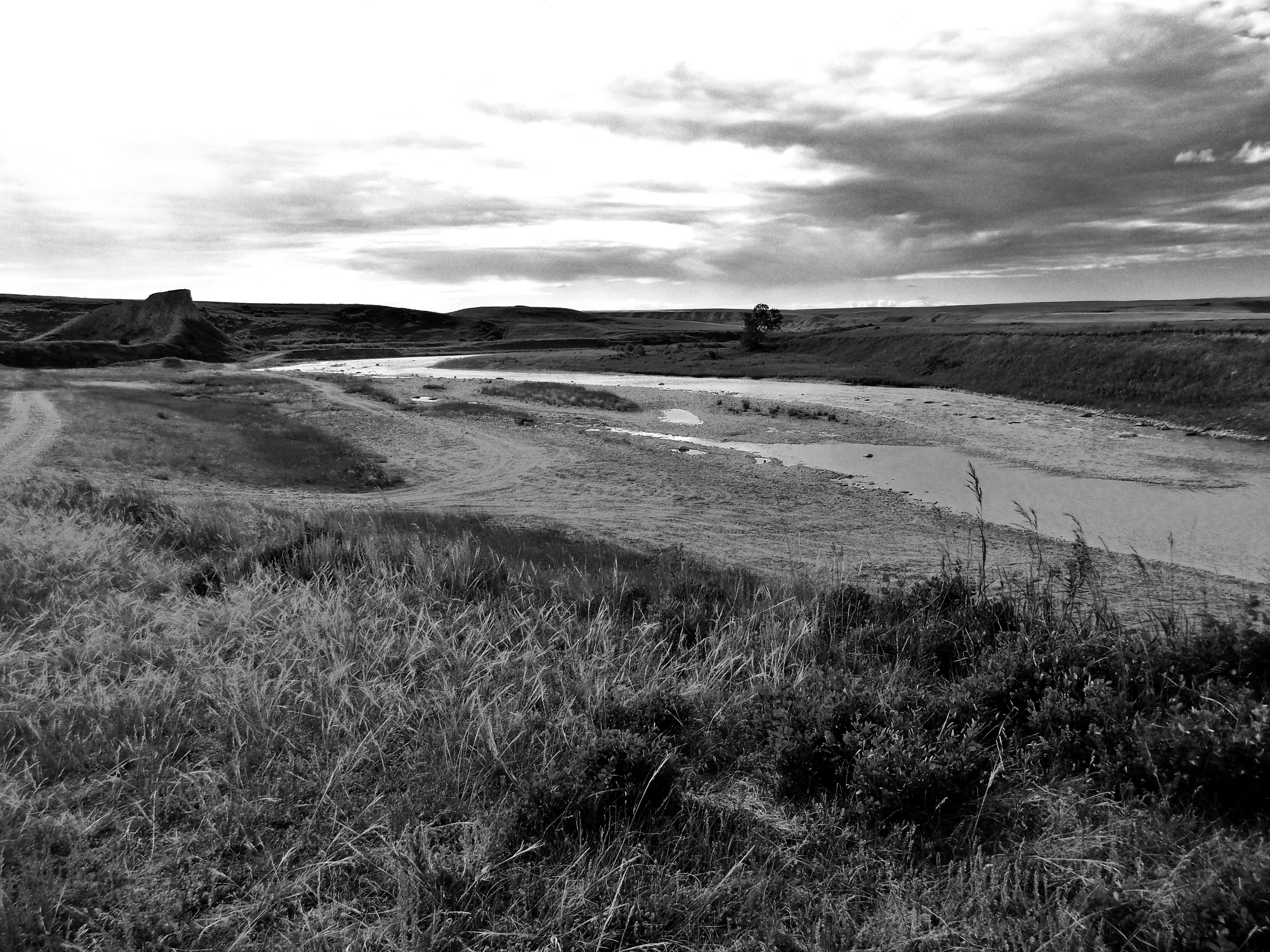
 

clouds

clouds rolling in, game over
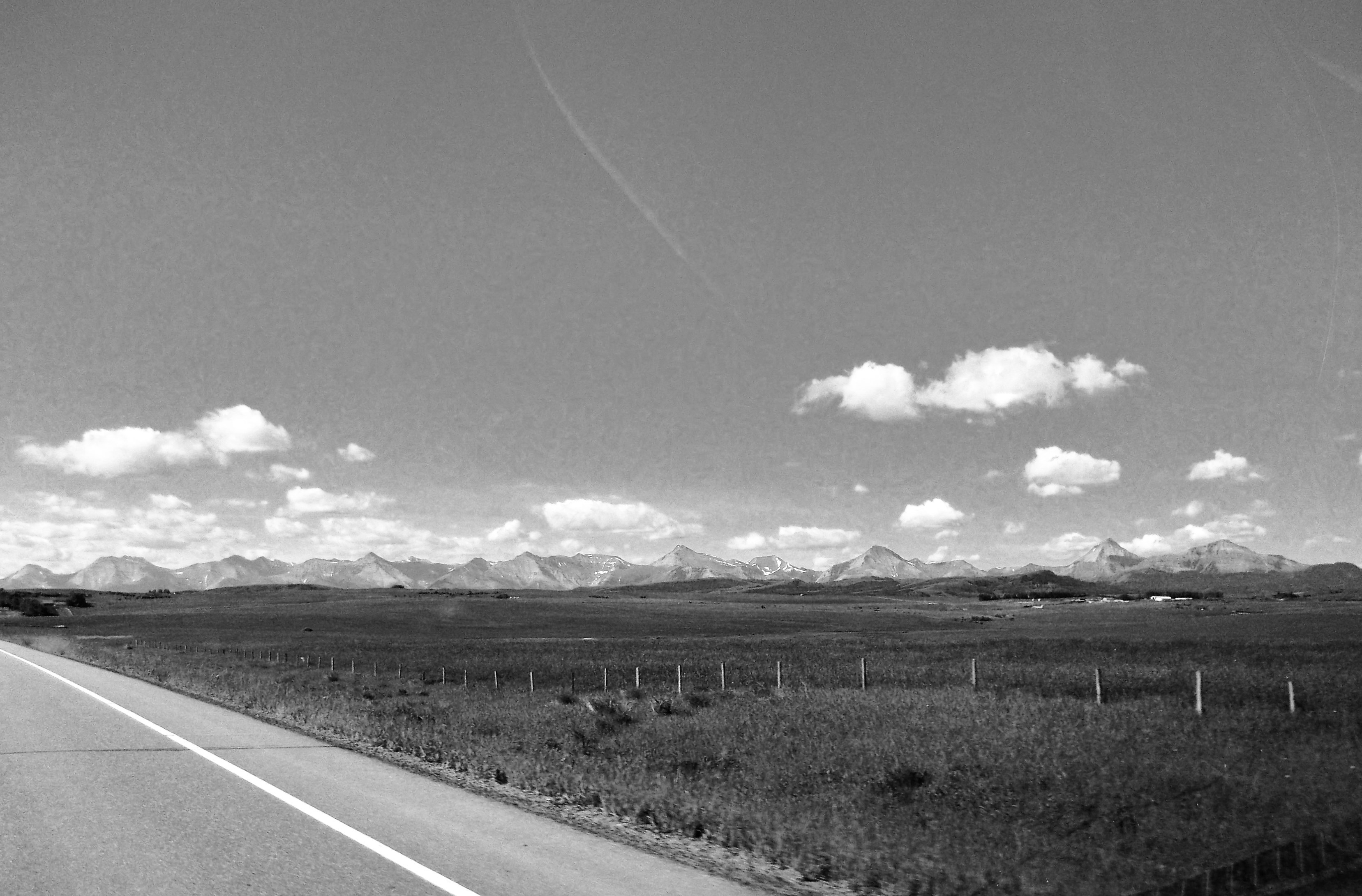


95F in the Shade

stm (1)

prairie river


I hit three rivers this weekend. It wasn’t because I was feeling energetic. It was because things were slow due to the intense heat, so I kept searching for productive water. Give yourself enough time and pump enough gas into the tank, and you’ll probably find a spot that is producing. Trout fishing is rarely ever easy: too cold; too hot; too much wind; too much sun; water too high; water too low; water too turbid; too many anglers; not enough bugs; wrong flies; and the beat goes on.

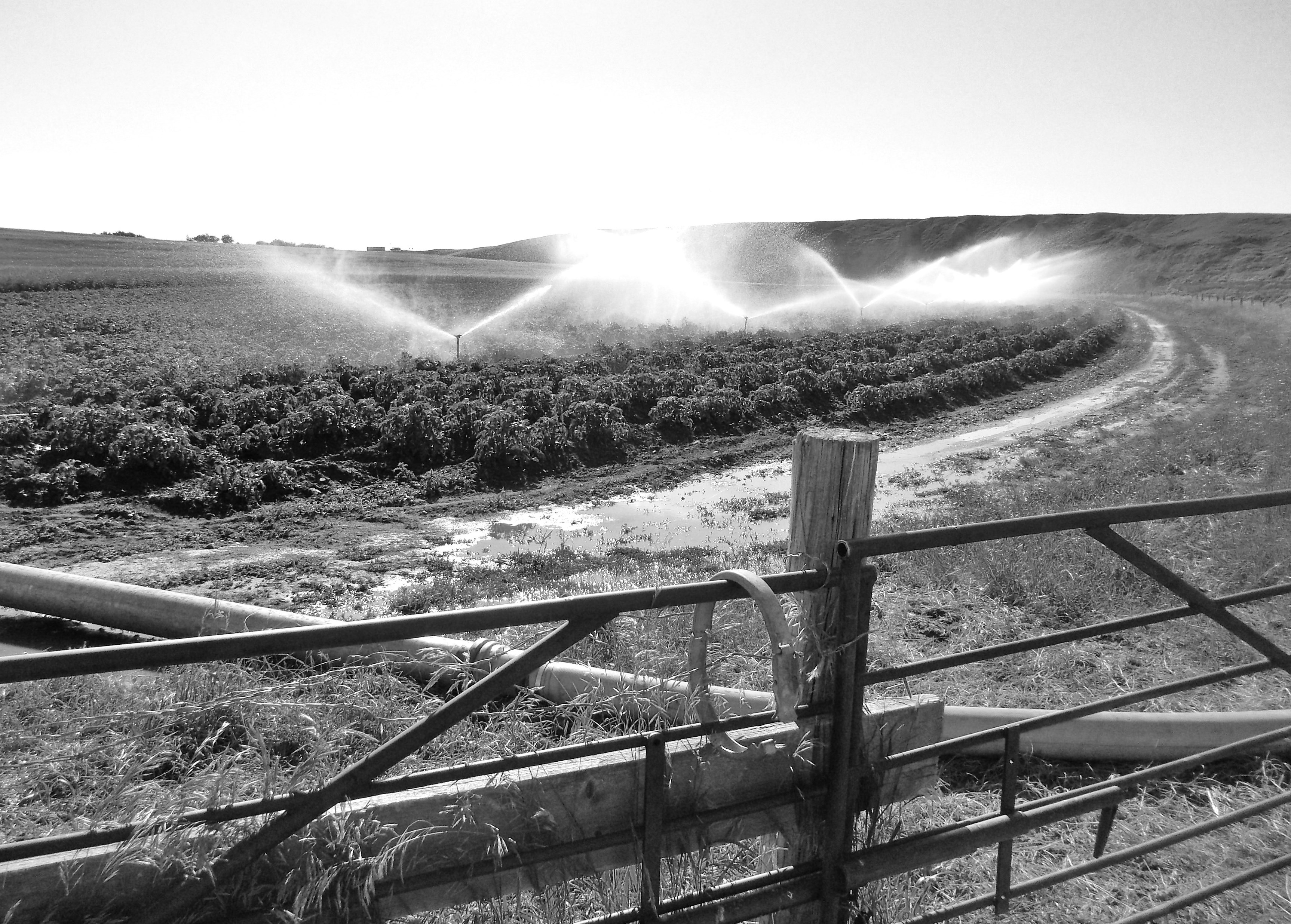
potato field

riverside potato field on prairies

stm (2)

oldman tailwater

One of the prairie rivers I fish seemed abandoned. It turned big time off. Last weekend was excellent. This weekend was dead. It was a ghost town. The trout apparently left the main floor and headed for the cool of the basement. They must have been deep. I never saw a decent fish. Heck, I never saw a fish! I was so hot my cheese sandwich grilled in my backpack.

net shot

crowsnest rainbow on dry

crow side (1)

crowsnest river side channel, no bugs, no fish

So I drove to a nearby tailwater that always runs very cold. It looked promising but… no bugs. The PMD’s didn’t show when I was there. Maybe they were congregating high up in the mountains which is where I should have been. A Cutthroat stream would have made more sense than heading out on the flats where in the shimmering heat I think I spotted a camel near a place called Standoff…or was that a llama? Anyway, it was tall and had a long neck, and my head was hot. On the tailwater I prospected with a big dry fly, walked a mile and caught a few.

yes 2

crowsnest river bow on dry fly

Then the next morning I got up early and fished the Crowsnest river which is right by my house. It fished alright…not great but ok. It was the best of the rivers I had been on. I caught a few sippers in a big back flow. Challenging fish that had spectacles on (tinted due to the bright sun). They inspected every fly in great detail. The hatch was in the weak to moderate range. It got under way at 10:30 am but fizzled in an hour or two. The only place I could find surface feeding trout was where bugs were collecting in slow back eddies, etc. No risers were spotted anywhere else such as along banks, in the big pools, along current lines, etc.

big baxk flow

crowsnest back flow

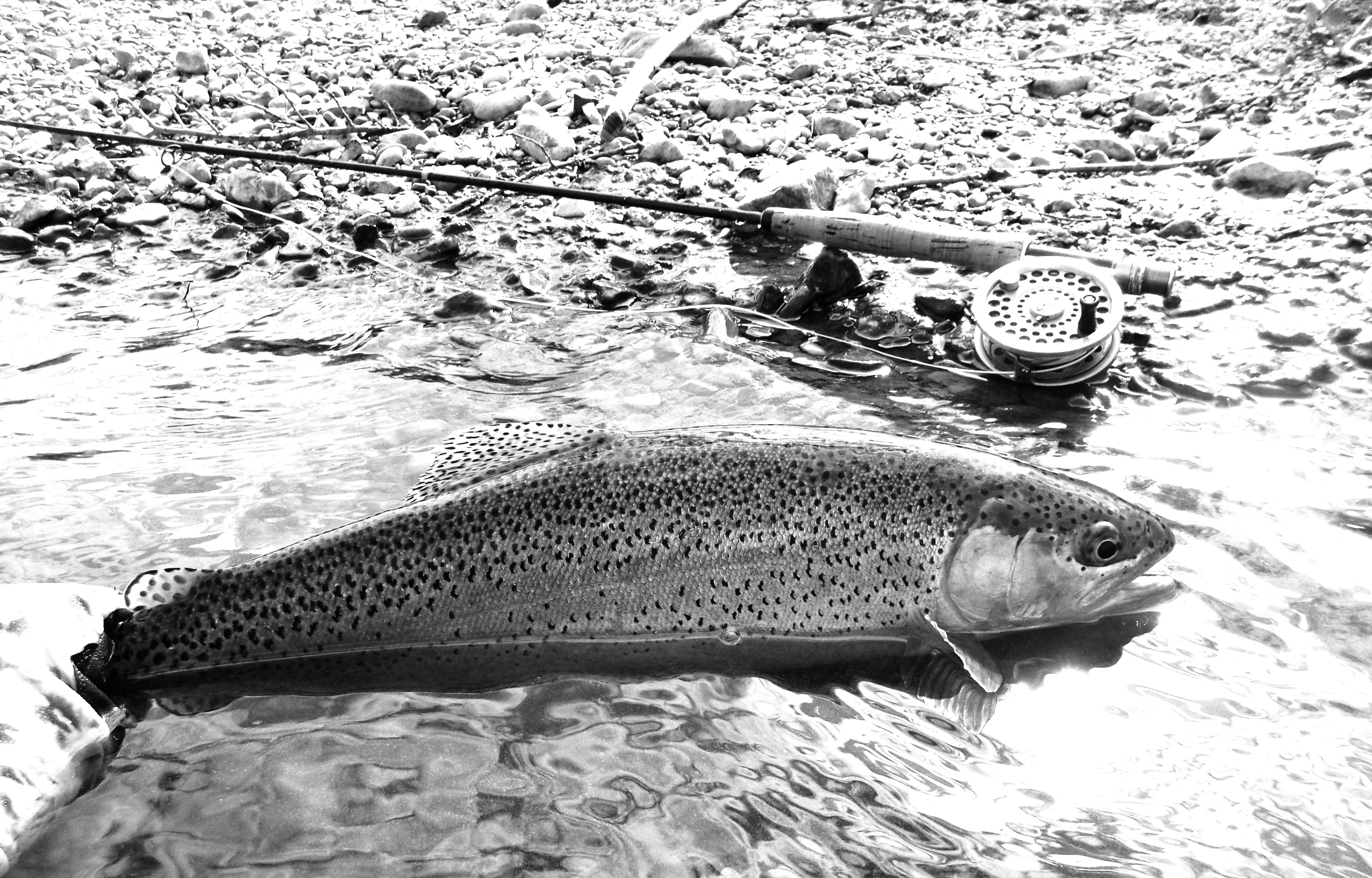
The Crowsnest (Crow) river has some of the best looking rainbow trout found anywhere…all fins intact…all wild fish. The Crow is really just a stream but it holds some fine fish for its size. I don’t mind mentioning it as it is so well known. I wrote a little story about it several years ago in an old blog….if interested google: Flyfishing the Crowsnest River, Small Fly Paradise.

yes 3

crowsnest river rainbow on dry fly

Into the Great Wide Open

“There’s an idea of the Plains as the middle of nowhere, something to be contemptuous of. But it’s really a heroic place”.

Ian Frazier

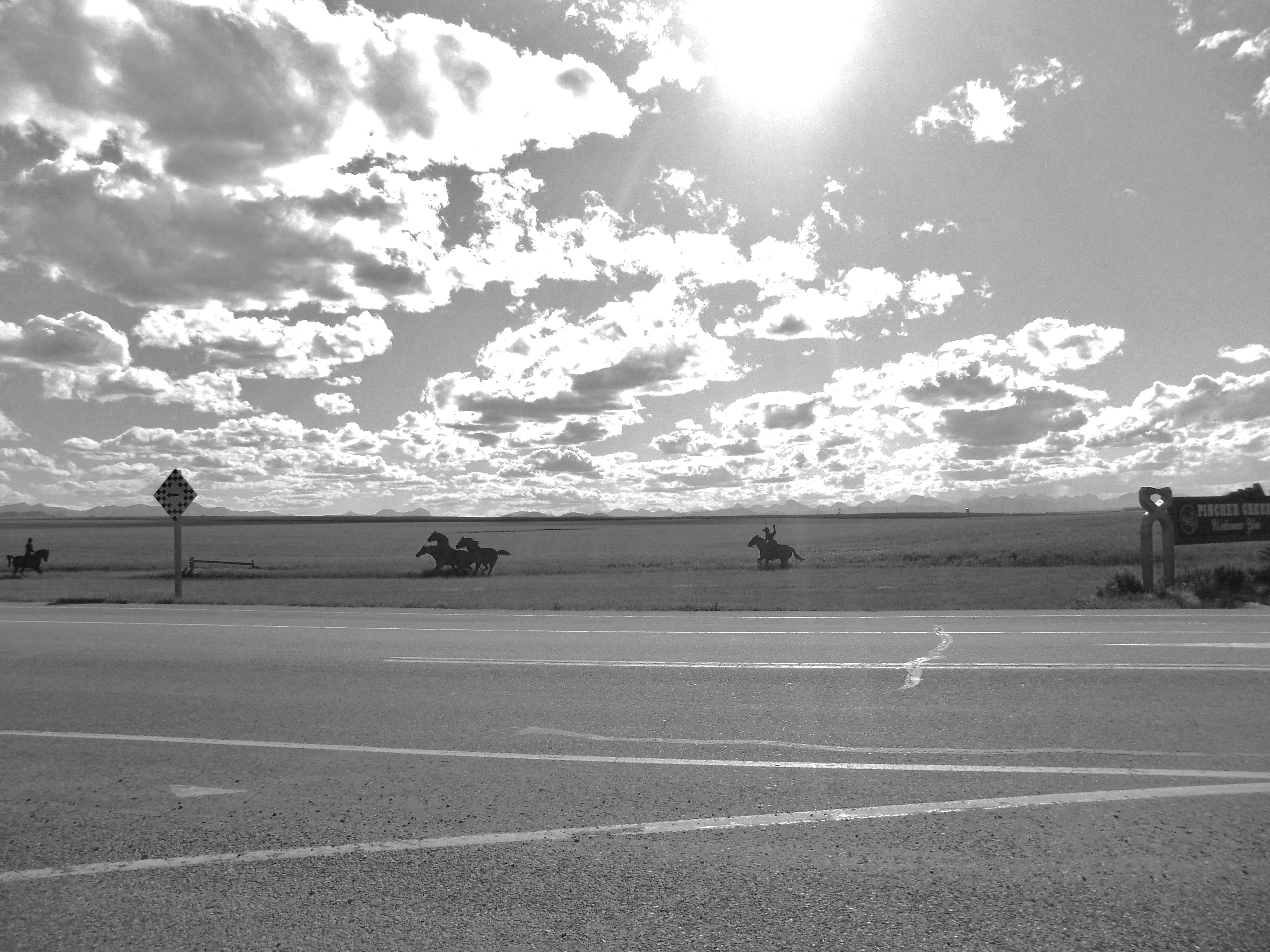
riders

I spent a couple of afternoons sight fishing with dry flies out in the great wide open. Several nice trout were spotted and a few tricked in very shallow water. Both took me into my backing as all they could do was run far away. There was no depth to the side channel I was fishing so they couldn’t sound.

There is no place to hide out in the “wide open”. You can spot fish when the sun is out and of course they can spot you. You’ve got to go slow, stay low, keep your distance, use the angle of the sun to your advantage and keep your casts just above the water (side arm). Approaching feeders from behind is usually the best when possible but sometimes you just don’t have that option.

Pale Morning Duns (PMD’s) were the main hatch. There were also Yellow Sallies and a few Drakes and Caddis flies. Trout were caught on size 16 and 18 PMD’s.

Challenging angling in a very beautiful place.

mts

very little snow on the peaks, rare for late june

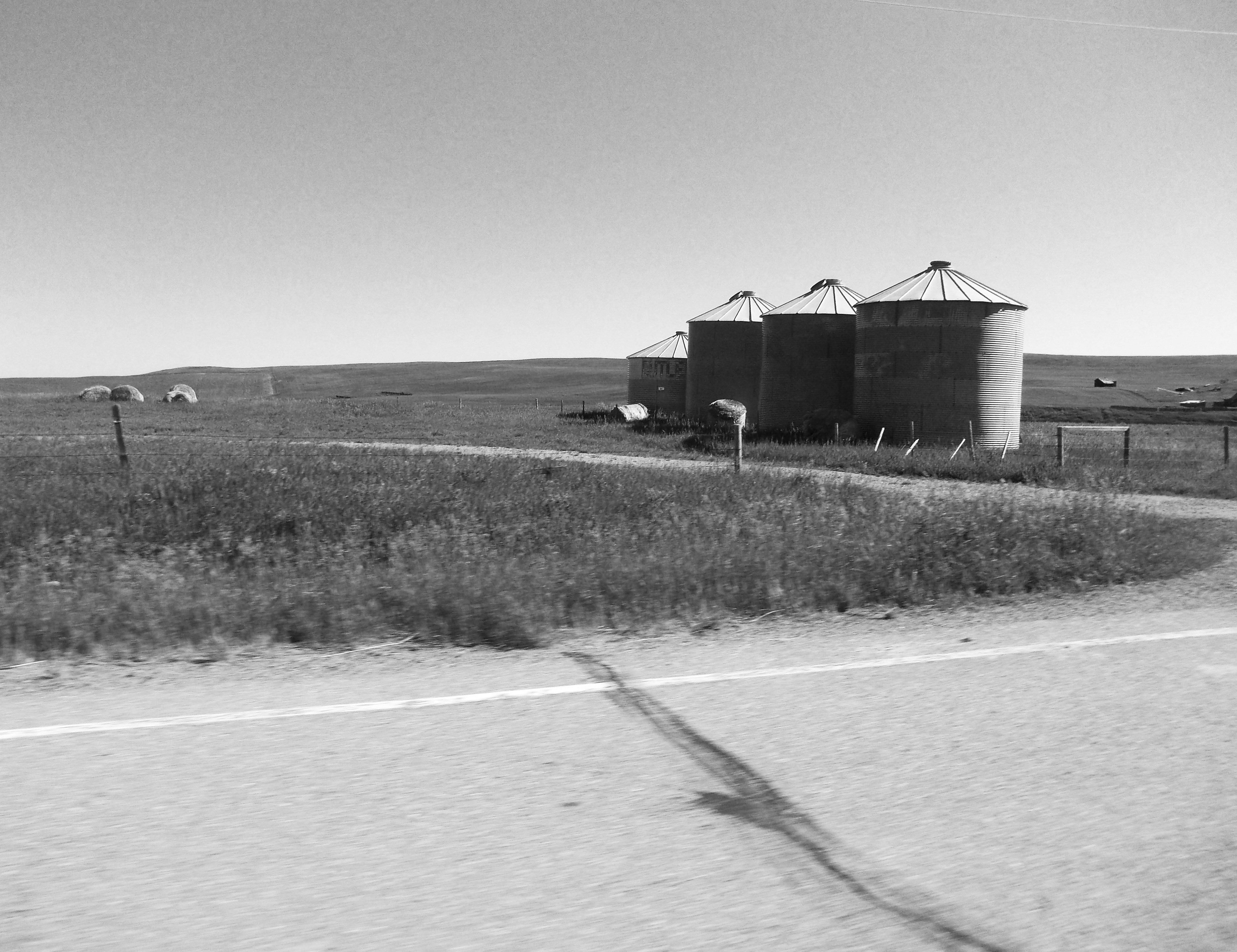
silos

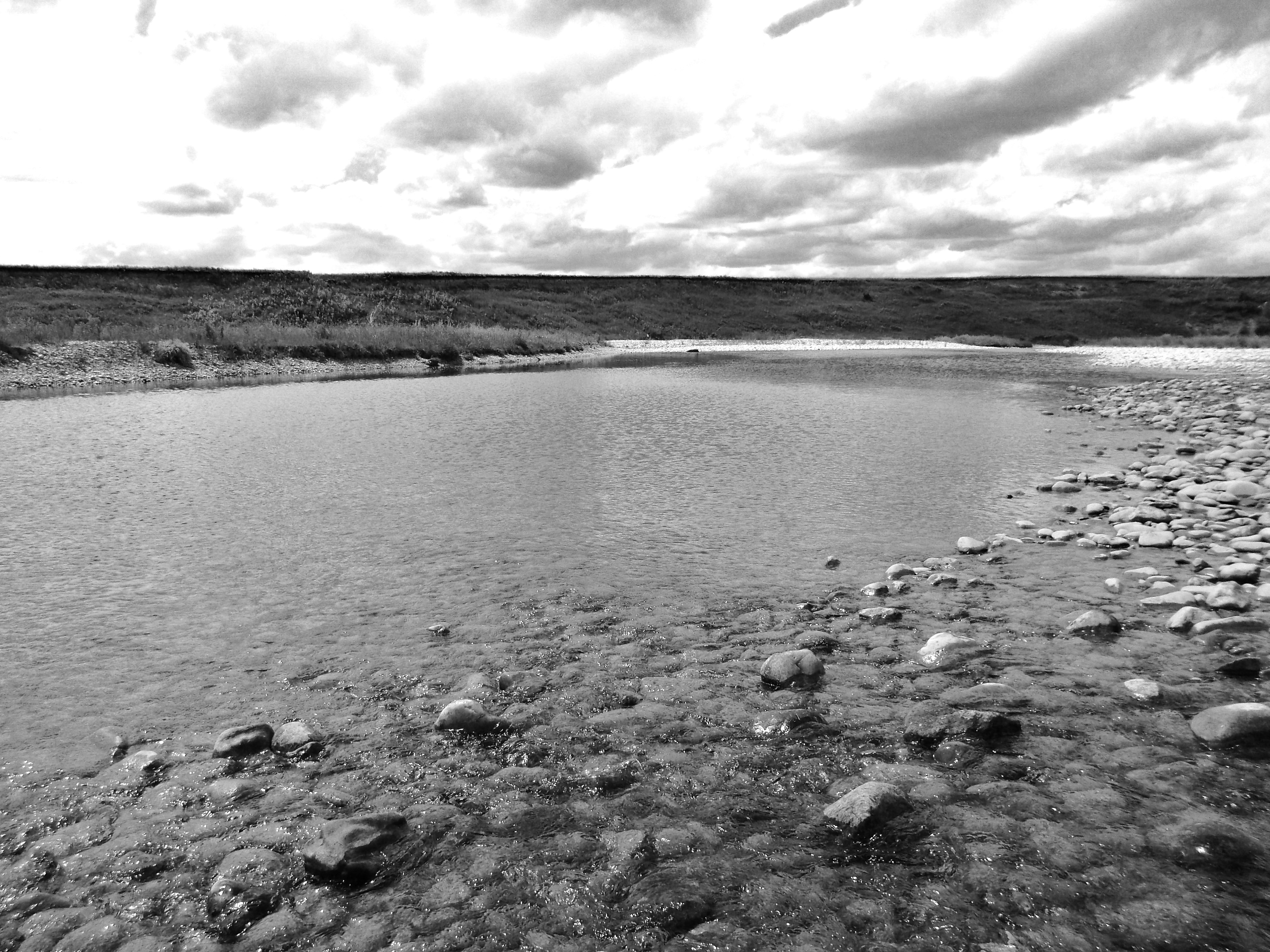
side channel

side channel


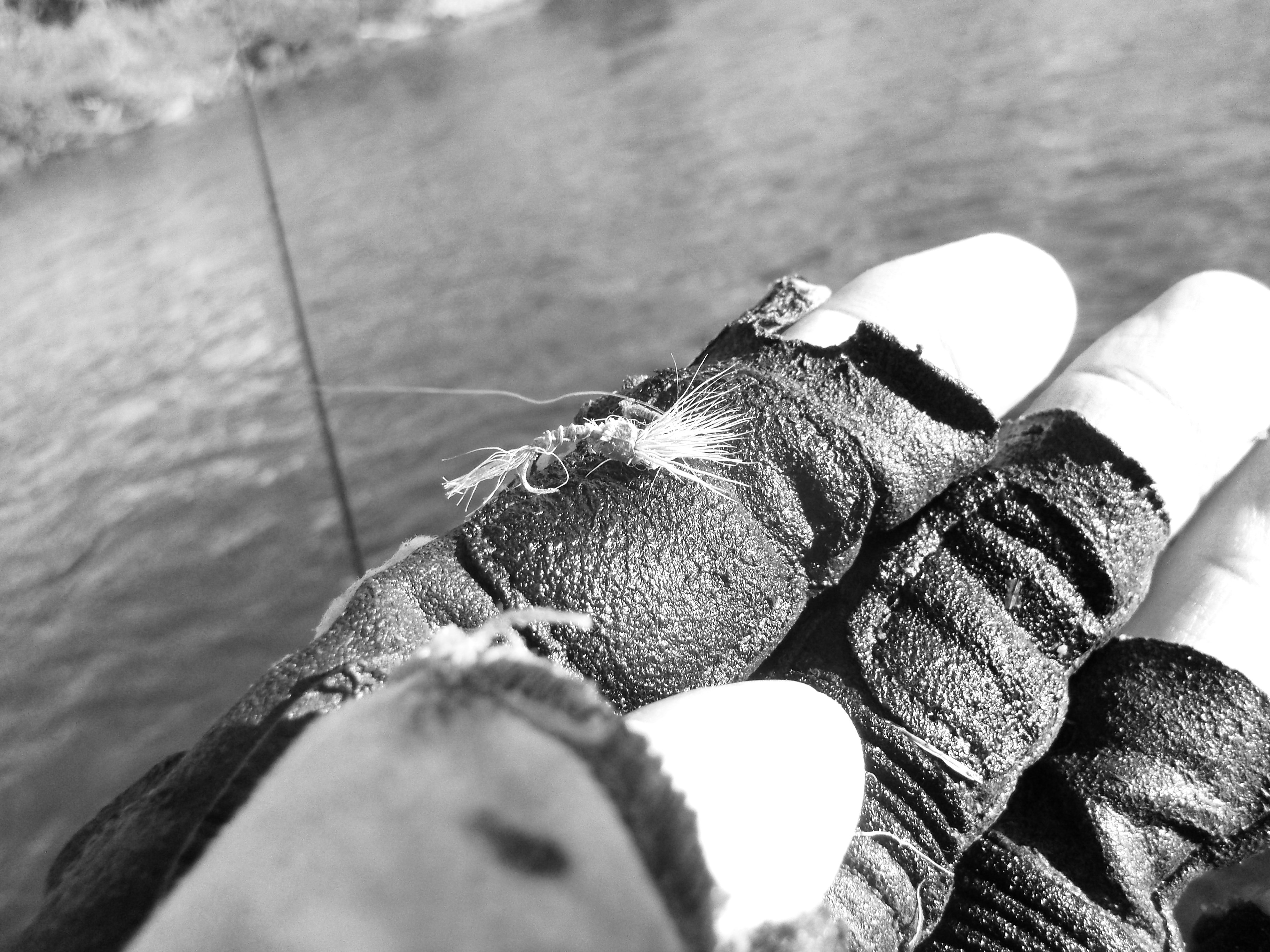
flyhand

fly of choice

clear trout

fieldclouds

3trees

flatwaterwaves

bowhand


crowbow2

flatwater

a rare calm moment on the plains

treehills

drvhomr

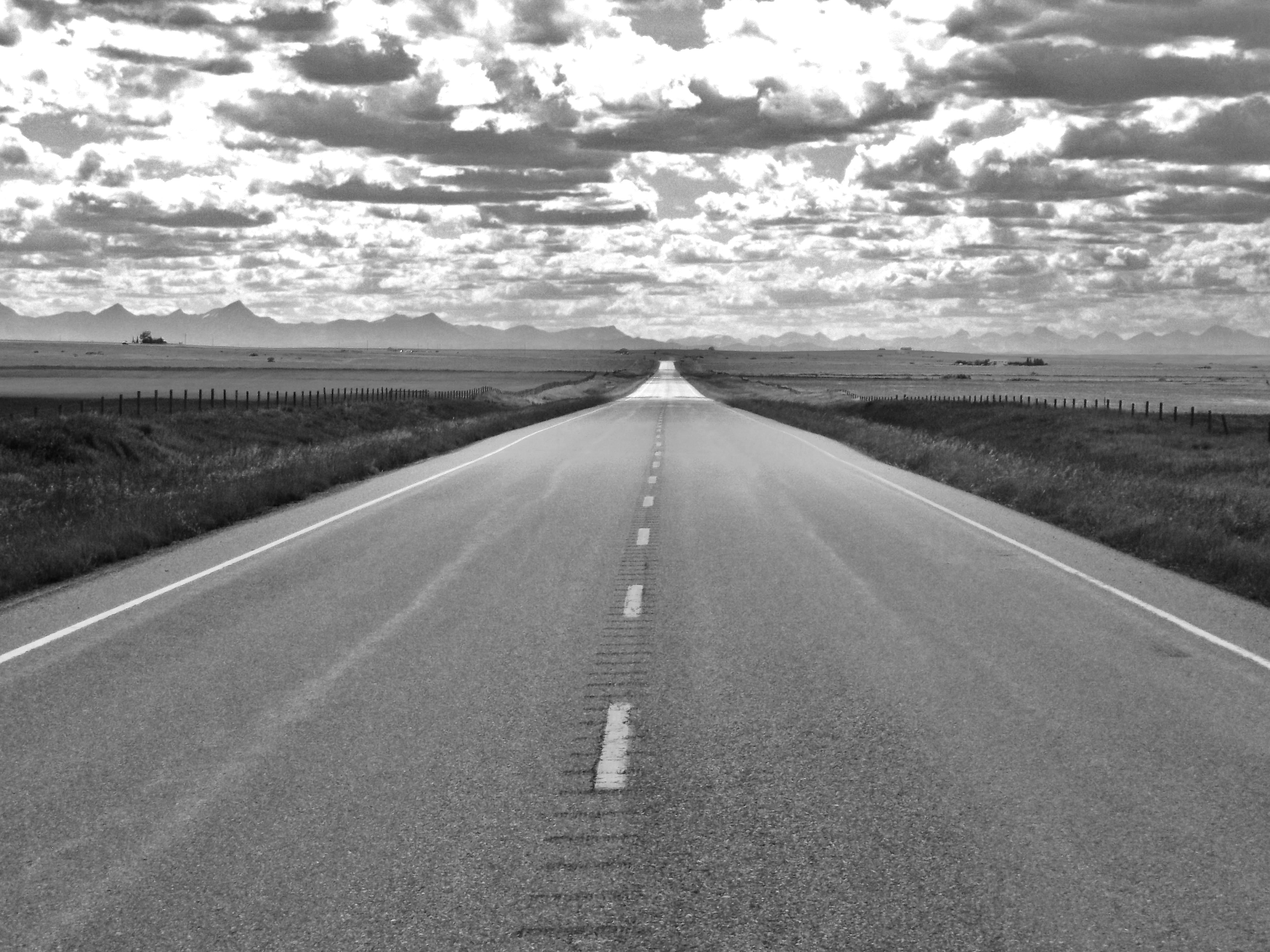
the drive home

Sweating the Small Stuff Under a Big Sky

145

“The Littlest Birds Sing the Prettiest Songs”

-The Be Good Tanyas

When I moved to the West to fish its many trout streams I was anticipating the big fly hatches: Salmon flies; Golden Stones; Green and Brown Drakes; etc. I soon realised the emergence of these exciting big bugs is often brief and unpredictable. What was reliable, however, and brought trout to the surface day-after-day all season long and then some, was the small stuff. It was the littlest bugs. That’s what I consistently caught my best fish on. Quickly my fly boxes started being filled with tied Midges, Olives, PMD’s, Tricos; small Caddis flies; and little Beetles. Just about all of the trout featured in this blog have been caught on small stuff (small dry flies).

BOAT craig becks camera 2013

bird

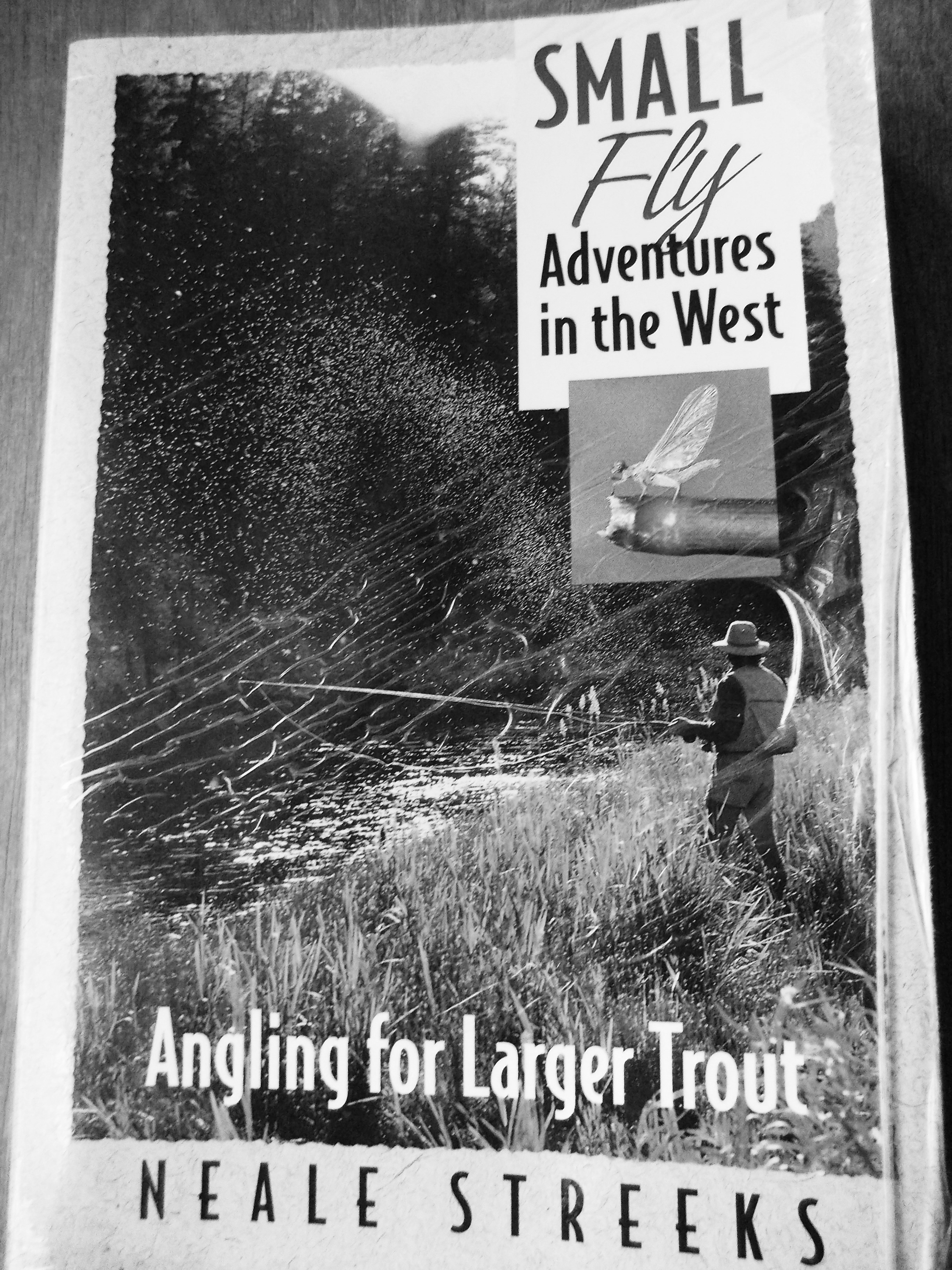
Then one day I came across a book that clearly described what I was experiencing on the rivers in my region: Small Fly Adventures in the West, Angling for Larger Trout by Neale Streeks. Neale, a seasoned and observant Missouri river guide, wrote about why smaller flies are often more effective at catching more and larger trout. As I turned the pages I kept saying, “Yes, yes…yes”. What he authored matched what I encountered every time I slipped into my waders.

brwn t

brown trout on pmd dry

If you fly fish tailwater rivers, spring creeks, and other rich (alkaline) flows with dry flies you owe it to yourself to find a copy of this out-of-print book. It will make you a better angler and you’ll end up enjoying sweating all the small stuff!

001

brwnnet

same brown trout

Here are some photos from a recent outing. All the trout featured were caught on small flies (PMD’s).

midge dog 2

a little midge after my breakfast burrito

bow and hand

trout boot


Up Sheep Creek Road

pothole rd

sheep creek rd

Sheep Creek road; North Picabo road; Kimpton bridge road; Spring Coulee road…and the list goes on and on. What they all have in common is they are dirt roads; back roads. Follow them and like the North Star or Southern Cross guide an ancient mariner, they deliver you to rising trout. All are in the middle of Nowhereville and Nowhereville is always a good place to be if you are into trout. Here are some photos taken while casting dries somewhere up Sheep Creek road.

bow

rainbow trout caught on micro may fly, size 20

leaf

river side cottonwood shade

tent

travelling light

vista

boot

run water

sock

sheep creek rd, wet sock on dashboard reflection


brown glow

brown trout on dry

tree row

l brown

brown trout on dry fly


Fly fishing and Managing Yourself

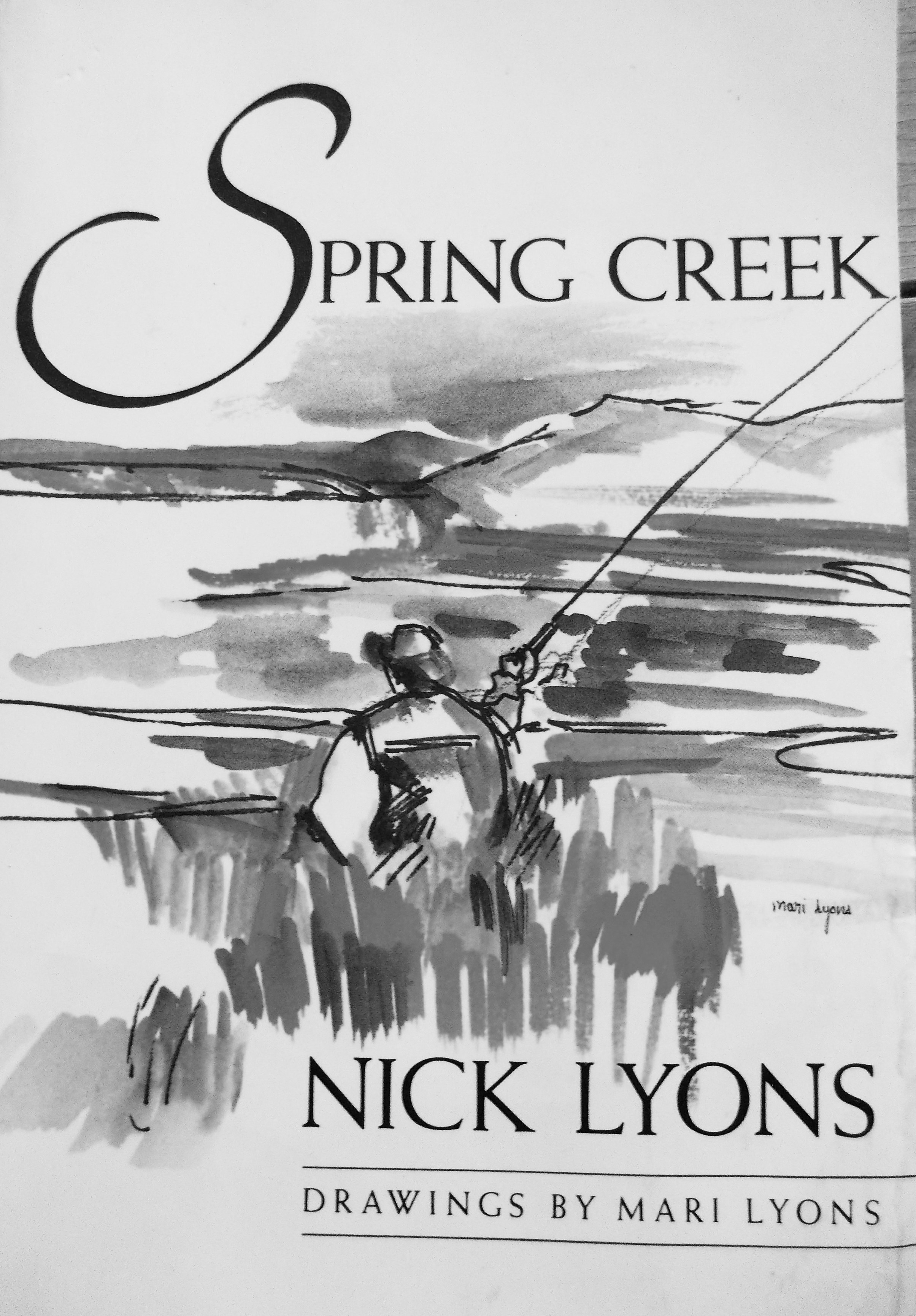
My favorite book about dry-fly fishing hands down is Spring Creek by Nick Lyons. Nick wrote it after spending a full month each summer for several consecutive years fly fishing an amazing private spring creek somewhere in Montana. He often had the place to himself. Lucky fellow. Although it’s an angling story and not a “How To” book, it simply oozes with valuable information on how to fish to selective rising trout on slow clear water. I have read it several times and return to read sections of it every winter.

001

Nick says he became somewhat obsessed with this type of angling and the creek, and eventually had to put pen to paper. He was searching for trout angling that was more challenging and he wanted to try to catch “harder” fish. Spring creeks and tailwater rivers offer that challenge. Nick had a rude awakening when he first cast on the creek and over time he had to refine his tactics, equipment, flies and skill level in order to connect with the spring creek trout. He is helped along the way by the owner of the ranch and creek, a gifted and intimidating angler who has fished it for many years and problem solved many of the challenges and mysteries of the creek. This character alone makes buying the book worth it. All of what Nick writes about rings true to me having spent the past 14 yrs wading and casting dries often on similar water.
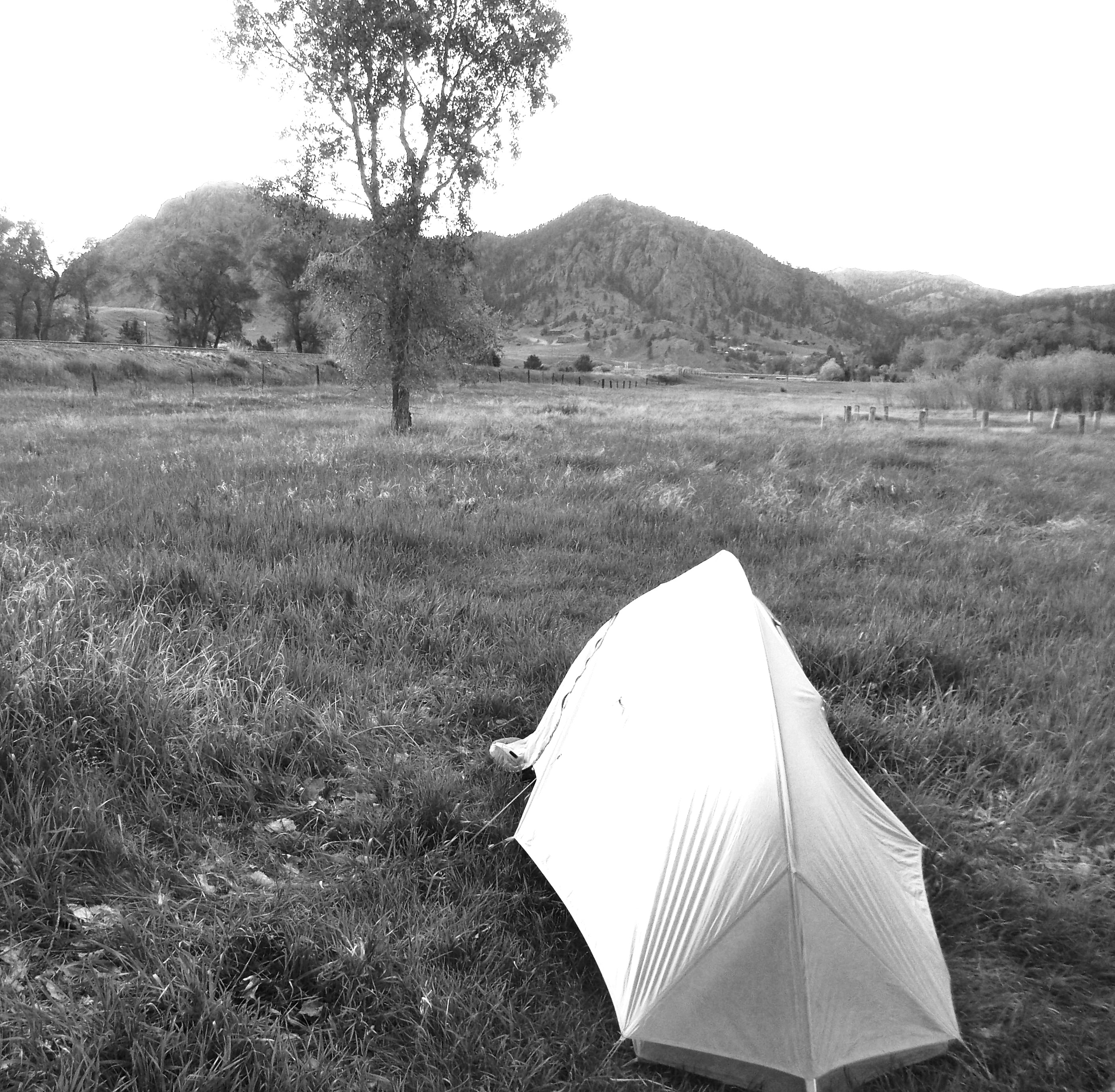
cliffs

oldman river, alberta


underwater t

rainbow trout, oldman river

Nick often describes how his mood and thinking on any particular day affects his fishing. There is little room for error on the creek and impatience, poor concentration, poor observation and even self-doubt, and other internal variables, influence his success as much as, if not more, than his skill and knowledge level. I call this the internal side to fly fishing. It is how you “Manage Yourself”. And on spring creeks and tailwater rivers you need to do this well in order to be consistently successful. What you bring to the river affects your day. If you can manage yourself and have a reasonable skill set and understanding of the type of water you are on, you’ll be able to trick fish. Of course, how you manage yourself can change with each angling outing and even within a particular angling day, or even when casting to one specific fish. Even when you get pretty good at it you will experience times when it seems you don’t have it; that you’ve somehow lost it. Of course it is still there.

hatch (2)

dry fly side channel


brwn t

brown trout, oldman river

If you can get good at managing yourself you’ll be rewarded on those challenging creeks and rich tailwater rivers. It is a big part of what I find so enjoyable about this type of water. A good day (a few good trout) means I managed myself well. The internal and external come together. A good day means I blended in; I watched the water patiently; I spotted difficult to see fish; I approached the fish cautiously; I calmed myself when necessary and made my cast at the right time; I watched the fly being sipped and then paused before gently raising the rod tip or sweeping it to the left or right. In baseball, the best percentage hitters don’t swing at every pitch, they wait for the right pitch. They manage themselves well at the plate…as in baseball, as in fly fishing…as in life.

large lift

2 foot rainbow on dry fly


hatch (1)

march browns

Some middle of May trout tricked and released while sight fishing with dry flies on the lower Oldman, a tailwater river, in SW Alberta. The hatches: BWO’s, March Browns and some Skwala.


002

stalking trout, nick in spring creek


Brown Trout on Dries

By perseverance the snail reached the Ark.

Charles Spurgeon

I spent the last two weekends fly fishing the Missouri river. The place was buzzing with anglers. The first weekend was cloudy and cool. The second one sunny. Not surprising the dry-fly angling was better when it was overcast. Trout are more likely to rise in low light. The main hatch: Blue Winged Olives; secondary hatch March Browns.

jet

anotherbrwn

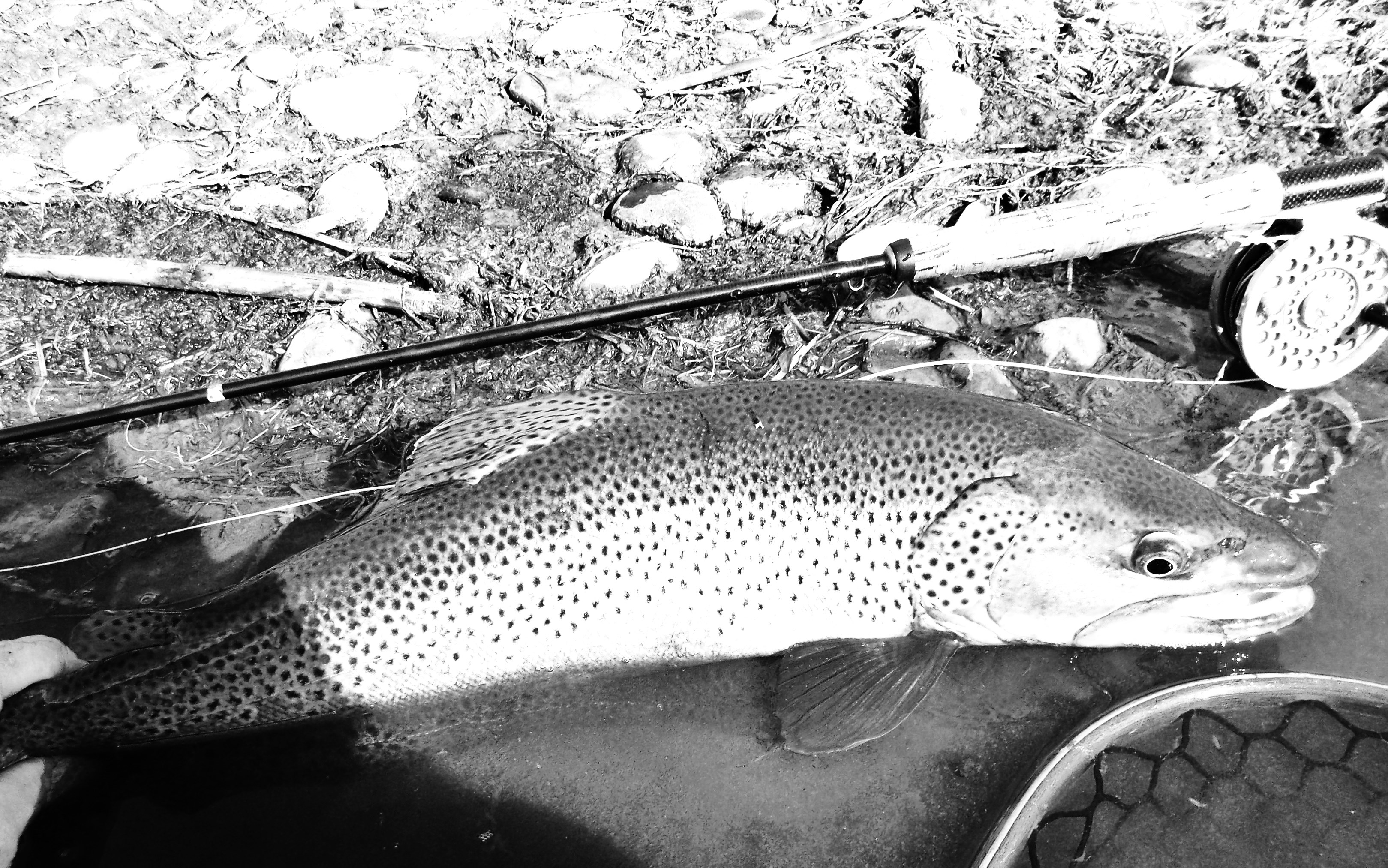
brown trout

A lot of people nymph the river. Many also throw streamers to the banks while drift boating it. The river has such phenomenal insect life that I can’t imagine fishing it any other way than with a dry-fly when the conditions are favorable and the bugs are out. I find that walking the river in search of a few good rising fish is just about as exciting as trying to trick them with a fly. It’s the hunt! Any garage sale or flea market aficionado would understand.

longshot

flat side

dry fly side channel


pyrm

Missouri river

On this trip(s) I was trying to spot Brown trout. I eventually located a few good ones feeding in the shallows. I spent most of my time focused on one particular trout as it proved to be a challenging fish, at least for me. I spent more time than I care to say trying to fool it. I spooked it several times and then had to sit for long periods waiting for it to settle down and then reappear. Waiting was easier when my retriever, Brooke, was with me. She’d sit by my side often leaning against me while we watched the water and I’d occupy myself and let time pass by picking hundreds of burrs out of her thick golden coat. Her presence made me a better angler.

first week brw

brown trout


brown2 (1)

brown trout

I had hooked that particular trout a week ago but it tugged me around and eventually broke off. This weekend I pulled a fly out of its mouth, and then later “nicked it”. I did eventually land it on a size 18 olive…more perseverance than skill. Late afternoon shadow on the water pulled it out of its lair and it started feeding with more of a rhythm. A fish eating this way is easier to trick.

hatch2

olive hatch


goose eggs

perfection


bunny

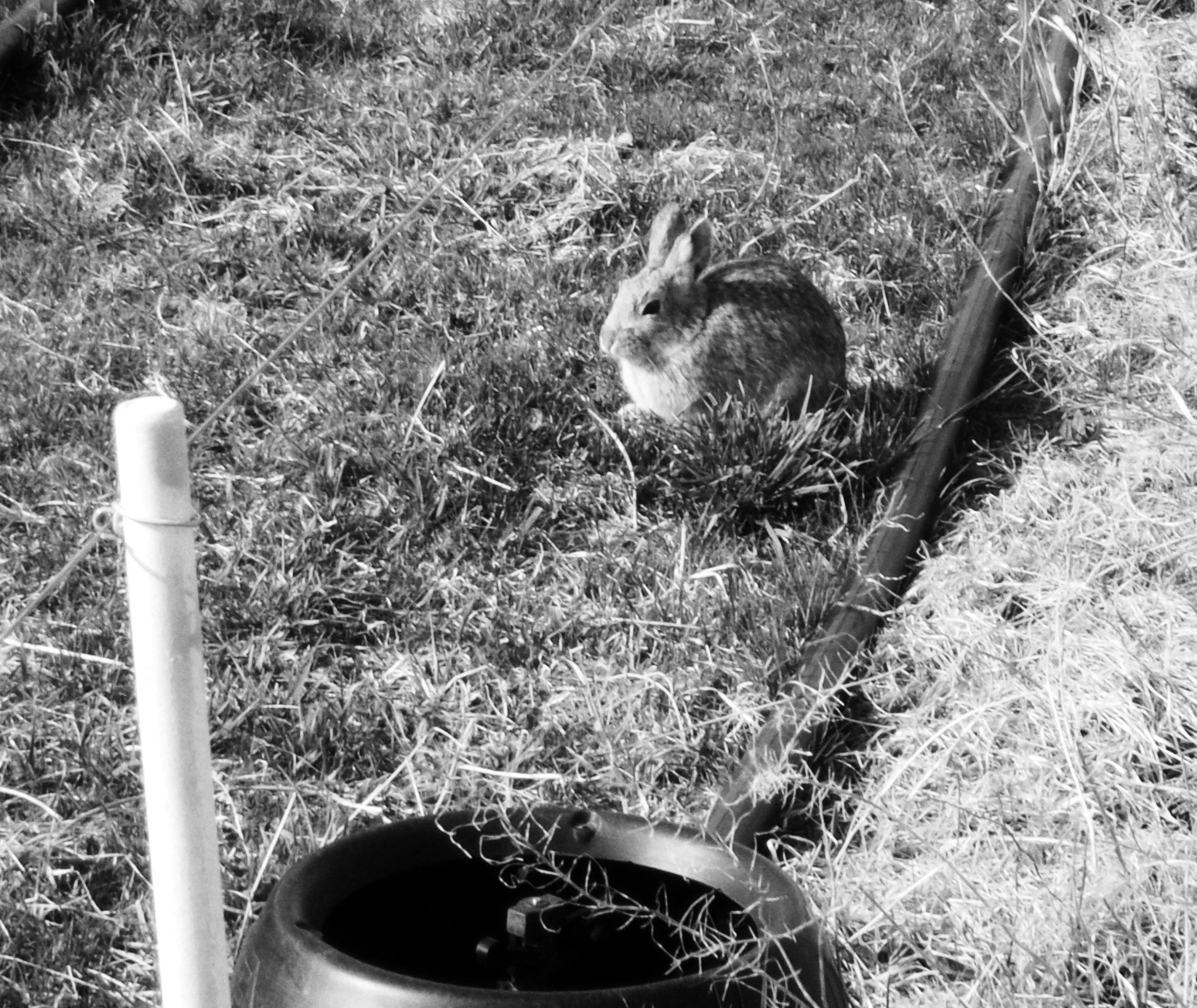
riverside bush bunny

When I tried taking a picture of the trout my camera batteries failed. I did, however, manage to fiddle around and get a few shots. I would have liked to get more. I had spare double AA’s  in my pack but decided to release the fish as it took a fairly long time to land it.

carsnow

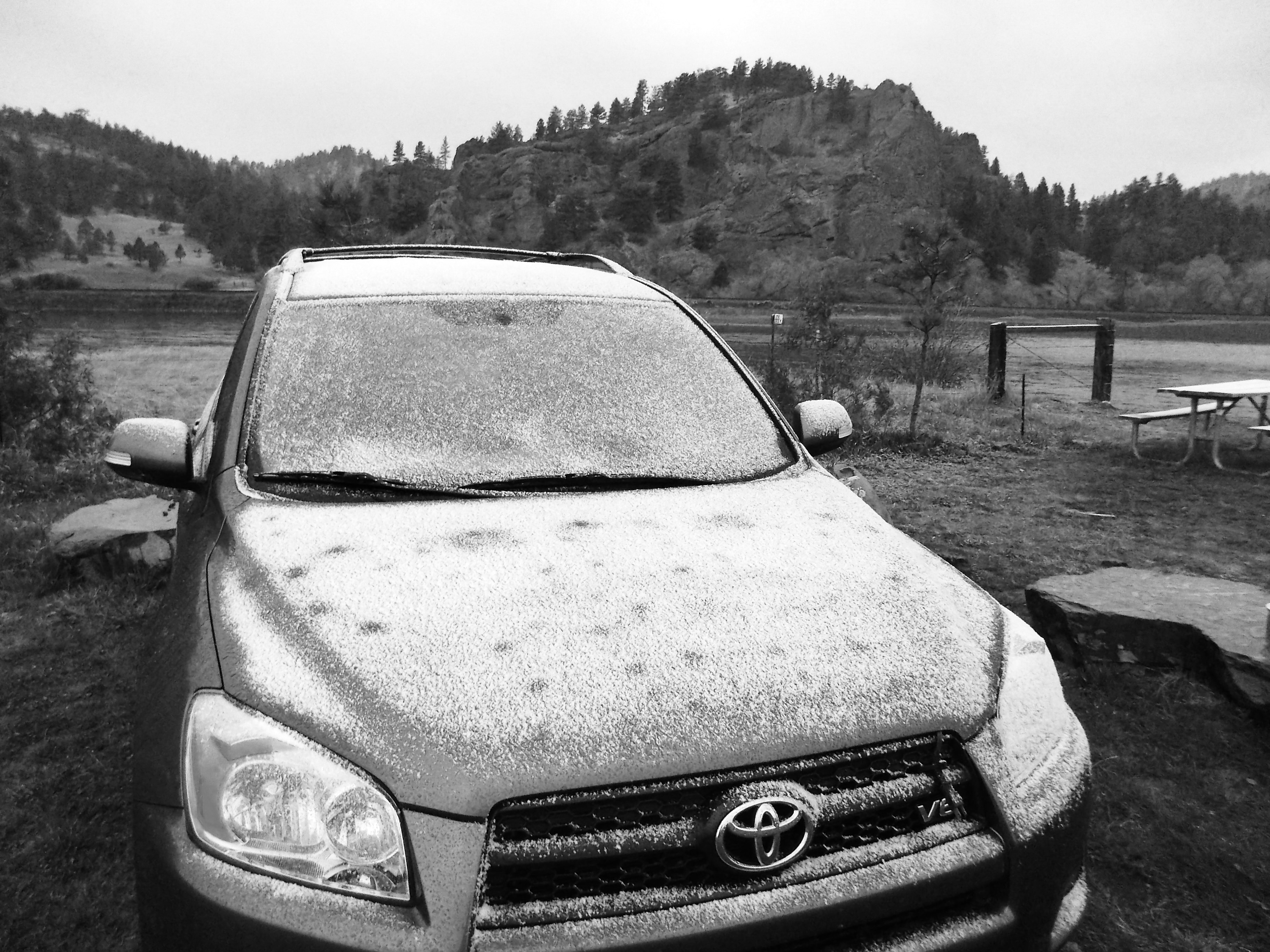
late april light snow


brown2 (2)

brown trout


ist week brw2

brown trout

Here are some trout (brown and a few rainbows) and western landscape pictures. It was nice to spend some long Spring days outside by the river and witness all of the life along it, and be part of it. All trout were caught sight fishing with small dry flies, size 18 olives, in shallow water.

bow2

rainbow trout


match

trying to match the hatch


crawfish

crawfish


river trial

cold afternoon on favorite trail


sunrays

warm morning

art bow

rainbow trout


Sight fishing Easter Weekend

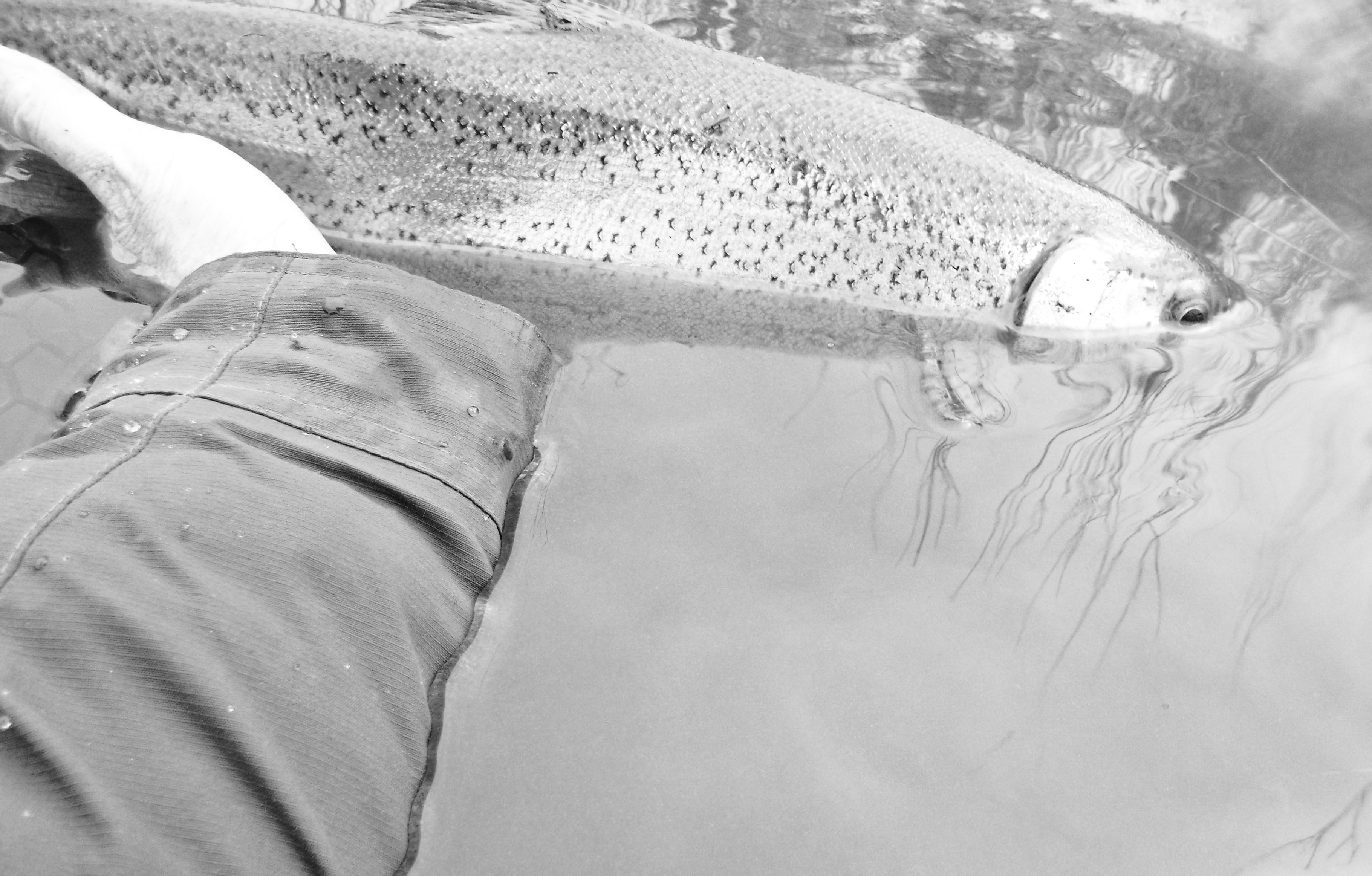
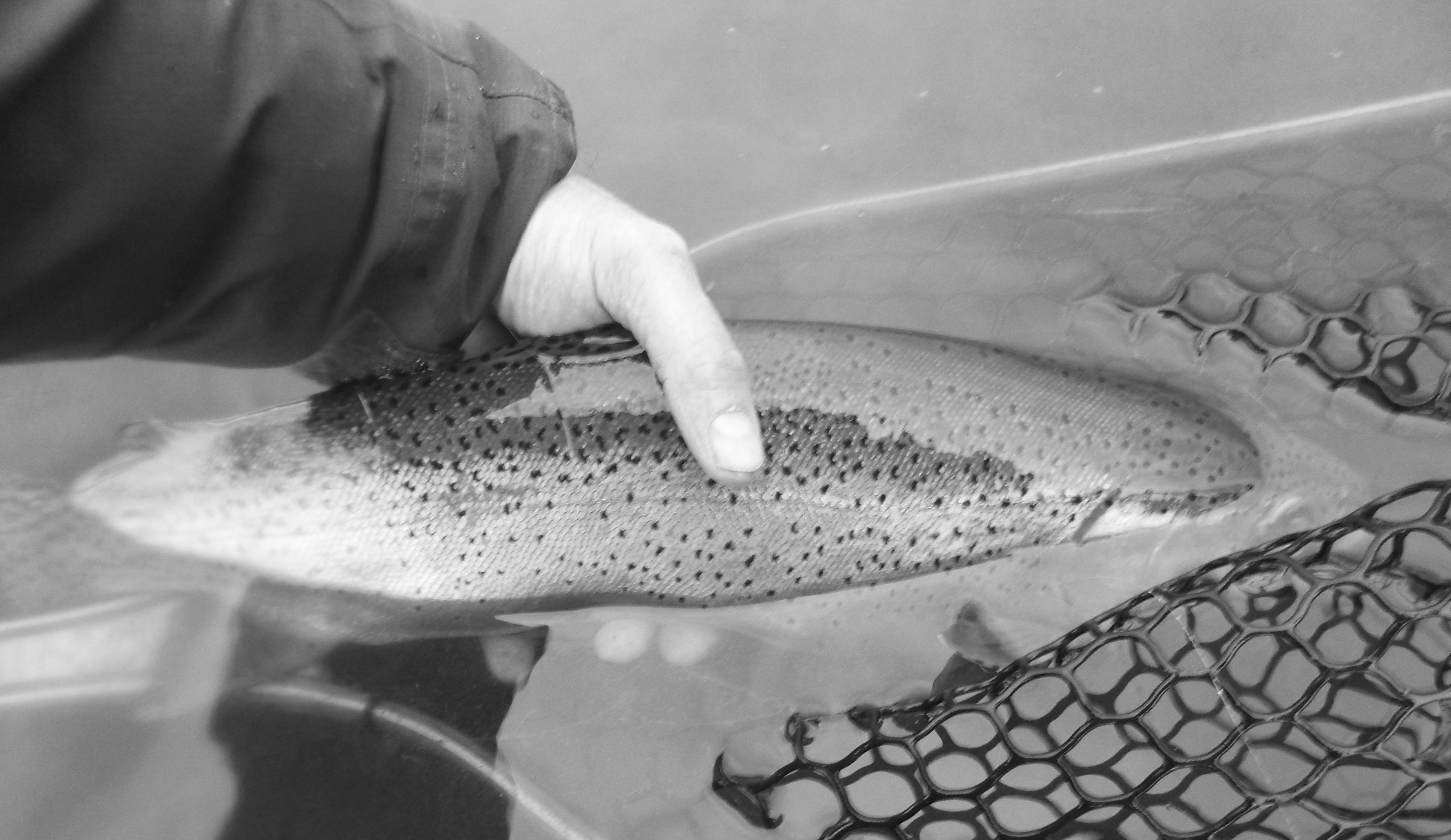
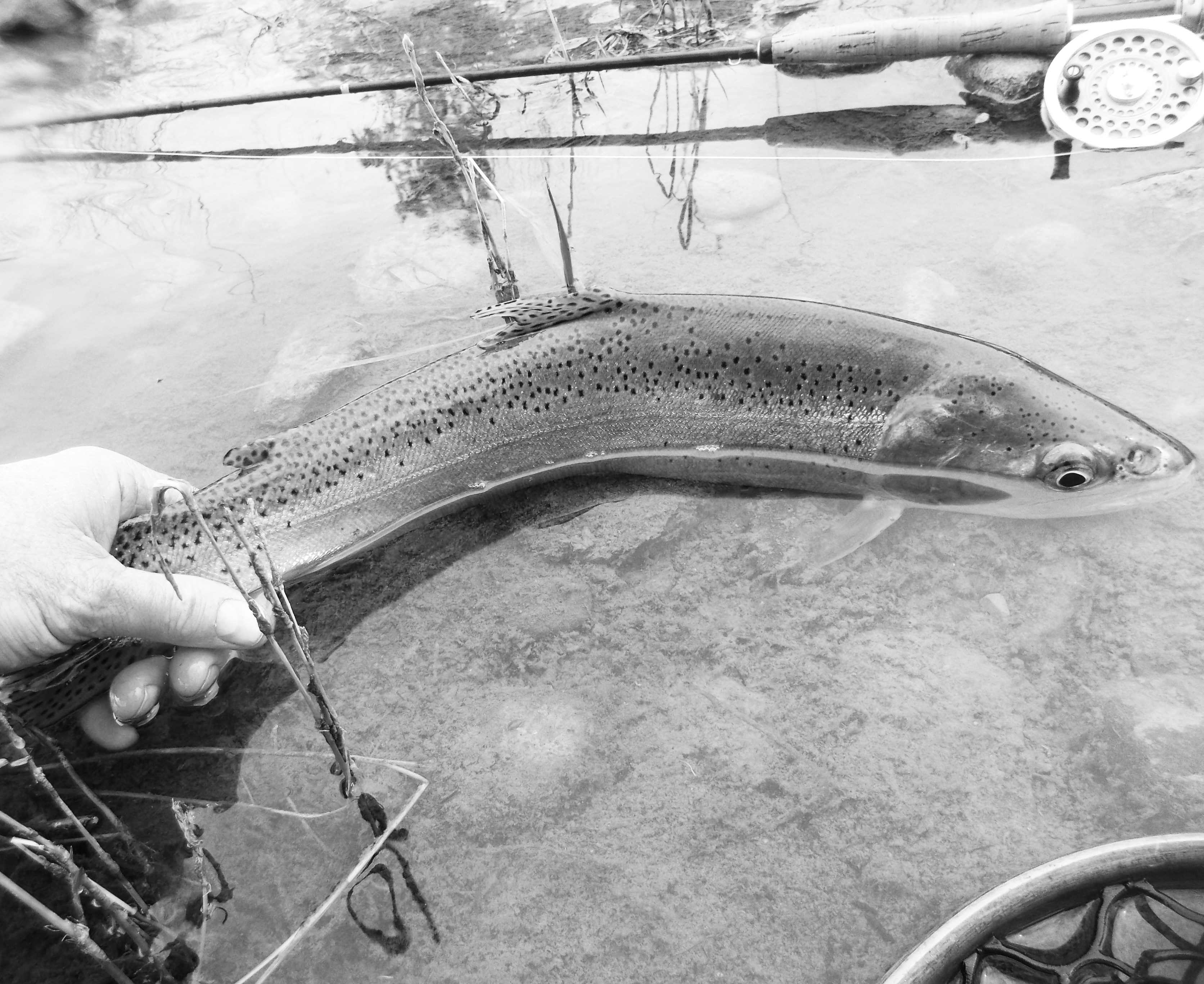
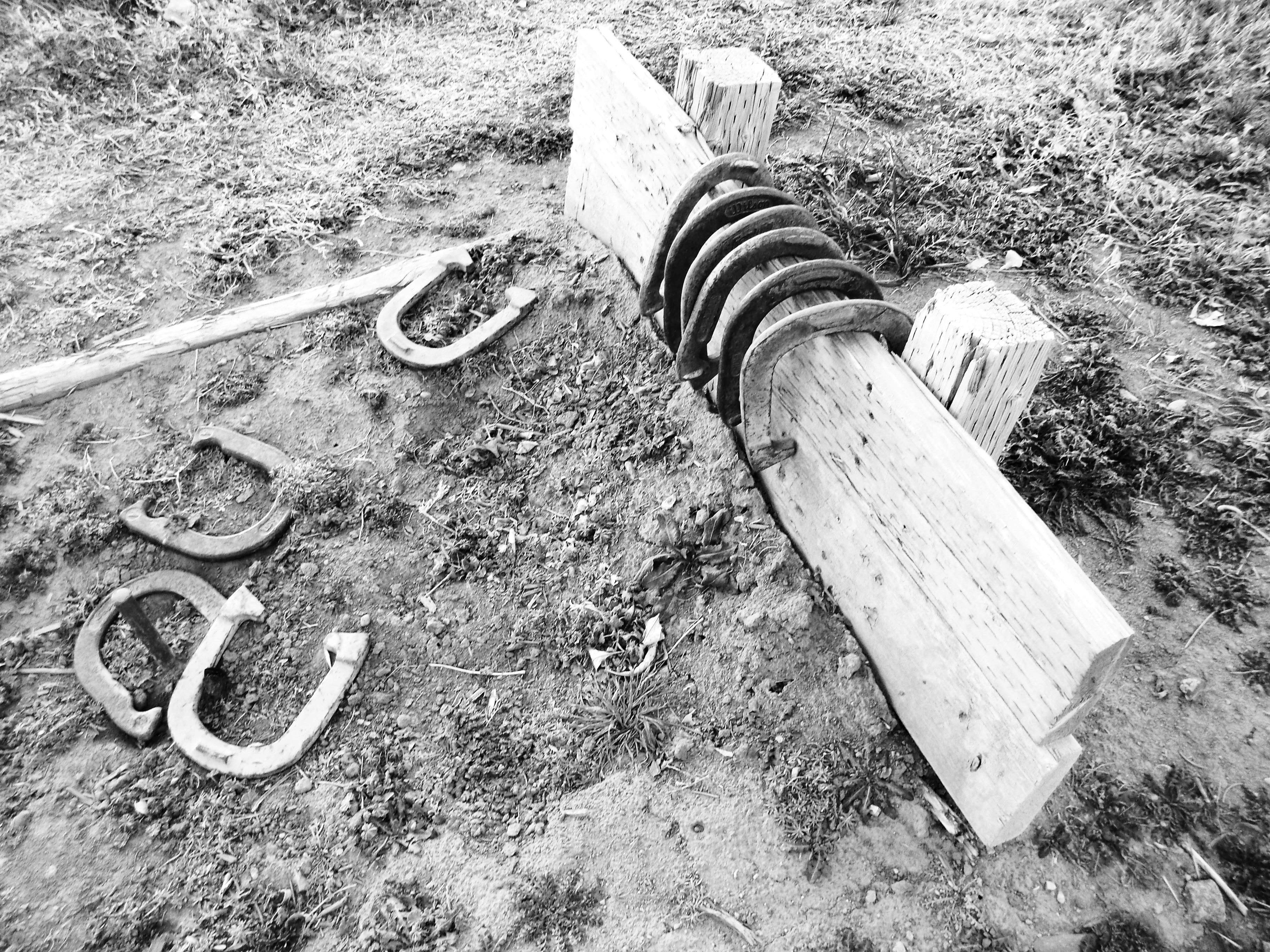
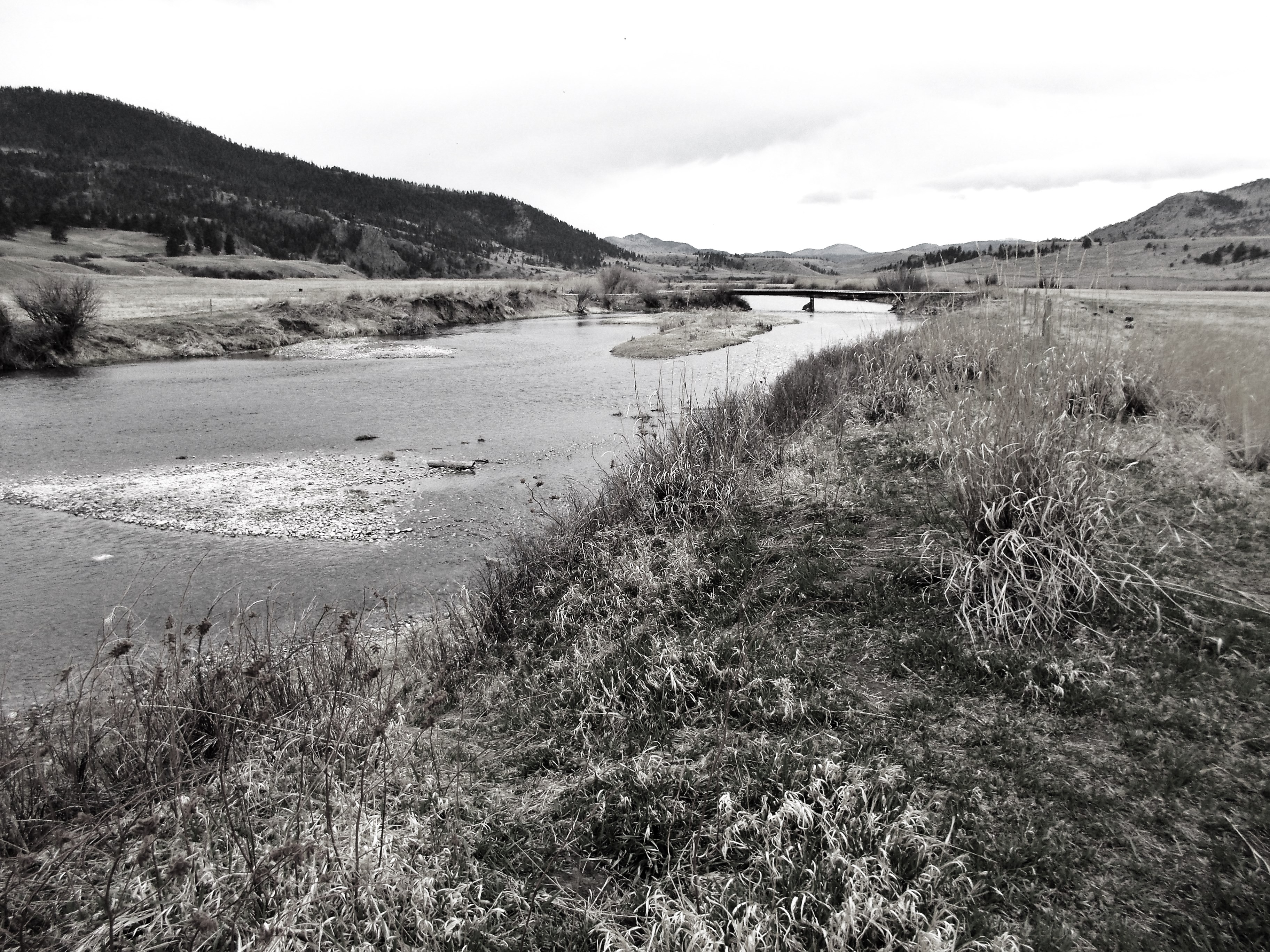
After a winter of fishing blind with a two handed rod it was a real pleasure to sight fish with a light 4wt rod and dry flies this past weekend. I spent two days walking and wading the Missouri river in Montana. I tossed midges all weekend and on a couple of occasions a small beetle. Most fish were on emergers (bulging the surface). A few could be found eating dries, especially when the wind died down in the flat water sections of the river. Some bulging fish could even be enticed to eat on top; however, many would not. A lot of the midges were clustering in the mid afternoon so cluster fly patterns worked fairly well. A few Blue Winged Olives were out but not many. This hatch should be developing soon which will make the dry fly angling easier. All of the fish below were caught on dries. I spent my time fishing flat, shallow sections; slow wading ankle deep water. Some great fish landed; many more missed. Some humbling moments. Trout fishing doesn’t get much more challenging or better. If you love dry fly fishing you owe it to yourself to one day visit this river.

tree

misty late day leaving the river

bbrown angle

brown trout on dry fly, beetle

beetle

beetle fly, chewed

pboxes

craig, scene


arm tiltfish

rainbow trout on dry fly

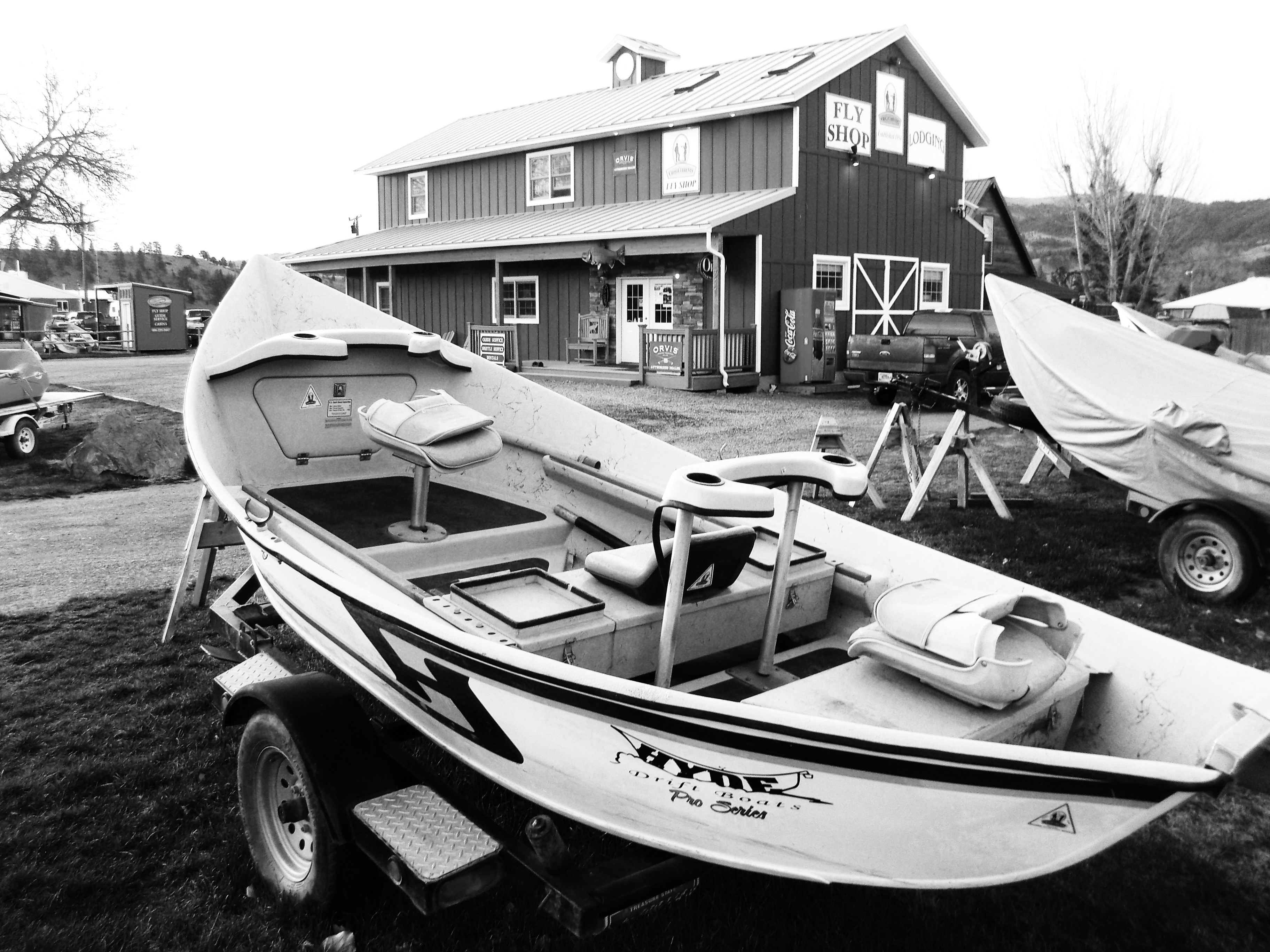
fly shop

craig fly shop

channeltrack

shallow side channel

bbowfat

rainbow on dry fly

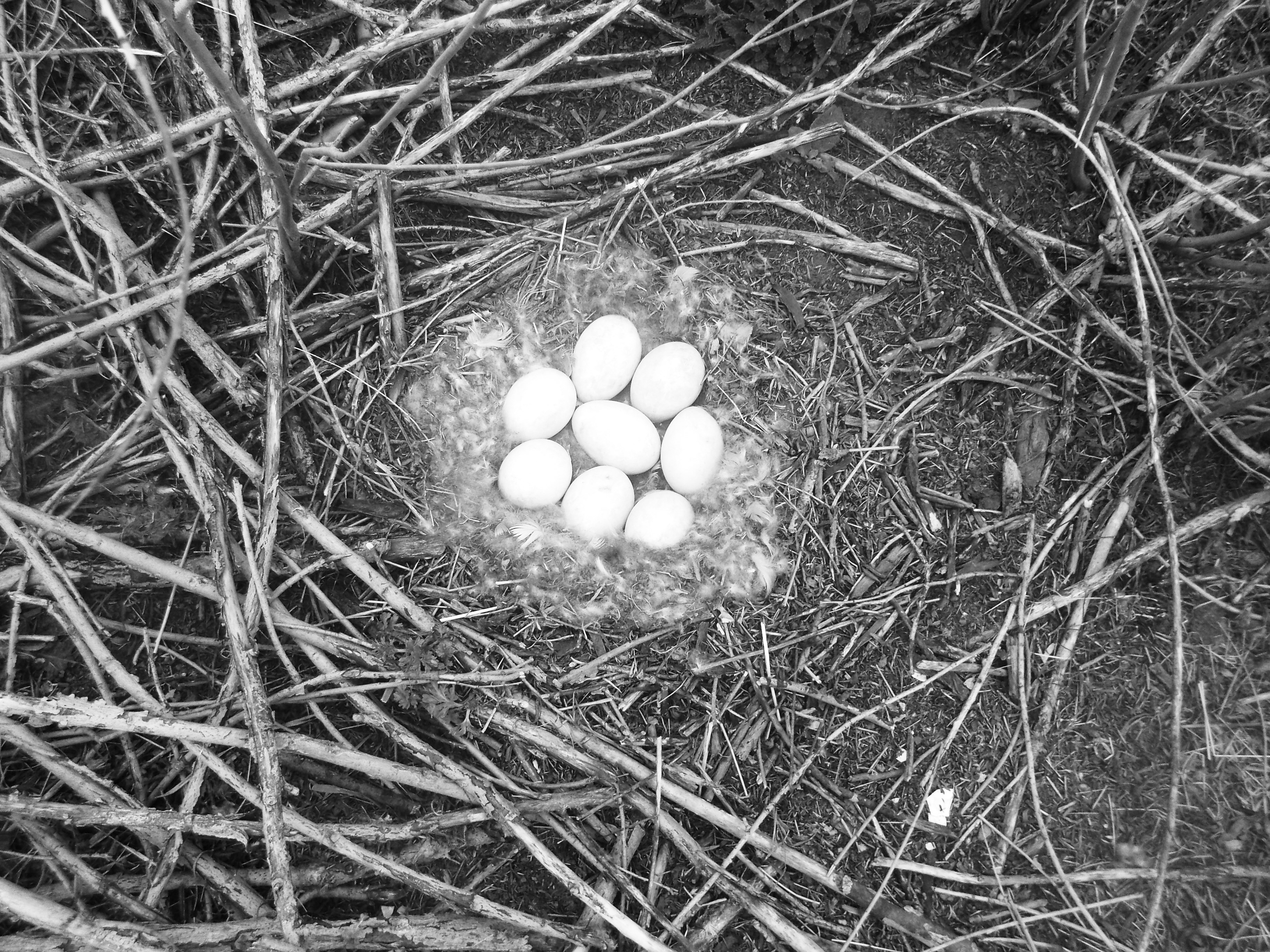
goose eggs

easter eggs on river island (goose eggs)

netbowreflec

rainbow trout on dry fly

wagon wheel

craig, montana

misscurve

caught on dry fly

horsehoes

horse shoe pit at local fly shop

side chanmiss

side channel

bbrown 2

another pic of brown trout


The Darth Vedder

“You underestimate the power of the dark side”

-Darth Vader

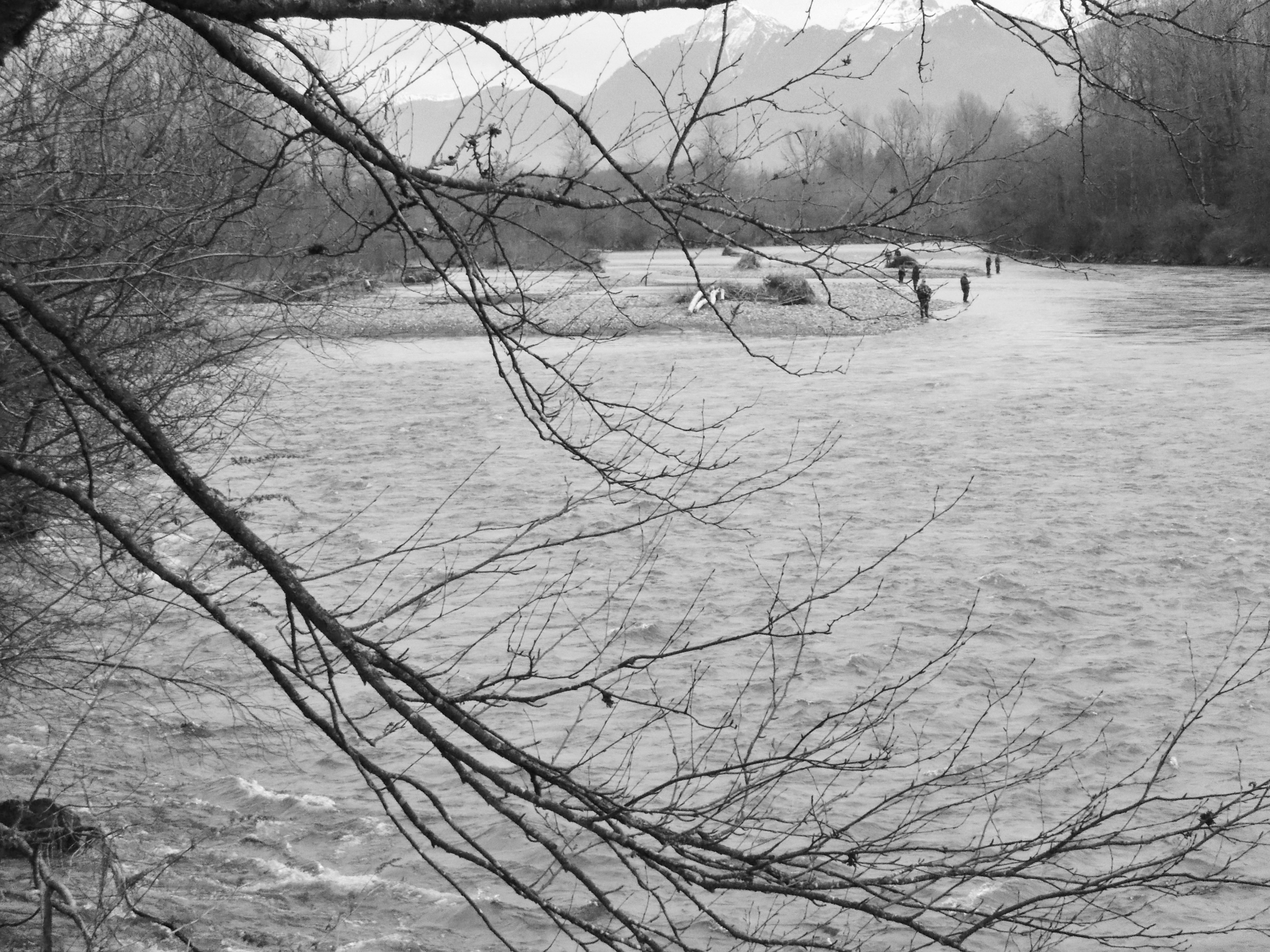
It was Sunday. I couldn’t believe how many anglers were out. They were everywhere; on both banks of the river; even on the islands. No one was swinging flies. They were all gear fisherman casting a giant bobber and lead, and an egg fly pattern below, or some red or pink rubber thing that looked liked a giant melting worm. And they didn’t move around much. They parked themselves at choice spots along the river and just stayed there. They just kept working the same spot over and over…hogging it all day. And they arrived early and many stayed late. I figured I’d have to hike a lot in order to find some free water; to find a run that I could swing a fly on and not interfere with anyone. I hoped tomorrow, a weekday, would be quieter; that there would be fewer people out. I was on the Vedder river, in the Fraser Valley, BC. I had driven 10 hours through several high Rocky Mountain passes to get here. What I was witnessing was Carnival like. It was a meat fishery.

anglers right

vedder river
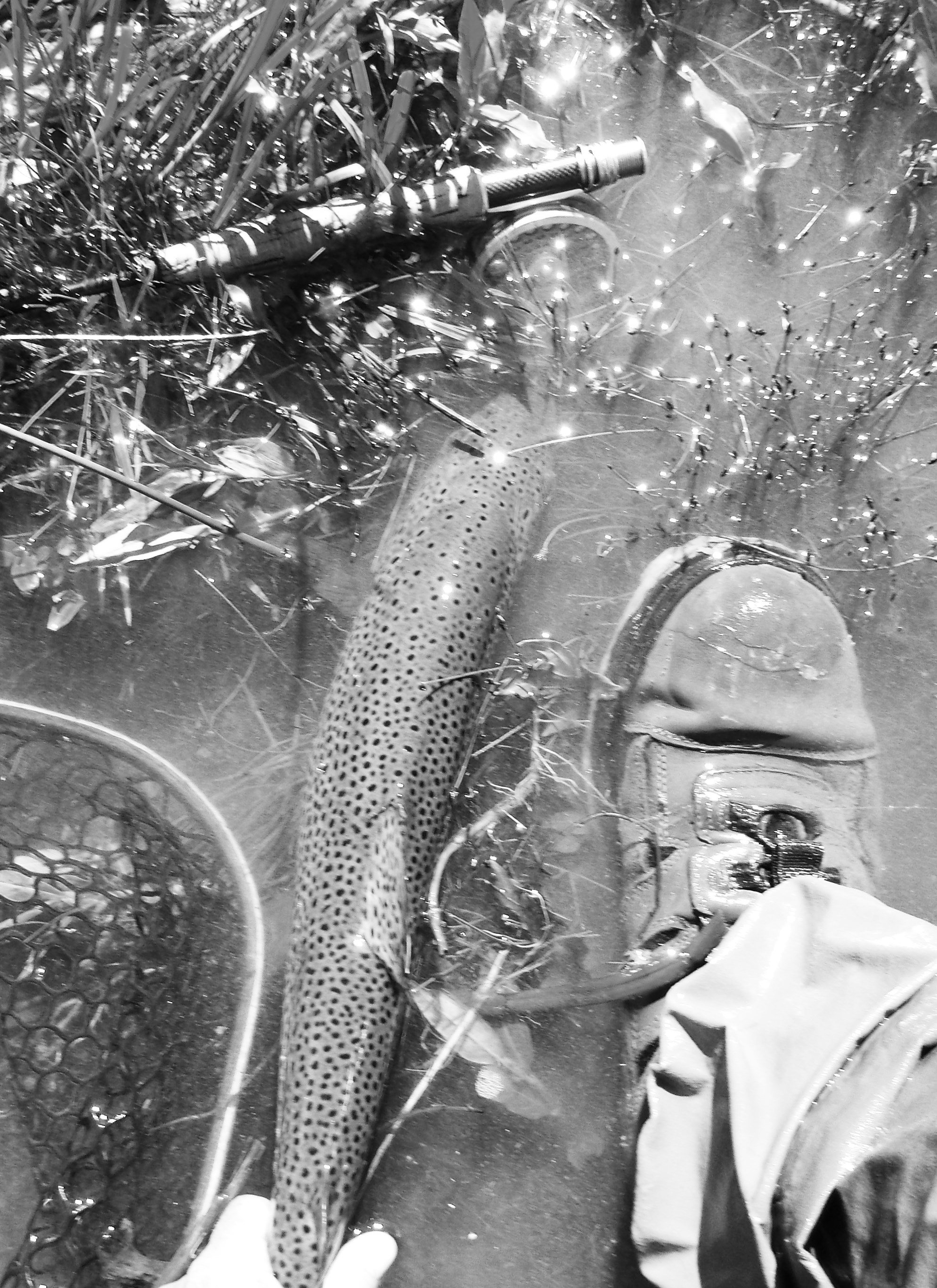
The weekdays were a little quieter but there was no way to get away from other anglers. I had my most space the day it rained. The young ones were wearing hoddies and moved around more. The older ones with wading staffs, were more stationary and seemed territorial and surly. By the end of the week I started recognizing faces. A lot seemed retired and therefore fished everyday. Some of the hoddies also seemed to be out daily. On the Vedder you can keep the steelhead. People were there to fill their freezer with fish. There was no real river etiquette. Often when you were fishing a spot someone would appear and start casting right next to you, or go below and cut you off. No one seemed interested in rotating (sharing) a run. Beautiful British Columbia had turned ugly. It was the dark side of angling.
anglers center
vedder river
I had booked a motel room for six nights which meant five days of fishing. I wasn’t going to retreat and return to Alberta. I had come too far. I’d stick it out. I decided I’d get up before day light and stake my claim. I’d sharpened my elbows. I’d whistled big husky flies at warp speed past people’s heads if necessary. I’d high and low ball other anglers if they cut in on me. My mantra: ” The only rule is there are no rules”.

ok fruit stand

osoyoos, okanagan


wide fruit stand

Okanagan fruit trees

I remember one specific morning at an angler parking area sitting in my vehicle in total darkness at 6 am enjoying a Tim Hortons breakfast sandwich and coffee. I was the only one there; no other anglers around. I had got a head start. My plan once breakfast was done was to hike in darkness to a good river location that was not far way. I was going to get there first and cast fresh water right at day break. The boulder run was going to be mine, “All mine”! Then a truck pulled up. I swigged the last of my coffee, jumped out, grabbed my nap sack and rod and headed full speed to the water. In the blackness I stumbled on the cobble but made it without falling to the head of the sixty yard run (what some people do with their precious holiday time!). I sat down and patiently waited for light. I could see no other anglers around; no silhouettes. It was mine, “All mine”! I felt confident my plan had worked. Then to the right some thirty yards down the run I saw a flicker, then the glow of someone dragging on a cigarette. Dam the Darth Vedder!

river logs

vedder river

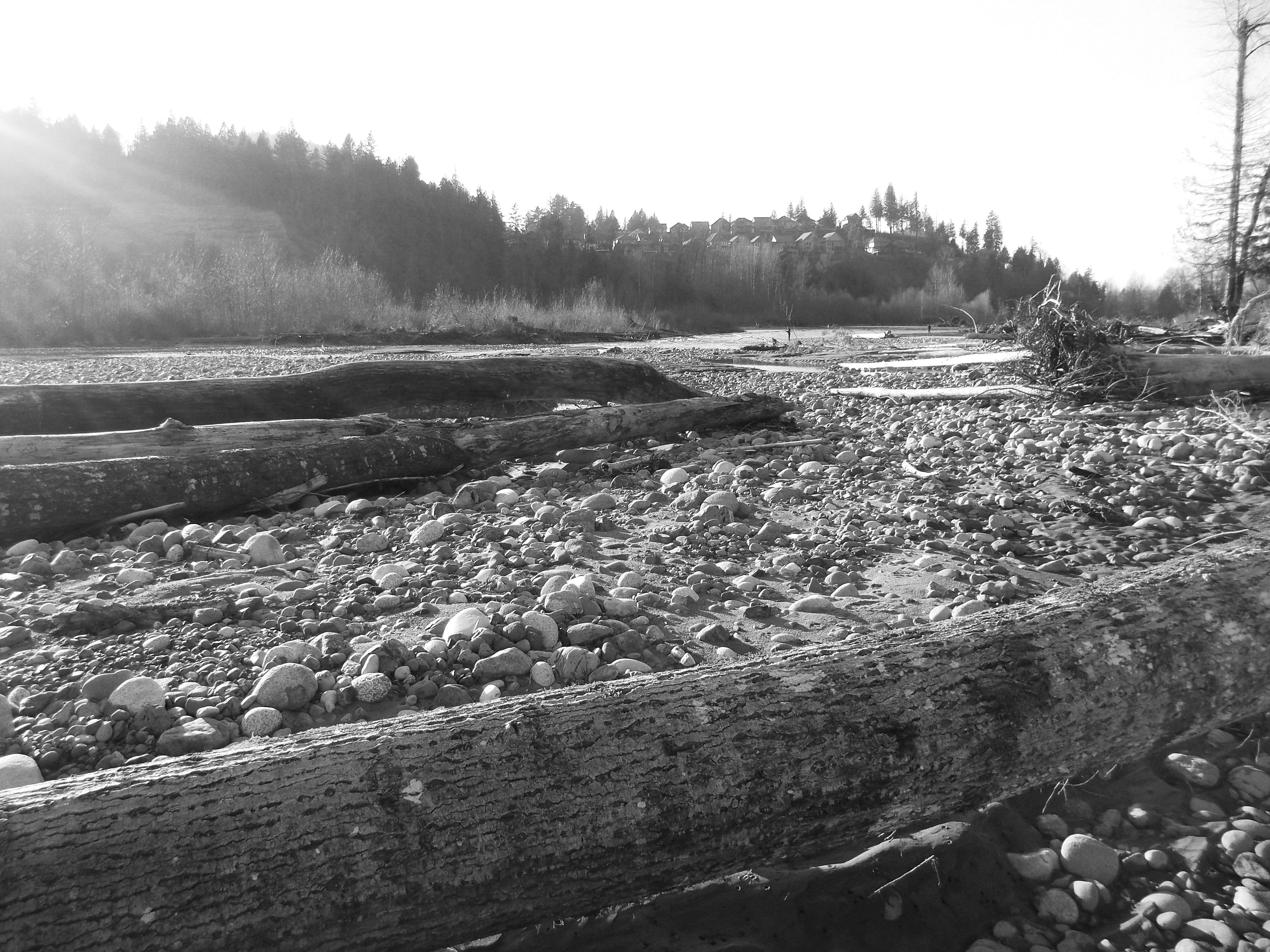
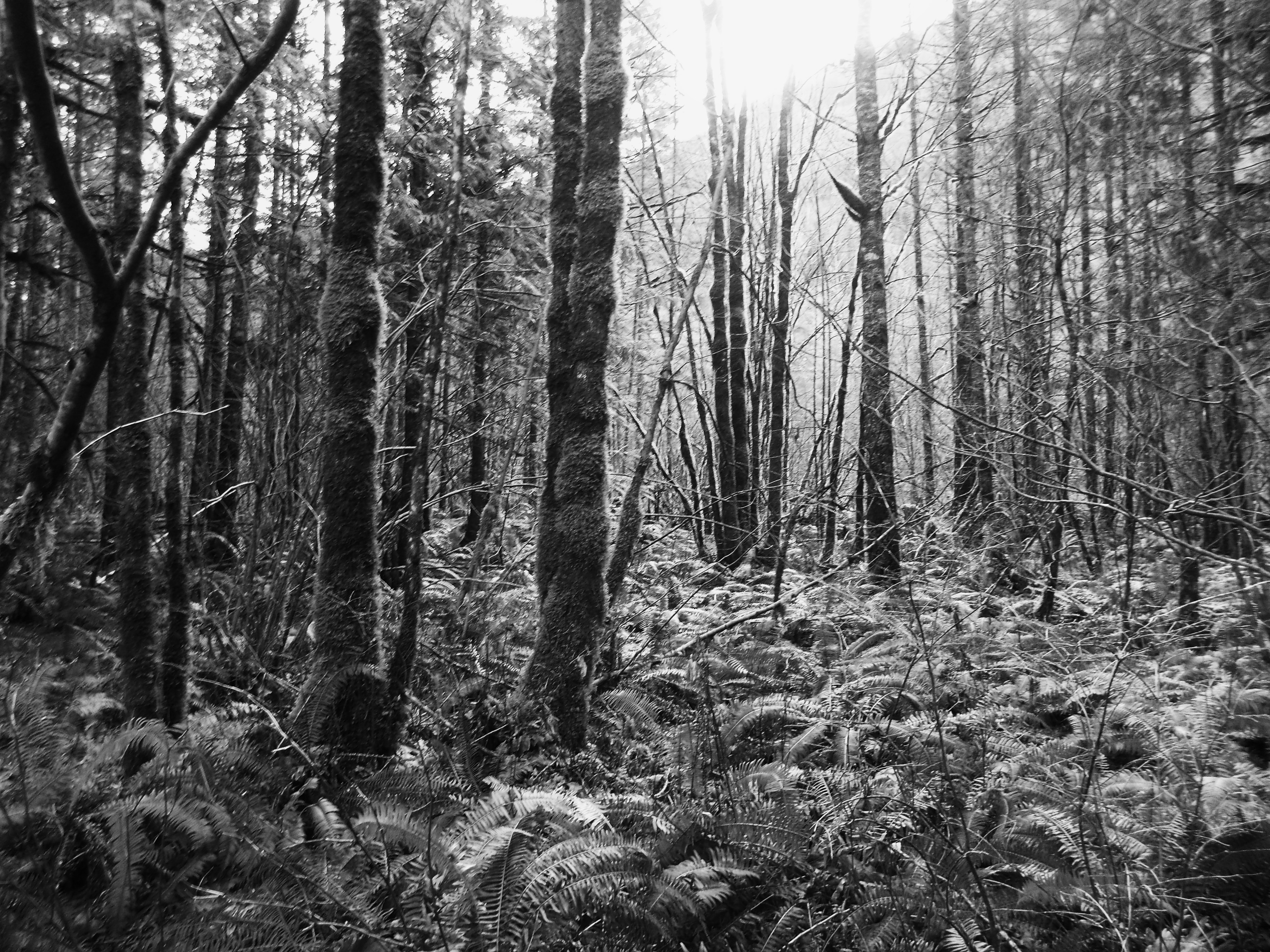
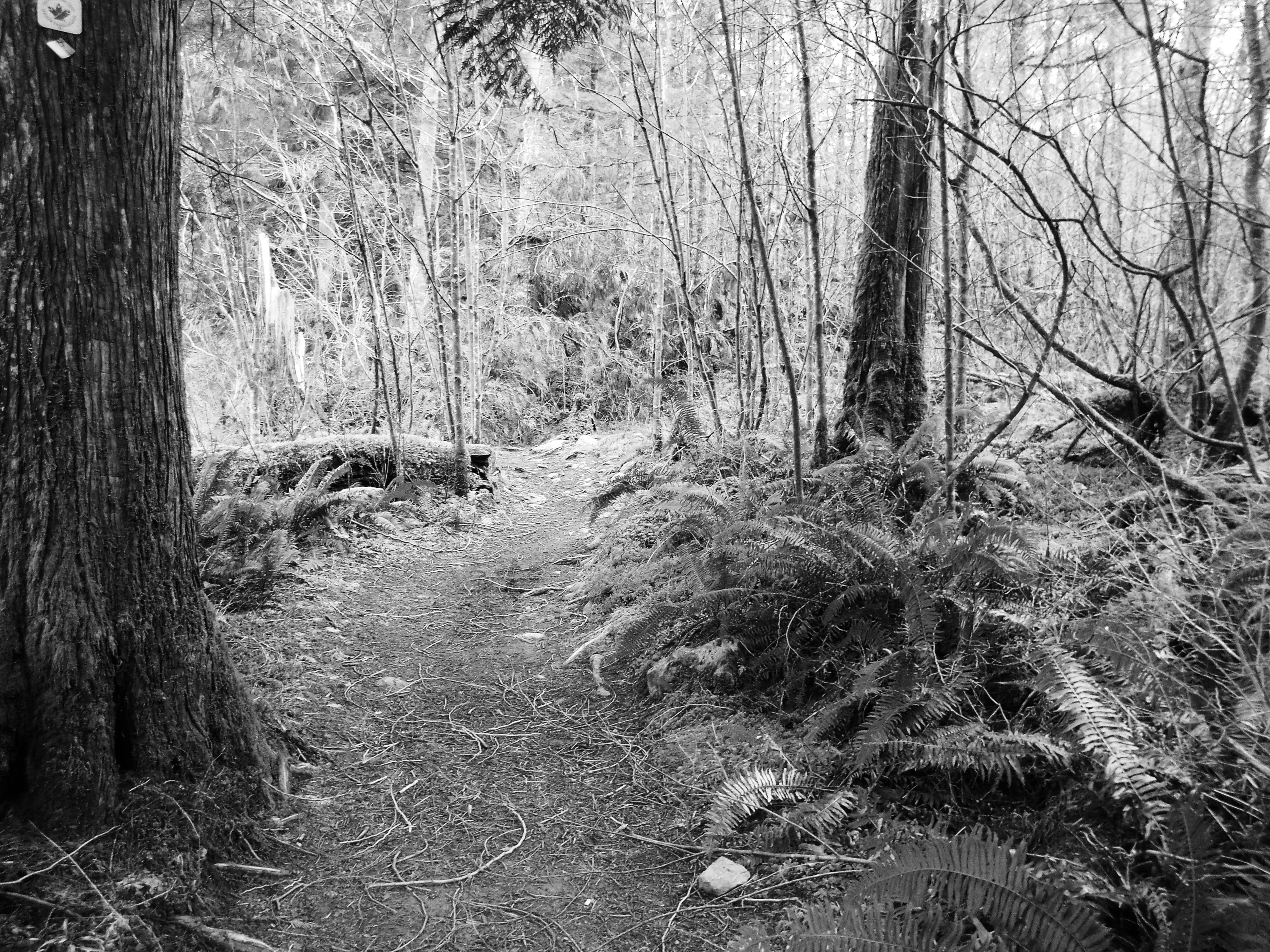
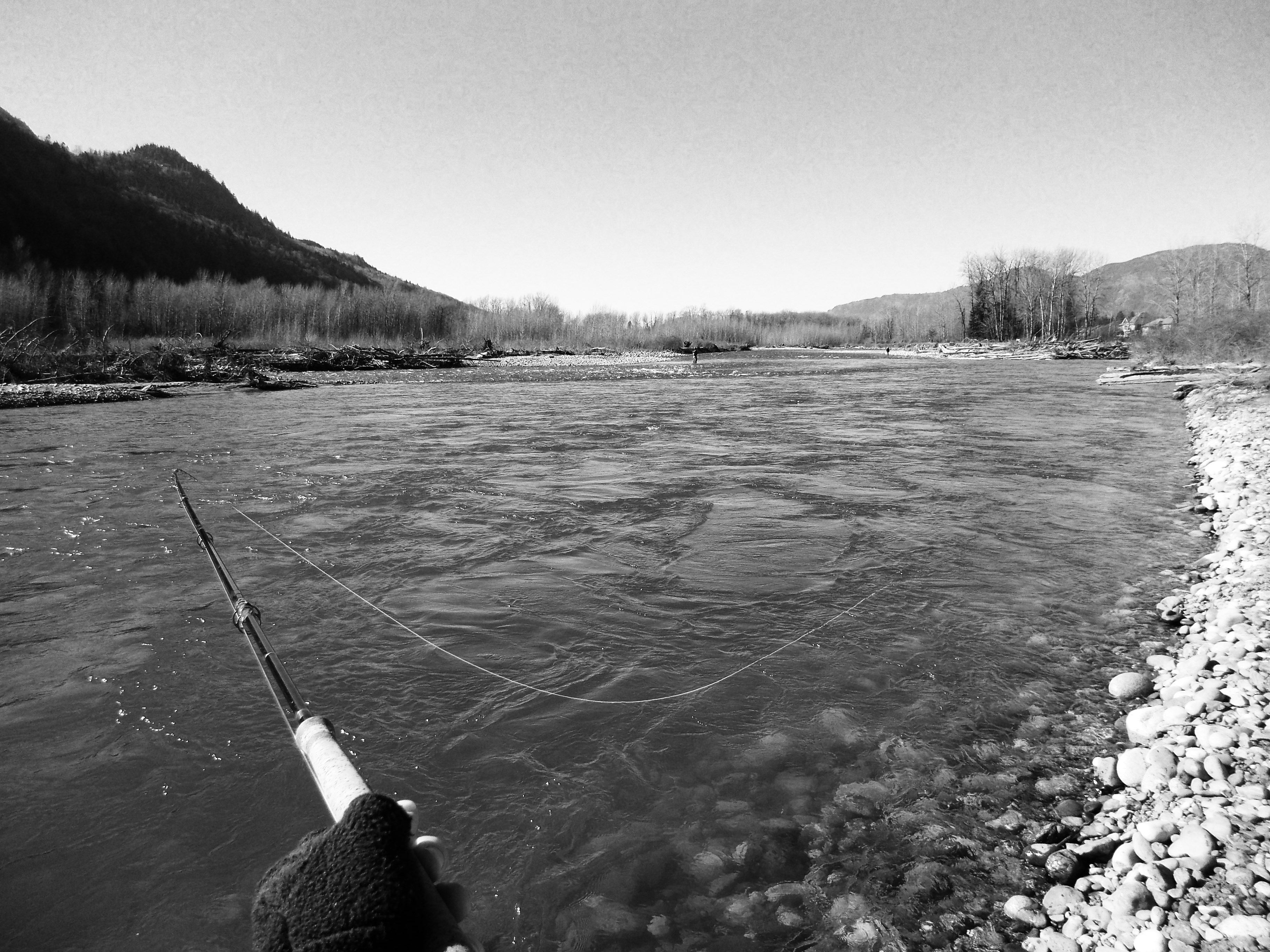
Within a day or two I accepted the reality of the situation. I had to let go of all previous expectations. Then I was able to make space for myself on the river. I made my thousand casts with the faith that I’d eventually connect with a strong winter steelhead returning from the sea. And as the week progressed it got better. I actually got to fish a few runs on my own for a couple of hours. The first hour of the day I had more space. There was also a lull at lunch when the crowds dispersed. If I hiked a lot the last few hours of the day I could often find a bit of clear water for myself. I got more skilled with the two-handed rod. The weather was great for February. It was usually 0 to 5 C at day break and often 10 to 15C by mid afternoon, even if cloudy. The region was beautiful, green and lush due to its proximity to the coast. There was no sign of winter except in the high distant eastern peaks. The cherry trees were starting to bloom. The crocuses were ready to open. In the woods moss gripped the trees and giant ferns carpeted the forest floor; quite a contrast to dry Alberta. The whole place had a rich smell. Hiking to different river locations surrounded by the dense growth was always pleasant. The town I stayed in, Sardis, right next to Chilliwack, was quite beautiful. It had great coffee shops, a nice town river path that was well used and provided easy access to the water. I’d walk the path and scout the river for an open section, then sprint for it once spotted. And it felt good in the middle of winter to be away from the office and to spend the whole day outside, from first light to last, and be comfortable (not cold).

fern floor

ferns


fern trail

lush trail to river

During the several days I was there I saw two fish hooked, of which one was landed. And I had fished within sight of several hundred anglers by weeks end. Everyone said things were slow. I saw maybe five other people swinging flies during my time there. I expected more given the long history of fly fishing for steelhead in BC. On my second to last day I spotted a disturbance in the tail of the run. I watched for a minute expecting to see a duck or an otter appear but none did. I asked a hoddie fellow across the river if winter steelhead sometimes disturb the surface? He said sometimes. I placed several casts just above the place of the disturbance with my garish (orange) colored fly: no response. I decided to change flies. I tied on a black fly, a leech pattern, and took several steps upstream and then started reworking the run. After 2 or 3 casts, a thump. I had finally hooked a steelhead. I had it on for what seemed a minute or so and caught a glimpse of it as I was gaining line, and then it was gone. That was my one and only connection.

rod on run

vedder river

I have no fish photos from this trip so decided to include a picture of a Chilean trout caught about 17 years ago on a dry-fly in a little stream that tumbled into the large Futaleufu river, near the town of Futaleufu. It’s a bit blurry but I like the composition: trout, hand, and my golden retriever in the background.

little fish 001

Chilean trout


Creekside Grass

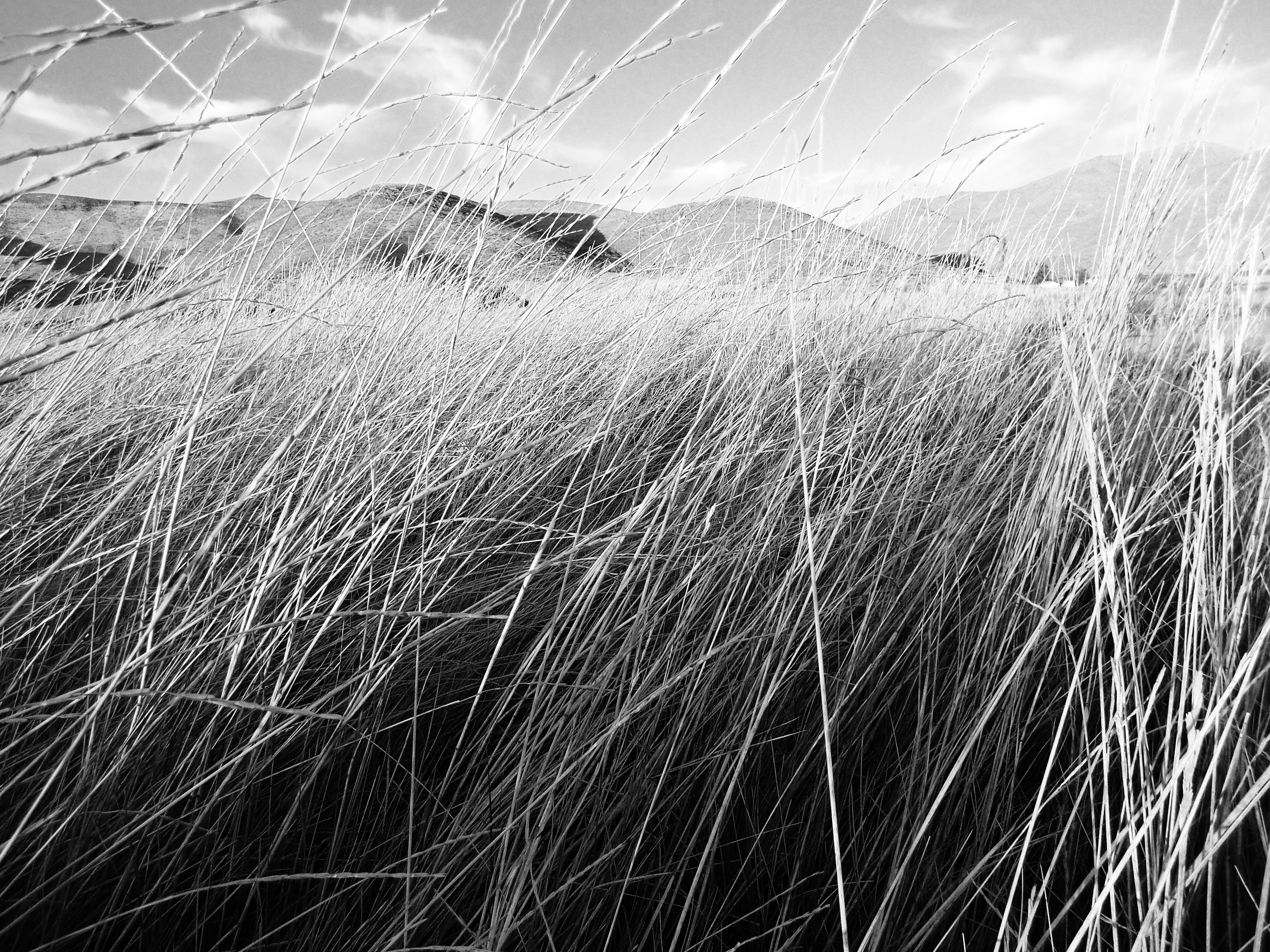
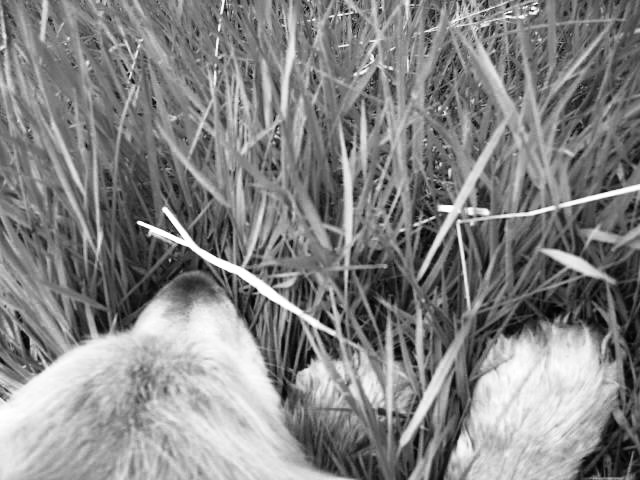
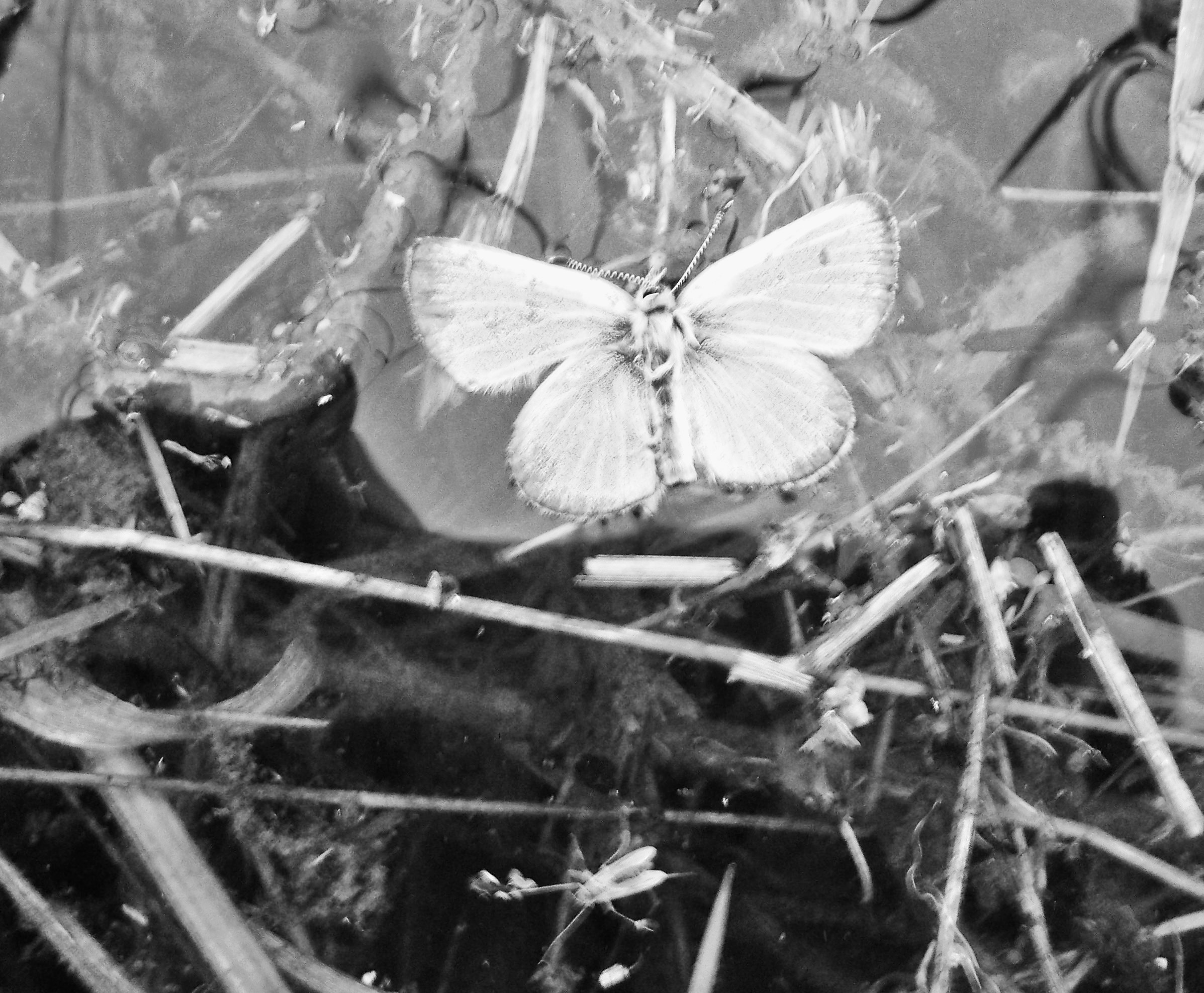
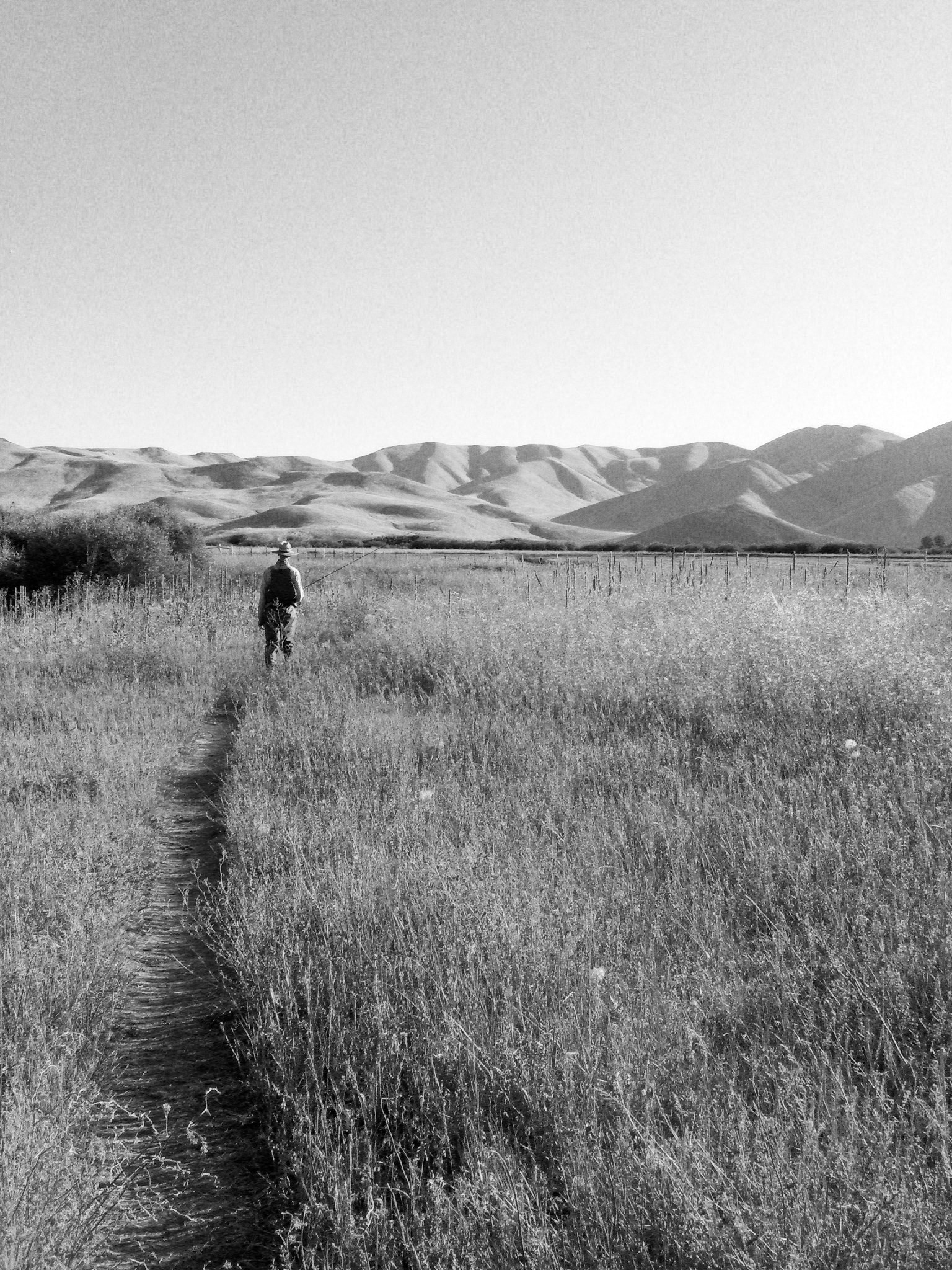
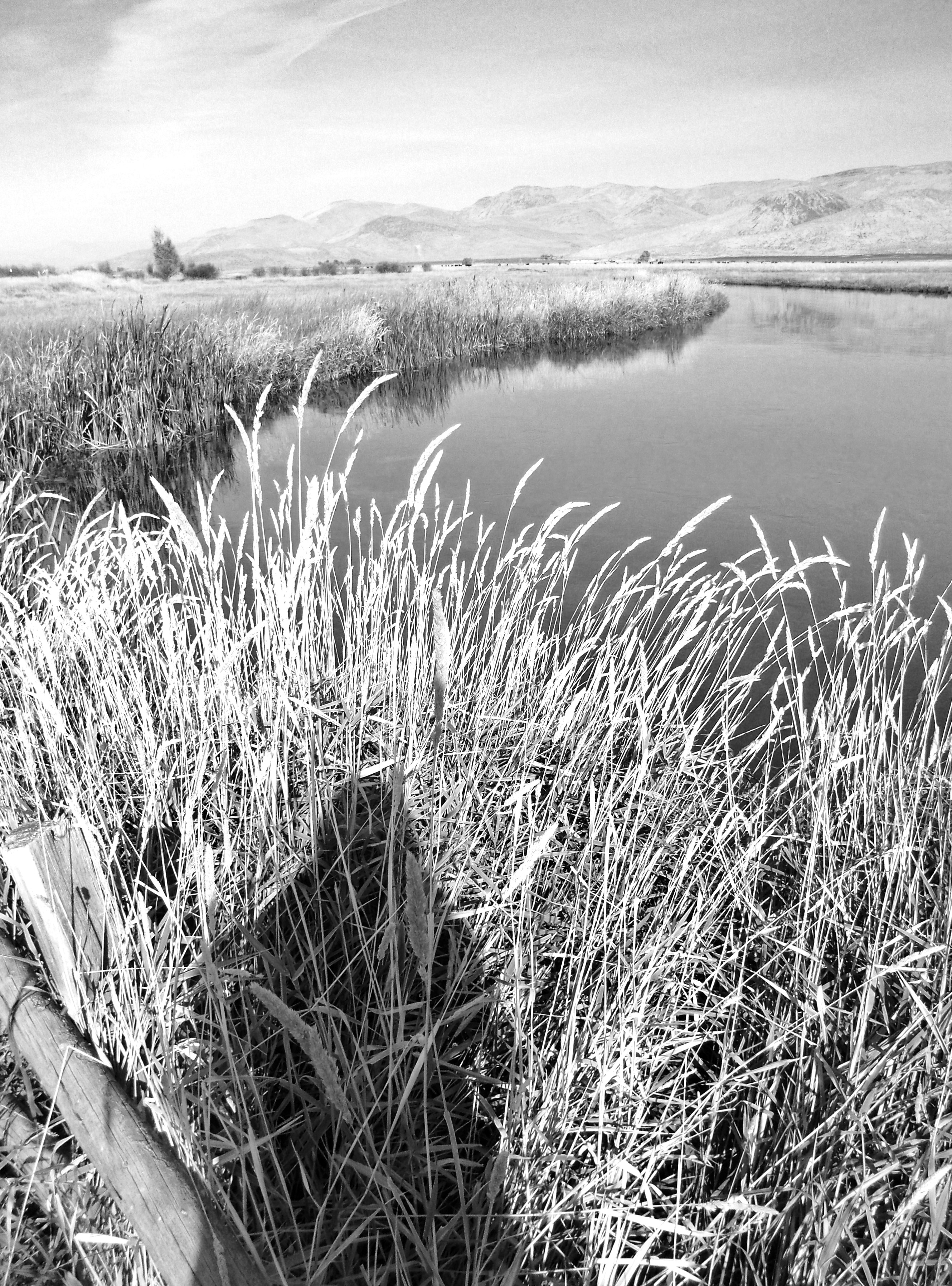
Most of the streams I fish flow through arid sun baked terrain. The edges however are often lined with tall grass growth. They shoot skyward with the summer warmth, stream moisture and nutrients. These edges are places of life: waterfowl, insects, eggs, feathers, even the odd golden retriever…

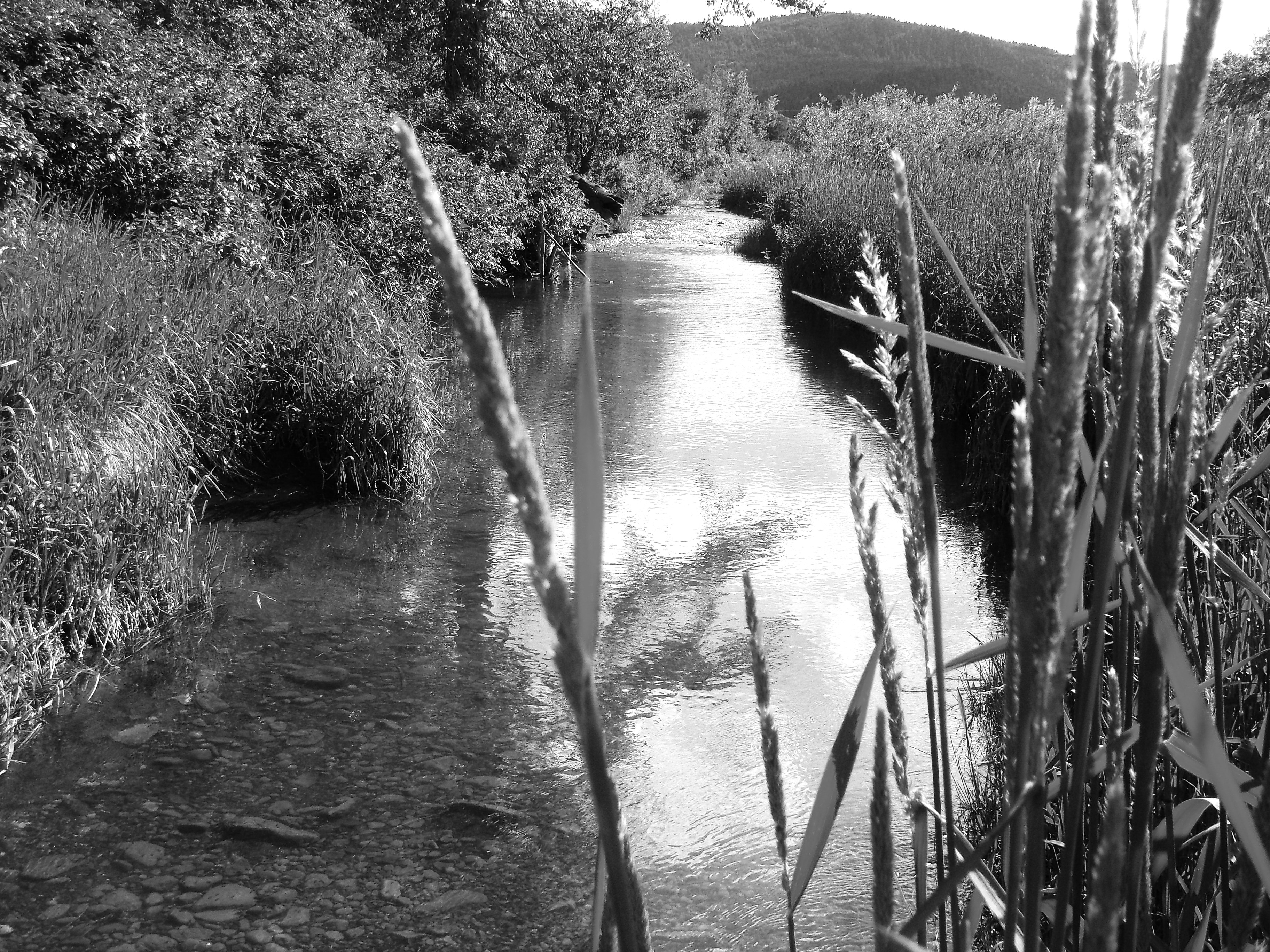
Trout prowl the aquatic side of these edges. I often sit hidden in the grass and watch the water for movement; for trout. If you sit still long enough the flowing water and swaying grass become mesmerizing. Then a soft rise or flash of a feeding trout  wakes you up.

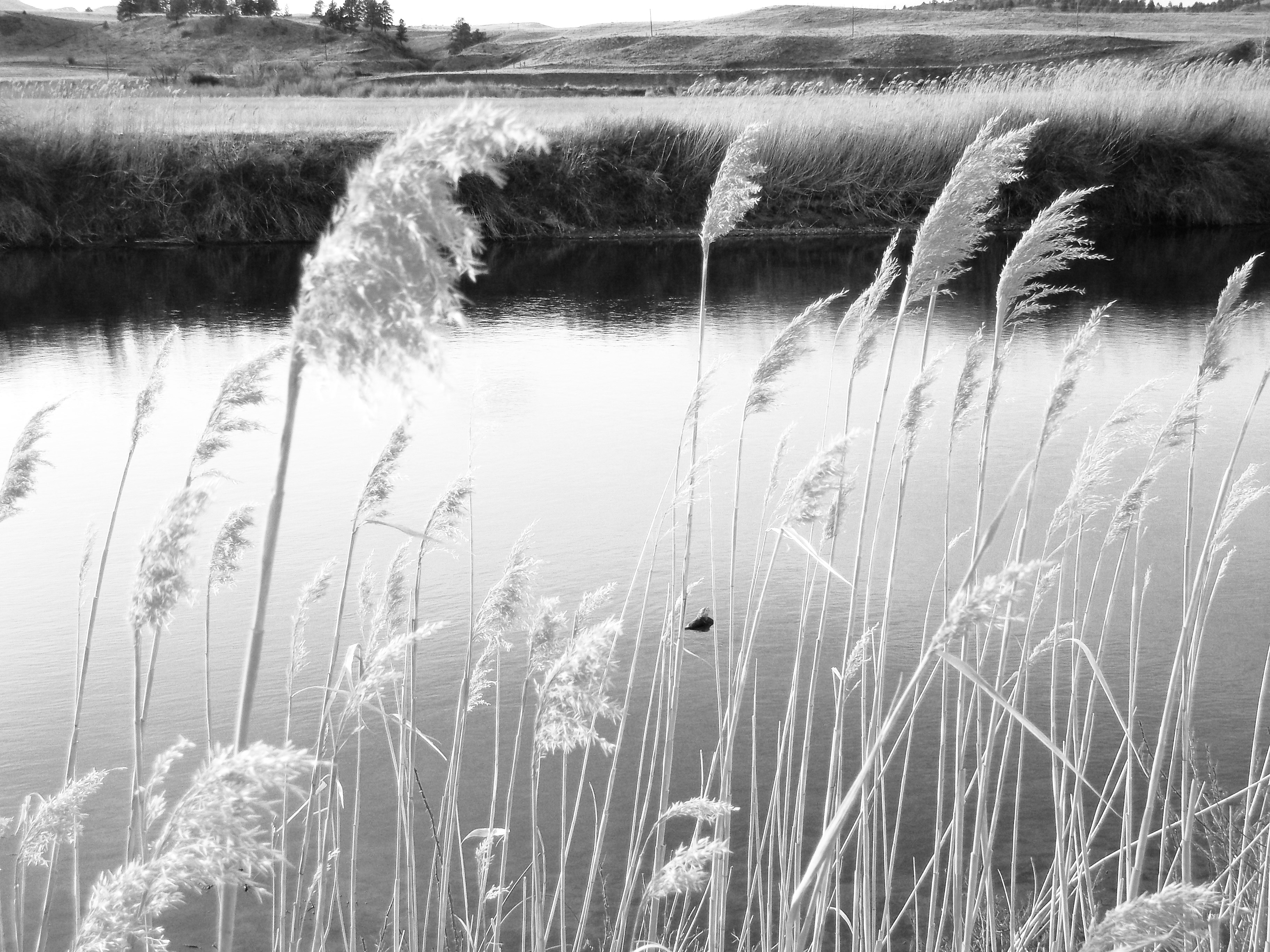
Here are some pictures of soothing creekside grass taken along the rivers I fish.

grass banks (1)


idahograss

creekside grass

IMGP0401

smelling creekside grass


feather

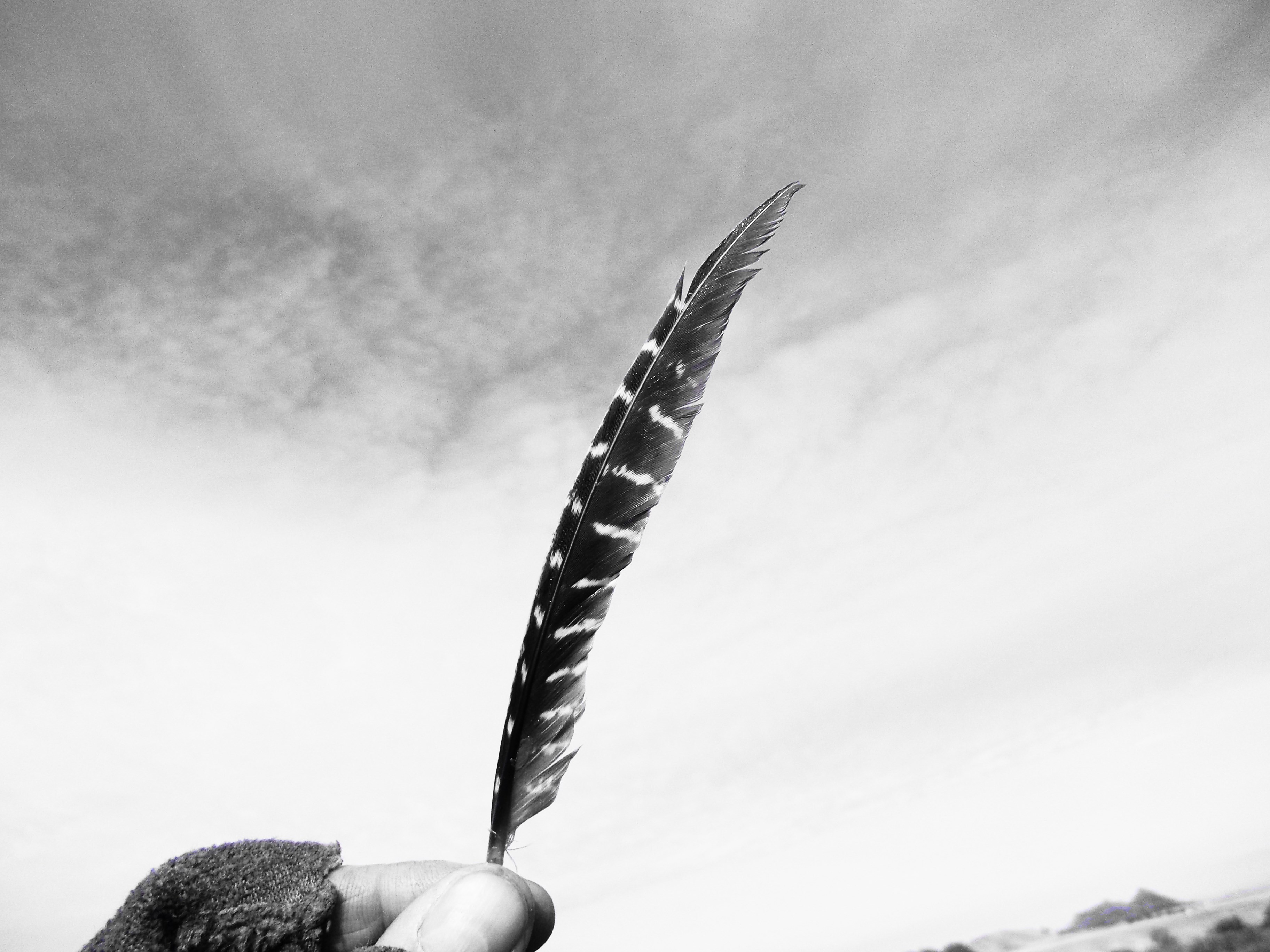
feather found in streamside grass


big head

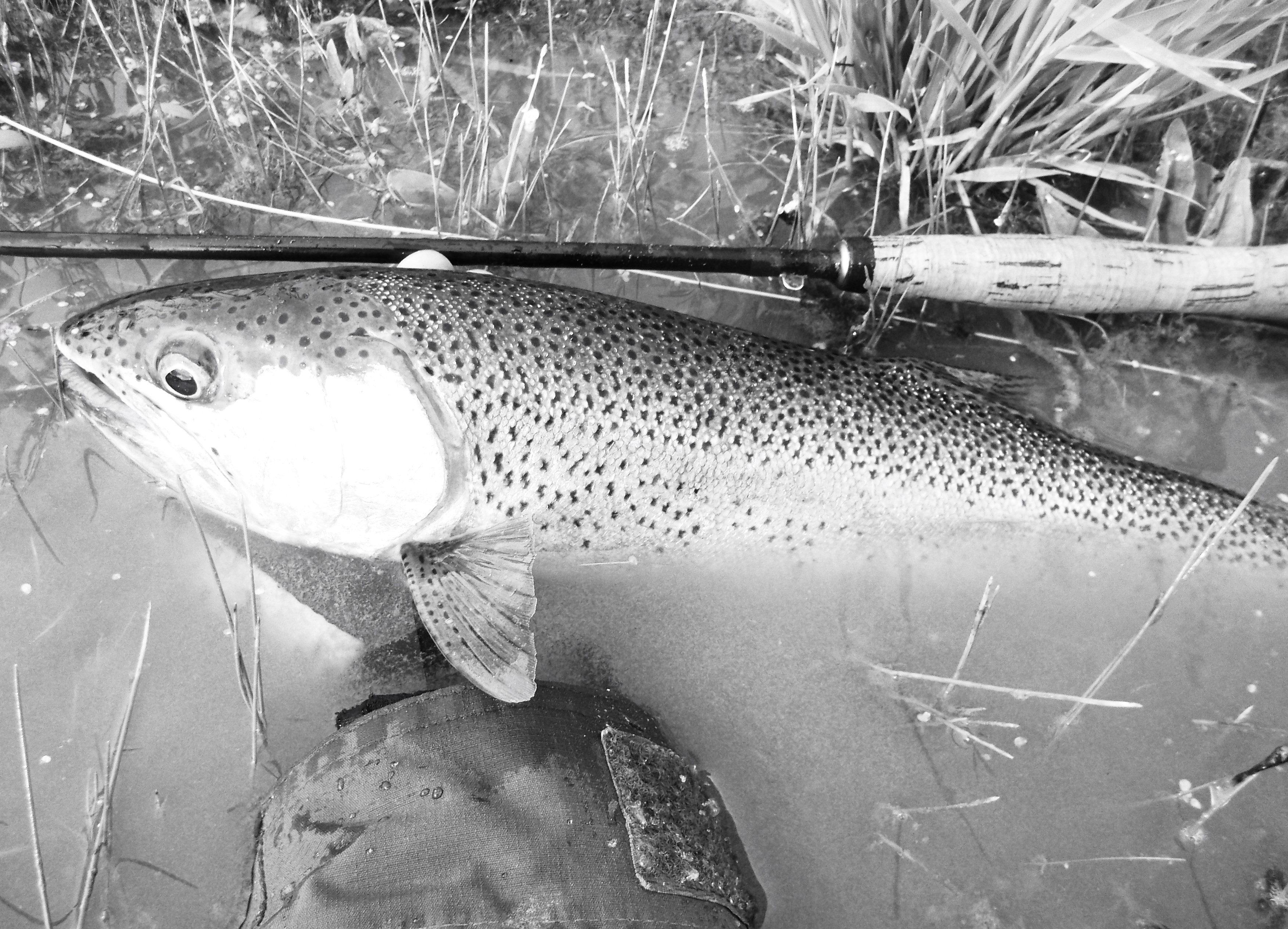
trout caught next to creek grass


sea oats

butterflyingrass

found along grass bank


IM000625.JPG

creekside trail


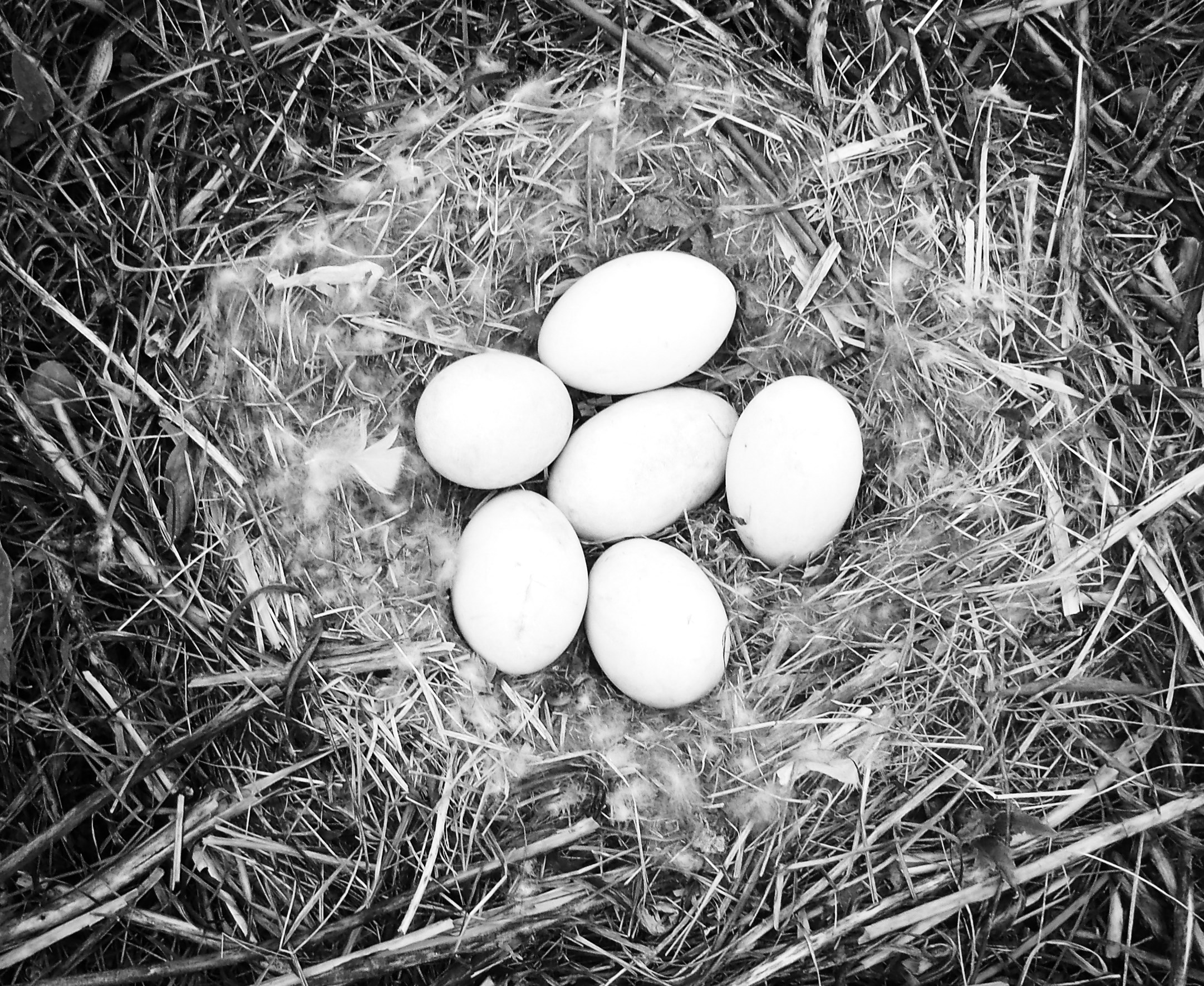
eggs in grass

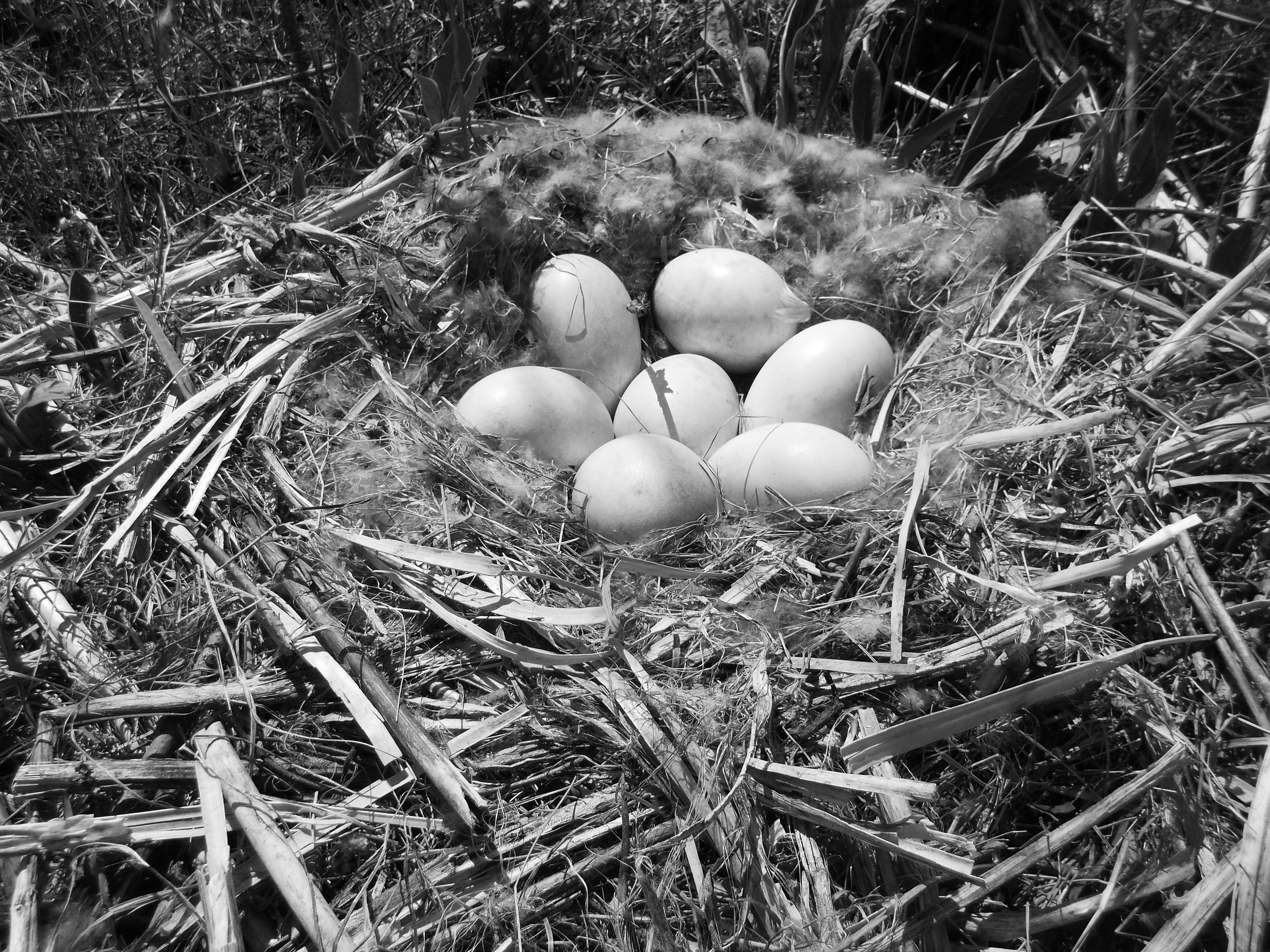
goose eggs in creekside grass


grassshadow