Home Water

crocus close

crocus

“I once gave up fishing. It was the most terrifying weekend of my life”.

-Anonymous

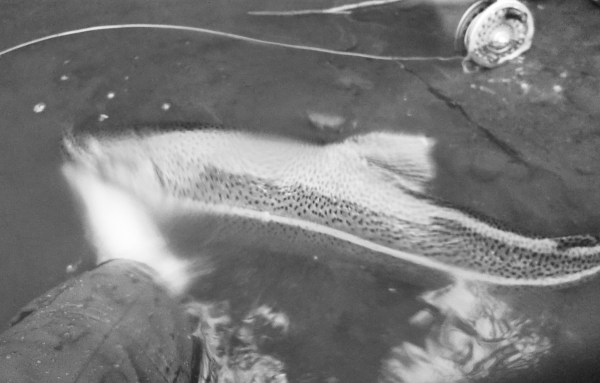
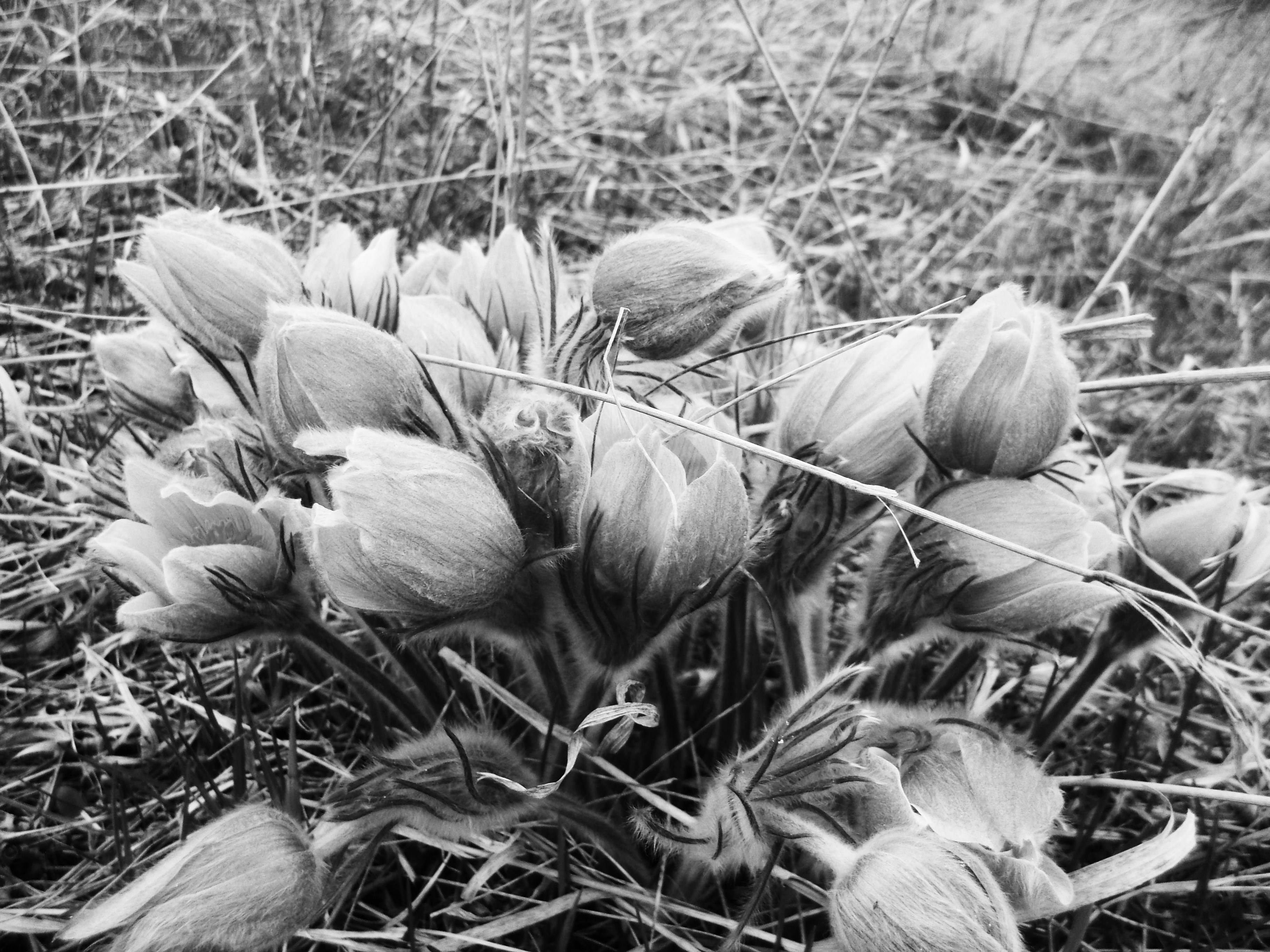
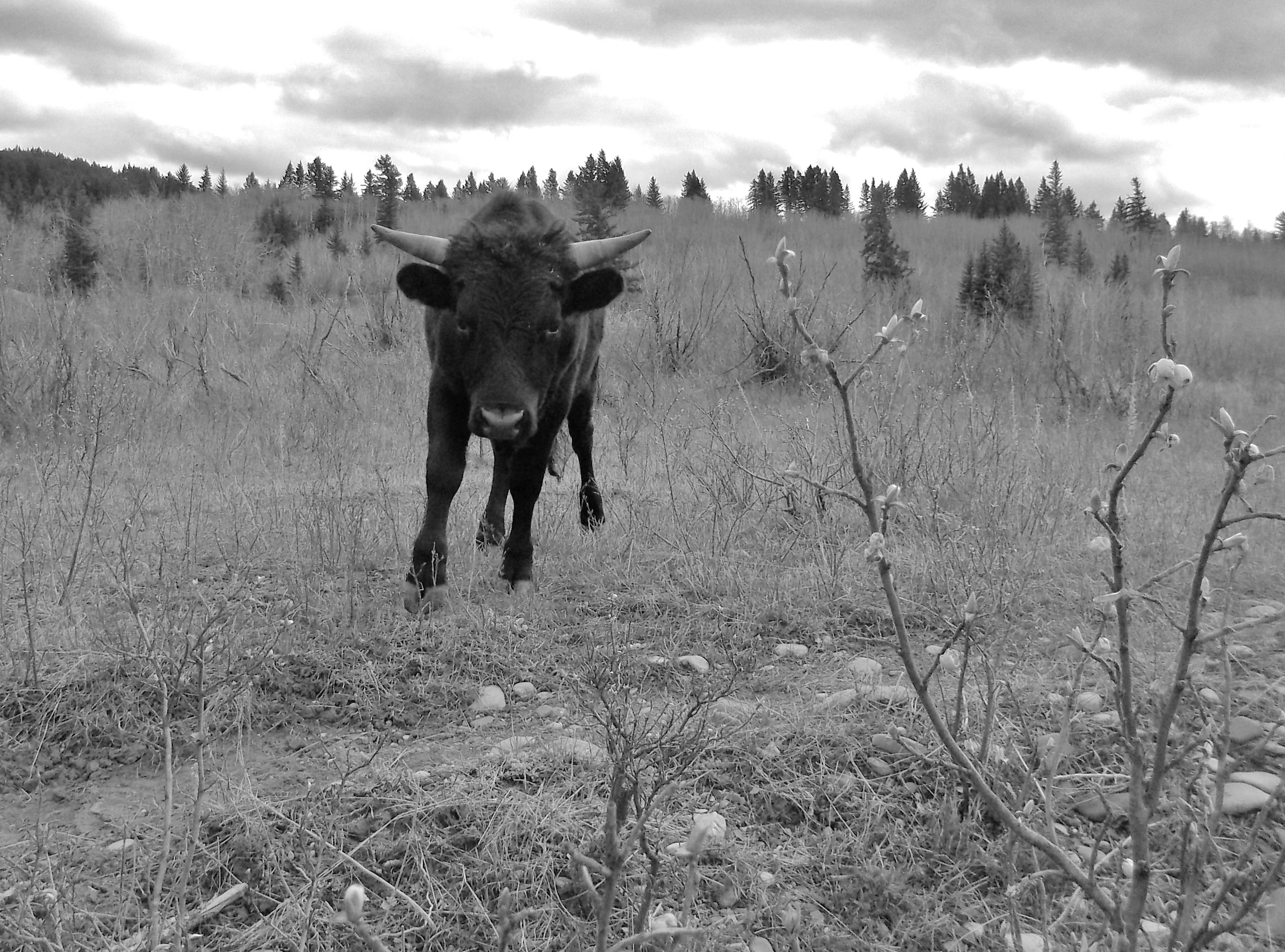
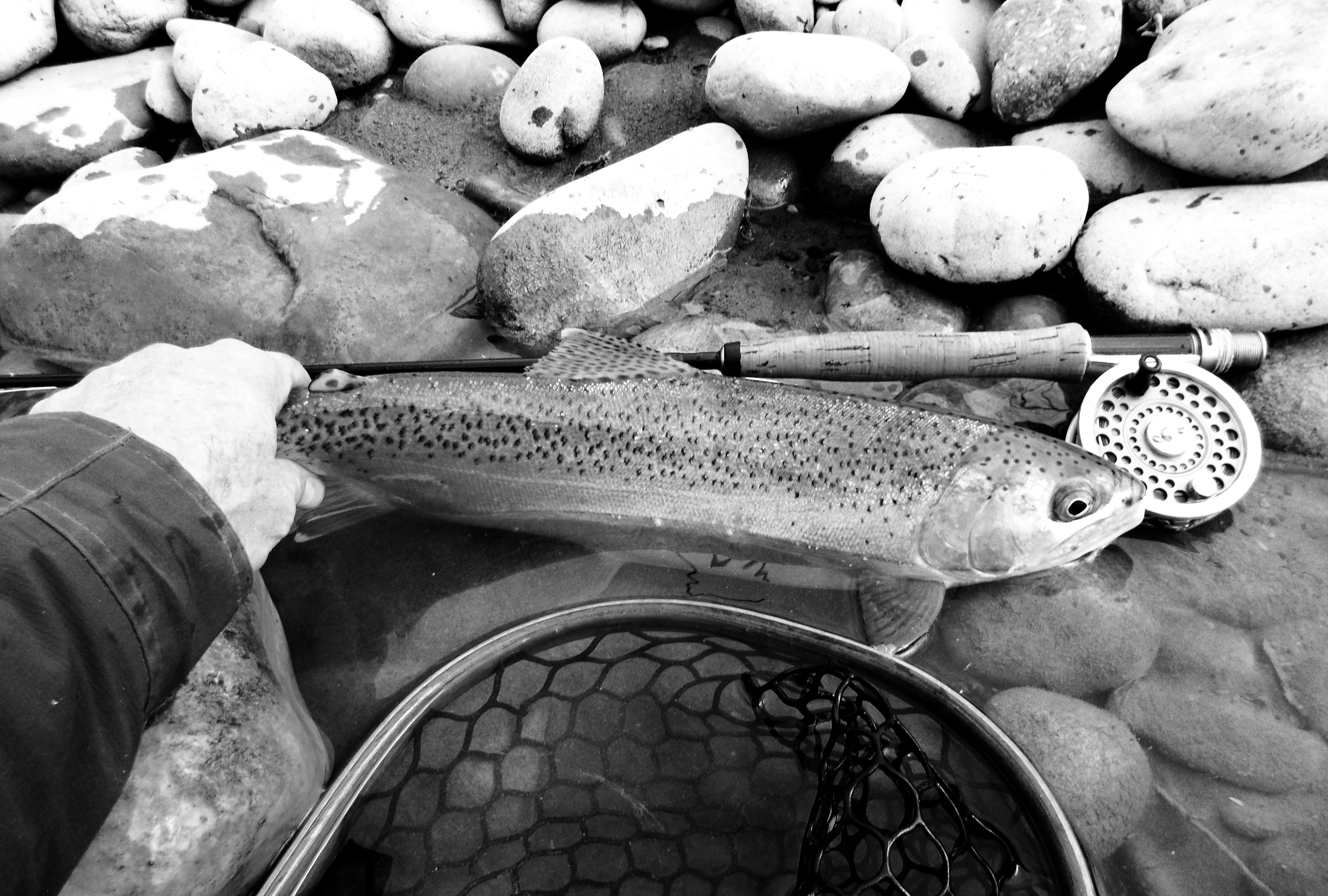
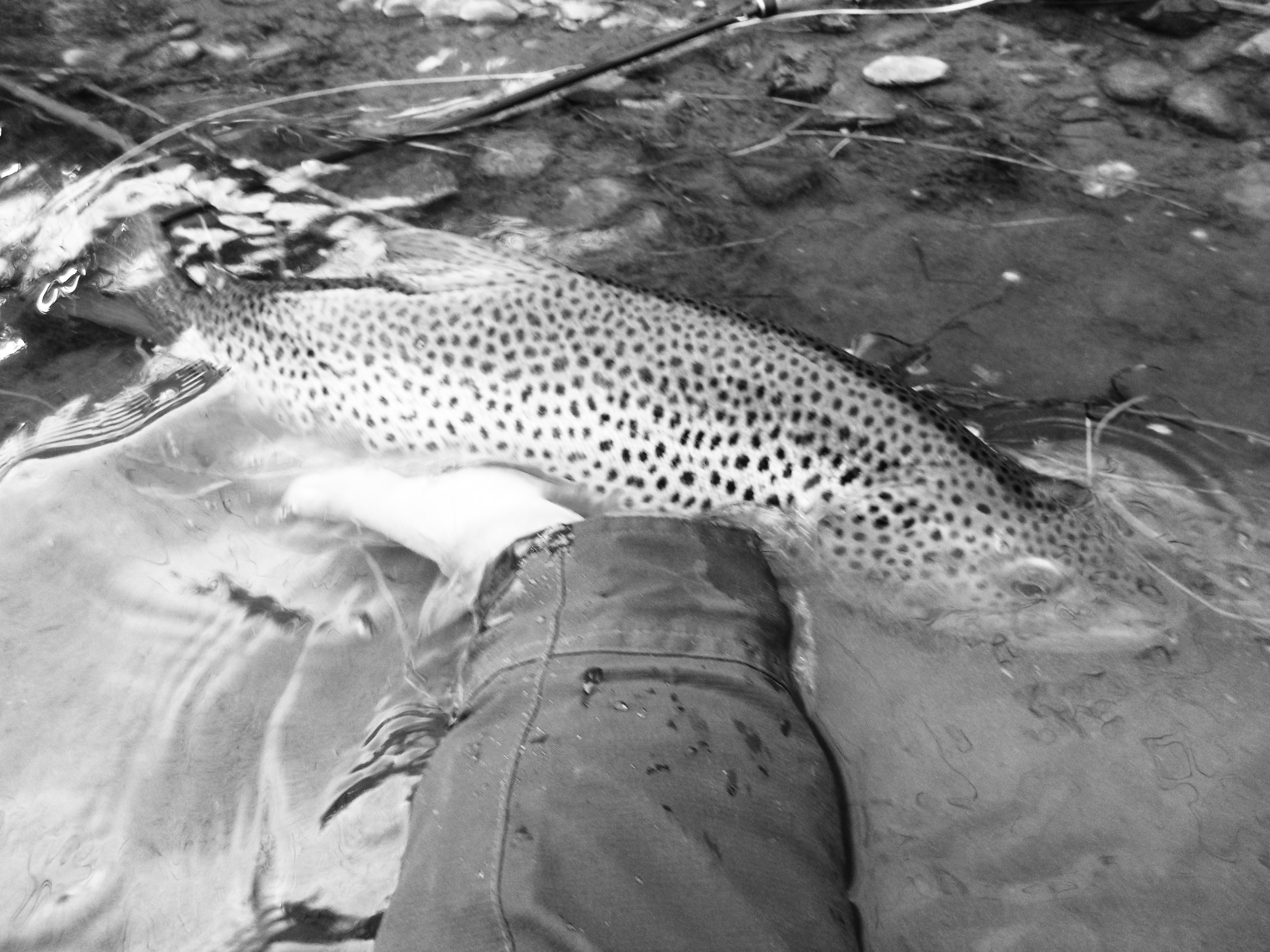
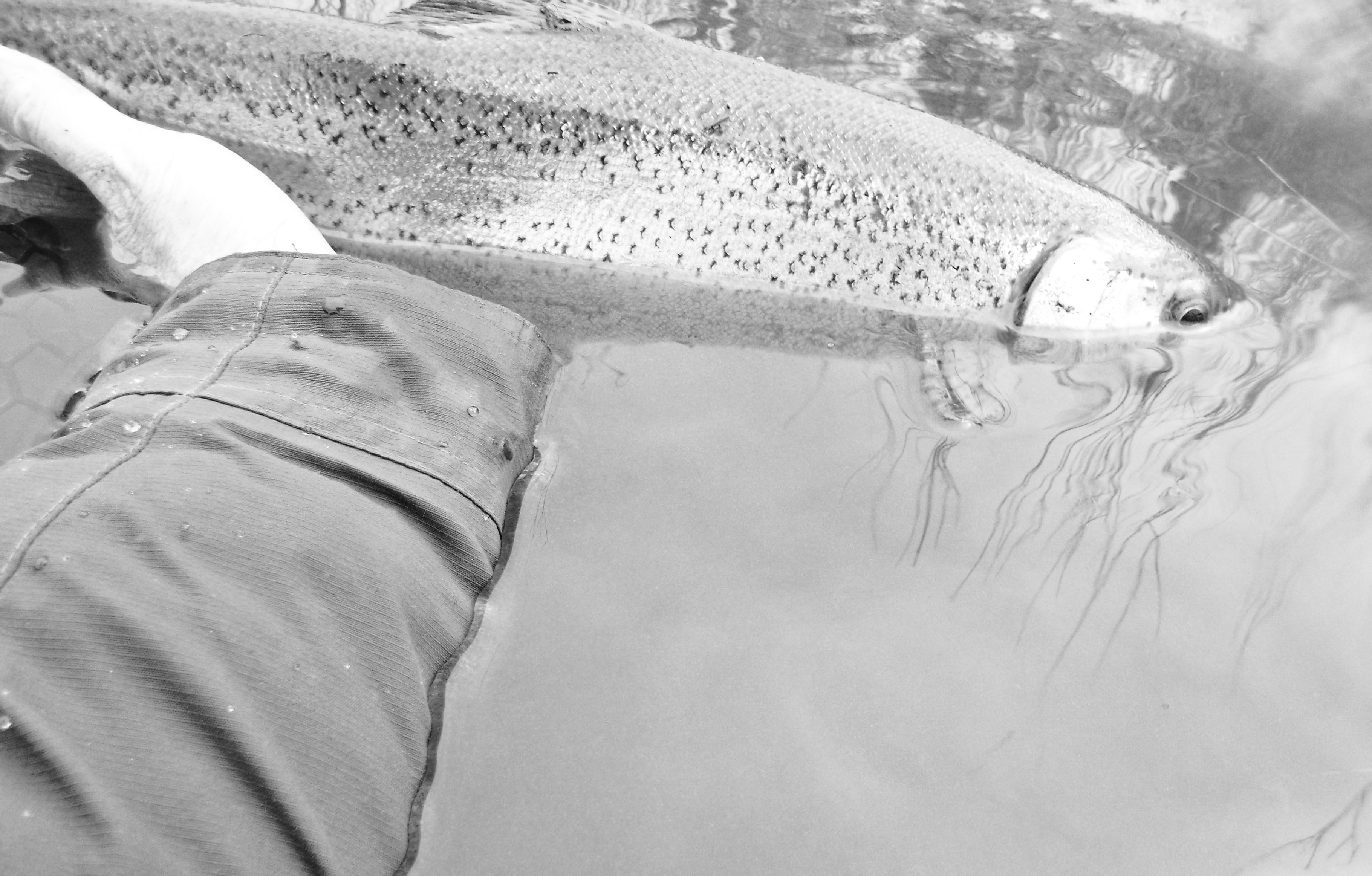
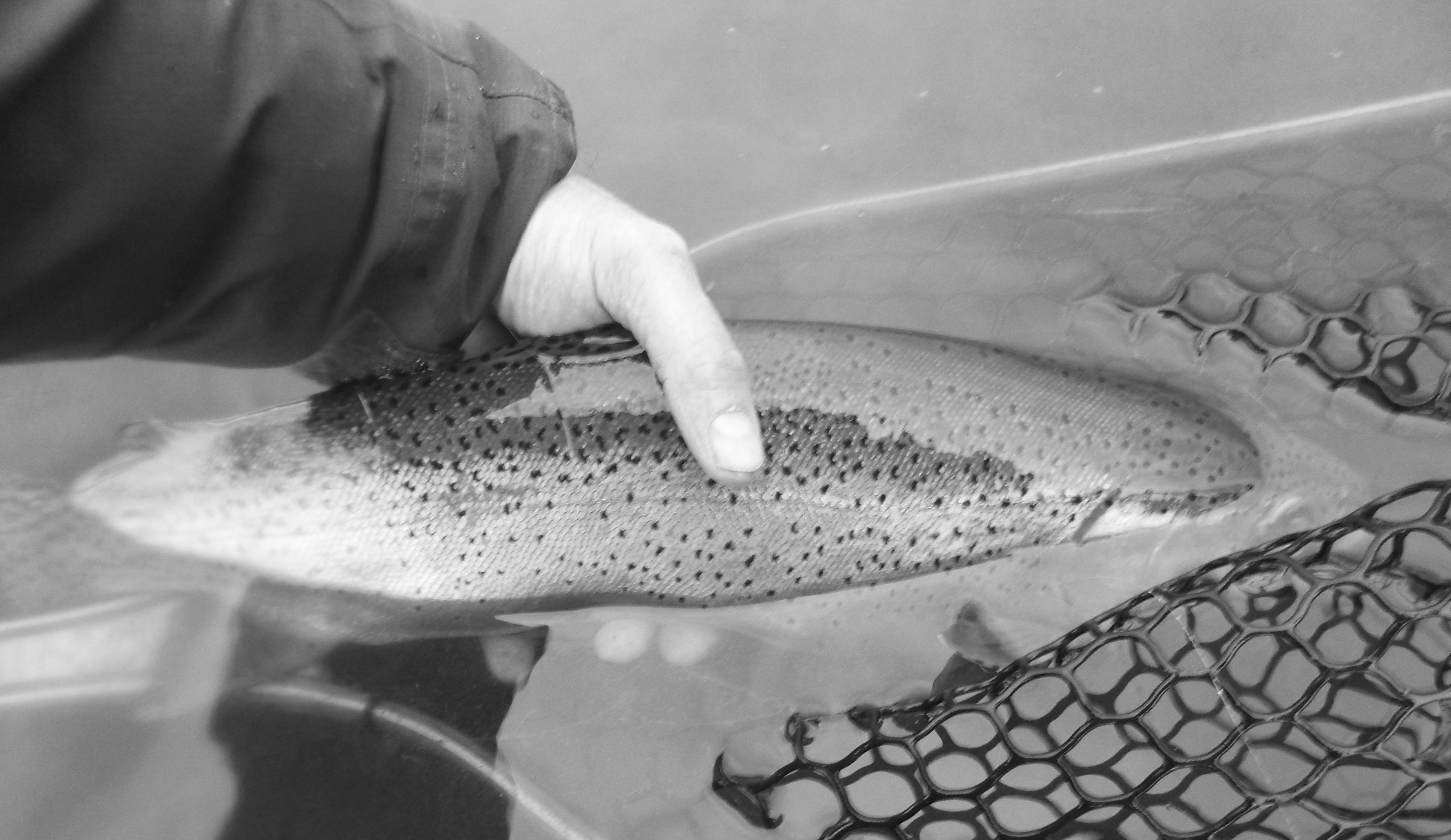
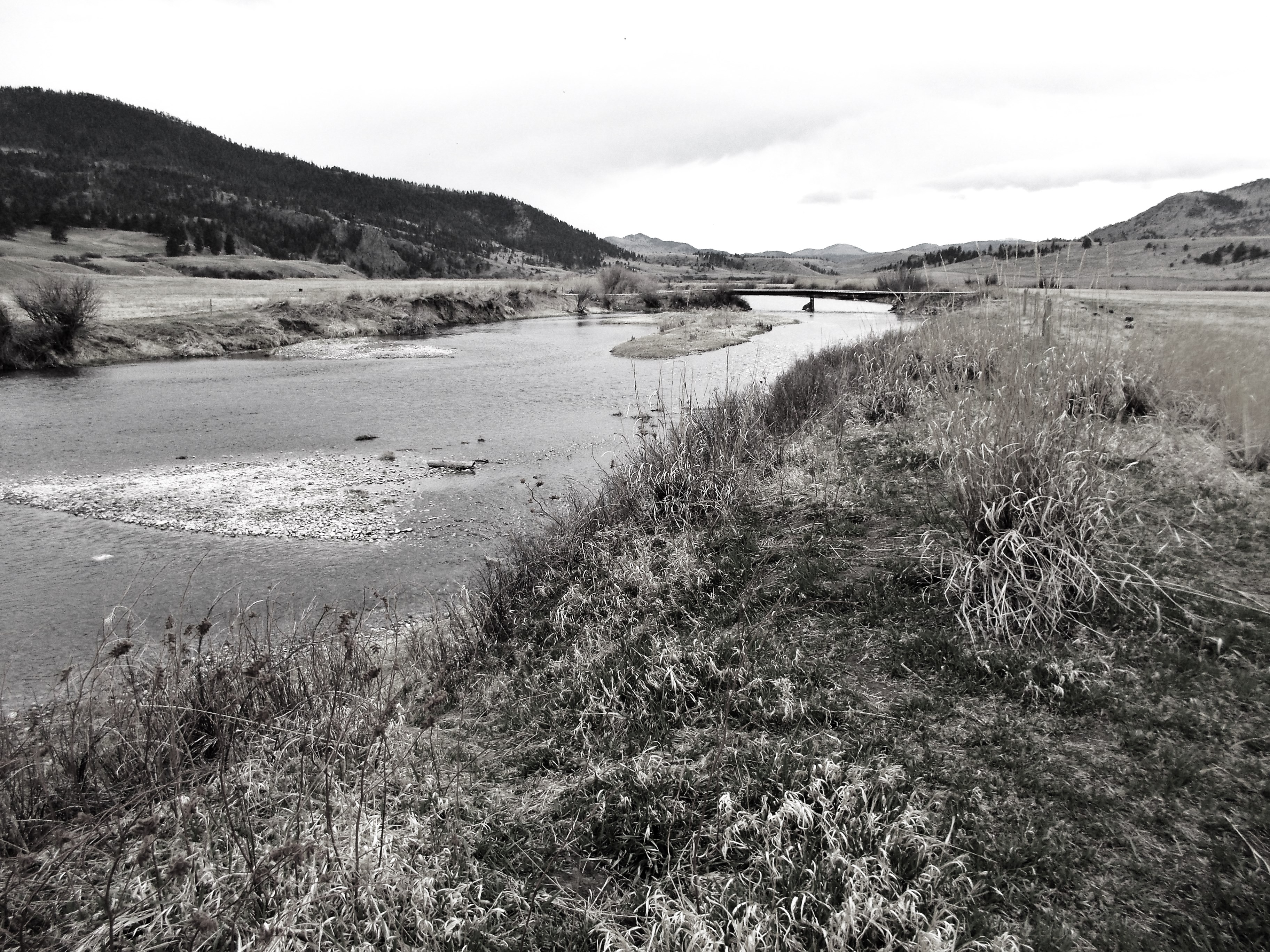
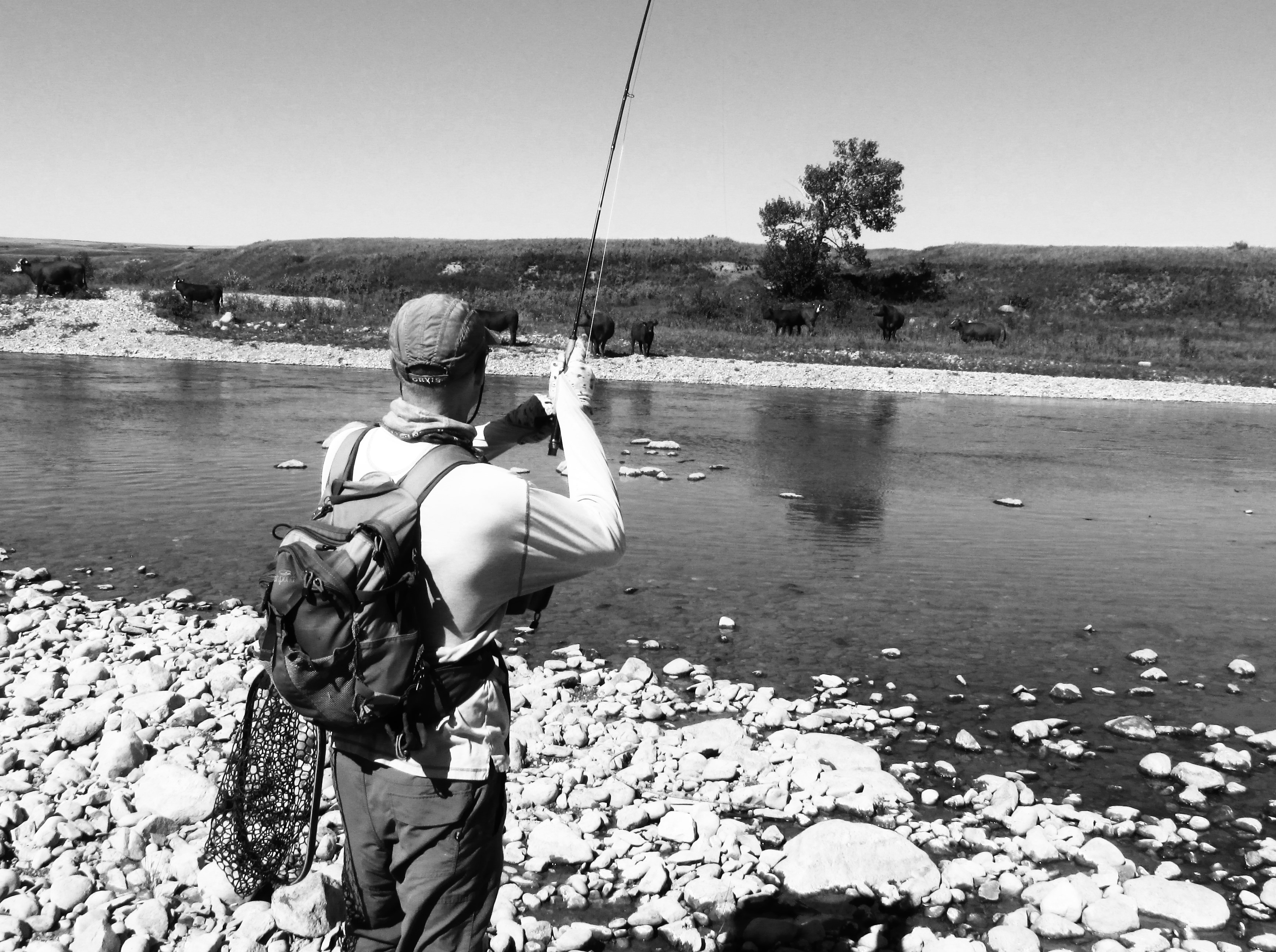
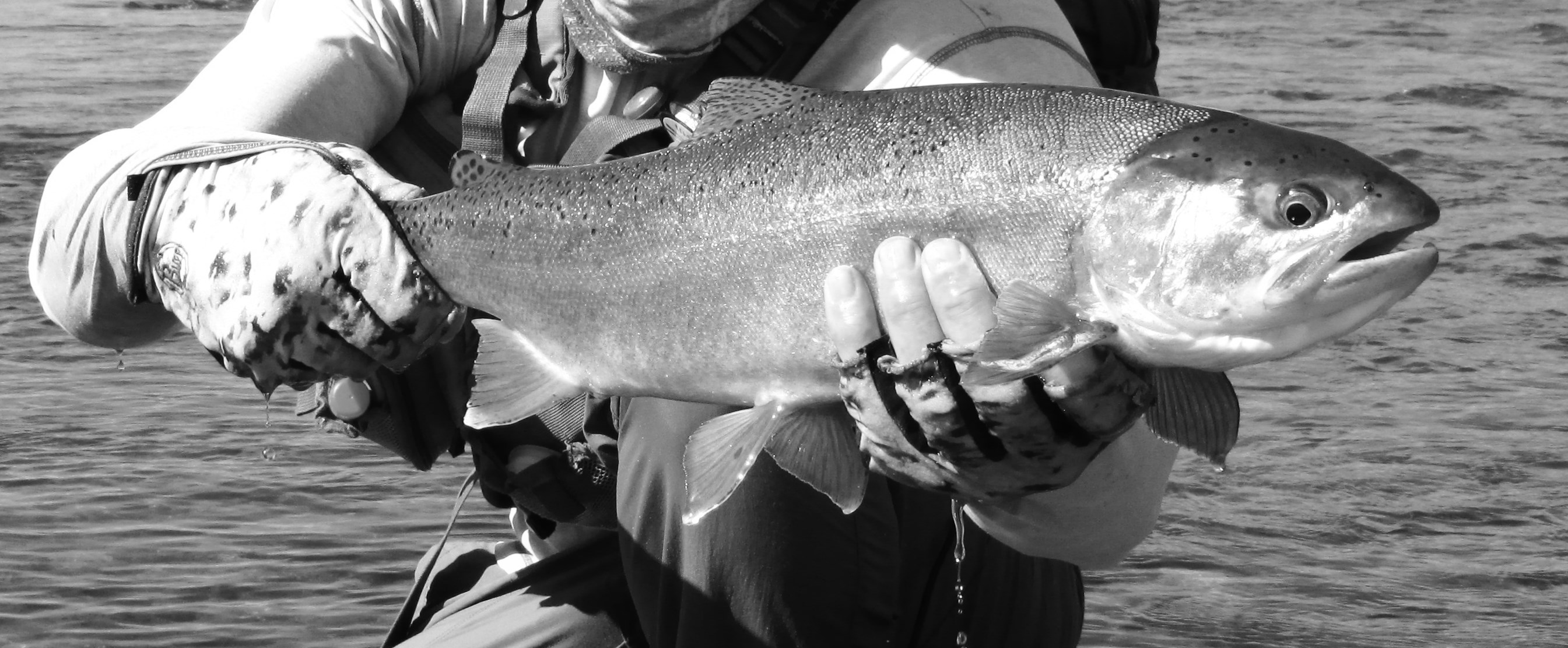
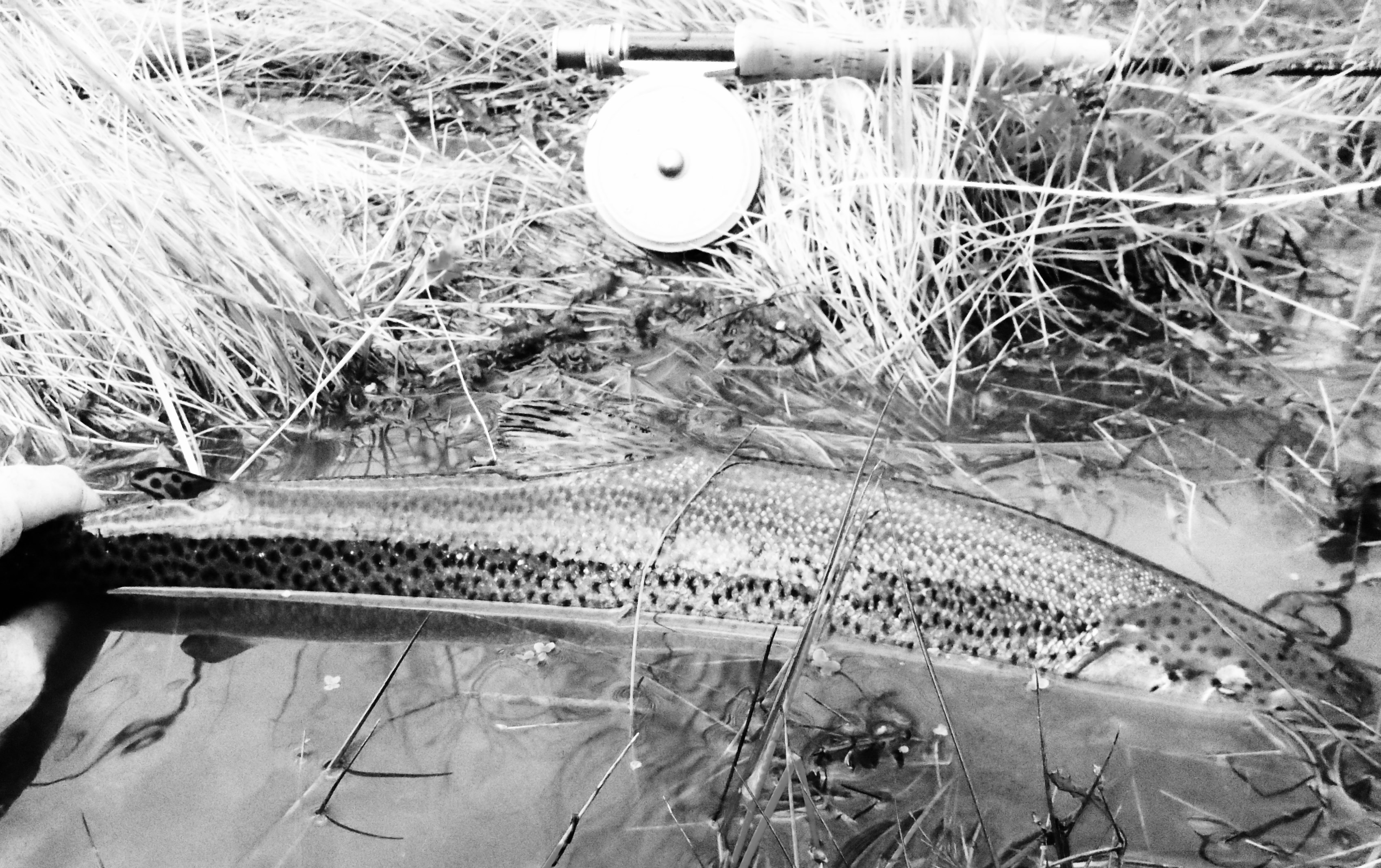
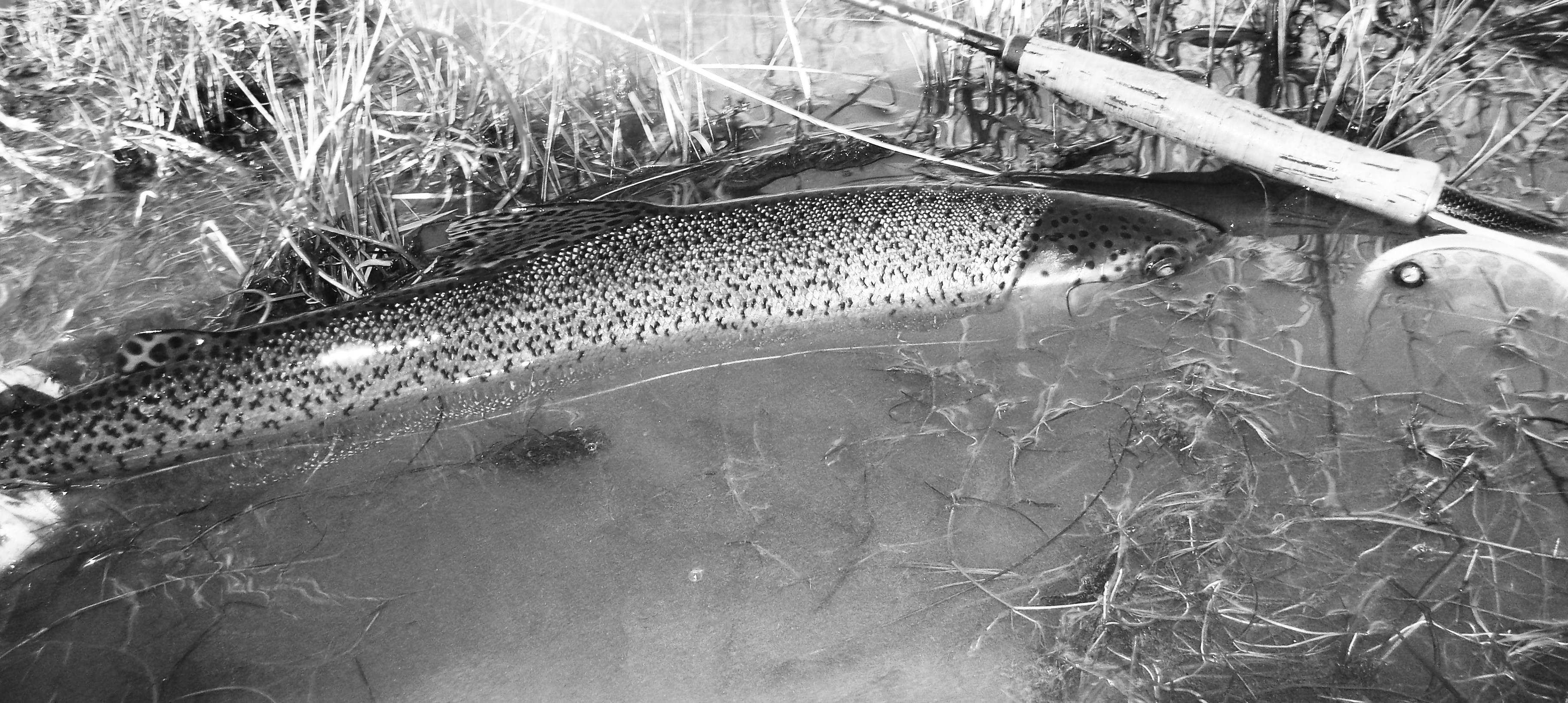
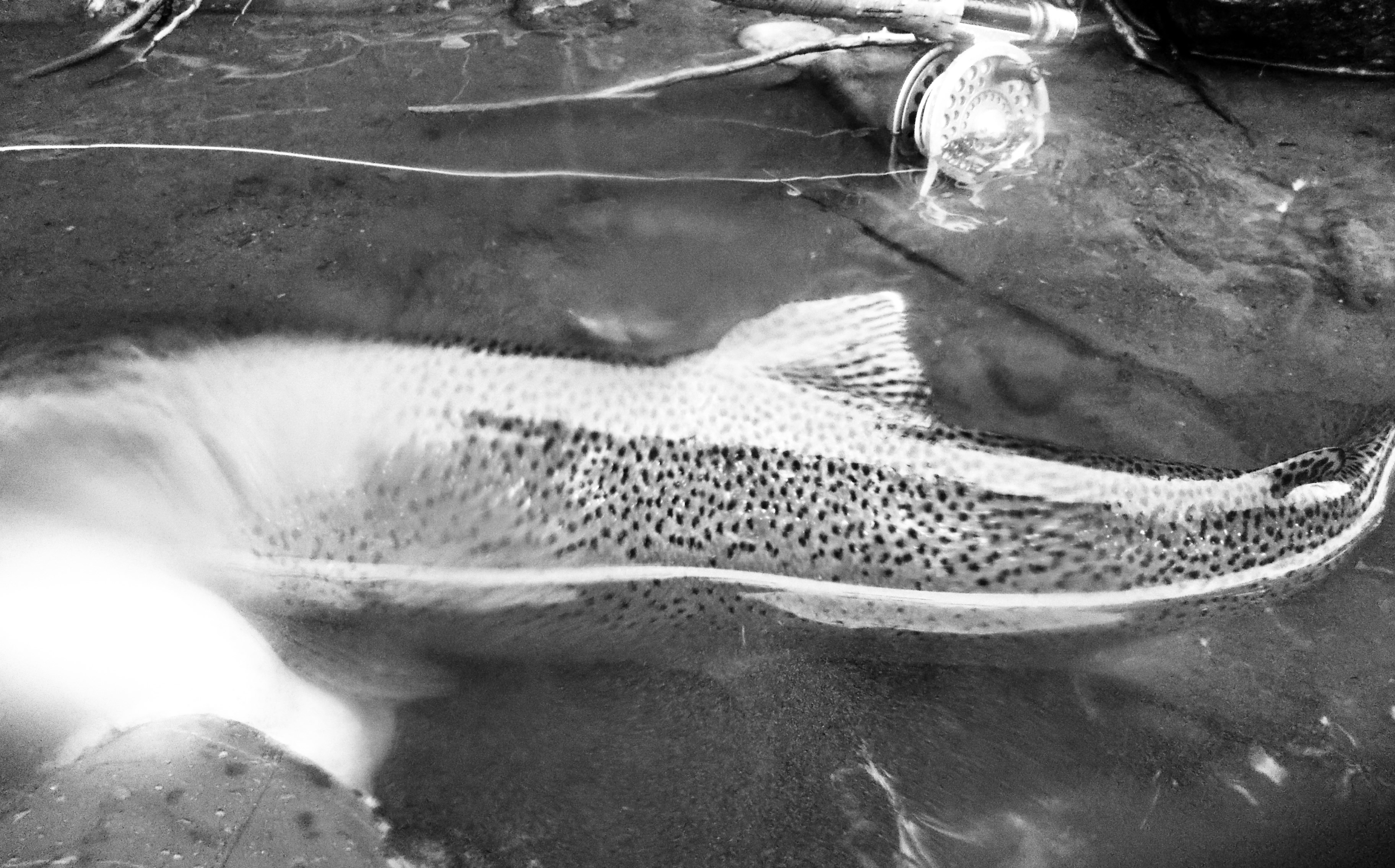
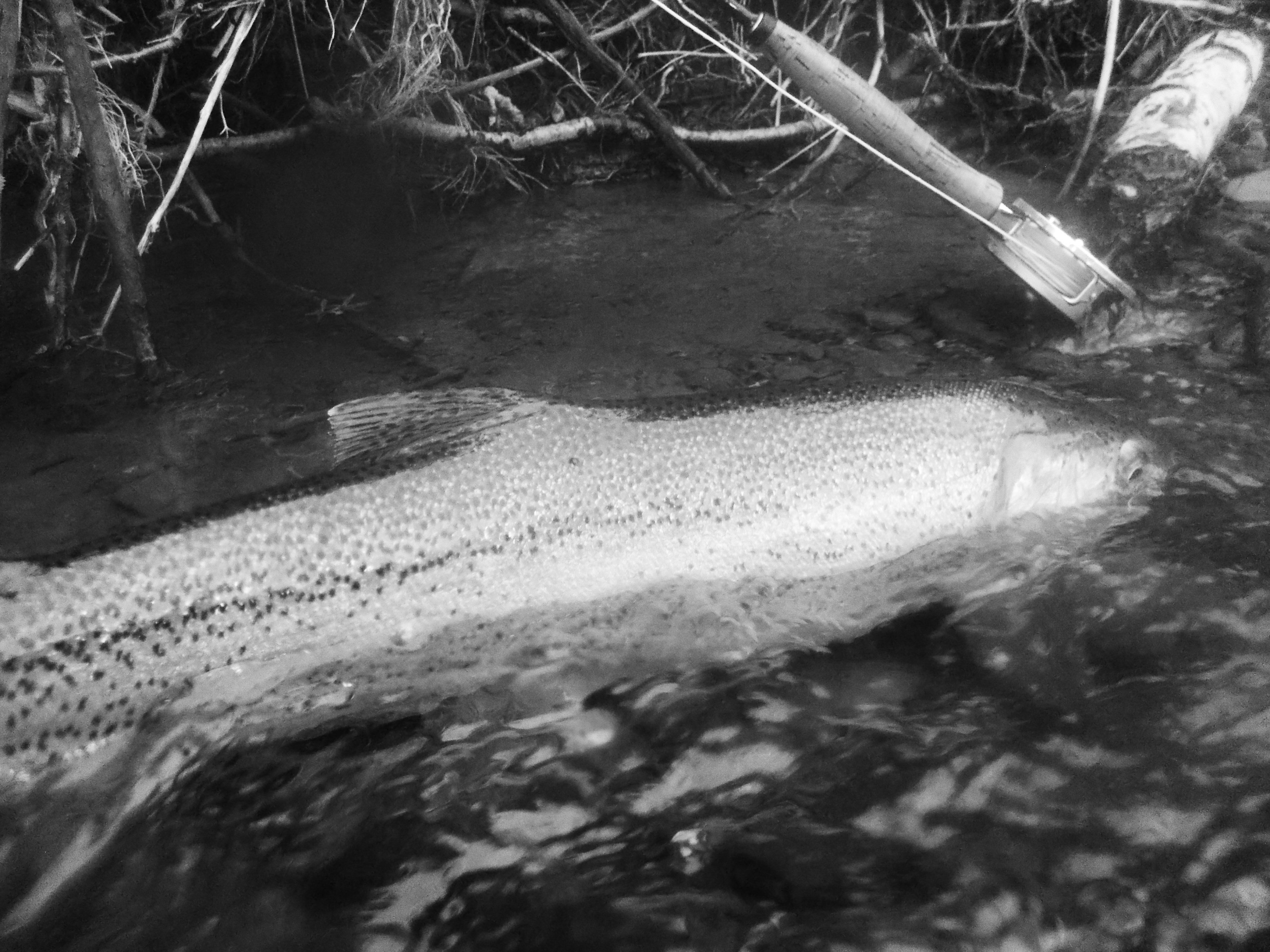
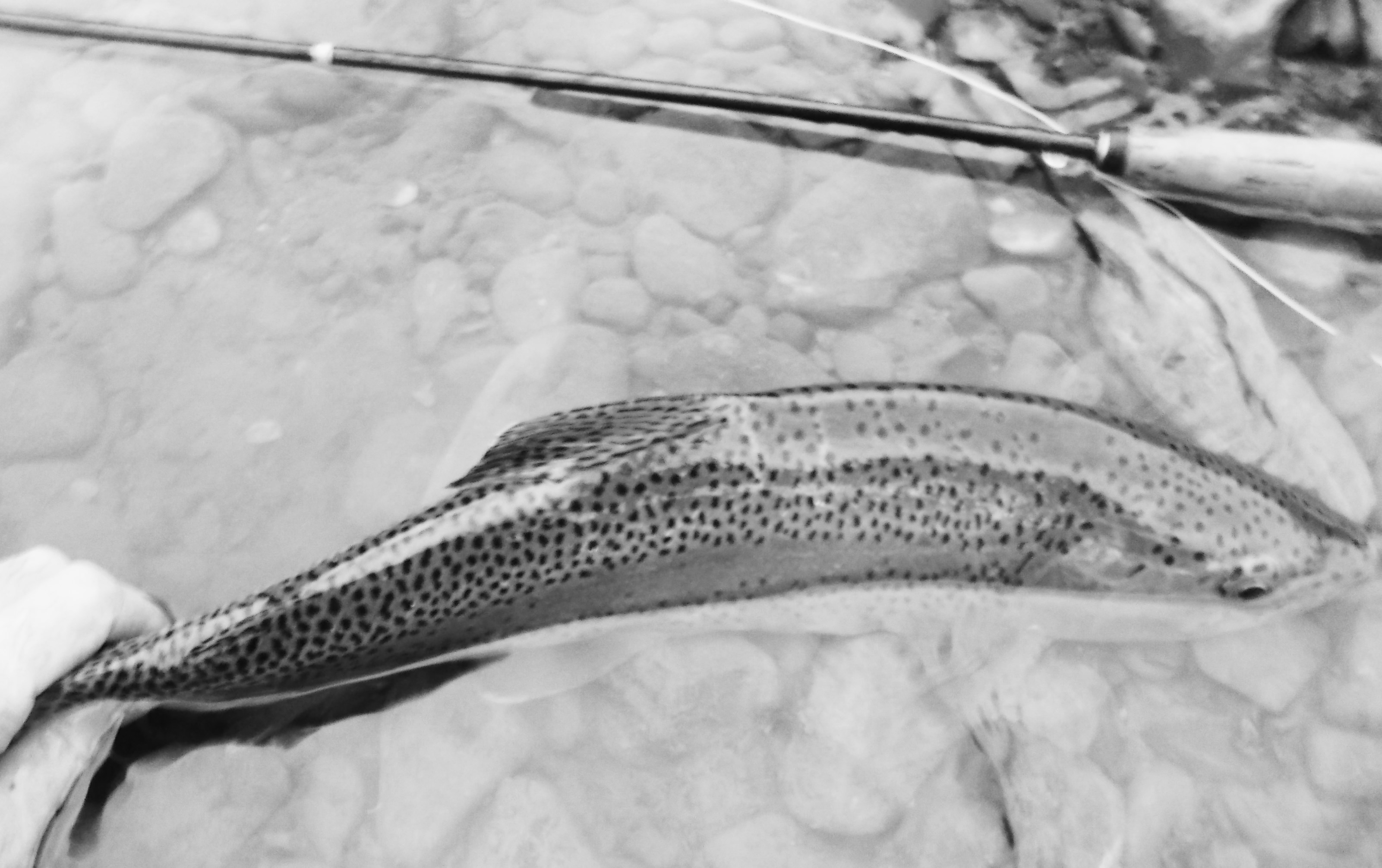
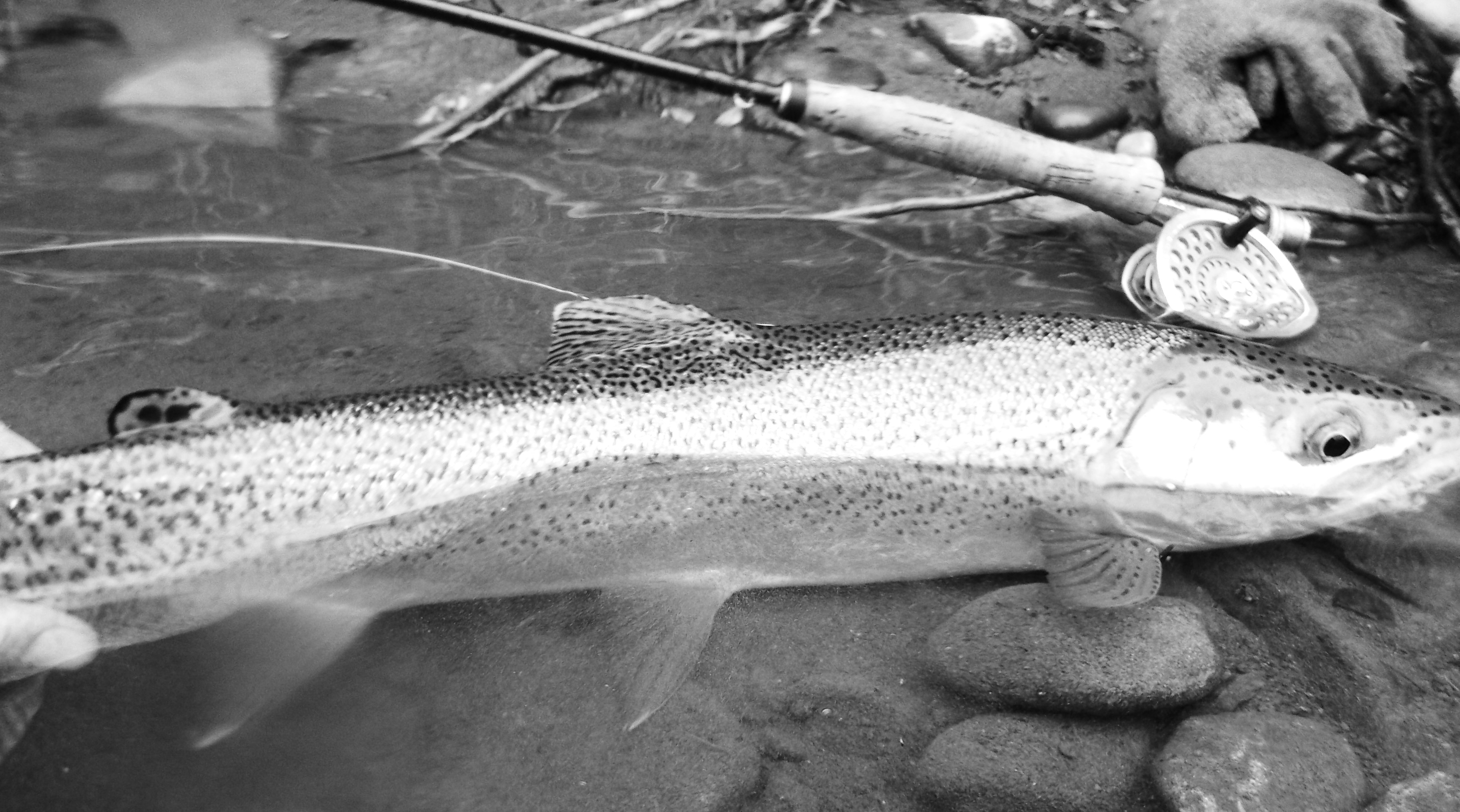
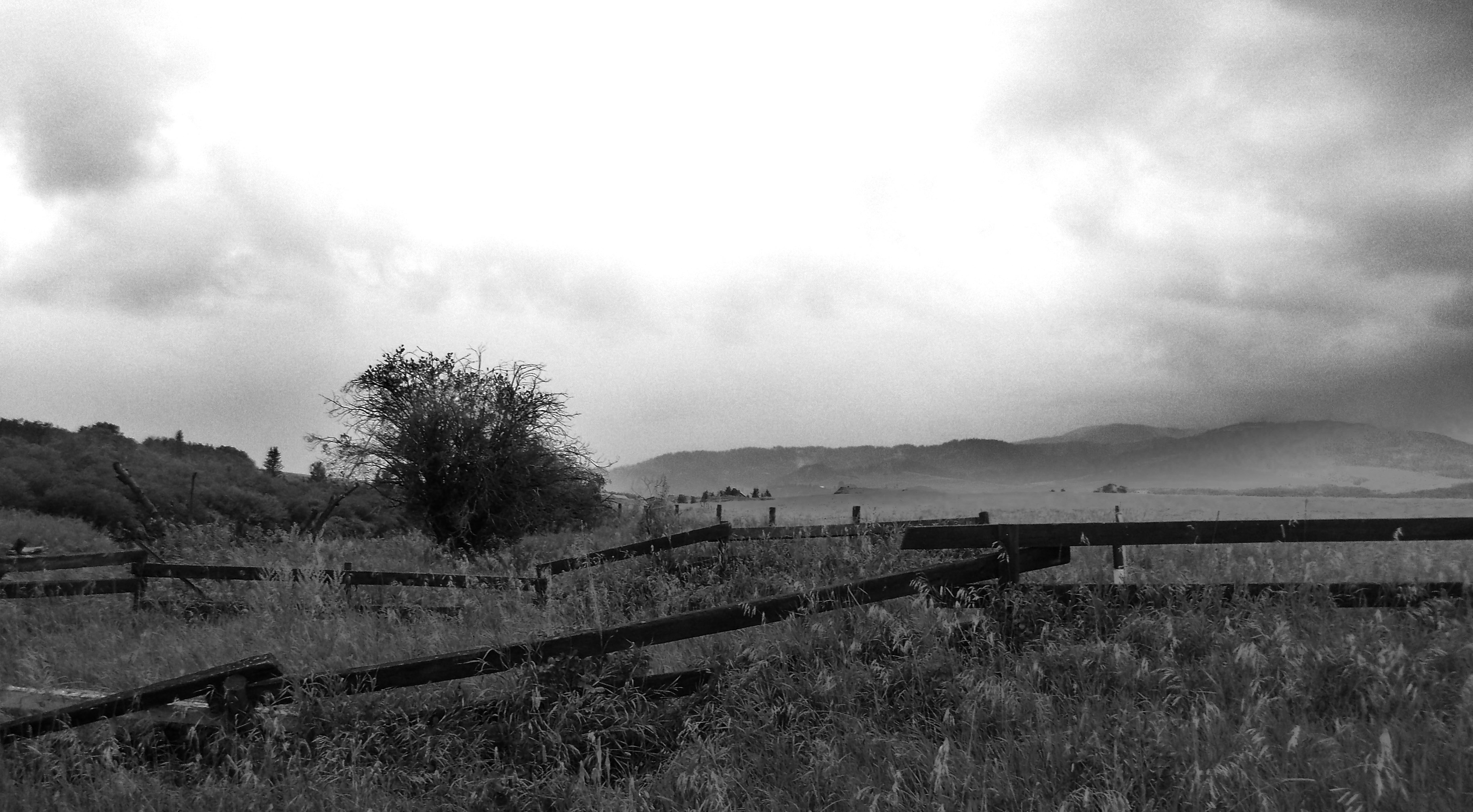
Skwala! Not many around but enough to get some trout looking up. Bugs are always appreciated as this is a blog about dry fly fishing, and I need them if I’m going to have material; something to write about. I’ve been going out a few evenings after work looking for rising trout and also checking things out on weekends. It has been an early Spring in SW Alberta but my home rivers have been quiet. Usually I’m into surface feeding fish at the beginning of April. We are in the third week and things still aren’t under way in spite of the Crocuses being up; calves spotted streamside; campers running the highways; neighbours aerating their lawns; some midge flies in the air in the evening and even some olives riding the currents in the afternoon. It was the Skwala (a stonefly) that got the attention of a few trout on a local tailwater river this Saturday and I managed to hook several mid-sized fish. Here is a picture of the best one of the bunch.

tailwater

oldman river tailwater section


standoff

riverside standoff


oldmanbow

rainbow trout on dry fly


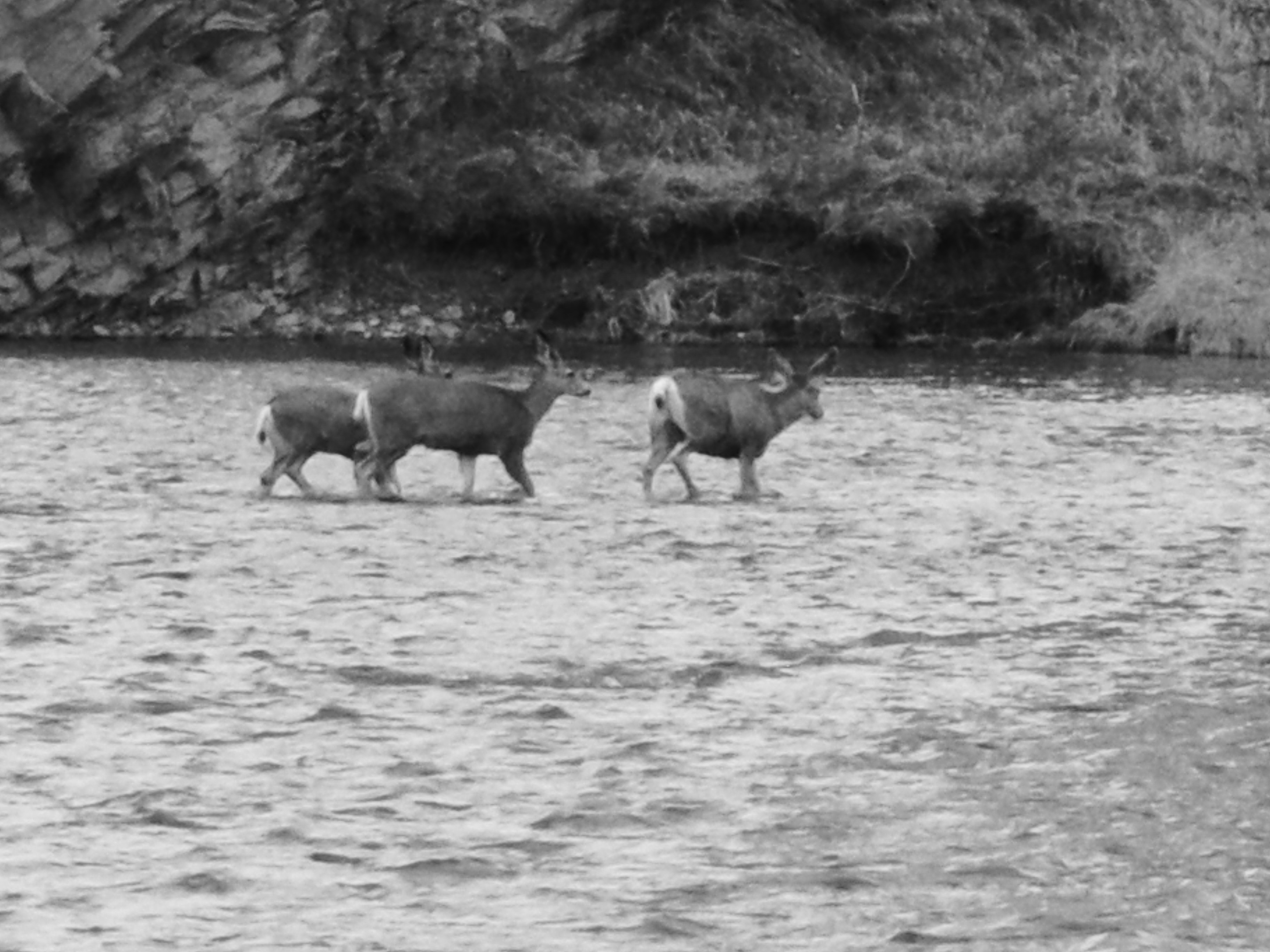
deer

deer on crowsnest river


crocus

crocus


Sight fishing Easter Weekend

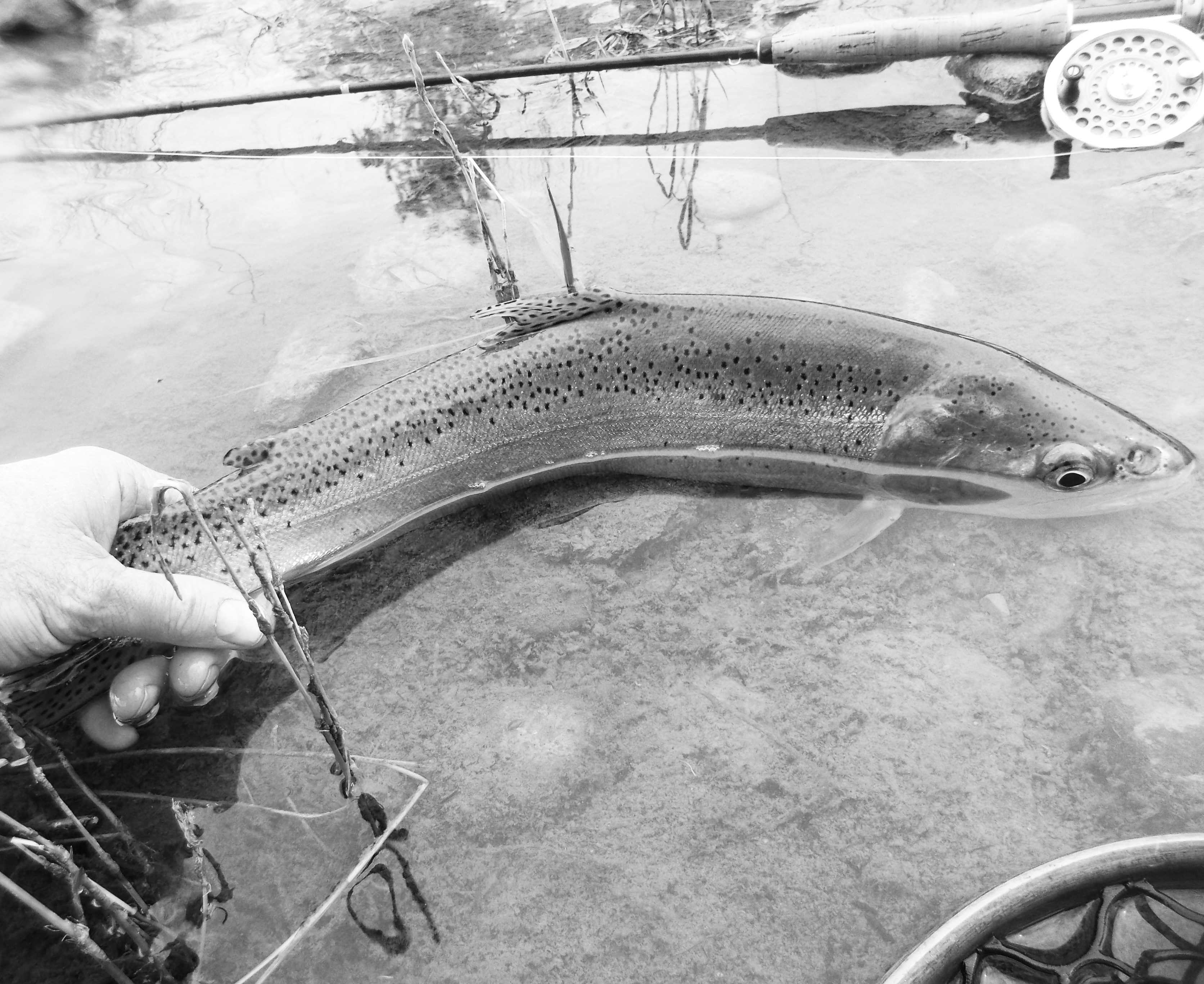
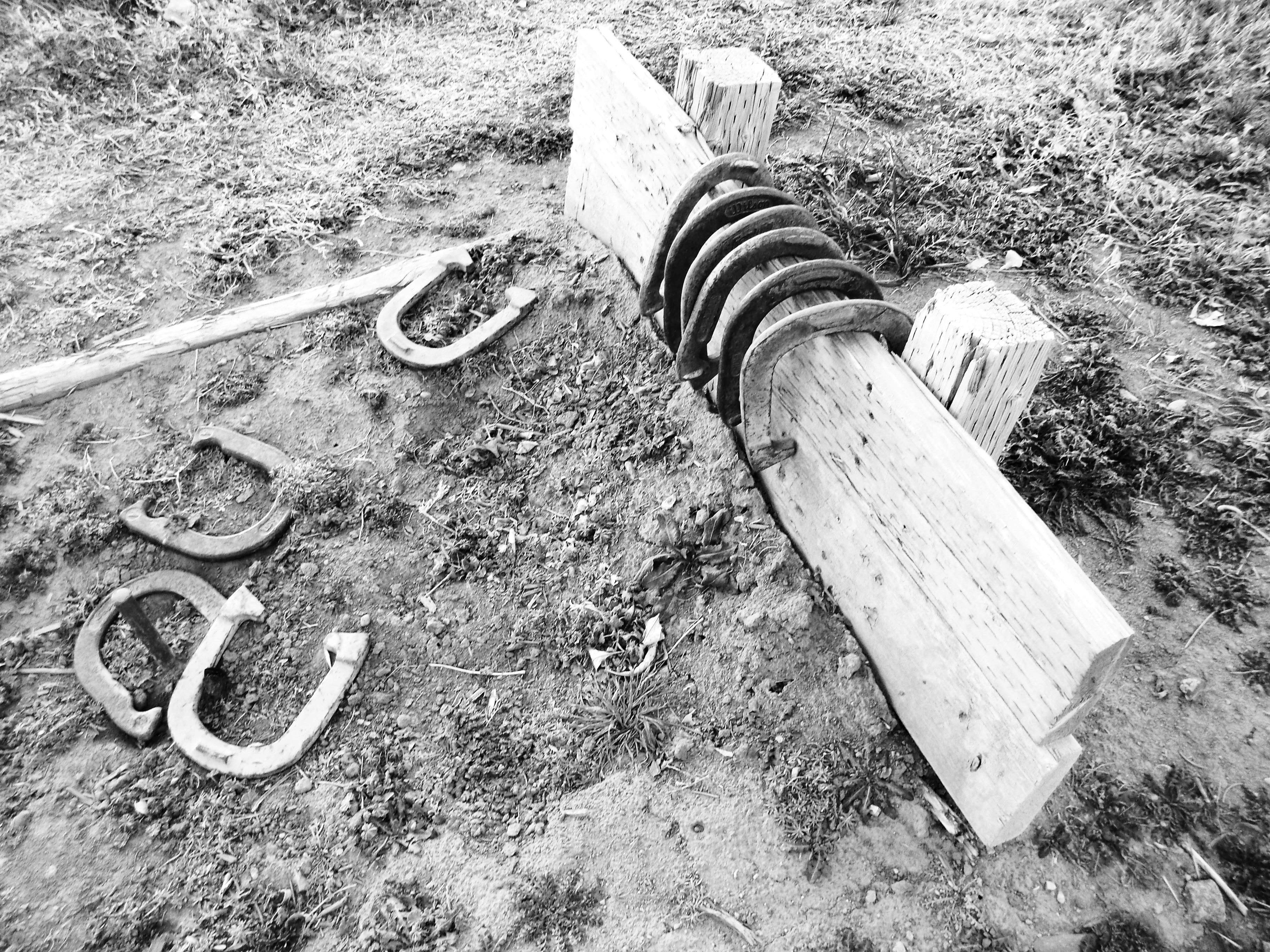
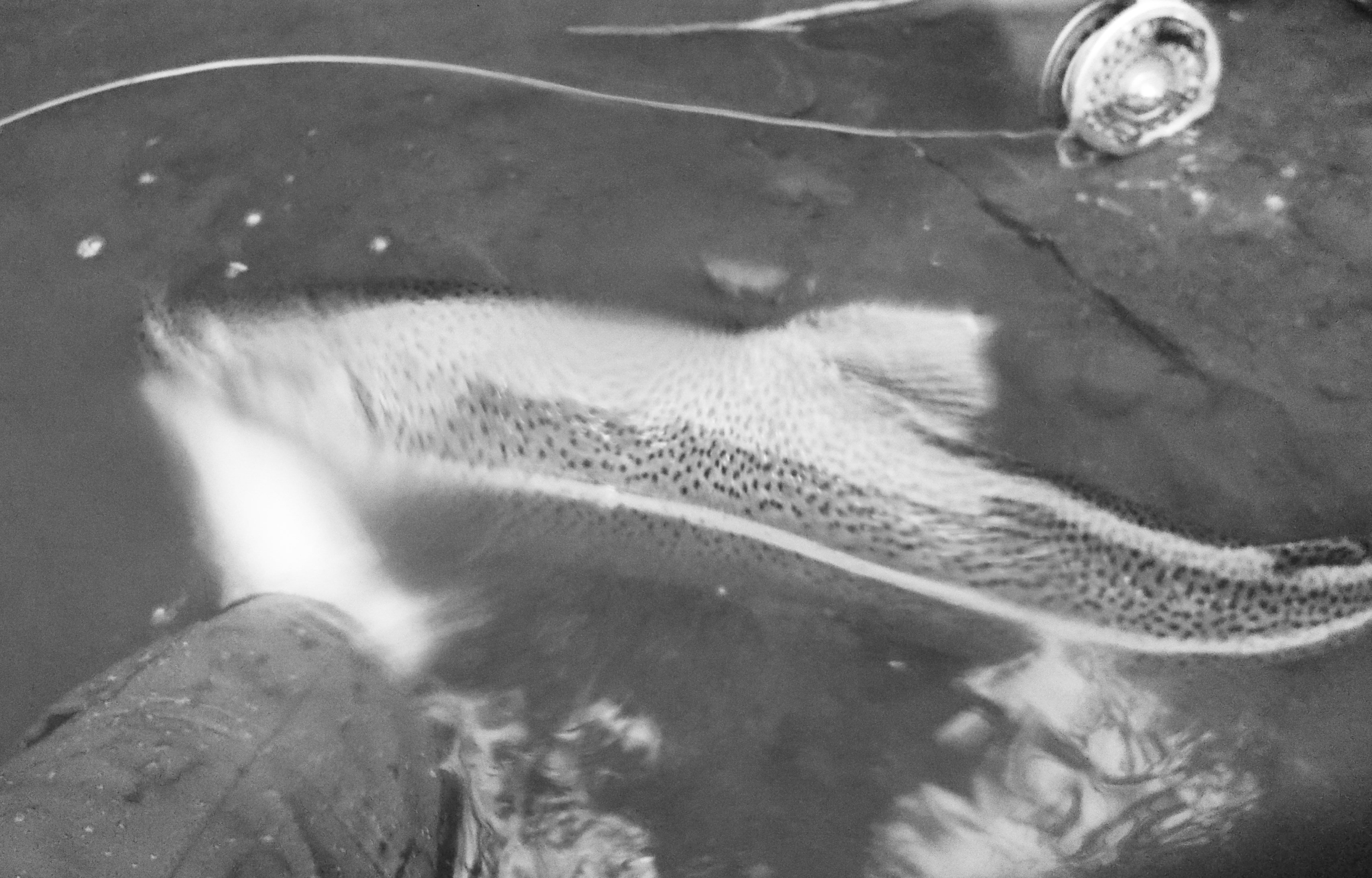
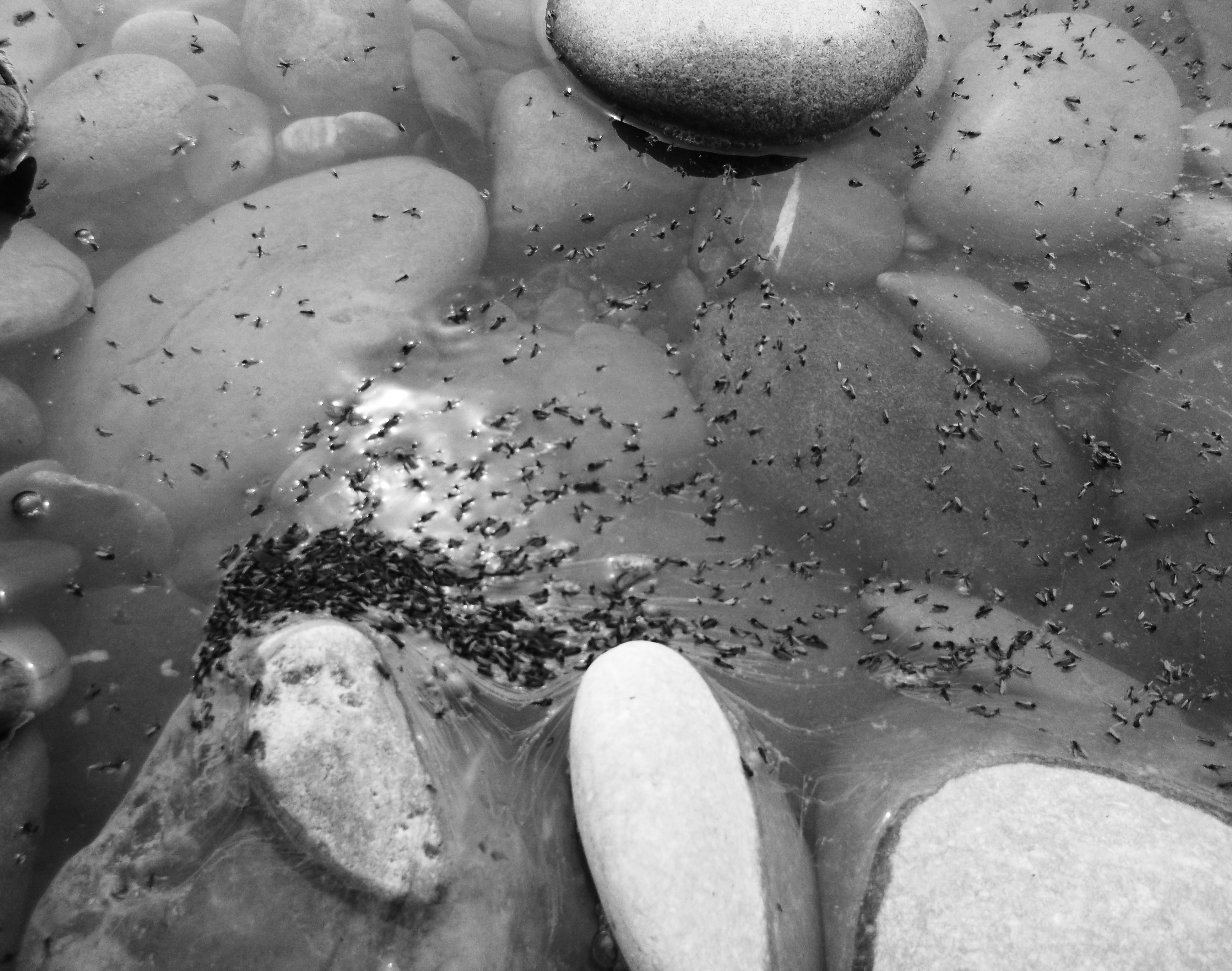
After a winter of fishing blind with a two handed rod it was a real pleasure to sight fish with a light 4wt rod and dry flies this past weekend. I spent two days walking and wading the Missouri river in Montana. I tossed midges all weekend and on a couple of occasions a small beetle. Most fish were on emergers (bulging the surface). A few could be found eating dries, especially when the wind died down in the flat water sections of the river. Some bulging fish could even be enticed to eat on top; however, many would not. A lot of the midges were clustering in the mid afternoon so cluster fly patterns worked fairly well. A few Blue Winged Olives were out but not many. This hatch should be developing soon which will make the dry fly angling easier. All of the fish below were caught on dries. I spent my time fishing flat, shallow sections; slow wading ankle deep water. Some great fish landed; many more missed. Some humbling moments. Trout fishing doesn’t get much more challenging or better. If you love dry fly fishing you owe it to yourself to one day visit this river.

tree

misty late day leaving the river

bbrown angle

brown trout on dry fly, beetle

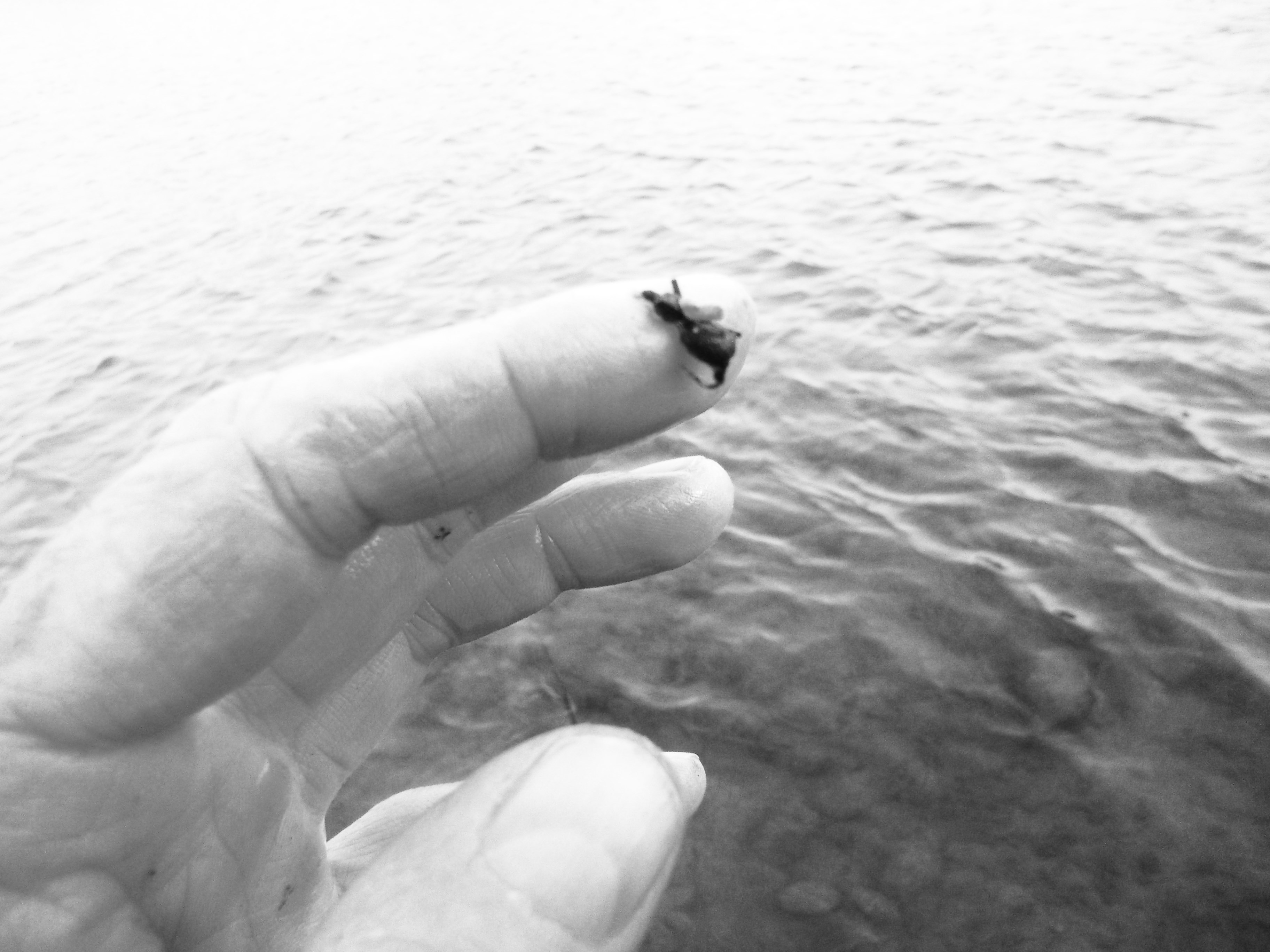
beetle

beetle fly, chewed

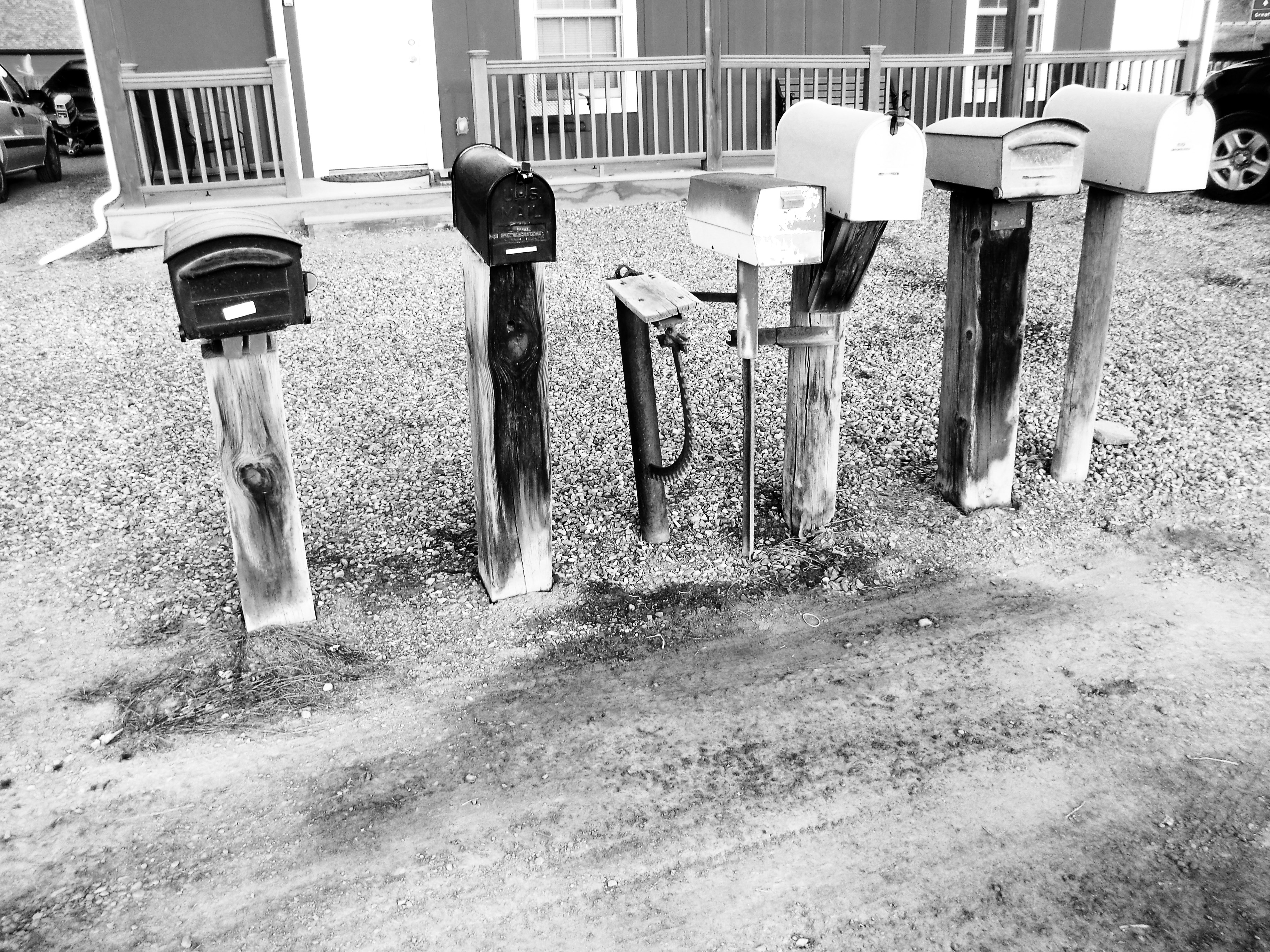
pboxes

craig, scene


arm tiltfish

rainbow trout on dry fly

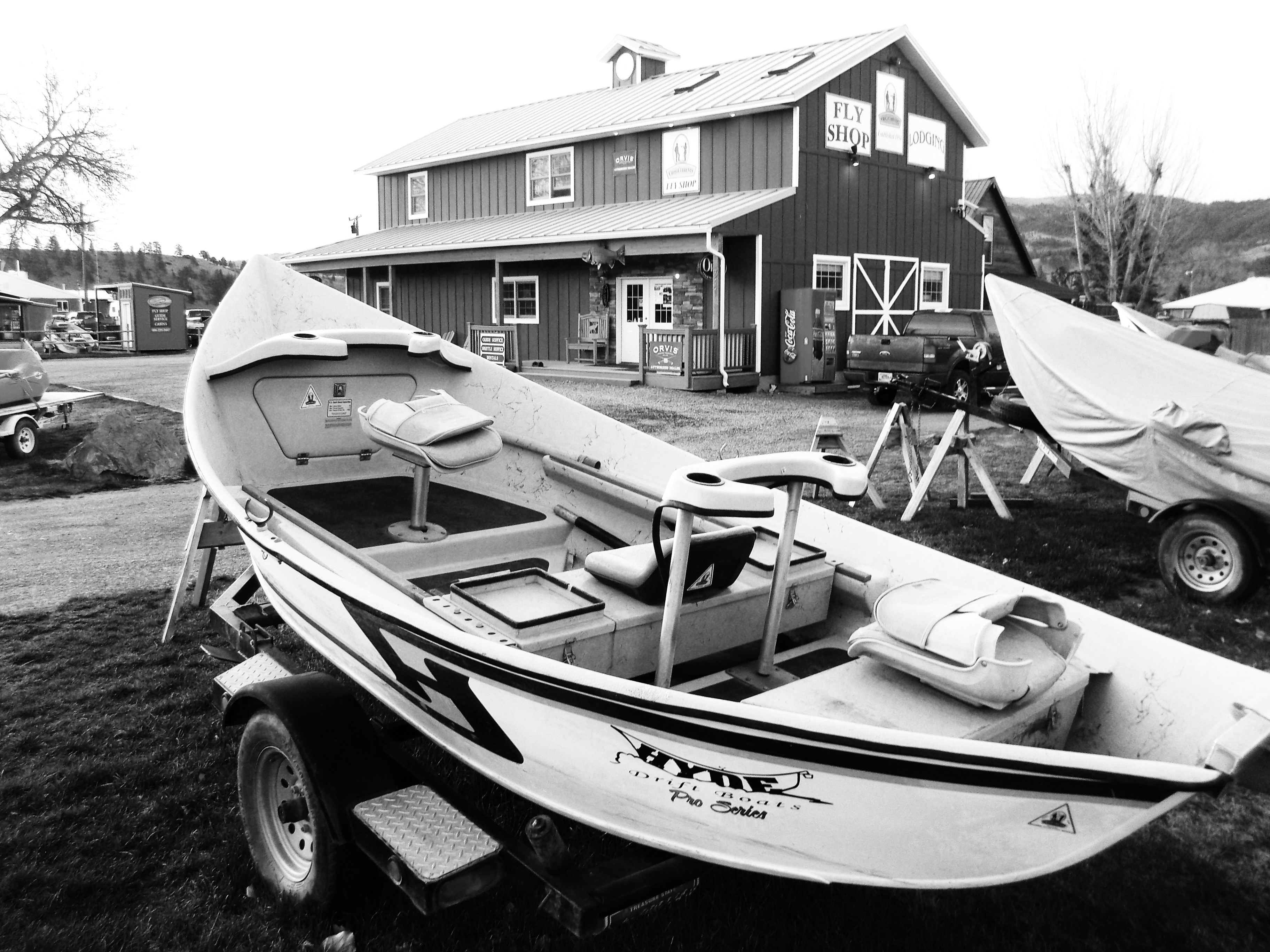
fly shop

craig fly shop

channeltrack

shallow side channel

bbowfat

rainbow on dry fly

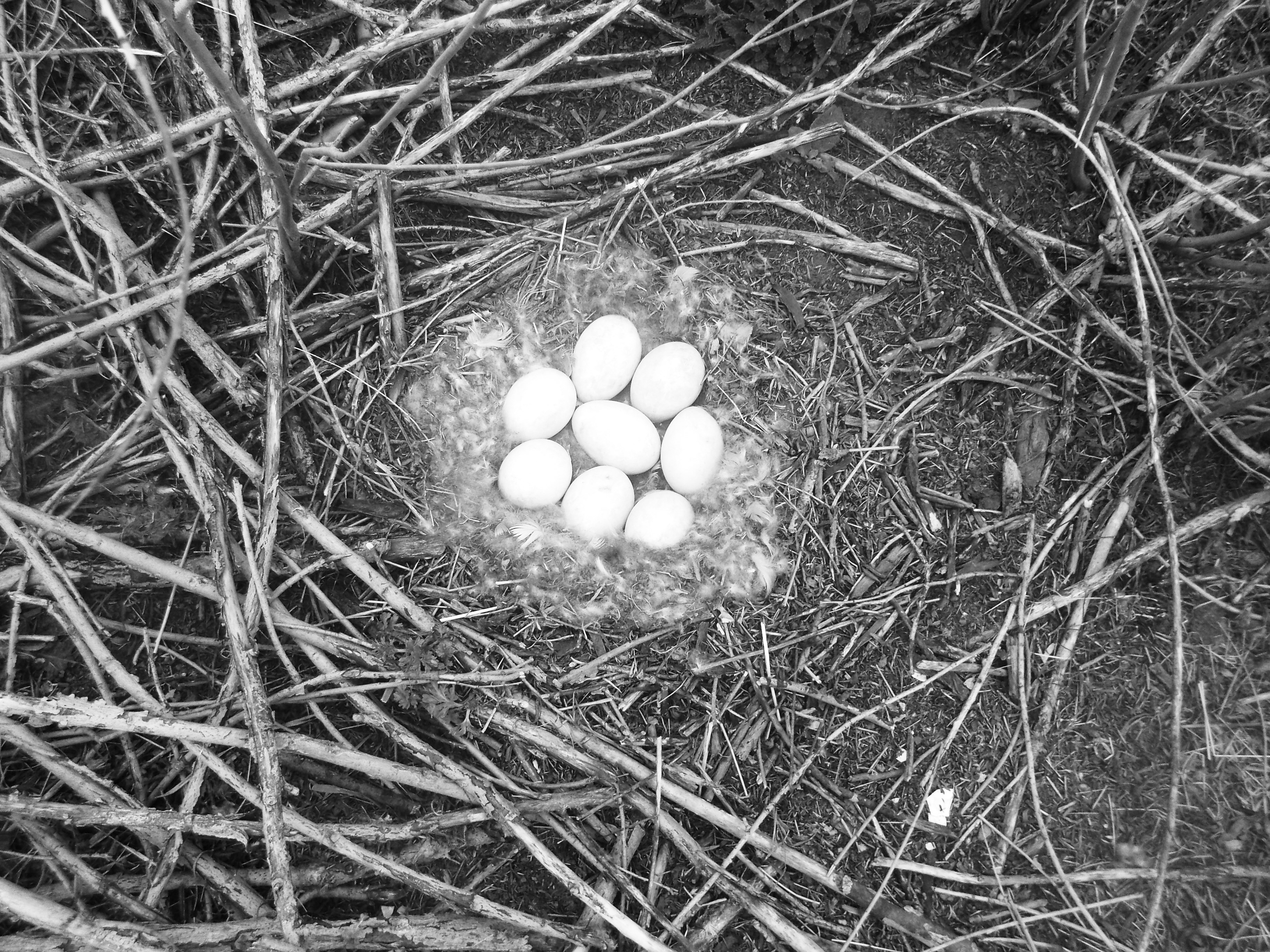
goose eggs

easter eggs on river island (goose eggs)

netbowreflec

rainbow trout on dry fly

wagon wheel

craig, montana

misscurve

caught on dry fly

horsehoes

horse shoe pit at local fly shop

side chanmiss

side channel

bbrown 2

another pic of brown trout


Creekside Grass

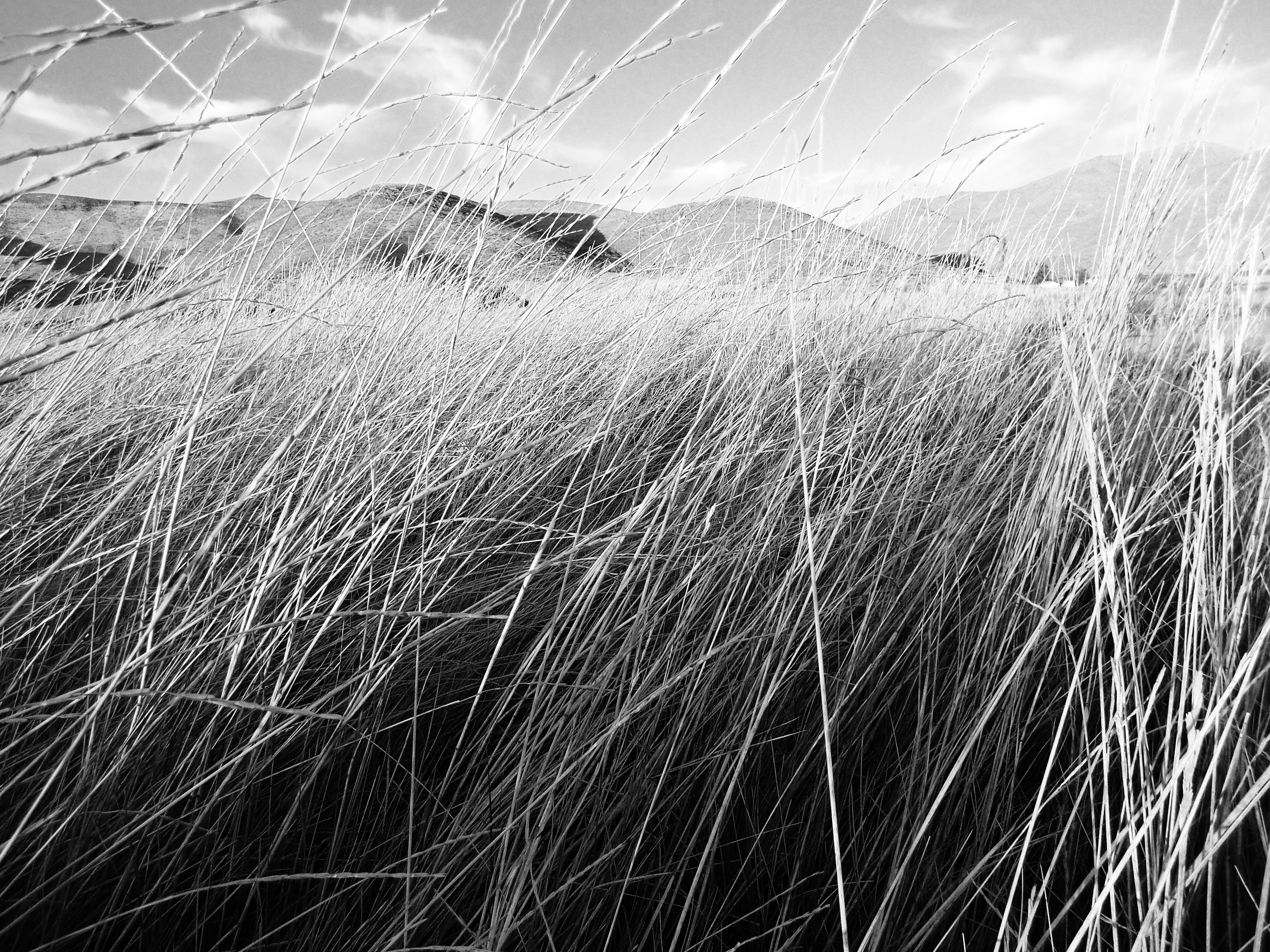
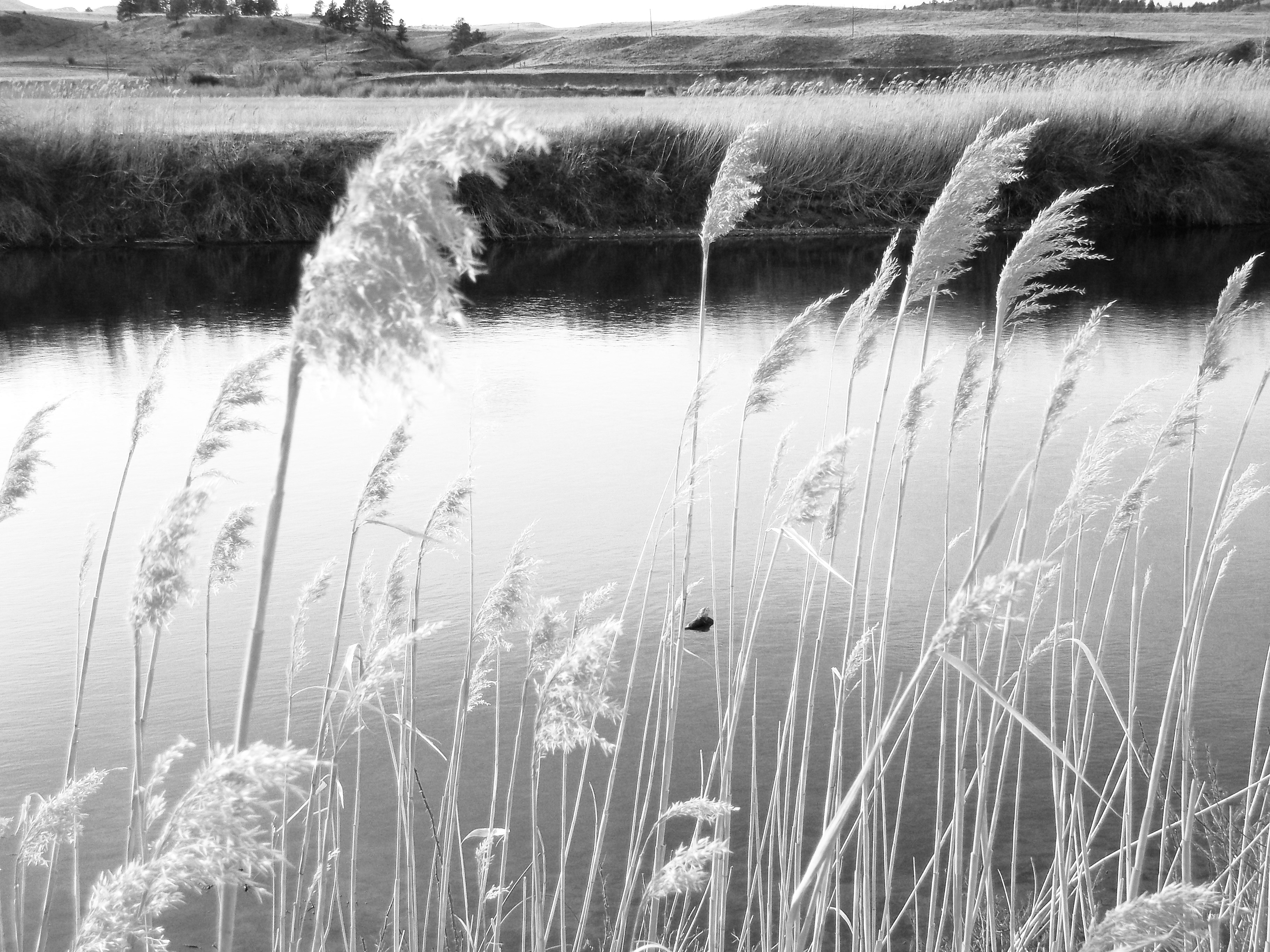
Most of the streams I fish flow through arid sun baked terrain. The edges however are often lined with tall grass growth. They shoot skyward with the summer warmth, stream moisture and nutrients. These edges are places of life: waterfowl, insects, eggs, feathers, even the odd golden retriever…

Trout prowl the aquatic side of these edges. I often sit hidden in the grass and watch the water for movement; for trout. If you sit still long enough the flowing water and swaying grass become mesmerizing. Then a soft rise or flash of a feeding trout  wakes you up.

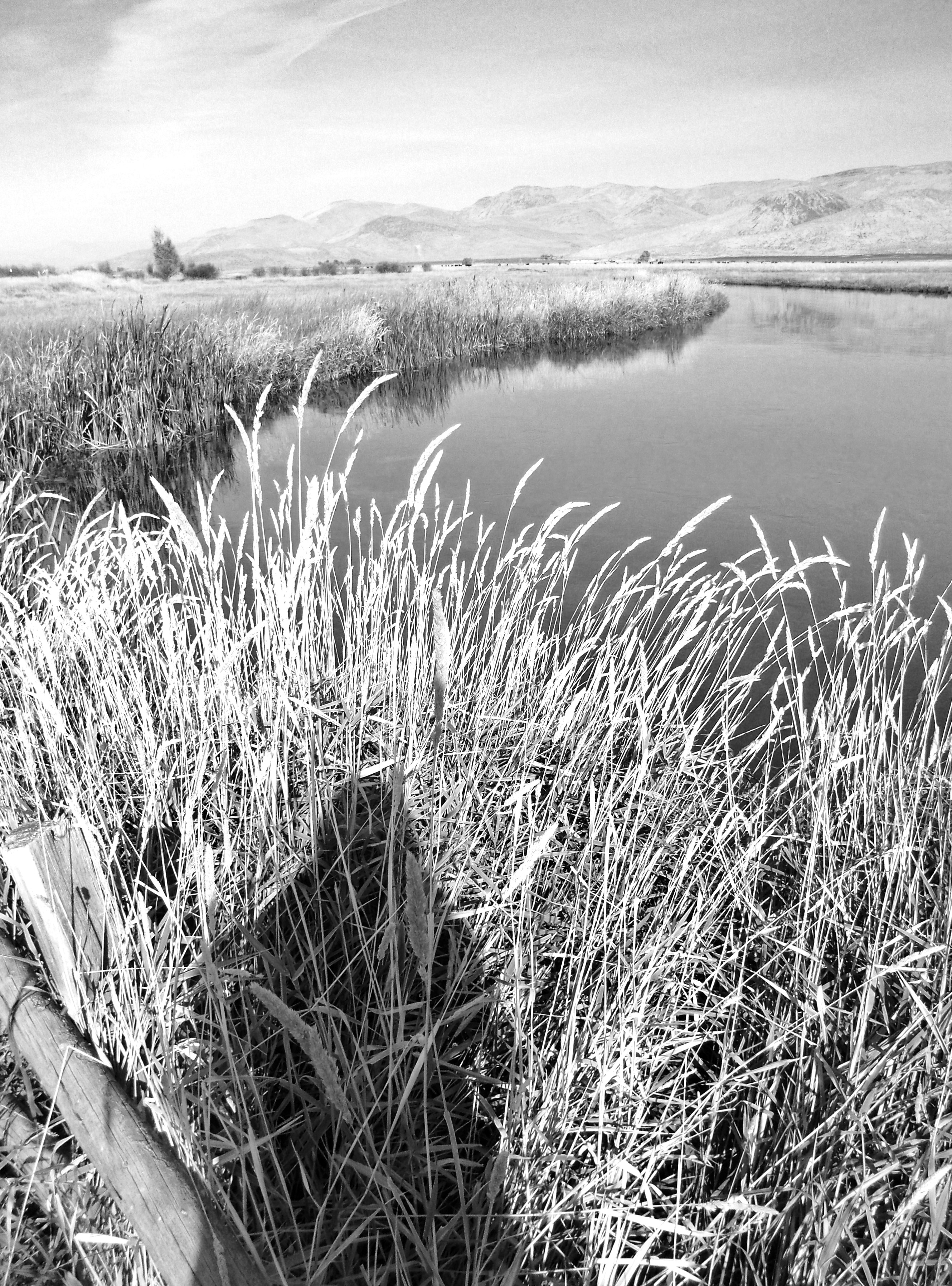
Here are some pictures of soothing creekside grass taken along the rivers I fish.

grass banks (1)


idahograss

creekside grass

IMGP0401

smelling creekside grass


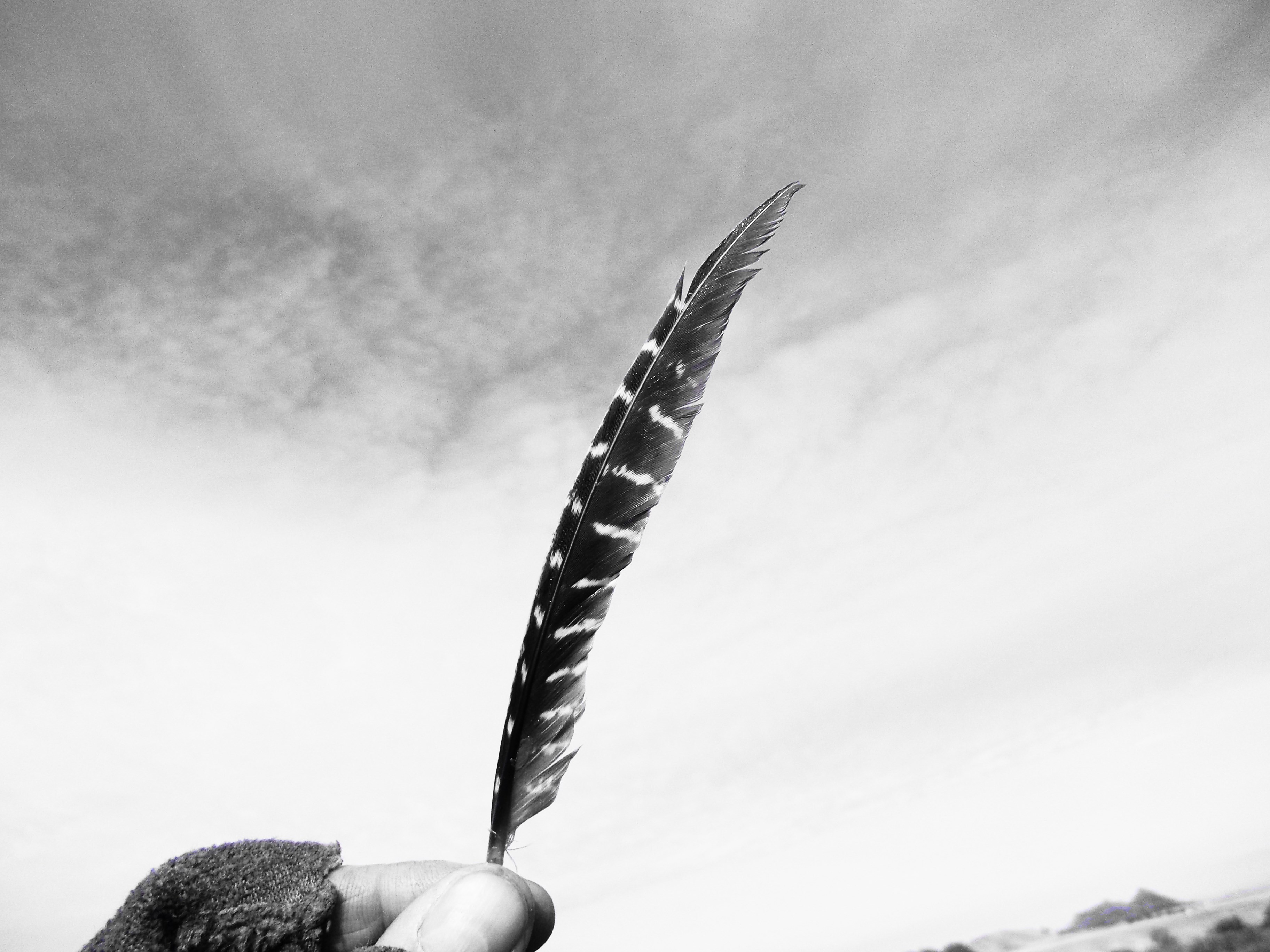
feather

feather found in streamside grass


big head

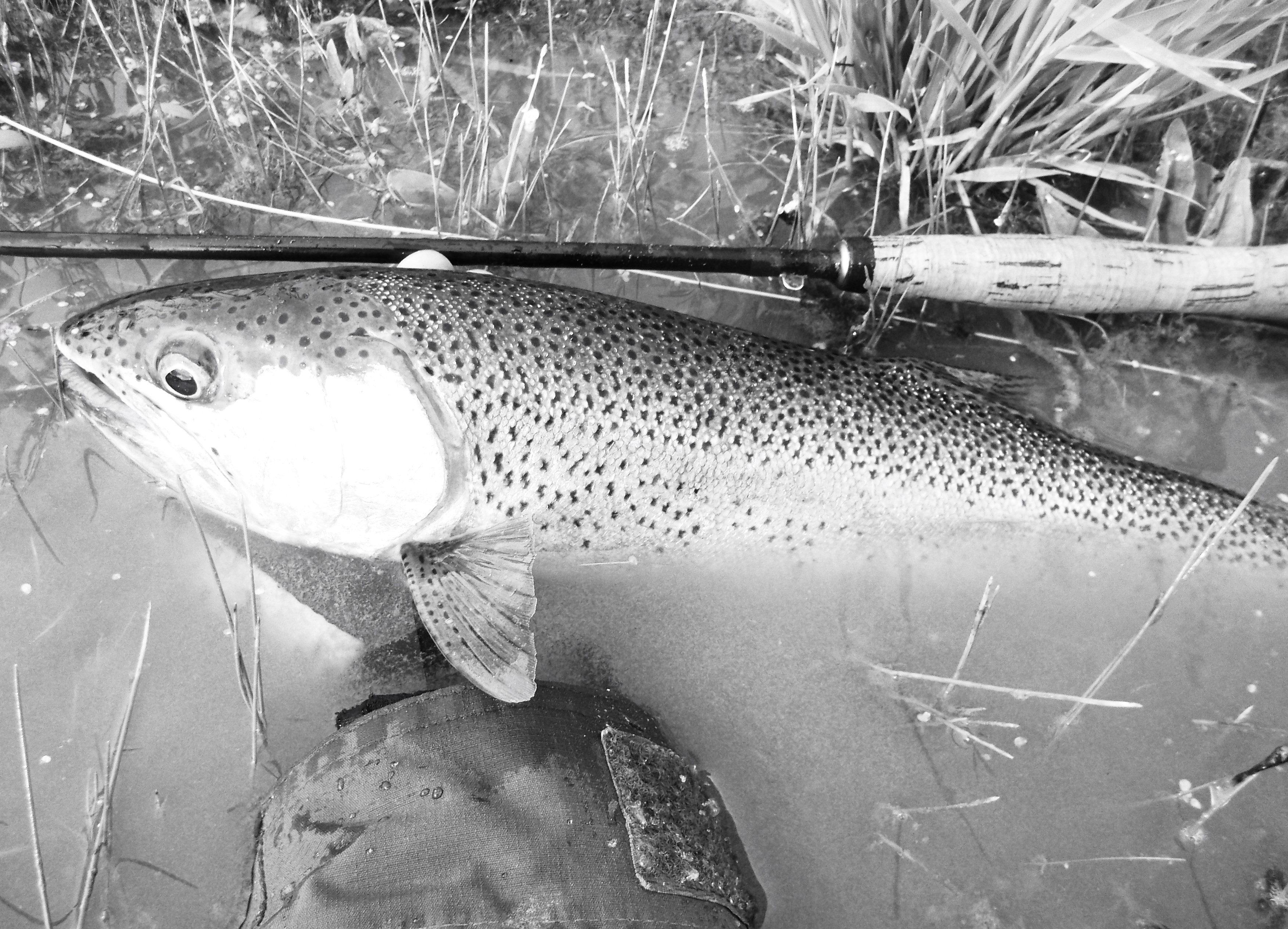
trout caught next to creek grass


sea oats

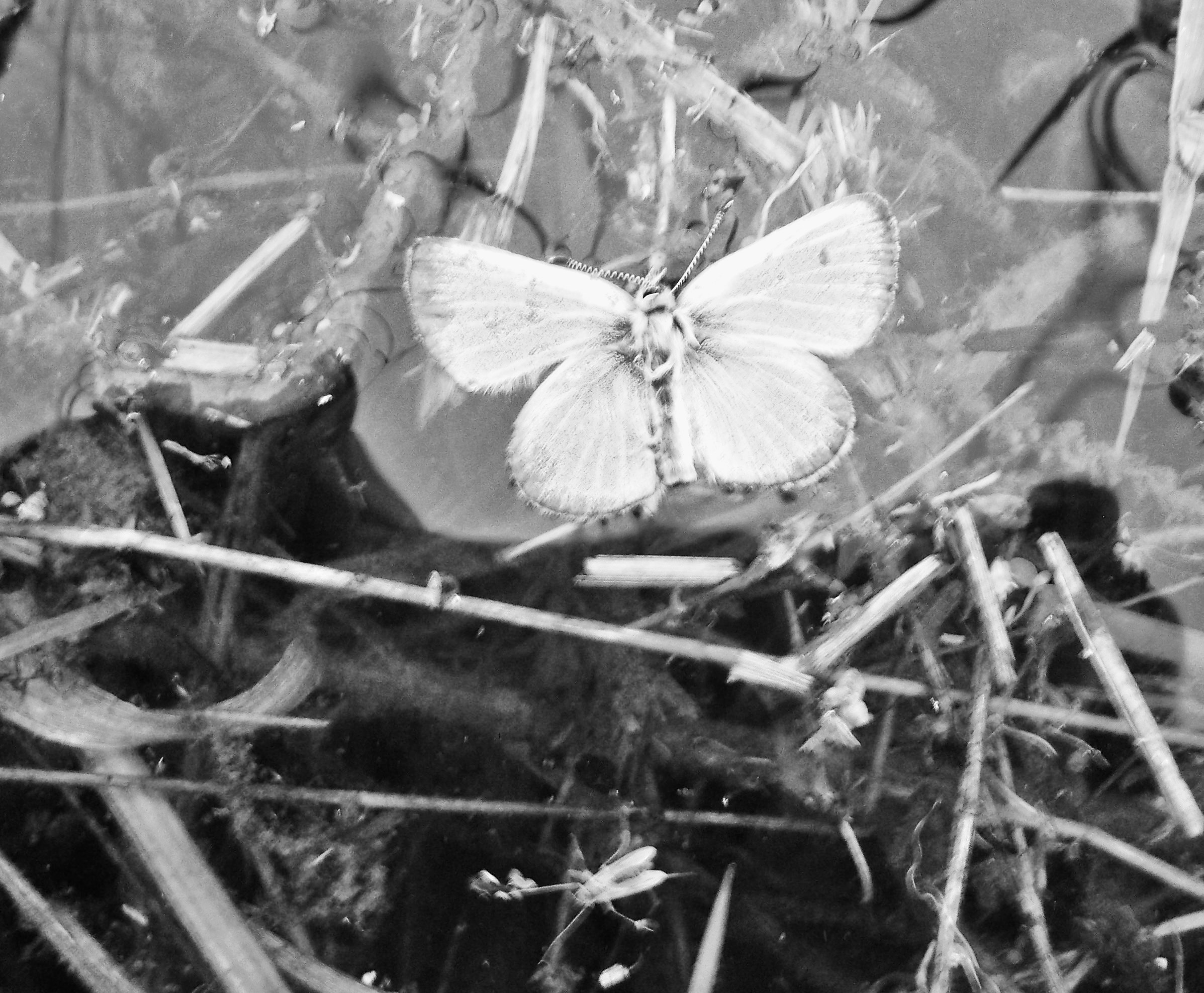
butterflyingrass

found along grass bank


IM000625.JPG

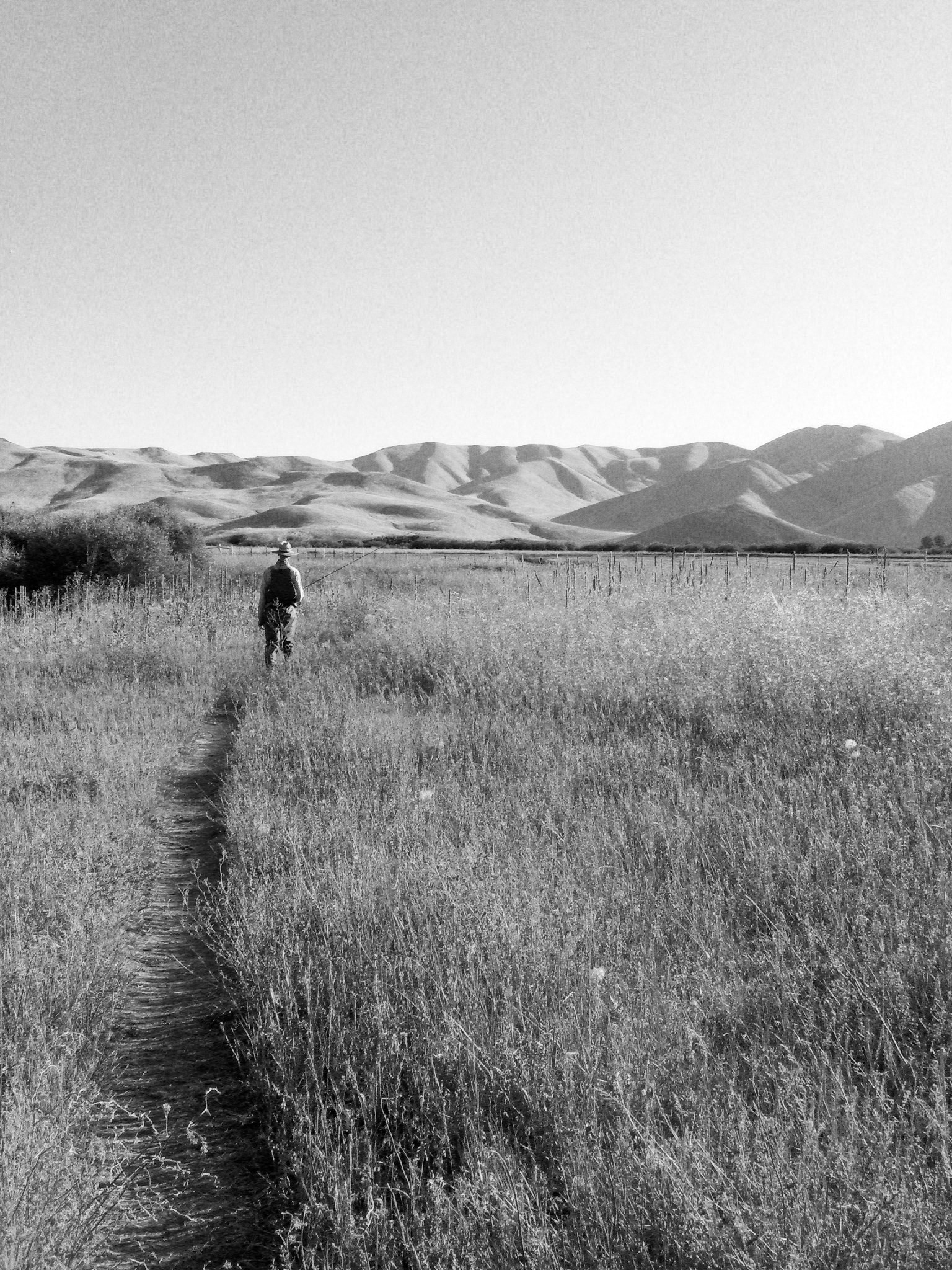
creekside trail


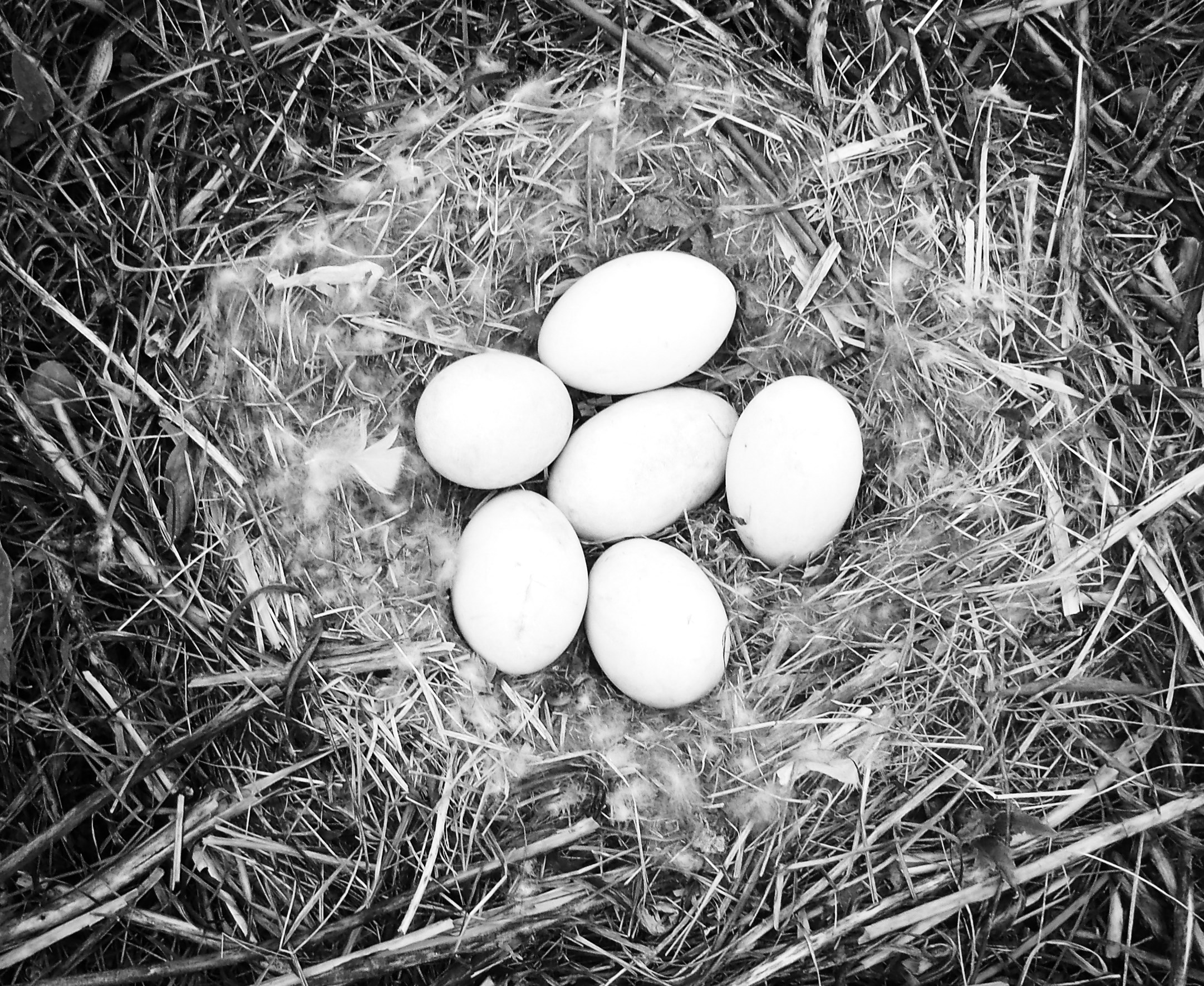
eggs in grass

goose eggs in creekside grass


grassshadow

On the Way to a Creek

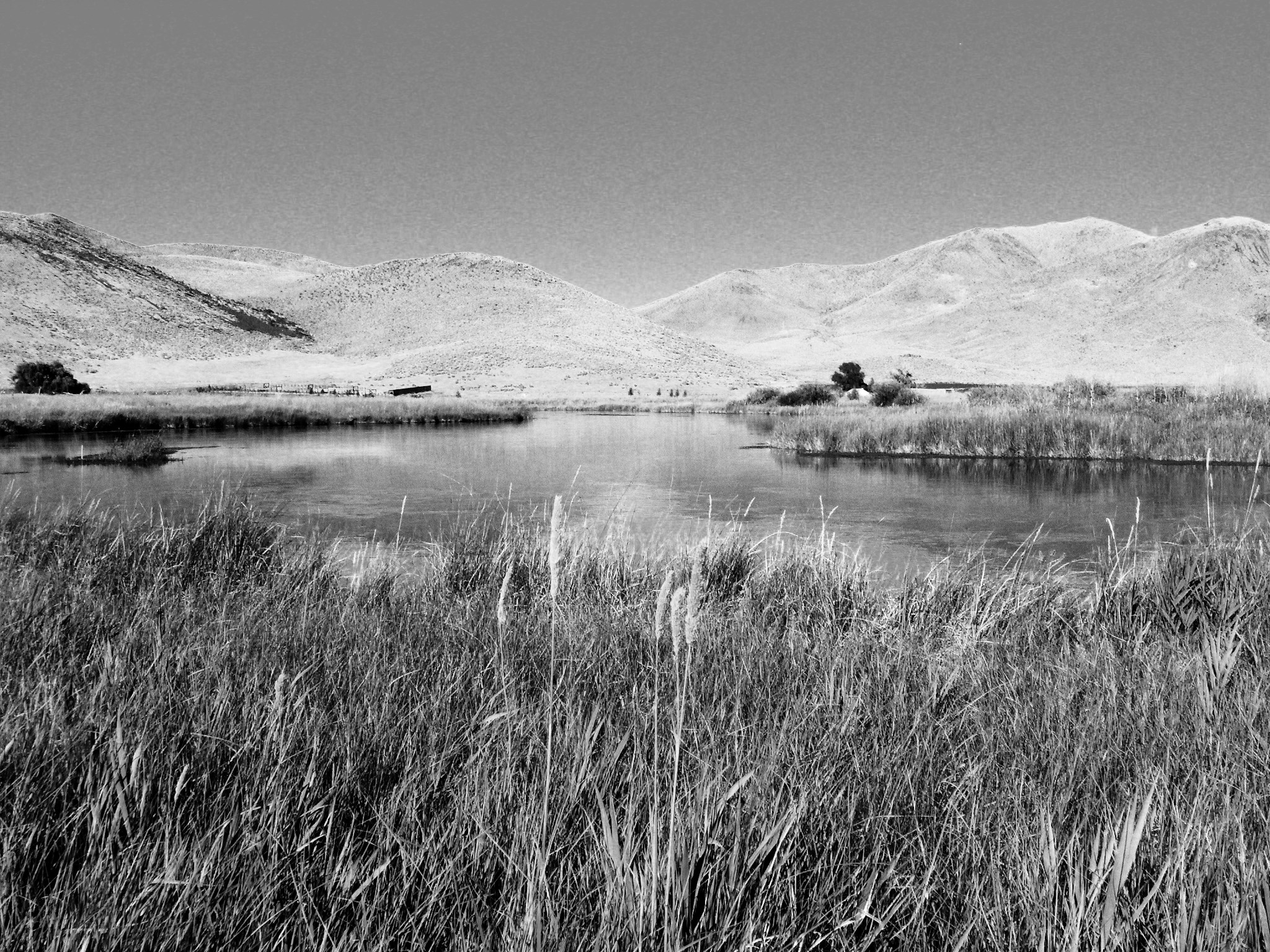
Two or three times I’ve driven a great distance across a high plains desert to fish dry flies on a wonderful spring creek. It’s just miles and miles of sagebrush, the odd cow, then an unexpected crystal clear serpentine creek. Kind of a mirage.

I grew up in an eastern region with a lot of precipitation; green and lush three seasons of the year and where many small trout streams are canopied; and yet my favorite rivers in the west are out on the dry alkaline flats or ones that flow through barren rolling windswept hills. Go figure. I like the openness and the light, and that the trout are where it seems they shouldn’t be.

Here are some high-speed car shots on the way to the creek from several years ago…and the creek.

snow shot

dist sprink


sage poles

sagebrush


cows far

sprinkler


bit of rd

creek shot

glimpse of creek


IM000617.JPG

the creek


“Go And Catch a Trout”

“At one stage I fished the Yellow Breeches Creek, along which I lived, almost eight evenings a week.”

Charles K. Fox – This Wonderful World of Trout

beetle thumb

photo r dewey

GETTING GOOD PHOTOS OF TROUT IS ALWAYS CHALLENGING especially when you fish alone, which is what I do most of the time. Fish aren’t cooperative. After you land one you have to do a number of things in order to get a picture. All seem easy but aren’t, especially when you’re kneeling in moving water, and often in imperfect weather conditions. You have to gently control the fish; keep it in the water and unhook it; dig your camera out of a deep pocket; turn it on without dropping it into the river; focus the shot; ensure there is no water on the lens (I still have trouble with that one); check where the sun is in order to avoid shadow; etc. And you want to do all of this fast so that you can safely release the trout. I have had many great fish bolt on me before I got all of the aforementioned tasks done, and therefore missed a wanted image.

riv sheep

photo r dewey

I was lucky this past August to have a photographer with me for part of an afternoon. I felt no pressure when I was directed to, “Go and catch a trout…I’m all set up to shoot”.

back shot

photo r dewey


running

photo r dewey

Although SW Alberta has great rivers, quite a few people fish here (angling pressure) and the trout are wild, wary and usually not easy. The river that I was sight fishing is especially challenging. It is a quality not quantity fishery. It runs through wide open terrain where it is often sunny and there are few places for an angler to hide. The trout are spooky; some even seem clairvoyant. In order to have a “crack” at a great fish you generally have to do things well. In mid summer when the water is low and clear the resident rainbows simply don’t tolerate mistakes and catching one on a dry-fly in my mind is always an accomplishment. Usually each good fish takes some time.

girth 2

photo r dewey

Well, shortly after being directed to, “Go and catch a trout”, I caught one! If you fish a lot you know that it doesn’t usually work out this way. I was lucky, things just came together. Having a photographer nearby made getting some nice shots so much easier. It simplified things. I just had to focus on safely handling the trout.

fish me

photo r dewey

What I like best about some of the images taken is that they show the girth of the trout. That’s something I have trouble capturing when I’m taking pictures by myself. The rainbow is quite representative of the ones I catch there. I have caught more large trout on small dries there than on any other river along the continental divide, either side of the Medicine Line. The place is an ace.

1 shed

photo r dewey


girthbest

phoro r dewey


Betting on the Missouri!

I didn’t know how many days of fly fishing I’d get before the Polar Vortex caught up to me. Maybe one or two? I was heading south and it was on my tail. The weather report said it was big and ominous. From all the TV and Radio chatter it sounded like the thing had teeth and was chomping its way south. I was glad to be ahead of it. I crossed the border at Sunburst with the Sweet Grass Hills to the east. Then it was two hours of mostly flat, featureless terrain with absolutely no trees. The only sign of life and movement was the constant 80km wind blasting the prairie grass, Oil Jacks pumping away in the distance, and some Pronghorn Antelope on the run. Apparently they had also heard about the incoming vortex.

drkwind

A short while later I knew I was nearing Oilmont. I could smell the gas. It always smells of gas there even when the wind is at gale force. Your lungs tell you that what you’re breathing isn’t good for you. From sweet grass to sour gas all in thirty minutes. I speed up, hold my breath and wonder about the health of the locals. That’s if anyone is alive out there. I always think that if I did meet someone from Oilmont he’d look something like Daniel Day Lewis in the movie: There Will be Blood; and he’d be clenching a bowling pin.

glow reel

rainbow trout


Past Oilmont I saw more Pronghorn. They are amazing creatures. It seems they can live where nothing else can. They range from Baja and Sonora Mexico where they wear sombreros all the way into southern Alberta and Saskatchewan where they look smart in their white cowboy hats. They really look like they belong in Africa, somewhere out on the Serengeti. I’ve read they can take intense heat and cold, and can survive where there is almost no water. They are the second fastest land animal. Only the Cheetah stands higher on the podium in a sprint. Stretch out the race a bit and the Pronghorn takes gold…speed plus endurance.

storm sky

After a couple of hours crossing the flats it always feels good to arrive in the town of Great Falls. Seeing trees and buildings after the “big void” is always comforting. I’m always flabbergasted by the number of gambling establishments in this town. It seems every corner on the main commercial strip has a couple of VLT joints. They are attached to gas stations, convenience stores and motels. They have names like Cart Wheel casino, casino Emerald City, Lucky Lil’s and Diamond Lil’s. All of the windows in these establishments, if they have windows, are darkly tinted and have neon signs. The whole scene kind of looks secretive and seedy. And it always seems there are a dozen pick-up trucks parked outside at all times of the day; people hunched over the glowing machines from morning until night. You just know a lot of kids in the region are going to school without lunch money.

015

grass trout

missouri river rainbow trout


On the south side of Great Falls I always stop at a Barnes and Noble (book store). It has big comfortable couches and is a great place to grab a coffee (in-house Starbucks) and a magazine after four and one half hours on the road. I purchased The Drake fly fishing magazine which sold as advertised for “5 bucks (no tax), $10.00 for bait fisherman”. After a quick break it’s just a 30 minute drive to the town of Craig, my angling destination.

blur big back

Missouri river rainbow


On this trip, Craig was a ghost town. Everyone had cleared out. Obviously they had heard a polar vortex was coming. Either that or they had migrated west to fish for Steelhead. The local restaurant was closed. Papa’s Burritos was boarded up. There were a couple of anglers walking around and one stray dog but that’s about it. Two of the three fly shops were open, but empty…no customers, well, except me. It’s a gamble fishing here this late in the season. Everything is weather dependent and November can be a dicey month.

nov mo

missouri river rainbow


The high wind made dry-fly angling real challenging. There were tumble weeds rolling in the streets and some even rotating in the river. I managed most of my fish on dries and a few on streamers when the wind completely took over. Someone once told me that, “The wind around here has issues”. How true.

tumbclose (1)

tumble weed


tumbclose (2)

tumble weed


There were some midges in the morning and tiny olives in the afternoon. There were no large olives this year. I spent most of my time hunting for calm water. I generally had to focus on a 2 or 3 foot wide section of placid water that often existed next to the shoreline/bank. That’s where fish could be spotted rising when there was a bit of a hatch. The rest of the river was often just too choppy. Every once in a while things would calm down and the river briefly became mirror-like and some fish would rise further out. These moments, however, were rare and fleeting. Angling time was also fleeting. Not much daylight at this time of year.

grasshalf

I fooled my best fish, a brown trout, and the only one of the trip, on a beetle. Success on a terrestrial pattern in the second week of November! Unfortunately I didn’t get a picture of the brown. As I was getting set up to “click, click” he bolted to deep water. He was a good one: fall colors and a hooked jaw. The fish of the trip. I did manage some nice rainbows, many of them sippers. If there are some bugs around and you make a commitment to patiently watch the water in the right spots, you’ll find trout rising on the Missouri. Unlike Lil’s it’s a sure bet.

snowdeck

cold front arrived


I got two days in before the polar vortex (cold air) hit. The morning after it was calm and I fished for a few hours and managed to catch a trout in sub-zero (C) weather on a midge dry. Then it was time to head home on the icy roads.

snow calm (1)

side channel


Baetis and Otters


blur2

crowsnest river rainbow on dry, baetis, size 18

Hey Ken! Time to come in for supper. Hey Ken! Hey, why are you not answering me?

-I’m not Ken!

What?

-I’m not your friend Ken!

Oh, sorry. From a distance I thought you were.

Have you seen him. He was fishing alone?

-No, I saw a couple fishing upstream but no fellow fishing alone.

He’s been out since ten this morning and we haven’t seen him. You sure you didn’t see a fellow upstream?

-No, as I’ve said I just saw a couple. Go through the bushes there and check the back eddy. Guys plant themselves there all the time and try catch a sipper. Hours slip away there.

Ya, Ya, I know the spot, I’ve fished here for 35 years. I know this river. So does my friend.

-I bet you he’s there.

Ya, probably. By the way my name is Sammy. Sorry for disturbing your angling.

– That’s ok. You stay at the B&B and fish here every year?

Ya, here and other places. All the rivers in Montana and elsewhere. I’ve been fly fishing for 60 years.

– Ever fish the “Mo” ?

Ya, as I said I’ve fished them all. Sixty years. I’ve been everywhere.

-You sound like you’re from the north-east?

I am.

-When I lived in Montreal I’d fish the Delaware. Nice river.

Ya, I fished all of those rivers. So what happened to the fishing on the Crow? What happened to all the big fish? There are still some around but not the numbers as before. People say it’s the Otters?

-You’re the third person I’ve met this summer who has mentioned Otters! I can’t say I’ve ever seen an Otter on the Crow…so that doesn’t make any sense to me that they’re eating all the fish because I haven’t seen any.

I saw one the other day. You don’t need a lot of them to kill fish populations in a small stream like this. I’m a biologist.

-Well I’ve never seen one. I see mergansers and weasels and they kill fish but they’ve been around forever and we’ve had good fish populations in the past.

So why less big fish…what happened?

-The only thing that makes sense to me is the wicked run-off we’ve had the past two seasons, especially last year. It was vicious. It pummeled the river, and I think there was a fish kill. The fishing nose-dived right after that.

Thank-you, thank-you for saying that! You are the only guy I’ve talked to that says that. That’s what I think has happened to the river. The last two years haven’t been the same. In the spot you are fishing now I’d see 10 or 15 fish lined up along here and now I’m lucky to see 3. From what I’ve heard the run off was real harsh two years ago.

-Yes it was. There is a guy I met the other day who lives upstream and says the fish are still here. He’s an entomologist. He says they have simply been redistributed in the river due to the severe runoff. I told him that in every spot I use to see big fish I now see few, or none. I told him that on a small river like the Crow there are only so many big fish spots, and if they aren’t there then it suggests they simply aren’t around. He says they are still here. Re-distribution makes no sense to me. I hike the river a lot and watch the back eddies from up high. You can sit there, take your time and count fish. And there are less.

Hey, are you spotting Olives on the water?

-Ya, lots of them. And the fish are up. I’ve seen mostly little guys and mid-sized fish but I got a good one a couple of pools up. I also saw some real nice risers just up from here but left them alone as I wanted to fish this section until it gets dark.

Where did you see those nice risers?

-I’m not telling.

When I first got here I saw you cast from high up on the bank to a fish below. That was a desperation cast!

-(smile).
head away

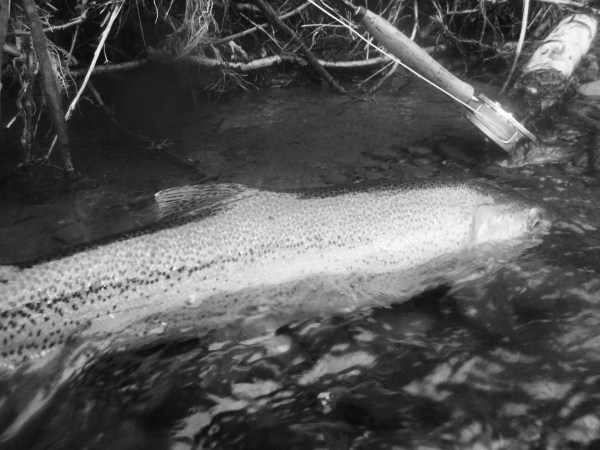
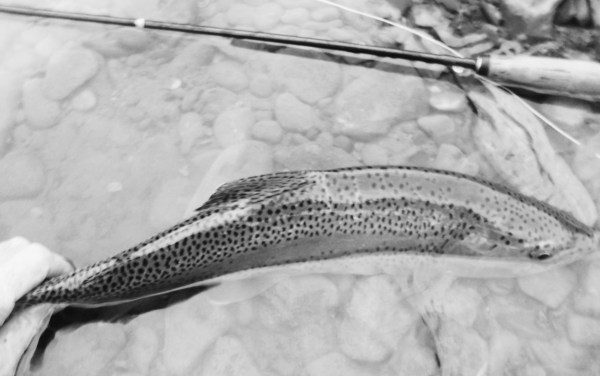
rainbow trout, crowsnest river, caught on small dry
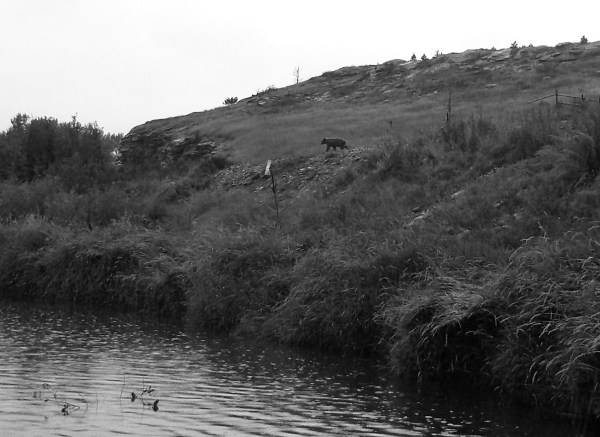
bear
bear

yes

crowsnest river rainbow caught on dry, size 20, baetis


clear2 (1)

crowsnest river rainbow, caught on small dry
train (1)

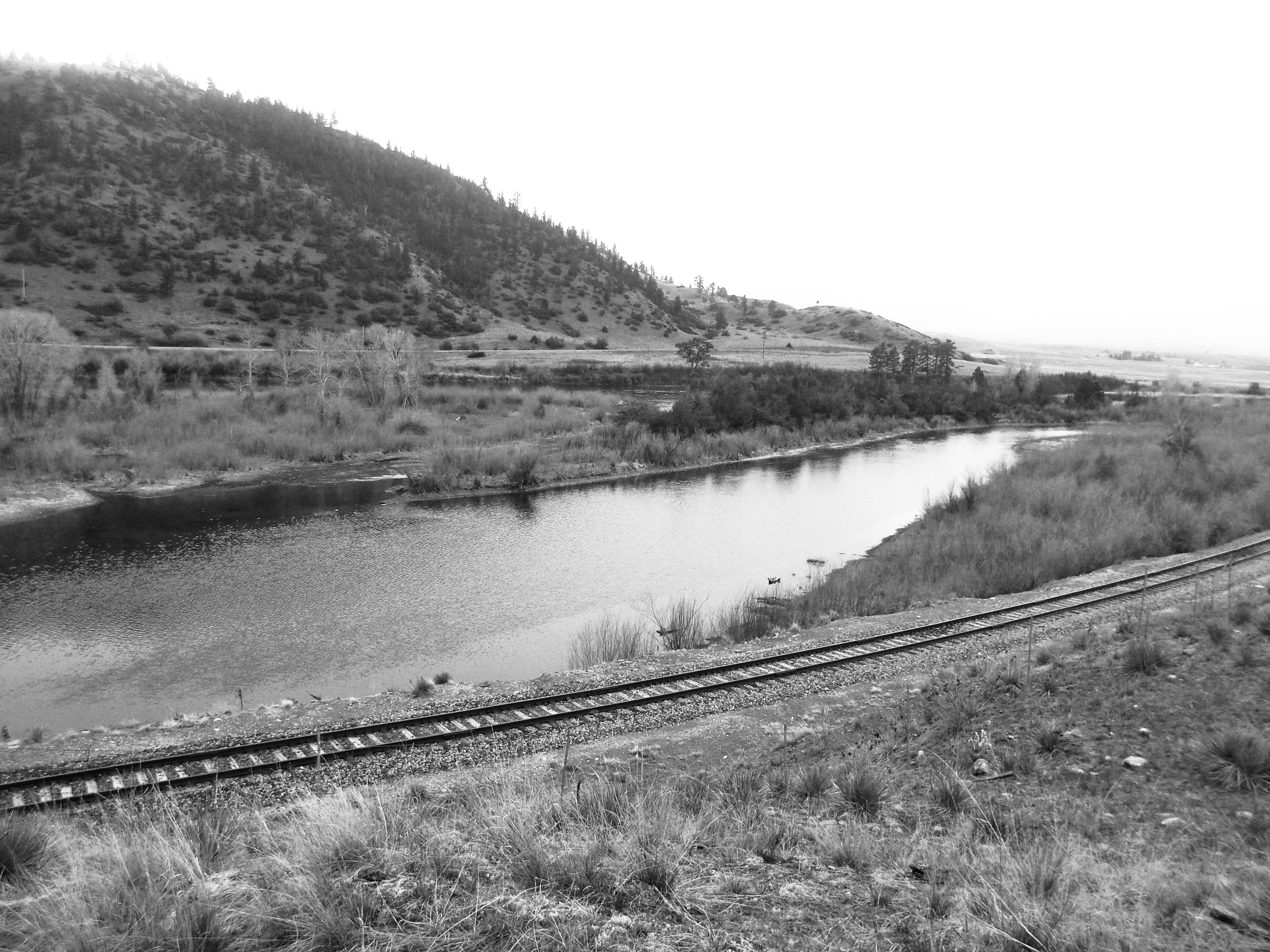
railway along river

blur1

crowsnest river rainbow, caught on small dry, size 18 baetis

yes3

baetis weather


Listening for Life

midges

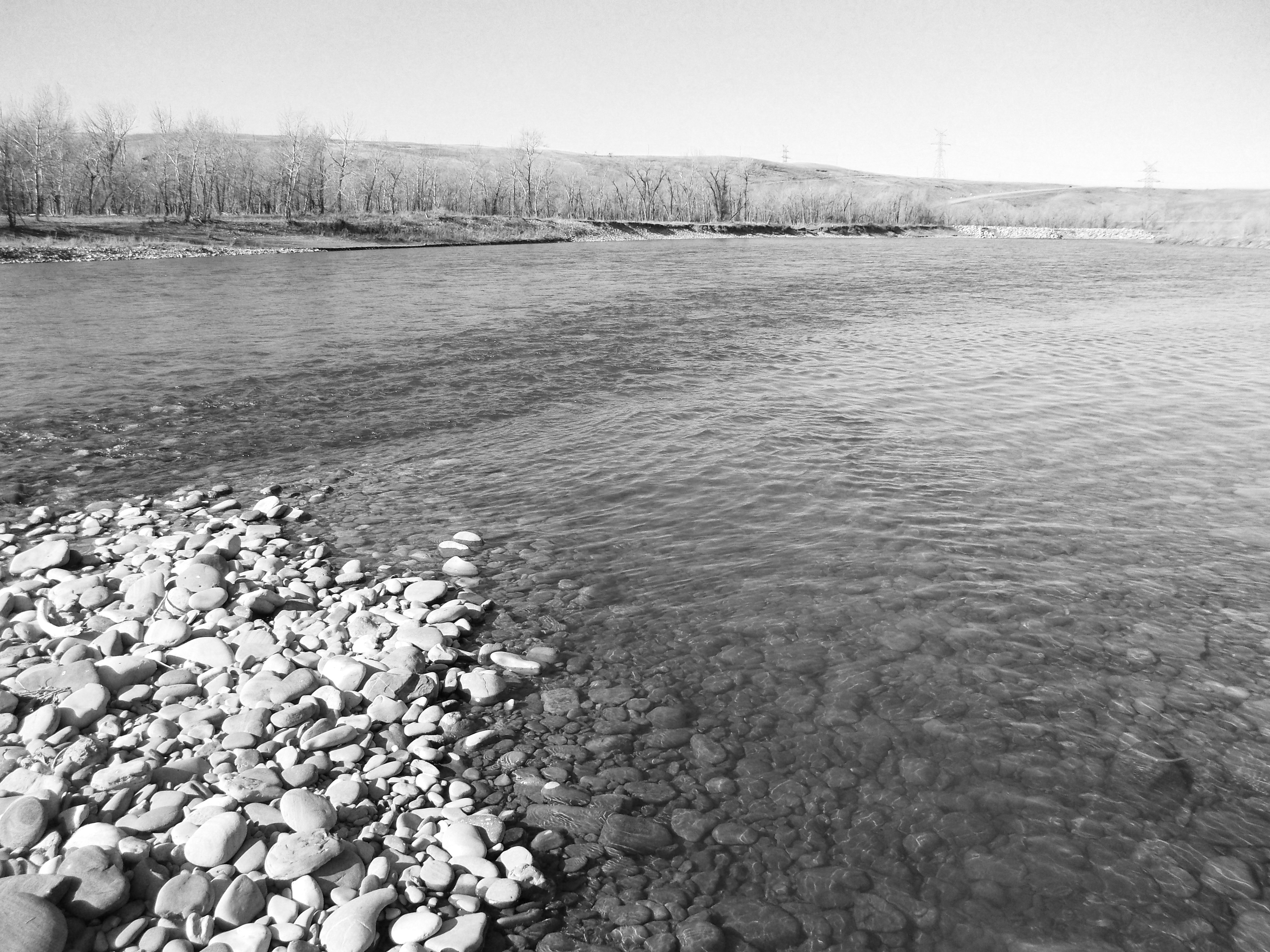
I went to a local tail water river two times in the past week feeling hopeful. However, there was no dry-fly action in spite of a lot of Midges being around and even some Blue Wing Olives. I was excited to see drifting mayflies after several months. I guess that’s something only a fly angler appreciates. It’s been a long winter and slow developing spring and water temperatures are still very cool: 38F. Usually at this time of year I can pick up a couple of surface feeding fish late afternoon once the bugs get going. It begins with whitefish rising, then some smaller to mid-sized trout, then when the hatch really gets popping and bugs accumulate, some bigger fish get involved. No such luck. I sat on a section I know well, looking and especially listening for life. On large broad water in bright light and with a lot of reflection, it is often sound that gives a trout’s surface feeding position away. I would catch fewer fish on dries if I was hearing impaired. I looked and listened for a long time then gave my eyes a rest, looked elsewhere, and just listened. Silence. The river never woke up. I plan to return one more time before run-off but I might not get a chance as the last three days have been hot and soon they will open the dam and release enough water to turn the Sahara green. Then I’ll have to wait a month or two for the river to settle down and clear. If things don’t work out locally then Plan B is to jump in the car and make the trip south to the Missouri river for the upcoming long weekend. May is usually a good dry fly month there. I’ll get riverside and listen for life.

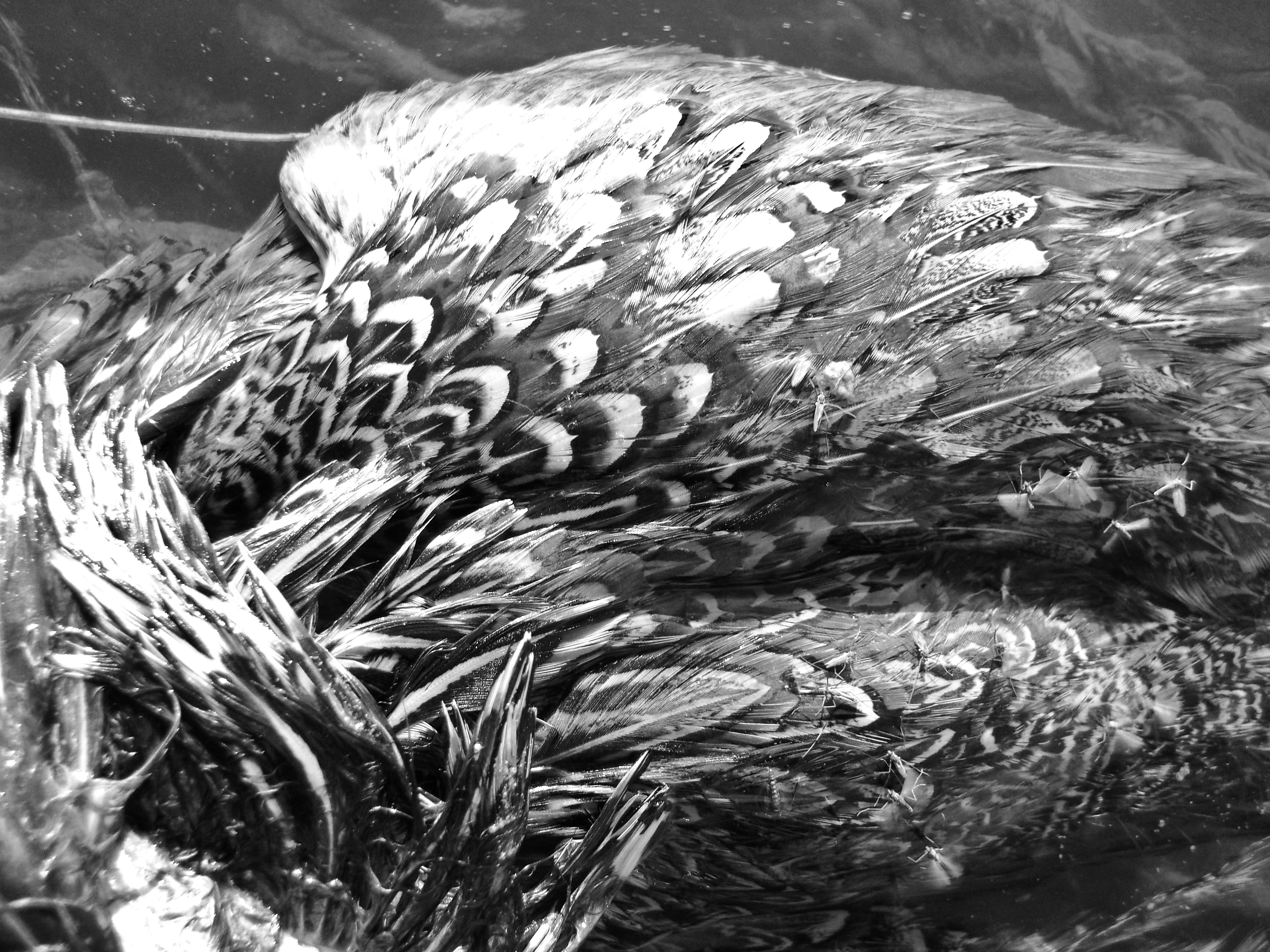
dead pheasant wing

soft spot where bugs were collecting


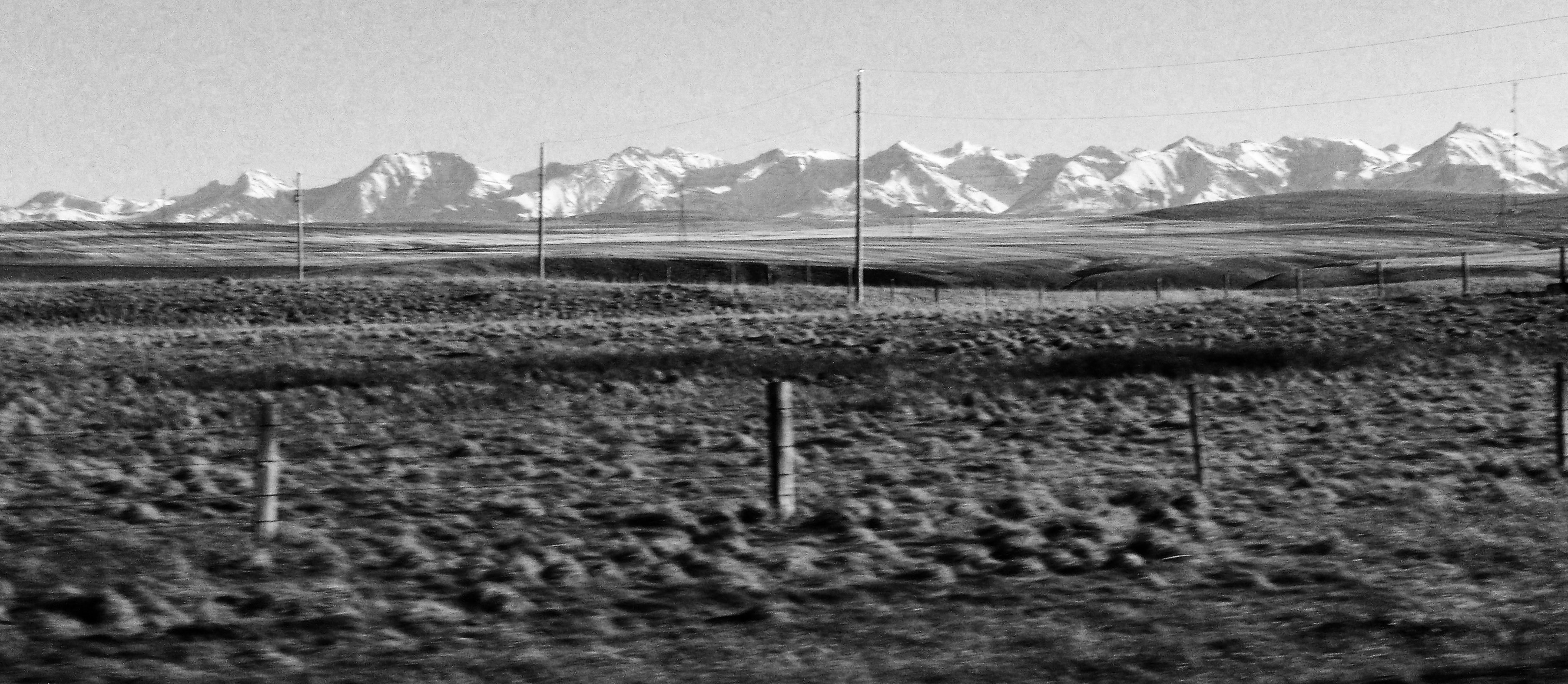
eastern slopes snowpack

olive

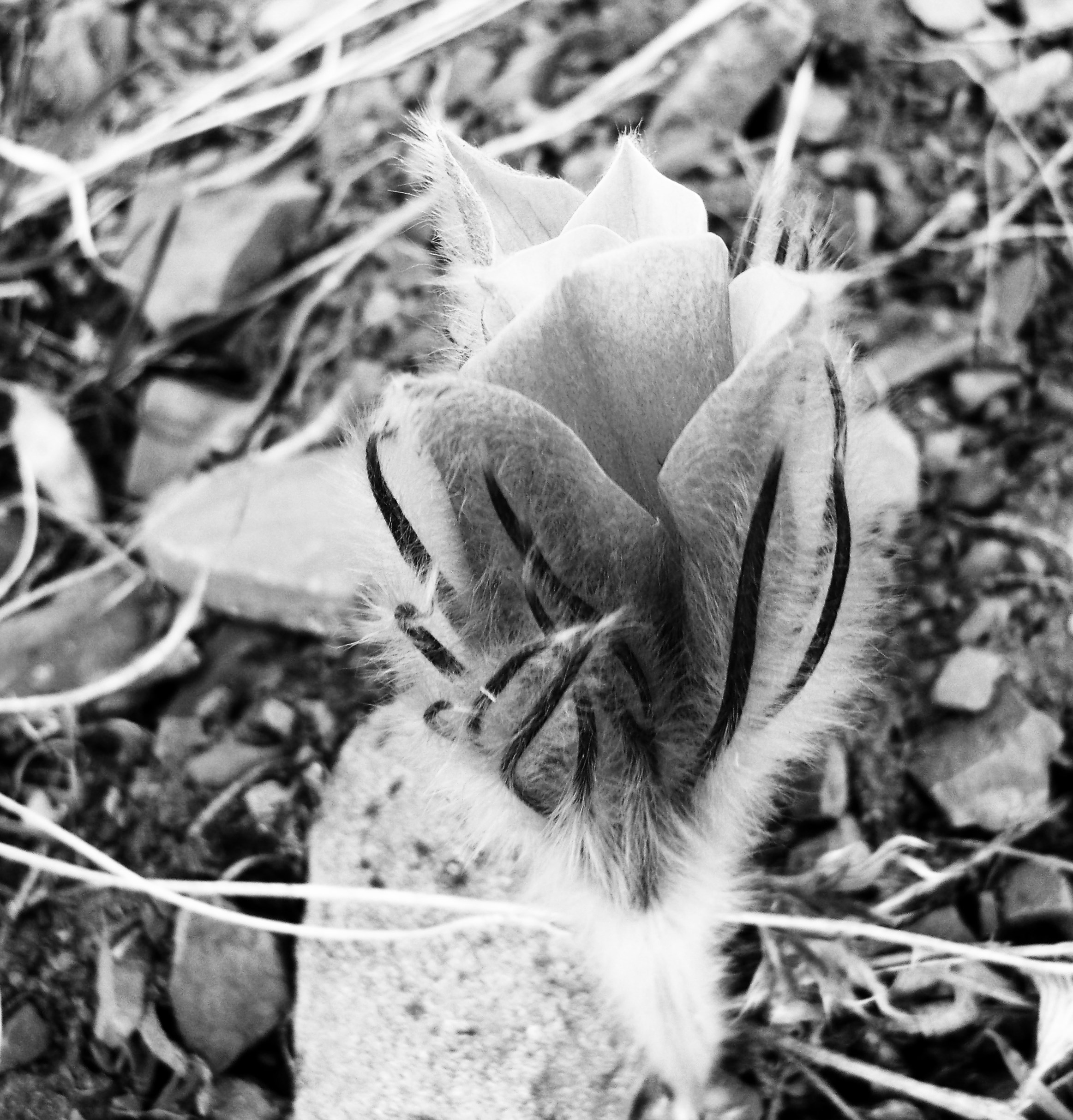
crocus

Sight Fishing Summer Rainbows

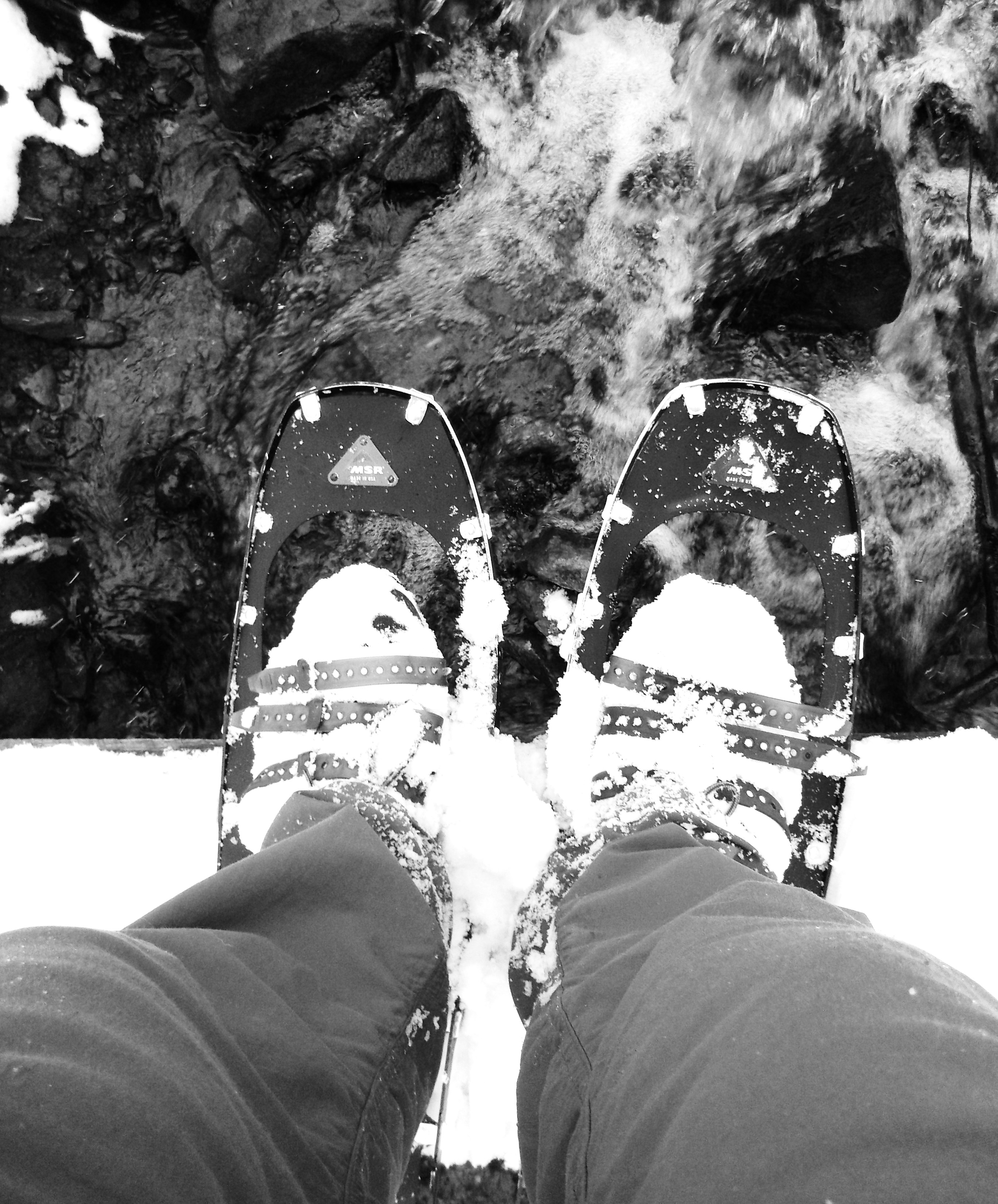
It’s the middle of winter but the days are noticeably longer. I’m actually able to put in some time on the nearby trails after work, snowshoeing for an hour before it gets dark. More daylight feels good.

003

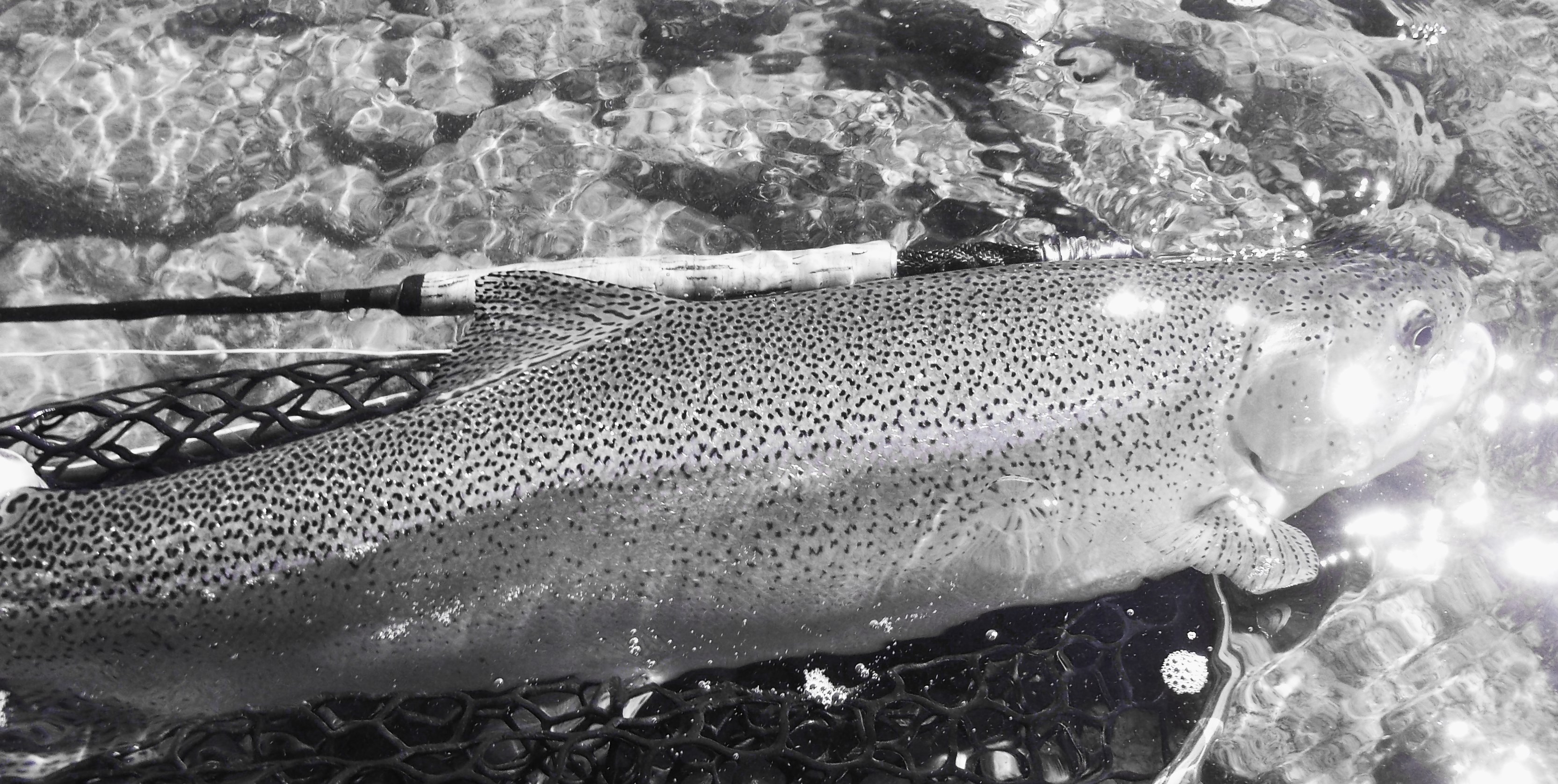
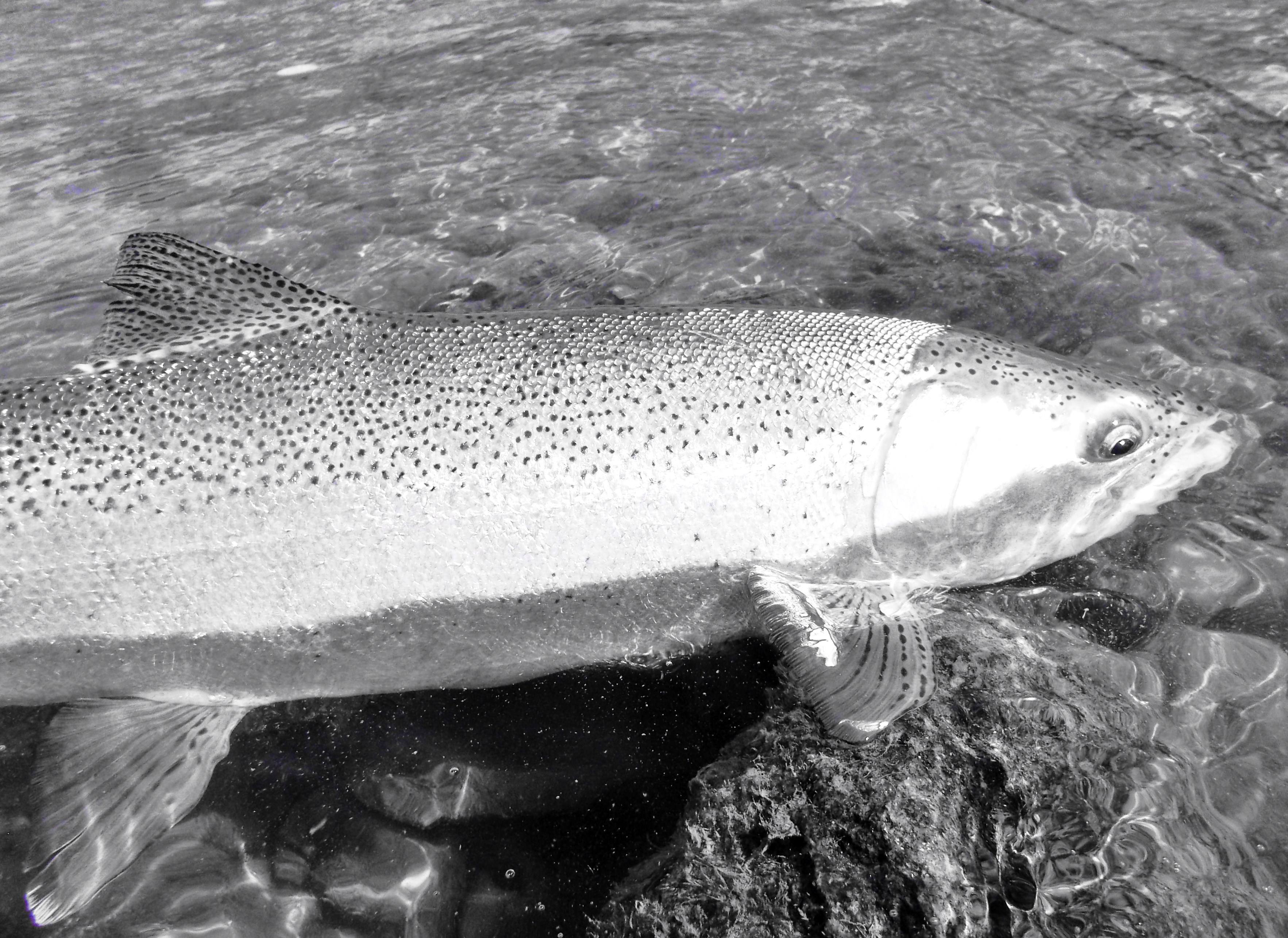
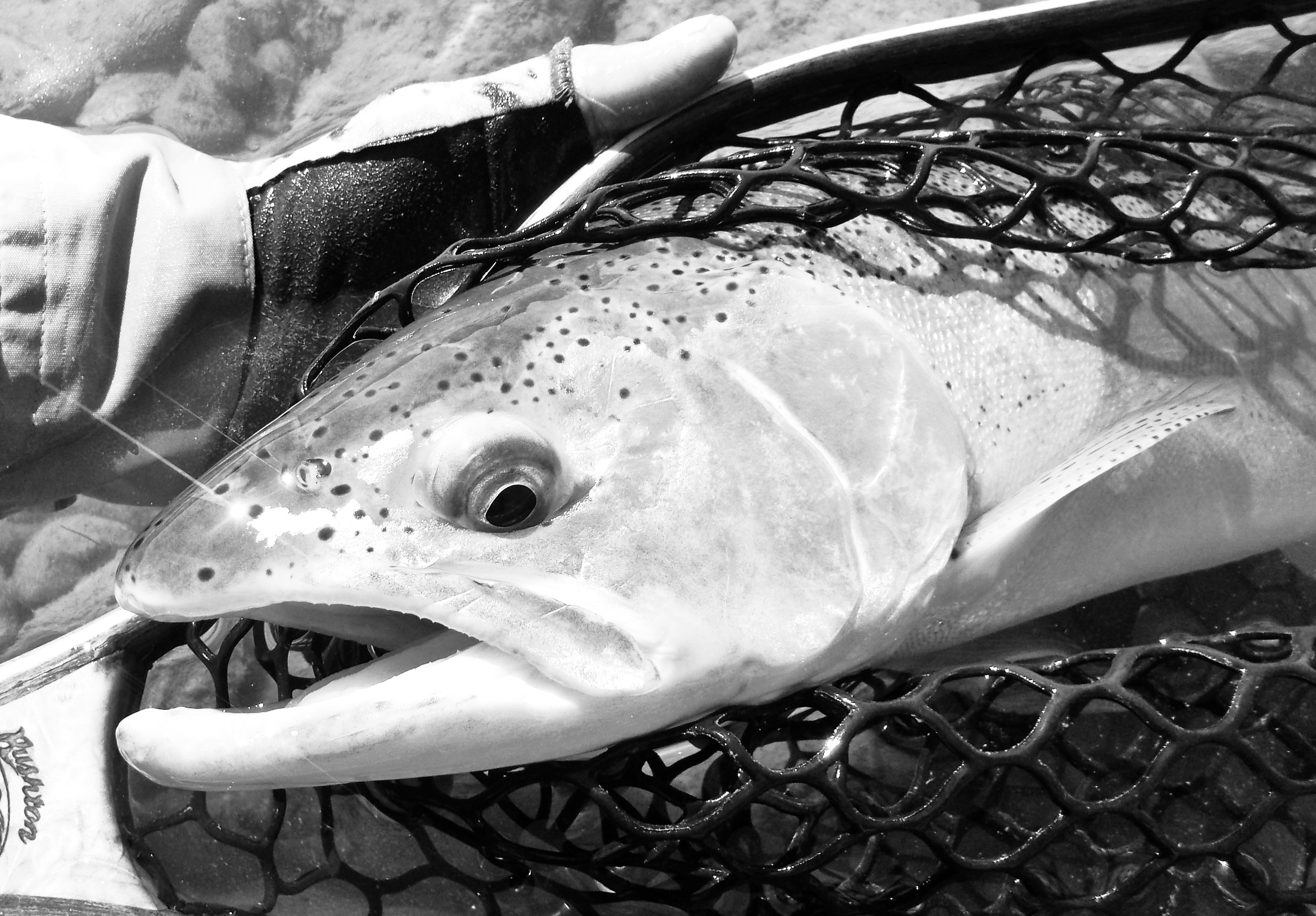
Here are some summertime pictures of rainbow trout. All were caught sight fishing with dry flies: mayflies and small terrestrial. The two rivers I frequently fished don’t have high concentrations of trout so you have to walk a lot and search when the light conditions are right. The key to success is commitment to the angling style, intense concentration and observation, patience, and once a large fish is spotted, being sneaky. Fishing this way brings you closer to trout. You get to watch their behavior and sometimes even see them think.

032

027

I remember a day in August when I crawled up behind a large rainbow that was feeding opportunistically six feet from shore in very shallow water. I decided to plop my fly down between it and the bank. It responded to the vibration, slid over, looked at my offering up close, real close, then slowly turned away, circled tightly and returned to look at my fly again. Then it suspended itself right in front of it for several seconds, slowly tipped its nose up and ate.

half water

curve

gbow1

big bow

Dry flies

yep

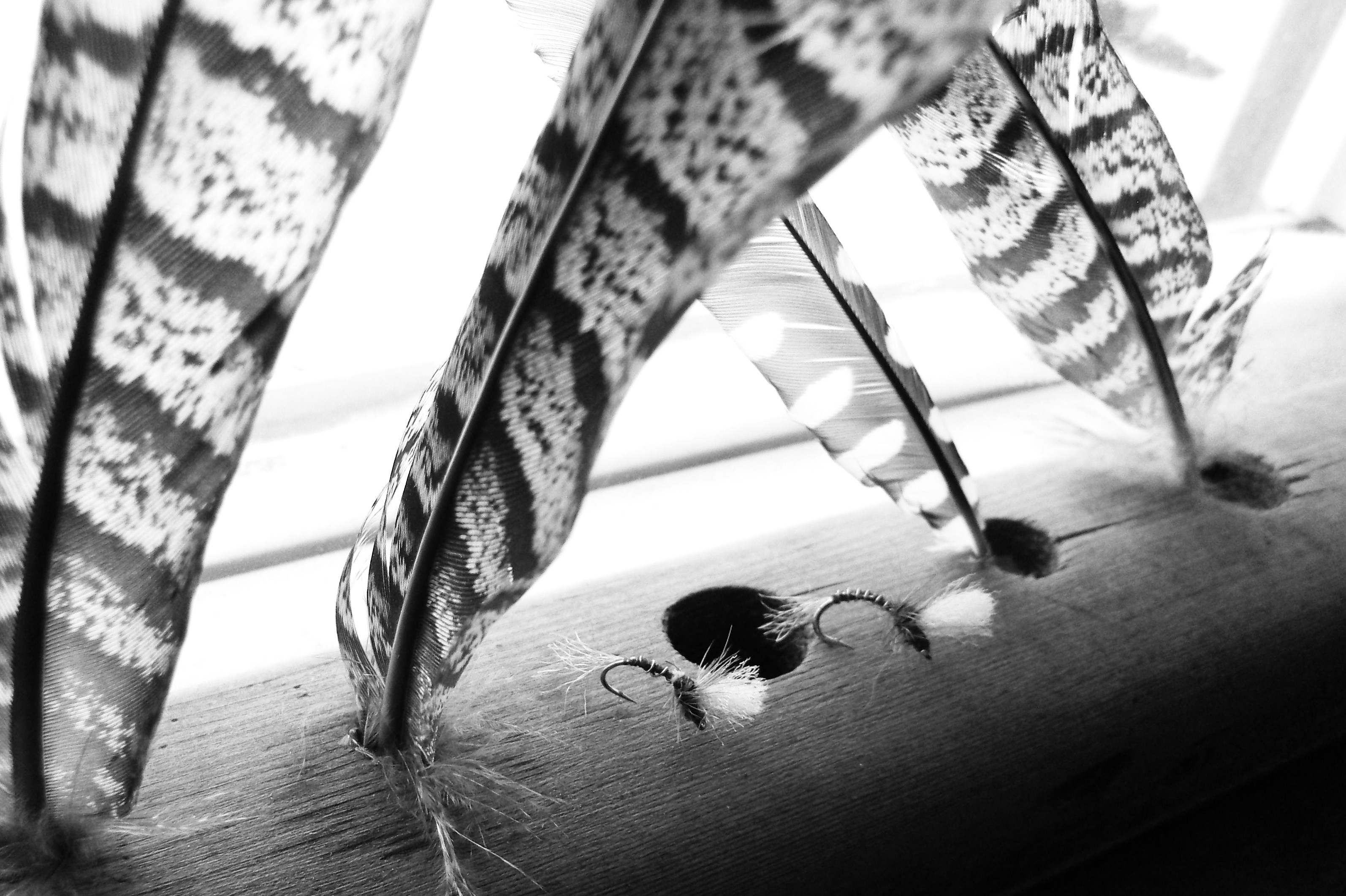
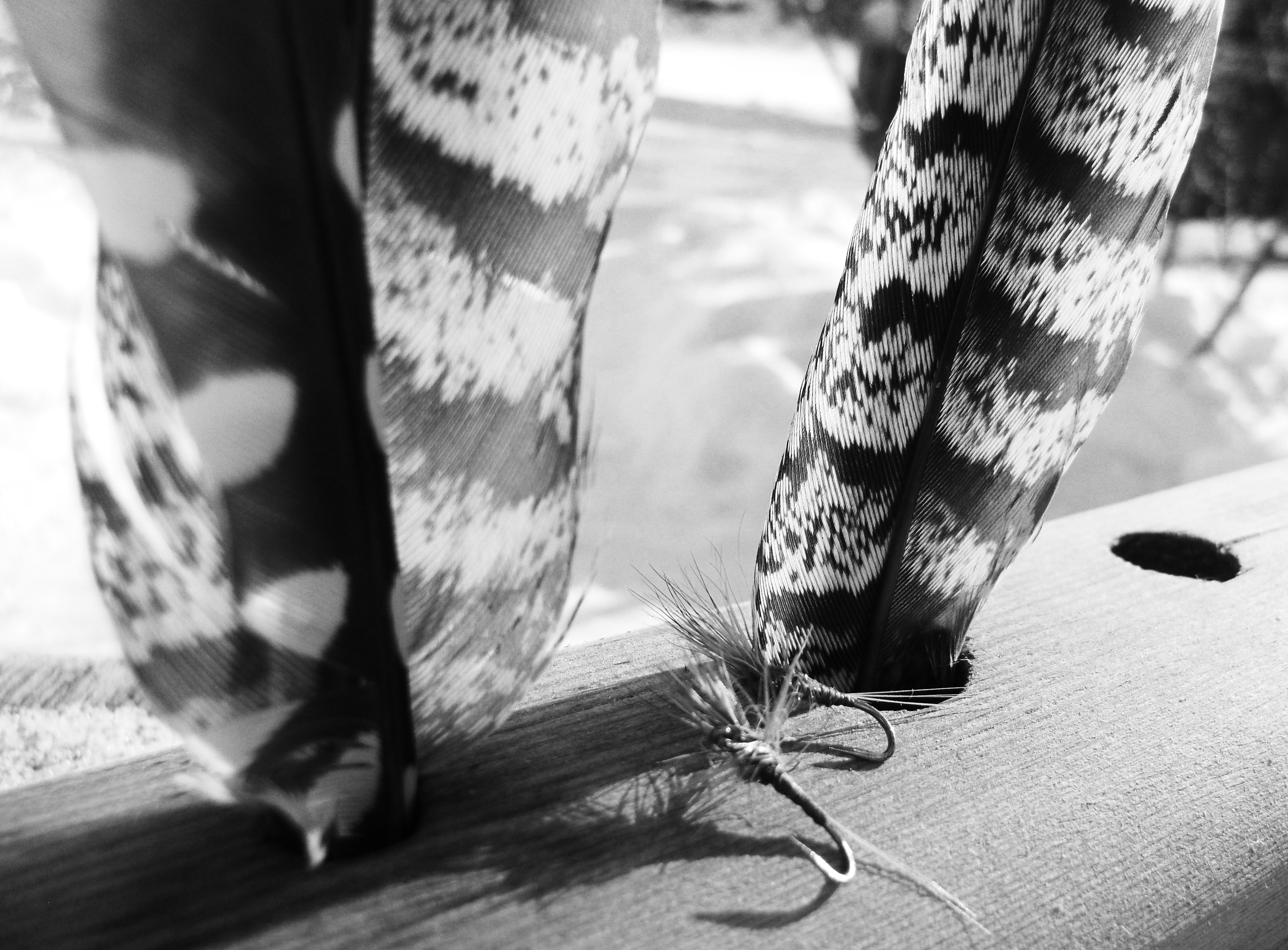
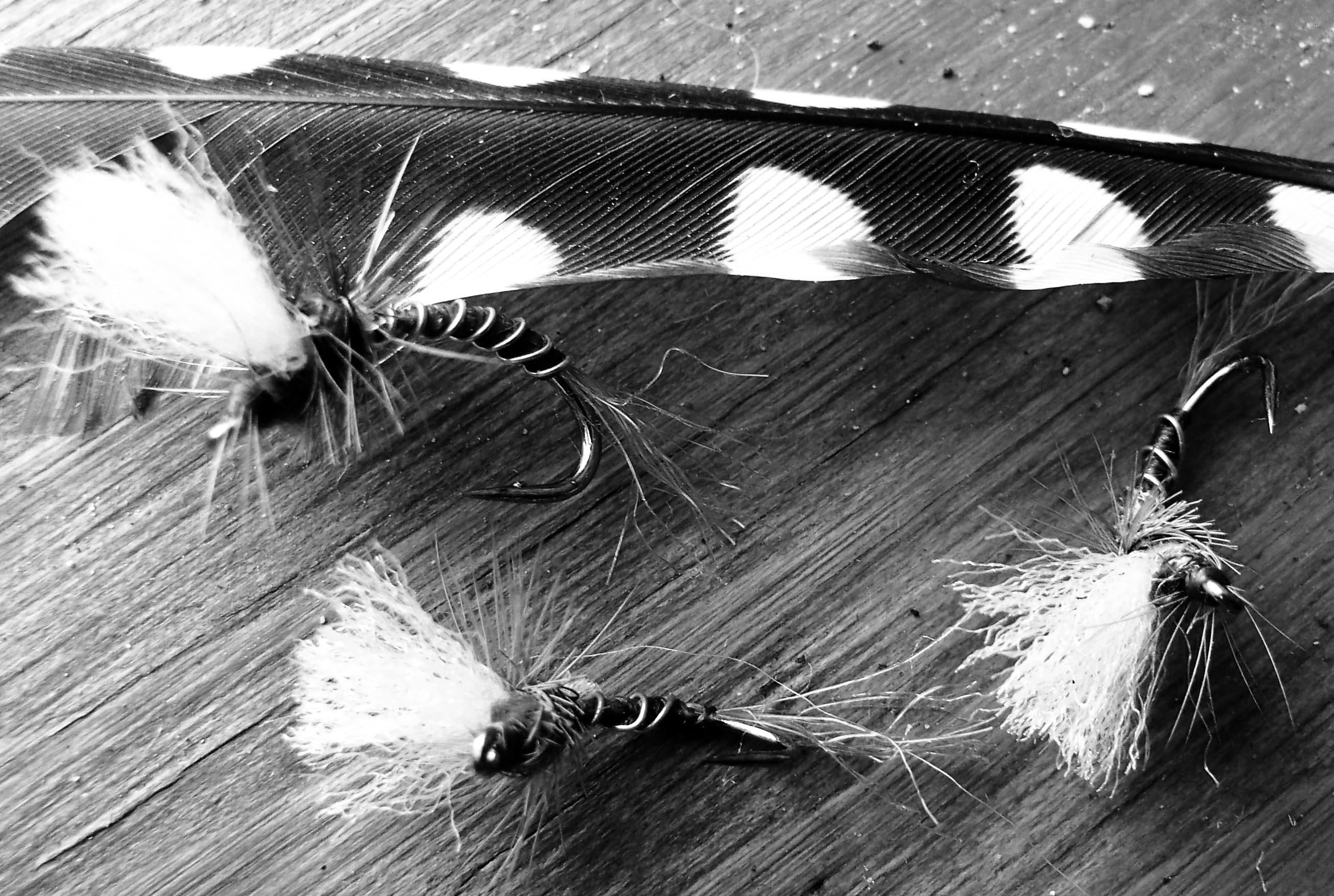
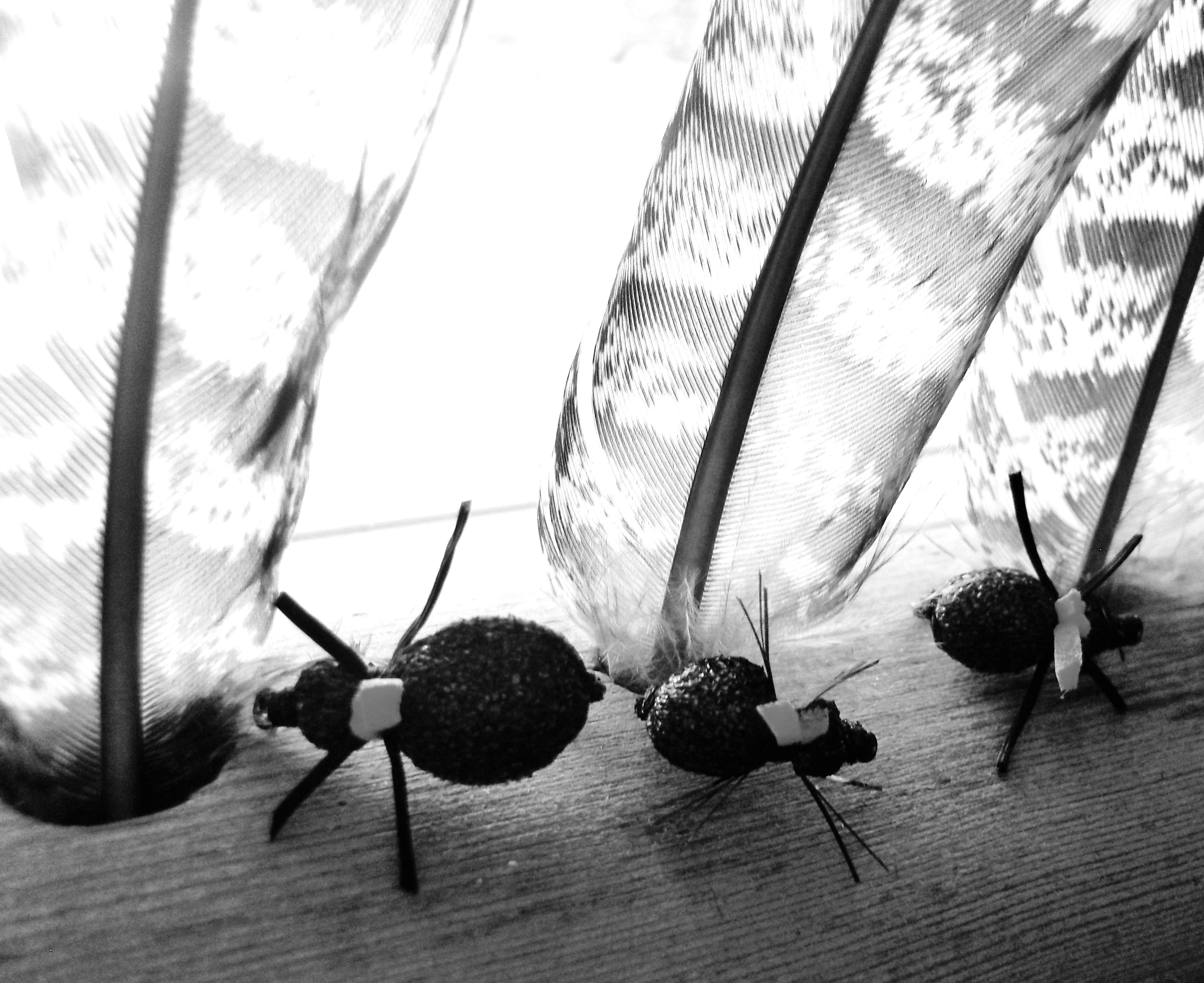
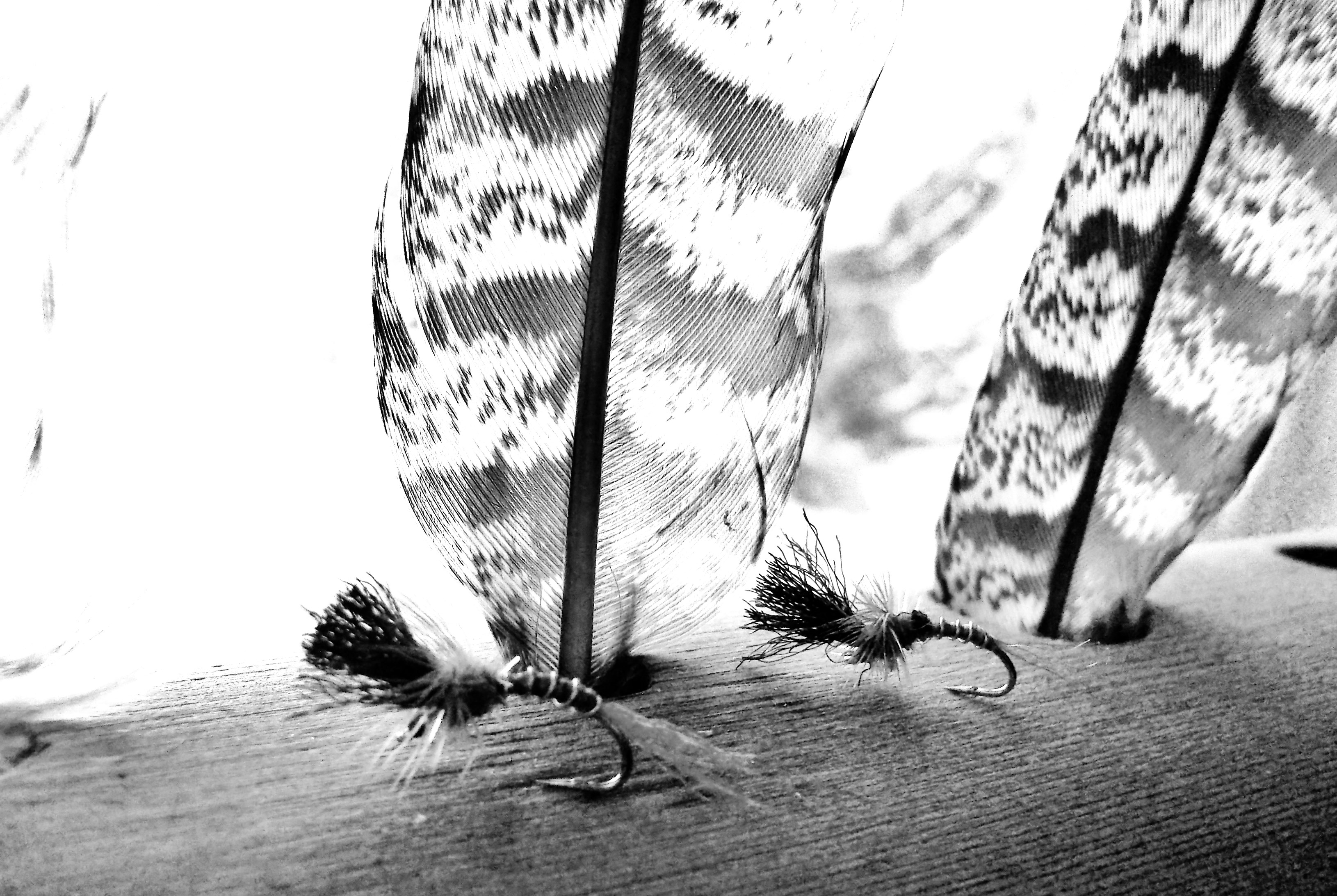
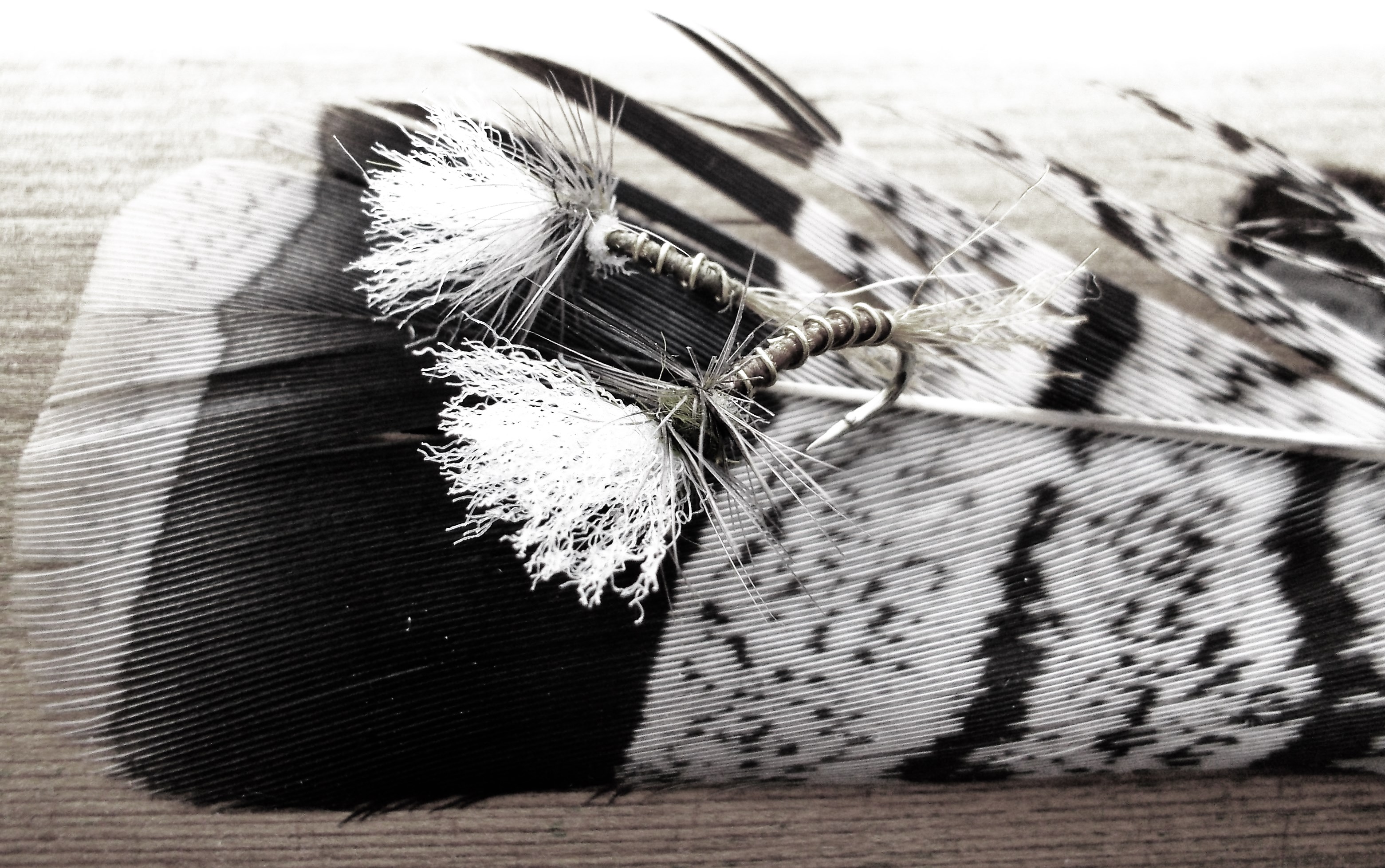
I’m pulled to rivers that have hatches. I start the early season fishing midges, then olives, then the pale morning duns of summer, sometimes tricos, then back to olives in the fall and end the season as I began it, with midges. A full circle. Depending on the year, grasshopper imitations play a role mid to late summer and into the fall.  I also sight fish from summer onward with other terrestrial patterns such as beetles and crickets when there is no hatch. Since I fish mainly small dry flies I try to keep my patterns simple and visible. If I can see my fly, I can fish well. Polypropylene wings are buoyant and flies tied in this material in white, black, or even orange show up well in varying light conditions. This material is also more durable than CDC, and I can resurrect it faster once slimed. This is important as a lot of the water I fish is rich, out of the main flow (flat) and has some surface scum. I also tie wings with fine deer hair generally cripple style (forward) and a lot of my small patterns incorporate a turn or two of hackle frequently clipped underneath so the fly rides low. When it comes to terrestrials I like foam as it always floats and is easy to tie with. Black is a great colour as it is noticeable to trout in bright or low light; it contrasts well. I use standard hooks but also like a Klinkhammer (emerger) bend. Of course when tying I pay attention to size, shape, colour and how the fly will sit in the water (attitude).
008

yep4

  beet3

      vg black wing

yep3