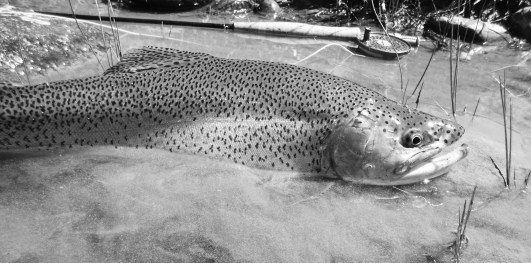
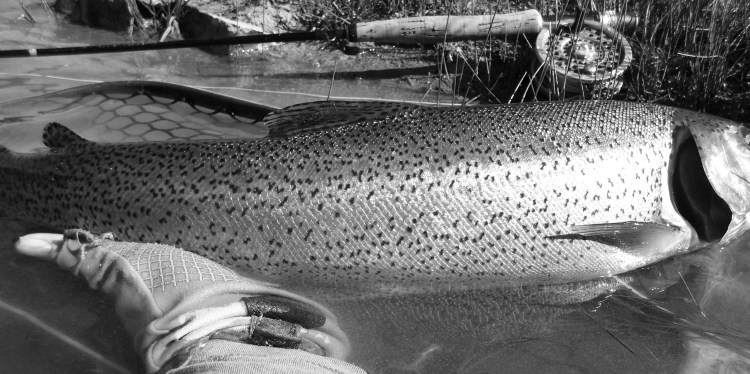
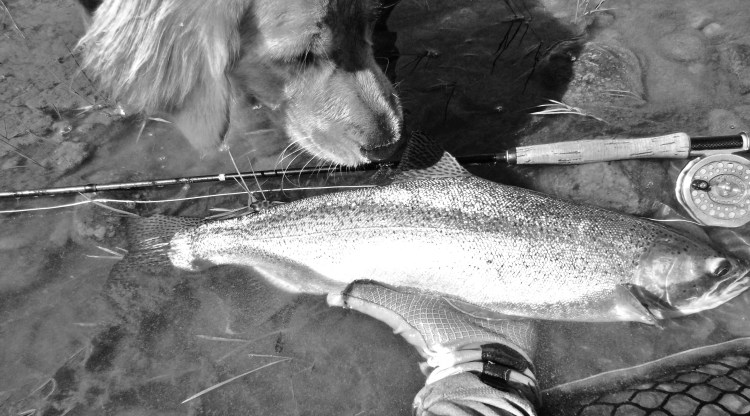
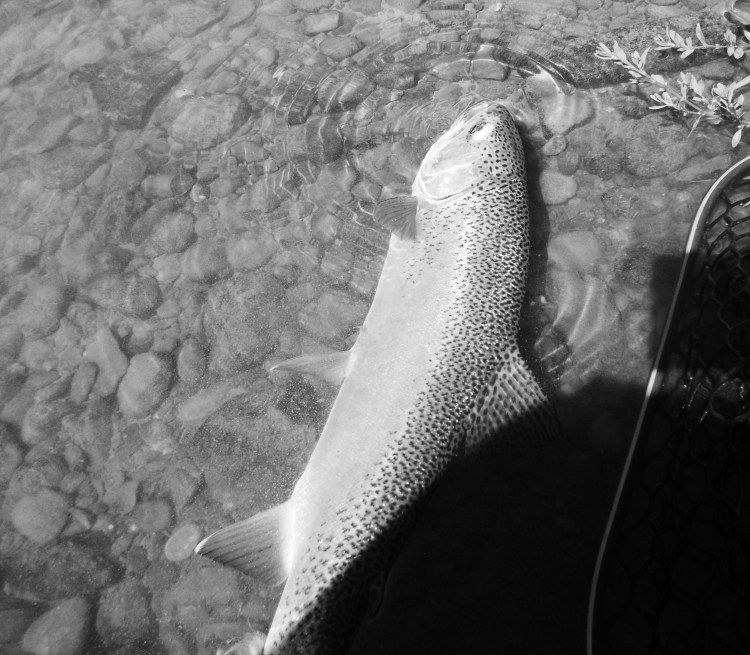
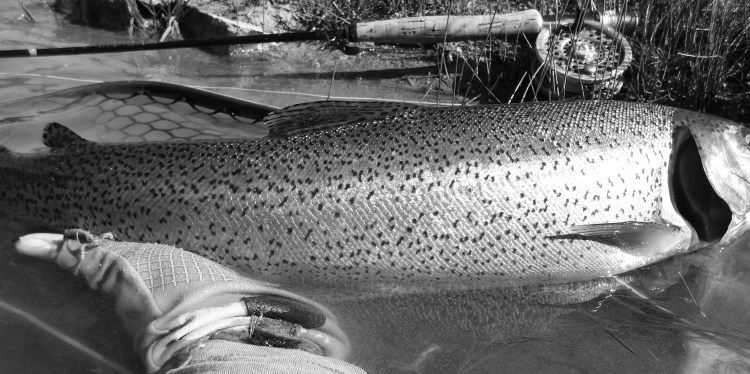
man-eater brown trout

“Trashy novels always out sell the classics…tabloids out sell the Times”

bbrown

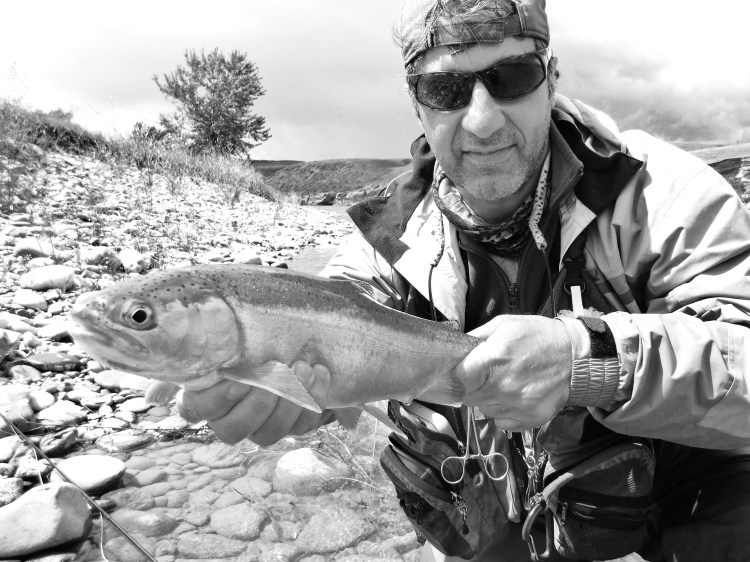
brown trout on size 16 dry fly


In the past three or four years I’ve written 100 plus posts on this blog. One post, above all, received significantly more attention (hits) than any other. It simply blew all the others away…10X more attention. Was the quality of the writing that much better?…”No”. Were the photographs super special or intriguing?…”No”. Were the trout huge?…”No”. Was I giving away cash?…”No”. It was simply the title. It contained the words, “French Assassins”. The post had nothing to do with espionage, mystery or murder. I was simply quoting a phrase/term used by an author in a slow-paced, gentle fly fishing book called, Chalkstream Chronicle, by Neil Patterson. It’s a great book. One of my all time favorites.


031

faraway

rainbow on dry-fly, size 18 pmd

In one chapter Patterson describes how some French anglers in economically depressed war-time France, or just post war, survived by designing highly effective flies (killer patterns) for flat water creek fishing (difficult water) that allowed them to fool very discerning trout; I believe they were brown trout. If I remember the story correctly they either kept their families alive with the protein they caught from the streams or they sold the trout to restaurants in order to earn money when there was no employment opportunities in their ravaged homeland. Basically, they fished to survive and because of this they became very skilled and specialized at catching trout on their local water. Thus the term, “French Assassins”. The common feature of all of these flat water flies is that they were tied in a very sparse (airy/light) style.

032

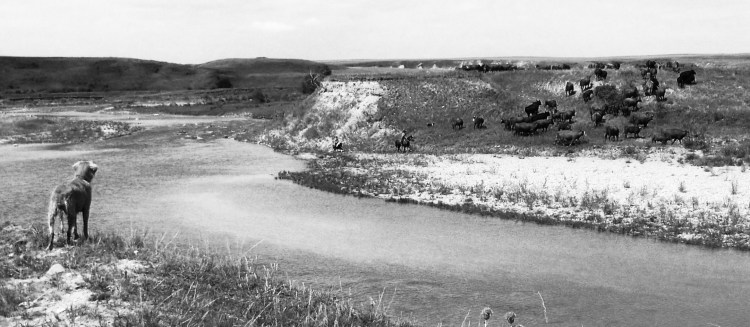
Abby, trout spotting from bluff


loopbwn

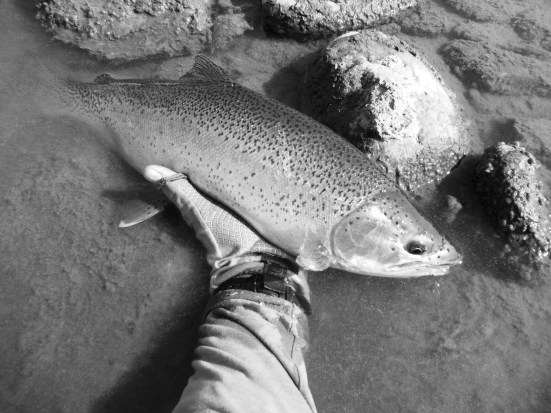
brown trout

best abby


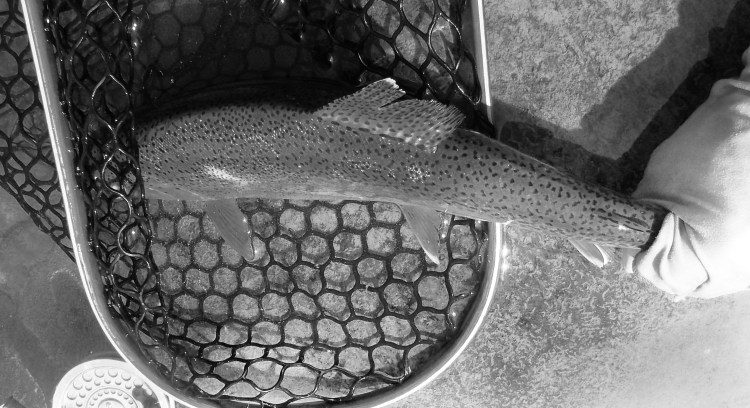
I wonder how today’s tabloid title, “Man-eater Brown trout” will fare? More hits? I’ll see…

abbywind

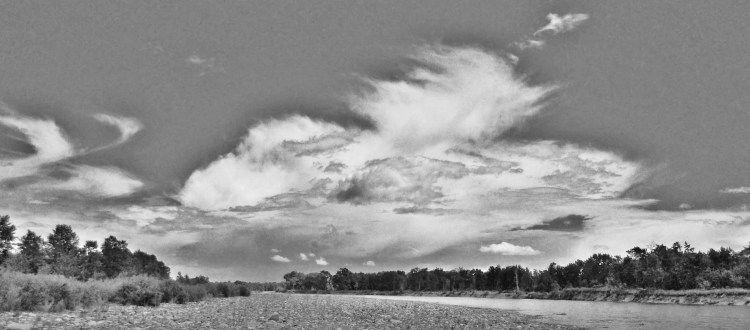
scenery

handhead

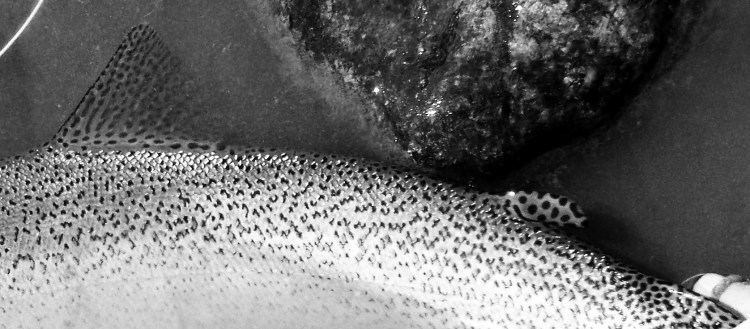
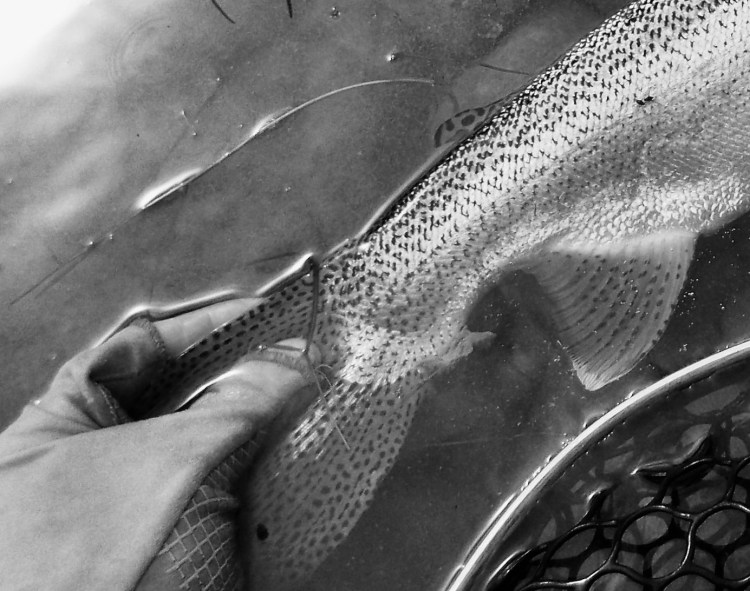
rainbow, fly, size 18 pmd

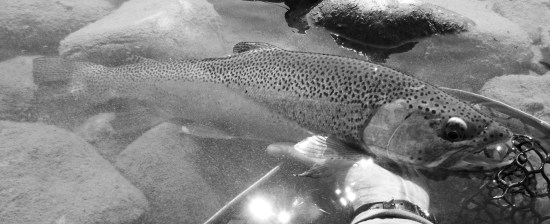
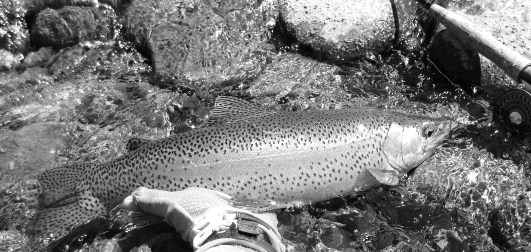
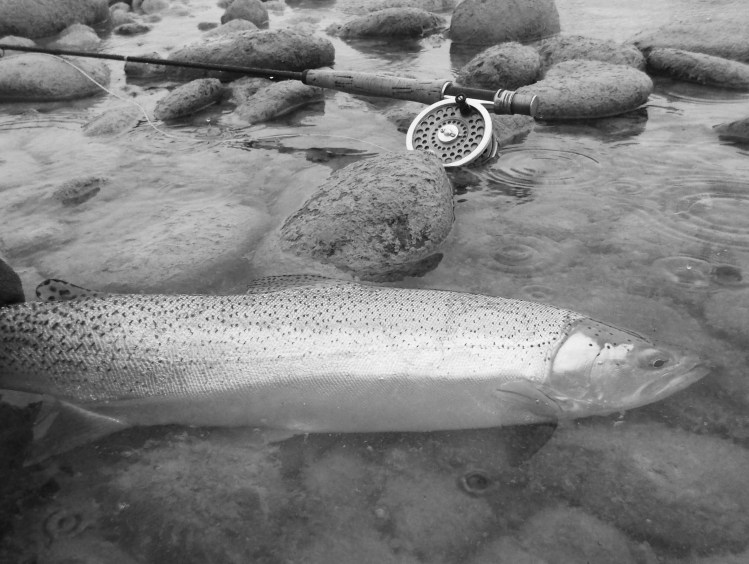
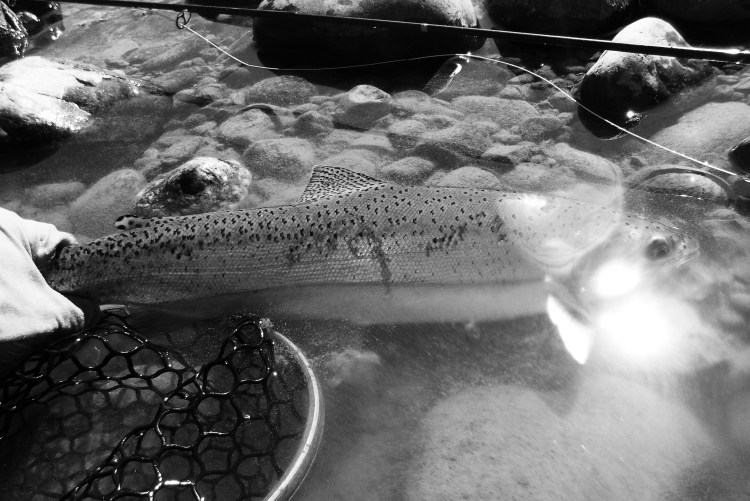
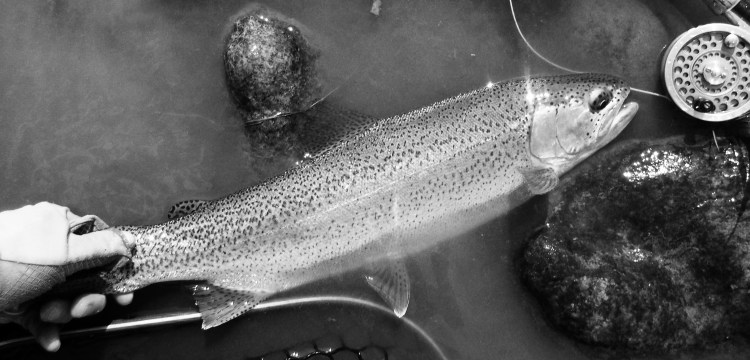
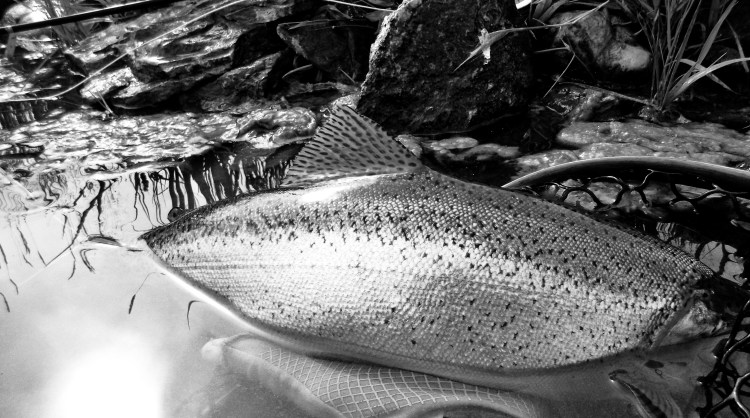
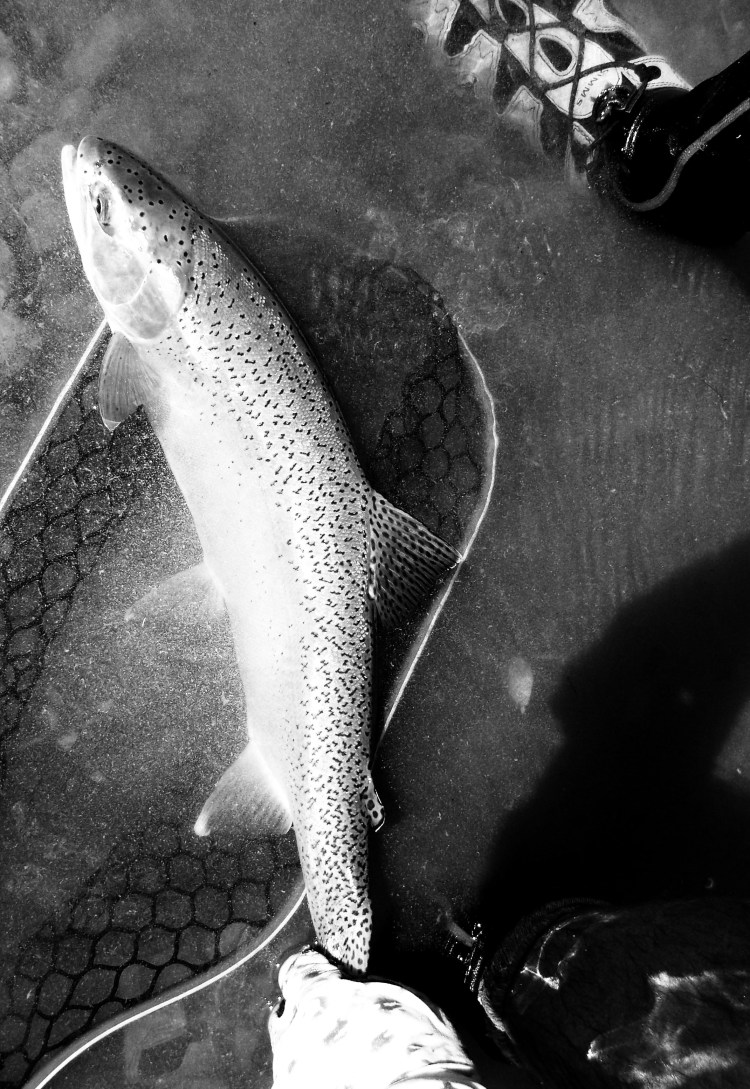
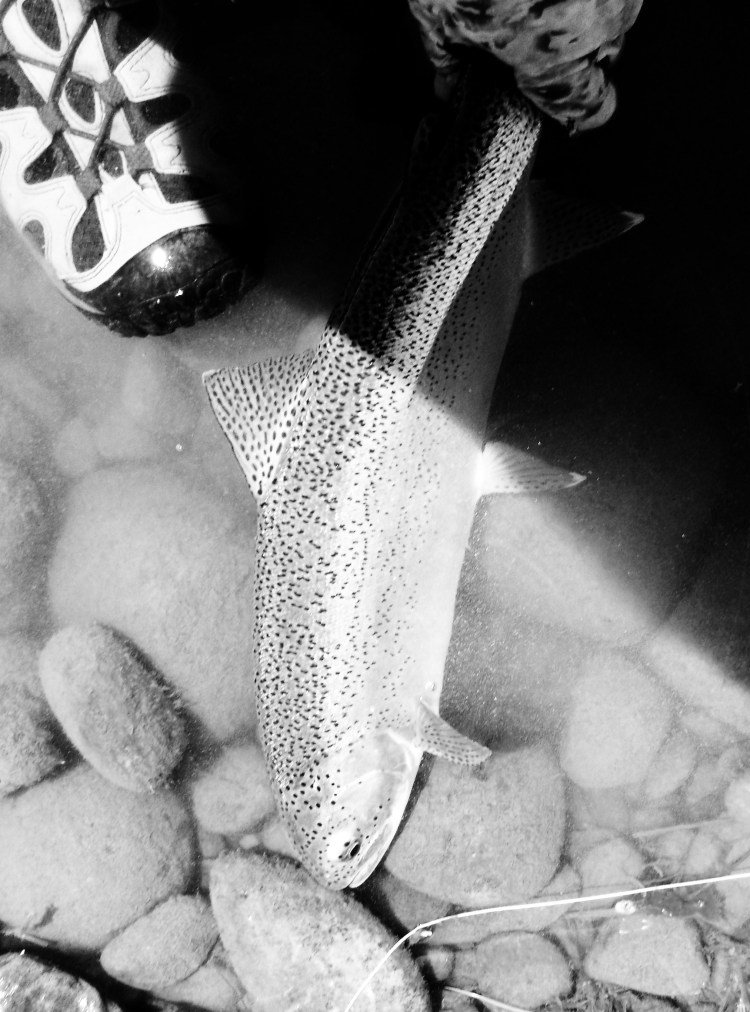
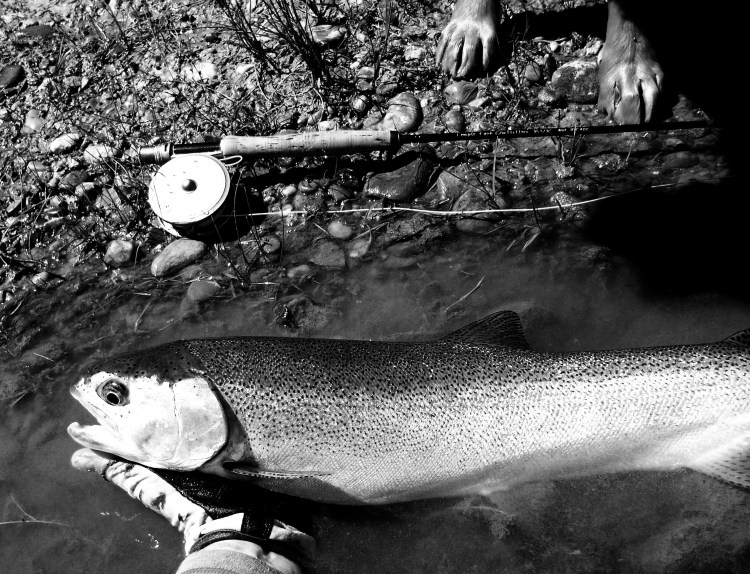
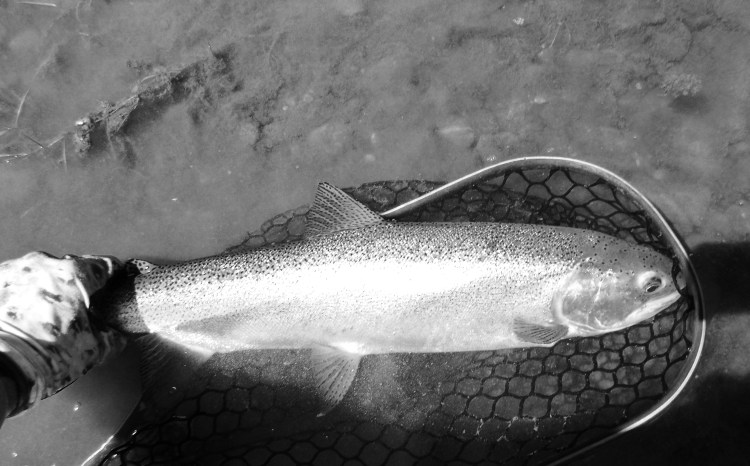
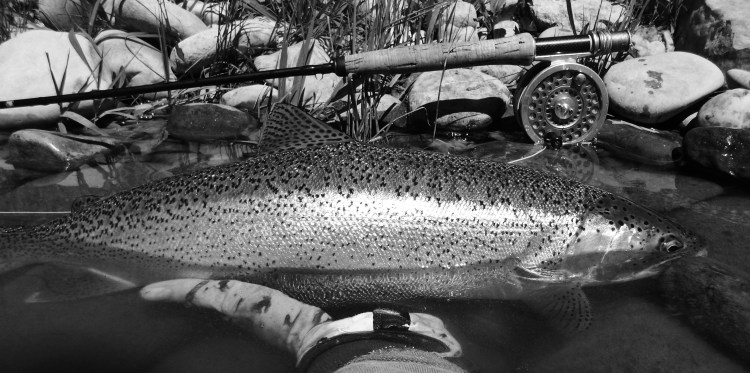
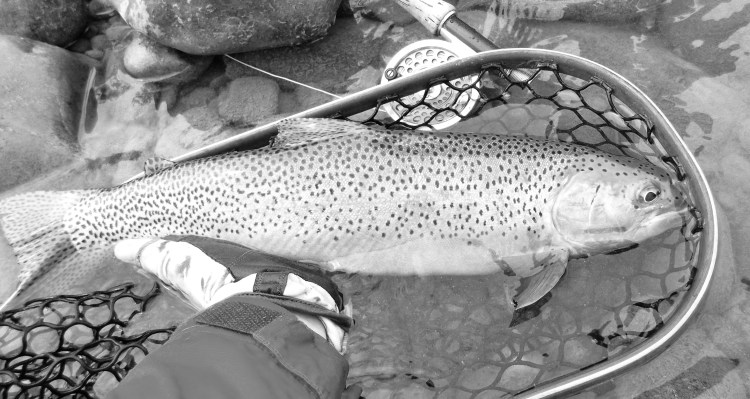
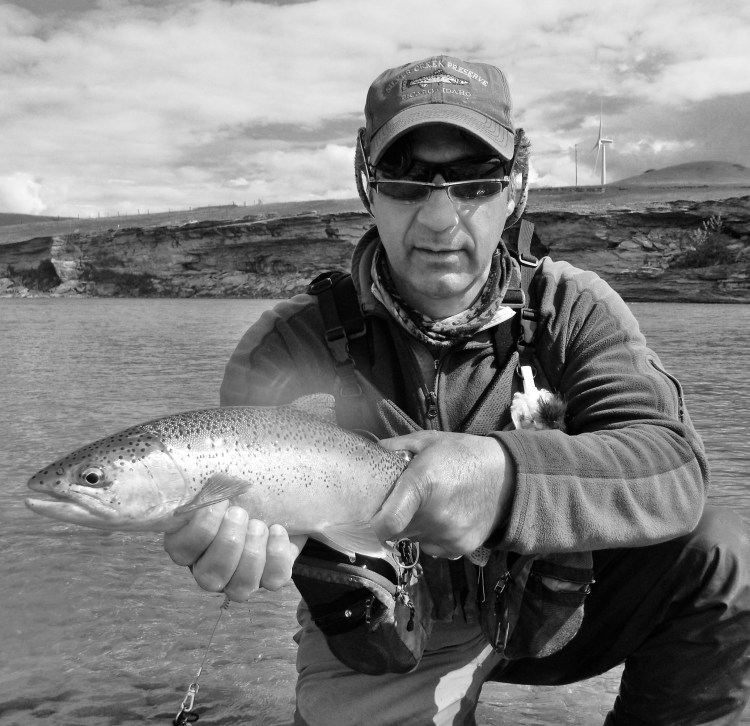
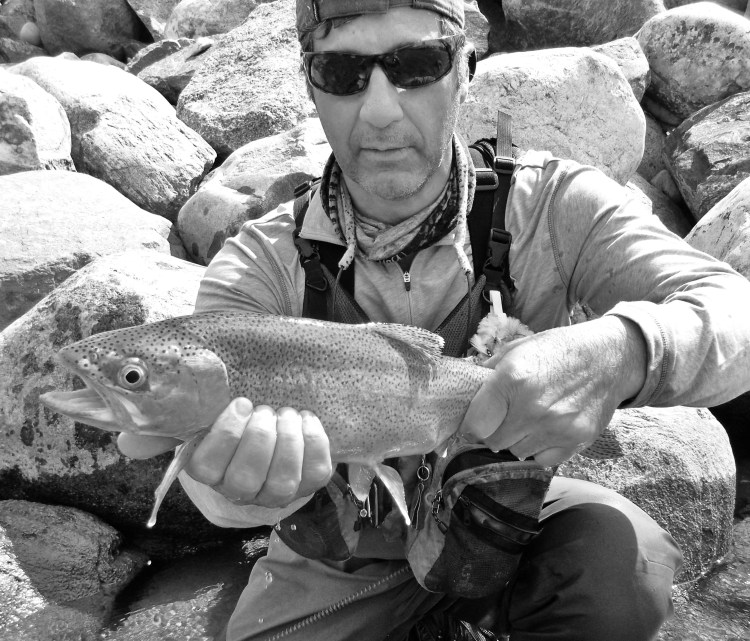
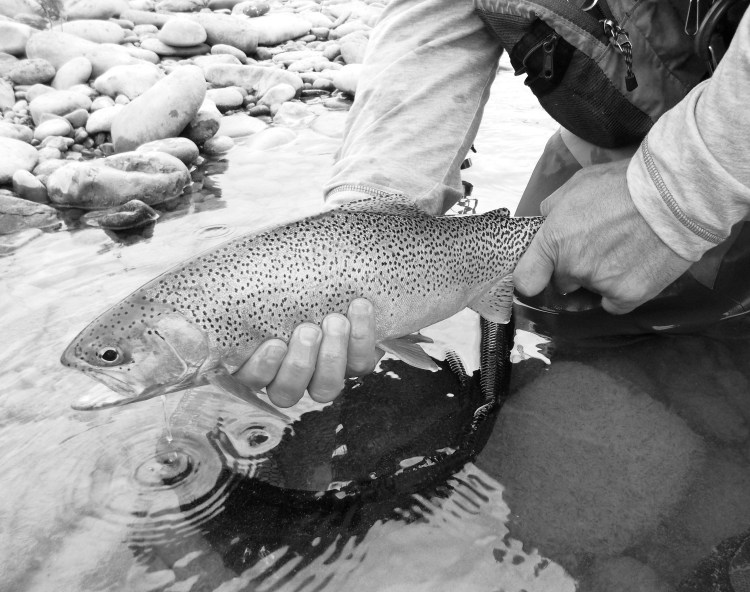
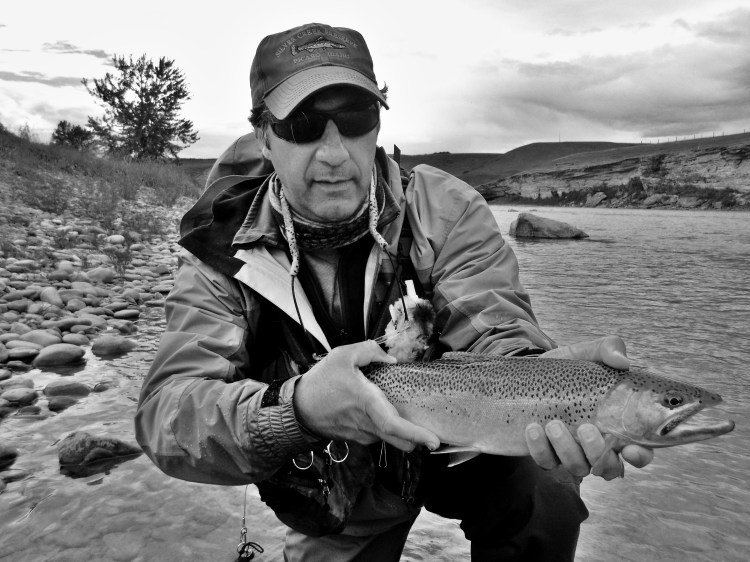
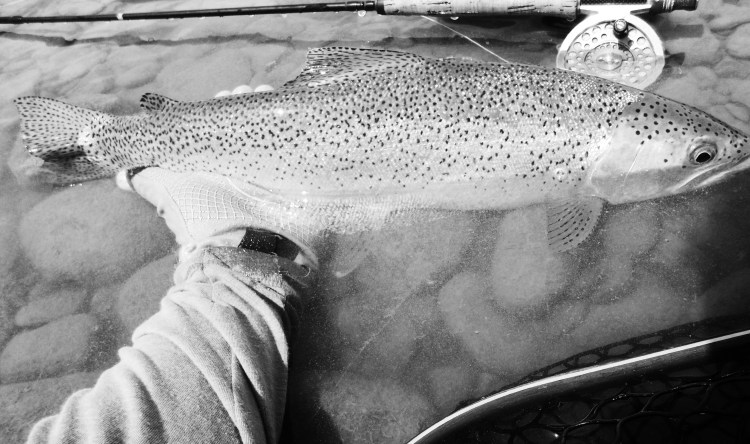
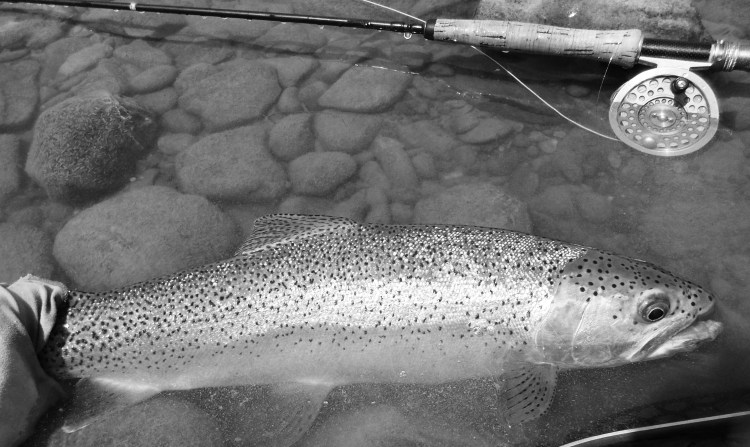
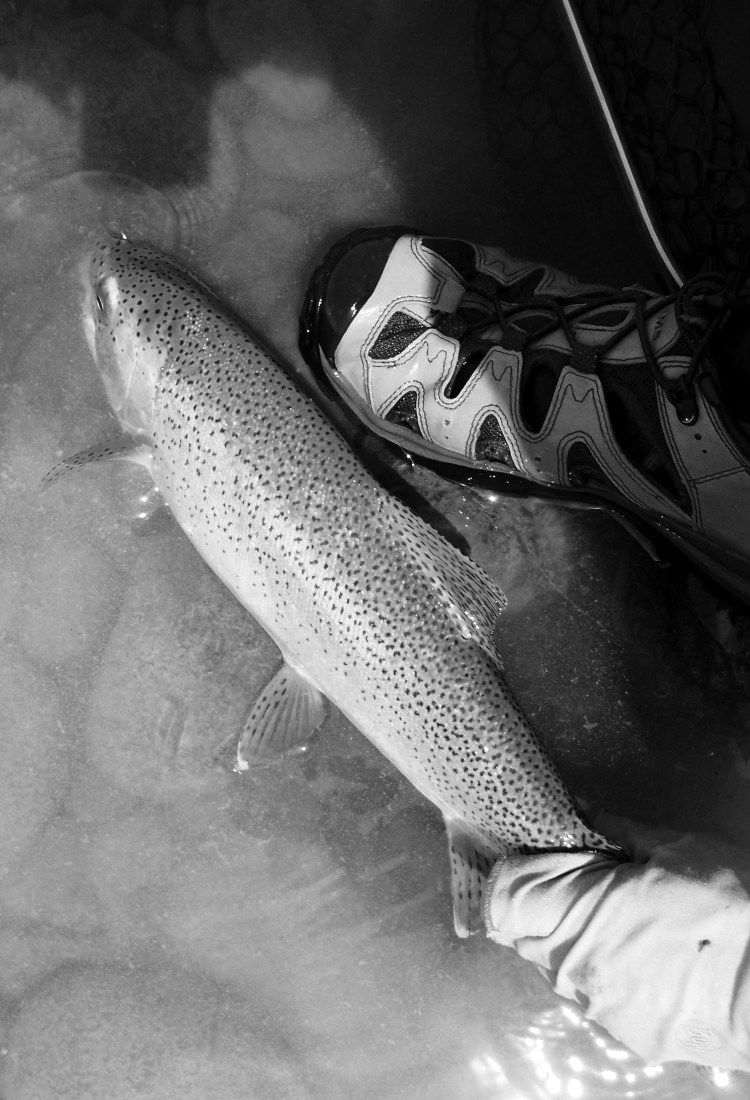
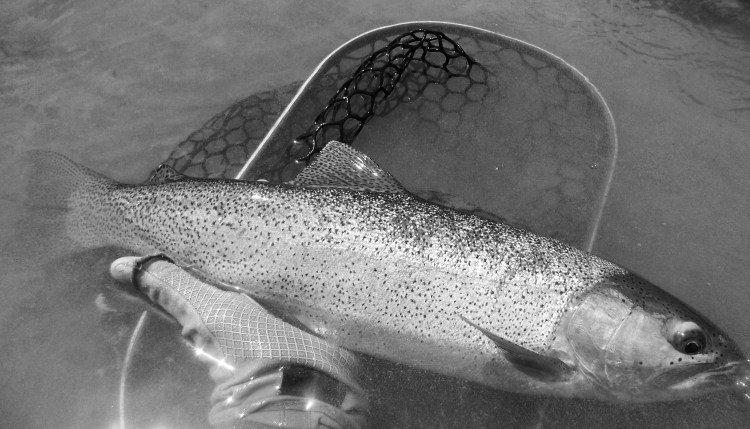
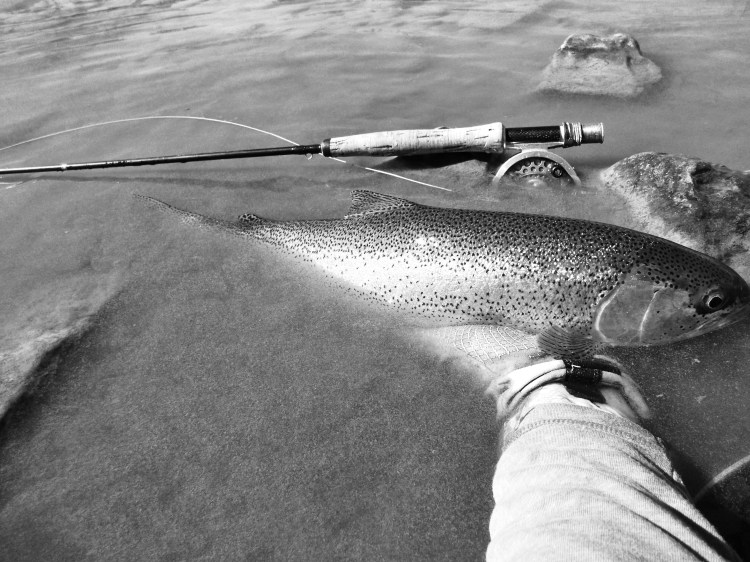
Above and below are some brown and rainbow trout I caught and released over the last couple of weekends sight-fishing late July and early August. The angling was quite challenging. All trout were fooled on Pale Morning Duns (dry-fly/emerger patterns) size 18 and 16. I got lucky as some of the small fly hook-ups held. I also missed quite a few.

036

rainbow

004 (3)


finger (2)

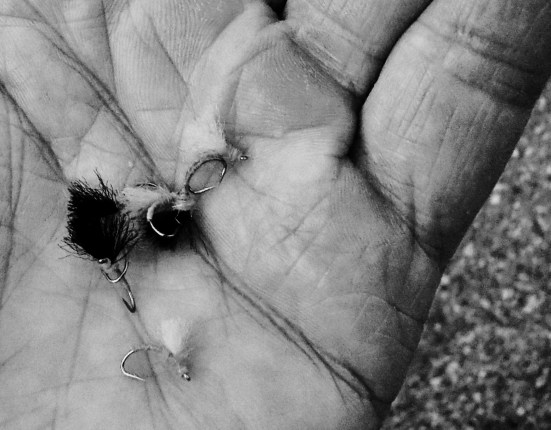
simple dangling patterns, size 18, black wing for grey glare


upclose

close in rainbow

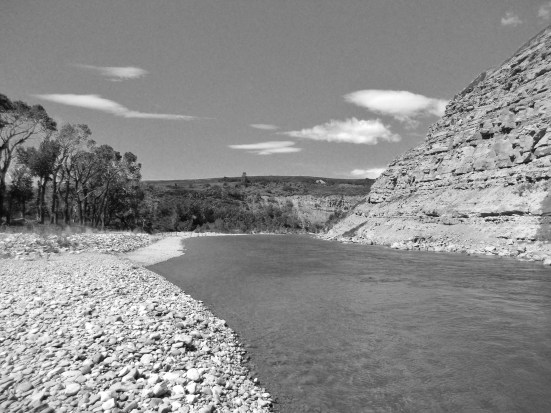
Canyon Trout

004

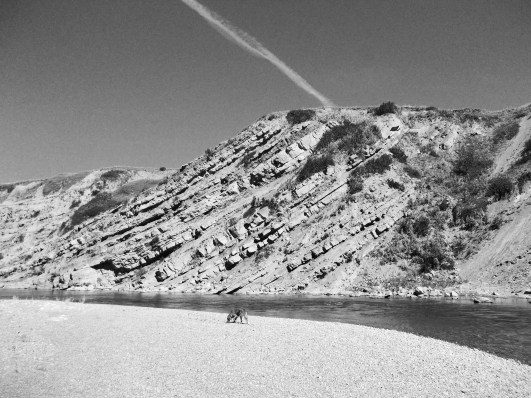
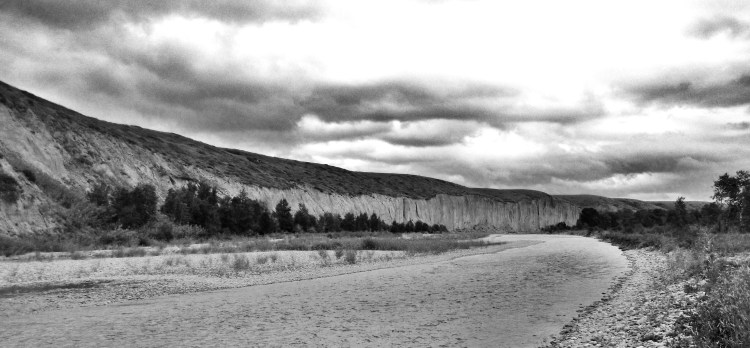
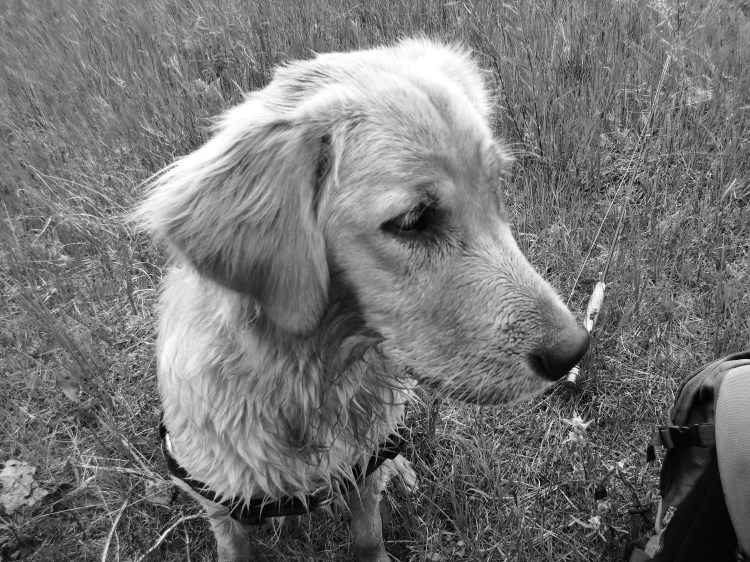
I went down into the canyon. It’s a fairly long walk. I haven’t been there in several years…beautiful place, eerie at times, especially when you’re alone. I took Abby with me.

posts

The angling was a bit slow. We are kind of between hatches: the Pmd’s are waning and the hoppers (not really a hatch) aren’t doing the “hop” yet. The canyon can be a good place for terrestrial fishing as bugs get blown off of the cliffs and fall into the river. The trout eventually clue in to this.

closeinf

They weren’t looking up on the weekend, however, I did manage to fool a few fish in the shallows that were willing to rise: rainbows. I was on the hunt for brown trout. Some fish took a good look at my fly but were skeptical and turned away. I saw several nice ones on nymphs but they wouldn’t budge from the bottom. The good thing is there were fish around and I spotted some.

abbyhigh

Abby on the cliff

Sight-fishing in the canyon can be challenging as the light-coloured cliffs reflect sunlight  casting an intense glare on the water.

thumbf

I’ll go back when the grasshoppers are more prevalent (hopefully soon) and the fish are on the lookout for them and showing themselves by rising. Then my terrestrial fly impressions will be more productive.

abbycliff

009

shinyf

coulee trout

I’ve been fly fishing the SW corner of Alberta for sixteen years. Although the region has many fine rivers and streams, in the last several seasons I’ve been focusing on just a few rivers that are some distance from the mountains out on the prairies. Fish numbers aren’t real high in these flows but they hold some remarkable, challenging trout. With scarcity comes value.
pin27

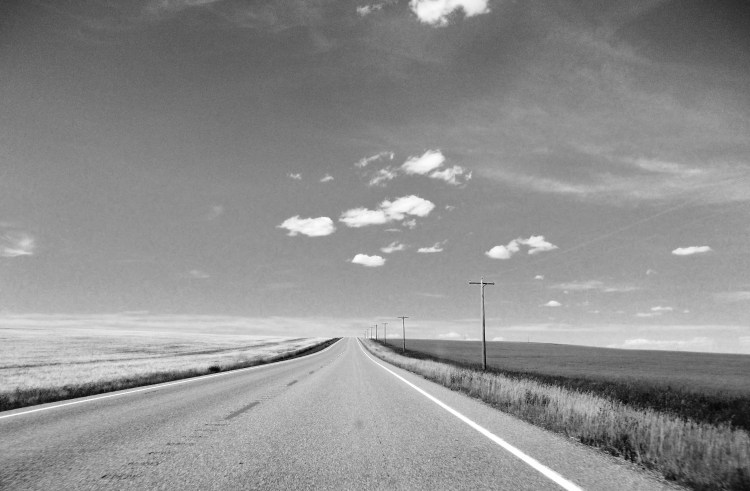
prairie road


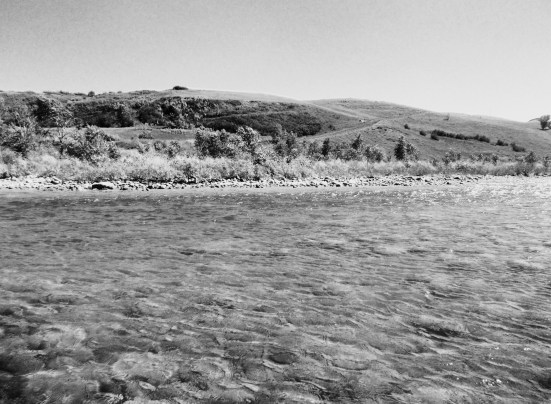
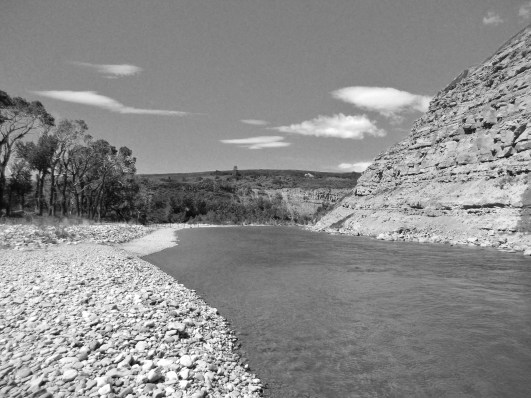
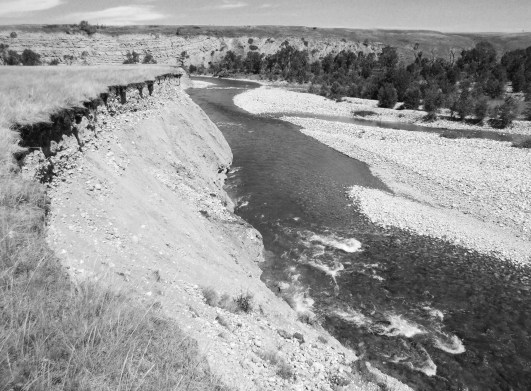
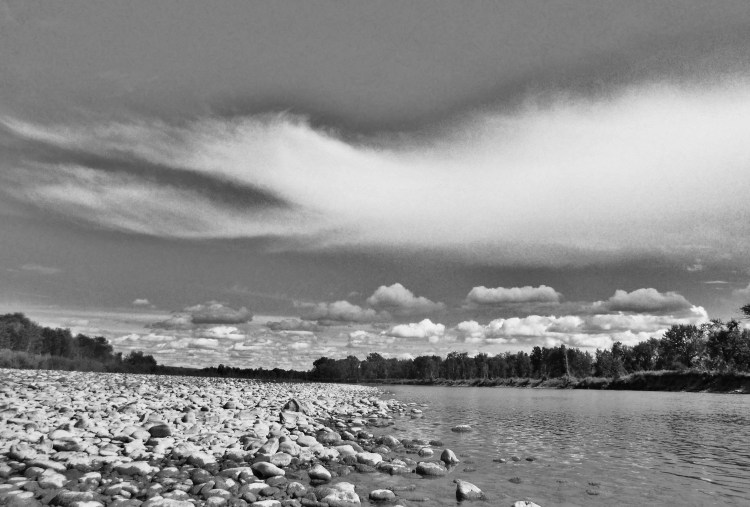
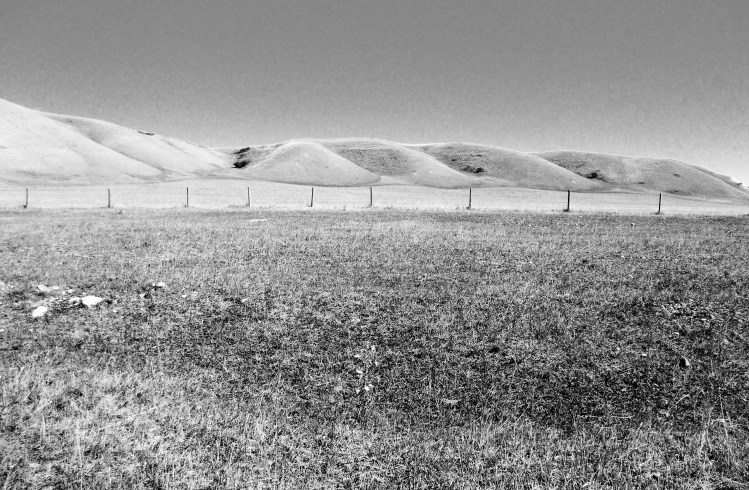
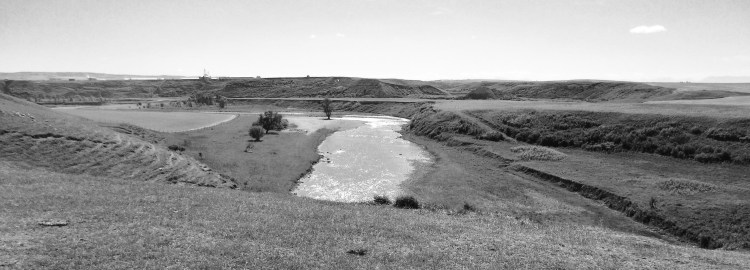
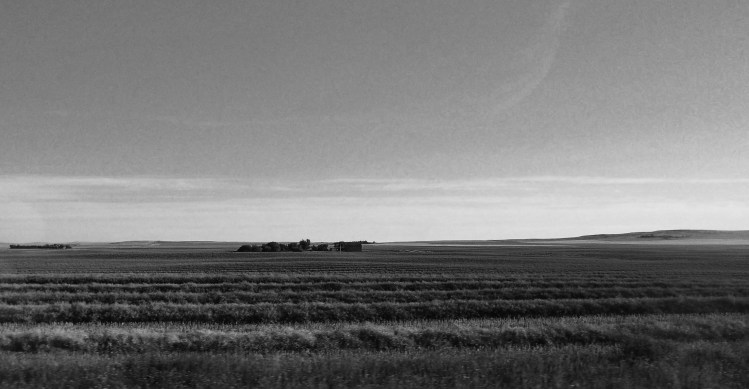
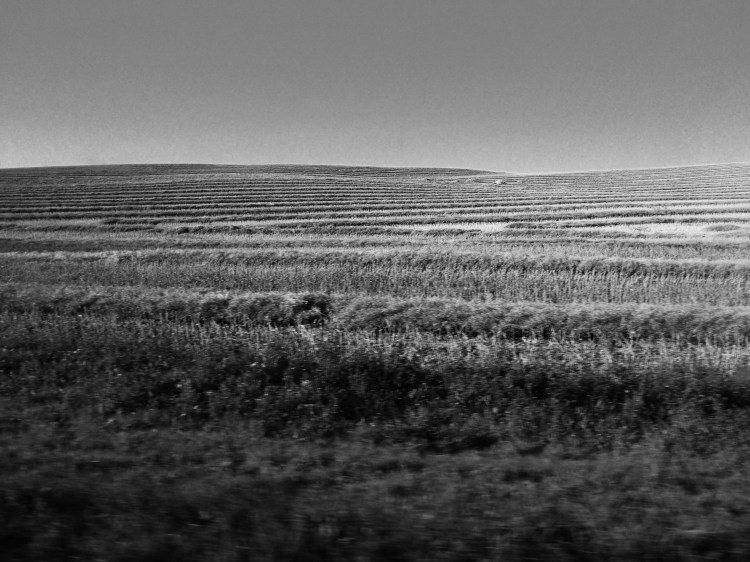
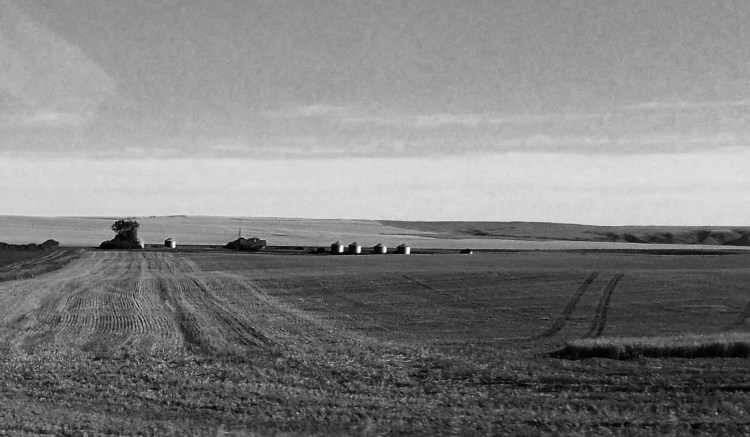
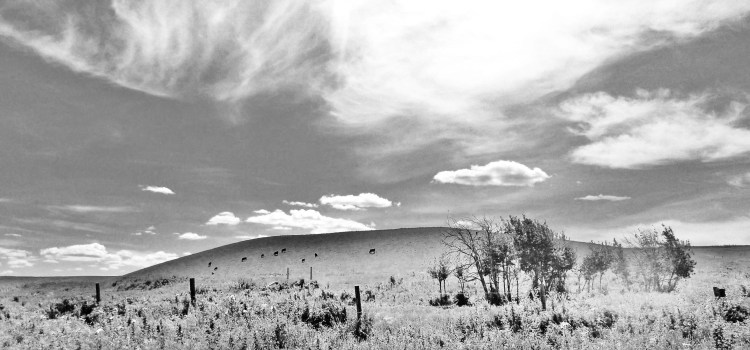
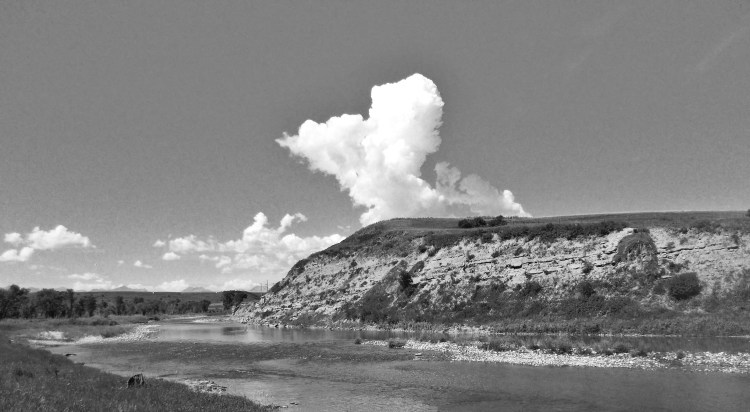
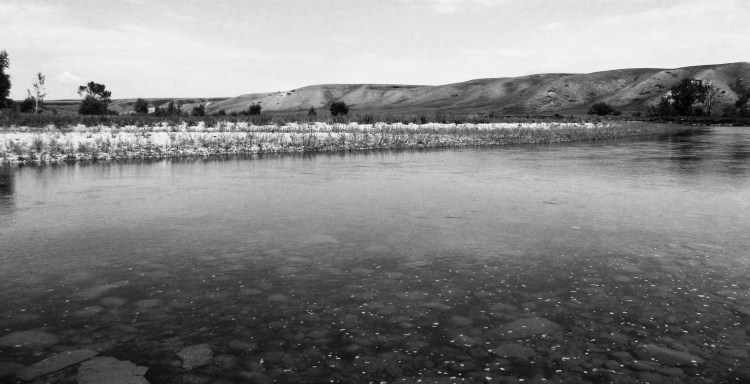
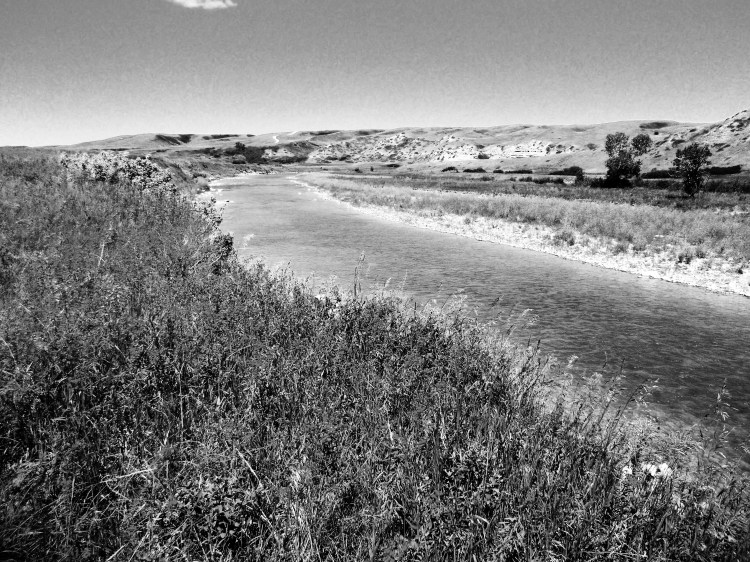
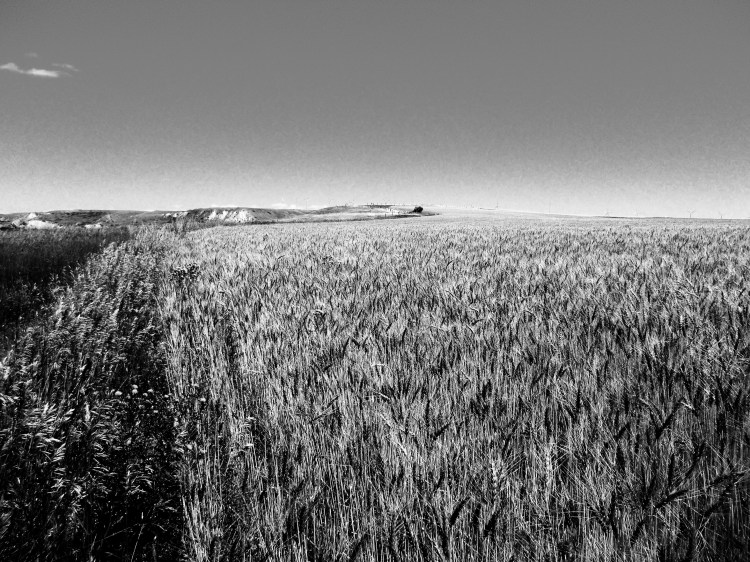
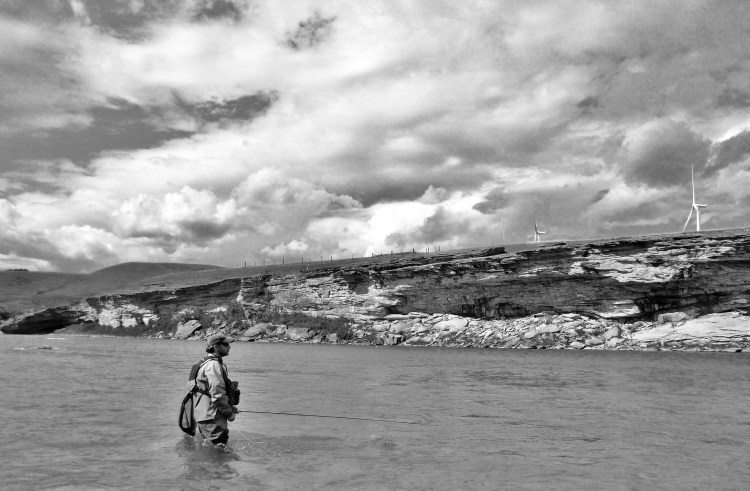
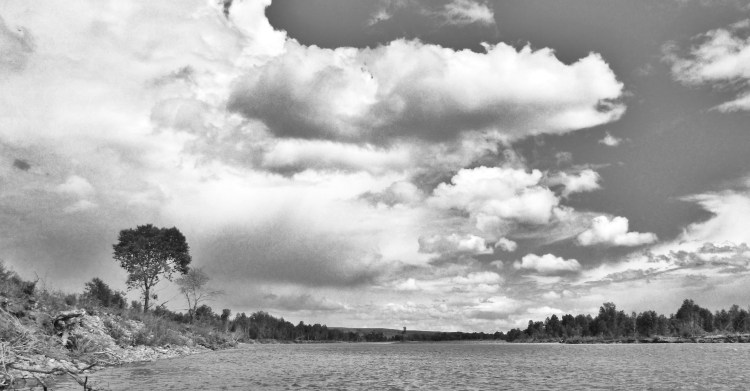
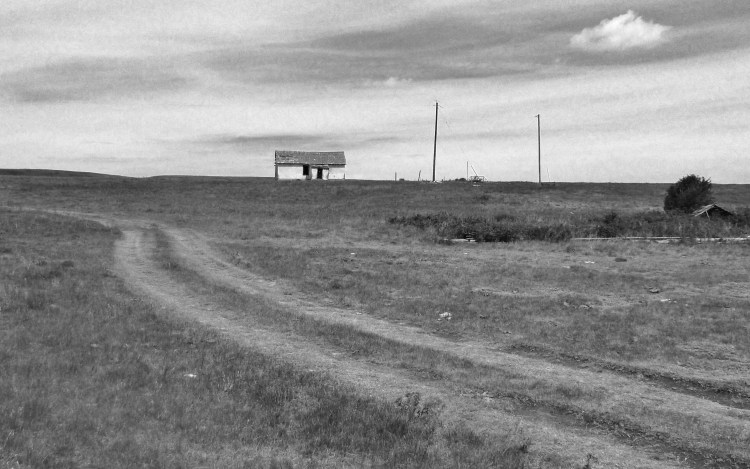
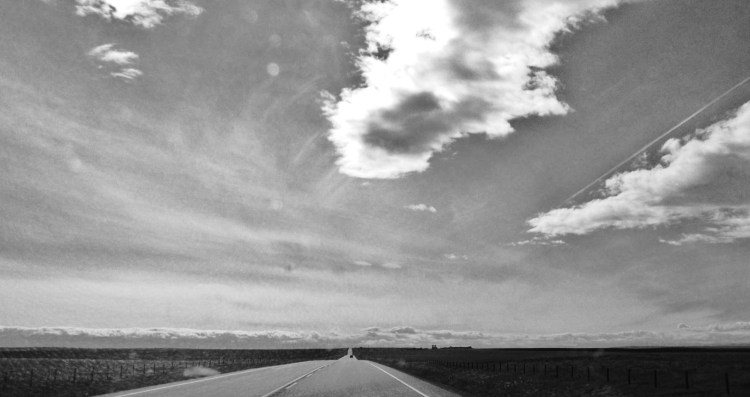
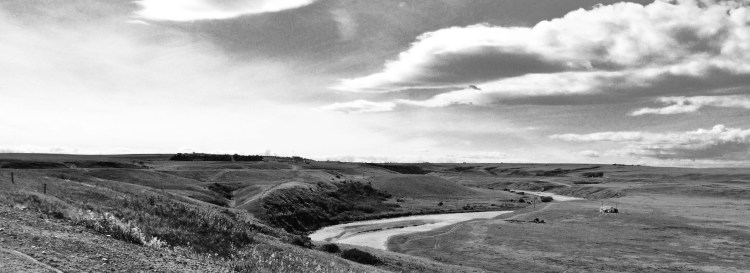
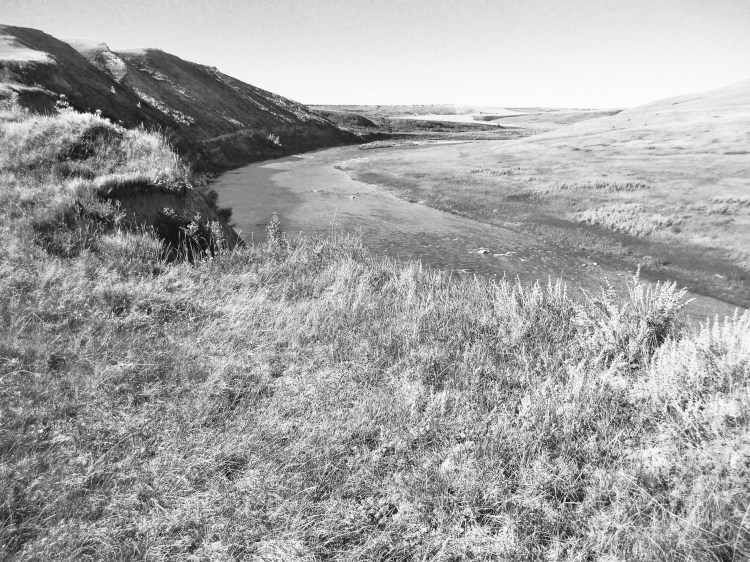
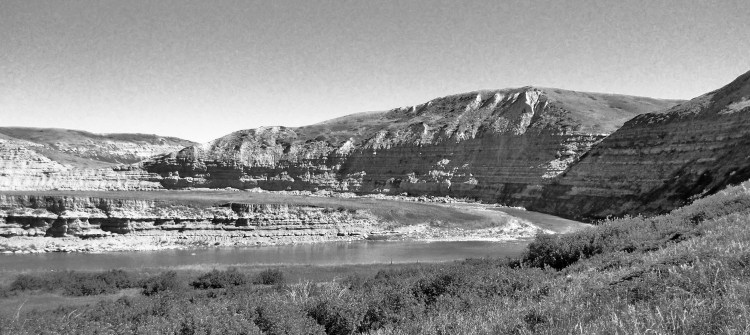
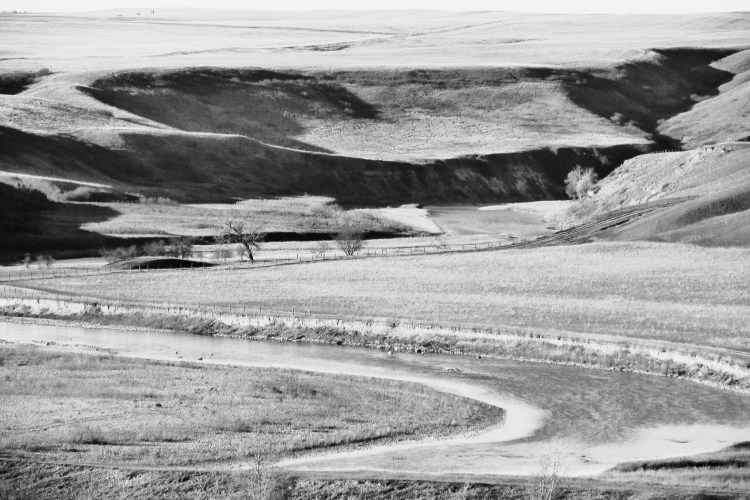
The rivers run through rolling grassland terrain, often down in valleys and canyons. It’s Coulee country and for most of the summer sun drenched, windy in the afternoons, and very arid. From a nearby prairie road, which runs straight like an arrow seemingly to the horizon, you wouldn’t think that there is a river anywhere. If someone told you there was, you certainly wouldn’t think it contained some well conditioned trout.
slowgo17

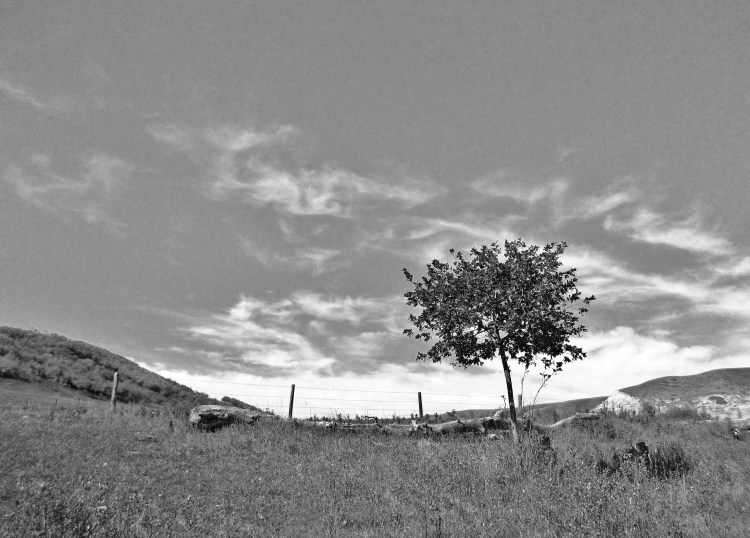
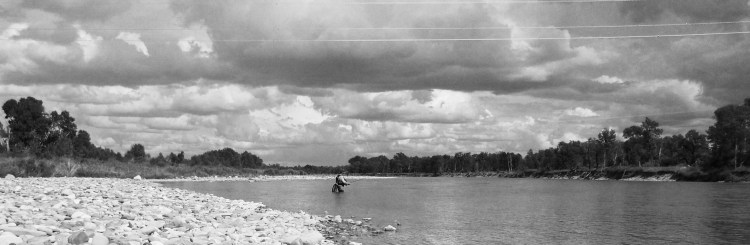
The region has few trees. The ones that do make a stand tend to be stunted by the harsh, dry conditions. The openness of the terrain makes the fly fishing extra challenging as there is nowhere for an angler to hide. The blinding summer sun can be your friend or foe. It all depends on how you use it. It helps you spot fish but also makes you very visible. You’ve got to be strategic about where you stand; where you position yourself.
slogo12

The coulee shadows, only available early and late in the day, can help you stay stealthy. You can hide in them. The rest of the time you need to use the sun to your advantage. I’m always checking my shadow in relation to the water and when possible try to position myself between the sun and a fish that I’ve located. Sight-fishing is all about the interaction between light and water.
slolow

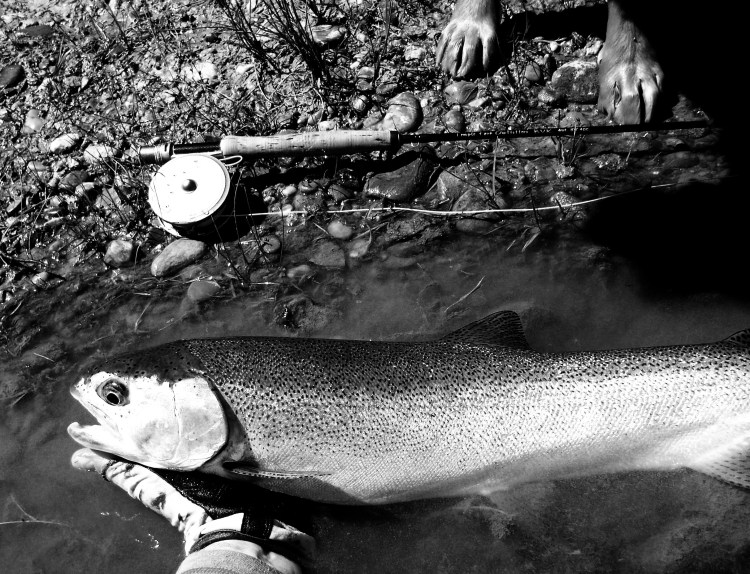
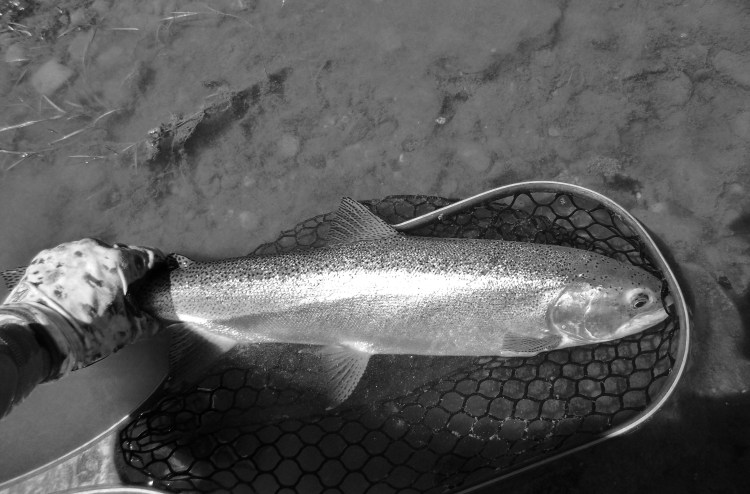
When the sun is at its zenith it’s best if possible to approach a trout from behind or from well upstream to avoid being noticed. If you want to get in tight to a fish you often have to crouch or crawl. My stream-side mantra is “stay low and go slow”. Any movement is easily detected in the great wide open and trout will quickly bolt to the safety of darker water. Spook a trout and you’ve missed a chance, and on some days you don’t get too many. The catch percentages in the coulees often aren’t real high. In fact on many days they are quite low. Remember with scarcity comes value…
slowgo8

Clouds may roll in and turn the river surface a silvery grey and therefore impenetrable to the human eye. This makes spotting trout almost impossible. The wind can turn gale force and challenge any weakness in your casting mechanics. A fly embedded in your cheek or ear lets you know who’s in charge. The swoop or shadow of an osprey or hawk over the water will make a trout you have been carefully watching flee. On some days you’ll feel you are being plotted against. You know it’s irrational to think this way… but you will. The old, ancient part of the brain will challenge and override the newer well-developed rational part. You’ll try to talk yourself out of this kind of superstitious, magical thinking but when everything seems to be going wrong and you can’t find or fool a single trout, you’ll succumb to it. You’ll feel jinxed.
pin25

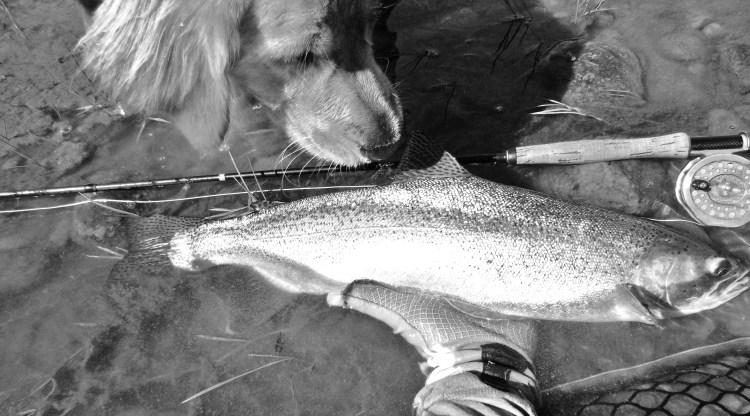
The rivers can have hatches and this can make things easier. When they don’t, or when they are stifled by the wind, you look for prowling/cycling fish. They often cruise the shallows searching where leftover flies and terrestrial bugs have collected. These fish are large, confident creatures but they still remain wary. They’re like coyotes who leave the hills at night in search of an easy meal in the back allies of a village. They have their territory and their daily routes. Watch their prowling patterns and where they choose to stall and feed, and it will pay dividends on an outing, or the next one. Spot a fish at one of these discovered locations on another day and you’ll feel a sense of mastery: that you are learning to read the river and the trout that inhabit it. It’s a feeling that is even better than catching.
slowgo6

In certain spots you can climb the coulees. Up high you can scan a lot of water and locate feeding trout. At elevation hawks often dive and buzz your head at incredible speed. Sometimes they come so close I think they are going to clip the top of my fly rod off with the efficiency of a ceiling fan.
pin-24

When you can’t use height to your benefit you stand stationary at a good pool, again using the sun to your advantage for maximum visibility, and watch for movement. Fishing with your eyes takes concentration and patience. You have to manage yourself well in order to be successful. Fish like you’d imagine Obama would fish, not his successor. You’ve got to resist the impulse/ temptation to flog the water by repetitive casting. The old fishing books call it ” hoarding your casts”. It’s hard to do as most of us learned to fish on rivers that required casting over and over in order to make a connection. When sight-fishing you’ve got to do the opposite.
slolow1

These rivers summon all of your angling skills. Finding trout on foot in this demanding environment and then tricking them with a dry fly is in my mind one of the ultimate fly fishing challenges.
pin2-2

slowgo15

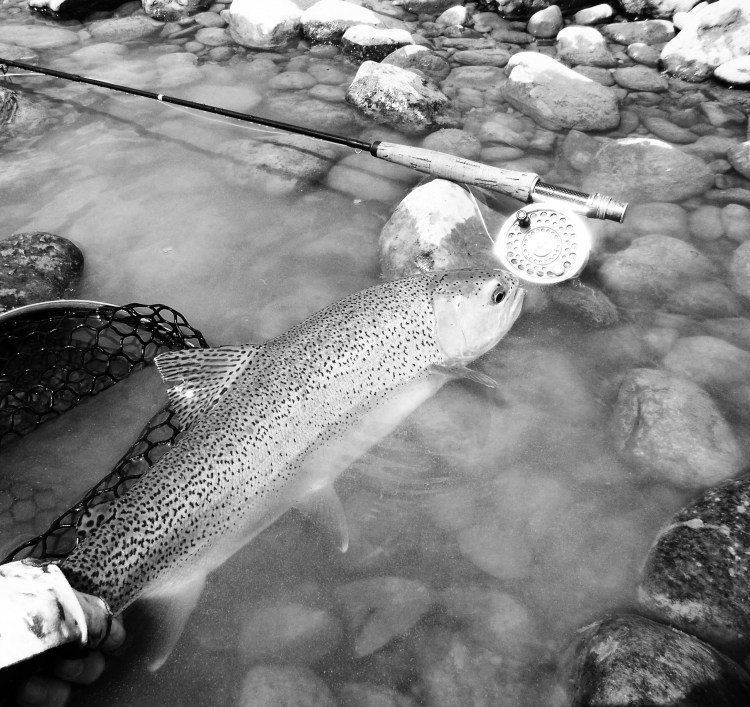
Above are some trout caught and released while sight-fishing with dries this past season.


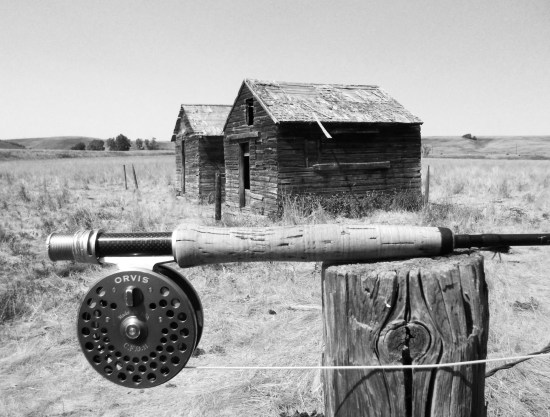
One week, one fly, two feet

multipsheds

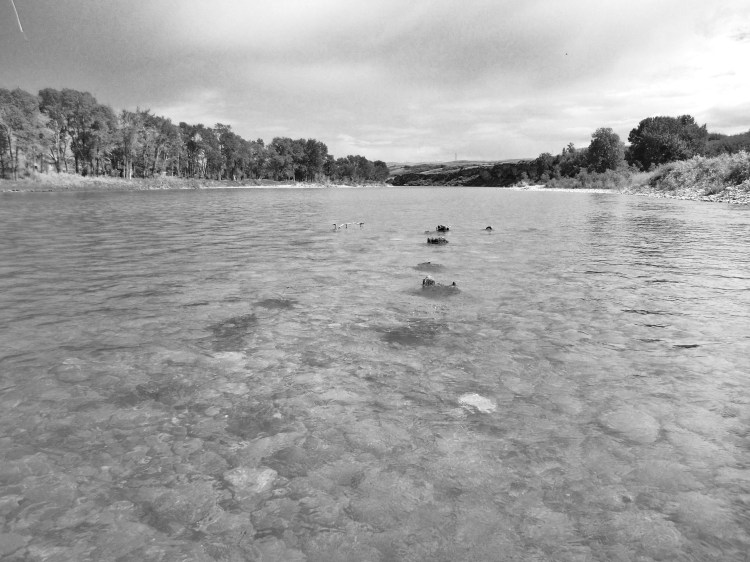
I just spent a week fishing in my region. Most of the summer I have been a weekend angler. It was nice to be off work and stretch several river days together. I fish better when I have more time. I also tend to stop and take more photos while roaming around searching for trout.
dishill

sheepreel-1

I had one cloud covered rainy day and a strong hatch of tiny olives, and a few larger ones, occurred. The trout were mainly on emergers. I fished a few different dangling fly patterns with some success. The key word is, “some”. That was the easiest day.

foamfly

emerger pattern, foam post for flotation, hook bent out by trout


bwofish

caught on olive emerger pattern


bwoflat

blue winged olive flat

drksideshed

The other days were full sun and therefore much more challenging. A few were calm, most were quite breezy. There were still some bugs around but not a lot. The rises were infrequent with the bright sky. And when they did occur they were real subtle. Just spotting the faint sips was an accomplishment. I often had to listen for signs of surface feeding on the blinding sun glazed flats. Most of the good trout located were hovering in just inches of water. It’s my favorite type of angling. In skinny water you have to be “sneakier than sneaky” in order to fool them. Mistakes are rarely tolerated… few second chances. To make things even more challenging the trout were generally only feeding on tiny stuff. Time flew by. Hours seemed like minutes. Relaxing? No. Engrossing? Yes. Fun? Yes.

anglebow

hills

broadside

2sheds

framed-tree

On another river I used the sun and elevation when possible to my advantage in order to spot fish in the shallows. Then I’d drop down, choose my approach and try to fool them.

mt-snow

snow in the mountains


perfectrees


murky-fish

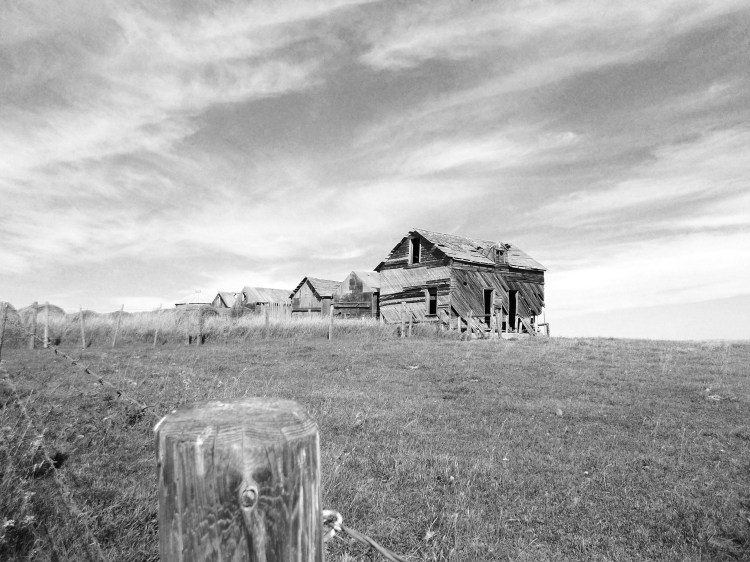
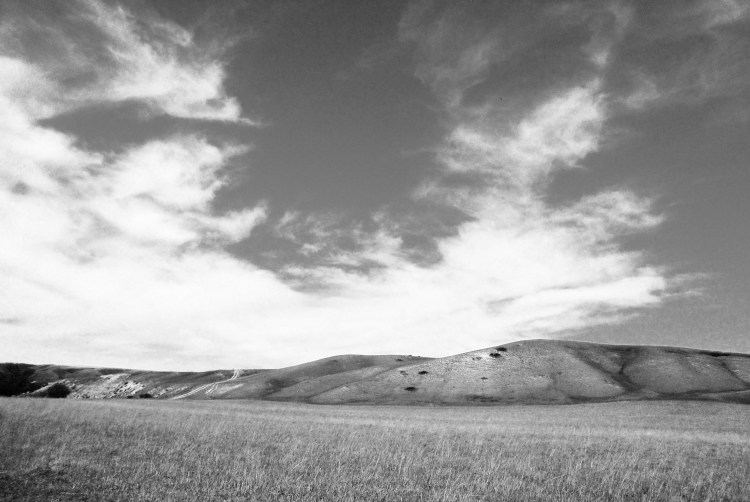
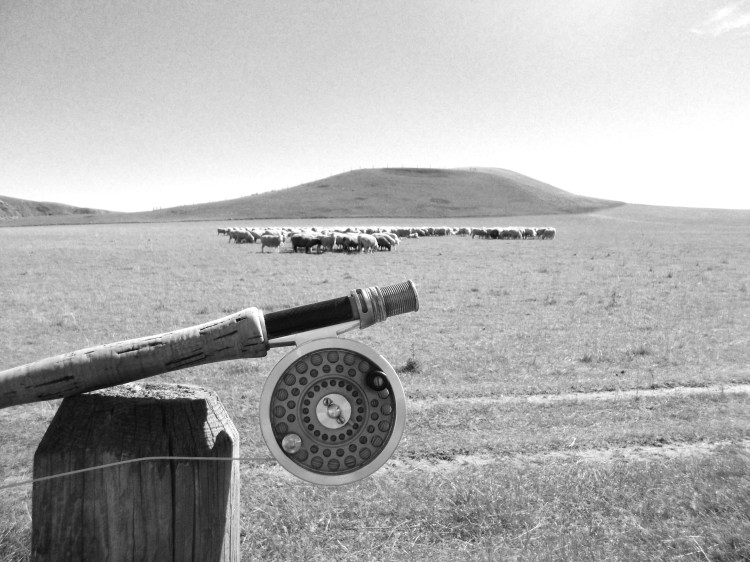
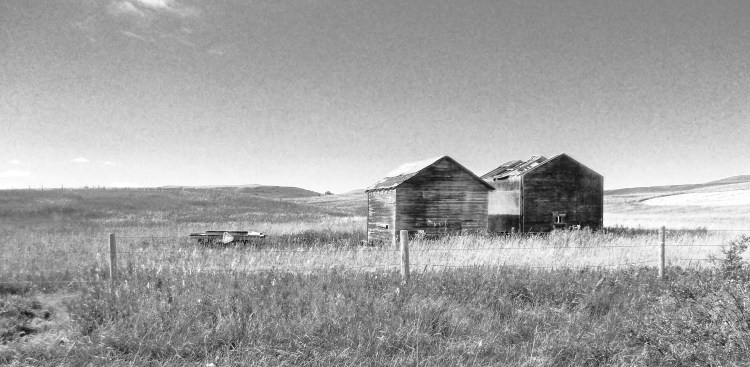
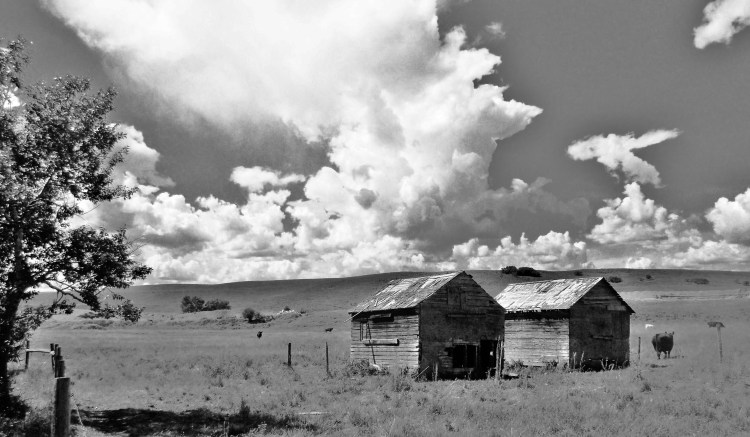
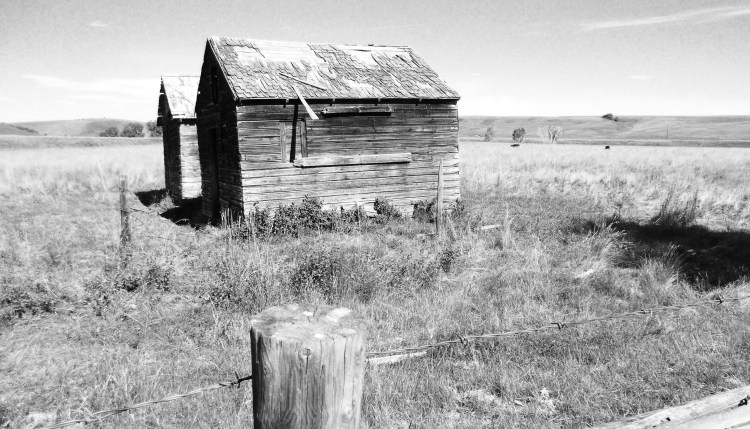
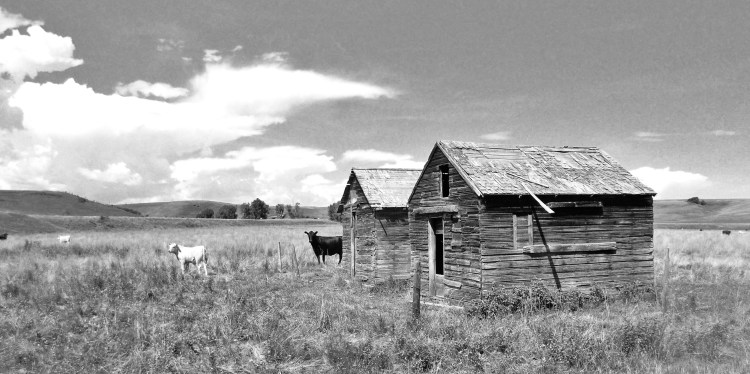
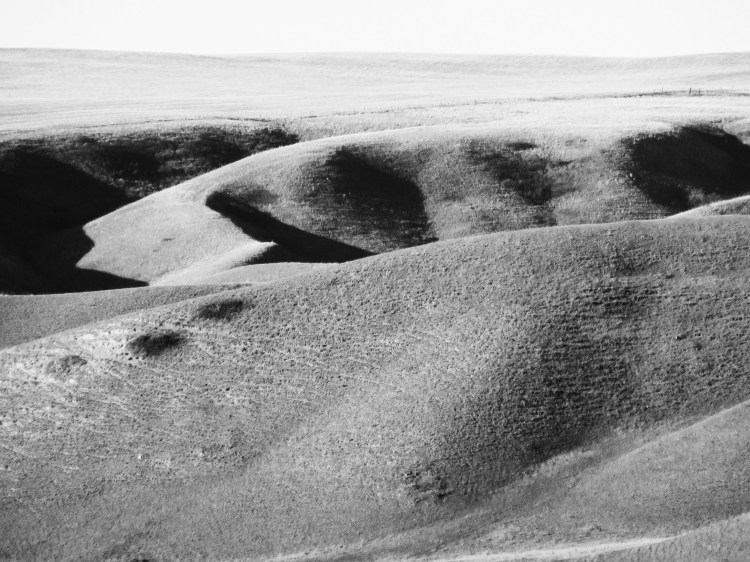
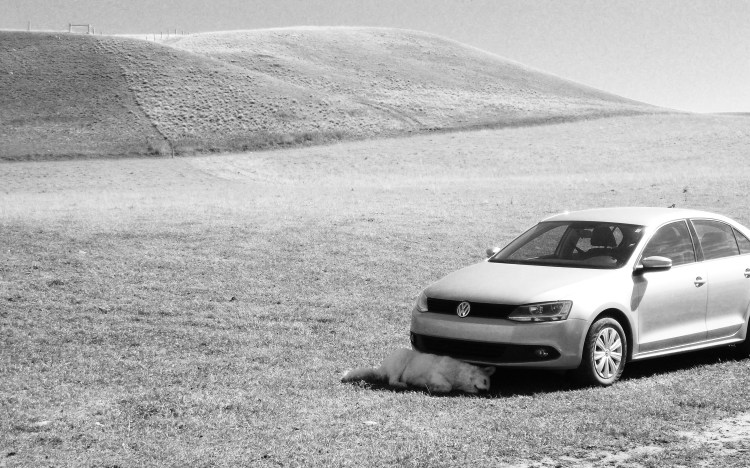
All week I casted olives when they were around, and fed beetles and ants to located trout when there was no hatch. While roaming around I found some old sheds; hiked some smooth wind sculpted hills; took pictures of small trees ( prairie bonsai) which always attract attention in the stark terrain; and caught a few wonderful trout. I also met a sheep herder taking a nap in the shade of my Jetta. He’s an old friend. Every year without fail we run into each other riverside.

One week, one fly, two feet…


sheep-herder

tailhold


murkyside

palm-tree

downstreamclif

dist-river

beetle

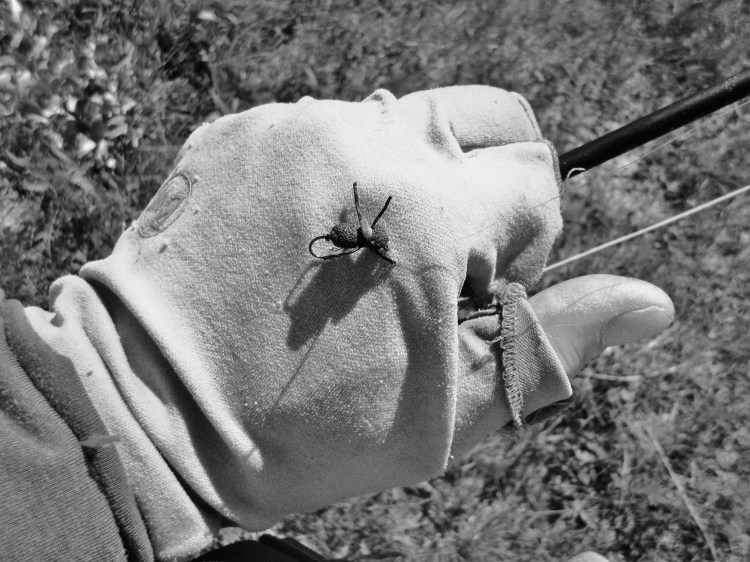
beetle pattern

head


sheepherd

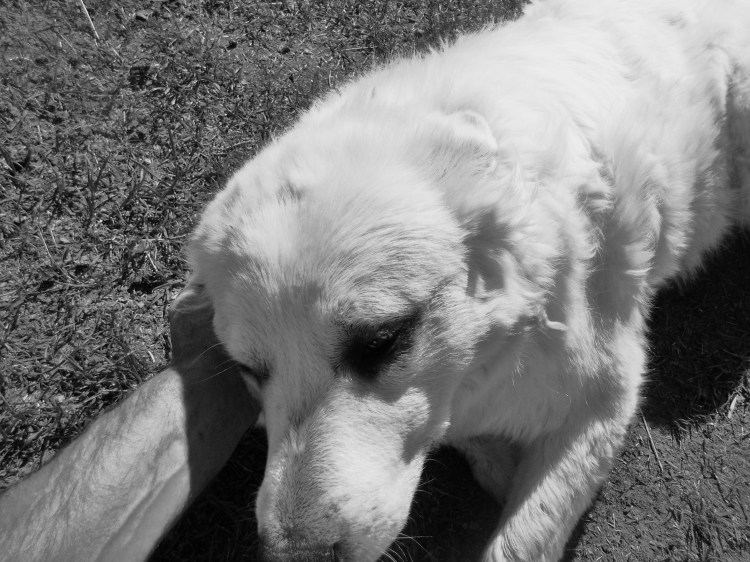
great Pyrenees herder


august fins

“August is like the Sunday of summer”

dorsal

We’ve had some clouds, some summer storms, some sun and cool nights and therefore  river temperatures have remained alright even though the water is low. It looks like we might get through August without any angling restrictions. South of the border (Montana) the situation seems quite different.

I’ve been sight fishing small terrestrials and on one river Tricos; one of my favorite hatches. It’s a good time of year as a few trout are rising and the Blue Jays (baseball) are in the hunt for the playoffs. I want to see Jose Bautista hit a late game homer and fling his bat again…the best “take that!” moment in baseball I’ve seen in a long time.

Here are some river images from the past couple of weekends…I struck out several times but did manage to hit a few long ones…

hils

adipose

lrg


wide

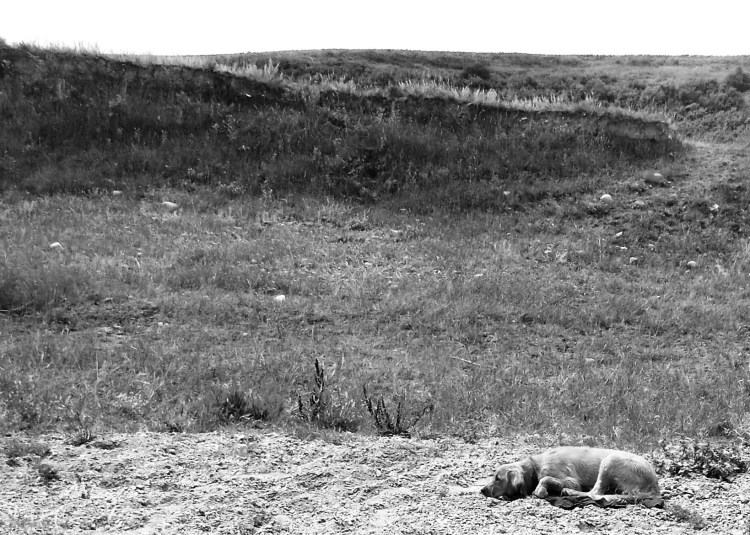
abby

abby


stwide

roundup

round up


tail

002

sleep

cuttbow

cuttbow


island

trico

double trico


le soleil

“It was so hot I saw a roasted turkey fly by”

milk

Summer finally returned after a cool spell and it was nice to wade in shorts and river sandals after spending three weeks in waders. Local rivers are low and heating up (temperature).

I was able to take advantage of the blue sky and full sun to spot some great fish and fool a few. It is amazing how tight you can get to a feeding fish in shallow water if you have the sun at your back and wade carefully, even on down and across presentations where you are in front or above the fish, not behind.

I learned how the sun can “blind” fish on the Missouri river many years ago while casting to a roaming pod of sipping trout. By standing still with the sun over my shoulder I watched a dozen large fish feed just a rod length away. They were oblivious to my presence.

For me, so much about fly fishing has to do with light; they are intertwined.

My favorite sight fishing river had few PMD’s on it this weekend and no other hatch. In response I fished beetles and crickets… my favorite way to go. I had the place to myself in spite of it being peak holiday season; lots of people on the road; local fly shops busy. The river was mine for a day. Amazing!

Here are some landscape and trout photos while sight fishing the past week. All fish caught on dries.

theturn

updown

lngriv

shadft

hills

abby (1)

abby

claws

lngriv

wheat

globow

distshot

handsupport


spotting trout

DSCN3332

big sky joe

” The towels were so thick I could hardly close my suitcase”

-Yogi Berra

I just spent five days in my region watching water with a visiting friend. We stuck with one river because we kept locating trout. They were mainly on mayfly emergers and being very, very selective. As usual, as on most tail-water rivers, it was challenging angling. The more we watched the more we saw and learned. The drift boat anglers that floated by didn’t even notice what we were experiencing. They covered the water we fished in seconds whereas we did it in hours. They were probably thinking about what was up head; the promise of water beyond. We were thinking about what was right in front of us. There is something special about picking a small stretch of interesting water, staying relatively still, spending time and simply watching it for signs of life. We did that on two different short sections of the same river for five days. In total we probably only covered only 100-150 yards; however, we caught some beauties. It wasn’t “numbers fishing” although one day we did have that. It was more quality over quantity. Great trout on size 20 and 18 flies. All tiny stuff and all sight fishing. Sometimes the slower you go the more you see…and we went slower than stop!

Here are some images…

DSCN3334

single tree

wide

net

blurrbow

bifocal trout spotting

DSCN3300

trout spotter extraordinaire


eddy

back eddy fins

downstream

the big wide open

drops

cutthroat caught by Joe f.

bridge


bigg

DSCN3328

the bonefish flat

singtree2

handmid


early summer, long days

Overheard at a Baja taco stand:

” You know why I love this place Frank? We’ve been here for a solid week and I haven’t seen one person wearing Lululemon! Absolutely nobody! And we’ve been here for a week”!

clouds wide

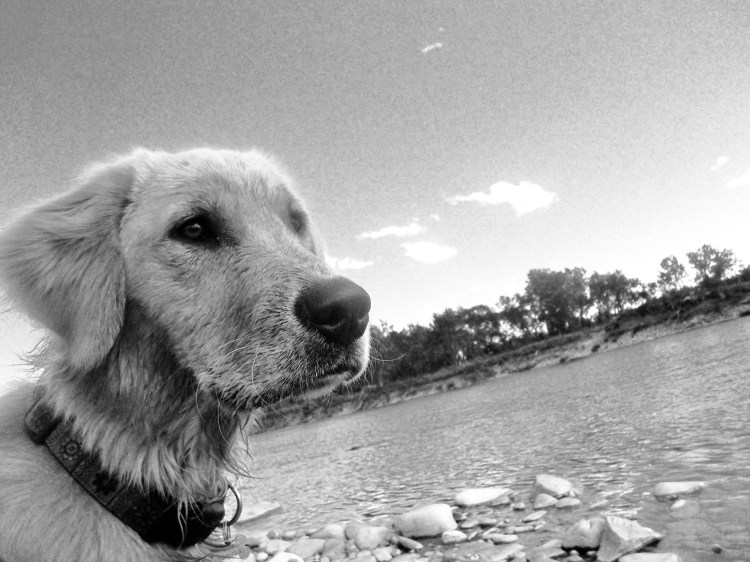
Some riverside photos from past two weekends in SW Alberta. The trout were caught sight casting, Pale Morning Duns, size 18 and 20…small stuff…and one fish on a beetle. The trick was landing them while an eight month old retriever new to the game was in hot pursuit.

011


145

riverside trout bum, trout chaser

006

wispy

010

012

tree old

146016014

drive

drive back to mountains