late october

DSCN5541 (2)

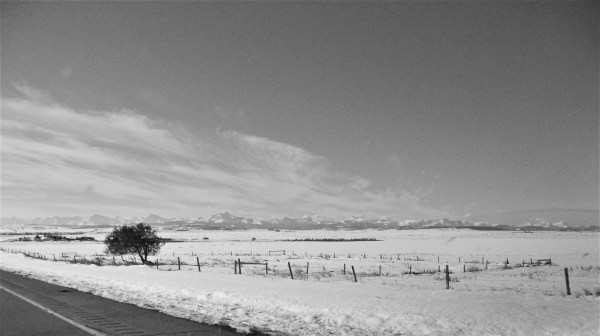
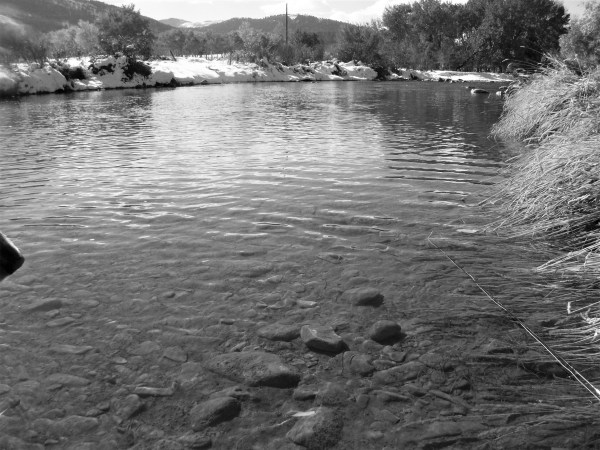
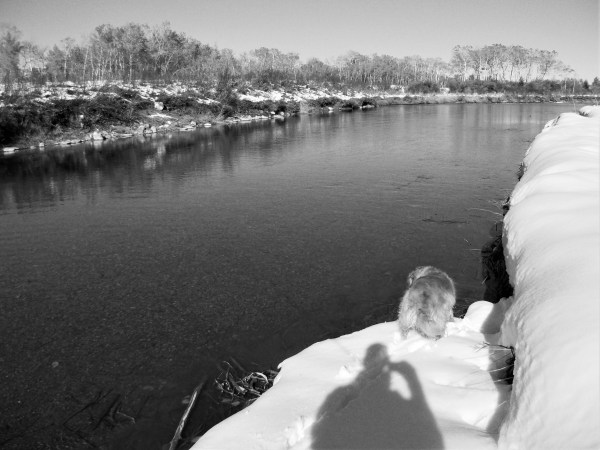
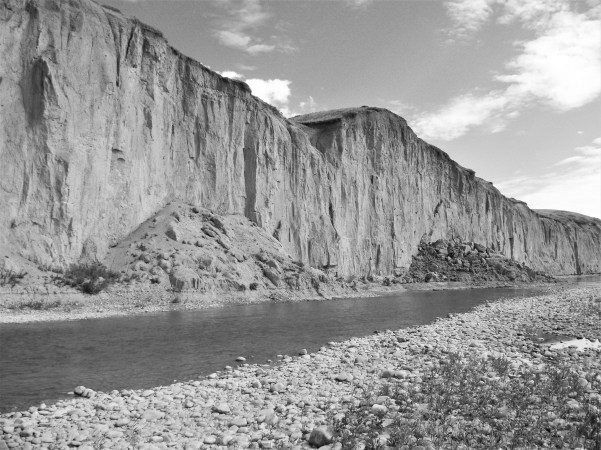
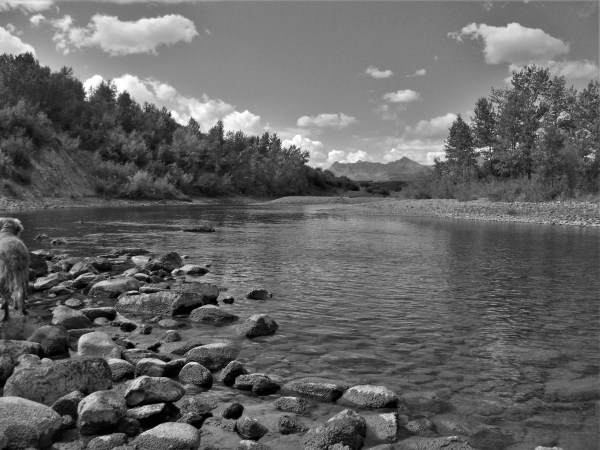
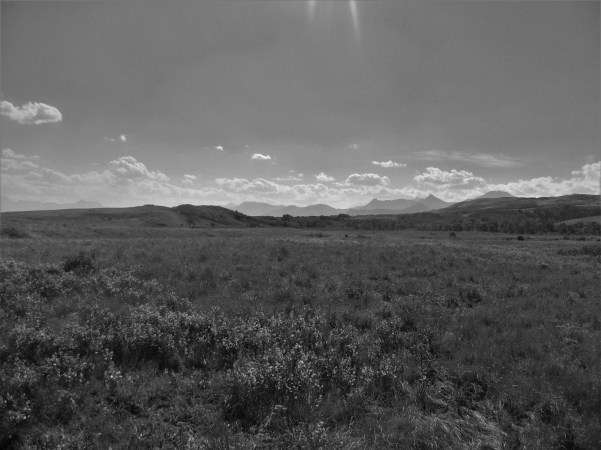
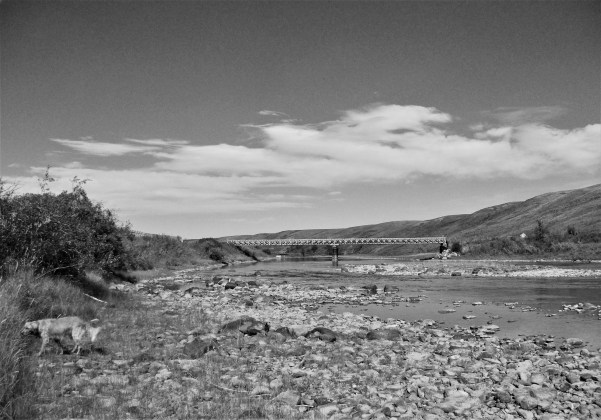
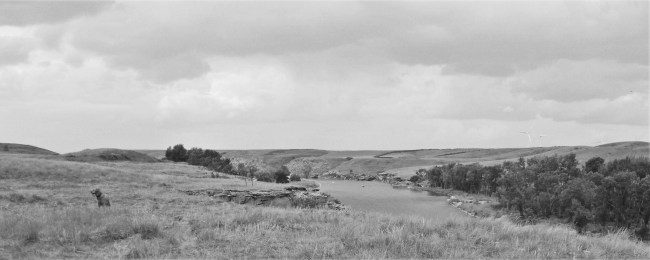
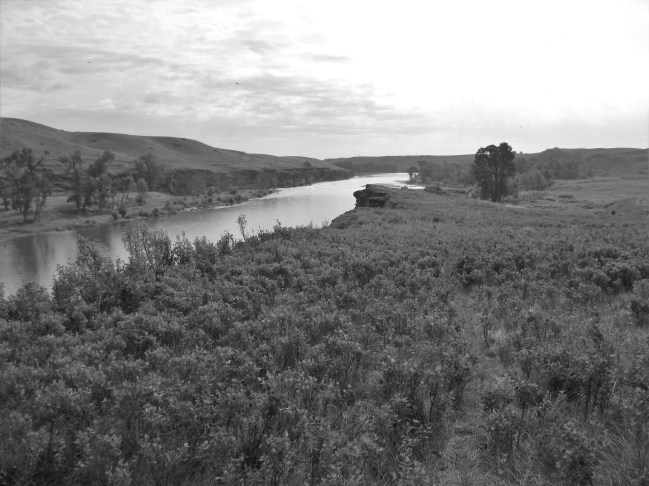
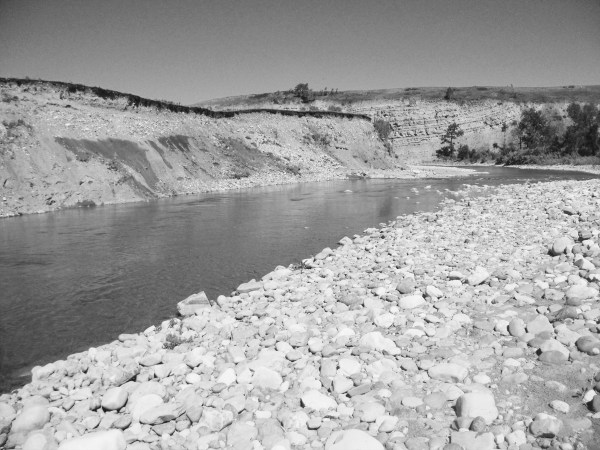
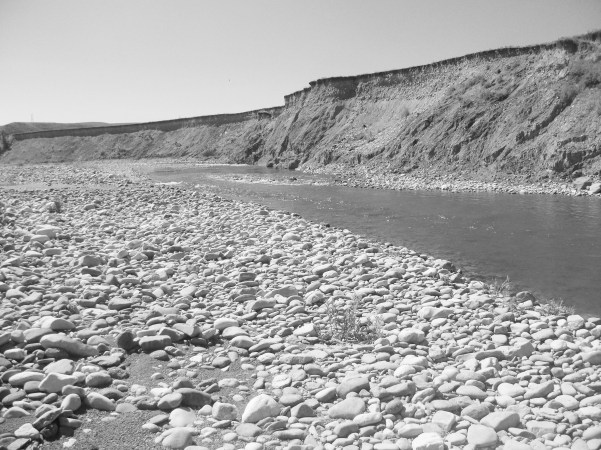
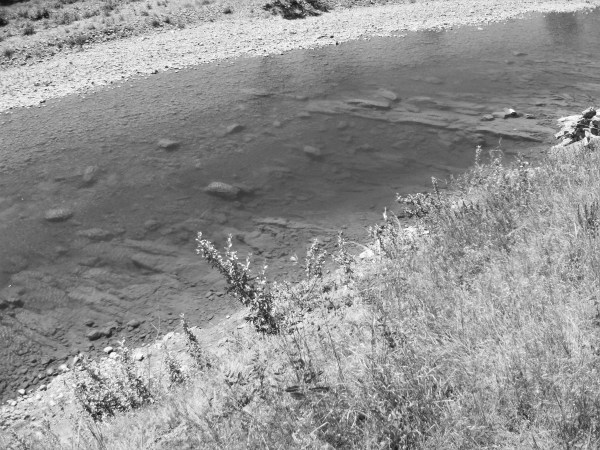
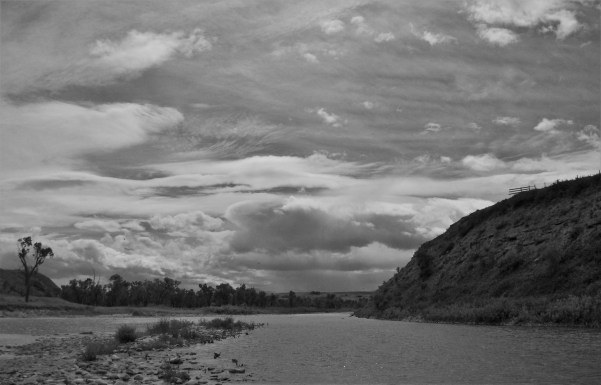
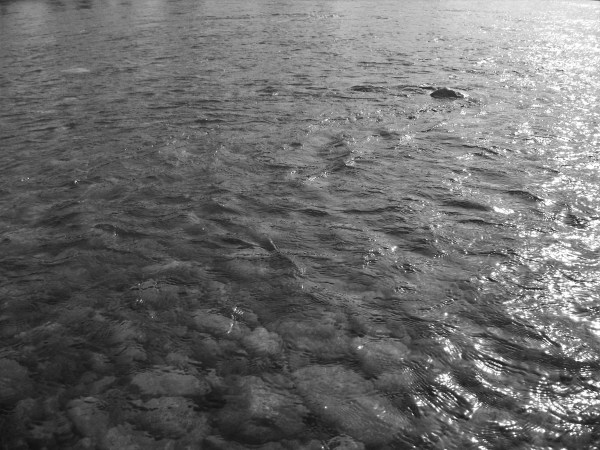
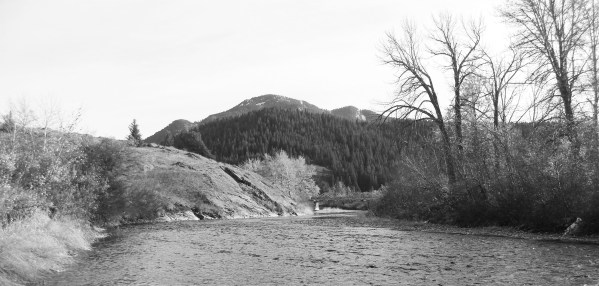
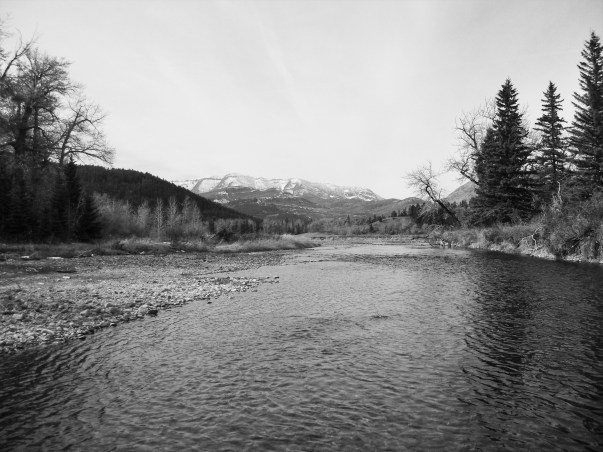
Nice weather for a change. Light sweater conditions in the afternoon and minimal wind. The dry-fly season on the Crowsnest river has been extended a little. Finding rising fish is getting harder but there are still some around. Bug life is weak but there are just enough midges and small olives around to entice some good fish to feed on the surface with the low, slow, clear water conditions. The river is still producing if you’re willing to hunt. I walked it this past Sunday. It’s an afternoon game. The low arcing Autumn sun creates long afternoon shadows and the trout like feeding in these darker river sections once (if) the bugs get going.
DSCN5537 (2)

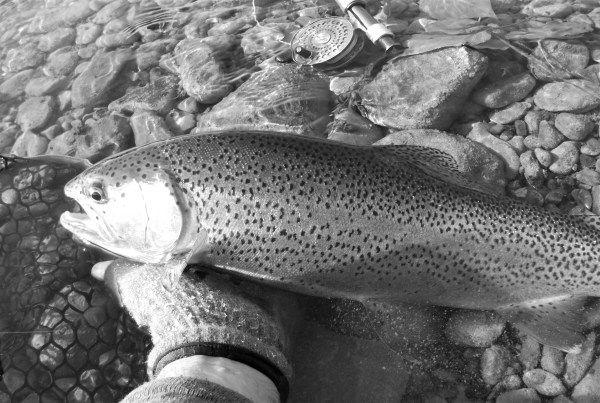
I started fishing the Crowsnest river in 2001. Seventeen years later it still amazes me the quality of the trout that inhabit it given its size. Best of all you can search for them with your eyes and try to fool them, often in the shallows, with small dry flies. You get to watch the trout react to your impression; you get to see it all unfold. Engaging, visual angling. It’s why I fly fish…
DSCN5533 (2)

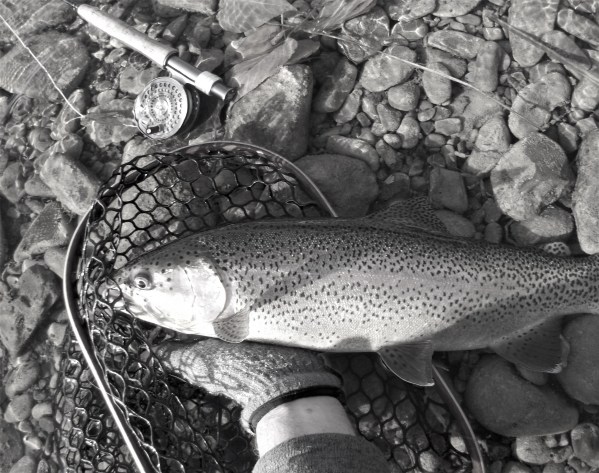
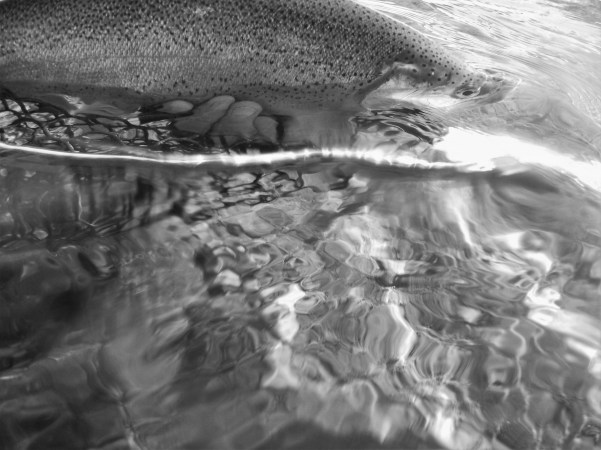
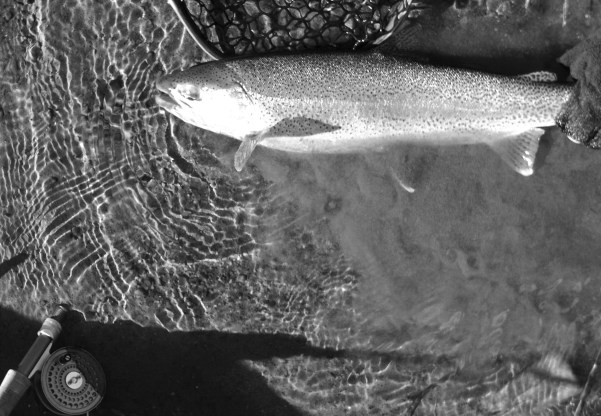
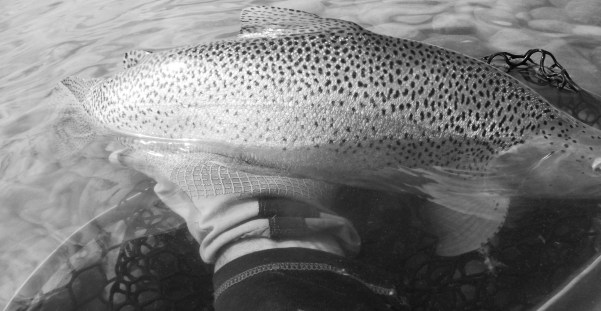
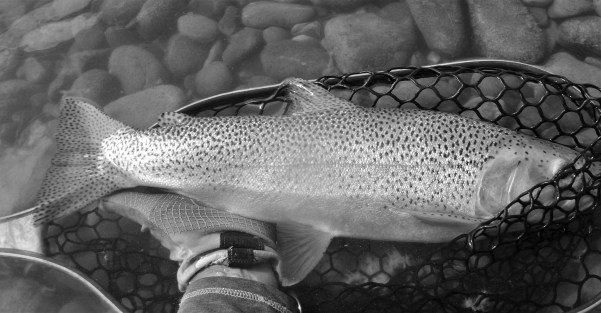
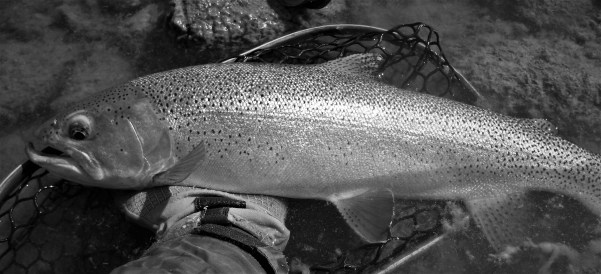
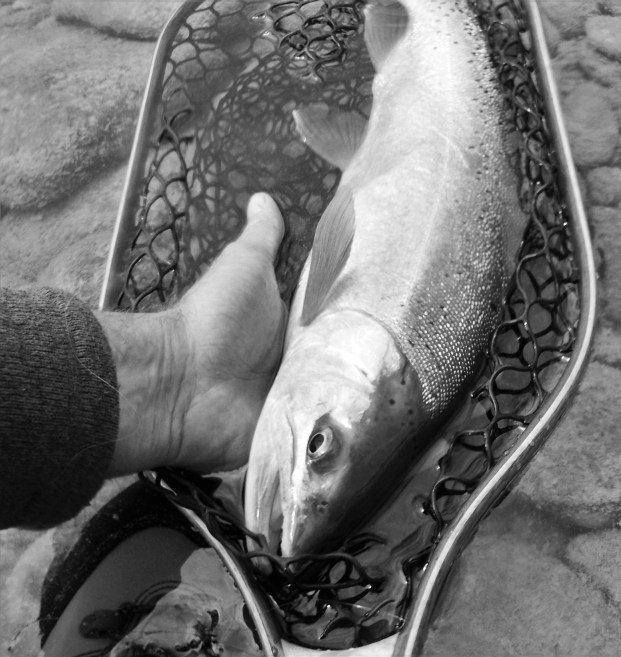
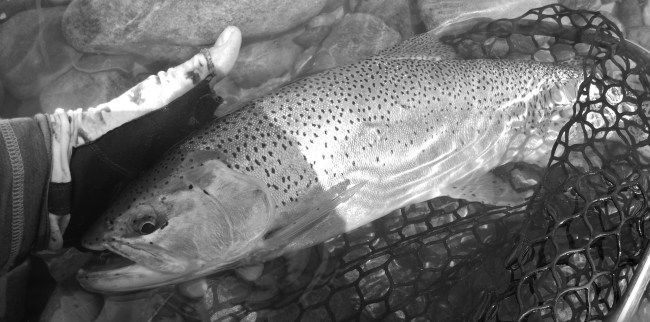
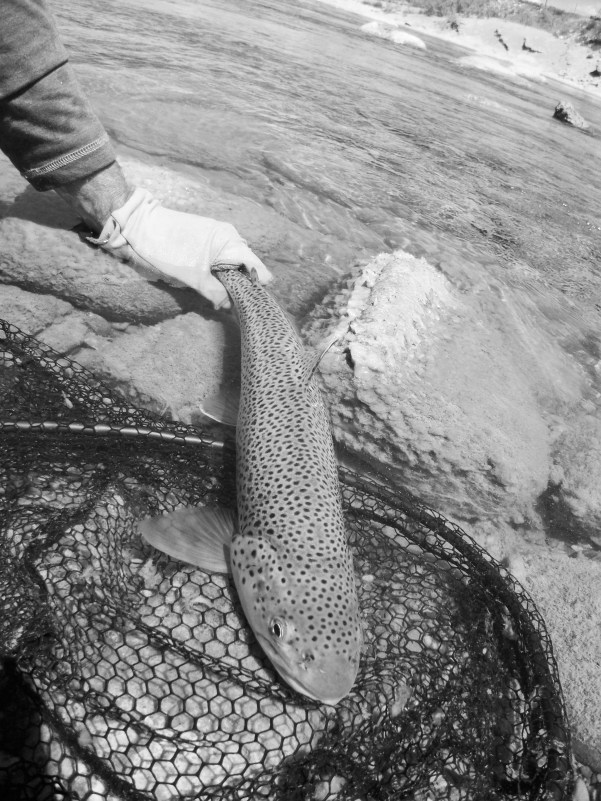
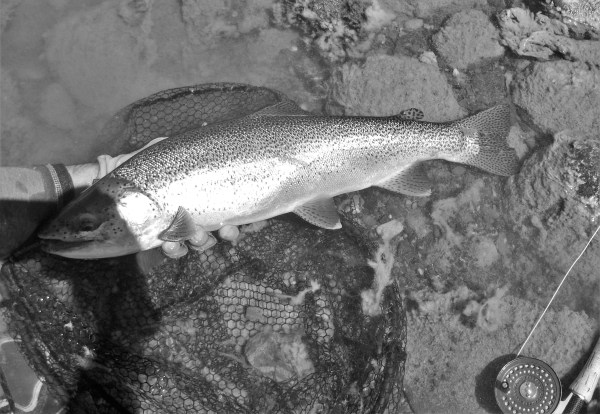
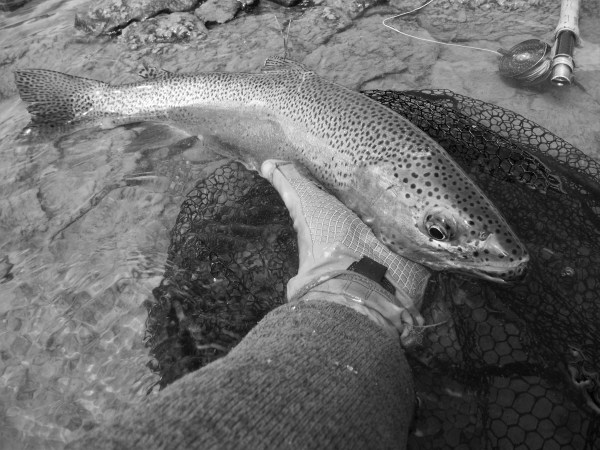
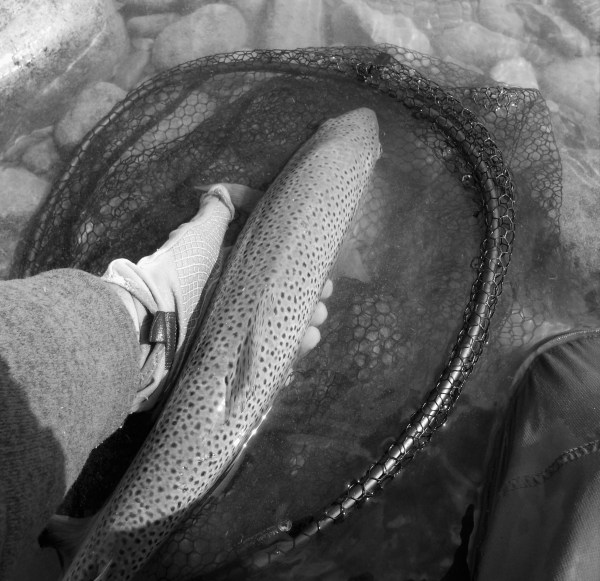
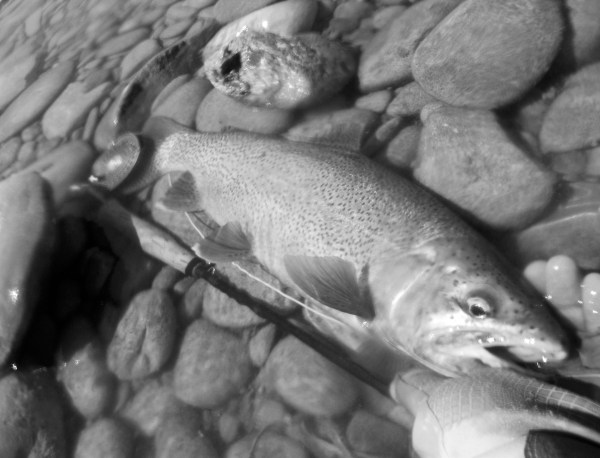
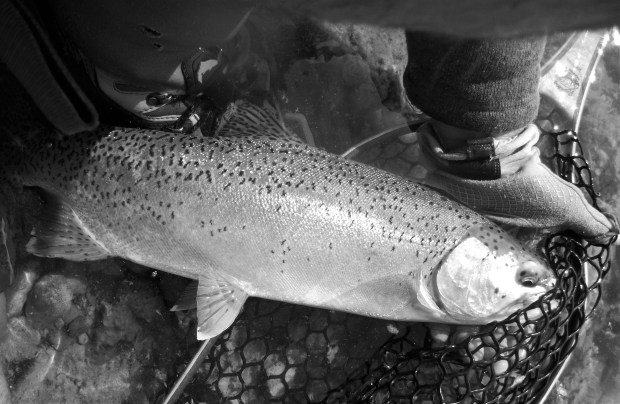
Here’s a nice Crowsnest rainbow that was located feeding on a shadowy bank. Caught on a size 18, BWO hacklestacker pattern.
DSCN5530 (2)

DSCN5538 (2)

DSCN5535 (2)

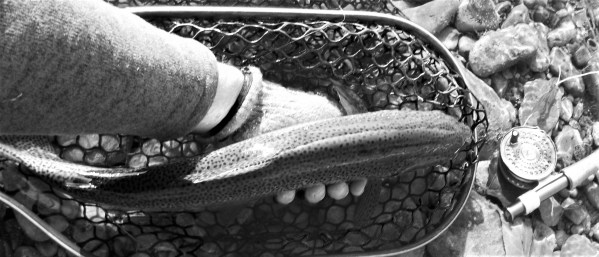
same rainbow
DSCN5531 (2)

DSCN5536 (2)


post storm

DSCN5493 (2)

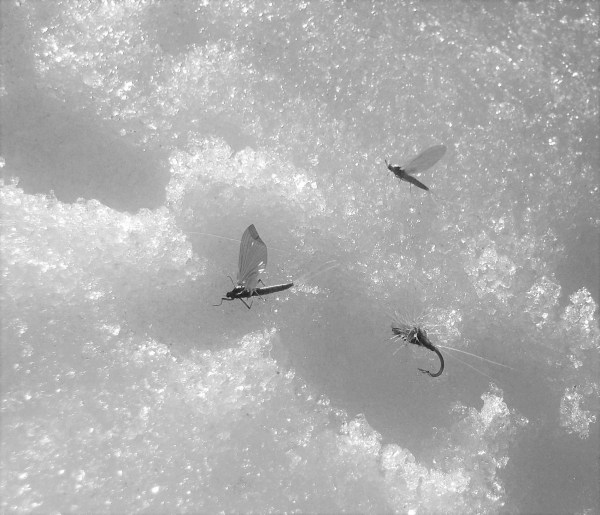
A big snow storm this week. Some melting occurring. Rivers still low and clear. Brief angling days for the dry-fly angler. It’s usually a 2 to 5 pm event.  This past Saturday trudged through the snow to the Crowsnest river. In the bright sun and low water conditions fished to some surface feeding rainbows on my knees.

DSCN5506 (2)

DSCN5520 (2)

last

DSCN5513 (2)

DSCN5507 (2)

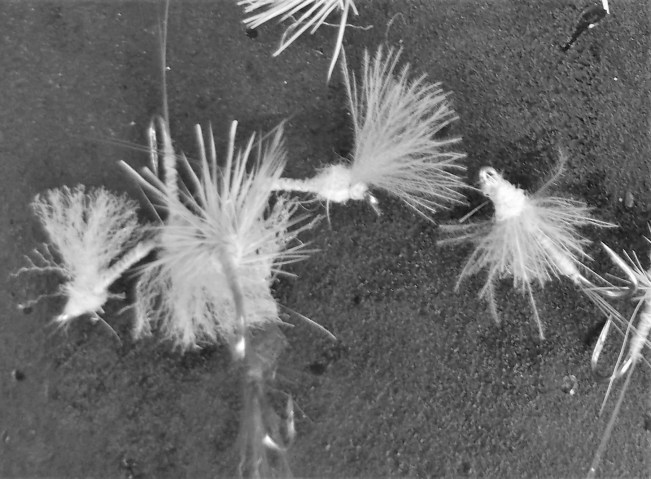
naturals and an impression

DSCN5512 (2)

DSCN5499 (2)

DSCN5508 (2)

great flat water

DSCN5505 (2)

DSCN5495 (2)

DSCN5504 (2)

snowbanks show off the hatch


transition time

Sliding into Autumn. Pale Duns have had their day. Blue Winged Olives are just starting. A few Mahogany may flies around too. The dry-fly angling has been challenging during the transition. Visited four very different rivers over the past few weekends. It was hard to find rising fish. Had to walked a lot and search. Not easy. Not many opportunities. Caught a few nice ones. Missed a couple. Time spent roaming around beautiful SW Alberta in search of trout is always enriching…

horse1

abbyclif

Underdog without cape

cutbowwater

cuttbow, I believe

cliffpiles (1)

cuttbownet

same thick cuttbow caught on size 16 mahogany

leavewaterton

upstream

mtsdist

topbow

great rainbow
DSCN5398

trout spotting

flies

size 18 flies

bridge

cliffpiles (2)

same rainbow, on size 18 hacklestacker bwo

hacklestackers

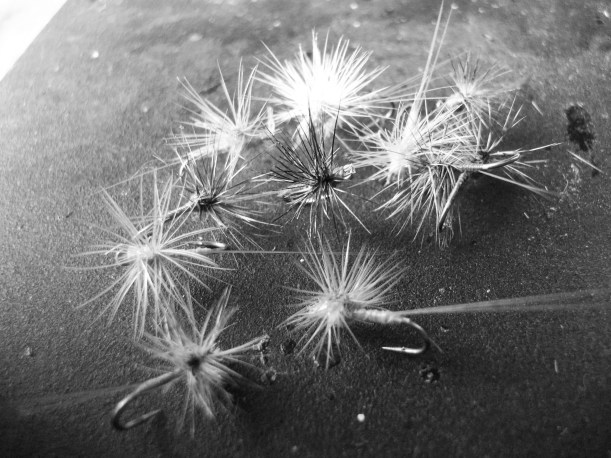
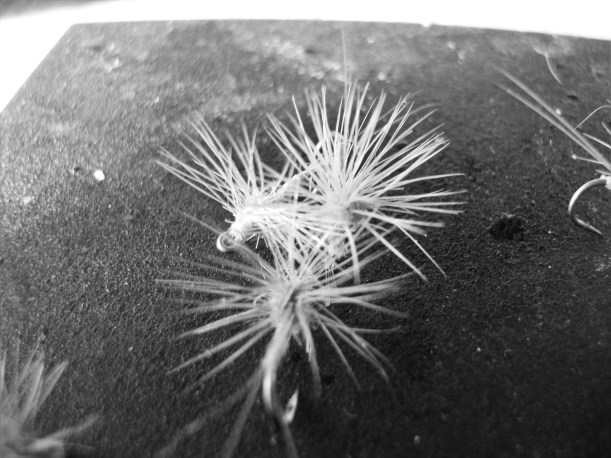
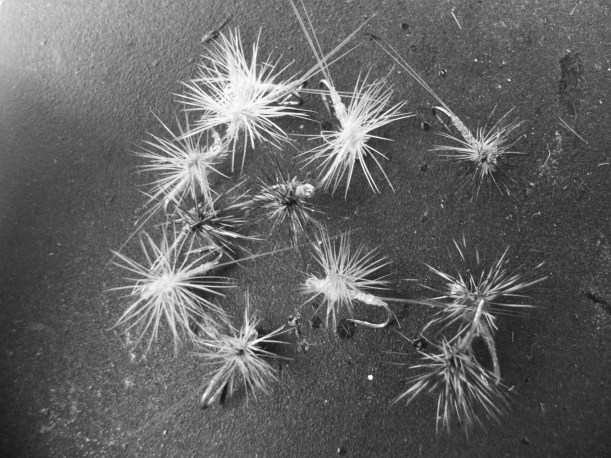
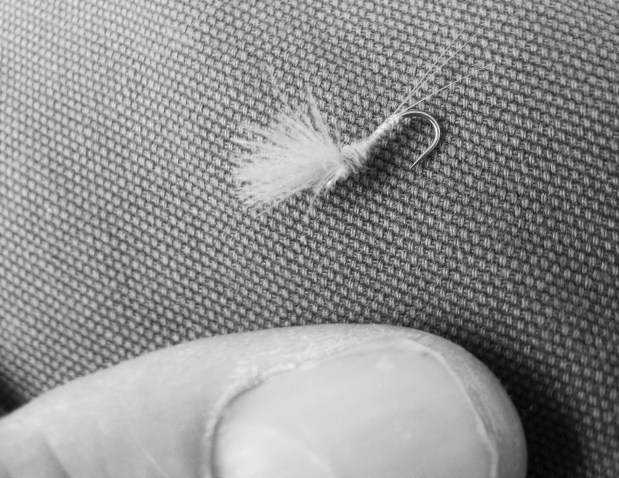
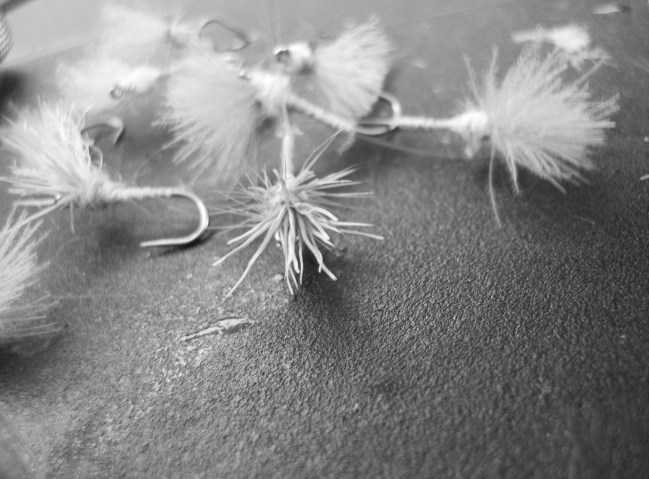
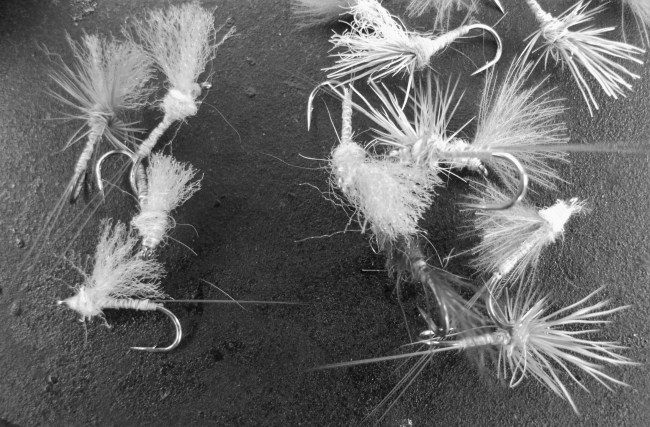
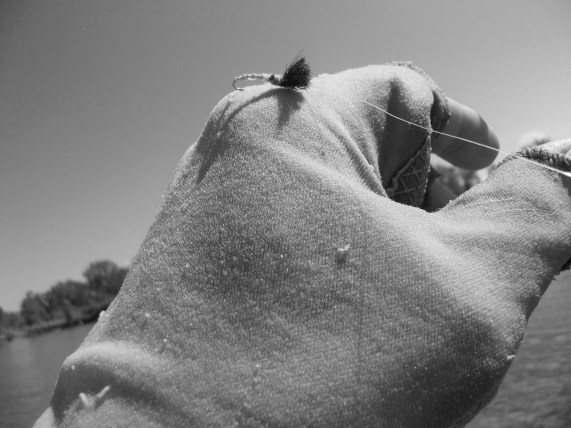
The Hacklestacker. A creation of Bob Quigley. An innovative fly tier who is unfortunately no longer with us. Over time I’ve learned that his creations such as the Hacklestacker, Quigley Cripple, Film Critic and other patterns, can fool some very picky (selective) flat water trout. Here are some PMD and BWO Stackers all tied on size 18 hooks; with size 18 or size 16 hackle.

DSCN5378 (2)

DSCN5382 (2)

DSCN5379 (2)


casting dries under Beijing sky

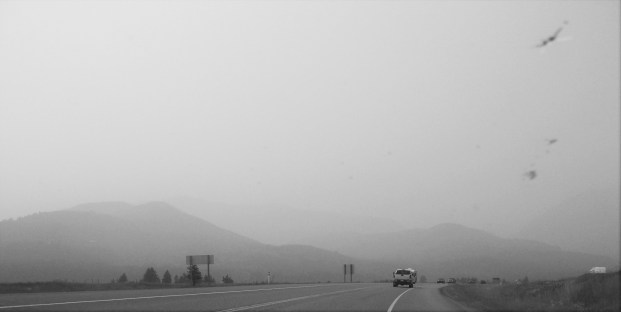
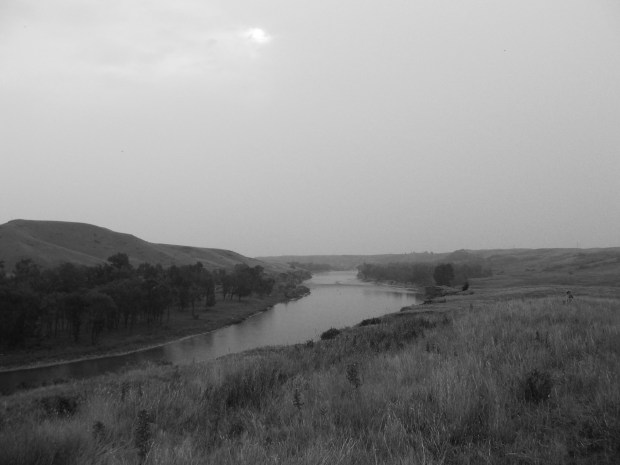
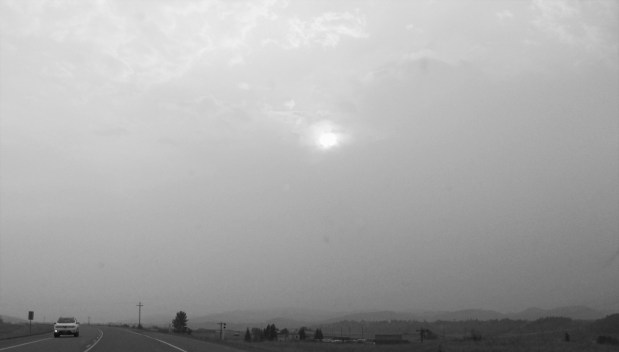
August. Hot as “H”. A Sky full of smoke. Looks like a smog blanket in Beijing. It’s burning west of here. In British Columbia. The residue is drifting eastward. We had almost two months of it last year. To quote Yogi Berra, ” It’s Deja Vu all over again”. Cool, clear Rocky Mountain air… total myth. It’s a heat wave. Fires are burning. And I’m casting flies/fries under a Beijing sky.

smoke4

smokey sky

smoke

on pmd size 18

smoke8

smoke6

smoke7

river 10am

smoke1

rainbow on pmd, size 18

smoke3

cdc pmd size18

smoke5


small tailwater flies

The flow has finally dropped on a local tailwater river. There are now many more targets for the dry-fly angler. Many of the softest feeders I spotted in the shallows were Cutthroats and the hybrid, Cutt-Bows. They were often much more demanding and discriminating than the other risers. It’s mainly small flies hatching, Pmd’s size 18, 16. Challenging at times…with the slower water many rise to duns.

DSCN5197 (2)

cdc

DSCN5199 (2)

DSCN5189mit

DSCN5195 (2)

head on


DSCN5194 (2)

DSCN5183 (2)

DSCN5204 (2)

DSCN5184 (2)


late july ties

Simple Pale Morning emerger and dun patterns that I’ve been casting this summer. This hatch is still going  quite strong on a few nearby tailwater rivers. And some small grasshopper flies I hope to use in the upcoming weeks.


coulee trout

Sunlight finally fills the ravine. The river can now be searched from above. Climb out and up. Follow a deer or cattle path. Perch on the edge. Watch for life. Look for movement in the flow. Then drop back down…

DSCN5125x

DSCN5143

brown taken on size 16 pmd

DSCN5121

DSCN5130

DSCN5148

DSCN5120

DSCN5151x

looking west; continental divide

DSCN5146x

rainbow on pmd
DSCN5117


summer, sort of

Over the long weekend I went to 3 rivers to see how they are shaping-up. It was unsettled weather: cool and high winds. The dry-fly fishing is improving daily. Hatches are strengthening. Some trout are willing to rise. Here are some photos from Saturday’s outing. All trout taken on small dries under a big sky…
DSCN4994 (2)

DSCN4991 (3

DSCN5001 (3)

DSCN4993 (2)

DSCN5005 (2)

DSCN4999

DSCN5003 (2)

brown trout

DSCN5004 (2)


the riffles

DSCN4986 (3)

a riffle trout

When looking for rising trout I watch the flat water river sections first. That’s where they are easiest to spot. If there is no activity then I search the riffles. Trout in this location are much more challenging to find due to the water being broken and faster. Throw in river glare and spotting can be especially daunting. So I focus on very shallow sections. Often  water just six inches to one foot depth. Large trout feeding sub-surface in very skinny water occasionally break the surface, and therefore make noise and notify you that they are around. Sometimes it’s barely perceptible above the constant sound of the flowing water. But you get good at hearing it. You just have to stay in one place for a while and listen. Large trout in the shallow riffles also push or displace water as they intercept nymphs and emergers, and occasionally rise for a dun. Their feeding can disturb and slightly change the riffle surface pattern. Again, almost imperceptible. You have to concentrate and watch the water to notice. It’s all subtle. You have to observe and concentrate…kind of the key to learning and becoming a better fly angler or really a better anything.

DSCN5008 (2)

riffles

The trout in these ultra-shallow areas can often be enticed to take a dry-fly or a dangling emerger pattern. On my broad local tailwater river fish hooked in the riffles sometimes have to sprint 40, 50, 60 yards before they get to the main deeper flow. Thrilling first runs. Thrilling stuff.

DSCN4987 (2)

simple dangling fly, black wing for glare

Of course an angler can fish the riffles blind by swinging a streamer or prospect with a nymph below a strike indicator, or below a big dry-fly. These can be effective ways to cover these bumpy areas and catch trout.

I find spotting them first before casting, however, requires all of your senses and observation skills, and the practice further develops and hones your angling abilities. A decade ago I would have walked by the riffle stretch I fished this past Sunday afternoon and spotted nothing. It’s the same now as it was then…but now I see (and hear) more.

DSCN4985

trout in riffles